సిముకుడు
శాతవాహన వంశ స్థాపకుడు. పశ్చిమ కనుమలలోని నానాఘాట్లో ఒక శిల్పం పైన ఉన్న పేరు పలకపై ఆయన పేరు ఉంది. పురాణాలు ఆయనను మొదటి ఆంధ్ర రాజు అంటాయి. జేమ్స్ బర్జెస్ నమోదు చేసిన తెలుగు దేశపు ఒక సంప్రదాయం ఒక పౌరాణిక స్థాపకునికి కృష్ణ మీది శ్రీకాకుళంలో మొదటి రాజధాని ఇచ్చింది. పండితుని బట్టి ఆయన తేదీలు క్రీ.పూ. 3వ శతాబ్దం చివర నుంచి క్రీ.పూ. 1వ శతాబ్దం వరకు ఉన్నాయి.
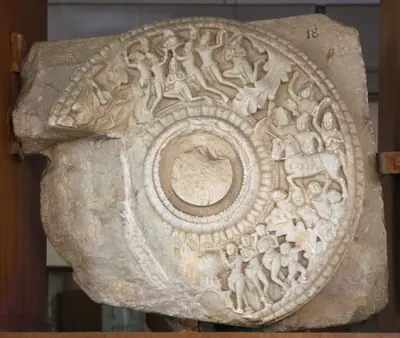
సిముకుడు శాతవాహన వంశపు మొదటి రాజు. ఆయన పాలన గురించి దాదాపు ఏమీ తెలియదు. నానాఘాట్ పూణే, నాసిక్ మధ్య పశ్చిమ కనుమలలోని ఒక కనుమ.123 దాని గుహలో, శిథిలమైన శిల్పాల వరుసలో ఒకదాని పైన చెక్కిన పేరు పలక ఆయన పేరును ఇస్తుంది: “రాయ సిముక సాతవాహనో”, “రాజు సిముక శాతవాహన”.123 ఈ పేరు పలకే వంశపు కుటుంబ నామాన్ని నిర్ణయిస్తుంది.2
పురాణాలలో
పురాణ రాజుల జాబితాలు మొదటి ఆంధ్ర రాజు పేరును శిశుక, శిప్రక, సింధుక వంటి వికృత రూపాలలో ఇస్తాయి.45 ఇ. జె. రాప్సన్ (E. J. Rapson), జేమ్స్ బర్జెస్ (James Burgess) ఇద్దరూ వీటిని నానాఘాట్ సిముకుని వికృత రూపాలుగా భావించారు.45
పురాణాల ప్రకారం, మగధ కణ్వ వంశపు చివరి రాజు సుశర్మను చంపి ఆయన అధికారంలోకి వచ్చాడు.6 భాగవత పురాణం ఆయనను “బలవంతుడైన శూద్రుడు” అని మాత్రమే వర్ణిస్తుంది.6 పురాణాలు ఆయనకు 23 సంవత్సరాల పాలన ఇస్తాయి. వాటిలో చాలా రెండవ రాజు కృష్ణుని ఆయన సోదరునిగా చేస్తాయి.74
విన్సెంట్ స్మిత్ (Vincent Smith) సిముకునికి కణ్వ కథను తిరస్కరించారు. ఆయన లెక్కలో చివరి కణ్వ రాజు వంశం మొదలైన చాలా కాలం తర్వాత, దాదాపు క్రీ.పూ. 28లో పడిపోయాడు. కాబట్టి సుశర్మను చంపినవాడు తర్వాతి ఆంధ్ర రాజు అయి ఉండాలి.89
తేదీలు
రచయితలు సిముకుడిని చాలా భిన్నంగా ఉంచారు:
- రాప్సన్ (1908): అశోకుని మరణం (క్రీ.పూ. 232) తర్వాత కొద్ది కాలానికే వంశం పుట్టింది. మూడవ రాజు శ్రీ శాతకర్ణి దాదాపు క్రీ.పూ. 168లో పాలిస్తున్నాడు.101
- స్మిత్ (1924): వంశం దాదాపు క్రీ.పూ. 240 లేదా 230లో మొదలైంది. అశోకుని పాలన ముగింపులో లేదా కొద్ది కాలం తర్వాత సిముకుడు స్వాతంత్ర్యం ప్రకటించుకున్నాడు. ఆయన నానాఘాట్ పేరు పలక లిపిని దాదాపు క్రీ.పూ. 200 నాటిదిగా చెప్పారు.91112
- స్మిత్ను అనుసరించి రాబర్ట్ సూయెల్ (Robert Sewell) (1932): దాదాపు క్రీ.పూ. 220లో సింహాసనారోహణ, 23 సంవత్సరాల పాలన.7
- అజయ్ మిత్ర శాస్త్రి (1987): కోటిలింగాల తదితర చోట్ల దొరికిన స్థానిక రాజుల నాణేలు శాతవాహనులకు ముందువి. కాబట్టి ఈ వంశం క్రీ.పూ. 1వ శతాబ్దం మధ్యకు ముందు పుట్టి ఉండదు.13
- రచనా లోడాయ (సిద్ధాంత గ్రంథం, 2011 కంటే ముందుది కాదు): స్థానిక రాజు సమగోపను తొలగించి, సిముకుడు దాదాపు క్రీ.పూ. 52లో కరీంనగర్ ప్రాంతంలో పాలన ప్రారంభించాడు.14
నానాఘాట్ శాసనాలు
సిముకునితో పాటు, నానాఘాట్ శిల్పాలపై ఉన్న పేరు పలకలు రాణి నాయనిక, రాజు శ్రీ శాతకర్ణి, చాలా మంది రాకుమారుల పేర్లు చెబుతాయి.115 జి. బ్యూలర్ (G. Bühler)ను అనుసరించి, రాప్సన్ శ్రీ శాతకర్ణిని “రాజు సిముక శాతవాహనుని కొడుకు”గా చదివారు.115
సుదీర్ఘ నానాఘాట్ శాసనం గొప్ప యాగాలను, బ్రాహ్మణులకు దానాలను నమోదు చేస్తుంది. బర్జెస్ దానిని సిముకునికే ఆపాదించారు.16 రాప్సన్ దానిని తన కొడుకు తరఫున రాజప్రతినిధిగా వ్యవహరించిన శ్రీ శాతకర్ణి వితంతువు రాణి నాయనికకు ఆపాదించారు.17 శ్రీ శాతకర్ణి చూడండి.
సిముకుడు, తెలుగు దేశం
ఈ ఆధారాలలో తెలుగు దేశం నుంచి సిముకుని శాసనం ఏదీ తెలియదు. మొదటి ఆంధ్ర రాజధాని మచిలీపట్నం (అప్పుడు మసులిపటం)కు దాదాపు పందొమ్మిది మైళ్ల పడమరగా, కృష్ణ మీది శ్రీకాకుళంలో ఉండేదనే సంప్రదాయాన్ని బర్జెస్ నమోదు చేశారు.165 ఈ సంప్రదాయంలో సుమతి అనే పౌరాణిక చక్రవర్తి దానిని స్థాపించాడు, “ఆయన అంటే బహుశా సిముకుడే”.165
1907 నాటి గోదావరి జిల్లా గెజిటీర్ శ్రీకాకుళం సంప్రదాయాన్ని మళ్లీ చెప్పింది.18 అప్పటి నుంచి నది పాత స్థలాన్ని కోసివేసిందని స్మిత్ గుర్తించారు.11
అయితే సిముకుని నాణేలు పాత కరీంనగర్ జిల్లాలో గోదావరి ఒడ్డున ఉన్న కోటిలింగాల నుండి నమోదయ్యాయి.1920 1978లో పి. వి. పరబ్రహ్మశాస్త్రి వాటిని గుర్తించారు.19 అవే సిముకుని తెలిసిన ఏకైక నాణేలని, వాటిపై ఆయన పేరు ఛిముక అని ఉందని 1987లో అజయ్ మిత్ర శాస్త్రి రాశారు.20
అమరావతిలోని ఒక విరిగిన శాసనం “రాజు శ్రీ శివమక సద” పేరు చెబుతుంది. ఇది నానాఘాట్ సిముకుడేనా అని బర్జెస్ ఆలోచించారు.21 రాప్సన్ ఆయనను చాలా తర్వాతి శివ శ్రీ శాతకర్ణిగా గుర్తించడానికి ఇష్టపడ్డారు. ఆయన అసలు శాతవాహనుడేనా అని డి. సి. సర్కార్ (D. C. Sircar) సందేహించారు.2223 అమరావతి శాసనం (శివమక సద) చూడండి.
Footnotes
-
E. J. Rapson, Catalogue of the Coins of the Andhra Dynasty, the Western Ksatrapas, the Traikutaka Dynasty, and the “Bodhi” Dynasty (1908), p. xviii (archive.org (opens in a new tab)). ↩ ↩2 ↩3 ↩4 ↩5
-
K. P. Jayaswal and R. D. Banerji, “The Hathigumpha Inscription of Kharavela”, Epigraphia Indica XX (1933), p. 74 (archive.org (opens in a new tab)). ↩ ↩2 ↩3
-
Rapson, Catalogue of the Coins of the Andhra Dynasty (1908), p. xlii (archive.org (opens in a new tab)). ↩ ↩2
-
Rapson, Catalogue of the Coins of the Andhra Dynasty (1908), p. xix and nn. 3–4 (archive.org (opens in a new tab)). ↩ ↩2 ↩3
-
Burgess, Amaravati and Jaggayyapeta (1887), p. 4 and n. 1 (archive.org (opens in a new tab)). ↩ ↩2 ↩3 ↩4
-
Rapson, Catalogue of the Coins of the Andhra Dynasty (1908), p. lxiv (archive.org (opens in a new tab)). ↩ ↩2
-
Robert Sewell, The Historical Inscriptions of Southern India (1932), p. 324 (archive.org (opens in a new tab)). ↩ ↩2
-
Vincent A. Smith, The Early History of India, 4th ed. (1924), p. 216 (archive.org (opens in a new tab)). ↩
-
Smith, Early History of India (1924), p. 217 (archive.org (opens in a new tab)). ↩ ↩2
-
Rapson, Catalogue of the Coins of the Andhra Dynasty (1908), p. xxvi (archive.org (opens in a new tab)). ↩
-
Smith, Early History of India (1924), p. 218 and n. 2 (archive.org (opens in a new tab)). ↩ ↩2
-
Smith, Early History of India (1924), p. 230 (archive.org (opens in a new tab)). ↩
-
Ajay Mitra Shastri, Early History of the Deccan: Problems and Perspectives (1987), p. 9 (archive.org (opens in a new tab)). Cite-only; paraphrased. ↩
-
Rachna Shamji Lodaya, An Integrated Approach to the Pre-Satavahana Coinage of the Deccan (PhD thesis, Deccan College, Pune, not before 2011), p. 130 (archive.org (opens in a new tab)). Cite-only; paraphrased. ↩
-
Rapson, Catalogue of the Coins of the Andhra Dynasty (1908), p. xlvi (archive.org (opens in a new tab)). ↩ ↩2
-
James Burgess, The Buddhist Stupas of Amaravati and Jaggayyapeta (1887), p. 3 (archive.org (opens in a new tab)). ↩ ↩2 ↩3
-
Rapson, Catalogue of the Coins of the Andhra Dynasty (1908), p. xlv (archive.org (opens in a new tab)). ↩
-
F. R. Hemingway, Madras District Gazetteers: Godavari (1907), p. 18 (archive.org (opens in a new tab)). ↩
-
V. V. Krishna Sastry, Proto and Early History of the Karimnagar Region (PhD thesis, Karnatak University, 1978), pp. 204, 211 (archive.org (opens in a new tab)). Cite-only; paraphrased. ↩ ↩2
-
Shastri, Early History of the Deccan: Problems and Perspectives (1987), p. 12 (archive.org (opens in a new tab)). Cite-only; paraphrased. ↩ ↩2
-
Burgess, Amaravati and Jaggayyapeta (1887), p. 61, n. 2 (archive.org (opens in a new tab)). ↩
-
Rapson, Catalogue of the Coins of the Andhra Dynasty (1908), p. lii (archive.org (opens in a new tab)). ↩
-
D. C. Sircar, “Two Inscriptions from Guntur District”, Epigraphia Indica XXXII (1959), pp. 84–85 (archive.org (opens in a new tab)). ↩
సంబంధిత
రాజవంశాలు
ఆధారసూచికలు
గమనికలు (0)
ఆధారాలు (10)
ఈ పేజీలో పొరపాటు కనిపించిందా? మాకు తెలియజేయండి
చివరి సవరణ: