Gudivada (Sarvasiddhi)
Village in the old Sarvasiddhi taluk of Visakhapatnam district, near Yellamanchili. A landholding family here kept three copper-plate grants of the Eastern Chalukya king Jayasimha I. Their editor identified the village with the Kulivataka or Kudivada of the grants, in the Plakki district. It is not to be confused with Gudivada in Krishna district.
Gudivada is a village of what was the Sarvasiddhi taluk of Visakhapatnam district.1 M. Somasekhara Sarma, writing in 1960, described it as the home of a landholder, Pericherla Peddiraju.1 Three sets of copper plates of the Eastern Chalukya king Jayasimha I had long been kept in his house.1 Where and when they were first found was not known.1 It is a different place from the better-known Gudivada in the Krishna delta.
The Imperial Gazetteer of 1908 described Sarvasiddhi as a coastal taluk in the south of Visakhapatnam district, of 341 square miles and 152 villages.2 It lay between 17° 15′ and 17° 40′ N and 82° 31′ and 83° 1′ E.2 Its headquarters were at Yellamanchili.2 The pleader who borrowed the plates for their editor lived in that town.1
The village in the grants
Somasekhara Sarma identified Gudivada with the Kulivataka of the first grant, the Kudivada of the second and the Kudivata of the third.3 All three grants concern land in or next to it.3 He thought it must have adjoined the unidentified villages of Adivasa and Kunduru.34 He noted that some families in the village still bore the name Kunduru.34
He placed the Plakki district of the grants in the Sarvasiddhi and Anakapalli taluks.5 He suggested that the name of the taluk itself goes back to Jayasimha I, who bore the surname Sarvasiddhi.5 See the Gudivada plates of Jayasimha I.
Footnotes
-
M. Somasekhara Sarma, “Three Grants of Chalukya Jayasimha I”, Epigraphia Indica XXXI (1955–56, publ. 1960), p. 129 (archive.org (opens in a new tab)). ↩ ↩2 ↩3 ↩4 ↩5
-
Imperial Gazetteer of India: Madras, Vol. I (1908), p. 260 (archive.org (opens in a new tab)). ↩ ↩2 ↩3
-
Somasekhara Sarma, “Three Grants of Chalukya Jayasimha I” (1960), p. 131 (archive.org (opens in a new tab)). ↩ ↩2 ↩3 ↩4
-
Somasekhara Sarma, “Three Grants of Chalukya Jayasimha I” (1960), p. 134 (archive.org (opens in a new tab)). ↩ ↩2
-
Somasekhara Sarma, “Three Grants of Chalukya Jayasimha I” (1960), p. 132 and note 1 (archive.org (opens in a new tab)). ↩ ↩2
Photos
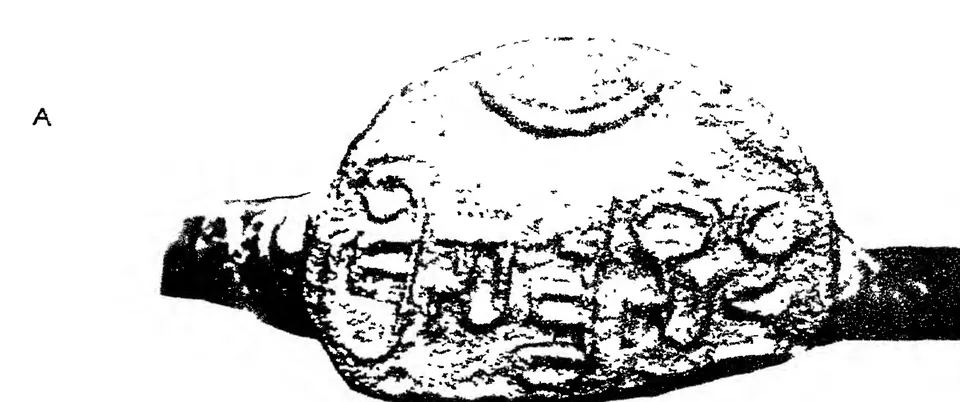
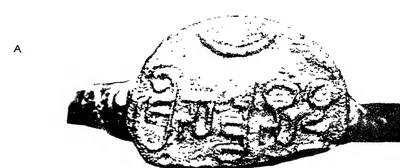 "Seals (A)", seal A, of grant No. 1 (Epigraphia Indica XXXI, Plate II, after p. 137 (PDF p. 221))Historic photograph · 1960
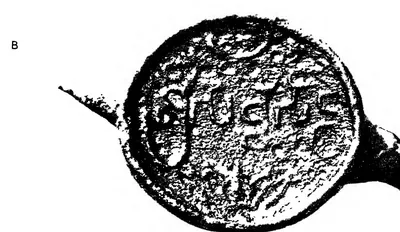 "Seals (B)", seal B, of grant No. 2 (Epigraphia Indica XXXI, Plate II, after p. 137 (PDF p. 221))Historic photograph · 1960
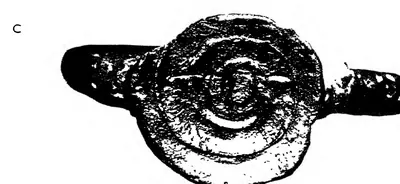 "Seals (C)", seal C, of grant No. 3 (Epigraphia Indica XXXI, Plate II, after p. 137 (PDF p. 221))Historic photograph · 1960
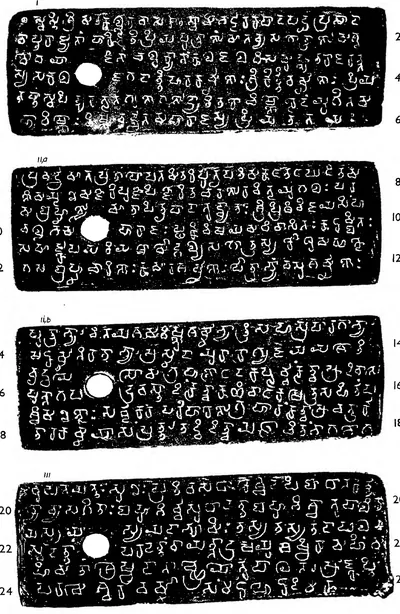 "Three Grants of Chalukya Jayasimha — A.—Grant No. 1, Year 18", plates i, ii a, ii b and iii (Epigraphia Indica XXXI, Plate I, after p. 131 (PDF p. 211))Inscription rubbing · 1960
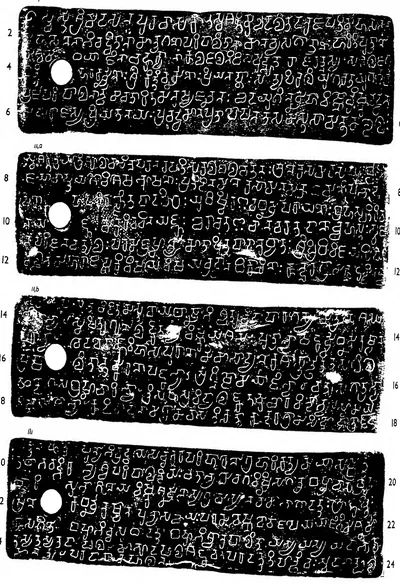 "Three Grants of Chalukya Jayasimha — B.—Grant No. 2", plates i, ii a, ii b and iii (Epigraphia Indica XXXI, Plate I, between pp. 132 and 133 (PDF p. 213))Inscription rubbing · 1960
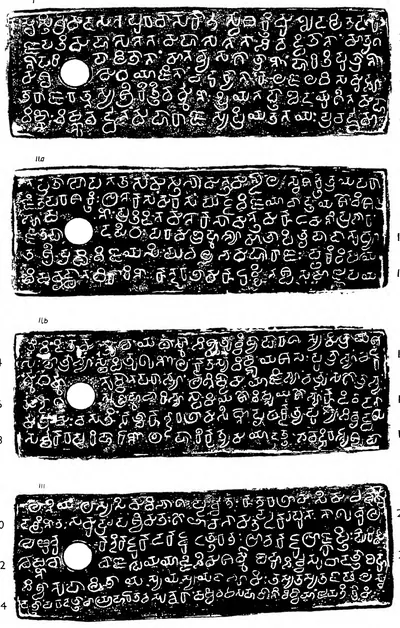 "Three Grants of Chalukya Jayasimha — C.—Grant No. 3", plates i, ii a, ii b and iii (Epigraphia Indica XXXI, Plate II, after p. 137 (PDF p. 220))Inscription rubbing · 1960
Related
Inscriptions
References
Notes (0)
Sources (2)
Spotted an error on this page? Tell us
Last updated: