Umamahesvaram
Hill shrine of Siva near Achampet in the Mahbubnagar district, known as the northern gateway of Srisailam. The Recherla chief Mada Nayaka of Devarakonda built a pavilion for the god here in 1377.
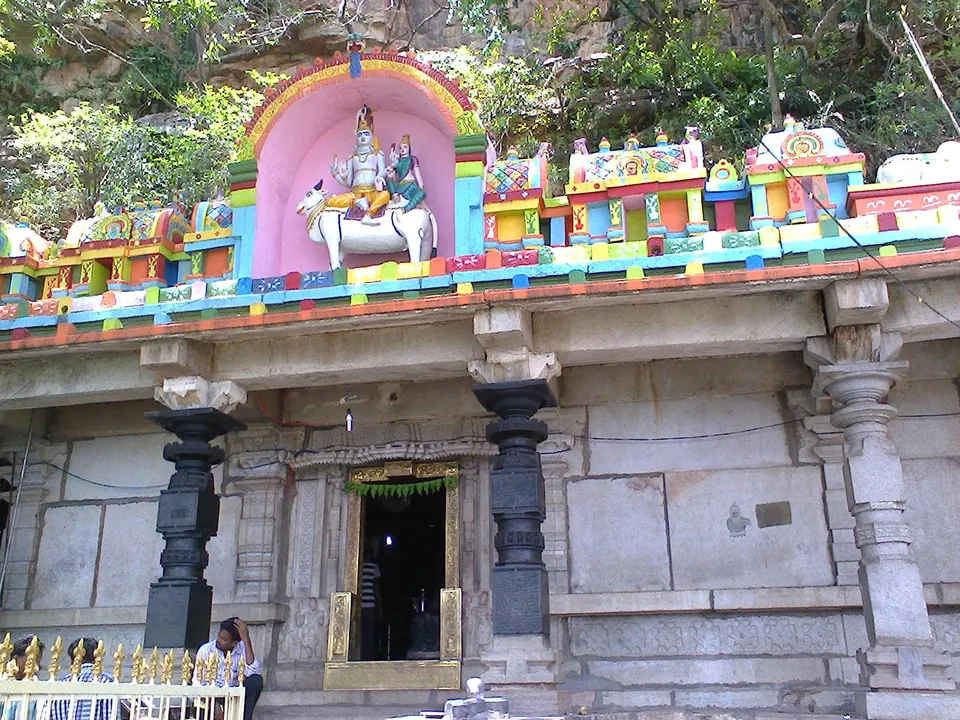
Umamahesvaram is a shrine of Siva and Parvati on a hill about two miles from the village of Rangapuram. Rangapuram lies five or six miles from Achampet in the Mahbubnagar district. P. Sreenivasachar published its inscriptions in 1956, and he described it as a shrine well known as the northern gateway of Srisailam.1 The 1910 chronicle of the Velugoti family places the same temple in the Amarabad taluk.2
The inscriptions
The Corpus of 1956 prints nine inscriptions from the site, Nos. Mn. 35 to 43.1345 They were found on pillars, slabs and rocks in and around three temples:1345
- the Umamahesvara temple1345
- the Adi-Umamahesvara temple to its left1345
- the temple of Lower Umamahesvaram, a mile and a half away1345
The most important is a Telugu and Sanskrit record of the Recherla chief Mada (Madhava) Nayaka of Devarakonda.16 It records that he built a pavilion for the god Mahesvara in Saka 1298 (Saka is an Indian way of counting years), the year Nala, in the month Phalguna (early 1377).16 It also gives a long genealogy of his family.16 See the Umamahesvaram inscription of Mada Nayaka and Mada Nayaka.
Alladi Jagannatha Sastri’s family history of 1922 calls Mada’s work “a huge rock-temple” at “a holy place at the northern foot of Srisailam”.7 The volume Epigraphia Telanganica also lists a Sanskrit inscription on a pillar of the temple’s hall.8 It records the installation of images of Parvati, Nandi and Kesava by a follower of the ascetic Sadananda.8 It is dated either Saka 1320 (1398) or Saka 1520.8
Footnotes
-
P. Sreenivasachar (ed.), A Corpus of Inscriptions in the Telingana Districts of Andhra Pradesh, Part III (1956), p. 72, No. Mn. 35 (archive.org (opens in a new tab)). Paraphrased. ↩ ↩2 ↩3 ↩4 ↩5 ↩6 ↩7 ↩8 ↩9
-
Vellala Sadasiva Sastri, Velugotivari Vamsacaritramu (1910), appendix, p. 31, inscription No. 10 (archive.org (opens in a new tab)). Telugu; paraphrased. ↩
-
Sreenivasachar (ed.), Corpus, Part III (1956), pp. 78–80, Nos. Mn. 36–38 (archive.org (opens in a new tab)). Paraphrased. ↩ ↩2 ↩3 ↩4 ↩5
-
Sreenivasachar (ed.), Corpus, Part III (1956), p. 84, Nos. Mn. 40–41 (archive.org (opens in a new tab)). Paraphrased. ↩ ↩2 ↩3 ↩4 ↩5
-
Sreenivasachar (ed.), Corpus, Part III (1956), p. 91, Nos. Mn. 42–43 (archive.org (opens in a new tab)). Paraphrased. ↩ ↩2 ↩3 ↩4 ↩5
-
Sreenivasachar (ed.), Corpus, Part III (1956), p. 73, No. Mn. 35 (archive.org (opens in a new tab)). Paraphrased. ↩ ↩2 ↩3
-
Alladi Jagannatha Sastri, A Family History of Venkatagiri Rajas (1922), p. 24 (archive.org (opens in a new tab)). ↩
-
Gajjala Vasanta Lakshmi (ed.), Epigraphia Telanganica, vol. 4 (2023), p. 33, No. 15. Cite-only; paraphrased. ↩ ↩2 ↩3
Photos
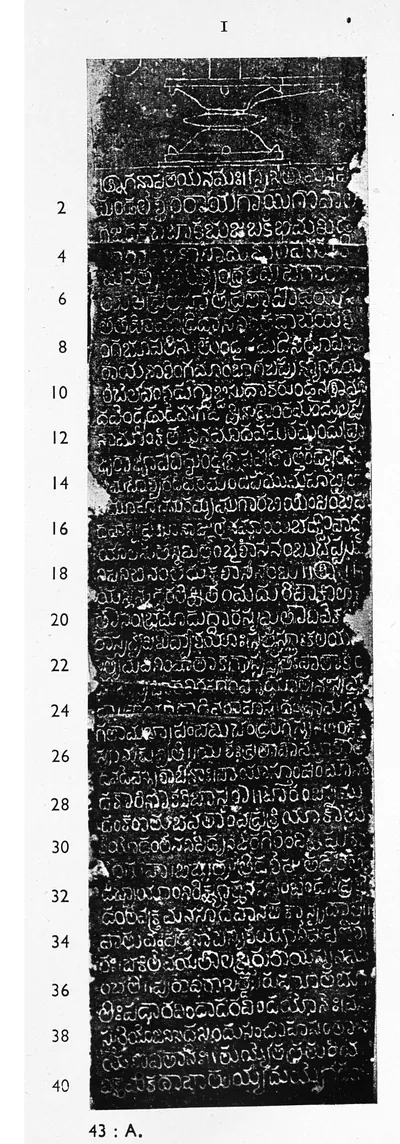 "Umamahesvaram inscription of Recerla Madhava-naya", face I (Corpus of Inscriptions in the Telingana Districts, Part III, plate 21, panel 43 : A)Inscription rubbing · 1956
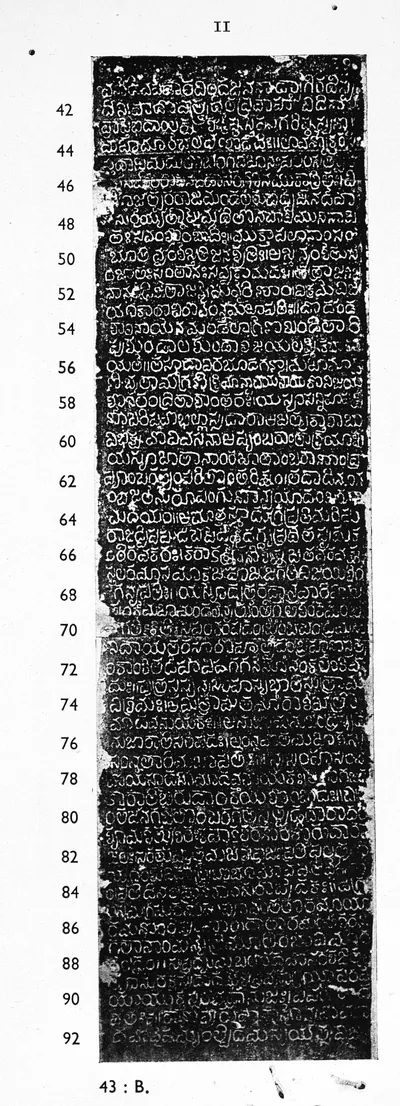 "Umamahesvaram inscription of Recerla Madhava-naya", face II (Corpus of Inscriptions in the Telingana Districts, Part III, plate 21, panel 43 : B)Inscription rubbing · 1956
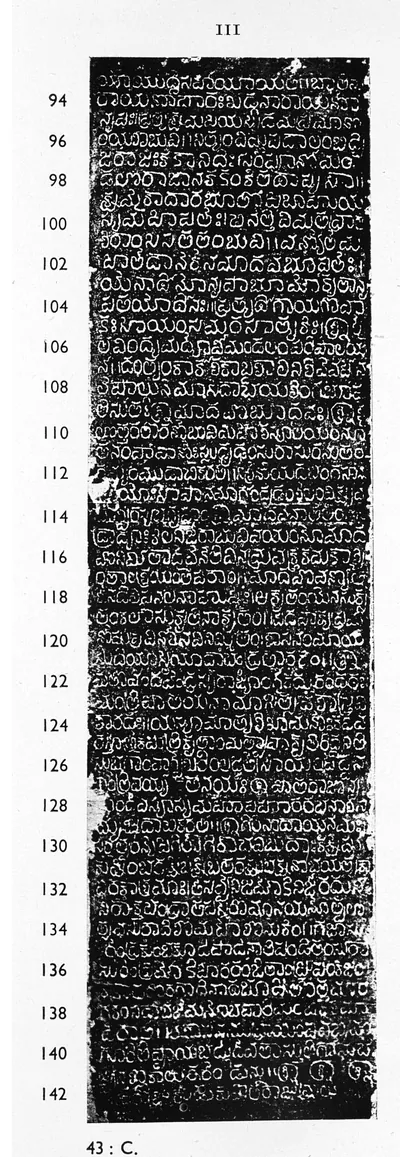 "Umamahesvaram inscription of Recerla Madhava-naya", face III (Corpus of Inscriptions in the Telingana Districts, Part III, plate 22, panel 43 : C)Inscription rubbing · 1956
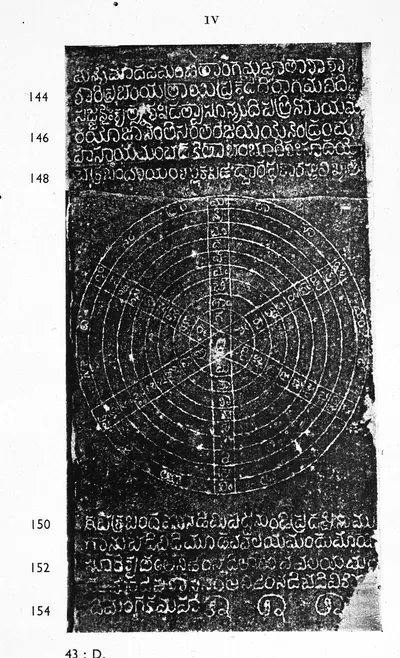 "Umamahesvaram inscription of Recerla Madhava-naya", face IV (Corpus of Inscriptions in the Telingana Districts, Part III, plate 22, panel 43 : D)Inscription rubbing · 1956
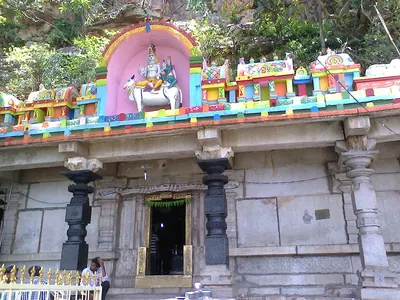 Front of the Umamahesvara temple at UmamahesvaramPhotograph · 2013
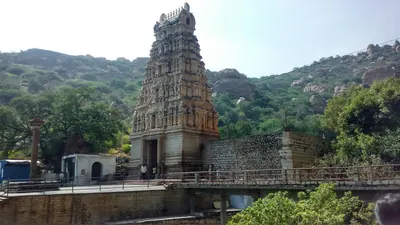 Umamahesvara temple, Umamahesvaram, with its gateway towerPhotograph · 2017
References
Notes (0)
Sources (4)
Spotted an error on this page? Tell us
Last updated: