ఘంటసాల
కృష్ణా డెల్టాలో మచిలీపట్నానికి పడమరన ఉన్న గ్రామం. 1892లో ఎ. రియా తవ్విన పెద్ద ఇటుక బౌద్ధ స్తూపం ఇక్కడ ఉంది. దాని నుంచి వచ్చిన చెక్కిన సున్నపురాతి పలకలు, శాసనాలున్న స్తంభాలు గ్రామం అంతటా చెల్లాచెదురుగా మిగిలి ఉన్నాయి.
ఘంటసాల మచిలీపట్నం (అప్పుడు మసులిపటం)కు పదమూడు మైళ్లు పడమరన ఉన్న గ్రామం.1 19వ శతాబ్దంలో ఇది కృష్ణా జిల్లాలోని చల్లపల్లి (త్సల్లపల్లి) జమీందారీ (భూస్వామి ఎస్టేట్)కు చెందినది.1
స్తూపం
గ్రామానికి ఈశాన్యంగా, పొలాల మధ్య, లంజ దిబ్బ అనే గుండ్రని దిబ్బ ఉంది.1 1892లో దాని వెడల్పు సుమారు 112 అడుగులు, ఎత్తు 23 అడుగులు.1 1870–71 నాటి తన నివేదికలలో బోస్వెల్ దాన్ని గుర్తించారు.1 1882 నాటి సూయెల్ Lists (జాబితాలు) దాన్ని తాను సందర్శించని శిథిల బౌద్ధ స్తూపం (ధాతువుల దిబ్బ)గా మాత్రమే నమోదు చేశాయి.12
1892లో అలెగ్జాండర్ రియా (Alexander Rea) ఆ దిబ్బను తవ్వారు.1 ఏకకేంద్ర వృత్తాలుగా, కేంద్రం నుంచి బయటకు వెళ్లే గోడలుగా ఉన్న అసాధారణ నమూనా గల స్తూపపు ఇటుక పునాదులను ఆయన బయటపెట్టారు.1 అమరావతిలోని తర్వాతి పనికి కొంచెం తర్వాతిదిగా రియా దాని కాలాన్ని నిర్ణయించారు.1
గ్రామంలో, దాని చుట్టూ శిల్పాలు చెక్కిన పలకలు దొరికాయి.34 వాటిలో బుద్ధుడి పాదముద్ర పలక, ఒక స్తూపాన్ని చూపించే చైత్య పలక, బోధి వృక్షానికి పూజను చూపించే పలక ఉన్నాయి.34 అవి అమరావతి పలకల శైలిలోనే ఉన్నాయి.34 ఘంటసాల స్తూపం పేజీ చూడండి.
చెల్లాచెదురైన అవశేషాలు
గ్రామస్తులు చాలా కాలంగా స్తూపపు పాలరాళ్లను వాడుకున్నారు.56 అష్టభుజి స్తంభాలు సరిహద్దు రాళ్లుగా, అచ్చుపోసిన ఆధారాలు ధాన్యం దంచే రోళ్లుగా పనికొచ్చాయి. ఒక ఛత్ర శిలను ఒక పూజారి ఇంట్లో ఉంచారు.56 జలధీశ్వర ఆలయంలో నిలిపిన ఒక స్తంభంపై చాలా శాసనాలు ఉన్నాయి.7 రెండు పొడవైన శాసనాలు పాత తెలుగు అక్షరాలలో ఉన్నాయి. ఒక వైపు పాత తెలుగు శాసనం పైన పాళీలో మరొకటి ఉంది.7
కొన్ని పలకలపై బౌద్ధ శిల్పాలను చెక్కేసి, వాటిపై నరసింహుడు, భైరవుడు, సరస్వతి, రతి వంటి హిందూ దేవతలను మళ్లీ చెక్కారు.8
దగ్గరలోని ఇతర ప్రదేశాలు
గ్రామం చుట్టూ ఉన్న ఇతర ప్రాచీన ప్రదేశాలను రియా గుర్తించారు.9 ధర్మకోట అని కూడా పిలిచే బౌద్ధవనం ఉత్తర సరిహద్దులోని బంజరు నేల.9 అక్కడి గుంతలలో పెద్ద ఇటుకలు బయటపడతాయి. తెలుగు శాసనం ఉన్న ఒక ఇత్తడి దీపం, శివుడి చిన్న ఇత్తడి విగ్రహం అక్కడ దొరికాయి.9 దక్షిణ సరిహద్దులోని పొలిమేరదిబ్బలో కూల్చేసిన ఒక దిబ్బ ఉండేది.9 సరిహద్దుకు అవతల దేవరకోటలో సుమారు డెబ్బై అడుగుల వెడల్పు గల తక్కువ ఎత్తు గుండ్రని దిబ్బ మరో స్తూపం కావచ్చు.9
మచిలీపట్నానికి సుమారు పందొమ్మిది మైళ్లు పడమరన కృష్ణా ఒడ్డున ఉన్న శ్రీకాకుళం గ్రామాన్ని కూడా రియా వర్ణించారు.91011 సంప్రదాయం దాన్ని ఆంధ్ర (శాతవాహన) రాజుల మొదటి రాజధానిగా పేర్కొంటుంది.91011 దాని ఆలయంలో అతి పురాతన భాగం 11వ శతాబ్దపు గుడి.91011 ప్రాచీన పట్టణపు జాడ ఏదీ కనిపించలేదు. నది తన ప్రవాహ మార్గాన్ని మార్చుకున్నప్పుడు అది నాశనమైందని చెప్పేవారు.91011
తర్వాతి ప్రస్తావనలు
1927–28లో ఘంటసాలలోని బౌద్ధ అవశేషాలకు చిన్న మరమ్మతులు చేసినట్లు పురావస్తు సర్వే నమోదు చేసింది.12 నాగార్జునకొండను తవ్విన ఎ. హెచ్. లాంగ్హర్స్ట్ (A. H. Longhurst) దిగువ కృష్ణా లోయలోని బౌద్ధ స్థావరాలలో ఘంటసాలను జాబితా చేశారు. అప్పుడు నది వాటిని కలిపేదని ఆయన భావించారు.13
Footnotes
-
Alexander Rea, South Indian Buddhist Antiquities (1894), p. 32 (archive.org (opens in a new tab)). ↩ ↩2 ↩3 ↩4 ↩5 ↩6 ↩7 ↩8 ↩9
-
Robert Sewell, Lists of the Antiquarian Remains in the Presidency of Madras, Vol. I (1882), p. 54 (archive.org (opens in a new tab)). ↩
-
Rea, South Indian Buddhist Antiquities (1894), p. 33 (archive.org (opens in a new tab)). ↩ ↩2 ↩3
-
Rea, South Indian Buddhist Antiquities (1894), p. 37 (archive.org (opens in a new tab)). ↩ ↩2 ↩3
-
Rea, South Indian Buddhist Antiquities (1894), p. 34 (archive.org (opens in a new tab)). ↩ ↩2
-
Rea, South Indian Buddhist Antiquities (1894), p. 36 (archive.org (opens in a new tab)). ↩ ↩2
-
Rea, South Indian Buddhist Antiquities (1894), p. 35 (archive.org (opens in a new tab)). ↩ ↩2
-
Rea, South Indian Buddhist Antiquities (1894), p. 38 (archive.org (opens in a new tab)). ↩
-
Rea, South Indian Buddhist Antiquities (1894), p. 42 (archive.org (opens in a new tab)). ↩ ↩2 ↩3 ↩4 ↩5 ↩6 ↩7 ↩8 ↩9
-
Rea, South Indian Buddhist Antiquities (1894), p. 43 (archive.org (opens in a new tab)). ↩ ↩2 ↩3 ↩4
-
James Burgess, The Buddhist Stupas of Amaravati and Jaggayyapeta (1887), pp. 3–4 (archive.org (opens in a new tab)). ↩ ↩2 ↩3 ↩4
-
H. Hargreaves (ed.), Annual Report of the Archaeological Survey of India, 1927–28 (1931), p. 4 (archive.org (opens in a new tab)). ↩
-
A. H. Longhurst, The Buddhist Antiquities of Nagarjunakonda (1938), p. 3 (archive.org (opens in a new tab)). ↩
చిత్రాలు
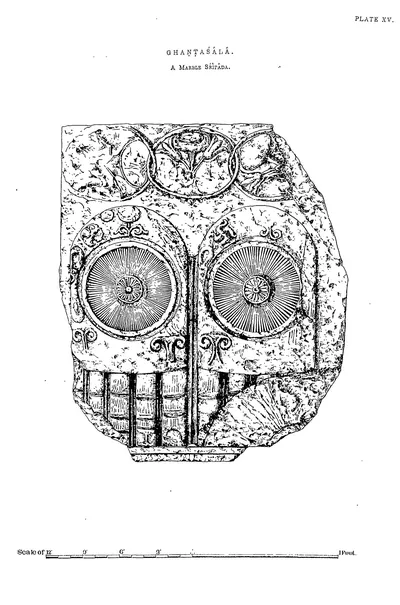 Ghantasala: a marble Sripada (Rea 1894, Pl. XV)రేఖాచిత్రం · 1894
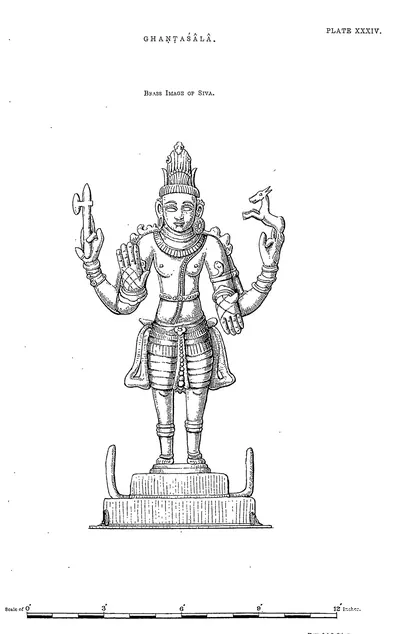 Ghantasala: brass image of Siva (Rea 1894, Pl. XXXIV)రేఖాచిత్రం · 1894
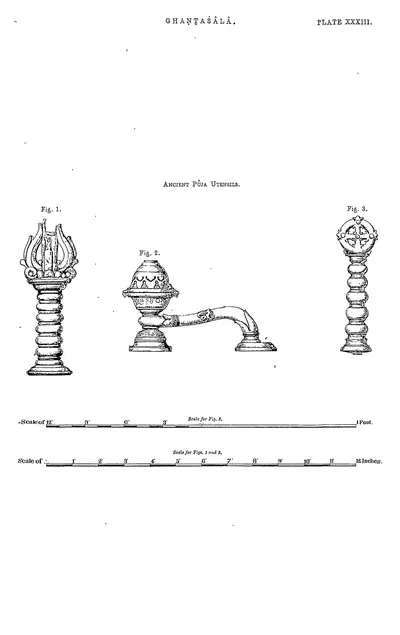 Ghantasala: brass trisula, dipa, and chakra (Rea 1894, Pl. XXXIII)రేఖాచిత్రం · 1894
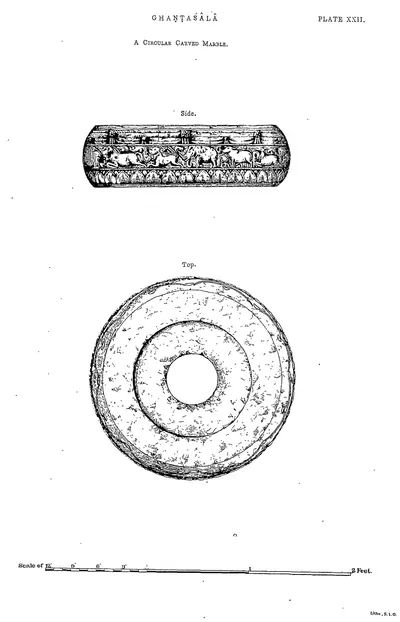 Ghantasala: carved circular band (Rea 1894, Pl. XXII)రేఖాచిత్రం · 1894
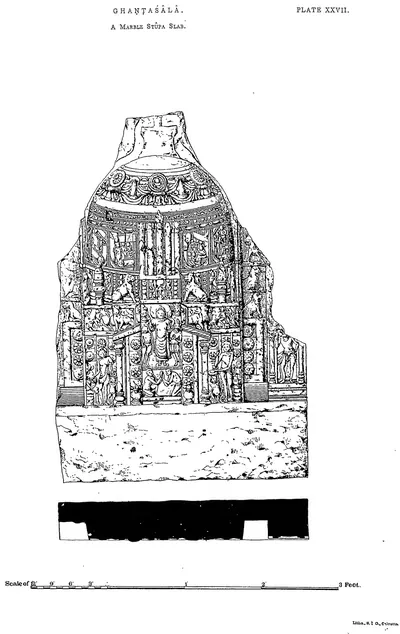 Ghantasala: chaitya slab ("A marble stupa slab") (Rea 1894, Pl. XXVII)రేఖాచిత్రం · 1894
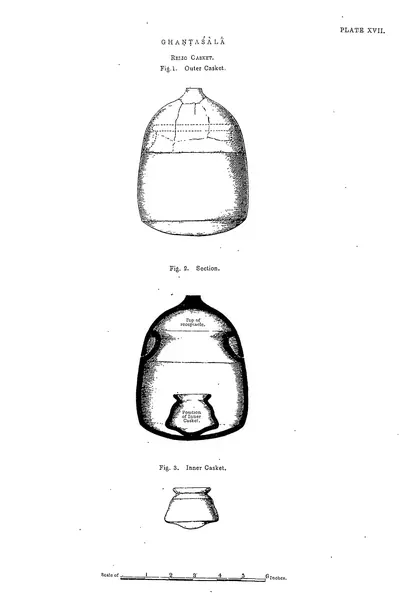 Ghantasala: earthenware relic caskets (Rea 1894, Pl. XVII)రేఖాచిత్రం · 1894
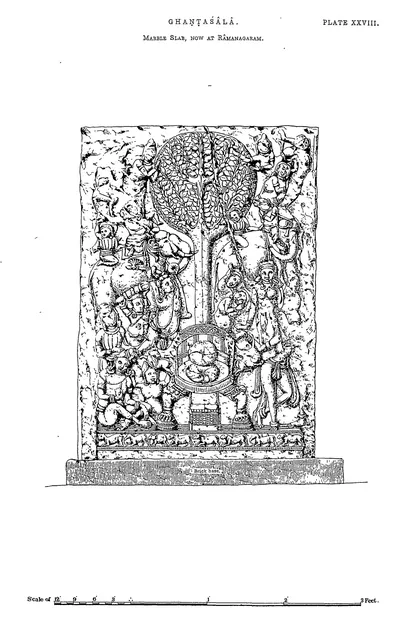 Ghantasala: figure and tree sculptured slab ("Marble slab, now at Ramanagaram") (Rea 1894, Pl. XXVIII)రేఖాచిత్రం · 1894
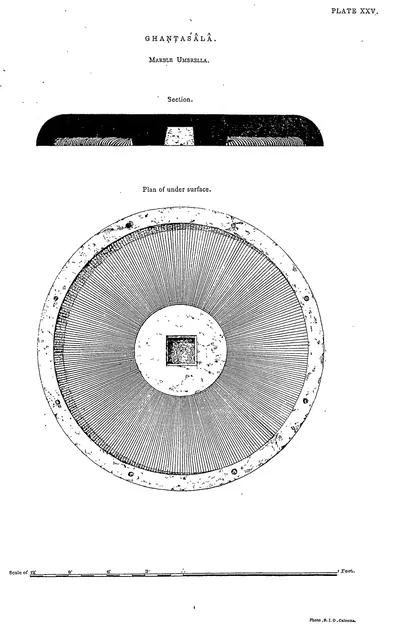 Ghantasala: marble umbrella (Rea 1894, Pl. XXV)రేఖాచిత్రం · 1894
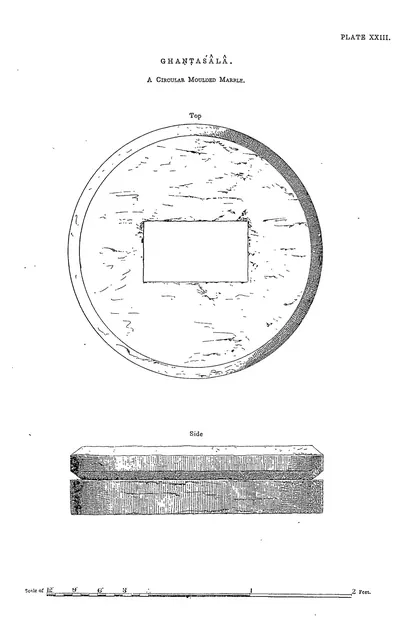 Ghantasala: moulded circular marble with square socket (Rea 1894, Pl. XXIII)రేఖాచిత్రం · 1894
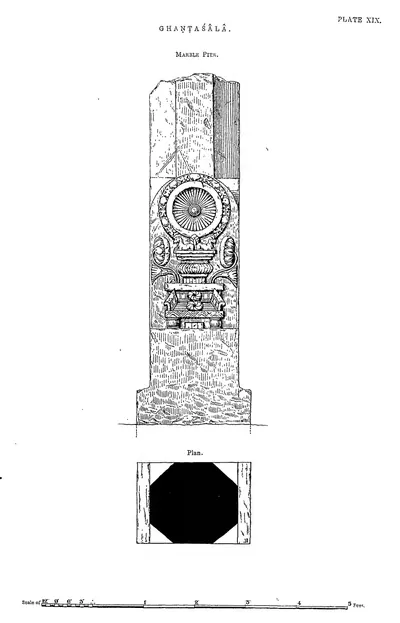 Ghantasala: pier (Rea 1894, Pl. XIX)రేఖాచిత్రం · 1894
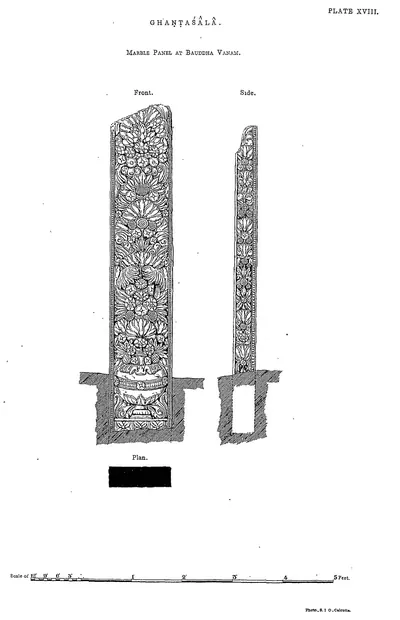 Ghantasala: pier (Rea 1894, Pl. XVIII)రేఖాచిత్రం · 1894
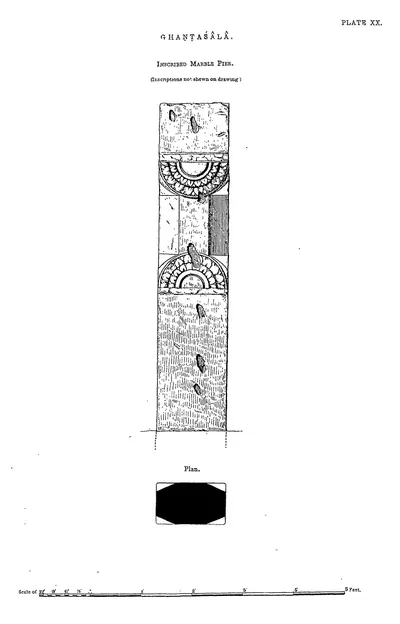 Ghantasala: pier (Rea 1894, Pl. XX)రేఖాచిత్రం · 1894
అన్నీ చూపించు (20)
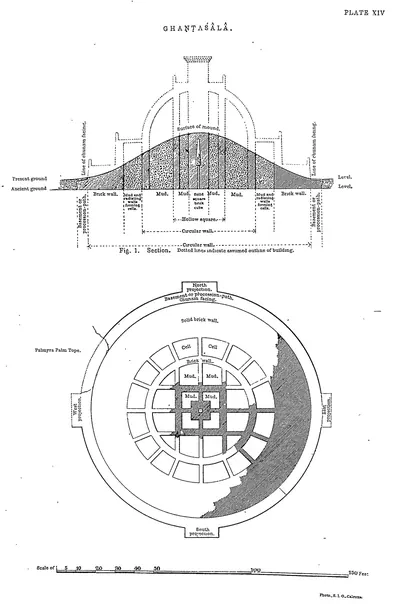 Ghantasala: plan and section of the stupa (Rea 1894, Pl. XIV)నిర్మాణ నక్షా · 1894
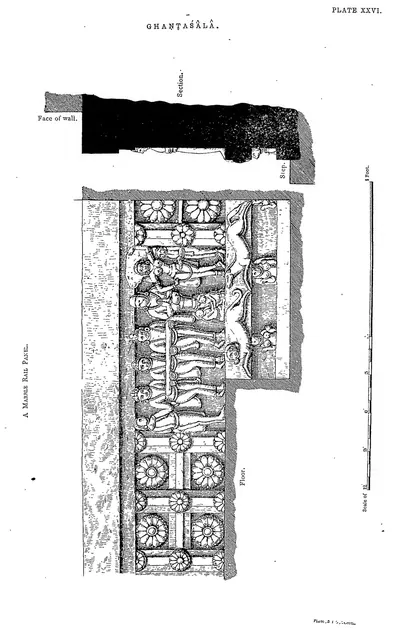 Ghantasala: sculptured rail panel (Rea 1894, Pl. XXVI)రేఖాచిత్రం · 1894
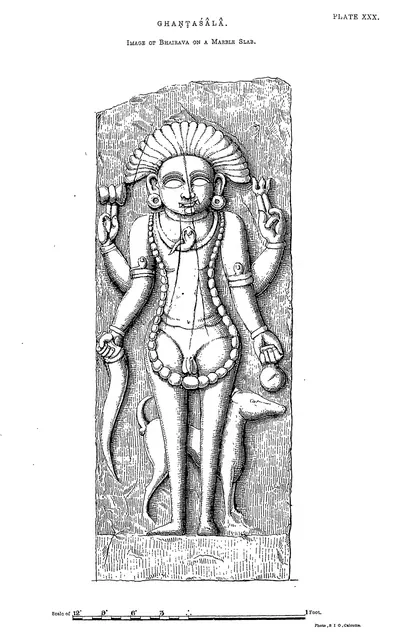 Ghantasala: slab with figure of Bhairava (Rea 1894, Pl. XXX)రేఖాచిత్రం · 1894
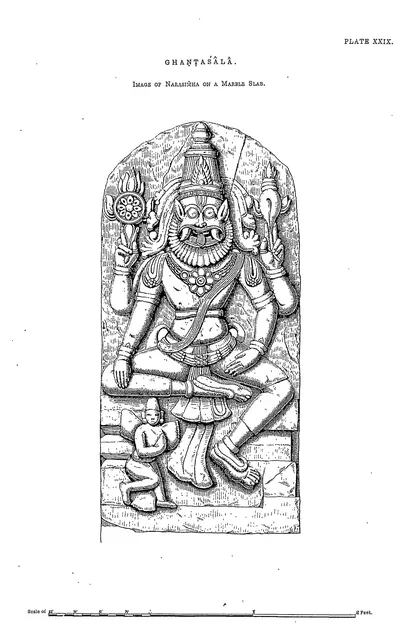 Ghantasala: slab with figure of Narasimha (Rea 1894, Pl. XXIX)రేఖాచిత్రం · 1894
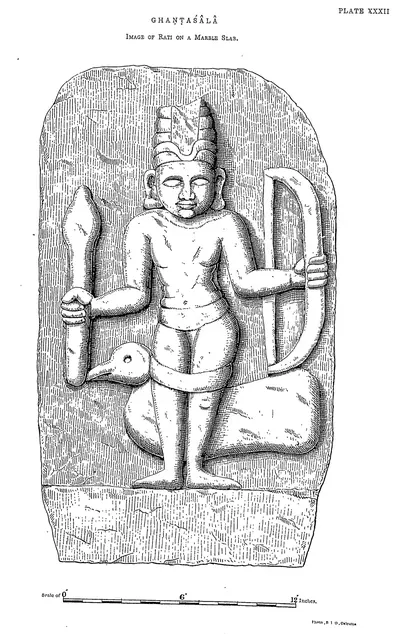 Ghantasala: slab with figure of Rati (Rea 1894, Pl. XXXII)రేఖాచిత్రం · 1894
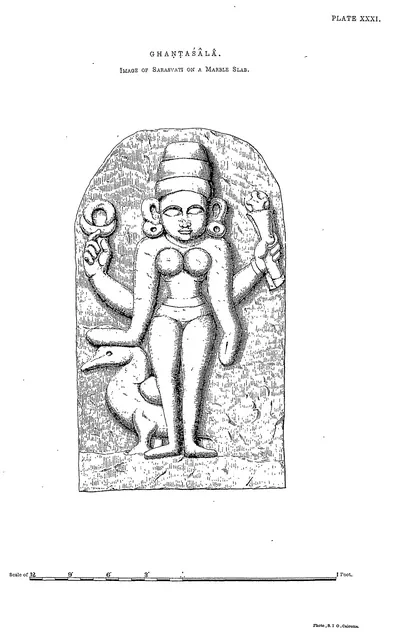 Ghantasala: slab with figure of Sarasvati (Rea 1894, Pl. XXXI)రేఖాచిత్రం · 1894
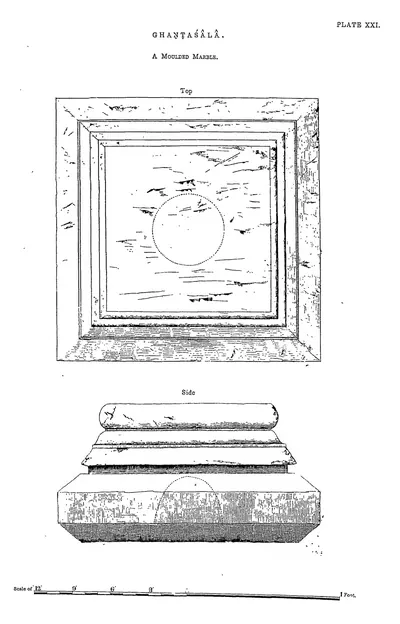 Ghantasala: square base ("A moulded marble") (Rea 1894, Pl. XXI)రేఖాచిత్రం · 1894
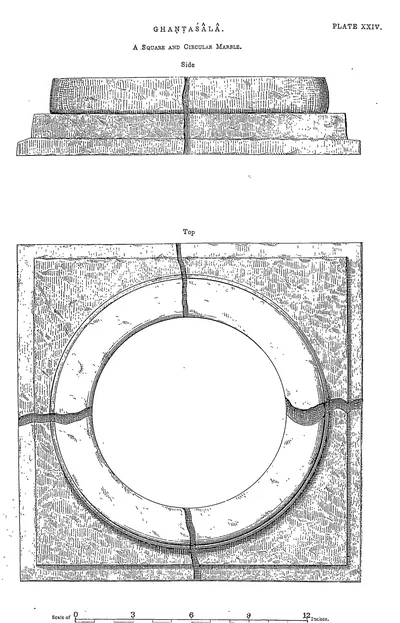 Ghantasala: square-stepped stone with circular socket (Rea 1894, Pl. XXIV)రేఖాచిత్రం · 1894
ఆధారసూచికలు
గమనికలు (0)
ఆధారాలు (5)
ఈ పేజీలో పొరపాటు కనిపించిందా? మాకు తెలియజేయండి
చివరి సవరణ: