ఇక్ష్వాకులు, విష్ణుకుండినులు, తొలి రాజ్యాలు
కృష్ణా తీరంలో శాతవాహనుల పాలన ముగిసిన కాలం (సుమారు క్రీ.శ. 225) నుండి తూర్పు చాళుక్యులు వేంగిని జయించిన కాలం (సుమారు 615–630) వరకు ఉన్న నాలుగు శతాబ్దాలు. విజయపురి ఇక్ష్వాకులు, పల్లవులు, బృహత్ఫలాయనులు, శాలంకాయనులు, విష్ణుకుండినులు దాదాపు ప్రాకృత, సంస్కృత శాసనాల ద్వారానే తెలుస్తారు. ఆ శాసనాల తేదీలపై ఇంకా చర్చ జరుగుతోంది.
పూర్తి చార్టు కోసం పక్కకు జరపండి; వివరాల కోసం ఏదైనా పట్టీని తాకండి.
ప్రతి పట్టీ ఒక ప్రాంతాన్ని పాలించిన శక్తి; కాలం ఎడమ నుంచి కుడికి. గీతల అంచు = సుమారు తేదీలు. వివరాల కోసం పట్టీని ఎంచుకోండి.
జాబితాగా చూపించు
మౌర్యులు, శాతవాహనులు క్రీ.పూ. 300 – క్రీ.శ. 225
- తెలంగాణ
- శాతవాహనులు (సుమారు క్రీ.పూ. 220 – క్రీ.శ. 225)
- కోస్తా ఆంధ్ర
- శాతవాహనులు (సుమారు క్రీ.పూ. 220 – క్రీ.శ. 225)
- రాయలసీమ
- శాతవాహనులు (సుమారు క్రీ.శ. 1–225)
ఇక్ష్వాకులు, విష్ణుకుండినులు, తొలి రాజ్యాలు క్రీ.శ. 225–624
- తెలంగాణ
- వాకాటకులు (సుమారు క్రీ.శ. 300–500) · ఇక్ష్వాకులు (సుమారు క్రీ.శ. 225–352) · విష్ణుకుండినులు (సుమారు క్రీ.శ. 375–612)
- కోస్తా ఆంధ్ర
- పల్లవులు (సుమారు క్రీ.శ. 250–630) · ఇక్ష్వాకులు (సుమారు క్రీ.శ. 225–350) · విష్ణుకుండినులు (సుమారు క్రీ.శ. 500–630) · శాలంకాయనులు (సుమారు క్రీ.శ. 300–470) · తూర్పు గాంగులు (సుమారు క్రీ.శ. 537–1434) · తూర్పు చాళుక్యులు (సుమారు క్రీ.శ. 615–973) · బాదామి చాళుక్యులు (సుమారు క్రీ.శ. 615–642)
- రాయలసీమ
- పల్లవులు (సుమారు క్రీ.శ. 300–900) · రేనాటి చోళులు (సుమారు క్రీ.శ. 550–800)
తూర్పు చాళుక్యులు, దక్కన్ రాజ్యాలు క్రీ.శ. 624–1163
- తెలంగాణ
- బాదామి చాళుక్యులు (సుమారు క్రీ.శ. 655–753)
- కోస్తా ఆంధ్ర
- పల్లవులు (సుమారు క్రీ.శ. 250–630) · బాదామి చాళుక్యులు (సుమారు క్రీ.శ. 655–680) · విష్ణుకుండినులు (సుమారు క్రీ.శ. 500–630) · తూర్పు గాంగులు (సుమారు క్రీ.శ. 537–1434) · తూర్పు చాళుక్యులు (సుమారు క్రీ.శ. 615–973)
- రాయలసీమ
- పల్లవులు (సుమారు క్రీ.శ. 300–900) · రేనాటి చోళులు (సుమారు క్రీ.శ. 550–800) · బాదామి చాళుక్యులు (సుమారు క్రీ.శ. 654–753)
రాజ్యాలు, సామ్రాజ్యాలు
శాతవాహనులు
పేజీ తెరవండి- తెలంగాణ: సుమారు క్రీ.పూ. 220 – క్రీ.శ. 225 (సుమారు 445 సంవత్సరాలు)
IG Hyderabad: rise c. 220 BCE, end about a century after Pulumayi II (acc. c. 138 CE); Sewell: by c. 170 BCE the Andhra king ruled Hyderabad as well as the Telugu tracts
- కోస్తా ఆంధ్ర: సుమారు క్రీ.పూ. 220 – క్రీ.శ. 225 (సుమారు 445 సంవత్సరాలు)
Sources disagree: IG Madras 220 BCE-236 CE; Sewell 'from at least 250 BCE' to c. 225 CE when the Pallava Bappa ended the line; Godavari gazetteer dates the known kings c. 110-220 CE, last inscriptions c. 218
- రాయలసీమ: సుమారు క్రీ.శ. 1–225 (సుమారు 224 సంవత్సరాలు)
Sewell: about 1 CE the Andhra king ruled parts of Cuddapah and Kurnool; an inscription of Pulumayi II (c. 145 CE) in Adoni taluk proves Andhra rule there; Bellary gazetteer: the Andhras ruled that district in the 2nd century CE. When their rule here began is not recorded
పాలకులు (12)
- సిముకుడు (సుమారు క్రీ.పూ. 220 – క్రీ.పూ. 197)
- కృష్ణుడు (కన్హ) (సుమారు క్రీ.పూ. 197 – క్రీ.పూ. 179)
- శ్రీ శాతకర్ణి (సుమారు క్రీ.పూ. 179 – క్రీ.పూ. 169)
- శివస్వాతి (సుమారు క్రీ.శ. 85–113)
- గౌతమీపుత్ర శాతకర్ణి (సుమారు క్రీ.శ. 113–138)
- వాసిష్ఠీపుత్ర పులోమావి (సుమారు క్రీ.శ. 138–170)
… మరో 6
- శివశ్రీ శాతకర్ణి (సుమారు క్రీ.శ. 170–177)
- శివస్కంద శాతకర్ణి (సుమారు క్రీ.శ. 177–184)
- యజ్ఞశ్రీ శాతకర్ణి (సుమారు క్రీ.శ. 184–213)
- విజయ శాతకర్ణి (సుమారు క్రీ.శ. 213–219)
- చంద్రశ్రీ శాతకర్ణి (సుమారు క్రీ.శ. 219–229)
- మూడవ పులోమావి (సుమారు క్రీ.శ. 229–236)
రాజధానులు
శాసనాలు
ఆధారాలు (5)
రాజ్యాలు, సామ్రాజ్యాలు
వాకాటకులు
పేజీ తెరవండి- తెలంగాణ: సుమారు క్రీ.శ. 300–500 (సుమారు 200 సంవత్సరాలు)
Partial: the Adilabad, Nizamabad and Karimnagar country north of the Godavari, as part of the Vakataka lands of central India and the northern Deccan. Goel et al. (2022) place the Vakataka lands from the findspots of their 37 inscriptions and name only these three Telangana districts. Jouveau-Dubreuil (1920) claimed much more: almost the whole of the Hyderabad State, and up to Kurnool. A Vakataka princess married the Vishnukundin Madhavavarman (Chikkulla plates). No Vakataka inscription from Telangana is listed in Epigraphia Telanganica I; this span rests on modern histories. Dates follow the Sewell table (Vindhyasakti c. 275-300 to Harishena c. 465-500).
పాలకులు (8)
- వింధ్యశక్తి (సుమారు క్రీ.శ. 275–300)
- మొదటి ప్రవరసేనుడు (సుమారు క్రీ.శ. 300–330)
- మొదటి రుద్రసేనుడు (సుమారు క్రీ.శ. 330–340)
- మొదటి పృథ్వీసేనుడు (సుమారు క్రీ.శ. 340–390)
- రెండవ రుద్రసేనుడు (సుమారు క్రీ.శ. 390–395)
- రెండవ ప్రవరసేనుడు (సుమారు క్రీ.శ. 395–420)
… మరో 2
- దేవసేనుడు (సుమారు క్రీ.శ. 445–465)
- హరిషేణుడు (సుమారు క్రీ.శ. 465–500)
ఆధారాలు (5)
రాజ్యాలు, సామ్రాజ్యాలు
బాదామి చాళుక్యులు
పేజీ తెరవండి- కోస్తా ఆంధ్ర: సుమారు క్రీ.శ. 615–642 (సుమారు 27 సంవత్సరాలు)
Pulakesin II took Pishtapura (Pithapuram) and the Kolleru lake country (Aihole inscription) about 615 and left his brother Vishnuvardhana to govern Vengi, which was an independent kingdom by 632 (Fleet); his Kopparam plates grant land in Karmarashtra (Guntur) in 631, and Hultzsch read them as showing Vishnuvardhana still his subordinate then. The Vizagapatam gazetteer adds that the Badami Chalukyas had already conquered Kalinga in the 6th century.
- రాయలసీమ: సుమారు క్రీ.శ. 654–753 (సుమారు 99 సంవత్సరాలు)
Copper-plate grants of Vikramaditya I in Kurnool (654-55, 657-58, 663); his grant names the Nalavadi district (near Madakasira, Anantapur); grants of 680 in Anantapur and Bellary; grants of Vinayaditya in the Kurnool district (Nandyal, 689-90); the Telugu Cholas of Renadu were their vassals. Fleet guessed that Kirtivarman I's enemies the Nalas lived towards Bellary and Kurnool.
- తెలంగాణ: సుమారు క్రీ.శ. 655–753 (సుమారు 98 సంవత్సరాలు)
Partial: the Alampur-Gadwal country. Amudalapadu plates of Vikramaditya I (Alampur taluk, 660), Gadval plates (674), Pallepadu plates of Vinayaditya (682, issued at Pangal), and inscriptions in the Alampur temples of a queen of Vikramaditya I, of Vinayaditya's reign and of Vijayaditya (704, 713). IG Hyderabad: displaced by the Rashtrakutas (Dantidurga, 753).
- కోస్తా ఆంధ్ర: సుమారు క్రీ.శ. 655–680 (సుమారు 25 సంవత్సరాలు)
Partial: Nellore. Talamanchi plates of Vikramaditya I (found near Nellore, 13 July 660), a grant to his preceptor Meghacharya.
పాలకులు (9)
- మొదటి పులకేశి (సుమారు క్రీ.శ. 550–566)
- మొదటి కీర్తివర్మ (సుమారు క్రీ.శ. 566–597)
- మంగళేశుడు (సుమారు క్రీ.శ. 597–609)
- రెండవ పులకేశి (సుమారు క్రీ.శ. 609–642)
- మొదటి విక్రమాదిత్యుడు (సుమారు క్రీ.శ. 655–680)
- వినయాదిత్యుడు (సుమారు క్రీ.శ. 680–696)
… మరో 3
- విజయాదిత్యుడు (సుమారు క్రీ.శ. 696–733)
- రెండవ విక్రమాదిత్యుడు (సుమారు క్రీ.శ. 733–746)
- రెండవ కీర్తివర్మ (సుమారు క్రీ.శ. 746–757)
రాజధానులు
కట్టడాలు
శాసనాలు
ఆధారాలు (12)
రాజ్యాలు, సామ్రాజ్యాలు
ఇక్ష్వాకులు
పేజీ తెరవండి- కోస్తా ఆంధ్ర: సుమారు క్రీ.శ. 225–350 (సుమారు 125 సంవత్సరాలు)
Lower Krishna valley (Vijayapuri at Nagarjunakonda, Jaggayyapeta, Uppugundur); four kings known; dated inscriptions of 273–74 and 333–34 (Sircar), with an Abhira interlude about 278–79
- తెలంగాణ: సుమారు క్రీ.శ. 225–352 (సుమారు 127 సంవత్సరాలు)
Partial: the lower Krishna valley on the Nalgonda side. Inscriptions of the Ikshvaku kings Chamtamula and Rudrapurushadatta at Phanigiri (Nalgonda); the editors of Epigraphia Telanganica date Rudrapurushadatta's pillar to 352 and take it as the end of Ikshvaku rule.
పాలకులు
రాజధానులు
కట్టడాలు
శాసనాలు
ఆధారాలు (5)
రాజ్యాలు, సామ్రాజ్యాలు
విష్ణుకుండినులు
పేజీ తెరవండి- తెలంగాణ: సుమారు క్రీ.శ. 375–612 (సుమారు 237 సంవత్సరాలు)
Partial: the early kingdom north of Srisailam (Nalgonda and Mahabubnagar), with its capital at Keesaragutta near Hyderabad or at Indrapura (Indrapala Gutta near Tummalagudem, Nalgonda); the capital later moved to Trivaranagara (Tiruvuru). The Tummalagudem plates of Govindavarman (37th year) and Vikramendravarman II (Saka 488, 566-67) were found in Nalgonda. The early dates (Indravarman c. 375-400) and the end in 612 follow Goel et al.
- కోస్తా ఆంధ్ర: సుమారు క్రీ.శ. 500–630 (సుమారు 130 సంవత్సరాలు)
Krishna-Godavari country; later capital Lendulura (Denduluru near Vengi); grants from the Godavari delta, Tenali taluk and the Vizianagaram region, and a pillar at Velpuru south of the Krishna. Dates disputed: K. V. Lakshman Rao (in Sewell 1932) about 357-610; Panchamukhi (1936) about 500 to the Chalukya conquest of 621-631; Mirashi puts Madhavavarman I about 510-568; Sircar (1939) about 500-670 and an end later still
పాలకులు (7)
- విక్రమహేంద్ర (సుమారు క్రీ.శ. 500–520)
- గోవిందవర్మ (సుమారు క్రీ.శ. 520–535)
- మొదటి మాధవవర్మ (సుమారు క్రీ.శ. 535–585)
- రెండవ మాధవవర్మ (సుమారు క్రీ.శ. 585–615)
- మొదటి విక్రమేంద్రవర్మ (సుమారు క్రీ.శ. 615–625)
- ఇంద్రవర్మ (ఇంద్రభట్టారకవర్మ) (సుమారు క్రీ.శ. 625–655)
రాజధానులు
శాసనాలు (7)
ఆధారాలు (8)
రాజ్యాలు, సామ్రాజ్యాలు
పల్లవులు
పేజీ తెరవండి- కోస్తా ఆంధ్ర: సుమారు క్రీ.శ. 250–630 (సుమారు 380 సంవత్సరాలు)
Krishna-Guntur, Ongole and Nellore. Prakrit grant of the crown prince Sivaskandavarman to his officer at Dhanyakataka (Amaravati), dated from about 234 (Sewell) or 250-275 (Jouveau-Dubreuil) to the first half of the 4th century (Sircar); Sanskrit grants of a Nellore-Guntur line (Omgodu, Uruvupalli, Pikira, Mangalur, Vilavatti, Chura) in the 5th and 6th centuries. Karmarashtra (Ongole-Bapatla) was Chalukya by about 630 (Kopparam plates of Pulakesin II). The Godavari gazetteer calls 200-615 a Pallava age, and IG Madras calls Vengi originally a Pallava province; Sircar found no evidence that the Pallavas held Vengi itself.
- రాయలసీమ: సుమారు క్రీ.శ. 300–900 (సుమారు 600 సంవత్సరాలు)
Partial. Pallava frontier guards at Sriparvata (Kurnool) in the 4th century (Talagunda inscription; Sircar); Ganga kings of the Penukonda plates installed by Pallava kings (5th century); inscription of Paramesvaravarman II at Ulchala near Kurnool (728-29); Bana vassals in the Chittoor country under Nripatunga (9th century). The Cuddapah gazetteer has the Pallavas hold the eastern Cuddapah taluks for four centuries until the Chola Aditya I crippled them at the end of the 9th century. The Cuddapah gazetteer says the Pallavas of Kanchi pushed up the Penner from Nellore into north Cuddapah for a time and then ruled the eastern Cuddapah taluks for four centuries, until the Chola Aditya I crippled them at the end of the 9th century; Sewell gives a Pallava regnal-year record in Chittoor (864-65), with the Banas as Pallava vassals.
- కోస్తా ఆంధ్ర: సుమారు క్రీ.శ. 670–750 (సుమారు 80 సంవత్సరాలు)
Southern Nellore only: grants of Paramesvaravarman I (Podili-Kandukur country, 687) and Narasimhavarman II (Revuru, Atmakur taluk, about 700-711), and a Tamil record of the 15th year of Nandipottarasar at Mallam (Gudur taluk), read as Pallava supremacy (Nellore gazetteer, 1942) or as Pallava rule under the Western Chalukyas (Butterworth and Venugopaul Chetty, 1905).
పాలకులు (18)
- బప్ప (సుమారు క్రీ.శ. 225–250)
- శివస్కందవర్మ (సుమారు క్రీ.శ. 250–275)
- విష్ణుగోప (సుమారు క్రీ.శ. 325–350)
- రెండవ కుమారవిష్ణు (సుమారు క్రీ.శ. 425–450)
- రెండవ స్కందవర్మ (సుమారు క్రీ.శ. 450–475)
- సింహవర్మ (సుమారు క్రీ.శ. 500–525)
… మరో 12
- విష్ణుగోపవర్మ (సుమారు క్రీ.శ. 525–550)
- సింహవిష్ణు (సుమారు క్రీ.శ. 575–600)
- మొదటి మహేంద్రవర్మ (సుమారు క్రీ.శ. 600–630)
- మొదటి నరసింహవర్మ (సుమారు క్రీ.శ. 630–668)
- రెండవ మహేంద్రవర్మ (సుమారు క్రీ.శ. 668–670)
- మొదటి పరమేశ్వరవర్మ (సుమారు క్రీ.శ. 670–690)
- రెండవ నరసింహవర్మ (సుమారు క్రీ.శ. 690–715)
- రెండవ నందివర్మ (సుమారు క్రీ.శ. 717–779)
- దంతివర్మ (సుమారు క్రీ.శ. 779–830)
- మూడవ నందివర్మ (సుమారు క్రీ.శ. 830–854)
- నృపతుంగ (సుమారు క్రీ.శ. 854–880)
- అపరాజిత (సుమారు క్రీ.శ. 880–900)
రాజధానులు
శాసనాలు (14)
ఆధారాలు (19)
రాజ్యాలు, సామ్రాజ్యాలు
శాలంకాయనులు
పేజీ తెరవండి- కోస్తా ఆంధ్ర: సుమారు క్రీ.శ. 300–470 (సుమారు 170 సంవత్సరాలు)
Vengi (Pedavegi near Eluru), between the Krishna and the Godavari. Dates debated: D. C. Sircar (1939) about 320-470, from Devavarman to Skandavarman; B. V. Krishna Rao puts Nandivarman I at the close of the 3rd century, Sircar (1960) the Ellore and Kanukollu grants in the mid-4th; Subramanian about 275-450; Subba Rao has the Vishnukundins take Vengi about 450. Older works call these rulers Pallavas
పాలకులు
రాజధానులు
శాసనాలు
ఆధారాలు (5)
రాజ్యాలు, సామ్రాజ్యాలు
తూర్పు గాంగులు
పేజీ తెరవండి- కోస్తా ఆంధ్ర: సుమారు క్రీ.శ. 537–1434 (సుమారు 897 సంవత్సరాలు)
Partial: only the far north coast (the old Ganjam and Vizagapatam districts, now Srikakulam-Vizianagaram- Visakhapatnam), capital Kalinganagara (Mukhalingam). Earliest dated grant: Jirjingi, near Tekkali, Ganga year 39 (c. 537 on Mirashi's epoch of 498; Fleet put the early grants in the 7th century and Sewell used an epoch of 877-78; the Imperial Gazetteer, the 7th century). Later line in power from the end of the 9th century (Vizagapatam gazetteer): Vajrahasta III crowned 1038; Anantavarman Chodaganga 1078-1146, with records at Mukhalingam, Srikurmam, Simhachalam and Visakhapatnam. South of the Godavari only records and raids (Draksharama 1128-1274; Bendapudi). Ended 1434, when the minister Kapilesvara founded the Gajapati line
పాలకులు (15)
- మూడవ వజ్రహస్తుడు (క్రీ.శ. 1038–1070)
- మొదటి రాజరాజు (క్రీ.శ. 1070–1078)
- అనంతవర్మ చోడగంగ (సుమారు క్రీ.శ. 1078–1146)
- మధుకామార్ణవుడు (సుమారు క్రీ.శ. 1146–1152)
- రాఘవుడు (సుమారు క్రీ.శ. 1152–1166)
- రెండవ రాజరాజు (సుమారు క్రీ.శ. 1166–1192)
… మరో 9
- అనియంకభీముడు (సుమారు క్రీ.శ. 1192–1202)
- మూడవ అనంగభీముడు (సుమారు క్రీ.శ. 1219–1253)
- మొదటి నరసింహుడు (సుమారు క్రీ.శ. 1253–1256)
- మొదటి భానుదేవుడు (సుమారు క్రీ.శ. 1256–1275)
- రెండవ నరసింహుడు (సుమారు క్రీ.శ. 1275–1306)
- రెండవ భానుదేవుడు (సుమారు క్రీ.శ. 1306–1323)
- మూడవ నరసింహుడు (సుమారు క్రీ.శ. 1323–1346)
- మూడవ భానుదేవుడు (సుమారు క్రీ.శ. 1346–1378)
- నాల్గవ నరసింహుడు (సుమారు క్రీ.శ. 1378–1397)
రాజధానులు
కట్టడాలు
శాసనాలు (8)
ఆధారాలు (10)
రాజ్యాలు, సామ్రాజ్యాలు
తూర్పు చాళుక్యులు
పేజీ తెరవండి- కోస్తా ఆంధ్ర: సుమారు క్రీ.శ. 615–973 (సుమారు 358 సంవత్సరాలు)
Vengi, between the Godavari and the Krishna, with the Vizagapatam country to the north (Chipurupalle grant of 632) and Karmarashtra, the Ongole-Guntur country, to the south (grants of 664 and 673). Kubja Vishnuvardhana was installed as yuvaraja in 615 (Fleet) and was independent by 632; others date the start about 605 (Hultzsch 1890, Mackenzie), after 631 (Kopparam plates, Hultzsch 1926) or in 624-25 (Rama Rao 1964). The line of kings from the grants ends with Danarnava (970-973).
- తెలంగాణ: సుమారు క్రీ.శ. 935–973 (సుమారు 38 సంవత్సరాలు)
Partial: the Chalukya chiefs of Mudigonda and Koravi (Khammam and Warangal) owed allegiance to Vengi rather than to the Rashtrakutas, in Parabrahma Sastry's account; ended after the death of Danarnava in 973.
- కోస్తా ఆంధ్ర: సుమారు క్రీ.శ. 999–1077 (సుమారు 78 సంవత్సరాలు)
After an interval that the grants call twenty-seven years without a ruler, Saktivarman I was restored about 999 with the help of the Chola Rajaraja I, "as king (or perhaps feudatory)" in the Godavari gazetteer's words. His successors married Chola princesses; Rajendra II, heir to Vengi in 1063, became the Chola emperor Kulottunga I in 1070. His uncle Vijayaditya VII governed Vengi until he died in 1077 (1076 in Sewell's table), after which Vengi was ruled for the Cholas by viceroys.
పాలకులు (29)
- కుబ్జ విష్ణువర్ధనుడు (సుమారు క్రీ.శ. 615–633)
- మొదటి జయసింహుడు (సుమారు క్రీ.శ. 633–663)
- ఇంద్ర భట్టారకుడు (సుమారు క్రీ.శ. 663)
- రెండవ విష్ణువర్ధనుడు (సుమారు క్రీ.శ. 663–672)
- మంగి యువరాజు (సుమారు క్రీ.శ. 672–696)
- రెండవ జయసింహుడు (సుమారు క్రీ.శ. 696–709)
… మరో 23
- కొక్కిలి (సుమారు క్రీ.శ. 709)
- మూడవ విష్ణువర్ధనుడు (సుమారు క్రీ.శ. 709–746)
- మొదటి విజయాదిత్యుడు (సుమారు క్రీ.శ. 746–764)
- నాల్గవ విష్ణువర్ధనుడు (సుమారు క్రీ.శ. 764–799)
- రెండవ విజయాదిత్యుడు (నరేంద్ర మృగరాజు) (సుమారు క్రీ.శ. 799–843)
- కలి విష్ణువర్ధనుడు (సుమారు క్రీ.శ. 843–844)
- గుణగ విజయాదిత్యుడు (సుమారు క్రీ.శ. 844–888)
- మొదటి చాళుక్య భీముడు (సుమారు క్రీ.శ. 888–918)
- కొల్లభిగండ విజయాదిత్యుడు (సుమారు క్రీ.శ. 918)
- మొదటి అమ్మరాజు (సుమారు క్రీ.శ. 918–925)
- బేత విజయాదిత్యుడు (సుమారు క్రీ.శ. 925)
- తాడపుడు (సుమారు క్రీ.శ. 925)
- రెండవ విక్రమాదిత్యుడు (సుమారు క్రీ.శ. 926)
- మూడవ భీముడు (సుమారు క్రీ.శ. 926–927)
- రెండవ యుద్ధమల్లుడు (సుమారు క్రీ.శ. 927–934)
- రెండవ చాళుక్య భీముడు (రాజభీముడు) (సుమారు క్రీ.శ. 934–945)
- రెండవ అమ్మరాజు (క్రీ.శ. 945–970)
- దానార్ణవుడు (క్రీ.శ. 970–973)
- మొదటి శక్తివర్మ (సుమారు క్రీ.శ. 999–1011)
- విమలాదిత్యుడు (క్రీ.శ. 1011–1022)
- రాజరాజ నరేంద్రుడు (క్రీ.శ. 1022–1063)
- రెండవ రాజేంద్రుడు (కులోత్తుంగుడు) (సుమారు క్రీ.శ. 1063–1070)
- ఏడవ విజయాదిత్యుడు (ప్రతినిధి) (సుమారు క్రీ.శ. 1063–1076)
రాజధానులు
కట్టడాలు
శాసనాలు (36)
- మొదటి విష్ణువర్ధనుని సతారా శాసనం
- మొదటి విష్ణువర్ధనుని తిమ్మాపురం తామ్ర శాసనం
- మొదటి విష్ణువర్ధనుని చీపురుపల్లి తామ్ర శాసనం
- మొదటి జయసింహుని పెదవేగి తామ్ర శాసనం
- మొదటి జయసింహుని నిడుపర్రు తామ్ర శాసనం
- మొదటి జయసింహుని పులిబుమ్ర (పొలమూరు) తామ్ర శాసనం
… మరో 30
- మొదటి జయసింహుని గుడివాడ తామ్ర శాసనాలు (మూడు)
- సర్వలోకాశ్రయుని (మంగి యువరాజు) చెందలూరు తామ్ర శాసనం
- రెండవ జయసింహుని పెనుకపర్రు తామ్ర శాసనం
- మూడవ విష్ణువర్ధనుని ఈపూరు తామ్ర శాసనం
- రెండవ విజయాదిత్యుని ఏడేరు తామ్ర శాసనం
- అద్దంకి శాసనం
- గుణగ విజయాదిత్యుని మచిలీపట్నం (?) తామ్ర శాసనం
- మొదటి చాళుక్య భీముని బెజవాడ తామ్ర శాసనం
- యుద్ధమల్లుని బెజవాడ స్తంభ శాసనం
- మొదటి అమ్మరాజు చేవూరు తామ్ర శాసనం
- మొదటి అమ్మరాజు ఏడేరు తామ్ర శాసనం
- రెండవ చాళుక్య భీముని దిగ్గుబర్రు తామ్ర శాసనం
- రెండవ అమ్మరాజు గుండుగొలను తామ్ర శాసనం
- రెండవ అమ్మరాజు కలుచుంబర్రు శాసనం
- రెండవ అమ్మరాజు మలియపూండి తామ్ర శాసనం
- రెండవ అమ్మరాజు మచిలీపట్నం తామ్ర శాసనం
- రెండవ అమ్మరాజు పడంకలూరు తామ్ర శాసనం
- రెండవ అమ్మరాజు వండ్రం తామ్ర శాసనం
- రెండవ అమ్మరాజు వేములూరిపాడు తామ్ర శాసనం
- రెండవ అమ్మరాజు ఎలవర్రు తామ్ర శాసనం
- బాడపుని ఆరుంబాక తామ్ర శాసనం
- రెండవ అమ్మరాజు మంగల్లు తామ్ర శాసనం
- రెండవ తాలుని శ్రీపూండి తామ్ర శాసనం
- రెండవ అమ్మరాజు తాండికొండ (తాడికొండ) తామ్ర శాసనం
- విమలాదిత్యుని రణస్తిపూండి శాసనం
- రాజరాజ నరేంద్రుని కాళిదిండి తామ్ర శాసనం
- రాజరాజ నరేంద్రుని కోరుమిల్లి శాసనం
- నందంపూడి శాసనం
- రాజరాజ చోడగంగుని టేకి శాసనం
- వీరచోడుని చెల్లూరు శాసనం
ఆధారాలు (10)
రాజ్యాలు, సామ్రాజ్యాలు
రేనాటి చోళులు
పేజీ తెరవండి- రాయలసీమ: సుమారు క్రీ.శ. 550–800 (సుమారు 250 సంవత్సరాలు)
Renandu, the country between the Chitravati and the Cheyyeru (most of Cuddapah, parts of Kolar and Chittoor; Sewell: Cuddapah and Kurnool), with capitals at Chippili and Malepadu. Undated records placed by EI XXVII between the later 6th and the end of the 8th century (Nandivarman c. 550, Punyakumara c. 625); Krishna Sastri (1912) and Narasimhaswami (1956) put Punyakumara near 800 and about 740. A collateral line at Budili lasted to Srikantha, c. 850.
పాలకులు (9)
- నందివర్మ (సుమారు క్రీ.శ. 550–575)
- ధనంజయుడు (సుమారు క్రీ.శ. 575–600)
- మహేంద్రవిక్రముడు (సుమారు క్రీ.శ. 600–625)
- పుణ్యకుమారుడు (సుమారు క్రీ.శ. 625–650)
- మొదటి విక్రమాదిత్యుడు (సుమారు క్రీ.శ. 650–675)
- శక్తికుమారుడు (సుమారు క్రీ.శ. 675–700)
… మరో 3
- రెండవ విక్రమాదిత్యుడు (సుమారు క్రీ.శ. 700–725)
- ఉత్తమాదిత్యుడు (సుమారు క్రీ.శ. 725–750)
- విజయాదిత్యుడు (సుమారు క్రీ.శ. 750–775)
రాజధానులు
శాసనాలు (7)
ఆధారాలు (4)
క్రీ.శ. 3వ శతాబ్దం ప్రారంభంలో శాతవాహనులు క్షీణించారు. 7వ శతాబ్దం ప్రారంభంలో చాళుక్యులు వచ్చారు. ఈ మధ్య కాలంలో తెలుగు దేశం వరుసగా వచ్చిన ప్రాంతీయ రాజవంశాల మధ్య విభజించబడి ఉంది.12 వారిలో ఎవరూ చరిత్ర గ్రంథాలను విడిచిపెట్టలేదు. బౌద్ధ కట్టడాలపై ఉన్న చిన్న శాసనాలు, భూదానాలను నమోదు చేసే తామ్రశాసనాల ద్వారానే వారు తెలుస్తారు.12
వీటిలో ఎక్కువ భాగం వాటిని జారీ చేసిన రాజు పాలనా సంవత్సరాల్లో (రాజు పాలించిన సంవత్సరాల లెక్కలో) మాత్రమే తేదీ వేసి ఉన్నాయి.12 ఫలితంగా ఈ రాజవంశాల వరుస చాలావరకు స్పష్టంగానే ఉంది. కానీ వాటి కచ్చితమైన తేదీలపై వంద సంవత్సరాలకు పైగా వాదనలు జరిగాయి. గ్రంథాలయంలోని పాత పుస్తకాలు తరచుగా ఇచ్చే చిత్రాన్ని తర్వాతి ఆవిష్కరణలు మార్చాయి.
కృష్ణా తీరంలో శాతవాహనుల అంతం
రాబర్ట్ సూయెల్ (Robert Sewell) 1923 వరకు తెలిసిన శాసనాల నుండి ఒక కాలక్రమాన్ని తయారు చేశారు. దానిని ఎస్. కృష్ణస్వామి అయ్యంగార్ (S. Krishnaswami Aiyangar) తో కలిసి 1932లో ప్రచురించారు.3 అందులో, ఒకప్పుడు చివరి శాతవాహన రాజు కింద గవర్నర్గా ఉన్న పల్లవ పాలకుడు బప్ప సుమారు క్రీ.శ. 225లో ఆంధ్ర (శాతవాహన) వంశాన్ని ముగించాడు. తర్వాత బప్ప కంచి నుండి దాని పాత భూభాగాన్ని పాలించాడు.3
1907 నాటి గోదావరి జిల్లా గెజిటీర్ కూడా అదే విధంగా సుమారు 200 నుండి 615 వరకు ఉన్న కాలమంతటినీ పల్లవ యుగంగా చూసింది.4 ఈ రెండు కథనాలకూ ఇక్ష్వాకుల గురించి తెలియదు. వారి రాజధానిని 1926 నుండి మాత్రమే తవ్వకాల్లో బయటపెట్టారు.5
1959లో రాసిన డి. సి. సర్కార్ (D. C. Sircar) కృష్ణా–గుంటూరు ప్రాంతంలో శాతవాహనుల పాలన అంతాన్ని సుమారు 3వ శతాబ్దం మొదటి పావు చివరలో ఉంచారు.67 గుంటూరు జిల్లాలోని వెల్పూరు నుండి ఒక ప్రాకృత శాసనాన్ని కూడా ఆయన ప్రచురించారు. అది ఐర వంశానికి చెందిన ఒక మహారాజుది. ఆయన దానిని 2వ శతాబ్దం మొదటి సగం నాటిదిగా నిర్ణయించారు.78 తర్వాతి శాతవాహనులకు ముందు ఆ ప్రాంతంలోని కొన్ని భాగాలను ఇతర రాజవంశాలు పాలించాయనడానికి ఆయన దానిని ఆధారంగా తీసుకున్నారు.8
విజయపురి ఇక్ష్వాకులు
దిగువ కృష్ణా తీరంలో శాతవాహనుల తర్వాత వచ్చినవారిలో స్పష్టమైన ఆధారాలు ఉన్న మొదటివారు ఇక్ష్వాకులు. అయోధ్యకు చెందిన పురాణ సూర్యవంశం నుండి వచ్చామని వారు చెప్పుకున్నారు.9 వారి రాజు వీరపురుషదత్తుని ఒక స్తంభ శాసనం 1882లో జగ్గయ్యపేటలో దొరికింది. జేమ్స్ బర్జెస్ (James Burgess) ఇక్ష్వాకుల ఈ వాదనను “చాలావరకు వట్టి గొప్పలు” (“most probably an idle boast”) అని కొట్టిపారేశారు.9
1926 నుండి నాగార్జునకొండలో జరిగిన తవ్వకాలు వారి రాజధాని విజయపురిని బయటపెట్టాయి.10 ముగ్గురు రాజుల పేర్లను కూడా అవి బయటపెట్టాయి: చాంతమూలుడు, అతని కుమారుడు వీరపురుషదత్తుడు, అతని మనవడు ఎహువుల చాంతమూలుడు.10 నాగార్జునసాగర్ ఆనకట్ట వల్ల లోయ మునిగిపోవడానికి ముందు 1954–60లో ఇంకా చాలా పెద్ద తవ్వకాలు జరిగాయి.1112 అవి నాలుగవ రాజును చేర్చాయి. అతను ఎహువుల చాంతమూలుని కుమారుడు రుద్రపురుషదత్తుడు.1113
జె. ఫిలిప్ వోగెల్ (J. Ph. Vogel) వారి శాసనాలను సంపాదకత్వం వహించి ప్రచురించారు.1 వారు కొంత ప్రాముఖ్యం ఉన్న పాలకులని ఆయన తేల్చారు.1 వారు వనవాసి రాజకుటుంబాలతో, బహుశా ఉజ్జయిని రాజకుటుంబాలతో, వివాహ సంబంధాలు చేసుకున్నారు.1
ఇక్ష్వాకు శాసనాలు ప్రాకృతంలో, బ్రాహ్మీ లిపిలో ఉన్నాయి. ప్రాకృతం సంస్కృతం నుండి వచ్చిన వ్యవహార భాష.14 రాజులు అశ్వమేధం (గుర్రపు యజ్ఞం), వాజపేయం వంటి వైదిక యజ్ఞాలు చేశారు.14 రాణులు, రాకుమార్తెలు రాజధానిలోని గొప్ప బౌద్ధ స్తూపానికి (అవశేషాలపై కట్టిన దిబ్బ), విహారాలకు డబ్బు ఇచ్చారు.14
1950లలో దొరికిన శాసనాలు శివాలయాలను కూడా చేర్చాయి.1516 ఒక రాకుమారుడు ఒక ఆలయాన్ని కట్టించాడు (శాసనం).15 మూడవ రాజు ఎహువుల చాంతమూలుని పాలనలో ఒక సామంతుడు మరొక ఆలయాన్ని కట్టించాడు.16
పండితులు వీరపురుషదత్తుని కాలాన్ని వేర్వేరుగా నిర్ణయించారు:1176
- బూలర్ (Bühler) చెప్పిన 3వ శతాబ్దం తేదీని వోగెల్ అంగీకరించారు.1
- హీరానంద శాస్త్రి (Hirananda Sastri), ఎ. హెచ్. లాంగ్హర్స్ట్ (A. H. Longhurst) 2వ, 3వ శతాబ్దాల గురించి చెప్పారు.17
- సర్కార్ అతనిని సుమారు 3వ శతాబ్దం మధ్యలో ఉంచారు.6
దాదాపు అన్ని ఇక్ష్వాకు రికార్డులకూ పాలనా సంవత్సరాల్లో మాత్రమే తేదీ ఉంది.1819 కానీ వాటిలో రెండింటిని విజయ అనే చక్ర సంవత్సరంలో తేదీ వేసినవిగా సర్కార్ తర్వాత చదివారు.18 ఆయన ఈ తేదీలను వీరపురుషదత్తుని కాలంలో 273–74 గా, ఎహువుల చాంతమూలుని కాలంలో 333–34 గా మార్చారు.1819 సుమారు 4వ శతాబ్దం మధ్యకు ముందు ఇక్ష్వాకులు పడిపోలేదని ఆయన తేల్చారు.19
లోయలో దొరికిన ఒక శాసనం ఆభీర రాజు వసుషేణుని 30వ పాలనా సంవత్సరం నాటిది.202122 అతని వంశం నాసిక్ చుట్టుపక్కల పాలించింది.2021 సుమారు 278లో కొద్దికాలం ఆభీరులు ఆ రాజ్యాన్ని పట్టుకున్నారని ఆ శాసనం సూచిస్తుందని సర్కార్ భావించారు.22
తర్వాత సర్కార్ రెండు పునర్నిర్మాణాలను ప్రతిపాదించారు.1923 మొదటిదానిలో, వీరపురుషదత్తుడు సుమారు 255–75, ఆభీరులు సుమారు 275–80, ఎహువుల చాంతమూలుడు సుమారు 280–335 పాలించారు.1923 రెండవదానిలో, వీరపురుషదత్తుడు, అతని కుమారుడు, మనవడు కలిసి సుమారు 265–335 కాలాన్ని నింపారు.1923 నాగార్జునకొండ, దాని మహాచైత్యం పేజీలు చూడండి.
ఆంధ్రపథంలో పల్లవులు, బృహత్ఫలాయనులు
తర్వాతి కాలంలో కంచిని రాజధానిగా చేసుకున్న పల్లవులు ప్రాకృత తామ్రశాసనాల్లో కృష్ణా ప్రాంతంలో కనిపిస్తారు.324 మైదవోలు తామ్రశాసనాలు కృష్ణా ప్రాంతంలో దొరికాయి. అప్పుడు యువరాజుగా ఉన్న శివస్కందవర్మ ధన్నకడలోని (ధాన్యకటకం, అమరావతి–ధరణికోట ప్రాంతం) తన అధికారికి ఇచ్చిన ఆజ్ఞను అవి నమోదు చేస్తాయి.324 ఆ ఆజ్ఞ ఆంధ్రపథంలో, అంటే ఆంధ్ర దేశంలో, ఒక గ్రామాన్ని దానం చేసింది.324 సూయెల్ ఈ శాసనాలను సుమారు క్రీ.శ. 234 నాటివిగా చెప్పారు.3 సర్కార్ వాటిని సుమారు 4వ శతాబ్దం మొదటి పావులో ఉంచారు.24
పల్నాడు తాలూకాలోని మంచికల్లు నుండి ఒక ప్రాకృత స్తంభ శాసనాన్ని కూడా సర్కార్ ప్రచురించారు.2524 అది సింహవర్మ అనే పల్లవ రాజుది.25 సర్కార్ దానిని తొలి పల్లవ శాసనంగా భావించి, సుమారు 3వ శతాబ్దం చివరి నాటిదిగా నిర్ణయించారు.2524 దాని ఆధారంగా సింహవర్మ ఇక్ష్వాకులను వెళ్లగొట్టాడని, బహుశా విజయపురిని నాశనం చేశాడని ఆయన ఊహించారు.24
విజయ సంవత్సరం తేదీలను చదివిన తర్వాత, సర్కార్ కృష్ణా–గుంటూరు ప్రాంతాన్ని పల్లవులు జయించిన కాలాన్ని సుమారు 4వ శతాబ్దం మధ్యకు జరిపారు.19 సింహవర్మను, మైదవోలు శాసనాల శివస్కందవర్మను ఇద్దరినీ ఆయన సుమారు ఆ శతాబ్దం నాలుగవ, ఐదవ దశాబ్దాల్లో ఉంచారు.19
కృష్ణా నది ముఖద్వారం దగ్గర, దాని ఉత్తర ఒడ్డున ఉన్న కొండముడిలో మరో ప్రాకృత దానపత్రం దొరికింది. దానిని మహారాజు జయవర్మ గూడూరులోని తన శిబిరం నుండి జారీ చేశాడు.26 అతను ఎవరో సూయెల్కు తెలియదు. అతను వేరే పేరుతో ఉన్న బప్పయేనేమో అని ఆయన అనుకున్నారు.26 తర్వాత రాసిన బి. వి. కృష్ణారావు (B. V. Krishna Rao) అతనిని బృహత్ఫలాయన రాజు జయవర్మగా వర్ణించారు.27
4వ శతాబ్దం మధ్యలో గుప్త చక్రవర్తి సముద్రగుప్తుడు చేసిన దక్షిణ దండయాత్రను కూడా సూయెల్ కాలక్రమం నమోదు చేస్తుంది.26 చక్రవర్తి అలహాబాద్ స్తంభ శాసనం ప్రకారం, ఈ దండయాత్రలో అతను వేంగిని పట్టుకున్నాడు. దాని పాలకుడు హస్తివర్మను సూయెల్ పల్లవ ప్రతినిధిగా భావించారు.26 తర్వాతి పండితులు హస్తివర్మను వేంగి శాలంకాయనుల మొదటి రాజుగా గుర్తించారు. ఆర్. సుబ్బారావు (R. Subba Rao) 1926లో అలా గుర్తించారు.28 డి. సి. సర్కార్ 1939లో సూయెల్ అభిప్రాయానికి వ్యతిరేకంగా వాదించారు.29
వేంగి శాలంకాయనులు
శాలంకాయనులు వేంగిపురం నుండి పాలించారు. అది ఆధునిక ఏలూరు (అప్పుడు ఎల్లోర్) దగ్గరి వేంగి నగరం.30 వారి ముద్రలపై ఎద్దు బొమ్మ ఉండేది.30 1960లో బి. వి. కృష్ణారావు కృష్ణా జిల్లాలోని కానుకొల్లు నుండి వారి రెండు దానపత్రాలను ప్రచురించారు.31 వారు మొదట శాతవాహనుల కింద, తర్వాత ఇక్ష్వాకుల కింద వేంగిని పాలించారని ఆయన వాదించారు. ఆయన అభిప్రాయంలో వారు 3వ శతాబ్దం రెండవ సగంలో స్వతంత్రులయ్యారు.31
మొదటి నందివర్మ జారీ చేసిన రెండింటిలో ముందరి దానపత్రాన్ని కృష్ణారావు 3వ శతాబ్దం చివరి నాటిదిగా నిర్ణయించారు.31 ఆ సంపుటానికి సంపాదకుడైన డి. సి. సర్కార్ ఈ తేదీలు మరీ ముందువని భావించారు.31 ఆయన ఆ దానపత్రాన్ని సుమారు 4వ శతాబ్దం మధ్యలో ఉంచారు.31
కానుకొల్లు దానపత్రం ప్రాకృతంలో ఉంది.2732 నాలుగు వేదాలు చదివిన ఒక బ్రాహ్మణునికి ఒక గ్రామాన్ని దానం చేసినట్లు అది నమోదు చేస్తుంది. ఆ బ్రాహ్మణుడు రథకార వర్గానికి చెందినవాడు.2732 ఆ వర్గం సామాజిక స్థాయికి దీని అర్థం ఏమిటనే విషయంలో కృష్ణారావు, సర్కార్ తమ వ్యాఖ్యల్లో విభేదించారు.32
శాలంకాయన దేవవర్మ ఏలూరు గ్రామస్తులకు ఇచ్చిన ఒక ప్రాకృత ఆజ్ఞను సూయెల్ పేర్కొన్నారు.33 చండవర్మ అనే రాజుకు చెందిన సంస్కృత కోమర్తి తామ్రశాసనాలను కూడా ఆయన శాలంకాయనులవిగా భావించారు.33 దీనిపై తర్వాత వివాదం వచ్చింది. బొబ్బిలి నుండి వచ్చిన చండవర్మ రెండవ దానపత్రం సంపాదకుడు ఒక విషయం గుర్తించారు: అతనిని శాలంకాయనుడిగా చేయడాన్ని సి. ఆర్. కృష్ణమాచార్లు (C. R. Krishnamacharlu), డి. సి. సర్కార్ వ్యతిరేకించారు.34 ఆ సంపాదకుడు అతనిని కళింగ రాజుగా చూశారు.34
విష్ణుకుండినులు
కృష్ణా–గోదావరి ప్రాంతంలో శాలంకాయనుల తర్వాత విష్ణుకుండినులు వచ్చారు.352 వారు లెందులూరు నుండి పాలించారు. దానిని వేంగి దగ్గరి దెందులూరుగా గుర్తిస్తారు.352 వారి సంస్కృత దానపత్రాలు వారిలో బాగా ప్రసిద్ధుడైన రాజు మాధవవర్మకు పదకొండు అశ్వమేధాల ఘనత ఇస్తాయి.36 మధ్య భారతదేశంలోని వాకాటకులతో వివాహ సంబంధం ఘనతను కూడా అవి అతనికి ఇస్తాయి.3637
వారి తేదీలు అన్నిటికంటే ఎక్కువ వివాదంలో ఉన్నాయి:35238
- ఎఫ్. కీల్హార్న్ (F. Kielhorn) 1897లో చిక్కుళ్ల తామ్రశాసనాలను 7వ లేదా 8వ శతాబ్దంలో ఉంచారు.35
- సూయెల్, అయ్యంగార్ కె. వి. లక్ష్మణరావు (K. V. Lakshman Rao) ను అనుసరించారు. వారు 4వ శతాబ్దం మధ్య నుండి సుమారు 610 వరకు తాత్కాలిక తేదీలు ఇచ్చారు.2
- వి. వి. మిరాశి (V. V. Mirashi) గొప్ప మాధవవర్మను సుమారు 510–560లో ఉంచారు.38
దానపత్రాలు భాష మార్పును కూడా చూపిస్తాయి. ఇక్ష్వాకు, తొలి పల్లవ రికార్డులు ప్రాకృతంలో ఉన్నాయి.525 విష్ణుకుండిన దానపత్రాలు సంస్కృతంలో ఉన్నాయి.36 శాలంకాయనులు అప్పటికే ప్రాకృత దానపత్రాల నుండి సంస్కృత దానపత్రాలకు మారారు.393327 చిక్కుళ్ల తామ్రశాసనాలు తమ తేదీలో సంవస్సరంబుల్ (“సంవత్సరాలు”) అనే తెలుగు తరహా బహువచనాన్ని వాడినట్లు కీల్హార్న్ గమనించారు. రాసినవాడు తెలుగు మాట్లాడేవాడని ఆయన తేల్చారు.36
రేనాటి తెలుగు చోళులు
కడప, కర్నూలు ప్రాంతంలో, “రేనాండు 7000” మీద తెలుగు చోడ నాయకుల ఒక వంశం పాలనను సూయెల్, అయ్యంగార్ సుమారు 575లో ఉంచారు.40 ఈ నాయకులు చోళ రాజు కరికాలుని వంశం నుండి వచ్చామని చెప్పుకున్నారు.40 ఈ తేదీ ఒక ఊహ మీద ఆధారపడి ఉందని సూయెల్, అయ్యంగార్ గుర్తించారు: నాయకుల్లో ఒకడైన మహేంద్రుడికి పల్లవ రాజు మొదటి మహేంద్రవర్మ పేరు పెట్టారనే ఊహ.40 వారి రికార్డుల గురించి రేనాటి చోళులు పేజీలో చర్చ ఉంది.
మతం
ఈ కాలంలో దిగువ కృష్ణా తీరంలో బౌద్ధమతం శిఖరానికి చేరింది, తర్వాత క్షీణించింది. నాగార్జునకొండ శాసనాలు అనేక శాఖల భిక్షువులను నమోదు చేస్తాయి.41 శ్రీలంక నుండి వచ్చిన భిక్షువుల కోసం కట్టిన ఒక మందిరాన్ని కూడా అవి నమోదు చేస్తాయి.42
వోగెల్ ఈ సంపదను కృష్ణా డెల్టా సముద్ర వ్యాపారంతో ముడిపెట్టారు.42 క్షీణతకు ఆయన మూడు కారణాలు చెప్పారు:42
- రోమన్ వ్యాపారం తగ్గిపోవడం
- సముద్రగుప్తుని దక్షిణ దండయాత్ర
- పల్లవులు, చాళుక్యులు వంటి బ్రాహ్మణ మతాన్ని ఆదరించిన రాజవంశాల ఎదుగుదల42
లాంగ్హర్స్ట్ ఇదే వివరణను మళ్లీ చెప్పారు.43
అదే సమయంలో, ఈ కాలంలోని దాదాపు ప్రతి రాజకుటుంబం తాను చేసిన వైదిక యజ్ఞాలను ప్రకటించుకుంది.143624 వారిలో ఇక్ష్వాకు చాంతమూలుడు, విష్ణుకుండిన మాధవవర్మ ఉన్నారు.1436 పల్లవులు కూడా ఉన్నారు. వారి ఎద్దు చిహ్నాన్ని సర్కార్ శైవ మతాభిమానానికి గుర్తుగా భావించారు.24
నాగార్జునకొండలో 1950ల తవ్వకందారులు ఒక విషయం కనుగొన్నారు: కార్తికేయ ఆలయాలతో సహా బ్రాహ్మణ మందిరాలు నది వెంబడి, ఇక్ష్వాకు రాజధానిలోని కోట భాగంలో గుమిగూడి ఉన్నాయి.44 లోయలోని మిగతా భాగాన్ని బౌద్ధ విహారాలు నింపాయి.44
చాళుక్యుల విజయం
బాదామి చాళుక్యుల విస్తరణతో ఈ కాలం ముగుస్తుంది. రెండవ పులకేశి తూర్పు దక్కన్ను జయించి పిఠాపురాన్ని తీసుకున్నాడు.45 అతను తన తమ్ముడు కుబ్జ విష్ణువర్ధనుడిని వేంగిలో నిలిపాడు.45 సూయెల్, అయ్యంగార్ దీనిని సుమారు 615 నాటిదిగా చెప్పారు.452 విష్ణుకుండిన మూడవ మాధవుడు సుమారు 610లో చాళుక్యుల చేతిలో ఓడిపోయాడని వారు భావించారు.2
గోదావరి గెజిటీర్ ఈ విజయాన్ని సుమారు 615లో ఉంచింది.46 632 నాటికి విష్ణువర్ధనుడు స్వతంత్రుడయ్యాడని, ఏలూరు దగ్గరి పెద్ద వేగి అతని రాజధాని అని అది చెప్పింది.46 అతని వంశం వేంగి తూర్పు చాళుక్యులు తర్వాతి యుగాన్ని ప్రారంభిస్తుంది.
Footnotes
-
Vogel, Prakrit Inscriptions from Nagarjunikonda (1933), p. 6 (archive.org (opens in a new tab)). ↩ ↩2 ↩3 ↩4 ↩5 ↩6 ↩7 ↩8
-
Sewell and Aiyangar, Historical Inscriptions of Southern India (1932), p. 404 (archive.org (opens in a new tab)). ↩ ↩2 ↩3 ↩4 ↩5 ↩6 ↩7 ↩8 ↩9
-
Robert Sewell and S. Krishnaswami Aiyangar, The Historical Inscriptions of Southern India (1932), p. 16 (archive.org (opens in a new tab)). ↩ ↩2 ↩3 ↩4 ↩5 ↩6
-
F. R. Hemingway, Madras District Gazetteers: Godavari (1907), p. 18 (archive.org (opens in a new tab)). ↩
-
J. Ph. Vogel, Prakrit Inscriptions from a Buddhist Site at Nagarjunikonda, Epigraphia Indica XX (1933), p. 1 (archive.org (opens in a new tab)). ↩ ↩2
-
D. C. Sircar, “Two Inscriptions from Guntur District”, Epigraphia Indica XXXII (1959), p. 83 (archive.org (opens in a new tab)). ↩ ↩2 ↩3
-
Sircar, “Two Inscriptions from Guntur District” (1959), p. 85 (archive.org (opens in a new tab)). ↩ ↩2
-
Sircar, “Two Inscriptions from Guntur District” (1959), p. 86 (archive.org (opens in a new tab)). ↩ ↩2
-
James Burgess, The Buddhist Stupas of Amaravati and Jaggayyapeta (1887), p. 111 (archive.org (opens in a new tab)). ↩ ↩2
-
Vogel, Prakrit Inscriptions from Nagarjunikonda (1933), p. 3 (archive.org (opens in a new tab)). ↩ ↩2
-
B. Ch. Chhabra, “Nagarjunakonda Inscription of Ehavalasri’s time, Year 11”, Epigraphia Indica XXXIII (1959–60, publ. 1963), p. 147 (archive.org (opens in a new tab)). ↩ ↩2
-
A. Ghosh (ed.), Indian Archaeology 1957–58: A Review (1958), p. 9 (archive.org (opens in a new tab)). ↩
-
Sircar and Krishnan, “Two Inscriptions from Nagarjunikonda” (1963), p. 20 (archive.org (opens in a new tab)). ↩
-
Vogel, Prakrit Inscriptions from Nagarjunikonda (1933), p. 4 (archive.org (opens in a new tab)). ↩ ↩2 ↩3 ↩4 ↩5
-
D. C. Sircar and K. G. Krishnan, “Two Inscriptions from Nagarjunikonda”, Epigraphia Indica XXXIV (1961–62, publ. 1963), p. 18 (archive.org (opens in a new tab)). ↩ ↩2
-
Chhabra, “Nagarjunakonda Inscription of Ehavalasri’s time” (1963), p. 148 (archive.org (opens in a new tab)). ↩ ↩2
-
A. H. Longhurst, “Excavations at Nagarjunikonda”, Annual Report of the Archaeological Survey of India 1927–28 (1931), p. 115 (archive.org (opens in a new tab)). ↩ ↩2
-
D. C. Sircar, “More Inscriptions from Nagarjunikonda”, Epigraphia Indica XXXV (1963–64), p. 2 (archive.org (opens in a new tab)). ↩ ↩2 ↩3
-
Sircar, “More Inscriptions from Nagarjunikonda”, p. 6 (archive.org (opens in a new tab)). ↩ ↩2 ↩3 ↩4 ↩5 ↩6 ↩7 ↩8
-
D. C. Sircar, “Nagarjunikonda Inscription of the time of Abhira Vasushena, Year 30”, Epigraphia Indica XXXIV (1963), p. 197 (archive.org (opens in a new tab)). ↩ ↩2
-
Sircar, “Inscription of Abhira Vasushena” (1963), p. 201 (archive.org (opens in a new tab)). ↩ ↩2
-
Sircar, “Inscription of Abhira Vasushena” (1963), p. 202 (archive.org (opens in a new tab)). ↩ ↩2
-
Epigraphia Indica XXXV, “Additions and Corrections”, correction to p. 6, line 30 (archive.org (opens in a new tab)). ↩ ↩2 ↩3
-
Sircar, “Two Inscriptions from Guntur District” (1959), p. 89 (archive.org (opens in a new tab)). ↩ ↩2 ↩3 ↩4 ↩5 ↩6 ↩7 ↩8 ↩9
-
Sircar, “Two Inscriptions from Guntur District” (1959), p. 88 (archive.org (opens in a new tab)). ↩ ↩2 ↩3 ↩4
-
Sewell and Aiyangar, Historical Inscriptions of Southern India (1932), p. 17 (archive.org (opens in a new tab)). ↩ ↩2 ↩3 ↩4
-
Krishna Rao, “Two Salankayana Charters” (1960), p. 2 (archive.org (opens in a new tab)). ↩ ↩2 ↩3 ↩4
-
R. Subba Rao, “Pedavegi Copper-plates of Nandivarman II”, Journal of the Andhra Historical Research Society I, pt. 2 (1926), pp. 93–94 (archive.org (opens in a new tab)). ↩
-
D. C. Sircar, The Successors of the Satavahanas in Lower Deccan (1939), pp. 70–72; paraphrased (archive.org (opens in a new tab)). ↩
-
B. V. Krishna Rao, “Two Salankayana Charters from Kanukollu”, Epigraphia Indica XXXI (1960), p. 1 (archive.org (opens in a new tab)). ↩ ↩2
-
Krishna Rao, “Two Salankayana Charters” (1960), p. 3 (archive.org (opens in a new tab)). ↩ ↩2 ↩3 ↩4 ↩5
-
Krishna Rao, “Two Salankayana Charters” (1960), p. 4 (archive.org (opens in a new tab)). ↩ ↩2 ↩3
-
Sewell and Aiyangar, Historical Inscriptions of Southern India (1932), p. 18 (archive.org (opens in a new tab)). ↩ ↩2 ↩3
-
R. K. Ghoshal, “Bobbili Plates of Chandavarman, King of Kalinga”, Epigraphia Indica XXVII (1956), p. 34 (archive.org (opens in a new tab)). ↩ ↩2
-
Kielhorn, “Chikkulla Plates” (1897), p. 195 (archive.org (opens in a new tab)). ↩ ↩2 ↩3 ↩4
-
F. Kielhorn, “Chikkulla Plates of Vikramendravarman II”, Epigraphia Indica IV (1897), p. 194 (archive.org (opens in a new tab)). ↩ ↩2 ↩3 ↩4 ↩5 ↩6
-
Mirashi and Gupte, “Khanapur Plates” (1956), p. 315 (archive.org (opens in a new tab)). ↩
-
V. V. Mirashi and Y. R. Gupte, “Khanapur Plates of Madhavavarman”, Epigraphia Indica XXVII (1956), p. 314 (archive.org (opens in a new tab)). ↩ ↩2
-
R. Subba Rao, “Pedavegi Copper-plates of Nandivarman II”, Journal of the Andhra Historical Research Society I, pt. 2 (1926), p. 96 (archive.org (opens in a new tab)). ↩
-
Sewell and Aiyangar, Historical Inscriptions of Southern India (1932), p. 21 (archive.org (opens in a new tab)). ↩ ↩2 ↩3
-
Vogel, Prakrit Inscriptions from Nagarjunikonda (1933), p. 7 (archive.org (opens in a new tab)). ↩
-
Vogel, Prakrit Inscriptions from Nagarjunikonda (1933), p. 10 (archive.org (opens in a new tab)). ↩ ↩2 ↩3 ↩4
-
A. H. Longhurst, The Buddhist Antiquities of Nagarjunakonda (1938), p. 6 (archive.org (opens in a new tab)). ↩
-
A. Ghosh (ed.), Indian Archaeology 1956–57: A Review (1957), p. 36 (archive.org (opens in a new tab)). ↩ ↩2
-
Sewell and Aiyangar, Historical Inscriptions of Southern India (1932), p. 22 (archive.org (opens in a new tab)). ↩ ↩2 ↩3
-
Hemingway, Godavari (1907), p. 19 (archive.org (opens in a new tab)). ↩ ↩2
ముఖ్య ఘట్టాలు
- రాజ్యం ఆవిర్భావం
- రాజ్యం ముగింపు
- శాసనం
- కట్టడం
- సు. 225రాజ్యం ముగింపు:శాతవాహనులు
- సు. 225రాజ్యం ఆవిర్భావం:ఇక్ష్వాకులు
- సు. 250శాసనం:శివస్కందవర్మ మయిదవోలు శాసనం
- సు. 250శాసనం:చాంతిసిరి నాగార్జునకొండ శాసనాలు
- సు. 250రాజ్యం ఆవిర్భావం:పల్లవులు
- సు. 268శాసనం:నాగార్జునకొండ శాసనం (బోధిసిరి)
- సు. 273శాసనం:నాగార్జునకొండ స్మారక స్తంభ శాసనం (చాంతమూలుడు)
- సు. 274శాసనం:జగ్గయ్యపేట శాసనం (వీరపురుషదత్తుడు)
- సు. 278శాసనం:నాగార్జునకొండ శాసనం (ఆభీర వసుషేణుడు)
- సు. 295శాసనం:నాగార్జునకొండ శాసనం (పుష్పభద్రస్వామి)
- సు. 300శాసనం:సింహవర్మ మంచికల్లు శాసనం
- సు. 300రాజ్యం ఆవిర్భావం:శాలంకాయనులు
- సు. 300రాజ్యం ఆవిర్భావం:వాకాటకులు
- సు. 345శాసనం:దేవవర్మ ఏలూరు తామ్రశాసనం
- సు. 350శాసనం:మొదటి నందివర్మ కానుకొల్లు తామ్రశాసనం
- సు. 352రాజ్యం ముగింపు:ఇక్ష్వాకులు
- సు. 375రాజ్యం ఆవిర్భావం:విష్ణుకుండినులు
- సు. 430శాసనం:రెండవ నందివర్మ కొల్లేరు తామ్రశాసనం
- సు. 430శాసనం:రెండవ నందివర్మ పెదవేగి తామ్రశాసనం
- సు. 440శాసనం:సింహవర్మ ఓంగోడు శాసనం (నం. 2)
- సు. 446శాసనం:సింహవర్మ విలవట్టి శాసనం
- సు. 470రాజ్యం ముగింపు:శాలంకాయనులు
- సు. 500రాజ్యం ముగింపు:వాకాటకులు
- సు. 537శాసనం:ఇంద్రవర్మ జిర్జింగి తామ్రశాసనం
- సు. 537రాజ్యం ఆవిర్భావం:తూర్పు గాంగులు
- సు. 550రాజ్యం ఆవిర్భావం:రేనాటి చోళులు
- సు. 575శాసనం:కలమల్ల శాసనం
- సు. 585శాసనం:ఇంద్రవర్మ అచ్యుతాపురం తామ్రశాసనం
- సు. 590శాసనం:ఎరికల్ ముత్తురాజు ఎర్రగుడిపాడు శాసనం
- సు. 615రాజ్యం ఆవిర్భావం:బాదామి చాళుక్యులు
- సు. 615రాజ్యం ఆవిర్భావం:తూర్పు చాళుక్యులు
- సు. 616శాసనం:మొదటి విష్ణువర్ధనుని సతారా శాసనం
- సు. 616శాసనం:మొదటి విష్ణువర్ధనుని తిమ్మాపురం తామ్ర శాసనం
చిత్రాలు
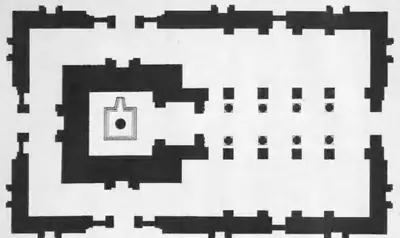 "(a) Plan of the Arka Brahma Temple. Scale: 9 ft. to 1 in." (Annual Report of the Archaeological Department of H.E.H. the Nizam's Dominions 1926-27, Plate IV (a) (PDF p. 61))నిర్మాణ నక్షా · 1929
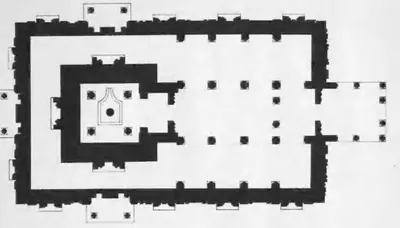 "(a) Plan of the Sulka Brahma Temple: 'Alampur. Scale: 12 ft. to 1 in." (Annual Report of the Archaeological Department of H.E.H. the Nizam's Dominions 1926-27, Plate III (a) (PDF p. 59))నిర్మాణ నక్షా · 1929
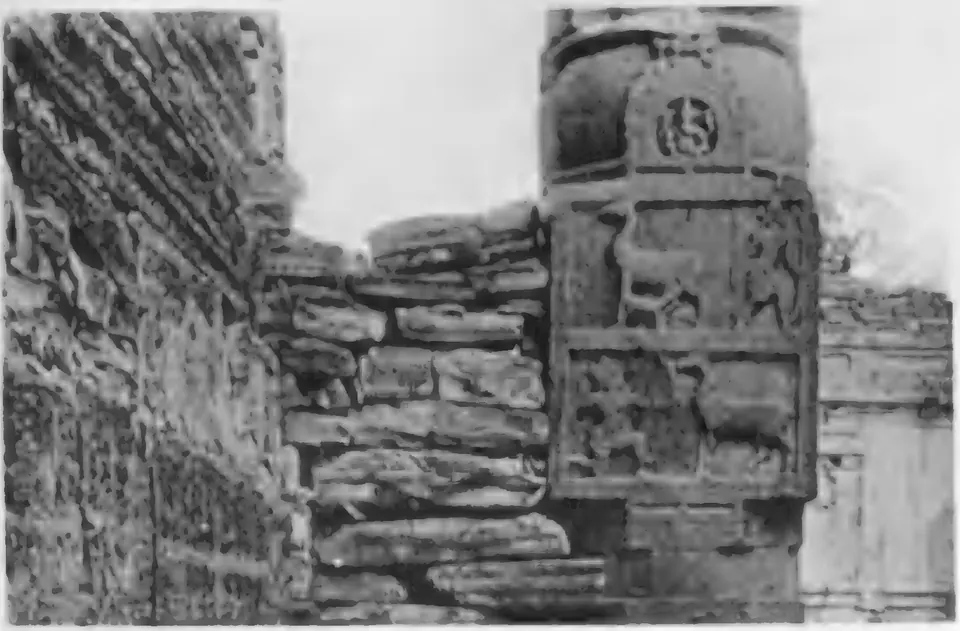
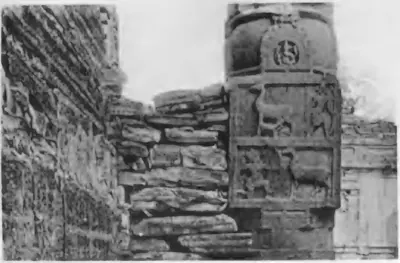 "(a) Story of the Deer: Gateway of the Temples: 'Alampur." (Annual Report of the Archaeological Department of H.E.H. the Nizam's Dominions 1926-27, Plate XI (a) (PDF p. 89))పాత ఫోటో · 1929
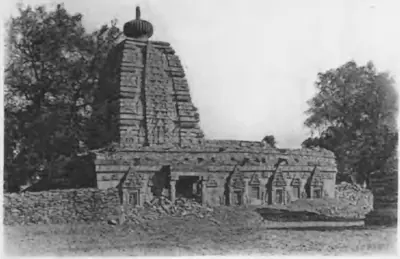 "(a) Temple No. 1: 'Alampur (Raichur)." (Annual Report of the Archaeological Department of H.E.H. the Nizam's Dominions 1926-27, Plate X (a) (PDF p. 85))పాత ఫోటో · 1929
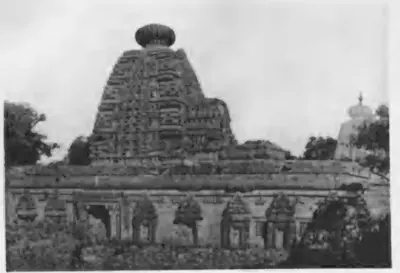 "(a) Temple No. 4: 'Alampur: General View." (Annual Report of the Archaeological Department of H.E.H. the Nizam's Dominions 1926-27, Plate XIII (a) (PDF p. 97))పాత ఫోటో · 1929
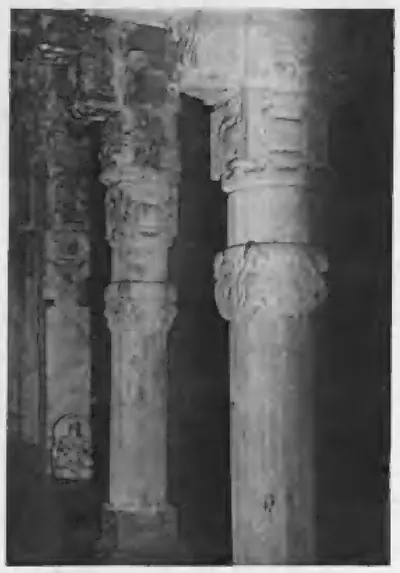 "(a) Temple No. 4: 'Alampur: Pillars." (Annual Report of the Archaeological Department of H.E.H. the Nizam's Dominions 1926-27, Plate XII (a) (PDF p. 93))పాత ఫోటో · 1929
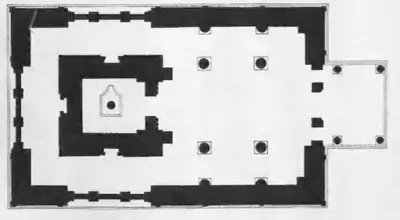 "(b) Plan of the Kumar Brahma Temple: 'Alampur. Scale: 9 ft. to 1 in." (Annual Report of the Archaeological Department of H.E.H. the Nizam's Dominions 1926-27, Plate III (b) (PDF p. 59))నిర్మాణ నక్షా · 1929
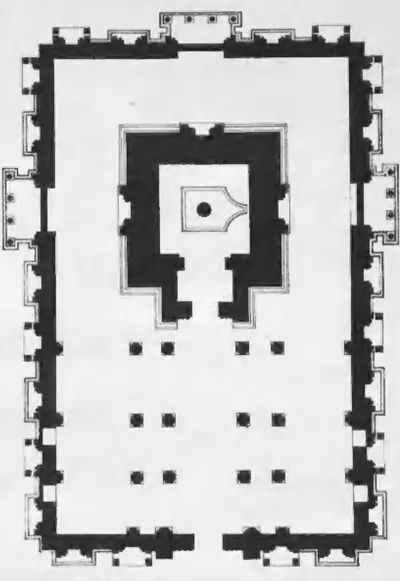 "(b) Plan of the Taraka Brahma Temple: 'Alampur. Scale: 12 ft. to 1 in." (Annual Report of the Archaeological Department of H.E.H. the Nizam's Dominions 1926-27, Plate II (b) (PDF p. 57))నిర్మాణ నక్షా · 1929
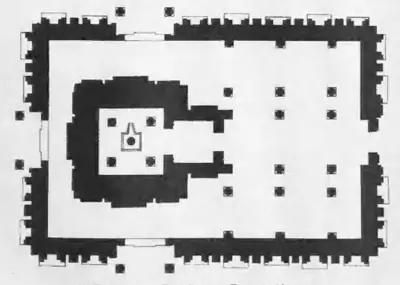 "(b) Plan of the Vira Brahma Temple: 'Alampur. Scale: 15 ft. to 1 in." (Annual Report of the Archaeological Department of H.E.H. the Nizam's Dominions 1926-27, Plate IV (b) (PDF p. 61))నిర్మాణ నక్షా · 1929
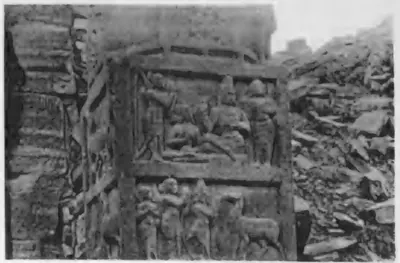 "(b) Story of the Deer: Another Episode." (Annual Report of the Archaeological Department of H.E.H. the Nizam's Dominions 1926-27, Plate XI (b) (PDF p. 89))పాత ఫోటో · 1929
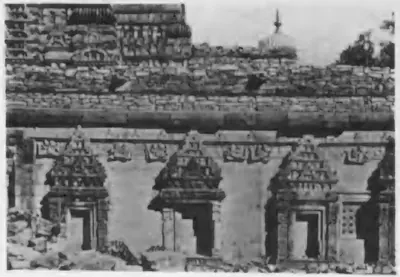 "(b) Temple No. 4: Carving." (Annual Report of the Archaeological Department of H.E.H. the Nizam's Dominions 1926-27, Plate XIII (b) (PDF p. 97))పాత ఫోటో · 1929
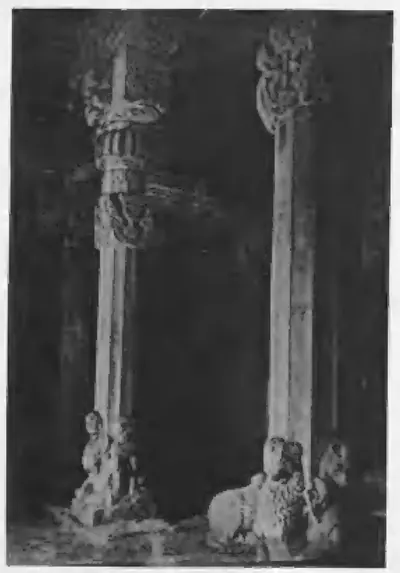 "(b) Temple No. 6: 'Alampur: Pillars." (Annual Report of the Archaeological Department of H.E.H. the Nizam's Dominions 1926-27, Plate XII (b) (PDF p. 93))పాత ఫోటో · 1929
అన్నీ చూపించు (166)
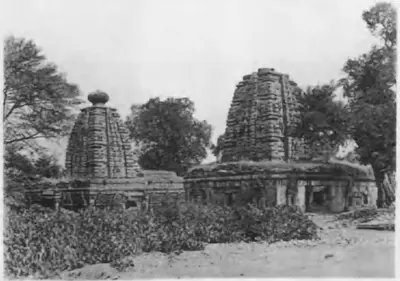 "(b) Temples Nos. 6 and 7: 'Alampur (Raichur)." (Annual Report of the Archaeological Department of H.E.H. the Nizam's Dominions 1926-27, Plate X (b) (PDF p. 85))పాత ఫోటో · 1929
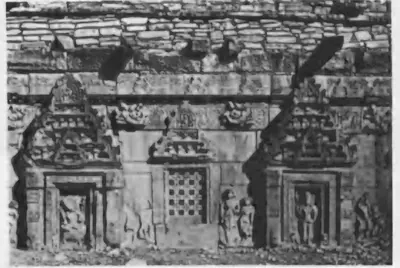 "(c) Temple No. 2: 'Alampur: Carving." (Annual Report of the Archaeological Department of H.E.H. the Nizam's Dominions 1926-27, Plate XIII (c) (PDF p. 97))పాత ఫోటో · 1929
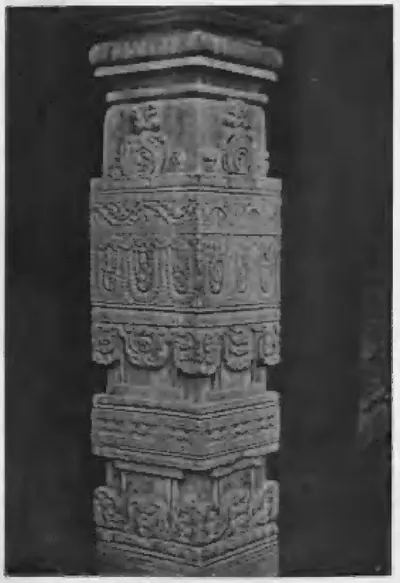 "(c) Temple No. 6: Another Pillar." (Annual Report of the Archaeological Department of H.E.H. the Nizam's Dominions 1926-27, Plate XII (c) (PDF p. 93))పాత ఫోటో · 1929
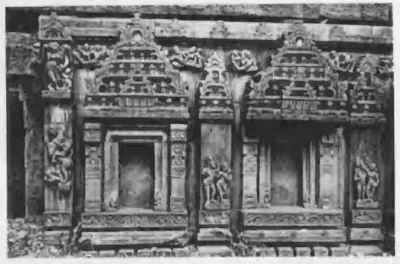 "(c) Temple No. 7: 'Alampur: Carving." (Annual Report of the Archaeological Department of H.E.H. the Nizam's Dominions 1926-27, Plate XI (c) (PDF p. 89))పాత ఫోటో · 1929
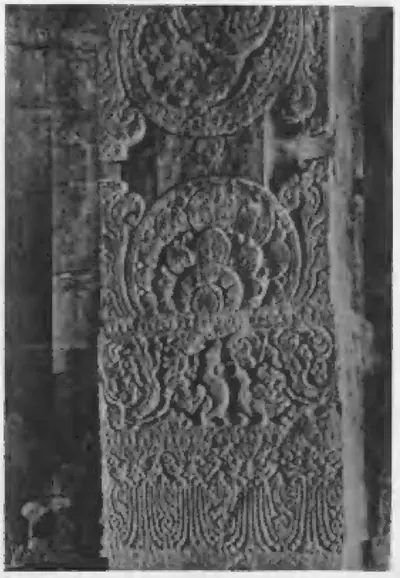 "(d) Dharmasala: 'Alampur: Pillar." (Annual Report of the Archaeological Department of H.E.H. the Nizam's Dominions 1926-27, Plate XII (d) (PDF p. 93))పాత ఫోటో · 1929
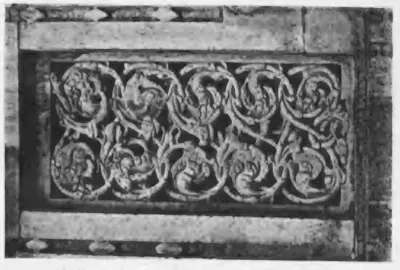 "(d) Dharmasala: 'Alampur: Window Grill." (Annual Report of the Archaeological Department of H.E.H. the Nizam's Dominions 1926-27, Plate XI (d) (PDF p. 89))పాత ఫోటో · 1929
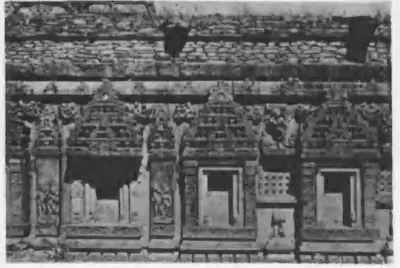 "(d) Temple No. 7: 'Alampur: Carving." (Annual Report of the Archaeological Department of H.E.H. the Nizam's Dominions 1926-27, Plate XIII (d) (PDF p. 97))పాత ఫోటో · 1929
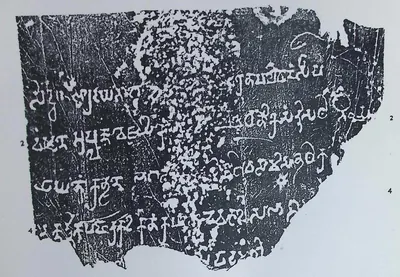 "2. Manchikallu Inscription of Pallava Simhavarman" (Epigraphia Indica XXXII, plate with No. 8, "Two Inscriptions from Guntur District" (PDF p. 137))శాసన ప్రతి · 1959
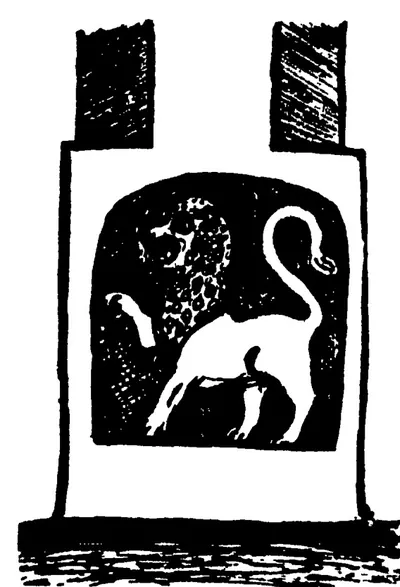 "A lion (simha) at Undavalli" (Jouveau-Dubreuil, The Pallavas, 1917, Fig. 1, p. 33)రేఖాచిత్రం · 1917
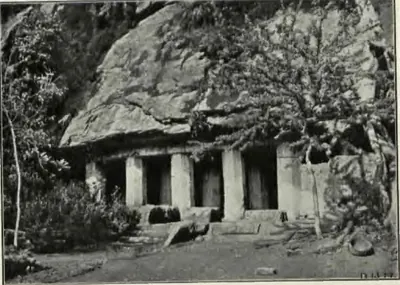 "Akkanna Madanna temple at Bezwada" (Longhurst, Pallava Architecture I, 1924, Plate V (d) (PDF p. 62))పాత ఫోటో · 1924
 "Bhairavakonda temple No. III: detail of doorkeeper" (Longhurst, Pallava Architecture I, 1924, Plate XVII (b) (PDF p. 86))పాత ఫోటో · 1924
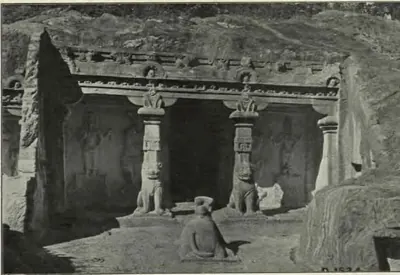 "Bhairavakonda temple No. VII: general view" (Longhurst, Pallava Architecture I, 1924, Plate XX (b) (PDF p. 92))పాత ఫోటో · 1924
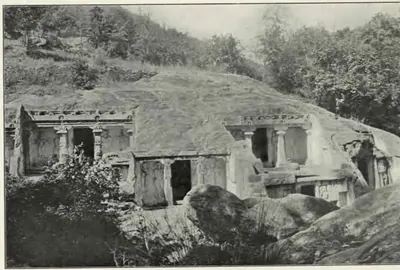 "Bhairavakonda: general view of ten rock-cut temples" (Longhurst, Pallava Architecture I, 1924, Plate XV (a) (PDF p. 82))పాత ఫోటో · 1924
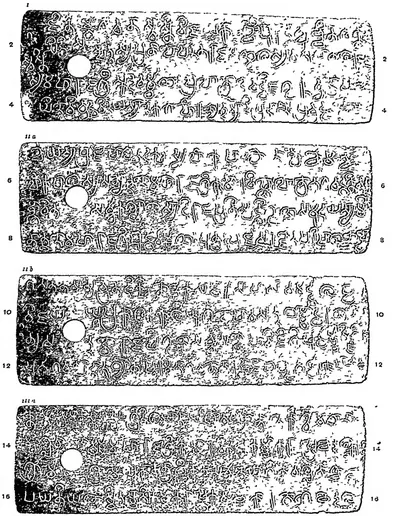 "Chendalur plates of Kumaravishnu II", plates i, ii a, ii b and iii a (Epigraphia Indica VIII, plate with No. 23 (PDF p. 295))శాసన ప్రతి · 1906
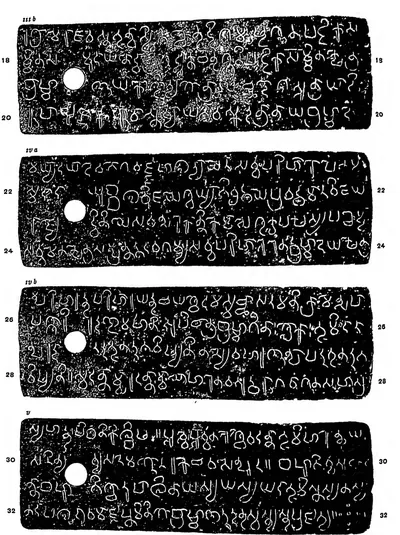 "Chendalur plates of Kumaravishnu II", plates iii b, iv a, iv b and v (Epigraphia Indica VIII, plate with No. 23 (PDF p. 296))శాసన ప్రతి · 1906
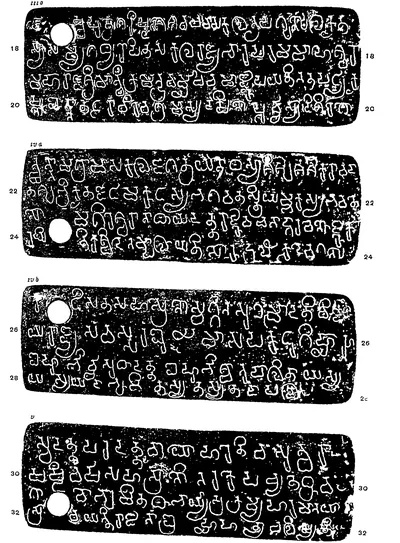 "Chikkulla Plates of Vikramendravarman II", second page of the plate: plates iii b, iv a, iv b and v, lines 17-32 (Epigraphia Indica IV, plate (PDF p. 242))శాసన ప్రతి · 1897
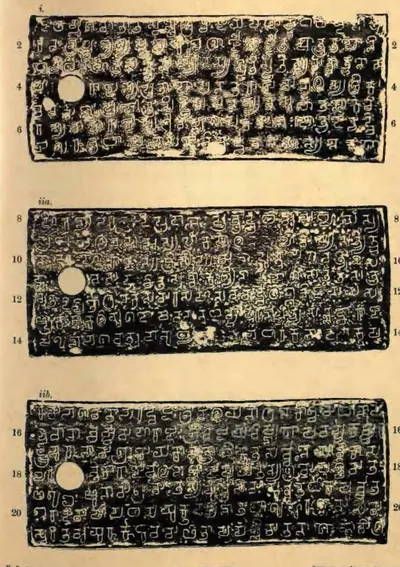 "Chura Grant of Pallava Vijaya-Vishnugopavarman", plates i, ii a and ii b (Epigraphia Indica XXIV, plate with No. 18 (PDF p. 174))శాసన ప్రతి · 1938
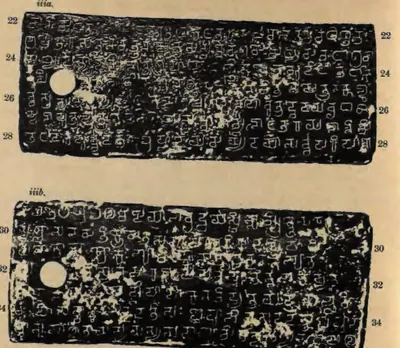 "Chura Grant of Pallava Vijaya-Vishnugopavarman", plates iii a and iii b (Epigraphia Indica XXIV, plate with No. 18 (PDF p. 175))శాసన ప్రతి · 1938
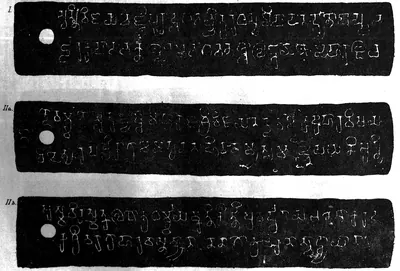 "Copper-plate grant of the kings of the Vengi country": Kollair (Kolleru) grant of the Salankayana Maharaja Vijaya-Nandivarman, plates I, IIa and IIb (Indian Antiquary V, 1876, plate at p. 176 (PDF p. 214))శాసన ప్రతి · 1876
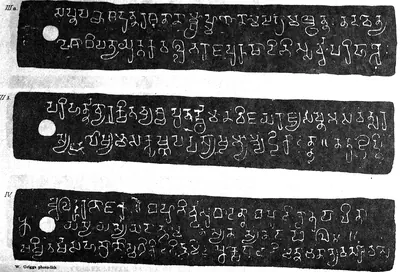 "Copper-plate grant of the kings of the Vengi country": Kollair (Kolleru) grant of the Salankayana Maharaja Vijaya-Nandivarman, plates IIIa, IIIb and IV (Indian Antiquary V, 1876, plate at p. 177 (PDF p. 215))శాసన ప్రతి · 1876
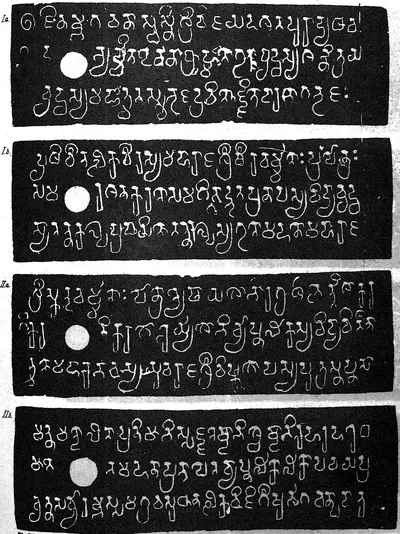 "Copper-plate Grant of the Pallava Dynasty" (the Mangalur grant of Simhavarman), plates I a, I b, II a and II b (Indian Antiquary V, 1876, plate at p. 154 (PDF p. 186))శాసన ప్రతి · 1876
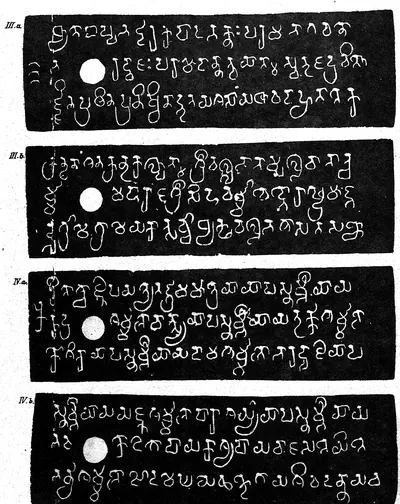 "Copper-plate Grant of the Pallava Dynasty" (the Mangalur grant of Simhavarman), plates III a, III b, IV a and IV b (Indian Antiquary V, 1876, plate at p. 155 (PDF p. 187))శాసన ప్రతి · 1876
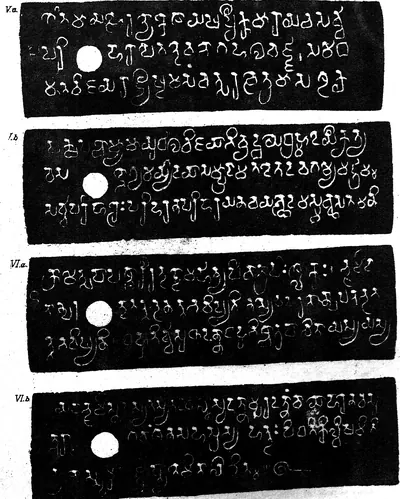 "Copper-plate Grant of the Pallava Dynasty" (the Mangalur grant of Simhavarman), plates V a, V b, VI a and VI b (Indian Antiquary V, 1876, plate at p. 156 (PDF p. 190))శాసన ప్రతి · 1876
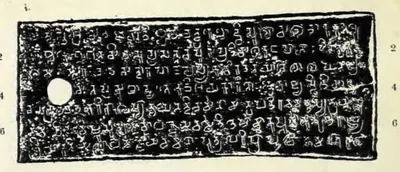 "Dommara-Nandyala Plates of Punyakumara, 10th Year", plate i (Epigraphia Indica XXVII, plate with No. 44 after p. 274, plate i (PDF p. 370))శాసన ప్రతి · 1956
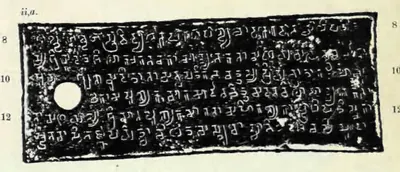 "Dommara-Nandyala Plates of Punyakumara, 10th Year", plate ii a (Epigraphia Indica XXVII, plate with No. 44 after p. 274, plate ii a (PDF p. 370))శాసన ప్రతి · 1956
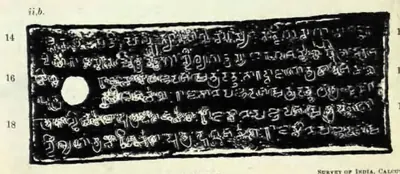 "Dommara-Nandyala Plates of Punyakumara, 10th Year", plate ii b (Epigraphia Indica XXVII, plate with No. 44 after p. 274, plate ii b (PDF p. 370))శాసన ప్రతి · 1956
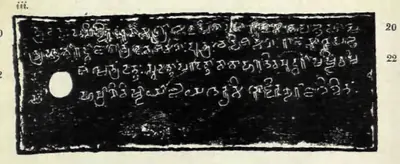 "Dommara-Nandyala Plates of Punyakumara, 10th Year", plate iii (Epigraphia Indica XXVII, plate with No. 44 after p. 274, plate iii (PDF p. 371))శాసన ప్రతి · 1956
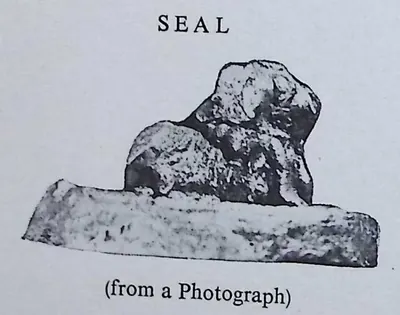
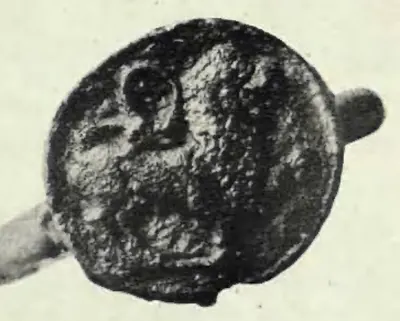 "Dommara-Nandyala Plates of Punyakumara, 10th Year": the seal ("From a photograph") (Epigraphia Indica XXVII, plate with No. 44 after p. 274, lower half (PDF p. 371))పాత ఫోటో · 1956
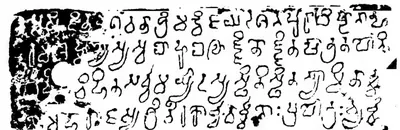 "First Plate of a Pallava Copper-plate Grant" (the Darsi fragment) (Epigraphia Indica I, plate with No. XLV, facing p. 397 (PDF p. 446 of the scan in.ernet.dli.2015.56636))శాసన ప్రతి · 1892
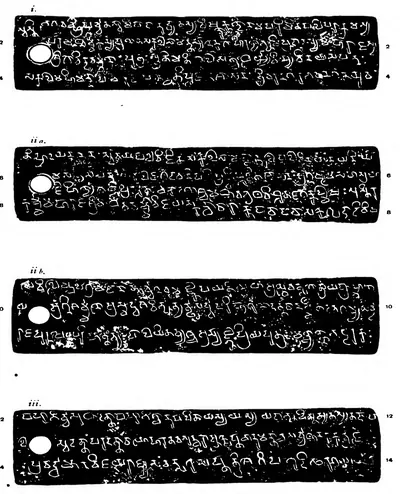 "Ipur Plates of Govindavarman's Son Madhavavarman": plates i, ii a, ii b and iii, lines 1-14 (Epigraphia Indica XVII, plate between pp. 334 and 335 (PDF p. 388 of scan in.ernet.dli.2015.180697))శాసన ప్రతి · 1924
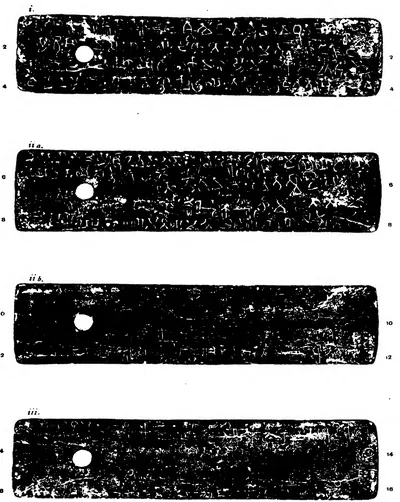 "Ipur Plates of Madhavavarman II": plates i, ii a, ii b and iii, lines 1-16 (Epigraphia Indica XVII, plate between pp. 338 and 339 (PDF p. 394 of scan in.ernet.dli.2015.180697))శాసన ప్రతి · 1924
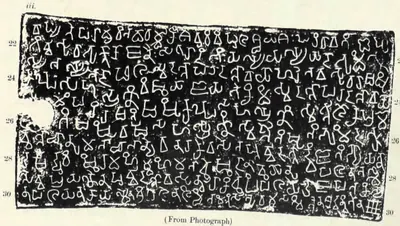 "Khanapur Plates of Madhavavarman": plate iii, lines 22-30 (Epigraphia Indica XXVII, plate between pp. 316 and 317 (PDF p. 421, printed sideways))పుస్తక చిత్రపటం · 1956
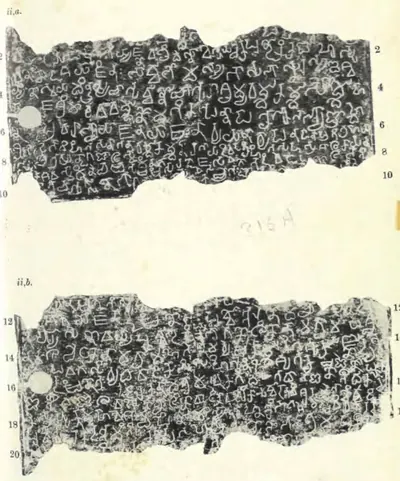 "Khanapur Plates of Madhavavarman": plates ii a and ii b, lines 1-20 (Epigraphia Indica XXVII, plate between pp. 316 and 317 (PDF p. 420))పుస్తక చిత్రపటం · 1956
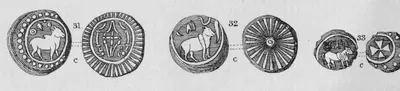 "Kurumbar or Pallava Coins of the Coromandel Coast": copper coins with a bull (Elliot 1886, Pl. I, Nos. 31-33)నాణెం · 1886
 "Kurumbar or Pallava Coins of the Coromandel Coast": copper coins with a bull, crab, fish and ship (Elliot 1886, Pl. I, Nos. 34-38)నాణెం · 1886
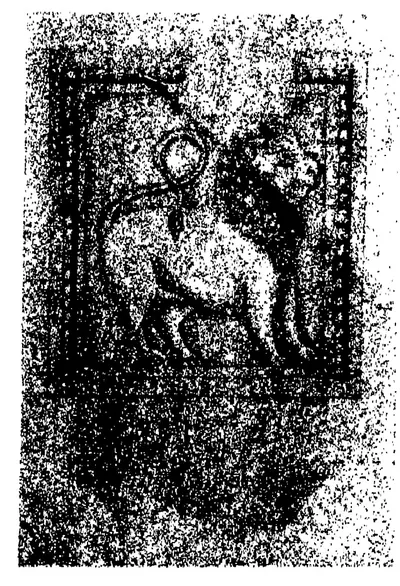 "Lion seal and sculptures of about the Seventh Century A.D.", D: "Sculpture on the rock-cut temple, Siyamangalam" (a Pallava lion, shown for comparison with the seal of the Malepadu plates) (Epigraphia Indica XI, plate to face p. 338, panel D (PDF p. 400))పాత ఫోటో · 1912
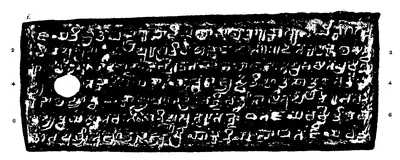 "Malepadu plates of Punyakumara; the fifth year", plate i (lines 1-7) (Epigraphia Indica XI, plate between pp. 344 and 345, plate i (PDF p. 408, printed sideways, turned here))శాసన ప్రతి · 1912
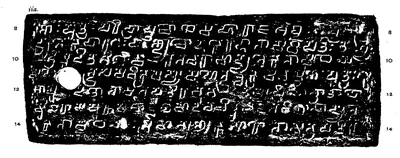 "Malepadu plates of Punyakumara; the fifth year", plate ii a (lines 8-14) (Epigraphia Indica XI, plate between pp. 344 and 345, plate ii a (PDF p. 408, printed sideways, turned here))శాసన ప్రతి · 1912
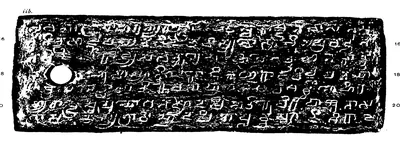 "Malepadu plates of Punyakumara; the fifth year", plate ii b (lines 15-21) (Epigraphia Indica XI, plate between pp. 344 and 345, plate ii b (PDF p. 409, printed sideways, turned here))శాసన ప్రతి · 1912
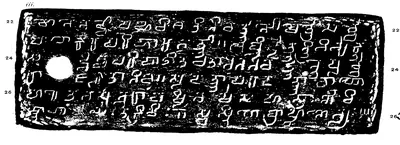 "Malepadu plates of Punyakumara; the fifth year", plate iii (lines 22-27) (Epigraphia Indica XI, plate between pp. 344 and 345, plate iii (PDF p. 409, printed sideways, turned here))శాసన ప్రతి · 1912
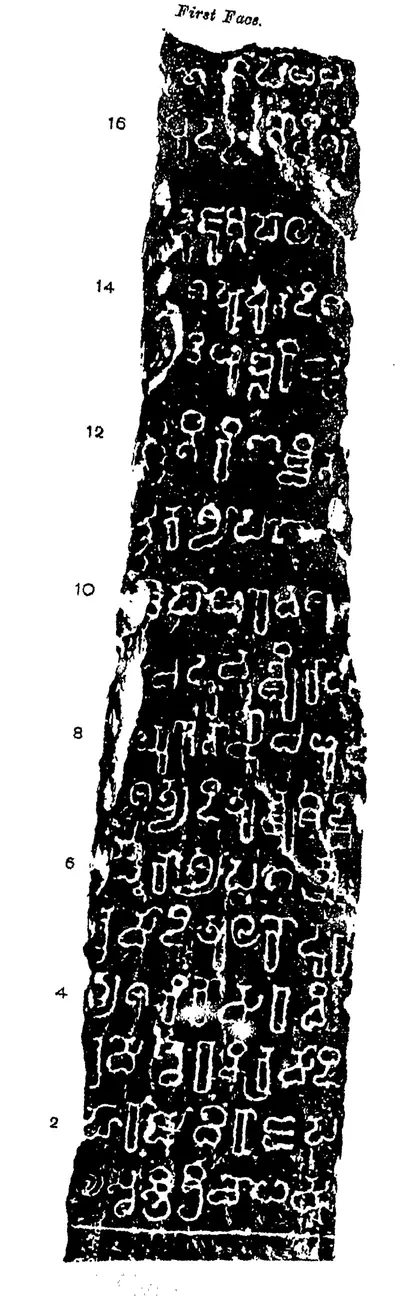 "Malepadu stone inscription of Satyaditya", First Face (Epigraphia Indica XI, plate to face p. 346, first face (PDF p. 412))శాసన ప్రతి · 1912
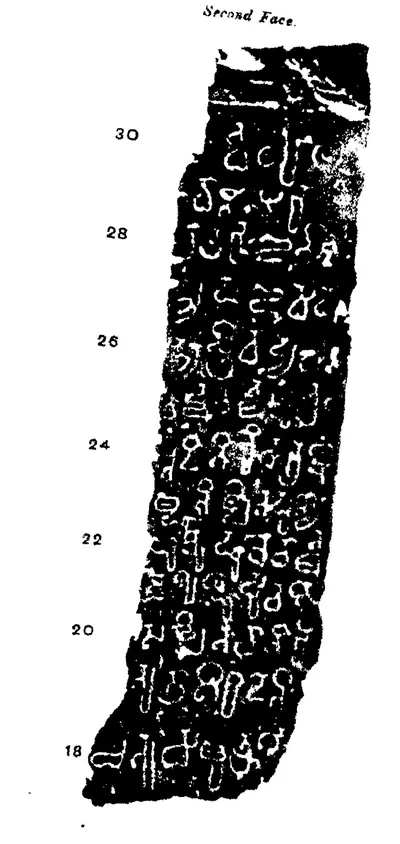 "Malepadu stone inscription of Satyaditya", Second Face (Epigraphia Indica XI, plate to face p. 346, second face (PDF p. 412))శాసన ప్రతి · 1912
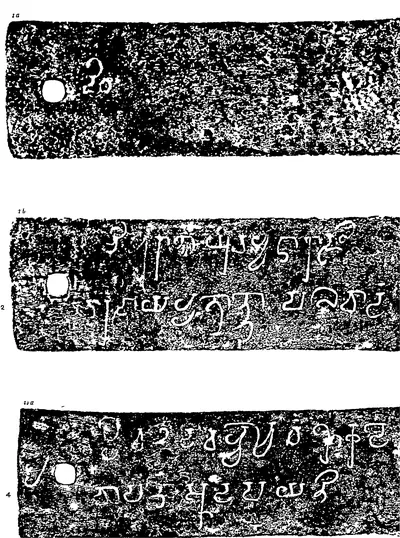 "Mayidavolu Plates of Sivaskandavarman", plates i a, i b and ii a (Epigraphia Indica VI, plate between pp. 84 and 85 (PDF p. 112 of the archive.org scan in.ernet.dli.2015.56212))శాసన ప్రతి · 1901
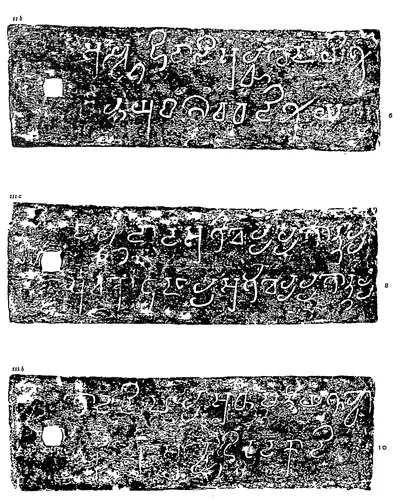 "Mayidavolu Plates of Sivaskandavarman", plates ii b, iii a and iii b (Epigraphia Indica VI, plate between pp. 84 and 85 (PDF p. 113 of scan in.ernet.dli.2015.56212))శాసన ప్రతి · 1901
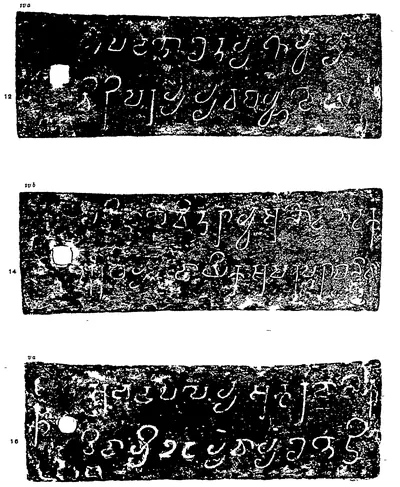 "Mayidavolu Plates of Sivaskandavarman", plates iv a, iv b and v a (Epigraphia Indica VI, second plate between pp. 86 and 87 (PDF p. 116 of scan in.ernet.dli.2015.56212))శాసన ప్రతి · 1901
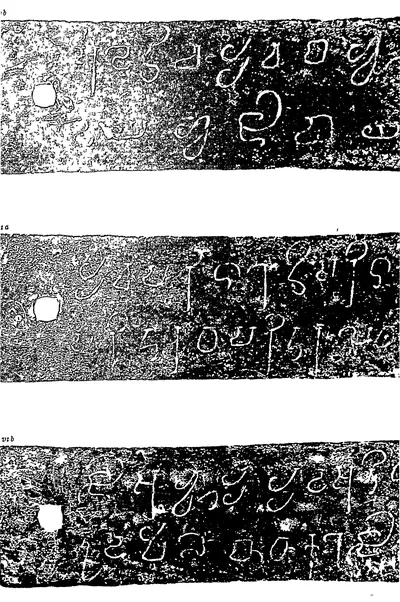 "Mayidavolu Plates of Sivaskandavarman", plates v b, vi a and vi b (Epigraphia Indica VI, second plate between pp. 86 and 87 (PDF p. 117 of scan in.ernet.dli.2015.56212))శాసన ప్రతి · 1901
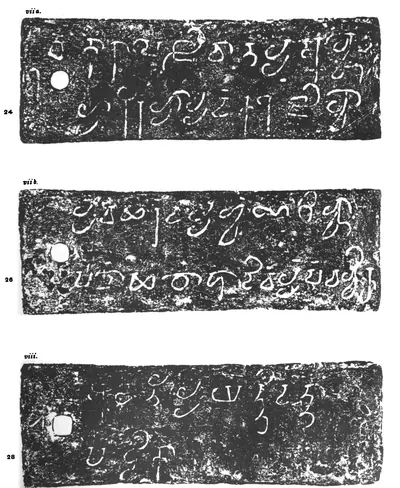 "Mayidavolu Plates of Sivaskandavarman", plates vii a, vii b and viii (Epigraphia Indica VI, third plate (PDF p. 115 of the archive.org scan EpigraphiaIndicaVol6))శాసన ప్రతి · 1901
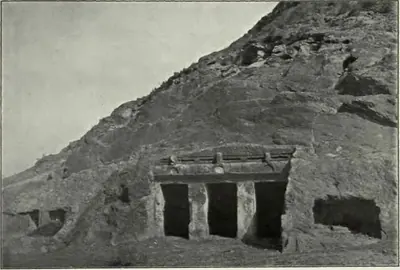 "Mogalrajapuram: Temple No. III" (Longhurst, Pallava Architecture I, 1924, Plate VIII (a) (PDF p. 68))పాత ఫోటో · 1924
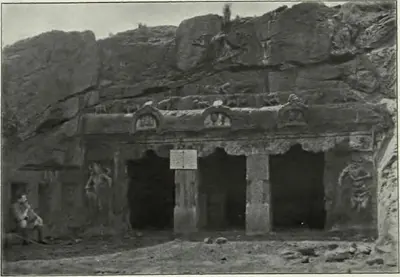 "Mogalrajapuram: Temple No. IV" (Longhurst, Pallava Architecture I, 1924, Plate VIII (b) (PDF p. 68))పాత ఫోటో · 1924
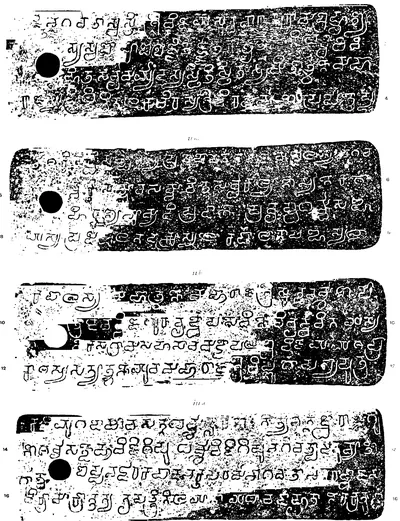 "Omgodu Grant of the Pallava Simhavarman II: the 4th year", first page, lines 1-16 (Epigraphia Indica XV, plate with No. 11 (PDF p. 304))శాసన ప్రతి · 1920
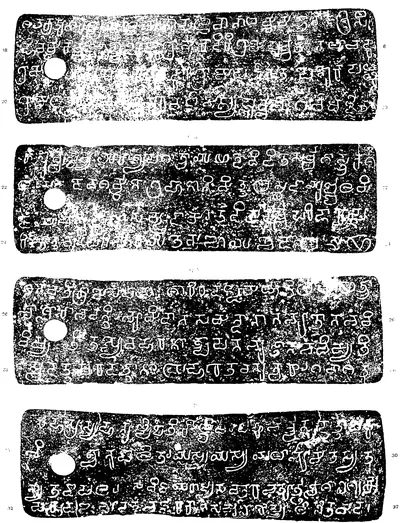 "Omgodu Grant of the Pallava Simhavarman II: the 4th year", second page, lines 17-32 (Epigraphia Indica XV, plate with No. 11 (PDF p. 305))శాసన ప్రతి · 1920
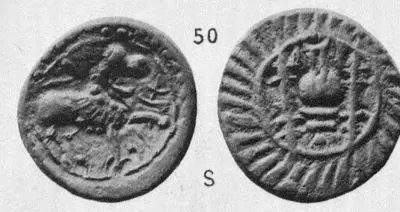 "Pallava Coins": alloy coin of the maned-lion and vase type (Elliot 1886, Pl. II, No. 50)నాణెం · 1886
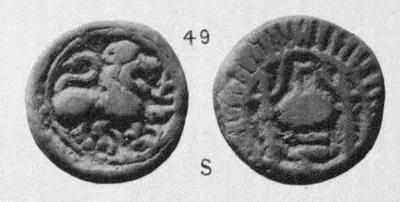 "Pallava Coins": alloy coin with a maned lion and, on the reverse, a vase on a stand between two lamp-stands (Elliot 1886, Pl. II, No. 49)నాణెం · 1886
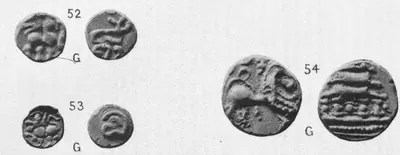 "Pallava Coins": small gold coins with a lion (Elliot 1886, Pl. II, Nos. 52-54)నాణెం · 1886
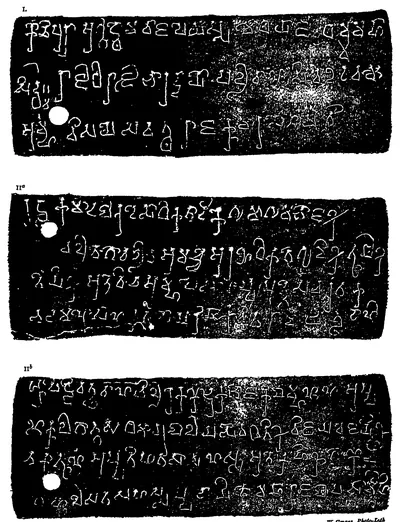 "Pallava Copperplate Grant of Sivaskandavarman" (Hirahadagalli plates), Plate I: plates I, II a and II b (Epigraphia Indica I, Plate I with No. I (PDF p. 20))శాసన ప్రతి · 1892
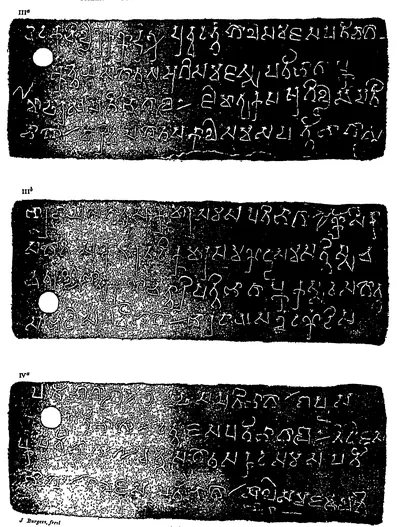 "Pallava Copperplate Grant of Sivaskandavarman" (Hirahadagalli plates), Plate II: plates III a, III b and IV a (Epigraphia Indica I, Plate II with No. I (PDF p. 21))శాసన ప్రతి · 1892
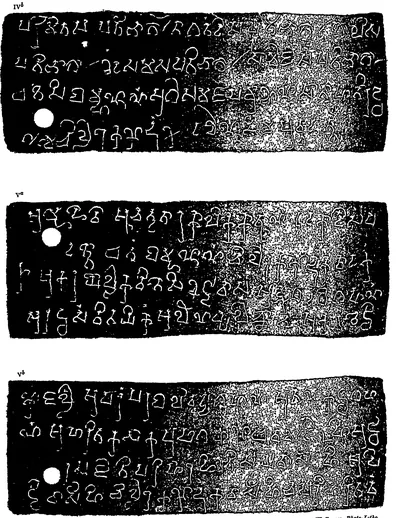 "Pallava Copperplate Grant of Sivaskandavarman" (Hirahadagalli plates), Plate III: plates IV b, V a and V b (Epigraphia Indica I, Plate III with No. I (PDF p. 22))శాసన ప్రతి · 1892
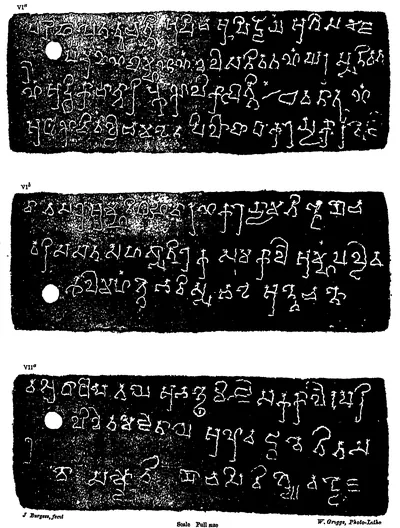 "Pallava Copperplate Grant of Sivaskandavarman" (Hirahadagalli plates), Plate IV: plates VI a, VI b and VII a (Epigraphia Indica I, Plate IV with No. I (PDF p. 23))శాసన ప్రతి · 1892
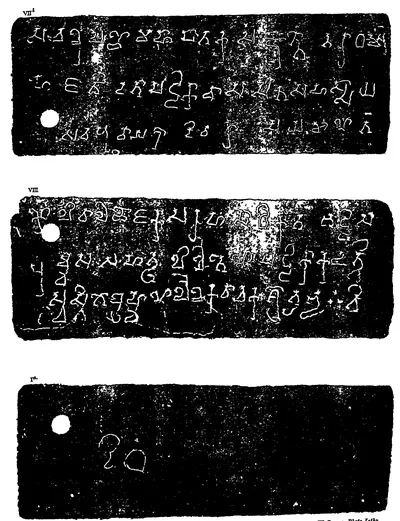 "Pallava Copperplate Grant of Sivaskandavarman" (Hirahadagalli plates), Plate V: plates VII b, VIII and I a (Epigraphia Indica I, Plate V with No. I (PDF p. 24))శాసన ప్రతి · 1892
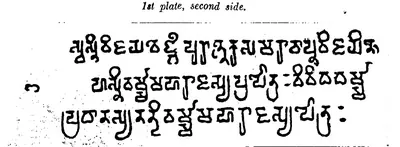 "Pedavegi Copper-plates of Nandivarman II": "1st plate, second side" (eye-copy) (Journal of the Andhra Historical Research Society I, pt. 2, Oct. 1926, p. 101 (PDF p. 122))రేఖాచిత్రం · 1926
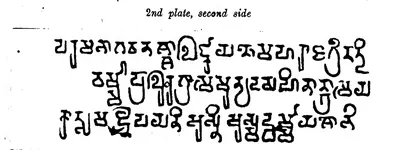 "Pedavegi Copper-plates of Nandivarman II": "2nd plate, second side" (eye-copy) (Journal of the Andhra Historical Research Society I, pt. 2, Oct. 1926, p. 102 (PDF p. 123))రేఖాచిత్రం · 1926
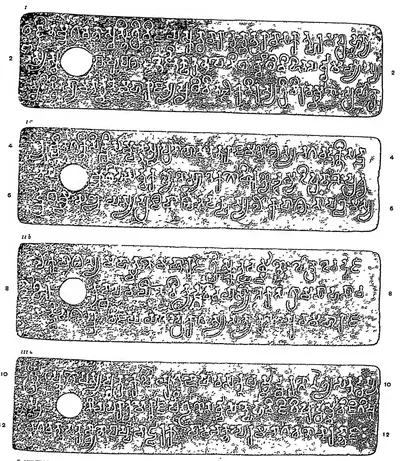 "Pikira grant of Simhavarman", plates i, ii a, ii b and iii a (Epigraphia Indica VIII, plate with No. 15 (PDF p. 201))శాసన ప్రతి · 1906
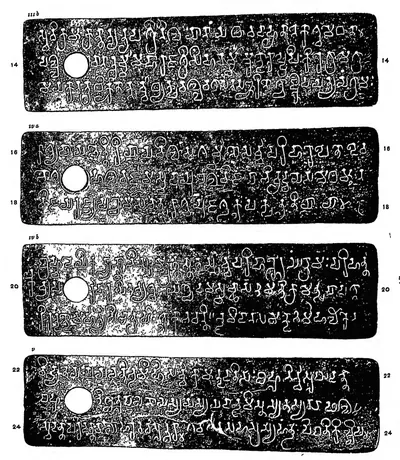 "Pikira grant of Simhavarman", plates iii b, iv a, iv b and v (Epigraphia Indica VIII, plate with No. 15 (PDF p. 202))శాసన ప్రతి · 1906
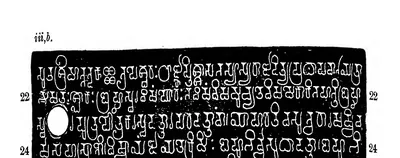 "Reyuru Grant of Pallava Narasimhavarman; Year 12", plate iii b (Epigraphia Indica XXIX, plate with No. 11 (PDF p. 199))శాసన ప్రతి · 1952
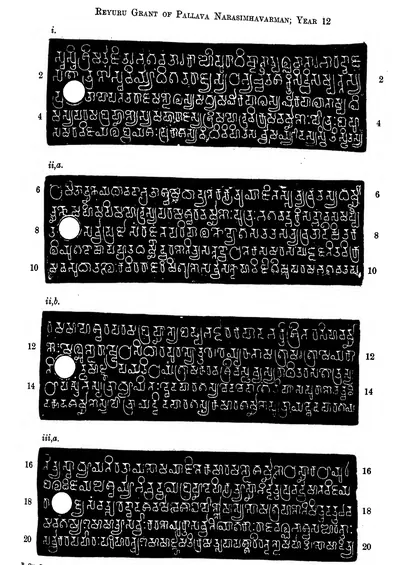 "Reyuru Grant of Pallava Narasimhavarman; Year 12", plates i, ii a, ii b and iii a (Epigraphia Indica XXIX, plate with No. 11 (PDF p. 198))శాసన ప్రతి · 1952
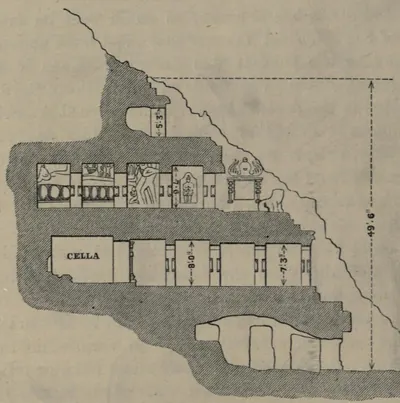 "Section of the Undavilla Cave, from a Drawing by Mr. Peters. Scale 20 feet to 1 inch" (Fergusson and Burgess, The Cave Temples of India, 1880, woodcut No. 24, p. 100)రేఖాచిత్రం · 1880
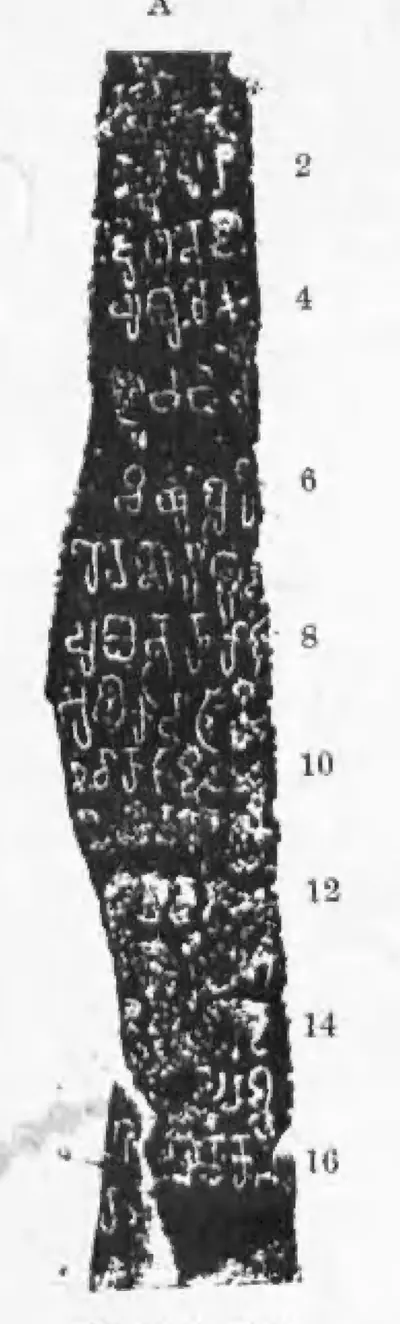 "Telugu Chola Records from Anantapur and Cuddapah (I)", A: the Kalamalla inscription of Erikal-Muturaju Dhananjaya (Epigraphia Indica XXVII, Plate (I) between pp. 228 and 229, panel A (PDF p. 316, printed sideways))శాసన ప్రతి · 1956
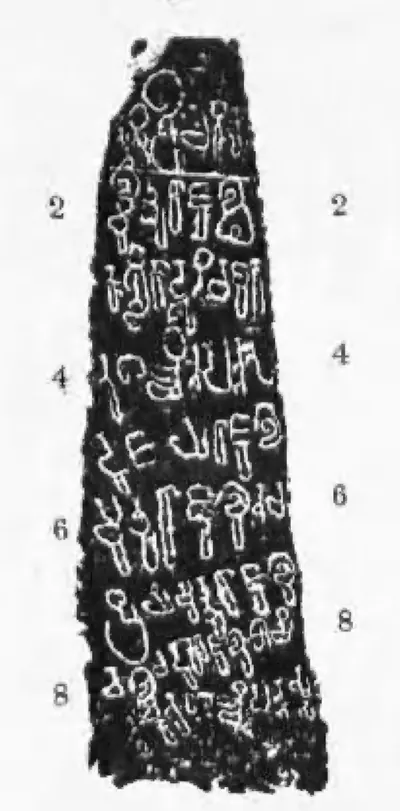 "Telugu Chola Records from Anantapur and Cuddapah (I)", B: the Erragudipadu inscription of Erikal-Mutturaju, first side (lines 1-8) (Epigraphia Indica XXVII, Plate (I) between pp. 228 and 229, panel B upper (PDF p. 316))పాత ఫోటో · 1956
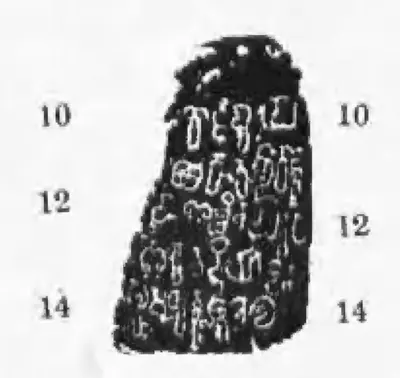 "Telugu Chola Records from Anantapur and Cuddapah (I)", B: the Erragudipadu inscription of Erikal-Mutturaju, second side (lines 10-14) (Epigraphia Indica XXVII, Plate (I) between pp. 228 and 229, panel B lower (PDF p. 316))పాత ఫోటో · 1956
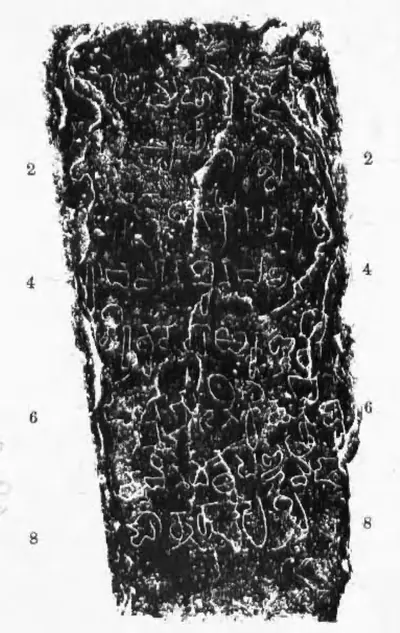 "Telugu Chola Records from Anantapur and Cuddapah (I)", C: the Uruturu inscription of Chola-Maharaja (Epigraphia Indica XXVII, Plate (I) between pp. 228 and 229, panel C (PDF p. 316))శాసన ప్రతి · 1956
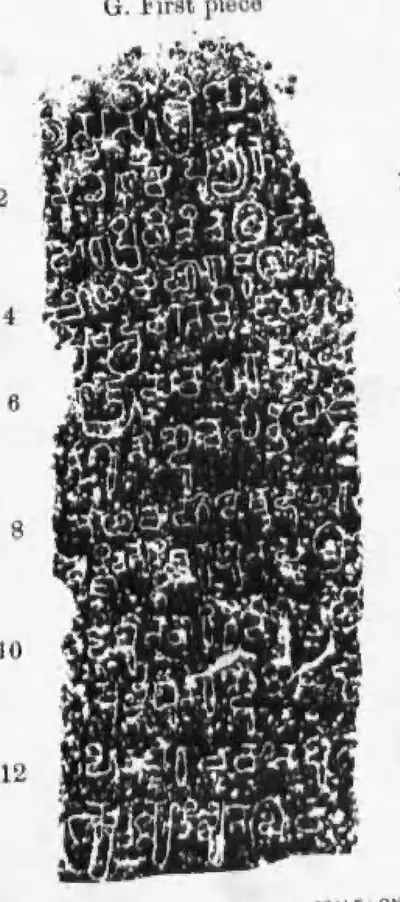 "Telugu Chola Records from Anantapur and Cuddapah (II)", G: the Ramesvaram pillar inscription of Punyakumara, first piece (lines 1-13) (Epigraphia Indica XXVII, Plate (II) between pp. 236 and 237, panel G first piece (PDF p. 326, printed sideways))శాసన ప్రతి · 1956
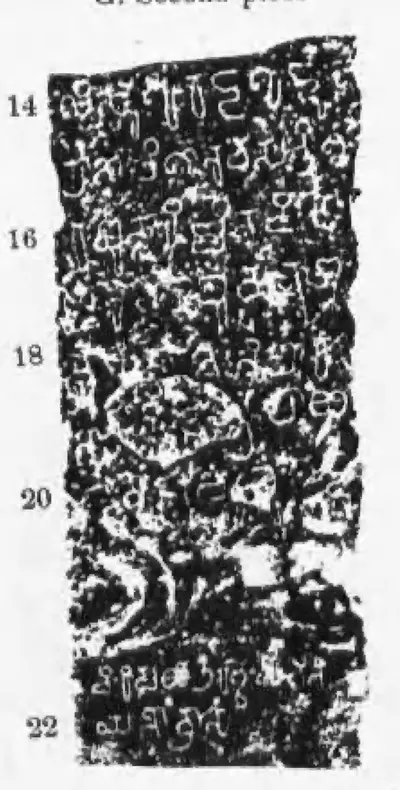 "Telugu Chola Records from Anantapur and Cuddapah (II)", G: the Ramesvaram pillar inscription of Punyakumara, second piece (lines 14-22) (Epigraphia Indica XXVII, Plate (II) between pp. 236 and 237, panel G second piece (PDF p. 326))శాసన ప్రతి · 1956
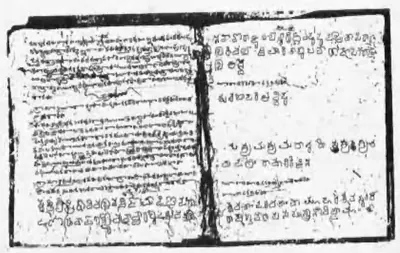 "Telugu Chola Records from Anantapur and Cuddapah (II)", K: the Chamaluru inscription as copied by Colin Mackenzie's assistants (Mackenzie manuscript, photograph) (Epigraphia Indica XXVII, Plate (II) between pp. 236 and 237, lower right (PDF p. 326))పాత ఫోటో · 1956
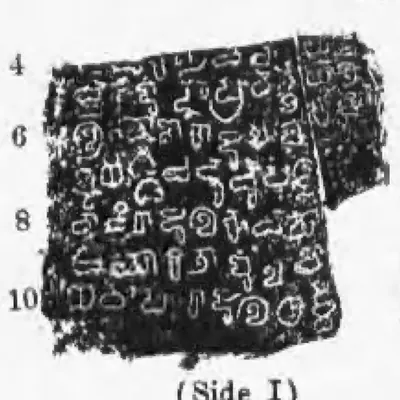 "Telugu Chola Records from Anantapur and Cuddapah (II)", K: the Chamaluru inscription of Prithivivallabha Vijayaditya-Chola, side I (Epigraphia Indica XXVII, Plate (II) between pp. 236 and 237, panel K, side I (PDF p. 326))పాత ఫోటో · 1956
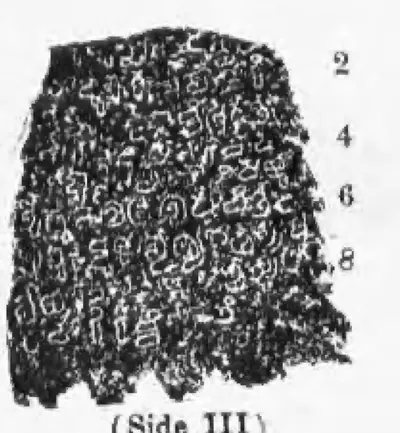 "Telugu Chola Records from Anantapur and Cuddapah (II)", K: the Chamaluru inscription of Prithivivallabha Vijayaditya-Chola, side III (Epigraphia Indica XXVII, Plate (II) between pp. 236 and 237, panel K, side III (PDF p. 326))పాత ఫోటో · 1956
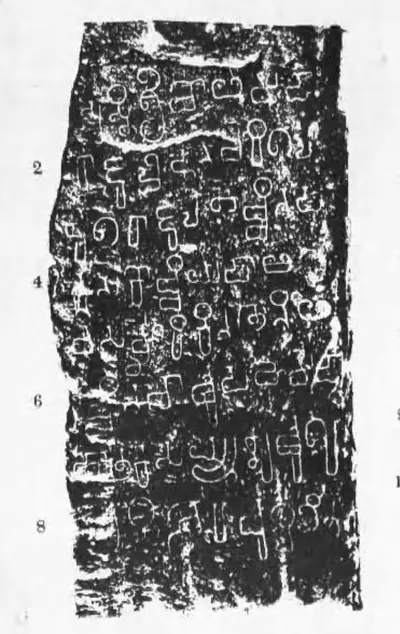 "Telugu Chola Records from Anantapur and Cuddapah", D: the Indukuru inscription of Chola-Maharaja (Epigraphia Indica XXVII, second plate page between pp. 228 and 229, panel D (PDF p. 317, printed sideways))శాసన ప్రతి · 1956
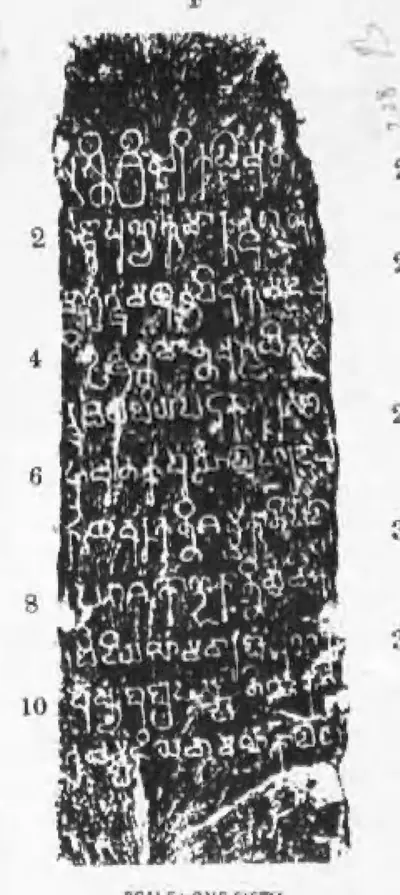 "Telugu Chola Records from Anantapur and Cuddapah", F: the Tippaluru inscription of Erikal-Muturaju Punyakumara (Epigraphia Indica XXVII, second plate page between pp. 228 and 229, panel F (PDF p. 317))శాసన ప్రతి · 1956
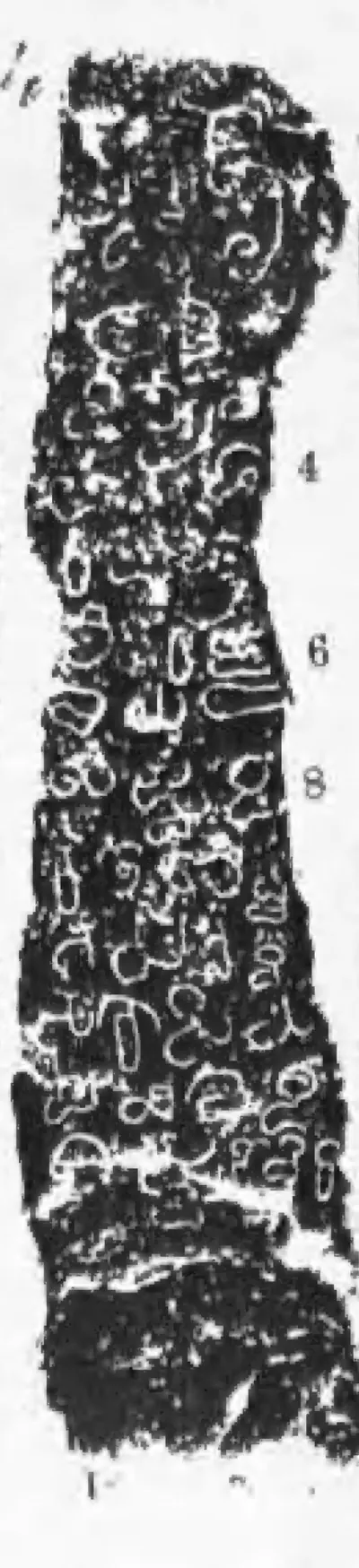 "Telugu Chola Records from Anantapur and Cuddapah", J: the Veludurti inscription of Uttamaditya Chola-Maharaja, face with lines 1-9 (Epigraphia Indica XXVII, second plate page between pp. 228 and 229, panel J, middle face (PDF p. 317))శాసన ప్రతి · 1956
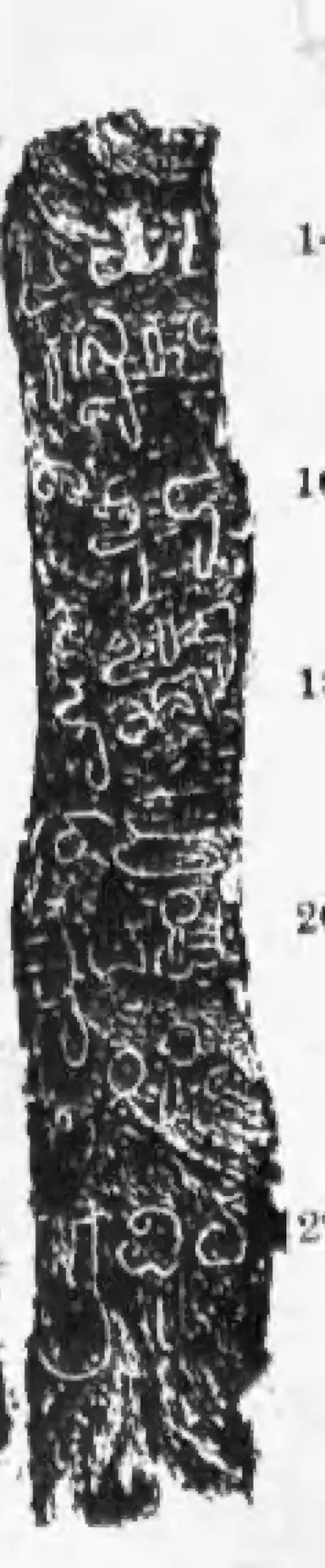 "Telugu Chola Records from Anantapur and Cuddapah", J: the Veludurti inscription of Uttamaditya Chola-Maharaja, face with lines 14-22 (Epigraphia Indica XXVII, second plate page between pp. 228 and 229, panel J, right-hand face (PDF p. 317))శాసన ప్రతి · 1956
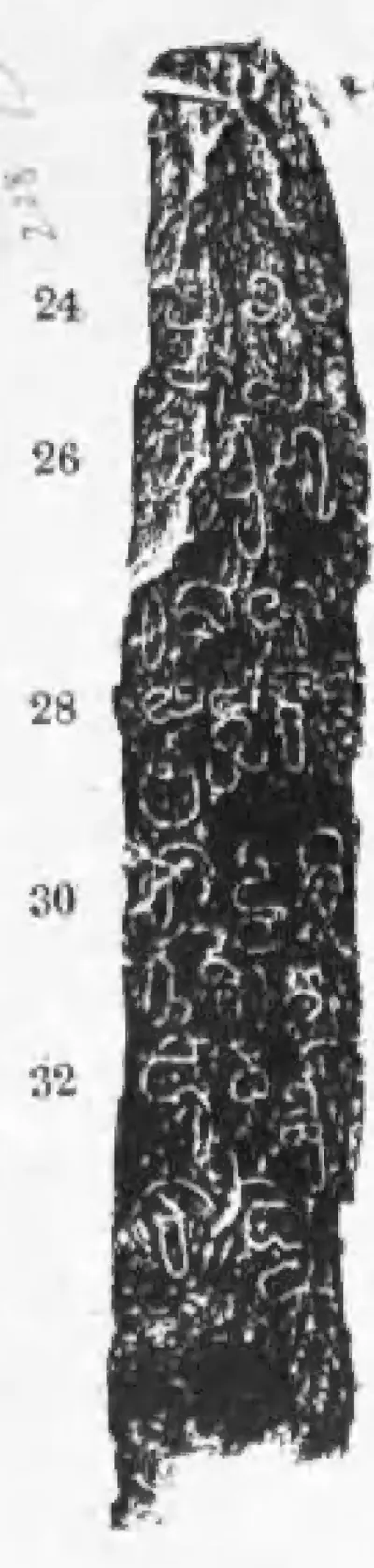 "Telugu Chola Records from Anantapur and Cuddapah", J: the Veludurti inscription of Uttamaditya Chola-Maharaja, face with lines 24-32 (Epigraphia Indica XXVII, second plate page between pp. 228 and 229, panel J, left-hand face (PDF p. 317))శాసన ప్రతి · 1956
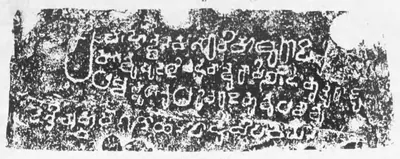 "Telugu Chola Records from Anantapur and Cuddapah", L: the Budidigaddapalle hero-stone inscription of Kapi-Bola-Mutturaju (Epigraphia Indica XXVII, second plate page between pp. 236 and 237, panel L (PDF p. 327, printed sideways))శాసన ప్రతి · 1956
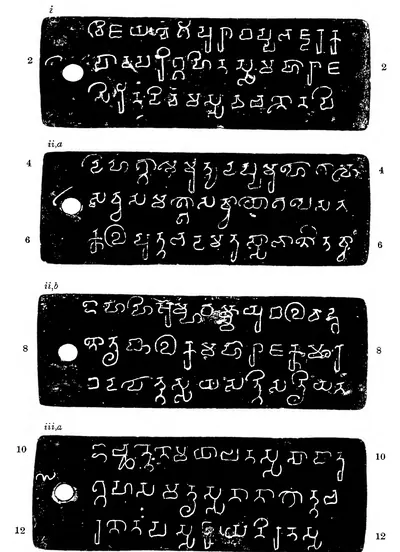 "Two Salankayana Charters from Kanukollu-Plate I. A.-Plates of Nandivarman (I), Year 14": plates i to iii a (Epigraphia Indica XXXI, Plate I, left half, between pp. 4 and 5 (PDF p. 24))శాసన ప్రతి · 1960
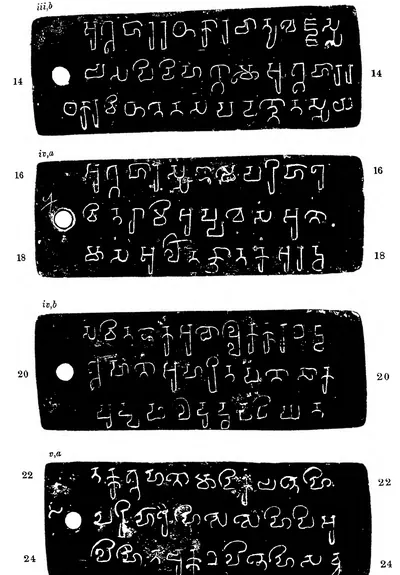 "Two Salankayana Charters from Kanukollu-Plate I. A.-Plates of Nandivarman (I), Year 14": plates iii b to v a (Epigraphia Indica XXXI, Plate I, right half, between pp. 4 and 5 (PDF p. 25))శాసన ప్రతి · 1960
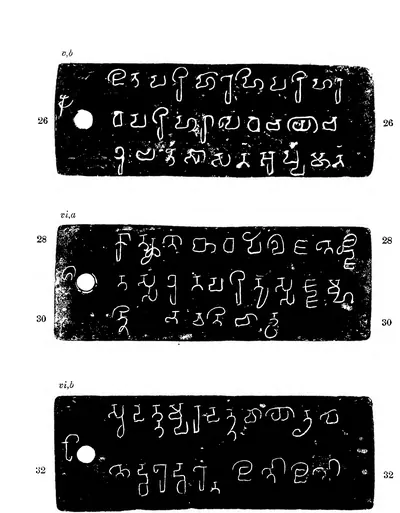 "Two Salankayana Charters from Kanukollu-Plate II. A.-Plates of Nandivarman (I), Year 14": plates v b to vi b (Epigraphia Indica XXXI, Plate II, left half, between pp. 6 and 7 (PDF p. 28))శాసన ప్రతి · 1960
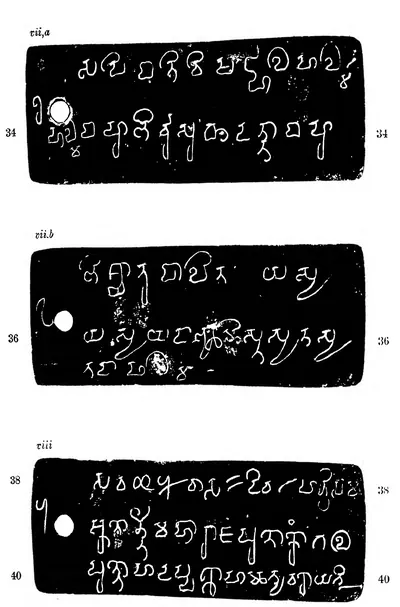 "Two Salankayana Charters from Kanukollu-Plate II. A.-Plates of Nandivarman (I), Year 14": plates vii a to viii (Epigraphia Indica XXXI, Plate II, right half, between pp. 6 and 7 (PDF p. 29))శాసన ప్రతి · 1960
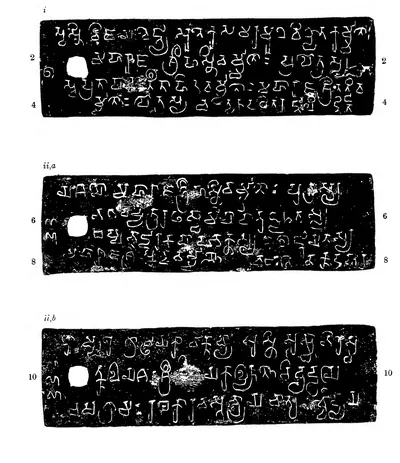 "Two Salankayana Charters from Kanukollu-Plate III. B.-Plates of Skandavarman, Year 1": plates i to ii b (Epigraphia Indica XXXI, Plate III, left half, between pp. 8 and 9 (PDF p. 32))శాసన ప్రతి · 1960
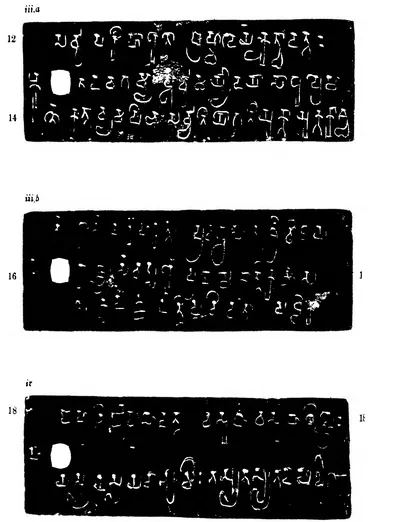 "Two Salankayana Charters from Kanukollu-Plate III. B.-Plates of Skandavarman, Year 1": plates iii a to iv (Epigraphia Indica XXXI, Plate III, right half, between pp. 8 and 9 (PDF p. 33))శాసన ప్రతి · 1960
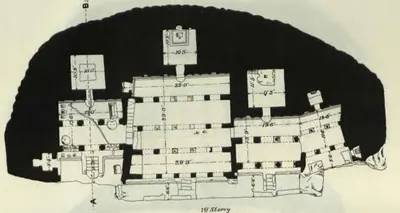 "Undavalli temple, Guntur District.—Plans": 1st Storey (Longhurst, Pallava Architecture I, 1924, Plate IX (PDF p. 70))నిర్మాణ నక్షా · 1924
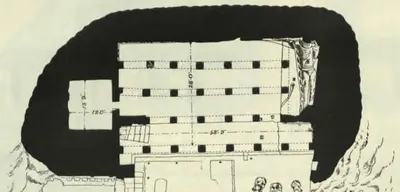 "Undavalli temple, Guntur District.—Plans": 2nd Storey (Longhurst, Pallava Architecture I, 1924, Plate X (PDF p. 72))నిర్మాణ నక్షా · 1924
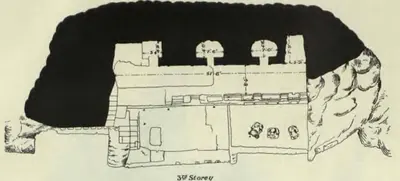 "Undavalli temple, Guntur District.—Plans": 3rd Storey (Longhurst, Pallava Architecture I, 1924, Plate X (PDF p. 72))నిర్మాణ నక్షా · 1924
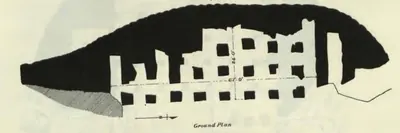 "Undavalli temple, Guntur District.—Plans": Ground Plan (Longhurst, Pallava Architecture I, 1924, Plate IX (PDF p. 70))నిర్మాణ నక్షా · 1924
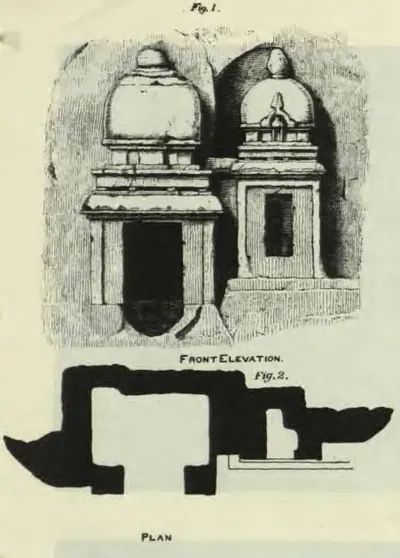 "Undavalli temple, Guntur District.—Rock-cut memorial shrines on the hill", Figs. 1-2 (Longhurst, Pallava Architecture I, 1924, Plate XIII (PDF p. 78))రేఖాచిత్రం · 1924
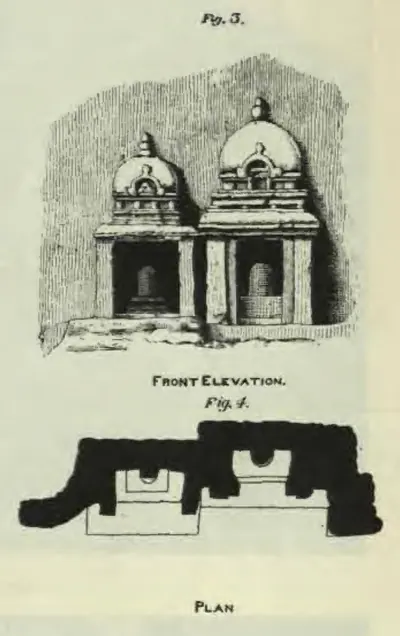 "Undavalli temple, Guntur District.—Rock-cut memorial shrines on the hill", Figs. 3-4 (Longhurst, Pallava Architecture I, 1924, Plate XIII (PDF p. 78))రేఖాచిత్రం · 1924
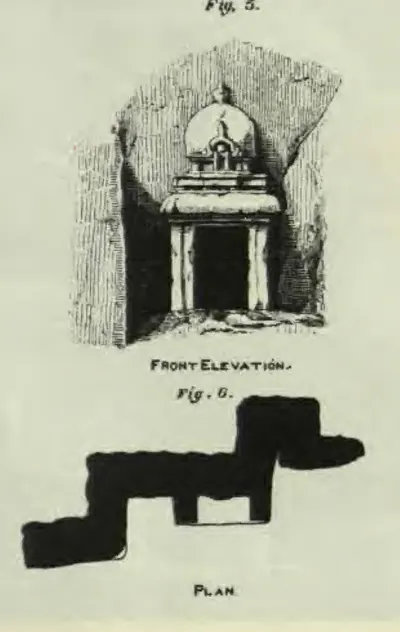 "Undavalli temple, Guntur District.—Rock-cut memorial shrines on the hill", Figs. 5-6 (Longhurst, Pallava Architecture I, 1924, Plate XIII (PDF p. 78))రేఖాచిత్రం · 1924
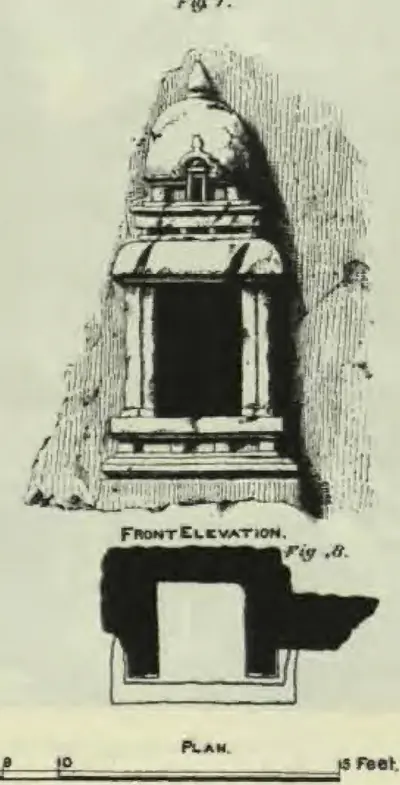 "Undavalli temple, Guntur District.—Rock-cut memorial shrines on the hill", Figs. 7-8 (Longhurst, Pallava Architecture I, 1924, Plate XIII (PDF p. 78))రేఖాచిత్రం · 1924
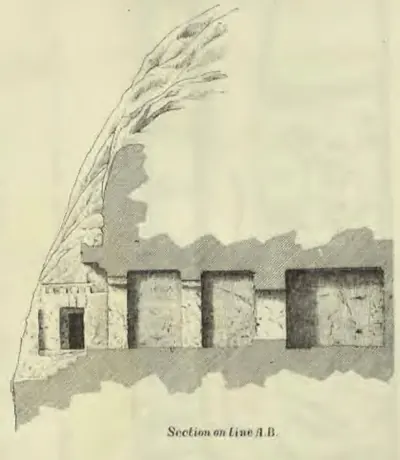 "Undavalli temple, Guntur District.—Sections": "Section on Line A.B." (Longhurst, Pallava Architecture I, 1924, Plate XI (PDF p. 74))నిర్మాణ నక్షా · 1924
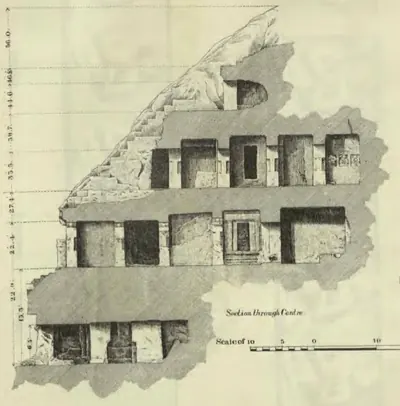 "Undavalli temple, Guntur District.—Sections": "Section through Centre" (Longhurst, Pallava Architecture I, 1924, Plate XI (PDF p. 74))నిర్మాణ నక్షా · 1924
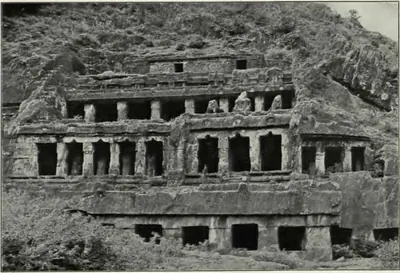 "Undavalli: Rock-cut temple" (Longhurst, Pallava Architecture I, 1924, Plate XIV (a) (PDF p. 80))పాత ఫోటో · 1924
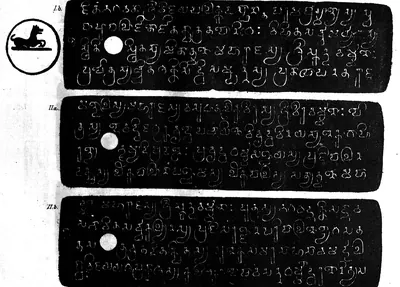 "Uruvupalli Copper-plate Grant of the Pallava Dynasty", plates I b, II a and II b, with the seal (Indian Antiquary V, 1876, plate at p. 50, printed sideways (PDF p. 66))శాసన ప్రతి · 1876
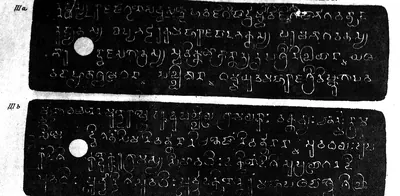 "Uruvupalli Copper-plate Grant of the Pallava Dynasty", plates III a and III b (Indian Antiquary V, 1876, plate at p. 51, printed sideways (PDF p. 67))శాసన ప్రతి · 1876
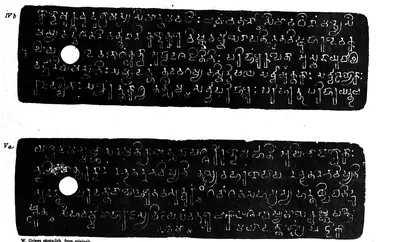 "Uruvupalli Copper-plate Grant of the Pallava Dynasty", plates IV b and V a (Indian Antiquary V, 1876, plate at p. 52, printed sideways (PDF p. 70))శాసన ప్రతి · 1876
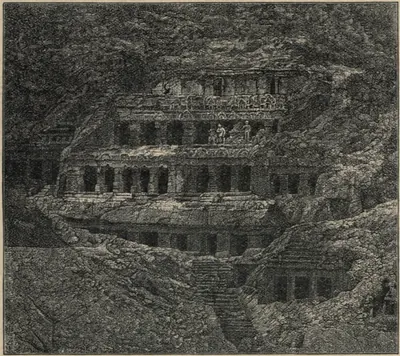 "View of the Undavilli Cave, from a Photograph" (Fergusson and Burgess, The Cave Temples of India, 1880, woodcut No. 23, p. 97)రేఖాచిత్రం · 1880
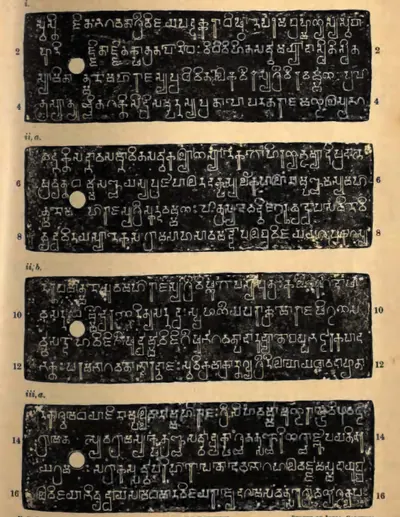 "Vilavatti Grant of Pallava Simhavarman", plates i, ii a, ii b and iii a (Epigraphia Indica XXIV, plate with No. 43 (PDF p. 382))శాసన ప్రతి · 1938
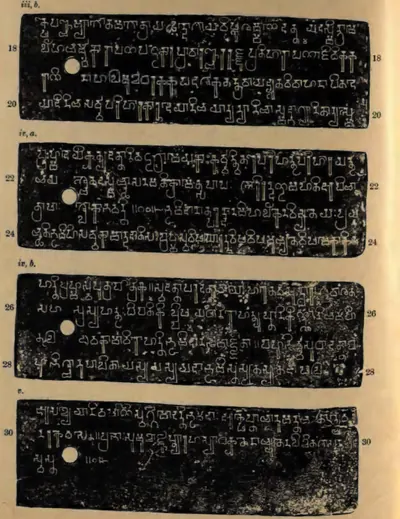 "Vilavatti Grant of Pallava Simhavarman", plates iii b, iv a, iv b and v (Epigraphia Indica XXIV, plate with No. 43 (PDF p. 383))శాసన ప్రతి · 1938
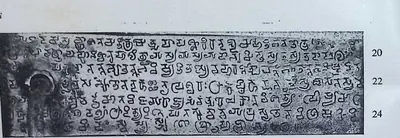 "Vunna Guravayapalem Plates of Paramesvaravarman I, Year 19", plate iii, lines 19-24 (Epigraphia Indica XXXII, plate with No. 9 (PDF p. 149))పాత ఫోటో · 1959
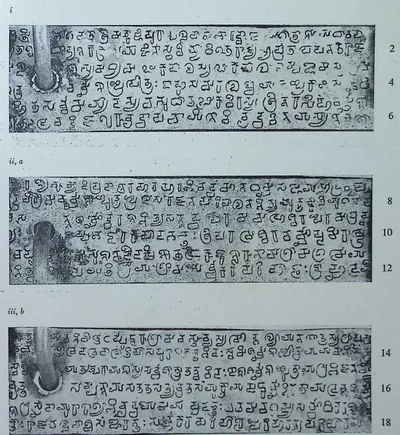 "Vunna Guravayapalem Plates of Paramesvaravarman I, Year 19", the first three inscribed plate sides, lines 1-18 (Epigraphia Indica XXXII, plate with No. 9 (PDF p. 148))పాత ఫోటో · 1959
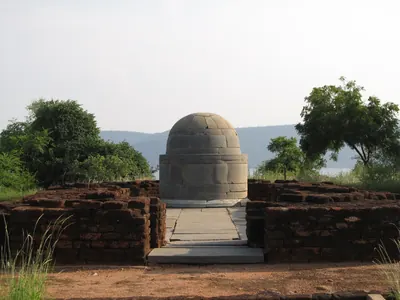 బోధిశ్రీ చైత్యం, నాగార్జునకొండఫోటో · 2013
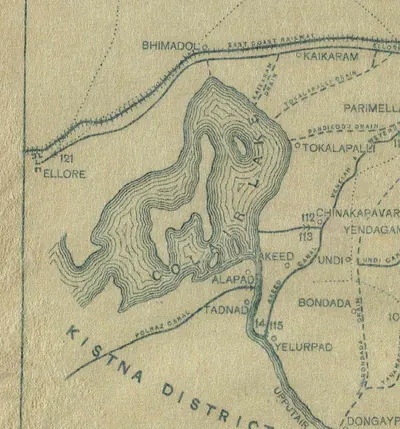 Ellore and Colair (Kolleru) Lake, detail of the "Sketch Map of the Godavari Delta showing positions of the principal irrigation & navigation works" (Walch 1896, folding map, PDF p. 17)పటం · 1896
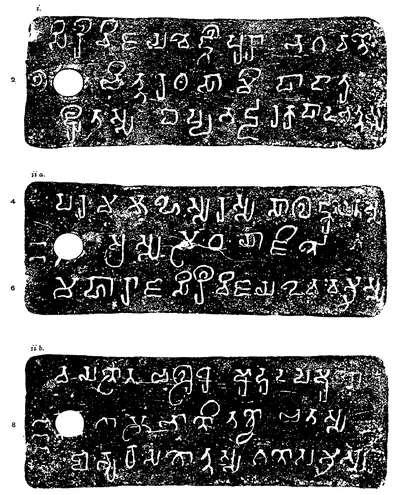 Ellore Prakrit grant: "Plates of Vijaya-Devavarman", plates i, ii a and ii b (Epigraphia Indica IX, plate between pp. 58 and 59 (PDF p. 83))శాసన ప్రతి · 1908
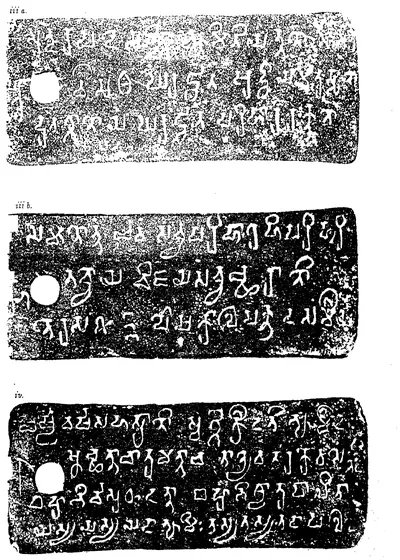 Ellore Prakrit grant: "Plates of Vijaya-Devavarman", plates iii a, iii b and iv (Epigraphia Indica IX, plate between pp. 58 and 59 (PDF p. 84))శాసన ప్రతి · 1908
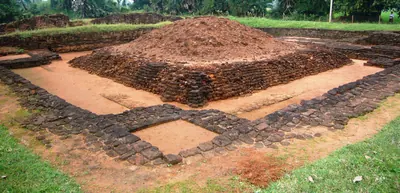 Excavated brick remains at Pedavegi (ancient Vengi), West Godavari district (photograph, 2007)ఫోటో · 2007
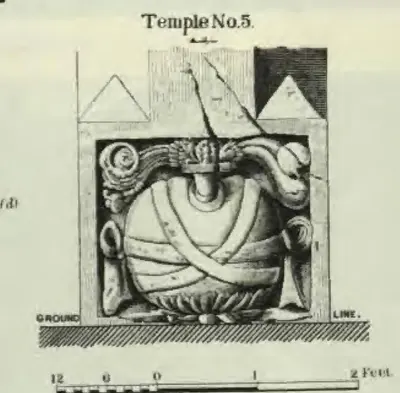 Mogalrajapuram "Temple No. 5", detail A (Longhurst, Pallava Architecture I, 1924, Plate VII (d) (PDF p. 66))రేఖాచిత్రం · 1924
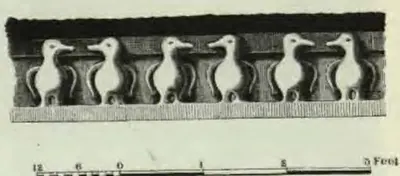 Mogalrajapuram temple No. V, detail B: frieze of geese (Longhurst, Pallava Architecture I, 1924, Plate VII (e) (PDF p. 66))రేఖాచిత్రం · 1924
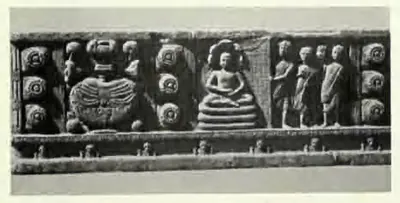 Nagarjunakonda: "A Chakravartti and his family as Buddhist disciples" (ASI Annual Report 1929-30, Pl. XXXIX (d))పుస్తక చిత్రపటం · 1935
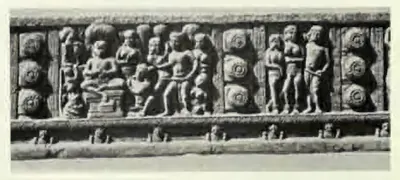 Nagarjunakonda: "A Chakravartti and his family being converted to Buddhism" (ASI Annual Report 1929-30, Pl. XXXIX (e))పుస్తక చిత్రపటం · 1935
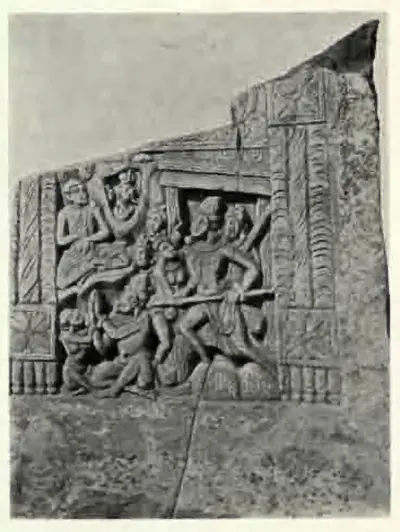 Nagarjunakonda: "A Chakravartti and his wife converted to Buddhism (Stupa 2)" (ASI Annual Report 1929-30, Pl. XL (b))పుస్తక చిత్రపటం · 1935
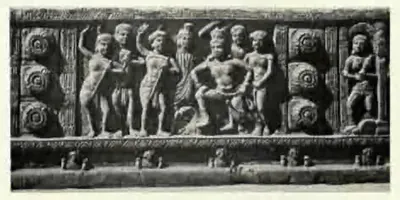 Nagarjunakonda: "A Chakravartti denouncing Brahmanism" (ASI Annual Report 1929-30, Pl. XXXIX (c))పుస్తక చిత్రపటం · 1935
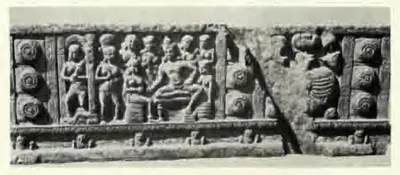 Nagarjunakonda: "A Chakravartti in his palace (Stupa 9)" (ASI Annual Report 1929-30, Pl. XXXIX (a))పుస్తక చిత్రపటం · 1935
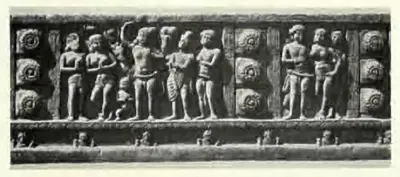 Nagarjunakonda: "A Chakravartti renouncing his kingdom" (ASI Annual Report 1929-30, Pl. XXXIX (b))పుస్తక చిత్రపటం · 1935
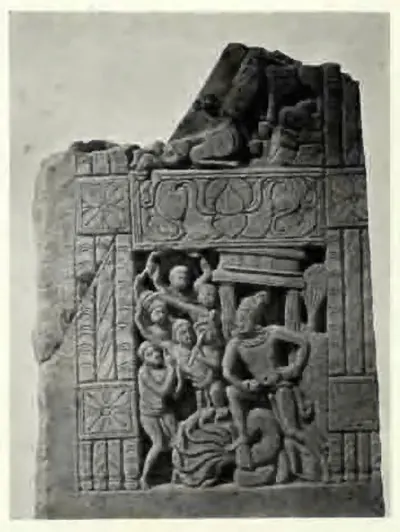 Nagarjunakonda: "A Chakravartti, denouncing Brahmanism (Stupa 2)" (ASI Annual Report 1929-30, Pl. XL (a))పుస్తక చిత్రపటం · 1935
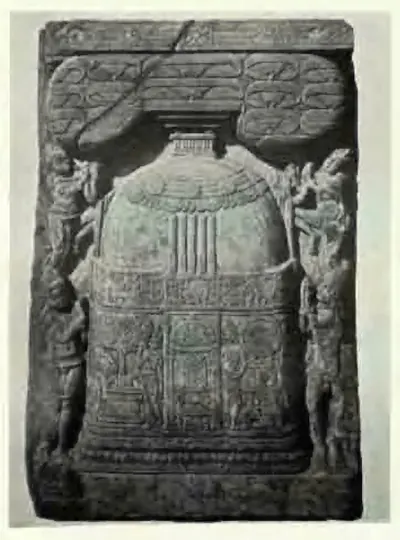 Nagarjunakonda: "Ayaka panel from Stupa 9" (ASI Annual Report 1929-30, Pl. XL (c))పుస్తక చిత్రపటం · 1935
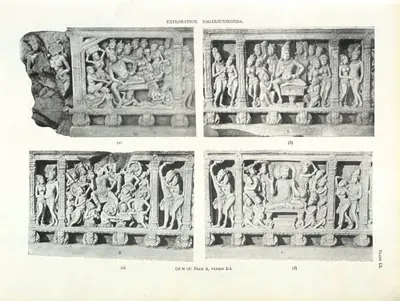 నాగార్జునకొండ: శిల్పాలు చెక్కిన రాతి దూలం A, 1-4 ఫలకాలు (భారత పురావస్తు సర్వే వార్షిక నివేదిక 1927-28, ఫలకం LI)పుస్తక చిత్రపటం · 1931
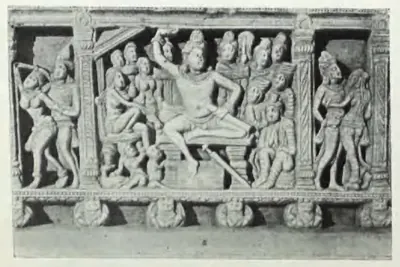 Nagarjunakonda: "Beam A, panels 5-7" (ASI Annual Report 1927-28, Pl. LI(a) (a))పుస్తక చిత్రపటం · 1931
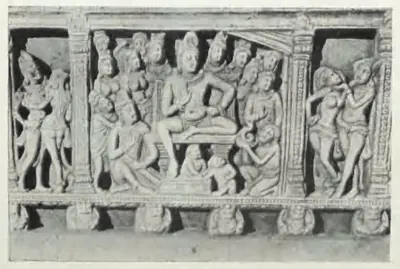 Nagarjunakonda: "Beam A, panels 5-7" (ASI Annual Report 1927-28, Pl. LI(a) (b))పుస్తక చిత్రపటం · 1931
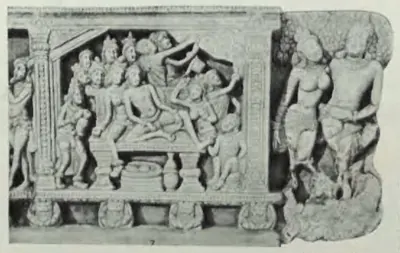 Nagarjunakonda: "Beam A, panels 5-7" (ASI Annual Report 1927-28, Pl. LI(a) (c))పుస్తక చిత్రపటం · 1931
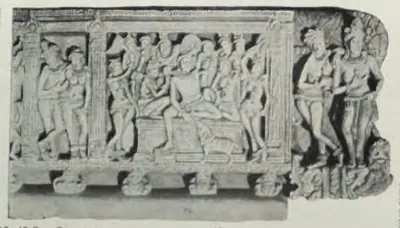 Nagarjunakonda: "Beam B, end panel" (ASI Annual Report 1927-28, Pl. LI(a) (d))పుస్తక చిత్రపటం · 1931
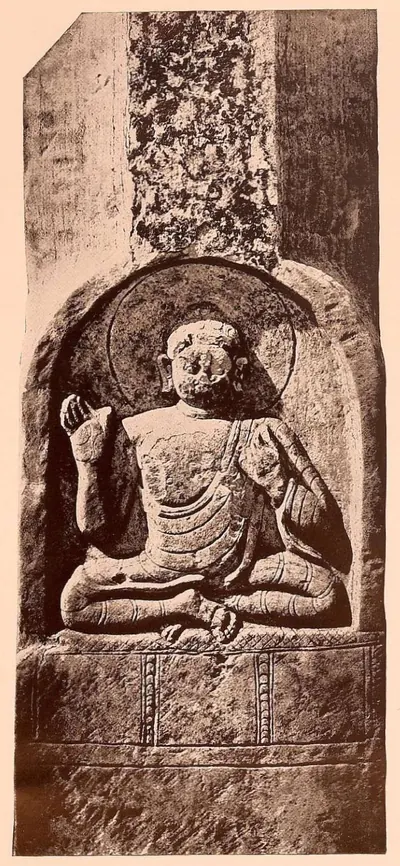 Nagarjunakonda: "Carved ayaka-pillar" (ASI Annual Report 1928-29, Pl. XLVI (a))పుస్తక చిత్రపటం · 1933
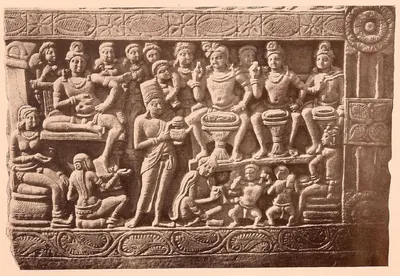 Nagarjunakonda: "Casting the horoscope" (ASI Annual Report 1928-29, Pl. XLVIII (b))పుస్తక చిత్రపటం · 1933
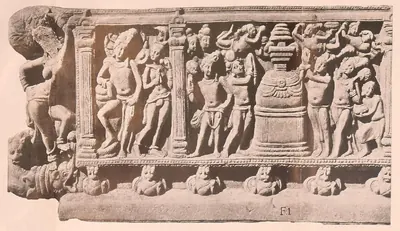 Nagarjunakonda: "Mahaparinirvana" (ASI Annual Report 1928-29, Pl. L (a))పుస్తక చిత్రపటం · 1933
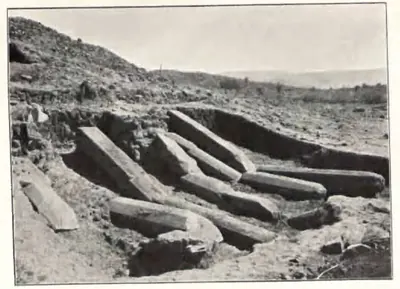 Nagarjunakonda: "Nagarjunikonda: Site No. 1, showing broken pillars on west side of stupa" (ASI Annual Report 1926-27, Pl. XXXVII (a))పాత ఫోటో · 1930
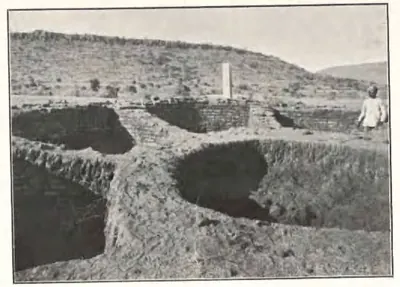 Nagarjunakonda: "Nagarjunikonda: Site No. 1, showing wheel-shaped foundation of stupa" (ASI Annual Report 1926-27, Pl. XXXVII (b))పాత ఫోటో · 1930
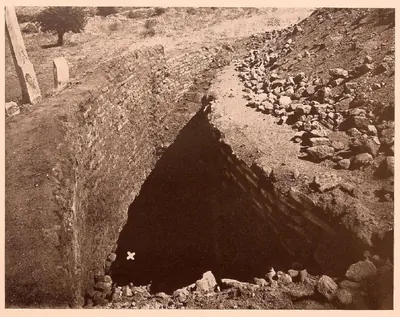 Nagarjunakonda: "Outer wall of the Great Stupa (findspot of relics marked by a cross)" (ASI Annual Report 1928-29, Pl. XLV (b))నిర్మాణ నక్షా · 1933
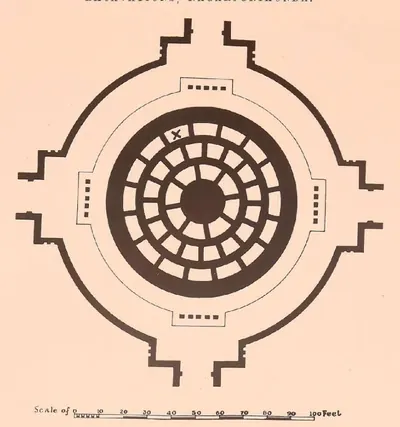 Nagarjunakonda: "Plan of the Great Stupa (findspot of relics marked by a cross)" (ASI Annual Report 1928-29, Pl. XLV (a))నిర్మాణ నక్షా · 1933
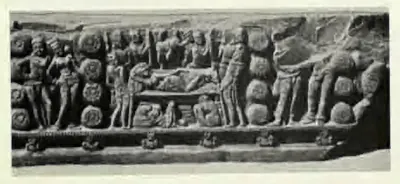 Nagarjunakonda: "Queen Maya's dream (Stupa 9)" (ASI Annual Report 1929-30, Pl. XXXIX (f))పుస్తక చిత్రపటం · 1935
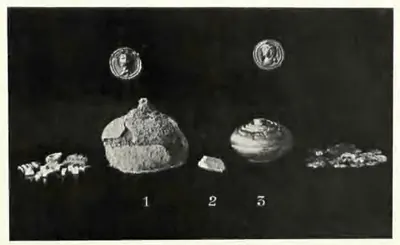 నాగార్జునకొండ: 6వ స్తూపంలో దొరికిన అవశేషాలు - వెండి భరిణె, ఎముక ముక్క, బంగారు పాత్ర (భారత పురావస్తు సర్వే వార్షిక నివేదిక 1929-30, ఫలకం XXXVII d)పుస్తక చిత్రపటం · 1935
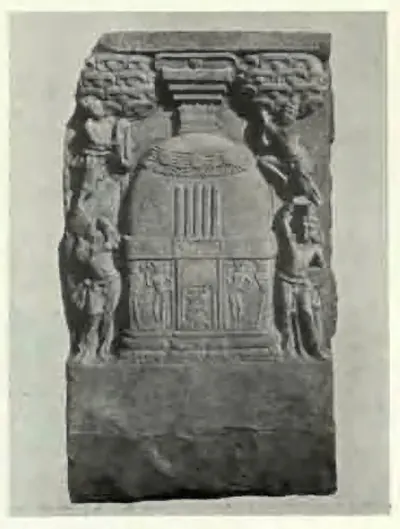 Nagarjunakonda: "Representation of a Buddhist stupa (Stupa 9)" (ASI Annual Report 1929-30, Pl. XL (d))పుస్తక చిత్రపటం · 1935
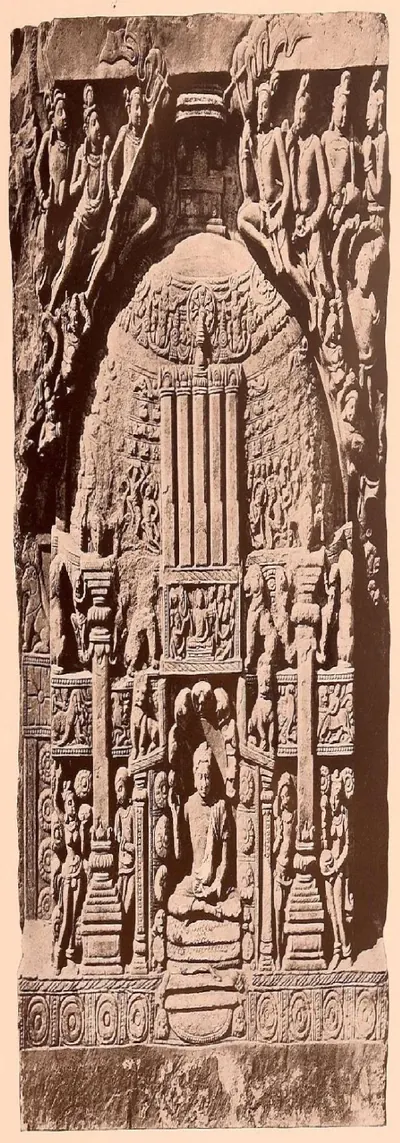 Nagarjunakonda: "Representation of a stupa" (ASI Annual Report 1928-29, Pl. XLVII (a))పుస్తక చిత్రపటం · 1933
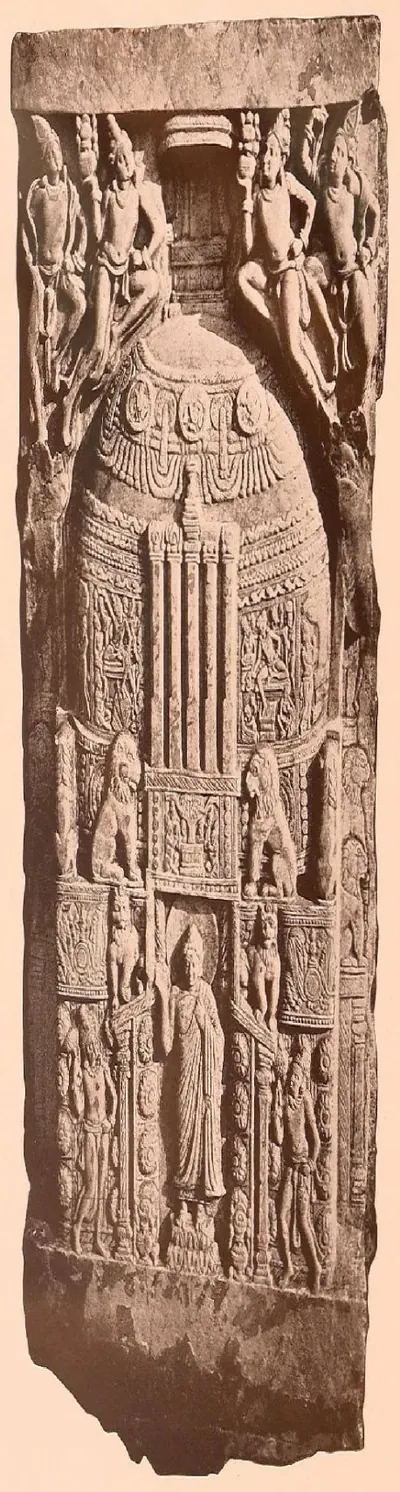 Nagarjunakonda: "Representation of a stupa" (ASI Annual Report 1928-29, Pl. XLVII (b))పుస్తక చిత్రపటం · 1933
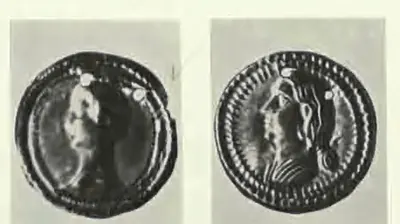 నాగార్జునకొండ: 6వ స్తూపం అవశేషాలతో దొరికిన చిన్న బంగారు పతకాలు (భారత పురావస్తు సర్వే వార్షిక నివేదిక 1929-30, ఫలకం XXXVII e)ఇతర · 1935
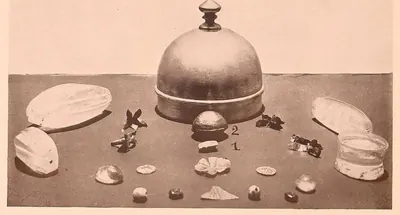 Nagarjunakonda: "The Buddha relics after cleaning and showing (1) the bone relic and (2) the gold box" (ASI Annual Report 1928-29, Pl. XLVI (c))పుస్తక చిత్రపటం · 1933
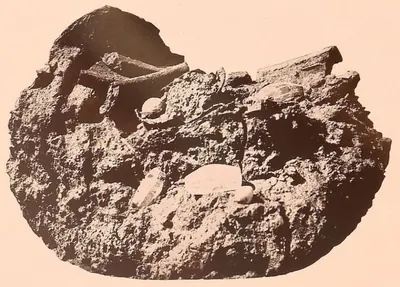 Nagarjunakonda: "The Buddha relics when first discovered" (ASI Annual Report 1928-29, Pl. XLVI (b))పుస్తక చిత్రపటం · 1933
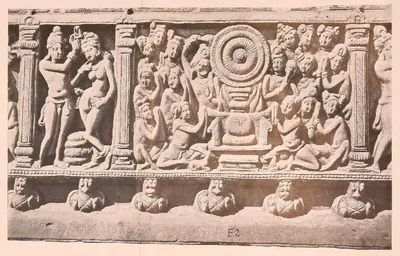 Nagarjunakonda: "The First Sermon" (ASI Annual Report 1928-29, Pl. L (b))పుస్తక చిత్రపటం · 1933
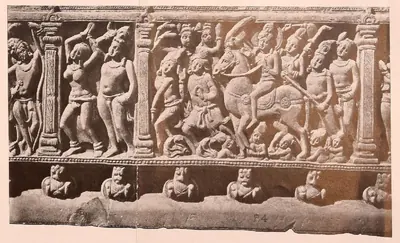 Nagarjunakonda: "The Great Renunciation" (ASI Annual Report 1928-29, Pl. L (d))పుస్తక చిత్రపటం · 1933
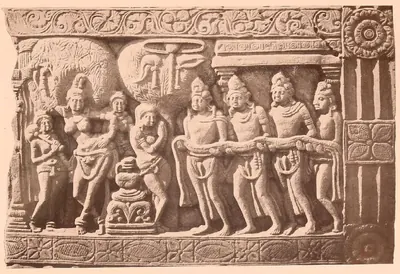 Nagarjunakonda: "The Nativity and the Seven Steps" (ASI Annual Report 1928-29, Pl. XLVIII (a))పుస్తక చిత్రపటం · 1933
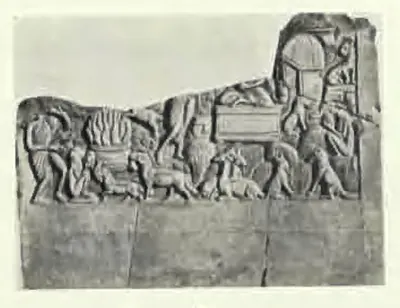 నాగార్జునకొండ: శశ జాతకం - 9వ స్తూపం నుండి శిల్ప ఫలకం (భారత పురావస్తు సర్వే వార్షిక నివేదిక 1929-30, ఫలకం XXXVII f)పుస్తక చిత్రపటం · 1935
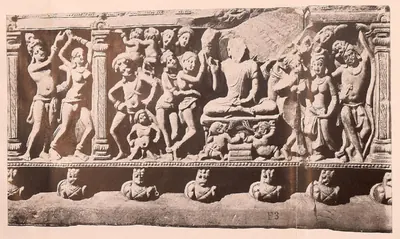 Nagarjunakonda: "The Temptation" (ASI Annual Report 1928-29, Pl. L (c))పుస్తక చిత్రపటం · 1933
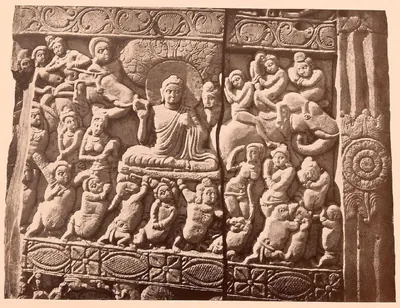 Nagarjunakonda: "The Temptation" (ASI Annual Report 1928-29, Pl. XLIX (b))పుస్తక చిత్రపటం · 1933
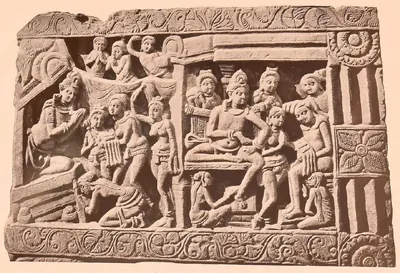 Nagarjunakonda: "To right: The child being presented to Asita; to left: Siddhartha's visit to the Temple" (ASI Annual Report 1928-29, Pl. XLIX (a))పుస్తక చిత్రపటం · 1933
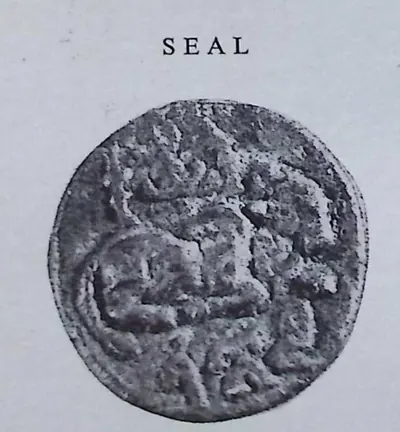 Seal of the "Vunna Guravayapalem Plates of Paramesvaravarman I, Year 19" (Epigraphia Indica XXXII, plate with No. 9 (PDF p. 149))పాత ఫోటో · 1959
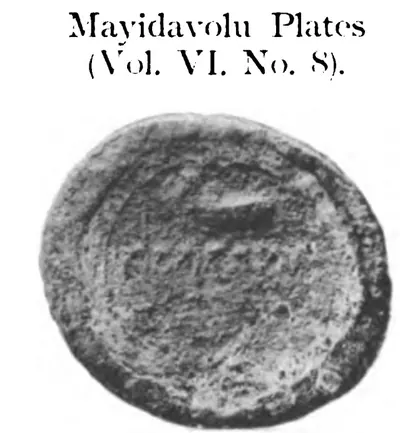 Seal of the Mayidavolu plates of Sivaskandavarman: "Mayidavolu Plates (Vol. VI, No. 8)", from the plate "Seals. Full-size" (Epigraphia Indica VI, plate of seals printed with No. 28 (PDF p. 369 of the archive.org scan EpigraphiaIndicaVol6))పాత ఫోటో · 1901
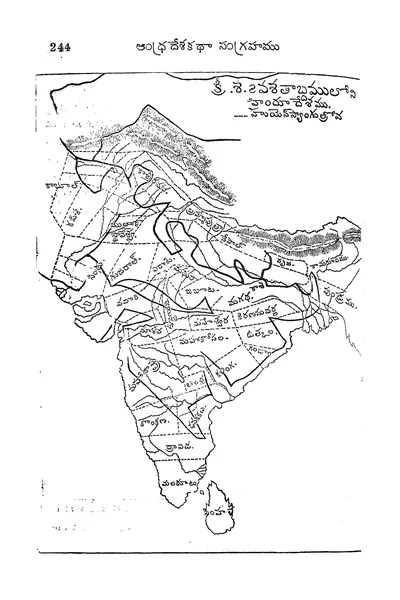 Telugu map of India in the seventh century AD with Hiuen Tsang's route ("క్రీ.శ. 7వ శతాబ్దములో హిందూదేశము") (Veerabhadra Rao 1910, printed p. 244 (PDF p. 284))పటం · 1910
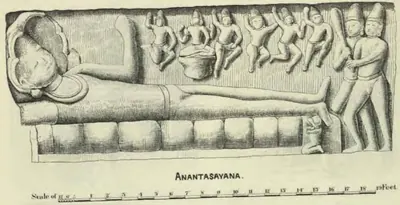 Undavalli temple: "Anantasayana" (Longhurst, Pallava Architecture I, 1924, Plate XII (PDF p. 76))రేఖాచిత్రం · 1924
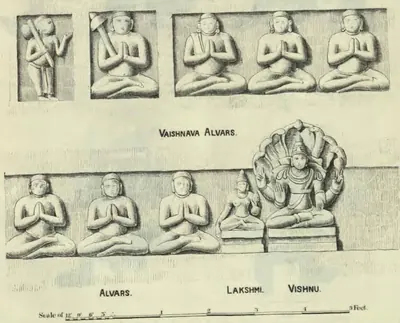 Undavalli temple: "Vaishnava Alvars" and "Alvars, Lakshmi, Vishnu" (Longhurst, Pallava Architecture I, 1924, Plate XII (PDF p. 76))రేఖాచిత్రం · 1924
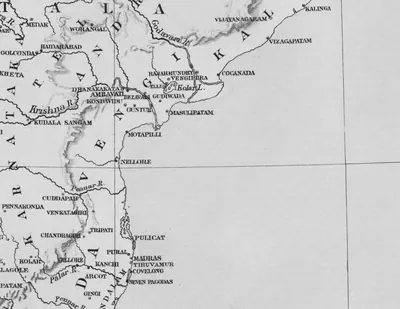 Vengi, the Krishna and the coast south to Kanchi and Tondamandalam: detail of "A Map of Southern India shewing the territories of the ancient dynasties according to the best authorities" (Elliot 1886, folding map, PDF p. 185)పటం · 1886
పటాలు
- ఉమ్మడి ఆంధ్రప్రదేశ్ (2014కు ముందు)
- నేటి రాష్ట్ర సరిహద్దులు (దిశ కోసం)
కర్నూలులోని అశోకుని శాసనాల నుండి కృష్ణా లోయ స్తూపాల వరకు — ఈ ప్రాంతపు తొలి లిఖిత ఆధారాలు దొరికిన చోట్లు.
ఆధార పటం: Natural Earth (opens in a new tab) (public domain).
- ఉమ్మడి ఆంధ్రప్రదేశ్ (2014కు ముందు)
- నేటి రాష్ట్ర సరిహద్దులు (దిశ కోసం)
విజయపురి ఇక్ష్వాకు రాజుల (క్రీ.శ. 3వ శతాబ్దం) ప్రాకృత శాసనాలు దొరికిన కృష్ణా తీరంలోని నాగార్జునకొండ, జగ్గయ్యపేట; వారి తరువాత వచ్చిన పల్లవ రాజు సింహవర్మ ప్రాకృత స్తంభ శాసనం ఉన్న మంచికల్లు; వీరపురుషదత్తుని కుమార్తెను పెళ్లాడిన వనవాస మహారాజు రాజ్యమైన బనవాసి.
ఆధార పటం: Natural Earth (opens in a new tab) (public domain).
- ఉమ్మడి ఆంధ్రప్రదేశ్ (2014కు ముందు)
- నేటి రాష్ట్ర సరిహద్దులు (దిశ కోసం)
- సుమారు విస్తీర్ణం
క్రీ.శ. 4, 5 శతాబ్దాల శాలంకాయన రాజుల రాజధాని వేంగిపురం (ఏలూరు సమీపంలోని పెదవేగి); వారి తామ్ర శాసనాలు పేర్కొన్న లేదా దొరికిన ప్రదేశాలు: ఏలూరు, కొల్లేరు సరస్సు, కానుకొల్లు, దెందులూరు, కుద్రహార విషయంగా ప్రతిపాదించిన గుడివాడ, మచిలీపట్నం.
చారిత్రక సరిహద్దులు సుమారువి. ఆధార పటం: Natural Earth (opens in a new tab) (public domain).
- ఉమ్మడి ఆంధ్రప్రదేశ్ (2014కు ముందు)
- నేటి రాష్ట్ర సరిహద్దులు (దిశ కోసం)
విష్ణుకుండినుల శాసనాలు దొరికిన లేదా పేర్కొన్న ప్రదేశాలు: వేంగి శిథిలాలపై ఉన్న దెందులూరు (లెందులూర), రామతీర్థం, ఈపూరు, పొలమూరు, వేల్పూరు స్తంభం, కృష్ణా తీరంలోని రావిరేల, అమరావతి; అలాగే వినుకొండ, శ్రీశైలం, కొల్లేరు సరస్సు, ఉండవల్లి, మొగల్రాజపురం గుహలు.
ఆధార పటం: Natural Earth (opens in a new tab) (public domain).
- ఉమ్మడి ఆంధ్రప్రదేశ్ (2014కు ముందు)
- నేటి రాష్ట్ర సరిహద్దులు (దిశ కోసం)
- సుమారు విస్తీర్ణం
తెలుగు దేశంలోని పల్లవ శాసనాలు దొరికిన లేదా పేర్కొన్న ప్రదేశాలు: మయిదవోలు, మంచికల్లు, చెందలూరు, దర్శి, నేలటూరు, వవ్వేరు, రేవూరు, ధాన్యకటకం (అమరావతి), కొప్పరం, శ్రీశైలం; కర్మరాష్ట్రం, ముండరాష్ట్రం సుమారు విస్తీర్ణం.
చారిత్రక సరిహద్దులు సుమారువి. ఆధార పటం: Natural Earth (opens in a new tab) (public domain).
- ఉమ్మడి ఆంధ్రప్రదేశ్ (2014కు ముందు)
- నేటి రాష్ట్ర సరిహద్దులు (దిశ కోసం)
బాదామి చాళుక్యుల శాసనాల్లోని తెలుగు దేశ ప్రదేశాలు: పిఠాపురం, కొల్లేరు, వేంగి, కొప్పరం, అలంపురం, గద్వాల, తలమంచి; బాదామి, ఐహొళె, కాంచీపురం.
ఆధార పటం: Natural Earth (opens in a new tab) (public domain).
- ఉమ్మడి ఆంధ్రప్రదేశ్ (2014కు ముందు)
- నేటి రాష్ట్ర సరిహద్దులు (దిశ కోసం)
- సుమారు విస్తీర్ణం
రేనాటి చోళుల శాసనాలు దొరికిన ప్రదేశాలు: కలమళ్ల, ఎర్రగుడిపాడు, తిప్పలూరు, మాలెపాడు, దొమ్మర నంద్యాల, చామలూరు, బూదిలి; రేనాడు సుమారు విస్తీర్ణం.
చారిత్రక సరిహద్దులు సుమారువి. ఆధార పటం: Natural Earth (opens in a new tab) (public domain).
- ఉమ్మడి ఆంధ్రప్రదేశ్ (2014కు ముందు)
- నేటి రాష్ట్ర సరిహద్దులు (దిశ కోసం)
ఇక్ష్వాకుల నాగార్జునకొండ దుర్గం నుండి 1757 బొబ్బిలి ముట్టడి, 1759 మచిలీపట్నం కోట స్వాధీనం వరకు — ఆధారాల ప్రకారం ముట్టడికి గురైన, చేతులు మారిన, లేదా ఎవరో ఒకరి అధీనంలో నిలిచిన కొండకోటలు, ప్రాకార పట్టణాలు. ఒక్కొక్క కోట కథ ‘కోటలు, యుద్ధాలు’ పుటలో ఉంది.
ఆధార పటం: Natural Earth (opens in a new tab) (public domain).
- ఉమ్మడి ఆంధ్రప్రదేశ్ (2014కు ముందు)
- నేటి రాష్ట్ర సరిహద్దులు (దిశ కోసం)
- సుమారు విస్తీర్ణం
తూర్పు గాంగుల శాసనాల్లోని ఉత్తర తెలుగు దేశ ప్రదేశాలు: రాజధాని ముఖలింగం (కళింగనగరం), శ్రీకాకుళం, నడగాం, అలమండ, దీర్ఘాసి, కళింగపట్నం, శ్రీకూర్మం, సింహాచలం, విశాఖపట్నం, భోగాపురం, మహేంద్రగిరి, ద్రాక్షారామం, బెండపూడి; కళింగ సుమారు విస్తీర్ణం.
చారిత్రక సరిహద్దులు సుమారువి. ఆధార పటం: Natural Earth (opens in a new tab) (public domain).
- ఉమ్మడి ఆంధ్రప్రదేశ్ (2014కు ముందు)
- నేటి రాష్ట్ర సరిహద్దులు (దిశ కోసం)
- సుమారు విస్తీర్ణం
ఆధారాలు చెప్పినట్లు తెలుగు తీరం, రాయలసీమల పాత దేశ పేర్ల సుమారు చిత్రాలు: కృష్ణా, గోదావరి ముఖద్వారాల మధ్య వేంగి; పశ్చిమ కృష్ణా డెల్టాలో వెలనాడు; ఒంగోలు, బాపట్ల చుట్టూ కమ్మనాడు (కర్మరాష్ట్రం); ఒంగోలు, నెల్లూరు మధ్య పాకనాడు; కడప చుట్టూ రేనాడు. రంగు వేసిన ప్రాంతాలు సుమారుగా గీసినవి.
చారిత్రక సరిహద్దులు సుమారువి. ఆధార పటం: Natural Earth (opens in a new tab) (public domain).
సంబంధిత
రాజవంశాలు
విజయపురి ఇక్ష్వాకులు
సుమారు క్రీ.శ. 225–350
క్రీ.శ. 3వ శతాబ్దంలో, 4వ శతాబ్దం ప్రారంభంలో దిగువ కృష్ణా లోయను పాలించిన రాజవంశం. వారి రాజధాని నాగార్జునకొండ లోయలోని విజయపురి. ప్రాకృత, సంస్కృత శాసనాల నుండి నలుగురు రాజులు తెలుసు. రాజులు వైదిక యజ్ఞాలు చేసి, శివునికి, కార్తికేయునికి ఆలయాలు కట్టించారు. రాజకుటుంబపు స్త్రీలు రాజధానిలోని బౌద్ధ విహారాలకు దానాలు ఇచ్చారు.
పల్లవులు
సుమారు క్రీ.శ. 250–900
క్రీ.శ. 4వ శతాబ్దం నుండి 7వ శతాబ్దం వరకు చాలా కాలం కృష్ణాకు దక్షిణాన ఉన్న తెలుగు దేశాన్ని పట్టుకున్న కంచి (కాంచీపురం) రాజవంశం. ప్రాకృతంలో ఉన్న వారి తొలి శాసనాలు కంచి నుండి అమరావతి దగ్గరి ధాన్యకటకంలోని ఒక అధికారికి పంపబడ్డాయి. తర్వాతి ఒక వంశం పాలక్కడ, దశనపురం వంటి శిబిరాల నుండి గుంటూరు, నెల్లూరు ప్రాంతాల్లో గ్రామాలను దానం చేస్తూ సంస్కృత దానపత్రాలు జారీ చేసింది. 7వ శతాబ్దం ప్రారంభంలో చాళుక్యులు వేంగిని, గుంటూరు ప్రాంతాన్ని తీసుకున్నారు. కానీ సుమారు 700 వరకు పల్లవ రాజులు ఇంకా నెల్లూరులో గ్రామాలను దానం చేశారు. సుమారు 900లో చోళ విజయం వరకు వారి సామంతులు చిత్తూరు, రాయలసీమలోని కొన్ని భాగాలను పట్టుకున్నారు.
వాకాటకులు
సుమారు క్రీ.శ. 275–530
సుమారు 3వ శతాబ్దం నుండి 6వ శతాబ్దం వరకు ఉత్తర దక్కన్, మధ్య భారతదేశపు రాజవంశం. దాని ముఖ్య భూభాగం తెలుగు దేశానికి ఉత్తరాన ఉన్న విదర్భ (బేరార్). దాని రాజులు గుప్త సామ్రాజ్య కుటుంబంతో పెళ్లి సంబంధాలు చేసుకున్నారు. వారి రాకుమార్తెల్లో ఒకరు విష్ణుకుండిన రాజు మాధవవర్మను పెళ్లి చేసుకుంది. తర్వాతి హైదరాబాద్ రాష్ట్రంలో దాదాపు మొత్తాన్ని వాకాటకులు పాలించారని, వేంగి సింహాసనంపై మొదటి విష్ణుకుండినుని కూర్చోబెట్టారని జి. జూవో-డుబ్రే (1920) భావించారు. ఆధునిక తెలంగాణ చరిత్ర ఒకటి (2022) ఆదిలాబాద్, నిజామాబాద్, కరీంనగర్ దేశాన్ని మాత్రమే వారి భూముల్లో లెక్కిస్తుంది. అజంతా శాసనం వారి చివరి గొప్ప రాజు హరిషేణునికి ఆంధ్ర విజయం ఘనతను ఇస్తుంది.
వేంగి శాలంకాయనులు
సుమారు క్రీ.శ. 300–470
సామాన్య శకం 4, 5 శతాబ్దాల్లో కృష్ణా, గోదావరి మధ్య దేశాన్ని ఏలూరు దగ్గరి ఆధునిక పెదవేగి అయిన వేంగిపురం నుండి పాలించిన రాజవంశం. ఏడు తామ్రశాసనాలు హస్తివర్మ నుండి వచ్చిన రెండు శాఖల్లో ఏడుగురు రాజుల పేర్లు చెబుతాయి. సముద్రగుప్తుని అలహాబాద్ శాసనంలోని 'వేంగి హస్తివర్మ'తో చాలామంది విద్వాంసులు అతనిని గుర్తిస్తారు. వారి తొలి దానపత్రాలు ప్రాకృతంలో, తర్వాతివి సంస్కృతంలో ఉన్నాయి. వారి ముద్రలపై నంది ఉంటుంది. వారి కుల దైవం చిత్రరథస్వామి.
తూర్పు గాంగులు (కళింగ గాంగులు)
సుమారు క్రీ.శ. 498–1434
సుమారు 6వ శతాబ్దం నుండి 1434 వరకు ఇప్పటి శ్రీకాకుళం జిల్లాలోని ముఖలింగం అయిన కళింగనగరం నుండి, తర్వాత ఒడిశా నుండి పాలించిన కళింగ రాజవంశం. వారి తొలి దానపత్రాలకు గాంగ శకంలో తేదీలు ఉన్నాయి. ఆ శకం ప్రారంభ సంవత్సరంపై ఇంకా వివాదం ఉంది. తెలుగు దేశపు ఉత్తర భాగం, అంటే పాత గంజాం, విశాఖపట్నం జిల్లాలు, ఆ రాజ్యానికి కేంద్రం. వారి తామ్రశాసనాలు శ్రీకాకుళం, అచ్యుతాపురం, జిర్జింగి, నడగాం, అలమండల నుండి వచ్చాయి. తెలుగు, సంస్కృతాల్లో వారి వందలాది శాసనాలు ముఖలింగం, శ్రీకూర్మం, సింహాచలంలలో మిగిలి ఉన్నాయి. మొదటి కులోత్తుంగుని మనవడు అనంతవర్మ చోడగంగుడు 1078 నుండి సుమారు డెబ్బై సంవత్సరాలు పాలించాడు. తర్వాతి రాజులు గోదావరి పొడవునా కాకతీయులతో పోరాడారు. వారి మంత్రి కపిలేశ్వరుడు 1434లో గజపతి వంశాన్ని స్థాపించాడు.
విష్ణుకుండినులు
సుమారు క్రీ.శ. 500–630
శాలంకాయనుల తర్వాత, తూర్పు చాళుక్యుల ముందు పాలించిన కృష్ణా–గోదావరి దేశపు రాజవంశం. కొన్ని సంస్కృత తామ్ర దానపత్రాలు, ఒక శిలాశాసనం నుండి అది తెలుసు. దాని రాజులు శ్రీపర్వత స్వామిని పూజించారు. తమ గొప్ప పాలకుడు మాధవవర్మకు పదకొండు అశ్వమేధాలను చెప్పుకున్నారు. వాకాటక రాజ కుటుంబంతో పెళ్లి సంబంధాలు చేసుకున్నారు. తర్వాతి దానపత్రాల్లో వారి రాజధాని లెందులూరు (వేంగి దగ్గరి దెందులూరు). విద్వాంసులు వారిని 4వ శతాబ్దం నుండి 8వ శతాబ్దం వరకు ఎక్కడైనా ఉంచారు. తర్వాతి పునర్నిర్మాణాల్లో చాలావరకు ప్రధాన వంశాన్ని 6వ శతాబ్దంలో ఉంచి, 7వ శతాబ్దం ప్రారంభంలో చాళుక్య విజయంతో ముగిస్తాయి. అయితే డి. సి. సర్కార్ దానిని సుమారు 670 వరకు కొనసాగించారు.
బాదామి చాళుక్యులు
సుమారు క్రీ.శ. 550–757
సుమారు 550 నుండి 757 వరకు వాతాపి (బాదామి) నుండి పాలించిన పశ్చిమ దక్కన్ రాజవంశం. రెండవ పులకేశి సుమారు 615లో పిష్టపురం (పిఠాపురం), కొల్లేరు సరస్సు ప్రాంతాలను తీసుకున్నాడు. అతను తన తమ్ముడు విష్ణువర్ధనుడిని వేంగిలో ఉంచాడు. అక్కడ తూర్పు చాళుక్య వంశం ప్రారంభమైంది. వారి దానపత్రాలు, శాసనాలు 631లో గుంటూరు ప్రాంతాన్ని, మొదటి విక్రమాదిత్యుడు, అతని వారసుల కాలంలో కర్నూలు, అలంపురం ప్రాంతాన్ని, 660లో నెల్లూరులో భూమిని వారు పట్టుకున్నట్లు చూపిస్తాయి. 750లలో రాష్ట్రకూట దంతిదుర్గుడు చివరి రాజు రెండవ కీర్తివర్మను పడగొట్టాడు.
రేనాటి చోళులు
సుమారు క్రీ.శ. 550–800
సుమారు 6వ శతాబ్దం చివరి భాగం నుండి 8వ శతాబ్దం వరకు కడప చుట్టూ ఉన్న దేశమైన రేనాండు రాజులు. వారు చోళ రాజు కరికాలుని నుండి వంశాన్ని చెప్పుకున్నారు. మొదట తమ పల్లవ, తర్వాత చాళుక్య అధిపతుల పేర్లు పెట్టుకున్నారు. చిప్పిలి, మాలెపాడుల నుండి పాలించారు. కలమల్ల, ఎర్రగుడిపాడులలోని వారి శిలాశాసనాలు పూర్తిగా తెలుగులో రాసిన తొలి రికార్డుల్లో ఉన్నాయి. వారి రికార్డుల్లో ఏదీ ఏ శకంలోనూ తేదీ కలిగి లేదు. ముగ్గురు సంపాదకులు ఒకే రాజు పుణ్యకుమారుని సుమారు 625, సుమారు 740, సుమారు 800లలో ఉంచారు.
వ్యక్తులు
వాసిష్ఠీపుత్ర చాంతమూలుడు
సుమారు క్రీ.శ. 225–255
విజయపురి (నాగార్జునకొండ) ఇక్ష్వాకుల మొదటి తెలిసిన రాజు. ఆయన వారసుల శాసనాలు ఆయనను అశ్వమేధం, ఇతర వైదిక క్రతువులు చేసినవానిగా గుర్తుంచుకుంటాయి. ఆయన కుటుంబ స్త్రీలు కృష్ణా లోయలోని బౌద్ధ కట్టడాలను స్థాపించారు. ఆయన పాలన దాదాపు 255కి ముందు ముగిసింది. డి. సి. సర్కార్ దానిని దాదాపు 223–240 నాటిదిగా చెప్పారు.
శివస్కందవర్మ (పల్లవ)
సుమారు క్రీ.శ. 250–275
తన సొంత శాసనాల నుంచి తెలిసిన అతి తొలి పల్లవ రాజు. యువరాజుగా ఆయన తెలుగు దేశమైన ఆంధ్రాపథంలో ఒక గ్రామాన్ని ఇస్తూ, కాంచీపురం నుంచి ధాన్యకటకం (అమరావతి)లోని తన అధికారికి మయిదవోలు ఫలకాలను పంపాడు. రాజుగా ఆయన హిరహడగల్లి ఫలకాలను జారీ చేసి, అశ్వమేధం చేశానని చెప్పుకున్నాడు. ఆయన కాలం వివాదాస్పదం: 3వ శతాబ్దం మొదటి భాగం నుంచి 4వ శతాబ్దం మధ్య వరకు.
వీరపురుషదత్తుడు
సుమారు క్రీ.శ. 255–275
విజయపురి ఇక్ష్వాకు రాజు (క్రీ.శ. 3వ శతాబ్దం). ఆయన పాలనలో రాజకుటుంబ స్త్రీలు నాగార్జునకొండ మహాస్తూపాన్ని పునర్నిర్మించి, శ్రీలంక భిక్షువులు సహా బౌద్ధ భిక్షువుల కోసం పుణ్యక్షేత్రాలను, విహారాలను స్థాపించారు. ఆయన శాసనాలు ఆయన 20వ పాలనా సంవత్సరం వరకు ఉన్నాయి. ఒకటి 273–74తో సమానం చేసిన చక్రీయ సంవత్సరంలో తేదీ వేయబడింది. డి. సి. సర్కార్ ఆయన పాలనను దాదాపు 255–275 నాటిదిగా చెప్పారు.
విజయ-స్కందవర్మ (పల్లవ)
సుమారు క్రీ.శ. 275–340
యువరాజు విజయ-బుద్ధవర్మ భార్య అయిన రాణి చారుదేవి నారాయణ ఆలయానికి భూమి దానం చేసిన కాలపు పల్లవ రాజు. ఆమె ప్రాకృత దానశాసనం గుంటూరు దగ్గర దొరికింది. అది ఇప్పుడు బ్రిటిష్ మ్యూజియంలో ఉంది. ఆయన పాలనకు అదే ఏకైక శాసనం. మైదవోలు, హీరహడగల్లి ఫలకాల శివస్కందవర్మ ఈయన ఒకరేనా అనే విషయంపై పండితులు ఏకీభవించరు.
ఎహువుల చాంతమూలుడు
సుమారు క్రీ.శ. 280–335
విజయపురి (నాగార్జునకొండ) ఇక్ష్వాకు రాజులలో తెలిసిన మూడవ రాజు, వీరపురుషదత్తుని కొడుకు. ఆయన శాసనాలు ఆయన 24వ పాలనా సంవత్సరం వరకు ఉన్నాయి. ఆయన పాలనలో ఒక రాకుమారుడు, ఒక ప్రముఖుడు ఆ లోయలో తేదీ ఉన్న తొలి శివాలయాలను కట్టించారు. రాణులు, బ్యాంకర్లు, బౌద్ధ గృహస్థులు అక్కడి విహారాలకు దానాలు ఇస్తూనే ఉన్నారు. డి. సి. సర్కార్ ఆయన పాలనను దాదాపు 280–335 నాటిదిగా చెప్పారు.
దేవవర్మ (శాలంకాయన)
సుమారు క్రీ.శ. 320–345
వేంగి శాలంకాయన రాజు. ఏలూరు గ్రామస్థులను ఉద్దేశించిన, తన 13వ సంవత్సరపు ఒక ప్రాకృత దానశాసనం ద్వారా ఆయన గురించి తెలుస్తుంది. అందులో ఆయన తనను అశ్వమేధం చేసినవాడిగా, శివభక్తుడిగా చెప్పుకుంటాడు. కుటుంబంలో ఆయన స్థానం తెలియదు. పండితులు ఆయనను హస్తివర్మ కొడుకుగా, అంతకు ముందటి రాజుగా (బహుశా హస్తివర్మ తండ్రిగా), మొదటి నందివర్మ వారసుడిగా చెప్పారు.
కాంచీ విష్ణుగోపుడు
సుమారు క్రీ.శ. 325–350
గుప్త చక్రవర్తి సముద్రగుప్తుని అలహాబాద్ స్తంభ శాసనంలో, దాదాపు 4వ శతాబ్దం మధ్యలో ఆయన పట్టుకుని విడిచిపెట్టిన దక్షిణాది రాజులలో పేర్కొనబడిన కాంచి రాజు. చాలా మంది పండితులు ఆయనను పల్లవునిగా భావిస్తారు. ఆ కలయిక కాంచిలో కాకుండా, విష్ణుగోపుడు తూర్పు రాజుల కూటమికి నాయకత్వం వహించిన కృష్ణా దగ్గర జరిగిందని జి. జూవో-దుబ్రుయ్ వాదించారు.
రుద్రపురుషదత్తుడు
సుమారు క్రీ.శ. 335–346
విజయపురి (నాగార్జునకొండ) ఇక్ష్వాకుల నాల్గవ, చివరి తెలిసిన రాజు, ఎహువుల చాంతమూలుని కొడుకు. ఆయన 11వ పాలనా సంవత్సరపు స్మారక స్తంభం నుంచి 1955–56లో ఆయనను గుర్తించారు. దాదాపు 350లో పల్లవులు కృష్ణా–గుంటూరు ప్రాంతాన్ని తీసుకోవడానికి ముందే ఆయన పాలన ముగిసిందని డి. సి. సర్కార్ భావించారు.
హస్తివర్మ (శాలంకాయన)
సుమారు క్రీ.శ. 345–370
వేంగి శాలంకాయన రాజు. ఆయన కుటుంబపు తామ్ర దానశాసనాల వంశ జాబితాలో ఆయనే మొదటి రాజు. అనేక యుద్ధాలలో విజయాలకు అవి ఆయనను ప్రశంసిస్తాయి. 1926 నుంచి చాలా మంది పండితులు ఆయనను 4వ శతాబ్దం మధ్యలో గుప్త చక్రవర్తి సముద్రగుప్తుడు బంధించి విడిచిపెట్టానని చెప్పుకున్న వేంగి హస్తివర్మగా గుర్తించారు. పాత రచనలు ఆ రాజును పల్లవ ప్రతినిధి పాలకుడిగా భావించాయి.
మొదటి నందివర్మ (శాలంకాయన)
సుమారు క్రీ.శ. 370–395
వేంగి శాలంకాయన రాజు, హస్తివర్మ కొడుకు, చండవర్మ, రెండవ హస్తివర్మల తండ్రి. కానుకొల్లులో దొరికి 1960లో ప్రచురితమైన ఆయన 14వ పాలనా సంవత్సరపు ప్రాకృత దానశాసనం ఆయన సొంత ఏకైక శాసనం. దాని సంపాదకుడు దానిని 3వ శతాబ్దం చివరి నాటిదిగా చెప్పారు, కానీ డి. సి. సర్కార్ దానిని దాదాపు 4వ శతాబ్దం మధ్యలో ఉంచారు.
చండవర్మ (శాలంకాయన)
సుమారు క్రీ.శ. 395–420
వేంగి శాలంకాయన రాజు, మొదటి నందివర్మ కొడుకు, రెండవ నందివర్మ తండ్రి. ఆయన కొడుకు దానశాసనాల ద్వారా మాత్రమే ఆయన గురించి తెలుస్తుంది. సామంత పాలకులు ఆయన శక్తికి తలవంచారని అవి చెబుతాయి. కోమర్తి ఫలకాలు ఇచ్చిన 5వ శతాబ్దపు కళింగ రాజు చండవర్మతో ఆయనను తరచుగా కలగాపులగం చేశారు.
రెండవ నందివర్మ (శాలంకాయన)
సుమారు క్రీ.శ. 420–445
వేంగి శాలంకాయన రాజు, చండవర్మ పెద్ద కొడుకు, ఆ వంశంలో అత్యంత బాగా నమోదైన రాజు. ఆయన 7వ పాలనా సంవత్సరపు కొల్లేరు ఫలకాలు, 10వ సంవత్సరపు పెదవేగి ఫలకాలు, బహుశా కంతేరు దానశాసనాలలో ఒకటి ఆయనవి. ఆయన తనను తాను పరమ భాగవత (భగవంతుని పరమ భక్తుడు) అని పిలుచుకుని, విష్ణువు దేవాలయానికి భూమి ఇచ్చాడు. చాలా మంది పండితులు ఆయనను 5వ శతాబ్దం మొదటి సగం లేదా మధ్య కాలానికి చెందినవాడిగా చెబుతారు.
రెండవ కుమారవిష్ణు (పల్లవ)
సుమారు క్రీ.శ. 425–450
చెందలూరు ఫలకాల ద్వారా తెలిసిన కంచి పల్లవ రాజు. ఆయన తన పాలనలో రెండవ సంవత్సరంలో కాంచీపురం నుంచి వాటిని జారీ చేసి, ప్రస్తుత ప్రకాశం జిల్లాలోని కర్మరాష్ట్రంలో ఉన్న చెందలూర గ్రామంలో భూమిని దానం చేశాడు. పల్లవ వంశ వరుసలో ఆయన స్థానం వివాదాస్పదం: జూవో-డుబ్రూయిల్ ప్రకారం సింహవర్మకు ముందు, హుల్ట్జ్ ప్రకారం సింహవర్మ, సింహవిష్ణుల మధ్య.
రెండవ స్కందవర్మ (పల్లవ)
సుమారు క్రీ.శ. 450–475
నెల్లూరు–గుంటూరు ప్రాంతపు పల్లవ రాజు. ఆయన పాలనలో 33వ సంవత్సరంలో తాంబ్రప నుంచి జారీ చేసిన మొదటి ఓంగోడు దానశాసనం నుంచి ఆయన తెలుసు. ఆ దానశాసనం ఆయన పూర్వీకులను అశ్వమేధ యాగం చేసిన కుమారవిష్ణువు వరకు ఇస్తుంది. ఆయన యువరాజు విష్ణుగోపుని తండ్రి, సింహవర్మ తాత. సింహవర్మ దానశాసనాలు అదే ప్రాంతం నుంచి వస్తాయి.
విష్ణుగోపుడు (పల్లవ యువమహారాజు)
సుమారు క్రీ.శ. 475–500
నెల్లూరు–గుంటూరు వంశపు పల్లవ యువరాజు, రెండవ స్కందవర్మ కొడుకు, సింహవర్మ తండ్రి. యువరాజు (యువమహారాజు)గా ఆయన పాలక్కడ నుంచి ఉరువుపల్లి దానశాసనాన్ని జారీ చేశాడు. అది సింహవర్మ అనే రాజు 11వ సంవత్సరంలో తేదీ వేయబడింది. అది కందుకూరులోని ఒక ఆలయానికి భూమి ఇచ్చింది. ఆయన ఎప్పుడైనా పాలించాడా, ఆయన దానశాసనంలోని సింహవర్మ ఎవరు అనే విషయాలపై పండితులు ఏకీభవించరు.
మాధవవర్మ (విష్ణుకుండిన)
సుమారు క్రీ.శ. 535–585
అత్యంత ప్రసిద్ధుడైన విష్ణుకుండిన రాజు. ఆయన, ఆయన వంశీయుల దానశాసనాలు ఆయనకు పదకొండు అశ్వమేధాలను, వెయ్యి అగ్నిష్టోమాలను ఆపాదిస్తాయి. ఆయన వాకాటక రాజ కుటుంబంతో పెళ్లి సంబంధం కలుపుకున్నాడు. గోవిందవర్మ కొడుకు, మొదటి ఈపూరు, పొలమూరు ఫలకాల దాత మాధవవర్మ జనాశ్రయుడు కూడా ఆయనేనా అనేది వివాదాస్పదం: డి. సి. సర్కార్, వి. వి. మిరాషి అలా భావించారు, ఇతర పండితులు జనాశ్రయుడిని తర్వాతి రాజు, మూడవ మాధవవర్మగా చెప్పారు. ఆయన కాలం కూడా వివాదాస్పదం: సర్కార్ ఆయనను దాదాపు 535–585లో, మిరాషి దాదాపు 510–560లో ఉంచారు.
ధనంజయుడు (రేనాటి చోళుడు)
సుమారు క్రీ.శ. 575
కడప ప్రాంతంలోని రేనాడును పాలించిన రేనాటి చోళ పాలకుడు. ఆయన సంపాదకులు ఆయన కాలాన్ని దాదాపు 575గా చెప్పారు. పూర్తిగా తెలుగులో రాసిన తొలి శాసనాలలో ఒకటైన కలమల్ల స్తంభ శాసనంలో ఎరికల్-ముతురాజు ధనంజయుడిగా ఆయన పేరు ఉంది. మాలెపాడు ఫలకాలలో నందివర్మ చిన్న కొడుకు ధనంజయవర్మగా ఆయన పుణ్యకుమారుని వంశానికి మొదట నిలుస్తాడు.
రెండవ మాధవవర్మ (విష్ణుకుండిన)
సుమారు క్రీ.శ. 585–615
విష్ణుకుండిన రాజు, దేవవర్మ కొడుకు, గొప్ప మాధవవర్మ మనవడు. [అమ]రపురం నుంచి జారీ అయిన రెండవ సెట్టు ఈపూరు ఫలకాల ద్వారా ఆయన తెలుసు. ఆ దానశాసనం ఆయనను త్రికూట, మలయ పర్వతాల ప్రభువు అంటుంది. పండితులు ఈ వాదనను ఖాళీ గొప్పగా, పశ్చిమ విష్ణుకుండిన రాజ్యానికి ఆధారంగా, లేదా ఒక స్థానిక కొండ పేరుగా చదివారు. వంశ వరుసలో ఆయన స్థానం, ఆయన కాలం వివాదాస్పదం.
మొదటి మహేంద్రవర్మ
సుమారు క్రీ.శ. 600–630
కంచి పల్లవ రాజు (దాదాపు 600–630), సింహవిష్ణు కొడుకు. ఆయన పాలనలో చాళుక్య రెండవ పులకేశి వేంగిని, గుంటూరు, నెల్లూరు ప్రాంతంలోని పల్లవ రాష్ట్రాలను తీసుకున్నాడు, అయితే మహేంద్రవర్మ కంచిని కాపాడుకున్నాడు. తమిళ దేశంలోని ఆయన గుహా శాసనాలలో ఆయన ఉపనామాలలో కొన్ని తెలుగు. దీని ఆధారంగా ఆయన కుటుంబం, ఆయన గుహ శైలి తెలుగు దేశం నుంచి వచ్చాయని జూవో-డుబ్రూయిల్ వాదించారు.
మహేంద్రవిక్రముడు (రేనాటి చోళుడు)
సుమారు క్రీ.శ. 600
రేనాడు తెలుగు చోళ రాజు, ధనంజయుని కొడుకు, పుణ్యకుమారుని తండ్రి. చోళ మహారాజు బిరుదు తీసుకున్న ఆయన వంశంలో మొదటివాడు. ఆయన పేరు పల్లవ రాజు మొదటి మహేంద్రవర్మ పేరును అనుకరిస్తుంది. ఆయన సంపాదకులు ఆయనను దాదాపు 600లో ఉంచారు. ఉరుటూరు, ఇందుకూరులలోని ఒక 'చోళ మహారాజు' చిన్న తెలుగు శిలా శాసనాలను ఆయనకు ఆపాదిస్తారు.
రెండవ పులకేశి
సుమారు క్రీ.శ. 609–642
బాదామి చాళుక్య రాజు (609–642), మొదటి కీర్తివర్మ కొడుకు. ఆయన కళింగులను, కోసలులను అణచివేశాడని, పిష్టపుర (పిఠాపురం) కోటను తీసుకున్నాడని, 'కునాల జలాన్ని' (కొల్లేరు సరస్సుగా భావిస్తారు) ధ్వంసం చేశాడని, పల్లవ రాజును కంచి గోడల వెనక్కి తరిమాడని 634–35 నాటి ఆయన ఐహోళె శాసనం చెబుతుంది. జయించిన వేంగి దేశాన్ని ఆయన తన తమ్ముడు, తూర్పు చాళుక్యుల స్థాపకుడు విష్ణువర్ధనునికి ఇచ్చాడు. దాదాపు 631 నాటి ఆయన కొప్పరం ఫలకాలు గుంటూరు ప్రాంతంలో భూమిని ఇస్తాయి. బహుశా 642లో పల్లవ మొదటి నరసింహవర్మ బాదామిని తీసుకున్నప్పుడు ఆయన చనిపోయాడు.
ఇంద్రవర్మ (విష్ణుకుండిన)
సుమారు క్రీ.శ. 625–655
విష్ణుకుండిన రాజు. ఆయన కొడుకు చిక్కుళ్ళ ఫలకాలు ఆయనను ఇంద్రభట్టారకవర్మ అంటాయి. తన 27వ పాలనా సంవత్సరంలో ఆయన విజయనగరం దగ్గరి రామతీర్థం ఫలకాలను జారీ చేశాడు. ఆయన దానశాసనాలు యుద్ధ ఏనుగులతో ఆయన సాధించిన విజయాలను ప్రశంసిస్తాయి. పృథివీమూలుని గోదావరి ఫలకాల ప్రకారం ఒక రాజుల బృందం ఒక ఇంద్రభట్టారకునితో పోరాడింది. చాలా మంది పండితులు ఆయనను ఆ ఇంద్రభట్టారకునిగా గుర్తిస్తారు. ఆయన కాలం వివాదాస్పదమైన విష్ణుకుండిన కాలక్రమంపై ఆధారపడుతుంది: దాదాపు 469–496, 535, 570–600, 625–655 అన్నీ ప్రతిపాదించబడ్డాయి.
పుణ్యకుమారుడు
సుమారు క్రీ.శ. 625
రేనాడు, హిరణ్యరాష్ట్రాల రేనాటి చోళ రాజు. ఆ కుటుంబంలో అత్యధిక ఆధారాలు ఉన్న పాలకుడు ఆయనే. రెండు సంస్కృత రాగి ఫలకాల సముదాయాల (మాలెపాడు, 5వ సంవత్సరం; దొమ్మర నంద్యాల, 10వ సంవత్సరం) నుంచి, తిప్పలూరు, రామేశ్వరం, వెలుదుర్తిలలోని తెలుగు రాతి శాసనాల నుంచి ఆయన గురించి తెలుస్తుంది. ఆయన బిరుదులు పల్లవ మొదటి మహేంద్రవర్మ బిరుదులను అనుకరిస్తాయి. సంపాదకులు ఆయనను దాదాపు 625 నాటివానిగా, దాదాపు 740 నాటివానిగా, 8వ శతాబ్దం చివరి నాటివానిగా చెప్పారు.
మొదటి విక్రమాదిత్యుడు (బాదామి చాళుక్య)
సుమారు క్రీ.శ. 655–680
బాదామి చాళుక్య రాజు (దాదాపు 655–680), రెండవ పులకేశి కొడుకు. పల్లవులు బాదామిని తీసుకున్న తర్వాత ఆయన రాజ్యాన్ని పునరుద్ధరించి, ముగ్గురు పల్లవ రాజులతో పోరాడి, కాంచిని తీసుకున్నాడు. ఆయన రాగి ఫలకాల దానశాసనాలు తెలుగు దేశం నుంచి వచ్చాయి: ఇప్పటి తెలంగాణలోని అముదాలపాడు, గద్వాల, కర్నూలు జిల్లా, నెల్లూరు దగ్గర తలమంచి, హైదరాబాద్. 660 నాటి ఆయన అముదాలపాడు ఫలకాలు ఆయన శైవ దీక్షను నమోదు చేస్తాయి. ఆయన రాణి ఒకరు అలంపూర్లో ఒక లింగాన్ని ప్రతిష్ఠించారు.
రెండవ విక్రమేంద్రవర్మ (విష్ణుకుండిన)
సుమారు క్రీ.శ. 655–670
ఇంద్రవర్మ పెద్ద కొడుకు అయిన విష్ణుకుండిన రాజు. ఆయన తన 10వ సంవత్సరంలో లెందులూర (వేంగి దగ్గర దెందులూరు) నుంచి చిక్కుళ్ళ ఫలకాలను జారీ చేసి, కృష్ణా నదిపై ఉన్న ఒక గ్రామాన్ని శివాలయానికి ఇచ్చాడు. ఆయన బాలునిగానే పాలన చేపట్టాడని ఫలకాలు చెబుతాయి. కొందరు పండితులు ఆయనను చివరి తెలిసిన విష్ణుకుండిన రాజు తాత, పొలమూరు ఫలకాలలోని విక్రమహేంద్రునిగా గుర్తిస్తారు. డి. సి. సర్కార్ అలా గుర్తించలేదు. సర్కార్ ఆయనను దాదాపు 655–670 నాటివానిగా చెప్పారు. 1932లో సూయెల్ ముద్రించిన పథకం ఆయనను దాదాపు 496–521 నాటివానిగా చెప్పింది.
భట్టిదేవ
ఇక్ష్వాకు రాణి, రాజు వీరపురుషదత్తుని భార్య, రాజు ఎహువుల చాంతమూలుని తల్లి. తన కొడుకు పాలనలో 2వ సంవత్సరంలో ఆమె నాగార్జునకొండలో బహుసుతీయ శాఖకు చెందిన బౌద్ధ గురువుల కోసం ఒక విహారాన్ని స్థాపించింది.
చాంతిసిరి
ఇక్ష్వాకు రాకుమారి, రాజు చాంతమూలుని సోదరి. రాజు వీరపురుషదత్తునికి మేనత్త, తర్వాత అత్తగారు. విజయపురి (నాగార్జునకొండ) బౌద్ధ కట్టడాలకు ఆమె ప్రధాన దాత. క్రీ.శ. 3వ శతాబ్దంలో ఆమె మహాస్తూపపు స్తంభాలను, ఒక అర్ధవృత్తాకార చైత్యగృహాన్ని, దాని పక్కన స్తంభాల మండపాన్ని ఇచ్చింది. ఇవన్నీ అపరమహావినసేలియ శాఖకు ఇచ్చింది.
సింహవర్మ (పల్లవ, మంచికల్లు శాసనం)
భరద్వాజ గోత్రానికి చెందిన పల్లవ రాజు. పల్నాడు తాలూకాలోని మంచికల్లులో దొరికిన విరిగిన ప్రాకృత స్తంభ శాసనం నుంచి మాత్రమే ఆయన తెలుసు. డి. సి. సర్కార్ దానిని అతి తొలి పల్లవ శాసనంగా భావించారు. ఈ సింహవర్మ ఇక్ష్వాకులను తొలగించి కృష్ణా–గుంటూరు ప్రాంతాన్ని పల్లవుల కిందకు తెచ్చాడని, బహుశా శివస్కందవర్మ తండ్రి అని ఆయన సూచించారు.
రెండవ సింహవర్మ (పల్లవ)
నెల్లూరు–గుంటూరు ప్రాంతపు పల్లవ రాజు, యువరాజు విష్ణుగోపుని కొడుకు. ఆయన నాలుగు దానశాసనాలు మిగిలి ఉన్నాయి. అన్నీ గుంటూరు, నెల్లూరు జిల్లాలలో గ్రామాలను ఇస్తాయి. అన్నీ కంచి నుంచి కాకుండా శిబిరాల నుంచి జారీ చేయబడ్డాయి: రెండవ ఓంగోడు దానశాసనం (4వ సంవత్సరం), మెన్మతుర నుంచి పికీర దానశాసనం (5వ సంవత్సరం), దశనపుర నుంచి మంగళూరు దానశాసనం (8వ సంవత్సరం), విలవట్టి దానశాసనం (10వ సంవత్సరం). చాలా మంది పండితులు లోకవిభాగ అనే జైన గ్రంథం నుంచి ఆయన సింహాసనారోహణను 436 నాటిదిగా చెబుతారు. మరికొందరు ఆయనను దాదాపు 500లో ఉంచుతారు.
స్కందవర్మ (శాలంకాయన)
వేంగి శాలంకాయన రాజు. కంతేరు, కానుకొల్లుల నుంచి వచ్చిన, ఆయన మొదటి పాలనా సంవత్సరపు రెండు సంస్కృత దానశాసనాల నుంచి ఆయన తెలుసు. 1960లో ప్రచురించిన కానుకొల్లు ఫలకాలు ఆయనను రెండవ హస్తివర్మ కొడుకుగా, మొదటి హస్తివర్మ మునిమనవడిగా, రెండవ నందివర్మ దాయాదిగా చేస్తాయి. అవి దొరకక ముందు సాధారణంగా ఆయనను రెండవ నందివర్మ తర్వాత ఆ వంశపు చివరి తెలిసిన రాజుగా ఉంచారు.
ప్రదేశాలు
అలమండ
విశాఖపట్నం జిల్లాలోని పాత శృంగవరపుకోట తాలూకాలో ఉన్న గ్రామం. ఇప్పుడు ఇది విజయనగరం జిల్లాలో ఉంది. రాజేంద్రవర్మ కొడుకు గాంగ రాజు అనంతవర్మ రాగి రేకులు 1890ల మొదట్లో ఇక్కడ భూమి లోపల దొరికాయి. అవి గాంగేయ వంశపు 304వ సంవత్సరం నాటివి.
అలంపురం
కృష్ణలో తుంగభద్ర కలిసే చోటు దగ్గర, తుంగభద్ర పశ్చిమ ఒడ్డున ఉన్న పట్టణం. ఇప్పుడు ఇది తెలంగాణలో ఉంది. ఒకప్పుడు ఇది హైదరాబాద్ రాష్ట్రంలోని రాయచూరు, తర్వాత మహబూబ్నగర్ జిల్లాలోని ఒక తాలూకాకు కేంద్రం. దాని కోటలో నవబ్రహ్మ ఆలయాలు ఉన్నాయి. వాటి శాసనాలు బాదామి చాళుక్యుల రాజుల, రాణుల పేర్లు చెబుతాయి. మొదటి విక్రమాదిత్యుడి, వినయాదిత్యుడి రాగి రేకుల దానపత్రాలు ఈ తాలూకాలో దొరికాయి. శాసనాలు ఈ చోటును హతంపుర అని, దాని దేవుడు బ్రహ్మేశ్వరుడిని శ్రీశైలం పశ్చిమ ద్వారానికి రక్షకుడు అని పిలుస్తాయి.
బాదామి (వాతాపి)
ఉత్తర కర్ణాటకలోని పట్టణం, ప్రాచీన వాతాపి. 6వ శతాబ్దం నుంచి 8వ శతాబ్దం వరకు ఇది బాదామి చాళుక్యుల రాజధాని. మొదటి పులకేశి దీన్ని సంపాదించాడు. మొదటి కీర్తివర్మ దీన్ని ఆలయాలతో అలంకరించి, దాని పెద్ద వైష్ణవ గుహాలయాన్ని పూర్తి చేశాడు. సుమారు 642లో పల్లవ రాజు మొదటి నరసింహవర్మ దీన్ని పట్టుకుని నాశనం చేశాడు.
భైరవకోన
నెల్లూరు జిల్లాలోని పాత ఉదయగిరి తాలూకాలో, కడప సరిహద్దు దగ్గర ఉన్న కొండ ప్రదేశం. 1921లో ఎ. హెచ్. లాంగ్హర్స్ట్ నివేదించిన తొలినాటి రాతి తొలుపు గుహాలయాల సమూహం ఇక్కడ ఉంది. ఆర్. గోపాలన్ వాటిని పల్లవ యుగానికి చెందినవిగా, మొదటి మహేంద్రవర్మ గుహలను బాగా పోలినవిగా వర్ణించారు.
చెందలూరు
పూర్వం ఒంగోలు తాలూకాలో ఉన్న గ్రామం. రెండవ కుమారవిష్ణు పల్లవ రాగి రేకుల దానపత్రంలోని చెందలూర, 673 నాటి తూర్పు చాళుక్య దానపత్రంలోని చెందపుర ఇదే. ఒక ఇల్లు కడుతున్నప్పుడు వరి పొట్టు ఉన్న ఒక కుండ నుంచి ఈ రెండు రేకుల సెట్లనూ అక్కడ తవ్వి తీశారు.
చిక్కుళ్ళ
గోదావరి జిల్లా (తర్వాత తూర్పు గోదావరి)లోని పూర్వపు తుని విభాగంలో ఉన్న అగ్రహారం (బ్రాహ్మణులకు ఇచ్చిన గ్రామం). 1880లలో విష్ణుకుండిన రాజు రెండవ విక్రమేంద్రవర్మ రాగి రేకుల దానపత్రాన్ని ఇక్కడి ఒక చెరువు నుంచి తవ్వి తీశారు.
చిప్పిలి
పూర్వపు చిత్తూరు జిల్లాలోని మదనపల్లె ప్రాంతంలో ఉన్న గ్రామం. తెలుగు చోళ రాజు పుణ్యకుమారుడి తిప్పలూరు శాసనంలో పేర్కొన్న రేనాడు రాజధాని చిర్పలిగా దీన్ని గుర్తించారు. అక్కడి ఒక కన్నడ వీరగల్లు చిర్పులిని పాలిస్తున్న ఒక పుణ్యకొమరన్ పేరు చెబుతుంది.
దర్శి
పూర్వం నెల్లూరు జిల్లాలోని పొదిలి విభాగంలో, ఇప్పుడు ప్రకాశం జిల్లాలో ఉన్న పట్టణం. దశనపుర నుంచి జారీ చేసిన, పోయిన ఒక పల్లవ దానపత్రంలోని మొదటి రేకు ఇక్కడ ఒక పొగాకు పొలంలో దొరికింది. నెల్లూరు–గుంటూరు ప్రాంతపు పల్లవ రాజుల శిబిరాలలో ఒకటైన దశనపుర దర్శికే పాత పేరు అని వి. వెంకయ్య సూచించారు.
ఎర్రగుడిపాడు
కడప జిల్లాలోని పూర్వపు కమలాపురం తాలూకాలో ఉన్న గ్రామం. దాని చెన్నకేశవ ఆలయం పక్కన ఉన్న ఒక రాయిపై రేనాటి తెలుగు చోళులకు చెందిన ఒక ఎరికల్ ముత్తురాజు శాసనం ఉంది. దాని సంపాదకులు దాన్ని 6వ శతాబ్దం చివరి కాలానికి చెందినదిగా నిర్ణయించారు. తెలుగులో రాసిన అతి తొలి శాసనాలలో ఇది ఒకటి.
గద్వాల
తెలంగాణలోని పట్టణం. 1909లో ఇది హైదరాబాద్ రాష్ట్రంలోని రాయచూరు జిల్లాలో గద్వాల సంస్థానం (కప్పం చెల్లించే ఎస్టేట్)కు కేంద్రం. చాళుక్య రాజు మొదటి విక్రమాదిత్యుడి 674 నాటి గద్వాల రేకులను అక్కడి ఒక ఇంట్లో ఉంచారు. అవి దాని పొలాలలో దొరికాయని చెప్పేవారు.
ఘంటసాల
కృష్ణా డెల్టాలో మచిలీపట్నానికి పడమరన ఉన్న గ్రామం. 1892లో ఎ. రియా తవ్విన పెద్ద ఇటుక బౌద్ధ స్తూపం ఇక్కడ ఉంది. దాని నుంచి వచ్చిన చెక్కిన సున్నపురాతి పలకలు, శాసనాలున్న స్తంభాలు గ్రామం అంతటా చెల్లాచెదురుగా మిగిలి ఉన్నాయి.
ఈపూరు
గుంటూరు జిల్లాలోని పూర్వపు తెనాలి తాలూకాలో ఉన్న గ్రామం. ఒక బ్రాహ్మణ కుటుంబం వారసత్వ సంపదగా దాచిన విష్ణుకుండిన రాగి రేకుల రెండు సెట్లను 1919–20లో ఇక్కడ సంపాదించారు. ఒకటి గోవిందవర్మ కొడుకు మాధవవర్మ దానపత్రం, మరొకటి రెండవ మాధవవర్మ దానపత్రం. వాటితో పాటు రెండు తొలి తూర్పు చాళుక్య దానపత్రాలు కూడా ఉన్నాయి.
జగ్గయ్యపేట
పాలేరు కృష్ణాలో కలిసే చోటుకు దగ్గరగా, పాలేరు ఒడ్డున ఉన్న సంత పట్టణం. పూర్వం దీన్ని బేతవోలు అని పిలిచేవారు. దగ్గరలోని ఒక కొండపై 1882లో జేమ్స్ బర్జెస్ ఇక్ష్వాకు కాలపు శాసనం ఉన్న ఒక తొలి బౌద్ధ స్తూపం అవశేషాలను తవ్వారు.
జిర్జింగి
శ్రీకాకుళం జిల్లాలో టెక్కలి దగ్గరి గ్రామం. త్రికళింగాధిపతి అయిన గంగ రాజు ఇంద్రవర్మ 39వ సంవత్సరపు రాగి రేకులు ఒక పాత ఆలయాన్ని తవ్వుతున్నప్పుడు ఇక్కడ దొరికాయి. రేకులలో దానం చేసిన జిజ్జిక గ్రామం ఇదే.
కలమల్ల
కడప జిల్లాలోని పూర్వపు కమలాపురం తాలూకాలో ఉన్న గ్రామం. దాని చెన్నకేశవ ఆలయంలోని విరిగిన స్తంభంపై తెలుగు చోళ రాజు ధనంజయుడి 6వ శతాబ్దం చివరి కాలపు శాసనం ఉంది. పూర్తిగా తెలుగులో రాసిన అతి తొలి శాసనాలలో ఇది ఒకటి.
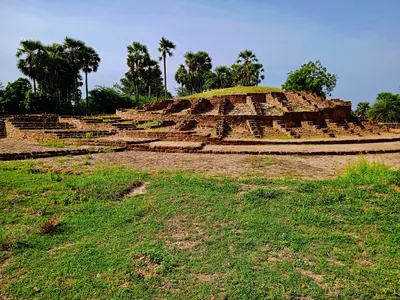
కళింగపట్నం
శ్రీకాకుళం జిల్లాలో వంశధార ముఖద్వారం వద్ద ఉన్న సముద్ర రేవు. కళింగ గంగ రాజుల రాజధాని కళింగనగరం ఇదే అని చాలా కాలం భావించారు. 1895లో కూడా ఇ. హుల్ష్ అలాగే భావించారు. కానీ జి. వి. రామమూర్తికి అక్కడ రాజధానికి తగిన ప్రాచీన అవశేషాలు ఏవీ కనిపించలేదు. ఆయన కళింగనగరాన్ని దానికి బదులుగా ముఖలింగంలో ఉంచారు.
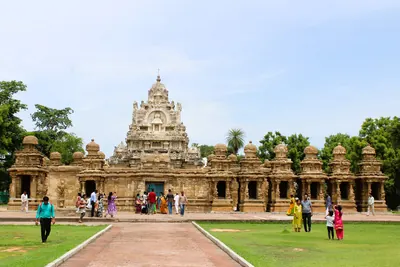
కాంచీపురం
తమిళ దేశంలోని నగరం, పల్లవ రాజుల రాజధాని. తెలుగు దేశపు అతి తొలి పల్లవ దానపత్రమైన మైదవోలు రేకులను కాంచీపురం నుంచే జారీ చేశారు. ఒంగోలు, నెల్లూరు ప్రాంతాలలోని గ్రామాలకు ఇచ్చిన తర్వాతి పల్లవ దానపత్రాలను కూడా అక్కడి నుంచే జారీ చేశారు. 7వ, 8వ శతాబ్దాలలో చాళుక్యులు నగరాన్ని ముట్టడించారు. 9వ శతాబ్దం చివరలో చోళ రాజు మొదటి ఆదిత్యుడు దాన్ని జయించాడు.
కందుకూరు
పూర్వం నెల్లూరు జిల్లాలో, ఇప్పుడు ప్రకాశం జిల్లాలో ఉన్న పట్టణం. పల్లవ ఉరువుపల్లి దానపత్రంలోని కందుకూర ఇదే అని సి. ఆర్. కృష్ణమాచార్లు భావించారు. ఆ దానపత్రం అక్కడి ఒక విష్ణుహర ఆలయానికి భూమి ఇచ్చింది. అది కందుకూరులోని తొలి ఆలయాలలో ఒకటి అని ఆయన భావించారు. కందుకూరు తాలూకా దక్షిణ భాగం ప్రాచీన ముండరాష్ట్రంలో ఉందని కూడా ఆయన భావించారు.
కానుకొల్లు
కృష్ణా డెల్టాలో, పూర్వం కృష్ణా జిల్లాలోని గుడివాడ తాలూకాలో ఉన్న గ్రామం. శిథిలమైన ఒక మట్టి కోట ప్రాకారాల బయట, పాత గ్రామ స్థలంలో శాలంకాయన రాజులు మొదటి నందివర్మ, స్కందవర్మల రెండు రాగి రేకుల దానపత్రాలను ఇక్కడ తవ్వి తీశారు.
కొప్పరం
గుంటూరు జిల్లాలోని పాత నరసరావుపేట తాలూకాలో ఉన్న గ్రామం. చాళుక్య రాజు రెండవ పులకేశి 21వ పాలన సంవత్సరపు (బహుశా 631) రాగి రేకుల దానపత్రం దీని దగ్గర దొరికింది. ఆ దానపత్రం కర్మరాష్ట్రంలో భూమిని ఇస్తుంది. ఆ కాలంలో బాదామి చాళుక్యులు గుంటూరు ప్రాంతంలో భూమిని దానం చేస్తున్నారని అది చూపిస్తుంది.
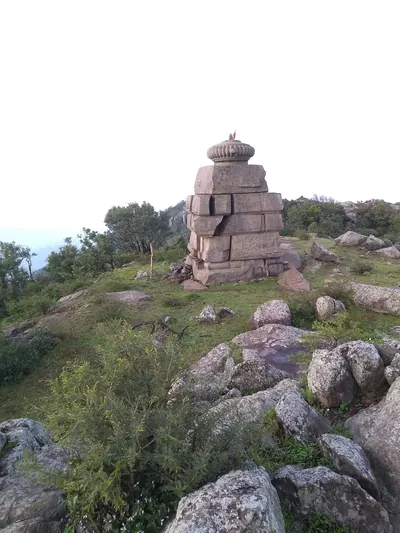
మహేంద్రగిరి
దక్షిణ ఒడిశాలోని తూర్పు కనుమలలో ఉన్న పర్వతం. తూర్పు గాంగుల దానపత్రాలలోని మహేంద్ర పర్వతం ఇదే. దాని శిఖరంపై రాజులు గోకర్ణస్వామి దేవుడిని పూజించారు. శిఖరంపై పెద్ద గ్రానైట్ దిమ్మెలతో కట్టిన పాత ఆలయాలు ఉన్నాయి. అక్కడి ఒక శాసనం ఒక చోళ విజయ స్తంభాన్ని నమోదు చేస్తుంది.
మాలెపాడు
కడప జిల్లాలో ప్రొద్దుటూరు దగ్గర పెన్నా దక్షిణ ఒడ్డున ఉన్న గ్రామం. తెలుగు చోళ రాజు పుణ్యకుమారుడి రాగి రేకులు, సత్యాదిత్యుడి ఒక రాతి శాసనం 1904లో ఇక్కడ వెలుగులోకి వచ్చాయి. ఇది బహుశా ఆ కుటుంబపు రాజధానులలో ఒకటైన బిరిపారు కావచ్చని 1956 నాటి తెలుగు చోళ శాసనాల సంపాదకులు భావించారు.
మంచికల్లు
గుంటూరు జిల్లాలోని పాత పల్నాడు తాలూకాలో, రెంటచింతల దగ్గర ఉన్న గ్రామం. పల్లవ రాజు సింహవర్మ ప్రాకృత శాసనం ఉన్న అష్టభుజి స్తంభంలోని ఒక ముక్క ఇక్కడి నుంచి వచ్చింది. డి. సి. సర్కార్ ఈ శాసనాన్ని అతి తొలి పల్లవ శాసనంగా భావించారు.
మయిదవోలు
నరసరావుపేటకు సుమారు పన్నెండు మైళ్లు తూర్పున ఉన్న గ్రామం. పూర్వం కృష్ణా జిల్లాలో, తర్వాత గుంటూరు జిల్లాలో ఉండేది. అతి తొలి పల్లవ దానపత్రమైన పల్లవ యువరాజు శివస్కందవర్మ ప్రాకృత రాగి రేకులను 1899లో ఇక్కడ, ఒక చిన్న పాత ఆలయ శిథిలాలున్న పాడుబడిన గ్రామ స్థలంలో తవ్వి తీశారు.
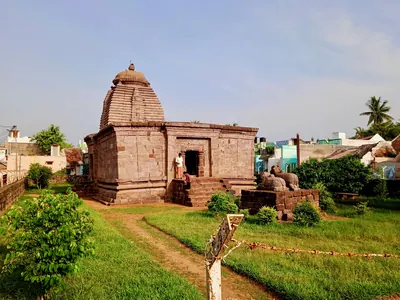
ముఖలింగం (కళింగనగరం)
శ్రీకాకుళం జిల్లాలో వంశధార ఎడమ ఒడ్డున ఉన్న గ్రామం. 1897 నుంచి దీన్ని తూర్పు గంగ రాజుల రాగి రేకుల దానపత్రాలలో పేర్కొన్న రాజధాని కళింగనగరంగా గుర్తిస్తున్నారు. దాని మూడు ఒరిస్సా శైలి శివాలయాలు, మధుకేశ్వర, భీమేశ్వర, సోమేశ్వర ఆలయాలు, దక్షిణాన నగరకటకం వరకు విస్తరించిన శిథిలాల మధ్య ఉన్నాయి. వాటిపై తెలుగు, సంస్కృతాలలో పదుల సంఖ్యలో గంగ శాసనాలు ఉన్నాయి.
నాగార్జునకొండ
గుంటూరు జిల్లా పల్నాడు తాలూకాలో కృష్ణా కుడి ఒడ్డున ఉన్న కొండ, చుట్టూ మూసి ఉన్న లోయ. క్రీ.శ. 3వ శతాబ్దంలో, 4వ శతాబ్దం ప్రారంభంలో ఇక్ష్వాకుల రాజధాని అయిన విజయపురి ఇక్కడ ఉండేది. 1927–31లో ఎ. హెచ్. లాంగ్హర్స్ట్ దాని బౌద్ధ కట్టడాలను తవ్వారు. నాగార్జునసాగర్ ఆనకట్ట లోయను ముంచేయడానికి ముందు, 1954–60లో పురావస్తు సర్వే లోయ మొత్తాన్ని తవ్వింది.
ఒంగోలు
పాత గుంటూరు జిల్లాలో గుండ్లకమ్మ ఒడ్డున ఉన్న పట్టణం. ఇప్పుడు ఇది ప్రకాశం జిల్లా కేంద్రం. రెండు పల్లవ రాగి రేకుల దానపత్రాలలో దానం చేసిన ఓంగోడు ఇదే కావచ్చని హెచ్. కృష్ణ శాస్త్రి సూచించారు. దాని చుట్టూ ఉన్న ప్రాంతం పల్లవ, తూర్పు చాళుక్య దానపత్రాలలోని కర్మరాష్ట్రం (తర్వాత కమ్మనాడు). పద్దెనిమిదవ శతాబ్దంలో ఒంగోలు కర్ణాటక (ఆర్కాటు) నవాబులకు చెందినది. 1790లో కంపెనీ దాని నిర్వహణను, 1801లో దాని పాలనను చేపట్టింది. అప్పుడు దాన్ని నెల్లూరు జిల్లాలో కలిపారు.
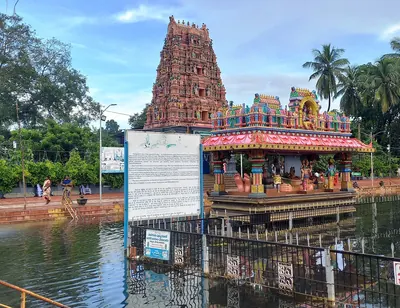
పిఠాపురం
గోదావరి ప్రాంతంలో, కాకినాడ (కోకనాడ)కు సుమారు పన్నెండు మైళ్లు ఉత్తర-తూర్పుగా ఉన్న పట్టణం. 634–35 నాటి చాళుక్య రాజు రెండవ పులకేశి ఐహొళె శాసనం ప్రకారం ఆయన తీసుకున్న పిష్టపుర కోటగా దీన్ని గుర్తించారు. సముద్రగుప్తుడి అలహాబాద్ శాసనంలోని పిష్టపురగా కూడా దీన్ని గుర్తించారు.
పొలమూరు
గోదావరి జిల్లాలోని పూర్వపు రామచంద్రపురం తాలూకాలో, అనపర్తి దగ్గరి గ్రామం. విష్ణుకుండిన రాజు మాధవవర్మ జనాశ్రయుడు దానం చేసిన పులోబూరుగా డి. సి. సర్కార్ దీన్ని గుర్తించారు. తూర్పు చాళుక్య రాజు మొదటి జయసింహుడు దాన్ని గ్రహీత కొడుకుకు మళ్లీ దానం చేశాడు. మరో పండితుడు ఆ గ్రామాన్ని భీమవరం తాలూకాలోని ఒక పొలమూరులో ఉంచారు.
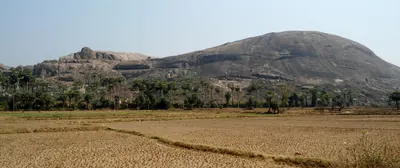
రామతీర్థం
విజయనగరం దగ్గరి గ్రామం. విష్ణుకుండిన రాజు ఇంద్రవర్మ రాగి రేకుల దానపత్రాన్ని ఇక్కడి ఒక పండిత కుటుంబం భద్రపరిచింది. 1914లో అది రామతీర్థం రేకులుగా ప్రచురితమైంది. దానపత్రం ప్లాకి జిల్లాలోని ఒక గ్రామానికి సంబంధించినది. చాలా మంది రచయితలు ఆ జిల్లాను విజయనగరం ప్రాంతంలో ఉంచుతారు.
శ్రీకాకుళం
లాంగుల్య నది ఒడ్డున ఉన్న పట్టణం, పూర్వం చికాకోల్. 1908లో ఇది గంజాం జిల్లాలోని ఒక తాలూకా కేంద్రం. పట్టణంలో తవ్వి తీసిన ఆరు రాగి రేకుల దానపత్రాల నిధి ఇప్పుడు మద్రాసు మ్యూజియంలో ఉంది. వాటిలో కళింగనగర గాంగ రాజుల అతి పాత దానపత్రాలు చాలా ఉన్నాయి. కుతుబ్ షాహీ కాలంలో పట్టణం చికాకోల్ సర్కారుకు రాజధాని.
తలమంచి
పాత నెల్లూరు తాలూకాలో, నెల్లూరు పట్టణానికి ఉత్తరాన ఉన్న గ్రామం. ఇక్కడ ఒక రైతు కూలీ దున్నుతుండగా చాళుక్య రాజు మొదటి విక్రమాదిత్యుడి ఆరవ పాలనా సంవత్సరం (660) నాటి రాగి రేకుల దానపత్రం బయటపడింది. పూర్వం ఒక గ్రామం ఉండేదని చెప్పే తలమంచిపాడు అనే భూమిలో అది అతనికి దొరికింది.
తిప్పలూరు
కడప జిల్లాలోని పూర్వపు కమలాపురం తాలూకాలో ఉన్న గ్రామం. తెలుగు చోళ రాజు పుణ్యకుమారుడి తొలి తెలుగు శిలా శాసనంలోని తిర్పలూరు ఇదే. శాసనపు అక్షరాలు పల్లవ రాజు మొదటి మహేంద్రవర్మ అక్షరాలను పోలి ఉంటాయి. దాని తేదీలో, అప్పటికి దక్షిణ భారత శాసనాలలో తెలిసిన హోర (గ్రహ గంట) గురించిన అతి తొలి ప్రస్తావన ఉంది.
ఉండవల్లి
గుంటూరు జిల్లాలో, విజయవాడ (బెజవాడ)కు ఎదురుగా, కృష్ణ దక్షిణ ఒడ్డున ఉన్న గ్రామం. పడుకున్న పెద్ద విష్ణు విగ్రహం ఉన్న, అనేక అంతస్తుల పెద్ద రాతి తొలుపు ఆలయానికి ఇది ప్రసిద్ధి. జి. జువో-డుబ్రే గుహలను విష్ణుకుండినులకు ఆపాదించారు. ఎ. హెచ్. లాంగ్హర్స్ట్ వాటిని 7వ శతాబ్దం ప్రారంభపు పల్లవ నిర్మాణం అని భావించారు.
వవ్వేరు
నెల్లూరు జిల్లాలోని పాత కోవూరు తాలూకాలో, బుచ్చిరెడ్డిపాలెం దగ్గరి గ్రామం. సుమారు 1928లో విలవట్టి గ్రామాన్ని దానం చేసే పల్లవ రాజు సింహవర్మ రాగి రేకుల దానపత్రాన్ని ఇక్కడ పాత గ్రామ స్థలంలో సుమారు ఎనిమిది అడుగుల లోతు నుంచి తవ్వి తీశారు. విలవట్టి వవ్వేరే కావచ్చని, లేదా పక్కనే ఉన్న విడవలూరు కావచ్చని దాని సంపాదకుడు భావించారు.
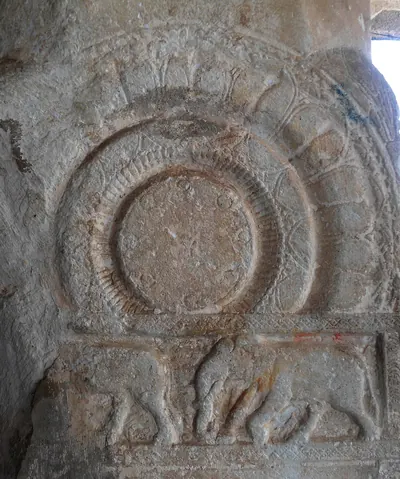
వేల్పూరు
గుంటూరు జిల్లాలోని పూర్వపు సత్తెనపల్లి తాలూకాలో ఉన్న గ్రామం. కొండపై ఉన్న దాని రామలింగస్వామి ఆలయంలో ఒక చలువరాతి స్తంభం ఉంది. దానిపై విష్ణుకుండిన వంశపు తెలిసిన ఏకైక శిలా శాసనం ఉంది. బౌద్ధ స్తూప దిబ్బలపై కనిపించే రకమైన పాత ఇటుకలు కొండ నిండా ఉన్నాయి. గ్రామంలో రెండవ తొలి బ్రాహ్మీ శాసనం కూడా దొరికింది.
వేంగి (పెదవేగి)
ఏలూరు (ఎల్లోర్)కు కొన్ని మైళ్లు ఉత్తరాన ఉన్న గ్రామం. శాలంకాయన రాజుల, తర్వాత తొలి తూర్పు చాళుక్యుల రాజధాని వేంగిపుర ఉన్న చోటుగా సాధారణంగా భావించే స్థలంలో ఇది ఉంది. పందొమ్మిదవ శతాబ్దపు సర్వేలు పెదవేగి, చినవేగి, దెందులూరు అంతటా విస్తరించిన శిథిల ఆలయాలను, దిబ్బలను కనుగొన్నాయి. కృష్ణ, గోదావరి మధ్య ఉన్న మొత్తం దేశానికి ఆ నగరం తన పేరు ఇచ్చింది.
కట్టడాలు
జగ్గయ్యపేట స్తూపం
సుమారు క్రీ.పూ. 200
జగ్గయ్యపేట దగ్గర ధనబోడు కొండపై ఉన్న తొలినాటి చిన్న బౌద్ధ స్తూపం. దాని పాత సున్నపురాతి పైపూత పలకలు, మౌర్య తరహా అక్షరాలు క్రీ.పూ. 2వ శతాబ్దాన్ని సూచిస్తాయి. ఇక్ష్వాకు రాజు వీరపురుషదత్తుడి స్తంభ శాసనాలు తర్వాతి కాలపు ఒక అంకితాన్ని నమోదు చేస్తాయి.
ఘంటసాల స్తూపం
సుమారు క్రీ.శ. 200
కృష్ణా డెల్టాలోని ఘంటసాలలో ఉన్న ఇటుకల బౌద్ధ స్తూపం. 1892లో ఎ. రియా దీన్ని తవ్వారు. దాని పునాదులు కిరణాల్లా విస్తరించిన గదుల వలయం లోపల ఒక నిండు మధ్యభాగాన్ని చూపిస్తాయి. అమరావతిలోని తర్వాతి కాలపు పనికి కొంచెం తర్వాతిదిగా రియా దీని కాలాన్ని నిర్ణయించారు.
అలంపురం నవబ్రహ్మ ఆలయాలు
నేటి తెలంగాణలో తుంగభద్ర ఒడ్డున అలంపురం పాత కోట లోపల ఉన్న తొలినాటి రాతి దేవాలయాల సమూహం. వీటిని నవబ్రహ్మ ఆలయాలు లేదా నవలింగేశ్వర ఆలయాలు అంటారు. వాటిపై ఉన్న శాసనాలు బాదామి చాళుక్యుల రాణుల, రాజుల పేర్లు చెబుతాయి. మొదటి విక్రమాదిత్యుడి (655–680) ఒక రాణి, వినయాదిత్యుడి ఒక రాణి, విజయాదిత్యుడి పేర్లు వాటిలో ఉన్నాయి. విజయాదిత్యుడి కాలంలో 704, 713లో ఒక ప్రాకారం కట్టారు. నిజాం పురావస్తు శాఖ 1926-27లో వీటిని సర్వే చేసింది. వాటి వంపు తిరిగిన శిఖరాలను పట్టదకల్లోని పాపనాథ ఆలయంతో పోల్చింది.
భైరవకోన గుహాలయాలు
నెల్లూరు జిల్లాలోని పాత ఉదయగిరి తాలూకాలో భైరవకోన వద్ద ఉన్న తొలినాటి రాతి తొలుపు గుహాలయాల సమూహం. 1921లో ఎ. హెచ్. లాంగ్హర్స్ట్ వీటి గురించి నివేదించారు. ఇవి పల్లవ యుగానికి చెందినవిగా చెప్పవచ్చని, మొదటి మహేంద్రవర్మ గుహలను దగ్గరగా పోలి ఉన్నాయని ఆర్. గోపాలన్ వర్ణించారు. ఒక పురాతన శాసనంలో దామోదరేశ్వరం అని పేరున్న ఒక గుడిని మద్రాసు శాసన కార్యాలయం ఆనంద రాజు దామోదరవర్మతో ముడిపెట్టింది.
చూళ ధమ్మగిరి విహారం
నాగార్జునకొండలోని నహరళ్లబోడు కొండపై ఉన్న బౌద్ధ విహార కట్టడాలు. విజయపురికి తూర్పున ఉన్న చిన్న ధమ్మగిరి (చూళ ధమ్మగిరి) పైని విహారంగా దీన్ని గుర్తిస్తారు. అక్కడ ఇక్ష్వాకు రాజు వీరపురుషదత్తుడి 14వ పాలనా సంవత్సరంలో బోధిసిరి అనే ఉపాసిక శ్రీలంక భిక్షువుల కోసం ఒక అర్ధవృత్తాకార (ఒక చివర గుండ్రని) గుడిని కట్టించింది.
నాగార్జునకొండ మహాచైత్యం
ఇక్ష్వాకుల నగరం విజయపురి మహాస్తూపం. దాని సున్నపురాతి ఆయక స్తంభాలపై రాకుమారి చాంతిసిరి, ఇతర రాజవంశ స్త్రీల ప్రాకృత శాసనాలు ఉన్నాయి. అవి రాజు వీరపురుషదత్తుడి 6వ పాలనా సంవత్సరం నాటివి. 1928–29 తవ్వకాలలో దాని గదులలో ఒకదానిలో చిన్న ఎముక ధాతువు దొరికింది.
ముఖలింగం ఆలయాలు
వంశధార ఒడ్డున ముఖలింగంలో ఉన్న మూడు శివాలయాలు: మధుకేశ్వర (ముఖలింగేశ్వర), భీమేశ్వర (అనియంకభీమేశ్వర), సోమేశ్వర ఆలయాలు. ఇవి ఒడిశా శైలిలో ఉన్నాయి. తూర్పు గాంగ రాజుల రాజధాని కళింగనగరం శిథిలాల మధ్య ఇవి ఉన్నాయి. అనంతవర్మ చోడగంగదేవుడి ఒక దానపత్రం మధుకేశ్వర ఆలయాన్ని తొలినాటి రాజు కామార్ణవుడికి ఆపాదిస్తుంది. భీమేశ్వర ఆలయానికి రాజు వజ్రహస్త అనియంకభీముడి పేరు పెట్టారని భావిస్తారు. వాటి గోడలపై, స్తంభాలపై గాంగుల తెలుగు, సంస్కృత శాసనాలు వందల సంఖ్యలో ఉన్నాయి.
ఉండవల్లి గుహాలయం
విజయవాడకు ఎదురుగా కృష్ణా దక్షిణ ఒడ్డున ఉన్న నాలుగు అంతస్తుల రాతి తొలుపు ఆలయం. సర్పంపై పడుకున్న విష్ణువు పెద్ద విగ్రహం వల్ల మధ్యయుగ శాసనాలు దీన్ని అనంతశయనగుడి అని పిలుస్తాయి. దీన్ని ఎవరు తొలిపించారో ఏ శాసనమూ నమోదు చేయలేదు. జి. జువో-డుబ్రే (1917, 1920) దీన్ని, బెజవాడ, మొగల్రాజపురం, సీతానగరం గుహలను విష్ణుకుండినులకు ఆపాదించారు. ఎ. హెచ్. లాంగ్హర్స్ట్ (1924) దీన్ని మొదటి మహేంద్రవర్మ కాలపు పల్లవ కట్టడంగా అంచనా వేశారు.
విజయపురి కోట
నాగార్జునకొండ లోయలో కృష్ణా ఒడ్డున ఉన్న ఇక్ష్వాకుల రాజధానికి కేంద్రమైన, ఇటుక గోడలు, కందకం ఉన్న అంతర్దుర్గం. 1956–59లో దీన్ని తవ్వారు. దాని లోపల, చుట్టూ తవ్వకందారులకు సైనిక నివాసాలు, రాజ గృహాలు, వారు అశ్వమేధంతో ముడిపెట్టిన మెట్ల కోనేరు, కార్తికేయ, శివ ఆలయాలు, ఒక నదీ స్నానఘట్టం, ఒక పెద్ద క్రీడా మైదానం దొరికాయి.
శాసనాలు
శివస్కందవర్మ మయిదవోలు శాసనం
సుమారు క్రీ.శ. 250
పల్లవ యువరాజు శివస్కందవర్మ కాంచీపురం నుంచి ధాన్యకటకం (అమరావతి)లోని తన అధికారికి జారీ చేసిన ప్రాకృత రాగి రేకుల దానపత్రం. అది తెలుగు దేశమైన ఆంధ్రాపథంలోని విరిపర గ్రామాన్ని ఇద్దరు బ్రాహ్మణులకు ఇస్తుంది. 1899లో నరసరావుపేట దగ్గరి మయిదవోలులో అది దొరికింది. 1901లో ఇ. హుల్ష్ దాన్ని సంపాదకత్వం చేశారు. అది అతి తొలి పల్లవ రాగి రేకుల శాసనం. పల్లవులు కృష్ణ వరకు పాలించారని అది చూపిస్తుంది.
చాంతిసిరి నాగార్జునకొండ శాసనాలు
సుమారు క్రీ.శ. 250
ఇక్ష్వాకు రాకుమారి చాంతిసిరి ఇచ్చిన దానాలను నమోదు చేసే నాగార్జునకొండ ప్రాకృత శాసనాలు. అవి మహాస్తూపం (మహాచైత్యం) ఆయక స్తంభాలపై, ఒక రాతి మండపపు స్తంభాలపై, దాని పక్కన ఉన్న ఒక అర్ధవృత్తాకార గుడి నేలపై చెక్కి ఉన్నాయి. వాటి తేదీలు రాజు వీరపురుషదత్తుడి 6వ, 15వ, 18వ పాలనా సంవత్సరాలు.
నాగార్జునకొండ శాసనం (బోధిసిరి)
సుమారు క్రీ.శ. 268
నాగార్జునకొండలోని చూళ ధమ్మగిరిపై ఉన్న ఒక అర్ధవృత్తాకార (ఒక చివర గుండ్రని) గుడి నేలపై ఉన్న ప్రాకృత శాసనం. దాని తేదీ రాజు మాఠరీపుత్ర (వీరపురుషదత్తుడు) 14వ పాలనా సంవత్సరం. శ్రీలంక నుంచి వచ్చిన బౌద్ధ భిక్షువులకు ఉపాసిక బోధిసిరి ఇచ్చిన దానాలను అది నమోదు చేస్తుంది. అది విజయపురి నగరాన్ని, శ్రీపర్వతాన్ని, వర్తక పట్టణం కంటకసేలను పేర్కొంటుంది.
నాగార్జునకొండ స్మారక స్తంభ శాసనం (చాంతమూలుడు)
సుమారు క్రీ.శ. 273
నాగార్జునకొండలో 9వ స్తూపం దగ్గర దొరికిన, ప్రాకృత శాసనం ఉన్న చెక్కడాల స్తంభం. మరణించిన ఇక్ష్వాకు రాజు చాంతమూలుడి సోదరీమణులు, తల్లులు, రాణులు ఆయన కొడుకు వీరపురుషదత్తుడి పాలనలో దాన్ని నిలిపారని అది నమోదు చేస్తుంది. వోగెల్ దాన్ని రాజు 20వ సంవత్సరం నాటిదిగా చెప్పారు. సర్కార్ తేదీని విజయ అనే చక్ర సంవత్సరంగా, 273–74గా, మళ్లీ చదివారు. భారతీయ శాసనాలలో చక్ర సంవత్సరాన్ని వాడిన తెలిసిన అతి తొలి ఉదాహరణ ఇదే.
జగ్గయ్యపేట శాసనం (వీరపురుషదత్తుడు)
సుమారు క్రీ.శ. 274
జగ్గయ్యపేట స్తూపపు ఆయక స్తంభాలపై ఒక ప్రాకృత శాసనపు మూడు ప్రతులు. ఇక్ష్వాకు రాజు వీరపురుషదత్తుని 20వ సంవత్సరంలో చేతివృత్తి కళాకారుడు సిద్ధార్థుడు మహాచైత్యం తూర్పు ద్వారం వద్ద ఐదు స్తంభాలను దానం చేసినట్లు అవి నమోదు చేస్తాయి. 1882లో జేమ్స్ బర్జెస్ వాటిని కనుగొన్నారు. కనుగొన్న మొదటి ఇక్ష్వాకు రికార్డులు అవే.
నాగార్జునకొండ శాసనం (ఆభీర వసుషేణుడు)
సుమారు క్రీ.శ. 278
1958–59లో నాగార్జునకొండలో కృష్ణ ఒడ్డున దొరికిన సంస్కృత-ప్రాకృత శాసనం. దాని తేదీ ఆభీర రాజు వాసిష్ఠీపుత్ర వసుషేణుడి 30వ పాలనా సంవత్సరం. ఒక స్థానిక ప్రముఖుడు, అవంతి, సంజయపుర, వనవాస నుంచి వచ్చినవారు విష్ణువు రూపమైన అష్టభుజస్వామి దేవుడిని ప్రతిష్ఠించారని అది నమోదు చేస్తుంది. డి. సి. సర్కార్ దాన్ని సుమారు 278–79 నాటిదిగా నిర్ణయించి, ఇక్ష్వాకు పాలనలో ఆభీరుల వల్ల వచ్చిన చిన్న విరామానికి సాక్ష్యంగా భావించారు.
నాగార్జునకొండ శాసనం (పుష్పభద్రస్వామి)
సుమారు క్రీ.శ. 295
నాగార్జునుడి కొండ పాదాల వద్ద ఉన్న ఒక ఆలయం నుంచి వచ్చిన, నాలుగు ముఖాల ధ్వజస్తంభంపై ఉన్న సంస్కృత శాసనం. దాని తేదీ ఇక్ష్వాకు రాజు ఎహువుల చాంతమూలుడి 16వ పాలనా సంవత్సరం. ఆయన కొడుకు, రాకుమారుడు వీరపురుషదత్తుడు పుష్పభద్రస్వామి రూపంలోని శివుడికి ఒక గుడి కట్టించి, దానికి ఒక గ్రామాన్ని ఇచ్చాడని అది నమోదు చేస్తుంది. ఇక్ష్వాకు రాజ కుటుంబంలో శైవ ఆరాధనకు ఇదే మొదటి ప్రత్యక్ష సాక్ష్యం.
సింహవర్మ మంచికల్లు శాసనం
సుమారు క్రీ.శ. 300
పల్నాడు తాలూకాలోని మంచికల్లు నుండి వచ్చిన అష్టభుజ రాతి స్తంభపు ఒక భాగంపై ఉన్న విరిగిన ప్రాకృత శాసనం. భారద్వాజ గోత్రపు పల్లవ రాజు సింహవర్మ జీవశివస్వామి దేవుని పూజారులకు ఇచ్చిన దానాలను అది నమోదు చేస్తుంది. దానిని సంపాదకత్వం వహించిన డి. సి. సర్కార్ దానిని తొలి పల్లవ రికార్డుగా భావించారు. ఆయన దానిని మొదట 3వ శతాబ్దం ముగింపుకు, తర్వాత 4వ శతాబ్దం మధ్యకు చెందినదిగా చెప్పారు.
దేవవర్మ ఏలూరు తామ్రశాసనం
సుమారు క్రీ.శ. 345
వేంగిపురం నుండి ఇచ్చిన, శాలంకాయన రాజు దేవవర్మ 13వ సంవత్సరపు ప్రాకృత తామ్ర దానపత్రం. అది ఎలూర (Ellore, ఇప్పుడు ఏలూరు) గ్రామస్తులను ఉద్దేశించి, ఒక బ్రాహ్మణునికి ఇరవై నివర్తనాల భూమిని, ఇళ్ల స్థలాలను ఇస్తుంది. 1908లో ఇ. హుల్ష్ దానిని సంపాదకత్వం వహించారు. అది ఆ వంశానికి 'వేంగిపుర శాలంకాయన మహారాజులు' అనే ఆధునిక పేరును ఇచ్చింది.
మొదటి నందివర్మ కానుకొల్లు తామ్రశాసనం
సుమారు క్రీ.శ. 350
వేంగిపురం నుండి ఇచ్చిన, కృష్ణా డెల్టాలోని కానుకొల్లులో దొరికిన, శాలంకాయన రాజు మొదటి నందివర్మ 14వ సంవత్సరపు ప్రాకృత తామ్ర దానపత్రం. రథకార సమాజానికి చెందిన, నాలుగు వేదాల్లో పండితుడైన ఒక బ్రాహ్మణునికి అది ఒక గ్రామాన్ని అగ్రహారంగా (బ్రాహ్మణ గ్రామంగా) ఇస్తుంది. దాని సంపాదకుడు దానిని 3వ శతాబ్దం ముగింపుకు, డి. సి. సర్కార్ సుమారు 4వ శతాబ్దం మధ్యకు చెందినదిగా చెప్పారు.
రెండవ నందివర్మ కొల్లేరు తామ్రశాసనం
సుమారు క్రీ.శ. 430
చండవర్మ పెద్ద కుమారుడు, శాలంకాయన రాజు నందివర్మ 7వ సంవత్సరపు సంస్కృత తామ్ర దానపత్రం. అతను దానిని వేంగిపురం నుండి ఇచ్చి, కుడుహార దేశంలోని ఒక గ్రామాన్ని 157 మంది బ్రాహ్మణులకు ఇచ్చాడు. 1840కి ముందు కొల్లేరు సరస్సులో అది దొరికినట్లు నివేదించారు. తెలిసిన ఆ వంశపు మొదటి రికార్డు అదే. 1870లలో ఎ. సి. బర్నెల్, జె. ఎఫ్. ఫ్లీట్ దానిని సంపాదకత్వం వహించారు.
రెండవ నందివర్మ పెదవేగి తామ్రశాసనం
సుమారు క్రీ.శ. 430
శాలంకాయన రాజు రెండవ నందివర్మ 10వ పాలనా సంవత్సరపు సంస్కృత రాగి రేకుల దానపత్రం. ఏలూరుకు ఉత్తరాన పెదవేగి దగ్గర అది దొరికింది. 1924లో మొదట ప్రచురితమైంది. అది నాలుగు గ్రామాలలో భూమిని ఒక విష్ణు ఆలయానికి ఇస్తుంది. వేంగికి చెందిన హస్తివర్మతో మొదలయ్యే దాని నాలుగు తరాల వంశావళి ఆ వంశ చరిత్రకు వెన్నెముక.
సింహవర్మ ఓంగోడు శాసనం (నం. 2)
సుమారు క్రీ.శ. 440
యువరాజు విష్ణుగోపుడి కొడుకు, పల్లవ రాజు సింహవర్మ తన పాలన నాల్గవ సంవత్సరంలో చేసిన సంస్కృత రాగి రేకుల దానపత్రం. కొడికిం, నరచాడు, కడకుదూరు, పెనుకపర్రు సరిహద్దులుగా ఉన్న కర్మరాష్ట్రంలోని ఓంగోడు గ్రామాన్ని అది కుందూరుకు చెందిన బ్రాహ్మణుడు దేవశర్మకు ఇస్తుంది. దాని సంపాదకుడు హెచ్. కృష్ణ శాస్త్రి దాన్ని ఒక పూర్వ దానపత్రానికి 7వ శతాబ్దపు నకలుగా భావించారు. సింహవర్మకు లోకవిభాగం ఇచ్చే 436 అనే తేదీపై జరిగిన చర్చలో దాని తేదీ భాగమైంది.
సింహవర్మ విలవట్టి శాసనం
సుమారు క్రీ.శ. 446
యువరాజు విష్ణుగోపుడి కొడుకు, పల్లవ రాజు సింహవర్మ పదవ సంవత్సరంలో పద్దుక్కర నుంచి జారీ చేసిన సంస్కృత రాగి రేకుల దానపత్రం. అది ముండరాష్ట్రంలోని విలవట్టి గ్రామాన్ని, దాని నుంచి రావలసిన పన్నులతో పాటు, బ్రాహ్మణుడు విష్ణుశర్మకు ఇస్తుంది. సుమారు 1928లో నెల్లూరు కోవూరు తాలూకాలోని వవ్వేరు వద్ద అది దొరికింది. 1938లో సి. ఆర్. కృష్ణమాచార్లు దాన్ని సంపాదకత్వం వహించారు. అది చేతివృత్తుల వారు, వర్తకుల చెల్లింపులను జాబితా చేస్తుంది. దాని ముద్రపై స్పష్టంగా కనిపించే అతి తొలి పల్లవ వృషభం ఉంది.
ఇంద్రవర్మ జిర్జింగి తామ్రశాసనం
సుమారు క్రీ.శ. 537
దంతపురం నుండి ఇచ్చిన, 39వ సంవత్సరపు తేదీ ఉన్న, త్రికళింగ ప్రభువు గాంగ రాజు ఇంద్రవర్మ తామ్ర దానపత్రం. శ్రీకాకుళం ప్రాంతంలో టెక్కలి దగ్గరి జిర్జింగిలో ఒక పాత ఆలయ స్థలంలో అది దొరికింది. 1940లో ఆర్. కె. ఘోషాల్ దానిని మళ్లీ సంపాదకత్వం వహించినప్పుడు, అది తూర్పు గాంగుల తెలిసిన అతి పాత రికార్డు. అది ఆధునిక జిర్జింగి అయిన జిజ్జిక గ్రామాన్ని ఒక బ్రాహ్మణునికి ఇస్తుంది. గాంగ శకానికి వి. వి. మిరాశి ప్రారంభ బిందువు (ప్రారంభ తేదీ) ప్రకారం, 39వ సంవత్సరం సుమారు 537లో వస్తుంది.
కలమల్ల శాసనం
సుమారు క్రీ.శ. 575
కడప జిల్లాలోని కలమల్ల నుండి వచ్చిన దెబ్బతిన్న స్తంభ శాసనం. దాని అక్షరాల ఆకారం నుండి దానిని సుమారు సా.శ. 575 నాటిదిగా చెప్పారు. దాని సంపాదకులు దానిని పూర్తిగా తెలుగులో రాసిన తొలి రికార్డుల్లో ఒకటిగా పిలిచారు.
ఇంద్రవర్మ అచ్యుతాపురం తామ్రశాసనం
సుమారు క్రీ.శ. 585
శ్రీకాకుళం ప్రాంతంలో ముఖలింగం దగ్గర దొరికిన మూడు చిన్న రాగి రేకులు. గాంగ రాజు ఇంద్రవర్మ, మరో పేరు రాజసింహుడు, తన తల్లి గౌరవార్థం ఒక చెరువును ప్రతిష్ఠించినప్పుడు కళింగనగరం వద్ద చేసిన భూదానాన్ని అవి నమోదు చేస్తాయి. ఆ దానపత్రానికి ఒక లెక్క ప్రకారం 87వ సంవత్సరపు తేదీ ఉంది. తర్వాతి విద్వాంసుల్లో చాలామంది దానిని గాంగ శకంగా భావించారు. తొలి గాంగ దానపత్రాల్లో అత్యంత బాగా భద్రంగా ఉన్నవాటిలో ఈ రేకులు ఒకటి. అవి పెట్టె తలల కళింగ లిపిని చూపిస్తాయి.
ఎరికల్ ముత్తురాజు ఎర్రగుడిపాడు శాసనం
సుమారు క్రీ.శ. 590
కమలాపురం ప్రాంతంలోని ఎర్రగుడిపాడులో చెన్నకేశవ ఆలయం పక్కన ఉన్న తొలి తెలుగు శిలా రికార్డు. దాని అక్షరాలు కలమల్ల స్తంభ శాసనపు అక్షరాలకు దాదాపు సమానం. దాని సంపాదకులు దానిని 6వ శతాబ్దపు చివరి పావుకు లేదా కొంచెం తర్వాతికి చెందినదిగా చెప్పారు. ఒక ఎరికల్ ముత్తురాజు పాలనలో ఒక బ్రాహ్మణునికి 24 కొలతల భూమిని పన్ను లేకుండా దానం చేసినట్లు అది నమోదు చేస్తుంది. సాక్షుల్లో నవప్రియుడు అనే ఒక ముత్తురాజు, బహుశా పల్లవ యువరాజు అయిన 'వల్లవ దుకరాజు' ఉన్నారు.
పుణ్యకుమారుని మాలెపాడు తామ్రశాసనం
సుమారు క్రీ.శ. 625
కడప జిల్లాలోని మాలెపాడులో దొరికి మద్రాసు మ్యూజియంకు ఇచ్చిన, సింహ ముద్రతో ఉన్న మూడు సంస్కృత తామ్ర రేకులు. తన పాలనలో ఐదవ సంవత్సరంలో రేనాటి చోళ రాజు పుణ్యకుమారుడు చేసిన భూదానాన్ని అవి నమోదు చేస్తాయి. 1912లో ప్రచురించిన అవి రేనాటి చోళుల మొదటి వంశవృక్షాన్ని, నందివర్మ నుండి ధనంజయుడు, మహేంద్రవిక్రముని ద్వారా ఇచ్చాయి. వాటి తేదీని సుమారు 800కు దగ్గరగా, సుమారు 625లో, సుమారు 750లో ఉంచారు.
పుణ్యకుమారుని తిప్పలూరు శాసనం
సుమారు క్రీ.శ. 625
కమలాపురం సీమలోని తిప్పలూరు వద్ద ఉన్న ఒక తొలి తెలుగు శిలా శాసనం. ఎరికల్ల-ముత్తురాజు పుణ్యకుమారుడు తన రాజధాని చిర్పలి నుంచి రేనాండును పాలిస్తున్నప్పుడు దాన్ని జారీ చేశారు. దాని అలంకార అక్షరాలు పల్లవ రాజు మొదటి మహేంద్రవర్మ వల్లం శిలా శాసనపు అక్షరాలలా కనిపిస్తాయి. అది వారాన్ని, హోరను (గ్రహ గంట) పేర్కొంటుంది. అప్పటికి దక్షిణ భారత శాసనాలలో తెలిసిన హోర ప్రస్తావనలలో ఇదే అతి తొలిది.
రెండవ పులకేశి కొప్పరం శాసనం
సుమారు క్రీ.శ. 631
గుంటూరు జిల్లా నరసరావుపేట తాలూకాలోని కొప్పరం దగ్గర దొరికిన, చాళుక్య రాజు రెండవ పులకేశి 21వ సంవత్సరపు (బహుశా 631) సంస్కృత తామ్ర దానపత్రం. కర్మరాష్ట్రంలో 800 నివర్తనాల పొలాన్ని అది ముగమూరుకు చెందిన ఒక బ్రాహ్మణునికి ఇస్తుంది. దానిలోని 'పృథివీదువరాజు'ను ఇ. హుల్ష్ ఆ సంవత్సరంలో ఇంకా అధీనునిగా ఉన్న పులకేశి సోదరుడు విష్ణువర్ధనునిగా చదివారు. దాని మొదటి సంపాదకుడు కె. వి. లక్ష్మణరావు అతనిని మరో చాళుక్య రాకుమారునిగా గుర్తించారు.
రెండవ పులకేశి ఐహొళె శాసనం
క్రీ.శ. 634
జైన కవి రవికీర్తి రాసిన 37 శ్లోకాల సంస్కృత కావ్యం. ఇది 634–35లో కర్ణాటకలోని ఐహొళెలోని మేగుటి ఆలయంపై చెక్కబడింది. చాళుక్య రాజు రెండవ పులకేశి విజయాలకు, అతని తూర్పు దండయాత్రతో సహా, ఇదే ముఖ్య కథనం. ఆ దండయాత్రలో అతను కళింగులను, కోసలులను అణచి, పిష్టపురం (పిఠాపురం) ను తీసుకుని, 'కునాల జలాన్ని' ధ్వంసం చేశాడు. కీల్హార్న్ దానిని కొల్లేరు సరస్సుగా గుర్తించారు. కాంచీపురం ముందు అతను పల్లవ రాజును కూడా ఓడించాడు.
మొదటి విక్రమాదిత్యుని అముదాలపాడు శాసనం
క్రీ.శ. 660
అలంపురం తాలూకాలోని (ఇప్పుడు తెలంగాణలో) అముదాలపాడు నుండి వచ్చిన, చాళుక్య రాజు మొదటి విక్రమాదిత్యుని ఐదవ సంవత్సరపు సంస్కృత తామ్ర దానపత్రం. డి. సి. సర్కార్ దానిని 660 ఏప్రిల్ 30 నాటిదిగా చెప్పారు. రాజు శైవ మతంలో దీక్ష తీసుకున్నప్పుడు రాజు గురువు సుదర్శనాచార్యునికి ఒక గ్రామాన్ని దానం చేసినట్లు అది నమోదు చేస్తుంది. దాని అక్షరాలు తొలి తెలుగు-కన్నడ లిపి. ఎపిగ్రాఫియా తెలంగాణికా (2023) సంపాదకులు దానిని తెలంగాణలో తొలి తెలుగు శాసనం అని పిలుస్తారు.
మొదటి విక్రమాదిత్యుని తలమంచి శాసనం
క్రీ.శ. 660
చాళుక్య రాజు మొదటి విక్రమాదిత్యుడి ఆరవ సంవత్సరం నాటి సంస్కృత రాగి రేకుల దానపత్రం. నెల్లూరు తాలూకాలోని తలమంచి వద్ద ఒక దుక్కి దున్నేవాడు దాన్ని కనుగొన్నాడు. ఇప్పుడు అది మద్రాసు మ్యూజియంలో ఉంది. అది ఎలసట్టి గ్రామాన్ని రాజు సొంత గురువు శ్రీమేఘాచార్యుడికి ఇస్తుంది. ఎఫ్. కీల్హార్న్ దాని సూర్యగ్రహణాన్ని 660 జూలై 13 నాటిదిగా నిర్ణయించారు. విక్రమాదిత్యుడి సింహాసనారోహణను 654 సెప్టెంబరు, 655 జూలై మధ్య నిర్ణయించడానికి ఆయన దాన్ని ఉపయోగించారు.
మొదటి విక్రమాదిత్యుని గద్వాల శాసనం
క్రీ.శ. 674
674 ఏప్రిల్ 25 నాటి, చాళుక్య రాజు మొదటి విక్రమాదిత్యుని 20వ సంవత్సరపు సంస్కృత తామ్ర దానపత్రం. అది గద్వాలలో (అప్పట్లో హైదరాబాద్ రాష్ట్రంలో, ఇప్పుడు తెలంగాణలో) ఉంచబడింది. అక్కడి పొలాల్లో దొరికిందని చెబుతారు. కావేరి దక్షిణ ఒడ్డున ఉరగపురం వద్ద ఒక శిబిరం నుండి ఇచ్చిన ఈ దానపత్రం విక్రమాదిత్యుడు ఓడించిన ముగ్గురు పల్లవ రాజుల పేర్లు చెబుతుంది. దానిలో ధాన్యం కొలతలకు సంబంధించిన రెండు తెలుగు పదాలను ఇ. హుల్ష్ గుర్తించారు.
గుణార్ణవుని కుమారుడు దేవేంద్రవర్మ శ్రీకాకుళం తామ్రశాసనం
సుమారు క్రీ.శ. 681
కళింగనగరం నుండి ఇచ్చిన, గాంగ లెక్కలో 183వ సంవత్సరపు తేదీ ఉన్న, గుణార్ణవుని కుమారుడు గాంగ రాజు దేవేంద్రవర్మ తామ్ర దానపత్రం. శ్రీకాకుళం (అప్పుడు చికాకోల్) లో కలిసి తవ్వి తీసిన ఆరు రేకుల సమూహాల్లో ఇది ఒకటి. అది కళింగనగరంలో నివసిస్తున్న ఆరుగురు బ్రాహ్మణ సోదరులకు పొప్పంగిక గ్రామాన్ని అగ్రహారంగా (బ్రాహ్మణ గ్రామంగా) ఇస్తుంది. పాత సంఖ్యా చిహ్నాల పక్కన దశాంశ సున్నా తొలి వాడకాన్ని అది చూపిస్తుంది.
అనంతవర్మ అలమండ తామ్రశాసనం
సుమారు క్రీ.శ. 802
విశాఖపట్నం (ఇప్పుడు విజయనగరం) జిల్లాలోని అలమండ దగ్గర దొరికిన, రాజేంద్రవర్మ కుమారుడైన గాంగ రాజు అనంతవర్మ తామ్ర దానపత్రం. ఒక చెరువు ప్రతిష్ఠ సమయంలో సూర్యగ్రహణం నాడు కళింగనగరం నుండి అది ఇవ్వబడింది. అది మెదెలక గ్రామాన్ని ఒక బ్రాహ్మణునికి ఇస్తుంది. దానికి గాంగేయ వంశపు పాలనలో 304వ సంవత్సరపు తేదీ ఉంది. గాంగ శకానికి అత్యంత స్పష్టమైన ప్రస్తావనల్లో ఇది ఒకటి.
చారుదేవి బ్రిటిష్ మ్యూజియం శాసనం
మహారాజు విజయ-స్కందవర్మ పాలనలో చేసిన, యువరాజు విజయ-బుద్ధవర్మ భార్య, పల్లవ రాణి చారుదేవి ప్రాకృత తామ్ర దానపత్రం. అది దాలూరలోని నారాయణ ఆలయానికి నాలుగు నివర్తనాల భూమిని ఇస్తుంది. సర్ వాల్టర్ ఎలియట్ ఆ రేకులను సంపాదించారు. అవి ఇప్పుడు బ్రిటిష్ మ్యూజియంలో ఉన్నాయి. అవి గుంటూరు దగ్గర దొరికాయని నివేదించారు. 1880లో జె. ఎఫ్. ఫ్లీట్ వాటిని మొదట సంపాదకత్వం వహించి ప్రచురించారు. 1906లో ఇ. హుల్ష్ వాటిని మళ్లీ సంపాదకత్వం వహించారు.
రెండవ కుమారవిష్ణు చెందలూరు శాసనం
పల్లవ రాజు రెండవ కుమారవిష్ణు రెండవ సంవత్సరంలో కాంచీపురం నుండి ఇచ్చిన సంస్కృత తామ్ర దానపత్రం. అది కర్మరాష్ట్రంలోని చెందలూర గ్రామంలో 432 పట్టికల (భూమి కొలత) పొలాన్ని బ్రాహ్మణుడు భవస్కందత్రాతునికి ఇస్తుంది. ఒంగోలు తాలూకాలోని చెందలూరులో వడ్ల పొట్టు నిండిన కుండలో పాతిపెట్టి అది దొరికింది. 1906లో ఇ. హుల్ష్ దానిని సంపాదకత్వం వహించారు. అదే విధంగా దొరికిందని నివేదించిన, 673 నాటి తూర్పు చాళుక్య సర్వలోకాశ్రయుని అదే గ్రామపు దానపత్రాన్ని ఆయన దీనితో కలిపి సంపాదకత్వం వహించారు.
చిక్కుళ్ళ తామ్రశాసనం
రాజు 10వ పాలనా సంవత్సరంలో లెందులూరు నుండి ఇచ్చిన విష్ణుకుండిన తామ్ర దానపత్రం. అది కృష్ణా దగ్గరి రెగొన్రం గ్రామాన్ని ఒక శివాలయానికి ఇస్తుంది. తుని దగ్గరి చిక్కుళ్ళలో ఒక చెరువులో అది దొరికింది. 1897లో ఎఫ్. కీల్హార్న్ దానిని సంపాదకత్వం వహించారు. దాని తేదీ వివాదాస్పదమైన విష్ణుకుండిన కాలక్రమం మీద ఆధారపడి ఉంది.
విజయ-విష్ణుగోపవర్మ చూర శాసనం
ఒక సింహవర్మ కుమారుడు, పల్లవ రాజు విజయ-విష్ణుగోపవర్మ పలోత్కట నుండి ఇచ్చిన, కొన్ని తెలుగు పదాలు ఉన్న సంస్కృత తామ్ర దానపత్రం. అది కర్మరాష్ట్రంలోని చూర గ్రామంలో 108 నివర్తనాలను కుందూరుకు చెందిన బ్రాహ్మణుడు చసమిశర్మకు ఇస్తుంది. నరసరావుపేటలో అది లభించింది. 1938లో సి. ఆర్. కృష్ణమాచార్లు దానిని సంపాదకత్వం వహించారు. అది సుమారు 7వ శతాబ్దపు అక్షరాల్లో రాయబడింది. ఆయన దానిని పాత దానపత్రం యొక్క ప్రతిగా భావించారు.
దర్శి పల్లవ తామ్రపత్రం
నెల్లూరు జిల్లాలోని దర్శి వద్ద ఒక పొగాకు పొలంలో దొరికి, ఇప్పుడు మద్రాసు మ్యూజియంలో ఉన్న ఒకే రాగి రేకు. అది ఒక పల్లవ రాజు పోయిన సంస్కృత దానపత్రపు మొదటి రేకు. మహారాజు వీరకోర్చవర్మ మునిమనవడు దానిని 'సమృద్ధమైన, విజయవంతమైన దశనపుర నివాసం నుండి' ఇచ్చాడు. 1892లో ఇ. హుల్ష్ దానిని సంపాదకత్వం వహించారు. తర్వాతి విద్వాంసులు వీరకోర్చవర్మను నెల్లూరు–గుంటూరు వంశపు వీరవర్మగా, దశనపురాన్ని దర్శిగానే గుర్తించారు.
ఈపూరు తామ్రశాసనం (మొదటి సెట్టు)
గోవిందవర్మ కుమారుడు, విష్ణుకుండిన రాజు మాధవవర్మ సంస్కృత తామ్ర దానపత్రం. తన 37వ సంవత్సరంలో కుడవాడ వద్ద తన శిబిరం నుండి అతను దానిని ఇచ్చి, గుద్దాడి జిల్లాలోని విలెంబలి గ్రామాన్ని ఒక బ్రాహ్మణునికి ఇచ్చాడు. తెనాలి తాలూకాలోని ఈపూరులో దొరికిన రెండు విష్ణుకుండిన సెట్లలో ఇది ఒకటి. 1924లో ఇ. హుల్ష్ దానిని సంపాదకత్వం వహించారు. దాని రాజు గొప్ప మొదటి మాధవవర్మా లేక తర్వాతి మూడవ మాధవవర్మా అనే విషయంలో వివాదం ఉంది.
రెండవ మాధవవర్మ ఈపూరు తామ్రశాసనం (రెండవ సెట్టు)
[అమ]రపురం నుండి ఇచ్చిన, దేవవర్మ కుమారుడు, మొదటి మాధవవర్మ మనవడు, విష్ణుకుండిన రాజు రెండవ మాధవవర్మ దెబ్బతిన్న సంస్కృత తామ్ర దానపత్రం. అది రాజును త్రికూట, మలయ పర్వతాల ప్రభువు అని పిలుస్తుంది. తెనాలి తాలూకాలోని ఈపూరులో అది దొరికింది. 1924లో ఇ. హుల్ష్ దానిని సంపాదకత్వం వహించారు. అన్ని విష్ణుకుండిన దానపత్రాల్లో అత్యంత ప్రాచీనమైన లిపిలో అది ఉంది. దాని పాలనా సంవత్సరాన్ని 47, 37, 17గా చదివారు.
శాలంకాయనుల కంతేరు తామ్రశాసనాలు
గుంటూరుకు ఆరు మైళ్ల దూరంలోని కంతేరులో పాతిపెట్టి దొరికిన శాలంకాయన రాజుల రెండు సంస్కృత తామ్ర దానపత్రాలు. ఒకటి తన మొదటి సంవత్సరంలో స్కందవర్మది, మరొకటి నందివర్మ అనే రాజుది, బహుశా రెండవ నందివర్మది. రెండూ వేంగి నుండి ఇవ్వబడ్డాయి. రెండూ మౌద్గల్య గోత్రపు బ్రాహ్మణులకు భూమి ఇచ్చాయి. ఒక ముద్ర ముడుచుకుని కూర్చున్న ఎద్దును చూపిస్తుంది. వంశ చిహ్నపు అత్యంత స్పష్టమైన బొమ్మ అదే.
స్కందవర్మ కానుకొల్లు తామ్రశాసనం
వేంగి నుండి ఇచ్చిన, శాలంకాయన రాజు స్కందవర్మ మొదటి సంవత్సరపు సంస్కృత తామ్ర దానపత్రం. మొదటి నందివర్మ ప్రాకృత దానపత్రంతో కలిసి అది కానుకొల్లులో దొరికింది. 1960లో ప్రచురించిన దాని నాలుగు తరాల వంశం, మొదటి నందివర్మ రెండవ కుమారుని ద్వారా స్కందవర్మ మొదటి హస్తివర్మకు మునిమనవడు అని చూపించింది.
మాధవవర్మ ఖానాపూర్ తామ్రశాసనం
మహారాష్ట్రలోని సతారా జిల్లా ఖానాపూర్లో 1927లో దొరికిన మహారాజు మాధవవర్మ అసంపూర్ణ సంస్కృత తామ్ర దానపత్రం. అది కరాడ్ దగ్గర కృష్ణా నదిపై ఉన్న ఒక గ్రామాన్ని ఇద్దరు బ్రాహ్మణులకు ఇస్తుంది. వంశం పేరు చెప్పి ఉండే దాని మొదటి రేకు పోయింది. 1956లో దానిని సంపాదకత్వం వహించిన వి. వి. మిరాశి, వై. ఆర్. గుప్తే, అది చెప్పుకునే యాగాలు, చక్రవర్తి బిరుదు వల్ల దానిని విష్ణుకుండిన మొదటి మాధవవర్మకు ఆపాదించారు. మహారాష్ట్ర వరకు విస్తరించిన విష్ణుకుండిన సామ్రాజ్యానికి వారు దానిని రుజువుగా తీసుకున్నారు.
సింహవర్మ మంగళూరు శాసనం
యువరాజు విష్ణుగోపుని కుమారుడు, పల్లవ రాజు సింహవర్మ పాలనలో ఎనిమిదవ సంవత్సరంలో దశనపురం నుండి ఇచ్చిన సంస్కృత తామ్ర దానపత్రం. అది వెంగోరాష్ట్రంలోని మంగదూరు గ్రామాన్ని ఎనిమిది మంది బ్రాహ్మణులకు ఇస్తుంది. 1876లో సర్ వాల్టర్ ఎలియట్ ప్రతికృతుల నుండి జె. ఎఫ్. ఫ్లీట్ దానిని ప్రచురించారు. డి. సి. సర్కార్ వెంగోరాష్ట్రాన్ని వేంగి దేశపు దక్షిణ అంచుగా భావించారు. దశనపురం దర్శి అని వి. వెంకయ్య సూచించారు.
రెండవ స్కందవర్మ ఓంగోడు శాసనం (నం. 1)
పల్లవ రాజు విజయ-స్కందవర్మ (రెండవ స్కందవర్మ) తన పాలన 33వ సంవత్సరంలో తాంబ్రప నుంచి జారీ చేసిన సంస్కృత రాగి రేకుల దానపత్రం. కర్మరాష్ట్రంలోని ఓంగోడు గ్రామాన్ని అది బ్రాహ్మణుడు గోలశర్మకు ఇస్తుంది. 1920లో హెచ్. కృష్ణ శాస్త్రి దాన్ని సంపాదకత్వం చేశారు. నెల్లూరు–గుంటూరు ప్రాంతపు పల్లవ వంశంలో తెలిసిన అతి తొలి సభ్యులను అది ఇచ్చింది. ప్రాకృత శాసనాల పాత ఋతువుల పద్ధతిలో దాని తేదీ ఉంది.
సింహవర్మ పికీర శాసనం
యువరాజు విష్ణుగోపుడి కొడుకు, పల్లవ రాజు సింహవర్మ ఐదవ పాలనా సంవత్సరంలో మెన్మతుర శిబిరం నుంచి జారీ చేసిన సంస్కృత రాగి రేకుల దానపత్రం. ముండరాష్ట్రంలోని పికీర గ్రామాన్ని అది బ్రాహ్మణుడు విలాసశర్మకు ఇస్తుంది. ఒంగోలు తాలూకాలోని నేలటూరు గ్రామ మున్సిఫ్ (గ్రామ పెద్ద) ఆ రేకులను పంపారు. అవి చనిపోయిన ఒక సన్యాసికి చెందిన, ఎవరూ హక్కు కోరని ఆస్తి. 1906లో ఇ. హుల్ష్ ఆ దానపత్రాన్ని సంపాదకత్వం చేశారు.
మాధవవర్మ జనాశ్రయ పొలమూరు తామ్రశాసనం
గోవిందవర్మ కొడుకు, విక్రమహేంద్రుడి మనవడు అయిన విష్ణుకుండిన రాజు మాధవవర్మ జనాశ్రయుడి సంస్కృత రాగి రేకుల దానపత్రం. తూర్పు దిక్కును జయించడానికి గోదావరిని దాటుతూ ఆయన దాన్ని చేశాడు. అది పొలమూరు గ్రామాన్ని ఒక బ్రాహ్మణుడికి ఇచ్చింది. ఆ బ్రాహ్మణుడి కొడుకు అదే గ్రామాన్ని తూర్పు చాళుక్య రాజు మొదటి జయసింహుడి నుంచి మళ్లీ పొందాడు. 1914లో గుర్తించి, తెలుగు ప్రాంత పత్రికలలో సంపాదకత్వం చేసిన ఇది విష్ణుకుండిన కాలక్రమానికి కీలకం. కానీ దాని పాలనా సంవత్సరం, తేదీ, దాని రాజు కూడా వివాదాస్పదం.
ఇంద్రవర్మ రామతీర్థం తామ్రశాసనం
విష్ణుకుండిన రాజు ఇంద్రవర్మ (ఇంద్రభట్టారకవర్మ) తన 27వ పాలనా సంవత్సరంలో పురాణిసంగమం నుంచి జారీ చేసిన సంస్కృత రాగి రేకుల దానపత్రం. ప్లాకి జిల్లాలోని పెరువాటక గ్రామాన్ని అది ఒక బ్రాహ్మణుడికి ఇస్తుంది. విజయనగరం దగ్గరి రామతీర్థంలోని ఒక పండిత కుటుంబం దాన్ని భద్రపరిచింది. 1909లో దాన్ని గుర్తించారు. 1914లో ఇ. హుల్ష్ దాన్ని సంపాదకత్వం చేశారు. దాని చిన్న వంశావళి చిక్కుళ్ల రేకుల వంశ క్రమాన్ని, వాకాటకులతో విష్ణుకుండినుల వివాహ సంబంధాన్ని నిర్ధారించింది.
విష్ణుగోపవర్మ ఉరువుపల్లి శాసనం
సింహవర్మ అనే రాజు 11వ సంవత్సరంలో పాలక్కడ నుంచి జారీ చేసిన, పల్లవ యువరాజు విష్ణుగోపవర్మ సంస్కృత రాగి రేకుల దానపత్రం. అది ముండ దేశంలోని ఉరువుపల్లి గ్రామంలో రెండు వందల నివర్తనాల భూమిని కందుకూర లోని ఒక ఆలయానికి ఇస్తుంది. 1876లో సర్ వాల్టర్ ఇలియట్ నకళ్ల నుంచి జె. ఎఫ్. ఫ్లీట్ దాన్ని ప్రచురించారు. అది ఎక్కడ దొరికిందో తెలియదు.
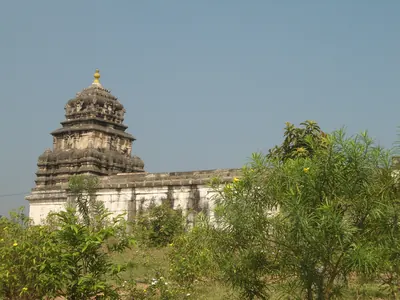
మాధవవర్మ వేల్పూరు స్తంభ శాసనం
గుంటూరు జిల్లా పూర్వ సత్తెనపల్లి తాలూకాలోని వేల్పూరు వద్ద రామలింగస్వామి ఆలయంలో ఒక తెల్ల పాలరాతి స్తంభంపై ఉన్న సంస్కృత శాసనం. అది విష్ణుకుండిన రాజు మాధవవర్మ పేరు చెబుతుంది. 1925లో గుర్తించిన ఇది ఆ వంశపు తెలిసిన ఏకైక శిలా శాసనం. స్తంభాన్ని ఆలయం నుంచి తొలగించలేకపోయినందున, బయటికి కనిపించే భాగాన్ని మాత్రమే నకలు తీశారు.
అంశాలు
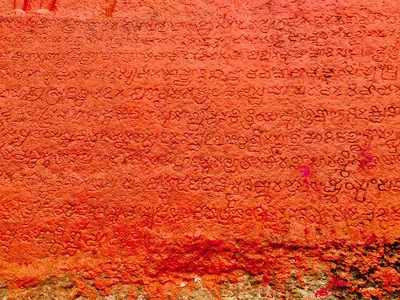
భాష, సాహిత్యం
ప్రాకృత శాసనాలు, తొలి తెలుగు రికార్డుల నుండి నన్నయ, పోతన, వేమన, ఆధునిక వచనం వరకు.
సంగీతం, నృత్యం
అన్నమాచార్యులు, త్యాగరాజు, కూచిపూడి, పేరిణి, జానపద ప్రదర్శన సంప్రదాయాలు.
మతం, తత్వం
బౌద్ధం, జైనం, శైవ, వైష్ణవ ఉద్యమాలు, ఇస్లాం, సూఫీ శాఖలు, క్రైస్తవం, గ్రామదేవతలు.

ఆలయాలు, వాస్తుశిల్పం
స్తూపాలు, రాతిని తొలిచిన గుహలు, ఆలయాలు, మసీదులు, సమాధులు, రాజభవనాలు, వాటిని ఎలా కట్టారు.
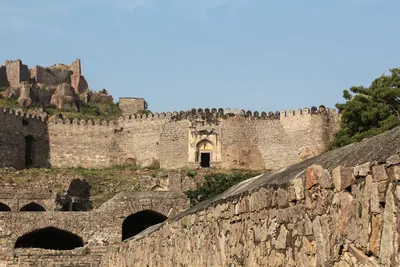
కోటలు, యుద్ధాలు
కొండ కోటలు, నగర ప్రాకారాలు, సైన్యాలు, ఈ ప్రాంతాన్ని ఎవరు పాలించాలో మార్చిన యుద్ధాలు.
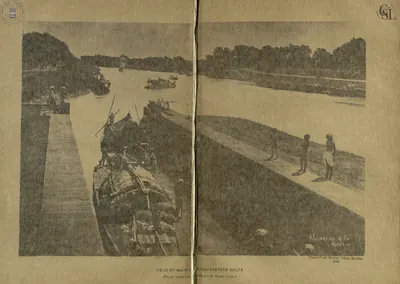
వ్యాపారం, ఆర్థిక వ్యవస్థ
మోటుపల్లి, మచిలీపట్నం వంటి ఓడరేవులు, గోల్కొండ వజ్రాలు, చెరువులు, వ్యవసాయం, వర్తక సంఘాలు.
పాలన, పరిపాలన
రాజరికం, నాయంకర వ్యవస్థ, గ్రామ అధికారులు, భూమి శిస్తు, చట్టం.
సమాజం, సామాజిక వర్గాలు
కులాలు, సామాజిక వర్గాలు, తెగలు, కాలంతో పాటు సామాజిక జీవితం ఎలా మారింది, పండితుల ఆధారాల నుండి.
శాసనాలు, ఆధారాలు
మనకు ఎలా తెలుసు: శాసనాలు, నాణేలు, యాత్రికుల కథనాలు, మెకంజీ కైఫీయతులు, ఆర్కైవ్లు.
నేల, నదులు, నీరు
తెలుగు చరిత్రను నేల ఎలా మలిచింది: రెండు పెద్ద నదీ డెల్టాలు ఉన్న తీర మైదానం, తూర్పు కనుమల అడవి కొండలు, తెలంగాణ, రాయలసీమల పొడి దక్కన్ పీఠభూమి. డెల్టాల్లో పంట అరుదుగా పోయేది, కానీ ఎత్తైన ప్రాంతాలు వర్షం మీద, చెరువుల మీద బతికాయి. కింది పేజీలు నదులను, నీటి పనులను, అడవులను, కొండలను, పాత రికార్డులు వర్ణించే కరువులు, వరదలు, తుపానులను అనుసరిస్తాయి.
తెలుగు దేశపు నదులు
సుమారు 1900 నాటి గెజిటీర్లు వర్ణించిన గోదావరి, కృష్ణా, దాని ఉపనదులైన తుంగభద్ర, మూసీ, పెన్నా (పెన్నార్), కొల్లేరు సరస్సు: తెలుగు దేశం గుండా వాటి ప్రవాహ మార్గాలు, వాటి డెల్టాలు, వాటి ఒడ్డున ఉన్న పుణ్యక్షేత్రాలు, పట్టణాలు, వాటి వరదలు, వాటిని దాటే చోట్లు.
ప్రాంతాల పాత పేర్లు
తెలుగు ప్రాంతాల పాత దేశాల పేర్లు, ఆధారాలు వాటిని ఎక్కడ ఉంచుతాయి: ఆంధ్ర, తెలింగాణ; రెండు డెల్టాల మధ్య వేంగి; ఒంగోలు చుట్టూ కమ్మనాడు; పశ్చిమ కృష్ణా డెల్టాలో వెలనాడు; ఒంగోలు, నెల్లూరు మధ్య పాకనాడు; కడప చుట్టూ రేనాడు; కొండపల్లి, కొండవీడు దేశాలు; తర్వాతి పేర్లైన సర్కారులు, దత్త మండలాలు. ఇక్కడ పేర్లు మాత్రమే ఉన్నాయి: సరిహద్దులు ఎలా మారాయో పటం ఎలా మారింది అనే పేజీలో చూడండి.
ఆధారసూచికలు
గమనికలు (0)
ఆధారాలు (17)
ఈ పేజీలో పొరపాటు కనిపించిందా? మాకు తెలియజేయండి
చివరి సవరణ: