Palampet
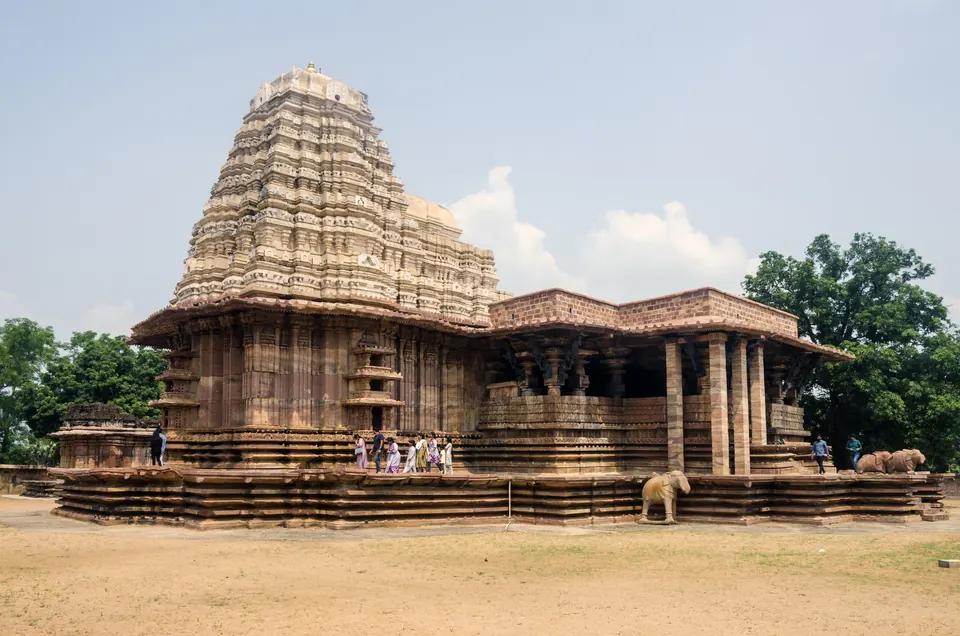
Village beside the Kakatiya-built Ramappa Lake. It is the site of the Rudreshvara (Ramappa) temple, founded by the general Recherla Rudra in 1213, and of several smaller Kakatiya temples.
Setting
Palampet is a small village in the Mulug taluk of the old Warangal district. In 1900 Henry Cousens placed it about 30 miles north-east of Hanamkonda.12 G. Yazdani visited in December 1916, and he described a ring of wooded hills around a lake of about eight square miles. A massive Kakatiya embankment (bund) closes the lake on its northern side.13 He found the place hard to reach, malarial and thinly peopled.1
The lake, called Ramappa Cheruvu, is a Kakatiya irrigation tank.4 P. V. Parabrahma Sastry gives its embankment as about 2,000 feet long and 56 feet high.5 It irrigates about 4,350 acres through four channels.5 He links its building with Recherla Rudra, the general of Ganapatideva, in 1213, the year of the temple inscription.5
Temples
The great temple of Rudreshvara, popularly called the Ramappa temple, was founded by Recherla Rudra. His pillar inscription records a gift of villages to the god on 31 March 1213.36 The inscription was published in 1919.3 The Nizam’s government then noted that its verses on a new city and temple “apparently refer to the old city of Palampet and the temple there”.3
The inscription describes that city as full of palaces, music and learning.6 Beside it was a pond that the poet compares to the ocean.6
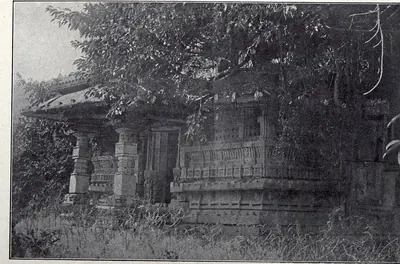
Within the temple enclosure Yazdani recorded three smaller buildings. In the countryside around he described four more temples, “each a gem of this style”.78 Two of them stand at either end of the lake embankment.78 Cousens thought these temples were of the same age and by the same builders as the great temple at Hanamkonda.2
Conservation
The Archaeological Department of Hyderabad State carried out special repairs to the great temple in 1927–28.9 Seeping water was damaging it.9 The temple was inscribed on the UNESCO World Heritage List in 2021 as the Kakatiya Rudreshwara (Ramappa) Temple.10
Footnotes
-
G. Yazdani, The Temples at Palampet, Memoirs of the Archaeological Survey of India 6 (1922), p. 174. ↩ ↩2 ↩3
-
Henry Cousens, Lists of Antiquarian Remains in His Highness the Nizam’s Territories (1900), p. 49. ↩ ↩2
-
L. D. Barnett (ed.), Inscriptions at Palampet and Uparpalli (1919), p. v (archive.org (opens in a new tab)). ↩ ↩2 ↩3 ↩4
-
Parabrahma Sastry, The Kakatiyas of Warangal (1978), p. 301. ↩
-
P. V. Parabrahma Sastry, The Kakatiyas of Warangal (1978), p. 205. ↩ ↩2 ↩3
-
Barnett, Inscriptions at Palampet and Uparpalli (1919), pp. 10–11 (archive.org (opens in a new tab)). ↩ ↩2 ↩3
-
Annual Report of the Archaeological Department of H.E.H. the Nizam’s Dominions, 1927-28 (1929), p. 13 (archive.org (opens in a new tab)). ↩ ↩2
-
UNESCO World Heritage Committee, Decision 44 COM 8B.12 (2021) (whc.unesco.org (opens in a new tab)). ↩
Photos
 Ramappa Temple, PalampetPhotograph · 2024
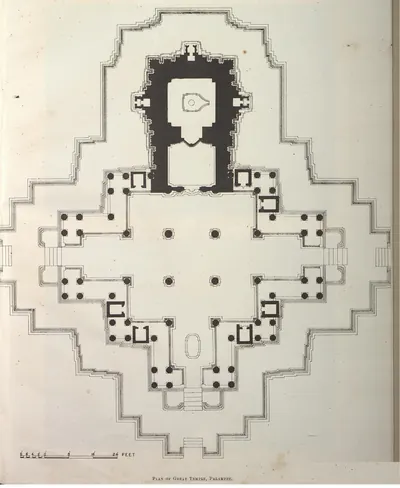 "Plan of Great Temple, Palampet" (Yazdani 1922, Pl. XXX (PDF p. 20))Plan · 1922
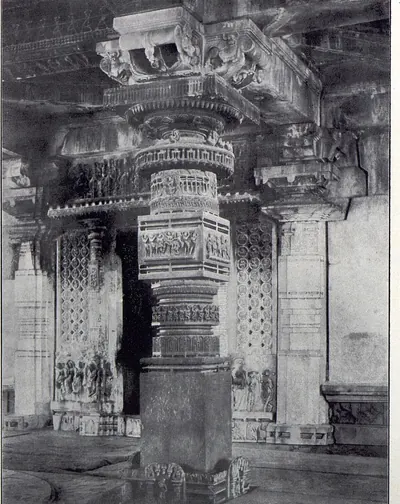 Detail of Pillar, Great Temple, Palampet (Yazdani 1922, Pl. XXXI (a))Historic photograph · 1922
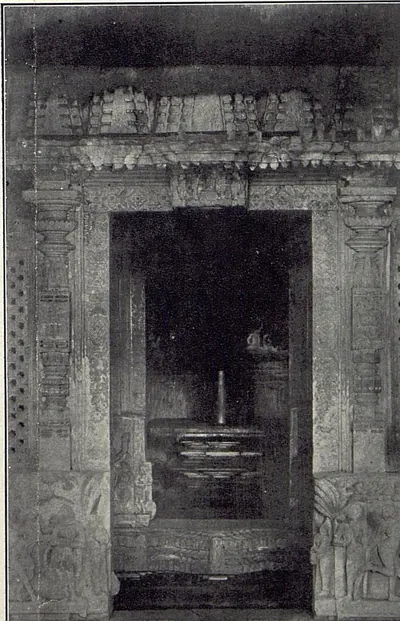 Doorway of Temple at the western end of the Ramappa Lake Band, Palampet (Yazdani 1922, Pl. XXVIII (c))Historic photograph · 1922
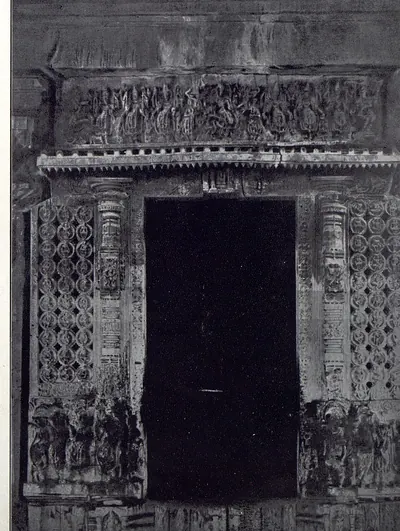 Doorway, Great Temple, Palampet (Yazdani 1922, Pl. XXXI (b))Historic photograph · 1922
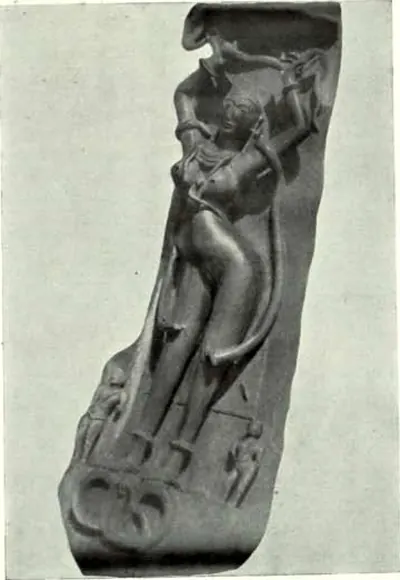 Figure Brackets, Ramappa Temple, Warangal (Hyderabad Arch. Report 1914-15, Pl. V (a))Historic photograph · 1916
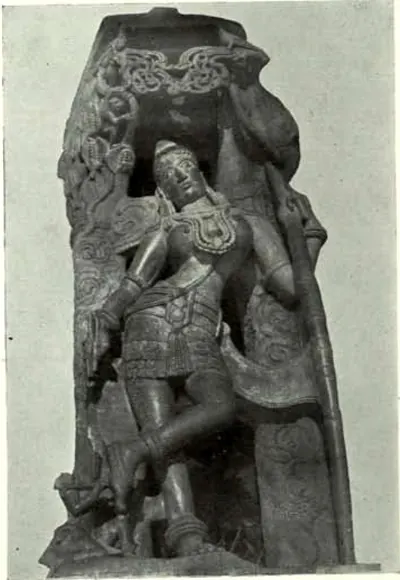 Figure Brackets, Ramappa Temple, Warangal (Hyderabad Arch. Report 1914-15, Pl. V (b))Historic photograph · 1916
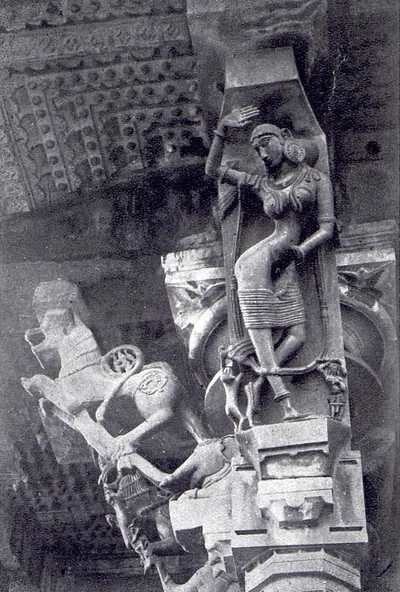 Figure-bracket, Great Temple, Palampet (Yazdani 1922, Pl. XXXII (a))Historic photograph · 1922
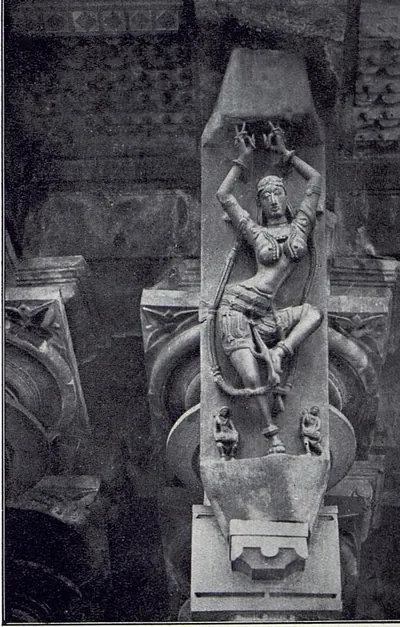 Figure-bracket, Great Temple, Palampet (Yazdani 1922, Pl. XXXII (b), printed "Another")Historic photograph · 1922
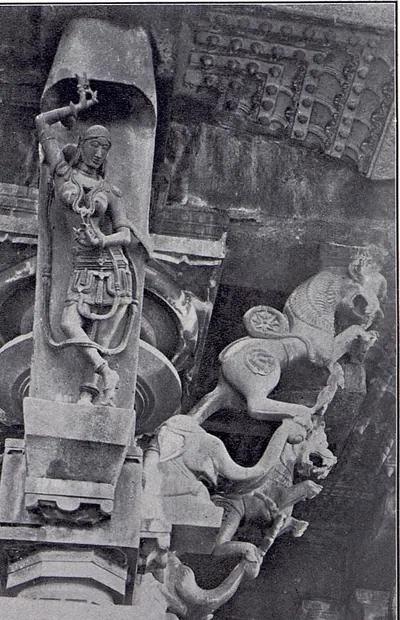 Figure-bracket, Great Temple, Palampet (Yazdani 1922, Pl. XXXII (c), printed "Another")Historic photograph · 1922
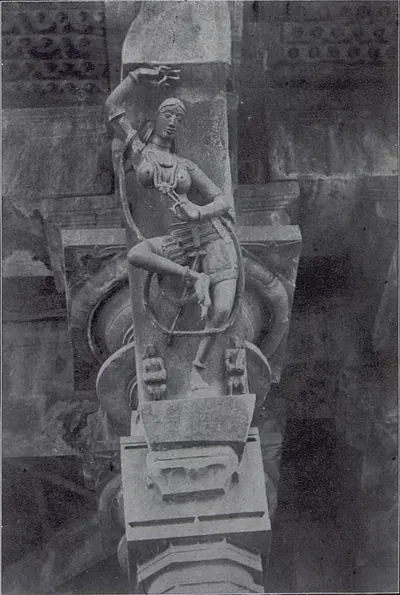 Figure-bracket, Great Temple, Palampet (Yazdani 1922, Pl. XXXII (d), printed "Another")Historic photograph · 1922
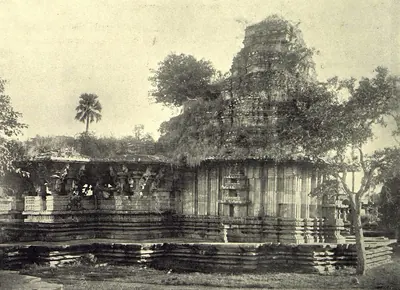 Great Temple, Palampet: view from N.-W. (Yazdani 1922, Pl. XXVII (a))Historic photograph · 1922
Show all (25)
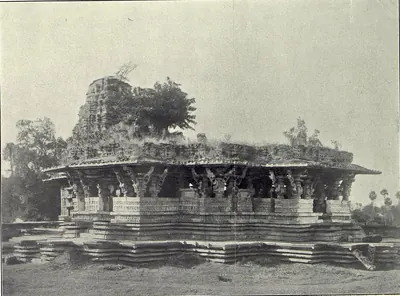 Great Temple, Palampet: view from S.-E. (Yazdani 1922, Pl. XXVIII (a))Historic photograph · 1922
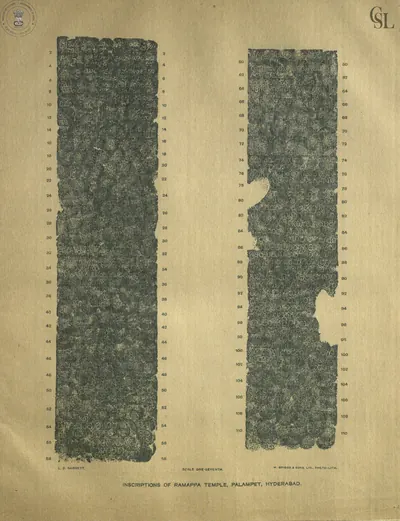 Inscriptions of Ramappa temple, Palampet (pillar inscription, first two faces) (Barnett 1919)Inscription rubbing · 1919
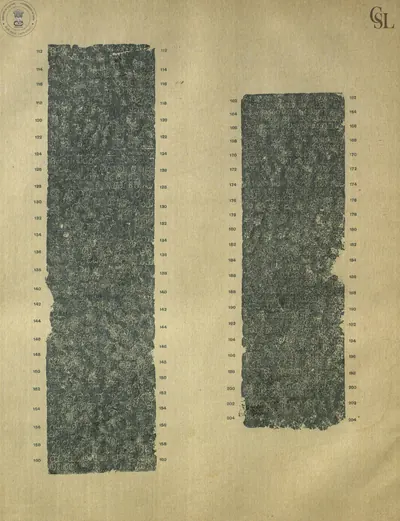 Inscriptions of Ramappa temple, Palampet (pillar inscription, remaining faces) (Barnett 1919)Inscription rubbing · 1919
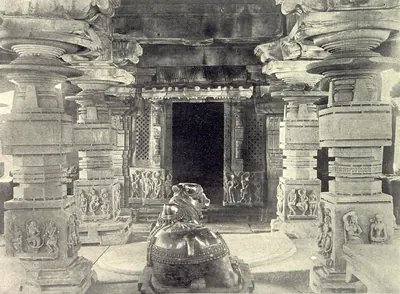 Interior of Temple at the eastern end of the Ramappa Lake Band, Palampet (Warangal) (Yazdani 1922, Pl. XXVII (b))Historic photograph · 1922
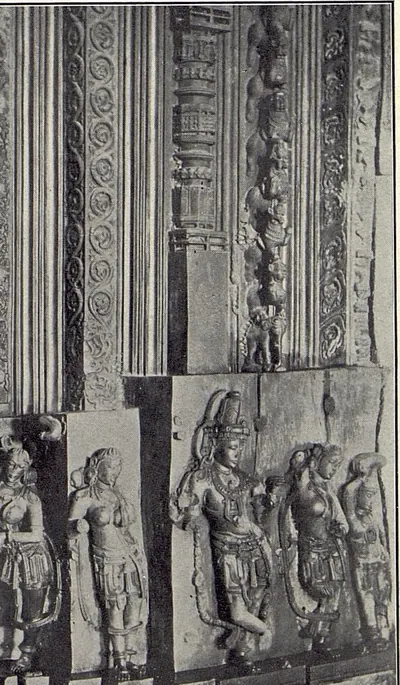 Jamb of Door, Great Temple, Palampet (Yazdani 1922, Pl. XXVIII (b))Historic photograph · 1922
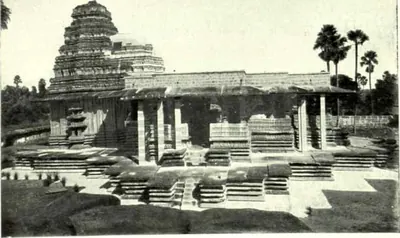 Main Temple of Ramappa (Palampet): After Restoration (Hyderabad Arch. Report 1931-32, Pl. II (b))Historic photograph · 1935
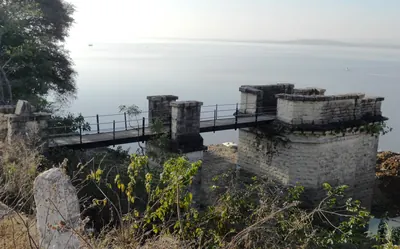 Masonry tower on Ramappa LakePhotograph · 2015
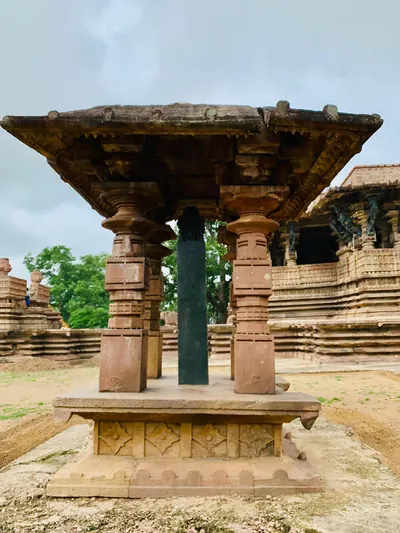 Pavilion of the Ramappa foundation inscription pillarPhotograph · 2019
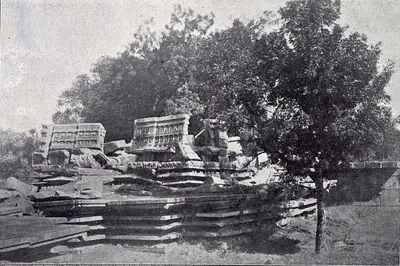 Ruined Nandi Pavilion, Great Temple, Palampet (Yazdani 1922, Pl. XXXIII (b))Historic photograph · 1922
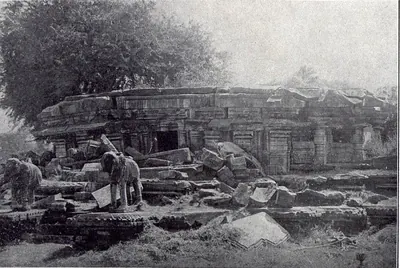 Ruined Temple, North of Great Temple, Palampet (Yazdani 1922, Pl. XXXIII (c))Historic photograph · 1922
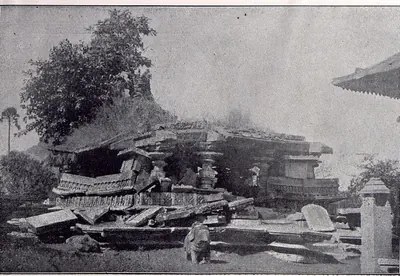 Ruined Temple: N.-W. of Great Temple, Palampet (Yazdani 1922, Pl. XXXIII (a))Historic photograph · 1922
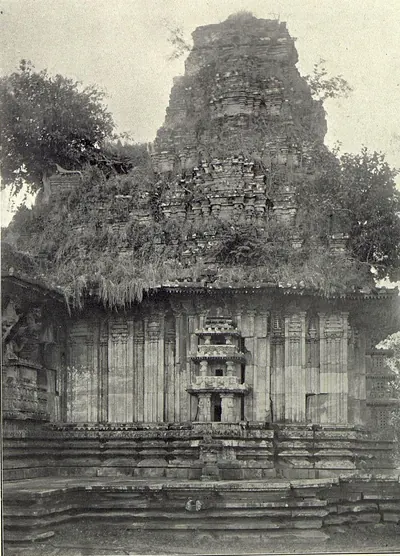 Sikhara, Great Temple, Palampet (Yazdani 1922, Pl. XXIX (b))Historic photograph · 1922
 Temple, West of Great Temple, Palampet (Yazdani 1922, Pl. XXXIII (d))Historic photograph · 1922
Related
People
Recherla Rudra
c. 1195–1213 CE
General of the Kakatiya kings Rudradeva, Mahadeva and Ganapatideva, of the Recherla family. He held the kingdom together after Mahadeva's death at Devagiri, and he drove out the Mudigonda chief Nagati. In 1213 he founded the Rudreshvara (Ramappa) temple and its lake at Palampet.
Ganapatideva
c. 1199–1262 CE
Kakatiya king (r. 1199–c. 1262) whose sixty-year reign carried Kakatiya power from Telangana to the coast and the far south. He moved the capital to Orugallu (Warangal). His reign produced the Motupalli sea-trade edict and the Ramappa and Ganapesvaram temples.
Monuments
Ramappa Lake
1213 CE
The large reservoir at Palampet beside which the Ramappa (Rudreshvara) temple stands. P. V. Parabrahma Sastry, following the temple's inscription of 1213, gives it to the Kakatiya general Recherla Rudra, who probably built it together with the temple. Hyderabad's Archaeological Department counted it among the great tanks of the Kakatiya rulers.
Ramappa Temple
1213 CE
The Rudreshvara temple at Palampet, founded by the Kakatiya general Recherla Rudra in 1213 beside the Ramappa lake. It is famous for its bracket figures, carved dark-stone pillars and lightweight brick tower. It has been a UNESCO World Heritage Site since 2021.
Inscriptions
References
Notes (0)
Sources (5)
Spotted an error on this page? Tell us
Last updated: