శివశ్రీ శాతకర్ణి
క్రీ.శ. 2వ శతాబ్దం చివరి భాగపు శాతవాహన రాజు. కృష్ణా, గోదావరి జిల్లాలలో దొరికిన సీసపు నాణేల నుంచి, వాటిలో గుడివాడ నుంచి వచ్చినవి కూడా ఉన్నాయి, దాదాపు మాత్రమే ఆయన తెలుసు. ఆయన బహుశా వాసిష్ఠీపుత్ర పులుమావి వారసుడు, బహుశా సోదరుడు.
వాసిష్ఠీపుత్ర శివశ్రీ శాతకర్ణి శాతవాహన వంశపు రాజు. ఏ శాసనాన్నీ నిశ్చయంగా ఆయనకు ఆపాదించలేము.1 ఇ. జె. రాప్సన్ (E. J. Rapson)కు సీసపు నాణేల నుంచి ఆయన తెలుసు. అవి ఆయన ఆంధ్రదేశం, అంటే కృష్ణా–గోదావరి ప్రాంతంలో మాత్రమే పాలించినట్లు చూపిస్తాయని రాప్సన్ గుర్తించారు.1 కాబట్టి ఆధారాలు పూర్తిగా తెలుగు దేశం నుంచే వచ్చే కొద్ది మంది శాతవాహన రాజులలో ఆయన ఒకడు.
నాణేలు
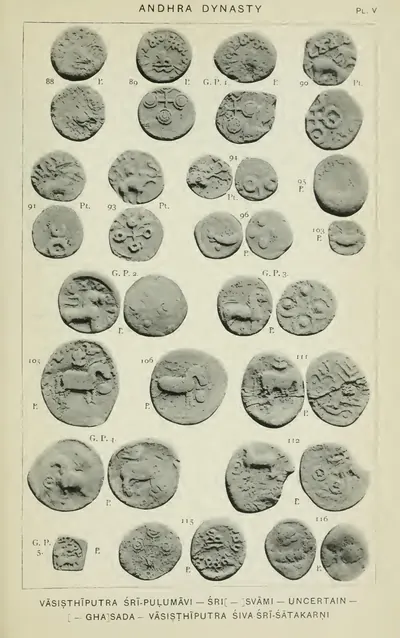
ఆయన నాణేలు రాప్సన్ “ఫ్యాబ్రిక్ ఎ” అని పిలిచిన వర్గానికి చెందినవి.23 ఒక వైపు అలల రేఖ పైన మూడు వంపుల స్తూపం (చైత్యం) ఉంది.23 దాని చుట్టూ రానో వాసిఠిపుతస శివ-సిరి-సాతకంనిస, “వాసిష్ఠి కొడుకు రాజు శివశ్రీ శాతకర్ణిది” అనే అక్షరాలు ఉన్నాయి.23 మరో వైపు “ఉజ్జయిని చిహ్నం” ఉంది.23
వాసిష్ఠీపుత్ర పులుమావి, చంద్ర శాతి సీసపు నాణేలపై, తర్వాతి రూపంలో యజ్ఞశ్రీ నాణేలపై కూడా అవే చిత్రాలు కనిపిస్తాయి.34 అక్షరాలు అసంపూర్ణంగా ఉన్నప్పుడు శివశ్రీ నాణేలను చంద్ర శాతి నాణేల నుంచి వేరు చేయడం కష్టమని రాప్సన్ హెచ్చరించారు.2
వాల్టర్ ఎలియట్ (Walter Elliot), రాబర్ట్ సూయెల్ (Robert Sewell) సేకరించిన నాణేలను రాప్సన్ జాబితా పేర్కొంటుంది. సూయెల్ నాణెం గుడివాడ నుంచి వచ్చింది. అలెగ్జాండర్ రీ (Alexander Rea) ప్రచురించిన గుడివాడ నాణెం ఒకటి కూడా ఆ జాబితాలో ఉంది.2 1 నుంచి 9 వరకు సంఖ్యలు వేసిన, స్తూపం గల రీ గుడివాడ నాణేలలో, ”…పుతస—శివ” అని ఆయన చదివిన అక్షరాలు గల ఒకటి ఉంది.56 రీ 2 నుంచి 9 వరకు సంఖ్యలు వేసిన నాణేలన్నిటినీ ఈ రాజుకు ఆపాదించాలని విన్సెంట్ స్మిత్ (Vincent Smith) సూచించారు.2
వంశంలో స్థానం
తర్వాతి రాజుల క్రమం నాణేలపై, పురాణాలపై ఆధారపడి ఉంది. శివశ్రీ నాణేలు ఉమ్మడి చిత్రం ద్వారా ఆయనను పులుమావి, చంద్ర శాతిలతో కలుపుతాయని రాప్సన్ కనుగొన్నారు. విష్ణు, మత్స్య పురాణాలు ఒక శివశ్రీని పులుమావి తర్వాత నేరుగా ఉంచుతాయి. నాణేలు వాటికి విరుద్ధంగా లేవు.7
శివశ్రీ, చంద్ర శాతి పులుమావి సోదరులు కావచ్చని రాప్సన్ భావించారు.1 మత్స్య పురాణం ఏడు సంవత్సరాలు ఇచ్చే శివశ్రీగా ఆయన శివశ్రీని గుర్తించారు.1 పులుమావి తర్వాత ఆయన సోదరులు శివశ్రీ శాతకర్ణి, శ్రీ చంద్ర శాతి ఒకరి తర్వాత ఒకరు వచ్చారనే డి. ఆర్. భండార్కర్ (D. R. Bhandarkar) అభిప్రాయాన్ని స్మిత్ నివేదించారు.8
రచయితలు వేర్వేరు తేదీలు ఇచ్చారు:
- జేమ్స్ బర్జెస్ (James Burgess) (1887): దాదాపు క్రీ.శ. 163–170.9
- విన్సెంట్ స్మిత్ను అనుసరించి రాబర్ట్ సూయెల్ (1932): దాదాపు క్రీ.శ. 170లో సింహాసనారోహణ, ఏడు సంవత్సరాల పాలన. ఎల్. డి. బార్నెట్ (L. D. Barnett) ఆయన సింహాసనారోహణను దాదాపు క్రీ.శ. 163లో ఉంచి, 155లో ఆయన జీవించి ఉన్నట్లు కనుగొన్నారని సూయెల్ జోడిస్తారు.10
- స్మిత్ (1924): పురాణ రాజు నం. 25, “శివశ్రీ పులోమ[వి III]“గా దాదాపు క్రీ.శ. 156లో సింహాసనారోహణ, ఏడు సంవత్సరాలు. వాసిష్ఠీపుత్ర శివశ్రీ శాతకర్ణి ఆంధ్రదేశ నాణేలను స్మిత్ “బహుశా” ఆయనకు ఆపాదించారు.11
అమరావతి ముక్క
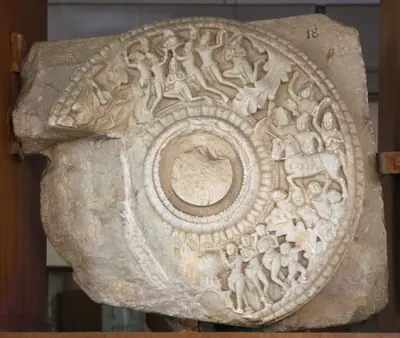
అమరావతి స్తూపం నుంచి వచ్చిన ఒక పై రాతిపై ఉన్న విరిగిన శాసనం “రాజు శ్రీ శివమక సద” పేరు చెబుతుంది.121 ఆ రాజు నాణేలు అదే ప్రాంతంలో దొరుకుతాయి కాబట్టి, ఆయన శివశ్రీ శాతకర్ణి కావచ్చని రాప్సన్ సూచించారు.121 ఆ శాసనపు అక్షరాలు తర్వాతి కాలానికి చెందినవని ఆయన గుర్తించారు.121 దానికి బదులు, శివమకుడు వంశ స్థాపకుడు సిముకుడేనా అని జేమ్స్ బర్జెస్ ఆలోచించారు.13
సదతో ముగిసే పేరు గల రాజు అసలు శాతవాహనుడే కానవసరం లేదని డి. సి. సర్కార్ (D. C. Sircar) భావించారు.14 అదే కాలం, అదే ప్రాంతానికి చెందిన, పేరు సదతోనే ముగిసే ఐర కుటుంబపు ఒక మహారాజును ఆయన చూపించారు.14 అమరావతి శాసనం (శివమక సద) చూడండి.
Footnotes
-
E. J. Rapson, Catalogue of the Coins of the Andhra Dynasty, the Western Ksatrapas, the Traikutaka Dynasty, and the “Bodhi” Dynasty (1908), p. xl and n. 2 (archive.org (opens in a new tab)). ↩ ↩2 ↩3 ↩4 ↩5 ↩6 ↩7
-
Rapson, Catalogue of the Coins of the Andhra Dynasty (1908), catalogue p. 29 and notes (archive.org (opens in a new tab)). ↩ ↩2 ↩3 ↩4 ↩5 ↩6 ↩7
-
Rapson, Catalogue of the Coins of the Andhra Dynasty (1908), p. lxxii (archive.org (opens in a new tab)). ↩ ↩2 ↩3 ↩4 ↩5
-
Rapson, Catalogue of the Coins of the Andhra Dynasty (1908), p. lxxxix (archive.org (opens in a new tab)). ↩
-
Alexander Rea, South Indian Buddhist Antiquities (1894), p. 23 (archive.org (opens in a new tab)). ↩
-
Rea, South Indian Buddhist Antiquities (1894), p. 24 (archive.org (opens in a new tab)). ↩
-
Rapson, Catalogue of the Coins of the Andhra Dynasty (1908), p. lxxiii (archive.org (opens in a new tab)). ↩
-
Vincent A. Smith, The Early History of India, 4th ed. (1924), p. 224, n. 1 (archive.org (opens in a new tab)). ↩
-
James Burgess, The Buddhist Stupas of Amaravati and Jaggayyapeta (1887), p. 5 (archive.org (opens in a new tab)). ↩
-
Robert Sewell, The Historical Inscriptions of Southern India (1932), p. 325 (archive.org (opens in a new tab)). ↩
-
Smith, Early History of India (1924), table “The Later Andhra Kings and Connected Dynasties”, PDF p. 271 (archive.org (opens in a new tab)). ↩
-
Rapson, Catalogue of the Coins of the Andhra Dynasty (1908), p. lii (archive.org (opens in a new tab)). ↩ ↩2 ↩3
-
Burgess, Amaravati and Jaggayyapeta (1887), p. 61, n. 2 (archive.org (opens in a new tab)). ↩
-
D. C. Sircar, “Two Inscriptions from Guntur District”, Epigraphia Indica XXXII (1959), pp. 84–85 (archive.org (opens in a new tab)). ↩ ↩2
చిత్రాలు
సంబంధిత
రాజవంశాలు
ఆధారసూచికలు
గమనికలు (0)
ఆధారాలు (6)
ఈ పేజీలో పొరపాటు కనిపించిందా? మాకు తెలియజేయండి
చివరి సవరణ: