మొదటి కులోత్తుంగుని ద్రాక్షారామ శాసనాలు (1107)
ద్రాక్షారామంలోని భీమేశ్వర ఆలయ గోడపై తెలుగులో, సంస్కృత-తెలుగులో ఉన్న రెండు దీపదాన శాసనాలు. వాటికి చాళుక్య-చోళ రాజు మొదటి కులోత్తుంగుని 37వ సంవత్సరం, శక 1029 (1107) రెండు తేదీలూ ఉన్నాయి. అవి పాలనా సంవత్సరాన్ని, శక సంవత్సరాన్ని కలిపి ఇస్తాయి కాబట్టి, చోళ రాజుగా కులోత్తుంగుని పాలన ప్రారంభాన్ని 1070గా నిర్ణయించడానికి సహాయపడ్డాయి. అదే గోడపై 1118 తర్వాత ద్రాక్షారామంలో గుర్తింపు పొందిన పశ్చిమ చాళుక్య ఆరవ విక్రమాదిత్యుని శాసనం ఉంది.
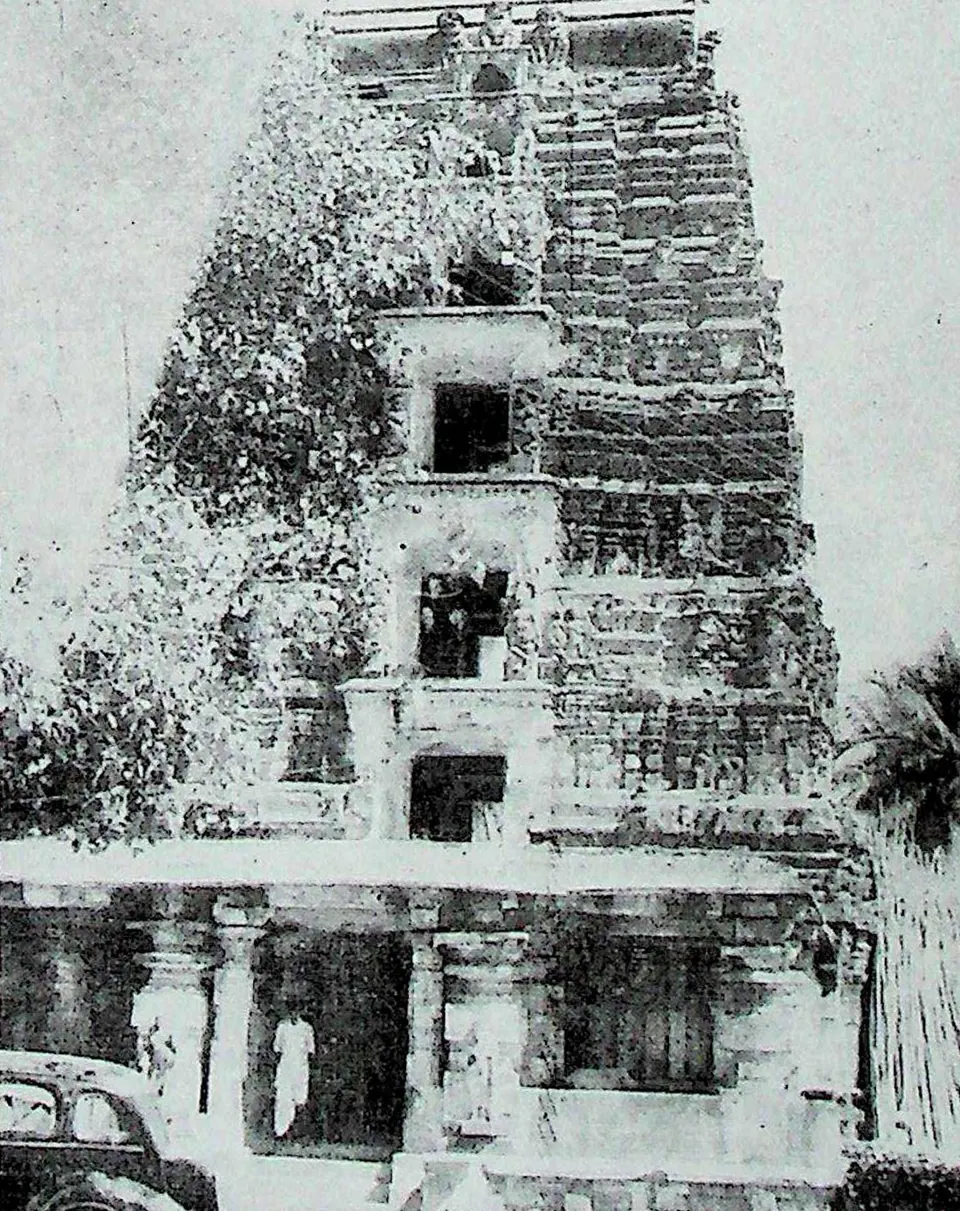
ద్రాక్షారామంలోని ఈ రెండు చిన్న శాసనాలు మొదటి కులోత్తుంగుని పాలనలో దీపదానాలను నమోదు చేస్తాయి.1 ప్రతిదీ రాజు 37వ సంవత్సరాన్ని, శక సంవత్సరం 1029ను, అంటే 1107ను ఇస్తుంది.1 కులోత్తుంగుడు చోళ రాజు అయిన సంవత్సరాన్ని నిర్ణయించడానికి ఇలాంటి రికార్డులు విద్వాంసులకు సహాయపడ్డాయి.2
రికార్డులు
ద్రాక్షారామంలోని భీమేశ్వర ఆలయం శాసనాలతో నిండి ఉంది.34 వాటిలో 271 నకలు చేయబడ్డాయని 1919లో వి. రంగాచార్య రాశారు.3 Godavari District Gazetteer (గోదావరి జిల్లా గెజిటీర్, 1907) కూడా అదే సంఖ్య ఇచ్చి, తొలి తేదీ 1055 అని చెప్పింది.4 ద్రాక్షారామ భీమేశ్వరాలయం చూడండి.
వాటిలో రెండు, 1893 నం. 386, 389, ఒకే గోడపై ఉన్నాయి.1 తెలుగులో ఉన్న మొదటిదానిని రంగాచార్య “సప్తమ-విష్ణువర్ధన అలియాస్ కులోత్తుంగ-చోడదేవ (మొదటి)” రికార్డుగా వర్ణించారు.1 అతని 37వ సంవత్సరం, శక 1029 (శక అనేది సంవత్సరాలు లెక్కించే ఒక భారతీయ పద్ధతి) లో ఒక దీపదానాన్ని అది నమోదు చేస్తుంది.1 సంస్కృతం, తెలుగులో ఉన్న రెండవదానికి అదే తేదీ ఉంది. అది కూడా ఒక దీపాన్ని నమోదు చేస్తుంది.1 వాటి పాఠాలు 1923లో South-Indian Inscriptions (దక్షిణ భారత శాసనాలు) IVలో ముద్రించబడ్డాయి.56
గోడపై వాటి మధ్య పశ్చిమ చాళుక్య రాజు త్రిభువనమల్లదేవుని రికార్డు ఉంది. దానికి అతని సొంత శకంలో తేదీ ఉంది.1 అది కూడా ఒక దీపాన్ని నమోదు చేస్తుంది.1 ఆరవ విక్రమాదిత్యుడు చూడండి.
కులోత్తుంగుడు సింహాసనానికి ఎప్పుడు వచ్చాడు
పాలనా సంవత్సరం, శక సంవత్సరం రెండూ ఇచ్చే రికార్డు పాలన ఎప్పుడు ప్రారంభమైందో లెక్కించడానికి వీలు కల్పిస్తుంది.7 కులోత్తుంగుని తెలుగు శాసనాలు అతని సింహాసనారోహణను శక 991–92లో, అంటే 1069–71లో ఉంచుతాయని 1903లో ఇ. హుల్ష్ గుర్తించారు.7 అది 1070 మార్చి, అక్టోబరు మధ్య ప్రారంభమైందని ఎఫ్. కీల్హార్న్ లెక్కలు చూపించాయి.78
రోజును 1070 జూన్ 9గా నిర్ణయించడానికి రాబర్ట్ సూయెల్ కీల్హార్న్ పనితో పాటు ఈ రెండు ద్రాక్షారామ రికార్డులను ఉదహరించారు.2 అయితే చోళ రాజుల గురించిన ఆయన సొంత పట్టిక పట్టాభిషేకానికి 1070 జూన్ 28 అని ఇస్తుంది.9
Footnotes
-
Rangacharya, Topographical List II (1919), p. 739, Godavari Nos. 292–295 (archive.org (opens in a new tab)). ↩ ↩2 ↩3 ↩4 ↩5 ↩6 ↩7 ↩8
-
Robert Sewell and S. Krishnaswami Aiyangar, The Historical Inscriptions of Southern India (1932), p. 83 (archive.org (opens in a new tab)). Paraphrased. ↩ ↩2
-
V. Rangacharya, A Topographical List of the Inscriptions of the Madras Presidency, Vol. II (1919), pp. 723–724 (archive.org (opens in a new tab)). ↩ ↩2
-
F. R. Hemingway, Madras District Gazetteers: Godavari, Vol. I (1907), p. 251 (archive.org (opens in a new tab)). ↩ ↩2
-
H. Krishna Sastri (ed.), South-Indian Inscriptions (Texts), Vol. IV (1923), p. 452, No. 1295 (archive.org (opens in a new tab)). ↩
-
South-Indian Inscriptions (Texts) IV (1923), p. 455, No. 1302 (archive.org (opens in a new tab)). ↩
-
E. Hultzsch, South-Indian Inscriptions, Vol. III, pt. II (1903), p. 127 (archive.org (opens in a new tab)). ↩ ↩2 ↩3
-
F. Kielhorn, “Dates of Chola Kings”, Epigraphia Indica IX (1907–08), p. 218 (archive.org (opens in a new tab)). ↩
-
Sewell and Aiyangar, Historical Inscriptions of Southern India (1932), p. 341 (archive.org (opens in a new tab)). Paraphrased. ↩
చిత్రాలు
ఆధారసూచికలు
గమనికలు (0)
ఆధారాలు (6)
ఈ పేజీలో పొరపాటు కనిపించిందా? మాకు తెలియజేయండి
చివరి సవరణ: