టోలీ మసీదు శాసనం (1671)
హైదరాబాద్లోని టోలీ మసీదు మిహ్రాబ్ (ప్రార్థనా గూడు)లో ఉన్న పర్షియన్ పద్య శాసనం. మూసా ఖాన్ మసీదును కట్టించాడని, అబ్దుల్లా కుతుబ్ షా పాలనలో అది పూర్తయిందని అది నమోదు చేస్తుంది. దాని కాలసూచక పదబంధం (అక్షరాలు తేదీని ఇచ్చే పదబంధం) హిజ్రీ 1082 (1671) ఇస్తుంది. జి. యజ్దానీ 1921లో Epigraphia Indo-Moslemica 1917–18 సంపుటంలో దాన్ని సంపాదకత్వం వహించారు, 1927లో బిల్గ్రామి మళ్లీ సంపాదకత్వం వహించారు. ప్రాంగణంలోని హిజ్రీ 1043 (1633) నాటి రెండవ పలక మరో మసీదుకు చెందినది.
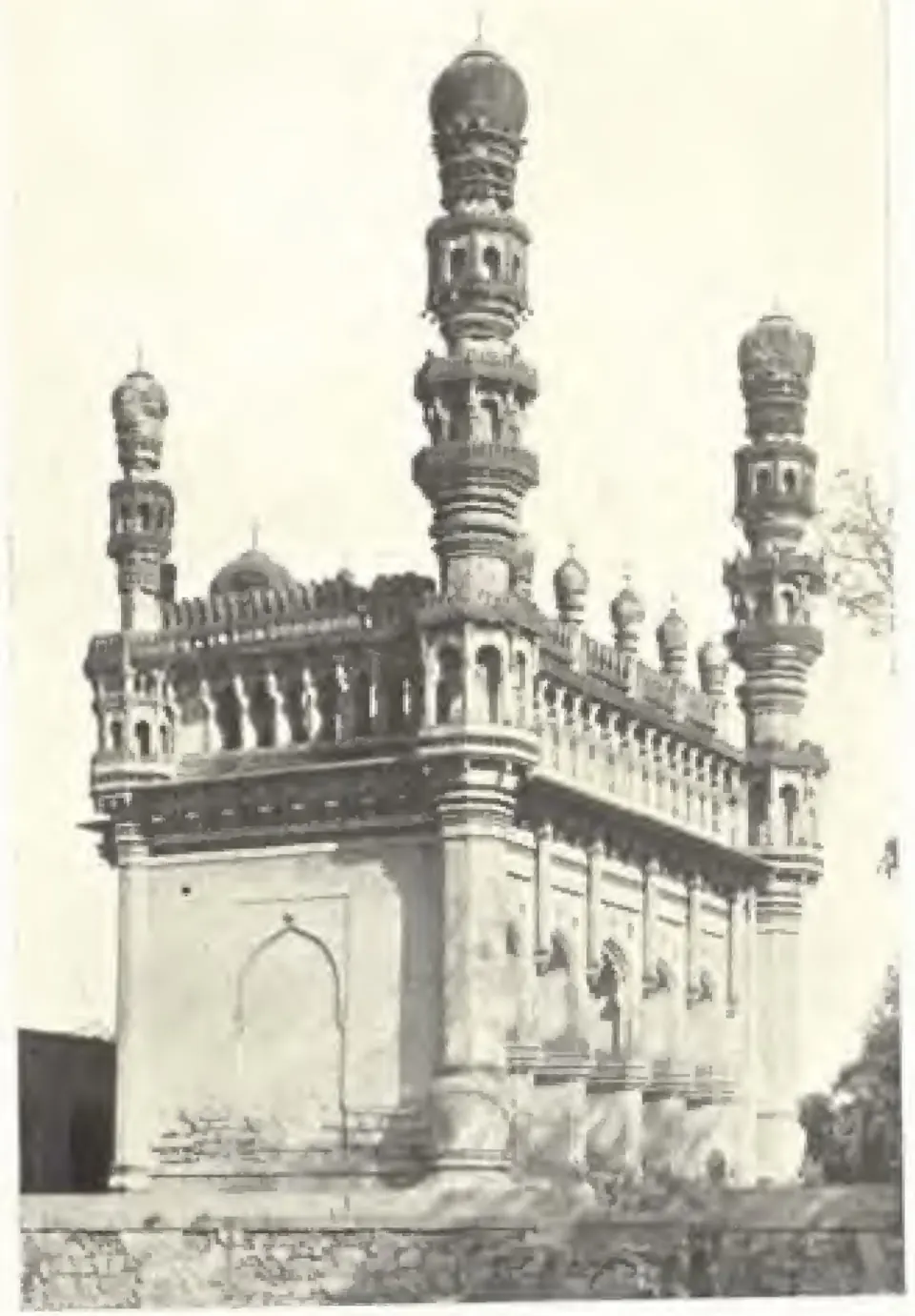
టోలీ మసీదు పురానా పూల్ నుంచి గోల్కొండకు వెళ్లే రోడ్డుపై ఉంది. దాని నిర్మాణ శాసనం ప్రార్థనా గూడులో ఉంది.1 1921లో జి. యజ్దానీ (G. Yazdani) ఫలకంతో పాటు ఆ శాసనాన్ని ప్రచురించారు.1 హైదరాబాద్ నగరంలో, దాని శివారులలో ఉన్న కుతుబ్ షాహీ రాజుల పదమూడు శాసనాలను ఆయన కలిపి ప్రచురించారు, వాటిలో ఇది ఒకటి.1 ఆయన దాన్ని నస్ఖ్ లిపిలో రెండు పంక్తుల పర్షియన్ పద్యంగా వర్ణించారు.1
పాఠం
యజ్దానీ దాన్ని ఇలా అనువదించారు:
“నేడు రాజ్యం ఎవరిది? ఏకైకుడు, సర్వశక్తిమంతుడు అయిన దేవుడిది. మూసా ఖాన్ తన ఈ మసీదును కట్టించాడు. అది షా అబ్దుల్లా పాలనలో పూర్తయింది. మసీదు కాలసూచకంగా (అదృశ్య వక్త నుంచి) ఇది వినిపించింది: ‘దేవుడి పేరిట మసీదును కట్టించాడు.’ హిజ్రీ 1082 = క్రీ.శ. 1671.”1
1927లో రాస్తూ సయ్యద్ అలీ అస్గర్ బిల్గ్రామి (Syed Ali Asgar Bilgrami) దాదాపు అవే మాటలలో అదే పఠనాన్ని, అదే సంవత్సరాన్ని ఇస్తారు.2 కట్టించినవాడు అబ్దుల్లా కుతుబ్ షా మహల్దార్ (ఛాంబర్లేన్, అంతఃపుర అధికారి) మూసా ఖాన్ అని బిల్గ్రామి గుర్తిస్తారు.3 ఆయనను రాజు మంత్రిగా, సేనానిగా కూడా బిల్గ్రామి పేర్కొంటారు.3 బిల్గ్రామి ప్రకారం, అదే వ్యక్తి గోల్కొండ కోటలోని మూసా బురుజును కట్టించాడు.34 అక్కడ ఒక పర్షియన్, తెలుగు శాసనం 1656లో మొఘలులకు వ్యతిరేకంగా కోటను నిలబెట్టిన సైన్యాధిపతిగా ఆయన పేరు చెబుతుంది.34 అబ్దుల్లా వారసుడిగా అబుల్ హసన్ను ఎంచుకోవడంలో ఆయన పాల్గొన్నాడని బిల్గ్రామి జోడిస్తారు.34 గోల్కొండ మూసా బురుజు శాసనం (1666–67) పేజీ చూడండి.
రెండవ పలక
ప్రాంగణంలో ఒక సమాధి దగ్గర నల్ల బసాల్ట్తో చేసిన రెండు వదులు పలకలు ఉన్నాయి.51 ఒక్కొక్కటి 3 అడుగుల 2 అంగుళాలు × 1 అడుగు 3 అంగుళాలు ఉంటుంది.51 రాజు అబ్దుల్లా పాలనలో “ఈ భవనం నాయకుడైన షేక్ ప్రయత్నాల ద్వారా పూర్తయింది” అని వాటి పర్షియన్ పద్యం చెబుతుంది.51 అది “ఈ మసీదును రాజు అబ్దుల్లా ఆదేశంతో కట్టించారు” అనే కాలసూచకాన్ని ఇస్తుంది, అంటే హిజ్రీ 1043 (1633; హిజ్రీ అనేది సంవత్సరాలు లెక్కించే ఇస్లామిక్ పద్ధతి).51 లేఖకుడు తబ్రీజ్కు చెందిన లుత్ఫుల్లా అల్-హుసైనీ.51
ఈ శాసనం “హిజ్రీ 1043లో ఒక మసీదు నిర్మాణాన్ని నమోదు చేస్తుంది” అని యజ్దానీ ఎత్తిచూపారు.5 ఈ మసీదు “గూడులో ఉంచిన శాసనం ప్రకారం హిజ్రీ 1082లో మూసా ఖాన్ కట్టించిన టోలీ మసీదు కంటే వేరైనది” అని ఆయన జోడించారు.5
బిల్గ్రామి ఏకీభవించారు. ఆయన ఆ షేక్ను అబ్దుల్లా పేష్వా (ప్రధాన మంత్రి) షేక్ ముహమ్మద్ ఇబ్న్ ఖాతూన్గా గుర్తించారు.62 1916–17 నాటి శాఖ నివేదికలో యజ్దానీ అప్పటికే 1043 పలక పాఠాన్ని ఇచ్చారు.7
శాసనం ఏమి నిర్ణయిస్తుంది
శాసనం మసీదును అబ్దుల్లా పాలనకు చెందినదిగా నిర్ణయిస్తుంది.81 మసీదును 1604లో మహమ్మద్ కులీ ఆదేశంతో కట్టించారని 1898లో ఎ. క్లాడ్ కాంప్బెల్ (A. Claude Campbell) రాశారు.81 యజ్దానీ గానీ బిల్గ్రామి గానీ ఆ తేదీని పేర్కొనలేదు, గూడులోని శాసనం దానికి విరుద్ధంగా ఉంది.81
Footnotes
-
Yazdani, Epigraphia Indo-Moslemica 1917–18 (1921), p. 50 and pls. XIX (a), XX (a) (archive.org (opens in a new tab)). ↩ ↩2 ↩3 ↩4 ↩5 ↩6 ↩7 ↩8 ↩9 ↩10 ↩11 ↩12 ↩13
-
Bilgrami, Landmarks of the Deccan (1927), p. 66 and plates (archive.org (opens in a new tab)). ↩ ↩2
-
Bilgrami, Landmarks of the Deccan (1927), p. 67 (archive.org (opens in a new tab)). ↩ ↩2 ↩3 ↩4 ↩5
-
Bilgrami, Landmarks of the Deccan (1927), p. 165 (archive.org (opens in a new tab)). ↩ ↩2 ↩3
-
G. Yazdani, “Inscriptions of the Qutb Shahi Kings in Hyderabad City and Suburbs”, Epigraphia Indo-Moslemica 1917–18 (1921), p. 49 (archive.org (opens in a new tab)). ↩ ↩2 ↩3 ↩4 ↩5 ↩6 ↩7
-
Syed Ali Asgar Bilgrami, Landmarks of the Deccan (1927), p. 65 (archive.org (opens in a new tab)). ↩
-
Annual Report of the Archaeological Department of H.E.H. the Nizam’s Dominions, 1326 F. (1916–17) (1917), p. 4 (archive.org (opens in a new tab)). ↩
-
A. Claude Campbell, Glimpses of the Nizam’s Dominions (1898), p. 211 (archive.org (opens in a new tab)). ↩ ↩2 ↩3
చిత్రాలు
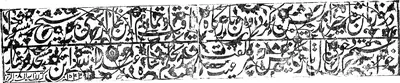 "Inscription on two loose slabs lying in the Toli Masjid, Hyderabad" (Epigraphia Indo-Moslemica 1917-18, Pl. XIX (a) (PDF p. 81))శాసన ప్రతి · 1921
 "Inscription slab in the court-yard of Toli Masjid" (Bilgrami 1927, p. 66)శాసన ప్రతి · 1927
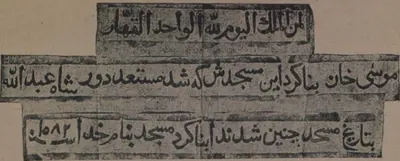 "Inscriptions of Toli Masjid (Prayer-Niche)" (Bilgrami 1927, p. 66)శాసన ప్రతి · 1927
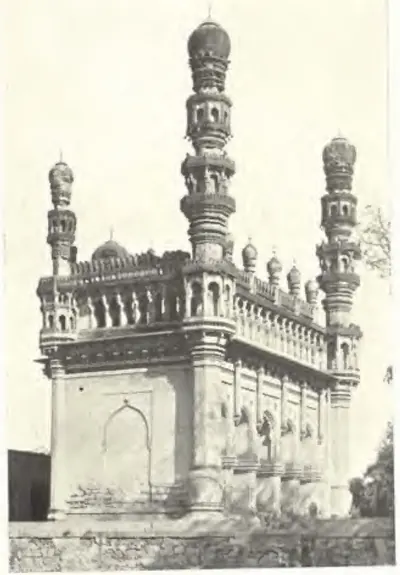 "Toli Masjid, Hydrabad, view from S. E." (Annual Report of the Archaeological Department, Hyderabad, 1916-17, Pl. II (b) (PDF p. 71 of the IGNCA scan))పాత ఫోటో · 1917
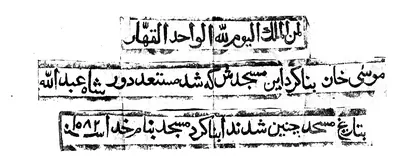 టోలి మసీదు, హైదరాబాద్: మూసా ఖాన్ పారసీ శాసనం, హిజ్రీ 1082 (1671) (ఎపిగ్రాఫియా ఇండో-మోస్లెమికా 1917-18, ఫలకం XX (a))శాసన ప్రతి · 1921
ఆధారసూచికలు
గమనికలు (0)
ఆధారాలు (4)
ఈ పేజీలో పొరపాటు కనిపించిందా? మాకు తెలియజేయండి
చివరి సవరణ: