Vauhini Pictures, Madras
The Telugu film company founded at Madras by B. N. Reddi in 1939, with Chittoor V. Nagaiah, K. V. Reddy and Samudrala Raghavacharya. It made Vande Mataram, Sumangali and Devata on the problems of society, Bhakta Potana and Yogi Vemana on the saint-poets, and Malleswari. Its Vauhini Studios were later leased to Vijaya Productions, and its Peddamanushulu won the Silver Medal for Telugu in 1955.
Download
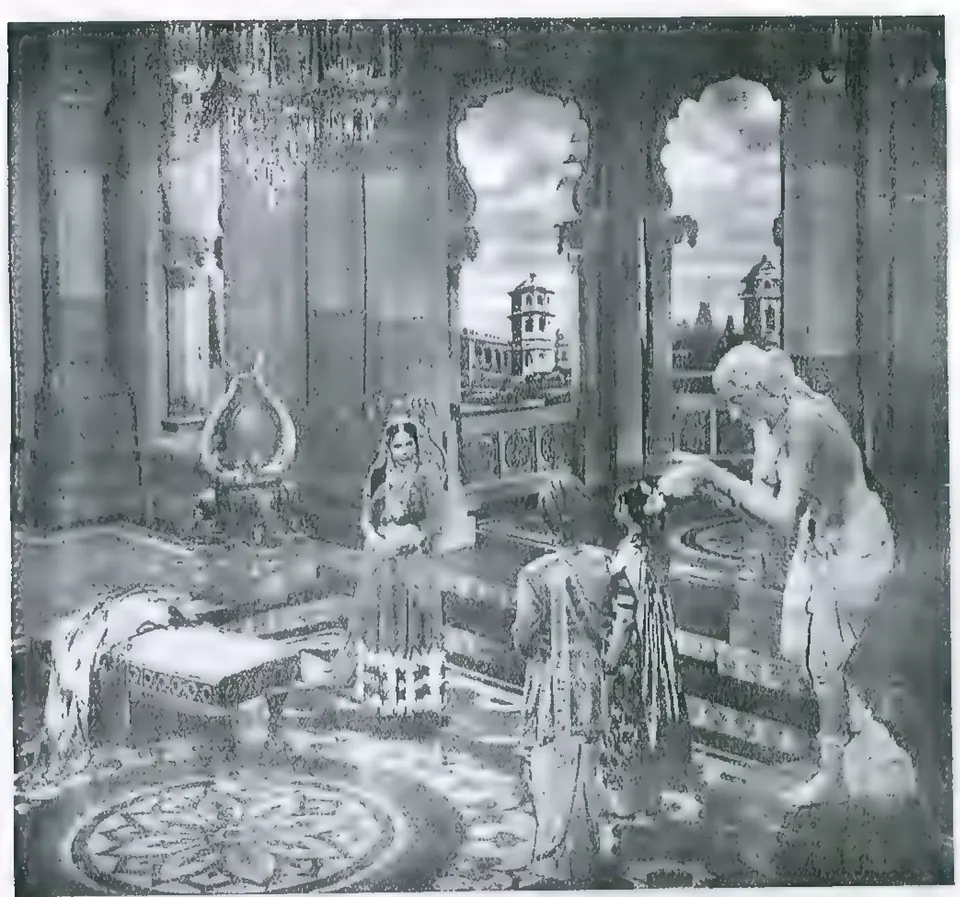
Vauhini Pictures was a Telugu film company at Madras, founded by B. N. Reddi.12 K. N. T. Sastry calls it the company that carried “the banner of meaningful cinema” in Telugu. He says the “Golden Age” of Telugu cinema began with it.3 Its films ranged from social dramas to the lives of saint-poets and Malleswari.45
Beginnings
B. N. Reddi had worked with H. M. Reddy at Rohini Pictures on Gruhalakshmi (1938).64 Sastry writes that the two parted in 1939, and B. N. Reddi then started Vauhini.1 Its office was at first in the cottage of the actor Chittoor V. Nagaiah.1 The Andhra year book of 1954–55 names the men who worked with Reddi: K. V. Reddy, V. Nagaiah, Brijmohandas and Samudrala Raghavacharya.4
The films
Vauhini’s first film was a social film, Vande Mataram (1939).7 Nagaiah was its hero and music composer.1 Sumangali and Devata also took up the problems of society, and Sastry says such films made educated people change their view of the cinema.8 The year book lists the company’s films up to 1955:4
- Vande Mataram, Sumangali and Devata
- Potana, Swarga Seema and Vemana
- Gunasundari Katha and Malleswari
- Peddamanushulu4
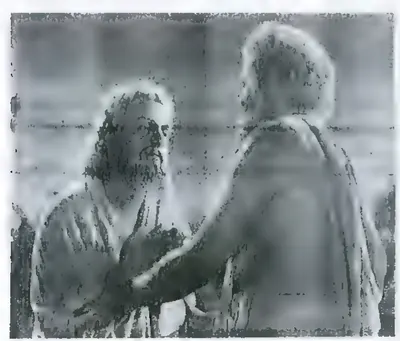
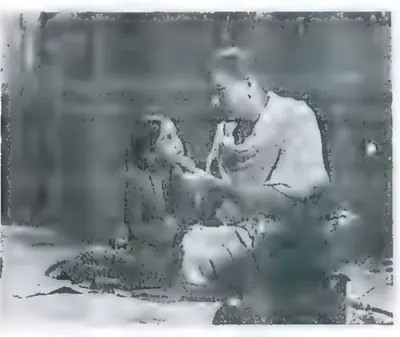
For Bhakta Potana (1944) Vauhini chose K. V. Reddy as director, and cast Nagaiah as the poet Bammera Potana.910 It then gave him the part of Vemana in Yogi Vemana (1947).1011 The souvenir of 1956 says these two films brought “the treasures of Telugu literature” to the ordinary man.5 Kodavatiganti Kutumbarao says Malleswari, set in a far-off past, still showed the realism of a social film.12
Vauhini Productions and the studio
The film almanac of 1953 says B. N. Reddi was managing director of Vauhini Pictures Ltd. from 1938 to 1948. He then led Vauhini Productions Ltd. from 1948 to 1949.2 It calls him the founder of the Vauhini Studios.2 The year book says the studio had been built about six years before, with modern machines.4
By 1953 the Vauhini Studios on Arcot Road, Kodambakkam, had a laboratory. They were leased to Vijaya Productions, whose managing director was B. Nagi Reddi.13 Kutumbarao says this great studio helped Vijaya’s films, and other producers’ films too, to reach a high standard.14
In the State film awards of 1955, Peddamanushulu, made by Vauhini Productions, won the Silver Medal for the best Telugu film.15 The souvenir calls it “a social satire”.5
Where the sources disagree
When Vauhini was founded. Sastry and Kutumbarao date its start to 1939.17 The almanac says B. N. Reddi was managing director of Vauhini Pictures from 1938.2 The year book says he left Rohini and founded Vauhini in 1949.4
Footnotes
-
Sastry, Chittoor V. Nagaiah (2000), p. 21 (archive.org (opens in a new tab)). Cite-only; paraphrased. ↩ ↩2 ↩3 ↩4 ↩5
-
Indian Motion Picture Almanac (1953), p. 378, Who’s Who, “Reddy, B. N.” (archive.org (opens in a new tab)). ↩ ↩2 ↩3 ↩4
-
K. N. T. Sastry, Chittoor V. Nagaiah: A Monograph (New Delhi: Publications Division, 2000), p. 1 (archive.org (opens in a new tab)). Cite-only; paraphrased. ↩
-
Kappagantula Satyanarayana (ed.), Prapancha Darsini (Andhra Directory and Year Book 1954–55) (1955), p. 518 (in Telugu) (archive.org (opens in a new tab)). Cite-only; paraphrased. ↩ ↩2 ↩3 ↩4 ↩5 ↩6 ↩7
-
“Telugu Film”, unsigned article in Indian Talkie, 1931–56: Silver Jubilee Souvenir (Bombay: Film Federation of India, 1956), p. 92 (archive.org (opens in a new tab)). ↩ ↩2 ↩3
-
Sastry, Chittoor V. Nagaiah (2000), p. 19 (archive.org (opens in a new tab)). Cite-only; paraphrased. ↩
-
Kutumbarao, “Telugu chitralu: simhavalokanam”, Andhra Prabha, 1 October 1953, in Cinema Vyasalu, Vol. 1, p. 172 (archive.org (opens in a new tab)). Cite-only; paraphrased. ↩ ↩2
-
Sastry, Chittoor V. Nagaiah (2000), p. 3 (archive.org (opens in a new tab)). Cite-only; paraphrased. ↩
-
Sastry, Chittoor V. Nagaiah (2000), p. 22 (archive.org (opens in a new tab)). Cite-only; paraphrased. ↩
-
Sastry, Chittoor V. Nagaiah (2000), p. 23 (archive.org (opens in a new tab)). Cite-only; paraphrased. ↩ ↩2
-
Silver Jubilee Souvenir (1956), p. XXII, list of Telugu talkies, 1936–1952 (archive.org (opens in a new tab)). ↩
-
Kodavatiganti Kutumbarao, “Telugu cinema vishishta charitralo konni mailurallu” (1952), in Cinema Vyasalu, Vol. 1 (Viplava Rachayitala Sangham, 2000), p. 160 (in Telugu) (archive.org (opens in a new tab)). Cite-only; paraphrased. ↩
-
I. K. Menon and S. G. Chandavarkar (compilers), Indian Motion Picture Almanac and Who’s Who, 1953 (Bombay: Film Federation of India, 1953), p. 115, motion picture studios (archive.org (opens in a new tab)). ↩
-
Kutumbarao, “Telugu cinemalu” (written about 1962), Cinema Vyasalu, Vol. 1, p. 230 (archive.org (opens in a new tab)). Cite-only; paraphrased. ↩
-
Silver Jubilee Souvenir (1956), p. 194, “State Awards” (archive.org (opens in a new tab)). ↩
Photos
References
Notes (0)
Sources (5)
Spotted an error on this page? Tell us
Last updated: