Biccavolu
Village on the Rajahmundry–Kakinada road, nine miles north of Ramachandrapuram, with six early stone temples of Shiva. A Mackenzie manuscript called it the capital of the early Eastern Chalukya kings, under the name Birudanka-Rayapuram. M. Rama Rao (1964) dated its temples to the reign of Gunaga Vijayaditya III.
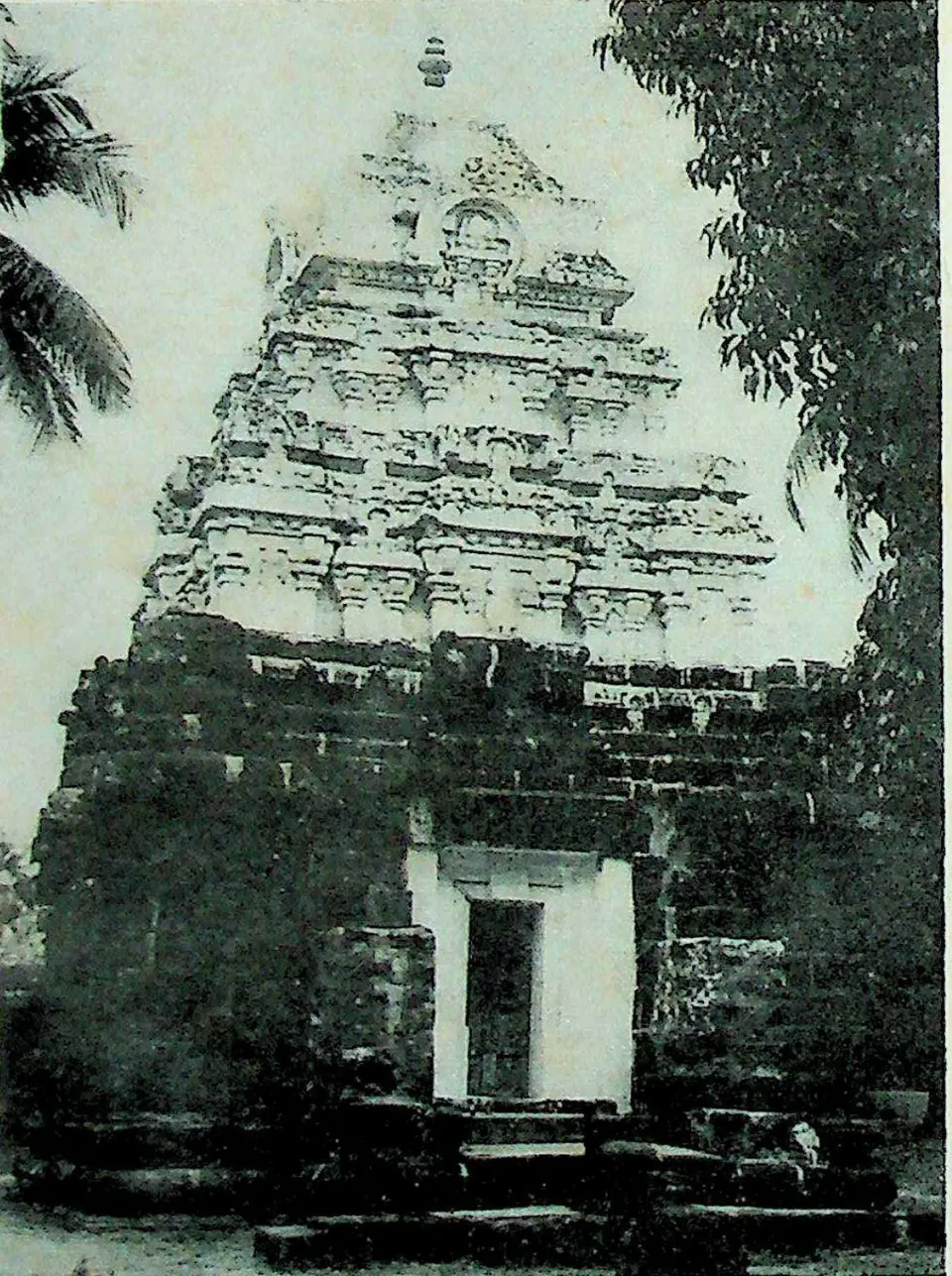
Biccavolu (Bikkavolu) lies nine miles north of Ramachandrapuram in the Godavari delta.1 The Godavari district gazetteer of 1907 gave its population as 7,994 and noted two Muchi wood-carvers who did good work.1 In 1964 M. Rama Rao described it as a flourishing village on the Rajahmundry–Kakinada road, reached by bus and rail.2
The capital of the early Chalukyas?
Robert Sewell recorded in 1882 that “one of the Mackenzie MSS.” described the village as the site of the capital of the earlier Chalukya conquerors of Vengi-desa, “being then called Birudanka Rayapuram”. He added that there were said to be extensive ruins and many deserted temples.3 The Godavari gazetteer repeated the statement that the village had been the capital of the earlier Eastern Chalukya kings before they moved to Rajahmundry.1 See Rajahmundry and Vengi.
Rama Rao explained the modern name as a corruption of Birudankanavrolu or Bikkanavrolu.2 He derived it from the title Birudanka-Bhima.2 He said this title was borne by the Eastern Chalukya king Gunaga Vijayaditya III (848–891 in his dating).2 The epigraphists, however, gave that title to a later king. F. Kielhorn’s list of southern inscriptions (1903) names Vimaladitya with the titles “Tribhuvanankusa, Birudanka-Bhima, Mummadi-Bhima, Bhupamahendra”.45 He relied on the evidence of the Ranastipundi grant.45 The epigraphy report for 1930–31 likewise mentions “the Eastern Chalukya king Vimaladitya who bore the surname Mummadi-Bhima and Birudanka-Bhima”.6 See Ranastipundi grant of Vimaladitya.
Temples and inscriptions
Rama Rao counted six temples: three in a compound in the middle of the village and three in the fields outside it.782 He dated them all to the reign of Gunaga Vijayaditya III.782 See Golingesvara and the temples of Biccavolu.
Sewell recorded a slab on the north side of the door of the shrine of the Govindesvarasvami temple.3 It has a grant of Saka 1045 (1123; Saka is an Indian way of counting years), “in the twenty-fifth year of the reign of Vijaya Raja”.3 Rangacharya’s topographical list of 1919 repeats this entry from Sewell.9
Snake worship
By 1907 the village was best known as a centre of snake worship.1 The gazetteer describes a three-day festival of the snake-god Subbarayudu in Margasira (December–January).1 People came for relief from boils and pains in the ears and eyes, and to obtain children.1
Childless women spent a night fasting in the temple, wearing a cloth of mixed colours called nagula kokalu.1 All castes attended, and in former times a cobra was believed to come out and show itself on one of the festival days.1
Footnotes
-
F. R. Hemingway, Madras District Gazetteers: Godavari (1907), p. 249, s.v. Bikkavolu (archive.org (opens in a new tab)). ↩ ↩2 ↩3 ↩4 ↩5 ↩6 ↩7 ↩8
-
Rama Rao, Eastern Calukyan Temples (1964), p. 3 (archive.org (opens in a new tab)). ↩ ↩2 ↩3 ↩4 ↩5 ↩6
-
Robert Sewell, Lists of the Antiquarian Remains in the Presidency of Madras, Vol. I (1882), p. 25, s.v. Bikkavōlu (archive.org (opens in a new tab)). ↩ ↩2 ↩3
-
F. Kielhorn, “A List of the Inscriptions of Southern India”, appendix to Epigraphia Indica VII (1902–03), p. 96, No. 568 (archive.org (opens in a new tab)). ↩ ↩2
-
Kielhorn, “List of the Inscriptions of Southern India” (1903), p. 97 (archive.org (opens in a new tab)). ↩ ↩2
-
Annual Report on South-Indian Epigraphy for the Year ending 31st March 1931 (1932), p. 42 (archive.org (opens in a new tab)). ↩
-
M. Rama Rao, Eastern Calukyan Temples of Andhra Desa (1964), p. 1 (archive.org (opens in a new tab)). ↩ ↩2
-
Rama Rao, Eastern Calukyan Temples (1964), p. 2 (archive.org (opens in a new tab)). ↩ ↩2
-
V. Rangacharya, A Topographical List of the Inscriptions of the Madras Presidency, Vol. II (1919), p. 744, No. 358 (archive.org (opens in a new tab)). ↩
Photos
 "1. Candraśēkhara Temple - Bikkavōlu" (M. Rama Rao, Eastern Calukyan Temples of Andhra Desa, 1964, Fig. 1 (PDF p. 59))Historic photograph · 1964
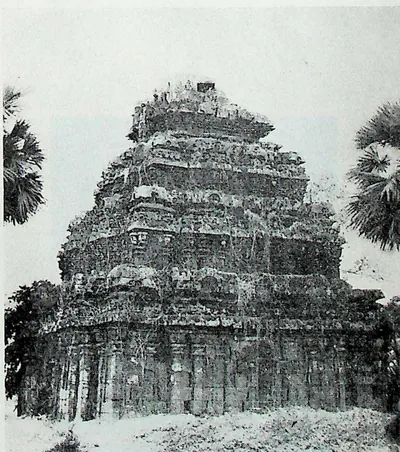 "10. Temple to the West of the High School - Bikkavōlu" (M. Rama Rao, Eastern Calukyan Temples of Andhra Desa, 1964, Fig. 10 (PDF p. 67))Historic photograph · 1964
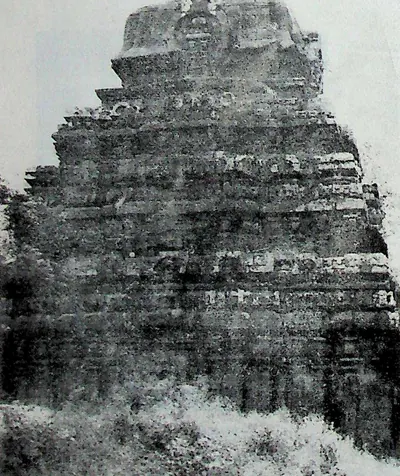 "11. Temple to the West of the High School - Bikkavōlu" (M. Rama Rao, Eastern Calukyan Temples of Andhra Desa, 1964, Fig. 11 (PDF p. 69))Historic photograph · 1964
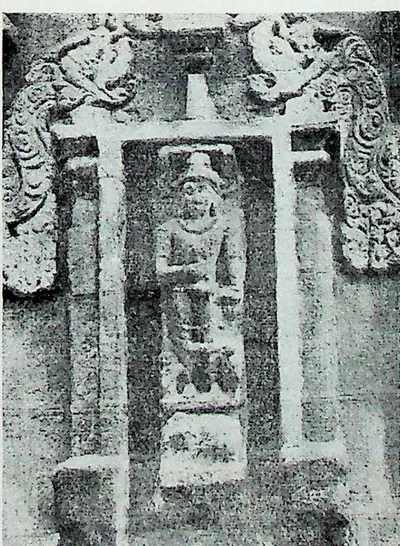 "12. Indra - Bikkavōlu" (M. Rama Rao, Eastern Calukyan Temples of Andhra Desa, 1964, Fig. 12 (PDF p. 69))Historic photograph · 1964
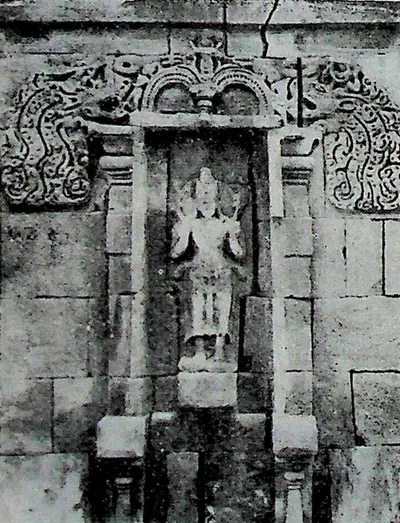 "13. Sūrya - Bikkavōlu" (M. Rama Rao, Eastern Calukyan Temples of Andhra Desa, 1964, Fig. 13 (PDF p. 71))Historic photograph · 1964
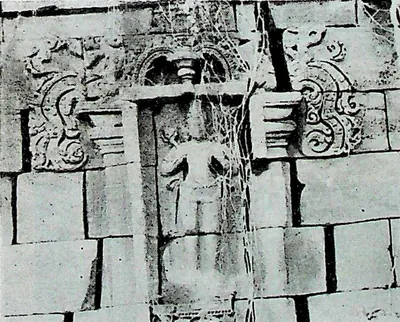 "14. Sūrya - Bikkavōlu" (M. Rama Rao, Eastern Calukyan Temples of Andhra Desa, 1964, Fig. 14 (PDF p. 71))Historic photograph · 1964
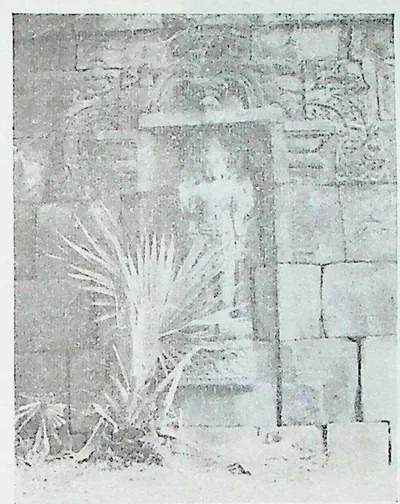 "15. Viṣṇu - Bikkavōlu" (M. Rama Rao, Eastern Calukyan Temples of Andhra Desa, 1964, Fig. 15 (PDF p. 73))Historic photograph · 1964
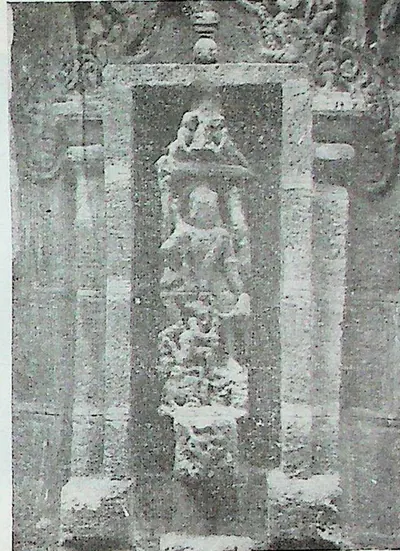 "16. Bikkavōlu - Mahiṣamardani" (M. Rama Rao, Eastern Calukyan Temples of Andhra Desa, 1964, Fig. 16 (PDF p. 73))Historic photograph · 1964
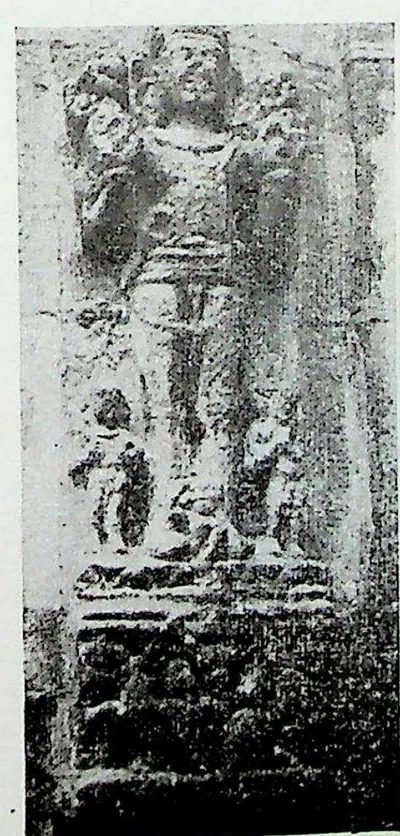 "17. Sūrya - Bikkavōlu" (M. Rama Rao, Eastern Calukyan Temples of Andhra Desa, 1964, Fig. 17 (PDF p. 73))Historic photograph · 1964
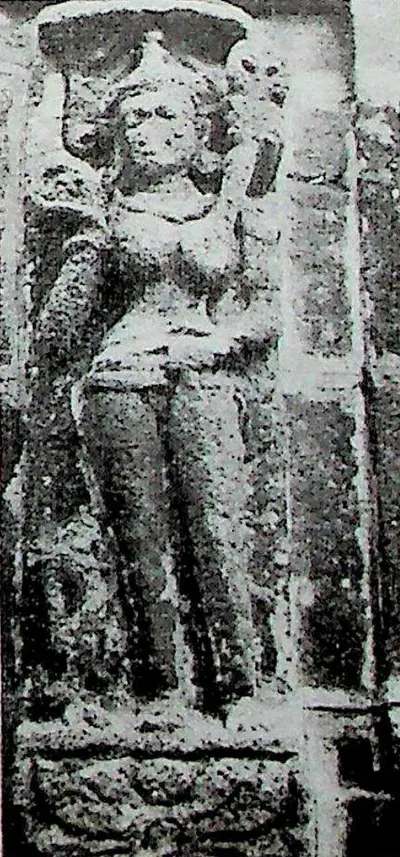 "18. Female Deity - Bikkavōlu" (M. Rama Rao, Eastern Calukyan Temples of Andhra Desa, 1964, Fig. 18 (PDF p. 73))Historic photograph · 1964
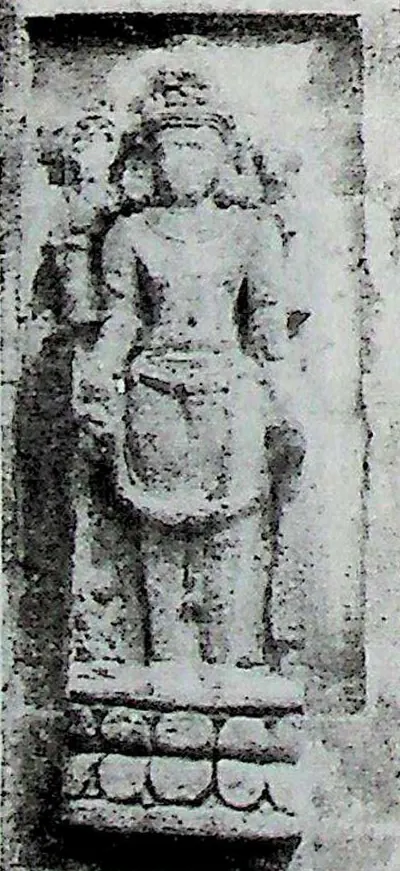 "19. Viṣṇu - Bikkavōlu" (M. Rama Rao, Eastern Calukyan Temples of Andhra Desa, 1964, Fig. 19 (PDF p. 75))Historic photograph · 1964
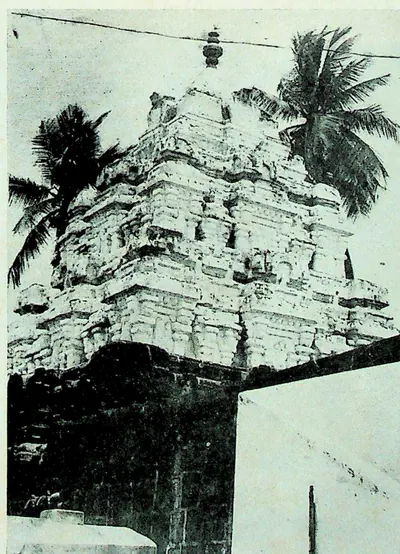 "2. Gōlingēśvara Temple - Bikkavōlu" (M. Rama Rao, Eastern Calukyan Temples of Andhra Desa, 1964, Fig. 2 (PDF p. 59))Historic photograph · 1964
Show all (21)
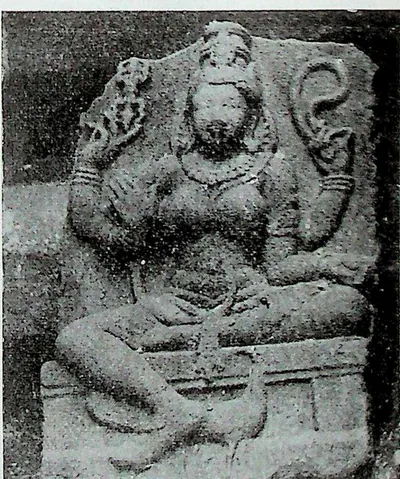 "20. Kaumārī - Bikkavōlu" (M. Rama Rao, Eastern Calukyan Temples of Andhra Desa, 1964, Fig. 20 (PDF p. 75))Historic photograph · 1964
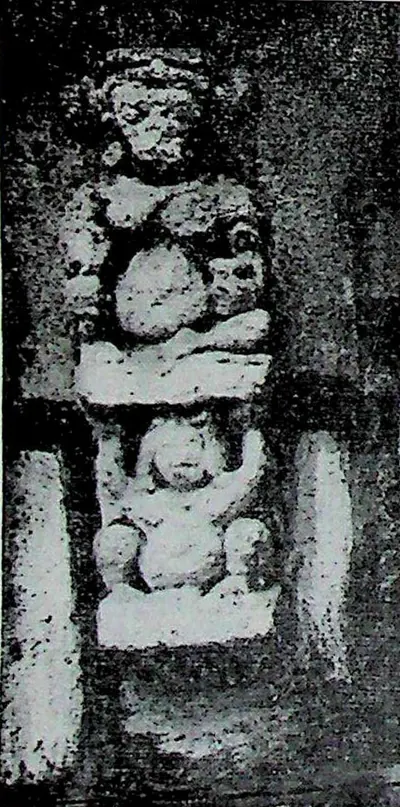 "21. Bovine Deity - Bikkavōlu" (M. Rama Rao, Eastern Calukyan Temples of Andhra Desa, 1964, Fig. 21 (PDF p. 77))Historic photograph · 1964
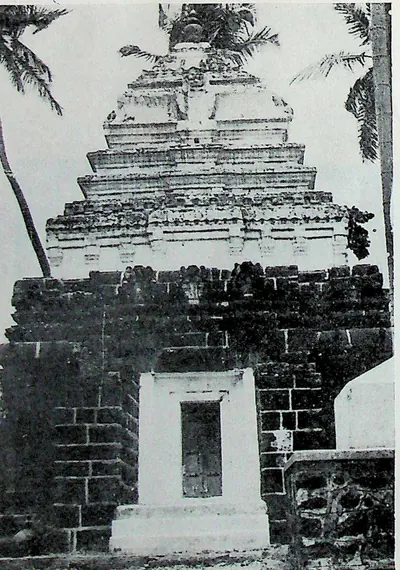 "3. Rājarājēśvara Temple - Bikkavōlu" (M. Rama Rao, Eastern Calukyan Temples of Andhra Desa, 1964, Fig. 3 (PDF p. 61))Historic photograph · 1964
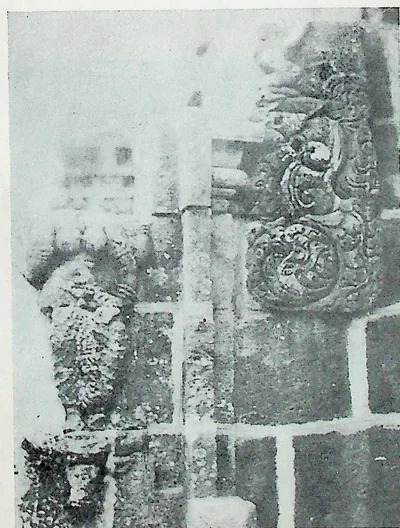 "4. Wall Projection - Candraśēkhara Temple - Bikkavōlu" (M. Rama Rao, Eastern Calukyan Temples of Andhra Desa, 1964, Fig. 4 (PDF p. 61))Historic photograph · 1964
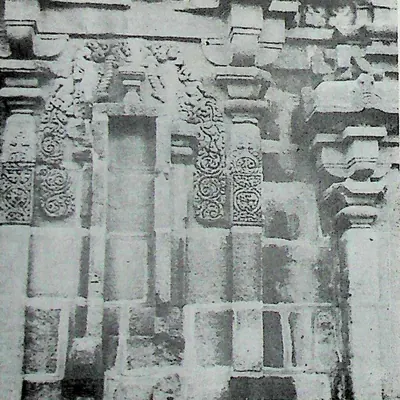 "5. Back Wall - Candraśēkhara Temple - Bikkavōlu" (M. Rama Rao, Eastern Calukyan Temples of Andhra Desa, 1964, Fig. 5 (PDF p. 63))Historic photograph · 1964
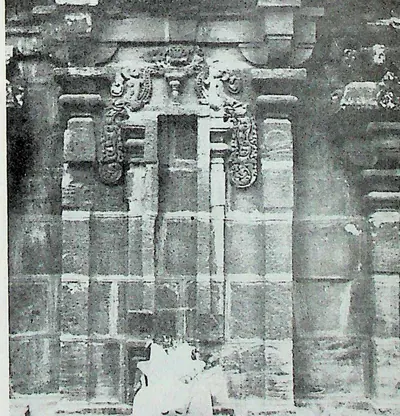 "6. Left Wall - Candraśēkhara Temple - Bikkavōlu" (M. Rama Rao, Eastern Calukyan Temples of Andhra Desa, 1964, Fig. 6 (PDF p. 63))Historic photograph · 1964
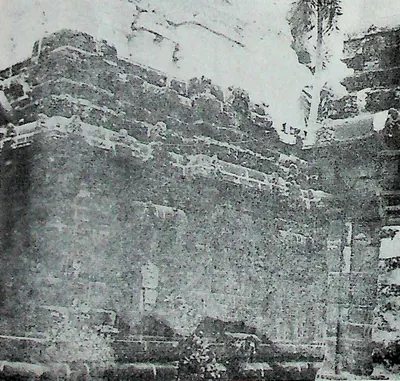 "7. Left Wall - Gōlingēśvara Temple - Bikkavōlu" (M. Rama Rao, Eastern Calukyan Temples of Andhra Desa, 1964, Fig. 7 (PDF p. 65))Historic photograph · 1964
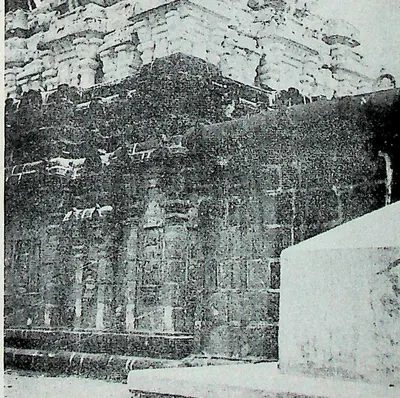 "8. Right Wall - Gōlingēśvara Temple - Bikkavōlu" (M. Rama Rao, Eastern Calukyan Temples of Andhra Desa, 1964, Fig. 8 (PDF p. 65))Historic photograph · 1964
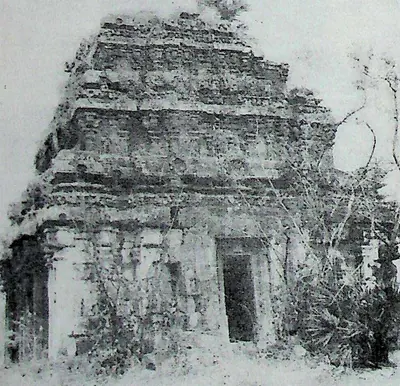 "9. Temple on the Vūlapalli Road - Bikkavōlu" (M. Rama Rao, Eastern Calukyan Temples of Andhra Desa, 1964, Fig. 9 (PDF p. 67))Historic photograph · 1964
Related
Monuments
References
Notes (0)
Sources (6)
Spotted an error on this page? Tell us
Last updated: