Gunaga Vijayaditya III
Eastern Chalukya king of Vengi (c. 844–888). His records claim victories over the Gangas, the Nolamba king Mangi, a chief Sankila of Dahala and the Rashtrakuta Krishna, and the burning of Kiranapura and Chakrakuta. Historians have seen him both as the man who sacked the Rashtrakuta capital and as a Rashtrakuta vassal. His general Pandaranga is praised in one of the earliest Telugu verse inscriptions.
Vijayaditya III ruled the Eastern Chalukya kingdom of Vengi in the second half of the 9th century. J. F. Fleet and Robert Sewell date his reign 844–888.12 The records of his successors remember him as a conqueror.3 In his reign the coastal kingdom carried war deep into the western Deccan.3
Family and names
Vijayaditya III was the eldest son of the Eastern Chalukya king Kali-Vishnuvardhana V, and a grandson of Vijayaditya II, called Narendra-mrigaraja.12 Kali-Vishnuvardhana V was the son of Vijayaditya II, and reigned for only a year and a half.1 Vikramaditya I, who held the rank of crown prince (yuvaraja) but never reigned, was a younger brother of Vijayaditya III.4 Yuddhamalla I was another, younger brother of Vikramaditya I, and he too did not reign.4
J. Ramayya Pantulu wrote that an inscription of Saktivarman from Pabbarru says that Vijayaditya III ruled the kingdom together with his brothers.5
His own grant calls him simply Vijayaditya. Later records add the prefixes Gunaka, Gunaga or Gunaganka.1 One grant explains them by calling him “a thorough arithmetician”.1 Fleet later showed that the full form of the title was Gunakenallata, “he who is excellent on account of his virtues”.6
The Pithapuram pillar inscription of 1202 gives him the surname Tribhuvanankusa, “elephant-goad of the three worlds”.7 Fleet pointed out that the same word appears on the seals of grants from his grandfather’s time onward.8 He took it to be a family motto rather than a personal title.8 The Maliyapundi grant of the later king Amma II adds the surname Parachakrarama.9
Reign
The dynasty’s records agree that he reigned for 44 years. In 1891 Fleet read one grant as giving another figure, 48 years.1 In 1903 he edited the Kaluchumbarru grant and decided that it does not in fact add such a figure.6 The only exception he knew was a grant of Vira-Choda that gives 40, which he put down to a careless omission.6 Fleet and Sewell date the reign 844–888.12
The Pithapuram inscription sums up his reputation. In E. Hultzsch’s translation, Vijayaditya was the hero “who played the game of ball on the battle-field with the head of Mangiraja; who burnt Chakrakuta”.10 He was also the one “who frightened Sankila, residing in Kiranapura (and) joined by Krishna; who restored his dignity to Vallabhendra”.10 Finally he “received elephants as tribute from the Kalinga (king)”.10
An earlier record says that, “prompted by the lord of the Rattas”, he conquered the Gangas and cut off the head of Mangi.7 It says that after frightening Krishna and Sankila “he completely burnt their city”.7
Later grants filled in the names. The Maliyapundi grant calls Mangi “the king of the great Nodamba-rashtra” and Sankila “the lord of the excellent Dahala”.119 Hultzsch concluded that Mangi was one of the Pallavas of Nolambavadi, and Sankila an early chief of Dahala (Chedi).119 The same grant says that Vijayaditya defeated “the Gangas who took refuge on the peak of Gangakuta”.119 It also says that the burning of Kiranapura, the home of Krishna and Sankila, was really the work of the king’s officer Pandaranga.9
A grant of his nephew Chalukya-Bhima I was found at Machilipatnam (then Masulipatam) and noticed in 1914.12 It gives Vijayaditya the surname Tripuramartya-Mahesvara, “Siva who destroyed the three cities”.12 He earned it by burning Kiranapura, Achalapura and “the great Nellurapura”.12 The grant claims that he seized the gold of the Ganga kings of Kalinga and the elephants of the kings of Kosala.12 It claims that he also seized the gold of the Pandyas and Pallavas, all of it to give away in charity.12
The epigraphist who reported it suggested that Achalapura might be Kondapalli and Nellurapura Nellore.13 In that case the kingdom reached as far south as Nellore.13 He doubted the claim against the Pandyas, who could hardly have come into contact with him.13
The place Chakrakuta has been much disputed. Sewell left it open.14 His editor added that it had been identified with Chitrakot near Jagdalpur in Bastar.14
The Rashtrakuta question
The Rattas were the Rashtrakutas of Malkhed, the Eastern Chalukyas’ western neighbours. Scholars have read these claims in opposite ways.
- Fleet (1891) identified Krishna with the Rashtrakuta king Krishna II and the burnt city with his capital Malkhed.4 He thought Mangi might have been a Chola king.4 A Rashtrakuta inscription says the lord of Vengi paid homage to Amoghavarsha I.4 Fleet explained this as an earlier defeat of the Eastern Chalukyas in the same reign.4
- Hultzsch (1897) rejected the identification with Krishna II.715 He argued that the “lord of the Rattas” and “Vallabhendra” must be Amoghavarsha I or Krishna II.715 Amoghavarsha claimed the homage of the lords of Malava and Vengi, so in Hultzsch’s view Vijayaditya III was a vassal of Amoghavarsha I.715 The Krishna he frightened would then be a Paramara king of Malava, and Chakrakuta a place in the kingdom of Dhara.715 Mangi, he suggested, may have been a Ganga king.715
- Hultzsch (1908) changed his mind after the Maliyapundi grant was found.11 It says that Sankila was “joined by the fierce Vallabha”, so he accepted that Sankila’s ally Krishna was a Rashtrakuta.11 He wrote that his earlier identification with a Paramara king “must be wrong”.11 He now agreed with Fleet and identified him with Krishna II.11 Krishna II was the son-in-law of Kokkalla I of Chedi and the brother-in-law of Sankuka (Sankaragana), whom Hultzsch identified with Sankila.11
- Fleet (1896) wrote the Rashtrakuta history for the Bombay Gazetteer.1617 He noted that the Rashtrakuta records themselves say nothing of these wars.1617 He set the Eastern Chalukya claims against their own admission that Krishna II’s armies later overran Vengi, and that Chalukya-Bhima I had to win it back.1617 The Kalachuri records claim that Kokkalla I supported Krishna’s rule.1617 Fleet suggested that this may refer to the disaster Krishna suffered at Vijayaditya’s hands.1617
- Sewell (1932) described Mangi as ruler of the Nolamba country.143 He accepted Hultzsch’s identification of Sankila with Sankaragana of Chedi.143 His editor, though, recorded the Government Epigraphist’s view that Sankila was a Vaidumba chief.143 On the evidence of another record, Sewell concluded that Vijayaditya captured and burned Malkhed and then withdrew.143 He placed this between Krishna II’s accession in 877–78 and his own death in 888.143 He took a Rashtrakuta grant of 930 as confirmation, since it says that in Krishna II’s reign his enemies left Manyakheta.18
Pandaranga and the Telugu verse
Vijayaditya’s general Pandaranga appears as the executor (ajnapti) of his grants.19 A stone inscription at Addanki says that Pandaranga was made commander of the army in the first year of the king’s reign.20 It credits him with taking twelve kottams (districts) of the Boyas.20 He also raised the banners of the kings of Vengi-nadu and laid bare the fort of Katte.20
K. V. Lakshmana Rao, its editor, read part of the verse as recovering hill-forts in the Vengi country from foreign kings, perhaps the Rashtrakutas.21 Sewell noted another inscription near Ongole in which Pandaranga is said to have conquered the Venginadu, his own king’s home territory.14 He explained it by a record saying that the Rashtrakuta army had then overrun Vengi.14
Pandaranga founded a line of officers.919 His son Niravadyadhavala, grandson Vijayaditya and great-grandson Durgaraja all held the title Katakaraja.919 Hultzsch rendered this title “superintendent of the royal camp”.919
The opening of the Addanki record is a Telugu poem in the taruvoja metre. Lakshmana Rao called it “positive evidence of the existence of Telugu poetry in the middle of the 9th century”.20 That is a century before the Bezwada pillar inscription of Yuddhamalla and two centuries before Nannaya.20 See Addanki inscription of Pandaranga.
Lakshmana Rao also noted that the king’s copper-plate grants use two styles of script.22 The Masulipatam plates use a round hand, and the Uruvuturu grant an angular hand.22
The grant to Vinayadisarman
The one grant of the king that Fleet knew gave the village of Trandaparu, in the Gudravara district, to a man called Vinayadisarman.423 Its wording suggested to Fleet that the man who received it had either killed Mangi himself or led the troops who did.4 F. Kielhorn re-edited it in 1899 and read it differently.23 In his reading the village was given, apparently, as a reward for advice in the matter of the defeat of Mangi.23 Its executor was Pandaranga.23
Succession
Vijayaditya III was succeeded by his nephew Chalukya-Bhima I, the son of the crown prince Vikramaditya.424 Later records say that after Vijayaditya’s time the Rashtrakutas overran the Vengi country.415 Bhima had to win it back, and his opponent was Krishna II.415
Footnotes
-
Fleet, “Chronology of the Eastern Chalukya Kings” (1891), p. 102 (archive.org (opens in a new tab)). ↩ ↩2 ↩3 ↩4 ↩5 ↩6 ↩7
-
Sewell and Aiyangar, Historical Inscriptions of Southern India (1932), pp. 336–337 (archive.org (opens in a new tab)). ↩ ↩2 ↩3
-
Sewell and Aiyangar, Historical Inscriptions of Southern India (1932), p. 38 (archive.org (opens in a new tab)). ↩ ↩2 ↩3 ↩4 ↩5 ↩6 ↩7
-
Fleet, “Chronology of the Eastern Chalukya Kings” (1891), p. 103 (archive.org (opens in a new tab)). ↩ ↩2 ↩3 ↩4 ↩5 ↩6 ↩7 ↩8 ↩9 ↩10 ↩11
-
J. Ramayya Pantulu, “The Bezwada Pillar Inscription of Yuddhamalla”, Epigraphia Indica XV (1919–20), p. 154 (archive.org (opens in a new tab)). ↩
-
J. F. Fleet, “Kaluchumbarru Grant of Vijayaditya-Amma II”, Epigraphia Indica VII (1902–03), p. 180 (archive.org (opens in a new tab)). ↩ ↩2 ↩3
-
E. Hultzsch, “Pithapuram Pillar Inscription of Mallapadeva”, Epigraphia Indica IV (1897), p. 226 (archive.org (opens in a new tab)). ↩ ↩2 ↩3 ↩4 ↩5 ↩6 ↩7 ↩8
-
J. F. Fleet, “The Chronology of the Eastern Chalukya Kings”, Indian Antiquary XX (1891), p. 100 (archive.org (opens in a new tab)). ↩ ↩2
-
Hultzsch, “Maliyapundi Grant of Ammaraja II” (1908), p. 49 (archive.org (opens in a new tab)). ↩ ↩2 ↩3 ↩4 ↩5 ↩6 ↩7 ↩8
-
Hultzsch, “Pithapuram Pillar Inscription” (1897), pp. 239–240 (archive.org (opens in a new tab)). ↩ ↩2 ↩3
-
E. Hultzsch, “Maliyapundi Grant of Ammaraja II”, Epigraphia Indica IX (1907–08), p. 48 (archive.org (opens in a new tab)). ↩ ↩2 ↩3 ↩4 ↩5 ↩6 ↩7 ↩8
-
Annual Report on Epigraphy, Madras, for 1913–14 (1914), Part II, paras. 5–6, p. 84 (archive.org (opens in a new tab)). ↩ ↩2 ↩3 ↩4 ↩5
-
Annual Report on Epigraphy, Madras, for 1913–14 (1914), Part II, para. 6, p. 85 (archive.org (opens in a new tab)). ↩ ↩2 ↩3
-
Robert Sewell and S. Krishnaswami Aiyangar, The Historical Inscriptions of Southern India (1932), p. 35 and notes (archive.org (opens in a new tab)). ↩ ↩2 ↩3 ↩4 ↩5 ↩6 ↩7 ↩8 ↩9
-
Hultzsch, “Pithapuram Pillar Inscription” (1897), p. 227 (archive.org (opens in a new tab)). ↩ ↩2 ↩3 ↩4 ↩5 ↩6 ↩7
-
J. F. Fleet, “Dynasties of the Kanarese Districts”, Gazetteer of the Bombay Presidency, Vol. I, Part II (1896), p. 411 (archive.org (opens in a new tab)). ↩ ↩2 ↩3 ↩4 ↩5
-
Fleet, “Dynasties of the Kanarese Districts” (1896), p. 412 (archive.org (opens in a new tab)). ↩ ↩2 ↩3 ↩4 ↩5
-
Sewell and Aiyangar, Historical Inscriptions of Southern India (1932), p. 44 (archive.org (opens in a new tab)). ↩
-
Hultzsch, “Maliyapundi Grant of Ammaraja II” (1908), p. 50 (archive.org (opens in a new tab)). ↩ ↩2 ↩3 ↩4
-
Lakshmana Rao, “Addanki Stone Inscription” (1928), p. 273 (archive.org (opens in a new tab)). ↩ ↩2 ↩3 ↩4 ↩5
-
Lakshmana Rao, “Addanki Stone Inscription” (1928), p. 274 (archive.org (opens in a new tab)). ↩
-
K. V. Lakshmana Rao, “The Addanki Stone Inscription of Pandaranga”, Epigraphia Indica XIX (1928), p. 272 (archive.org (opens in a new tab)). ↩ ↩2
-
F. Kielhorn, “Six Eastern Chalukya Copper-plate Inscriptions”, B, Epigraphia Indica V (1898–99), p. 123 (archive.org (opens in a new tab)). ↩ ↩2 ↩3 ↩4
-
Hultzsch, “Pithapuram Pillar Inscription” (1897), p. 240 (archive.org (opens in a new tab)). ↩
Photos
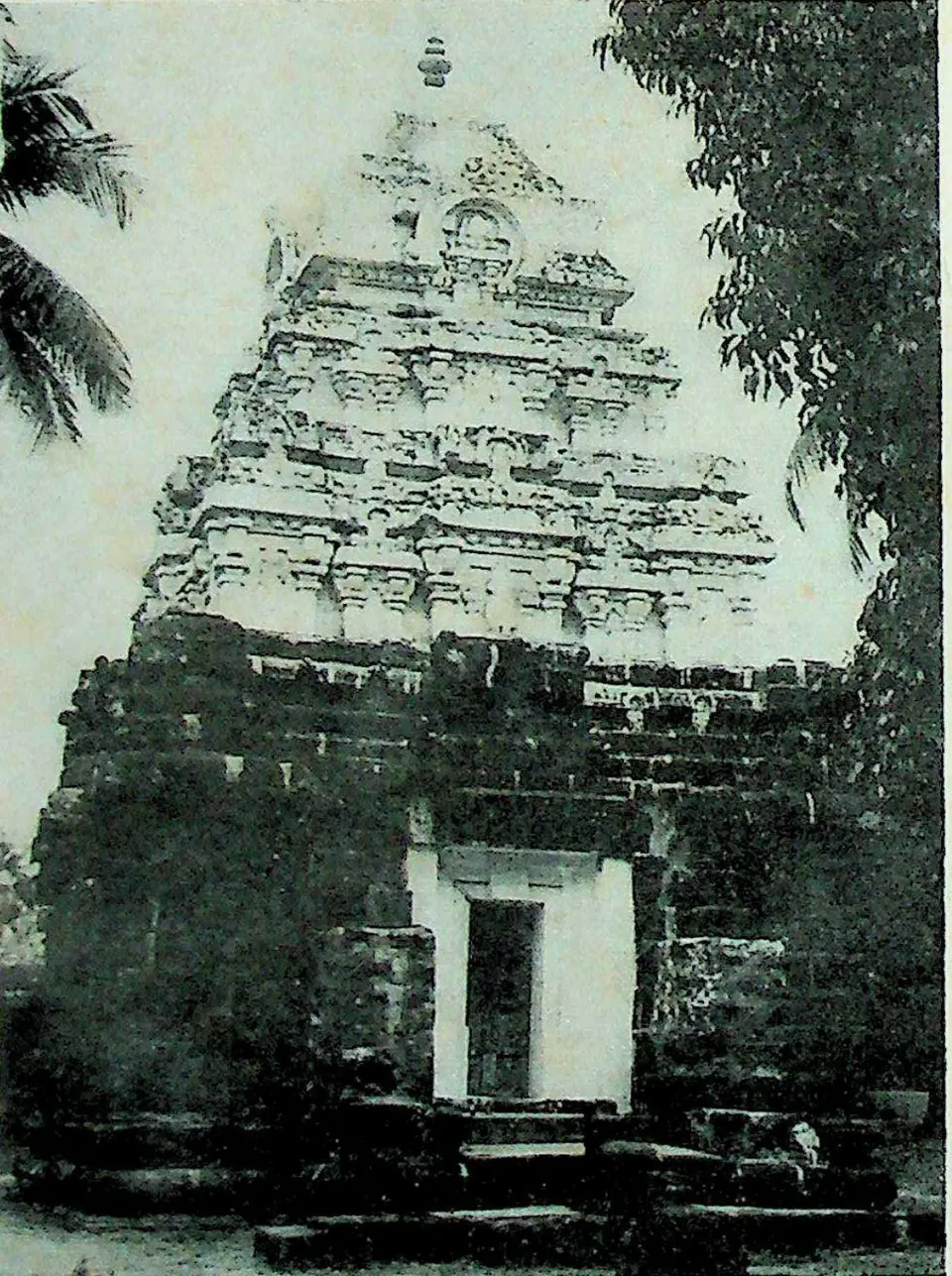
 "1. Candraśēkhara Temple - Bikkavōlu" (M. Rama Rao, Eastern Calukyan Temples of Andhra Desa, 1964, Fig. 1 (PDF p. 59))Historic photograph · 1964
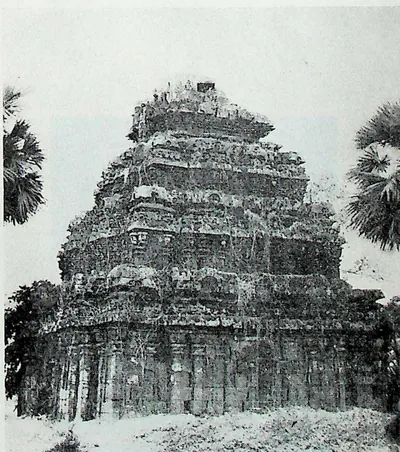 "10. Temple to the West of the High School - Bikkavōlu" (M. Rama Rao, Eastern Calukyan Temples of Andhra Desa, 1964, Fig. 10 (PDF p. 67))Historic photograph · 1964
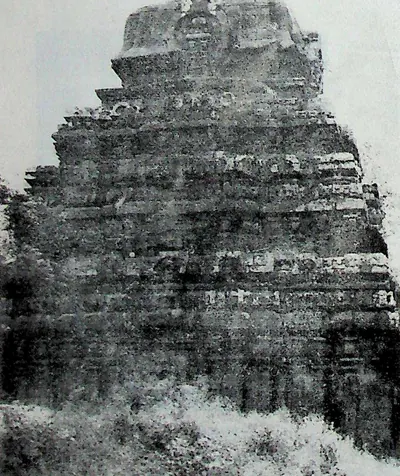 "11. Temple to the West of the High School - Bikkavōlu" (M. Rama Rao, Eastern Calukyan Temples of Andhra Desa, 1964, Fig. 11 (PDF p. 69))Historic photograph · 1964
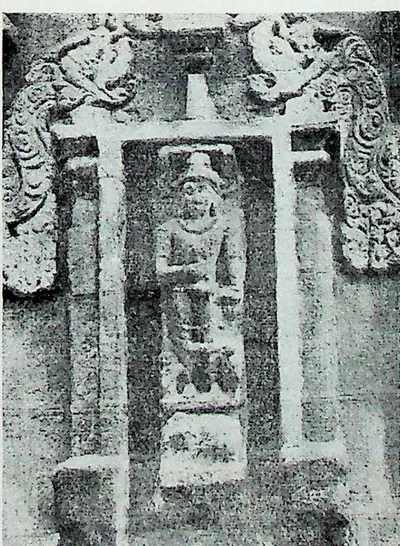 "12. Indra - Bikkavōlu" (M. Rama Rao, Eastern Calukyan Temples of Andhra Desa, 1964, Fig. 12 (PDF p. 69))Historic photograph · 1964
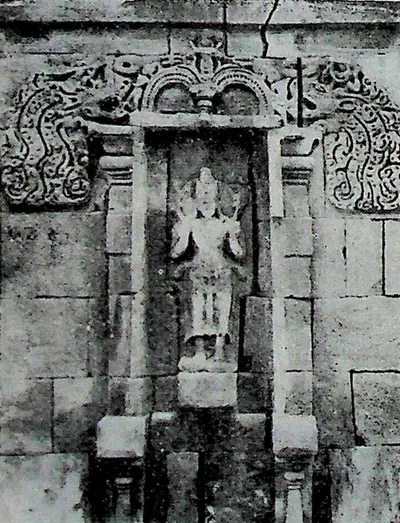 "13. Sūrya - Bikkavōlu" (M. Rama Rao, Eastern Calukyan Temples of Andhra Desa, 1964, Fig. 13 (PDF p. 71))Historic photograph · 1964
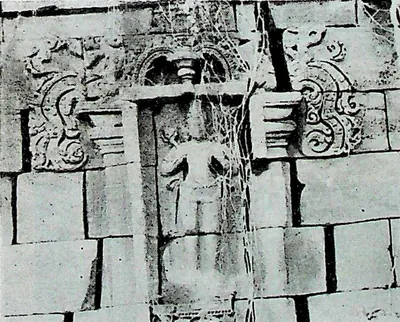 "14. Sūrya - Bikkavōlu" (M. Rama Rao, Eastern Calukyan Temples of Andhra Desa, 1964, Fig. 14 (PDF p. 71))Historic photograph · 1964
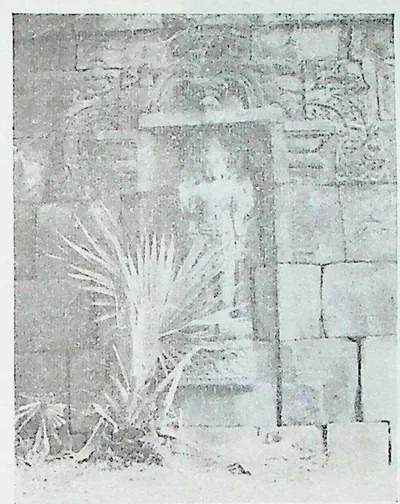 "15. Viṣṇu - Bikkavōlu" (M. Rama Rao, Eastern Calukyan Temples of Andhra Desa, 1964, Fig. 15 (PDF p. 73))Historic photograph · 1964
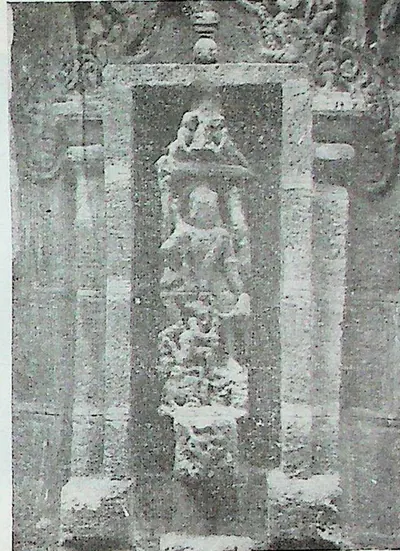 "16. Bikkavōlu - Mahiṣamardani" (M. Rama Rao, Eastern Calukyan Temples of Andhra Desa, 1964, Fig. 16 (PDF p. 73))Historic photograph · 1964
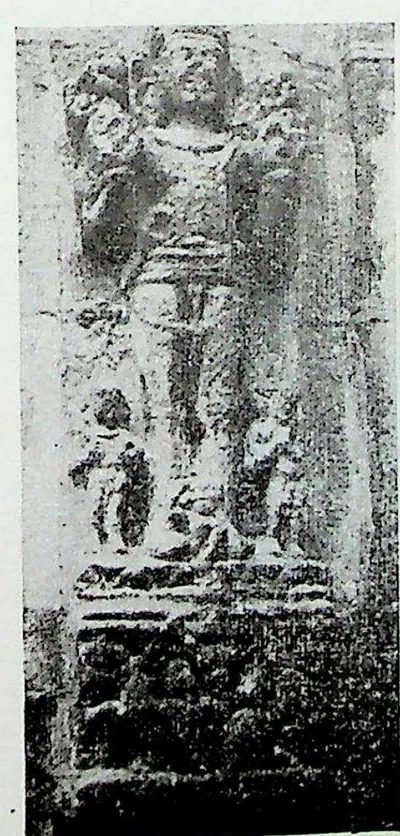 "17. Sūrya - Bikkavōlu" (M. Rama Rao, Eastern Calukyan Temples of Andhra Desa, 1964, Fig. 17 (PDF p. 73))Historic photograph · 1964
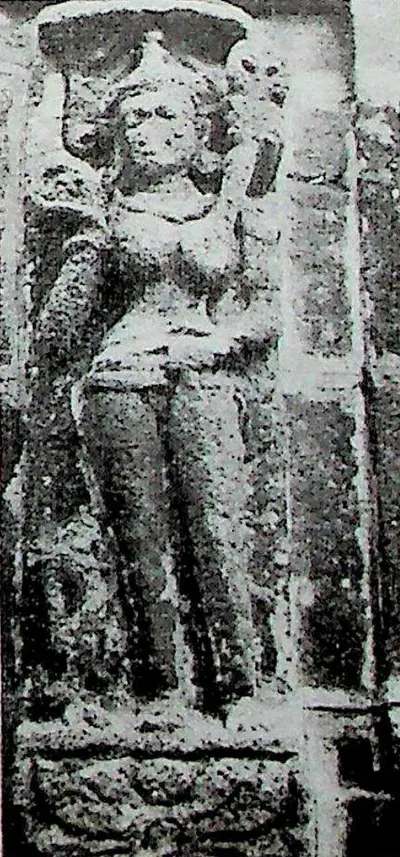 "18. Female Deity - Bikkavōlu" (M. Rama Rao, Eastern Calukyan Temples of Andhra Desa, 1964, Fig. 18 (PDF p. 73))Historic photograph · 1964
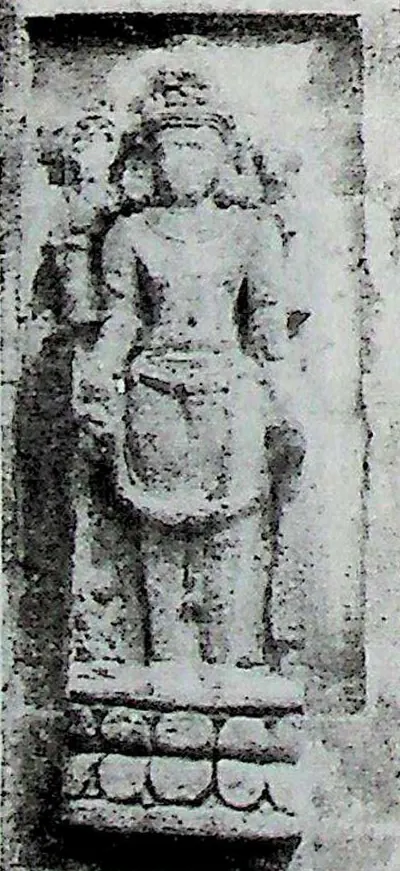 "19. Viṣṇu - Bikkavōlu" (M. Rama Rao, Eastern Calukyan Temples of Andhra Desa, 1964, Fig. 19 (PDF p. 75))Historic photograph · 1964
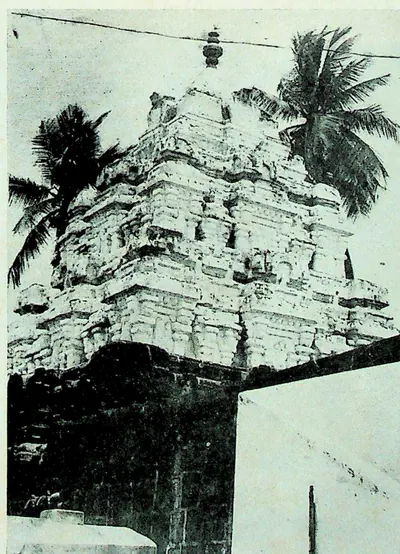 "2. Gōlingēśvara Temple - Bikkavōlu" (M. Rama Rao, Eastern Calukyan Temples of Andhra Desa, 1964, Fig. 2 (PDF p. 59))Historic photograph · 1964
Show all (23)
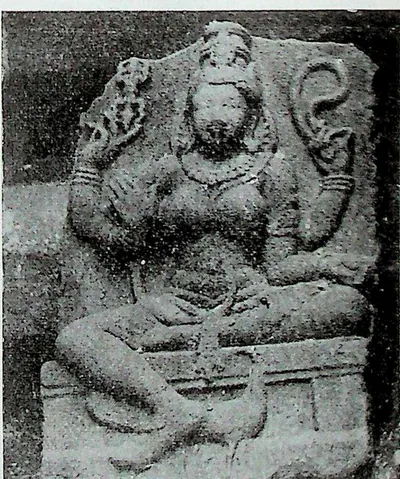 "20. Kaumārī - Bikkavōlu" (M. Rama Rao, Eastern Calukyan Temples of Andhra Desa, 1964, Fig. 20 (PDF p. 75))Historic photograph · 1964
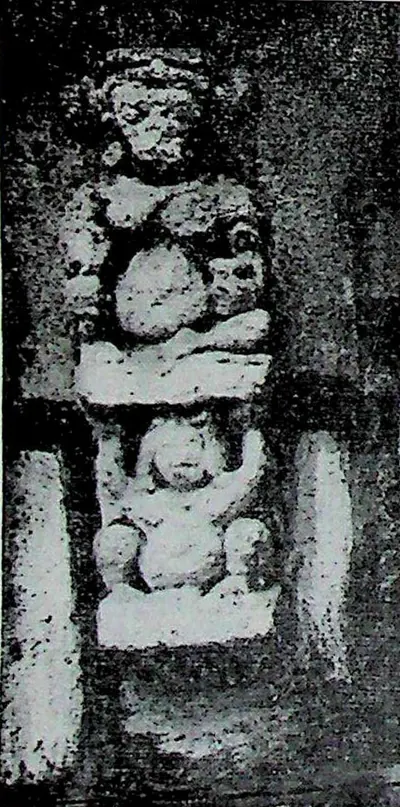 "21. Bovine Deity - Bikkavōlu" (M. Rama Rao, Eastern Calukyan Temples of Andhra Desa, 1964, Fig. 21 (PDF p. 77))Historic photograph · 1964
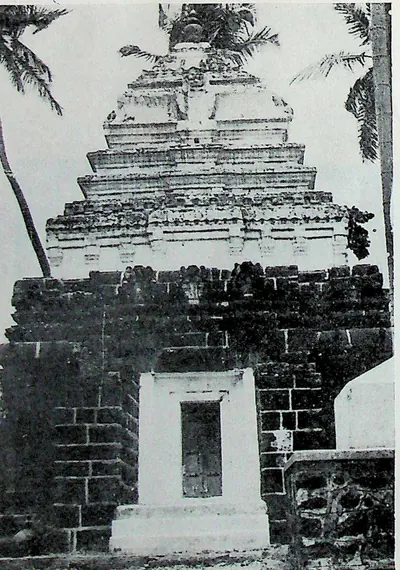 "3. Rājarājēśvara Temple - Bikkavōlu" (M. Rama Rao, Eastern Calukyan Temples of Andhra Desa, 1964, Fig. 3 (PDF p. 61))Historic photograph · 1964
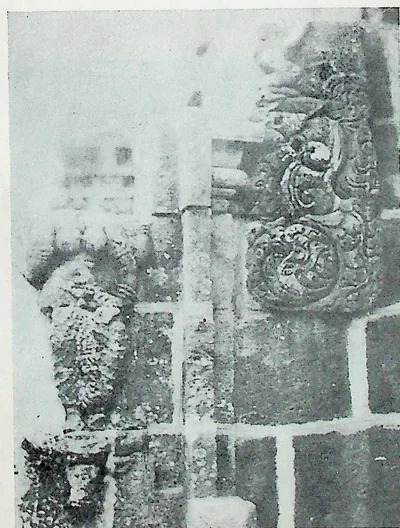 "4. Wall Projection - Candraśēkhara Temple - Bikkavōlu" (M. Rama Rao, Eastern Calukyan Temples of Andhra Desa, 1964, Fig. 4 (PDF p. 61))Historic photograph · 1964
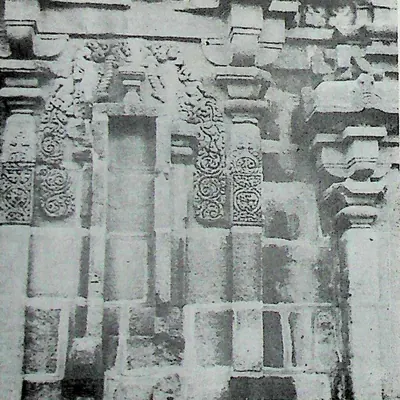 "5. Back Wall - Candraśēkhara Temple - Bikkavōlu" (M. Rama Rao, Eastern Calukyan Temples of Andhra Desa, 1964, Fig. 5 (PDF p. 63))Historic photograph · 1964
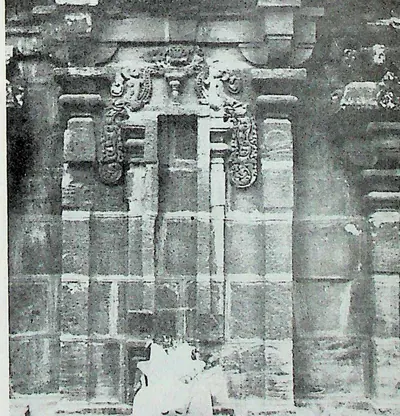 "6. Left Wall - Candraśēkhara Temple - Bikkavōlu" (M. Rama Rao, Eastern Calukyan Temples of Andhra Desa, 1964, Fig. 6 (PDF p. 63))Historic photograph · 1964
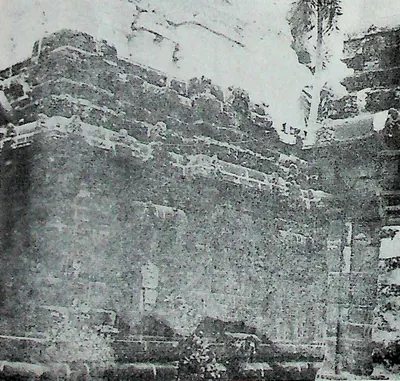 "7. Left Wall - Gōlingēśvara Temple - Bikkavōlu" (M. Rama Rao, Eastern Calukyan Temples of Andhra Desa, 1964, Fig. 7 (PDF p. 65))Historic photograph · 1964
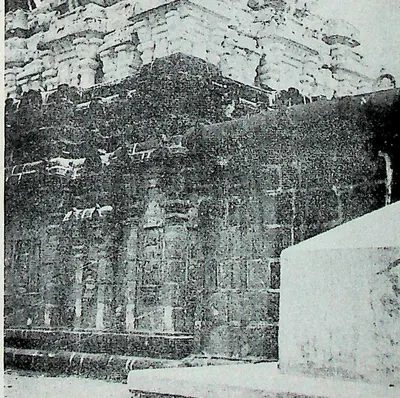 "8. Right Wall - Gōlingēśvara Temple - Bikkavōlu" (M. Rama Rao, Eastern Calukyan Temples of Andhra Desa, 1964, Fig. 8 (PDF p. 65))Historic photograph · 1964
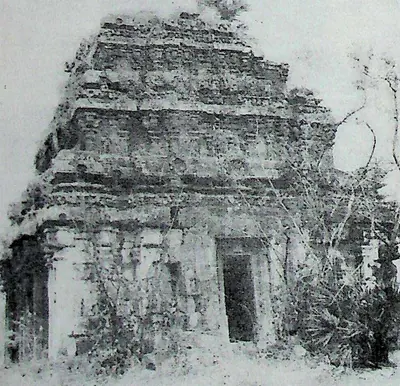 "9. Temple on the Vūlapalli Road - Bikkavōlu" (M. Rama Rao, Eastern Calukyan Temples of Andhra Desa, 1964, Fig. 9 (PDF p. 67))Historic photograph · 1964
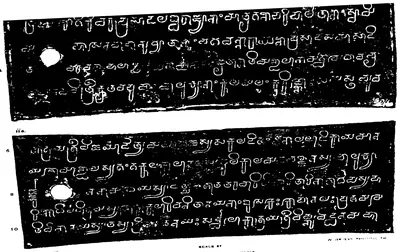 "B.—Masulipatam (?) Plates of Vijayaditya III", plates i and ii a (Epigraphia Indica V, plate between pp. 124 and 125 (PDF p. 172))Inscription rubbing · 1899
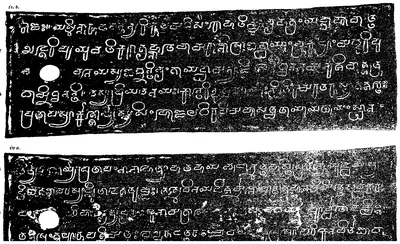 "B.—Masulipatam (?) Plates of Vijayaditya III", plates ii b and iv a (Epigraphia Indica V, plate between pp. 124 and 125 (PDF p. 173))Inscription rubbing · 1899
Related
Dynasties
References
Notes (0)
Sources (10)
Spotted an error on this page? Tell us
Last updated: