అహోబిలం
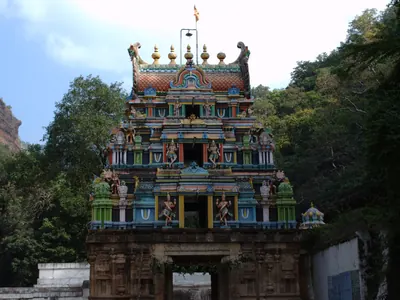
కర్నూలు జిల్లాలోని నల్లమల కొండలపై ఉన్న నరసింహుడి గ్రామం, ఆలయం. ఇది జిల్లాలో 'అత్యంత పవిత్రమైన వైష్ణవ క్షేత్రం'. అక్కడ మెట్ల వరుసను ప్రోలయ వేమ కట్టించాడని రెడ్డి శాసనాలు చెబుతాయి. 1410లో కాటయ వేముడు కుమారగిరి పేరు మీద గ్రామాలను దానికి ఇచ్చాడు. ఎఱ్ఱాప్రెగడ తన నరసింహ పురాణాన్ని దాని దేవుడికి అంకితం చేశాడు.
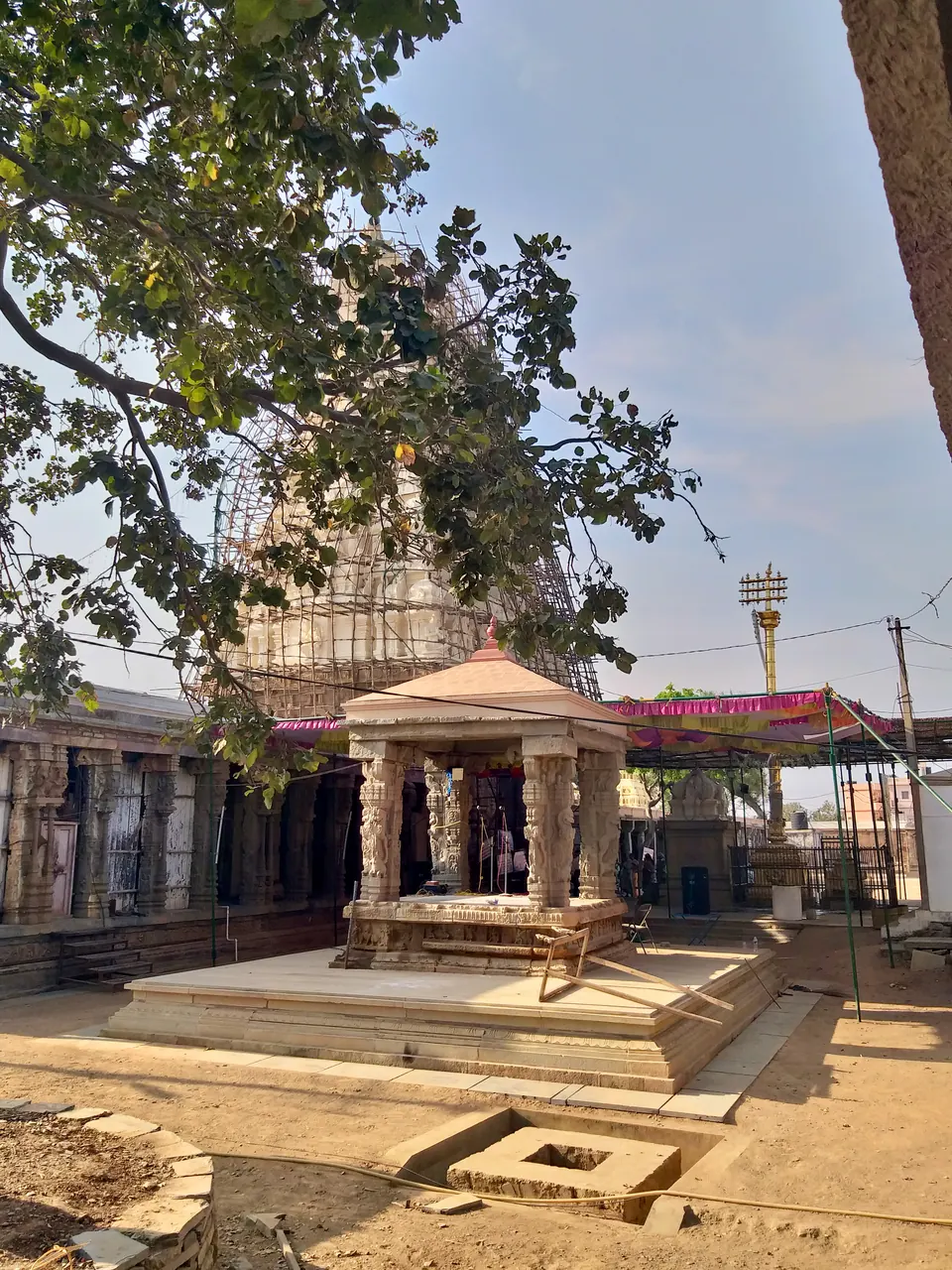
1908 నాటి Imperial Gazetteer (సామ్రాజ్య గెజిటీర్) అహోబిలాన్ని కర్నూలు జిల్లాలోని సిరివెళ్ల తాలూకాలో, 15°8′ ఉత్తర అక్షాంశం, 78°45′ తూర్పు రేఖాంశం వద్ద, నల్లమల కొండలపై ఉన్న గ్రామం, ఆలయంగా వర్ణిస్తుంది.1 అది ఇలా చెబుతుంది: “ఈ ఆలయం జిల్లాలో అత్యంత పవిత్రమైన వైష్ణవ క్షేత్రం, దానికి మూడు భాగాలు ఉన్నాయి”.1 అవి ఇవి:1
- “కొండల పాదాల దగ్గర ఉన్న దిగువ అహోబిలం ఆలయం”
- “సుమారు 4 మైళ్లు పైన ఉన్న ఎగువ అహోబిలం”
- “శిఖరంపై ఒక చిన్న గుడి”1
దిగువ ఆలయంలో రామాయణ దృశ్యాల ఉబ్బెత్తు శిల్పాలు ఉన్నాయి.1 దానికి “రాతిలో తొలిచిన, 8 అడుగుల చుట్టుకొలత ఉన్న” స్తంభాలపై రెండు పెద్ద రాతి మండపాలు ఉన్నాయి.1
అహోబిలంలో రెడ్లు
“శ్రీశైలం, అహోబలంలలోని” ఆలయాలకు దారితీసే మెట్లను వేమ కట్టించడాన్ని అమరావతి శాసనం పేర్కొంటుందని 1906లో జె. రామయ్య (J. Ramayya) గుర్తించారు.2 1345 నాటి ఆయన సొంత దానపత్రం వాటి గురించి చెప్పదు.2
శాశ్వత విజయ స్తంభాలుగా వేమ శ్రీగిరి, అహోబిలగిరిలలో రెండు మెట్ల వరుసలు కట్టించాడని 1378 నాటి పెదపలకలూరు తామ్రపత్రాలు చెబుతాయి.34 వాటి గ్రహీతను అహోబిల నరసింహుడిలా గౌరవించారు.34 శ్రీశైలం, అహోబిలం ఆలయాలకు దారితీసే మెట్ల కోసం ప్రోలయ వేమను విస్తృతంగా గుర్తుంచుకుంటారని రాబర్ట్ సూయెల్ (Robert Sewell) రాశారు.5 కవి ఎఱ్ఱాప్రెగడ తన నరసింహ పురాణంను అహోబిల నరసింహ దేవుడికి అంకితం చేశాడు.67
కాటయ వేముడి దానం
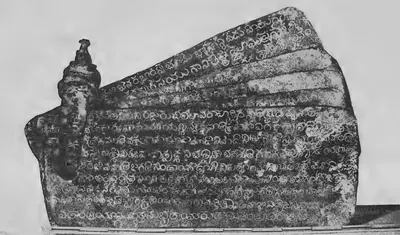
1410లో రాజమహేంద్రవరం పాలకుడు కాటయ వేముడు కొమరగిరిపురంగా పేరు మార్చిన కలువచేరు గ్రామాన్ని అహోబలదేవుడికి ఇచ్చాడు.8 కొమరగిరిరెడ్డి పుణ్యం కోసం దేవుడికి రోజువారీ నైవేద్యాలు అందించడం దాని ఉద్దేశం.8 ఈ శాసనం పాములేటి-నరసింహ గుడికి వెళ్లే దారిలో ఒక శిలాఫలకంపై ఉంది.8
తన యజమాని, బావమరిది పుణ్యం కోసం ఆలయాలకు, బ్రాహ్మణులకు తాను ఇచ్చిన “కొమరగిరి-మండలం” గ్రామాలను కూడా అది జాబితా చేస్తుంది.8 ఆయన భార్యలు ఇచ్చిన దానాలను కూడా అది నమోదు చేస్తుంది.8 రాజమహేంద్రవరం రెడ్డి రాజులు, కుమారగిరిరెడ్డి పేజీలు చూడండి.
Footnotes
-
Imperial Gazetteer of India: Madras, Vol. I (1908), p. 424 (archive.org (opens in a new tab)). ↩ ↩2 ↩3 ↩4 ↩5 ↩6
-
J. Ramayya, Madras Museum Plates of Vema, A.D. 1345, Epigraphia Indica VIII (1905–06), p. 12 (archive.org (opens in a new tab)). ↩ ↩2
-
N. Ramesan, Copper Plate Inscriptions of Andhra Pradesh Government Museum, Hyderabad, Vol. I (1962), p. 189 (archive.org (opens in a new tab)). ↩ ↩2
-
Ramesan, Copper Plate Inscriptions, Vol. I (1962), p. 190 (archive.org (opens in a new tab)). ↩ ↩2
-
Robert Sewell, The Historical Inscriptions of Southern India (1932), p. 183 (archive.org (opens in a new tab)). ↩
-
H. K. Narasimhaswami, Koduru Grant of Ana-Vota-Reddi; Saka 1280, Epigraphia Indica XXV (1939–40), p. 138 (archive.org (opens in a new tab)). ↩
-
Narasimhaswami, Koduru Grant of Ana-Vota-Reddi (1939–40), p. 139 (archive.org (opens in a new tab)). ↩
-
V. Rangacharya, A Topographical List of the Inscriptions of the Madras Presidency, Vol. II (1919), p. 975, Kurnool No. 598 (archive.org (opens in a new tab)). ↩ ↩2 ↩3 ↩4 ↩5
చిత్రాలు
సంబంధిత
వ్యక్తులు
ఎఱ్ఱాప్రెగడ (ఎఱ్ఱన)
సుమారు క్రీ.శ. 1280–1350
14వ శతాబ్దపు తెలుగు కవి, తెలుగు మహాభారతాన్ని పూర్తి చేసిన 'కవిత్రయం'లో మూడవవాడు. నన్నయ అసంపూర్తిగా వదిలిన అరణ్య పర్వాన్ని ఆయన పూర్తి చేశాడు. ఆయన నెల్లూరు ప్రాంతంలోని గుడ్లూరుకు చెందిన నియోగి బ్రాహ్మణుడు, శివభక్తుడు (శంభుదాసుడు). ఆయన రెడ్డి రాజ్య స్థాపకుడు ప్రోలయ వేముని ఆశ్రయంలో ఉండి, తన హరివంశాన్ని ఆయనకు అంకితం ఇచ్చాడు. ఆయన ఒక రామాయణం, అహోబిల దేవుని కోసం నరసింహ పురాణం కూడా రాశాడు.
ప్రోలయ వేమారెడ్డి
సుమారు క్రీ.శ. 1325–1353
అద్దంకి, కొండవీడు రెడ్డి రాజ్య స్థాపకుడు (దాదాపు 1325–1353). కాకతీయుల పతనం తర్వాత ఆయన శ్రీశైలం, సముద్రం మధ్య దేశాన్ని స్వాధీనం చేసుకున్నాడు. వరంగల్ను జయించిన ముస్లింలు స్వాధీనం చేసుకున్న బ్రాహ్మణ గ్రామాలను తాను తిరిగి ఇచ్చానని 1345, 1346 నాటి ఆయన దానశాసనాలు చెబుతాయి. శ్రీశైలం, అహోబిలంలలోని మెట్ల వరుసల కోసం తర్వాతి శాసనాలు ఆయనను గుర్తుంచుకుంటాయి. కవి ఎఱ్ఱాప్రెగడ తన హరివంశాన్ని ఆయనకు అంకితం ఇచ్చాడు.
కాటయ వేముడు
సుమారు క్రీ.శ. 1386–1415
కొండవీడు కుమారగిరి మంత్రి, బావమరిది. 1380లలో ఆయన రాజమహేంద్రవరం రాజధానిగా 'తూర్పు దేశాన్ని' పొందాడు. దాదాపు 1414–16 వరకు గోదావరి డెల్టాను, సింహాచలం వరకు తీరాన్ని పాలించాడు. తల్లి ద్వారా ప్రోలయ వేముని మనవడైన ఆయన సంస్కృత పండితుడు కూడా. కాళిదాసు నాటకాలపై వ్యాఖ్యానం కుమారగిరిరాజీయము రాశాడు.
సాళువ నరసింహరాయలు
సుమారు క్రీ.శ. 1485–1492
చంద్రగిరి సాళువ కుటుంబ నాయకుడు. ఆయన ఒరిస్సా గజపతులను తీరం వెంట రాజమహేంద్రవరం వైపు వెనక్కి తరిమి, 1470లలో అక్కడ బహమనీ సుల్తాన్ను ఎదుర్కొన్నాడు. 1485–86లో ఆయన చివరి సంగమ రాజు నుంచి విజయనగర సింహాసనాన్ని తీసుకుని, రెండవ వంశమైన సాళువ వంశాన్ని స్థాపించాడు. ఆయన 1492–93లో చనిపోయి, తన చిన్న కొడుకులను తన సేనాపతి నరస నాయకుని సంరక్షణలో వదిలాడు. ఆయన ఒరిస్సా నుంచి ఉదయగిరిని తిరిగి పొందాడా అనేది వివాదాస్పదం.
కట్టడాలు
శాసనాలు
ఆధారసూచికలు
గమనికలు (0)
ఆధారాలు (6)
ఈ పేజీలో పొరపాటు కనిపించిందా? మాకు తెలియజేయండి
చివరి సవరణ: