Temples of Vemulavada
Group of temples at Vemulavada, the capital of the Chalukyas of Vemulavada, round the Rajarajesvara (Rajesvara) temple and its tank. The 10th-century inscription of Arikesari II names four temples there: of Rajesvara, the Sun, Baddegesvara and Nagaresvara. It stands in the Bhimesvara temple, formerly the Baddegesvara. N. Venkataramanayya thought the Rajesvara and Baddegesvara were named after, or built by, kings of the family. Later records of the Chalukyas of Kalyani add temples of Rajadityesvara and Harikesvara.
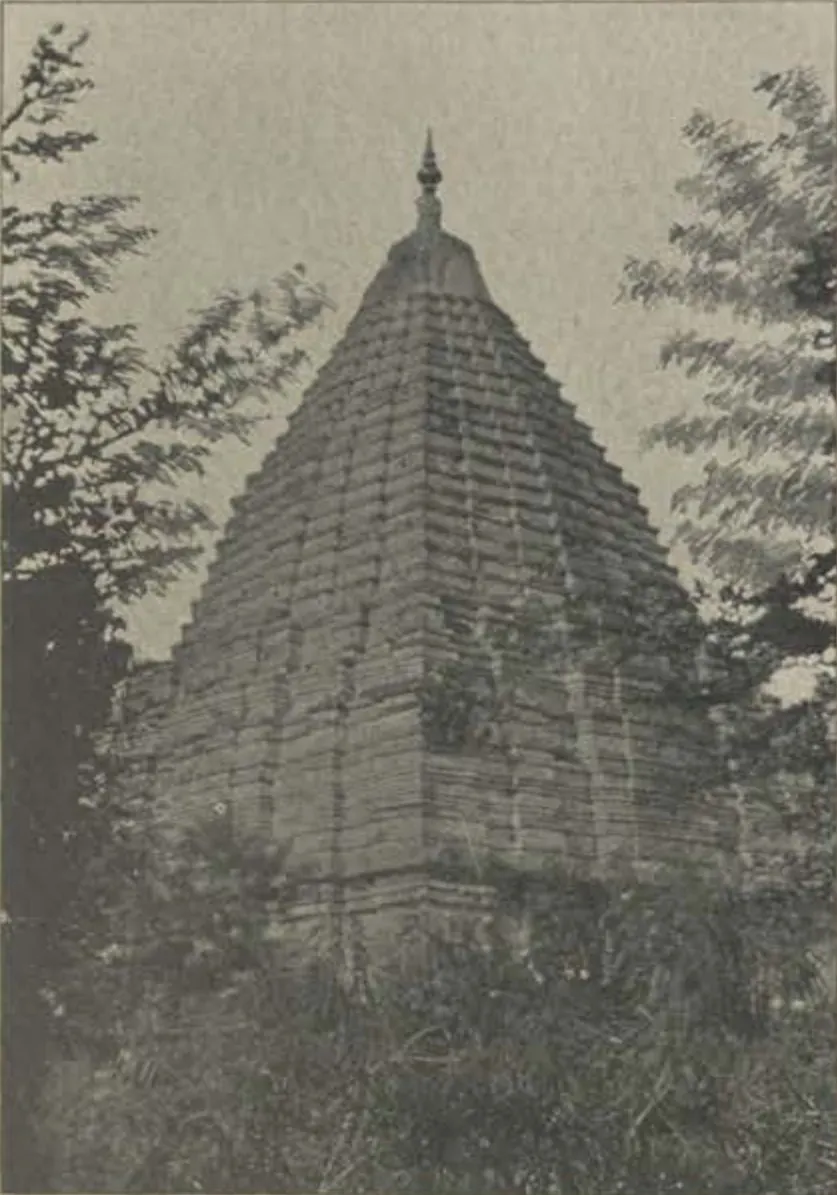
Vemulavada was the capital of the Chalukyas of Vemulavada. Its temples are the only buildings that can be connected with the family.1 N. Venkataramanayya wrote in 1953 that no secular (non-religious) building of theirs survives, but that some of the temples they built in their capital were still in fairly good condition.1
The temples in the inscriptions
The pillar inscription of Arikesari II names the heads of four temples in the capital as witnesses:2
Arikesari’s officer Peddana had built the Sun temple, and the grant was made for Peddana’s feeding house.2 The inscription itself stands on a pillar to the left of the sanctum of the Bhimesvara temple, which Venkataramanayya identified with the old Baddegesvara.3
Names of the temples
Venkataramanayya thought it clear that the Rajesvara and the Baddegesvara were named after Rajaditya, a title of Narasimha I, and after Baddega.14 Either those kings built them, or the temples were named in their honour.14 He took the Nagaresvara to be the shrine of the merchants.14
Jaina temples
The Parbhani plates of 966 add a Jaina temple, the Subhadhama Jinalaya, built in the capital by the father of Arikesari III.45 A Jaina image in the compound of the Rajarajesvara temple bears an inscription saying that a King Baddega built a Jinalaya (Jaina temple) for the teacher Somadeva.45
Later shrines
Later inscriptions name more shrines:
- A Telugu inscription of 24 December 1033, near the Kedaresvara temple, records a gift of land for a god Rajesvaradeva installed by one Chikaraja.6
- On 25 December 1083 the mahamandalesvara (great feudal lord) Rajaditya endowed a temple of Rajadityesvara that he had built in his capital, Lembulavade.7
- Gifts were made in 1106 and 1108 to the god Harikesvara.8
The plans of 1953
The Hyderabad Archaeological Department published Venkataramanayya’s monograph, with drawings of the site and temples.9 The director, P. Sreenivasachar, explained in his preface that a fuller note on the antiquities was to be published separately.9 A few plates were included to give an idea of them.9 They show:10
- a site plan of the village10
- the front view, side elevation and ground plan of the Bhimeshwar temple10
- the front elevation of the Kalyana Mandapa and the entrance of the Rajeshwar temple10
- the ground plan of the Rajeshwar temple10
- the plan of the Kedareshwar temple10
Older notices
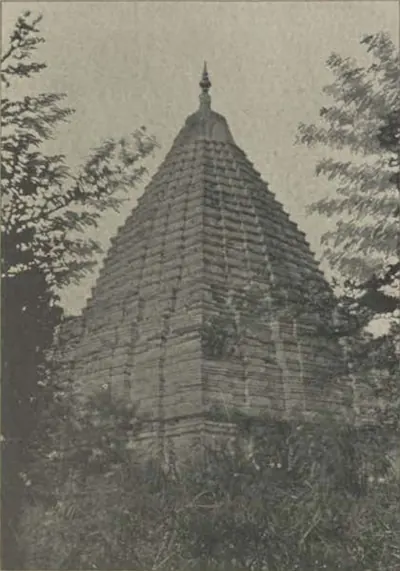
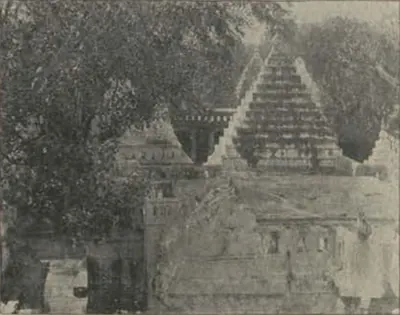
The Imperial Gazetteer of 1909 described Vemalwada as having “a temple on the south of a large tank”.11 It said that in the temple’s enclosure is “the tomb of a Musalman saint regarded as sacred by Hindus and Musalmans alike”.11 Two photographs in Glimpses of the Nizam’s Dominions (1898) are captioned “Temple at Yemulwada, Elgandal”.1213 In 1953 Sreenivasachar wrote that the Rajeswaraswami temple and the tank still drew crowds of pilgrims.9
Footnotes
-
N. Venkataramanayya, The Chalukyas of L(V)emulavada (1953), p. 44 (archive.org (opens in a new tab)). Paraphrased. ↩ ↩2 ↩3 ↩4 ↩5
-
Venkataramanayya, Chalukyas of L(V)emulavada (1953), p. 84 (archive.org (opens in a new tab)). Paraphrased. ↩ ↩2 ↩3 ↩4 ↩5 ↩6
-
Venkataramanayya, Chalukyas of L(V)emulavada (1953), p. 82 (archive.org (opens in a new tab)). Paraphrased. ↩
-
Venkataramanayya, Chalukyas of L(V)emulavada (1953), p. 45 and note 75 (archive.org (opens in a new tab)). Paraphrased. ↩ ↩2 ↩3 ↩4 ↩5
-
Gajjala Vasanta Lakshmi (ed.), Epigraphia Telanganica I: Pre-Kakatiya Telangana (2023), p. 87, No. 1. Cite-only; paraphrased. ↩ ↩2
-
Epigraphia Telanganica I (2023), p. 116, Western Chalukya No. 55, summarising Inscriptions of Karimnagar District, pp. 32–36. Cite-only; paraphrased. ↩
-
Kannada Inscriptions of Andhra Pradesh (1961), pp. 5–6, No. 12 (archive.org (opens in a new tab)). Paraphrased. ↩
-
Kannada Inscriptions of Andhra Pradesh (Andhra Pradesh Government Archaeological Series 3, 1961), p. 5, Nos. 10 and 11 (archive.org (opens in a new tab)). Paraphrased. ↩
-
P. Sreenivasachar, preface to Venkataramanayya, Chalukyas of L(V)emulavada (1953), unnumbered page before the author’s preface (archive.org (opens in a new tab)). Paraphrased. ↩ ↩2 ↩3 ↩4
-
Venkataramanayya, Chalukyas of L(V)emulavada (1953), list of plates and plates 6–12 (archive.org (opens in a new tab)). Paraphrased. ↩ ↩2 ↩3 ↩4 ↩5 ↩6
-
Imperial Gazetteer of India, Provincial Series: Hyderabad State (1909), p. 184 (archive.org (opens in a new tab)). ↩ ↩2
-
A. Claude Campbell (ed.), Glimpses of the Nizam’s Dominions (1898), p. 474 (archive.org (opens in a new tab)). ↩
-
Campbell, Glimpses of the Nizam’s Dominions (1898), p. 475 (archive.org (opens in a new tab)). ↩
Photos
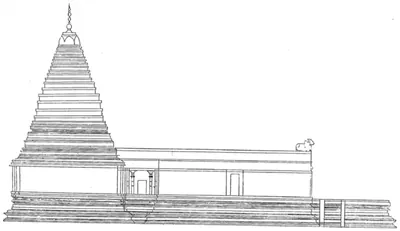 "A side elevation of Bhimeshwar Temple" (N. Venkataramanayya, The Chalukyas of L(V)emulavada, 1953, plate 8)Drawing · 1953
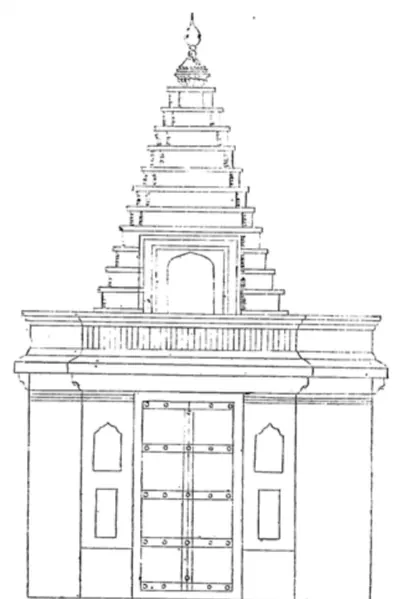 "Entrance of Rajeshwar Temple" (N. Venkataramanayya, The Chalukyas of L(V)emulavada, 1953, plate 10)Drawing · 1953
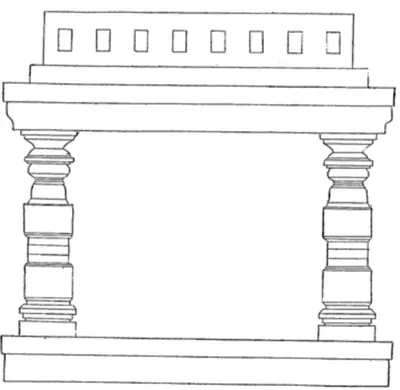 "Front elevation of Kalyan Mandap, Rajeshwar Temple" (N. Venkataramanayya, The Chalukyas of L(V)emulavada, 1953, plate 10)Drawing · 1953
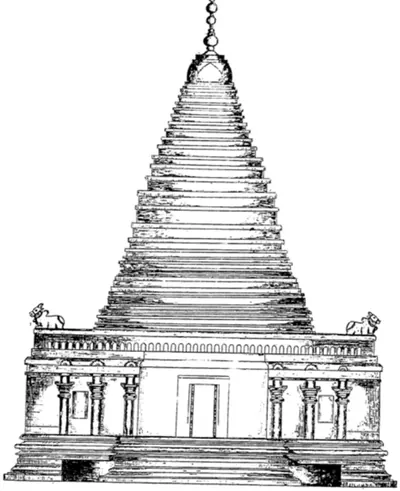 "Front view of Bhimeshwar Temple" (N. Venkataramanayya, The Chalukyas of L(V)emulavada, 1953, plate 7)Drawing · 1953
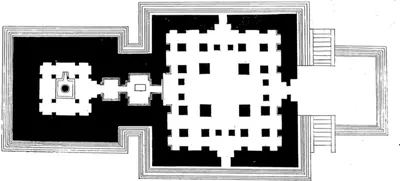 "Ground plan of Bhimeshwar Temple" (N. Venkataramanayya, The Chalukyas of L(V)emulavada, 1953, plate 9)Plan · 1953
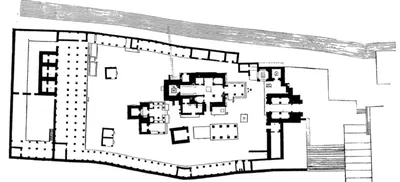 "Ground plan of Rajeshwar Temple" (N. Venkataramanayya, The Chalukyas of L(V)emulavada, 1953, plate 11)Plan · 1953
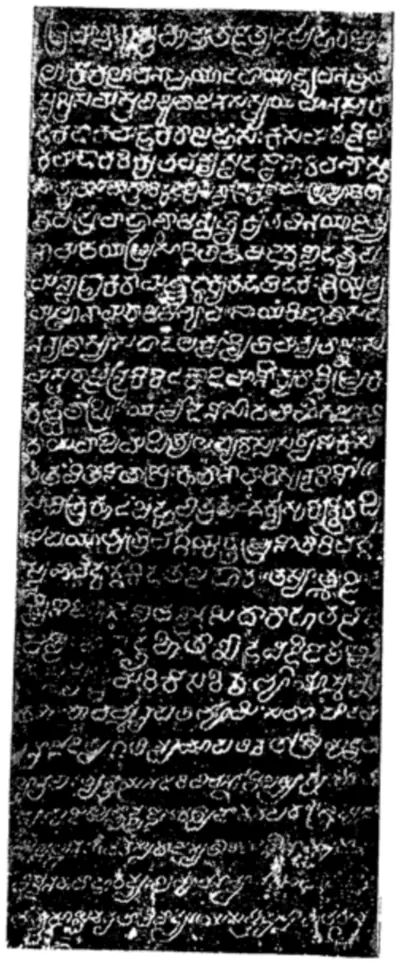 "L(V)ēmulavāḍa Inscription. First Side" (N. Venkataramanayya, The Chalukyas of L(V)emulavada, 1953, plate 2)Inscription rubbing · 1953
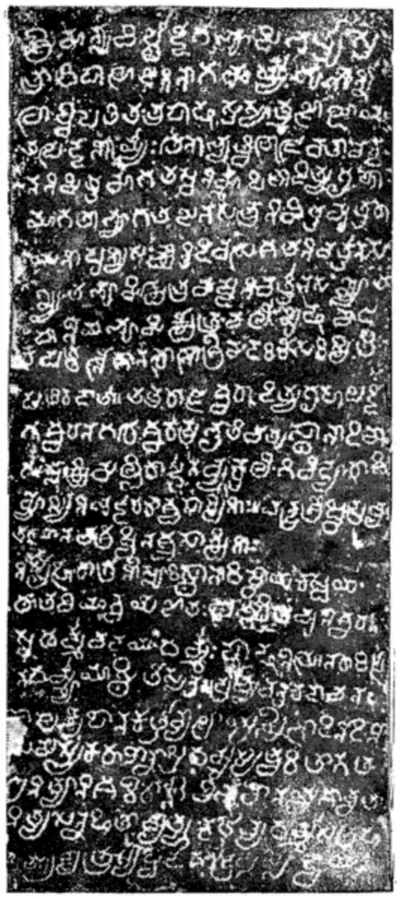 "L(V)ēmulavāḍa Inscription. Fourth Side" (N. Venkataramanayya, The Chalukyas of L(V)emulavada, 1953, plate 5)Inscription rubbing · 1953
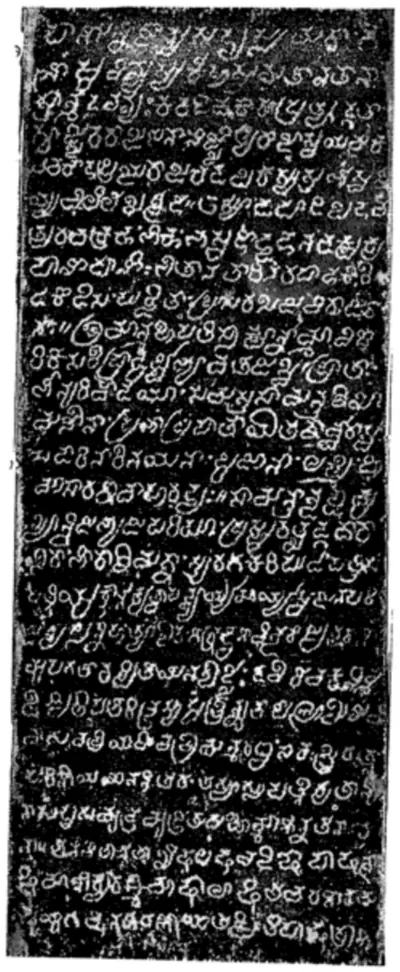 "L(V)ēmulavāḍa Inscription. Second Side" (N. Venkataramanayya, The Chalukyas of L(V)emulavada, 1953, plate 3)Inscription rubbing · 1953
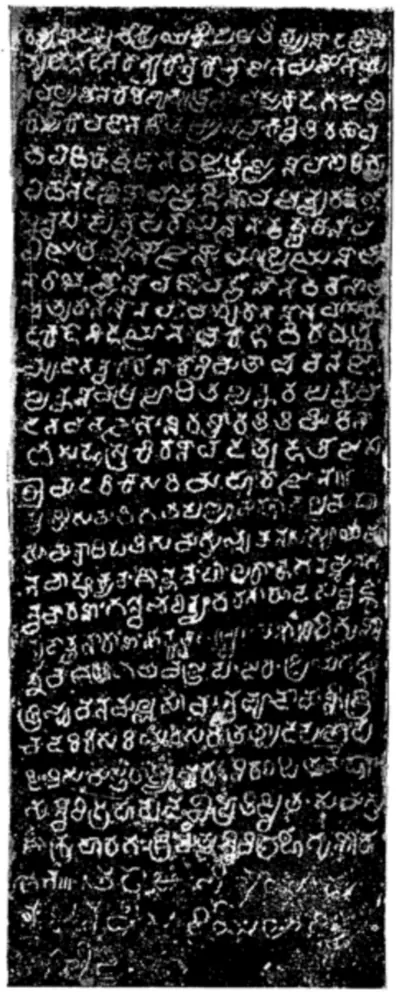 "L(V)ēmulavāḍa Inscription. Third Side" (N. Venkataramanayya, The Chalukyas of L(V)emulavada, 1953, plate 4)Inscription rubbing · 1953
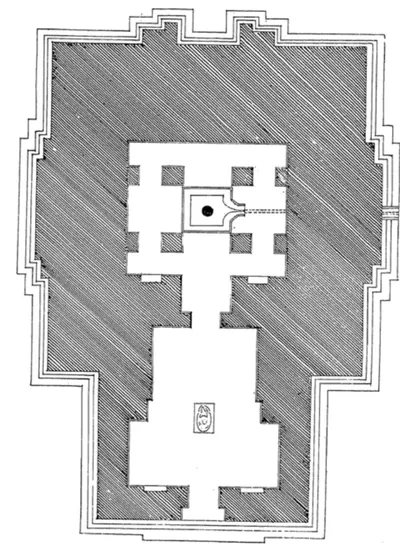 "Plan of Kedareshwar Temple" (N. Venkataramanayya, The Chalukyas of L(V)emulavada, 1953, plate 12)Plan · 1953
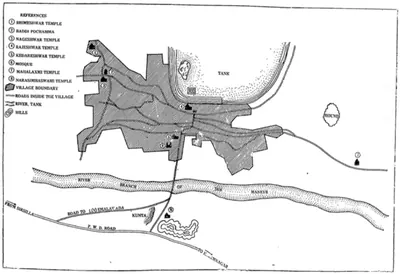 "Site plan of Lēmulavāḍa Village, Karimnagar Dist." (N. Venkataramanayya, The Chalukyas of L(V)emulavada, 1953, plate 6)Plan · 1953
References
Notes (0)
Sources (5)
Spotted an error on this page? Tell us
Last updated: