Chalukyas of Vemulavada
A family of Chalukya chiefs who ruled the Sabbi country of northern Telangana, today's Karimnagar district, from their capital Vemulavada (Lembulavataka). They were feudatories of the Rashtrakutas from about 750 to about 970. Their records begin with Vinayaditya-Yuddhamalla, who is said to have bathed his elephants in oil at Podana (Bodhan). Arikesari II (about 930–955) was the patron of the Kannada poet Pampa, and Somadeva Suri wrote his Yasastilaka in 959 in the town of Arikesari's son. Their rule ended when the Chalukyas of Kalyani took Telangana before 973.
Swipe sideways to see the whole chart; tap a bar for details.
Each bar is a ruling power in its region; time runs left to right. Dashed = approximate dates. Select a bar for details.
Show as a list
Eastern Chalukyas & the Deccan powers 624–1163 CE
- Telangana
- Chalukyas of Badami (c. 655–753 CE) · Chalukyas of Mudigonda (c. 890–1218 CE) · Chalukyas of Vemulavada (c. 750–973 CE) · Kakatiyas (c. 1052–1162 CE) · Rashtrakutas of Malkhed (c. 753–973 CE) · Telugu Chodas of Kanduru (c. 1060–1160 CE) · Eastern Chalukyas of Vengi (c. 935–973 CE) · Western Chalukyas of Kalyani (c. 973–1163 CE)
- Coastal Andhra
- Eastern Gangas of Kalinga (c. 537–1434 CE) · Eastern Chalukyas of Vengi (c. 615–973 CE) · Cholas of Tanjore (c. 999–1135 CE) · Chalukyas of Badami (c. 655–680 CE) · Pallavas (c. 670–750 CE)
- Rayalaseema
- Pallavas (c. 300–900 CE) · Cholas of Tanjore (c. 985–1268 CE) · Telugu Cholas of Renadu (c. 550–800 CE) · Western Chalukyas of Kalyani (c. 1000–1190 CE) · Chalukyas of Badami (c. 654–753 CE) · Banas (c. 700–915 CE) · Vaidumbas (c. 750–1000 CE) · Nolamba-Pallavas (c. 750–974 CE) · Rashtrakutas of Malkhed (c. 750–973 CE)
Kingdoms and empires
Chalukyas of Badami
Open page- Coastal Andhra: c. 615–642 CE (c. 27 years)
Pulakesin II took Pishtapura (Pithapuram) and the Kolleru lake country (Aihole inscription) about 615 and left his brother Vishnuvardhana to govern Vengi, which was an independent kingdom by 632 (Fleet); his Kopparam plates grant land in Karmarashtra (Guntur) in 631, and Hultzsch read them as showing Vishnuvardhana still his subordinate then. The Vizagapatam gazetteer adds that the Badami Chalukyas had already conquered Kalinga in the 6th century.
- Rayalaseema: c. 654–753 CE (c. 99 years)
Copper-plate grants of Vikramaditya I in Kurnool (654-55, 657-58, 663); his grant names the Nalavadi district (near Madakasira, Anantapur); grants of 680 in Anantapur and Bellary; grants of Vinayaditya in the Kurnool district (Nandyal, 689-90); the Telugu Cholas of Renadu were their vassals. Fleet guessed that Kirtivarman I's enemies the Nalas lived towards Bellary and Kurnool.
- Telangana: c. 655–753 CE (c. 98 years)
Partial: the Alampur-Gadwal country. Amudalapadu plates of Vikramaditya I (Alampur taluk, 660), Gadval plates (674), Pallepadu plates of Vinayaditya (682, issued at Pangal), and inscriptions in the Alampur temples of a queen of Vikramaditya I, of Vinayaditya's reign and of Vijayaditya (704, 713). IG Hyderabad: displaced by the Rashtrakutas (Dantidurga, 753).
- Coastal Andhra: c. 655–680 CE (c. 25 years)
Partial: Nellore. Talamanchi plates of Vikramaditya I (found near Nellore, 13 July 660), a grant to his preceptor Meghacharya.
Rulers (9)
- Pulakesin I (c. 550–566 CE)
- Kirtivarman I (c. 566–597 CE)
- Mangalesa (c. 597–609 CE)
- Pulakesin II (c. 609–642 CE)
- Vikramaditya I (Chalukya of Badami) (c. 655–680 CE)
- Vinayaditya (c. 680–696 CE)
… and 3 more
- Vijayaditya (c. 696–733 CE)
- Vikramaditya II (c. 733–746 CE)
- Kirtivarman II (c. 746–757 CE)
Capitals
Monuments
Inscriptions
Sources (12)
Kingdoms and empires
Chalukyas of Mudigonda
Open page- Telangana: c. 890–1218 CE (c. 328 years)
Partial: Mudigonda (Khammam), the Manchikonda district and the Koravi (Kuravi) country, later the Visuru-nadu on the Godavari; feudatories of the Eastern Chalukyas, later of the Chalukyas of Kalyani. No record of the family is dated: start from Kusumayudha I's part in Chalukya-Bhima I's coronation (892), end from Parabrahma Sastry's identification of Kusumaditya and Nagati in a record of 1218. Driven out by the Kakatiyas (Recherla Rudra; Ganapatideva).
Rulers (13)
- Kokiraja (c. 865–890 CE)
- Kusumayudha I (c. 890–915 CE)
- Bijayita (c. 915–940 CE)
- Kusumayudha II (c. 940–965 CE)
- Vijayaditya (c. 965–990 CE)
- Kusumayudha III (c. 990–1015 CE)
… and 7 more
- Nijjiyaraja (c. 1015–1040 CE)
- Kusumayudha IV (Chalukya of Mudigonda) (c. 1040–1065 CE)
- Beta (c. 1065–1090 CE)
- Kusumayudha V (c. 1090–1110 CE)
- Bottu-Beta (c. 1110–1140 CE)
- Kusumaditya (Chalukya of Mudigonda) (c. 1140–1165 CE)
- Nagati (c. 1165–1196 CE)
Capitals
Inscriptions
Sources (4)
Kingdoms and empires
Chalukyas of Vemulavada
Open page- Telangana: c. 750–973 CE (c. 223 years)
Partial: the Sabbi Thousand (Karimnagar), capital Vemulavada (Lembulavataka), as Rashtrakuta feudatories; Podana (Bodhan) under the founder Yuddhamalla I (Venkataramanayya). Dated records: Chennur 940, Parbhani plates 966, Repaka 968. Ended when the Chalukyas of Kalyani took Telangana between 966 and 973.
Rulers (10)
- Vinayaditya-Yuddhamalla I (Chalukya of Vemulavada) (c. 750–775 CE)
- Arikesari I (c. 775–800 CE)
- Narasimha I (c. 800–825 CE)
- Yuddhamalla II (c. 825–850 CE)
- Baddega I Soladaganda (Chalukya of Vemulavada) (c. 850–895 CE)
- Yuddhamalla III (c. 895–915 CE)
Capitals
Monuments
Inscriptions
Sources (3)
Kingdoms and empires
Kakatiyas
Open page- Telangana: c. 1052–1162 CE (c. 110 years)
Partial: feudatory chiefs of Anumakonda (Hanamkonda) under the Chalukyas of Kalyani. Prola I received the Anumakonda district as a permanent fief from Someshvara I (record of 1053); Prola II's last record as a subordinate is of 1149; Rudradeva subdued the other Telangana chiefs c. 1157–62 (Parabrahma Sastry). Earlier members served the Rashtrakutas (Mangallu grant, c. 956) according to Parabrahma Sastry, a link rejected by Venkataramanayya and Somasekhara Sarma (1960).
- Telangana: c. 1163–1323 CE (c. 160 years)
Sovereign from Rudradeva's Anumakonda inscription of January 1163; capital moved to Orugallu (Warangal) under Ganapatideva. Warangal taken by Ulugh Khan in 1323 (Parabrahma Sastry, after Isami); Barani and the Imperial Gazetteer give 1321.
- Coastal Andhra: c. 1185–1323 CE (c. 138 years)
Rudradeva subdued the Kotas of Dharanikota and the Kondapadumatis (Tripurantakam grant 1185); Ganapatideva annexed Divi (1203) and Velanadu (records from 1209; Jaya governor 1213) and held the coast from the Godavari to the Penna; Kakatiya records at Draksharama from 1212, but the Eastern Gangas held the region north of the Godavari c. 1230–33 and again c. 1262–78; the Telugu Chodas of Nellore were allies; Nellore was lost to the Pandyas c. 1263 and recovered under Prataparudra.
- Rayalaseema: c. 1250–1323 CE (c. 73 years)
Through the Kayastha chiefs (Gangaya Sahini, bahattara-niyogadhipati c. 1250, capital Valluru in Cuddapah); Ambadeva independent c. 1272–1291, until Prataparudra's armies retook Tripurantakam (between 13 June and 11 August 1291) and the Kayastha lands within about eight years.
Rulers (11)
Capitals
Monuments (16)
Inscriptions (36)
- Kazipet Dargah pillar inscription
- Matedu inscription of Vemabola Malle-nayaka
- Gudur pillar inscriptions of the Viriyala family
- Thousand Pillar Temple inscription of Rudradeva
- Karimnagar inscription of Gangadhara
- Warangal fort inscription of Rudradeva
… and 30 more
- Pillalamarri inscription of Recherla Nami-reddi
- Kondaparti inscription of Malyala Chaunda
- Inugurti pillar inscription of Natavadi Rudra
- Bayyaram tank inscription of Mailama
- Chebrolu inscription of Jaya
- Palampet pillar inscription of Recherla Rudra
- Ganapavaram inscription of Devapala
- Warangal toll inscription of Ganapatideva
- Ganapesvaram inscription of Jaya
- Upparapalli pillar inscription of Kataya
- Motupalli pillar inscription of Ganapatideva
- Pakhal lake inscription of Jagadala Mummadi
- Rayaparti fragment of Saka 1169
- Ekamranatha temple inscription of Ganapati
- Nayanapalle inscription of Ganapatideva
- Durgi inscription of Gangaya-sahini
- Sarngapuram plates of Sarngadhara
- Bothpur tank inscription of Malyala Gunda
- Garavapadu plates of Ganapatideva
- Malkapuram pillar inscription of Rudramadevi
- Kotagiri plates of Viryala Sura
- Kolanupaka inscription of Rudramadevi's reign
- Chandupatla inscription
- Panugallu inscription of Immadi Mallikarjuna-nayaka
- Tripurantakam inscription of Ambadeva
- Raichur fort inscription of Gona Vithala
- Mellacheruvu inscription of Prataparudra's reign
- Srirangam inscription of Prataparudra
- Dharmasagar inscription of the minister Malla
- Hanamkonda inscription of Gangadhara
Sources (7)
Kingdoms and empires
Rashtrakutas of Malkhed
Open page- Rayalaseema: c. 750–973 CE (c. 223 years)
Through the Nolambas in Anantapur from about 750. The Cuddapah gazetteer finds no lasting foothold in Cuddapah until Indra III (c. 915), and says Krishna III (940-956) held all of Cuddapah except the east. The dynasty fell in 973.
- Telangana: c. 753–973 CE (c. 220 years)
Displaced the Chalukyas mid-8th century (Dantidurga 753). Inscriptions of their reigns or their feudatories at Alampur (Dhruva, about 780), Kuruvagattu (Govinda III), Mallikarjunapalli (846, 946), Khajipet, Velmajala (907), Padaturu (913) and Chennur (940); the Vemulavada Chalukyas and probably the early Kakatiyas were their subordinates. The dynasty fell in 973 and Western Chalukya rule in Telangana is attested by 995.
Rulers (13)
- Dantidurga (c. 753–756 CE)
- Krishna I (c. 756–774 CE)
- Govinda II (c. 774–780 CE)
- Dhruva (c. 780–793 CE)
- Govinda III (Rashtrakuta) (c. 793–814 CE)
- Amoghavarsha I (c. 814–878 CE)
… and 7 more
- Krishna II (Rashtrakuta) (c. 878–914 CE)
- Indra III (c. 915–917 CE)
- Govinda IV (c. 918–935 CE)
- Amoghavarsha III (Vaddiga) (c. 935–939 CE)
- Krishna III (Rashtrakuta) (c. 939–966 CE)
- Khottiga (c. 966–972 CE)
- Kakka II (c. 972–973 CE)
Capitals
Inscriptions
Sources (14)
Kingdoms and empires
Telugu Chodas of Kanduru
Open page- Telangana: c. 1060–1160 CE (c. 100 years)
Partial (Kandurunadu: the Jadcharla and Achampet areas of Mahbubnagar and the Nalgonda and Miryalaguda areas of Nalgonda), ruled from Kodur and Panugallu as feudatories of the Chalukyas of Kalyani; Tondarasa of Kandur governed the Kollipake province in 1088. Prola II restored Udaya Choda at Panugallu about 1131; Rudradeva drove out Bhima and annexed the country in the 1150s (last record of Bhima 1157). The family then held fiefs under the Kakatiyas, with a last record in 1282.
Rulers
- Tondaya II (Tondarasa) of Kandur (1088–1091 CE)
- Bhima Choda III of Kandur (c. 1105–1157 CE)
- Gokarna Choda I (c. 1124–1128 CE)
- Udaya Choda II of Kandur (1136–1176 CE)
- Bhima IV and Gokarna II (1178 CE)
Capitals
Inscriptions
Sources (5)
Kingdoms and empires
Eastern Chalukyas of Vengi
Open page- Coastal Andhra: c. 615–973 CE (c. 358 years)
Vengi, between the Godavari and the Krishna, with the Vizagapatam country to the north (Chipurupalle grant of 632) and Karmarashtra, the Ongole-Guntur country, to the south (grants of 664 and 673). Kubja Vishnuvardhana was installed as yuvaraja in 615 (Fleet) and was independent by 632; others date the start about 605 (Hultzsch 1890, Mackenzie), after 631 (Kopparam plates, Hultzsch 1926) or in 624-25 (Rama Rao 1964). The line of kings from the grants ends with Danarnava (970-973).
- Telangana: c. 935–973 CE (c. 38 years)
Partial: the Chalukya chiefs of Mudigonda and Koravi (Khammam and Warangal) owed allegiance to Vengi rather than to the Rashtrakutas, in Parabrahma Sastry's account; ended after the death of Danarnava in 973.
- Coastal Andhra: c. 999–1077 CE (c. 78 years)
After an interval that the grants call twenty-seven years without a ruler, Saktivarman I was restored about 999 with the help of the Chola Rajaraja I, "as king (or perhaps feudatory)" in the Godavari gazetteer's words. His successors married Chola princesses; Rajendra II, heir to Vengi in 1063, became the Chola emperor Kulottunga I in 1070. His uncle Vijayaditya VII governed Vengi until he died in 1077 (1076 in Sewell's table), after which Vengi was ruled for the Cholas by viceroys.
Rulers (29)
- Kubja Vishnuvardhana (c. 615–633 CE)
- Jayasimha I (c. 633–663 CE)
- Indra-Bhattaraka (c. 663 CE)
- Vishnuvardhana II (Eastern Chalukya) (c. 663–672 CE)
- Mangi-yuvaraja (c. 672–696 CE)
- Jayasimha II (Eastern Chalukya) (c. 696–709 CE)
… and 23 more
- Kokkili (c. 709 CE)
- Vishnuvardhana III (Eastern Chalukya) (c. 709–746 CE)
- Vijayaditya I (c. 746–764 CE)
- Vishnuvardhana IV (Eastern Chalukya) (c. 764–799 CE)
- Vijayaditya II Narendra-mrigaraja (c. 799–843 CE)
- Kali-Vishnuvardhana V (c. 843–844 CE)
- Gunaga Vijayaditya III (c. 844–888 CE)
- Chalukya-Bhima I (c. 888–918 CE)
- Vijayaditya IV (Kollabhiganda) (c. 918 CE)
- Amma I (c. 918–925 CE)
- Beta-Vijayaditya V (c. 925 CE)
- Tadapa (c. 925 CE)
- Vikramaditya II (c. 926 CE)
- Bhima III (c. 926–927 CE)
- Yuddhamalla II (c. 927–934 CE)
- Chalukya-Bhima II (c. 934–945 CE)
- Amma II (945–970 CE)
- Danarnava (970–973 CE)
- Saktivarman I (c. 999–1011 CE)
- Vimaladitya (1011–1022 CE)
- Rajaraja Narendra (1022–1063 CE)
- Kulottunga I (c. 1063–1070 CE)
- Vijayaditya VII (c. 1063–1076 CE)
Capitals
Monuments
Inscriptions (36)
- Satara grant of Vishnuvardhana I
- Timmapuram plates of Vishnuvardhana I
- Chipurupalle plates of Vishnuvardhana I
- Pedda-Vegi plates of Jayasimha I
- Niduparu grant of Jayasimha I
- Pulibumra plates of Jayasimha I
… and 30 more
- Gudivada plates of Jayasimha I (three grants)
- Chendalur plates of Sarvalokasraya (Mangi-yuvaraja)
- Penukaparu grant of Jayasimha II
- Ipur plates of Vishnuvardhana III
- Ederu plates of Vijayaditya II
- Addanki inscription of Pandaranga
- Masulipatam (?) plates of Vijayaditya III
- Bezwada plates of Chalukya-Bhima I
- Bezwada pillar inscription of Yuddhamalla
- Chevuru plates of Amma I
- Ederu plates of Amma I
- Diggubarru grant of Chalukya-Bhima II
- Gundugolanu plates of Amma II
- Kaluchumbarru grant of Amma II
- Maliyapundi grant of Amma II
- Masulipatam plates of Amma II
- Padamkaluru grant of Amma II
- Vandram plates of Amma II
- Vemalurpadu plates of Amma II
- Yelavarru plates of Amma II
- Arumbaka plates of Badapa
- Mangallu grant of Amma II
- Sripundi plates of Tala II
- Tandikonda grant of Amma II
- Ranastipundi grant of Vimaladitya
- Kalidindi grant of Rajaraja I
- Korumelli plates of Rajaraja I
- Nandamapundi grant of Rajaraja Narendra
- Teki plates of Rajaraja-Chodaganga
- Chellur plates of Vira-Choda
Sources (10)
Kingdoms and empires
Western Chalukyas of Kalyani
Open page- Telangana: c. 973–1163 CE (c. 190 years)
Restored 973 (Korapolu, Medak district, inscription of Ahavamalla Taila II, April 973; earliest near Anumakonda Jammikunta 995). Held through feudatories (Kakatiyas, Polavasa chiefs, Kandur Chodas, Mudigonda chiefs) and the Kollipake (Kolanupaka) province under royal governors and princes; Taila III's death is recorded at Anumakonda in January 1163, when the Kakatiyas became sovereign
- Rayalaseema: c. 1000–1190 CE (c. 190 years)
11th-12th centuries in Anantapur (Vikramaditya VI's inscriptions at Gooty; records of 1113 and 1121), Kurnool (1122) and Tripurantakam (1122, 1126); a Chola chief governed Renadu (Cuddapah) under Vikramaditya VI in 1124; overthrown c. 1189 by the Hoysalas and Yadavas
- Coastal Andhra: c. 1118–1126 CE (c. 8 years)
Vengi: after the Chola viceroy Vikrama Chola left in 1118, Vikramaditya VI ruled "the Vengi 14000 country" (Sewell) through his general Anantapala; records at Draksharama 1120-1124; the Godavari gazetteer has him "undisputed king of Vengi" 1120-1124. Vikrama Chola was again supreme south of the Krishna by 1127. Earlier, only single records (Satyasraya at Chebrolu, 1006)
Rulers (11)
- Taila II (973–997 CE)
- Satyasraya (c. 997–1008 CE)
- Vikramaditya V (c. 1008–1015 CE)
- Jayasimha II (Western Chalukya) (c. 1015–1042 CE)
- Somesvara I (c. 1042–1068 CE)
- Somesvara II (1068–1076 CE)
… and 5 more
- Vikramaditya VI (1076–1126 CE)
- Somesvara III (1126–1138 CE)
- Jagadekamalla II (1138–1150 CE)
- Taila III (c. 1150–1162 CE)
- Somesvara IV (c. 1183–1189 CE)
Capitals
Inscriptions (9)
Sources (9)
Kingdoms and empires
Eastern Gangas of Kalinga
Open page- Coastal Andhra: c. 537–1434 CE (c. 897 years)
Partial: only the far north coast (the old Ganjam and Vizagapatam districts, now Srikakulam-Vizianagaram- Visakhapatnam), capital Kalinganagara (Mukhalingam). Earliest dated grant: Jirjingi, near Tekkali, Ganga year 39 (c. 537 on Mirashi's epoch of 498; Fleet put the early grants in the 7th century and Sewell used an epoch of 877-78; the Imperial Gazetteer, the 7th century). Later line in power from the end of the 9th century (Vizagapatam gazetteer): Vajrahasta III crowned 1038; Anantavarman Chodaganga 1078-1146, with records at Mukhalingam, Srikurmam, Simhachalam and Visakhapatnam. South of the Godavari only records and raids (Draksharama 1128-1274; Bendapudi). Ended 1434, when the minister Kapilesvara founded the Gajapati line
Rulers (15)
- Vajrahasta III (Eastern Ganga) (1038–1070 CE)
- Rajaraja I (Eastern Ganga) (1070–1078 CE)
- Anantavarman Chodaganga (c. 1078–1146 CE)
- Madhu-Kamarnava (c. 1146–1152 CE)
- Raghava (c. 1152–1166 CE)
- Rajaraja II (c. 1166–1192 CE)
… and 9 more
- Aniyanka-Bhima (c. 1192–1202 CE)
- Anangabhima III (c. 1219–1253 CE)
- Narasimha I (Eastern Ganga) (c. 1253–1256 CE)
- Bhanudeva I (c. 1256–1275 CE)
- Narasimha II (c. 1275–1306 CE)
- Bhanudeva II (c. 1306–1323 CE)
- Narasimha III (c. 1323–1346 CE)
- Bhanudeva III (c. 1346–1378 CE)
- Narasimha IV (c. 1378–1397 CE)
Capitals
Monuments
Inscriptions (8)
Sources (10)
Kingdoms and empires
Cholas of Tanjore
Open page- Rayalaseema: c. 985–1268 CE (c. 283 years)
Rajaraja I (from 982/985) claims Nulambapadi and had the Vaidumbas of Cuddapah as feudatories. Chola inscriptions in Kurnool are dated 1108 and 1123. The east of Cuddapah (Pottapi-nadu) stayed under Chola suzerainty through the Telugu Chodas until Rajendra III's death in 1268. IG Madras has Cuddapah Chola from the 11th to the 13th century.
- Coastal Andhra: c. 999–1135 CE (c. 136 years)
Overlords of the Eastern Chalukya kings from 999; Kulottunga I's sons ruled Vengi as viceroys 1077-1118; Vengi was lost to the Western Chalukyas after Vikrama-Chola left in 1118, and his records reappear at Chebrolu (1127) and Nidubrolu (1135). Nellore stayed under Chola suzerainty into the 13th century (IG Madras)
- Coastal Andhra: c. 1135–1264 CE (c. 129 years)
Partial (Nellore). After Vengi was lost, Nellore stayed under the Cholas until their 13th-century decline: Rajaraja III is recognised there in 1237 and Rajendra III in 1253, with the Telugu Choda chiefs ruling locally as their vassals. A Tamil record at Punjulurupadu, in the Gudur country, is still dated in the 20th year of Rajendra III, Saka 1185 (1263-64).
Rulers (14)
- Rajaraja I (Chola) (985–1016 CE)
- Rajendra I (Chola) (1012–1043 CE)
- Rajadhiraja I (Chola) (1018–1052 CE)
- Rajendradeva (1052–1063 CE)
- Virarajendra (Chola) (1063–1070 CE)
- Adhirajendra (1070 CE)
… and 8 more
- Kulottunga I (1070–1118 CE)
- Vikrama-Chola (1118–1133 CE)
- Kulottunga II (Chola) (1133–1146 CE)
- Rajaraja II (Chola) (1146–1163 CE)
- Rajadhiraja II (1163–1178 CE)
- Kulottunga III (Chola) (1178–1216 CE)
- Rajaraja III (1216–1246 CE)
- Rajendra III (Chola) (1246–1267 CE)
Capitals
Inscriptions (10)
Sources (9)
Kingdoms and empires
Pallavas
Open page- Coastal Andhra: c. 250–630 CE (c. 380 years)
Krishna-Guntur, Ongole and Nellore. Prakrit grant of the crown prince Sivaskandavarman to his officer at Dhanyakataka (Amaravati), dated from about 234 (Sewell) or 250-275 (Jouveau-Dubreuil) to the first half of the 4th century (Sircar); Sanskrit grants of a Nellore-Guntur line (Omgodu, Uruvupalli, Pikira, Mangalur, Vilavatti, Chura) in the 5th and 6th centuries. Karmarashtra (Ongole-Bapatla) was Chalukya by about 630 (Kopparam plates of Pulakesin II). The Godavari gazetteer calls 200-615 a Pallava age, and IG Madras calls Vengi originally a Pallava province; Sircar found no evidence that the Pallavas held Vengi itself.
- Rayalaseema: c. 300–900 CE (c. 600 years)
Partial. Pallava frontier guards at Sriparvata (Kurnool) in the 4th century (Talagunda inscription; Sircar); Ganga kings of the Penukonda plates installed by Pallava kings (5th century); inscription of Paramesvaravarman II at Ulchala near Kurnool (728-29); Bana vassals in the Chittoor country under Nripatunga (9th century). The Cuddapah gazetteer has the Pallavas hold the eastern Cuddapah taluks for four centuries until the Chola Aditya I crippled them at the end of the 9th century. The Cuddapah gazetteer says the Pallavas of Kanchi pushed up the Penner from Nellore into north Cuddapah for a time and then ruled the eastern Cuddapah taluks for four centuries, until the Chola Aditya I crippled them at the end of the 9th century; Sewell gives a Pallava regnal-year record in Chittoor (864-65), with the Banas as Pallava vassals.
- Coastal Andhra: c. 670–750 CE (c. 80 years)
Southern Nellore only: grants of Paramesvaravarman I (Podili-Kandukur country, 687) and Narasimhavarman II (Revuru, Atmakur taluk, about 700-711), and a Tamil record of the 15th year of Nandipottarasar at Mallam (Gudur taluk), read as Pallava supremacy (Nellore gazetteer, 1942) or as Pallava rule under the Western Chalukyas (Butterworth and Venugopaul Chetty, 1905).
Rulers (18)
- Bappa (c. 225–250 CE)
- Sivaskandavarman (Pallava) (c. 250–275 CE)
- Vishnugopa of Kanchi (c. 325–350 CE)
- Kumaravishnu II (Pallava) (c. 425–450 CE)
- Skandavarman II (Pallava) (c. 450–475 CE)
- Simhavarman II (Pallava) (c. 500–525 CE)
… and 12 more
- Vishnugopavarman (c. 525–550 CE)
- Simhavishnu (c. 575–600 CE)
- Mahendravarman I (c. 600–630 CE)
- Narasimhavarman I (c. 630–668 CE)
- Mahendravarman II (c. 668–670 CE)
- Paramesvaravarman I (c. 670–690 CE)
- Narasimhavarman II (c. 690–715 CE)
- Nandivarman II Pallavamalla (c. 717–779 CE)
- Dantivarman (c. 779–830 CE)
- Nandivarman III (c. 830–854 CE)
- Nripatunga (c. 854–880 CE)
- Aparajita (c. 880–900 CE)
Capitals
Inscriptions (14)
Sources (19)
Kingdoms and empires
Telugu Cholas of Renadu
Open page- Rayalaseema: c. 550–800 CE (c. 250 years)
Renandu, the country between the Chitravati and the Cheyyeru (most of Cuddapah, parts of Kolar and Chittoor; Sewell: Cuddapah and Kurnool), with capitals at Chippili and Malepadu. Undated records placed by EI XXVII between the later 6th and the end of the 8th century (Nandivarman c. 550, Punyakumara c. 625); Krishna Sastri (1912) and Narasimhaswami (1956) put Punyakumara near 800 and about 740. A collateral line at Budili lasted to Srikantha, c. 850.
Rulers (9)
- Nandivarman (c. 550–575 CE)
- Dhananjaya (Telugu Chola) (c. 575–600 CE)
- Mahendravikrama (Telugu Chola) (c. 600–625 CE)
- Punyakumara (c. 625–650 CE)
- Vikramaditya I (c. 650–675 CE)
- Saktikumara (c. 675–700 CE)
… and 3 more
- Vikramaditya II (Telugu Chola) (c. 700–725 CE)
- Uttamaditya (c. 725–750 CE)
- Vijayaditya Chola (Telugu Chola) (c. 750–775 CE)
Capitals
Inscriptions (7)
- Kalamalla inscription of Erikal Muturaju Dhananjaya
- Erragudipadu inscription of Erikal-Mutturaju
- Malepadu plates of Punyakumara
- Tippaluru inscription of Punyakumara
- Malepadu stone inscription of Satyaditya
- Dommara-Nandyala plates of Punyakumara
… and 1 more
Sources (4)
Kingdoms and empires
Banas
Open page- Rayalaseema: c. 700–915 CE (c. 215 years)
Partial (the Chittoor hills between Kolar and Kalahasti, with Punganur and Kalahasti among their chief towns; north Cuddapah in the late 9th century). Brackenbury says the Bana kingdom was set up early in the 8th century and was acknowledged in north Cuddapah by 884, before the Banas became feudatories of the Chola Parantaka I (907-940). Five Bana records at Gudimallam (Venkayya 1912) show them as subordinates of the Pallava kings of Kanchi. Sewell and Sircar trace the Banas of North Arcot and Chittoor back to the 4th century. The Nolamba Mahendra attacked their country of Pulinadu, round Punganur, in the later 9th century.
Rulers
- Vijayaditya (under Dantivarman) (c. 820–830 CE)
- Vikramaditya I (Banavidyadhara, Jayameru) (c. 850–880 CE)
- Vijayaditya II Prabhumeru (Bana) (c. 880–910 CE)
- Vikramaditya II (c. 910–921 CE)
Inscriptions
Sources (6)
Kingdoms and empires
Vaidumbas
Open page- Rayalaseema: c. 750–1000 CE (c. 250 years)
Partial (south Anantapur, Rayachoti, Madanapalle; Kamalapuram by 975). Brackenbury says the Vaidumbas ruled from very early times and reached Rayachoti taluk by the 8th century; Panchamukhi (EI XXIV) thought they grew strong only in the 9th century, after the Banas, and then took the Renandu Seven Thousand country. They fought beside the Banas at Soremati (dated about 877-78 by Sewell, about 885 by Panchamukhi, 900 by Brackenbury). After Krishna III died they were the apparent sovereign as far north as Kamalapuram taluk (975-976), and they became Chola feudatories under Rajaraja I. They stayed Chola feudatories at Rayachoti until at least 1102.
Rulers
- Manuja-Trinetra (c. 860–880 CE)
- Ganda-Trinetra (Vaidumba) (c. 880–900 CE)
- Sandaiyan Tiruvaiyan (c. 940–965 CE)
Sources (3)
Kingdoms and empires
Nolamba-Pallavas
Open page- Rayalaseema: c. 750–974 CE (c. 224 years)
Partial (Anantapur: Hemavati, Gooty, Madakasira, Kambaduru, Hindupur; Kaniyakal in Rayadrug). Nolambavadi, a province covering most of Anantapur, was ruled by the Nolambas, a Pallava branch and feudatories of the Rashtrakutas. Henjeru (Hemavati) was their capital (Krishna Sastri 1910). Dated records: Hindupur 853, Kambaduru 883 and 965 (Rangacharya). The Anantapur gazetteer says 8th to 10th centuries; the Bellary gazetteer says from the mid-7th century for three centuries. The Ganga Marasimha crushed them about 970-974.
Sources (6)
Reigns
Each bar is one ruler’s reign; time runs left to right. c. = approximate date.
- Vinayaditya-Yuddhamalla I (Chalukya of Vemulavada)c. 750–775 CE · c. 25 yrs
- Arikesari Ic. 775–800 CE · c. 25 yrs
- Narasimha Ic. 800–825 CE · c. 25 yrs
- Yuddhamalla IIc. 825–850 CE · c. 25 yrs
- Baddega I Soladaganda (Chalukya of Vemulavada)c. 850–895 CE · c. 45 yrs
- Yuddhamalla IIIc. 895–915 CE · c. 20 yrs
- Narasimha II (Chalukya of Vemulavada)c. 915–930 CE · c. 15 yrs
- Arikesari II (Chalukya of Vemulavada)c. 930–955 CE · c. 25 yrs
- Vagarajac. 955–965 CE · c. 10 yrs
- Arikesari III (Chalukya of Vemulavada)c. 966–973 CE · c. 7 yrs
Reign years after N. Venkataramanayya (1953), who called his scheme tentative. Only two dates are fixed: 959, when Somadeva finished the Yasastilaka under Vagaraja, and 966, the Parbhani plates of Arikesari III. The rest come from links with Rashtrakuta and Eastern Chalukya kings and twenty-five years a generation (forty-five for Baddega I). The end date is Venkataramanayya's latest date for the Kalyani Chalukya conquest of Telangana. The Early History of the Deccan (1960) counts Bhadradeva II, father of Arikesari III, as a ruler in place of Vagaraja.
Family tree
The rulers and the relatives who explain the succession. Every line rests on a cited statement on a person page; the sources are listed below the tree. Select a card to open that page.
- parent and child
- marriage
- adoption
- the sources disagree (see below)
- order of succession
Generation 1
- 1Vinayaditya-Yuddhamalla Ic. 750–775 CE
Generation 2
- 2Arikesari Ic. 775–800 CESon of Vinayaditya-Yuddhamalla I
- BiragrihaSon of Vinayaditya; friend of the Rashtrakuta Govinda III (Kuruvagatta inscription)Son of Vinayaditya-Yuddhamalla I
Generation 3
- 3Narasimha Ic. 800–825 CESon of Arikesari I
- BhadradevaYounger son of Arikesari ISon of Arikesari I
Generation 4
- 4Yuddhamalla IIc. 825–850 CESon of Narasimha I
Generation 5
- 5Baddega I (Soladaganda)c. 850–895 CESon of Yuddhamalla II
Generation 6
- 6Yuddhamalla IIIc. 895–915 CESon of Baddega I (Soladaganda)
Generation 7
- JakavveQueen of Narasimha II; Jatavve in Rice's PampaWife of Narasimha II
- 7Narasimha IIc. 915–930 CESon of Yuddhamalla IIIHusband of Jakavve
Generation 8
- RevakanirmadiDaughter of the Rashtrakuta Indra IIIWife of Arikesari II
- 8Arikesari IIc. 930–955 CESon of Narasimha II and JakavveHusband of RevakanirmadiHusband of Lokambika
- LokambikaRashtrakuta princess (Parbhani plates)Wife of Arikesari II
Generation 9
- 9Vagarajac. 955–965 CESon of Arikesari II
- Bhadradeva (Baddega II)Younger son of Arikesari II; builder of the Subhadhama JinalayaSon of Arikesari II and Lokambika
Generation 10
- 10Arikesari IIIc. 966–973 CESon of Bhadradeva (Baddega II)
Sources for every line of the tree
- Vinayaditya-Yuddhamalla I → Arikesari I and Biragriha (parent and child)
- Vinayaditya-Yuddhamalla had two sons, Arikesari I and Biragriha. →
- Venkataramanayya, Chalukyas of L(V)emulavada (1953), p. 19 (archive.org (opens in a new tab)). Paraphrased.
- Venkataramanayya, Chalukyas of L(V)emulavada (1953), p. 9 (archive.org (opens in a new tab)). Paraphrased.
- Vinayaditya-Yuddhamalla had two sons, Arikesari I and Biragriha. →
- Arikesari I → Narasimha I and Bhadradeva (parent and child)
- Arikesari I had two sons, Narasimha I and Bhadradeva. →
- Venkataramanayya, Chalukyas of L(V)emulavada (1953), p. 93 (archive.org (opens in a new tab)). Paraphrased.
- Rice, Pampa Bharata (1898), "Analysis of the Poem", p. 1, stanzas 19–23 (archive.org (opens in a new tab)).
- Arikesari I had two sons, Narasimha I and Bhadradeva. →
- Narasimha I → Yuddhamalla II (parent and child)
- Arikesari I was succeeded by his son Narasimha I, and Narasimha I by his son Yuddhamalla II. →
- Venkataramanayya, Chalukyas of L(V)emulavada (1953), p. 21 (archive.org (opens in a new tab)). Paraphrased.
- Rice, Pampa Bharata (1898), "Analysis of the Poem", p. 1, stanzas 19–23 (archive.org (opens in a new tab)).
- Arikesari I was succeeded by his son Narasimha I, and Narasimha I by his son Yuddhamalla II. →
- Yuddhamalla II → Baddega I (Soladaganda) (parent and child)
- Baddega was the son of Yuddhamalla II, and the great-grandson of Arikesari I. →
- Venkataramanayya, Chalukyas of L(V)emulavada (1953), p. 21 (archive.org (opens in a new tab)). Paraphrased.
- N. Venkataramanayya, The Chalukyas of L(V)emulavada (1953), p. 10 (archive.org (opens in a new tab)). Paraphrased.
- Baddega was the son of Yuddhamalla II, and the great-grandson of Arikesari I. →
- Baddega I (Soladaganda) → Yuddhamalla III (parent and child)
- Baddega's son was Yuddhamalla III, who succeeded him about 895. →
- Venkataramanayya, Chalukyas of L(V)emulavada (1953), p. 24 (archive.org (opens in a new tab)). Paraphrased.
- Venkataramanayya, Chalukyas of L(V)emulavada (1953), p. 93, introduction to the Parabhani plates (archive.org (opens in a new tab)). Paraphrased.
- Baddega's son was Yuddhamalla III, who succeeded him about 895. →
- Yuddhamalla III → Narasimha II (parent and child)
- Narasimha II was the son of Yuddhamalla III. →
- Venkataramanayya, Chalukyas of L(V)emulavada (1953), p. 24 (archive.org (opens in a new tab)). Paraphrased.
- Venkataramanayya, Chalukyas of L(V)emulavada (1953), p. 93, introduction to the Parabhani plates (archive.org (opens in a new tab)). Paraphrased.
- Narasimha II was the son of Yuddhamalla III. →
- Narasimha II · Jakavve (marriage)
- Narasimha II's queen was Jakavve, called Jatavve in Rice's edition of Pampa, and their son was Arikesari II. →
- Venkataramanayya, Chalukyas of L(V)emulavada (1953), p. 30 (archive.org (opens in a new tab)). Paraphrased.
- Rice, Pampa Bharata (1898), introduction, p. 4 (archive.org (opens in a new tab)).
- Narasimha II's queen was Jakavve, called Jatavve in Rice's edition of Pampa, and their son was Arikesari II. →
- Narasimha II and Jakavve → Arikesari II (parent and child)
- Arikesari II was the son of Narasimha II and his queen Jakavve. →
- Venkataramanayya, Chalukyas of L(V)emulavada (1953), p. 30 (archive.org (opens in a new tab)). Paraphrased.
- Epigraphia Telanganica I (2023), p. 400, reprinting Venkataramanayya, "The Kurkiyala Inscription" (1974). Cite-only; paraphrased.
- Arikesari II was the son of Narasimha II and his queen Jakavve. →
- Arikesari II · Revakanirmadi (marriage)
- Arikesari II married Revakanirmadi, the daughter of the Rashtrakuta king Indra III. →
- Venkataramanayya, Chalukyas of L(V)emulavada (1953), p. 84 (archive.org (opens in a new tab)). Paraphrased.
- Venkataramanayya, Chalukyas of L(V)emulavada (1953), p. 30 (archive.org (opens in a new tab)). Paraphrased.
- Arikesari II married Revakanirmadi, the daughter of the Rashtrakuta king Indra III. →
- Arikesari II · Lokambika (marriage)
- He also married Lokambika, a princess of the Rashtrakuta family named in the Parbhani plates of his grandson. →
- Venkataramanayya, Chalukyas of L(V)emulavada (1953), p. 93, introduction to the Parabhani plates (archive.org (opens in a new tab)). Paraphrased.
- Venkataramanayya, Chalukyas of L(V)emulavada (1953), p. 31 (archive.org (opens in a new tab)). Paraphrased.
- He also married Lokambika, a princess of the Rashtrakuta family named in the Parbhani plates of his grandson. →
- Arikesari II → Vagaraja (parent and child)
- Arikesari II had two sons, Vagaraja and Bhadradeva, also called Baddega. →
- Venkataramanayya, Chalukyas of L(V)emulavada (1953), p. 41 (archive.org (opens in a new tab)). Paraphrased.
- Arikesari II had two sons, Vagaraja and Bhadradeva, also called Baddega. →
- Arikesari II and Lokambika → Bhadradeva (Baddega II) (parent and child)
- Arikesari III was the son of Bhadradeva, the son of Arikesari II and his queen Lokambika. →
- Venkataramanayya, Chalukyas of L(V)emulavada (1953), p. 93 (archive.org (opens in a new tab)). Paraphrased.
- Venkataramanayya, Chalukyas of L(V)emulavada (1953), p. 42 (archive.org (opens in a new tab)). Paraphrased.
- Arikesari II had two sons, Vagaraja and Bhadradeva, also called Baddega. →
- Venkataramanayya, Chalukyas of L(V)emulavada (1953), p. 41 (archive.org (opens in a new tab)). Paraphrased.
- Arikesari III was the son of Bhadradeva, the son of Arikesari II and his queen Lokambika. →
- Bhadradeva (Baddega II) → Arikesari III (parent and child)
- Arikesari III was the son of Bhadradeva, the son of Arikesari II and his queen Lokambika. →
- Venkataramanayya, Chalukyas of L(V)emulavada (1953), p. 93 (archive.org (opens in a new tab)). Paraphrased.
- Venkataramanayya, Chalukyas of L(V)emulavada (1953), p. 42 (archive.org (opens in a new tab)). Paraphrased.
- Arikesari III was the son of Bhadradeva, the son of Arikesari II and his queen Lokambika. →
A line from one parent only means that the cited sources name no other parent.
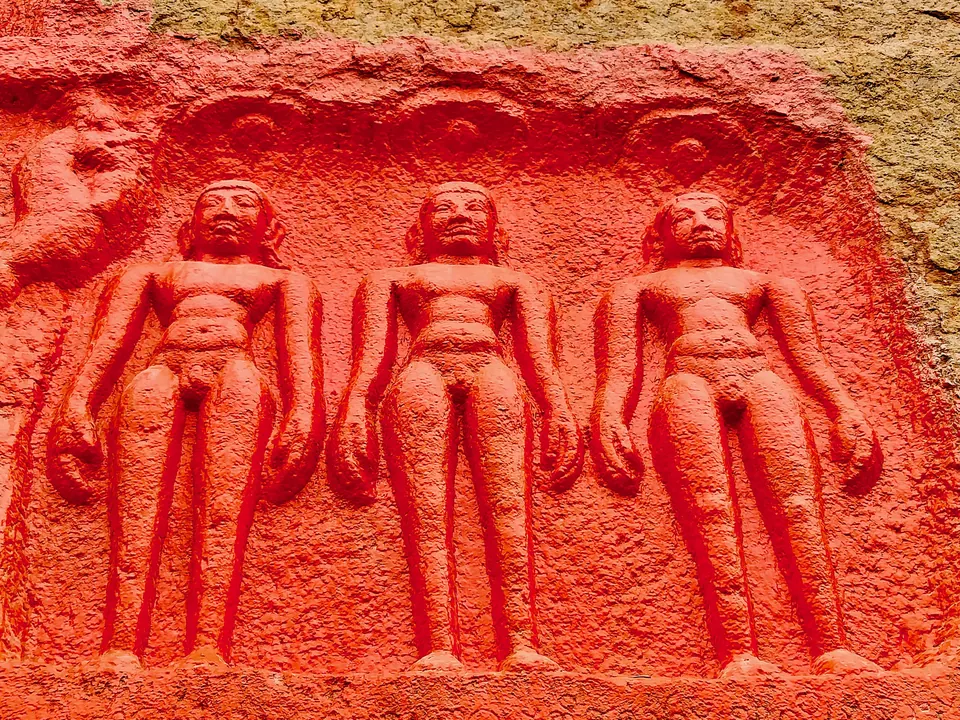
The Chalukyas of Vemulavada were a line of Chalukya chiefs who ruled the country round Vemulavada, in today’s Karimnagar district of Telangana, for about two centuries. They were feudatories (subordinate rulers) of the Rashtrakutas of Malkhed. They fought in their wars against the Eastern Chalukyas of Vengi and the Gurjara-Pratiharas of Kanauj. They are remembered above all as patrons of letters. The Kannada poet Pampa wrote at the court of Arikesari II, and the Jaina scholar Somadeva Suri under his sons.123
The sources
N. Venkataramanayya wrote the first book on the family in 1953.14 He knew four inscriptions:14
- the Kuruvagatta stone inscription of the late 8th century14
- the long Vemulavada pillar inscription of Arikesari II14
- the Kollipara copper plates of Arikesari I, whose genuineness he doubted14
- the Parbhani copper plates of Arikesari III, dated 96614
To these he added two literary sources.45 Pampa’s Vikramarjunavijaya opens with a genealogy of its patron’s family (stanzas 15–50) and alludes to his deeds in the body of the poem.45 Somadeva’s Yasastilaka names the Chalukya prince in whose town it was finished.45
Venkataramanayya later edited a further record, the rock inscription of Pampa’s brother Jinavallabha on the Bommala Gutta at Kurikyal (also spelled Kurkyal, the spelling used below for the inscription).6 Epigraphia Telanganica (2023) lists several more.78 Among them are a grant of Arikesari II now in the Karimnagar museum, an inscription of 968 at Repaka, and a pedestal inscription on a Jaina image at Vemulavada.78
| Record | King | Date | Page |
|---|---|---|---|
| Kuruvagatta inscription | Biragriha, son of Vinayaditya | late 8th or early 9th century | Kuruvagatta inscription |
| Vemulavada pillar inscription | Arikesari II | about 930–955 | Vemulavada inscription |
| Kurkyal rock inscription | Jinavallabha, under Arikesari II | about 945 | Kurkyal inscription |
| Parbhani copper plates | Arikesari III | 7 April 966 | Parbhani plates |
Origins
The Parbhani plates say that the family was born of the Sun.5 All the family’s records except the Kollipara plates begin the genealogy with Vinayaditya-Yuddhamalla.91011 The Kollipara plates add four earlier kings, beginning with Satyasraya-Ranavikrama.91011
Venkataramanayya identified Satyasraya-Ranavikrama with Pulakesin I of Badami.91011 He thought the three names in between were invented to fill the gap, and doubted the record as a whole.91011
J. F. Fleet knew the line only from Pampa.12 He accepted Pampa’s names and lineage, but could not fit the family into either the Chalukyas of Badami or the Eastern Chalukyas.12 One proposal identified Yuddhamalla with a Gujarat Chalukya prince of the same titles.11 Venkataramanayya rejected it on chronological grounds, because the dates do not fit.11
The kings
Vinayaditya-Yuddhamalla I is dated by Venkataramanayya to about 750–775.131415 He is said to have ruled the Sapadalaksha country, bathed his elephants in tanks of oil at Podana and taken the fort of Chitrakuta.131415
Venkataramanayya placed these deeds in the northern campaigns of the Rashtrakuta Dantidurga.131415 He thought that Podana was probably the king’s capital.15 The Early History of the Deccan (1960) identifies Podana with Bodhan.16 His son Arikesari I is credited with conquering Vengi and Trikalinga in the reign of the Rashtrakuta Dhruva (780–793).1718 Another son, Biragriha, was a friend of Govinda III.1718
The next two kings, Narasimha I and Yuddhamalla II, are little more than names.19 Baddega I, called Soladaganda, “the undefeated hero”, fought forty-two battles.2019 In the poets’ image, he seized the Eastern Chalukya king Bhima as if catching a crocodile in water.2019
After the quiet reign of Yuddhamalla III, Narasimha II led the Rashtrakuta Indra III’s armies north against the Gurjara-Pratihara king Mahipala.212223 According to Venkataramanayya, this campaign was about 916.212223
Arikesari II, about 930–955, married two Rashtrakuta princesses.232425 He sheltered a Chalukya prince named Bijja from the anger of the Rashtrakuta king Govinda IV.232425 In Pampa’s words as translated in 1903, he “gave universal sovereignty to Baddegadeva”, Govinda’s uncle Amoghavarsha III.232425
He was followed by his elder son Vagaraja, under whom Somadeva finished the Yasastilaka in 959.262728 Then came his grandson Arikesari III, whose Parbhani plates of 966 acknowledge the Rashtrakuta Krishna III as overlord.262728
Capital and country
The Vemulavada inscription calls Lembulavataka, the modern Vemulavada, the capital of Arikesari II.29 The Parbhani plates call Lembulapataka the capital of Arikesari III.30 Venkataramanayya preferred the form Lemulavada, which he took to be the Telugu name behind the Sanskrit Lembulavataka.31
The Parbhani plates place the granted village in the Repaka Twelve within the Sabbi Thousand.32 Venkataramanayya concluded, in his paper on the Kurkyal inscription, that the Sabbi Thousand corresponded to part, if not the whole, of the Karimnagar district.33
Arikesari II’s records reach beyond it.34 A Kannada inscription of 940 at Chennur, on the Godavari, names a subordinate of his.34 The Kuruvagatta inscription, in the Nagarkurnool taluk of the Mahbubnagar district, lies far to the south.35
Religion and letters
Venkataramanayya found Saivism and Jainism dominant under the family, with worship of the Sun and of Vishnu also known. The Vemulavada inscription names the heads of the town’s four temples: of Rajesvara, of the Sun (Adityagriha), of Baddegesvara and of Nagaresvara.36 The Kollipara plates name a Kalamukha (Saiva sect) monastery at Eleswaram.36
The Parbhani plates and an image inscription at Vemulavada record Jaina temples.237 The Kurkyal inscription records Jaina images, a temple, a tank and a garden made by Pampa’s brother.237 See the temples of Vemulavada and the Bommala Gutta.
Pampa wrote both the Adipurana and the Vikramarjunavijaya at Arikesari II’s court.238 Somadeva wrote the Yasastilaka and the Nitivakyamrita.238
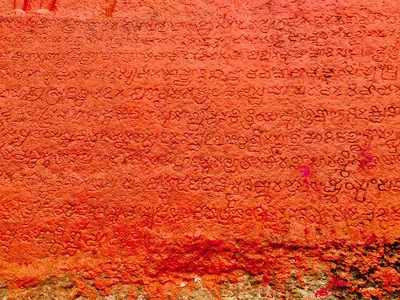
The Kurkyal inscription, in Sanskrit, Kannada and Telugu, contains three Telugu verses in the kanda metre.639 Venkataramanayya called them the earliest of their kind.639 He took them as evidence that Telugu poetry was written in the north-western marches (border lands) of the Telugu country a century before Nannaya’s Mahabharatam.639
The end of the family
Venkataramanayya concluded from inscriptions of the Chalukyas of Kalyani at Uppili and Koraprolu that Telangana passed to their king Taila II between 966 and 973.27 He concluded that the rule of the Vemulavada family had ended by then.27
A century later Vemulavada was the capital of a Kalyani Chalukya governor.40 An inscription there names the mahamandalesvara (great provincial lord) Rajaditya, who governed a one-and-a-quarter-lakh country and the Chabbijoyi seventy-one thousand from his capital Lembulavade.40 It records that he built a temple of Rajadityesvara there and endowed it on 25 December 1083.40
P. V. Parabrahma Sastry suggested that Bhadranga, a chief put to flight by the Kakatiya Prola I, was a descendant of the Vemulavada family still holding power in Sabbi-nadu.41 His reason was that Bhadranga is the Sanskrit form of Baddega.41
Evidence and disagreements
- Where the family ruled. Writers before 1950 placed Pampa’s patron in the Kannada country.421225 B. Lewis Rice (1898) gave his capital as Lakshmeshwar (then Puligere), because Pampa wrote “the pithy … Kannada of Puligere”.42 Fleet (1896) and D. R. Bhandarkar (1903) placed him in the Jola country of the Dharwar district.1225 The Vemulavada and Parbhani records name Lembulavataka as the capital.2930
- Sapadalaksha. Venkataramanayya and The Early History of the Deccan identified it with the Sambhar country of Rajputana.1443 N. Lakshminarayana Rao placed it near Karimnagar.1443
- Pampa’s genealogy. Fleet’s 1896 summary, from Rice’s paper of 1882, makes Narasimha and Bhadradeva one person.44 It calls Arikesari II the son of a Yuddhamalla, and names his mother Chandrananā.44 Rice’s translation of 1898 has Narasimha and Bhadradeva as brothers and the queen Jatavve, “a face like the moon”.2045
- Bijja. R. G. Bhandarkar and Fleet took the Vijayaditya whom Arikesari II protected to be an Eastern Chalukya king.4612 Venkataramanayya identified him with Bijayita of the Chalukyas of Mudigonda.47
- The fate of Govinda IV. D. R. Bhandarkar concluded that the rebels killed him.25 Venkataramanayya concluded that he was driven out.48
- Kalapriya. D. R. Bhandarkar identified it with Mahakala at Ujjain.49 Venkataramanayya and The Early History of the Deccan identified it with Kalpi on the Yamuna.5051
- The last generations. Venkataramanayya made Vagaraja the elder son and successor of Arikesari II.26 He made Bhadradeva, father of Arikesari III, a younger son who died first.26 The Early History of the Deccan names the last rulers as Bhadradeva II and Arikesari III.52 The printed colophon of the Yasastilaka calls the prince of 959 Vagaraja, the “first son” of Arikesarin.28
Footnotes
-
N. Venkataramanayya, The Chalukyas of L(V)emulavada (1953), p. 1 (archive.org (opens in a new tab)). Paraphrased. ↩ ↩2 ↩3 ↩4 ↩5 ↩6 ↩7
-
Venkataramanayya, Chalukyas of L(V)emulavada (1953), p. 45 (archive.org (opens in a new tab)). Paraphrased. ↩ ↩2 ↩3 ↩4 ↩5
-
K. A. Nilakanta Sastri and N. Venkataramanayya, “The Chalukyas of Vemulavada”, appendix C to “The Eastern Chalukyas”, in G. Yazdani (ed.), The Early History of the Deccan, Parts VII–XI (1960), p. 504. Cite-only; paraphrased. ↩
-
Venkataramanayya, Chalukyas of L(V)emulavada (1953), p. 2 (archive.org (opens in a new tab)). Paraphrased. ↩ ↩2 ↩3 ↩4 ↩5 ↩6 ↩7 ↩8 ↩9
-
Venkataramanayya, Chalukyas of L(V)emulavada (1953), p. 3 (archive.org (opens in a new tab)). Paraphrased. ↩ ↩2 ↩3 ↩4
-
Epigraphia Telanganica I (2023), p. 394, reprinting N. Venkataramanayya, “The Kurkiyala Inscription of Jinavallabha”, Epigraphia Andhrica II (1974), pp. 21–28. Cite-only; paraphrased. ↩ ↩2 ↩3 ↩4
-
Epigraphia Telanganica I (2023), p. 87. Cite-only; paraphrased. ↩ ↩2
-
Epigraphia Telanganica I (2023), p. 90. Cite-only; paraphrased. ↩ ↩2
-
Venkataramanayya, Chalukyas of L(V)emulavada (1953), p. 5 (archive.org (opens in a new tab)). Paraphrased. ↩ ↩2 ↩3 ↩4
-
Venkataramanayya, Chalukyas of L(V)emulavada (1953), p. 7 (archive.org (opens in a new tab)). Paraphrased. ↩ ↩2 ↩3 ↩4
-
Venkataramanayya, Chalukyas of L(V)emulavada (1953), p. 8 (archive.org (opens in a new tab)). Paraphrased. ↩ ↩2 ↩3 ↩4 ↩5 ↩6
-
Fleet, “Dynasties of the Kanarese Districts” (1896), p. 381 (archive.org (opens in a new tab)). ↩ ↩2 ↩3 ↩4 ↩5
-
Venkataramanayya, Chalukyas of L(V)emulavada (1953), p. 14 (archive.org (opens in a new tab)). Paraphrased. ↩ ↩2 ↩3
-
Venkataramanayya, Chalukyas of L(V)emulavada (1953), p. 16 (archive.org (opens in a new tab)). Paraphrased. ↩ ↩2 ↩3 ↩4 ↩5
-
Venkataramanayya, Chalukyas of L(V)emulavada (1953), p. 18 (archive.org (opens in a new tab)). Paraphrased. ↩ ↩2 ↩3 ↩4
-
Nilakanta Sastri and Venkataramanayya, “The Chalukyas of Vemulavada” (1960), p. 507. Cite-only; paraphrased. ↩
-
Venkataramanayya, Chalukyas of L(V)emulavada (1953), p. 10 (archive.org (opens in a new tab)). Paraphrased. ↩ ↩2
-
Venkataramanayya, Chalukyas of L(V)emulavada (1953), p. 19 (archive.org (opens in a new tab)). Paraphrased. ↩ ↩2
-
Venkataramanayya, Chalukyas of L(V)emulavada (1953), p. 21 (archive.org (opens in a new tab)). Paraphrased. ↩ ↩2 ↩3
-
Rice, Pampa Bharata (1898), introduction, p. 2 (archive.org (opens in a new tab)). ↩ ↩2 ↩3
-
Venkataramanayya, Chalukyas of L(V)emulavada (1953), p. 24 (archive.org (opens in a new tab)). Paraphrased. ↩ ↩2
-
Venkataramanayya, Chalukyas of L(V)emulavada (1953), p. 25 (archive.org (opens in a new tab)). Paraphrased. ↩ ↩2
-
Venkataramanayya, Chalukyas of L(V)emulavada (1953), p. 30 (archive.org (opens in a new tab)). Paraphrased. ↩ ↩2 ↩3 ↩4 ↩5
-
Venkataramanayya, Chalukyas of L(V)emulavada (1953), p. 31 (archive.org (opens in a new tab)). Paraphrased. ↩ ↩2 ↩3
-
Bhandarkar, “Cambay Plates of Govinda IV” (1903), p. 34 (archive.org (opens in a new tab)). ↩ ↩2 ↩3 ↩4 ↩5 ↩6
-
Venkataramanayya, Chalukyas of L(V)emulavada (1953), p. 41 (archive.org (opens in a new tab)). Paraphrased. ↩ ↩2 ↩3 ↩4
-
Venkataramanayya, Chalukyas of L(V)emulavada (1953), p. 42 (archive.org (opens in a new tab)). Paraphrased. ↩ ↩2 ↩3 ↩4
-
Somadeva Suri, Yasastilaka, ed. Pandit Sivadatta and Kasinath Pandurang Parab, Part II (Kavyamala 70, 1903), p. 419, closing colophon (archive.org (opens in a new tab)). ↩ ↩2 ↩3
-
Venkataramanayya, Chalukyas of L(V)emulavada (1953), p. 84 (archive.org (opens in a new tab)). Paraphrased. ↩ ↩2
-
Venkataramanayya, Chalukyas of L(V)emulavada (1953), p. 97, text of the Parabhani plates (archive.org (opens in a new tab)). Paraphrased. ↩ ↩2
-
Venkataramanayya, Chalukyas of L(V)emulavada (1953), author’s preface, p. vii (archive.org (opens in a new tab)). Paraphrased. ↩
-
Venkataramanayya, Chalukyas of L(V)emulavada (1953), p. 93, introduction to the Parabhani plates (archive.org (opens in a new tab)). Paraphrased. ↩
-
Epigraphia Telanganica I (2023), p. 398, reprinting Venkataramanayya (1974). Cite-only; paraphrased. ↩
-
Gajjala Vasanta Lakshmi (ed.), Epigraphia Telanganica I: Pre-Kakatiya Telangana (2023), p. 81, summarising the Annual Report on Indian Epigraphy for 1959-60, p. 46. Cite-only; paraphrased. ↩ ↩2
-
Venkataramanayya, Chalukyas of L(V)emulavada (1953), p. 81, introduction to the Kuruvagatta inscription (archive.org (opens in a new tab)). Paraphrased. ↩
-
Venkataramanayya, Chalukyas of L(V)emulavada (1953), p. 43 (archive.org (opens in a new tab)). Paraphrased. ↩ ↩2
-
Epigraphia Telanganica I (2023), p. 395, reprinting Venkataramanayya (1974). Cite-only; paraphrased. ↩ ↩2
-
Venkataramanayya, Chalukyas of L(V)emulavada (1953), p. 46 (archive.org (opens in a new tab)). Paraphrased. ↩ ↩2
-
Epigraphia Telanganica I (2023), p. 401, reprinting Venkataramanayya (1974). Cite-only; paraphrased. ↩ ↩2 ↩3
-
Kannada Inscriptions of Andhra Pradesh (Andhra Pradesh Government Archaeological Series 3, 1961), pp. 5–6, No. 12 (archive.org (opens in a new tab)). Paraphrased. ↩ ↩2 ↩3
-
P. V. Parabrahma Sastry, The Kakatiyas of Warangal (1978), p. 46. ↩ ↩2
-
B. Lewis Rice (ed.), The Pampa Bharata or Vikramarjuna Vijaya of Pampa (1898), introduction, p. 1 (archive.org (opens in a new tab)). ↩ ↩2
-
Nilakanta Sastri and Venkataramanayya, “The Chalukyas of Vemulavada” (1960), p. 506 and note 1. Cite-only; paraphrased. ↩ ↩2
-
J. F. Fleet, “Dynasties of the Kanarese Districts”, Gazetteer of the Bombay Presidency I, pt. II (1896), p. 380 (archive.org (opens in a new tab)). ↩ ↩2
-
Rice, Pampa Bharata (1898), introduction, p. 4 (archive.org (opens in a new tab)). ↩
-
Rice, Pampa Bharata (1898), introduction, p. 6, quoting R. G. Bhandarkar (archive.org (opens in a new tab)). ↩
-
Venkataramanayya, Chalukyas of L(V)emulavada (1953), p. 37 and note 55 (archive.org (opens in a new tab)). Paraphrased. ↩
-
Venkataramanayya, Chalukyas of L(V)emulavada (1953), p. 38 and note 57 (archive.org (opens in a new tab)). Paraphrased. ↩
-
D. R. Bhandarkar, “Cambay Plates of Govinda IV; Saka-Samvat 852”, Epigraphia Indica VII (1903), p. 30 (archive.org (opens in a new tab)). ↩
-
Venkataramanayya, Chalukyas of L(V)emulavada (1953), p. 29, note 50 (archive.org (opens in a new tab)). Paraphrased. ↩
-
Nilakanta Sastri and Venkataramanayya, “The Chalukyas of Vemulavada” (1960), p. 509. Cite-only; paraphrased. ↩
-
Nilakanta Sastri and Venkataramanayya, “The Chalukyas of Vemulavada” (1960), p. 511. Cite-only; paraphrased. ↩
Photos
 "10th century Bommalagutta Jain bas-reliefs and inscription, Telangana - 07" (photograph by P. Madhusudan, 2021, Wikimedia Commons)Photograph · 2021
 "10th century Bommalagutta Jain bas-reliefs and inscription, Telangana - 12" (photograph by P. Madhusudan, 2021, Wikimedia Commons)Photograph · 2021
 "10th century Bommalagutta Jain bas-reliefs and inscription, Telangana - 27" (photograph by P. Madhusudan, 2021, Wikimedia Commons)Photograph · 2021
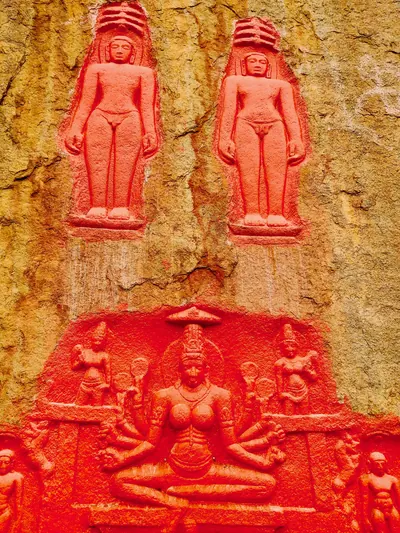 "10th century Bommalagutta Jain bas-reliefs and inscription, Telangana - 9" (photograph by P. Madhusudan, 2021, Wikimedia Commons)Photograph · 2021
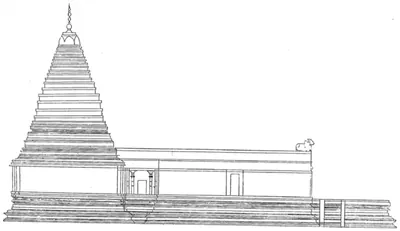 "A side elevation of Bhimeshwar Temple" (N. Venkataramanayya, The Chalukyas of L(V)emulavada, 1953, plate 8)Drawing · 1953
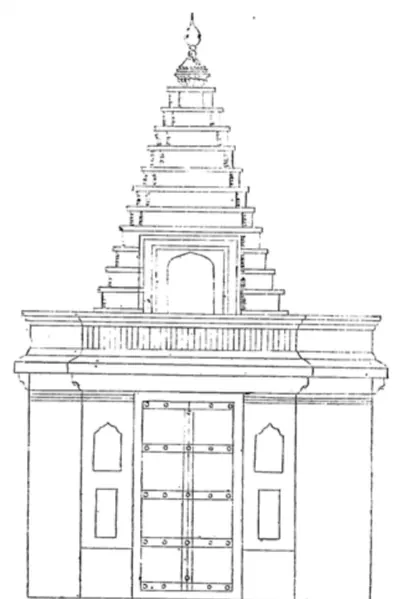 "Entrance of Rajeshwar Temple" (N. Venkataramanayya, The Chalukyas of L(V)emulavada, 1953, plate 10)Drawing · 1953
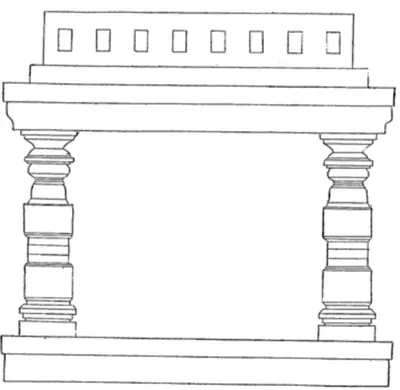 "Front elevation of Kalyan Mandap, Rajeshwar Temple" (N. Venkataramanayya, The Chalukyas of L(V)emulavada, 1953, plate 10)Drawing · 1953
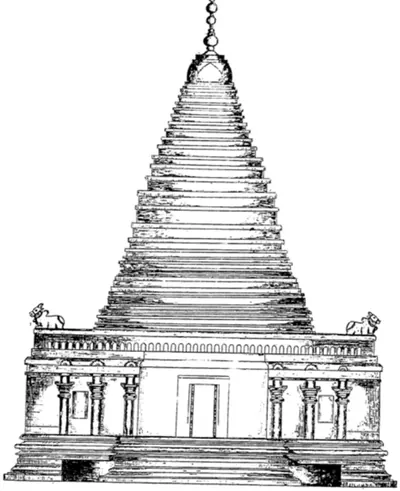 "Front view of Bhimeshwar Temple" (N. Venkataramanayya, The Chalukyas of L(V)emulavada, 1953, plate 7)Drawing · 1953
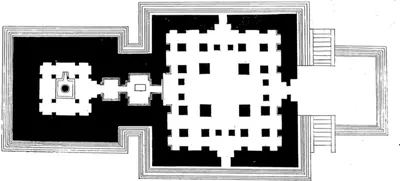 "Ground plan of Bhimeshwar Temple" (N. Venkataramanayya, The Chalukyas of L(V)emulavada, 1953, plate 9)Plan · 1953
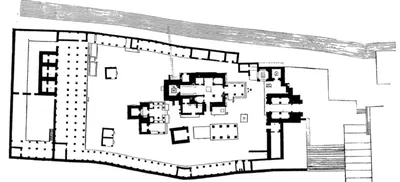 "Ground plan of Rajeshwar Temple" (N. Venkataramanayya, The Chalukyas of L(V)emulavada, 1953, plate 11)Plan · 1953
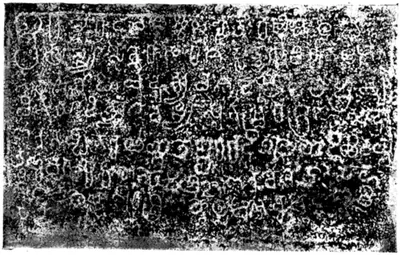 "Kuruvagatta Inscription" (N. Venkataramanayya, The Chalukyas of L(V)emulavada, 1953, plate 1)Inscription rubbing · 1953
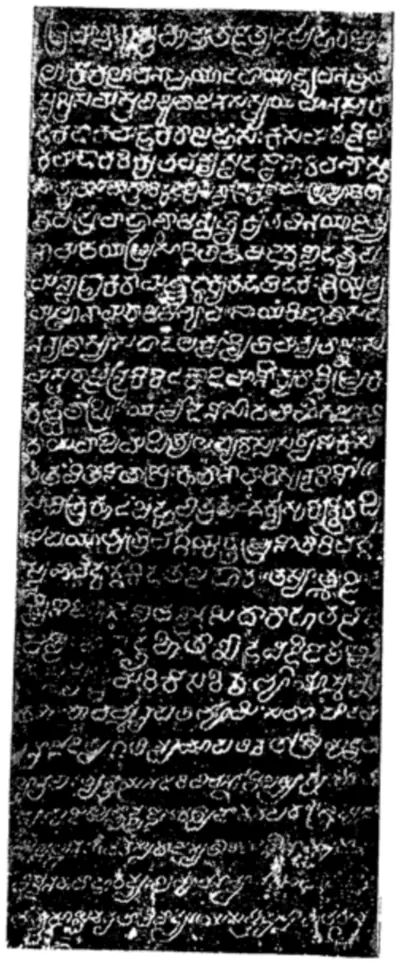 "L(V)ēmulavāḍa Inscription. First Side" (N. Venkataramanayya, The Chalukyas of L(V)emulavada, 1953, plate 2)Inscription rubbing · 1953
Show all (17)
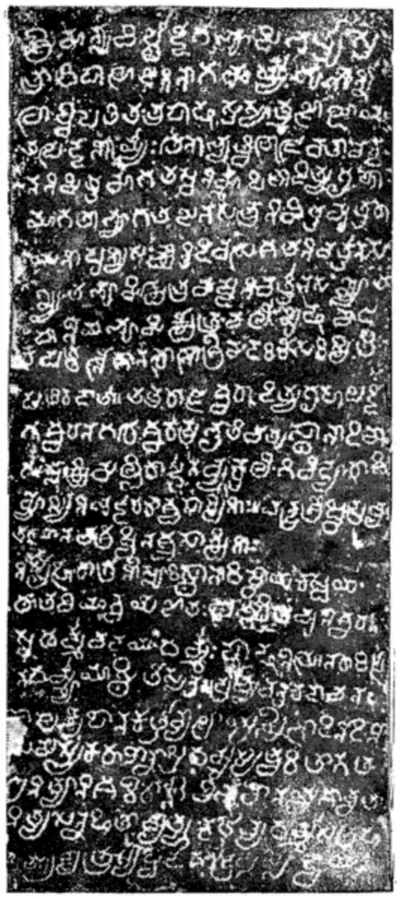 "L(V)ēmulavāḍa Inscription. Fourth Side" (N. Venkataramanayya, The Chalukyas of L(V)emulavada, 1953, plate 5)Inscription rubbing · 1953
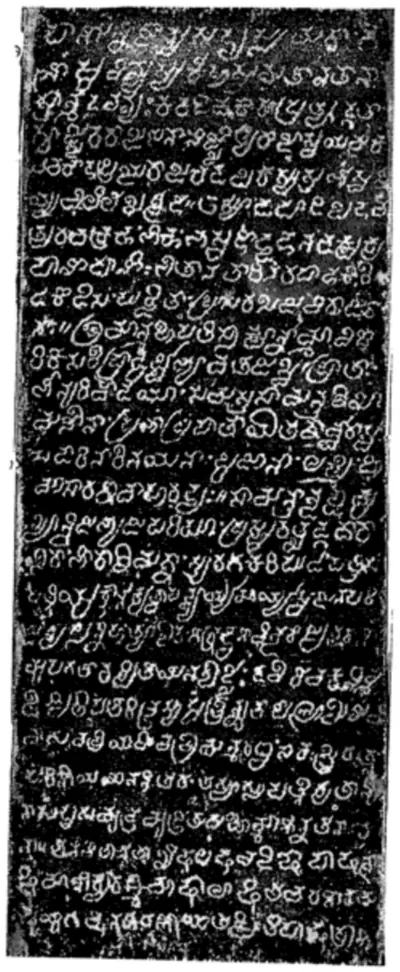 "L(V)ēmulavāḍa Inscription. Second Side" (N. Venkataramanayya, The Chalukyas of L(V)emulavada, 1953, plate 3)Inscription rubbing · 1953
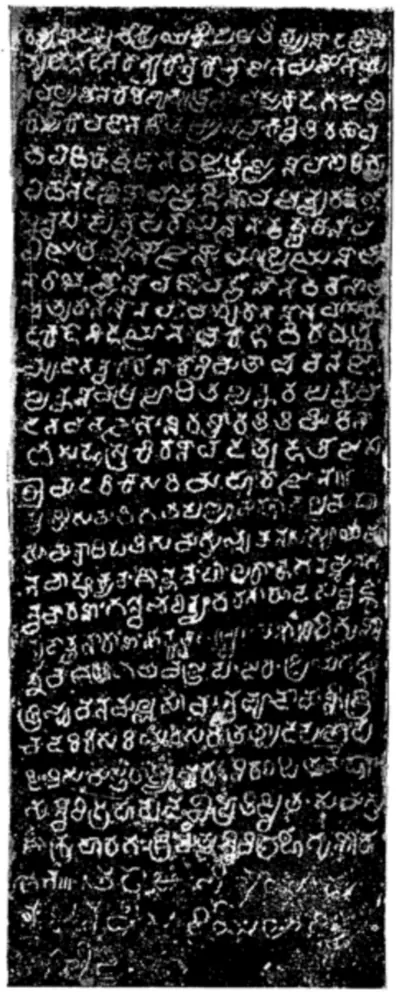 "L(V)ēmulavāḍa Inscription. Third Side" (N. Venkataramanayya, The Chalukyas of L(V)emulavada, 1953, plate 4)Inscription rubbing · 1953
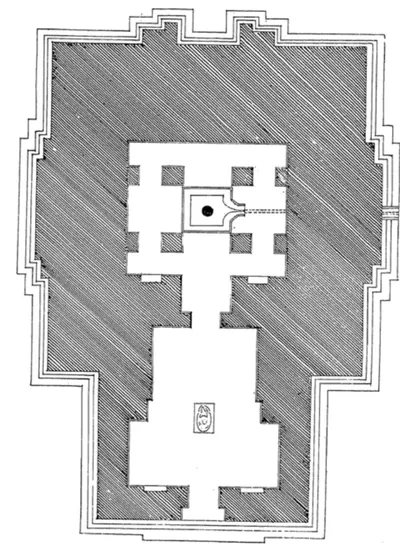 "Plan of Kedareshwar Temple" (N. Venkataramanayya, The Chalukyas of L(V)emulavada, 1953, plate 12)Plan · 1953
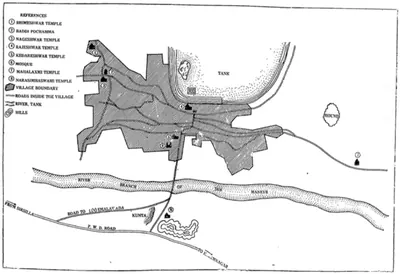 "Site plan of Lēmulavāḍa Village, Karimnagar Dist." (N. Venkataramanayya, The Chalukyas of L(V)emulavada, 1953, plate 6)Plan · 1953
Related
People
Vinayaditya-Yuddhamalla I (Chalukya of Vemulavada)
c. 750–775 CE
Founder of the Chalukya family of Vemulavada in the 8th century. The family's records say that he ruled the Sapadalaksha country, bathed his elephants in tanks filled with oil at Podana (Bodhan) and took the fort of Chitrakuta. N. Venkataramanayya dated him to about 750–775, and thought he served the Rashtrakuta Dantidurga in his northern wars. His sons were Arikesari I, who conquered Vengi, and Biragriha, named in the Kuruvagatta inscription.
Baddega I Soladaganda (Chalukya of Vemulavada)
c. 850–895 CE
Chalukya king of Vemulavada in the later 9th century, a feudatory of the Rashtrakutas. Pampa and the Parbhani plates praise him as the hero of forty-two battles, called Soladaganda ('the undefeated hero'), who seized a king named Bhima 'as if catching a crocodile' in water. Historians identify Bhima with the Eastern Chalukya king Chalukya-Bhima I. N. Venkataramanayya dated his reign to about 850–895.
Pampa (Adi Pampa)
902 CE
Kannada poet, born in 902 into a Brahmana family from the Vengi country that had become Jaina. At the court of the Chalukya king Arikesari II of Vemulavada he wrote the Adipurana and the Vikramarjunavijaya or 'Pampa Bharata' (941). In the second poem he made his patron the epic hero Arjuna. A rock inscription of his younger brother Jinavallabha on the Bommala Gutta at Kurikyal, near Karimnagar, gives his family and the village the king granted him.
Narasimha II (Chalukya of Vemulavada)
c. 915–930 CE
Chalukya king of Vemulavada, a feudatory of the Rashtrakutas, who ruled from about 915 to 930. Pampa and the Vemulavada inscription of his son Arikesari II credit him with victories over the Latas, the 'Seven Malavas' and the Gurjara-Pratihara king Mahipala, and with a pillar of victory at Kalapriya. N. Venkataramanayya held that he won them as the commander of the Rashtrakuta Indra III's northern campaign of about 916.
Arikesari II (Chalukya of Vemulavada)
c. 930–955 CE
Chalukya king of Vemulavada in today's Karimnagar district, a feudatory of the Rashtrakutas, who ruled from about 930 to about 955. He was the patron of the Kannada poet Pampa, who made him the hero of his Vikramarjunavijaya (941). His pillar inscription at Vemulavada gives the family line and records a gift to a Sun temple in his capital, Lembulavataka. He sheltered a Chalukya prince named Bijja from the Rashtrakuta king Govinda IV, and helped bring Govinda's uncle Baddega (Amoghavarsha III) to the throne.
Somadeva Suri
959–966 CE
Jaina scholar and Sanskrit author of the 10th century. He finished his prose-and-verse romance, the Yasastilaka, in 959 at Gangadhara, in the territory of Vagaraja, eldest son of the Chalukya king Arikesari II of Vemulavada. At that time the Rashtrakuta Krishna III was in camp at Melpati. In 966 Arikesari III gave him a village for the Subhadhama Jinalaya, a Jaina temple at Vemulavada.
Arikesari III (Chalukya of Vemulavada)
c. 966–973 CE
Last known Chalukya king of Vemulavada, a feudatory of the Rashtrakuta Krishna III. His Parbhani copper plates of 7 April 966 give a village in the Sabbi Thousand to the Jaina scholar Somadeva Suri for the Subhadhama Jinalaya, a temple built by his father at the capital, Vemulavada. An inscription at Repaka of 968 names him as builder of a Jaina temple. The family's rule ended when the Chalukyas of Kalyani took Telangana in the years up to 973.
Monuments
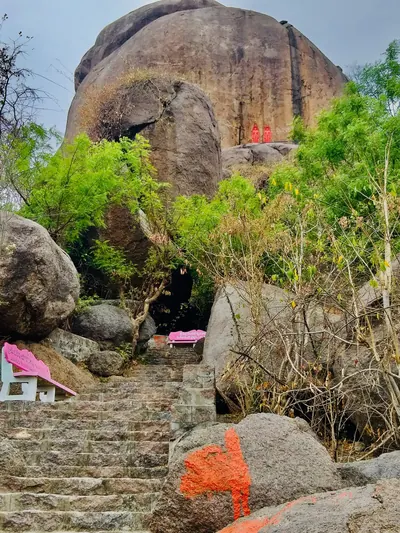
Bommala Gutta (Kurikyal)
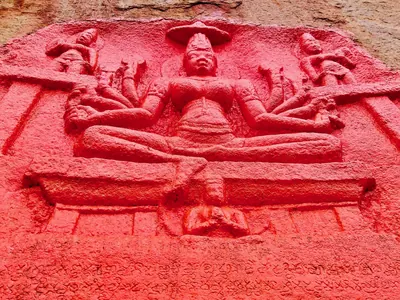
Rocky hill at Kurikyal near Gangadhara, west of Karimnagar. Jaina images are carved on a rock at its summit. Beside them is the inscription of Jinavallabha, younger brother of the Kannada poet Pampa, of about 945. The inscription calls the rock the Siddha-sila. It says that Jinavallabha had the first and last Jinas and the goddess Chakresvari carved there, and built a temple, a tank and a garden nearby.
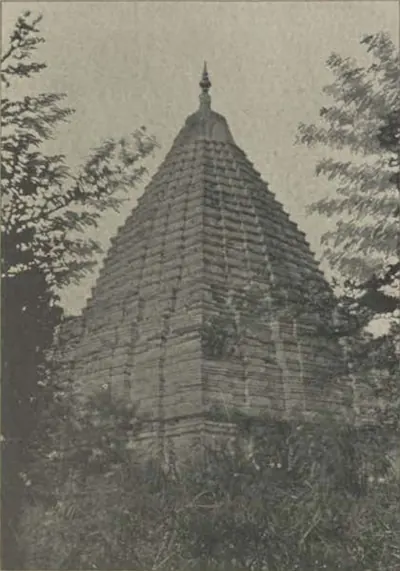
Temples of Vemulavada
Group of temples at Vemulavada, the capital of the Chalukyas of Vemulavada, round the Rajarajesvara (Rajesvara) temple and its tank. The 10th-century inscription of Arikesari II names four temples there: of Rajesvara, the Sun, Baddegesvara and Nagaresvara. It stands in the Bhimesvara temple, formerly the Baddegesvara. N. Venkataramanayya thought the Rajesvara and Baddegesvara were named after, or built by, kings of the family. Later records of the Chalukyas of Kalyani add temples of Rajadityesvara and Harikesvara.
Inscriptions
Kuruvagatta inscription of Biragriha
c. 793–814 CE
A short undated inscription, with a Sanskrit verse and a Kannada prose passage, cut on a stone in front of an image of the goddess Chaudamba near Kuruvagatta in the old Mahbubnagar district. It praises Biragriha, son of Vinayaditya of the Chalukya family, as a friend of Govinda-vallabha, son of Kalivallabha of the Rashtrakuta family. N. Venkataramanayya identified these two as the Rashtrakuta kings Govinda III and Dhruva. He took the inscription to be the earliest record of the Chalukyas of Vemulavada.
Vemulavada inscription of Arikesari II
c. 930–955 CE
Long Sanskrit inscription, with Kannada titles, on the four faces of a stone pillar beside the sanctum of the Bhimesvara (old Baddegesvara) temple at Vemulavada. It sets out the family line of the Chalukyas of Vemulavada from Vinayaditya-Yuddhamalla to Arikesari II. It describes the northern victories of Narasimha II and Arikesari II's defeat of an army sent against him by Govindaraja. Its editor, N. Venkataramanayya, took Govindaraja to be the Rashtrakuta Govinda IV and thought that this defeat sealed his fate. It records Arikesari's gift of land for a feeding house at a Sun temple in his capital, Lembulavataka. It is undated, and Arikesari reigned about 930–955.
Kurkyal inscription of Jinavallabha
c. 945 CE
A rock inscription of about 945 on the Bommala Gutta, a hill at Kurikyal near Gangadhara in the Karimnagar district. Jinavallabha, younger brother of the Kannada poet Pampa, set it up. Written in Sanskrit, Kannada and Telugu, it records Jaina images, a temple, a tank and a garden made by Jinavallabha. It gives Pampa's family and home in the Vengi country, and confirms that the Chalukya king Arikesari II gave Pampa the village of Dharmavura for his Vikramarjunavijaya. Its three Telugu verses in the kanda metre are among the earliest Telugu verse.
Parbhani plates of Arikesari III
966 CE
A Sanskrit copper-plate grant of the Chalukya king Arikesari III of Vemulavada, a feudatory of the Rashtrakuta Krishna III, dated 7 April 966. It gives the village of Kuttumvritti-Vanikatupalu in the Repaka Twelve of the Sabbi Thousand to the Jaina author Somadeva Suri. The gift was for the Subhadhama Jinalaya, a temple built by the king's father at the capital, Lembulapataka (Vemulavada). It is the only dated grant of the family.
References
Notes (0)
Sources (9)
Spotted an error on this page? Tell us
Last updated: