Vemulavada
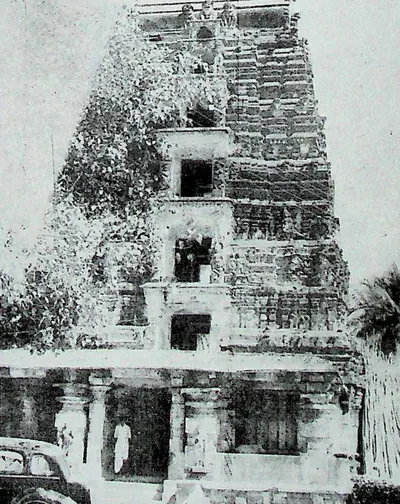
Temple town in the Karimnagar country of Telangana (Rajanna Sircilla district since 2016), called Lembulavataka in its 10th-century inscriptions. It was the capital of the Chalukyas of Vemulavada, feudatories of the Rashtrakutas, and the court of Arikesari II, patron of the Kannada poet Pampa. Later it was the seat of governors of the Chalukyas of Kalyani. In 1909 it was a jagir town of the Sirsilla taluk, with a temple beside a large tank. In the temple enclosure was the tomb of a Muslim saint honoured by Hindus and Muslims alike.
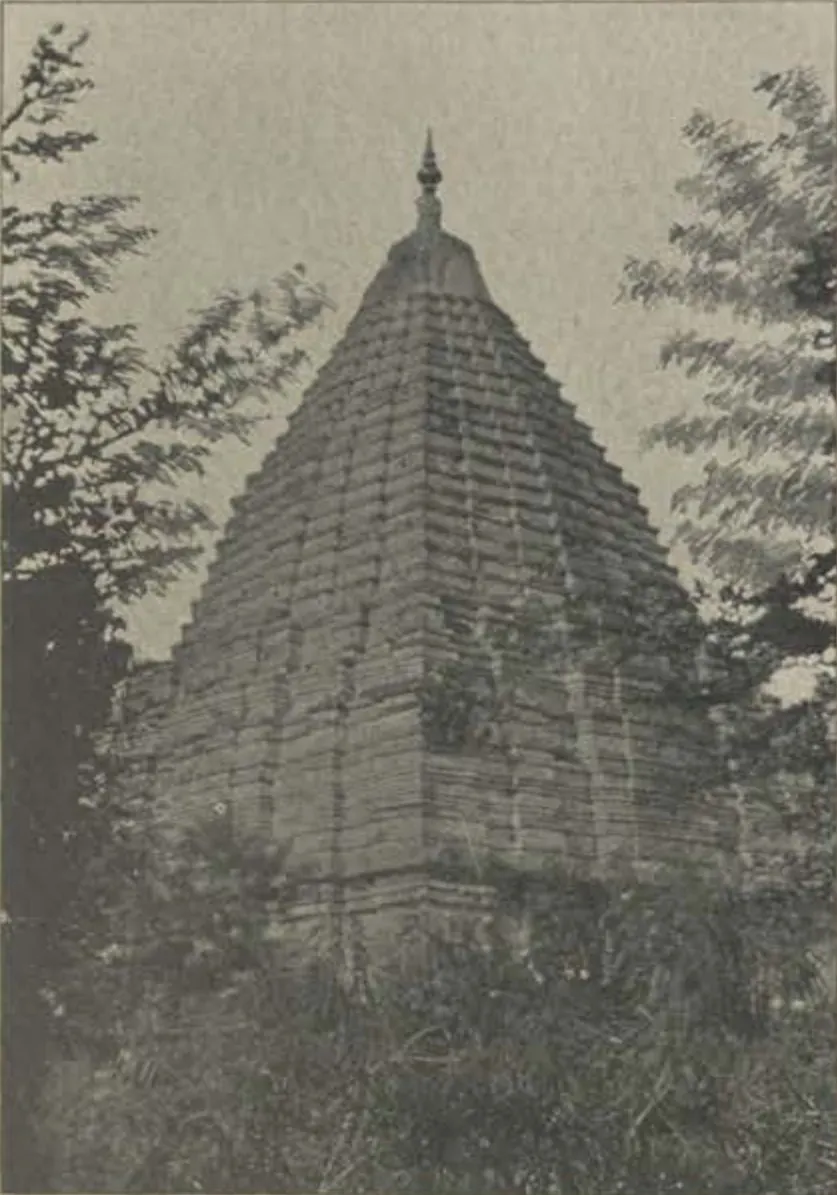
Vemulavada was the capital of the Chalukyas of Vemulavada in the 9th and 10th centuries. The pillar inscription of Arikesari II calls it his capital, Lembulavataka.12 The Parbhani plates of his grandson call it the royal city Lembulapataka.12
N. Venkataramanayya wrote the history of the family for the Hyderabad Archaeological Department in 1953.3 He took Lembulavataka to be a Sanskrit form of the Telugu name Lemulavada, and he named the family after it.3
The Chalukya capital
Arikesari II’s inscription stands on a pillar beside the sanctum of the Bhimesvara temple, once called Baddegesvara.4 It records a gift of land in the north-east of the capital, for a feeding house at a temple of the Sun.41 As witnesses it names nine merchants and the heads of the town’s four temples:41
Venkataramanayya took the Nagaresvara to be the merchants’ temple.5 The Parbhani plates of 966 make their grant to the Subhadhama Jinalaya, a Jaina temple.6 The father of Arikesari III built it in the capital.6 See the temples of Vemulavada and the Vemulavada inscription.
Under the Chalukyas of Kalyani
Vemulavada remained a centre of government after the family’s fall.7 An inscription there is dated 25 December 1083.7 It records that the mahamandalesvara (great feudal lord) Rajaditya, a feudatory of Vikramaditya VI, governed his districts from his capital, Lembulavade.7 He built a temple of Rajadityesvara there.7
Other inscriptions record a flower garden given in 1106 by Prince Somesvara to the god Harikesvara.8 This record mentions the agrahara (village granted to Brahmins) of Lembavadi in the Venisale Seventy.8 Another records a gift of land in 1108 by Jagaddevarasa, a prince of the Paramara dynasty of Malava.8
P. V. Parabrahma Sastry called Vemulavada the most important town of the Sabbi-nadu.9 He noted that no Kakatiya records had been found there.9
The town in 1909
The Imperial Gazetteer of 1909 counted Vemalwada among the chief towns of the Karimnagar district.10 It was a jagir (land-grant) town in the Sirsilla taluk, 8 miles north of Sirsilla, with 5,372 people in 1901.11 “It contains a temple on the south of a large tank, in the enclosure of which is the tomb of a Musalman saint regarded as sacred by Hindus and Musalmans alike.”1011
P. Sreenivasachar, Director of Archaeology, wrote in 1953 that the Rajeswaraswami temple and the tank still drew crowds of pilgrims.12 He wrote that local tradition linked the place with the Telugu poet Bhima Kavi.12
Footnotes
-
Venkataramanayya, Chalukyas of L(V)emulavada (1953), p. 84 (archive.org (opens in a new tab)). Paraphrased. ↩ ↩2 ↩3 ↩4 ↩5
-
Venkataramanayya, Chalukyas of L(V)emulavada (1953), p. 97 (archive.org (opens in a new tab)). Paraphrased. ↩ ↩2
-
Venkataramanayya, Chalukyas of L(V)emulavada (1953), author’s preface, p. vii (archive.org (opens in a new tab)). Paraphrased. ↩ ↩2
-
Venkataramanayya, Chalukyas of L(V)emulavada (1953), p. 82 (archive.org (opens in a new tab)). Paraphrased. ↩ ↩2 ↩3 ↩4
-
N. Venkataramanayya, The Chalukyas of L(V)emulavada (1953), p. 45 (archive.org (opens in a new tab)). Paraphrased. ↩
-
Venkataramanayya, Chalukyas of L(V)emulavada (1953), p. 93 (archive.org (opens in a new tab)). Paraphrased. ↩ ↩2
-
Kannada Inscriptions of Andhra Pradesh (1961), pp. 5–6, No. 12 (archive.org (opens in a new tab)). Paraphrased. ↩ ↩2 ↩3 ↩4
-
Kannada Inscriptions of Andhra Pradesh (Andhra Pradesh Government Archaeological Series 3, 1961), p. 5, Nos. 10 and 11 (archive.org (opens in a new tab)). Paraphrased. ↩ ↩2 ↩3
-
P. V. Parabrahma Sastry, The Kakatiyas of Warangal (1978), p. 48. ↩ ↩2
-
Imperial Gazetteer of India, Provincial Series: Hyderabad State (1909), p. 175 (archive.org (opens in a new tab)). ↩ ↩2
-
Imperial Gazetteer of India: Hyderabad State (1909), p. 184 (archive.org (opens in a new tab)). ↩ ↩2
-
P. Sreenivasachar, preface to Venkataramanayya, Chalukyas of L(V)emulavada (1953), unnumbered page before the author’s preface (archive.org (opens in a new tab)). Paraphrased. ↩ ↩2
Photos
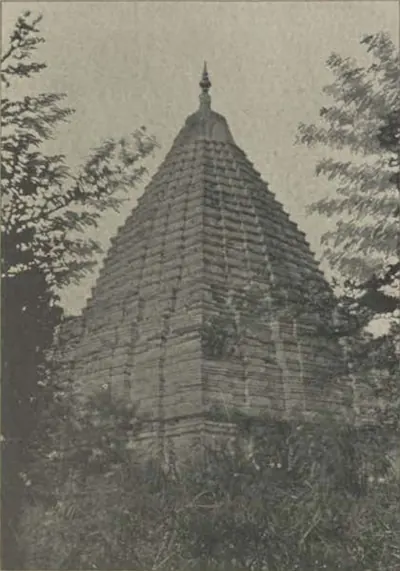
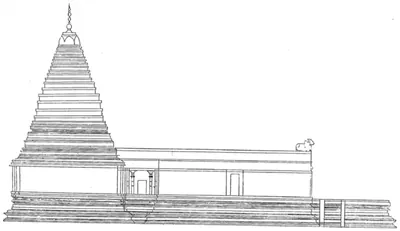 "A side elevation of Bhimeshwar Temple" (N. Venkataramanayya, The Chalukyas of L(V)emulavada, 1953, plate 8)Drawing · 1953
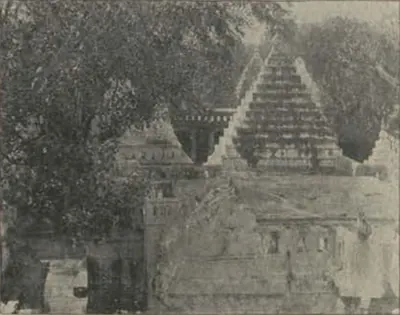
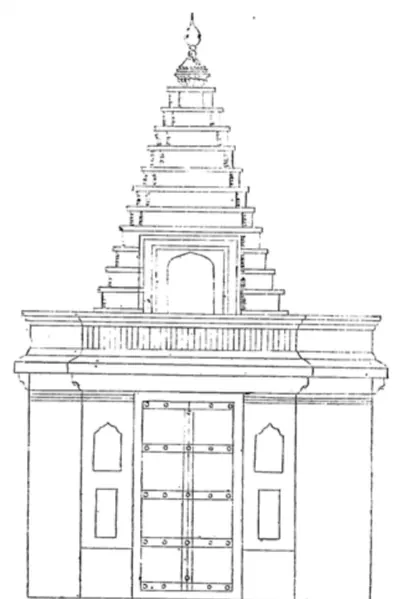 "Entrance of Rajeshwar Temple" (N. Venkataramanayya, The Chalukyas of L(V)emulavada, 1953, plate 10)Drawing · 1953
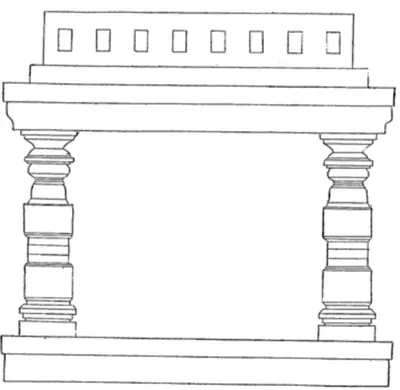 "Front elevation of Kalyan Mandap, Rajeshwar Temple" (N. Venkataramanayya, The Chalukyas of L(V)emulavada, 1953, plate 10)Drawing · 1953
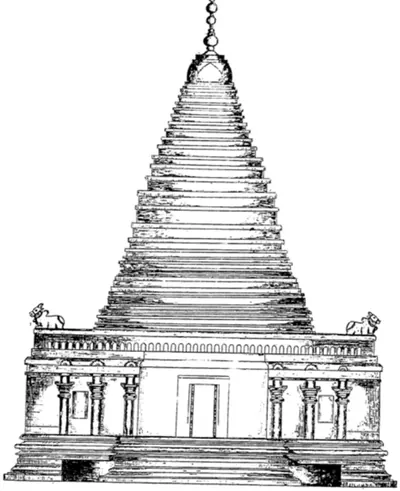 "Front view of Bhimeshwar Temple" (N. Venkataramanayya, The Chalukyas of L(V)emulavada, 1953, plate 7)Drawing · 1953
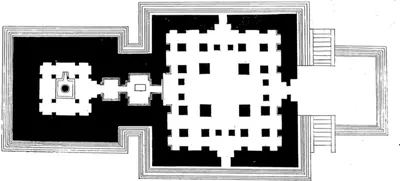 "Ground plan of Bhimeshwar Temple" (N. Venkataramanayya, The Chalukyas of L(V)emulavada, 1953, plate 9)Plan · 1953
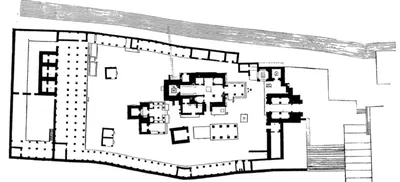 "Ground plan of Rajeshwar Temple" (N. Venkataramanayya, The Chalukyas of L(V)emulavada, 1953, plate 11)Plan · 1953
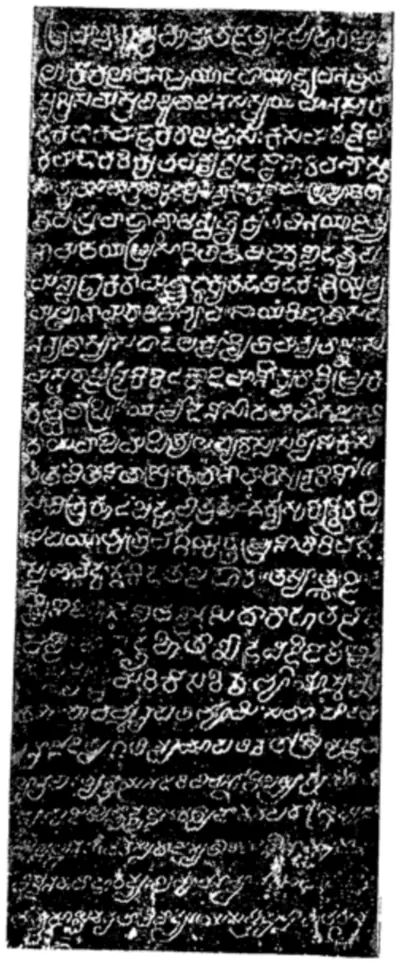 "L(V)ēmulavāḍa Inscription. First Side" (N. Venkataramanayya, The Chalukyas of L(V)emulavada, 1953, plate 2)Inscription rubbing · 1953
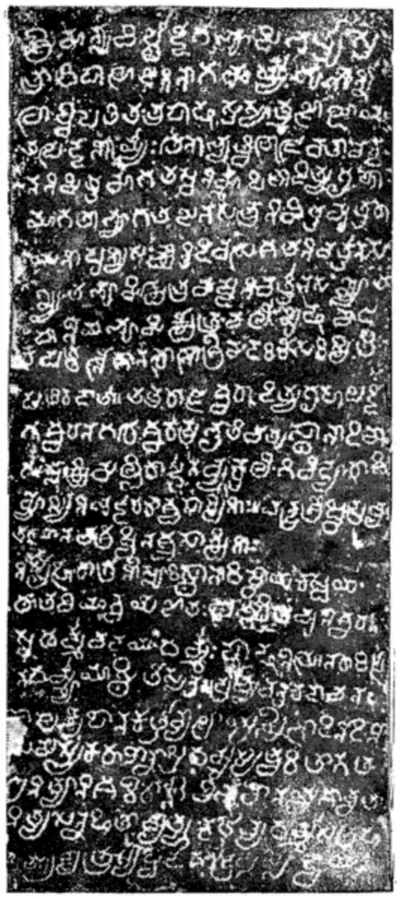 "L(V)ēmulavāḍa Inscription. Fourth Side" (N. Venkataramanayya, The Chalukyas of L(V)emulavada, 1953, plate 5)Inscription rubbing · 1953
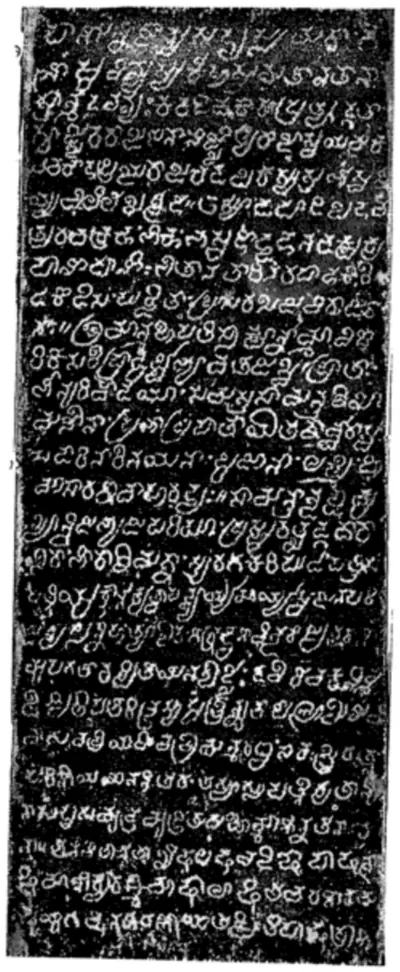 "L(V)ēmulavāḍa Inscription. Second Side" (N. Venkataramanayya, The Chalukyas of L(V)emulavada, 1953, plate 3)Inscription rubbing · 1953
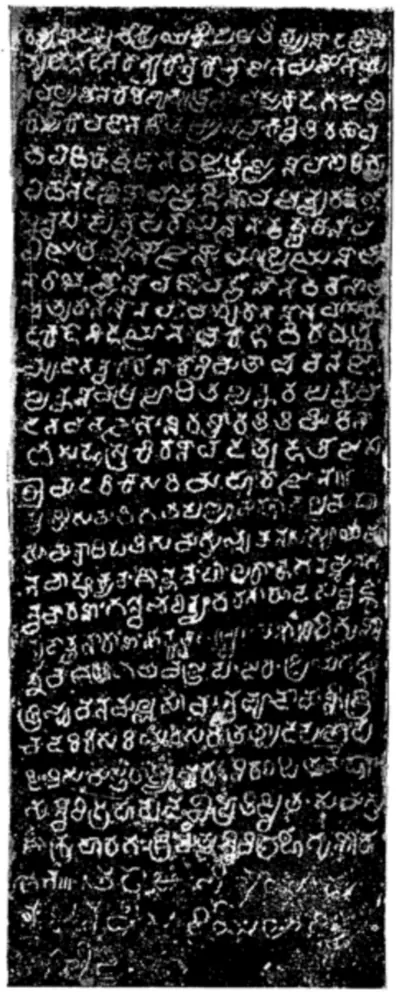 "L(V)ēmulavāḍa Inscription. Third Side" (N. Venkataramanayya, The Chalukyas of L(V)emulavada, 1953, plate 4)Inscription rubbing · 1953
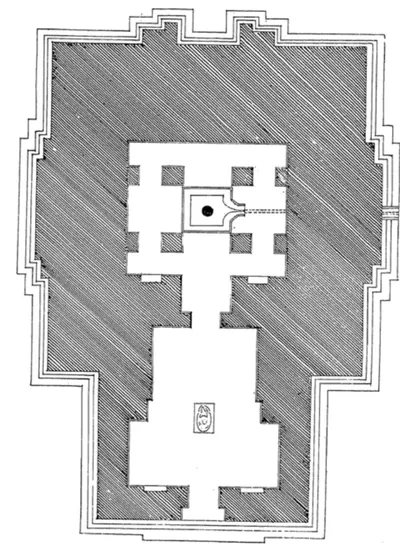 "Plan of Kedareshwar Temple" (N. Venkataramanayya, The Chalukyas of L(V)emulavada, 1953, plate 12)Plan · 1953
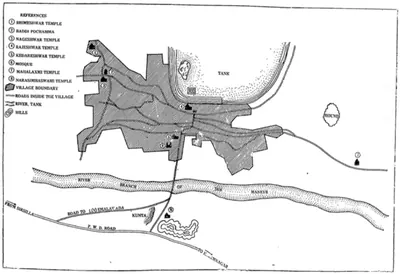 "Site plan of Lēmulavāḍa Village, Karimnagar Dist." (N. Venkataramanayya, The Chalukyas of L(V)emulavada, 1953, plate 6)Plan · 1953
Related
Dynasties
People
Baddega I Soladaganda (Chalukya of Vemulavada)
c. 850–895 CE
Chalukya king of Vemulavada in the later 9th century, a feudatory of the Rashtrakutas. Pampa and the Parbhani plates praise him as the hero of forty-two battles, called Soladaganda ('the undefeated hero'), who seized a king named Bhima 'as if catching a crocodile' in water. Historians identify Bhima with the Eastern Chalukya king Chalukya-Bhima I. N. Venkataramanayya dated his reign to about 850–895.
Pampa (Adi Pampa)
902 CE
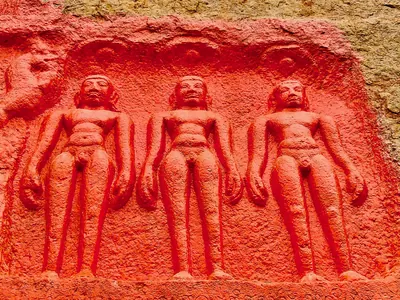
Kannada poet, born in 902 into a Brahmana family from the Vengi country that had become Jaina. At the court of the Chalukya king Arikesari II of Vemulavada he wrote the Adipurana and the Vikramarjunavijaya or 'Pampa Bharata' (941). In the second poem he made his patron the epic hero Arjuna. A rock inscription of his younger brother Jinavallabha on the Bommala Gutta at Kurikyal, near Karimnagar, gives his family and the village the king granted him.
Narasimha II (Chalukya of Vemulavada)
c. 915–930 CE
Chalukya king of Vemulavada, a feudatory of the Rashtrakutas, who ruled from about 915 to 930. Pampa and the Vemulavada inscription of his son Arikesari II credit him with victories over the Latas, the 'Seven Malavas' and the Gurjara-Pratihara king Mahipala, and with a pillar of victory at Kalapriya. N. Venkataramanayya held that he won them as the commander of the Rashtrakuta Indra III's northern campaign of about 916.
Arikesari II (Chalukya of Vemulavada)
c. 930–955 CE
Chalukya king of Vemulavada in today's Karimnagar district, a feudatory of the Rashtrakutas, who ruled from about 930 to about 955. He was the patron of the Kannada poet Pampa, who made him the hero of his Vikramarjunavijaya (941). His pillar inscription at Vemulavada gives the family line and records a gift to a Sun temple in his capital, Lembulavataka. He sheltered a Chalukya prince named Bijja from the Rashtrakuta king Govinda IV, and helped bring Govinda's uncle Baddega (Amoghavarsha III) to the throne.
Somadeva Suri
959–966 CE
Jaina scholar and Sanskrit author of the 10th century. He finished his prose-and-verse romance, the Yasastilaka, in 959 at Gangadhara, in the territory of Vagaraja, eldest son of the Chalukya king Arikesari II of Vemulavada. At that time the Rashtrakuta Krishna III was in camp at Melpati. In 966 Arikesari III gave him a village for the Subhadhama Jinalaya, a Jaina temple at Vemulavada.
Arikesari III (Chalukya of Vemulavada)
c. 966–973 CE
Last known Chalukya king of Vemulavada, a feudatory of the Rashtrakuta Krishna III. His Parbhani copper plates of 7 April 966 give a village in the Sabbi Thousand to the Jaina scholar Somadeva Suri for the Subhadhama Jinalaya, a temple built by his father at the capital, Vemulavada. An inscription at Repaka of 968 names him as builder of a Jaina temple. The family's rule ended when the Chalukyas of Kalyani took Telangana in the years up to 973.
Vemulavada Bhimakavi
Telugu poet known mostly from legend, linked by tradition with Vemulavada in Karimnagar district and with Draksharama. Chenchiah and Bhujanga Rao called him 'a poet of mystery': he has been placed in every century from the 12th to the 16th, and no work can be given to him with certainty. Later poets remembered him for 'words of power', and one tradition makes him the first to write verse with two meanings.
Monuments
Inscriptions
References
Notes (0)
Sources (4)
Spotted an error on this page? Tell us
Last updated: