చంద్రగిరి
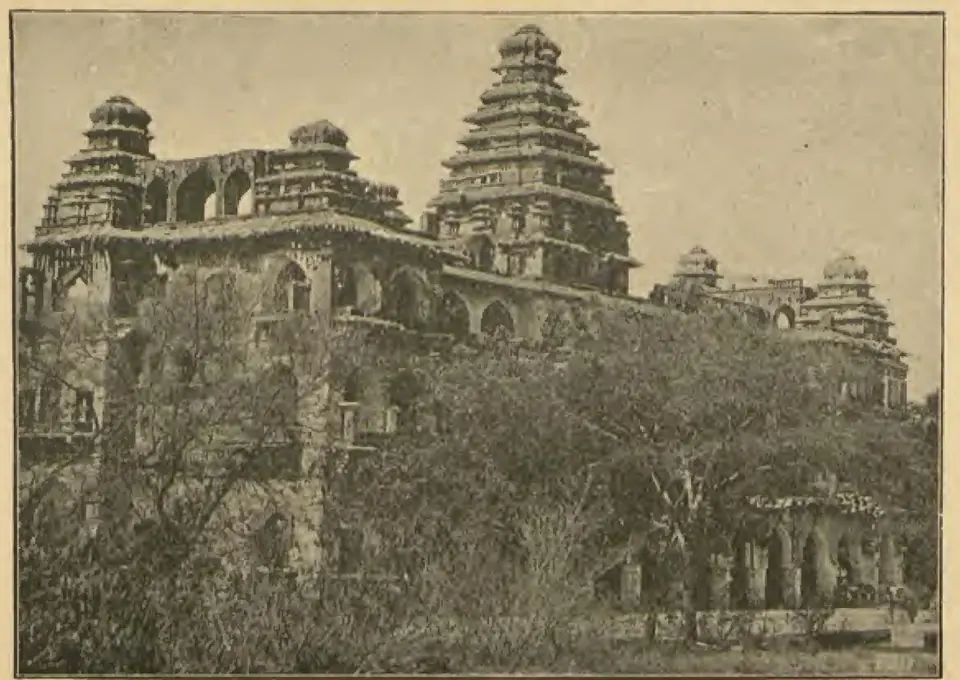
పాత ఉత్తర ఆర్కాట్ (తర్వాత చిత్తూరు) జిల్లాలో, తిరుపతికి ఏడు మైళ్ల దూరంలో, గ్రానైట్ కొండ కోట కింద స్వర్ణముఖి ఒడ్డున ఉన్న పట్టణం. శ్రీకృష్ణదేవరాయలు తన సోదరులను, మేనల్లుడిని దాని కోటలో ఉంచాడు. 1565 తర్వాత ఇది ఆరవీడు రాజుల నివాసం అయింది. వారు పెనుకొండ నుంచి ఇక్కడికి మారారని చెబుతారు. 1639లో శ్రీరంగరాయలు ఇక్కడి నుంచే సెయింట్ జార్జ్ కోట స్థలాన్ని ఇంగ్లీషువారికి ఇచ్చాడు. 1646లో గోల్కొండ దీన్ని తీసుకుంది. దాని రాజభవనం రాజమహల్ ఇప్పటికీ నిలిచి ఉంది.
1894 నాటి ఉత్తర ఆర్కాట్ మాన్యువల్ “చంద్రుడి పర్వతం” అయిన చంద్రగిరిని దాని తాలూకా కేంద్రంగా వర్ణిస్తుంది.1 ఇది తిరుపతికి 7 మైళ్లు, తిరుమలకు సుమారు 6 మైళ్ల దూరంలో ఉంది.1 పట్టణం “స్వర్ణముఖి కుడి ఒడ్డున, కోట ఉన్న కొండకు తూర్పున చక్కగా కట్టి ఉంది”.1
మాన్యువల్ ప్రకారం, “పాత పట్టణం చాలావరకు కనుమరుగైంది. విశాలంగా ఉండి ఉండాల్సిన దాని స్థలం సారవంతమైన పొలాలుగా మారిపోయింది.”1 “చంద్రగిరి ప్రధానంగా తన కోటకు ప్రసిద్ధి. లోయ నుంచి సుమారు 600 అడుగుల ఎత్తుకు లేచిన ఎత్తైన, గుండ్రని గ్రానైట్ రాతి ముద్దపై దాన్ని కట్టారు.”1
దాని శాసనాలలో ఒకటి “దానిలోని డెబ్బై నాలుగు ఆలయాలను పేర్కొంటుంది, వాటిలో చాలా వరకు ముస్లింలు నాశనం చేసినట్లు కనిపిస్తుంది” అని వి. రంగాచార్య (V. Rangacharya) గుర్తించారు.2 విజయనగర కాలంలో ఇది తిరువేంగడకొట్టంలోని ఒక ఉపవిభాగమైన వైకుంఠవళనాడులో ఉండేది.2 చంద్రగిరి కోట, రాజమహల్ పేజీ చూడండి.
ఆరవీడు రాజులకు ముందు
ఒక గ్రామ అధికారి దగ్గర ఉన్న ఒక తాళపత్ర గ్రంథాన్ని మాన్యువల్ ఉదహరిస్తుంది.3 తిరుమల కొండలు కనిపించే చోట నివసించాలని కోరుకున్న నారాయణవనం రాజు ఇమ్మడి నరసింగ యాదవ రాయలు 1000లో కోటను కట్టించాడని అది చెబుతుంది.3 విజయనగర వంశం దాన్ని తీసుకునే ముందు పది మంది యాదవ రాజులు అక్కడ పాలించారు.3 కోట అధిపతికి రాసిన ఒక లేఖ ద్వారా కృష్ణదేవ మహారాయలు కోటను ఎలా గెలుచుకున్నాడో ఆ గ్రంథం చెబుతుంది.3
చంద్రగిరి “రాజులకు ఇష్టమైన నివాస స్థలం అయింది” అని మాన్యువల్ జోడిస్తుంది.3 మనుచరిత్ర, ఇతర కావ్యాలు అక్కడే రచించారు. విదూషకుడు తెనాలి రాముడు ఆ ఊరివాడే.3
రాబర్ట్ సూయెల్ (Robert Sewell) నూనిజ్ను అనుసరించారు.45 శ్రీకృష్ణదేవరాయలు సింహాసనం ఎక్కినప్పుడు “తన భద్రతను పెంచుకోవడానికి, చివరి రాజు కొడుకైన తన మేనల్లుడిని, తన సొంత ముగ్గురు సోదరులను ఆగ్నేయాన 250 మైళ్ల దూరంలో ఉన్న చంద్రగిరి కోటకు పంపాడు” అని ఆయన రాశారు.45 అక్కడ బంధించిన వారిలో ఆయన సోదరుడు, వారసుడు అచ్యుతుడు కూడా ఉన్నాడు.45 శ్రీకృష్ణదేవరాయలు, అచ్యుతదేవరాయలు, తెనాలి రామకృష్ణుడు పేజీలు చూడండి.
తర్వాతి రాజుల నివాసం
మాన్యువల్ ఇలా చెబుతుంది: “అయితే విజయనగర రాజ్యం పతనమైన తర్వాతే చంద్రగిరి శాశ్వత రాజనివాసం అయింది.”3 వేంకటపతిదేవ మహారాయల గురించిన తాళపత్ర కథనాన్ని అది ఉదహరిస్తుంది.3 ఆయన తిరుపతిలోని దేవుడిని దర్శించడానికి పెనుకొండ నుంచి బయలుదేరి, “ఎప్పుడూ పవిత్ర కొండలు కనిపించే చోట ఉండడానికి” చంద్రగిరిలో ఆగాడు.3 అక్కడ ఆయన కోటను విస్తరించి, రెండంతస్తుల భవనం కట్టించాడు.3
దీనికి బదులుగా, తిరుమలరాయల కొడుకు రంగ 1575 తర్వాత త్వరలోనే రాజధానిని చంద్రగిరికి మార్చాడని అనంతపురం గెజిటీర్ చెబుతుంది.6 ఈ మార్పు ఊహించినదే కానీ నమోదైనది కాదని 1915లో హెచ్. కృష్ణ శాస్త్రి (H. Krishna Sastri) ఎత్తి చూపారు.7 వేంకటపతి దానాలు తిరుమల దేవుడి ముందు జరిగాయి, కానీ ఆయన శాసనాలు “ఆయన రాజధాని పెనుగొండను పేర్కొంటాయి”.7
కృష్ణ శాస్త్రి ఫెరిష్తాను కూడా ఉదహరించారు.8 1576–77లో బీజాపూర్ సైన్యం పెనుకొండను ముట్టడించినప్పుడు రాజు “చందుర్గీరీ కోటకు” వెళ్లిపోయాడని ఫెరిష్తా చెబుతాడు.8 రెండవ వేంకటపతిరాయలు, పెనుకొండ పేజీలు చూడండి.
జెసూయిట్ మతగురువు మాన్యుయెల్ బరాదాస్ 1616లో రాసిన ఒక లేఖను సూయెల్ అనువదించారు.910 1614లో వేంకటుడు చనిపోయినప్పుడు చంద్రగిరిలో జరిగిన వారసత్వ తగాదాను అది వర్ణిస్తుంది.910 వారసుడిగా భావించిన వ్యక్తిని “ఎప్పుడూ చందిగ్రి రాజభవనంలో బంధించి” ఉంచారు.910
1639లో “విజయనగర రాజు పేరు రంగ లేదా శ్రీరంగ, … ఆ సమయంలో ఆయన చంద్రగిరిలో నివసిస్తున్నాడు” అని సూయెల్ రాశారు.11 “ఆ సంవత్సరం మద్రాసులోని ఇంగ్లీషు వ్యాపార స్థావరం అధిపతి మిస్టర్ డే ఆ చోట రాజు నుంచి భూమి దానం పొందాడు కాబట్టి” ఆయనకు ఇది తెలుసు.11 ఆ భూమిపై సెయింట్ జార్జ్ కోట కట్టారు.11
1646లో గోల్కొండ రాజు ఆయన నుంచి చంద్రగిరిని, చెంగల్పట్టు (అప్పుడు చింగిల్పుట్)ను తీసుకున్నాడని, ఆయన బెదనూరు నాయకుడి దగ్గరకు పారిపోయాడని అనంతపురం గెజిటీర్ చెబుతుంది.6 మాన్యువల్ ప్రకారం, మద్రాసు స్థలాన్ని అప్పగించిన ఒప్పందంపై ఆ రాజభవనంలోనే సంతకం చేశారు.12 1910లో జేమ్స్ ఫెర్గూసన్ (James Fergusson) పుస్తకాన్ని సవరించినవారు ఈ రాజభవనాన్ని “పైన బురుజులున్న, చక్కటి సమతుల్యం గల మూడంతస్తుల ముఖభాగం” అని వర్ణించారు.13 రాజమహల్ పేజీ చూడండి.
Footnotes
-
Arthur F. Cox, rev. Harold A. Stuart, Madras District Manuals: North Arcot, Vol. II (1894), p. 323 (archive.org (opens in a new tab)). ↩ ↩2 ↩3 ↩4 ↩5
-
V. Rangacharya, A Topographical List of the Inscriptions of the Madras Presidency, Vol. I (1919), p. 471, Chittoor district, Chandragiri (archive.org (opens in a new tab)). ↩ ↩2
-
Cox and Stuart, North Arcot Manual, Vol. II (1894), p. 325 (archive.org (opens in a new tab)). ↩ ↩2 ↩3 ↩4 ↩5 ↩6 ↩7 ↩8 ↩9 ↩10
-
Robert Sewell, A Forgotten Empire (Vijayanagar) (1900), p. 123 (archive.org (opens in a new tab)). ↩ ↩2 ↩3
-
Sewell, A Forgotten Empire (1900), p. 165 (archive.org (opens in a new tab)). ↩ ↩2 ↩3
-
W. Francis, Madras District Gazetteers: Anantapur (1905), p. 21 (archive.org (opens in a new tab)). ↩ ↩2
-
Krishna Sastri, “The Third Vijayanagara Dynasty”, ASI Annual Report 1911–12 (1915), p. 189 and note 2 (archive.org (opens in a new tab)). ↩ ↩2
-
H. Krishna Sastri, “The Third Vijayanagara Dynasty; its Viceroys and Ministers”, Archaeological Survey of India, Annual Report 1911–12 (1915), p. 185 (archive.org (opens in a new tab)). ↩ ↩2
-
Manuel Barradas, letter of 12 December 1616, tr. in Sewell, A Forgotten Empire (1900), p. 222 (archive.org (opens in a new tab)). ↩ ↩2 ↩3
-
Barradas, in Sewell, A Forgotten Empire (1900), p. 223 (archive.org (opens in a new tab)). ↩ ↩2 ↩3
-
Sewell, A Forgotten Empire (1900), p. 233 (archive.org (opens in a new tab)). ↩ ↩2 ↩3
-
Cox and Stuart, North Arcot Manual, Vol. II (1894), p. 324 (archive.org (opens in a new tab)). ↩
-
James Fergusson, History of Indian and Eastern Architecture, Vol. I, revised by James Burgess (1910), p. 417 (archive.org (opens in a new tab)). ↩
చిత్రాలు
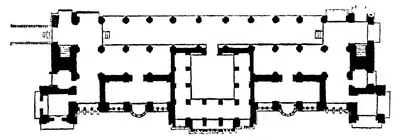 "Plan of the ground floor of Chandragiri Palace (From Drawings by R. F. Chisholm)" (Fergusson, rev. 1910, Vol. I, woodcut 245, p. 418 (PDF p. 465))నిర్మాణ నక్షా · 1910
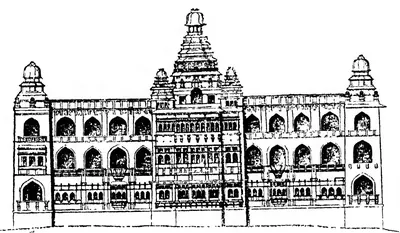 "South Elevation of Chandragiri Palace" (Fergusson, History of Indian and Eastern Architecture, rev. 1910, Vol. I, woodcut 244, p. 418 (PDF p. 465))రేఖాచిత్రం · 1910
 "The Palace at Chandragiri" (A. H. Longhurst, Hampi Ruins Described and Illustrated, 3rd ed. 1933, fig. 6, p. 16 (PDF p. 30))పాత ఫోటో · 1933
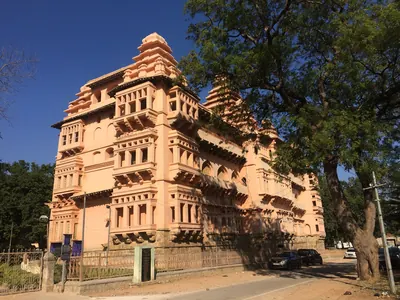 The Raja Mahal at Chandragiri (2017)ఫోటో · 2017
సంబంధిత
వ్యక్తులు
అలీ ఆదిల్ షా I
సుమారు క్రీ.శ. 1558–1580
బీజాపూర్ ఆదిల్ షాహీ వంశంలో ఐదవ సుల్తాన్ (పాలన 1558–1580). ఆయన మొదట అళియ రామరాయలకు మిత్రుడు. కానీ తర్వాత దక్కన్ సుల్తానుల కూటమిలో చేరాడు. ఆ కూటమి 1565 జనవరిలో రామరాయలను ఓడించి చంపింది. తర్వాత ఆయన రాయచూరు, ముద్గల్లను తిరిగి గెలుచుకున్నాడు. 1568లో ఆదోనిని తీసుకున్నాడు. దక్షిణాన అరవీటి రాజులపైకి తిరిగి పెనుకొండను ముట్టడించాడు. ఆ ముట్టడి తేదీ, వివరాలపై వివాదం ఉంది. ఆయన చాంద్ బీబీ భర్త.
ముహమ్మద్ ఆదిల్ షా
క్రీ.శ. 1627–1656
బీజాపూర్ ఏడవ ఆదిల్ షాహీ సుల్తాన్ (పాలన 1627–1656). కొన్ని చరిత్రలు ఆయనను మహమూద్ అంటాయి. ఆయన గోల్ గుంబజ్ నిర్మాత. ఆయన 1636లో షాజహాన్తో శాంతి చేసుకుని, తర్వాత తన సైన్యాలను కర్ణాటకలోకి పంపాడు. సేనాపతులలో షాహ్జీ భోంస్లే ఒకరు. బీజాపూర్ జింజీ, వెల్లూరు, పెనుకొండ (మెకంజీ వ్రాతప్రతి ప్రకారం 1652), బళ్లారి, అనంతపురం ప్రాంతపు ఎగువ ప్రాంతాలను తీసుకుంది. అది గోల్కొండ మంత్రి మీర్ జుమ్లాతో కర్ణాటకను పంచుకుంది.
తరిగొప్పుల మల్లన
16వ శతాబ్దం చివర, 17వ శతాబ్దం మొదటి భాగపు తెలుగు కవి, కృష్ణుని కొడుకు చంద్రభానుని పెళ్లి కథ చంద్రభాను చరిత్రము రచయిత. ఆయన చంద్రగిరిలోని విజయనగర రాజు వేంకటపతిరాయల వర్గానికి చెందినవాడు. అక్కడ ఆయన అన్న దత్త మంత్రి ఒక మంత్రి.
కట్టడాలు
ఆధారసూచికలు
గమనికలు (0)
ఆధారాలు (6)
ఈ పేజీలో పొరపాటు కనిపించిందా? మాకు తెలియజేయండి
చివరి సవరణ: