బీజాపూర్ ఆదిల్ షాహీలు
బహమనీల నుండి విడిపోయిన గవర్నర్ యూసుఫ్ ఆదిల్ ఖాన్ స్థాపించిన బీజాపూర్ సుల్తానులు (సుమారు 1489–1686). వారు రాయచూరు, ముద్గల్ కోసం వంద సంవత్సరాలు విజయనగరంతో పోరాడారు. 1565లో దానిని ఓడించిన కూటమిలో చేరారు. తర్వాత తుంగభద్రకు దక్షిణాన ముందుకు వెళ్లారు: 1568లో ఆదోనిని, పదిహేడవ శతాబ్దం ప్రారంభంలో కర్నూలును, 1652లో పెనుకొండను తీసుకున్నారు. 1630ల నుండి 50ల వరకు వారు కర్ణాటక ప్రాంతాన్ని ఆక్రమించి గోల్కొండతో పంచుకున్నారు. ఆదోని సిద్దీ మసూద్ వంటి అబిసీనియన్ గవర్నర్ల ద్వారా, కప్పం కట్టే పాలెగాళ్ల ద్వారా, 1686లో ఔరంగజేబు బీజాపూర్ను తీసుకునే వరకు, వారు పడమటి తెలుగు ఎత్తైన ప్రాంతాలను పట్టుకున్నారు.
పూర్తి చార్టు కోసం పక్కకు జరపండి; వివరాల కోసం ఏదైనా పట్టీని తాకండి.
ప్రతి పట్టీ ఒక ప్రాంతాన్ని పాలించిన శక్తి; కాలం ఎడమ నుంచి కుడికి. గీతల అంచు = సుమారు తేదీలు. వివరాల కోసం పట్టీని ఎంచుకోండి.
జాబితాగా చూపించు
నాయకులు, రెడ్డి రాజులు, బహమనీలు క్రీ.శ. 1323–1518
- తెలంగాణ
- బహమనీ సుల్తానులు (సుమారు క్రీ.శ. 1347–1518) · రేచర్ల వెలమలు (సుమారు క్రీ.శ. 1361–1475) · బీజాపూర్ ఆదిల్ షాహీలు (సుమారు క్రీ.శ. 1489–1686) · గజపతులు (సుమారు క్రీ.శ. 1459–1461) · షితాబ్ ఖాన్ (సీతాపతి) (సుమారు క్రీ.శ. 1504–1516)
- కోస్తా ఆంధ్ర
- తూర్పు గాంగులు (సుమారు క్రీ.శ. 537–1434) · గజపతులు (సుమారు క్రీ.శ. 1446–1571) · కొండవీటి రెడ్డి రాజులు (సుమారు క్రీ.శ. 1325–1424) · బహమనీ సుల్తానులు (సుమారు క్రీ.శ. 1471–1489) · విజయనగర సామ్రాజ్యం (సుమారు క్రీ.శ. 1350–1579) · రాజమహేంద్రవరం రెడ్డి రాజులు (సుమారు క్రీ.శ. 1386–1448)
- రాయలసీమ
- విజయనగర సామ్రాజ్యం (సుమారు క్రీ.శ. 1336–1646)
విజయనగరం, కుతుబ్ షాహీలు క్రీ.శ. 1336–1687
- తెలంగాణ
- బహమనీ సుల్తానులు (సుమారు క్రీ.శ. 1347–1518) · విజయనగర సామ్రాజ్యం (సుమారు క్రీ.శ. 1563–1565) · రేచర్ల వెలమలు (సుమారు క్రీ.శ. 1361–1475) · బీజాపూర్ ఆదిల్ షాహీలు (సుమారు క్రీ.శ. 1489–1686) · గజపతులు (సుమారు క్రీ.శ. 1459–1461) · కుతుబ్ షాహీలు (సుమారు క్రీ.శ. 1518–1687) · షితాబ్ ఖాన్ (సీతాపతి) (సుమారు క్రీ.శ. 1504–1516)
- కోస్తా ఆంధ్ర
- తూర్పు గాంగులు (సుమారు క్రీ.శ. 537–1434) · గజపతులు (సుమారు క్రీ.శ. 1446–1571) · కొండవీటి రెడ్డి రాజులు (సుమారు క్రీ.శ. 1325–1424) · బహమనీ సుల్తానులు (సుమారు క్రీ.శ. 1471–1489) · కుతుబ్ షాహీలు (సుమారు క్రీ.శ. 1524–1687) · విజయనగర సామ్రాజ్యం (సుమారు క్రీ.శ. 1350–1579) · రాజమహేంద్రవరం రెడ్డి రాజులు (సుమారు క్రీ.శ. 1386–1448)
- రాయలసీమ
- విజయనగర సామ్రాజ్యం (సుమారు క్రీ.శ. 1336–1646) · మరాఠాలు (సుమారు క్రీ.శ. 1677–1687) · బీజాపూర్ ఆదిల్ షాహీలు (సుమారు క్రీ.శ. 1568–1686) · కుతుబ్ షాహీలు (సుమారు క్రీ.శ. 1579–1687) · మొఘల్ సామ్రాజ్యం (సుమారు క్రీ.శ. 1686–1724)
మొఘలులు, అసఫ్ జాహీలు, బ్రిటిష్ పాలన క్రీ.శ. 1687–1948
- తెలంగాణ
- మొఘల్ సామ్రాజ్యం (క్రీ.శ. 1687–1724) · అసఫ్ జాహీలు (క్రీ.శ. 1724–1948)
- కోస్తా ఆంధ్ర
- మొఘల్ సామ్రాజ్యం (క్రీ.శ. 1687–1724) · ఫ్రెంచి ఈస్ట్ ఇండియా కంపెనీ (క్రీ.శ. 1750–1759) · ఆర్కాటు నవాబులు (సుమారు క్రీ.శ. 1710–1801) · అసఫ్ జాహీలు (క్రీ.శ. 1724–1753) · ఈస్ట్ ఇండియా కంపెనీ (క్రీ.శ. 1759–1858)
- రాయలసీమ
- కర్నూలు నవాబులు (సుమారు క్రీ.శ. 1690–1839) · ఆర్కాటు నవాబులు (సుమారు క్రీ.శ. 1710–1801) · కడప నవాబులు (సుమారు క్రీ.శ. 1714–1779) · మొఘల్ సామ్రాజ్యం (సుమారు క్రీ.శ. 1686–1724) · గుత్తి మురారిరావు ఘోర్పడే (సుమారు క్రీ.శ. 1741–1776) · బనగానపల్లె సంస్థానం (సుమారు క్రీ.శ. 1724–1948) · అసఫ్ జాహీలు (సుమారు క్రీ.శ. 1724–1800) · మరాఠాలు (సుమారు క్రీ.శ. 1743–1774) · మైసూరు (హైదర్ అలీ, టిప్పు సుల్తాన్) (సుమారు క్రీ.శ. 1762–1799)
సుల్తానత్లు
బహమనీ సుల్తానులు
పేజీ తెరవండి- తెలంగాణ: సుమారు క్రీ.శ. 1347–1518 (సుమారు 171 సంవత్సరాలు)
Western Telangana from 1347 (Kaulas taken or ceded; Bhongir taken late in Bahman Shah's reign, the province of Bidar reaching east to Bhongir); Golconda ceded under Muhammad Shah I (1362 Bilgrami; 1364-65 Haig, IG); Warangal taken in AH 828 (end of 1424 per Haig, 1422 per IG, 1425 per the Kistna Manual) and the rayas of Devarakonda and Rachakonda made tributary. Partial afterwards (Telugu chiefs regained districts under Ahmad I; Devarakonda relieved by Orissa 1459; Warangal held by the Gajapatis 1460 and by Shitab Khan from 1504). Governed for Mahmud Shah by Sultan Quli from 1495-96 until his independence (1512 per Haig; 1518 per Bilgrami, from the Golconda mosque inscription of AH 924)
- కోస్తా ఆంధ్ర: సుమారు క్రీ.శ. 1471–1489 (సుమారు 18 సంవత్సరాలు)
Rajahmundry and Kondapalli (Ferishta) or Kondavidu (Haig, Burhan-i Ma'asir) taken by Malik Hasan Bahri in AH 876 (1471-72), on the invitation of a claimant to the Orissan throne (the Godavari gazetteer says Purushottama ceded the two districts); Muhammad Shah III at Rajahmundry for nearly three years after his Orissa campaign of 1478, and raided Masulipatam and Kanchi in 1481; Telingana split into the provinces of Rajahmundry and Warangal; Rajahmundry still Bahmani in 1486; the Godavari-Krishna country recovered by the Gajapati Purushottama by 1489
పాలకులు (18)
- అల్లావుద్దీన్ హసన్ బహమన్ షా (క్రీ.శ. 1347–1358)
- మొదటి ముహమ్మద్ షా (క్రీ.శ. 1358–1375)
- ముజాహిద్ షా (క్రీ.శ. 1375–1378)
- దావూద్ షా (క్రీ.శ. 1378)
- రెండవ ముహమ్మద్ షా (క్రీ.శ. 1378–1397)
- ఘియాసుద్దీన్ (క్రీ.శ. 1397)
… మరో 12
- షంసుద్దీన్ దావూద్ (క్రీ.శ. 1397)
- ఫిరోజ్ షా (క్రీ.శ. 1397–1422)
- మొదటి అహ్మద్ షా (క్రీ.శ. 1422–1435)
- రెండవ అల్లావుద్దీన్ అహ్మద్ షా (క్రీ.శ. 1435–1458)
- హుమాయూన్ షా (క్రీ.శ. 1458–1461)
- నిజాం షా (క్రీ.శ. 1461–1463)
- మూడవ ముహమ్మద్ షా (క్రీ.శ. 1463–1482)
- మహమూద్ షా (క్రీ.శ. 1482–1518)
- అహ్మద్ షా (సుమారు క్రీ.శ. 1518–1521)
- అల్లావుద్దీన్ (సుమారు క్రీ.శ. 1521–1523)
- వలీఉల్లా షా (సుమారు క్రీ.శ. 1523–1525)
- కలీముల్లా షా (సుమారు క్రీ.శ. 1525–1527)
శాసనాలు
ఆధారాలు (12)
రాజ్యాలు, సామ్రాజ్యాలు
విజయనగర సామ్రాజ్యం
పేజీ తెరవండి- రాయలసీమ: సుమారు క్రీ.శ. 1336–1646 (సుమారు 310 సంవత్సరాలు)
Founded c. 1335-36; Bukka I held Penukonda and Gooty (records of 1352 and a Gooty rock inscription) and his minister built the Bukkarayasamudram tank near Anantapur in 1364; Cuddapah in the 14th century; Kurnool wholly annexed under Krishnadeva Raya. After Talikota (1565) the kings ruled from Penukonda, which held out against Bijapur in 1577 and Golconda in 1589; the country north of Penukonda was lost after Sriranga I's capture (c. 1579-80); Venkatapati II moved to Chandragiri c. 1592; Golconda held the Cuddapah district and took Chandragiri (Chittoor) in 1646. Bijapur and Golconda took most of the region piecemeal after 1565
- కోస్తా ఆంధ్ర: సుమారు క్రీ.శ. 1350–1579 (సుమారు 229 సంవత్సరాలు)
Vijayanagara officers kept Guntur (Kondavidu, Vinukonda, Bellamkonda) and the governor of Udayagiri kept Nellore after Talikota; Golconda took Kondavidu in April 1579 (Kistna Manual) or 1580 (a Guntur record of 1592 cited by Sewell), though Sewell thinks Guntur was already under Muslim rule by 1576 and the Nellore Manual says the Muslims held Nellore from 1565.
- తెలంగాణ: సుమారు క్రీ.శ. 1563–1565 (సుమారు 2 సంవత్సరాలు)
To end the confederate invasion of Golconda, Ibrahim Qutb Shah let Rama Raja keep the forts of Ghanpur and Panagal (Mahbubnagar) until Talikota; Ferishta places this after the Kalyani campaign of the early 1560s, the Kistna Manual dates it to 1557.
పాలకులు (24)
- మొదటి హరిహరరాయలు (సుమారు క్రీ.శ. 1336–1355)
- మొదటి బుక్కరాయలు (క్రీ.శ. 1355–1377)
- రెండవ హరిహరరాయలు (క్రీ.శ. 1377–1404)
- రెండవ బుక్కరాయలు (క్రీ.శ. 1404–1406)
- మొదటి దేవరాయలు (క్రీ.శ. 1406–1422)
- విజయరాయలు (మూడవ బుక్కరాయలు) (క్రీ.శ. 1422)
… మరో 18
- రెండవ దేవరాయలు (క్రీ.శ. 1422–1446)
- మల్లికార్జునరాయలు (క్రీ.శ. 1446–1465)
- విరూపాక్షరాయలు (క్రీ.శ. 1465–1485)
- సాళువ నరసింహరాయలు (క్రీ.శ. 1485–1492)
- ఇమ్మడి నరసింహరాయలు (క్రీ.శ. 1492–1505)
- నరస నాయకుడు (సుమారు క్రీ.శ. 1505)
- వీర నరసింహరాయలు (క్రీ.శ. 1505–1509)
- శ్రీకృష్ణదేవరాయలు (క్రీ.శ. 1509–1529)
- అచ్యుతదేవరాయలు (క్రీ.శ. 1529–1542)
- మొదటి వేంకటరాయలు (క్రీ.శ. 1542)
- సదాశివరాయలు (సుమారు క్రీ.శ. 1542–1569)
- తిరుమలదేవరాయలు (సుమారు క్రీ.శ. 1569–1572)
- మొదటి శ్రీరంగరాయలు (క్రీ.శ. 1572–1586)
- రెండవ వేంకటపతిరాయలు (క్రీ.శ. 1586–1614)
- రెండవ శ్రీరంగరాయలు (క్రీ.శ. 1614)
- రామదేవరాయలు (క్రీ.శ. 1614–1630)
- పెద్ద వేంకటరాయలు (క్రీ.శ. 1630–1642)
- మూడవ శ్రీరంగరాయలు (సుమారు క్రీ.శ. 1642–1670)
కట్టడాలు (7)
- పెనుకొండ కోట, గగన్ మహల్
- శ్రీకాళహస్తీశ్వర ఆలయం, శ్రీకాళహస్తి
- వీరభద్ర ఆలయం, లేపాక్షి
- చంద్రగిరి కోట, రాజమహల్
- గుత్తి కోట
- నరసింహ ఆలయాలు, అహోబిలం
… మరో 1
శాసనాలు (14)
- పెనుకొండ కోట శాసనం (1354)
- మొదటి బుక్కరాయల గుత్తి శిలాశాసనం
- రెండవ సంగముని బిట్రగుంట దానశాసనం (1356)
- బుక్కరాయసముద్రం చెరువు శాసనం (1364)
- కృష్ణదేవరాయలు, ఆయన రాణుల తిరుమల శాసనాలు (1513–1514)
- కృష్ణదేవరాయల అమరావతి శాసనం (1515)
… మరో 8
- మంగళగిరి, కాజ స్తంభ శాసనాలు (1515–1518)
- కృష్ణదేవరాయల సింహాచలం శాసనాలు (1516–1519)
- కృష్ణదేవరాయల శ్రీకాళహస్తి శాసనం (1516)
- నాదెండ్ల గోపన కొండవీడు స్తంభ శాసనం (1520)
- అచ్యుతరాయల కాలపు లేపాక్షి ఆలయ శాసనాలు (1533–1538)
- సదాశివరాయల కనుమ దానశాసనం (1548)
- చెన్నప్ప నాయుని పెనుకొండ శాసనం (1577)
- మొదటి శ్రీరంగరాయల అహోబిలం శాసనం (1584)
ఆధారాలు (20)
రాజ్యాలు, సామ్రాజ్యాలు
మొఘల్ సామ్రాజ్యం
పేజీ తెరవండి- రాయలసీమ: సుమారు క్రీ.శ. 1686–1724 (సుమారు 38 సంవత్సరాలు)
Kurnool passed to the emperor with the Bijapur provinces in 1686 and was later the jagir of Daud Khan Panni and his brother; Adoni (renamed Imtiyazgarh, a Mughal mint) surrendered by Masaud Khan; the uplands of the Haidarabadi Karnatak (Cuddapah, Gandikota, Gooty, Sidhout) came with Golconda in 1687; Anantapur added to the subah of Bijapur; poligars largely independent (Cuddapah gazetteer); Francis dates the Nizam's independence to 1723
- తెలంగాణ: క్రీ.శ. 1687–1724 (37 సంవత్సరాలు)
Golconda taken on 21 September 1687 and the kingdom annexed as the subah of Haidarabad, governed from Hyderabad by subahdars (Mahabat Khan, Ruhullah Khan, Jan Sipar Khan, Rustam Dil Khan, Yusuf Khan, Mubariz Khan); Kam Bakhsh held Hyderabad as a rival emperor in 1708 until his defeat on 13 January 1709; Mubariz Khan was killed by Nizam-ul-Mulk at Shakar Kheda in October 1724
- కోస్తా ఆంధ్ర: క్రీ.శ. 1687–1724 (37 సంవత్సరాలు)
Kondapalli gained by bribery in July 1687; Guntur (Murtazanagar), Kondapalli (Mustafanagar), Ellore, Rajahmundry and Chicacole formed the Northern Circars, with Masulipatam as their chief town and a Mughal mint; the Qutb Shahi assessment of 1635 was kept on Aurangzeb's records (Grant)
పాలకులు
- షాజహాన్ (క్రీ.శ. 1628–1658)
- ఔరంగజేబు (ఆలంగీర్) (క్రీ.శ. 1658–1707)
- బహదూర్ షా (షా ఆలం I) (క్రీ.శ. 1707–1712)
- జహాందార్ షా (క్రీ.శ. 1712–1713)
- ఫరూఖ్సియార్ (క్రీ.శ. 1713–1719)
- ముహమ్మద్ షా (క్రీ.శ. 1719–1748)
శాసనాలు
ఆధారాలు (14)
రాజ్యాలు, సామ్రాజ్యాలు
రేచర్ల వెలమలు
పేజీ తెరవండి- తెలంగాణ: సుమారు క్రీ.శ. 1361–1475 (సుమారు 114 సంవత్సరాలు)
Anapota at Rachakonda (Rajukonda) and Mada at Devarakonda after their victories of 1361 (family chronicle); Rachakonda fortified in August 1365; Warangal, Bhongir and Rachakonda ruled by July 1369 (Inavolu inscription). The rayas of Devarakonda and Rachakonda paid tribute to Ahmad Shah Bahmani after his capture of Warangal (end of 1424); Devarakonda routed a Bahmani army with Orissan help in 1459; last dated record of the Rachakonda line 1464. End about 1475 per the list of rulers in Epigraphia Telanganica; no source dates the annexation
పాలకులు (7)
- సింగమ నాయకుడు (సుమారు క్రీ.శ. 1336–1361)
- అనపోత నాయకుడు (రాచకొండ) (సుమారు క్రీ.శ. 1361–1384)
- మాదా నాయకుడు (దేవరకొండ) (సుమారు క్రీ.శ. 1361–1384)
- సింగభూపాలుడు (రాచకొండ) (సుమారు క్రీ.శ. 1384–1399)
- పెద వేదగిరి (దేవరకొండ) (సుమారు క్రీ.శ. 1384–1410)
- లింగమ నాయకుడు (దేవరకొండ) (సుమారు క్రీ.శ. 1427–1475)
… మరో 1
- సర్వజ్ఞ సింగమ నాయకుడు (రాచకొండ) (సుమారు క్రీ.శ. 1430–1475)
రాజధానులు
కట్టడాలు
శాసనాలు
ఆధారాలు (7)
సుల్తానత్లు
బీజాపూర్ ఆదిల్ షాహీలు
పేజీ తెరవండి- తెలంగాణ: సుమారు క్రీ.శ. 1489–1686 (సుమారు 197 సంవత్సరాలు)
After the Bahmani break-up part of Mahbubnagar district went to Bijapur (the rest to Golconda) and stayed with it until Aurangzeb annexed Bijapur in 1686; the Raichur district article likewise passes Raichur (which then included the Alampur taluk and Gadwal) from the Bahmanis to the Adil Shahis.
- రాయలసీమ: సుమారు క్రీ.శ. 1568–1686 (సుమారు 118 సంవత్సరాలు)
Partial, the western uplands only. Adoni taken by Ali Adil Shah's general Ankus Khan in 1568 after a failed siege in 1535-37; Penukonda besieged in the 1570s (dates disputed) and taken in 1652 (Mackenzie MS); Kurnool taken from Gopala Raja early in the 17th century and governed by Abdul Wahab (d. 1618) and later deputies, Siddi Jauhar holding it as his jagir about 1660; the Bellary and Anantapur uplands held through governors and tributary poligars; Bijapur's rights there passed to Shivaji in 1677-80 (Francis); Bijapur fell to Aurangzeb on 12 September 1686, but Siddi Masud held Adoni until 1688 (Sarkar) or 1687 (Bellary gazetteer)
పాలకులు (9)
రాజధానులు
కట్టడాలు
ఆధారాలు (11)
రాజ్యాలు, సామ్రాజ్యాలు
అసఫ్ జాహీలు
పేజీ తెరవండి- తెలంగాణ: క్రీ.శ. 1724–1948 (224 సంవత్సరాలు)
Asaf Jah, viceroy of the Deccan from 1713, independent after defeating Mubariz Khan at Shakar Kheda (11 October 1724 in Irvine; 1723 in Gribble); Telangana remained the Telugu heart of the Nizam's Dominions, with the samasthans of Gadwal, Wanaparthy, Jatprole, Amarchinta and Palvancha as tributary estates. Regular districts were formed in 1865-66 and the Telugu divisions surveyed and settled by 1905; the districts were redrawn in 1905 and an Executive Council governed from November 1919. The Standstill Agreement with India was signed on 29 November 1947. Indian troops entered the state on 13 September 1948 (the Police Action); the Nizam ordered a ceasefire on 17 September, and a military governor took charge on 18 September
- కోస్తా ఆంధ్ర: క్రీ.శ. 1724–1753 (29 సంవత్సరాలు)
The Nizam's governor at Rajahmundry collected the tribute of the coastal zamindars; Masulipatam granted to the French by Muzaffar Jang in 1750 and the lands of Nizampatnam and Kondavid by Salabat Jang in 1751; the four Circars of Mustafanagar, Ellore, Rajahmundry and Chicacole assigned to the French on 4 December 1753 to pay Bussy's army
- రాయలసీమ: సుమారు క్రీ.శ. 1724–1800 (సుమారు 76 సంవత్సరాలు)
Nominal over much of the region (Kurnool and Cuddapah Nawabs, Maratha tribute, Morari Rao at Gooty, Haidar Ali from 1761); the Nizam gained Tipu Sultan's districts by the treaties of 1792 and 1799 and ceded them to the Company by the treaty of 12 October 1800 to pay the subsidiary force (the Ceded Districts)
- కోస్తా ఆంధ్ర: క్రీ.శ. 1759–1788 (29 సంవత్సరాలు)
Guntur (Murtazanagar) stayed with the Nizam's brother Basalat Jang after the French were driven out; it was excluded from the cessions of 1766 and 1768, rented by the Company in 1779 and restored, and handed over to the Company only in 1788; the Nizam's claims to the Circars' payments were bought out in 1823
పాలకులు (10)
రాజధానులు
కట్టడాలు (11)
శాసనాలు
ఆధారాలు (16)
రాజ్యాలు, సామ్రాజ్యాలు
గజపతులు
పేజీ తెరవండి- కోస్తా ఆంధ్ర: సుమారు క్రీ.శ. 1446–1571 (సుమారు 125 సంవత్సరాలు)
Kapilendra (Kapilesvara, r. 1434-35 to 1469-70) took the Reddi kingdom of Rajahmundry between 1444 and 1448 and held Kondavidu by 1454 through his kinsman Ganadeva; the Bahmanis took Rajahmundry and Kondapalli or Kondavidu in 1470-71 and Purushottama had recovered the Godavari-Krishna country and the Ongole taluk by 1489; the country south of the Krishna passed to Saluva Narasimha after 1470 and, with Udayagiri, Kondavidu and Kondapalli, to Krishnadeva Raya in 1513-16; Golconda took the Godavari-Krishna doab from about 1522 and Rajahmundry in 1571-72. The northern coast (Srikurmam, Simhachalam) stayed Gajapati throughout.
- తెలంగాణ: సుమారు క్రీ.శ. 1459–1461 (సుమారు 2 సంవత్సరాలు)
Brief: Orissan troops relieved Devarakonda from the Bahmanis in 1459, and Kapilendra's son Hamvira and nephew Raghudeva took Warangal on 2 February 1460 (two gateway inscriptions); in 1461-62 the Orissan army and the zemindars of Telangana marched on Bidar. How long Warangal was held is not recorded
- తెలంగాణ: సుమారు క్రీ.శ. 1497–1516 (సుమారు 19 సంవత్సరాలు)
Partial: the uplands of Khammam and the Kondapalli-Nelakondapalli country, held by Prataparudra until Krishnadeva Raya's campaigns (Banerji; Nizam's Archaeological Department)
పాలకులు
- కపిలేంద్రుడు (కపిలేశ్వరుడు) (సుమారు క్రీ.శ. 1434–1470)
- పురుషోత్తముడు (సుమారు క్రీ.శ. 1470–1497)
- ప్రతాపరుద్రుడు (సుమారు క్రీ.శ. 1497–1540)
- కాలువ దేవుడు (సుమారు క్రీ.శ. 1540–1541)
- కఖారువ దేవుడు (సుమారు క్రీ.శ. 1541)
శాసనాలు (8)
ఆధారాలు (10)
సుల్తానత్లు
కుతుబ్ షాహీలు
పేజీ తెరవండి- తెలంగాణ: సుమారు క్రీ.శ. 1518–1687 (సుమారు 169 సంవత్సరాలు)
Sultan Quli governed Telingana for the Bahmanis from 1493-95 and declared independence in 1512 (Ferishta, Haig, IG Hyderabad) or 1518 (Bilgrami, from the Golconda mosque inscription of AH 924); he took the forts of the Telugu chiefs, among them Rachakonda, Devarakonda and, from Shitab Khan, Warangal and Khammam (1519-1525 per Bilgrami). Tributary to the Mughals from 1635-36 (khutba and coins in Shah Jahan's name; two lakhs of huns a year). Hyderabad taken by the Mughals in 1656 and 1685; Golconda surrendered on 21 September 1687 (Old Style) and was annexed
- కోస్తా ఆంధ్ర: సుమారు క్రీ.శ. 1524–1687 (సుమారు 163 సంవత్సరాలు)
Sultan Quli took Kondapalli and fixed the Godavari as his frontier with Orissa (Ellore ceded) some time before his 1530 campaign, and a 1524 record shows him granting villages near Kondapalli and Bezwada; the Godavari gazetteer and IG Madras date the Krishna-Godavari doab to c. 1540 or 'before 1543', and the IG Madras Kistna article to after 1565.
- రాయలసీమ: సుమారు క్రీ.శ. 1579–1687 (సుమారు 108 సంవత్సరాలు)
Partial; the sources disagree on when Golconda's hold began. IG Madras says Kurnool and Cuddapah were overrun soon after 1565. The Kurnool Manual dates the campaigns that took Gurramkonda (1579) and Gandikota, Nandyal and Musalimadugu (c. 1590). The Cuddapah gazetteer says Golconda only turned to Cuddapah in the early 17th century and never really conquered it. Chandragiri fell to Golconda in 1646.
పాలకులు (8)
రాజధానులు
కట్టడాలు (13)
శాసనాలు (7)
- సుల్తాన్ కులీ సమాధి శాసనం (1543)
- గోల్కొండ మక్కా దర్వాజా శాసనం (1559)
- హైదరాబాద్ జామా మసీదు శాసనం
- ముహమ్మద్ కులీ కుతుబ్ షా సమాధి శాసనం (1612)
- మా సాహెబా చెరువు శాసనాలు (1625)
- గోల్కొండ మూసా బురుజు శాసనం (1666–67)
… మరో 1
ఆధారాలు (23)
రాజ్యాలు, సామ్రాజ్యాలు
షితాబ్ ఖాన్ (సీతాపతి)
పేజీ తెరవండి- తెలంగాణ: సుమారు క్రీ.శ. 1504–1516 (సుమారు 12 సంవత్సరాలు)
Partial (Warangal, Khammam and other hill forts, with Bellamkonda south of the Krishna; probably Nalgonda). A former Bahmani officer, Shitab Khan or Sitapati, took Warangal fort from the Muslims on 21 January 1504 by his pillar inscription, and held it until Sultan Quli Qutb Shah defeated him and his Gajapati allies; the Kistna manual calls him apparently a vassal of Orissa. The end is uncertain: Sastri allows him six or seven years (to 1512), the Hyderabad archaeological report of 1925-26 dates the loss of Warangal to 1513-1516, the Kistna manual places the war after 1516, and Bilgrami gives 1519-1525
పాలకులు
రాజధానులు
కట్టడాలు
శాసనాలు
ఆధారాలు (6)
రాజ్యాలు, సామ్రాజ్యాలు
తూర్పు గాంగులు
పేజీ తెరవండి- కోస్తా ఆంధ్ర: సుమారు క్రీ.శ. 537–1434 (సుమారు 897 సంవత్సరాలు)
Partial: only the far north coast (the old Ganjam and Vizagapatam districts, now Srikakulam-Vizianagaram- Visakhapatnam), capital Kalinganagara (Mukhalingam). Earliest dated grant: Jirjingi, near Tekkali, Ganga year 39 (c. 537 on Mirashi's epoch of 498; Fleet put the early grants in the 7th century and Sewell used an epoch of 877-78; the Imperial Gazetteer, the 7th century). Later line in power from the end of the 9th century (Vizagapatam gazetteer): Vajrahasta III crowned 1038; Anantavarman Chodaganga 1078-1146, with records at Mukhalingam, Srikurmam, Simhachalam and Visakhapatnam. South of the Godavari only records and raids (Draksharama 1128-1274; Bendapudi). Ended 1434, when the minister Kapilesvara founded the Gajapati line
పాలకులు (15)
- మూడవ వజ్రహస్తుడు (క్రీ.శ. 1038–1070)
- మొదటి రాజరాజు (క్రీ.శ. 1070–1078)
- అనంతవర్మ చోడగంగ (సుమారు క్రీ.శ. 1078–1146)
- మధుకామార్ణవుడు (సుమారు క్రీ.శ. 1146–1152)
- రాఘవుడు (సుమారు క్రీ.శ. 1152–1166)
- రెండవ రాజరాజు (సుమారు క్రీ.శ. 1166–1192)
… మరో 9
- అనియంకభీముడు (సుమారు క్రీ.శ. 1192–1202)
- మూడవ అనంగభీముడు (సుమారు క్రీ.శ. 1219–1253)
- మొదటి నరసింహుడు (సుమారు క్రీ.శ. 1253–1256)
- మొదటి భానుదేవుడు (సుమారు క్రీ.శ. 1256–1275)
- రెండవ నరసింహుడు (సుమారు క్రీ.శ. 1275–1306)
- రెండవ భానుదేవుడు (సుమారు క్రీ.శ. 1306–1323)
- మూడవ నరసింహుడు (సుమారు క్రీ.శ. 1323–1346)
- మూడవ భానుదేవుడు (సుమారు క్రీ.శ. 1346–1378)
- నాల్గవ నరసింహుడు (సుమారు క్రీ.శ. 1378–1397)
రాజధానులు
కట్టడాలు
శాసనాలు (8)
ఆధారాలు (10)
వలస పాలనలు
ఫ్రెంచి ఈస్ట్ ఇండియా కంపెనీ
పేజీ తెరవండి- కోస్తా ఆంధ్ర: క్రీ.శ. 1750–1759 (9 సంవత్సరాలు)
Partial at first (Masulipatam and the island of Divi, seized in July 1750 under Muzaffar Jang's grant; Nizampatnam, Narsapur and Kondavid added by Salabat Jang in 1751-52); from December 1753 the four Northern Circars of Mustafanagar (Kondapalli), Ellore, Rajahmundry and Chicacole, granted for the pay of Bussy's army and settled by Bussy in person from July 1754. Forde routed the French at Condore (Chandurti) on 9 December 1758 and stormed Masulipatam on 7-8 April 1759; by the treaty of May 1759 Salabat Jang ceded the Masulipatam country to the English and excluded the French from the Deccan
- కోస్తా ఆంధ్ర: సుమారు క్రీ.శ. 1765–1793 (సుమారు 28 సంవత్సరాలు)
Partial (Yanam only): the French factory town on the Godavari, ceded to them in 1752, reoccupied after the peace of 1763 (the restored possessions 'were not occupied before 1765'); the French possessions were also in English hands in 1778-83
- కోస్తా ఆంధ్ర: క్రీ.శ. 1817–1954 (137 సంవత్సరాలు)
Partial (Yanam only): occupied by the English from 1793 (except 1802-03) and handed back in 1817 under the treaties of 1814-15; about 2,258 acres. The Government of India took over the French Establishments, Yanam among them, from 1 November 1954 after the agreement with France of 21 October 1954
పాలకులు
- జోసెఫ్ ఫ్రాంస్వా డూప్లే (క్రీ.శ. 1750–1754)
- చార్లెస్ డి బుస్సీ (క్రీ.శ. 1754–1758)
- మార్కి డి కాన్ఫ్లాన్స్ (క్రీ.శ. 1758–1759)
రాజధానులు
ఆధారాలు (10)
రాజ్యాలు, సామ్రాజ్యాలు
కొండవీటి రెడ్డి రాజులు
పేజీ తెరవండి- కోస్తా ఆంధ్ర: సుమారు క్రీ.శ. 1325–1424 (సుమారు 99 సంవత్సరాలు)
Capital Addanki, then (from Anavema, after 1361) Kondavidu. Coast south of the Krishna and at times the Godavari delta (Anavema's grants at Vanapalli, Nadupuru, Palivela, Draksharama 1374-81). Start: Mallavaram record of 1325 (Somasekhara Sarma); the Kistna manual says 1328, the Godavari gazetteer has the earliest record in 1344. End disputed: Vijayanagara conquest by 1424 (Somasekhara Sarma), Racha Vema killed 1428 (Kistna manual), overthrown 1427 (Sewell 1884), a Gajapati conquest c. 1420 (village chronicles). From c. 1386 the Godavari country belonged to the separate Rajahmundry kingdom
- రాయలసీమ: సుమారు క్రీ.శ. 1346–1386 (సుమారు 40 సంవత్సరాలు)
Partial: the Srisailam plateau and the Markapur taluk (records at Tripurantakam, 1346 and 1347; Anavema's Viramantapa at Srisailam, 1378); Prolaya Vema's steps at Srisailam and Ahobilam
పాలకులు
రాజధానులు
కట్టడాలు
శాసనాలు (8)
ఆధారాలు (8)
రాజ్యాలు, సామ్రాజ్యాలు
ఆర్కాటు నవాబులు
పేజీ తెరవండి- కోస్తా ఆంధ్ర: సుమారు క్రీ.శ. 1710–1801 (సుమారు 91 సంవత్సరాలు)
Partial (Nellore and Ongole, the Palnad, the jagir of Udayagiri and the tributary zamindaris of Venkatagiri and Kalahasti). Saadatullah Khan became Nawab of the Carnatic, the coast from Guntur to the Coleroon, in 1710 (Orme) or 1713 (Wilks), and his fauzdar governed Nellore; he granted the Udayagiri jagir in 1720. Under Muhammad Ali Walajah (1749-95) his brother Najib-ullah held Nellore, rebelled in 1757 and was dislodged by an English force in 1762. The revenues were assigned to the Company in 1781-85 and managed by it in 1790-92; by the treaty of 31 July 1801 Azim-ud-daula handed over the government of the Carnatic, and Nellore, Ongole and the Palnad became British
- రాయలసీమ: సుమారు క్రీ.శ. 1710–1801 (సుమారు 91 సంవత్సరాలు)
Partial (Chittoor taluks). The Nawabs at Arcot, first as deputies under the Nizam, took tribute from the Chittoor and Chendragiri poligars and the Kalahasti and Karvetnagar zamindars; Muhammad Ali gave Chittoor and Chendragiri to his brother Abdul Wahab as a jagir, and the Carnatic was handed to the Company on 31 July 1801.
పాలకులు
- సాదతుల్లా ఖాన్ (సుమారు క్రీ.శ. 1710–1732)
- దోస్త్ అలీ ఖాన్ (క్రీ.శ. 1732–1740)
- సఫ్దర్ అలీ ఖాన్ (సుమారు క్రీ.శ. 1740–1742)
- అన్వరుద్దీన్ ఖాన్ (క్రీ.శ. 1744–1749)
- ముహమ్మద్ అలీ ఖాన్ వాలాజా (క్రీ.శ. 1749–1795)
- ఉమ్దతుల్ ఉమరా (క్రీ.శ. 1795–1801)
రాజధానులు
ఆధారాలు (11)
వలస పాలనలు
ఈస్ట్ ఇండియా కంపెనీ
పేజీ తెరవండి- కోస్తా ఆంధ్ర: క్రీ.శ. 1759–1858 (99 సంవత్సరాలు)
Partial at first: the Masulipatam and Nizampatam Circars ceded by Salabat Jang on 14 May 1759 after Forde's defeat of the French. The emperor Shah Alam granted the five Northern Circars on 12 August 1765; by the treaties of 12 November 1766 and 23 February 1768 the Nizam ceded Kondapalli, Ellore, Rajahmundry and Chicacole for a yearly payment (capitalised in 1823), Guntur following in September 1788. Governed through renters until 1769, Chiefs and Councils at Masulipatam and Vizagapatam until 1794, then Collectors; the zamindaris were permanently settled in 1802-03. Nellore, Ongole and the Palnad came with the Carnatic from the Nawab of Arcot on 31 July 1801. Transferred to the Crown in 1858
- రాయలసీమ: క్రీ.శ. 1792–1858 (66 సంవత్సరాలు)
Partial at first: Kangundi came to the Company with the Baramahal in 1792, when it also began collecting the Kalahasti and Karvetnagar tribute for the Nawab; Punganur and Venkatagirikota (Palmaner) followed from Tipu's lands in 1799. On 12 October 1800 the Nizam ceded the territories he had gained from Mysore in 1792 and 1799, the Ceded Districts of Bellary (with Anantapur) and Cuddapah, with the tribute of the Nawab of Kurnool; Thomas Munro, Principal Collector 1800-1807, reduced the poligars and made the ryotwari settlement. The Nawab of Arcot's Chittoor and Chendragiri country came with the Carnatic in 1801, and the Kurnool Nawab's jagir was annexed in 1839. Transferred to the Crown in 1858
పాలకులు (23)
- జార్జ్ పిగట్ (క్రీ.శ. 1755–1763)
- రాబర్ట్ పాక్ (క్రీ.శ. 1763–1767)
- చార్లెస్ బూర్షియర్ (క్రీ.శ. 1767–1770)
- జోసయాస్ డు ప్రే (క్రీ.శ. 1770–1773)
- అలెగ్జాండర్ విన్చ్ (క్రీ.శ. 1773–1775)
- లార్డ్ పిగట్ (క్రీ.శ. 1775–1776)
… మరో 17
- సర్ థామస్ రంబోల్డ్ (క్రీ.శ. 1778–1780)
- లార్డ్ మెకార్ట్నీ (క్రీ.శ. 1781–1785)
- సర్ ఆర్చిబాల్డ్ కాంప్బెల్ (క్రీ.శ. 1786–1789)
- విలియం మెడోస్ (క్రీ.శ. 1790–1792)
- సర్ చార్లెస్ ఓక్లీ (క్రీ.శ. 1792–1794)
- లార్డ్ హోబార్ట్ (క్రీ.శ. 1794–1798)
- లార్డ్ క్లైవ్ (ఎడ్వర్డ్ క్లైవ్) (క్రీ.శ. 1798–1803)
- లార్డ్ విలియం బెంటింక్ (క్రీ.శ. 1803–1807)
- సర్ జార్జ్ బార్లో (క్రీ.శ. 1807–1813)
- హ్యూ ఎలియట్ (క్రీ.శ. 1814–1820)
- సర్ థామస్ మన్రో (క్రీ.శ. 1820–1827)
- స్టీఫెన్ రంబోల్డ్ లషింగ్టన్ (క్రీ.శ. 1827–1832)
- సర్ ఫ్రెడరిక్ ఆడమ్ (క్రీ.శ. 1832–1837)
- లార్డ్ ఎల్ఫిన్స్టోన్ (క్రీ.శ. 1837–1842)
- మార్క్విస్ ఆఫ్ ట్వీడేల్ (క్రీ.శ. 1842–1848)
- సర్ హెన్రీ పాటింజర్ (క్రీ.శ. 1848–1854)
- లార్డ్ హారిస్ (క్రీ.శ. 1854–1859)
రాజధానులు
కట్టడాలు
ఆధారాలు (10)
రాజ్యాలు, సామ్రాజ్యాలు
రాజమహేంద్రవరం రెడ్డి రాజులు
పేజీ తెరవండి- కోస్తా ఆంధ్ర: సుమారు క్రీ.శ. 1386–1448 (సుమారు 62 సంవత్సరాలు)
Partial: the Godavari delta and the coast north to Simhachalam, capital Rajahmundry. Kataya Vema, minister of Kumaragiri, received "the eastern country" by 1386 (Ramayya; Sewell c. 1380); after his death (c. 1414-16) Allada Reddi, then Allada's sons Allaya Vema and Virabhadra (records 1423-1437, a record of 1444). Godavari gazetteer: family in the Draksharama inscriptions until 1447; a Gajapati record of 1448 at Penugonda marks the end (Somasekhara Sarma); Kapilesvara's minister ruling at Rajahmundry in 1458
పాలకులు
- కాటయ వేముడు (సుమారు క్రీ.శ. 1386–1415)
- అల్లాడ రెడ్డి (సుమారు క్రీ.శ. 1416–1420)
- అల్లయ వేముడు, వీరభద్రుడు (సుమారు క్రీ.శ. 1423–1448)
రాజధానులు
శాసనాలు
ఆధారాలు (6)
రాజ్యాలు, సామ్రాజ్యాలు
మరాఠాలు
పేజీ తెరవండి- రాయలసీమ: సుమారు క్రీ.శ. 1677–1687 (సుమారు 10 సంవత్సరాలు)
Partial (the Bellary and Anantapur uplands). Shivaji crossed the Krishna near Kurnool in March 1677, went to Srisailam and sent his army south through the Cuddapah country; Gribble says he took and garrisoned poligars' forts in the Cuddapah and Bellary districts. On his return he took Bellary fort after a 27-day siege (1677-78). In 1680 Bijapur formally ceded its rights over the country round Kopal and Bellary and the poligars paid him tribute (chauth), until Aurangzeb overthrew Maratha power in the district in 1687
- రాయలసీమ: సుమారు క్రీ.శ. 1743–1774 (సుమారు 31 సంవత్సరాలు)
Partial. The Cuddapah gazetteer says the Nizam ceded Penukonda to the Marathas in 1743 (Grant Duff and the Anantapur gazetteer give Gooty and Penukonda to Morari Rao instead). After Balwant Rao killed the Nawab of Cuddapah near Cuddapah on 24 September 1757 the Marathas held Gurramkonda and Punganur (1755 in Gribble). Gurramkonda went to Haidar Ali through Mir Sahib in 1766-67, was retaken by Trimbak Rao after a two-month siege in 1771 and confirmed to the Marathas by the treaty of 1772, and was lost with Punganur, Sira and Madhugiri to Tipu and Haidar in 1773-74
పాలకులు
- శివాజీ (క్రీ.శ. 1674–1680)
- శంభాజీ (క్రీ.శ. 1680–1689)
- రాజారాం (క్రీ.శ. 1689–1700)
- షాహు (క్రీ.శ. 1708–1749)
ఆధారాలు (11)
రాజ్యాలు, సామ్రాజ్యాలు
కర్నూలు నవాబులు
పేజీ తెరవండి- రాయలసీమ: సుమారు క్రీ.శ. 1690–1839 (సుమారు 149 సంవత్సరాలు)
Partial (Kurnool proper, the taluks of Ramallakota, Nandikotkur, Nandyal and Sirvel). The Mughals took Kurnool in 1686-88 and gave it as a jagir to the Pathan general Daud Khan Panni in the latter part of the seventeenth century (about 1698 in Burhanuddin); his kinsman Ibrahim Khan seized the fort in 1715, and his son Alif Khan acknowledged Asaf Jah in 1724. The French and Salabat Jang stormed Kurnool in March 1751 and held it for the Nizam until Ranmast (Munawwar) Khan recovered it in 1752. The Nawabs paid tribute to the Nizam and, from 1769, to Haidar Ali and Tipu Sultan; in 1800 the Nizam ceded the tribute to the Company, which fixed it in 1804 at a lakh and a quarter of Gadwal rupees, then a lakh. The last Nawab, Ghulam Rasul Khan, was deposed in 1839 and the jagir annexed
పాలకులు (8)
- దావూద్ ఖాన్ పన్నీ (సుమారు క్రీ.శ. 1690–1715)
- ఇబ్రహీం ఖాన్ (క్రీ.శ. 1715–1724)
- అలిఫ్ ఖాన్ (క్రీ.శ. 1724–1733)
- హిమ్మత్ బహదూర్ ఖాన్ (క్రీ.శ. 1733–1751)
- రణమస్త్ ఖాన్ (మునవ్వర్ ఖాన్) (క్రీ.శ. 1752–1792)
- రెండవ అలిఫ్ ఖాన్ (క్రీ.శ. 1792–1815)
… మరో 2
- రెండవ మునవ్వర్ ఖాన్ (క్రీ.శ. 1815–1823)
- గులాం రసూల్ ఖాన్ (క్రీ.శ. 1823–1839)
రాజధానులు
ఆధారాలు (6)
రాజ్యాలు, సామ్రాజ్యాలు
కడప నవాబులు
పేజీ తెరవండి- రాయలసీమ: సుమారు క్రీ.శ. 1714–1779 (సుమారు 65 సంవత్సరాలు)
Partial (the Cuddapah uplands, the circars of Sidhout, Gandikota, Gurramkonda and Cumbum, with the poligar of Punganur as tributary). Pathan (Miana) Nawabs under the Mughals and the Nizams; Abdul Nabi Khan, governor from 1714, was the first to assert real control and raided the Baramahal. After the Maratha general Balwant Rao killed the Nawab Abdul Majid Khan in 1757, Gurramkonda went to the Marathas. The last Nawab, Abdul Halim Khan (from 1761), surrendered to Haidar Ali at Sidhout on 27 May 1779 (Wilks; 1778 in Gribble's local chronology and Brown, 1780 in the Cuddapah gazetteer, 1777 in Kirmani)
పాలకులు
- అబ్దుల్ నబీ ఖాన్ (సుమారు క్రీ.శ. 1714–1732)
- అబ్దుల్ మజీద్ ఖాన్ (సుమారు క్రీ.శ. 1732–1757)
- మొహసిన్ ఖాన్ (సుమారు క్రీ.శ. 1757–1761)
- అబ్దుల్ హలీం ఖాన్ (క్రీ.శ. 1761–1779)
రాజధానులు
ఆధారాలు (7)
రాజ్యాలు, సామ్రాజ్యాలు
గుత్తి మురారిరావు ఘోర్పడే
పేజీ తెరవండి- రాయలసీమ: సుమారు క్రీ.శ. 1741–1776 (సుమారు 35 సంవత్సరాలు)
Partial (Gooty, Penukonda, Madakasira, Kodikonda and Tadpatri, with tribute from the Anantapur poligars). The Maratha Morari Rao Ghorpade made the Madakasira poligar pay tribute in 1741, was recognised as chief of Gooty by the first Nizam in 1743-44 and settled there about 1746 (permanent seat 1754). Haidar Ali took Penukonda, Madakasira and Kodikonda in 1762; Morari Rao recovered some forts after the Maratha peace of 1765. Gooty fell to Haidar early in April 1776 (Wilks; 1775 in the Anantapur gazetteer), and Morari Rao died a prisoner at Kabbaldurga
పాలకులు
రాజధానులు
ఆధారాలు (5)
రాజ్యాలు, సామ్రాజ్యాలు
బనగానపల్లె సంస్థానం
పేజీ తెరవండి- రాయలసీమ: సుమారు క్రీ.శ. 1724–1948 (సుమారు 224 సంవత్సరాలు)
Partial (a nawabi enclave of about 255 square miles round Banganapalle in the Kurnool district). Muhammad Beg Khan, Mughal killedar of Banganapalle from the late seventeenth century, became a petty Nawab when Asaf Jah made himself independent, and Asaf Jah confirmed the jagir. Tipu Sultan occupied it from 1783 until the family, with the Nizam's troops, won it back at Tammadapalle in 1790. In 1800 the Nizam transferred his control to the East India Company, which took no tribute; the Madras government managed the indebted jagir from 1825 (1832 in the Imperial Gazetteer) to 1848 and restored it by the sanad of 1849. The ruler became a hereditary Nawab in 1876; the Madras government took over the administration on 23 February 1948
పాలకులు (10)
- ముహమ్మద్ బేగ్ ఖాన్ (సుమారు క్రీ.శ. 1724–1758)
- ముహమ్మద్ బేగ్ ఖాన్ లౌగ్ (రాజప్రతినిధి) (సుమారు క్రీ.శ. 1758–1766)
- ఫజల్ అలీ ఖాన్ (గుల్లి నవాబు) (సుమారు క్రీ.శ. 1766–1782)
- హుసేన్ అలీ ఖాన్ (సుమారు క్రీ.శ. 1782–1783)
- గులాం అలీ ఖాన్ (మన్సూరుద్దౌలా) (సుమారు క్రీ.శ. 1790–1821)
- రెండవ హుసేన్ అలీ ఖాన్ (సుమారు క్రీ.శ. 1821–1848)
… మరో 4
- గులాం ముహమ్మద్ అలీ ఖాన్ (క్రీ.శ. 1848–1868)
- ఫతే అలీ ఖాన్ (క్రీ.శ. 1868–1905)
- మూడవ గులాం అలీ ఖాన్ (క్రీ.శ. 1905–1922)
- ఫజ్లే అలీ ఖాన్ (క్రీ.శ. 1922–1948)
రాజధానులు
ఆధారాలు (5)
రాజ్యాలు, సామ్రాజ్యాలు
మైసూరు (హైదర్ అలీ, టిప్పు సుల్తాన్)
పేజీ తెరవండి- రాయలసీమ: సుమారు క్రీ.శ. 1762–1799 (సుమారు 37 సంవత్సరాలు)
Partial (the Anantapur, Bellary and Cuddapah uplands). Haidar Ali, master of Mysore from 1761, took Penukonda, Madakasira and Kodikonda from Morari Rao of Gooty in 1762 (some went back to Morari Rao in 1764-66). Gurramkonda came to him through Mir Sahib in 1768, was lost to the Marathas in 1771 and recovered by Tipu in 1773-74. He took Bellary in 1775 and Gooty in April 1776 (1775 in the Anantapur gazetteer), and the Nawab of Cuddapah surrendered at Sidhout on 27 May 1779 (1780 in the Cuddapah gazetteer); the Nawab of Kurnool and the poligars of the Bellary and Anantapur country paid him tribute. By the treaty of 18 March 1792 Tipu ceded the Cuddapah taluks, Gurramkonda, Bellary and the Gooty taluks of Tadpatri and Tadimarri to the Nizam; Gooty, Penukonda, Madakasira, Anantapur and the rest of Gurramkonda went to the Nizam after Tipu's death in May 1799, and the Nizam ceded both gains to the Company in 1800
పాలకులు
ఆధారాలు (7)
పాలనాకాలాలు
ప్రతి పట్టీ ఒక రాజు పాలనాకాలం; కాలం ఎడమ నుంచి కుడికి. c. = సుమారు తేదీ.
- యూసుఫ్ ఆదిల్ ఖాన్ (యూసుఫ్ ఆదిల్ షా)సుమారు క్రీ.శ. 1489–1510 · సుమారు 21 సం.
- ఇస్మాయిల్ ఆదిల్ షాక్రీ.శ. 1510–1534 · 24 సం.
- మల్లు ఆదిల్ షాసుమారు క్రీ.శ. 1534–1535 · సుమారు 1 సం.
- ఇబ్రహీం ఆదిల్ షా Iసుమారు క్రీ.శ. 1535–1558 · సుమారు 23 సం.
- అలీ ఆదిల్ షా Iసుమారు క్రీ.శ. 1558–1580 · సుమారు 22 సం.
- ఇబ్రహీం ఆదిల్ షా IIక్రీ.శ. 1580–1627 · 47 సం.
- ముహమ్మద్ ఆదిల్ షాక్రీ.శ. 1627–1656 · 29 సం.
- అలీ ఆదిల్ షా IIక్రీ.శ. 1656–1672 · 16 సం.
- సికందర్ ఆదిల్ షాక్రీ.శ. 1672–1686 · 14 సం.
కజిన్స్ (1916) చరిత్ర సంగ్రహం ప్రకారం పాలనా సంవత్సరాలు, ఫెరిష్తా, సర్కార్లతో సరిచూశాం. యూసుఫ్ స్వాతంత్ర్యం 1489 (కజిన్స్) లేదా హిజ్రీ 895 (1489–90, ఫెరిష్తా); మరణం 1510. ఇస్మాయిల్ మరణం (హిజ్రీ 941, 1534) తర్వాత మల్లు సుమారు ఏడు నెలలు పాలించాడు. ఇబ్రహీం I మరణం హిజ్రీ 965 (1557–58) కాబట్టి అలీ I ఆరంభం సుమారు 1558గా చూపాం. అలీ I హిజ్రీ 988 (1580)లో మరణించాడు. సర్కార్ ప్రకారం ముహమ్మద్ 1656 నవంబర్ 4న, అలీ II 1672 నవంబర్ 24న మరణించారు; సికందర్ 1686 సెప్టెంబర్ 12న లొంగిపోయాడు (బొంబాయి గెజెటీర్: సుమారు 1686 అక్టోబర్ 15).
వంశవృక్షం
పాలకులు, వారసత్వాన్ని వివరించే బంధువులు. ప్రతి గీత ఒక వ్యక్తి పుటలోని ఆధారసహిత వాక్యంపై ఆధారపడింది; ఆధారాలు వృక్షం కింద ఉన్నాయి. ఆ పుటను తెరవడానికి కార్డును ఎంచుకోండి.
- తల్లిదండ్రులు, సంతానం
- వివాహం
- దత్తత
- ఆధారాలు విభేదిస్తున్నాయి (కింద చూడండి)
- వారసత్వ క్రమం
తరం 1
- బుబూజీ ఖానుంయూసుఫ్ రాణి; మరాఠా అధికారి ముకుంద రావు సోదరి (ఫెరిష్తా)భార్య: యూసుఫ్ ఆదిల్ ఖాన్ (యూసుఫ్ ఆదిల్ షా)
- 1యూసుఫ్ ఆదిల్ ఖాన్ (యూసుఫ్ ఆదిల్ షా)సుమారు క్రీ.శ. 1489–1510భర్త: బుబూజీ ఖానుం
తరం 2
- 2ఇస్మాయిల్ ఆదిల్ షాక్రీ.శ. 1510–1534కుమారుడు: యూసుఫ్ ఆదిల్ ఖాన్ (యూసుఫ్ ఆదిల్ షా) మరియు బుబూజీ ఖానుం
- మర్యం, ఖదీజా, బీబీ ముసీతీయూసుఫ్ కుమార్తెలు; బుర్హాన్ నిజాం షా, అలావుద్దీన్ ఇమాద్ షా, అహ్మద్ షా బహమనీలను వివాహమాడారుకుమార్తెలు: యూసుఫ్ ఆదిల్ ఖాన్ (యూసుఫ్ ఆదిల్ షా) మరియు బుబూజీ ఖానుం
తరం 3
- 3మల్లు ఆదిల్ షాసుమారు క్రీ.శ. 1534–1535కుమారుడు: ఇస్మాయిల్ ఆదిల్ షా
- రాబియా సుల్తానాబేరార్ అలావుద్దీన్ ఇమాద్ షా కుమార్తె; హిజ్రీ 950 (1543)లో ఇబ్రహీం Iను వివాహమాడిందిభార్య: ఇబ్రహీం ఆదిల్ షా I
- 4ఇబ్రహీం ఆదిల్ షా Iసుమారు క్రీ.శ. 1535–1558కుమారుడు: ఇస్మాయిల్ ఆదిల్ షాభర్త: రాబియా సుల్తానా
- అబ్దుల్లాఇస్మాయిల్ కొడుకు; ఇబ్రహీం I స్థానంలో ఇతడిని రాజును చేయాలని కుట్ర జరిగిందికుమారుడు: ఇస్మాయిల్ ఆదిల్ షా
తరం 4
- చాంద్ బీబీఅహ్మద్నగర్ హుసేన్ నిజాం షా కుమార్తె; అలీ I రాణి, బాల ఇబ్రహీం II సంరక్షకురాలుభార్య: అలీ ఆదిల్ షా I
- 5అలీ ఆదిల్ షా Iసుమారు క్రీ.శ. 1558–1580కుమారుడు: ఇబ్రహీం ఆదిల్ షా Iభర్త: చాంద్ బీబీ
- తహ్మాస్ప్ఇబ్రహీం I కొడుకు; ఇబ్రహీం II తండ్రికుమారుడు: ఇబ్రహీం ఆదిల్ షా I
- ఇస్మాయిల్, అహ్మద్కజిన్స్ పేర్కొన్న ఇబ్రహీం I మరో ఇద్దరు కొడుకులు
తరం 5
- ముహమ్మద్ కులీ కుతుబ్ షా సోదరిషాదుర్గ్లో ఇబ్రహీం IIను వివాహమాడింది (ఫెరిష్తా)భార్య: ఇబ్రహీం ఆదిల్ షా II
- 6ఇబ్రహీం ఆదిల్ షా IIక్రీ.శ. 1580–1627కుమారుడు: తహ్మాస్ప్భర్త: ముహమ్మద్ కులీ కుతుబ్ షా సోదరి
- ఇస్మాయిల్తహ్మాస్ప్ చిన్న కొడుకు; బెల్గాంలో తిరుగుబాటుదారులు రాజుగా ప్రకటించారు, తర్వాత అంధుడిని చేసి బంధించారుకుమారుడు: తహ్మాస్ప్
తరం 6
- దర్వేష్ పాదుషాఇబ్రహీం II పెద్ద కొడుకు; 1627లో సింహాసనం దక్కలేదుకుమారుడు: ఇబ్రహీం ఆదిల్ షా II
- బడీ సాహిబాముహమ్మద్ రాణి; అబ్దుల్లా కుతుబ్ షా సోదరి (సర్కార్) లేదా కుమార్తె (బొంబాయి గెజెటీర్)భార్య: ముహమ్మద్ ఆదిల్ షా
- 7ముహమ్మద్ ఆదిల్ షాక్రీ.శ. 1627–1656కుమారుడు: ఇబ్రహీం ఆదిల్ షా IIభర్త: బడీ సాహిబా
తరం 7
- 8అలీ ఆదిల్ షా IIక్రీ.శ. 1656–1672
తరం 8
- 9సికందర్ ఆదిల్ షాక్రీ.శ. 1672–1686కుమారుడు: అలీ ఆదిల్ షా II
- ముహమ్మద్ ఆజంఔరంగజేబు కొడుకుభర్త: షహర్ బానూ బేగం (పాదుషా బీబీ)
- షహర్ బానూ బేగం (పాదుషా బీబీ)అలీ II కుమార్తె; 1679లో మొఘల్ ఆస్థానానికి పంపబడి 1681లో రాకుమారుడు ఆజంను వివాహమాడిందికుమార్తె: అలీ ఆదిల్ షా IIభార్య: ముహమ్మద్ ఆజం
ఆధారాలు విభేదించే చోట్లు
ఇబ్రహీం Iకు ఎంతమంది కొడుకులు
నలుగురు కొడుకులు — ఇస్మాయిల్, అలీ, అహ్మద్, తహ్మాస్ప్ — ఇద్దరు కుమార్తెలు (కజిన్స్, 1916)
- Cousens counts four sons, Ismail, Ali, Ahmad and Tahmasp, and two daughters. →
- Cousens, Bijapur and its Architectural Remains (1916), p. 7 (archive.org (opens in a new tab)).
- Cousens, Bijapur and its Architectural Remains (1916), p. 8 (archive.org (opens in a new tab)).
మరణించేటప్పటికి ఇద్దరు కొడుకులు, ఇద్దరు కుమార్తెలు (ఫెరిష్తా)
- Ferishta says that Ibrahim left two sons and two daughters at his death. →
- Muhammad Qasim Ferishta, tr. John Briggs, History of the Rise of the Mahomedan Power in India, Vol. III (1829), p. 112 (archive.org (opens in a new tab)).
అలీ II జననం
ముహమ్మద్ ఆదిల్ షా కొడుకు, 1638 ఆగస్టు 27న జన్మించాడు (బీజాపూర్ చరిత్రలు, సర్కార్ ప్రకారం)
- According to him, the Mughals declared Ali to be "a stranger of unknown origin whom the late Sultan had brought up like a son". →
- Sarkar, Aurangzib I–II (1912), p. 161 (archive.org (opens in a new tab)).
- Sarkar says that the crown passed to Ali Adil Shah II, "a youth of 18 years, and the only son of the late king". →
- Jadunath Sarkar, History of Aurangzib, Vols. I–II (1912), p. 145 (archive.org (opens in a new tab)).
కొడుకులా పెంచిన తెలియని మూలాల బాలుడు (మొఘలుల వాదన, సర్కార్, కజిన్స్ ప్రకారం)
- According to him, the Mughals declared Ali to be "a stranger of unknown origin whom the late Sultan had brought up like a son". →
- Sarkar, Aurangzib I–II (1912), p. 161 (archive.org (opens in a new tab)).
- Cousens says that Shah Jahan "denounced Ali as spurious". →
- Henry Cousens, Bijapur and its Architectural Remains (Archaeological Survey of India, Imperial Series, Vol. XXXVII, 1916), p. 16 (archive.org (opens in a new tab)).
వృక్షంలోని ప్రతి గీతకు ఆధారాలు
- యూసుఫ్ ఆదిల్ ఖాన్ (యూసుఫ్ ఆదిల్ షా) · బుబూజీ ఖానుం (వివాహం)
- He married Mukund Rao's sister and gave her the title of Bubuji Khanum. →
- Ferishta, tr. Briggs, Vol. III (1829), p. 31 (archive.org (opens in a new tab)).
- He married Mukund Rao's sister and gave her the title of Bubuji Khanum. →
- యూసుఫ్ ఆదిల్ ఖాన్ (యూసుఫ్ ఆదిల్ షా) మరియు బుబూజీ ఖానుం → ఇస్మాయిల్ ఆదిల్ షా మరియు మర్యం, ఖదీజా, బీబీ ముసీతీ (తల్లిదండ్రులు, సంతానం)
- He married Mukund Rao's sister and gave her the title of Bubuji Khanum. →
- Ferishta, tr. Briggs, Vol. III (1829), p. 31 (archive.org (opens in a new tab)).
- Ferishta adds that the daughters married Burhan Nizam Shah of Ahmadnagar, Ala-ud-din Imad Shah of Berar and the Bahmani prince Ahmad Shah. →
- Ferishta, tr. Briggs, Vol. III (1829), p. 31 (archive.org (opens in a new tab)).
- Ismail was the only son of Yusuf Adil Khan and his queen Bubuji Khanum. →
- Muhammad Qasim Ferishta, tr. John Briggs, History of the Rise of the Mahomedan Power in India, Vol. III (1829), p. 31 (archive.org (opens in a new tab)).
- Henry Cousens, Bijapur and its Architectural Remains (Archaeological Survey of India, Imperial Series, Vol. XXXVII, 1916), p. 2 (archive.org (opens in a new tab)).
- He married Mukund Rao's sister and gave her the title of Bubuji Khanum. →
- ఇస్మాయిల్ ఆదిల్ షా → మల్లు ఆదిల్ షా, ఇబ్రహీం ఆదిల్ షా I మరియు అబ్దుల్లా (తల్లిదండ్రులు, సంతానం)
- Mallu, the eldest, who succeeded him in 1534 and was deposed and blinded after seven months →
- Cousens, Bijapur and its Architectural Remains (1916), p. 5 (archive.org (opens in a new tab)).
- Cousens, Bijapur and its Architectural Remains (1916), p. 6 (archive.org (opens in a new tab)).
- Ibrahim was a younger son of Ismail Adil Shah. →
- Henry Cousens, Bijapur and its Architectural Remains (Archaeological Survey of India, Imperial Series, Vol. XXXVII, 1916), p. 5 (archive.org (opens in a new tab)).
- Mallu, the eldest, who succeeded him in 1534 and was deposed and blinded after seven months →
- ఇబ్రహీం ఆదిల్ షా I · రాబియా సుల్తానా (వివాహం)
- Ferishta says that in AH 950 (1543) Ibrahim married Rabia Sultana, the daughter of Ala-ud-din Imad Shah of Berar. →
- Ferishta, tr. Briggs, Vol. III (1829), p. 92 (archive.org (opens in a new tab)).
- Ferishta says that in AH 950 (1543) Ibrahim married Rabia Sultana, the daughter of Ala-ud-din Imad Shah of Berar. →
- ఇబ్రహీం ఆదిల్ షా I → అలీ ఆదిల్ షా I మరియు తహ్మాస్ప్ (తల్లిదండ్రులు, సంతానం)
- Ali was a son of Ibrahim Adil Shah I. →
- Henry Cousens, Bijapur and its Architectural Remains (Archaeological Survey of India, Imperial Series, Vol. XXXVII, 1916), p. 7 (archive.org (opens in a new tab)).
- Cousens, Bijapur and its Architectural Remains (1916), p. 8 (archive.org (opens in a new tab)).
- Ibrahim was the son of Tahmasp, a brother of Ali Adil Shah I. →
- Muhammad Qasim Ferishta, tr. John Briggs, History of the Rise of the Mahomedan Power in India, Vol. III (1829), p. 142 (archive.org (opens in a new tab)).
- Henry Cousens, Bijapur and its Architectural Remains (Archaeological Survey of India, Imperial Series, Vol. XXXVII, 1916), p. 11 (archive.org (opens in a new tab)).
- Cousens counts four sons, Ismail, Ali, Ahmad and Tahmasp, and two daughters. →
- Cousens, Bijapur and its Architectural Remains (1916), p. 7 (archive.org (opens in a new tab)).
- Cousens, Bijapur and its Architectural Remains (1916), p. 8 (archive.org (opens in a new tab)).
- Ali was a son of Ibrahim Adil Shah I. →
- ఇబ్రహీం ఆదిల్ షా I → ఇస్మాయిల్, అహ్మద్ (తల్లిదండ్రులు, సంతానం) · ఆధారాలు విభేదిస్తున్నాయి
- Cousens counts four sons, Ismail, Ali, Ahmad and Tahmasp, and two daughters. →
- Cousens, Bijapur and its Architectural Remains (1916), p. 7 (archive.org (opens in a new tab)).
- Cousens, Bijapur and its Architectural Remains (1916), p. 8 (archive.org (opens in a new tab)).
- Cousens counts four sons, Ismail, Ali, Ahmad and Tahmasp, and two daughters. →
- అలీ ఆదిల్ షా I · చాంద్ బీబీ (వివాహం)
- His queen was Chand Bibi, a daughter of Husain Nizam Shah of Ahmadnagar. →
- Cousens, Bijapur and its Architectural Remains (1916), p. 12 (archive.org (opens in a new tab)).
- His queen was Chand Bibi, a daughter of Husain Nizam Shah of Ahmadnagar. →
- తహ్మాస్ప్ → ఇబ్రహీం ఆదిల్ షా II మరియు ఇస్మాయిల్ (తల్లిదండ్రులు, సంతానం)
- Ibrahim was the son of Tahmasp, a brother of Ali Adil Shah I. →
- Muhammad Qasim Ferishta, tr. John Briggs, History of the Rise of the Mahomedan Power in India, Vol. III (1829), p. 142 (archive.org (opens in a new tab)).
- Henry Cousens, Bijapur and its Architectural Remains (Archaeological Survey of India, Imperial Series, Vol. XXXVII, 1916), p. 11 (archive.org (opens in a new tab)).
- Ferishta says that Tahmasp had two sons, Ibrahim and Ismail. →
- Ferishta, tr. Briggs, Vol. III (1829), p. 176 (archive.org (opens in a new tab)).
- Cousens, Bijapur and its Architectural Remains (1916), p. 13 (archive.org (opens in a new tab)).
- Ibrahim was the son of Tahmasp, a brother of Ali Adil Shah I. →
- ఇబ్రహీం ఆదిల్ షా II · ముహమ్మద్ కులీ కుతుబ్ షా సోదరి (వివాహం)
- Ferishta also records that Muhammad Quli Qutb Shah wanted to keep the peace with Bijapur. →
- Ferishta, tr. Briggs, Vol. III (1829), p. 159 (archive.org (opens in a new tab)).
- Ferishta also records that Muhammad Quli Qutb Shah wanted to keep the peace with Bijapur. →
- ఇబ్రహీం ఆదిల్ షా II → దర్వేష్ పాదుషా మరియు ముహమ్మద్ ఆదిల్ షా (తల్లిదండ్రులు, సంతానం)
- Cousens says that Ibrahim's eldest son, Darvesh Padshah, was passed over. →
- Cousens, Bijapur and its Architectural Remains (1916), p. 14 (archive.org (opens in a new tab)).
- Muhammad was a younger son of Ibrahim Adil Shah II. →
- Henry Cousens, Bijapur and its Architectural Remains (Archaeological Survey of India, Imperial Series, Vol. XXXVII, 1916), p. 14 (archive.org (opens in a new tab)).
- Cousens says that Ibrahim's eldest son, Darvesh Padshah, was passed over. →
- ముహమ్మద్ ఆదిల్ షా · బడీ సాహిబా (వివాహం)
- Sarkar says that the crown passed to Ali Adil Shah II, "a youth of 18 years, and the only son of the late king". →
- Jadunath Sarkar, History of Aurangzib, Vols. I–II (1912), p. 145 (archive.org (opens in a new tab)).
- The Bombay gazetteer says instead that Muhammad "married the daughter of Abdulla of Golkonda". →
- Bombay Gazetteer, Vol. XXIII: Bijapur (1884), p. 426 (archive.org (opens in a new tab)).
- Sarkar says that the crown passed to Ali Adil Shah II, "a youth of 18 years, and the only son of the late king". →
- ముహమ్మద్ ఆదిల్ షా → అలీ ఆదిల్ షా II (తల్లిదండ్రులు, సంతానం) · ఆధారాలు విభేదిస్తున్నాయి
- According to him, the Mughals declared Ali to be "a stranger of unknown origin whom the late Sultan had brought up like a son". →
- Sarkar, Aurangzib I–II (1912), p. 161 (archive.org (opens in a new tab)).
- According to him, the Mughals declared Ali to be "a stranger of unknown origin whom the late Sultan had brought up like a son". →
- అలీ ఆదిల్ షా II → సికందర్ ఆదిల్ షా మరియు షహర్ బానూ బేగం (పాదుషా బీబీ) (తల్లిదండ్రులు, సంతానం)
- Sikandar was the son of Ali Adil Shah II, and he came to the throne on his father's death in November 1672. →
- Henry Cousens, Bijapur and its Architectural Remains (Archaeological Survey of India, Imperial Series, Vol. XXXVII, 1916), p. 17 (archive.org (opens in a new tab)).
- Jadunath Sarkar, History of Aurangzib, Vol. IV (2nd ed., 1930), p. 157 (archive.org (opens in a new tab)).
- Under it, Sikandar's sister "Shahar Banu Begam (popularly called Padishah Bibi) was to be sent to the Mughal Court to marry a son of the Emperor". →
- Sarkar, Aurangzib IV (1930), p. 173 (archive.org (opens in a new tab)).
- Sikandar was the son of Ali Adil Shah II, and he came to the throne on his father's death in November 1672. →
- షహర్ బానూ బేగం (పాదుషా బీబీ) · ముహమ్మద్ ఆజం (వివాహం)
- Sarkar says that she left Bijapur on 1 July 1679, and she was married to Prince Azam on 26 July 1681. →
- Sarkar, Aurangzib IV (1930), p. 181 (archive.org (opens in a new tab)).
- Sarkar says that she left Bijapur on 1 July 1679, and she was married to Prince Azam on 26 July 1681. →
ఒకే తల్లి/తండ్రి నుంచి గీత ఉంటే, ఉటంకించిన ఆధారాలు మరొకరి పేరు ఇవ్వలేదని అర్థం.
ఆదిల్ షాహీలు బీజాపూర్ సుల్తానులు. బహమనీ సుల్తానుల రాజ్యం విచ్ఛిన్నమైనప్పుడు పుట్టిన రాజ్యాల్లో అత్యంత పడమరగా ఉన్నది వారిది.123 వారు సుమారు 1489 నుండి 1686లో ఔరంగజేబు వారి రాజధానిని తీసుకునే వరకు పాలించారు.123 వారి రాజ్యం ఎక్కువగా కన్నడ, మరాఠీ దేశంలో ఉంది. కానీ అది కృష్ణా, తుంగభద్ర వెంబడి తెలుగు భూములకు సరిహద్దుగా ఉంది.123 వంద సంవత్సరాలు దాని రాజులు రెండు నదుల మధ్య భూమి అయిన రాయచూరు దోఆబ్ కోసం విజయనగరంతో పోరాడారు.123
1565 యుద్ధం తర్వాత వారు ఆదోనిని, పదిహేడవ శతాబ్దంలో కర్నూలును, పెనుకొండను తీసుకున్నారు.435 అందువల్ల మొఘలుల విజయం వరకు రాయలసీమ పడమటి ఎత్తైన ప్రాంతాలు బీజాపూర్ భూభాగంగా ఉన్నాయి.123 అబిసీనియన్, ఇతర ముస్లిం సామంతులు, కప్పం కట్టే నాయకులు వాటిని పాలించారు.123 ఈ పేజీ ఆ కథను బీజాపూర్ వైపు నుండి క్లుప్తంగా చెబుతుంది.123 అవే సంవత్సరాల్లో తూర్పు తెలుగు దేశం కోసం గోల్కొండ కుతుబ్ షాహీలు పేజీ, 1686 తర్వాత జరిగినదాని కోసం తెలుగు దేశంలో మొఘలులు పేజీ చూడండి.
ఆధారాలు
మొదటి శతాబ్దానికి ముఖ్య కథనం ముహమ్మద్ ఖాసిం ఫెరిష్తా రాసిన పారసీ చరిత్ర.6 అతను రెండవ ఇబ్రహీం ఆదిల్ షా ఆస్థానంలో నివసించాడు.6 దక్కన్ రాజ్యాల గురించి తాను రాసిన చరిత్రలన్నిటిలో “బీజాపూర్ను పాలించిన ప్రసిద్ధ రాజుల చరిత్ర”ను మొదట రాశానని అతను చెబుతాడు.6 జాన్ బ్రిగ్స్ (John Briggs) ఇంగ్లీషు అనువాదాన్ని (1829) ఇక్కడ వాడాం.6 ఫెరిష్తా బీజాపూర్ చరిత్ర సుమారు 1596 దగ్గర ఆగిపోతుంది.7
పదిహేడవ శతాబ్దానికి ఇక్కడ వాడిన ముఖ్య ఆధారాలు ఇవి:89101
- గ్రాంట్ డఫ్ (Grant Duff) History of the Mahrattas (మరాఠాల చరిత్ర, 1826)8
- బీజాపూర్ ఆస్థాన చరిత్ర బసాతీన్-ఉస్-సలాతీన్ ఆధారంగా రాసిన జదునాథ్ సర్కార్ (Jadunath Sarkar) History of Aurangzib (ఔరంగజేబు చరిత్ర, 1912–30)9
- Bombay Gazetteer (బొంబాయి గెజిటీర్) బీజాపూర్ సంపుటం (1884)10
- హెన్రీ కజిన్స్ సర్వే Bijapur and its Architectural Remains (బీజాపూర్, దాని వాస్తు అవశేషాలు, 1916) లోని చరిత్ర రూపురేఖ1
తెలుగు జిల్లాల కోసం, కర్నూలు, బళ్లారి, అనంతపురం మద్రాసు జిల్లా మాన్యువళ్లు, గెజిటీర్లు స్థానిక సంప్రదాయాలను, మెకంజీ లిఖిత ప్రతులను జోడిస్తాయి.11125 హెన్రీ హెరాస్ (Henry Heras) Aravidu Dynasty (ఆరవీడు వంశం, 1927) బీజాపూర్ కథనాలను తెలుగు చరిత్ర గ్రంథాలతో, శాసనాలతో పోల్చి చూస్తుంది.13
యూసుఫ్ ఆదిల్ ఖాన్, బీదర్తో తెగతెంపులు
యూసుఫ్ ఆదిల్ ఖాన్ విదేశంలో పుట్టిన ఒక అధికారి.114 బహమనీ రాజు అతనిని ఆదిల్ ఖాన్ అనే బిరుదుతో బీజాపూర్ గవర్నర్గా చేశాడు.114 బహమనీ రాజ్యం విచ్ఛిన్నమవుతుండగా అతను తనను తాను రాజుగా చేసుకున్నాడు.114 “క్రీ.శ. 1489లో, ఇతర రాష్ట్రాల గవర్నర్ల లాగే, అతను బహిరంగంగా తన స్వాతంత్ర్యాన్ని ప్రకటించుకున్నాడు” అని కజిన్స్ చెబుతారు.1 అతను దీనిని “బహిరంగ మసీదుల్లో తన సొంత పేరుతో ఖుత్బా చదవమని ఆదేశించడం ద్వారా” చేశాడు (ఖుత్బా అంటే శుక్రవారపు ప్రసంగం).1 ఫెరిష్తా హిజ్రీ 895 (1489–90; హిజ్రీ అనేది సంవత్సరాలు లెక్కించే ఇస్లామిక్ పద్ధతి) అని ఇస్తాడు.14
యూసుఫ్ ఒట్టోమన్ సుల్తాన్ రెండవ మురాద్ కుమారుడని, చిన్నప్పుడే అతనిని రహస్యంగా టర్కీ నుండి బయటికి తీసుకెళ్లారని ఫెరిష్తా గాథ చెబుతాడు.1 అతను పర్షియాలోని సావా గవర్నర్ కుమారుడని మరో కథనాన్ని కజిన్స్ నమోదు చేస్తారు.1
రాయచూరు దోఆబ్ యుద్ధాలు
కృష్ణా, తుంగభద్రల మధ్య దోఆబ్లో ఉన్న ముద్గల్, రాయచూరు కోటలు కొత్త రాజ్యపు మొదటి లక్ష్యం.151617 హిజ్రీ 898 రజబ్ (1493 ఏప్రిల్) లో యూసుఫ్ విజయనగర రాజప్రతినిధి తిమ్మరాజును చిత్తుగా ఓడించాడని ఫెరిష్తా చెబుతాడు.151617 అతను “రెండు వందల ఏనుగులను, వెయ్యి గుర్రాలను … అరవై లక్షల హూన్లతో పాటు” పట్టుకున్నాడు.151617 తర్వాత నలభై రోజుల్లో ముద్గల్, రాయచూరులను తీసుకున్నాడు.151617
అతని కుమారుడు ఇస్మాయిల్ ఆదిల్ షా కాలంలో కోటలు మళ్లీ పోయాయి.18192021 హిజ్రీ 927 (1520–21) లో ఇస్మాయిల్ వాటిని తిరిగి పొందడానికి ప్రయత్నించాడని ఫెరిష్తా చెబుతాడు.18192021 కృష్ణాను తొందరపాటుగా దాటడంతో ఆ ప్రయత్నం ముగిసింది. అతని సైన్యంలో చాలామంది మునిగిపోయారు.18192021
సూయెల్ అనువదించిన పోర్చుగీసు చరిత్రకారుడు నూనిజ్ వేరే విషయం వర్ణిస్తాడు.222324 ఇస్మాయిల్ రాయచూరును పట్టుకుని ఉండగా 1520లో శ్రీకృష్ణదేవరాయలు దానిని ముట్టడించడం గురించి అతను చెబుతాడు.222324 తర్వాత జరిగిన యుద్ధంలో ఇస్మాయిల్ “ప్రాణాలతో అతి కష్టం మీద తప్పించుకున్నాడు”.222324 సూయెల్ నూనిజ్ కథనానికే ప్రాధాన్యం ఇచ్చారు.222324 రాయచూరు చూడండి.
మొదటి ఇబ్రహీం ఆదిల్ షా విజయనగరంలోని అంతర్యుద్ధంలోకి లాగబడ్డాడు.252627 హిజ్రీ 942 (1535) లో భోజ తిరుమలరాయలు అతనిని రాజధానికి ఆహ్వానించి “రాజ సింహాసనంపై (musnud) కూర్చోబెట్టాడు” అని ఫెరిష్తా చెబుతాడు.252627 ఇంటికి తిరిగి వెళ్లే దారిలో ఇబ్రహీం తన మంత్రి అసద్ ఖాన్ను ఆదోనిని ముట్టడించడానికి పంపాడు.252627 దానిని విడిపించడానికి రామరాజు సోదరుడు వెంకటాద్రి వచ్చాడు.252627 వెంకటాద్రి శిబిరంపై బీజాపూర్ రాత్రి దాడి తర్వాత, చర్చల ద్వారా కుదిరిన శాంతితో దండయాత్ర ముగిసింది.252627
హిజ్రీ 959 (1551–52) లో రామరాజు (అళియ రామరాయలు), బుర్హాన్ నిజాం షా బీజాపూర్ నుండి రాయచూరు, ముద్గల్లను తీసుకున్నారు.2829
తళ్లికోట
మొదటి అలీ ఆదిల్ షా మొదట రామరాజుతో మైత్రి చేసుకున్నాడు.3031 కానీ అతనిపై తిరగబడి అహ్మద్నగర్, గోల్కొండ, బీదర్ సుల్తానులతో చేరాడు.3031 “ఎత్గీర్, బాగల్కోట, రాయచూరు, ముద్గల్”లను కోరడం ద్వారా అలీ యుద్ధానికి సాకు ఇచ్చాడని ఫెరిష్తా చెబుతాడు.3031
యుద్ధం 1565 జనవరిలో కృష్ణాకు దక్షిణాన జరిగింది. కానీ దానికి మిత్రపక్షాల శిబిరం ఉన్న తళ్లికోట పేరు వచ్చింది.3031 ఫెరిష్తా ప్రకారం, అలీ వెంకటాద్రికి వ్యతిరేకంగా కుడి పక్షానికి నాయకత్వం వహించాడు.3031
రామరాజును పట్టుకుని తల నరికారు. మిత్రపక్షాలు విజయనగరాన్ని దోచుకున్నాయి.323334 అలీ “రాయచూరు, ముద్గల్ కోటలను స్వాధీనం చేసుకున్నాడు” అని కజిన్స్ చెబుతారు.34 అతను తన దోపిడీ సొమ్మును బీజాపూర్ చుట్టూ ప్రాకారం కట్టడానికి ఖర్చు చేశాడు.34 ఫెరిష్తా ఈ ఘట్టాన్ని ఇలా ముగిస్తాడు: “ఈ యుద్ధం తర్వాత విజయనగర రాజ్యం తన ప్రాచీన వైభవాన్ని ఎప్పుడూ తిరిగి పొందలేదు”.33
ఆదోని, పెనుకొండ, ఎత్తైన ప్రాంతాలు, 1568–1600
హిజ్రీ 976 (1568) లో అలీ సేనాని అంకుశ్ ఖాన్ ఆదోనిని తీసుకున్నాడని ఫెరిష్తా చెబుతాడు.435 1565 నుండి “స్వాతంత్ర్యం చేపట్టిన” రామరాజు అధికారి ఒకరు దానిని పట్టుకుని ఉన్నాడు.435 “ఒకదాని లోపల ఒకటి పదకొండు గోడలతో కోట కట్టిన” ఆ కోట సుదీర్ఘ దిగ్బంధనం తర్వాత పడిపోయింది.435
తర్వాత “విజయనగర అధీన ప్రాంతాల్లో తనకు తగినంత జయించుకోవడానికి” తనకు స్వేచ్ఛ ఉండాలని అలీ అహ్మద్నగర్తో ఒప్పందం చేసుకున్నాడు.35 బీజాపూర్ “బళ్లారి, అనంతపురం జిల్లాలతో సహా కృష్ణాకు దక్షిణాన ఉన్న దేశంపై దండెత్తడం ప్రారంభించింది” అని అనంతపురం గెజిటీర్ (1905) చెబుతుంది.36
టేలర్, ఫెర్గూసన్ రాసిన Architecture at Beejapoor (బీజాపూర్ వాస్తుశిల్పం, 1866) రాజ్య పటాన్ని ప్రచురించింది.37 దాని శీర్షిక దానిని “తళ్లికోట యుద్ధానికి ముందు, తర్వాత దాని సంభావ్య సరిహద్దును చూపేది” అని వర్ణిస్తుంది.37 1565 తర్వాతి దాని సరిహద్దు బళ్లారి, ఆదోని, గుత్తిలను కలుపుకుంటుంది. కానీ కర్నూలు, పెనుకొండల దగ్గర ఆగిపోతుంది.37
పెనుకొండ ఆరవీటి రాజుల కొత్త రాజధాని. వేర్వేరు ఆధారాలు దాని ముట్టడులను వేర్వేరుగా చెబుతాయి.38 ఆదోని నుండి అలీ చేసిన ఒక ముట్టడిని ఫెరిష్తా వర్ణిస్తాడు.38 పెనుకొండ పాలకుడు చంద్రగిరికి వెళ్లిపోయాడు.38 మూడు నెలల తర్వాత దండు ఆకలితో చనిపోయే స్థితికి వచ్చింది.38 అప్పుడు అతను అలీ సైన్యంలోని బర్గీ (మరాఠా) గుర్రపు సైన్యానికి లంచం ఇచ్చి పక్షం విడిచిపెట్టించాడు. ముట్టడి ఎత్తివేశారు.38
పెనుకొండ ఉత్తర ద్వారం దగ్గర ఉన్న 1576–77 నాటి ఒక శాసనం మరో కథ చెబుతుంది.3940 విజయనగర అధికారి చెన్నప్ప నాయుడు అక్కడ 1566–67, 1568–69, 1576–77లలో ముస్లిం సేనానులను తిప్పికొట్టాడని అది నమోదు చేస్తుంది.3940 చివరిసారి వచ్చినది “యెదుల సాహి”. హెచ్. కృష్ణశాస్త్రి (H. Krishna Sastri) అతనిని అలీ ఆదిల్ షాగా గుర్తించారు.3940
ఫెరిష్తా కథనం రెండవ ఇబ్రహీం కాలంలో జరిగిన తర్వాతి ముట్టడికి చెందినదని హెరాస్ వాదించారు.1341424344 అలీ దండయాత్రలను ఆయన తెలుగు చరిత్ర గ్రంథాల నుండి ఇలా పునర్నిర్మించారు:1341424344
- గోల్కొండ సహాయంతో వెనక్కి తిప్పికొట్టిన ఒక దండయాత్ర
- చక్రవర్తి శ్రీరంగరాయలను బందీగా పట్టుకున్న సుమారు 1576 నాటి ఒక యుద్ధం
- జగదేవరాయలు తిప్పికొట్టిన 1577 నాటి ఒక ముట్టడి1341424344
1577 పెనుకొండ శాసనం, పెనుకొండ, పెనుకొండ కోట చూడండి.
పెనుకొండకు ఉత్తరాన ఉన్న ఎత్తైన ప్రాంతాలు ఇప్పుడు వాటి నాయకుల ద్వారా బీజాపూర్ ఆధిపత్యం కిందకు వచ్చాయి.45 చార్లెస్ బ్రౌన్ 1853లో అనంతపురం హండే చరిత్రలను అనువదించారు.45 శ్రీరంగరాయలు పట్టుబడిన తర్వాత హండే నాయకుడు మలకప్ప నాయుడు “పాచాల (పాదుషాల) దగ్గరికి వెళ్లి, వారి సేవలో విధేయంగా ప్రవర్తించాడు” అని అవి చెబుతాయి.45 అతనికి బుక్కపట్నం, అనంతసాగరం, “‘పాదుషా వజీర్’ అనే బిరుదు కూడా” లభించాయి.45
1595–96లో ఒక కర్ణాటక నాయకుడు ఆదోనిని ముట్టడించాడు. రెండవ ఇబ్రహీం పంపిన సైన్యం అతనిని వెళ్లగొట్టింది.46 పదిహేడవ శతాబ్దం ప్రారంభంలో అబిసీనియన్ సేనాని అబ్దుల్ వహాబ్ ఖాన్ రామరాయల మనవడు గోపాలరాజు నుండి కర్నూలును తీసుకున్నాడు.11347 1618లో చనిపోయే వరకు అతను దానిని పాలించాడు.11347 కర్నూలు చూడండి.
కర్ణాటక విజయాలు, 1636–1656
1636లో షాజహాన్తో ఒప్పందం బీజాపూర్ ఉత్తర సరిహద్దును, అది చెల్లించే కప్పాన్ని నిర్ణయించింది.109 అది బీజాపూర్కు దక్షిణం వైపు విస్తరించే స్వేచ్ఛ ఇచ్చింది.109
ముహమ్మద్ ఆదిల్ షా రణదుల్లా ఖాన్ నాయకత్వంలో తన సైన్యాలను కర్ణాటక ప్రాంతంలోకి పంపాడు.4810 రెండవ స్థానంలో శివాజీ తండ్రి షాహ్జీ భోంస్లే ఉన్నాడు.4810 1637లో షాహ్జీ దండయాత్ర “ఎంత విజయవంతమైందంటే బీజాపూర్ రాజ్య సరిహద్దులు బంగాళాఖాతం వరకు విస్తరించాయి” అని బొంబాయి గెజిటీర్ చెబుతుంది.10
గోల్కొండ, బీజాపూర్ చివరి విజయనగర రాజు చంద్రగిరి శ్రీరంగరాయలను “ఒక రాక్షసుని రెండు దవడల మధ్య” ఉన్నట్లు చుట్టుముట్టడాన్ని సర్కార్ వర్ణిస్తారు.495051 శ్రీరంగరాయలు “జింజీని మొదటిదానికి, చంద్రగిరిని రెండవదానికి కోల్పోయాడు”.495051 బీజాపూర్ సైన్యాలు వెల్లూరును కూడా తీసుకున్నాయి.495051 అనంతపురం గెజిటీర్ ఉదహరించిన ఒక మెకంజీ లిఖిత ప్రతి, దాని గవర్నర్కు ఒక జాగీర్ (భూమి మంజూరు) లంచంగా ఇచ్చినప్పుడు 1652లో పెనుకొండ బీజాపూర్ చేతిలో పడిందని చెబుతుంది.5
గోల్కొండ వైపు, కర్ణాటక ఎత్తైన ప్రాంతాల విజయం గండికోటను తీసుకున్న మంత్రి మీర్ జుమ్లా పని. కుతుబ్ షాహీ పేజీ ఆ కథ చెబుతుంది. జింజీ దగ్గర రెండు సైన్యాలు కలిసినప్పుడు మీర్ జుమ్లా వారి తగాదాను పరిష్కరించాడని సర్కార్ చెబుతారు.5253 ఆయన మాటల్లో, “పరస్పర అంగీకారంతో జింజీకి కొంత ఉత్తరాన తూర్పు నుండి పడమరకు గీసిన ఒక గీత ఆదిల్ షాహీ కర్ణాటకకు, కుతుబ్ షాహీ కర్ణాటకకు సరిహద్దు అయింది”.5253
1656లో ముహమ్మద్ చనిపోయినప్పుడు రాజ్యం “అరేబియా సముద్రం నుండి బంగాళాఖాతం వరకు” విస్తరించిందని సర్కార్ చెబుతారు.9 దాని కప్పం కట్టే ప్రాంతాలు “మద్రాసులోని బళ్లారి, కర్నూలు జిల్లాలను, మైసూరు రాజ్యంలో చాలా భాగాన్ని” కవర్ చేశాయి.9 గండికోట దుర్గం చూడండి.
తెలుగు జిల్లాల పాలన
తర్వాతి బీజాపూర్ రాజ్యాన్ని సర్కార్ “కేవలం సైనిక ఆక్రమణ” అని వర్ణిస్తారు.2 అందులో రాష్ట్రాలను గొప్ప సామంతుల మధ్య పంచారు.2 అఫ్గాన్లు పడమరను పట్టుకున్నారు. “అబిసీనియన్లు (తూర్పు రాష్ట్రాన్ని, అంటే కర్నూలు జిల్లాను, రాయచూరు దోఆబ్లో కొంత భాగాన్ని పాలిస్తూ)” ఉన్నారు.2
ఆదోని, కర్నూలు గవర్నర్లు ఈ చిత్రానికి సరిపోతారు.128 ఆదోనిలో 1604 నుండి 1631 వరకు గవర్నర్గా ఉన్న మాలిక్ రహిమాన్ ఖాన్ పేరును బళ్లారి గెజిటీర్ చెబుతుంది.128 1662 నుండి 1687 వరకు గవర్నర్గా ఉన్న సిద్దీ మసూద్ ఖాన్ పేరును కూడా అది చెబుతుంది.128 ఆదోనికి అంతకుముందు జాగీర్దారు (భూమి మంజూరు పొందినవాడు) అయిన ఇనాయతుల్లా సంపద మసూద్కు వారసత్వంగా వచ్చింది.128
కర్నూలులో అబ్దుల్ వహాబ్ తర్వాత అతని సోదరుడు ముహమ్మద్ వచ్చాడు. “బీజాపూర్ నుండి వచ్చిన ప్రతినిధులే దేశాన్ని పాలిస్తూ వచ్చారు”.3545556 సుమారు 1660లో అది అబిసీనియన్ సిద్దీ జౌహర్ “పాలన, జాగీరు”.3545556 సిద్దీ జౌహర్ 1662లో తిరుగుబాటు చేశాడు. రెండవ అలీ ఆదిల్ షా తిరుగుబాటును అణచివేశాడు.3545556
ఆదోనికి చెందిన ఒక బీజాపూర్ సుబేదారు (గవర్నర్) కు నంద్యాల చుట్టూ కూడా అధికారం ఉండేదని కర్నూలు మాన్యువల్ చెబుతుంది.11 అది ఇలా జోడిస్తుంది: “వారిలో చివరివాడు మాజిద్ ఖాన్, నంద్యాల దగ్గర మసీదుపురం అనే పట్టణాన్ని కట్టించాడు”.11
దేశంలో చాలా భాగాన్ని కప్పం కట్టే నాయకుల ద్వారా పట్టుకున్నారు.5758 బళ్లారి మొదటి పాలెగాడు (స్థానిక నాయకుడు) కు బీజాపూర్ సుల్తాన్ అతని ఎస్టేట్లను ఇచ్చాడని బళ్లారి గెజిటీర్ చెబుతుంది.57 షరతులు “సుమారు రూ. 5,000 పేష్కష్ చెల్లించడం, 3,000 మంది బంట్రోతులతో (కాల్బలం) సైనిక సేవ చేయడం”.57 పాలెగాళ్లపై మన్రో రాసిన మెమోరాండం కర్నూలు మాన్యువల్లో ప్రచురితమైంది.58 నిర్ణీత పేష్కష్ (కప్పం) కోసం “100 మంది బంట్రోతులతో బీజాపూర్ ప్రభుత్వం కింద పనిచేసిన” దేవనకొండ పాలెగాని ఒక పూర్వీకుడిని అది నమోదు చేస్తుంది.58
బీజాపూర్ రాజులు సిరా నాయకుల పాత భూములను తీసుకున్నారని అనంతపురం గెజిటీర్ చెబుతుంది.59 దానికి బదులుగా వారికి రత్నగిరి, మడకశిరలను ఇచ్చారు.59
స్థానిక హిందూ అధికారులు కొనసాగారు.360 కర్నూలు దేశ్ముఖ్ (జిల్లా రెవెన్యూ అధికారి) ఆనందరావు నుండి శివాజీ మూడు లక్షల రూపాయలు తీసుకున్నాడని కర్నూలు మాన్యువల్ చెబుతుంది.360 బీజాపూర్ కాలంలో గద్వాల రాజాకు కర్నూలు ప్రాంతంలో “నాడు”, “నాడుగౌడు” హక్కులు ఉండేవి.360 ఫెరిష్తా ప్రకారం, మొదటి ఇబ్రహీం కాలం నుండి రెవెన్యూ రికార్డులను బ్రాహ్మణ అధికారులు స్థానిక భాషలో రాసేవారు.61 కజిన్స్ దీనికి వ్యతిరేకంగా చెబుతారు.62
ఆదాయం గురించి ఏమీ తెలియదు.6364 థామస్ మన్రో 1801లో దత్త మండలాల గురించి నివేదించారు.6364 బీజాపూర్ ప్రభుత్వం గురించి “ప్రామాణిక పత్రాలు పూర్తిగా లేవు” అని ఆయన రాశారు.6364 కానీ ఆదాయం 24,84,188 కంఠీరాయ వరహాల కామిల్ (ప్రామాణిక) శిస్తు కంటే ఎక్కువని ఆయన నమ్మారు.6364 ఈ శిస్తును “ముస్లిం విజేతలు (విజయనగర) సామ్రాజ్యాన్ని కూలదోసిన కొన్ని సంవత్సరాల తర్వాత” నిర్ణయించారు.6364
“బీజాపూర్ సుల్తానులు లొంగదీసుకున్న రాయదుర్గం, హరపనహళ్లి, ఇతర కొన్ని పడమటి తాలూకాల” గురించి మన్రో ఒక గమనిక జోడించారు.6364 అక్కడ ఈ కామిల్ “ఏ క్రమబద్ధమైన సర్వే లేకుండా నిర్ణయించినట్లు కనిపిస్తుంది” అని ఆయన రాశారు.6364
నాణేలు
ఆదిల్ షాహీలు తమ సొంత నాణేలను తక్కువగా ముద్రించినట్లు కనిపిస్తుంది.65 బ్రిటిష్ మ్యూజియంలోని ముస్లిం రాజ్యాల నాణేలపై స్టాన్లీ లేన్-పూల్ (Stanley Lane-Poole) కేటలాగ్ (1885) బీజాపూర్ ఆదిల్ షాహీలను హిజ్రీ 895 నుండి పేర్కొంటుంది.65 కానీ మ్యూజియం దగ్గర “బీజాపూర్ ఆదిల్ షాహీలు తమ బిరుదులు ముద్రించిన, పాత లార్ కొక్కెం డబ్బు అనుకరణలు” మాత్రమే ఉన్నాయని అది చెబుతుంది.65
కజిన్స్ బీజాపూర్లో రెండు నుండి మూడు వందల రాగి నాణేలు సేకరించారు.6667 వాటిపై రెవరెండ్ జార్జ్ టేలర్ బీజాపూర్ రాజుల వరుసలో ఐదుగురు రాజుల పేర్లు చదివారు: అలీ, ఇబ్రహీం, ముహమ్మద్, రెండవ అలీ, సికందర్.6667 బీజాపూర్ తీరపు వెండి తీగ లారిన్లను, ముహమ్మద్ షా రెండు చిన్న బంగారు నాణేలను కూడా కజిన్స్ వర్ణిస్తారు.6667 దక్కన్ రాజుల్లో కుతుబ్ షాహీలు మాత్రమే బంగారు నాణేలు ముద్రించారనే ఫెరిష్తా ప్రకటనను ఆయన పేర్కొంటారు.6667 తెలుగు జిల్లాల్లో ఆదిల్ షాహీ నాణేలు దొరికినట్లు ఇక్కడ వాడిన ఆధారాల్లో ఏదీ నమోదు చేయలేదు.
తెలుగు జిల్లాల్లో కట్టడాలు
తెలుగు దేశంలోని రెండు కట్టడాలకు బీజాపూర్ కాలపు ఉదహరించిన తేదీలు ఉన్నాయి.1268 ఆదోని జామా మసీదును సిద్దీ మసూద్ ఖాన్ కట్టించాడు.1268 పూర్తయిన తేదీని హిజ్రీ 1079 (1666–67) గా ఇచ్చే పారసీ పద్యాలు దానిపై ఉన్నాయి.1268 మసూద్ కోటలో ఒక బావిని, ఒక కొత్త బురుజును కూడా కట్టించాడు. రెండింటిపైనా శాసనాలు ఉన్నాయి.1268
కర్నూలులో హంద్రీ ఒడ్డున ఉన్న రెండు గుమ్మటాల అబ్దుల్ వహాబ్ సమాధి హిజ్రీ 1028 (1618) నాటిది.6970
పెనుకొండ పడిపోయిన తర్వాత విజేతలు “విజయ హక్కును స్వేచ్ఛగా వాడుకుని, చాలా హిందూ ఆలయాలను కూలగొట్టి, వాటి సామగ్రితో మసీదులు కట్టారు” అని అనంతపురం గెజిటీర్ చెబుతుంది.5 ఆదోని కోటలోని అనేక చిన్న మసీదుల గురించి బళ్లారి గెజిటీర్ కూడా అదే చెబుతుంది.71 వాటిలో ఒకటి 1517 నాటి ఆలయమని తేలింది.71
శివాజీ, చివరి సంవత్సరాలు
1677లో శివాజీ గోల్కొండతో మైత్రితో హైదరాబాద్ నుండి కర్ణాటక ప్రాంతంలోకి నడిచాడు.727374 అతను “కర్నూలుకు ఈశాన్యంగా 24 మైళ్ల దూరంలో ఉన్న నివృత్తి సంగమం వద్ద” కృష్ణాను దాటి శ్రీశైలాన్ని సందర్శించాడు.727374 అతను బీజాపూర్ నుండి జింజీని, వెల్లూరును తీసుకున్నాడు (బొంబాయి గెజిటీర్ ఈ దండయాత్రను 1676 నాటిదిగా చెబుతుంది).727374 “బీజాపూర్ రాజ్యపు దక్షిణ భూభాగమంతటినీ జయించి పంచుకోవడానికి” అతను గోల్కొండతో ఒప్పుకున్నాడు.727374
1677లో అతను కర్ణాటకలో బీజాపూర్ ఆధీనంలోని చాలా ప్రాంతాలను తీసుకున్నాడని బళ్లారి, అనంతపురం గెజిటీర్లు చెబుతాయి.7576 1680లో బళ్లారి, అనంతపురం ప్రాంతంపై బీజాపూర్ హక్కులను అధికారికంగా అతనికి అప్పగించారని అవి చెబుతాయి.7576
బాల రాజు సికందర్ ఆదిల్ షా కాలంలో ఆదోని సిద్దీ మసూద్ 1678లో రాజప్రతినిధి అయ్యాడు.7778 1679లో రాయచూరు దోఆబ్ను అప్పగించి మొఘలులకు వ్యతిరేకంగా శివాజీ సహాయాన్ని కొనుక్కున్నాడు.7778 తర్వాత అతనిని తిరిగి ఆదోనికి తరిమారు.7778 శ్రీశైలం చూడండి.
బీజాపూర్ పతనం, 1686–1688
ఔరంగజేబు సైన్యాలు 1685 నుండి బీజాపూర్ను ముట్టడించాయి.79808182 1686 సెప్టెంబర్ 12న సికందర్ లొంగిపోయాడని సర్కార్ రాస్తారు.79808182 అతనికి ఖాన్ బిరుదు, పింఛను ఇచ్చారు. అతను 1700లో ఖైదీగా చనిపోయాడు.79808182
సిద్దీ మసూద్ నాయకత్వంలో ఆదోని ఎదిరించి నిలిచింది.8384 “కర్నూలు జిల్లాను, ఆదోని కోటను” జయించడానికి 1688 జనవరిలో ఫిరోజ్ జంగ్ను పంపారని సర్కార్ చెబుతారు.8384 మసూద్ 1688 ఆగస్టు 6న లొంగిపోయి మొఘల్ సామంతుడయ్యాడు. కోటకు ఇంతియాజ్గఢ్ అని పేరు మార్చారు.8384 దానికి బదులుగా అతను సామ్రాజ్య సేవను నిరాకరించి అజ్ఞాతంలో చనిపోయాడని గ్రాంట్ డఫ్, బళ్లారి గెజిటీర్ చెబుతాయి.858687
కర్నూలు “బీజాపూర్లోని ఇతర రాష్ట్రాలతో పాటు” 1686లో చక్రవర్తి చేతికి వెళ్లిందని కర్నూలు మాన్యువల్ చెబుతుంది.3 తెలుగు దేశంలో మొఘలులు, ఔరంగజేబు చూడండి.
ఆధారాలు ఎక్కడ విభేదిస్తాయి
- 1520లో రాయచూరు. అప్పుడు విజయనగర చేతిలో ఉన్న రాయచూరుపై హిజ్రీ 927లో ఇస్మాయిల్ దాడి చేశాడని ఫెరిష్తా చెబుతాడు.19 ఇస్మాయిల్ దానిని పట్టుకుని ఉండగా కృష్ణదేవరాయలు దానిని ముట్టడించాడని నూనిజ్ చెబుతాడు.2224 సూయెల్ నూనిజ్ను అనుసరించారు.2224
- ఆదోని, 1535–37. ముట్టడి ఎత్తివేసి ఒక ఒప్పందంతో ముగిసిందని ఫెరిష్తా చెబుతాడు.27 మొదటి ఇబ్రహీం వెనక్కి తగ్గాడని బళ్లారి గెజిటీర్ చెబుతుంది.88 ఆ ప్రయత్నం “చాలా విజయవంతంగా ముగిసింది” అని కజిన్స్ చెబుతారు.89
- పెనుకొండ. బర్గీలకు లంచం ఇచ్చినప్పుడు ఎత్తివేసిన, మొదటి అలీ కాలపు ఒక ముట్టడిని ఫెరిష్తా చెబుతాడు.38 కృష్ణశాస్త్రి, అనంతపురం గెజిటీర్ దానిని 1576–77 నాటిదిగా చెబుతారు.3990 హెరాస్ ఫెరిష్తా కథను రెండవ ఇబ్రహీం పాలనకు మార్చి, అలీ ముట్టడుల తేదీలను తెలుగు ఆధారాల నుండి నిర్ణయించారు.44
- కర్నూలు, శివాజీ. కర్నూలు దాటి శివాజీ నడిచిన కాలాన్ని సర్కార్ 1677 అని చెబుతారు.72 కర్నూలు మాన్యువల్ దానిని 1674 అని చెబుతుంది.3
- ముహమ్మద్ రాణి. బడీ సాహిబాను సర్కార్ గోల్కొండ రాజు సోదరిగా పిలుస్తారు.91 ముహమ్మద్ అబ్దుల్లా కుమార్తెను పెళ్లి చేసుకున్నాడని బొంబాయి గెజిటీర్ చెబుతుంది.10
- రెండవ అలీ పుట్టుక. బీజాపూర్ చరిత్రలు అతనిని 1638లో పుట్టిన ముహమ్మద్ కుమారుడిగా చెబుతాయి.9293 ఔరంగజేబు అతనిని కుమారుడిగా పెంచిన, దొరికిన అనాథ అని పిలిచాడు.9293
- బీజాపూర్ పతనం. సర్కార్ 1686 సెప్టెంబర్ 12 అని ఇస్తారు.79 బొంబాయి గెజిటీర్ “సుమారు 1686 అక్టోబర్ 15” అని ఇస్తుంది.94
- ఆదోని లొంగుబాటు. సర్కార్ 1688 ఆగస్టు 6 అని ఇచ్చి, మసూద్ మొఘల్ సామంతుడయ్యాడని చెబుతారు.84 బళ్లారి గెజిటీర్ 1687 అని, Imperial Gazetteer (సామ్రాజ్య గెజిటీర్) 1686 అని ఇస్తాయి.1295 ఈ రెండూ, గ్రాంట్ డఫ్తో కలిసి, అతను సామ్రాజ్య సేవను నిరాకరించాడని చెబుతాయి.129586
Footnotes
-
Henry Cousens, Bijapur and its Architectural Remains (Archaeological Survey of India, Imperial Series, Vol. XXXVII, 1916), p. 2 (archive.org (opens in a new tab)). ↩ ↩2 ↩3 ↩4 ↩5 ↩6 ↩7 ↩8 ↩9 ↩10 ↩11 ↩12 ↩13 ↩14 ↩15 ↩16
-
Jadunath Sarkar, History of Aurangzib, Vol. IV (2nd ed., 1930), p. 151 (archive.org (opens in a new tab)). ↩ ↩2 ↩3 ↩4 ↩5 ↩6 ↩7 ↩8 ↩9 ↩10
-
Narahari Gopalakristnamah Chetty, A Manual of the Kurnool District (1886), p. 29 (archive.org (opens in a new tab)). ↩ ↩2 ↩3 ↩4 ↩5 ↩6 ↩7 ↩8 ↩9 ↩10 ↩11 ↩12 ↩13 ↩14 ↩15 ↩16 ↩17 ↩18
-
Ferishta, tr. Briggs, Vol. III (1829), p. 134 (archive.org (opens in a new tab)). ↩ ↩2 ↩3 ↩4
-
W. Francis, Madras District Gazetteers: Anantapur (1905), p. 192 (archive.org (opens in a new tab)). ↩ ↩2 ↩3 ↩4
-
Muhammad Qasim Ferishta, “The Author’s Preface to Vol. III”, tr. John Briggs, History of the Rise of the Mahomedan Power in India, Vol. III (1829), p. 2 of the preface (archive.org (opens in a new tab)). ↩ ↩2 ↩3 ↩4
-
Muhammad Qasim Ferishta, tr. John Briggs, History of the Rise of the Mahomedan Power in India, Vol. III (1829), p. 188 and note (archive.org (opens in a new tab)). ↩
-
James Grant Duff, A History of the Mahrattas, Vol. I (1826), p. 282 and notes (archive.org (opens in a new tab)). ↩ ↩2 ↩3 ↩4 ↩5 ↩6
-
Sarkar, Aurangzib IV (1930), p. 155 and note (archive.org (opens in a new tab)). ↩ ↩2 ↩3 ↩4 ↩5 ↩6
-
James M. Campbell (ed.), Gazetteer of the Bombay Presidency, Vol. XXIII: Bijapur (1884), p. 426 (archive.org (opens in a new tab)). ↩ ↩2 ↩3 ↩4 ↩5 ↩6 ↩7 ↩8
-
Chetty, Kurnool District (1886), p. 28 (archive.org (opens in a new tab)). ↩ ↩2 ↩3 ↩4 ↩5
-
W. Francis, Madras District Gazetteers: Bellary (1904), p. 196 (archive.org (opens in a new tab)). ↩ ↩2 ↩3 ↩4 ↩5 ↩6 ↩7 ↩8 ↩9 ↩10 ↩11
-
Henry Heras, The Aravidu Dynasty of Vijayanagara, Vol. I (1927), p. 269 and note 3 (archive.org (opens in a new tab)). ↩ ↩2 ↩3 ↩4
-
Ferishta, tr. Briggs, Vol. III (1829), p. 9 (archive.org (opens in a new tab)). ↩ ↩2 ↩3 ↩4
-
Ferishta, tr. Briggs, Vol. III (1829), p. 12 (archive.org (opens in a new tab)). ↩ ↩2 ↩3 ↩4
-
Ferishta, tr. Briggs, Vol. III (1829), p. 13 (archive.org (opens in a new tab)). ↩ ↩2 ↩3 ↩4
-
Ferishta, tr. Briggs, Vol. III (1829), p. 14 (archive.org (opens in a new tab)). ↩ ↩2 ↩3 ↩4
-
Ferishta, tr. Briggs, Vol. III (1829), p. 44 (archive.org (opens in a new tab)). ↩ ↩2 ↩3
-
Ferishta, tr. Briggs, Vol. III (1829), p. 48 (archive.org (opens in a new tab)). ↩ ↩2 ↩3 ↩4
-
Ferishta, tr. Briggs, Vol. III (1829), p. 49 (archive.org (opens in a new tab)). ↩ ↩2 ↩3
-
Ferishta, tr. Briggs, Vol. III (1829), p. 50 (archive.org (opens in a new tab)). ↩ ↩2 ↩3
-
Francis, Bellary (1904), p. 39 (archive.org (opens in a new tab)). ↩ ↩2 ↩3 ↩4 ↩5 ↩6
-
Francis, Bellary (1904), p. 40 (archive.org (opens in a new tab)). ↩ ↩2 ↩3 ↩4
-
Robert Sewell, A Forgotten Empire (Vijayanagar) (1900), p. 136 and note (archive.org (opens in a new tab)). ↩ ↩2 ↩3 ↩4 ↩5 ↩6
-
Ferishta, tr. Briggs, Vol. III (1829), p. 83 (archive.org (opens in a new tab)). ↩ ↩2 ↩3 ↩4 ↩5
-
Ferishta, tr. Briggs, Vol. III (1829), p. 85 (archive.org (opens in a new tab)). ↩ ↩2 ↩3 ↩4 ↩5
-
Ferishta, tr. Briggs, Vol. III (1829), p. 86 (archive.org (opens in a new tab)). ↩ ↩2 ↩3 ↩4 ↩5 ↩6
-
Ferishta, tr. Briggs, Vol. III (1829), p. 104 (archive.org (opens in a new tab)). ↩
-
Ferishta, tr. Briggs, Vol. III (1829), p. 105 (archive.org (opens in a new tab)). ↩
-
Ferishta, tr. Briggs, Vol. III (1829), p. 126 (archive.org (opens in a new tab)). ↩ ↩2 ↩3 ↩4 ↩5
-
Ferishta, tr. Briggs, Vol. III (1829), p. 129 (archive.org (opens in a new tab)). ↩ ↩2 ↩3 ↩4 ↩5
-
Ferishta, tr. Briggs, Vol. III (1829), p. 130 (archive.org (opens in a new tab)). ↩
-
Ferishta, tr. Briggs, Vol. III (1829), p. 131 (archive.org (opens in a new tab)). ↩ ↩2
-
Cousens, Bijapur and its Architectural Remains (1916), p. 9 (archive.org (opens in a new tab)). ↩ ↩2 ↩3
-
Ferishta, tr. Briggs, Vol. III (1829), p. 135 (archive.org (opens in a new tab)). ↩ ↩2 ↩3 ↩4
-
Francis, Anantapur (1905), p. 21 (archive.org (opens in a new tab)). ↩
-
Philip Meadows Taylor and James Fergusson, Architecture at Beejapoor (1866), “Map of the Kingdom of Beejapoor, shewing its probable boundary before and after the Battle of Talikota, A.D. 1565”, facing p. 1 (archive.org (opens in a new tab)). ↩ ↩2 ↩3
-
Ferishta, tr. Briggs, Vol. III (1829), p. 141 (archive.org (opens in a new tab)). ↩ ↩2 ↩3 ↩4 ↩5 ↩6
-
H. Krishna Sastri, “The Third Vijayanagara Dynasty; its Viceroys and Ministers”, Archaeological Survey of India, Annual Report 1911–12 (1915), p. 184 (archive.org (opens in a new tab)). ↩ ↩2 ↩3 ↩4
-
Krishna Sastri, “The Third Vijayanagara Dynasty”, ASI Annual Report 1911–12 (1915), p. 185 (archive.org (opens in a new tab)). ↩ ↩2 ↩3
-
Heras, Aravidu Dynasty I (1927), p. 270 (archive.org (opens in a new tab)). ↩ ↩2 ↩3
-
Heras, Aravidu Dynasty I (1927), p. 271 (archive.org (opens in a new tab)). ↩ ↩2 ↩3
-
Heras, Aravidu Dynasty I (1927), p. 272 and note 3 (archive.org (opens in a new tab)). ↩ ↩2 ↩3
-
Heras, Aravidu Dynasty I (1927), p. 336 and note 1 (archive.org (opens in a new tab)). ↩ ↩2 ↩3 ↩4
-
The Wars of the Rajas, being the History of Anantapuram, tr. C. P. Brown (1853), p. 6 (archive.org (opens in a new tab)). ↩ ↩2 ↩3 ↩4
-
Ferishta, tr. Briggs, Vol. III (1829), p. 187 (archive.org (opens in a new tab)). ↩
-
Heras, Aravidu Dynasty I (1927), p. 337 and note 1 (archive.org (opens in a new tab)). ↩ ↩2
-
Grant Duff, History of the Mahrattas, Vol. I (1826), p. 121 (archive.org (opens in a new tab)). ↩ ↩2
-
Jadunath Sarkar, History of Aurangzib, Vols. I–II (1912), p. 119 (archive.org (opens in a new tab)). ↩ ↩2 ↩3
-
Sarkar, Aurangzib I–II (1912), p. 138 (archive.org (opens in a new tab)). ↩ ↩2 ↩3
-
Sarkar, Aurangzib I–II (1912), p. 139 (archive.org (opens in a new tab)). ↩ ↩2 ↩3
-
Sarkar, Aurangzib I–II (1912), p. 120 (archive.org (opens in a new tab)). ↩ ↩2
-
Sarkar, Aurangzib I–II (1912), p. 123 (archive.org (opens in a new tab)). ↩ ↩2
-
Grant Duff, History of the Mahrattas, Vol. I (1826), p. 182 (archive.org (opens in a new tab)). ↩ ↩2 ↩3
-
Grant Duff, History of the Mahrattas, Vol. I (1826), p. 186 (archive.org (opens in a new tab)). ↩ ↩2 ↩3
-
Grant Duff, History of the Mahrattas, Vol. I (1826), p. 187 (archive.org (opens in a new tab)). ↩ ↩2 ↩3
-
Francis, Bellary (1904), p. 210 (archive.org (opens in a new tab)). ↩ ↩2 ↩3
-
Chetty, Kurnool District (1886), p. 61, quoting Munro’s memorandum on the poligars (archive.org (opens in a new tab)). ↩ ↩2 ↩3
-
Francis, Anantapur (1905), p. 183 (archive.org (opens in a new tab)). ↩ ↩2
-
Chetty, Kurnool District (1886), p. 34 (archive.org (opens in a new tab)). ↩ ↩2 ↩3
-
Ferishta, tr. Briggs, Vol. III (1829), p. 80 (archive.org (opens in a new tab)). ↩
-
Cousens, Bijapur and its Architectural Remains (1916), p. 5 (archive.org (opens in a new tab)). ↩
-
Thomas Munro (1801), quoted in Francis, Bellary (1904), p. 150 (archive.org (opens in a new tab)). ↩ ↩2 ↩3 ↩4 ↩5 ↩6 ↩7
-
Thomas Munro (1801), quoted in W. Francis, Madras District Gazetteers: Bellary (1904), p. 151 (archive.org (opens in a new tab)). ↩ ↩2 ↩3 ↩4 ↩5 ↩6 ↩7
-
Stanley Lane-Poole, The Coins of the Muhammadan States of India in the British Museum (1885), p. viii (archive.org (opens in a new tab)). ↩ ↩2 ↩3
-
Cousens, Bijapur and its Architectural Remains (1916), p. 127 (archive.org (opens in a new tab)). ↩ ↩2 ↩3 ↩4
-
Cousens, Bijapur and its Architectural Remains (1916), p. 128 and pl. CXV (archive.org (opens in a new tab)). ↩ ↩2 ↩3 ↩4
-
Francis, Bellary (1904), p. 200 and notes (archive.org (opens in a new tab)). ↩ ↩2 ↩3 ↩4
-
Chetty, Kurnool District (1886), p. 225 (archive.org (opens in a new tab)). ↩
-
Imperial Gazetteer of India: Madras, Vol. I (1908), p. 426 (archive.org (opens in a new tab)). ↩
-
Francis, Bellary (1904), p. 199 (archive.org (opens in a new tab)). ↩ ↩2
-
Jadunath Sarkar, Shivaji and his Times (2nd ed., 1920), p. 337 (archive.org (opens in a new tab)). ↩ ↩2 ↩3 ↩4 ↩5
-
Sarkar, Shivaji and his Times (1920), p. 339 (archive.org (opens in a new tab)). ↩ ↩2 ↩3 ↩4
-
Bombay Gazetteer, Vol. XXIII: Bijapur (1884), p. 432 (archive.org (opens in a new tab)). ↩ ↩2 ↩3 ↩4
-
Francis, Bellary (1904), p. 44 (archive.org (opens in a new tab)). ↩ ↩2
-
Francis, Anantapur (1905), p. 22 (archive.org (opens in a new tab)). ↩ ↩2
-
Sarkar, Aurangzib IV (1930), p. 157 (archive.org (opens in a new tab)). ↩ ↩2 ↩3
-
Bombay Gazetteer, Vol. XXIII: Bijapur (1884), p. 433 (archive.org (opens in a new tab)). ↩ ↩2 ↩3
-
Sarkar, Aurangzib IV (1930), p. 388 (archive.org (opens in a new tab)). ↩ ↩2 ↩3 ↩4
-
Sarkar, Aurangzib IV (1930), p. 389 (archive.org (opens in a new tab)). ↩ ↩2 ↩3
-
Sarkar, Aurangzib IV (1930), p. 390 (archive.org (opens in a new tab)). ↩ ↩2 ↩3
-
Sarkar, Aurangzib IV (1930), p. 393 (archive.org (opens in a new tab)). ↩ ↩2 ↩3
-
Sarkar, Aurangzib IV (1930), p. 459 and note (archive.org (opens in a new tab)). ↩ ↩2 ↩3
-
Sarkar, Aurangzib IV (1930), p. 460 (archive.org (opens in a new tab)). ↩ ↩2 ↩3 ↩4
-
Grant Duff, History of the Mahrattas, Vol. I (1826), p. 345 (archive.org (opens in a new tab)). ↩
-
Grant Duff, History of the Mahrattas, Vol. I (1826), p. 346 (archive.org (opens in a new tab)). ↩ ↩2
-
Francis, Bellary (1904), p. 197 (archive.org (opens in a new tab)). ↩
-
Francis, Bellary (1904), p. 195 (archive.org (opens in a new tab)). ↩
-
Cousens, Bijapur and its Architectural Remains (1916), p. 6 (archive.org (opens in a new tab)). ↩
-
Francis, Anantapur (1905), p. 191 (archive.org (opens in a new tab)). ↩
-
Sarkar, Aurangzib I–II (1912), p. 145 (archive.org (opens in a new tab)). ↩
-
Sarkar, Aurangzib I–II (1912), p. 161 (archive.org (opens in a new tab)). ↩ ↩2
-
Cousens, Bijapur and its Architectural Remains (1916), p. 16 (archive.org (opens in a new tab)). ↩ ↩2
-
Bombay Gazetteer, Vol. XXIII: Bijapur (1884), p. 435 (archive.org (opens in a new tab)). ↩
-
Imperial Gazetteer: Madras, Vol. I (1908), p. 452 (archive.org (opens in a new tab)). ↩ ↩2
చిత్రాలు
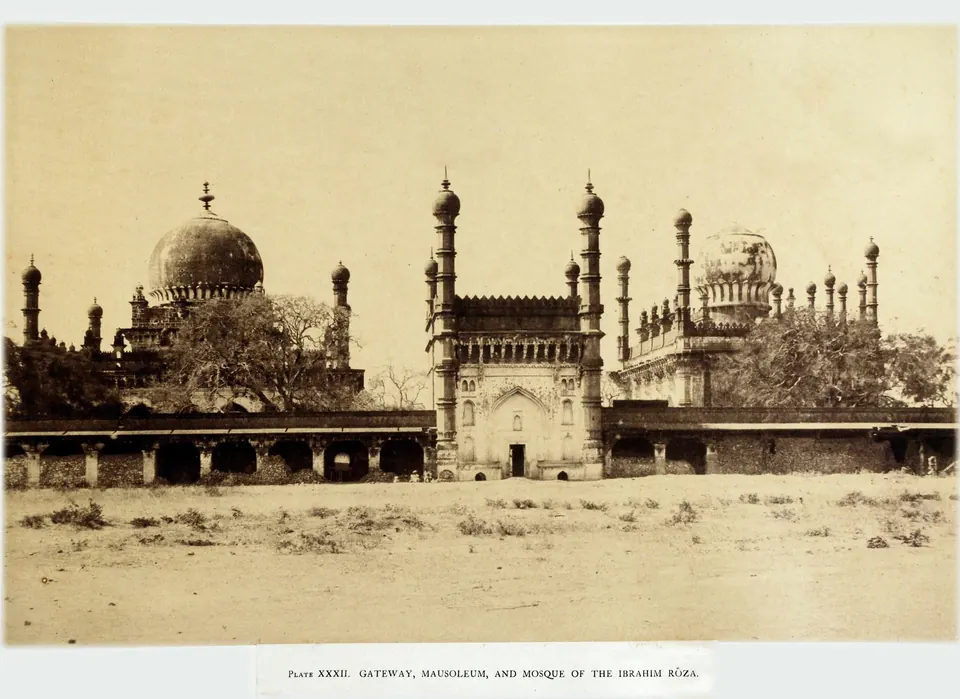
 "Gateway, Mausoleum, and Mosque of the Ibrahim Roza" at Bijapur (Taylor and Fergusson, Architecture at Beejapoor, 1866, pl. XXXII)పాత ఫోటో · 1866
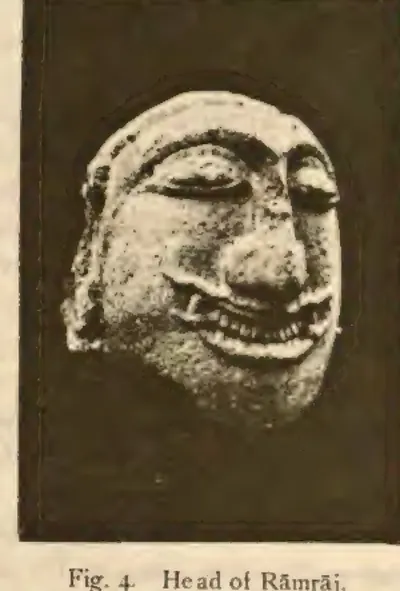 "Head of Ramraj": stone head found in the Taj Bauri at Bijapur, by tradition the effigy of Rama Raya set in the citadel wall (Cousens 1916, p. 9, fig. 4)ఫోటో · 1916
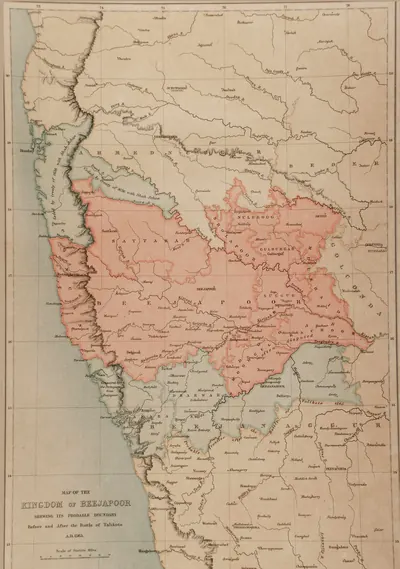 "Map of the Kingdom of Beejapoor, shewing its probable boundary before and after the Battle of Talikota, A.D. 1565" (Taylor and Fergusson, Architecture at Beejapoor, 1866, facing p. 1)పటం · 1866
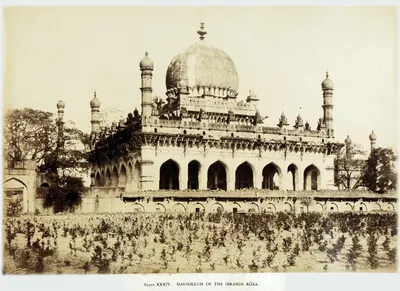 "Mausoleum of the Ibrahim Roza": the tomb of Ibrahim Adil Shah II at Bijapur (Taylor and Fergusson, Architecture at Beejapoor, 1866, pl. XXXIV)పాత ఫోటో · 1866
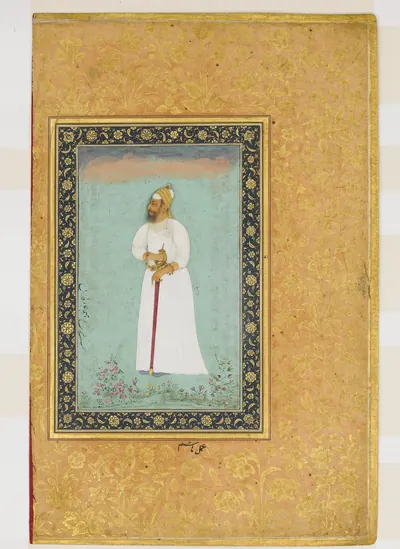 "Portrait of Ibrahim 'Adil Shah II of Bijapur", by Hashim, about 1620, folio from the Shah Jahan Album (Metropolitan Museum of Art)ఇతర · c. 1620
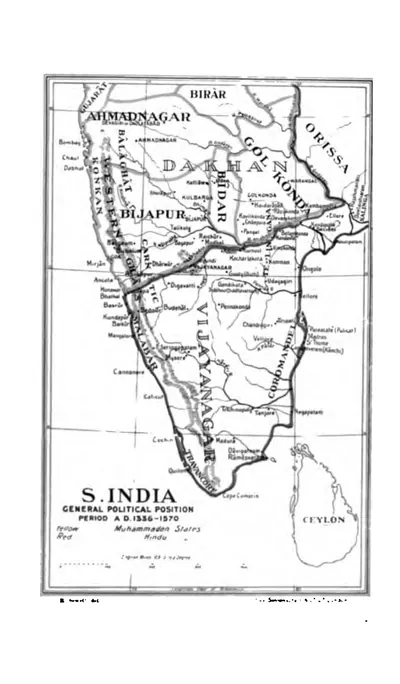 "S. India, General Political Position, Period A.D. 1336-1570" (Sewell 1900, to face p. 1 (PDF p. 38))పటం · 1900
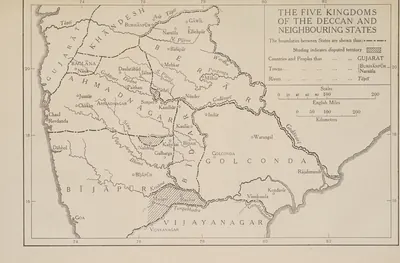 "The Five Kingdoms of the Deccan and Neighbouring States", with Golconda holding Telingana from Warangal to Rajahmundry and Kondavir (The Cambridge History of India, Vol. III (1928), Map 6)పటం · 1928
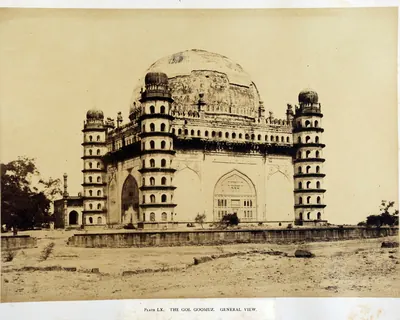 "The Gol Goomuz. General View": the tomb of Muhammad Adil Shah at Bijapur (Taylor and Fergusson, Architecture at Beejapoor, 1866, pl. LX)పాత ఫోటో · 1866
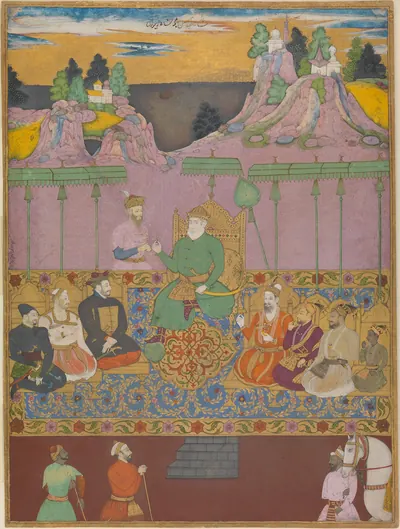 "The House of Bijapur": album leaf of the Adil Shahi dynasty by Kamal Muhammad and Chand Muhammad, Bijapur, about 1680 (Metropolitan Museum of Art)ఇతర · c. 1680
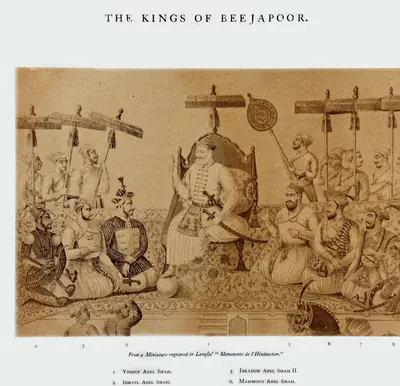 "The Kings of Beejapoor": the eight Adil Shahi kings from Yusuf to Sikandar, from a miniature engraved in Langlès' Monuments de l'Hindoustan (Taylor and Fergusson, Architecture at Beejapoor, 1866, frontispiece)పుస్తక చిత్రపటం · 1866
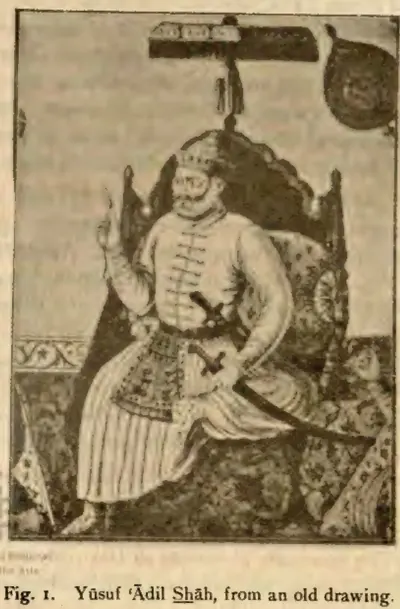 "Yusuf Adil Shah, from an old drawing" (Cousens, Bijapur and its Architectural Remains, 1916, p. 3, fig. 1)రేఖాచిత్రం · 1916
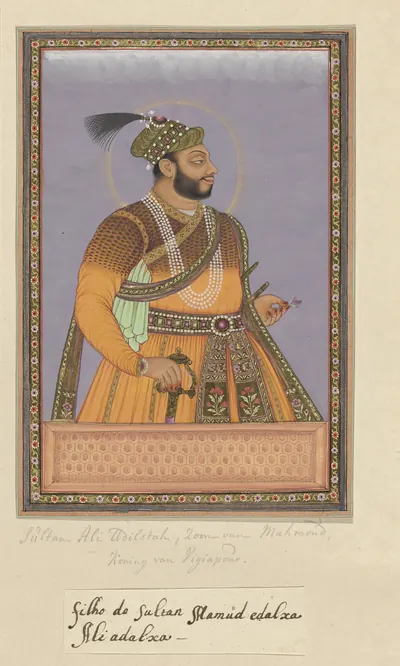 Ali Adil Shah (II): Deccani portrait, about 1686, Witsen album, Rijksmuseum (RP-T-00-3186-41); Dutch title: "Portrait of Ali Adil Shah, son of Sultan Mahmud; after his father he was ruler of Bijapur"ఇతర · c. 1686
అన్నీ చూపించు (25)
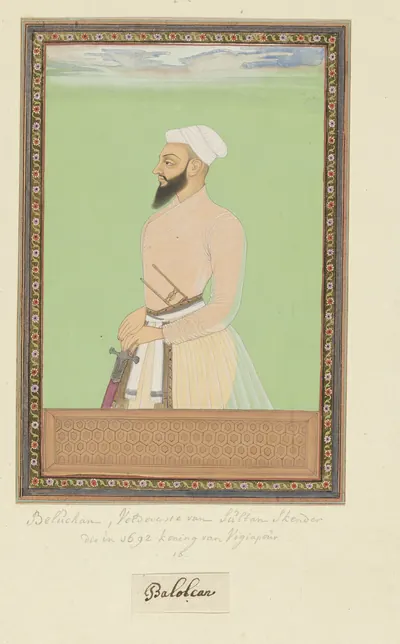 Bahlul Khan, commander-in-chief of Sultan Sikandar of Bijapur: Deccani portrait, about 1686, Witsen album, Rijksmuseum (RP-T-00-3186-44)ఇతర · c. 1686
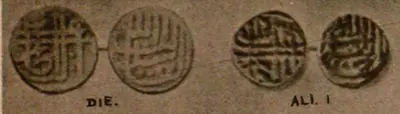 Copper coins of Ali Adil Shah I with the reconstructed die (Cousens 1916, pl. CXV, row 1)నాణెం · 1916
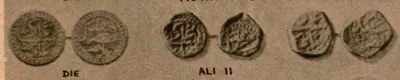 Copper coins of Ali Adil Shah II with the reconstructed die (Cousens 1916, pl. CXV, row 8)నాణెం · 1916
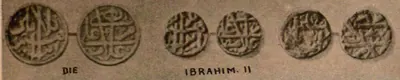 Copper coins of Ibrahim Adil Shah II with the reconstructed die (Cousens 1916, pl. CXV, row 2)నాణెం · 1916
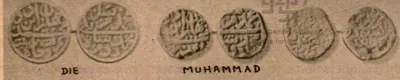 Copper coins of Muhammad Adil Shah with the reconstructed die (Cousens 1916, pl. CXV, row 5)నాణెం · 1916
 Copper coins of Sikandar Adil Shah with the reconstructed die (Cousens 1916, pl. CXV, row 9)నాణెం · 1916
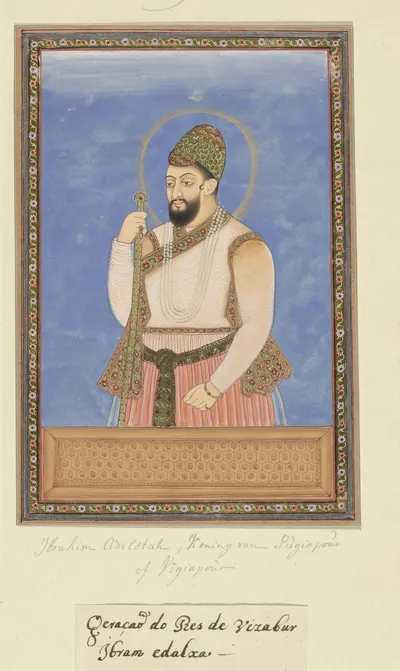 Ibrahim Adil Shah (II): Deccani portrait, about 1686, from the Witsen album in the Rijksmuseum (RP-T-00-3186-39); Dutch title: "Portrait of Ibrahim Adil Shah, who was the first ruler of Bijapur" (the next leaf names his son Sultan Mahmud, that is Muhammad, so this is Ibrahim II)ఇతర · c. 1686
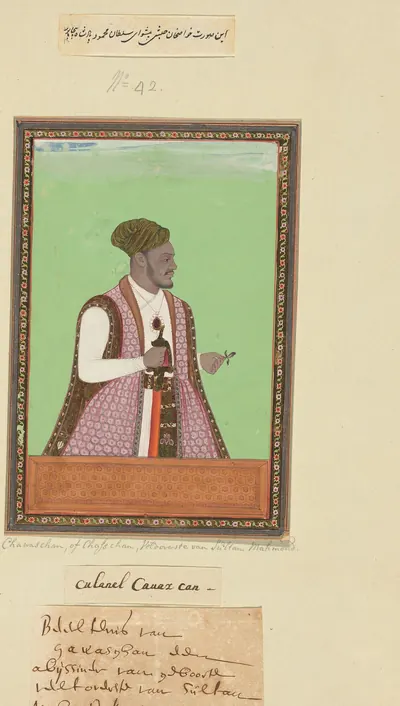 Khawas Khan "the Abyssinian", commander-in-chief (peshwa) of Sultan Mahmud of Bijapur: Deccani portrait, about 1686, Witsen album, Rijksmuseum (RP-T-00-3186-42)ఇతర · c. 1686
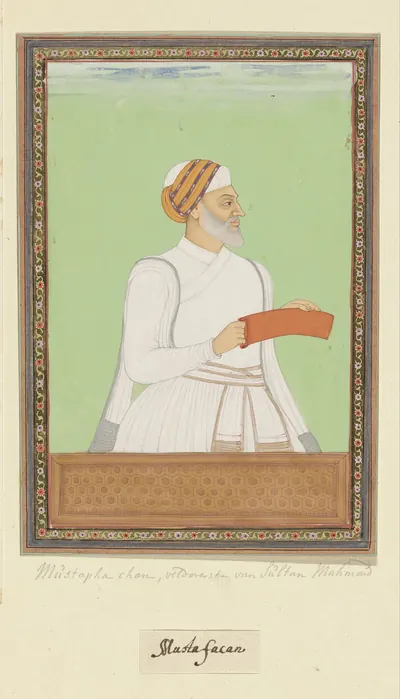 Mustafa Khan, commander-in-chief of Sultan Mahmud of Bijapur: Deccani portrait, about 1686, Witsen album, Rijksmuseum (RP-T-00-3186-43)ఇతర · c. 1686
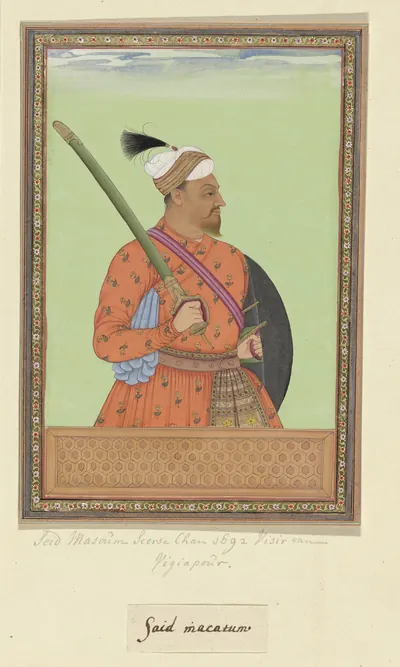 Sayyid Makhdum Sharza Khan, "who was vizier of Bijapur": Deccani portrait, about 1686, Witsen album, Rijksmuseum (RP-T-00-3186-45)ఇతర · c. 1686
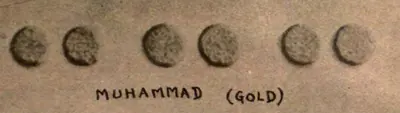 Small gold coins of Muhammad Adil Shah (Cousens 1916, pl. CXV, row 1, "Muhammad (Gold)")నాణెం · 1916
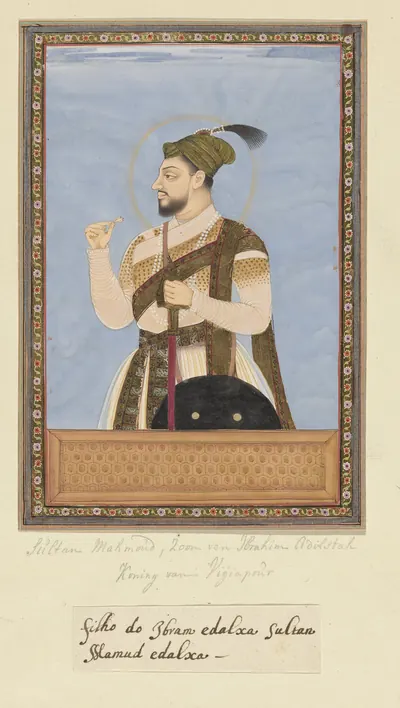 Sultan Mahmud (Muhammad Adil Shah): Deccani portrait, about 1686, Witsen album, Rijksmuseum (RP-T-00-3186-40); Dutch title: "Portrait of Sultan Mahmud, son of Ibrahim Adil Shah; after his father he was ruler of Bijapur"ఇతర · c. 1686
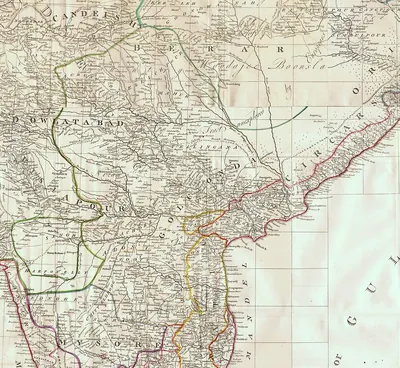 The Deccan in James Rennell's "Map of Hindoostan, or the Mogul Empire" (London, 1788): detail with Golconda, Telingana, Visiapour, Adoni, Dowlatabad, Berar and the Circarsపటం · 1788
సంబంధిత
వ్యక్తులు
యూసుఫ్ ఆదిల్ ఖాన్ (యూసుఫ్ ఆదిల్ షా)
సుమారు క్రీ.శ. 1489–1510
బీజాపూర్ ఆదిల్ షాహీ వంశ స్థాపకుడు (పాలన దాదాపు 1489–1510). ఆయన బహమనీ రాజుల విదేశంలో పుట్టిన అధికారి. ఆదిల్ ఖాన్ బిరుదుతో బీజాపూర్ రాష్ట్రాన్ని పాలించాడు. హిజ్రీ 895 (1489–90; హిజ్రీ అనేది సంవత్సరాలను లెక్కించే ఇస్లామిక్ పద్ధతి)లో ఆయన స్వాతంత్ర్యం ప్రకటించాడు. 1493లో ఆయన విజయనగర రాజప్రతినిధి తిమ్మరాజును ఓడించి, ముద్గల్, రాయచూరులను తీసుకున్నాడు. దీనితో రాయచూరు దోఆబ్ కోసం ఒక శతాబ్దం యుద్ధం మొదలైంది.
ఇస్మాయిల్ ఆదిల్ షా
క్రీ.శ. 1510–1534
బీజాపూర్ రెండవ ఆదిల్ షాహీ సుల్తాన్ (పాలన 1510–1534), యూసుఫ్ ఆదిల్ ఖాన్ కొడుకు. ఆయన పాలనలో రాయచూరు, ముద్గల్ కోటలు విజయనగరంతో చేతులు మారాయి. 1520లో శ్రీకృష్ణదేవరాయలు రాయచూరును ముట్టడించి, కృష్ణా నది మీద ఆయన సైన్యాన్ని చెల్లాచెదురు చేశాడు. శ్రీకృష్ణదేవరాయల మరణం తర్వాత ఇస్మాయిల్ రెండు కోటలనూ తిరిగి తీసుకున్నాడు.
ఇబ్రహీం ఆదిల్ షా I
సుమారు క్రీ.శ. 1535–1558
బీజాపూర్ నాలుగవ ఆదిల్ షాహీ సుల్తాన్ (పాలన 1535–1558), ఇస్మాయిల్ ఆదిల్ షా చిన్న కొడుకు. విజయనగరపు భోజ తిరుమల ఆహ్వానంపై ఆయన 1535లో విజయనగర రాజధానిలో ప్రవేశించాడు. తర్వాత ఆయన సేనాపతి అసద్ ఖాన్ ఆదోనిని ముట్టడించాడు. ఆ కోటపై బీజాపూర్ చేసిన మొదటి దాడి ఇదే. ఇది చర్చల ద్వారా కుదిరిన శాంతితో ముగిసిందని ఫెరిష్తా చెబుతారు. 1551–52లో ఆయన రాయచూరు, ముద్గల్లను అళియ రామరాయలకు కోల్పోయాడు.
అలీ ఆదిల్ షా I
సుమారు క్రీ.శ. 1558–1580
బీజాపూర్ ఆదిల్ షాహీ వంశంలో ఐదవ సుల్తాన్ (పాలన 1558–1580). ఆయన మొదట అళియ రామరాయలకు మిత్రుడు. కానీ తర్వాత దక్కన్ సుల్తానుల కూటమిలో చేరాడు. ఆ కూటమి 1565 జనవరిలో రామరాయలను ఓడించి చంపింది. తర్వాత ఆయన రాయచూరు, ముద్గల్లను తిరిగి గెలుచుకున్నాడు. 1568లో ఆదోనిని తీసుకున్నాడు. దక్షిణాన అరవీటి రాజులపైకి తిరిగి పెనుకొండను ముట్టడించాడు. ఆ ముట్టడి తేదీ, వివరాలపై వివాదం ఉంది. ఆయన చాంద్ బీబీ భర్త.
ఇబ్రహీం ఆదిల్ షా II
క్రీ.శ. 1580–1627
బీజాపూర్ ఆరవ ఆదిల్ షాహీ సుల్తాన్ (పాలన 1580–1627). అలీ ఆదిల్ షా I మేనల్లుడు (nephew), వారసుడు. ఆయనను జగద్గురు అని పిలిచారు. చరిత్రకారుడు ఫెరిష్తాకు ఆయన పోషకుడు, ఇబ్రహీం రౌజా నిర్మాత. ఆయన పాలనలో 1595–96 నాటి ముట్టడికి వ్యతిరేకంగా బీజాపూర్ ఆదోనిని నిలుపుకుంది. పదిహేడవ శతాబ్దం మొదట్లో అది ఆ పట్టణపు చివరి హిందూ నాయకుడి నుంచి కర్నూలును తీసుకుంది. పెనుకొండపై బీజాపూర్ చేసిన విఫల ముట్టడి గురించిన ఫెరిష్తా కథనాన్ని హెరాస్ ఈ సంవత్సరాలలో ఉంచారు.
ముహమ్మద్ ఆదిల్ షా
క్రీ.శ. 1627–1656
బీజాపూర్ ఏడవ ఆదిల్ షాహీ సుల్తాన్ (పాలన 1627–1656). కొన్ని చరిత్రలు ఆయనను మహమూద్ అంటాయి. ఆయన గోల్ గుంబజ్ నిర్మాత. ఆయన 1636లో షాజహాన్తో శాంతి చేసుకుని, తర్వాత తన సైన్యాలను కర్ణాటకలోకి పంపాడు. సేనాపతులలో షాహ్జీ భోంస్లే ఒకరు. బీజాపూర్ జింజీ, వెల్లూరు, పెనుకొండ (మెకంజీ వ్రాతప్రతి ప్రకారం 1652), బళ్లారి, అనంతపురం ప్రాంతపు ఎగువ ప్రాంతాలను తీసుకుంది. అది గోల్కొండ మంత్రి మీర్ జుమ్లాతో కర్ణాటకను పంచుకుంది.
అలీ ఆదిల్ షా II
క్రీ.శ. 1656–1672
బీజాపూర్ ఆదిల్ షాహీ వంశంలో ఎనిమిదవ సుల్తాన్ (పాలన 1656–1672). ఆయన సింహాసనం ఎక్కినప్పుడు, ఆయన ముహమ్మద్ ఆదిల్ షా కొడుకు కాదని చెబుతూ ఔరంగజేబు రాజ్యంపై దండెత్తాడు. ఆయన పాలనలో శివాజీ ఎదిగాడు. కర్నూలు పాలకుడైన అబిసీనియా మూలపు సిద్దీ జౌహర్ తిరుగుబాటు చేశాడు. రాజు దండయాత్రలు కర్నూలు రాష్ట్రాన్ని, రాయచూరు ప్రాంతాన్ని మళ్లీ అదుపులోకి తెచ్చాయి. ఆ తర్వాత 1666–68 మొఘల్ ఒప్పందాలు రాజ్యాన్ని కుదించాయి.
సిద్దీ మసూద్ ఖాన్
సుమారు క్రీ.శ. 1662–1688
బీజాపూర్ అబిసీనియన్ సామంతుడు. బళ్లారి గెజిటీర్ లెక్క ప్రకారం ఆయన 1662 నుంచి 1687 వరకు ఆదోని పాలకుడు, జాగీర్దారు (భూమి మంజూరు పొందినవాడు). 1678 నుంచి ఆయన బాల రాజు సికందర్ ఆదిల్ షాకు రాజ్య ప్రతినిధి. ఆయన ఆదోని జామా మసీదును కట్టించాడు. దాని శాసనాలు దానిని హిజ్రీ 1079 (1666–67) నాటిదిగా చెబుతాయి. రాజధాని నుంచి తరమబడిన ఆయన, తెలుగు దేశంలో బీజాపూర్ చివరి దుర్గంగా ఆదోనిని ఉంచుకున్నాడు. సర్కార్ ప్రకారం 1688లో ఆయన దానిని మొఘలులకు అప్పగించాడు.
సికందర్ ఆదిల్ షా
క్రీ.శ. 1672–1686
బీజాపూర్ తొమ్మిదవ, చివరి ఆదిల్ షాహీ సుల్తాన్ (పాలన 1672–1686). ఆయన చిన్న బాలుడిగా సింహాసనం ఎక్కి, రాజప్రతినిధుల కింద పాలించాడు: ఖవాస్ ఖాన్, బహలోల్ ఖాన్, ఆదోని జాగీర్దారు (భూమి మంజూరు పొందినవాడు) అయిన అబిసీనియన్ సిద్దీ మసూద్. ఆయన పాలనలో బీజాపూర్ కర్ణాటక్ కోటలను తీసుకోవడానికి శివాజీ కర్నూలు ప్రాంతం గుండా దండెత్తాడు (1677). రాయచూరు దోఆబ్ను మరాఠాలకు వదులుకున్నారు. 1686 సెప్టెంబర్ 12న ఔరంగజేబు బీజాపూర్ను తీసుకున్నాడు. సికందర్ 1700లో బందీగా చనిపోయాడు.
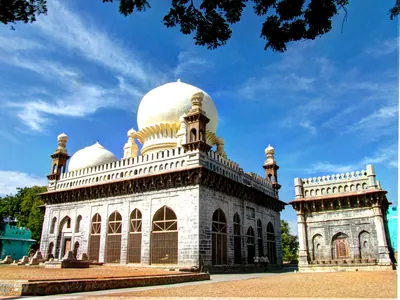
అబ్దుల్ వహాబ్ ఖాన్
క్రీ.శ. 1618 కి ముందు
బీజాపూర్కు చెందిన అబిసీనియా (ఇథియోపియా) మూలపు సేనాపతి. 17వ శతాబ్దం మొదట్లో ఆయన అళియ రామరాయల మనవడు గోపాలరాజు నుంచి కర్నూలును తీసుకున్నాడు. ఆ పట్టణానికి మొదటి బీజాపూర్ పాలకుడిగా ఆయన దాదాపు పదహారు సంవత్సరాలు పాలించాడు. ఆయన హిజ్రీ 1028 (1618)లో చనిపోయాడు. కర్నూలులో హంద్రీ నది ఒడ్డున ఉన్న రెండు గుమ్మటాల సమాధిలో ఆయనను ఖననం చేశారు.
అసద్ ఖాన్ లారీ
క్రీ.శ. 1549 కి ముందు
ఖుస్రో ఆఘా అనే పేరుతో పుట్టిన బీజాపూర్ టర్కీ అధికారి (మరణం 1549). ఆయన బెల్గాంను జాగీర్ (భూమి మంజూరు)గా అనుభవించాడు. ఇస్మాయిల్ ఆదిల్ షా, మొదటి ఇబ్రహీం ఆదిల్ షాల దగ్గర ప్రధాన మంత్రిగా, సైన్యాధిపతిగా ఉన్నాడు. 1535–37లో ఆదోనిపై బీజాపూర్ మొదటి దాడికి ఆయన నాయకత్వం వహించాడు. ఆయన కోటను ముట్టడించాడు. దానిని కాపాడడానికి వచ్చిన రామరాయల సోదరుడు వేంకటాద్రి శిబిరంపై ఆకస్మిక దాడి చేశాడు.
సిద్దీ జౌహర్ (సలాబత్ ఖాన్)
క్రీ.శ. 1662 కి ముందు
రెండవ అలీ ఆదిల్ షా కాలంలో కర్నూలును తన పాలనగా, జాగీర్ (భూమి మంజూరు)గా ఉంచుకున్న బీజాపూర్ అబిసీనియన్ అధికారి. సలాబత్ ఖాన్ అనే బిరుదు పొందిన ఆయన 1660లో పన్హాలాలో శివాజీని ముట్టడించాడు. శివాజీ తప్పించుకోనిచ్చాడనే అనుమానంతో ఆయన కర్నూలుకు వెళ్లిపోయి, 1662లో రాజుపై తిరుగుబాటు చేసి, తన సొంత అనుచరుల చేతిలో చంపబడ్డాడు. ఆయన అల్లుడు ఆదోనికి చెందిన సిద్దీ మసూద్.
కట్టడాలు
కర్నూలులో అబ్దుల్ వహాబ్ సమాధి
క్రీ.శ. 1618
కర్నూలులో హంద్రీ నది ఒడ్డున ఉన్న రెండు గుమ్మటాల సమాధి. పదిహేడవ శతాబ్దం మొదట్లో బీజాపూర్ కోసం కర్నూలును జయించి, అక్కడ మొదటి బీజాపూర్ గవర్నర్ అయిన అబిసీనియా సేనాని అబ్దుల్ వహాబ్ ఖాన్ కోసం దీన్ని కట్టారు. కర్నూలు జిల్లా మాన్యువల్, ఇంపీరియల్ గెజిటీర్ దీన్ని హిజ్రీ 1028 (1618) నాటిదిగా చెబుతాయి. అది ఆయన చనిపోయిన సంవత్సరం.
ఆదోని జామా మసీదు
క్రీ.శ. 1667
ఆదోనిలో శుక్రవారం సామూహిక ప్రార్థనలు జరిగే మసీదు. దీన్ని బీజాపూర్ గవర్నర్ సిద్దీ మసూద్ ఖాన్ కట్టించాడు. దాని ముందుభాగంలోని నల్లరాతి పలకలపై ఉన్న పారసీ పద్యాలు ఇది హిజ్రీ 1079 (1666–67)లో పూర్తయిందని చెబుతాయి. బళ్లారి గెజిటీర్ దీన్ని జిల్లాలోని ముస్లిం వాస్తుశిల్పంలో అత్యుత్తమ కట్టడం అని పిలిచింది. దీని స్తంభాలను ఒక చాళుక్య దేవాలయం నుంచి తెచ్చారని, ఈ మసీదును మొఘలుల ఫిరంగుల నుంచి కాపాడటానికి మసూద్ ఆదోనిని వారికి అప్పగించాడని స్థానిక సంప్రదాయం చెబుతుంది.
ఆధారసూచికలు
గమనికలు (0)
ఆధారాలు (17)
ఈ పేజీలో పొరపాటు కనిపించిందా? మాకు తెలియజేయండి
చివరి సవరణ: