Hanamkonda
Anumakonda, the first Kakatiya capital beside Warangal. It has the Thousand Pillar Temple, the Padmakshi hill shrine and the Kakatiya inscriptions that record the dynasty's rise.
The first Kakatiya capital
Hanamkonda, the Anumakonda or Anmakonda of the inscriptions, was the seat of the Kakatiya chiefs before they built Warangal (Orugallu) nearby.12 P. V. Parabrahma Sastry cites a Rashtrakuta-period inscription of 872 CE that already names the town.2 He traces the Kakatiya connection to Beta I, the first of the family known to have settled there.2
Rudradeva’s great inscription of 1163 calls Anumakonda his capital.13 It praises it as a city of temples, learned Brahmans and courtesans’ houses, where parrots repeated what they heard.13 Malik Kafur’s army approached Warangal in 1309.4 Amir Khusrau wrote that it first occupied “the hill of An Makinda, for from that all the edifices and gardens of Arangal can be seen”.4
Monuments
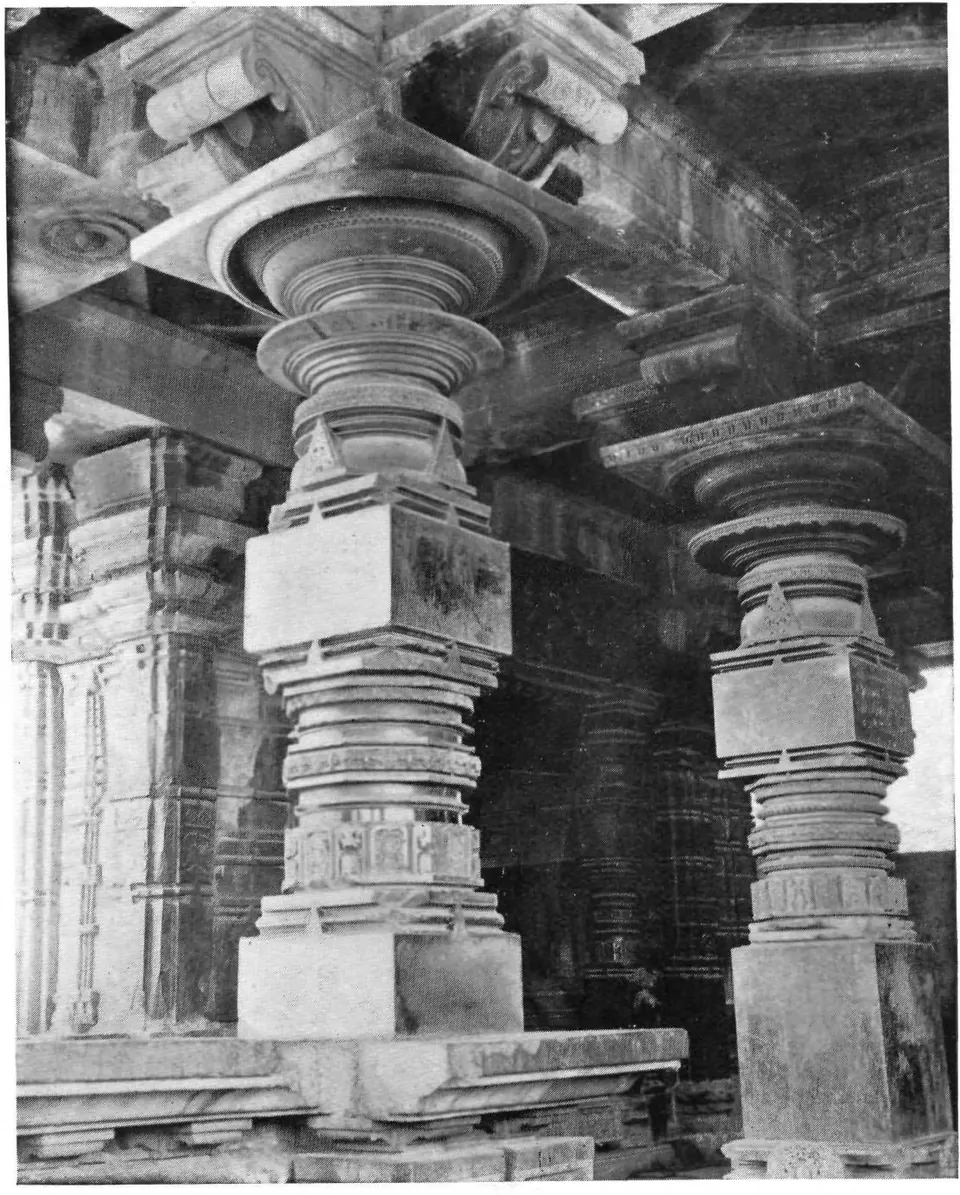
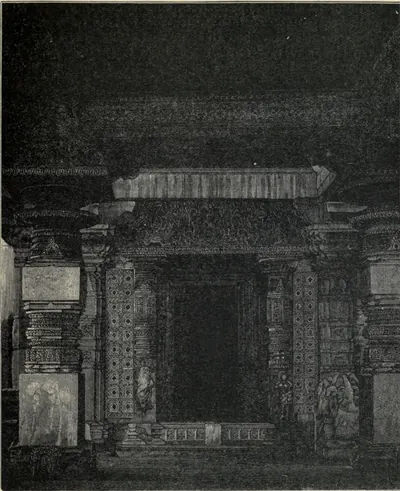
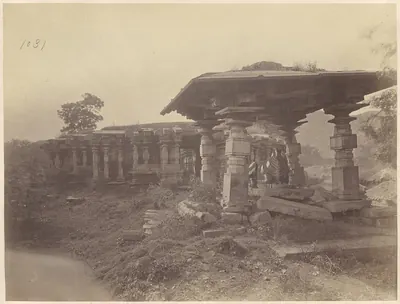
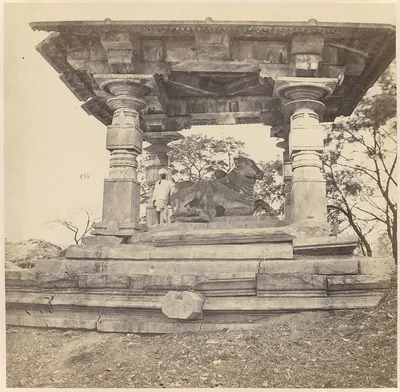
The best-known building is the Thousand Pillar Temple, Rudradeva’s Rudreshvara temple of 1163.15 The Imperial Gazetteer and A. Claude Campbell’s Glimpses of the Nizam’s Dominions (1898) give 1162 instead.56 This is a conversion of the inscription’s Saka year 1084 that does not allow for its January date.56 T. W. Haig (1907) gives 1163.7
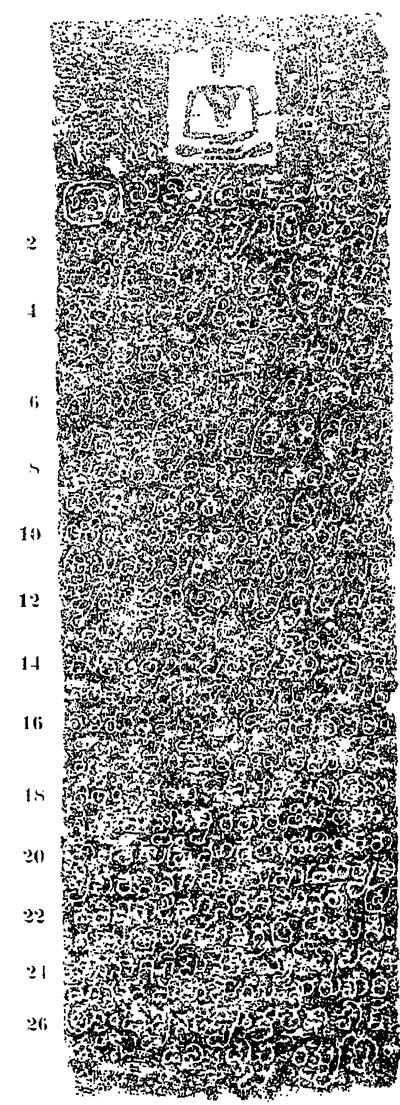
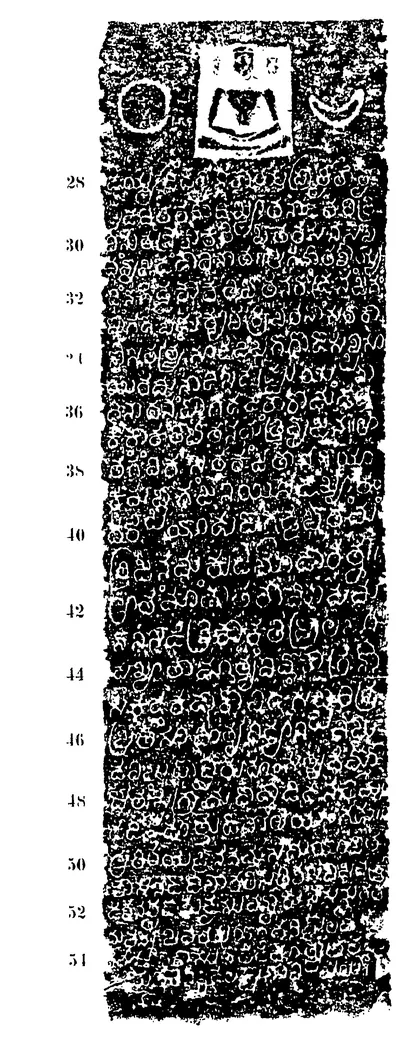
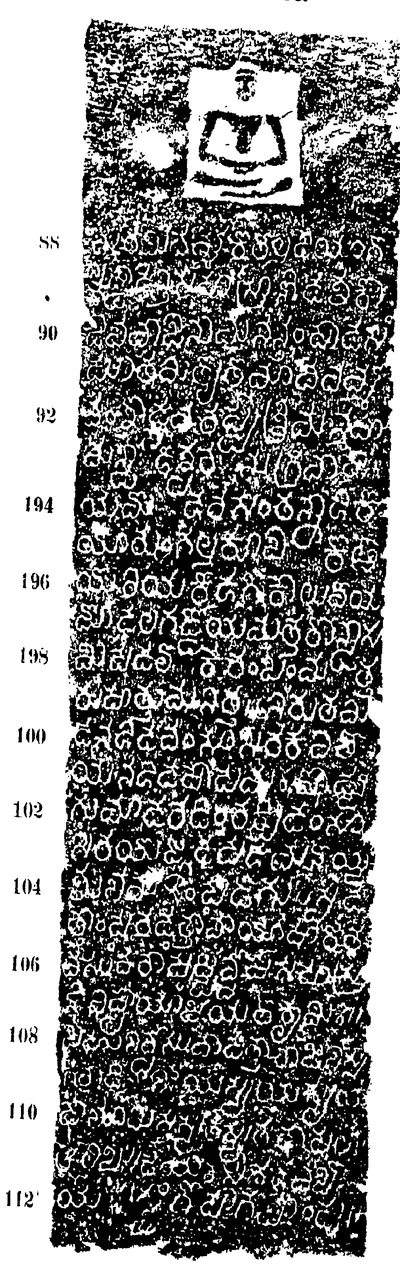
On the hill above the town is the shrine of the goddess Padmakshi.89 Beside it an inscription of 1117, from the time of Prola II, records the building of a Jain basadi (temple).89 Parabrahma Sastry argued that the goddess was originally a Jain deity, later worshipped as a Hindu one.89
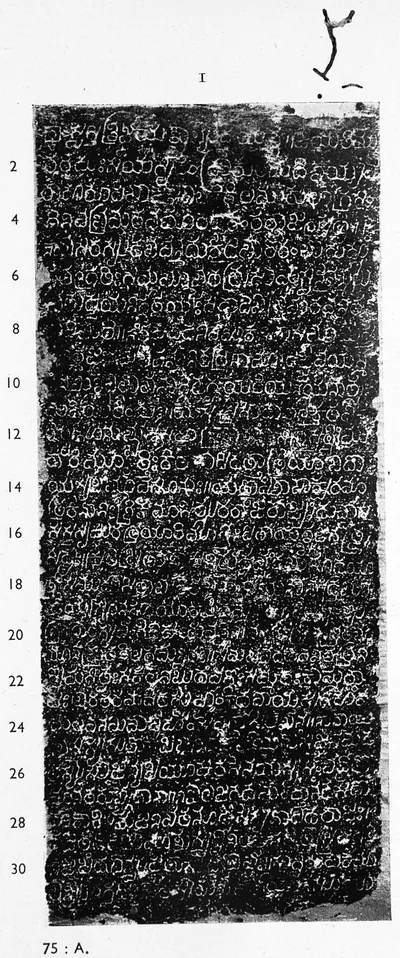
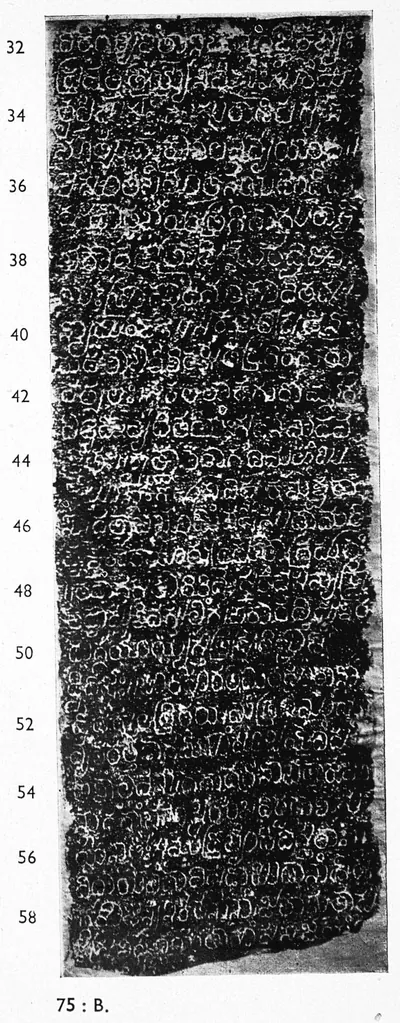
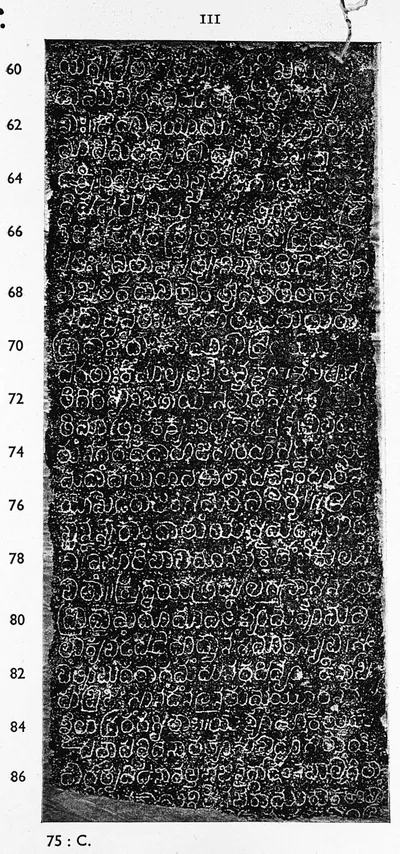
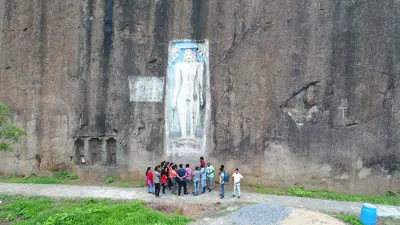
Rudradeva’s minister Gangadhara built a temple of Prasanna Keshava with a tank.1011 Parabrahma Sastry identified his large tank with the one near the present Hanamkonda bus stand.1011 The Imperial Gazetteer of 1909 also notes Jain figures cut in the rocks near the ruined town of Hanmantgiri, and two large tanks on either side of the town.12
Later history
The Imperial Gazetteer records a local tradition drawn from the Telugu chronicle Pratapa Charitra.13 By this tradition Hanamkonda was the capital of the region before Warangal was founded, and a legendary prince born there was the first Kakatiya king.13 The gazetteer adds that the Kakatiyas do not appear in authentic records before the middle of the twelfth century.13
In 1900 the archaeologist Henry Cousens could write that Warangal had become a suburb of Hanamkonda.14 In 1901 Hanamkonda had 10,487 inhabitants.13 It was the headquarters of the Warangal Division and District of Hyderabad State.13
Campbell’s account of 1898 describes Hanamkonda as a growing town of about 10,000 people, 82 miles east-north-east of Hyderabad.6 It was the headquarters of the subahdar, who governed the division, and of the chief officials of Warangal District.6 It had a post office, a municipality, a dispensary, a Baptist chapel, and a jail where carpets and towels were made.6
Campbell says that the town had grown steadily since the railway came.6 A large part of the Hyderabad Contingent had once been stationed there, though by then only about twenty Europeans lived in it.6 He describes it as a centre of trade with Hyderabad and the east coast.6 It exported carpets, cloth, grain, oilseed, cotton, hemp, hides and timber.6
He also mentions Muslim families, said to be of Persian descent, who made daggers, swords and spearheads.6 The Imperial Gazetteer confirms the town’s offices and Central jail, and its fame for silk and cotton cloth and carpets.1215
Footnotes
-
J. F. Fleet, Sanskrit and Old-Canarese Inscriptions, No. CXVIII, Indian Antiquary XI (1882), p. 9 (archive.org (opens in a new tab)). ↩ ↩2 ↩3 ↩4
-
P. V. Parabrahma Sastry, The Kakatiyas of Warangal (1978), p. 172. ↩ ↩2 ↩3
-
Fleet, Sanskrit and Old-Canarese Inscriptions, No. CXVIII (1882), p. 20 (archive.org (opens in a new tab)). ↩ ↩2
-
H. M. Elliot and John Dowson, The History of India as Told by Its Own Historians, vol. III (1871), p. 80 (archive.org (opens in a new tab)). ↩ ↩2
-
Imperial Gazetteer of India, Provincial Series: Hyderabad State (1909), p. 173 (archive.org (opens in a new tab)). ↩ ↩2 ↩3
-
A. Claude Campbell, Glimpses of the Nizam’s Dominions (1898), p. 480 (archive.org (opens in a new tab)). ↩ ↩2 ↩3 ↩4 ↩5 ↩6 ↩7 ↩8 ↩9 ↩10
-
T. W. Haig, Historic Landmarks of the Deccan (1907), pp. 65, 68 (archive.org (opens in a new tab)). ↩
-
Parabrahma Sastry, The Kakatiyas of Warangal (1978), p. 74. ↩ ↩2 ↩3
-
Parabrahma Sastry, The Kakatiyas of Warangal (1978), pp. 24, 273. ↩ ↩2 ↩3
-
Parabrahma Sastry, The Kakatiyas of Warangal (1978), p. 102. ↩ ↩2
-
Parabrahma Sastry, The Kakatiyas of Warangal (1978), p. 204. ↩ ↩2
-
Imperial Gazetteer: Hyderabad State (1909), p. 173 (archive.org (opens in a new tab)). ↩ ↩2
-
Imperial Gazetteer: Hyderabad State (1909), p. 172 (archive.org (opens in a new tab)). ↩ ↩2 ↩3 ↩4 ↩5
-
Henry Cousens, Lists of Antiquarian Remains in His Highness the Nizam’s Territories (1900), p. 46. ↩
-
Imperial Gazetteer: Hyderabad State (1909), p. 167 (archive.org (opens in a new tab)). ↩
Photos
 "Anmakonda Inscription of Prola; The Chalukya-Vikrama Year Forty-Two", east face (Epigraphia Indica IX, plate between pp. 262 and 263 (PDF p. 326))Inscription rubbing · 1908
 "Anmakonda Inscription of Prola; The Chalukya-Vikrama Year Forty-Two", north face (Epigraphia Indica IX, plate between pp. 262 and 263 (PDF p. 326))Inscription rubbing · 1908
 "Anmakonda Inscription of Prola; The Chalukya-Vikrama Year Forty-Two", south face (Epigraphia Indica IX, plate between pp. 262 and 263 (PDF p. 327))Inscription rubbing · 1908
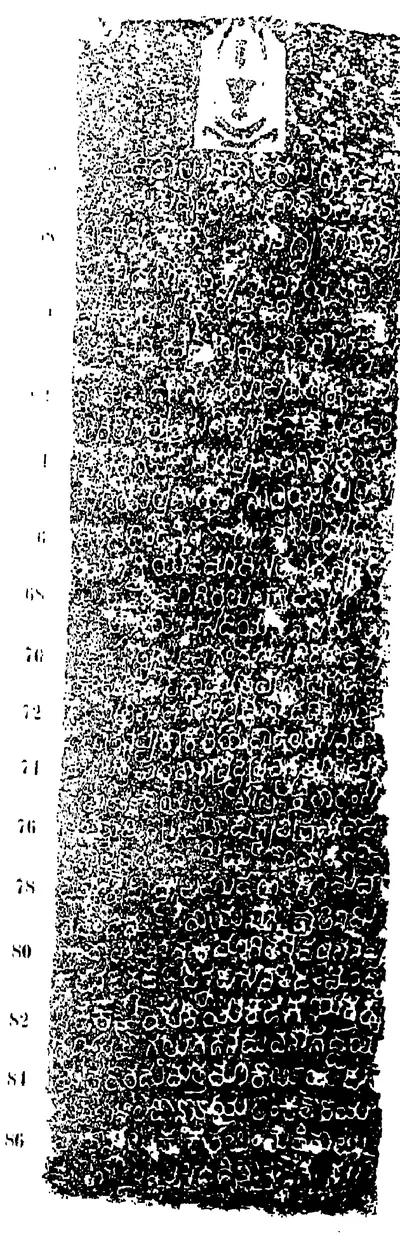 "Anmakonda Inscription of Prola; The Chalukya-Vikrama Year Forty-Two", west face (Epigraphia Indica IX, plate between pp. 262 and 263 (PDF p. 327))Inscription rubbing · 1908
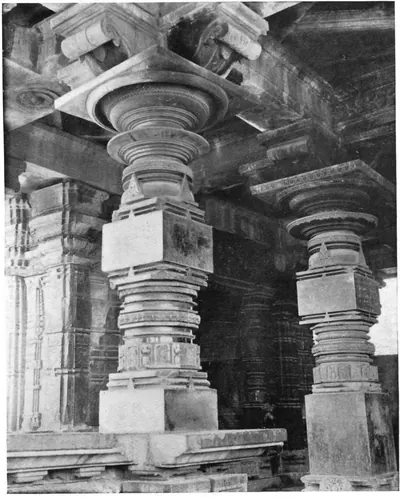 "Detail in Porch, Metropolitan Temple, Hammancondah" (F. B. and W. H. Workman, Through Town and Jungle, 1904, plate p. 128 (PDF leaf 153 of scan ldpd_7460476_000))Historic photograph · 1904
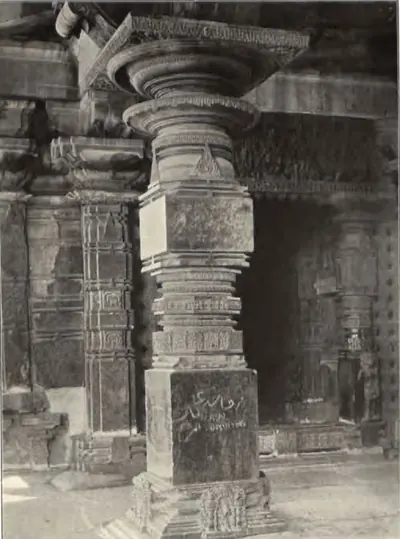 "Detail of Pillar, Thousand-pillared Temple, Warangal" (Hyderabad Arch. Report 1915-16, Pl. VII (b))Book plate · 1917
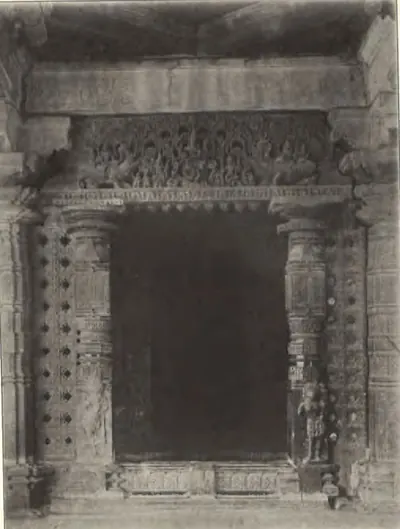 "Door of Shrine, Thousand-pillared Temple, Warangal" (Hyderabad Arch. Report 1915-16, Pl. VIII (b))Book plate · 1917
 "Doorway of Great Temple at Hanamkonda. (From a Photograph.)" (Fergusson, History of Indian and Eastern Architecture, revised ed. 1910, vol. I, woodcut 252, p. 433 (PDF leaf 497 of scan historyofindiane01ferguoft))Drawing · 1910
 "Hanamakoṇḍa inscription of Gaṅgādhara", face I (Sreenivasachar, Corpus of Inscriptions in the Telingana Districts III, Plate 4 (PDF p. 194))Inscription rubbing · 1956
 "Hanamakoṇḍa inscription of Gaṅgādhara", face II (Sreenivasachar, Corpus of Inscriptions in the Telingana Districts III, Plate 4 (PDF p. 194))Inscription rubbing · 1956
 "Hanamakoṇḍa inscription of Gaṅgādhara", face III (Sreenivasachar, Corpus of Inscriptions in the Telingana Districts III, Plate 5 (PDF p. 195))Inscription rubbing · 1956
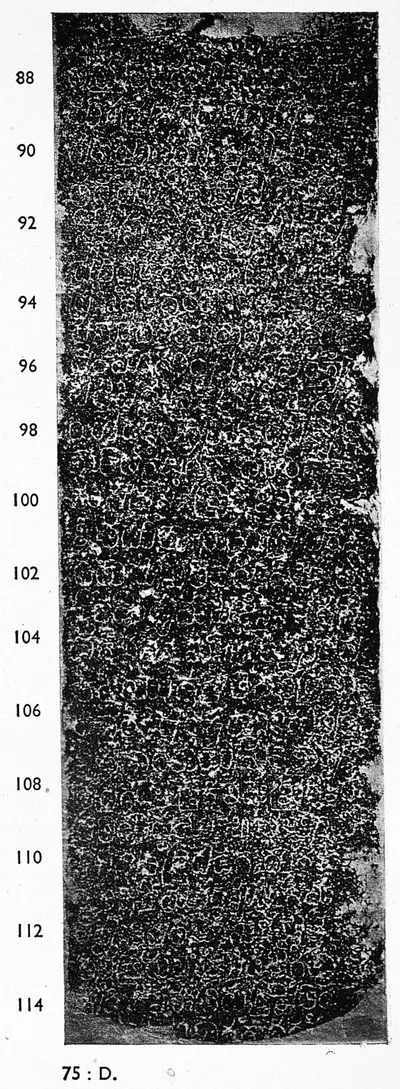 "Hanamakoṇḍa inscription of Gaṅgādhara", face IV (Sreenivasachar, Corpus of Inscriptions in the Telingana Districts III, Plate 5 (PDF p. 195))Inscription rubbing · 1956
Show all (48)
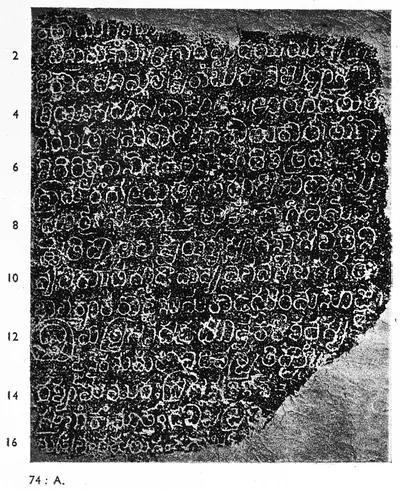 "Hanumakoṇḍa inscription of Gaṃgādhara", face I (Sreenivasachar, Corpus of Inscriptions in the Telingana Districts III, Plate 2 (PDF p. 192))Inscription rubbing · 1956
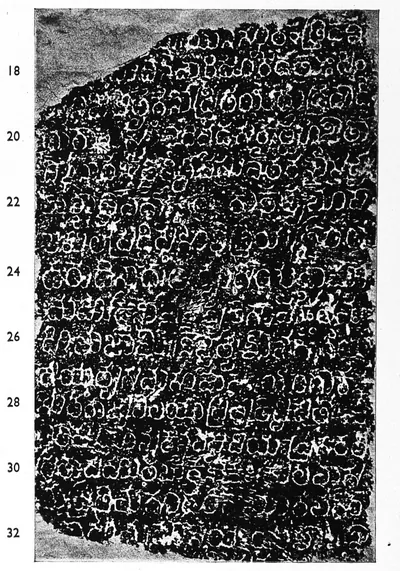 "Hanumakoṇḍa inscription of Gaṃgādhara", face II (Sreenivasachar, Corpus of Inscriptions in the Telingana Districts III, Plate 2 (PDF p. 192))Inscription rubbing · 1956
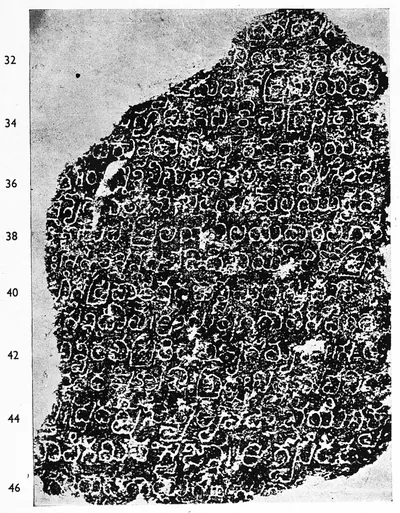 "Hanumakoṇḍa inscription of Gaṃgādhara", face III (Sreenivasachar, Corpus of Inscriptions in the Telingana Districts III, Plate 3 (PDF p. 193))Inscription rubbing · 1956
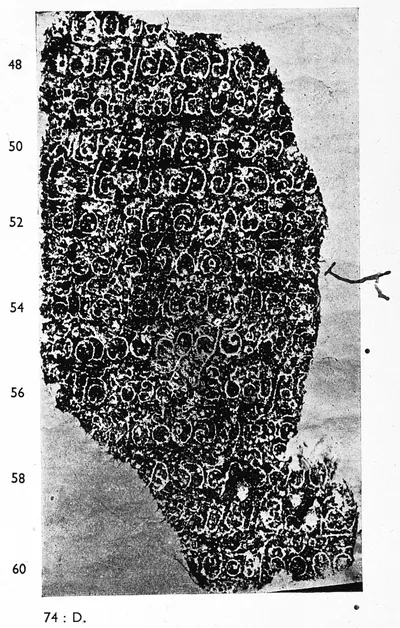 "Hanumakoṇḍa inscription of Gaṃgādhara", face IV (Sreenivasachar, Corpus of Inscriptions in the Telingana Districts III, Plate 3 (PDF p. 193))Inscription rubbing · 1956
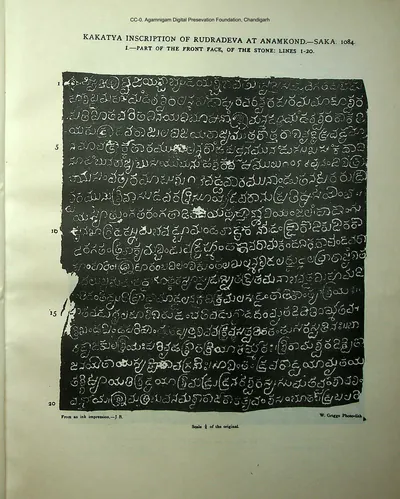 "Kakatya inscription of Rudradeva at Anamkond, Saka 1084. I: Part of the front face of the stone, lines 1-20" (Indian Antiquary XI, Plate I (PDF p. 26))Inscription rubbing · 1882
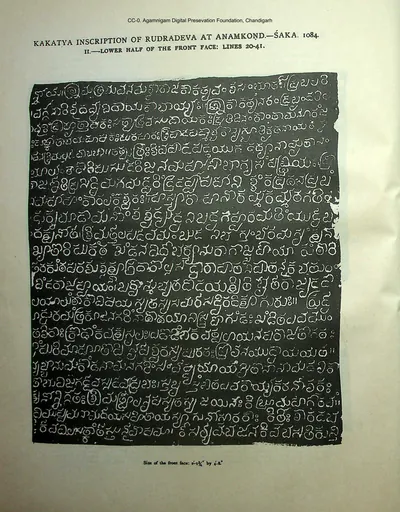 "Kakatya inscription of Rudradeva at Anamkond, Saka 1084. II: Lower half of the front face, lines 20-41" (Indian Antiquary XI, Plate II (PDF p. 27))Inscription rubbing · 1882
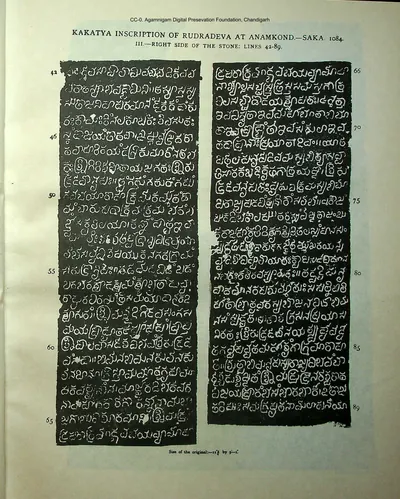 "Kakatya inscription of Rudradeva at Anamkond, Saka 1084. III: Right side of the stone, lines 42-89" (Indian Antiquary XI, Plate III (PDF p. 30))Inscription rubbing · 1882
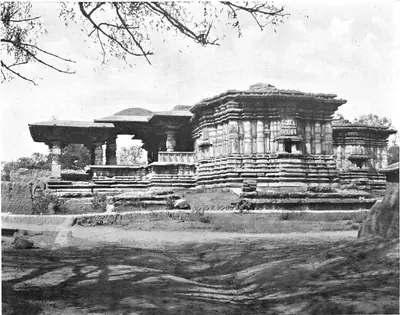 "Metropolitan Temple, Hammancondah" (F. B. and W. H. Workman, Through Town and Jungle, 1904, plate p. 129 (PDF leaf 154 of scan ldpd_7460476_000))Historic photograph · 1904
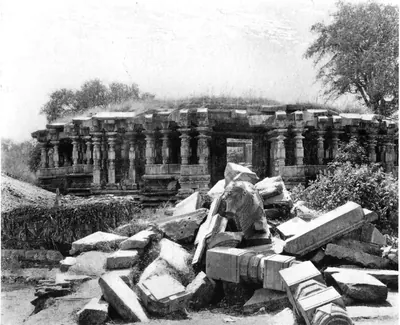 "Thousand Pillared Hall, Hammancondah" (F. B. and W. H. Workman, Through Town and Jungle, 1904, plate p. 127 (PDF leaf 152 of scan ldpd_7460476_000))Historic photograph · 1904
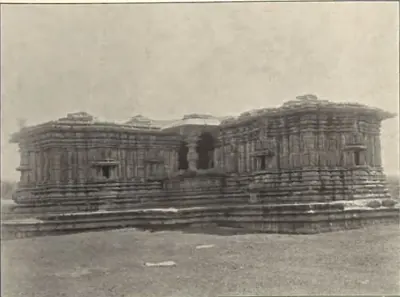 "Thousand-pillared Temple, Warangal" (Hyderabad Arch. Report 1915-16, Pl. VI (b))Book plate · 1917
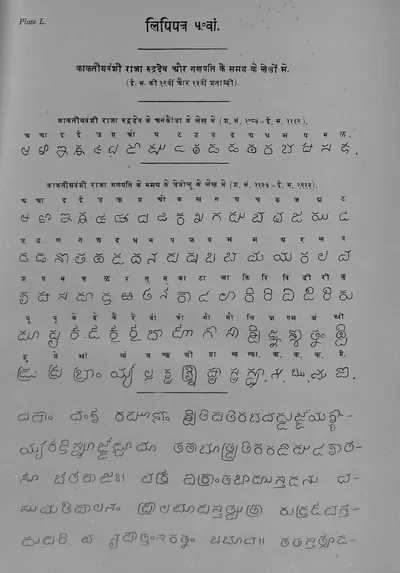 Alphabet table from the inscriptions of the time of the Kakatiya kings Rudradeva and Ganapati, 12th and 13th centuries CE (Anumakonda inscription, Saka 1084; Chebrolu inscription, Saka 1135) (Ojha, Bharatiya Prachin Lipimala, 1918, Plate 50)Book plate · 1918
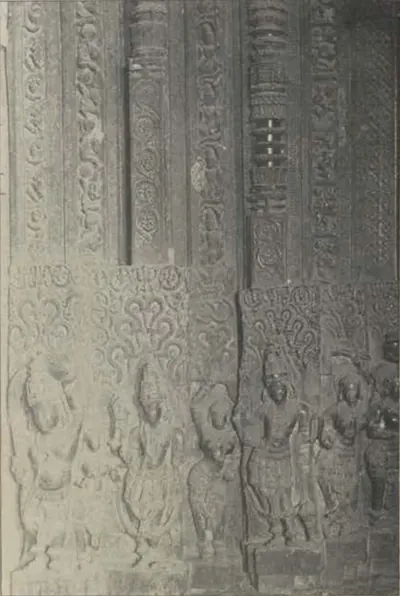 Hanamkonda: "Carved Figures, 1,000-Pillared Temple" (Campbell 1898, p. 486)Historic photograph · 1898
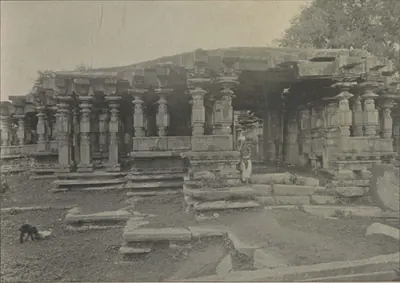 Hanamkonda: "Detached Hall, 1,000-Pillared Temple, Hanamkonda" (Campbell 1898, p. 481)Historic photograph · 1898
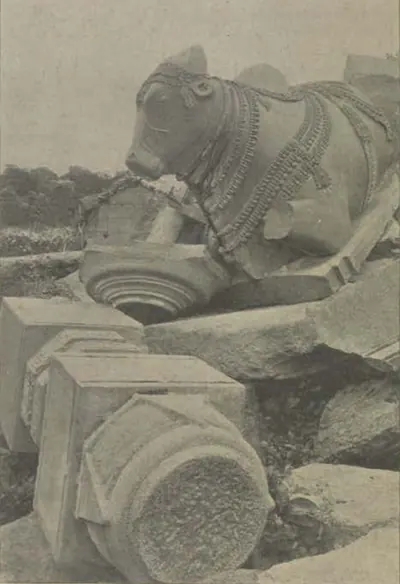 Hanamkonda: "Fallen Pavilion, 1,000-Pillared Temple" (Campbell 1898, p. 483)Historic photograph · 1898
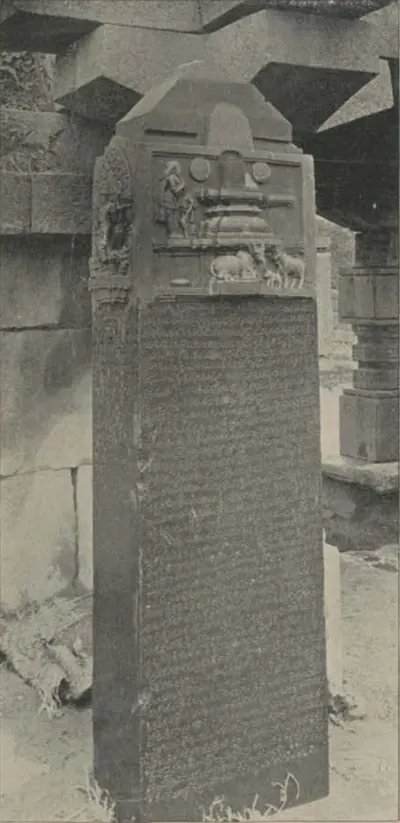 Hanamkonda: "Inscription, 1,000-Pillared Temple" (Campbell 1898, p. 484)Historic photograph · 1898
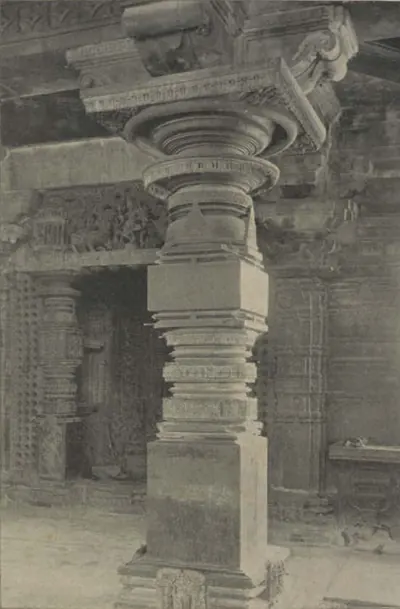 Hanamkonda: "Pillar with Inscription, 1,000-Pillared Temple" (Campbell 1898, p. 482)Historic photograph · 1898
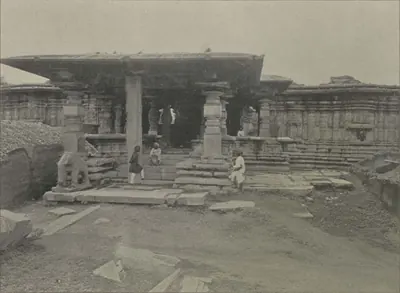 Hanamkonda: "The 1,000-Pillared Temple, Hanamkonda" (Campbell 1898, p. 481)Historic photograph · 1898
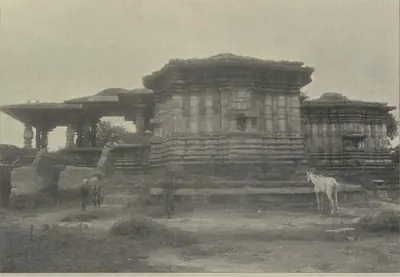 Hanamkonda: "The 1,000-Pillared Temple, Hanamkonda" (Campbell 1898, p. 486)Historic photograph · 1898
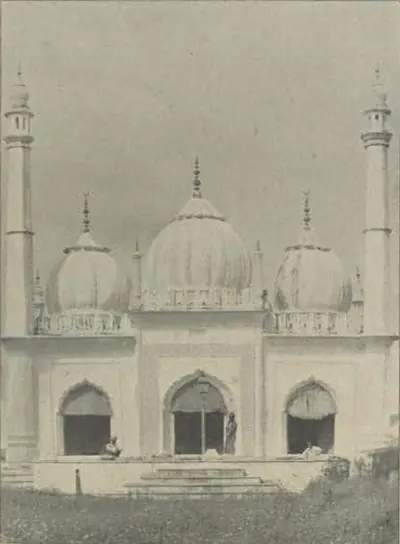 Hanamkonda: "The Mosque, Hanamkonda" (Campbell 1898, p. 486)Historic photograph · 1898
 Hero stone found at the Siddhesvara temple, HanamkondaPhotograph · 2026
 Jain rock reliefs at Aggalayya Gutta, HanamkondaPhotograph · 2018
 Line 1 of the Thousand Pillar Temple inscription of Rudradeva, Hanamkonda, 1163: "Om Svasti Srir=vvijayas=ch=abhyudayas=cha bhavatu" (Indian Antiquary XI, Plate I, detail)Inscription rubbing · 1882
 Line 6 of the Hanamkonda inscription, with the year "Saka-varshamulu 1084" in Telugu-Kannada figures (Indian Antiquary XI, Plate I, detail)Inscription rubbing · 1882
 Nandi pavilion, Thousand Pillar Temple, 1850-1886Historic photograph · c. 1850-1886
 Nandi under a porch, Thousand Pillar Temple, 1850-1886Historic photograph · c. 1850-1886
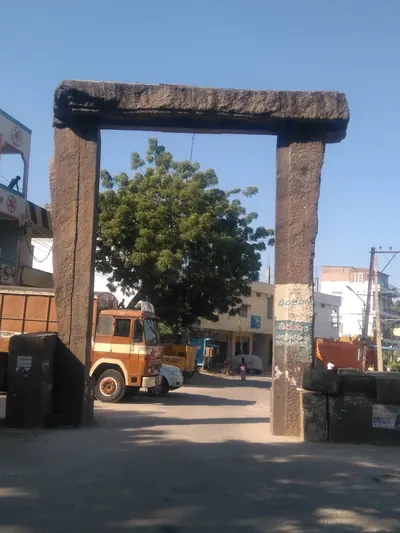 Old stone gateway at HanamkondaPhotograph · 2017
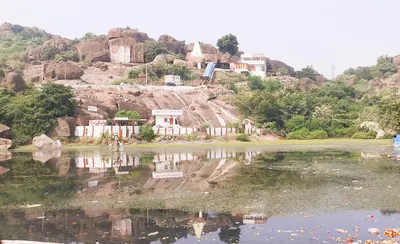 Padmakshi hill, HanamkondaPhotograph · 2023
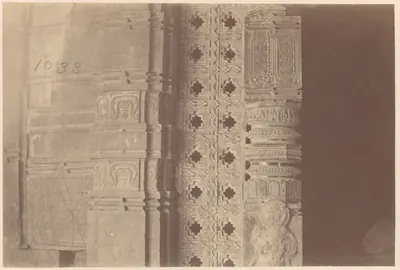 Pierced screen and carved jamb at a doorway, Thousand Pillar Temple, 1850-1886Historic photograph · c. 1850-1886
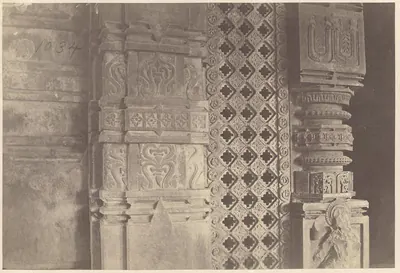 Pierced screen and pillar, Thousand Pillar Temple, 1850-1886Historic photograph · c. 1850-1886
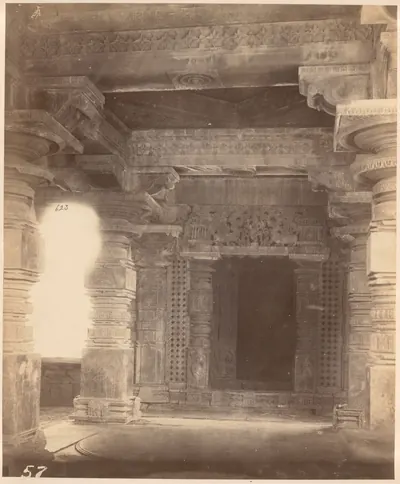 Shrine doorway inside the Thousand Pillar Temple (negative 57), 1850-1886Historic photograph · c. 1850-1886
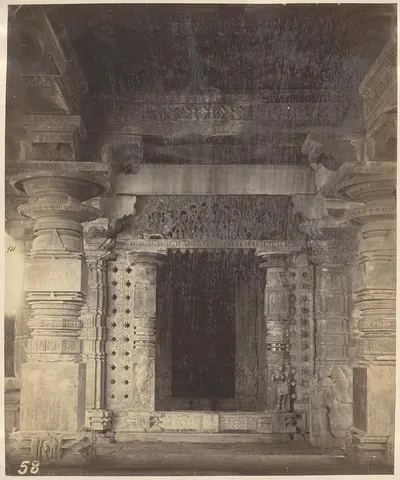 Shrine doorway, Thousand Pillar Temple, 1850-1886Historic photograph · c. 1850-1886
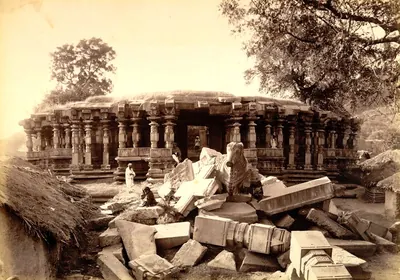 The Thousand Pillar Temple, Hanamkonda, with fallen stones, about 1885Historic photograph · c. 1885
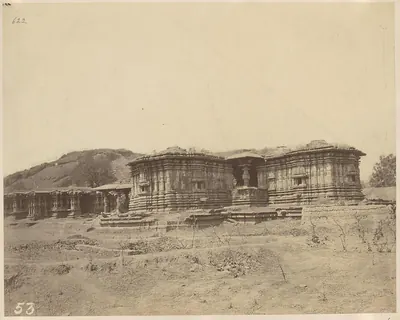 Thousand Pillar Temple below the hill, 1850-1886Historic photograph · c. 1850-1886
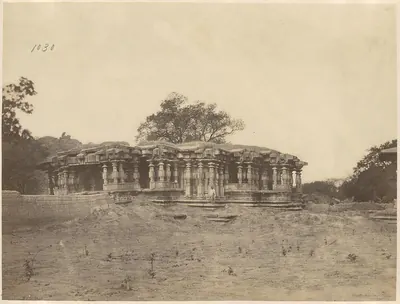 Thousand Pillar Temple with a tree on the roof, 1850-1886Historic photograph · c. 1850-1886
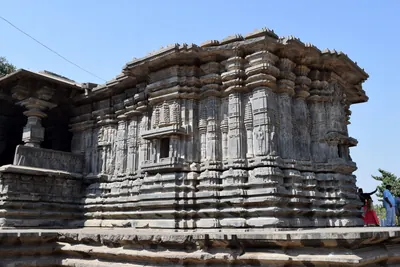 Thousand Pillar Temple, HanamkondaPhotograph · 2018
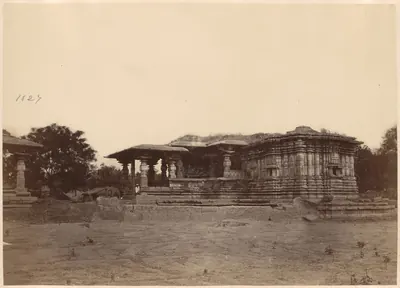 Thousand Pillar Temple, Hanamkonda, from the side, 1850-1886Historic photograph · c. 1850-1886
Related
Dynasties

People
Beta I
c. 996–1051 CE
Early Kakatiya chief (c. 996–1051), also called Garuda Beta. As a boy he lost his father in war, and later he won back the family's position. His one known record, an inscription of 1051 at Sanigaram, is the oldest Kakatiya record after the Mangallu grant.
Prola I
c. 1052–1076 CE
Kakatiya chief (c. 1052–1076), son of Beta I. He fought for the Western Chalukya king Trailokyamalla (Someshvara I), who gave him the district of Anumakonda as a permanent fief (land held from a king). He bore the title ari-gaja-kesari, and the family's boar emblem was later credited to him.
Beta II
c. 1076–1108 CE
Kakatiya chief (c. 1076–1108) who took the name Tribhuvanamalla from his overlord, the Western Chalukya king Vikramaditya VI. He held Anumakonda as a Chalukya feudatory (subordinate ruler) and won the Sabbi-nadu district through his minister. He gave lands to the Kalamukha Shaiva teacher Rameshvara Pandita.
Vikramaditya VI
c. 1076–1126 CE
Western Chalukya king of Kalyani, called Tribhuvanamalla. He deposed his brother Somesvara II in 1076 and reigned for fifty years, to 1126. He replaced the Saka era with his own Chalukya-Vikrama era, in which most Telangana records of the time are dated. As a prince he fought the Cholas and their Eastern Chalukya allies for Vengi. Late in his reign, after the Chola viceroy left in 1118, he was recognised as king in Vengi and the coastal Telugu country. His feudatories in Telangana included the Kakatiyas Beta II and Prola II and the Choda chiefs of Kandur.
Durgaraja
c. 1108–1116 CE
Elder son of the Kakatiya chief Beta II. He is known from a single inscription of 1098 at Kazipet. He may have ruled briefly between about 1108 and 1116, before his younger brother Prola II took power.
Prola II
c. 1116–1157 CE
Kakatiya chief (r. c. 1116–1157), son of Beta II and father of Rudradeva. As a Western Chalukya feudatory (subordinate ruler) he defeated the rival chiefs around Anumakonda. He was killed in battle with chiefs of the coastal Andhra country.
Rudradeva
c. 1158–1195 CE
Kakatiya ruler (c. 1158–1195) who defeated the rival chiefs of Telangana. He proclaimed his family's independence in the Thousand Pillar Temple inscription of 1163, and began the fortified capital at Orugallu (Warangal).
Mahadeva
c. 1195–1199 CE
Kakatiya king (r. c. 1195–1199), younger brother of Rudradeva and father of Ganapatideva. He was killed in a night battle while attacking the capital of the Yadava (Seuna) kings.
Malik Kafur
c. 1309–1313 CE
Slave general of Sultan Ala-ud-din Khalji, called Malik Naib. He besieged Warangal in 1309–10 and forced the Kakatiya king Prataparudra to give up his treasure and pay yearly tribute. Then he crossed the Telugu country on his way to the far south, and he collected its tribute from Devagiri. This page covers only his part in the history of the Telugu country.
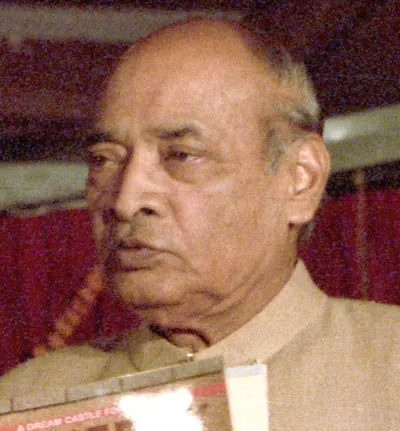
P. V. Narasimha Rao
Political leader from Andhra Pradesh. He was a member of the state assembly from 1957 to 1977 and a minister from 1962. As Chief Minister from 1971 to 1973 he faced the agitation that followed the Supreme Court's Mulki judgment of October 1972, and on 17 January 1973 the Governor reported his resignation. President's rule followed the next day. He sat in the Lok Sabha from 1977 to 1997, held several Union ministries and became Prime Minister.
Monuments
Padmakshi Temple, Hanamkonda
1117 CE
A small, plain temple on the hill south of Hanamkonda, now worshipped as the goddess Padmakshi. The inscribed pillar in front of it records that in December 1117, in the reign of the Kakatiya Prola II, Mailama, wife of the minister Beta, built a Jaina temple, the Kadalalaya-basadi, on the hill. H. Krishna Sastri took the temple to be that basadi and called it the earliest known building of the Kakatiya period.
Thousand Pillar Temple
1163 CE
The triple-shrined Rudreshvara temple at Hanamkonda, dedicated to Shiva, Vishnu and Surya. The Kakatiya ruler Rudradeva consecrated it in January 1163 and inscribed on it the record of his family's rise to power.
Inscriptions
Padmakshi temple inscription of Prola II
1117 CE
A Kannada and Sanskrit inscription on a four-sided pillar in front of the Padmakshi temple, on a small hill at Hanamkonda. It is dated in Chalukya-Vikrama year 42, which F. Kielhorn calculated as 24 December 1117. It names the Western Chalukya king Vikramaditya VI as overlord, and his feudatory, the Kakatiya Prola, son of Beta, ruling at Anmakunda. It records a Jaina temple built on the hill by the wife of Prola's minister. When H. Krishna Sastri published it in 1908, it was the earliest known Kakatiya record.
Thousand Pillar Temple inscription of Rudradeva
1163 CE
A Telugu and Sanskrit inscription of January 1163 CE at the Thousand Pillar Temple in Hanamkonda. It records that Rudradeva consecrated the temple's three gods. It also tells of the wars by which he and his father Prola II made the Kakatiyas masters of Telangana.
Hanamkonda inscription of Gangadhara
A broken, undated Sanskrit verse inscription from Hanamkonda. It records that Gangadhara, minister of the Kakatiya Rudradeva, built a temple of Prasanna-Keshava, tanks and shrines. It also describes the wars of Prola II and Rudradeva against Medaraja of Polavasa and other chiefs.
References
Notes (0)
Sources (7)
Spotted an error on this page? Tell us
Last updated: