Lesson 5
The Telugu-Kannada script through the centuries
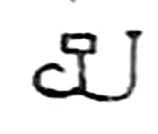
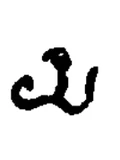
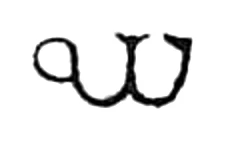
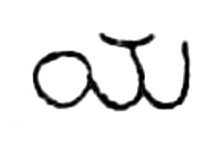
Modern Telugu and modern Kannada look like cousins, and they are: both grew out of the same script, which scholars call the Telugu-Kannada (or Telugu-Canarese) script. That script in turn grew out of the Brahmi of Asoka’s edicts, as Burnell’s family tree of the South Indian alphabets shows.1 This lesson follows the letters through about two thousand years. At each stage it tells you what to look for, so that you can put a rough date on a script you have never seen before. The other scripts found in the Telugu country (Tamil and Grantha, Odia, Nagari, Persian and Arabic) have their own lessons; see the learning path.
Why the letters changed
No king ever reformed the alphabet. Letters changed because people wrote fast, with different tools, on different materials, and copied what they saw around them. G. H. Ojha, whose Bharatiya Prachin Lipimala (1918) charts every stage in its plates, describes the Telugu-Kannada script as found from about the 5th century CE in the southern Bombay Presidency, southern Hyderabad State, Mysore and the north-east of the Madras Presidency. With time its letters grew rounder and, through quick writing, changed shape. By about the 11th century some letters, and by about the 14th century most letters, had come to look like modern Telugu and Kannada.2 He adds that the script is found in the records of the Pallavas, Kadambas, Western and Eastern Chalukyas, Rashtrakutas, Gangas and Kakatiyas, and that such records number not in hundreds but in thousands.2
A. C. Burnell, writing in 1878, gave a practical reason for one of the biggest changes. Letters cut on stone began with a small cross-stroke or thickening at the top of each downward line, to mark clearly where the stroke began. Over time this grew into the little angular mark that sits on top of many Telugu and Kannada consonants.3 Burnell notes that in Telugu this mark is called talakattu, and that grammarians had wrongly taken it for a sign of the vowel a.3 G. Bühler, in the English edition of his Indian Palaeography (1904), made the same point: these angles over the letters are probably a pen-and-stylus substitute for the “wedges” of older inscriptions, and they became a constant feature only in the alphabet of the 11th century and later.4
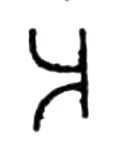 (opens in a new tab)Asokan Brahmi3rd c. BCEOjha 1918, Plate 1
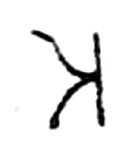 (opens in a new tab)Bhattiprolu2nd c. BCEOjha 1918, Plate 4
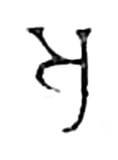 (opens in a new tab)Satavahana2nd c. CEOjha 1918, Plate 9
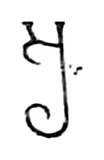 (opens in a new tab)Ikshvaku period3rd c. CEOjha 1918, Plate 12
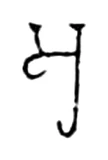 (opens in a new tab)Early Pallava4th c. CEOjha 1918, Plate 13
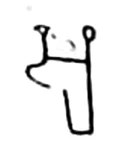 (opens in a new tab)Pallava5th c. CEOjha 1918, Plate 43
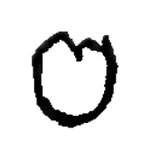 (opens in a new tab)Eastern Chalukya680 CEBurnell 1878, Pl. V, left half
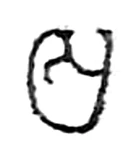 (opens in a new tab)Eastern Chalukya10th c. CEOjha 1918, Plate 48
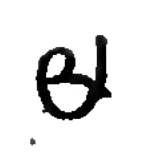 (opens in a new tab)Transitional1134 CEBurnell 1878, Pl. VIII, left half
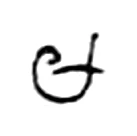 (opens in a new tab)Kakatiya1213 CEOjha 1918, Plate 50
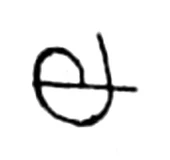 (opens in a new tab)After the Kakatiyas1337 CEOjha 1918, Plate 51
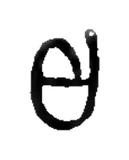 (opens in a new tab)Old Telugu1356 CEBurnell 1878, Pl. IX, left half
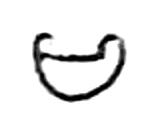 (opens in a new tab)Modern Telugu1918Ojha 1918, Plate 80
- 𑀅Brahmi, modern fonttyped text, not from a plate
- అTelugu, modern fonttyped text, not from a plate
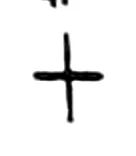 (opens in a new tab)Asokan Brahmi3rd c. BCEOjha 1918, Plate 1
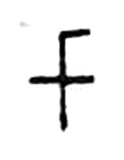 (opens in a new tab)Bhattiprolu2nd c. BCEOjha 1918, Plate 4
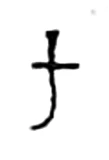 (opens in a new tab)Satavahana2nd c. CEOjha 1918, Plate 9
 (opens in a new tab)Ikshvaku period3rd c. CEOjha 1918, Plate 12
 (opens in a new tab)Early Pallava4th c. CEOjha 1918, Plate 13
 (opens in a new tab)Pallava5th c. CEOjha 1918, Plate 43
 (opens in a new tab)Eastern Chalukya680 CEBurnell 1878, Pl. V, left half
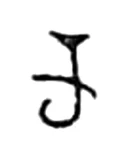 (opens in a new tab)Eastern Chalukya10th c. CEOjha 1918, Plate 48
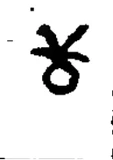 (opens in a new tab)Transitional1134 CEBurnell 1878, Pl. VIII, left half
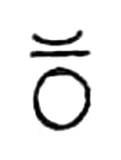 (opens in a new tab)Kakatiya1213 CEOjha 1918, Plate 50
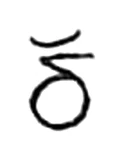 (opens in a new tab)After the Kakatiyas1337 CEOjha 1918, Plate 51
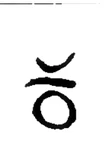 (opens in a new tab)Old Telugu1356 CEBurnell 1878, Pl. IX, left half
 (opens in a new tab)Modern Telugu1918Ojha 1918, Plate 80
- 𑀓Brahmi, modern fonttyped text, not from a plate
- కTelugu, modern fonttyped text, not from a plate
 (opens in a new tab)Asokan Brahmi3rd c. BCEOjha 1918, Plate 1
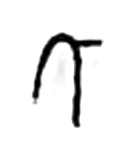 (opens in a new tab)Bhattiprolu2nd c. BCEOjha 1918, Plate 4
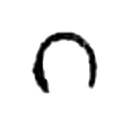 (opens in a new tab)Satavahana2nd c. CEOjha 1918, Plate 9
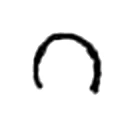 (opens in a new tab)Ikshvaku period3rd c. CEOjha 1918, Plate 12
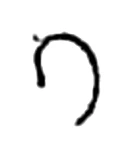 (opens in a new tab)Early Pallava4th c. CEOjha 1918, Plate 13
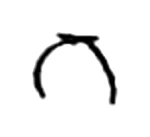 (opens in a new tab)Pallava5th c. CEOjha 1918, Plate 43
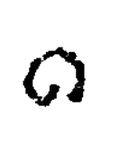 (opens in a new tab)Eastern Chalukya680 CEBurnell 1878, Pl. V, left half
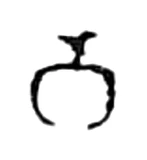 (opens in a new tab)Eastern Chalukya10th c. CEOjha 1918, Plate 48
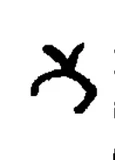 (opens in a new tab)Transitional1134 CEBurnell 1878, Pl. VIII, left half
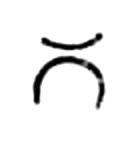 (opens in a new tab)Kakatiya1213 CEOjha 1918, Plate 50
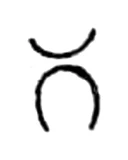 (opens in a new tab)After the Kakatiyas1337 CEOjha 1918, Plate 51
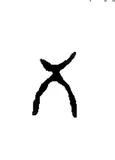 (opens in a new tab)Old Telugu1356 CEBurnell 1878, Pl. IX, left half
- —Modern Telugu1918
- 𑀕Brahmi, modern fonttyped text, not from a plate
- గTelugu, modern fonttyped text, not from a plate
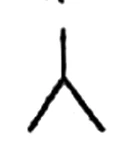 (opens in a new tab)Asokan Brahmi3rd c. BCEOjha 1918, Plate 1
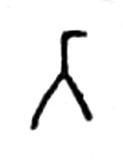 (opens in a new tab)Bhattiprolu2nd c. BCEOjha 1918, Plate 4
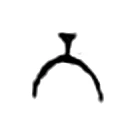 (opens in a new tab)Satavahana2nd c. CEOjha 1918, Plate 9
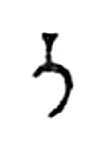 (opens in a new tab)Ikshvaku period3rd c. CEOjha 1918, Plate 12
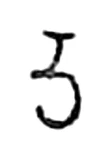 (opens in a new tab)Early Pallava4th c. CEOjha 1918, Plate 13
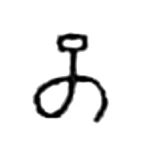 (opens in a new tab)Pallava5th c. CEOjha 1918, Plate 43
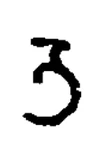 (opens in a new tab)Eastern Chalukya680 CEBurnell 1878, Pl. V, left half
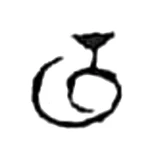 (opens in a new tab)Eastern Chalukya10th c. CEOjha 1918, Plate 48
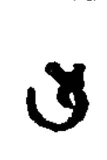 (opens in a new tab)Transitional1134 CEBurnell 1878, Pl. VIII, left half
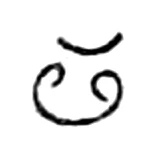 (opens in a new tab)Kakatiya1213 CEOjha 1918, Plate 50
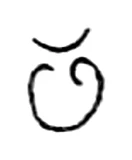 (opens in a new tab)After the Kakatiyas1337 CEOjha 1918, Plate 51
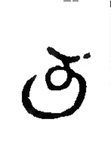 (opens in a new tab)Old Telugu1356 CEBurnell 1878, Pl. IX, left half
 (opens in a new tab)Modern Telugu1918Ojha 1918, Plate 80
- 𑀢Brahmi, modern fonttyped text, not from a plate
- తTelugu, modern fonttyped text, not from a plate
 (opens in a new tab)Asokan Brahmi3rd c. BCEOjha 1918, Plate 1
 (opens in a new tab)Bhattiprolu2nd c. BCEOjha 1918, Plate 4
 (opens in a new tab)Satavahana2nd c. CEOjha 1918, Plate 9
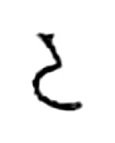 (opens in a new tab)Ikshvaku period3rd c. CEOjha 1918, Plate 12
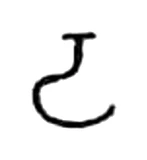 (opens in a new tab)Early Pallava4th c. CEOjha 1918, Plate 13
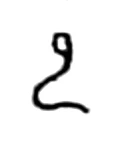 (opens in a new tab)Pallava5th c. CEOjha 1918, Plate 43
- —Eastern Chalukya680 CE
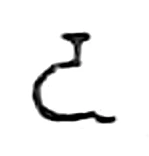 (opens in a new tab)Eastern Chalukya10th c. CEOjha 1918, Plate 48
- —Transitional1134 CE
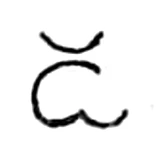 (opens in a new tab)Kakatiya1213 CEOjha 1918, Plate 50
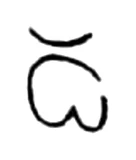 (opens in a new tab)After the Kakatiyas1337 CEOjha 1918, Plate 51
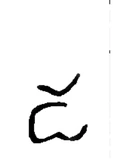 (opens in a new tab)Old Telugu1356 CEBurnell 1878, Pl. IX, left half
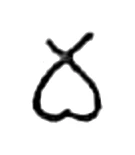 (opens in a new tab)Modern Telugu1918Ojha 1918, Plate 80
- 𑀤Brahmi, modern fonttyped text, not from a plate
- దTelugu, modern fonttyped text, not from a plate
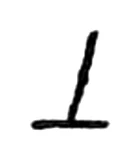 (opens in a new tab)Asokan Brahmi3rd c. BCEOjha 1918, Plate 1
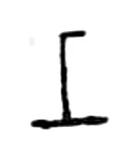 (opens in a new tab)Bhattiprolu2nd c. BCEOjha 1918, Plate 4
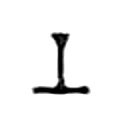 (opens in a new tab)Satavahana2nd c. CEOjha 1918, Plate 9
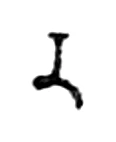 (opens in a new tab)Ikshvaku period3rd c. CEOjha 1918, Plate 12
- —Early Pallava4th c. CE
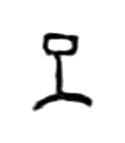 (opens in a new tab)Pallava5th c. CEOjha 1918, Plate 43
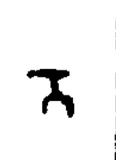 (opens in a new tab)Eastern Chalukya680 CEBurnell 1878, Pl. V, right half
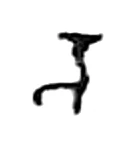 (opens in a new tab)Eastern Chalukya10th c. CEOjha 1918, Plate 48
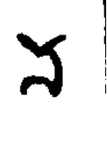 (opens in a new tab)Transitional1134 CEBurnell 1878, Pl. VIII, right half
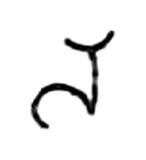 (opens in a new tab)Kakatiya1213 CEOjha 1918, Plate 50
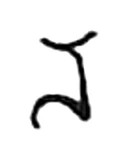 (opens in a new tab)After the Kakatiyas1337 CEOjha 1918, Plate 51
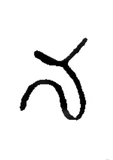 (opens in a new tab)Old Telugu1356 CEBurnell 1878, Pl. IX, left half
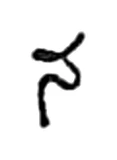 (opens in a new tab)Modern Telugu1918Ojha 1918, Plate 80
- 𑀦Brahmi, modern fonttyped text, not from a plate
- నTelugu, modern fonttyped text, not from a plate
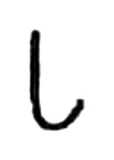 (opens in a new tab)Asokan Brahmi3rd c. BCEOjha 1918, Plate 1
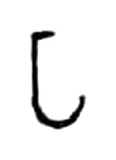 (opens in a new tab)Bhattiprolu2nd c. BCEOjha 1918, Plate 4
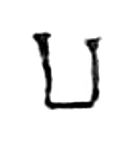 (opens in a new tab)Satavahana2nd c. CEOjha 1918, Plate 9
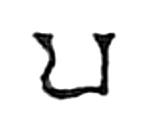 (opens in a new tab)Ikshvaku period3rd c. CEOjha 1918, Plate 12
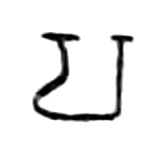 (opens in a new tab)Early Pallava4th c. CEOjha 1918, Plate 13
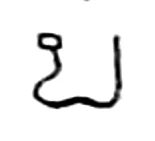 (opens in a new tab)Pallava5th c. CEOjha 1918, Plate 43
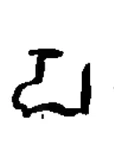 (opens in a new tab)Eastern Chalukya680 CEBurnell 1878, Pl. V, right half
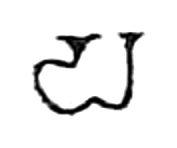 (opens in a new tab)Eastern Chalukya10th c. CEOjha 1918, Plate 48
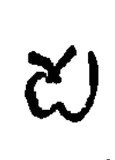 (opens in a new tab)Transitional1134 CEBurnell 1878, Pl. VIII, right half
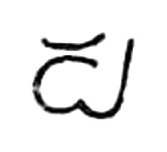 (opens in a new tab)Kakatiya1213 CEOjha 1918, Plate 50
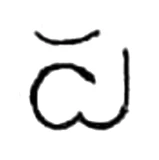 (opens in a new tab)After the Kakatiyas1337 CEOjha 1918, Plate 51
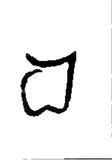 (opens in a new tab)Old Telugu1356 CEBurnell 1878, Pl. IX, left half
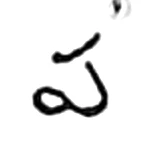 (opens in a new tab)Modern Telugu1918Ojha 1918, Plate 80
- 𑀧Brahmi, modern fonttyped text, not from a plate
- పTelugu, modern fonttyped text, not from a plate
 (opens in a new tab)Asokan Brahmi3rd c. BCEOjha 1918, Plate 1
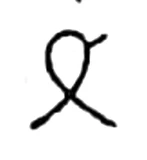 (opens in a new tab)Bhattiprolu2nd c. BCEOjha 1918, Plate 4
 (opens in a new tab)Satavahana2nd c. CEOjha 1918, Plate 9
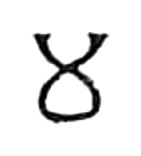 (opens in a new tab)Ikshvaku period3rd c. CEOjha 1918, Plate 12
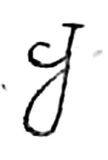 (opens in a new tab)Early Pallava4th c. CEOjha 1918, Plate 13
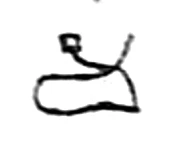 (opens in a new tab)Pallava5th c. CEOjha 1918, Plate 43
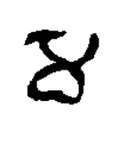 (opens in a new tab)Eastern Chalukya680 CEBurnell 1878, Pl. V, right half
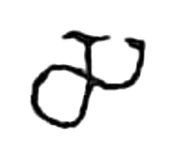 (opens in a new tab)Eastern Chalukya10th c. CEOjha 1918, Plate 48
- —Transitional1134 CE
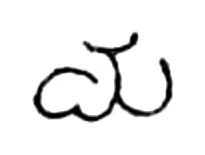 (opens in a new tab)Kakatiya1213 CEOjha 1918, Plate 50
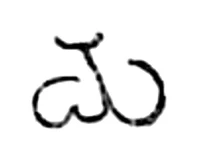 (opens in a new tab)After the Kakatiyas1337 CEOjha 1918, Plate 51
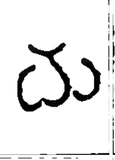 (opens in a new tab)Old Telugu1356 CEBurnell 1878, Pl. IX, left half
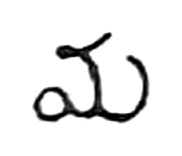 (opens in a new tab)Modern Telugu1918Ojha 1918, Plate 80
- 𑀫Brahmi, modern fonttyped text, not from a plate
- మTelugu, modern fonttyped text, not from a plate
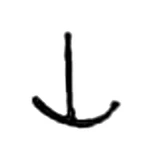 (opens in a new tab)Asokan Brahmi3rd c. BCEOjha 1918, Plate 1
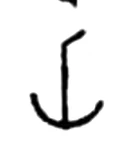 (opens in a new tab)Bhattiprolu2nd c. BCEOjha 1918, Plate 4
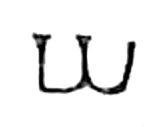 (opens in a new tab)Satavahana2nd c. CEOjha 1918, Plate 9
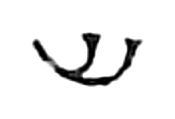 (opens in a new tab)Ikshvaku period3rd c. CEOjha 1918, Plate 12
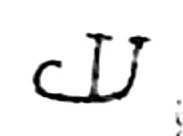 (opens in a new tab)Early Pallava4th c. CEOjha 1918, Plate 13
 (opens in a new tab)Pallava5th c. CEOjha 1918, Plate 43
 (opens in a new tab)Eastern Chalukya680 CEBurnell 1878, Pl. V, right half
 (opens in a new tab)Eastern Chalukya10th c. CEOjha 1918, Plate 48
- —Transitional1134 CE
 (opens in a new tab)Kakatiya1213 CEOjha 1918, Plate 50
 (opens in a new tab)After the Kakatiyas1337 CEOjha 1918, Plate 51
 (opens in a new tab)Old Telugu1356 CEBurnell 1878, Pl. IX, left half
 (opens in a new tab)Modern Telugu1918Ojha 1918, Plate 80
- 𑀬Brahmi, modern fonttyped text, not from a plate
- యTelugu, modern fonttyped text, not from a plate
 (opens in a new tab)Asokan Brahmi3rd c. BCEOjha 1918, Plate 1
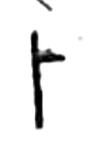 (opens in a new tab)Bhattiprolu2nd c. BCEOjha 1918, Plate 4
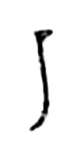 (opens in a new tab)Satavahana2nd c. CEOjha 1918, Plate 9
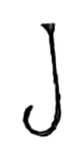 (opens in a new tab)Ikshvaku period3rd c. CEOjha 1918, Plate 12
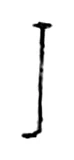 (opens in a new tab)Early Pallava4th c. CEOjha 1918, Plate 13
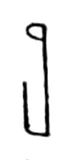 (opens in a new tab)Pallava5th c. CEOjha 1918, Plate 43
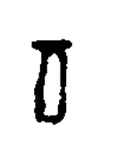 (opens in a new tab)Eastern Chalukya680 CEBurnell 1878, Pl. V, right half
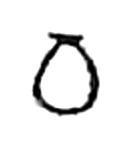 (opens in a new tab)Eastern Chalukya10th c. CEOjha 1918, Plate 48
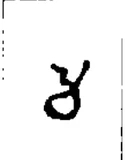 (opens in a new tab)Transitional1134 CEBurnell 1878, Pl. VIII, right half
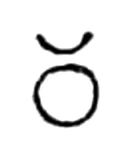 (opens in a new tab)Kakatiya1213 CEOjha 1918, Plate 50
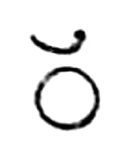 (opens in a new tab)After the Kakatiyas1337 CEOjha 1918, Plate 51
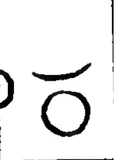 (opens in a new tab)Old Telugu1356 CEBurnell 1878, Pl. IX, right half
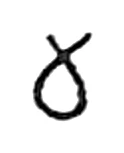 (opens in a new tab)Modern Telugu1918Ojha 1918, Plate 80
- 𑀭Brahmi, modern fonttyped text, not from a plate
- రTelugu, modern fonttyped text, not from a plate
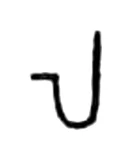 (opens in a new tab)Asokan Brahmi3rd c. BCEOjha 1918, Plate 1
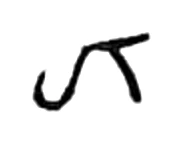 (opens in a new tab)Bhattiprolu2nd c. BCEOjha 1918, Plate 4
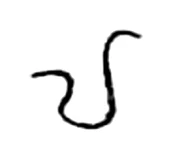 (opens in a new tab)Satavahana2nd c. CEOjha 1918, Plate 9
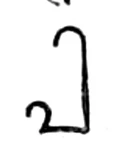 (opens in a new tab)Ikshvaku period3rd c. CEOjha 1918, Plate 12
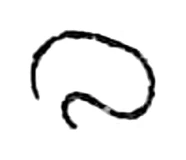 (opens in a new tab)Early Pallava4th c. CEOjha 1918, Plate 13
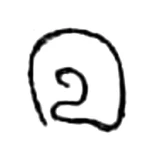 (opens in a new tab)Pallava5th c. CEOjha 1918, Plate 43
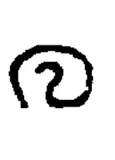 (opens in a new tab)Eastern Chalukya680 CEBurnell 1878, Pl. V, right half
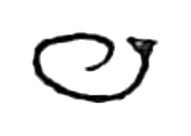 (opens in a new tab)Eastern Chalukya10th c. CEOjha 1918, Plate 48
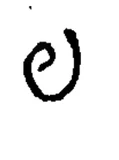 (opens in a new tab)Transitional1134 CEBurnell 1878, Pl. VIII, right half
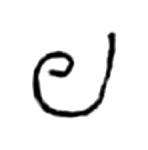 (opens in a new tab)Kakatiya1213 CEOjha 1918, Plate 50
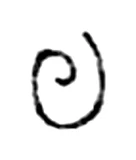 (opens in a new tab)After the Kakatiyas1337 CEOjha 1918, Plate 51
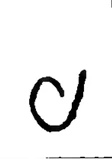 (opens in a new tab)Old Telugu1356 CEBurnell 1878, Pl. IX, right half
 (opens in a new tab)Modern Telugu1918Ojha 1918, Plate 80
- 𑀮Brahmi, modern fonttyped text, not from a plate
- లTelugu, modern fonttyped text, not from a plate
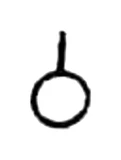 (opens in a new tab)Asokan Brahmi3rd c. BCEOjha 1918, Plate 1
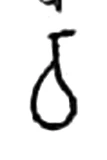 (opens in a new tab)Bhattiprolu2nd c. BCEOjha 1918, Plate 4
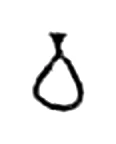 (opens in a new tab)Satavahana2nd c. CEOjha 1918, Plate 9
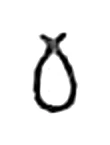 (opens in a new tab)Ikshvaku period3rd c. CEOjha 1918, Plate 12
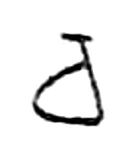 (opens in a new tab)Early Pallava4th c. CEOjha 1918, Plate 13
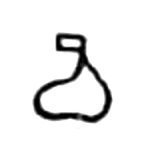 (opens in a new tab)Pallava5th c. CEOjha 1918, Plate 43
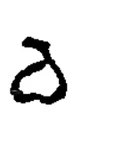 (opens in a new tab)Eastern Chalukya680 CEBurnell 1878, Pl. V, right half
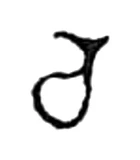 (opens in a new tab)Eastern Chalukya10th c. CEOjha 1918, Plate 48
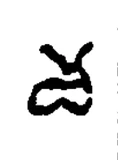 (opens in a new tab)Transitional1134 CEBurnell 1878, Pl. VIII, right half
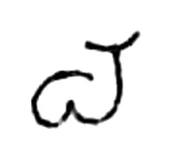 (opens in a new tab)Kakatiya1213 CEOjha 1918, Plate 50
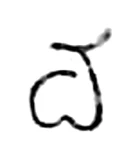 (opens in a new tab)After the Kakatiyas1337 CEOjha 1918, Plate 51
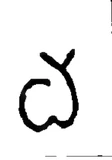 (opens in a new tab)Old Telugu1356 CEBurnell 1878, Pl. IX, right half
 (opens in a new tab)Modern Telugu1918Ojha 1918, Plate 80
- 𑀯Brahmi, modern fonttyped text, not from a plate
- వTelugu, modern fonttyped text, not from a plate
 (opens in a new tab)Asokan Brahmi3rd c. BCEOjha 1918, Plate 1
- —Bhattiprolu2nd c. BCE
 (opens in a new tab)Satavahana2nd c. CEOjha 1918, Plate 9
 (opens in a new tab)Ikshvaku period3rd c. CEOjha 1918, Plate 12
 (opens in a new tab)Early Pallava4th c. CEOjha 1918, Plate 13
 (opens in a new tab)Pallava5th c. CEOjha 1918, Plate 43
 (opens in a new tab)Eastern Chalukya680 CEBurnell 1878, Pl. V, right half
 (opens in a new tab)Eastern Chalukya10th c. CEOjha 1918, Plate 48
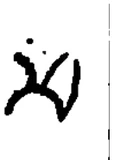 (opens in a new tab)Transitional1134 CEBurnell 1878, Pl. VIII, right half
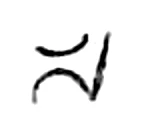 (opens in a new tab)Kakatiya1213 CEOjha 1918, Plate 50
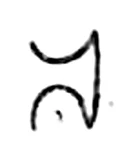 (opens in a new tab)After the Kakatiyas1337 CEOjha 1918, Plate 51
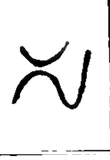 (opens in a new tab)Old Telugu1356 CEBurnell 1878, Pl. IX, right half
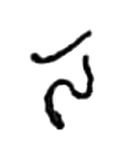 (opens in a new tab)Modern Telugu1918Ojha 1918, Plate 80
- 𑀲Brahmi, modern fonttyped text, not from a plate
- సTelugu, modern fonttyped text, not from a plate
Show the full table
| Letter | Asokan Brahmi 3rd c. BCE | Bhattiprolu 2nd c. BCE | Satavahana 2nd c. CE | Ikshvaku period 3rd c. CE | Early Pallava 4th c. CE | Pallava 5th c. CE | Eastern Chalukya 680 CE | Eastern Chalukya 10th c. CE | Transitional 1134 CE | Kakatiya 1213 CE | After the Kakatiyas 1337 CE | Old Telugu 1356 CE | Modern Telugu 1918 |
|---|---|---|---|---|---|---|---|---|---|---|---|---|---|
| a | | | | | | | | | | | | | |
| ka | | | | | | | | | | | | | |
| ga | | | | | | | | | | | | | — |
| ta | | | | | | | | | | | | | |
| da | | | | | | | — | | — | | | | |
| na | | | | | — | | | | | | | | |
| pa | | | | | | | | | | | | | |
| ma | | | | | | | | | — | | | | |
| ya | | | | | | | | | — | | | | |
| ra | | | | | | | | | | | | | |
| la | | | | | | | | | | | | | |
| va | | | | | | | | | | | | | |
| sa | | — | | | | | | | | | | | |
Each letter is cut from a published alphabet table (Ojha 1918 or Burnell 1878). Select a letter to open its plate on archive.org. A dash means the table does not show that letter.
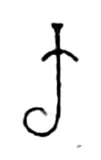
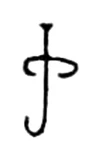
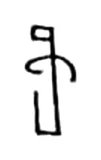
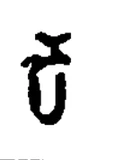
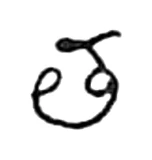
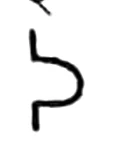
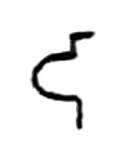
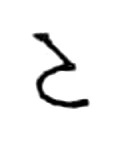
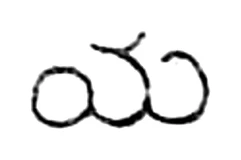
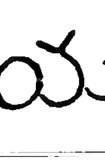
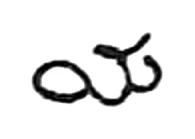
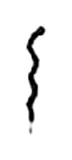
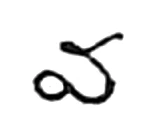
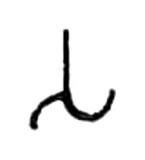
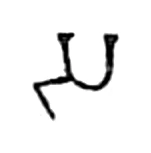
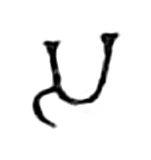
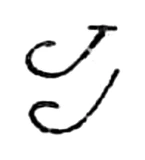
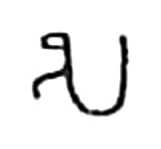
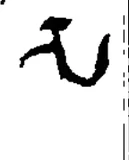
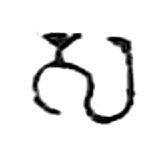
The character table above shows thirteen common letters (a, ka, ga, ta, da, na, pa, ma, ya, ra, la, va, sa), each cropped from a published alphabet table, period by period. Hover over a cell to see which book, plate and inscription it comes from.5
Stage 1: Brahmi (3rd century BCE to about 3rd century CE)
What it looks like. Simple, upright strokes: crosses, angles, half-circles and straight lines. Ka is a plain cross; ga is an upside-down V; ma is a loop with a V on top. Ojha’s first plate, taken from Asoka’s rock edict at Girnar, shows these forms.6 The same alphabet appears on Asoka’s edicts at Erragudi and Rajula-Mandagiri.
The Bhattiprolu variety. The relic caskets from Bhattiprolu, about 200 BCE, use a local form of Brahmi with some very unusual letters and a different way of writing vowels.7 Ojha gives it a plate of its own.8 It is explained in the lesson on Brahmi and Prakrit.
The Satavahana and Ikshvaku age. In the first centuries CE, Brahmi in the Deccan grew more ornamental. Bühler singles out a “highly ornamental variety of the eastern Dekhan”, found in the Jaggayyapeta inscriptions of the Ikshvaku king Sirivira Purisadata and in some Amaravati inscriptions, which he placed in the 3rd century CE. Its most striking feature is the very long downward strokes of some letters and vowel signs.9 Ojha’s Plate 12 charts the letters of Amaravati and Jaggayyapeta.10 The rock inscription of the Satavahana king Chandasati at Kodavali, in the Godavari district, is in what its editor called “Brahmi characters of about the 3rd century A.D.”11
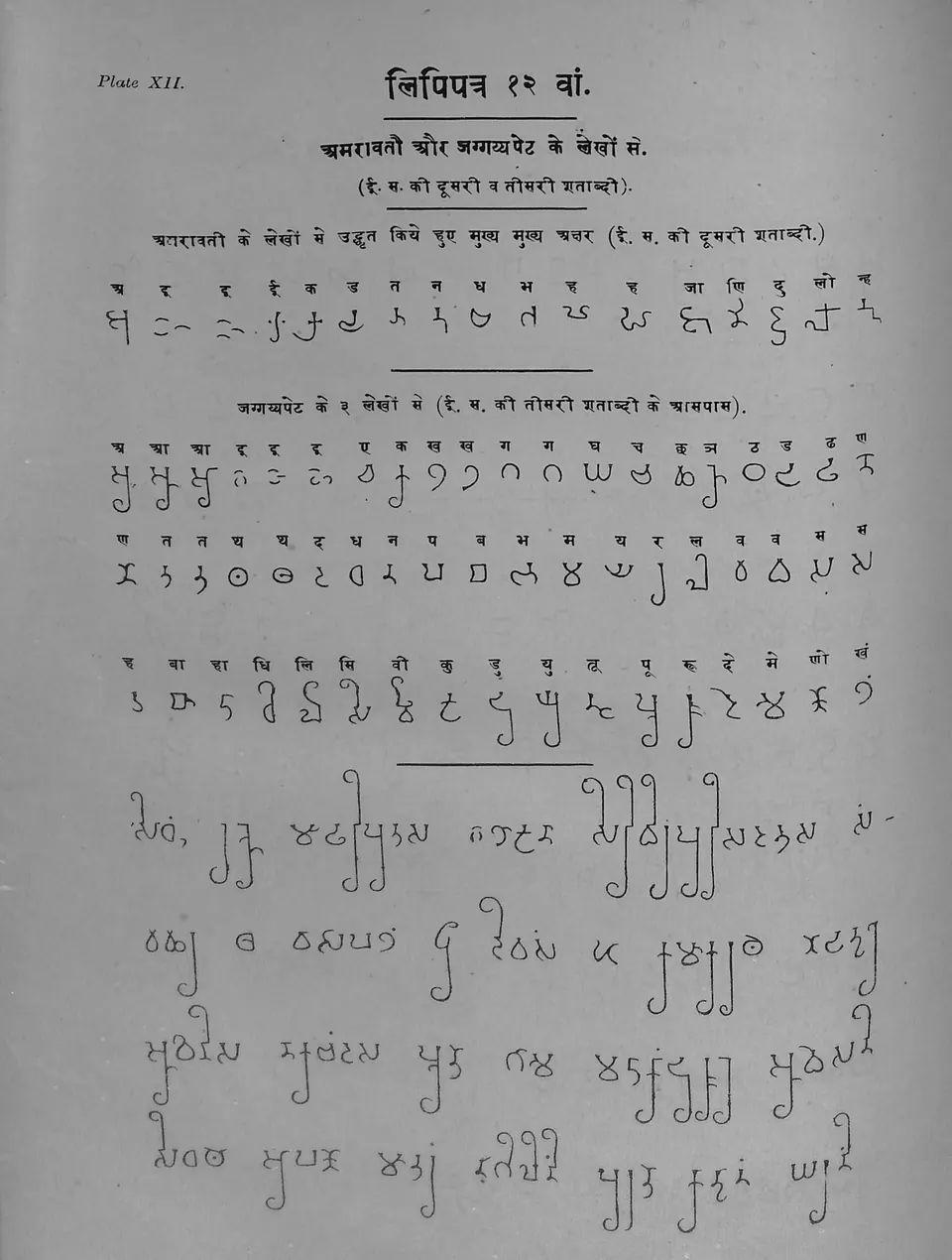
What to look for. Letters with no head-mark; vowel signs as short strokes attached to the side or top of the letter; and, in the ornamental style of Amaravati and Jaggayyapeta, very long downward strokes.39
Stage 2: The early southern alphabet (about 4th to 7th centuries)
What it looks like. The letters begin to curve, and the tops of upright strokes get a little serif or thickening. Burnell’s Plate I, which he called “Vengi”, shows the alphabet of a copper-plate grant of the kings who ruled the Krishna–Godavari country before the Eastern Chalukyas.12 Ojha’s Plate 13 gives the letters of the Prakrit grant of the Pallava king Sivaskandavarman from Mayidavolu, and his Plate 43 those of the Sanskrit grant of the Pallava king Vishnugopavarman from Uruvupalli.13
Bühler called this the “archaic variety” of the Kanarese-Telugu script. In the east he found it on the Salankayana plates and on the plates of the first two Eastern Chalukya kings, Vishnuvardhana I and Jayasimha I. He noted that the letters of the oldest of these documents “remain very similar” to the Satavahana-period “cave-characters”.14 The Chikkulla plates of the Vishnukundin king Vikramendravarman II are in characters that their editor F. Kielhorn assigned to “the southern class of alphabets”.15
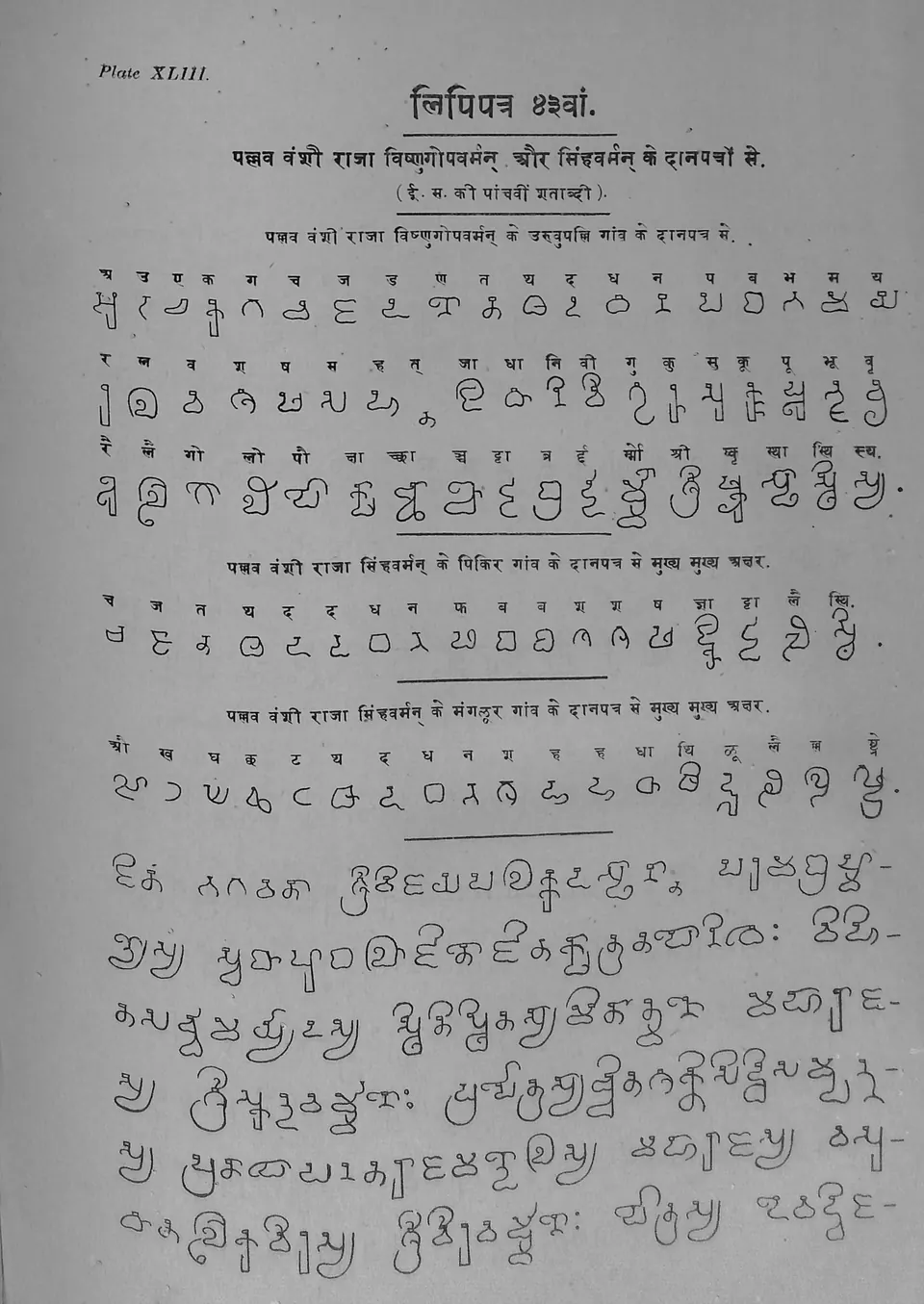
What to look for. Box-like letters with a small thickening at the top; ka and ra still with long straight stems; the vowel marks for e, ai and o often written at the foot of the consonant rather than on top.16
Stage 3: The Eastern Chalukya (“Vengi”) alphabet (about 7th to 10th centuries)
What it looks like. The Eastern Chalukyas of Vengi ruled the coastal Telugu country from the 7th century. Burnell found their writing “remarkably square and upright”, quite unlike the sloping letters of their Western Chalukya cousins in the Deccan, and he thought this difference enough, after about 650 CE, to tell where an inscription came from.17 He also noted that the Eastern Chalukya scribes kept older letter-forms longer than those in the west.18
From about 700 CE a change began that later became the main difference between the Telugu-Kannada and Grantha scripts: the marks for ā, e and o moved from the side of the consonant to its top.19 Burnell’s Plates V and VI show the alphabet in grants that he dated about 680 and 945 CE.20 Ojha’s Plate 48 shows the letters of the Pagunavaram grant of the Eastern Chalukya king Bhima II (first half of the 10th century).21
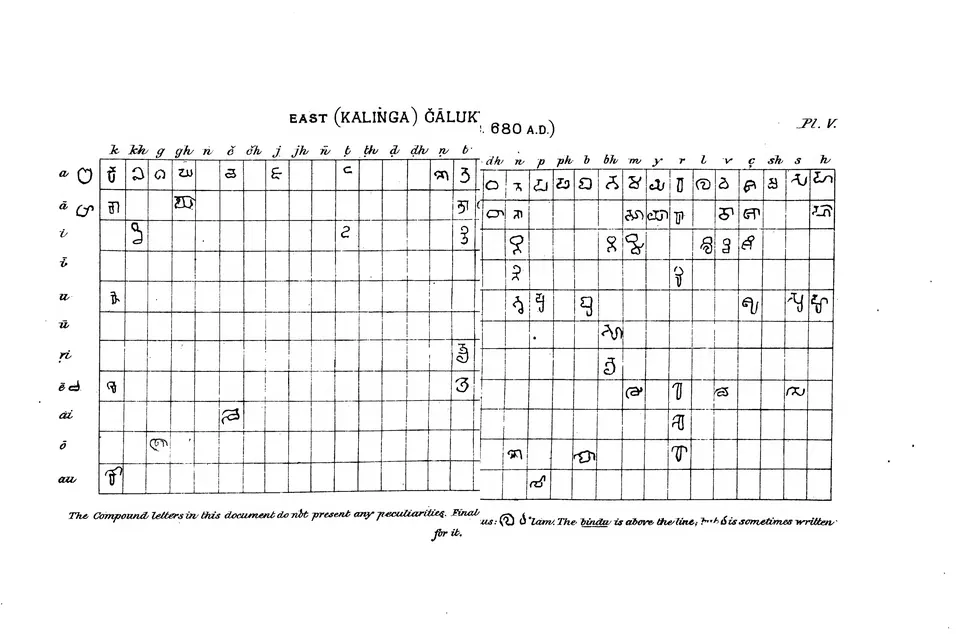
What to look for. Rounder letters than before; ka and ra now rounded at the foot; the first head-marks; vowel signs moving to the top. Bühler notes in this “middle variety” (about 650–950 CE) the ma whose upper part is drawn to the right, “the precursor of the Old-Kanarese ma”.22
Stage 4: The “transitional” or Old-Kanarese alphabet (about 1000 to 1300)
What it looks like. This is the script of the Kakatiya-period inscriptions on this site. Burnell called the period 1000–1300 “transitional”; Bühler preferred J. F. Fleet’s name, “Old-Kanarese”, and said that it “does not differ much from the modern Kanarese and Telugu scripts”. In the east it first appears in the Vengi inscriptions of the 11th century.23 Burnell observed that by 1300 the old Telugu-Canarese alphabet, used from the coast of Canara to Rajahmundry, “presented scarcely any varieties” across that whole area.24
That is why Fleet, editing the Thousand Pillar Temple inscription of 1163 at Hanamkonda, described its letters as “well executed and well preserved Old-Canarese characters”.25 The same Hanamkonda inscription is the source of the upper part of Ojha’s Plate 50; the lower part is taken from a Chebrolu inscription of Saka 1135 (1213 CE), of the time of the Kakatiya king Ganapati.26 Ojha remarks that most letters in this plate “very much resemble” the same letters of modern Kannada or Telugu.26 Burnell’s Plates VII and VIII chart Eastern Chalukya grants of the last quarter of the 11th century and of 1134.27
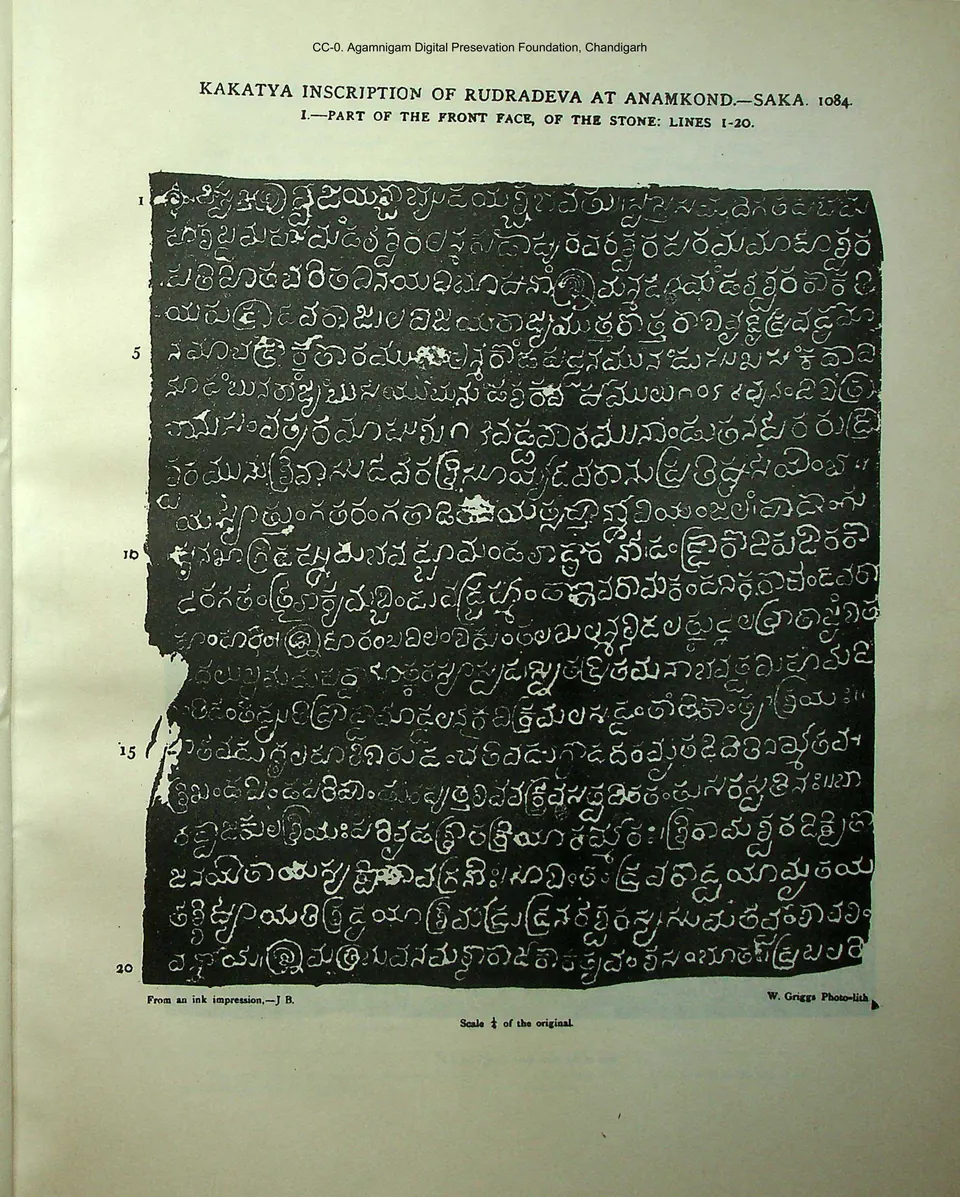
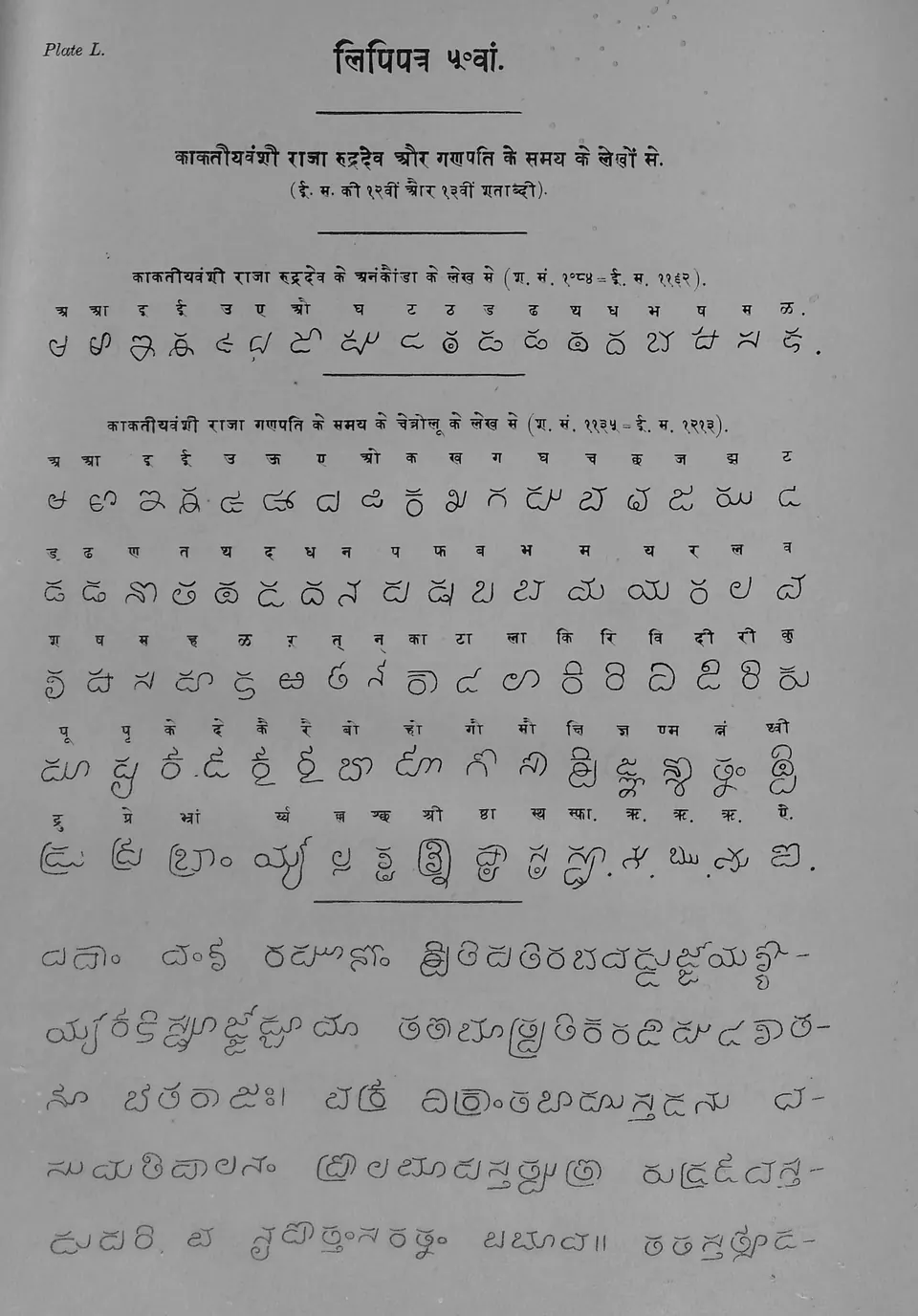
What to look for, following Burnell and Bühler:
- the head-mark (talakattu) on every consonant that has no vowel sign above it;4
- the modern form of the u-sign, a hook to the right of the letter, which appears in the 11th century and is nearly universal by the 12th;28
- the vowel signs for e and ai written at the top of the consonant;28
- the Telugu ḷa, which grew out of ḍa and became a separate sign a little after 1200;29
- the r that comes before another consonant still written above it (it moves to the right only after about 1300).30
Stage 5: Old Telugu and Hala-kannada (about 1300 to 1600)
What it looks like. From the end of the 13th century Burnell could see no real difference between the Kannada and Telugu hands, and he found the differences from the modern forms “but trivial”.31 His Plate IX, from a copper-plate grant of 1356, and Plate X, from a Kannada palm-leaf manuscript of 1428, show the two side by side.32 Ojha’s Plate 51 shows the letters of the grants of Namaya Nayaka of Pithapuram (the Donepundi grant of 1337), of the Reddi king Annavema and of Ganadeva, of the 14th and 15th centuries.33
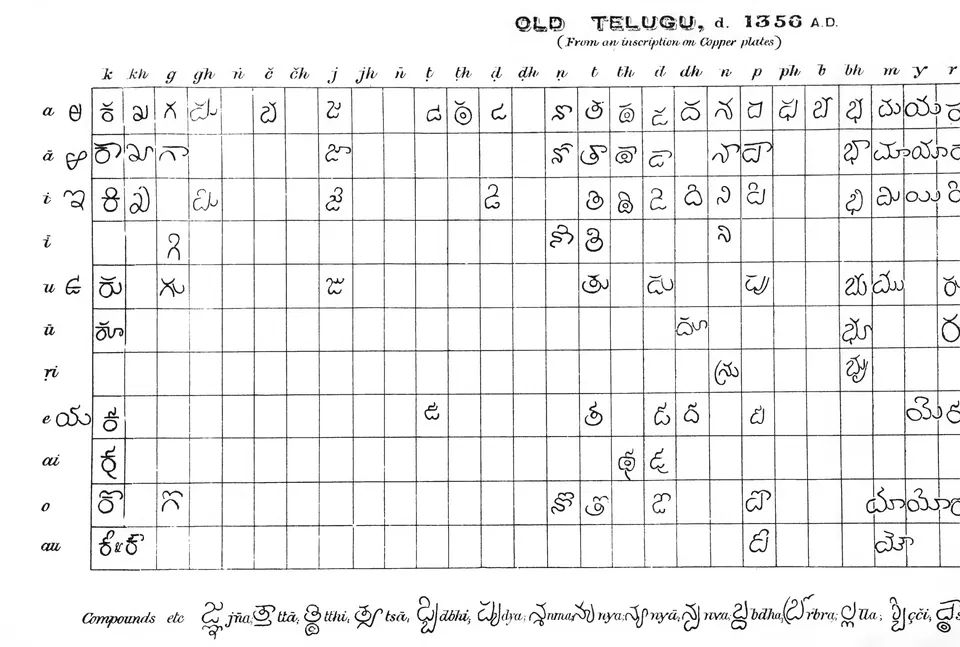
This was the age of the Reddis, the Velamas and Vijayanagara. Burnell thought that the Telugu and Kannada alphabets and literatures survived the upheavals of the 14th century thanks to the patronage of the Vijayanagara kings, and that their influence explains why many inscriptions of about 1500–1650 in the northern Tamil country are in the Telugu character.34 Vijayanagara copper-plate grants found in Nellore are often written in Nandinagari (see the lesson on Sanskrit and Nagari), but several end with the words Sri Virupaksha “in large Canarese characters”.35 You can see such a signature at the foot of the last plate of the Chejerla grant of Devaraya II (1428–29) in the site’s gallery.36
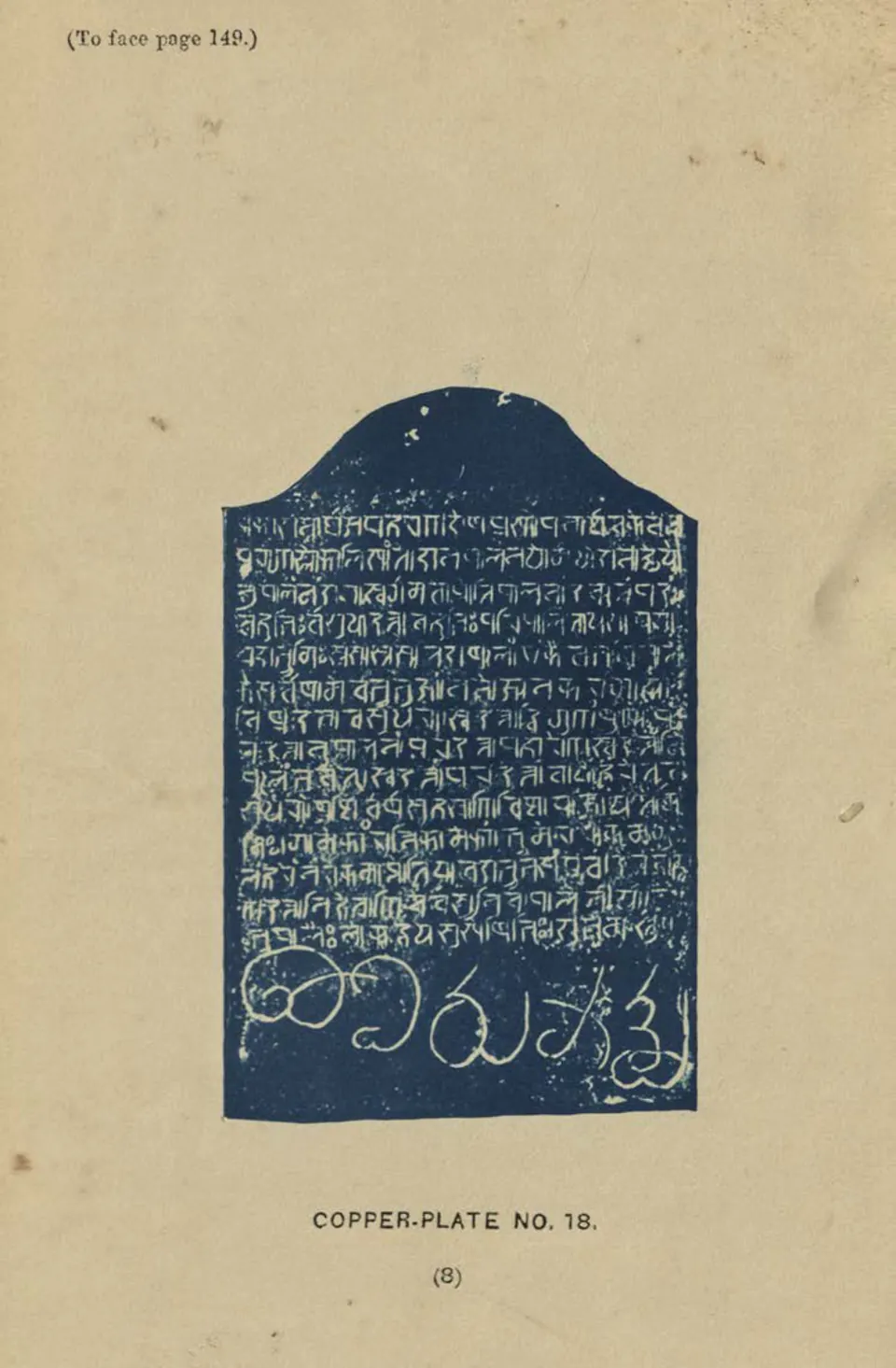
What to look for. R before a consonant now written to its right (always so after about 1350); from the 14th century the modern sign for e, which is the only form used by 1550–1600; the anusvara, a small circle, always written on the line (Burnell says so for all South Indian scripts after the 12th or 13th century).3037
Stage 6: Telugu and Kannada part company (from about 1300 to modern times)
From 1300, Burnell wrote, “a marked divergence has arisen between the alphabets used by the Telugus of the coast and the Canarese people”, and printing in the 19th century widened it.24 Some of the differences he noted:
- The round Telugu ka of today was, in the 14th to 16th centuries, a local hand of the northern part of Nellore district. Because that area was one of the earliest British possessions in the south, its round hand became the model when Telugu printing began at Madras in the early 19th century.38
- Kannada marks the long vowels ī, ē and ō with a separate sign after the consonant; Telugu does not. The Telugu way of distinguishing short and long e and o appears only in the 17th century.38
- About 1300 the letter t had a double loop in inscriptions on the Canara coast and a single loop on the east coast; in modern Telugu and Kannada “this is exactly reversed”.31
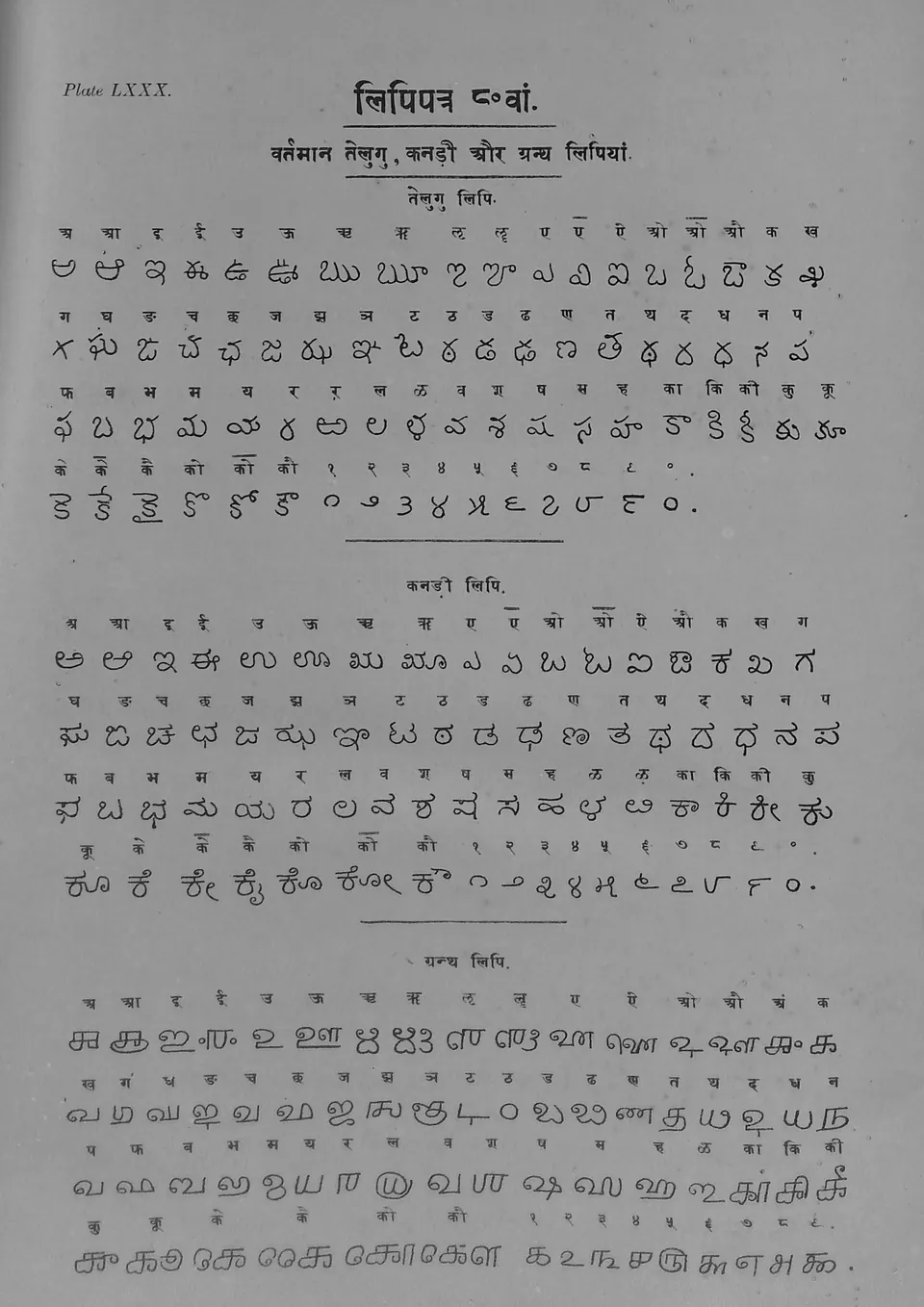
Ojha’s Plate 80 shows the modern Telugu alphabet as printed in 1918.39 A. H. Arden’s Progressive Grammar of the Telugu Language (1873) sets out the modern letters, vowel signs and compound letters; see the lesson on letters and vowel signs.40
Where the scripts were found
- Unified Andhra Pradesh (pre-2014)
- Present-day state borders, for orientation
Coordinates from the place pages on this site; Kodavali, Nellore, Simhachalam, Srikurmam and Mukhalingam from Wikidata.
Base map: Natural Earth (opens in a new tab) (public domain).
- Nellore
- Simhachalam
- Srikurmam
- Mukhalingam
Findspots of the inscriptions used in the lessons. Press a script to light up its places.
Using letter-forms to date an inscription
Letter-forms give only a rough date, and good editors say so. Bühler, who dated the undated Bhattiprolu caskets by comparing their letters with Asoka’s, warned that this kind of evidence “may mislead”.41 There are two traps. First, scribes sometimes chose old-fashioned forms on purpose: Bühler explained the mixture of archaic and modern letters in some 2nd-century Deccan inscriptions by “a desire to select archaic and monumental forms for epigraphic purposes”.42 Second, a forger usually writes in the hand of his own day. The editors of the Nellore inscriptions judged one grant dated 1336 to be a fabrication because, although it is in Nandinagari, “the formation of the letters is quite modern”.43
A safe method is:
- Look at the head-marks. On every consonant without a vowel sign above it: 11th century or later. Occasional angles over letters are found from the 6th century, but only in the Old-Kanarese alphabet do they become a constant feature.4
- Look at the u-sign. Under the letter: usually before the 11th century. A hook to the right: 11th century or later.28
- Look at r before a consonant. Above the next letter: before about 1300. To its right: after about 1350.30
- Compare with the character table. Find the period whose ka, ma and ra look most like yours.
- Check against any date in the text. A Saka year or a cyclic year beats letter-forms every time; see Dates and eras.
Try it yourself
Below are the Telugu-Kannada letters for ka from three of the plates in the character table: Burnell’s Eastern Chalukya plate of about 680 CE, Ojha’s Kakatiya plate of 1213, and Ojha’s modern Telugu plate of 1918. Without looking at the labels, put them in order from oldest to youngest, and say which feature gave each away.5
(opens in a new tab)ka · Eastern Chalukya, 680 CEBurnell 1878, Pl. V, left half
(opens in a new tab)ka · Kakatiya, 1213 CEOjha 1918, Plate 50 (lipipatra 50)
(opens in a new tab)ka · Modern Telugu, 1918Ojha 1918, Plate 80 (lipipatra 80)
Answer
Oldest is the Eastern Chalukya ka from Burnell’s Plate V (“East (Kalinga) Calukya”, about 680 CE).20 It has no head-mark: Bühler dates the constant use of the head-mark to the alphabet of the 11th century and later.4
Next is the Kakatiya ka from Ojha’s Plate 50 (the Chebrolu inscription of Saka 1135, 1213 CE).26 It carries the head-mark on top.
Youngest is the modern Telugu ka from Ojha’s Plate 80 (1918).39 This is the round northern Nellore hand that Burnell says became the model for Telugu printing at Madras.38
Footnotes
-
Burnell, Elements of South-Indian Palaeography (1878), p. 14 (archive.org (opens in a new tab)). ↩
-
Gaurishankar Hirachand Ojha, Bharatiya Prachin Lipimala, 2nd ed. (1918), pp. 84–85, section 12, “Telugu-Kanadi lipi” (in Hindi; paraphrased) (archive.org (opens in a new tab)). ↩ ↩2
-
A. C. Burnell, Elements of South-Indian Palaeography, 2nd ed. (1878), p. 17 and n. 1 (archive.org (opens in a new tab)). ↩ ↩2 ↩3
-
G. Bühler, Indian Palaeography, tr. J. F. Fleet (Appendix to the Indian Antiquary XXXIII, 1904), p. 68, § 29 C (archive.org (opens in a new tab)). ↩ ↩2 ↩3 ↩4
-
The letter-forms are cropped from Ojha, Bharatiya Prachin Lipimala (1918), Plates 1, 4, 9, 12, 13, 43, 48, 50, 51 and 80, and from Burnell, Elements of South-Indian Palaeography (1878), Pls. V, VIII and IX; each cell names its plate (see notes 4, 6, 8, 11, 18, 19, 24, 25, 30, 31 and 37). ↩ ↩2
-
Ojha, Bharatiya Prachin Lipimala (1918), Plate 1, “from the rock inscription of the Maurya king Asoka at Girnar (3rd century BCE)” (archive.org (opens in a new tab)). ↩
-
Bühler, Indian Palaeography (1904), p. 32, § 15 (3), and pp. 38–39, § 17 (archive.org (opens in a new tab)). ↩
-
Ojha, Bharatiya Prachin Lipimala (1918), Plate 4, “from the ten inscriptions of the Bhattiprolu stupa (2nd century BCE)” (archive.org (opens in a new tab)). ↩
-
Bühler, Indian Palaeography (1904), p. 33, § 15, and p. 43, § 20 C (archive.org (opens in a new tab)). ↩ ↩2
-
Ojha, Bharatiya Prachin Lipimala (1918), Plate 12, “from the inscriptions of Amaravati and Jaggayyapeta (2nd and 3rd centuries CE)” (archive.org (opens in a new tab)). ↩
-
H. Krishna Sastri, “The Kodavali Rock-Inscription of Chandasati”, Epigraphia Indica XVIII (1926), p. 317 (archive.org (opens in a new tab)). ↩
-
Burnell, Elements of South-Indian Palaeography (1878), p. 16 and Pl. I (archive.org, p. 16 (opens in a new tab); Pl. I (opens in a new tab)). ↩
-
Ojha, Bharatiya Prachin Lipimala (1918), Plate 13, “from the grant of the Pallava Sivaskandavarman found at Mayidavolu (about the beginning of the 4th century CE)” (archive.org (opens in a new tab)); Plate 43, “from the Uruvupalli grant of the Pallava king Vishnugopavarman (5th century CE)” (archive.org (opens in a new tab)). ↩
-
Bühler, Indian Palaeography (1904), pp. 65–66, § 29 A (archive.org (opens in a new tab)). ↩
-
F. Kielhorn, “Chikkulla Plates of Vikramendravarman II”, Epigraphia Indica IV (1897), p. 194 (archive.org (opens in a new tab)). ↩
-
Bühler, Indian Palaeography (1904), pp. 66–67, § 29 A (5)–(6) (archive.org (opens in a new tab)). ↩
-
Burnell, Elements of South-Indian Palaeography (1878), p. 20 (archive.org (opens in a new tab)). ↩
-
Burnell, Elements of South-Indian Palaeography (1878), p. 23 (archive.org (opens in a new tab)). ↩
-
Burnell, Elements of South-Indian Palaeography (1878), p. 20 (archive.org (opens in a new tab)). ↩
-
Burnell, Elements of South-Indian Palaeography (1878), Pl. V, “East (Kalinga) Calukya (? 680 A.D.)” (archive.org (opens in a new tab)), and Pl. VI, “East (Kalinga) Calukya, A.D. 945” (archive.org (opens in a new tab)); text p. 21 (archive.org (opens in a new tab)). ↩ ↩2
-
Ojha, Bharatiya Prachin Lipimala (1918), Plate 48, “from the grant of king Bhima (II) found at Pagunavaram (first half of the 10th century CE)” (archive.org (opens in a new tab)); text p. 87 (archive.org (opens in a new tab)). ↩
-
Bühler, Indian Palaeography (1904), p. 67, § 29 B (6) (archive.org (opens in a new tab)). ↩
-
Bühler, Indian Palaeography (1904), p. 68, § 29 C (archive.org (opens in a new tab)); Burnell, Elements of South-Indian Palaeography (1878), p. 25 (archive.org (opens in a new tab)). ↩
-
Burnell, Elements of South-Indian Palaeography (1878), p. 25 (archive.org (opens in a new tab)). ↩ ↩2
-
J. F. Fleet, “Sanskrit and Old-Canarese Inscriptions, No. CXVIII”, Indian Antiquary XI (1882), p. 9 (archive.org (opens in a new tab)). ↩
-
Ojha, Bharatiya Prachin Lipimala (1918), Plate 50, “from the inscriptions of the time of the Kakatiya kings Rudradeva and Ganapati (12th and 13th centuries CE)”, with sub-tables from the Anumakonda inscription of Rudradeva (Saka 1084 = 1162 CE) and the Chebrolu inscription of the time of Ganapati (Saka 1135 = 1213 CE) (archive.org (opens in a new tab)); text p. 88 (archive.org (opens in a new tab)). ↩ ↩2 ↩3
-
Burnell, Elements of South-Indian Palaeography (1878), Pl. VII, “Eastern Calukya (Transitional), last quarter of the 11th century”, and Pl. VIII, “Eastern Calukya (Transitional), d. 1134 A.D.” (archive.org, Pl. VII (opens in a new tab); Pl. VIII (opens in a new tab)). ↩
-
Burnell, Elements of South-Indian Palaeography (1878), p. 27 (archive.org (opens in a new tab)); Bühler, Indian Palaeography (1904), p. 69, § 29 C (6) (archive.org (opens in a new tab)). ↩ ↩2 ↩3
-
Burnell, Elements of South-Indian Palaeography (1878), p. 28 (archive.org (opens in a new tab)). ↩
-
Burnell, Elements of South-Indian Palaeography (1878), p. 31 (archive.org (opens in a new tab)). ↩ ↩2 ↩3
-
Burnell, Elements of South-Indian Palaeography (1878), p. 29 (archive.org (opens in a new tab)). ↩ ↩2
-
Burnell, Elements of South-Indian Palaeography (1878), Pl. IX, “Old Telugu, d. 1356 A.D. (From an inscription on copper plates)” (archive.org (opens in a new tab)), and Pl. X, “Hala-Kannada, 1428 A.D. (From a palm-leaf MS.)” (archive.org (opens in a new tab)). ↩
-
Ojha, Bharatiya Prachin Lipimala (1918), Plate 51, “from the grants of Namaya Nayaka, Annavema and Ganadeva (14th and 15th centuries CE)”, with a sub-table from the Donepundi grant of Namaya Nayaka of Pithapuri (Saka 1259 = 1337 CE) (archive.org (opens in a new tab)). ↩
-
Burnell, Elements of South-Indian Palaeography (1878), p. 26 (archive.org (opens in a new tab)). ↩
-
Alan Butterworth and V. Venugopaul Chetty, A Collection of the Inscriptions on Copper-Plates and Stones in the Nellore District, Part I (1905), p. 69 (archive.org (opens in a new tab)) and p. 91 (archive.org (opens in a new tab)). ↩
-
Butterworth and Venugopaul Chetty, Nellore District Inscriptions, Part I (1905), Copper-plate No. 18, last plate, facing p. 149 (archive.org (opens in a new tab)), and note, pp. 149–151 (archive.org (opens in a new tab)). ↩
-
Burnell, Elements of South-Indian Palaeography (1878), p. 30 (archive.org (opens in a new tab)). ↩
-
Burnell, Elements of South-Indian Palaeography (1878), p. 30 (archive.org (opens in a new tab)). ↩ ↩2 ↩3
-
Ojha, Bharatiya Prachin Lipimala (1918), Plate 80, “present-day Telugu, Kannada and Grantha scripts”, Telugu section (archive.org (opens in a new tab)). ↩ ↩2
-
A. H. Arden, A Progressive Grammar of the Telugu Language (1873), p. 14 (archive.org (opens in a new tab)) and p. 17 (archive.org (opens in a new tab)). ↩
-
G. Bühler, “The Bhattiprolu Inscriptions”, Epigraphia Indica II (1894), p. 325 (archive.org (opens in a new tab)). ↩
-
Bühler, Indian Palaeography (1904), p. 43, § 20 (archive.org (opens in a new tab)). ↩
-
Butterworth and Venugopaul Chetty, Nellore District Inscriptions, Part I (1905), Copper-plate No. 15, p. 109 (archive.org (opens in a new tab)). ↩
References
Notes (0)
Sources (9)
Spotted an error on this page? Tell us
Last updated: