బాదామి చాళుక్యులు
సుమారు 550 నుండి 757 వరకు వాతాపి (బాదామి) నుండి పాలించిన పశ్చిమ దక్కన్ రాజవంశం. రెండవ పులకేశి సుమారు 615లో పిష్టపురం (పిఠాపురం), కొల్లేరు సరస్సు ప్రాంతాలను తీసుకున్నాడు. అతను తన తమ్ముడు విష్ణువర్ధనుడిని వేంగిలో ఉంచాడు. అక్కడ తూర్పు చాళుక్య వంశం ప్రారంభమైంది. వారి దానపత్రాలు, శాసనాలు 631లో గుంటూరు ప్రాంతాన్ని, మొదటి విక్రమాదిత్యుడు, అతని వారసుల కాలంలో కర్నూలు, అలంపురం ప్రాంతాన్ని, 660లో నెల్లూరులో భూమిని వారు పట్టుకున్నట్లు చూపిస్తాయి. 750లలో రాష్ట్రకూట దంతిదుర్గుడు చివరి రాజు రెండవ కీర్తివర్మను పడగొట్టాడు.
పూర్తి చార్టు కోసం పక్కకు జరపండి; వివరాల కోసం ఏదైనా పట్టీని తాకండి.
ప్రతి పట్టీ ఒక ప్రాంతాన్ని పాలించిన శక్తి; కాలం ఎడమ నుంచి కుడికి. గీతల అంచు = సుమారు తేదీలు. వివరాల కోసం పట్టీని ఎంచుకోండి.
జాబితాగా చూపించు
ఇక్ష్వాకులు, విష్ణుకుండినులు, తొలి రాజ్యాలు క్రీ.శ. 225–624
- తెలంగాణ
- వాకాటకులు (సుమారు క్రీ.శ. 300–500) · విష్ణుకుండినులు (సుమారు క్రీ.శ. 375–612)
- కోస్తా ఆంధ్ర
- పల్లవులు (సుమారు క్రీ.శ. 250–630) · శాలంకాయనులు (సుమారు క్రీ.శ. 300–470) · విష్ణుకుండినులు (సుమారు క్రీ.శ. 500–630) · తూర్పు గాంగులు (సుమారు క్రీ.శ. 537–1434) · తూర్పు చాళుక్యులు (సుమారు క్రీ.శ. 615–973) · బాదామి చాళుక్యులు (సుమారు క్రీ.శ. 615–642)
- రాయలసీమ
- పల్లవులు (సుమారు క్రీ.శ. 300–900) · రేనాటి చోళులు (సుమారు క్రీ.శ. 550–800)
తూర్పు చాళుక్యులు, దక్కన్ రాజ్యాలు క్రీ.శ. 624–1163
- తెలంగాణ
- బాదామి చాళుక్యులు (సుమారు క్రీ.శ. 655–753) · వేములవాడ చాళుక్యులు (సుమారు క్రీ.శ. 750–973) · రాష్ట్రకూటులు (సుమారు క్రీ.శ. 753–973)
- కోస్తా ఆంధ్ర
- పల్లవులు (సుమారు క్రీ.శ. 250–630) · బాదామి చాళుక్యులు (సుమారు క్రీ.శ. 655–680) · విష్ణుకుండినులు (సుమారు క్రీ.శ. 500–630) · తూర్పు గాంగులు (సుమారు క్రీ.శ. 537–1434) · తూర్పు చాళుక్యులు (సుమారు క్రీ.శ. 615–973)
- రాయలసీమ
- పల్లవులు (సుమారు క్రీ.శ. 300–900) · రేనాటి చోళులు (సుమారు క్రీ.శ. 550–800) · బాదామి చాళుక్యులు (సుమారు క్రీ.శ. 654–753) · బాణులు (సుమారు క్రీ.శ. 700–915) · వైదుంబులు (సుమారు క్రీ.శ. 750–1000) · నొళంబ పల్లవులు (సుమారు క్రీ.శ. 750–974) · రాష్ట్రకూటులు (సుమారు క్రీ.శ. 750–973)
రాజ్యాలు, సామ్రాజ్యాలు
వాకాటకులు
పేజీ తెరవండి- తెలంగాణ: సుమారు క్రీ.శ. 300–500 (సుమారు 200 సంవత్సరాలు)
Partial: the Adilabad, Nizamabad and Karimnagar country north of the Godavari, as part of the Vakataka lands of central India and the northern Deccan. Goel et al. (2022) place the Vakataka lands from the findspots of their 37 inscriptions and name only these three Telangana districts. Jouveau-Dubreuil (1920) claimed much more: almost the whole of the Hyderabad State, and up to Kurnool. A Vakataka princess married the Vishnukundin Madhavavarman (Chikkulla plates). No Vakataka inscription from Telangana is listed in Epigraphia Telanganica I; this span rests on modern histories. Dates follow the Sewell table (Vindhyasakti c. 275-300 to Harishena c. 465-500).
పాలకులు (8)
- వింధ్యశక్తి (సుమారు క్రీ.శ. 275–300)
- మొదటి ప్రవరసేనుడు (సుమారు క్రీ.శ. 300–330)
- మొదటి రుద్రసేనుడు (సుమారు క్రీ.శ. 330–340)
- మొదటి పృథ్వీసేనుడు (సుమారు క్రీ.శ. 340–390)
- రెండవ రుద్రసేనుడు (సుమారు క్రీ.శ. 390–395)
- రెండవ ప్రవరసేనుడు (సుమారు క్రీ.శ. 395–420)
… మరో 2
- దేవసేనుడు (సుమారు క్రీ.శ. 445–465)
- హరిషేణుడు (సుమారు క్రీ.శ. 465–500)
ఆధారాలు (5)
రాజ్యాలు, సామ్రాజ్యాలు
బాదామి చాళుక్యులు
పేజీ తెరవండి- కోస్తా ఆంధ్ర: సుమారు క్రీ.శ. 615–642 (సుమారు 27 సంవత్సరాలు)
Pulakesin II took Pishtapura (Pithapuram) and the Kolleru lake country (Aihole inscription) about 615 and left his brother Vishnuvardhana to govern Vengi, which was an independent kingdom by 632 (Fleet); his Kopparam plates grant land in Karmarashtra (Guntur) in 631, and Hultzsch read them as showing Vishnuvardhana still his subordinate then. The Vizagapatam gazetteer adds that the Badami Chalukyas had already conquered Kalinga in the 6th century.
- రాయలసీమ: సుమారు క్రీ.శ. 654–753 (సుమారు 99 సంవత్సరాలు)
Copper-plate grants of Vikramaditya I in Kurnool (654-55, 657-58, 663); his grant names the Nalavadi district (near Madakasira, Anantapur); grants of 680 in Anantapur and Bellary; grants of Vinayaditya in the Kurnool district (Nandyal, 689-90); the Telugu Cholas of Renadu were their vassals. Fleet guessed that Kirtivarman I's enemies the Nalas lived towards Bellary and Kurnool.
- తెలంగాణ: సుమారు క్రీ.శ. 655–753 (సుమారు 98 సంవత్సరాలు)
Partial: the Alampur-Gadwal country. Amudalapadu plates of Vikramaditya I (Alampur taluk, 660), Gadval plates (674), Pallepadu plates of Vinayaditya (682, issued at Pangal), and inscriptions in the Alampur temples of a queen of Vikramaditya I, of Vinayaditya's reign and of Vijayaditya (704, 713). IG Hyderabad: displaced by the Rashtrakutas (Dantidurga, 753).
- కోస్తా ఆంధ్ర: సుమారు క్రీ.శ. 655–680 (సుమారు 25 సంవత్సరాలు)
Partial: Nellore. Talamanchi plates of Vikramaditya I (found near Nellore, 13 July 660), a grant to his preceptor Meghacharya.
పాలకులు (9)
- మొదటి పులకేశి (సుమారు క్రీ.శ. 550–566)
- మొదటి కీర్తివర్మ (సుమారు క్రీ.శ. 566–597)
- మంగళేశుడు (సుమారు క్రీ.శ. 597–609)
- రెండవ పులకేశి (సుమారు క్రీ.శ. 609–642)
- మొదటి విక్రమాదిత్యుడు (సుమారు క్రీ.శ. 655–680)
- వినయాదిత్యుడు (సుమారు క్రీ.శ. 680–696)
… మరో 3
- విజయాదిత్యుడు (సుమారు క్రీ.శ. 696–733)
- రెండవ విక్రమాదిత్యుడు (సుమారు క్రీ.శ. 733–746)
- రెండవ కీర్తివర్మ (సుమారు క్రీ.శ. 746–757)
రాజధానులు
కట్టడాలు
శాసనాలు
ఆధారాలు (12)
రాజ్యాలు, సామ్రాజ్యాలు
విష్ణుకుండినులు
పేజీ తెరవండి- తెలంగాణ: సుమారు క్రీ.శ. 375–612 (సుమారు 237 సంవత్సరాలు)
Partial: the early kingdom north of Srisailam (Nalgonda and Mahabubnagar), with its capital at Keesaragutta near Hyderabad or at Indrapura (Indrapala Gutta near Tummalagudem, Nalgonda); the capital later moved to Trivaranagara (Tiruvuru). The Tummalagudem plates of Govindavarman (37th year) and Vikramendravarman II (Saka 488, 566-67) were found in Nalgonda. The early dates (Indravarman c. 375-400) and the end in 612 follow Goel et al.
- కోస్తా ఆంధ్ర: సుమారు క్రీ.శ. 500–630 (సుమారు 130 సంవత్సరాలు)
Krishna-Godavari country; later capital Lendulura (Denduluru near Vengi); grants from the Godavari delta, Tenali taluk and the Vizianagaram region, and a pillar at Velpuru south of the Krishna. Dates disputed: K. V. Lakshman Rao (in Sewell 1932) about 357-610; Panchamukhi (1936) about 500 to the Chalukya conquest of 621-631; Mirashi puts Madhavavarman I about 510-568; Sircar (1939) about 500-670 and an end later still
పాలకులు (7)
- విక్రమహేంద్ర (సుమారు క్రీ.శ. 500–520)
- గోవిందవర్మ (సుమారు క్రీ.శ. 520–535)
- మొదటి మాధవవర్మ (సుమారు క్రీ.శ. 535–585)
- రెండవ మాధవవర్మ (సుమారు క్రీ.శ. 585–615)
- మొదటి విక్రమేంద్రవర్మ (సుమారు క్రీ.శ. 615–625)
- ఇంద్రవర్మ (ఇంద్రభట్టారకవర్మ) (సుమారు క్రీ.శ. 625–655)
రాజధానులు
శాసనాలు (7)
ఆధారాలు (8)
రాజ్యాలు, సామ్రాజ్యాలు
వేములవాడ చాళుక్యులు
పేజీ తెరవండి- తెలంగాణ: సుమారు క్రీ.శ. 750–973 (సుమారు 223 సంవత్సరాలు)
Partial: the Sabbi Thousand (Karimnagar), capital Vemulavada (Lembulavataka), as Rashtrakuta feudatories; Podana (Bodhan) under the founder Yuddhamalla I (Venkataramanayya). Dated records: Chennur 940, Parbhani plates 966, Repaka 968. Ended when the Chalukyas of Kalyani took Telangana between 966 and 973.
పాలకులు (10)
- మొదటి వినయాదిత్య యుద్ధమల్లుడు (సుమారు క్రీ.శ. 750–775)
- మొదటి అరికేసరి (సుమారు క్రీ.శ. 775–800)
- మొదటి నరసింహుడు (సుమారు క్రీ.శ. 800–825)
- రెండవ యుద్ధమల్లుడు (సుమారు క్రీ.శ. 825–850)
- మొదటి బద్దెగ (సోలదగండ) (సుమారు క్రీ.శ. 850–895)
- మూడవ యుద్ధమల్లుడు (సుమారు క్రీ.శ. 895–915)
… మరో 4
- రెండవ నరసింహుడు (సుమారు క్రీ.శ. 915–930)
- రెండవ అరికేసరి (సుమారు క్రీ.శ. 930–955)
- వాగరాజు (సుమారు క్రీ.శ. 955–965)
- మూడవ అరికేసరి (సుమారు క్రీ.శ. 966–973)
రాజధానులు
కట్టడాలు
శాసనాలు
ఆధారాలు (3)
రాజ్యాలు, సామ్రాజ్యాలు
రాష్ట్రకూటులు
పేజీ తెరవండి- రాయలసీమ: సుమారు క్రీ.శ. 750–973 (సుమారు 223 సంవత్సరాలు)
Through the Nolambas in Anantapur from about 750. The Cuddapah gazetteer finds no lasting foothold in Cuddapah until Indra III (c. 915), and says Krishna III (940-956) held all of Cuddapah except the east. The dynasty fell in 973.
- తెలంగాణ: సుమారు క్రీ.శ. 753–973 (సుమారు 220 సంవత్సరాలు)
Displaced the Chalukyas mid-8th century (Dantidurga 753). Inscriptions of their reigns or their feudatories at Alampur (Dhruva, about 780), Kuruvagattu (Govinda III), Mallikarjunapalli (846, 946), Khajipet, Velmajala (907), Padaturu (913) and Chennur (940); the Vemulavada Chalukyas and probably the early Kakatiyas were their subordinates. The dynasty fell in 973 and Western Chalukya rule in Telangana is attested by 995.
పాలకులు (13)
- దంతిదుర్గుడు (సుమారు క్రీ.శ. 753–756)
- మొదటి కృష్ణుడు (సుమారు క్రీ.శ. 756–774)
- రెండవ గోవిందుడు (సుమారు క్రీ.శ. 774–780)
- ధ్రువుడు (సుమారు క్రీ.శ. 780–793)
- మూడవ గోవిందుడు (సుమారు క్రీ.శ. 793–814)
- మొదటి అమోఘవర్షుడు (సుమారు క్రీ.శ. 814–878)
… మరో 7
- రెండవ కృష్ణుడు (సుమారు క్రీ.శ. 878–914)
- మూడవ ఇంద్రుడు (సుమారు క్రీ.శ. 915–917)
- నాల్గవ గోవిందుడు (సుమారు క్రీ.శ. 918–935)
- మూడవ అమోఘవర్షుడు (వద్దిగ) (సుమారు క్రీ.శ. 935–939)
- మూడవ కృష్ణుడు (సుమారు క్రీ.శ. 939–966)
- ఖొట్టిగుడు (సుమారు క్రీ.శ. 966–972)
- రెండవ కక్కుడు (సుమారు క్రీ.శ. 972–973)
రాజధానులు
శాసనాలు
ఆధారాలు (14)
రాజ్యాలు, సామ్రాజ్యాలు
పల్లవులు
పేజీ తెరవండి- కోస్తా ఆంధ్ర: సుమారు క్రీ.శ. 250–630 (సుమారు 380 సంవత్సరాలు)
Krishna-Guntur, Ongole and Nellore. Prakrit grant of the crown prince Sivaskandavarman to his officer at Dhanyakataka (Amaravati), dated from about 234 (Sewell) or 250-275 (Jouveau-Dubreuil) to the first half of the 4th century (Sircar); Sanskrit grants of a Nellore-Guntur line (Omgodu, Uruvupalli, Pikira, Mangalur, Vilavatti, Chura) in the 5th and 6th centuries. Karmarashtra (Ongole-Bapatla) was Chalukya by about 630 (Kopparam plates of Pulakesin II). The Godavari gazetteer calls 200-615 a Pallava age, and IG Madras calls Vengi originally a Pallava province; Sircar found no evidence that the Pallavas held Vengi itself.
- రాయలసీమ: సుమారు క్రీ.శ. 300–900 (సుమారు 600 సంవత్సరాలు)
Partial. Pallava frontier guards at Sriparvata (Kurnool) in the 4th century (Talagunda inscription; Sircar); Ganga kings of the Penukonda plates installed by Pallava kings (5th century); inscription of Paramesvaravarman II at Ulchala near Kurnool (728-29); Bana vassals in the Chittoor country under Nripatunga (9th century). The Cuddapah gazetteer has the Pallavas hold the eastern Cuddapah taluks for four centuries until the Chola Aditya I crippled them at the end of the 9th century. The Cuddapah gazetteer says the Pallavas of Kanchi pushed up the Penner from Nellore into north Cuddapah for a time and then ruled the eastern Cuddapah taluks for four centuries, until the Chola Aditya I crippled them at the end of the 9th century; Sewell gives a Pallava regnal-year record in Chittoor (864-65), with the Banas as Pallava vassals.
- కోస్తా ఆంధ్ర: సుమారు క్రీ.శ. 670–750 (సుమారు 80 సంవత్సరాలు)
Southern Nellore only: grants of Paramesvaravarman I (Podili-Kandukur country, 687) and Narasimhavarman II (Revuru, Atmakur taluk, about 700-711), and a Tamil record of the 15th year of Nandipottarasar at Mallam (Gudur taluk), read as Pallava supremacy (Nellore gazetteer, 1942) or as Pallava rule under the Western Chalukyas (Butterworth and Venugopaul Chetty, 1905).
పాలకులు (18)
- బప్ప (సుమారు క్రీ.శ. 225–250)
- శివస్కందవర్మ (సుమారు క్రీ.శ. 250–275)
- విష్ణుగోప (సుమారు క్రీ.శ. 325–350)
- రెండవ కుమారవిష్ణు (సుమారు క్రీ.శ. 425–450)
- రెండవ స్కందవర్మ (సుమారు క్రీ.శ. 450–475)
- సింహవర్మ (సుమారు క్రీ.శ. 500–525)
… మరో 12
- విష్ణుగోపవర్మ (సుమారు క్రీ.శ. 525–550)
- సింహవిష్ణు (సుమారు క్రీ.శ. 575–600)
- మొదటి మహేంద్రవర్మ (సుమారు క్రీ.శ. 600–630)
- మొదటి నరసింహవర్మ (సుమారు క్రీ.శ. 630–668)
- రెండవ మహేంద్రవర్మ (సుమారు క్రీ.శ. 668–670)
- మొదటి పరమేశ్వరవర్మ (సుమారు క్రీ.శ. 670–690)
- రెండవ నరసింహవర్మ (సుమారు క్రీ.శ. 690–715)
- రెండవ నందివర్మ (సుమారు క్రీ.శ. 717–779)
- దంతివర్మ (సుమారు క్రీ.శ. 779–830)
- మూడవ నందివర్మ (సుమారు క్రీ.శ. 830–854)
- నృపతుంగ (సుమారు క్రీ.శ. 854–880)
- అపరాజిత (సుమారు క్రీ.శ. 880–900)
రాజధానులు
శాసనాలు (14)
ఆధారాలు (19)
రాజ్యాలు, సామ్రాజ్యాలు
శాలంకాయనులు
పేజీ తెరవండి- కోస్తా ఆంధ్ర: సుమారు క్రీ.శ. 300–470 (సుమారు 170 సంవత్సరాలు)
Vengi (Pedavegi near Eluru), between the Krishna and the Godavari. Dates debated: D. C. Sircar (1939) about 320-470, from Devavarman to Skandavarman; B. V. Krishna Rao puts Nandivarman I at the close of the 3rd century, Sircar (1960) the Ellore and Kanukollu grants in the mid-4th; Subramanian about 275-450; Subba Rao has the Vishnukundins take Vengi about 450. Older works call these rulers Pallavas
పాలకులు
రాజధానులు
శాసనాలు
ఆధారాలు (5)
రాజ్యాలు, సామ్రాజ్యాలు
తూర్పు గాంగులు
పేజీ తెరవండి- కోస్తా ఆంధ్ర: సుమారు క్రీ.శ. 537–1434 (సుమారు 897 సంవత్సరాలు)
Partial: only the far north coast (the old Ganjam and Vizagapatam districts, now Srikakulam-Vizianagaram- Visakhapatnam), capital Kalinganagara (Mukhalingam). Earliest dated grant: Jirjingi, near Tekkali, Ganga year 39 (c. 537 on Mirashi's epoch of 498; Fleet put the early grants in the 7th century and Sewell used an epoch of 877-78; the Imperial Gazetteer, the 7th century). Later line in power from the end of the 9th century (Vizagapatam gazetteer): Vajrahasta III crowned 1038; Anantavarman Chodaganga 1078-1146, with records at Mukhalingam, Srikurmam, Simhachalam and Visakhapatnam. South of the Godavari only records and raids (Draksharama 1128-1274; Bendapudi). Ended 1434, when the minister Kapilesvara founded the Gajapati line
పాలకులు (15)
- మూడవ వజ్రహస్తుడు (క్రీ.శ. 1038–1070)
- మొదటి రాజరాజు (క్రీ.శ. 1070–1078)
- అనంతవర్మ చోడగంగ (సుమారు క్రీ.శ. 1078–1146)
- మధుకామార్ణవుడు (సుమారు క్రీ.శ. 1146–1152)
- రాఘవుడు (సుమారు క్రీ.శ. 1152–1166)
- రెండవ రాజరాజు (సుమారు క్రీ.శ. 1166–1192)
… మరో 9
- అనియంకభీముడు (సుమారు క్రీ.శ. 1192–1202)
- మూడవ అనంగభీముడు (సుమారు క్రీ.శ. 1219–1253)
- మొదటి నరసింహుడు (సుమారు క్రీ.శ. 1253–1256)
- మొదటి భానుదేవుడు (సుమారు క్రీ.శ. 1256–1275)
- రెండవ నరసింహుడు (సుమారు క్రీ.శ. 1275–1306)
- రెండవ భానుదేవుడు (సుమారు క్రీ.శ. 1306–1323)
- మూడవ నరసింహుడు (సుమారు క్రీ.శ. 1323–1346)
- మూడవ భానుదేవుడు (సుమారు క్రీ.శ. 1346–1378)
- నాల్గవ నరసింహుడు (సుమారు క్రీ.శ. 1378–1397)
రాజధానులు
కట్టడాలు
శాసనాలు (8)
ఆధారాలు (10)
రాజ్యాలు, సామ్రాజ్యాలు
తూర్పు చాళుక్యులు
పేజీ తెరవండి- కోస్తా ఆంధ్ర: సుమారు క్రీ.శ. 615–973 (సుమారు 358 సంవత్సరాలు)
Vengi, between the Godavari and the Krishna, with the Vizagapatam country to the north (Chipurupalle grant of 632) and Karmarashtra, the Ongole-Guntur country, to the south (grants of 664 and 673). Kubja Vishnuvardhana was installed as yuvaraja in 615 (Fleet) and was independent by 632; others date the start about 605 (Hultzsch 1890, Mackenzie), after 631 (Kopparam plates, Hultzsch 1926) or in 624-25 (Rama Rao 1964). The line of kings from the grants ends with Danarnava (970-973).
- తెలంగాణ: సుమారు క్రీ.శ. 935–973 (సుమారు 38 సంవత్సరాలు)
Partial: the Chalukya chiefs of Mudigonda and Koravi (Khammam and Warangal) owed allegiance to Vengi rather than to the Rashtrakutas, in Parabrahma Sastry's account; ended after the death of Danarnava in 973.
- కోస్తా ఆంధ్ర: సుమారు క్రీ.శ. 999–1077 (సుమారు 78 సంవత్సరాలు)
After an interval that the grants call twenty-seven years without a ruler, Saktivarman I was restored about 999 with the help of the Chola Rajaraja I, "as king (or perhaps feudatory)" in the Godavari gazetteer's words. His successors married Chola princesses; Rajendra II, heir to Vengi in 1063, became the Chola emperor Kulottunga I in 1070. His uncle Vijayaditya VII governed Vengi until he died in 1077 (1076 in Sewell's table), after which Vengi was ruled for the Cholas by viceroys.
పాలకులు (29)
- కుబ్జ విష్ణువర్ధనుడు (సుమారు క్రీ.శ. 615–633)
- మొదటి జయసింహుడు (సుమారు క్రీ.శ. 633–663)
- ఇంద్ర భట్టారకుడు (సుమారు క్రీ.శ. 663)
- రెండవ విష్ణువర్ధనుడు (సుమారు క్రీ.శ. 663–672)
- మంగి యువరాజు (సుమారు క్రీ.శ. 672–696)
- రెండవ జయసింహుడు (సుమారు క్రీ.శ. 696–709)
… మరో 23
- కొక్కిలి (సుమారు క్రీ.శ. 709)
- మూడవ విష్ణువర్ధనుడు (సుమారు క్రీ.శ. 709–746)
- మొదటి విజయాదిత్యుడు (సుమారు క్రీ.శ. 746–764)
- నాల్గవ విష్ణువర్ధనుడు (సుమారు క్రీ.శ. 764–799)
- రెండవ విజయాదిత్యుడు (నరేంద్ర మృగరాజు) (సుమారు క్రీ.శ. 799–843)
- కలి విష్ణువర్ధనుడు (సుమారు క్రీ.శ. 843–844)
- గుణగ విజయాదిత్యుడు (సుమారు క్రీ.శ. 844–888)
- మొదటి చాళుక్య భీముడు (సుమారు క్రీ.శ. 888–918)
- కొల్లభిగండ విజయాదిత్యుడు (సుమారు క్రీ.శ. 918)
- మొదటి అమ్మరాజు (సుమారు క్రీ.శ. 918–925)
- బేత విజయాదిత్యుడు (సుమారు క్రీ.శ. 925)
- తాడపుడు (సుమారు క్రీ.శ. 925)
- రెండవ విక్రమాదిత్యుడు (సుమారు క్రీ.శ. 926)
- మూడవ భీముడు (సుమారు క్రీ.శ. 926–927)
- రెండవ యుద్ధమల్లుడు (సుమారు క్రీ.శ. 927–934)
- రెండవ చాళుక్య భీముడు (రాజభీముడు) (సుమారు క్రీ.శ. 934–945)
- రెండవ అమ్మరాజు (క్రీ.శ. 945–970)
- దానార్ణవుడు (క్రీ.శ. 970–973)
- మొదటి శక్తివర్మ (సుమారు క్రీ.శ. 999–1011)
- విమలాదిత్యుడు (క్రీ.శ. 1011–1022)
- రాజరాజ నరేంద్రుడు (క్రీ.శ. 1022–1063)
- రెండవ రాజేంద్రుడు (కులోత్తుంగుడు) (సుమారు క్రీ.శ. 1063–1070)
- ఏడవ విజయాదిత్యుడు (ప్రతినిధి) (సుమారు క్రీ.శ. 1063–1076)
రాజధానులు
కట్టడాలు
శాసనాలు (36)
- మొదటి విష్ణువర్ధనుని సతారా శాసనం
- మొదటి విష్ణువర్ధనుని తిమ్మాపురం తామ్ర శాసనం
- మొదటి విష్ణువర్ధనుని చీపురుపల్లి తామ్ర శాసనం
- మొదటి జయసింహుని పెదవేగి తామ్ర శాసనం
- మొదటి జయసింహుని నిడుపర్రు తామ్ర శాసనం
- మొదటి జయసింహుని పులిబుమ్ర (పొలమూరు) తామ్ర శాసనం
… మరో 30
- మొదటి జయసింహుని గుడివాడ తామ్ర శాసనాలు (మూడు)
- సర్వలోకాశ్రయుని (మంగి యువరాజు) చెందలూరు తామ్ర శాసనం
- రెండవ జయసింహుని పెనుకపర్రు తామ్ర శాసనం
- మూడవ విష్ణువర్ధనుని ఈపూరు తామ్ర శాసనం
- రెండవ విజయాదిత్యుని ఏడేరు తామ్ర శాసనం
- అద్దంకి శాసనం
- గుణగ విజయాదిత్యుని మచిలీపట్నం (?) తామ్ర శాసనం
- మొదటి చాళుక్య భీముని బెజవాడ తామ్ర శాసనం
- యుద్ధమల్లుని బెజవాడ స్తంభ శాసనం
- మొదటి అమ్మరాజు చేవూరు తామ్ర శాసనం
- మొదటి అమ్మరాజు ఏడేరు తామ్ర శాసనం
- రెండవ చాళుక్య భీముని దిగ్గుబర్రు తామ్ర శాసనం
- రెండవ అమ్మరాజు గుండుగొలను తామ్ర శాసనం
- రెండవ అమ్మరాజు కలుచుంబర్రు శాసనం
- రెండవ అమ్మరాజు మలియపూండి తామ్ర శాసనం
- రెండవ అమ్మరాజు మచిలీపట్నం తామ్ర శాసనం
- రెండవ అమ్మరాజు పడంకలూరు తామ్ర శాసనం
- రెండవ అమ్మరాజు వండ్రం తామ్ర శాసనం
- రెండవ అమ్మరాజు వేములూరిపాడు తామ్ర శాసనం
- రెండవ అమ్మరాజు ఎలవర్రు తామ్ర శాసనం
- బాడపుని ఆరుంబాక తామ్ర శాసనం
- రెండవ అమ్మరాజు మంగల్లు తామ్ర శాసనం
- రెండవ తాలుని శ్రీపూండి తామ్ర శాసనం
- రెండవ అమ్మరాజు తాండికొండ (తాడికొండ) తామ్ర శాసనం
- విమలాదిత్యుని రణస్తిపూండి శాసనం
- రాజరాజ నరేంద్రుని కాళిదిండి తామ్ర శాసనం
- రాజరాజ నరేంద్రుని కోరుమిల్లి శాసనం
- నందంపూడి శాసనం
- రాజరాజ చోడగంగుని టేకి శాసనం
- వీరచోడుని చెల్లూరు శాసనం
ఆధారాలు (10)
రాజ్యాలు, సామ్రాజ్యాలు
రేనాటి చోళులు
పేజీ తెరవండి- రాయలసీమ: సుమారు క్రీ.శ. 550–800 (సుమారు 250 సంవత్సరాలు)
Renandu, the country between the Chitravati and the Cheyyeru (most of Cuddapah, parts of Kolar and Chittoor; Sewell: Cuddapah and Kurnool), with capitals at Chippili and Malepadu. Undated records placed by EI XXVII between the later 6th and the end of the 8th century (Nandivarman c. 550, Punyakumara c. 625); Krishna Sastri (1912) and Narasimhaswami (1956) put Punyakumara near 800 and about 740. A collateral line at Budili lasted to Srikantha, c. 850.
పాలకులు (9)
- నందివర్మ (సుమారు క్రీ.శ. 550–575)
- ధనంజయుడు (సుమారు క్రీ.శ. 575–600)
- మహేంద్రవిక్రముడు (సుమారు క్రీ.శ. 600–625)
- పుణ్యకుమారుడు (సుమారు క్రీ.శ. 625–650)
- మొదటి విక్రమాదిత్యుడు (సుమారు క్రీ.శ. 650–675)
- శక్తికుమారుడు (సుమారు క్రీ.శ. 675–700)
… మరో 3
- రెండవ విక్రమాదిత్యుడు (సుమారు క్రీ.శ. 700–725)
- ఉత్తమాదిత్యుడు (సుమారు క్రీ.శ. 725–750)
- విజయాదిత్యుడు (సుమారు క్రీ.శ. 750–775)
రాజధానులు
శాసనాలు (7)
ఆధారాలు (4)
రాజ్యాలు, సామ్రాజ్యాలు
బాణులు
పేజీ తెరవండి- రాయలసీమ: సుమారు క్రీ.శ. 700–915 (సుమారు 215 సంవత్సరాలు)
Partial (the Chittoor hills between Kolar and Kalahasti, with Punganur and Kalahasti among their chief towns; north Cuddapah in the late 9th century). Brackenbury says the Bana kingdom was set up early in the 8th century and was acknowledged in north Cuddapah by 884, before the Banas became feudatories of the Chola Parantaka I (907-940). Five Bana records at Gudimallam (Venkayya 1912) show them as subordinates of the Pallava kings of Kanchi. Sewell and Sircar trace the Banas of North Arcot and Chittoor back to the 4th century. The Nolamba Mahendra attacked their country of Pulinadu, round Punganur, in the later 9th century.
పాలకులు
- విజయాదిత్యుడు (సుమారు క్రీ.శ. 820–830)
- మొదటి విక్రమాదిత్యుడు (బాణవిద్యాధరుడు) (సుమారు క్రీ.శ. 850–880)
- రెండవ విజయాదిత్యుడు (ప్రభుమేరు) (సుమారు క్రీ.శ. 880–910)
- రెండవ విక్రమాదిత్యుడు (సుమారు క్రీ.శ. 910–921)
శాసనాలు
ఆధారాలు (6)
రాజ్యాలు, సామ్రాజ్యాలు
వైదుంబులు
పేజీ తెరవండి- రాయలసీమ: సుమారు క్రీ.శ. 750–1000 (సుమారు 250 సంవత్సరాలు)
Partial (south Anantapur, Rayachoti, Madanapalle; Kamalapuram by 975). Brackenbury says the Vaidumbas ruled from very early times and reached Rayachoti taluk by the 8th century; Panchamukhi (EI XXIV) thought they grew strong only in the 9th century, after the Banas, and then took the Renandu Seven Thousand country. They fought beside the Banas at Soremati (dated about 877-78 by Sewell, about 885 by Panchamukhi, 900 by Brackenbury). After Krishna III died they were the apparent sovereign as far north as Kamalapuram taluk (975-976), and they became Chola feudatories under Rajaraja I. They stayed Chola feudatories at Rayachoti until at least 1102.
పాలకులు
- మనుజ-త్రినేత్రుడు (సుమారు క్రీ.శ. 860–880)
- గండ-త్రినేత్రుడు (సుమారు క్రీ.శ. 880–900)
- సందైయన్ తిరువైయన్ (సుమారు క్రీ.శ. 940–965)
ఆధారాలు (3)
రాజ్యాలు, సామ్రాజ్యాలు
నొళంబ పల్లవులు
పేజీ తెరవండి- రాయలసీమ: సుమారు క్రీ.శ. 750–974 (సుమారు 224 సంవత్సరాలు)
Partial (Anantapur: Hemavati, Gooty, Madakasira, Kambaduru, Hindupur; Kaniyakal in Rayadrug). Nolambavadi, a province covering most of Anantapur, was ruled by the Nolambas, a Pallava branch and feudatories of the Rashtrakutas. Henjeru (Hemavati) was their capital (Krishna Sastri 1910). Dated records: Hindupur 853, Kambaduru 883 and 965 (Rangacharya). The Anantapur gazetteer says 8th to 10th centuries; the Bellary gazetteer says from the mid-7th century for three centuries. The Ganga Marasimha crushed them about 970-974.
ఆధారాలు (6)
పాలనాకాలాలు
ప్రతి పట్టీ ఒక రాజు పాలనాకాలం; కాలం ఎడమ నుంచి కుడికి. c. = సుమారు తేదీ.
- మొదటి పులకేశిసుమారు క్రీ.శ. 550–566 · సుమారు 16 సం.
- మొదటి కీర్తివర్మసుమారు క్రీ.శ. 566–597 · సుమారు 31 సం.
- మంగళేశుడుసుమారు క్రీ.శ. 597–609 · సుమారు 12 సం.
- రెండవ పులకేశిసుమారు క్రీ.శ. 609–642 · సుమారు 33 సం.
- మొదటి విక్రమాదిత్యుడుసుమారు క్రీ.శ. 655–680 · సుమారు 25 సం.
- వినయాదిత్యుడుసుమారు క్రీ.శ. 680–696 · సుమారు 16 సం.
- విజయాదిత్యుడుసుమారు క్రీ.శ. 696–733 · సుమారు 37 సం.
- రెండవ విక్రమాదిత్యుడుసుమారు క్రీ.శ. 733–746 · సుమారు 13 సం.
- రెండవ కీర్తివర్మసుమారు క్రీ.శ. 746–757 · సుమారు 11 సం.
జె. ఎఫ్. ఫ్లీట్ (1896) ప్రకారం సుమారు పాలనా సంవత్సరాలు. 642–655 మధ్య చాళుక్య రాజు లేడు.
వంశవృక్షం
పాలకులు, వారసత్వాన్ని వివరించే బంధువులు. ప్రతి గీత ఒక వ్యక్తి పుటలోని ఆధారసహిత వాక్యంపై ఆధారపడింది; ఆధారాలు వృక్షం కింద ఉన్నాయి. ఆ పుటను తెరవడానికి కార్డును ఎంచుకోండి.
- తల్లిదండ్రులు, సంతానం
- వివాహం
- దత్తత
- ఆధారాలు విభేదిస్తున్నాయి (కింద చూడండి)
- వారసత్వ క్రమం
తరం 1
- 1మొదటి పులకేశిసుమారు క్రీ.శ. 550–566
తరం 2
- 2మొదటి కీర్తివర్మసుమారు క్రీ.శ. 566–597కుమారుడు: మొదటి పులకేశి
- 3మంగళేశుడుసుమారు క్రీ.శ. 597–609కుమారుడు: మొదటి పులకేశి
తరం 3
- 4రెండవ పులకేశిసుమారు క్రీ.శ. 609–642కుమారుడు: మొదటి కీర్తివర్మ
- కుబ్జ విష్ణువర్ధనుడుకుమారుడు: మొదటి కీర్తివర్మ
- జయసింహవర్మసందేహాస్పద నిర్పణ్ శాసనం ప్రకారం కీర్తివర్మ మూడవ కుమారుడుఆధారాలు విభేదిస్తున్నాయి
- మంగళేశుని కుమారుడుశాసనాల్లో పేరు లేదుకుమారుడు: మంగళేశుడుఆధారాలు విభేదిస్తున్నాయి
తరం 4
- చంద్రాదిత్యుడురెండవ పులకేశి పెద్ద కుమారుడుకుమారుడు: రెండవ పులకేశి
- 5మొదటి విక్రమాదిత్యుడుసుమారు క్రీ.శ. 655–680కుమారుడు: రెండవ పులకేశి
- ధరాశ్రయ జయసింహవర్మరెండవ పులకేశి కుమారుడుకుమారుడు: రెండవ పులకేశి
తరం 5
- 6వినయాదిత్యుడుసుమారు క్రీ.శ. 680–696కుమారుడు: మొదటి విక్రమాదిత్యుడు
తరం 6
- 7విజయాదిత్యుడుసుమారు క్రీ.శ. 696–733కుమారుడు: వినయాదిత్యుడు
తరం 7
- 8రెండవ విక్రమాదిత్యుడుసుమారు క్రీ.శ. 733–746కుమారుడు: విజయాదిత్యుడు
తరం 8
- 9రెండవ కీర్తివర్మసుమారు క్రీ.శ. 746–757కుమారుడు: రెండవ విక్రమాదిత్యుడు
ఆధారాలు విభేదించే చోట్లు
మొదటి కీర్తివర్మకు జయసింహవర్మ అనే మూడవ కుమారుడు ఉన్నాడా?
వృక్షంలోని ప్రతి గీతకు ఆధారాలు
- మొదటి పులకేశి → మొదటి కీర్తివర్మ మరియు మంగళేశుడు (తల్లిదండ్రులు, సంతానం)
- His father, Kirtivarman I, was the eldest son of Pulakesin I. →
- Fleet, "Dynasties of the Kanarese Districts" (1896), p. 344 (archive.org (opens in a new tab)).
- Mangalesa, his uncle, was the younger brother of Kirtivarman I and, in Fleet's view, probably his half-brother. →
- Fleet, "Dynasties of the Kanarese Districts" (1896), p. 346 (archive.org (opens in a new tab)).
- His father, Kirtivarman I, was the eldest son of Pulakesin I. →
- మంగళేశుడు → మంగళేశుని కుమారుడు (తల్లిదండ్రులు, సంతానం)
- Mangalesa had a son for whom he tried to secure the throne. →
- Kielhorn, "Aihole Inscription" (1901), p. 9, verses 14–15 (archive.org (opens in a new tab)).
- Mangalesa had a son for whom he tried to secure the throne. →
- మొదటి కీర్తివర్మ → రెండవ పులకేశి మరియు కుబ్జ విష్ణువర్ధనుడు (తల్లిదండ్రులు, సంతానం)
- Pulakesin II was a son of the Chalukya king Kirtivarman I, and a grandson of Pulakesin I. →
- Fleet, "Dynasties of the Kanarese Districts" (1896), p. 349 (archive.org (opens in a new tab)).
- E. Hultzsch, "Kopparam Plates of Pulakesin II", Epigraphia Indica XVIII (1926), p. 257 (archive.org (opens in a new tab)).
- Vishnuvardhana was the younger brother of the Chalukya king Pulakesin II of Badami. →
- Fleet, "Chronology of the Eastern Chalukya Kings" (1891), p. 95 (archive.org (opens in a new tab)).
- Pulakesin II was a son of the Chalukya king Kirtivarman I, and a grandson of Pulakesin I. →
- మొదటి కీర్తివర్మ → జయసింహవర్మ (తల్లిదండ్రులు, సంతానం) · ఆధారాలు విభేదిస్తున్నాయి
- A grant from Nirpan in the Nasik district names a third son, Dharasraya-Jayasimhavarman. →
- Fleet, "Dynasties of the Kanarese Districts" (1896), p. 349 (archive.org (opens in a new tab)).
- Fleet, "Dynasties of the Kanarese Districts" (1896), p. 357 (archive.org (opens in a new tab)).
- Fleet, "Dynasties of the Kanarese Districts" (1896), p. 358 (archive.org (opens in a new tab)).
- A grant from Nirpan in the Nasik district names a third son, Dharasraya-Jayasimhavarman. →
- రెండవ పులకేశి → చంద్రాదిత్యుడు, మొదటి విక్రమాదిత్యుడు మరియు ధరాశ్రయ జయసింహవర్మ (తల్లిదండ్రులు, సంతానం)
- Vikramaditya I was a son of Pulakesin II. →
- J. F. Fleet, "Dynasties of the Kanarese Districts", Gazetteer of the Bombay Presidency I, pt. II (1896), p. 361 (archive.org (opens in a new tab)).
- Chandraditya, another son of Pulakesin II, was his elder brother, and ruled with the rank of Maharaja under him. →
- Fleet, "Dynasties of the Kanarese Districts" (1896), p. 365 (archive.org (opens in a new tab)).
- A younger brother, Dharasraya-Jayasimhavarman, is named in a grant from Nausari in Gujarat, whose dignity, it says, was raised by his elder brother Vikramaditya I. →
- Fleet, "Dynasties of the Kanarese Districts" (1896), p. 364 (archive.org (opens in a new tab)).
- Vikramaditya I was a son of Pulakesin II. →
- మొదటి విక్రమాదిత్యుడు → వినయాదిత్యుడు (తల్లిదండ్రులు, సంతానం)
- His son Vinayaditya succeeded him in 680. →
- Fleet, "Dynasties of the Kanarese Districts" (1896), p. 367 (archive.org (opens in a new tab)).
- His son Vinayaditya succeeded him in 680. →
- వినయాదిత్యుడు → విజయాదిత్యుడు (తల్లిదండ్రులు, సంతానం)
- Vinayaditya's son Vijayaditya succeeded in 696. →
- Fleet, "Dynasties of the Kanarese Districts" (1896), p. 370 (archive.org (opens in a new tab)).
- Vinayaditya's son Vijayaditya succeeded in 696. →
- విజయాదిత్యుడు → రెండవ విక్రమాదిత్యుడు (తల్లిదండ్రులు, సంతానం)
- Vijayaditya's son Vikramaditya II followed in 733 or 734. →
- Fleet, "Dynasties of the Kanarese Districts" (1896), p. 374 (archive.org (opens in a new tab)).
- Vijayaditya's son Vikramaditya II followed in 733 or 734. →
- రెండవ విక్రమాదిత్యుడు → రెండవ కీర్తివర్మ (తల్లిదండ్రులు, సంతానం)
- His son Kirtivarman II was the last king of the line. →
- Fleet, "Dynasties of the Kanarese Districts" (1896), p. 376 (archive.org (opens in a new tab)).
- Fleet, "Dynasties of the Kanarese Districts" (1896), p. 378 (archive.org (opens in a new tab)).
- His son Kirtivarman II was the last king of the line. →
ఒకే తల్లి/తండ్రి నుంచి గీత ఉంటే, ఉటంకించిన ఆధారాలు మరొకరి పేరు ఇవ్వలేదని అర్థం.
బాదామి చాళుక్యులు పశ్చిమ దక్కన్ రాజవంశం. వారి రాజధాని వాతాపి, అంటే కర్ణాటకలోని ఆధునిక బాదామి. తెలుగు దేశ చరిత్రకు వారు మూడు కారణాల వల్ల ముఖ్యం:123
- రెండవ పులకేశి తూర్పు తీరాన్ని జయించి తన తమ్ముడిని వేంగిలో అధికారిగా ఉంచాడు. అక్కడ తూర్పు చాళుక్య వంశం ప్రారంభమైంది.
- 7వ శతాబ్దంలో వేర్వేరు కాలాల్లో వారు గుంటూరు, నెల్లూరు, కర్నూలు ప్రాంతాలను పట్టుకున్నట్లు వారి దానపత్రాలు చూపిస్తాయి.
- వారి రాజులు, రాణులు తుంగభద్ర తీరంలోని అలంపురం ఆలయాల్లో శాసనాలు వదిలారు.123
వంశం క్లుప్తంగా
Bombay Gazetteer (బొంబాయి గెజిటీర్, 1896) కోసం రాసిన చరిత్రలో జె. ఎఫ్. ఫ్లీట్ ఈ వంశాన్ని జయసింహుడు, అతని కుమారుడు రణరాగుని నుండి మొదటి పులకేశి వరకు గుర్తించారు. ఆయన మొదటి పులకేశిని సుమారు 550లో ఉంచారు. దానపత్రాల అధికారిక వంశావళి సాధారణంగా అతనితోనే ప్రారంభమవుతుంది కాబట్టి, అతనినే కుటుంబానికి నిజమైన స్థాపకుడిగా ఆయన భావించారు. మొదటి పులకేశి పెద్ద కుమారుడు మొదటి కీర్తివర్మ 566 లేదా 567లో సింహాసనం ఎక్కాడు. మొదటి కీర్తివర్మ తమ్ముడు మంగళేశుడు 597 లేదా 598లో అతని తర్వాత వచ్చాడు.456
మంగళేశుడు తన అన్న కుమారుడు రెండవ పులకేశితో జరిగిన అంతర్యుద్ధంలో చనిపోయాడు. రెండవ పులకేశికి 609లో పట్టాభిషేకం జరిగింది.78 ఫ్లీట్ మాటల్లో, రెండవ పులకేశి పాలన “విపత్తులో ముగిసింది”.910 మొదటి నరసింహవర్మ నాయకత్వంలో పల్లవులు బహుశా 642లో బాదామిని తీసుకుని నాశనం చేశారు.910
పదమూడు సంవత్సరాలు రాజు లేకుండా గడిచిన తర్వాత, రెండవ పులకేశి కుమారుడు మొదటి విక్రమాదిత్యుడు సుమారు 655లో రాజ్యాన్ని పునరుద్ధరించి, పల్లవ రాజధాని కంచిని తీసుకున్నాడు.1112 680లో అతని కుమారుడు వినయాదిత్యుడు, 696లో వినయాదిత్యుని కుమారుడు విజయాదిత్యుడు, 733 లేదా 734లో విజయాదిత్యుని కుమారుడు రెండవ విక్రమాదిత్యుడు సింహాసనం ఎక్కారు. రెండవ విక్రమాదిత్యుడు మళ్లీ కంచిలో ప్రవేశించి, దానిని నాశనం చేయకుండా వదిలి, దాని ఆలయాలకు బంగారం ఇచ్చాడు.13141516
అతని కుమారుడు రెండవ కీర్తివర్మ 746 లేదా 747లో సింహాసనం ఎక్కాడు.1718 ఫ్లీట్ చెప్పినట్లు, అతని కాలంలో “చాళుక్య సార్వభౌమత్వం కూలదోయబడింది”. “వల్లభుడిని” జయించడం ద్వారా తాను ఆధిపత్యం పొందానని రాష్ట్రకూట దంతిదుర్గుని సామంగడ్ దానపత్రం చెబుతుంది. ఫ్లీట్ ఆ వల్లభుడిని రెండవ కీర్తివర్మగా భావించారు.1718 రాబర్ట్ సూయెల్ చాళుక్య పాలన కూలిపోవడాన్ని 753 నాటిదిగా చెప్పారు.19 973లో ఎదిగిన కళ్యాణి పశ్చిమ చాళుక్య వంశం ఈ వంశం నుండి వచ్చామని చెప్పుకుంది.18
రెండవ పులకేశి తూర్పు దండయాత్ర
634–35 నాటి ఐహోళె శాసనం ఐహోళెలోని మేగుటి ఆలయంపై జైన కవి రవికీర్తి రాసిన ఒక సంస్కృత కావ్యం.202122 అది రెండవ పులకేశి విజయాలను ఒకదాని తర్వాత ఒకటిగా వర్ణిస్తుంది.202122 1901 నాటి ఎఫ్. కీల్హార్న్ అనువాదం తూర్పు విజయాలను నాలుగు శ్లోకాల్లో ఇస్తుంది:23
- కళింగులు, కోసలులు “భయ చిహ్నాలు చూపేలా చేయబడ్డారు”.
- అతని చేతిలో “తీవ్రంగా ఒత్తిడికి గురైన” పిష్టపురం “చేరుకోవడం కష్టం కాని కోట” అయింది.
- అతను “కునాల జలాలను” ధ్వంసం చేశాడు.
- పల్లవ రాజు వైభవాన్ని “కాంచీపుర ప్రాకారాల వెనుక మాయమయ్యేలా” అతను తరిమాడు.23
శ్లోకాలు తూర్పు తీరం వెంబడి ఉత్తరం నుండి దక్షిణానికి సాగిన దండయాత్రను అనుసరిస్తాయని కీల్హార్న్ వాదించారు. ఆ వ్యాఖ్యానం ప్రకారం, పిష్టపురం గోదావరి జిల్లాలోని ఆధునిక పిఠాపురం.2122 ఆ వ్యాఖ్యానం ప్రకారమే “కునాల జలాలు” పిఠాపురానికి దక్షిణాన, గోదావరి, కృష్ణాల మధ్య ఉన్న కొల్లేరు సరస్సు మాత్రమే కావచ్చు.2122
కంచి ప్రాకారాల వెనుకకు వెళ్లిపోయిన పల్లవ రాజును ఫ్లీట్ మొదటి మహేంద్రవర్మగా గుర్తించారు.24 తర్వాత రాసిన సూయెల్ ప్రకారం, పులకేశి మొదటి మహేంద్రుడిని ఉత్తర తెలుగు దేశం నుండి వెళ్లగొట్టి పిఠాపురాన్ని తీసుకున్నాడు.2
పల్లవ రికార్డులు కథకు మరో వైపు చెబుతాయి.2 కాశాకుడి తామ్రశాసనాల ప్రకారం, మొదటి మహేంద్రుడు కంచి దగ్గరి పుల్లలూరు వద్ద రెండవ పులకేశిని ఓడించాడు.2 చాళుక్య సైన్యం పుల్లలూరు వరకు వచ్చి వెనక్కి తిప్పికొట్టబడిందని దీని అర్థమని సూయెల్ భావించారు.2 (పల్లవులు, మొదటి మహేంద్రవర్మ చూడండి.)
వేంగి, కుబ్జ విష్ణువర్ధనుడు
పిఠాపురం పడిపోయిన దండయాత్రలోనే వేంగిని బహుశా చాళుక్య రాజ్యంలో భాగం చేశారని ఫ్లీట్ భావించారు. రెండవ పులకేశి తమ్ముడు విష్ణువర్ధనుడిని 615లో యువరాజు (యువరాజ) గా చేశారు. తర్వాత వేంగిని పాలించడానికి పంపారు. ఒప్పందం ద్వారా గానీ, తిరుగుబాటు ద్వారా గానీ, అతను “ఎక్కువ కాలం గడవకుండానే, ఏమైనా క్రీ.శ. 632కు ముందే” అక్కడ స్వతంత్ర రాజు అయ్యాడని ఫ్లీట్ రాశారు.1
విష్ణువర్ధనుడు కుటుంబపు తూర్పు శాఖను స్థాపించాడు. ఫ్లీట్ మాటల్లో, ఆ శాఖ “కనీసం ఐదు శతాబ్దాల పాటు దేశంలోని ఆ భాగాన్ని పట్టుకుంది”.1 ఆ కథ కుబ్జ విష్ణువర్ధనుడు, తూర్పు చాళుక్యులు పేజీల్లో ఉంది.
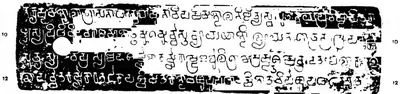
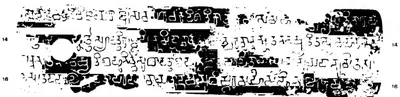
కొప్పరం తామ్రశాసనాలు ఒక చిక్కును జోడిస్తాయి. అవి గుంటూరు జిల్లాలోని కొప్పరం దగ్గర దొరికాయి. వాటికి రెండవ పులకేశి 21వ పాలనా సంవత్సరం, బహుశా 631, తేదీ ఉంది. అవి కర్మరాష్ట్రం జిల్లాలోని ఒక పొలాన్ని దానం చేస్తాయి. దానాన్ని అమలు చేసిన “పృథివీదువరాజు”ను ఇ. హుల్ష్ విష్ణువర్ధనుని బిరుదుగా చదివారు.252627 ఆ సంవత్సరం విష్ణువర్ధనుడు “రెండవ పులకేశి మీద ఆధారపడే కొనసాగాడు” అని ఆయన తేల్చారు.252627
కర్నూలు, అలంపురం, నెల్లూరు ప్రాంతం
ఐహోళె శాసనం మొదటి కీర్తివర్మ శత్రువుల్లో నలులను పేర్కొంటుంది. ఫ్లీట్ వారిని “బహుశా బళ్లారి, కర్నూలు దిశలో” ఉన్న నలవాడి ప్రాంత ప్రజలుగా భావించారు.28 1880లలో కర్నూలు కలెక్టర్ కార్యాలయంలో ఉంచిన మూడు తామ్రశాసనాల ఉంగరంపై “చాళుక్యుల విలక్షణ చిహ్నం” అయిన వరాహం ఉంది.29
ఫ్లీట్, సూయెల్ కర్నూలు జిల్లా నుండి వచ్చిన మొదటి విక్రమాదిత్యుని దానపత్రాలను పేర్కొంటారు. వాటిలో ఒకటి నలవాడి జిల్లాలోని భూమికి సంబంధించినది.11303132 అదే జిల్లా నుండి వచ్చిన వినయాదిత్యుని దానపత్రాలను కూడా వారు పేర్కొంటారు.11303132 వినయాదిత్యుని పదకొండవ సంవత్సరపు ఒక దానపత్రం కృష్ణా ఉత్తర ఒడ్డున ఉన్న ఒక గ్రామాన్ని ఇస్తుంది.11303132
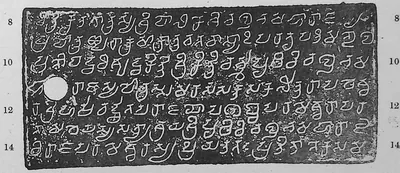
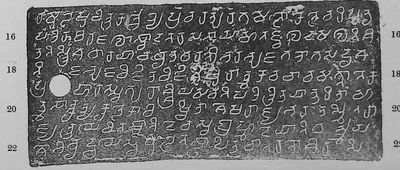
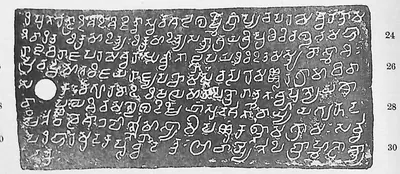
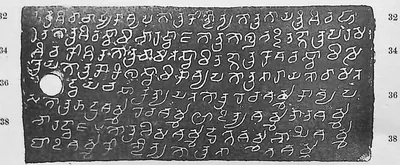
కృష్ణాకు దక్షిణాన, తుంగభద్రకు ఉత్తరాన, ఇప్పటి తెలంగాణలో, మొదటి విక్రమాదిత్యుని అముదాలపాడు తామ్రశాసనాలు అలంపురం తాలూకాలో దొరికాయి. డి. సి. సర్కార్ వాటిని 660 ఏప్రిల్ 30 నాటివిగా నిర్ణయించి, వాటి అక్షరాలను “పాత తెలుగు-కన్నడ” అని వర్ణించారు.33 Epigraphia Telanganica (తెలంగాణ శాసనాలు, 2023) సంపాదకులు వాటిని తెలంగాణలో తొలి తెలుగు శాసనంగా పిలుస్తారు.34 అక్కడ “తెలుగు అక్షరాల తొలి వాడకం” రికార్డుగా వారు ఈ శాసనాలను పిలుస్తారు.34 దానపత్రం భాష సంస్కృతం.3334
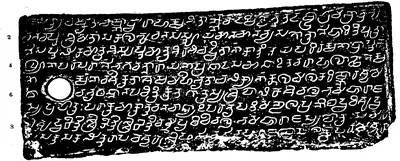
అదే రాజు 674 నాటి గద్వాల తామ్రశాసనాలు దగ్గరలోని గద్వాలలో దొరికాయి.3536 ధాన్యం కొలతలకు వాటిలో వాడిన రెండు పదాలు “దానం పొందినవాని తెలుగు వ్యవహార భాష నుండి తీసుకున్నవి” అని హుల్ష్ గుర్తించారు.3536 తీరంలో, నెల్లూరు దగ్గర దొరికిన తలమంచి తామ్రశాసనాలు మొదటి విక్రమాదిత్యుడు 660లో తన సొంత గురువుకు ఇచ్చిన దానాన్ని నమోదు చేస్తాయి.3738
అలంపురంలోనే చాళుక్య రికార్డుల వరుస ఉంది. అర్క బ్రహ్మ ఆలయంలోని ఒక స్తంభ శాసనం మొదటి విక్రమాదిత్యుని రాణి ఒక లింగాన్ని (శివుని రాతి చిహ్నం) ప్రతిష్ఠించినట్లు నమోదు చేస్తుంది. దాని సంపాదకులు (ఎం. డి. సంపత్, వి. ఎస్. సుబ్రహ్మణ్యం) దానిని ఇప్పుడు నవబ్రహ్మ ఆలయాలుగా పిలిచే నవలింగేశ్వర ఆలయ సముదాయానికి తొలి తేదీగా తీసుకున్నారు. వినయాదిత్యుని రాణి గౌరవార్థం లోకాదిత్య-ఎల-అరస ఆలయాన్ని కట్టించాడని స్వర్గ బ్రహ్మ ఆలయంలోని ఒక రికార్డు చెబుతుంది.33940
704 నాటి విజయాదిత్యుని ఒక శాసనం రాజు కోరిక మేరకు ఒక ప్రాకారాన్ని కట్టి ఈశానాచార్యునికి అంకితం చేశారని చెబుతుంది.41 జి. ఎస్. గాయ్ సంపాదకత్వం వహించిన 713 నాటి రెండు లిపుల శాసనం విజయాదిత్యుని ఆజ్ఞ మేరకు ఈశానాచార్యుడు ఒక ప్రాకారాన్ని కట్టినట్లు నమోదు చేస్తుంది. ఆ ఫలకం అమర్చిన కోట నవలింగేశ్వర ఆలయాలను చుట్టుముడుతుందని గాయ్ గుర్తించారు.4243 వీటిలో అత్యంత ముఖ్యమైనది బాల బ్రహ్మ మందిరం.4243 అలంపురం నవబ్రహ్మ ఆలయాలు చూడండి.
పల్లవులతో యుద్ధాలు
బాదామి చాళుక్యులు, కంచి పల్లవులు వంద సంవత్సరాలకు పైగా అప్పుడప్పుడు యుద్ధాలు చేశారు. వారి మధ్య ఉన్న తెలుగు దేశం ఒకటి కంటే ఎక్కువసార్లు చేతులు మారింది. పల్లవ రాజు మొదటి నరసింహవర్మ సుమారు 642లో బాదామిని తీసుకున్నాడు.944 మొదటి విక్రమాదిత్యుడు మొదటి నరసింహవర్మ, రెండవ మహేంద్రవర్మ, మొదటి పరమేశ్వరవర్మ అనే ముగ్గురు పల్లవ రాజులను ఓడించి కంచిని తీసుకున్నాడని అతని గద్వాల తామ్రశాసనాలు చెప్పుకుంటాయి. 674లో అతను కావేరికి దక్షిణాన శిబిరంలో ఉన్నాడు.3631
మొదటి పరమేశ్వరవర్మ పెరువళనల్లూరు వద్ద విక్రమాదిత్యుని పారిపోయేలా చేసి, అతని నగరాన్ని నాశనం చేశాడని పల్లవ రికార్డులు చెబుతాయి.12 అతని కుమారుని వక్కలేరి దానపత్రం ప్రకారం, రెండవ విక్రమాదిత్యుడు పల్లవ దేశంలోకి హఠాత్తుగా దాడి చేసి నందిపోతవర్మను (రెండవ నందివర్మ) ఓడించాడు.1516 అతను కంచిని నాశనం చేయకుండా దానిలో ప్రవేశించి, దాని ఆలయాలకు బంగారం రాశులు ఇచ్చాడు.1516 (మొదటి నరసింహవర్మ, మొదటి పరమేశ్వరవర్మ, రెండవ నందివర్మ చూడండి.)
ఆధారాలు, విభేదాలు
- కునాల. “కునాల జలాలను” కొల్లేరు సరస్సుగా కీల్హార్న్ చేసిన గుర్తింపు శ్లోకాల వరుస మీద ఆధారపడుతుంది.2122 ఆయన దానిని సముద్రగుప్తుని అలహాబాద్ శాసనంలోని కౌనాలకతో కూడా ముడిపెట్టారు.2122 అక్కడ అది పిష్టపురకకు సరిగ్గా ముందు పేర్కొనబడింది.2122
- విష్ణువర్ధనుడు ఎప్పుడు స్వతంత్రుడయ్యాడు. 632 నాటి విష్ణువర్ధనుని దానపత్రం ఒకటి అప్పటికే అతనిని మహారాజ అని పిలుస్తుంది కాబట్టి, ఫ్లీట్ దానిని 632కు ముందు ఉంచారు. 631 నాటి కొప్పరం తామ్రశాసనాలు అతను ఇంకా రెండవ పులకేశి మీద ఆధారపడి ఉన్నట్లు చూపిస్తాయని హుల్ష్ చదివారు.126 కె. వి. లక్ష్మణరావు కొప్పరం తామ్రశాసనాలను మొదట సంపాదకత్వం వహించి ప్రచురించారు.26 వాటిలోని గొప్ప యోధుడిని ఆయన విష్ణువర్ధనునిగా కాకుండా సత్యాశ్రయ-ధ్రువరాజ-ఇంద్రవర్మగా గుర్తించారు.26
- మొదటి విక్రమాదిత్యుడు సింహాసనం ఎక్కడం. ఫ్లీట్ దానిని 655 శరదృతువులో ఉంచారు.11 తలమంచి తామ్రశాసనాల్లోని గ్రహణం ఆధారంగా కీల్హార్న్ దానిని 654 సెప్టెంబర్ నుండి 655 జూలై మధ్య ఉంచారు.38
- ముగింపు. రెండవ కీర్తివర్మ 754కు ముందు తన ఉత్తర రాష్ట్రాలను కోల్పోయి, తర్వాత వాటిని తిరిగి పొందడానికి ప్రయత్నించాడని ఫ్లీట్ భావించారు.18 సూయెల్ వంశ పతనానికి 753 అని ఇస్తారు.19
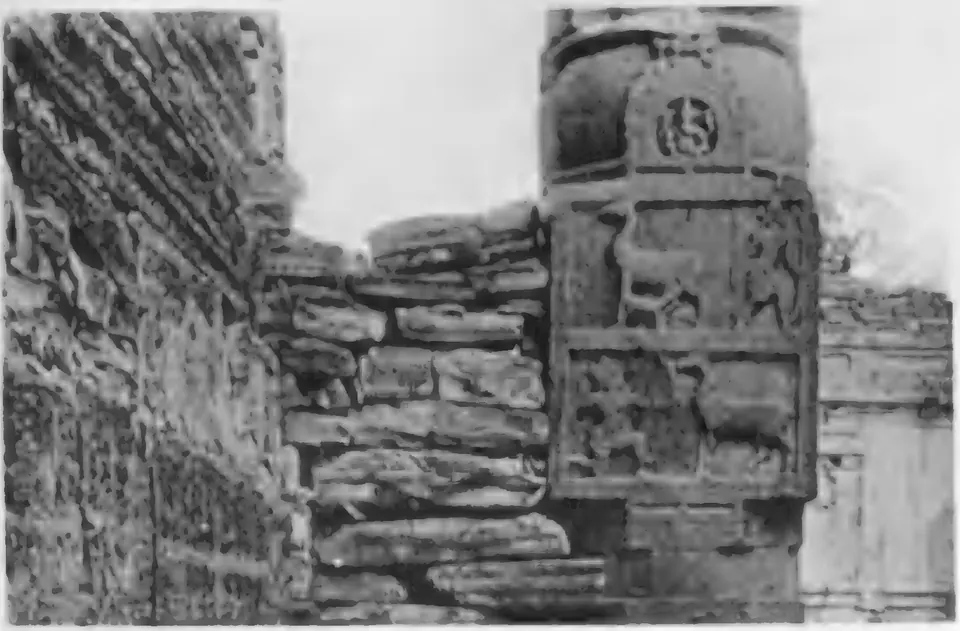
- అలంపురం. పాత నివేదికల్లో ఏదీ ఆలయాలను ఒక వంశానికి ఆపాదించదు. 1886లో కర్నూలు మాన్యువల్ అలంపురం ఆలయాన్ని 11వ శతాబ్దంలో ఉంచే ఒక సంప్రదాయాన్ని మళ్లీ చెప్పింది.45 నిజాం పురావస్తు శాఖ 1926-27 నివేదిక వాటి శిఖరాలను పట్టదకల్లోని పాపనాథ ఆలయంతో పోల్చింది, కానీ ఏ తేదీనీ సూచించలేదు.46 చాళుక్య తేదీ పైన పేర్కొన్న శాసనాల మీద ఆధారపడుతుంది.
Footnotes
-
Fleet, “Dynasties of the Kanarese Districts” (1896), p. 352 (archive.org (opens in a new tab)). ↩ ↩2 ↩3 ↩4 ↩5
-
Robert Sewell, The Historical Inscriptions of Southern India (1932), p. 22 (archive.org (opens in a new tab)). Paraphrased. ↩ ↩2 ↩3 ↩4 ↩5 ↩6
-
Epigraphia Telanganica I (2023), p. 39, summarising Indian Archaeology 1976-77 and M. D. Sampath and V. S. Subrahmanyam, Epigraphia Indica XL. Cite-only; paraphrased. ↩ ↩2 ↩3
-
J. F. Fleet, “Dynasties of the Kanarese Districts”, Gazetteer of the Bombay Presidency I, pt. II (1896), p. 343 (archive.org (opens in a new tab)). ↩
-
Fleet, “Dynasties of the Kanarese Districts” (1896), p. 344 (archive.org (opens in a new tab)). ↩
-
Fleet, “Dynasties of the Kanarese Districts” (1896), p. 346 (archive.org (opens in a new tab)). ↩
-
Fleet, “Dynasties of the Kanarese Districts” (1896), p. 348 (archive.org (opens in a new tab)). ↩
-
Fleet, “Dynasties of the Kanarese Districts” (1896), p. 351 (archive.org (opens in a new tab)). ↩
-
Fleet, “Dynasties of the Kanarese Districts” (1896), p. 358 (archive.org (opens in a new tab)). ↩ ↩2 ↩3
-
Fleet, “Dynasties of the Kanarese Districts” (1896), p. 359 (archive.org (opens in a new tab)). ↩ ↩2
-
Fleet, “Dynasties of the Kanarese Districts” (1896), p. 363 (archive.org (opens in a new tab)). ↩ ↩2 ↩3 ↩4 ↩5
-
Fleet, “Dynasties of the Kanarese Districts” (1896), p. 362 (archive.org (opens in a new tab)). ↩ ↩2
-
Fleet, “Dynasties of the Kanarese Districts” (1896), p. 367 (archive.org (opens in a new tab)). ↩
-
Fleet, “Dynasties of the Kanarese Districts” (1896), p. 370 (archive.org (opens in a new tab)). ↩
-
Fleet, “Dynasties of the Kanarese Districts” (1896), p. 374 (archive.org (opens in a new tab)). ↩ ↩2 ↩3
-
Fleet, “Dynasties of the Kanarese Districts” (1896), p. 375 (archive.org (opens in a new tab)). ↩ ↩2 ↩3
-
Fleet, “Dynasties of the Kanarese Districts” (1896), p. 376 (archive.org (opens in a new tab)). ↩ ↩2
-
Fleet, “Dynasties of the Kanarese Districts” (1896), p. 378 (archive.org (opens in a new tab)). ↩ ↩2 ↩3 ↩4
-
Sewell, Historical Inscriptions (1932), p. 29 (archive.org (opens in a new tab)). Paraphrased. ↩ ↩2
-
F. Kielhorn, “Aihole Inscription of Pulikesin II”, Epigraphia Indica VI (1901), p. 1 (archive.org (opens in a new tab)). ↩ ↩2
-
Kielhorn, “Aihole Inscription” (1901), p. 2 (archive.org (opens in a new tab)). ↩ ↩2 ↩3 ↩4 ↩5 ↩6 ↩7
-
Kielhorn, “Aihole Inscription” (1901), p. 3 (archive.org (opens in a new tab)). ↩ ↩2 ↩3 ↩4 ↩5 ↩6 ↩7
-
Kielhorn, “Aihole Inscription” (1901), p. 11 (archive.org (opens in a new tab)). ↩ ↩2
-
Fleet, “Dynasties of the Kanarese Districts” (1896), p. 350 (archive.org (opens in a new tab)). ↩
-
E. Hultzsch, “Kopparam Plates of Pulakesin II”, Epigraphia Indica XVIII (1926), p. 257 (archive.org (opens in a new tab)). ↩ ↩2
-
Hultzsch, “Kopparam Plates” (1926), p. 258 (archive.org (opens in a new tab)). ↩ ↩2 ↩3 ↩4 ↩5
-
R. Sewell, postscript to Hultzsch, “Kopparam Plates”, Epigraphia Indica XVIII (1926), p. 261 (archive.org (opens in a new tab)). ↩ ↩2
-
Fleet, “Dynasties of the Kanarese Districts” (1896), p. 345 (archive.org (opens in a new tab)). ↩
-
Chetty, Manual of the Kurnool District (1886), p. 20 (archive.org (opens in a new tab)). ↩
-
Fleet, “Dynasties of the Kanarese Districts” (1896), p. 369 (archive.org (opens in a new tab)). ↩ ↩2 ↩3
-
Sewell, Historical Inscriptions (1932), p. 25 (archive.org (opens in a new tab)). Paraphrased. ↩ ↩2 ↩3 ↩4
-
Sewell, Historical Inscriptions (1932), p. 26 (archive.org (opens in a new tab)). Paraphrased. ↩ ↩2 ↩3
-
D. C. Sircar, “Amudalapadu Plates of Vikramaditya I, Year 5”, Epigraphia Indica XXXII (1959), p. 175 (archive.org (opens in a new tab)). Paraphrased. ↩ ↩2
-
Gajjala Vasanta Lakshmi (ed.), Epigraphia Telanganica I: Pre-Kakatiya Telangana (2023), p. 8. Cite-only; paraphrased except for the short phrase quoted. ↩ ↩2 ↩3
-
E. Hultzsch, “Gadval Plates of Vikramaditya I”, Epigraphia Indica X (1910), p. 100 (archive.org (opens in a new tab)). ↩ ↩2
-
Hultzsch, “Gadval Plates” (1910), p. 101 (archive.org (opens in a new tab)). ↩ ↩2 ↩3
-
E. Hultzsch, “Talamanchi Plates of Vikramaditya I”, Epigraphia Indica IX (1908), p. 99 (archive.org (opens in a new tab)). ↩
-
F. Kielhorn, postscript to Hultzsch, “Talamanchi Plates”, Epigraphia Indica IX (1908), p. 102 (archive.org (opens in a new tab)). ↩ ↩2
-
Epigraphia Telanganica I (2023), p. 40. Cite-only; paraphrased. ↩
-
Epigraphia Telanganica I (2023), p. 44, summarising the Annual Report on Indian Epigraphy for 1959-60, p. 60. Cite-only; paraphrased. ↩
-
Kannada Inscriptions of Andhra Pradesh (Andhra Pradesh Government Archaeological Series 3, 1961), p. 38, No. 107 (archive.org (opens in a new tab)). Paraphrased. ↩
-
Epigraphia Telanganica I (2023), p. 47, reprinting G. S. Gai, “Alampur Inscription of Chalukya Vijayaditya, Saka 635 and 636”, Epigraphia Indica XXXV, pp. 121–124. Cite-only; paraphrased. ↩ ↩2
-
Epigraphia Telanganica I (2023), p. 48, reprinting Gai, Epigraphia Indica XXXV. Cite-only; paraphrased. ↩ ↩2
-
Sewell, Historical Inscriptions (1932), p. 24 (archive.org (opens in a new tab)). Paraphrased. ↩
-
Narahari Gopalakristnamah Chetty, A Manual of the Kurnool District (1886), p. 1 (archive.org (opens in a new tab)). ↩
-
Annual Report of the Archaeological Department of H.E.H. the Nizam’s Dominions, 1926-27 (1929), p. 7 (archive.org (opens in a new tab)). ↩
చిత్రాలు
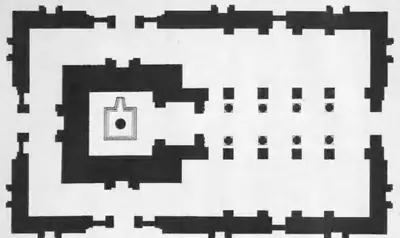 "(a) Plan of the Arka Brahma Temple. Scale: 9 ft. to 1 in." (Annual Report of the Archaeological Department of H.E.H. the Nizam's Dominions 1926-27, Plate IV (a) (PDF p. 61))నిర్మాణ నక్షా · 1929
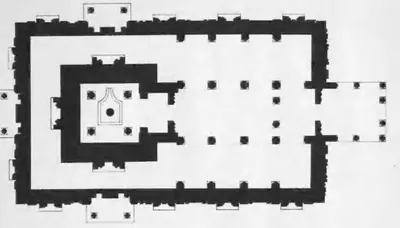 "(a) Plan of the Sulka Brahma Temple: 'Alampur. Scale: 12 ft. to 1 in." (Annual Report of the Archaeological Department of H.E.H. the Nizam's Dominions 1926-27, Plate III (a) (PDF p. 59))నిర్మాణ నక్షా · 1929
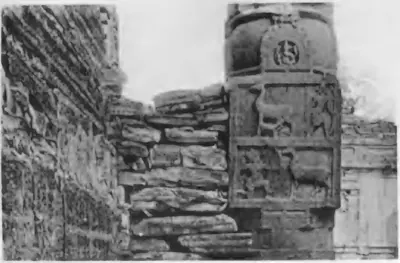 "(a) Story of the Deer: Gateway of the Temples: 'Alampur." (Annual Report of the Archaeological Department of H.E.H. the Nizam's Dominions 1926-27, Plate XI (a) (PDF p. 89))పాత ఫోటో · 1929
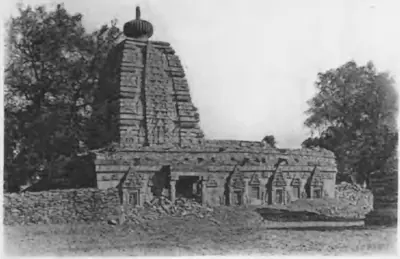 "(a) Temple No. 1: 'Alampur (Raichur)." (Annual Report of the Archaeological Department of H.E.H. the Nizam's Dominions 1926-27, Plate X (a) (PDF p. 85))పాత ఫోటో · 1929
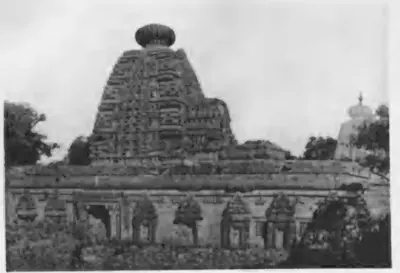 "(a) Temple No. 4: 'Alampur: General View." (Annual Report of the Archaeological Department of H.E.H. the Nizam's Dominions 1926-27, Plate XIII (a) (PDF p. 97))పాత ఫోటో · 1929
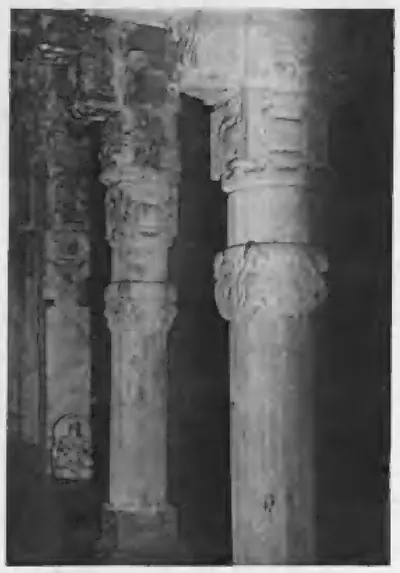 "(a) Temple No. 4: 'Alampur: Pillars." (Annual Report of the Archaeological Department of H.E.H. the Nizam's Dominions 1926-27, Plate XII (a) (PDF p. 93))పాత ఫోటో · 1929
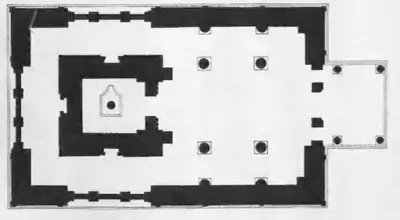 "(b) Plan of the Kumar Brahma Temple: 'Alampur. Scale: 9 ft. to 1 in." (Annual Report of the Archaeological Department of H.E.H. the Nizam's Dominions 1926-27, Plate III (b) (PDF p. 59))నిర్మాణ నక్షా · 1929
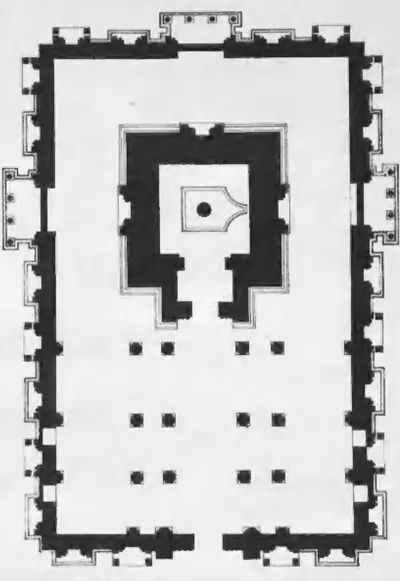 "(b) Plan of the Taraka Brahma Temple: 'Alampur. Scale: 12 ft. to 1 in." (Annual Report of the Archaeological Department of H.E.H. the Nizam's Dominions 1926-27, Plate II (b) (PDF p. 57))నిర్మాణ నక్షా · 1929
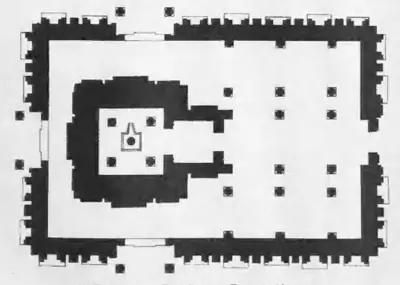 "(b) Plan of the Vira Brahma Temple: 'Alampur. Scale: 15 ft. to 1 in." (Annual Report of the Archaeological Department of H.E.H. the Nizam's Dominions 1926-27, Plate IV (b) (PDF p. 61))నిర్మాణ నక్షా · 1929
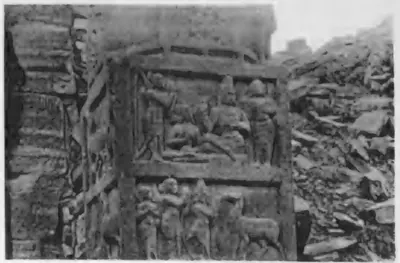 "(b) Story of the Deer: Another Episode." (Annual Report of the Archaeological Department of H.E.H. the Nizam's Dominions 1926-27, Plate XI (b) (PDF p. 89))పాత ఫోటో · 1929
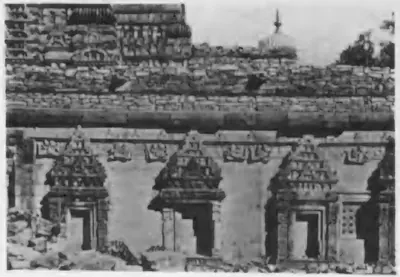 "(b) Temple No. 4: Carving." (Annual Report of the Archaeological Department of H.E.H. the Nizam's Dominions 1926-27, Plate XIII (b) (PDF p. 97))పాత ఫోటో · 1929
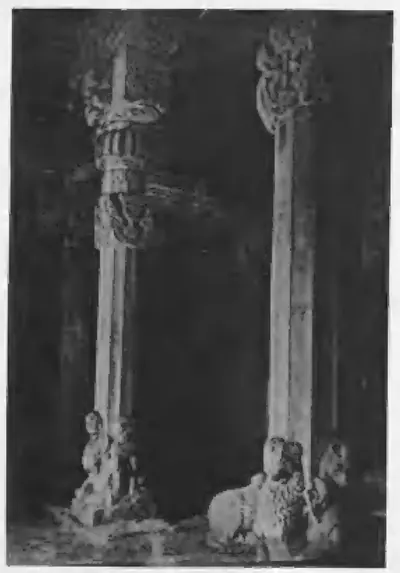 "(b) Temple No. 6: 'Alampur: Pillars." (Annual Report of the Archaeological Department of H.E.H. the Nizam's Dominions 1926-27, Plate XII (b) (PDF p. 93))పాత ఫోటో · 1929
అన్నీ చూపించు (39)
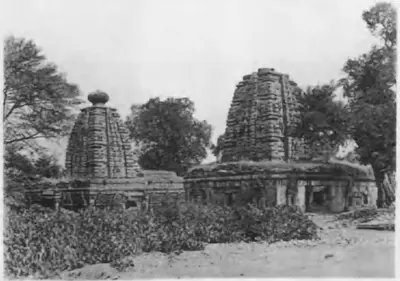 "(b) Temples Nos. 6 and 7: 'Alampur (Raichur)." (Annual Report of the Archaeological Department of H.E.H. the Nizam's Dominions 1926-27, Plate X (b) (PDF p. 85))పాత ఫోటో · 1929
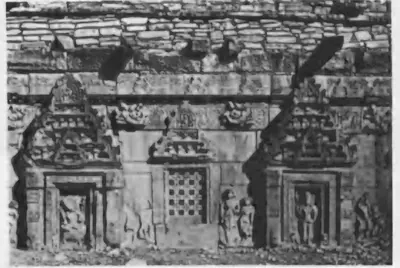 "(c) Temple No. 2: 'Alampur: Carving." (Annual Report of the Archaeological Department of H.E.H. the Nizam's Dominions 1926-27, Plate XIII (c) (PDF p. 97))పాత ఫోటో · 1929
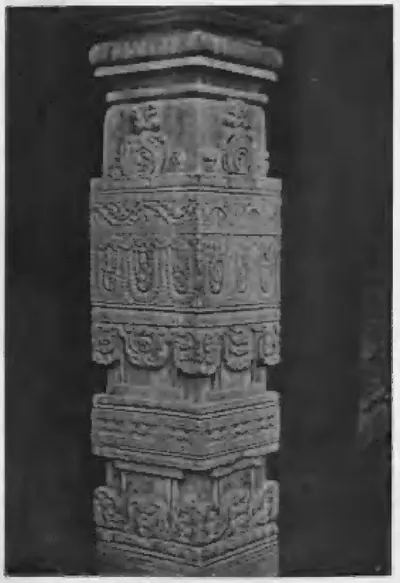 "(c) Temple No. 6: Another Pillar." (Annual Report of the Archaeological Department of H.E.H. the Nizam's Dominions 1926-27, Plate XII (c) (PDF p. 93))పాత ఫోటో · 1929
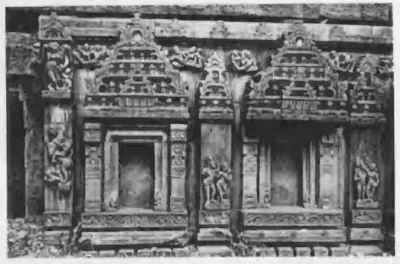 "(c) Temple No. 7: 'Alampur: Carving." (Annual Report of the Archaeological Department of H.E.H. the Nizam's Dominions 1926-27, Plate XI (c) (PDF p. 89))పాత ఫోటో · 1929
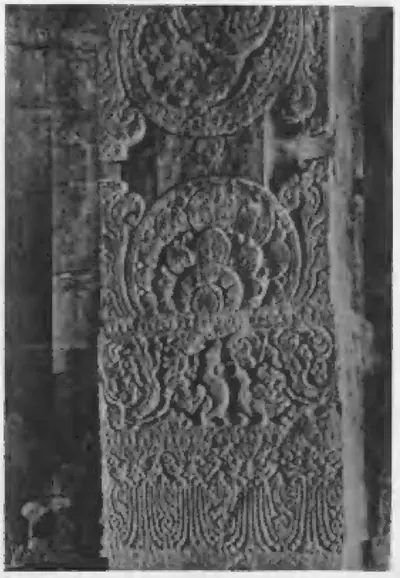 "(d) Dharmasala: 'Alampur: Pillar." (Annual Report of the Archaeological Department of H.E.H. the Nizam's Dominions 1926-27, Plate XII (d) (PDF p. 93))పాత ఫోటో · 1929
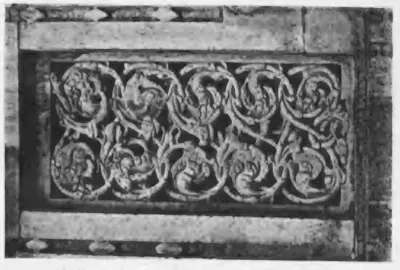 "(d) Dharmasala: 'Alampur: Window Grill." (Annual Report of the Archaeological Department of H.E.H. the Nizam's Dominions 1926-27, Plate XI (d) (PDF p. 89))పాత ఫోటో · 1929
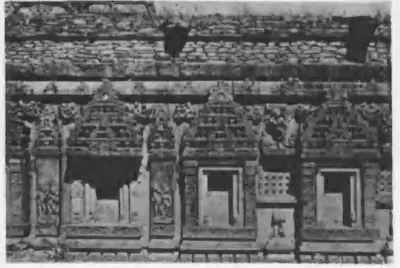 "(d) Temple No. 7: 'Alampur: Carving." (Annual Report of the Archaeological Department of H.E.H. the Nizam's Dominions 1926-27, Plate XIII (d) (PDF p. 97))పాత ఫోటో · 1929
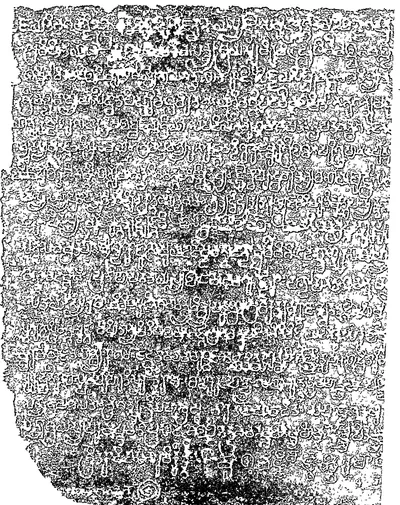 "Aihole Inscription of Pulikesin II.—A.D. 634-35", left part, lines 1-19 (Epigraphia Indica VI, plate between pp. 6 and 7, first page (PDF p. 18 of the archive.org scan in.ernet.dli.2015.56212))శాసన ప్రతి · 1901
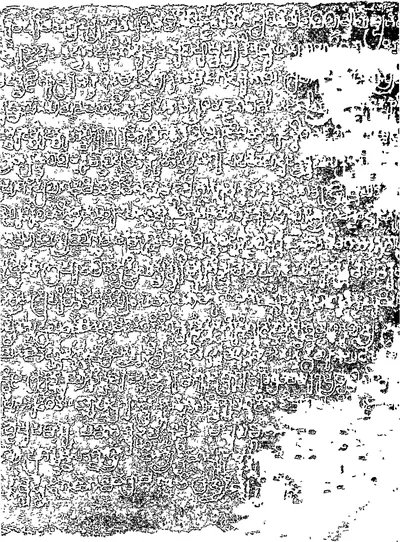 "Aihole Inscription of Pulikesin II.—A.D. 634-35", middle part (Epigraphia Indica VI, plate between pp. 6 and 7, second page (PDF p. 19 of scan in.ernet.dli.2015.56212))శాసన ప్రతి · 1901
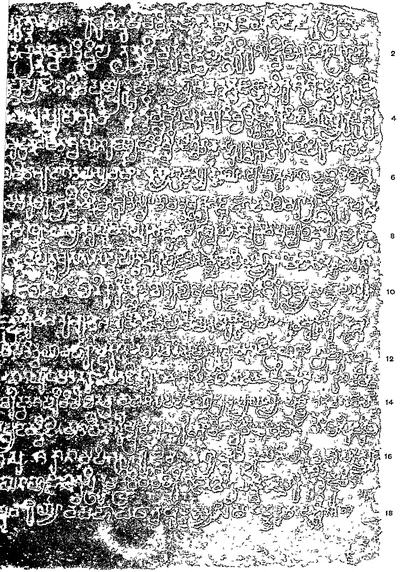 "Aihole Inscription of Pulikesin II.—A.D. 634-35", right part, lines 1-19 (Epigraphia Indica VI, plate between pp. 6 and 7, third page (PDF p. 20 of scan in.ernet.dli.2015.56212))శాసన ప్రతి · 1901
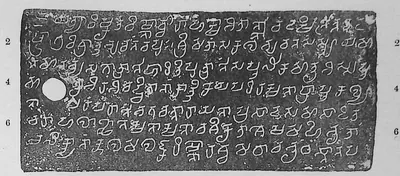 "Amudalapadu Plates of Vikramaditya I, Year 5", plate i (Epigraphia Indica XXXII, plate between pp. 182 and 183 (PDF p. 265))శాసన ప్రతి · 1959
 "Amudalapadu Plates of Vikramaditya I, Year 5", plate ii a (Epigraphia Indica XXXII, plate between pp. 182 and 183 (PDF p. 265))శాసన ప్రతి · 1959
 "Amudalapadu Plates of Vikramaditya I, Year 5", plate ii b (Epigraphia Indica XXXII, plate between pp. 182 and 183 (PDF p. 265))శాసన ప్రతి · 1959
 "Amudalapadu Plates of Vikramaditya I, Year 5", plate iii a (Epigraphia Indica XXXII, plate between pp. 182 and 183 (PDF p. 266))శాసన ప్రతి · 1959
 "Amudalapadu Plates of Vikramaditya I, Year 5", plate iii b (Epigraphia Indica XXXII, plate between pp. 182 and 183 (PDF p. 266))శాసన ప్రతి · 1959
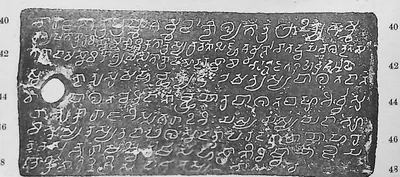 "Amudalapadu Plates of Vikramaditya I, Year 5", plate iv (Epigraphia Indica XXXII, plate between pp. 182 and 183 (PDF p. 266))శాసన ప్రతి · 1959
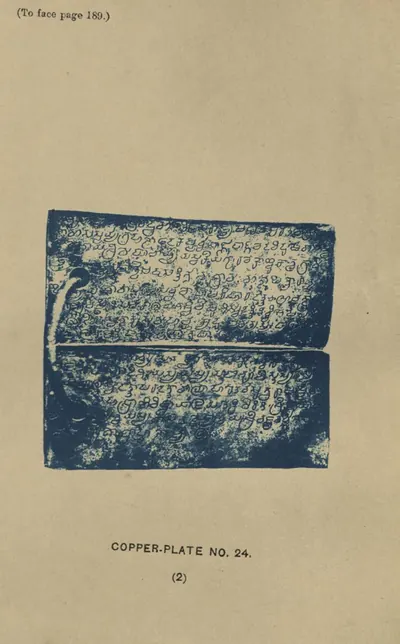 "Copper-plate No. 24" (grant of the Western Chalukya king Vikramaditya I) (Butterworth & Chetty 1905, to face p. 189 (PDF p. 250))శాసన ప్రతి · 1905
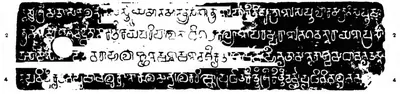 "Kopparam Plates of Pulakesin II", plate i (Epigraphia Indica XVIII, plate between pp. 258 and 259 (PDF p. 325))శాసన ప్రతి · 1926
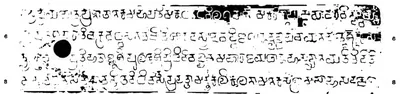 "Kopparam Plates of Pulakesin II", plate ii a (Epigraphia Indica XVIII, plate between pp. 258 and 259 (PDF p. 325))శాసన ప్రతి · 1926
 "Kopparam Plates of Pulakesin II", plate ii b (Epigraphia Indica XVIII, plate between pp. 258 and 259 (PDF p. 325))శాసన ప్రతి · 1926
 "Kopparam Plates of Pulakesin II", plate iii (Epigraphia Indica XVIII, plate between pp. 258 and 259 (PDF p. 325))శాసన ప్రతి · 1926
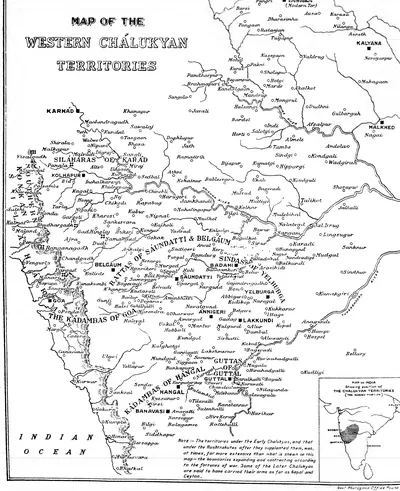 "Map of the Western Chalukyan Territories" (H. Cousens, The Chalukyan Architecture of the Kanarese Districts, 1926, map before the list of plates (PDF p. 5))పటం · 1926
 "Talamanchi plates of Vikramaditya I. — A. D. 660", plate i (Epigraphia Indica IX, plate between pp. 100 and 101 (PDF p. 128))శాసన ప్రతి · 1908
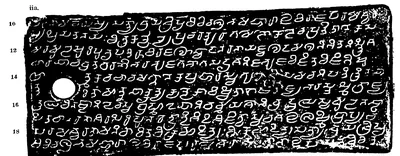 "Talamanchi plates of Vikramaditya I. — A. D. 660", plate ii a (Epigraphia Indica IX, plate between pp. 100 and 101 (PDF p. 128))శాసన ప్రతి · 1908
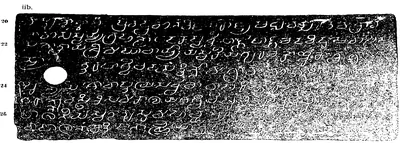 "Talamanchi plates of Vikramaditya I. — A. D. 660", plate ii b (Epigraphia Indica IX, plate between pp. 100 and 101 (PDF p. 129))శాసన ప్రతి · 1908
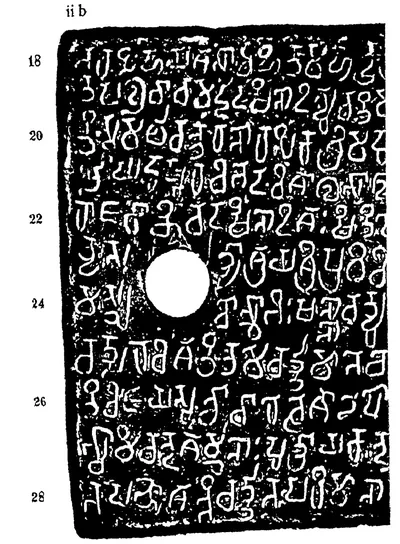 Gadval plates of Vikramaditya I, plate ii b (Epigraphia Indica X, plate between pp. 102 and 103 (PDF p. 134))శాసన ప్రతి · 1910
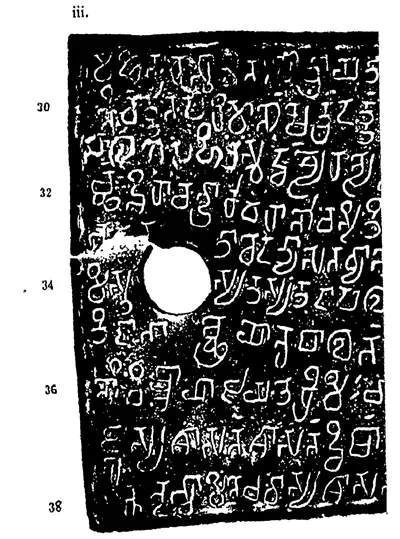 Gadval plates of Vikramaditya I, plate iii (Epigraphia Indica X, plate between pp. 102 and 103 (PDF p. 134))శాసన ప్రతి · 1910
సంబంధిత
వ్యక్తులు
రెండవ పులకేశి
సుమారు క్రీ.శ. 609–642
బాదామి చాళుక్య రాజు (609–642), మొదటి కీర్తివర్మ కొడుకు. ఆయన కళింగులను, కోసలులను అణచివేశాడని, పిష్టపుర (పిఠాపురం) కోటను తీసుకున్నాడని, 'కునాల జలాన్ని' (కొల్లేరు సరస్సుగా భావిస్తారు) ధ్వంసం చేశాడని, పల్లవ రాజును కంచి గోడల వెనక్కి తరిమాడని 634–35 నాటి ఆయన ఐహోళె శాసనం చెబుతుంది. జయించిన వేంగి దేశాన్ని ఆయన తన తమ్ముడు, తూర్పు చాళుక్యుల స్థాపకుడు విష్ణువర్ధనునికి ఇచ్చాడు. దాదాపు 631 నాటి ఆయన కొప్పరం ఫలకాలు గుంటూరు ప్రాంతంలో భూమిని ఇస్తాయి. బహుశా 642లో పల్లవ మొదటి నరసింహవర్మ బాదామిని తీసుకున్నప్పుడు ఆయన చనిపోయాడు.
మొదటి విక్రమాదిత్యుడు (బాదామి చాళుక్య)
సుమారు క్రీ.శ. 655–680
బాదామి చాళుక్య రాజు (దాదాపు 655–680), రెండవ పులకేశి కొడుకు. పల్లవులు బాదామిని తీసుకున్న తర్వాత ఆయన రాజ్యాన్ని పునరుద్ధరించి, ముగ్గురు పల్లవ రాజులతో పోరాడి, కాంచిని తీసుకున్నాడు. ఆయన రాగి ఫలకాల దానశాసనాలు తెలుగు దేశం నుంచి వచ్చాయి: ఇప్పటి తెలంగాణలోని అముదాలపాడు, గద్వాల, కర్నూలు జిల్లా, నెల్లూరు దగ్గర తలమంచి, హైదరాబాద్. 660 నాటి ఆయన అముదాలపాడు ఫలకాలు ఆయన శైవ దీక్షను నమోదు చేస్తాయి. ఆయన రాణి ఒకరు అలంపూర్లో ఒక లింగాన్ని ప్రతిష్ఠించారు.
కట్టడాలు
శాసనాలు
రెండవ పులకేశి కొప్పరం శాసనం
సుమారు క్రీ.శ. 631
గుంటూరు జిల్లా నరసరావుపేట తాలూకాలోని కొప్పరం దగ్గర దొరికిన, చాళుక్య రాజు రెండవ పులకేశి 21వ సంవత్సరపు (బహుశా 631) సంస్కృత తామ్ర దానపత్రం. కర్మరాష్ట్రంలో 800 నివర్తనాల పొలాన్ని అది ముగమూరుకు చెందిన ఒక బ్రాహ్మణునికి ఇస్తుంది. దానిలోని 'పృథివీదువరాజు'ను ఇ. హుల్ష్ ఆ సంవత్సరంలో ఇంకా అధీనునిగా ఉన్న పులకేశి సోదరుడు విష్ణువర్ధనునిగా చదివారు. దాని మొదటి సంపాదకుడు కె. వి. లక్ష్మణరావు అతనిని మరో చాళుక్య రాకుమారునిగా గుర్తించారు.
రెండవ పులకేశి ఐహొళె శాసనం
క్రీ.శ. 634
జైన కవి రవికీర్తి రాసిన 37 శ్లోకాల సంస్కృత కావ్యం. ఇది 634–35లో కర్ణాటకలోని ఐహొళెలోని మేగుటి ఆలయంపై చెక్కబడింది. చాళుక్య రాజు రెండవ పులకేశి విజయాలకు, అతని తూర్పు దండయాత్రతో సహా, ఇదే ముఖ్య కథనం. ఆ దండయాత్రలో అతను కళింగులను, కోసలులను అణచి, పిష్టపురం (పిఠాపురం) ను తీసుకుని, 'కునాల జలాన్ని' ధ్వంసం చేశాడు. కీల్హార్న్ దానిని కొల్లేరు సరస్సుగా గుర్తించారు. కాంచీపురం ముందు అతను పల్లవ రాజును కూడా ఓడించాడు.
మొదటి విక్రమాదిత్యుని అముదాలపాడు శాసనం
క్రీ.శ. 660
అలంపురం తాలూకాలోని (ఇప్పుడు తెలంగాణలో) అముదాలపాడు నుండి వచ్చిన, చాళుక్య రాజు మొదటి విక్రమాదిత్యుని ఐదవ సంవత్సరపు సంస్కృత తామ్ర దానపత్రం. డి. సి. సర్కార్ దానిని 660 ఏప్రిల్ 30 నాటిదిగా చెప్పారు. రాజు శైవ మతంలో దీక్ష తీసుకున్నప్పుడు రాజు గురువు సుదర్శనాచార్యునికి ఒక గ్రామాన్ని దానం చేసినట్లు అది నమోదు చేస్తుంది. దాని అక్షరాలు తొలి తెలుగు-కన్నడ లిపి. ఎపిగ్రాఫియా తెలంగాణికా (2023) సంపాదకులు దానిని తెలంగాణలో తొలి తెలుగు శాసనం అని పిలుస్తారు.
మొదటి విక్రమాదిత్యుని తలమంచి శాసనం
క్రీ.శ. 660
చాళుక్య రాజు మొదటి విక్రమాదిత్యుడి ఆరవ సంవత్సరం నాటి సంస్కృత రాగి రేకుల దానపత్రం. నెల్లూరు తాలూకాలోని తలమంచి వద్ద ఒక దుక్కి దున్నేవాడు దాన్ని కనుగొన్నాడు. ఇప్పుడు అది మద్రాసు మ్యూజియంలో ఉంది. అది ఎలసట్టి గ్రామాన్ని రాజు సొంత గురువు శ్రీమేఘాచార్యుడికి ఇస్తుంది. ఎఫ్. కీల్హార్న్ దాని సూర్యగ్రహణాన్ని 660 జూలై 13 నాటిదిగా నిర్ణయించారు. విక్రమాదిత్యుడి సింహాసనారోహణను 654 సెప్టెంబరు, 655 జూలై మధ్య నిర్ణయించడానికి ఆయన దాన్ని ఉపయోగించారు.
మొదటి విక్రమాదిత్యుని గద్వాల శాసనం
క్రీ.శ. 674
674 ఏప్రిల్ 25 నాటి, చాళుక్య రాజు మొదటి విక్రమాదిత్యుని 20వ సంవత్సరపు సంస్కృత తామ్ర దానపత్రం. అది గద్వాలలో (అప్పట్లో హైదరాబాద్ రాష్ట్రంలో, ఇప్పుడు తెలంగాణలో) ఉంచబడింది. అక్కడి పొలాల్లో దొరికిందని చెబుతారు. కావేరి దక్షిణ ఒడ్డున ఉరగపురం వద్ద ఒక శిబిరం నుండి ఇచ్చిన ఈ దానపత్రం విక్రమాదిత్యుడు ఓడించిన ముగ్గురు పల్లవ రాజుల పేర్లు చెబుతుంది. దానిలో ధాన్యం కొలతలకు సంబంధించిన రెండు తెలుగు పదాలను ఇ. హుల్ష్ గుర్తించారు.
ఆధారసూచికలు
గమనికలు (0)
ఆధారాలు (11)
ఈ పేజీలో పొరపాటు కనిపించిందా? మాకు తెలియజేయండి
చివరి సవరణ: