పల్లవులు
క్రీ.శ. 4వ శతాబ్దం నుండి 7వ శతాబ్దం వరకు చాలా కాలం కృష్ణాకు దక్షిణాన ఉన్న తెలుగు దేశాన్ని పట్టుకున్న కంచి (కాంచీపురం) రాజవంశం. ప్రాకృతంలో ఉన్న వారి తొలి శాసనాలు కంచి నుండి అమరావతి దగ్గరి ధాన్యకటకంలోని ఒక అధికారికి పంపబడ్డాయి. తర్వాతి ఒక వంశం పాలక్కడ, దశనపురం వంటి శిబిరాల నుండి గుంటూరు, నెల్లూరు ప్రాంతాల్లో గ్రామాలను దానం చేస్తూ సంస్కృత దానపత్రాలు జారీ చేసింది. 7వ శతాబ్దం ప్రారంభంలో చాళుక్యులు వేంగిని, గుంటూరు ప్రాంతాన్ని తీసుకున్నారు. కానీ సుమారు 700 వరకు పల్లవ రాజులు ఇంకా నెల్లూరులో గ్రామాలను దానం చేశారు. సుమారు 900లో చోళ విజయం వరకు వారి సామంతులు చిత్తూరు, రాయలసీమలోని కొన్ని భాగాలను పట్టుకున్నారు.
పూర్తి చార్టు కోసం పక్కకు జరపండి; వివరాల కోసం ఏదైనా పట్టీని తాకండి.
ప్రతి పట్టీ ఒక ప్రాంతాన్ని పాలించిన శక్తి; కాలం ఎడమ నుంచి కుడికి. గీతల అంచు = సుమారు తేదీలు. వివరాల కోసం పట్టీని ఎంచుకోండి.
జాబితాగా చూపించు
మౌర్యులు, శాతవాహనులు క్రీ.పూ. 300 – క్రీ.శ. 225
- తెలంగాణ
- శాతవాహనులు (సుమారు క్రీ.పూ. 220 – క్రీ.శ. 225)
- కోస్తా ఆంధ్ర
- శాతవాహనులు (సుమారు క్రీ.పూ. 220 – క్రీ.శ. 225)
- రాయలసీమ
- శాతవాహనులు (సుమారు క్రీ.శ. 1–225)
ఇక్ష్వాకులు, విష్ణుకుండినులు, తొలి రాజ్యాలు క్రీ.శ. 225–624
- తెలంగాణ
- వాకాటకులు (సుమారు క్రీ.శ. 300–500) · ఇక్ష్వాకులు (సుమారు క్రీ.శ. 225–352) · విష్ణుకుండినులు (సుమారు క్రీ.శ. 375–612)
- కోస్తా ఆంధ్ర
- పల్లవులు (సుమారు క్రీ.శ. 250–630) · ఇక్ష్వాకులు (సుమారు క్రీ.శ. 225–350) · విష్ణుకుండినులు (సుమారు క్రీ.శ. 500–630) · శాలంకాయనులు (సుమారు క్రీ.శ. 300–470) · తూర్పు గాంగులు (సుమారు క్రీ.శ. 537–1434) · తూర్పు చాళుక్యులు (సుమారు క్రీ.శ. 615–973) · బాదామి చాళుక్యులు (సుమారు క్రీ.శ. 615–642)
- రాయలసీమ
- పల్లవులు (సుమారు క్రీ.శ. 300–900) · రేనాటి చోళులు (సుమారు క్రీ.శ. 550–800)
తూర్పు చాళుక్యులు, దక్కన్ రాజ్యాలు క్రీ.శ. 624–1163
- తెలంగాణ
- బాదామి చాళుక్యులు (సుమారు క్రీ.శ. 655–753) · ముదిగొండ చాళుక్యులు (సుమారు క్రీ.శ. 890–1218) · వేములవాడ చాళుక్యులు (సుమారు క్రీ.శ. 750–973) · కాకతీయులు (సుమారు క్రీ.శ. 1052–1162) · రాష్ట్రకూటులు (సుమారు క్రీ.శ. 753–973) · కందూరు చోడులు (సుమారు క్రీ.శ. 1060–1160) · తూర్పు చాళుక్యులు (సుమారు క్రీ.శ. 935–973) · కళ్యాణి చాళుక్యులు (సుమారు క్రీ.శ. 973–1163)
- కోస్తా ఆంధ్ర
- పల్లవులు (సుమారు క్రీ.శ. 250–630) · బాదామి చాళుక్యులు (సుమారు క్రీ.శ. 655–680) · తంజావూరు చోళులు (సుమారు క్రీ.శ. 999–1135) · విష్ణుకుండినులు (సుమారు క్రీ.శ. 500–630) · తూర్పు చాళుక్యులు (సుమారు క్రీ.శ. 999–1077) · ధరణికోట కోట వంశం (సుమారు క్రీ.శ. 1100–1276) · తూర్పు గాంగులు (సుమారు క్రీ.శ. 537–1434) · కోన, పల్నాటి హైహయులు (సుమారు క్రీ.శ. 1073–1364) · పొత్తపి, నెల్లూరు తెలుగు చోడులు (సుమారు క్రీ.శ. 1106–1316) · వెలనాటి చోడులు (సుమారు క్రీ.శ. 1118–1209) · కళ్యాణి చాళుక్యులు (సుమారు క్రీ.శ. 1118–1126)
- రాయలసీమ
- పల్లవులు (సుమారు క్రీ.శ. 300–900) · తంజావూరు చోళులు (సుమారు క్రీ.శ. 985–1268) · రేనాటి చోళులు (సుమారు క్రీ.శ. 550–800) · కళ్యాణి చాళుక్యులు (సుమారు క్రీ.శ. 1000–1190) · బాదామి చాళుక్యులు (సుమారు క్రీ.శ. 654–753) · పొత్తపి, నెల్లూరు తెలుగు చోడులు (సుమారు క్రీ.శ. 1120–1268) · బాణులు (సుమారు క్రీ.శ. 700–915) · వైదుంబులు (సుమారు క్రీ.శ. 750–1000) · నొళంబ పల్లవులు (సుమారు క్రీ.శ. 750–974) · రాష్ట్రకూటులు (సుమారు క్రీ.శ. 750–973)
రాజ్యాలు, సామ్రాజ్యాలు
శాతవాహనులు
పేజీ తెరవండి- తెలంగాణ: సుమారు క్రీ.పూ. 220 – క్రీ.శ. 225 (సుమారు 445 సంవత్సరాలు)
IG Hyderabad: rise c. 220 BCE, end about a century after Pulumayi II (acc. c. 138 CE); Sewell: by c. 170 BCE the Andhra king ruled Hyderabad as well as the Telugu tracts
- కోస్తా ఆంధ్ర: సుమారు క్రీ.పూ. 220 – క్రీ.శ. 225 (సుమారు 445 సంవత్సరాలు)
Sources disagree: IG Madras 220 BCE-236 CE; Sewell 'from at least 250 BCE' to c. 225 CE when the Pallava Bappa ended the line; Godavari gazetteer dates the known kings c. 110-220 CE, last inscriptions c. 218
- రాయలసీమ: సుమారు క్రీ.శ. 1–225 (సుమారు 224 సంవత్సరాలు)
Sewell: about 1 CE the Andhra king ruled parts of Cuddapah and Kurnool; an inscription of Pulumayi II (c. 145 CE) in Adoni taluk proves Andhra rule there; Bellary gazetteer: the Andhras ruled that district in the 2nd century CE. When their rule here began is not recorded
పాలకులు (12)
- సిముకుడు (సుమారు క్రీ.పూ. 220 – క్రీ.పూ. 197)
- కృష్ణుడు (కన్హ) (సుమారు క్రీ.పూ. 197 – క్రీ.పూ. 179)
- శ్రీ శాతకర్ణి (సుమారు క్రీ.పూ. 179 – క్రీ.పూ. 169)
- శివస్వాతి (సుమారు క్రీ.శ. 85–113)
- గౌతమీపుత్ర శాతకర్ణి (సుమారు క్రీ.శ. 113–138)
- వాసిష్ఠీపుత్ర పులోమావి (సుమారు క్రీ.శ. 138–170)
… మరో 6
- శివశ్రీ శాతకర్ణి (సుమారు క్రీ.శ. 170–177)
- శివస్కంద శాతకర్ణి (సుమారు క్రీ.శ. 177–184)
- యజ్ఞశ్రీ శాతకర్ణి (సుమారు క్రీ.శ. 184–213)
- విజయ శాతకర్ణి (సుమారు క్రీ.శ. 213–219)
- చంద్రశ్రీ శాతకర్ణి (సుమారు క్రీ.శ. 219–229)
- మూడవ పులోమావి (సుమారు క్రీ.శ. 229–236)
రాజధానులు
శాసనాలు
ఆధారాలు (5)
రాజ్యాలు, సామ్రాజ్యాలు
వాకాటకులు
పేజీ తెరవండి- తెలంగాణ: సుమారు క్రీ.శ. 300–500 (సుమారు 200 సంవత్సరాలు)
Partial: the Adilabad, Nizamabad and Karimnagar country north of the Godavari, as part of the Vakataka lands of central India and the northern Deccan. Goel et al. (2022) place the Vakataka lands from the findspots of their 37 inscriptions and name only these three Telangana districts. Jouveau-Dubreuil (1920) claimed much more: almost the whole of the Hyderabad State, and up to Kurnool. A Vakataka princess married the Vishnukundin Madhavavarman (Chikkulla plates). No Vakataka inscription from Telangana is listed in Epigraphia Telanganica I; this span rests on modern histories. Dates follow the Sewell table (Vindhyasakti c. 275-300 to Harishena c. 465-500).
పాలకులు (8)
- వింధ్యశక్తి (సుమారు క్రీ.శ. 275–300)
- మొదటి ప్రవరసేనుడు (సుమారు క్రీ.శ. 300–330)
- మొదటి రుద్రసేనుడు (సుమారు క్రీ.శ. 330–340)
- మొదటి పృథ్వీసేనుడు (సుమారు క్రీ.శ. 340–390)
- రెండవ రుద్రసేనుడు (సుమారు క్రీ.శ. 390–395)
- రెండవ ప్రవరసేనుడు (సుమారు క్రీ.శ. 395–420)
… మరో 2
- దేవసేనుడు (సుమారు క్రీ.శ. 445–465)
- హరిషేణుడు (సుమారు క్రీ.శ. 465–500)
ఆధారాలు (5)
రాజ్యాలు, సామ్రాజ్యాలు
బాదామి చాళుక్యులు
పేజీ తెరవండి- కోస్తా ఆంధ్ర: సుమారు క్రీ.శ. 615–642 (సుమారు 27 సంవత్సరాలు)
Pulakesin II took Pishtapura (Pithapuram) and the Kolleru lake country (Aihole inscription) about 615 and left his brother Vishnuvardhana to govern Vengi, which was an independent kingdom by 632 (Fleet); his Kopparam plates grant land in Karmarashtra (Guntur) in 631, and Hultzsch read them as showing Vishnuvardhana still his subordinate then. The Vizagapatam gazetteer adds that the Badami Chalukyas had already conquered Kalinga in the 6th century.
- రాయలసీమ: సుమారు క్రీ.శ. 654–753 (సుమారు 99 సంవత్సరాలు)
Copper-plate grants of Vikramaditya I in Kurnool (654-55, 657-58, 663); his grant names the Nalavadi district (near Madakasira, Anantapur); grants of 680 in Anantapur and Bellary; grants of Vinayaditya in the Kurnool district (Nandyal, 689-90); the Telugu Cholas of Renadu were their vassals. Fleet guessed that Kirtivarman I's enemies the Nalas lived towards Bellary and Kurnool.
- తెలంగాణ: సుమారు క్రీ.శ. 655–753 (సుమారు 98 సంవత్సరాలు)
Partial: the Alampur-Gadwal country. Amudalapadu plates of Vikramaditya I (Alampur taluk, 660), Gadval plates (674), Pallepadu plates of Vinayaditya (682, issued at Pangal), and inscriptions in the Alampur temples of a queen of Vikramaditya I, of Vinayaditya's reign and of Vijayaditya (704, 713). IG Hyderabad: displaced by the Rashtrakutas (Dantidurga, 753).
- కోస్తా ఆంధ్ర: సుమారు క్రీ.శ. 655–680 (సుమారు 25 సంవత్సరాలు)
Partial: Nellore. Talamanchi plates of Vikramaditya I (found near Nellore, 13 July 660), a grant to his preceptor Meghacharya.
పాలకులు (9)
- మొదటి పులకేశి (సుమారు క్రీ.శ. 550–566)
- మొదటి కీర్తివర్మ (సుమారు క్రీ.శ. 566–597)
- మంగళేశుడు (సుమారు క్రీ.శ. 597–609)
- రెండవ పులకేశి (సుమారు క్రీ.శ. 609–642)
- మొదటి విక్రమాదిత్యుడు (సుమారు క్రీ.శ. 655–680)
- వినయాదిత్యుడు (సుమారు క్రీ.శ. 680–696)
… మరో 3
- విజయాదిత్యుడు (సుమారు క్రీ.శ. 696–733)
- రెండవ విక్రమాదిత్యుడు (సుమారు క్రీ.శ. 733–746)
- రెండవ కీర్తివర్మ (సుమారు క్రీ.శ. 746–757)
రాజధానులు
కట్టడాలు
శాసనాలు
ఆధారాలు (12)
రాజ్యాలు, సామ్రాజ్యాలు
ముదిగొండ చాళుక్యులు
పేజీ తెరవండి- తెలంగాణ: సుమారు క్రీ.శ. 890–1218 (సుమారు 328 సంవత్సరాలు)
Partial: Mudigonda (Khammam), the Manchikonda district and the Koravi (Kuravi) country, later the Visuru-nadu on the Godavari; feudatories of the Eastern Chalukyas, later of the Chalukyas of Kalyani. No record of the family is dated: start from Kusumayudha I's part in Chalukya-Bhima I's coronation (892), end from Parabrahma Sastry's identification of Kusumaditya and Nagati in a record of 1218. Driven out by the Kakatiyas (Recherla Rudra; Ganapatideva).
పాలకులు (13)
- కొక్కిరాజు (సుమారు క్రీ.శ. 865–890)
- మొదటి కుసుమాయుధుడు (సుమారు క్రీ.శ. 890–915)
- బిజయితుడు (సుమారు క్రీ.శ. 915–940)
- రెండవ కుసుమాయుధుడు (సుమారు క్రీ.శ. 940–965)
- విజయాదిత్యుడు (సుమారు క్రీ.శ. 965–990)
- మూడవ కుసుమాయుధుడు (సుమారు క్రీ.శ. 990–1015)
… మరో 7
- నిజ్జియరాజు (సుమారు క్రీ.శ. 1015–1040)
- నాల్గవ కుసుమాయుధుడు (సుమారు క్రీ.శ. 1040–1065)
- బేత (సుమారు క్రీ.శ. 1065–1090)
- ఐదవ కుసుమాయుధుడు (సుమారు క్రీ.శ. 1090–1110)
- బొట్టు బేత (సుమారు క్రీ.శ. 1110–1140)
- కుసుమాదిత్యుడు (సుమారు క్రీ.శ. 1140–1165)
- నాగతి (సుమారు క్రీ.శ. 1165–1196)
రాజధానులు
శాసనాలు
ఆధారాలు (4)
రాజ్యాలు, సామ్రాజ్యాలు
ఇక్ష్వాకులు
పేజీ తెరవండి- కోస్తా ఆంధ్ర: సుమారు క్రీ.శ. 225–350 (సుమారు 125 సంవత్సరాలు)
Lower Krishna valley (Vijayapuri at Nagarjunakonda, Jaggayyapeta, Uppugundur); four kings known; dated inscriptions of 273–74 and 333–34 (Sircar), with an Abhira interlude about 278–79
- తెలంగాణ: సుమారు క్రీ.శ. 225–352 (సుమారు 127 సంవత్సరాలు)
Partial: the lower Krishna valley on the Nalgonda side. Inscriptions of the Ikshvaku kings Chamtamula and Rudrapurushadatta at Phanigiri (Nalgonda); the editors of Epigraphia Telanganica date Rudrapurushadatta's pillar to 352 and take it as the end of Ikshvaku rule.
పాలకులు
రాజధానులు
కట్టడాలు
శాసనాలు
ఆధారాలు (5)
రాజ్యాలు, సామ్రాజ్యాలు
విష్ణుకుండినులు
పేజీ తెరవండి- తెలంగాణ: సుమారు క్రీ.శ. 375–612 (సుమారు 237 సంవత్సరాలు)
Partial: the early kingdom north of Srisailam (Nalgonda and Mahabubnagar), with its capital at Keesaragutta near Hyderabad or at Indrapura (Indrapala Gutta near Tummalagudem, Nalgonda); the capital later moved to Trivaranagara (Tiruvuru). The Tummalagudem plates of Govindavarman (37th year) and Vikramendravarman II (Saka 488, 566-67) were found in Nalgonda. The early dates (Indravarman c. 375-400) and the end in 612 follow Goel et al.
- కోస్తా ఆంధ్ర: సుమారు క్రీ.శ. 500–630 (సుమారు 130 సంవత్సరాలు)
Krishna-Godavari country; later capital Lendulura (Denduluru near Vengi); grants from the Godavari delta, Tenali taluk and the Vizianagaram region, and a pillar at Velpuru south of the Krishna. Dates disputed: K. V. Lakshman Rao (in Sewell 1932) about 357-610; Panchamukhi (1936) about 500 to the Chalukya conquest of 621-631; Mirashi puts Madhavavarman I about 510-568; Sircar (1939) about 500-670 and an end later still
పాలకులు (7)
- విక్రమహేంద్ర (సుమారు క్రీ.శ. 500–520)
- గోవిందవర్మ (సుమారు క్రీ.శ. 520–535)
- మొదటి మాధవవర్మ (సుమారు క్రీ.శ. 535–585)
- రెండవ మాధవవర్మ (సుమారు క్రీ.శ. 585–615)
- మొదటి విక్రమేంద్రవర్మ (సుమారు క్రీ.శ. 615–625)
- ఇంద్రవర్మ (ఇంద్రభట్టారకవర్మ) (సుమారు క్రీ.శ. 625–655)
రాజధానులు
శాసనాలు (7)
ఆధారాలు (8)
రాజ్యాలు, సామ్రాజ్యాలు
వేములవాడ చాళుక్యులు
పేజీ తెరవండి- తెలంగాణ: సుమారు క్రీ.శ. 750–973 (సుమారు 223 సంవత్సరాలు)
Partial: the Sabbi Thousand (Karimnagar), capital Vemulavada (Lembulavataka), as Rashtrakuta feudatories; Podana (Bodhan) under the founder Yuddhamalla I (Venkataramanayya). Dated records: Chennur 940, Parbhani plates 966, Repaka 968. Ended when the Chalukyas of Kalyani took Telangana between 966 and 973.
పాలకులు (10)
- మొదటి వినయాదిత్య యుద్ధమల్లుడు (సుమారు క్రీ.శ. 750–775)
- మొదటి అరికేసరి (సుమారు క్రీ.శ. 775–800)
- మొదటి నరసింహుడు (సుమారు క్రీ.శ. 800–825)
- రెండవ యుద్ధమల్లుడు (సుమారు క్రీ.శ. 825–850)
- మొదటి బద్దెగ (సోలదగండ) (సుమారు క్రీ.శ. 850–895)
- మూడవ యుద్ధమల్లుడు (సుమారు క్రీ.శ. 895–915)
… మరో 4
- రెండవ నరసింహుడు (సుమారు క్రీ.శ. 915–930)
- రెండవ అరికేసరి (సుమారు క్రీ.శ. 930–955)
- వాగరాజు (సుమారు క్రీ.శ. 955–965)
- మూడవ అరికేసరి (సుమారు క్రీ.శ. 966–973)
రాజధానులు
కట్టడాలు
శాసనాలు
ఆధారాలు (3)
రాజ్యాలు, సామ్రాజ్యాలు
కాకతీయులు
పేజీ తెరవండి- తెలంగాణ: సుమారు క్రీ.శ. 1052–1162 (సుమారు 110 సంవత్సరాలు)
Partial: feudatory chiefs of Anumakonda (Hanamkonda) under the Chalukyas of Kalyani. Prola I received the Anumakonda district as a permanent fief from Someshvara I (record of 1053); Prola II's last record as a subordinate is of 1149; Rudradeva subdued the other Telangana chiefs c. 1157–62 (Parabrahma Sastry). Earlier members served the Rashtrakutas (Mangallu grant, c. 956) according to Parabrahma Sastry, a link rejected by Venkataramanayya and Somasekhara Sarma (1960).
- తెలంగాణ: సుమారు క్రీ.శ. 1163–1323 (సుమారు 160 సంవత్సరాలు)
Sovereign from Rudradeva's Anumakonda inscription of January 1163; capital moved to Orugallu (Warangal) under Ganapatideva. Warangal taken by Ulugh Khan in 1323 (Parabrahma Sastry, after Isami); Barani and the Imperial Gazetteer give 1321.
- కోస్తా ఆంధ్ర: సుమారు క్రీ.శ. 1185–1323 (సుమారు 138 సంవత్సరాలు)
Rudradeva subdued the Kotas of Dharanikota and the Kondapadumatis (Tripurantakam grant 1185); Ganapatideva annexed Divi (1203) and Velanadu (records from 1209; Jaya governor 1213) and held the coast from the Godavari to the Penna; Kakatiya records at Draksharama from 1212, but the Eastern Gangas held the region north of the Godavari c. 1230–33 and again c. 1262–78; the Telugu Chodas of Nellore were allies; Nellore was lost to the Pandyas c. 1263 and recovered under Prataparudra.
- రాయలసీమ: సుమారు క్రీ.శ. 1250–1323 (సుమారు 73 సంవత్సరాలు)
Through the Kayastha chiefs (Gangaya Sahini, bahattara-niyogadhipati c. 1250, capital Valluru in Cuddapah); Ambadeva independent c. 1272–1291, until Prataparudra's armies retook Tripurantakam (between 13 June and 11 August 1291) and the Kayastha lands within about eight years.
పాలకులు (11)
రాజధానులు
కట్టడాలు (16)
శాసనాలు (36)
- కాజీపేట దర్గా స్తంభ శాసనం
- మాటేడు శాసనం (వేమబోల మల్లెనాయకుడు)
- గూడూరు విరియాల శాసనాలు
- వేయి స్తంభాల గుడి శాసనం
- కరీంనగర్ శాసనం (మంత్రి గంగాధరుడు)
- వరంగల్ కోట శాసనం (రుద్రదేవుడు)
… మరో 30
- పిల్లలమర్రి శాసనం (రేచర్ల నామిరెడ్డి)
- కొండపర్తి శాసనం (మల్యాల చౌండ సేనాని)
- ఇనుగుర్తి స్తంభ శాసనం (నతవాడి రుద్రుడు)
- బయ్యారం చెరువు శాసనం (మైలమ)
- జాయప చేబ్రోలు శాసనం
- పాలంపేట శాసనం
- గణపవరం శాసనం (దేవపాలుడు)
- గణపతిదేవుని వరంగల్ సుంకాల శాసనం
- గణపేశ్వరం శాసనం
- ఉప్పరపల్లి స్తంభ శాసనం (కాటయ)
- మోటుపల్లి అభయ శాసనం
- పాకాల చెరువు శాసనం (జగదాళ ముమ్మడి)
- రాయపర్తి శాసన శకలం (శక 1169)
- కాంచీపురం ఏకామ్రనాథ దేవాలయంలో గణపతి శాసనం
- గణపతిదేవుని నాయనపల్లె శాసనం
- గంగయ సాహిణి దుర్గి శాసనం
- శార్ఙ్గధరుని శార్ఙ్గపురం శాసనం
- బొత్పూర్ చెరువు శాసనం (మల్యాల గుండ సేనాని)
- గణపతిదేవుని గరవపాడు శాసనం
- రుద్రమదేవి మల్కాపురం స్తంభ శాసనం
- కోటగిరి తామ్రశాసనం (విర్యాల సూరుడు)
- కొలనుపాక శాసనం (రుద్రమదేవి కాలం)
- చందుపట్ల శాసనం
- పానుగల్లు శాసనం (ఇమ్మడి మల్లికార్జున నాయకుడు)
- అంబదేవుని త్రిపురాంతకం శాసనం
- గోన విఠలుని రాయచూరు కోట శాసనం
- మేళ్లచెరువు శాసనం (ప్రతాపరుద్రుని కాలం)
- ప్రతాపరుద్రుని శ్రీరంగం శాసనం
- ధర్మసాగర్ శాసనం (మంత్రి మల్లుడు)
- హనుమకొండ శాసనం (మంత్రి గంగాధరుడు)
ఆధారాలు (7)
రాజ్యాలు, సామ్రాజ్యాలు
రాష్ట్రకూటులు
పేజీ తెరవండి- రాయలసీమ: సుమారు క్రీ.శ. 750–973 (సుమారు 223 సంవత్సరాలు)
Through the Nolambas in Anantapur from about 750. The Cuddapah gazetteer finds no lasting foothold in Cuddapah until Indra III (c. 915), and says Krishna III (940-956) held all of Cuddapah except the east. The dynasty fell in 973.
- తెలంగాణ: సుమారు క్రీ.శ. 753–973 (సుమారు 220 సంవత్సరాలు)
Displaced the Chalukyas mid-8th century (Dantidurga 753). Inscriptions of their reigns or their feudatories at Alampur (Dhruva, about 780), Kuruvagattu (Govinda III), Mallikarjunapalli (846, 946), Khajipet, Velmajala (907), Padaturu (913) and Chennur (940); the Vemulavada Chalukyas and probably the early Kakatiyas were their subordinates. The dynasty fell in 973 and Western Chalukya rule in Telangana is attested by 995.
పాలకులు (13)
- దంతిదుర్గుడు (సుమారు క్రీ.శ. 753–756)
- మొదటి కృష్ణుడు (సుమారు క్రీ.శ. 756–774)
- రెండవ గోవిందుడు (సుమారు క్రీ.శ. 774–780)
- ధ్రువుడు (సుమారు క్రీ.శ. 780–793)
- మూడవ గోవిందుడు (సుమారు క్రీ.శ. 793–814)
- మొదటి అమోఘవర్షుడు (సుమారు క్రీ.శ. 814–878)
… మరో 7
- రెండవ కృష్ణుడు (సుమారు క్రీ.శ. 878–914)
- మూడవ ఇంద్రుడు (సుమారు క్రీ.శ. 915–917)
- నాల్గవ గోవిందుడు (సుమారు క్రీ.శ. 918–935)
- మూడవ అమోఘవర్షుడు (వద్దిగ) (సుమారు క్రీ.శ. 935–939)
- మూడవ కృష్ణుడు (సుమారు క్రీ.శ. 939–966)
- ఖొట్టిగుడు (సుమారు క్రీ.శ. 966–972)
- రెండవ కక్కుడు (సుమారు క్రీ.శ. 972–973)
రాజధానులు
శాసనాలు
ఆధారాలు (14)
రాజ్యాలు, సామ్రాజ్యాలు
కందూరు చోడులు
పేజీ తెరవండి- తెలంగాణ: సుమారు క్రీ.శ. 1060–1160 (సుమారు 100 సంవత్సరాలు)
Partial (Kandurunadu: the Jadcharla and Achampet areas of Mahbubnagar and the Nalgonda and Miryalaguda areas of Nalgonda), ruled from Kodur and Panugallu as feudatories of the Chalukyas of Kalyani; Tondarasa of Kandur governed the Kollipake province in 1088. Prola II restored Udaya Choda at Panugallu about 1131; Rudradeva drove out Bhima and annexed the country in the 1150s (last record of Bhima 1157). The family then held fiefs under the Kakatiyas, with a last record in 1282.
పాలకులు
- రెండవ తొండయ (తొండరస) (క్రీ.శ. 1088–1091)
- మూడవ భీమచోడుడు (సుమారు క్రీ.శ. 1105–1157)
- మొదటి గోకర్ణ చోడుడు (సుమారు క్రీ.శ. 1124–1128)
- రెండవ ఉదయ చోడుడు (క్రీ.శ. 1136–1176)
- నాల్గవ భీముడు, రెండవ గోకర్ణుడు (క్రీ.శ. 1178)
రాజధానులు
శాసనాలు
ఆధారాలు (5)
రాజ్యాలు, సామ్రాజ్యాలు
తూర్పు చాళుక్యులు
పేజీ తెరవండి- కోస్తా ఆంధ్ర: సుమారు క్రీ.శ. 615–973 (సుమారు 358 సంవత్సరాలు)
Vengi, between the Godavari and the Krishna, with the Vizagapatam country to the north (Chipurupalle grant of 632) and Karmarashtra, the Ongole-Guntur country, to the south (grants of 664 and 673). Kubja Vishnuvardhana was installed as yuvaraja in 615 (Fleet) and was independent by 632; others date the start about 605 (Hultzsch 1890, Mackenzie), after 631 (Kopparam plates, Hultzsch 1926) or in 624-25 (Rama Rao 1964). The line of kings from the grants ends with Danarnava (970-973).
- తెలంగాణ: సుమారు క్రీ.శ. 935–973 (సుమారు 38 సంవత్సరాలు)
Partial: the Chalukya chiefs of Mudigonda and Koravi (Khammam and Warangal) owed allegiance to Vengi rather than to the Rashtrakutas, in Parabrahma Sastry's account; ended after the death of Danarnava in 973.
- కోస్తా ఆంధ్ర: సుమారు క్రీ.శ. 999–1077 (సుమారు 78 సంవత్సరాలు)
After an interval that the grants call twenty-seven years without a ruler, Saktivarman I was restored about 999 with the help of the Chola Rajaraja I, "as king (or perhaps feudatory)" in the Godavari gazetteer's words. His successors married Chola princesses; Rajendra II, heir to Vengi in 1063, became the Chola emperor Kulottunga I in 1070. His uncle Vijayaditya VII governed Vengi until he died in 1077 (1076 in Sewell's table), after which Vengi was ruled for the Cholas by viceroys.
పాలకులు (29)
- కుబ్జ విష్ణువర్ధనుడు (సుమారు క్రీ.శ. 615–633)
- మొదటి జయసింహుడు (సుమారు క్రీ.శ. 633–663)
- ఇంద్ర భట్టారకుడు (సుమారు క్రీ.శ. 663)
- రెండవ విష్ణువర్ధనుడు (సుమారు క్రీ.శ. 663–672)
- మంగి యువరాజు (సుమారు క్రీ.శ. 672–696)
- రెండవ జయసింహుడు (సుమారు క్రీ.శ. 696–709)
… మరో 23
- కొక్కిలి (సుమారు క్రీ.శ. 709)
- మూడవ విష్ణువర్ధనుడు (సుమారు క్రీ.శ. 709–746)
- మొదటి విజయాదిత్యుడు (సుమారు క్రీ.శ. 746–764)
- నాల్గవ విష్ణువర్ధనుడు (సుమారు క్రీ.శ. 764–799)
- రెండవ విజయాదిత్యుడు (నరేంద్ర మృగరాజు) (సుమారు క్రీ.శ. 799–843)
- కలి విష్ణువర్ధనుడు (సుమారు క్రీ.శ. 843–844)
- గుణగ విజయాదిత్యుడు (సుమారు క్రీ.శ. 844–888)
- మొదటి చాళుక్య భీముడు (సుమారు క్రీ.శ. 888–918)
- కొల్లభిగండ విజయాదిత్యుడు (సుమారు క్రీ.శ. 918)
- మొదటి అమ్మరాజు (సుమారు క్రీ.శ. 918–925)
- బేత విజయాదిత్యుడు (సుమారు క్రీ.శ. 925)
- తాడపుడు (సుమారు క్రీ.శ. 925)
- రెండవ విక్రమాదిత్యుడు (సుమారు క్రీ.శ. 926)
- మూడవ భీముడు (సుమారు క్రీ.శ. 926–927)
- రెండవ యుద్ధమల్లుడు (సుమారు క్రీ.శ. 927–934)
- రెండవ చాళుక్య భీముడు (రాజభీముడు) (సుమారు క్రీ.శ. 934–945)
- రెండవ అమ్మరాజు (క్రీ.శ. 945–970)
- దానార్ణవుడు (క్రీ.శ. 970–973)
- మొదటి శక్తివర్మ (సుమారు క్రీ.శ. 999–1011)
- విమలాదిత్యుడు (క్రీ.శ. 1011–1022)
- రాజరాజ నరేంద్రుడు (క్రీ.శ. 1022–1063)
- రెండవ రాజేంద్రుడు (కులోత్తుంగుడు) (సుమారు క్రీ.శ. 1063–1070)
- ఏడవ విజయాదిత్యుడు (ప్రతినిధి) (సుమారు క్రీ.శ. 1063–1076)
రాజధానులు
కట్టడాలు
శాసనాలు (36)
- మొదటి విష్ణువర్ధనుని సతారా శాసనం
- మొదటి విష్ణువర్ధనుని తిమ్మాపురం తామ్ర శాసనం
- మొదటి విష్ణువర్ధనుని చీపురుపల్లి తామ్ర శాసనం
- మొదటి జయసింహుని పెదవేగి తామ్ర శాసనం
- మొదటి జయసింహుని నిడుపర్రు తామ్ర శాసనం
- మొదటి జయసింహుని పులిబుమ్ర (పొలమూరు) తామ్ర శాసనం
… మరో 30
- మొదటి జయసింహుని గుడివాడ తామ్ర శాసనాలు (మూడు)
- సర్వలోకాశ్రయుని (మంగి యువరాజు) చెందలూరు తామ్ర శాసనం
- రెండవ జయసింహుని పెనుకపర్రు తామ్ర శాసనం
- మూడవ విష్ణువర్ధనుని ఈపూరు తామ్ర శాసనం
- రెండవ విజయాదిత్యుని ఏడేరు తామ్ర శాసనం
- అద్దంకి శాసనం
- గుణగ విజయాదిత్యుని మచిలీపట్నం (?) తామ్ర శాసనం
- మొదటి చాళుక్య భీముని బెజవాడ తామ్ర శాసనం
- యుద్ధమల్లుని బెజవాడ స్తంభ శాసనం
- మొదటి అమ్మరాజు చేవూరు తామ్ర శాసనం
- మొదటి అమ్మరాజు ఏడేరు తామ్ర శాసనం
- రెండవ చాళుక్య భీముని దిగ్గుబర్రు తామ్ర శాసనం
- రెండవ అమ్మరాజు గుండుగొలను తామ్ర శాసనం
- రెండవ అమ్మరాజు కలుచుంబర్రు శాసనం
- రెండవ అమ్మరాజు మలియపూండి తామ్ర శాసనం
- రెండవ అమ్మరాజు మచిలీపట్నం తామ్ర శాసనం
- రెండవ అమ్మరాజు పడంకలూరు తామ్ర శాసనం
- రెండవ అమ్మరాజు వండ్రం తామ్ర శాసనం
- రెండవ అమ్మరాజు వేములూరిపాడు తామ్ర శాసనం
- రెండవ అమ్మరాజు ఎలవర్రు తామ్ర శాసనం
- బాడపుని ఆరుంబాక తామ్ర శాసనం
- రెండవ అమ్మరాజు మంగల్లు తామ్ర శాసనం
- రెండవ తాలుని శ్రీపూండి తామ్ర శాసనం
- రెండవ అమ్మరాజు తాండికొండ (తాడికొండ) తామ్ర శాసనం
- విమలాదిత్యుని రణస్తిపూండి శాసనం
- రాజరాజ నరేంద్రుని కాళిదిండి తామ్ర శాసనం
- రాజరాజ నరేంద్రుని కోరుమిల్లి శాసనం
- నందంపూడి శాసనం
- రాజరాజ చోడగంగుని టేకి శాసనం
- వీరచోడుని చెల్లూరు శాసనం
ఆధారాలు (10)
రాజ్యాలు, సామ్రాజ్యాలు
కళ్యాణి చాళుక్యులు
పేజీ తెరవండి- తెలంగాణ: సుమారు క్రీ.శ. 973–1163 (సుమారు 190 సంవత్సరాలు)
Restored 973 (Korapolu, Medak district, inscription of Ahavamalla Taila II, April 973; earliest near Anumakonda Jammikunta 995). Held through feudatories (Kakatiyas, Polavasa chiefs, Kandur Chodas, Mudigonda chiefs) and the Kollipake (Kolanupaka) province under royal governors and princes; Taila III's death is recorded at Anumakonda in January 1163, when the Kakatiyas became sovereign
- రాయలసీమ: సుమారు క్రీ.శ. 1000–1190 (సుమారు 190 సంవత్సరాలు)
11th-12th centuries in Anantapur (Vikramaditya VI's inscriptions at Gooty; records of 1113 and 1121), Kurnool (1122) and Tripurantakam (1122, 1126); a Chola chief governed Renadu (Cuddapah) under Vikramaditya VI in 1124; overthrown c. 1189 by the Hoysalas and Yadavas
- కోస్తా ఆంధ్ర: సుమారు క్రీ.శ. 1118–1126 (సుమారు 8 సంవత్సరాలు)
Vengi: after the Chola viceroy Vikrama Chola left in 1118, Vikramaditya VI ruled "the Vengi 14000 country" (Sewell) through his general Anantapala; records at Draksharama 1120-1124; the Godavari gazetteer has him "undisputed king of Vengi" 1120-1124. Vikrama Chola was again supreme south of the Krishna by 1127. Earlier, only single records (Satyasraya at Chebrolu, 1006)
పాలకులు (11)
- రెండవ తైలపుడు (క్రీ.శ. 973–997)
- సత్యాశ్రయుడు (సుమారు క్రీ.శ. 997–1008)
- ఐదవ విక్రమాదిత్యుడు (సుమారు క్రీ.శ. 1008–1015)
- రెండవ జయసింహుడు (సుమారు క్రీ.శ. 1015–1042)
- మొదటి సోమేశ్వరుడు (సుమారు క్రీ.శ. 1042–1068)
- రెండవ సోమేశ్వరుడు (క్రీ.శ. 1068–1076)
… మరో 5
- ఆరవ విక్రమాదిత్యుడు (క్రీ.శ. 1076–1126)
- మూడవ సోమేశ్వరుడు (క్రీ.శ. 1126–1138)
- రెండవ జగదేకమల్లుడు (క్రీ.శ. 1138–1150)
- మూడవ తైలపుడు (సుమారు క్రీ.శ. 1150–1162)
- నాల్గవ సోమేశ్వరుడు (సుమారు క్రీ.శ. 1183–1189)
రాజధానులు
శాసనాలు (9)
ఆధారాలు (9)
రాజ్యాలు, సామ్రాజ్యాలు
పల్లవులు
పేజీ తెరవండి- కోస్తా ఆంధ్ర: సుమారు క్రీ.శ. 250–630 (సుమారు 380 సంవత్సరాలు)
Krishna-Guntur, Ongole and Nellore. Prakrit grant of the crown prince Sivaskandavarman to his officer at Dhanyakataka (Amaravati), dated from about 234 (Sewell) or 250-275 (Jouveau-Dubreuil) to the first half of the 4th century (Sircar); Sanskrit grants of a Nellore-Guntur line (Omgodu, Uruvupalli, Pikira, Mangalur, Vilavatti, Chura) in the 5th and 6th centuries. Karmarashtra (Ongole-Bapatla) was Chalukya by about 630 (Kopparam plates of Pulakesin II). The Godavari gazetteer calls 200-615 a Pallava age, and IG Madras calls Vengi originally a Pallava province; Sircar found no evidence that the Pallavas held Vengi itself.
- రాయలసీమ: సుమారు క్రీ.శ. 300–900 (సుమారు 600 సంవత్సరాలు)
Partial. Pallava frontier guards at Sriparvata (Kurnool) in the 4th century (Talagunda inscription; Sircar); Ganga kings of the Penukonda plates installed by Pallava kings (5th century); inscription of Paramesvaravarman II at Ulchala near Kurnool (728-29); Bana vassals in the Chittoor country under Nripatunga (9th century). The Cuddapah gazetteer has the Pallavas hold the eastern Cuddapah taluks for four centuries until the Chola Aditya I crippled them at the end of the 9th century. The Cuddapah gazetteer says the Pallavas of Kanchi pushed up the Penner from Nellore into north Cuddapah for a time and then ruled the eastern Cuddapah taluks for four centuries, until the Chola Aditya I crippled them at the end of the 9th century; Sewell gives a Pallava regnal-year record in Chittoor (864-65), with the Banas as Pallava vassals.
- కోస్తా ఆంధ్ర: సుమారు క్రీ.శ. 670–750 (సుమారు 80 సంవత్సరాలు)
Southern Nellore only: grants of Paramesvaravarman I (Podili-Kandukur country, 687) and Narasimhavarman II (Revuru, Atmakur taluk, about 700-711), and a Tamil record of the 15th year of Nandipottarasar at Mallam (Gudur taluk), read as Pallava supremacy (Nellore gazetteer, 1942) or as Pallava rule under the Western Chalukyas (Butterworth and Venugopaul Chetty, 1905).
పాలకులు (18)
- బప్ప (సుమారు క్రీ.శ. 225–250)
- శివస్కందవర్మ (సుమారు క్రీ.శ. 250–275)
- విష్ణుగోప (సుమారు క్రీ.శ. 325–350)
- రెండవ కుమారవిష్ణు (సుమారు క్రీ.శ. 425–450)
- రెండవ స్కందవర్మ (సుమారు క్రీ.శ. 450–475)
- సింహవర్మ (సుమారు క్రీ.శ. 500–525)
… మరో 12
- విష్ణుగోపవర్మ (సుమారు క్రీ.శ. 525–550)
- సింహవిష్ణు (సుమారు క్రీ.శ. 575–600)
- మొదటి మహేంద్రవర్మ (సుమారు క్రీ.శ. 600–630)
- మొదటి నరసింహవర్మ (సుమారు క్రీ.శ. 630–668)
- రెండవ మహేంద్రవర్మ (సుమారు క్రీ.శ. 668–670)
- మొదటి పరమేశ్వరవర్మ (సుమారు క్రీ.శ. 670–690)
- రెండవ నరసింహవర్మ (సుమారు క్రీ.శ. 690–715)
- రెండవ నందివర్మ (సుమారు క్రీ.శ. 717–779)
- దంతివర్మ (సుమారు క్రీ.శ. 779–830)
- మూడవ నందివర్మ (సుమారు క్రీ.శ. 830–854)
- నృపతుంగ (సుమారు క్రీ.శ. 854–880)
- అపరాజిత (సుమారు క్రీ.శ. 880–900)
రాజధానులు
శాసనాలు (14)
ఆధారాలు (19)
రాజ్యాలు, సామ్రాజ్యాలు
తంజావూరు చోళులు
పేజీ తెరవండి- రాయలసీమ: సుమారు క్రీ.శ. 985–1268 (సుమారు 283 సంవత్సరాలు)
Rajaraja I (from 982/985) claims Nulambapadi and had the Vaidumbas of Cuddapah as feudatories. Chola inscriptions in Kurnool are dated 1108 and 1123. The east of Cuddapah (Pottapi-nadu) stayed under Chola suzerainty through the Telugu Chodas until Rajendra III's death in 1268. IG Madras has Cuddapah Chola from the 11th to the 13th century.
- కోస్తా ఆంధ్ర: సుమారు క్రీ.శ. 999–1135 (సుమారు 136 సంవత్సరాలు)
Overlords of the Eastern Chalukya kings from 999; Kulottunga I's sons ruled Vengi as viceroys 1077-1118; Vengi was lost to the Western Chalukyas after Vikrama-Chola left in 1118, and his records reappear at Chebrolu (1127) and Nidubrolu (1135). Nellore stayed under Chola suzerainty into the 13th century (IG Madras)
- కోస్తా ఆంధ్ర: సుమారు క్రీ.శ. 1135–1264 (సుమారు 129 సంవత్సరాలు)
Partial (Nellore). After Vengi was lost, Nellore stayed under the Cholas until their 13th-century decline: Rajaraja III is recognised there in 1237 and Rajendra III in 1253, with the Telugu Choda chiefs ruling locally as their vassals. A Tamil record at Punjulurupadu, in the Gudur country, is still dated in the 20th year of Rajendra III, Saka 1185 (1263-64).
పాలకులు (14)
- మొదటి రాజరాజు (క్రీ.శ. 985–1016)
- మొదటి రాజేంద్రుడు (క్రీ.శ. 1012–1043)
- మొదటి రాజాధిరాజు (క్రీ.శ. 1018–1052)
- రాజేంద్రదేవుడు (క్రీ.శ. 1052–1063)
- వీరరాజేంద్రుడు (క్రీ.శ. 1063–1070)
- అధిరాజేంద్రుడు (క్రీ.శ. 1070)
… మరో 8
- మొదటి కులోత్తుంగుడు (క్రీ.శ. 1070–1118)
- విక్రమ చోళుడు (క్రీ.శ. 1118–1133)
- రెండవ కులోత్తుంగుడు (క్రీ.శ. 1133–1146)
- రెండవ రాజరాజు (క్రీ.శ. 1146–1163)
- రెండవ రాజాధిరాజు (క్రీ.శ. 1163–1178)
- మూడవ కులోత్తుంగుడు (క్రీ.శ. 1178–1216)
- మూడవ రాజరాజు (క్రీ.శ. 1216–1246)
- మూడవ రాజేంద్రుడు (క్రీ.శ. 1246–1267)
రాజధానులు
శాసనాలు (10)
ఆధారాలు (9)
రాజ్యాలు, సామ్రాజ్యాలు
ధరణికోట కోట వంశం
పేజీ తెరవండి- కోస్తా ఆంధ్ర: సుమారు క్రీ.శ. 1100–1276 (సుమారు 176 సంవత్సరాలు)
Partial (the Six-thousand country, Konnatavadi, south of the Krishna about Amaravati–Dharanikota and the Sattenapalle taluk). Line from Bhima I (c. 1100, Sewell); Keta II from about 1182; subdued by the Kakatiya Rudradeva about 1185 and thereafter Kakatiya subordinates and relatives by marriage (Ganapamba, widow of Kota Beta, ruled in the 1250s); last record of a Kota Rudra 1275–76.
పాలకులు
- రెండవ కేతరాజు (సుమారు క్రీ.శ. 1182–1209)
- మన్మకేత (మూడవ కేతరాజు) (సుమారు క్రీ.శ. 1234–1240)
- బేతరాజు (సుమారు క్రీ.శ. 1250–1251)
- గణపాంబ (సుమారు క్రీ.శ. 1251–1257)
- నాల్గవ భీముడు (క్రీ.శ. 1265)
రాజధానులు
శాసనాలు
ఆధారాలు (5)
రాజ్యాలు, సామ్రాజ్యాలు
శాలంకాయనులు
పేజీ తెరవండి- కోస్తా ఆంధ్ర: సుమారు క్రీ.శ. 300–470 (సుమారు 170 సంవత్సరాలు)
Vengi (Pedavegi near Eluru), between the Krishna and the Godavari. Dates debated: D. C. Sircar (1939) about 320-470, from Devavarman to Skandavarman; B. V. Krishna Rao puts Nandivarman I at the close of the 3rd century, Sircar (1960) the Ellore and Kanukollu grants in the mid-4th; Subramanian about 275-450; Subba Rao has the Vishnukundins take Vengi about 450. Older works call these rulers Pallavas
పాలకులు
రాజధానులు
శాసనాలు
ఆధారాలు (5)
రాజ్యాలు, సామ్రాజ్యాలు
తూర్పు గాంగులు
పేజీ తెరవండి- కోస్తా ఆంధ్ర: సుమారు క్రీ.శ. 537–1434 (సుమారు 897 సంవత్సరాలు)
Partial: only the far north coast (the old Ganjam and Vizagapatam districts, now Srikakulam-Vizianagaram- Visakhapatnam), capital Kalinganagara (Mukhalingam). Earliest dated grant: Jirjingi, near Tekkali, Ganga year 39 (c. 537 on Mirashi's epoch of 498; Fleet put the early grants in the 7th century and Sewell used an epoch of 877-78; the Imperial Gazetteer, the 7th century). Later line in power from the end of the 9th century (Vizagapatam gazetteer): Vajrahasta III crowned 1038; Anantavarman Chodaganga 1078-1146, with records at Mukhalingam, Srikurmam, Simhachalam and Visakhapatnam. South of the Godavari only records and raids (Draksharama 1128-1274; Bendapudi). Ended 1434, when the minister Kapilesvara founded the Gajapati line
పాలకులు (15)
- మూడవ వజ్రహస్తుడు (క్రీ.శ. 1038–1070)
- మొదటి రాజరాజు (క్రీ.శ. 1070–1078)
- అనంతవర్మ చోడగంగ (సుమారు క్రీ.శ. 1078–1146)
- మధుకామార్ణవుడు (సుమారు క్రీ.శ. 1146–1152)
- రాఘవుడు (సుమారు క్రీ.శ. 1152–1166)
- రెండవ రాజరాజు (సుమారు క్రీ.శ. 1166–1192)
… మరో 9
- అనియంకభీముడు (సుమారు క్రీ.శ. 1192–1202)
- మూడవ అనంగభీముడు (సుమారు క్రీ.శ. 1219–1253)
- మొదటి నరసింహుడు (సుమారు క్రీ.శ. 1253–1256)
- మొదటి భానుదేవుడు (సుమారు క్రీ.శ. 1256–1275)
- రెండవ నరసింహుడు (సుమారు క్రీ.శ. 1275–1306)
- రెండవ భానుదేవుడు (సుమారు క్రీ.శ. 1306–1323)
- మూడవ నరసింహుడు (సుమారు క్రీ.శ. 1323–1346)
- మూడవ భానుదేవుడు (సుమారు క్రీ.శ. 1346–1378)
- నాల్గవ నరసింహుడు (సుమారు క్రీ.శ. 1378–1397)
రాజధానులు
కట్టడాలు
శాసనాలు (8)
ఆధారాలు (10)
రాజ్యాలు, సామ్రాజ్యాలు
కోన, పల్నాటి హైహయులు
పేజీ తెరవండి- కోస్తా ఆంధ్ర: సుమారు క్రీ.శ. 1073–1364 (సుమారు 291 సంవత్సరాలు)
Partial. Kona chiefs of Konamandala (the Godavari delta, Amalapuram taluk), with records at Draksharama and Palakol from Saka 995 (1073) to 1364–65, dependent on the Chola–Chalukya kings and the Velanati Chodas, later on the Kakatiyas; Haihaya chiefs of the Chagi family in the Palnadu (Macherla 1111, Gurazala 1129) as feudatories of the Chalukyas of Kalyani; the Palnadu war of the ballads is undated (proposals 1080–1386).
పాలకులు
- కోన రాజేంద్ర చోడుడు (క్రీ.శ. 1128)
- రెండవ ముమ్మడి భీముడు, మొదటి సత్యుడు (క్రీ.శ. 1135)
- మూడవ భీముడు (సుమారు క్రీ.శ. 1153–1168)
- మల్లిదేవుడు, రెండవ మన్మసత్యుడు (సుమారు క్రీ.శ. 1155–1207)
- కోన గణపతిదేవుడు (సుమారు క్రీ.శ. 1262–1300)
- భీమవల్లభుడు (క్రీ.శ. 1318)
శాసనాలు
ఆధారాలు (5)
రాజ్యాలు, సామ్రాజ్యాలు
పొత్తపి, నెల్లూరు తెలుగు చోడులు
పేజీ తెరవండి- కోస్తా ఆంధ్ర: సుమారు క్రీ.శ. 1106–1316 (సుమారు 210 సంవత్సరాలు)
Konidena branch in the Guntur country from 1106 to about 1150; the main line at Nellore (Vikramasimhapura) from Tammusiddhi's anointment in 1205-06, under the Cholas and then the Kakatiyas, who restored Manumasiddhi II; held Kanchi under Tikka I (1209/1223-1248/1250) and Manmasiddhi III. Last date 1316 (Sewell); the Nellore gazetteer finds no Telugu Choda record in Nellore after 1305.
- రాయలసీమ: సుమారు క్రీ.శ. 1120–1268 (సుమారు 148 సంవత్సరాలు)
Pottapinadu (Pullampet country of Cuddapah), seat of the Madhurantaka Pottapi-Cholas under the Chola emperors: Betta 1120-21, Vimaladitya c. 1125; Pottapi remained their seat until Tikka I moved to Nellore; Manumasiddhi II recorded at Pottapi 1258-59; the country passed to the Kayastha Ambadeva after 1268.
పాలకులు
- తమ్ముసిద్ధి (సుమారు క్రీ.శ. 1205–1209)
- మొదటి తిక్క (సుమారు క్రీ.శ. 1209–1248)
- రెండవ మనుమసిద్ధి (సుమారు క్రీ.శ. 1248–1290)
- మూడవ మన్మసిద్ధి (సుమారు క్రీ.శ. 1290–1316)
రాజధానులు
శాసనాలు
ఆధారాలు (5)
రాజ్యాలు, సామ్రాజ్యాలు
వెలనాటి చోడులు
పేజీ తెరవండి- కోస్తా ఆంధ్ర: సుమారు క్రీ.శ. 1118–1209 (సుమారు 91 సంవత్సరాలు)
Chiefs of Velanadu (the Chandavolu country, western Krishna delta), officers of Kulottunga I from 1076 (Gonka I at Chebrolu); Choda (Rajendra Choda I), adopted by Kulottunga, governed Vengi from between 1100 and 1112 and went over to Vikramaditya VI when the Chola viceroy left in 1118. Gonka II claimed rule from Kalahasti to the Mahendra mountain; Rajendra Choda II (1163–1181) held the coast from Darsi to Simhachalam after 1172 (Parabrahma Sastry). Last ruler Prithvisvara (1186; last record 1206); Velanadu Kakatiya by 1209.
పాలకులు
రాజధానులు
శాసనాలు
ఆధారాలు (7)
రాజ్యాలు, సామ్రాజ్యాలు
రేనాటి చోళులు
పేజీ తెరవండి- రాయలసీమ: సుమారు క్రీ.శ. 550–800 (సుమారు 250 సంవత్సరాలు)
Renandu, the country between the Chitravati and the Cheyyeru (most of Cuddapah, parts of Kolar and Chittoor; Sewell: Cuddapah and Kurnool), with capitals at Chippili and Malepadu. Undated records placed by EI XXVII between the later 6th and the end of the 8th century (Nandivarman c. 550, Punyakumara c. 625); Krishna Sastri (1912) and Narasimhaswami (1956) put Punyakumara near 800 and about 740. A collateral line at Budili lasted to Srikantha, c. 850.
పాలకులు (9)
- నందివర్మ (సుమారు క్రీ.శ. 550–575)
- ధనంజయుడు (సుమారు క్రీ.శ. 575–600)
- మహేంద్రవిక్రముడు (సుమారు క్రీ.శ. 600–625)
- పుణ్యకుమారుడు (సుమారు క్రీ.శ. 625–650)
- మొదటి విక్రమాదిత్యుడు (సుమారు క్రీ.శ. 650–675)
- శక్తికుమారుడు (సుమారు క్రీ.శ. 675–700)
… మరో 3
- రెండవ విక్రమాదిత్యుడు (సుమారు క్రీ.శ. 700–725)
- ఉత్తమాదిత్యుడు (సుమారు క్రీ.శ. 725–750)
- విజయాదిత్యుడు (సుమారు క్రీ.శ. 750–775)
రాజధానులు
శాసనాలు (7)
ఆధారాలు (4)
రాజ్యాలు, సామ్రాజ్యాలు
బాణులు
పేజీ తెరవండి- రాయలసీమ: సుమారు క్రీ.శ. 700–915 (సుమారు 215 సంవత్సరాలు)
Partial (the Chittoor hills between Kolar and Kalahasti, with Punganur and Kalahasti among their chief towns; north Cuddapah in the late 9th century). Brackenbury says the Bana kingdom was set up early in the 8th century and was acknowledged in north Cuddapah by 884, before the Banas became feudatories of the Chola Parantaka I (907-940). Five Bana records at Gudimallam (Venkayya 1912) show them as subordinates of the Pallava kings of Kanchi. Sewell and Sircar trace the Banas of North Arcot and Chittoor back to the 4th century. The Nolamba Mahendra attacked their country of Pulinadu, round Punganur, in the later 9th century.
పాలకులు
- విజయాదిత్యుడు (సుమారు క్రీ.శ. 820–830)
- మొదటి విక్రమాదిత్యుడు (బాణవిద్యాధరుడు) (సుమారు క్రీ.శ. 850–880)
- రెండవ విజయాదిత్యుడు (ప్రభుమేరు) (సుమారు క్రీ.శ. 880–910)
- రెండవ విక్రమాదిత్యుడు (సుమారు క్రీ.శ. 910–921)
శాసనాలు
ఆధారాలు (6)
రాజ్యాలు, సామ్రాజ్యాలు
వైదుంబులు
పేజీ తెరవండి- రాయలసీమ: సుమారు క్రీ.శ. 750–1000 (సుమారు 250 సంవత్సరాలు)
Partial (south Anantapur, Rayachoti, Madanapalle; Kamalapuram by 975). Brackenbury says the Vaidumbas ruled from very early times and reached Rayachoti taluk by the 8th century; Panchamukhi (EI XXIV) thought they grew strong only in the 9th century, after the Banas, and then took the Renandu Seven Thousand country. They fought beside the Banas at Soremati (dated about 877-78 by Sewell, about 885 by Panchamukhi, 900 by Brackenbury). After Krishna III died they were the apparent sovereign as far north as Kamalapuram taluk (975-976), and they became Chola feudatories under Rajaraja I. They stayed Chola feudatories at Rayachoti until at least 1102.
పాలకులు
- మనుజ-త్రినేత్రుడు (సుమారు క్రీ.శ. 860–880)
- గండ-త్రినేత్రుడు (సుమారు క్రీ.శ. 880–900)
- సందైయన్ తిరువైయన్ (సుమారు క్రీ.శ. 940–965)
ఆధారాలు (3)
రాజ్యాలు, సామ్రాజ్యాలు
నొళంబ పల్లవులు
పేజీ తెరవండి- రాయలసీమ: సుమారు క్రీ.శ. 750–974 (సుమారు 224 సంవత్సరాలు)
Partial (Anantapur: Hemavati, Gooty, Madakasira, Kambaduru, Hindupur; Kaniyakal in Rayadrug). Nolambavadi, a province covering most of Anantapur, was ruled by the Nolambas, a Pallava branch and feudatories of the Rashtrakutas. Henjeru (Hemavati) was their capital (Krishna Sastri 1910). Dated records: Hindupur 853, Kambaduru 883 and 965 (Rangacharya). The Anantapur gazetteer says 8th to 10th centuries; the Bellary gazetteer says from the mid-7th century for three centuries. The Ganga Marasimha crushed them about 970-974.
ఆధారాలు (6)
పాలనాకాలాలు
ప్రతి పట్టీ ఒక రాజు పాలనాకాలం; కాలం ఎడమ నుంచి కుడికి. c. = సుమారు తేదీ.
- బప్పసుమారు క్రీ.శ. 225–250 · సుమారు 25 సం.
- శివస్కందవర్మసుమారు క్రీ.శ. 250–275 · సుమారు 25 సం.
- విష్ణుగోపసుమారు క్రీ.శ. 325–350 · సుమారు 25 సం.
- రెండవ కుమారవిష్ణుసుమారు క్రీ.శ. 425–450 · సుమారు 25 సం.
- రెండవ స్కందవర్మసుమారు క్రీ.శ. 450–475 · సుమారు 25 సం.
- సింహవర్మసుమారు క్రీ.శ. 500–525 · సుమారు 25 సం.
- విష్ణుగోపవర్మసుమారు క్రీ.శ. 525–550 · సుమారు 25 సం.
- సింహవిష్ణుసుమారు క్రీ.శ. 575–600 · సుమారు 25 సం.
- మొదటి మహేంద్రవర్మసుమారు క్రీ.శ. 600–630 · సుమారు 30 సం.
- మొదటి నరసింహవర్మసుమారు క్రీ.శ. 630–668 · సుమారు 38 సం.
- రెండవ మహేంద్రవర్మసుమారు క్రీ.శ. 668–670 · సుమారు 2 సం.
- మొదటి పరమేశ్వరవర్మసుమారు క్రీ.శ. 670–690 · సుమారు 20 సం.
- రెండవ నరసింహవర్మసుమారు క్రీ.శ. 690–715 · సుమారు 25 సం.
- రెండవ నందివర్మసుమారు క్రీ.శ. 717–779 · సుమారు 62 సం.
- దంతివర్మసుమారు క్రీ.శ. 779–830 · సుమారు 51 సం.
- మూడవ నందివర్మసుమారు క్రీ.శ. 830–854 · సుమారు 24 సం.
- నృపతుంగసుమారు క్రీ.శ. 854–880 · సుమారు 26 సం.
- అపరాజితసుమారు క్రీ.శ. 880–900 · సుమారు 20 సం.
జూవో-డుబ్రెయిల్ (1920) పల్లవ వంశావళి ప్రకారం సుమారు పాలనా సంవత్సరాలు. ఇతర కాలక్రమాలు చాలా భిన్నంగా ఉన్నాయి.
వంశవృక్షం
పాలకులు, వారసత్వాన్ని వివరించే బంధువులు. ప్రతి గీత ఒక వ్యక్తి పుటలోని ఆధారసహిత వాక్యంపై ఆధారపడింది; ఆధారాలు వృక్షం కింద ఉన్నాయి. ఆ పుటను తెరవడానికి కార్డును ఎంచుకోండి.
- తల్లిదండ్రులు, సంతానం
- వివాహం
- దత్తత
- ఆధారాలు విభేదిస్తున్నాయి (కింద చూడండి)
- సోదరుడు లేదా సోదరి
- వారసత్వ క్రమం
తరం 1
- సింహవర్మ (పల్లవ, మంచికల్లు శాసనం)
- విజయ-స్కందవర్మ (పల్లవ)
- కుమారవిష్ణుమహారాజు; రెండవ స్కందవర్మ ముత్తాత
- స్కందవర్మమహారాజు
- 8సింహవిష్ణుసుమారు క్రీ.శ. 575–600
- హిరణ్యవర్మసింహవిష్ణు సోదరుడు భీమవర్మ వంశస్థుడు
తరం 2
- 2శివస్కందవర్మసుమారు క్రీ.శ. 250–275
- చారుదేవివిజయ-బుద్ధవర్మ రాణి; దానకర్త్రిభార్య: విజయ-బుద్ధవర్మ
- విజయ-బుద్ధవర్మచారుదేవి శాసనంలో యువమహారాజుకుమారుడు: విజయ-స్కందవర్మ (పల్లవ)భర్త: చారుదేవి
- మొదటి స్కందవర్మమహారాజుకుమారుడు: కుమారవిష్ణు
- మొదటి కుమారవిష్ణుమహారాజుకుమారుడు: స్కందవర్మ
- 9మొదటి మహేంద్రవర్మసుమారు క్రీ.శ. 600–630కుమారుడు: సింహవిష్ణు
- 14రెండవ నందివర్మసుమారు క్రీ.శ. 717–779కుమారుడు: హిరణ్యవర్మ
తరం 3
- బుద్ధ్యంకురచారుదేవి కుమారుడుకుమారుడు: విజయ-బుద్ధవర్మ మరియు చారుదేవి
- వీరవర్మరెండవ స్కందవర్మ తండ్రికుమారుడు: మొదటి స్కందవర్మ
- బుద్ధవర్మమహారాజుకుమారుడు: మొదటి కుమారవిష్ణు
- 10మొదటి నరసింహవర్మసుమారు క్రీ.శ. 630–668కుమారుడు: మొదటి మహేంద్రవర్మ
తరం 4
- 5రెండవ స్కందవర్మసుమారు క్రీ.శ. 450–475కుమారుడు: వీరవర్మ
- 4రెండవ కుమారవిష్ణుసుమారు క్రీ.శ. 425–450కుమారుడు: బుద్ధవర్మ
- 11రెండవ మహేంద్రవర్మసుమారు క్రీ.శ. 668–670కుమారుడు: మొదటి నరసింహవర్మ
తరం 5
- విష్ణుగోపుడు (పల్లవ యువమహారాజు)కుమారుడు: రెండవ స్కందవర్మ
- సింహవర్మ (అన్న?)ఉరువుపల్లి శాసనంలోని రాజుఆధారాలు విభేదిస్తున్నాయి
- 12మొదటి పరమేశ్వరవర్మసుమారు క్రీ.శ. 670–690కుమారుడు: రెండవ మహేంద్రవర్మ
తరం 6
- 6సింహవర్మసుమారు క్రీ.శ. 500–525కుమారుడు: విష్ణుగోపుడు (పల్లవ యువమహారాజు)
- 13రెండవ నరసింహవర్మసుమారు క్రీ.శ. 690–715కుమారుడు: మొదటి పరమేశ్వరవర్మ
తరం 7
- విజయ-విష్ణుగోపవర్మచూర శాసన దాత
ఆధారాలు విభేదించే చోట్లు
మంచికల్లు శాసనంలోని సింహవర్మ శివస్కందవర్మ తండ్రా?
ఉరువుపల్లి శాసనంలోని సింహవర్మ ఎవరు?
విష్ణుగోపుని అన్న (ఫ్లీట్, 1876; డుబ్రెయిల్, 1920)
- Fleet supposed that this Simhavarman was an elder brother of Vishnugopa, then reigning, and placed Simhavarman I before Vishnugopa in his table of the family. →
- J. F. Fleet, "Sanskrit and Old-Canarese Inscriptions, No. XII", Indian Antiquary V (1876), p. 50 (archive.org (opens in a new tab)).
- Fleet, "Sanskrit and Old-Canarese Inscriptions, No. XV", Indian Antiquary V (1876), p. 154 (archive.org (opens in a new tab)).
విష్ణుగోపుని కుమారుడు సింహవర్మయే (హుల్ష్, 1906)
- Hultzsch held instead that the Uruvupalli grant was dated in the reign of Vishnugopa's own son Simhavarman. →
- E. Hultzsch, "Pikira Grant of Simhavarman", Epigraphia Indica VIII (1905–06), p. 160 (archive.org (opens in a new tab)).
- Hultzsch, "Pikira Grant of Simhavarman" (1906), p. 161 (archive.org (opens in a new tab)).
చూర శాసన దాత ఈ సింహవర్మ కుమారుడా?
వృక్షంలోని ప్రతి గీతకు ఆధారాలు
- సింహవర్మ (పల్లవ, మంచికల్లు శాసనం) → శివస్కందవర్మ (తల్లిదండ్రులు, సంతానం) · ఆధారాలు విభేదిస్తున్నాయి
- Sircar suggested that Simhavarman was the father and immediate predecessor of Sivaskandavarman. →
- Sircar, "Two Inscriptions from Guntur District" (EI XXXII), p. 89 (archive.org (opens in a new tab)).
- Sircar suggested that Simhavarman was the father and immediate predecessor of Sivaskandavarman. →
- విజయ-స్కందవర్మ (పల్లవ) → విజయ-బుద్ధవర్మ (తల్లిదండ్రులు, సంతానం)
- Vijaya-Buddhavarman was, in Hultzsch's reading of the grant, the son of Vijaya-Skandavarman. →
- Hultzsch, "British Museum Plates of Charudevi" (1906), p. 145 (archive.org (opens in a new tab)).
- Vijaya-Buddhavarman was, in Hultzsch's reading of the grant, the son of Vijaya-Skandavarman. →
- విజయ-బుద్ధవర్మ · చారుదేవి (వివాహం)
- Charudevi was the queen of the crown prince Vijaya-Buddhavarman. →
- Hultzsch, "British Museum Plates of Charudevi" (1906), p. 144 (archive.org (opens in a new tab)).
- Hultzsch, "British Museum Plates of Charudevi" (1906), p. 146, translation (archive.org (opens in a new tab)).
- Charudevi was the queen of the crown prince Vijaya-Buddhavarman. →
- విజయ-బుద్ధవర్మ మరియు చారుదేవి → బుద్ధ్యంకుర (తల్లిదండ్రులు, సంతానం)
- Buddhyankura was the son of Charudevi and Vijaya-Buddhavarman. →
- Hultzsch, "British Museum Plates of Charudevi" (1906), p. 145 (archive.org (opens in a new tab)).
- Hultzsch, "British Museum Plates of Charudevi" (1906), p. 146, translation (archive.org (opens in a new tab)).
- Buddhyankura was the son of Charudevi and Vijaya-Buddhavarman. →
- కుమారవిష్ణు → మొదటి స్కందవర్మ (తల్లిదండ్రులు, సంతానం)
- Skandavarman I was the son of Kumaravishnu, according to the Omgodu grant. →
- Krishna Sastri, "Two Pallava Copper-plate Grants" (1920), p. 250 (archive.org (opens in a new tab)).
- Skandavarman I was the son of Kumaravishnu, according to the Omgodu grant. →
- మొదటి స్కందవర్మ → వీరవర్మ (తల్లిదండ్రులు, సంతానం)
- Viravarman was the son of Skandavarman I. →
- Krishna Sastri, "Two Pallava Copper-plate Grants" (1920), p. 250 (archive.org (opens in a new tab)).
- J. F. Fleet, "Sanskrit and Old-Canarese Inscriptions, No. XII", Indian Antiquary V (1876), pp. 52–53, translation (archive.org (opens in a new tab)).
- Viravarman was the son of Skandavarman I. →
- వీరవర్మ → రెండవ స్కందవర్మ (తల్లిదండ్రులు, సంతానం)
- Skandavarman II was the son of Viravarman. →
- Krishna Sastri, "Two Pallava Copper-plate Grants" (1920), p. 250 (archive.org (opens in a new tab)).
- E. Hultzsch, "Pikira Grant of Simhavarman", Epigraphia Indica VIII (1905–06), p. 160 (archive.org (opens in a new tab)).
- Skandavarman II was the son of Viravarman. →
- రెండవ స్కందవర్మ → విష్ణుగోపుడు (పల్లవ యువమహారాజు) (తల్లిదండ్రులు, సంతానం)
- Vishnugopa was the son of Skandavarman II. →
- J. F. Fleet, "Sanskrit and Old-Canarese Inscriptions, No. XII", Indian Antiquary V (1876), p. 50 (archive.org (opens in a new tab)).
- E. Hultzsch, "Pikira Grant of Simhavarman", Epigraphia Indica VIII (1905–06), p. 160 (archive.org (opens in a new tab)).
- Vishnugopa was the son of Skandavarman II. →
- సింహవర్మ (అన్న?) · విష్ణుగోపుడు (పల్లవ యువమహారాజు) (సోదరుడు లేదా సోదరి) · ఆధారాలు విభేదిస్తున్నాయి
- Fleet supposed that this Simhavarman was an elder brother of Vishnugopa, then reigning, and placed Simhavarman I before Vishnugopa in his table of the family. →
- J. F. Fleet, "Sanskrit and Old-Canarese Inscriptions, No. XII", Indian Antiquary V (1876), p. 50 (archive.org (opens in a new tab)).
- Fleet, "Sanskrit and Old-Canarese Inscriptions, No. XV", Indian Antiquary V (1876), p. 154 (archive.org (opens in a new tab)).
- Fleet supposed that this Simhavarman was an elder brother of Vishnugopa, then reigning, and placed Simhavarman I before Vishnugopa in his table of the family. →
- విష్ణుగోపుడు (పల్లవ యువమహారాజు) → సింహవర్మ (తల్లిదండ్రులు, సంతానం)
- Simhavarman was the son of the crown prince Vishnugopa. →
- E. Hultzsch, "Pikira Grant of Simhavarman", Epigraphia Indica VIII (1905–06), p. 160 (archive.org (opens in a new tab)).
- H. Krishna Sastri, "Two Pallava Copper-plate Grants", Epigraphia Indica XV (1919–20), p. 252 (archive.org (opens in a new tab)).
- Simhavarman was the son of the crown prince Vishnugopa. →
- సింహవర్మ → విజయ-విష్ణుగోపవర్మ (తల్లిదండ్రులు, సంతానం) · ఆధారాలు విభేదిస్తున్నాయి
- Vijaya-Vishnugopavarman, the issuer of the Chura grant, calls himself the son of a Simhavarman, grandson of a Maharaja Vishnugopavarman and great-grandson of a Skandavarman. →
- C. R. Krishnamacharlu, "Chura Grant of Pallava Vijaya-Vishnugopavarman", Epigraphia Indica XXIV (1937–38), p. 138 (archive.org (opens in a new tab)).
- Krishnamacharlu, "Chura Grant" (1938), p. 139 (archive.org (opens in a new tab)).
- Vijaya-Vishnugopavarman, the issuer of the Chura grant, calls himself the son of a Simhavarman, grandson of a Maharaja Vishnugopavarman and great-grandson of a Skandavarman. →
- స్కందవర్మ → మొదటి కుమారవిష్ణు (తల్లిదండ్రులు, సంతానం)
- Kumaravishnu I was the son of Skandavarman. →
- Hultzsch, "Chendalur Plates of Kumaravishnu II" (1906), p. 236, translation (archive.org (opens in a new tab)).
- Kumaravishnu I was the son of Skandavarman. →
- మొదటి కుమారవిష్ణు → బుద్ధవర్మ (తల్లిదండ్రులు, సంతానం)
- Buddhavarman was the son of Kumaravishnu I. →
- Hultzsch, "Chendalur Plates of Kumaravishnu II" (1906), p. 236, translation (archive.org (opens in a new tab)).
- Buddhavarman was the son of Kumaravishnu I. →
- బుద్ధవర్మ → రెండవ కుమారవిష్ణు (తల్లిదండ్రులు, సంతానం)
- Kumaravishnu II was the son of Buddhavarman. →
- Hultzsch, "Chendalur Plates of Kumaravishnu II" (1906), p. 236, translation (archive.org (opens in a new tab)).
- Kumaravishnu II was the son of Buddhavarman. →
- సింహవిష్ణు → మొదటి మహేంద్రవర్మ (తల్లిదండ్రులు, సంతానం)
- Mahendravarman I was the son of Simhavishnu. →
- Gopalan, History of the Pallavas (1928), p. 83 (archive.org (opens in a new tab)).
- Mahendravarman I was the son of Simhavishnu. →
- మొదటి మహేంద్రవర్మ → మొదటి నరసింహవర్మ (తల్లిదండ్రులు, సంతానం)
- Narasimhavarman I was the son of Mahendravarman I. →
- R. Gopalan, History of the Pallavas of Kanchi (1928), p. 83 (archive.org (opens in a new tab)).
- Narasimhavarman I was the son of Mahendravarman I. →
- మొదటి నరసింహవర్మ → రెండవ మహేంద్రవర్మ (తల్లిదండ్రులు, సంతానం)
- Mahendravarman II was the son of Narasimhavarman I. →
- D. C. Sircar and P. Seshadri Sastri, "Vunna Guravayapalem Plates of Paramesvaravarman I, Year 19", Epigraphia Indica XXXII (1957–58), p. 93 (archive.org (opens in a new tab)).
- Gopalan, History of the Pallavas of Kanchi (1928), p. 103 (archive.org (opens in a new tab)).
- Mahendravarman II was the son of Narasimhavarman I. →
- రెండవ మహేంద్రవర్మ → మొదటి పరమేశ్వరవర్మ (తల్లిదండ్రులు, సంతానం)
- Paramesvaravarman I was the son of Mahendravarman II. →
- D. C. Sircar and P. Seshadri Sastri, "Vunna Guravayapalem Plates of Paramesvaravarman I, Year 19", Epigraphia Indica XXXII (1957–58), p. 93 (archive.org (opens in a new tab)).
- Paramesvaravarman I was the son of Mahendravarman II. →
- మొదటి పరమేశ్వరవర్మ → రెండవ నరసింహవర్మ (తల్లిదండ్రులు, సంతానం)
- Narasimhavarman II was the son of Paramesvaravarman I. →
- Desai, "Reyuru Grant" (EI XXIX), p. 91 (archive.org (opens in a new tab)).
- Desai, "Reyuru Grant" (EI XXIX), p. 92 (archive.org (opens in a new tab)).
- Narasimhavarman II was the son of Paramesvaravarman I. →
- హిరణ్యవర్మ → రెండవ నందివర్మ (తల్లిదండ్రులు, సంతానం)
- Nandivarman II was the son of Hiranyavarman. →
- R. Gopalan, History of the Pallavas of Kanchi (1928), p. 113 (archive.org (opens in a new tab)).
- Gopalan, History of the Pallavas (1928), p. 115 (archive.org (opens in a new tab)).
- Gopalan, History of the Pallavas (1928), p. 117 (archive.org (opens in a new tab)).
- Nandivarman II was the son of Hiranyavarman. →
ఒకే తల్లి/తండ్రి నుంచి గీత ఉంటే, ఉటంకించిన ఆధారాలు మరొకరి పేరు ఇవ్వలేదని అర్థం.
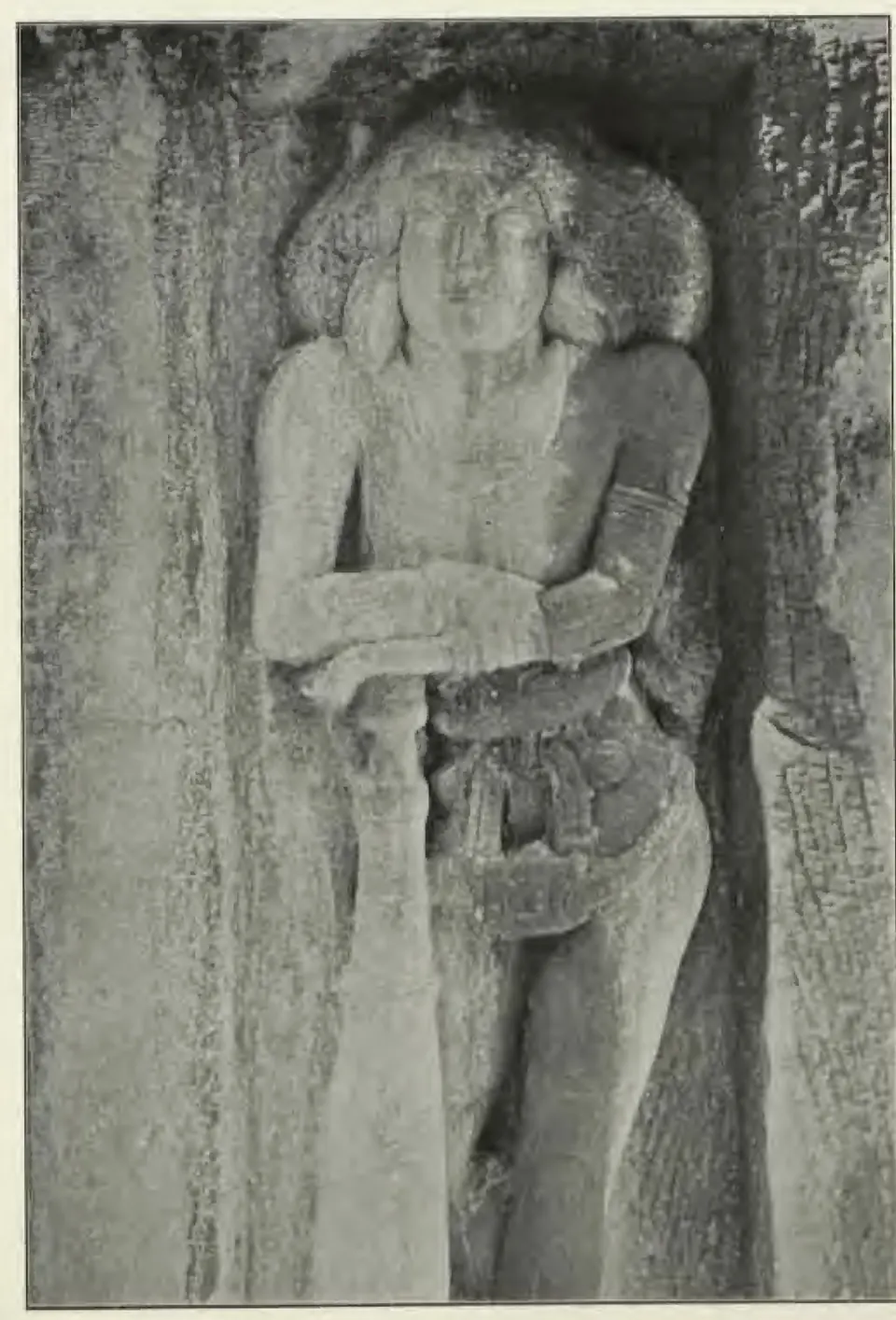
పల్లవులు కంచి (కాంచీపురం) రాజులు, కానీ అనేక శతాబ్దాల పాటు వారు కృష్ణాకు దక్షిణాన ఉన్న తెలుగు దేశాన్ని కూడా పాలించారు. తెలిసిన వాటిలో వారి అత్యంత పాత శాసనం, మయిదవోలు తామ్రశాసనం, యువరాజు శివస్కందవర్మ కాంచీపురం నుండి అమరావతి (అప్పుడు ధన్నకడ) లోని తన అధికారికి పంపినది.12 అది ఆంధ్రాపథం, అంటే తెలుగు దేశం, లోని ఒక గ్రామం గురించి.12
అప్పుడు పల్లవ రాజ్యం “కృష్ణా నది వరకు తెలుగు దేశాన్ని” కలుపుకుందని 1901లో ఇ. హుల్ష్ తేల్చారు.1 ఈ పేజీ తెలుగు జిల్లాల్లో, అంటే గుంటూరు, నెల్లూరు, ప్రకాశం, కర్నూలు, కడప (Cuddapah), చిత్తూరు ప్రాంతాల్లో, ఆ వంశాన్ని అనుసరిస్తుంది. కంచిలో, తమిళ దేశంలో దాని చరిత్రను ఉత్తరానికి సంబంధించిన చోట మాత్రమే చెబుతుంది.
పేరు, పల్లవుల పుట్టుక
శతాబ్దం క్రితమే పల్లవుల పుట్టుకపై వివాదం ఉంది. వి. వెంకయ్య, ఎల్. రైస్ ఆ పేరును వాయవ్య భారతదేశపు పార్థియన్లు అయిన పహ్లవులతో ముడిపెట్టారు.34 శాతవాహన రాజు గౌతమీపుత్ర శాతకర్ణి ఈ పహ్లవులను ఓడించానని చెప్పుకున్నాడు.34
1928లో రాస్తూ ఆర్. గోపాలన్ దీనిని తిరస్కరించారు.3 పల్లవ శాసనాలు ఎప్పుడూ ఏ వలసనూ పేర్కొనవని ఆయన గుర్తించారు.3 విన్సెంట్ స్మిత్ పార్థియన్ సిద్ధాంతాన్ని వదిలేశారని కూడా ఆయన గుర్తించారు.3 దానికి బదులుగా పల్లవులు మద్రాసు ప్రెసిడెన్సీ ఉత్తర భాగంలో, “బహుశా వేంగి దేశంలో”, ఏర్పడిన ఒక తెగ లేదా కులం అని స్మిత్ సూచించారు.3
1920లో జి. జూవో-డుబ్రే (G. Jouveau-Dubreuil) కంచి తొలి రాజులను శక పాలకుడు రుద్రదామన్ పహ్లవ మంత్రి సువిశాఖునితో ముడిపెట్టారు.56 మయిదవోలు తామ్రశాసనం ఆ పేరును పలవ అని రాస్తుందని ఆయన చూపించారు.56 ఈ సంబంధానికి కూడా సాక్ష్యం లేదని గోపాలన్ భావించారు.67 “విదేశీ మూల సిద్ధాంతం” “ఆధారం లేనిది” అని ఆయన తేల్చారు.67
ఇతర రచయితలు దక్షిణాది మూలం కోసం చూశారు. ఒకరు తమిళ నాయకుడు తొండమాన్ ఇళం తిరైయన్ నాగ తల్లి నివాసమైన మణిపల్లవం నుండి ఆ వంశాన్ని వచ్చినదిగా చెప్పారు. మరొకరు తొలి పల్లవులను తమిళ సాహిత్యంలోని తిరైయర్గా భావించారు. పల్లవులు తమ శాసనాలను ప్రాకృతంలో, సంస్కృతంలో రాసి, భారద్వాజ గోత్రాన్ని (వంశం) చెప్పుకుని, వైదిక యజ్ఞాలు చేశారు కాబట్టి గోపాలన్ రెండింటినీ తిరస్కరించారు.89
బ్రాహ్మణులు, ద్రావిడ ప్రజల మధ్య వివాహాల నుండి ఆ కుటుంబం పుట్టిందని 1920లో హెచ్. కృష్ణ శాస్త్రి సూచించారు.10 నాగ స్త్రీని పెళ్లి చేసుకున్న బ్రాహ్మణ పూర్వీకుని గురించి పల్లవుల సొంత కథ దీనిని చూపిస్తున్నట్లు కనిపిస్తుందని ఆయన భావించారు.10
పల్లవులు మొదట శాతవాహనుల అధికారులని 1939లో డి. సి. సర్కార్ వాదించారు.1112 వారి తొలి రికార్డుల్లోని భారద్వాజ గోత్రం ఉత్తర భారత బ్రాహ్మణ కుటుంబాన్ని సూచిస్తుందని ఆయన వాదించారు.1112 వారు పార్థియన్లు అయి ఉండలేరని ఆయన భావించారు.1112
సంస్కృతంలో పల్లవ అంటే చిగురు.13 రాజకుమారుడు బుద్ధ్యంకురుని పేరు, “బుద్ధుని చిగురు”, అదే అర్థం గల అంకుర అనే పదంతో ఏర్పడిందని ఇ. హుల్ష్ గుర్తించారు.13 ఇతర పల్లవులు కూడా అదే విధంగా ఇంటి పేర్లు ఏర్పరచుకున్నారని ఆయన జోడించారు.13
తెలుగు దేశ శాసనాలు ఎలా బయటపడ్డాయి
ప్రచురించబడిన తెలుగు దేశ దానపత్రాల్లో మొదటివి సర్ వాల్టర్ ఇలియట్ నకళ్ల (ఖచ్చితమైన ప్రతులు) సంకలనంలోని రెండు సంస్కృత శాసనాలు. జె. ఎఫ్. ఫ్లీట్ 1876లో వాటిని సంపాదకత్వం వహించి ప్రచురించారు. అవి యువరాజు విష్ణుగోపవర్మ ఉరువుపల్లి దానపత్రం, సింహవర్మ మంగళూరు దానపత్రం. ఉరువుపల్లి తామ్రశాసనాలు ఎక్కడ దొరికాయో ఫ్లీట్కు సమాచారం లేదు. చాళుక్యులకు ముందు దక్కన్లో పాలించింది అనే విషయం మించి “పల్లవ కుటుంబం గురించి ఇప్పటికి చాలా తక్కువ తెలుసు” అని ఆయన వ్యాఖ్యానించారు.1415
ఇప్పుడు బ్రిటిష్ మ్యూజియంలో ఉన్న పల్లవ రాణి చారుదేవి దానపత్రం కూడా ఇలియట్ సంకలనం నుండే వచ్చింది.16 అది గుంటూరు దగ్గర దొరికిందని 1884లో రాబర్ట్ సూయెల్ నమోదు చేశారు.17 శివస్కందవర్మ ప్రాకృత హిరహడగల్లి తామ్రశాసనాలను జి. బ్యూలర్ 1892లో సంపాదకత్వం వహించి ప్రచురించారు.18 అదే సంవత్సరం నెల్లూరు జిల్లాలోని దర్శి నుండి వచ్చిన ఒకే రేకును ఇ. హుల్ష్ సంపాదకత్వం వహించి ప్రచురించారు.19
తర్వాతి నలభై సంవత్సరాల్లో Epigraphia Indica (ఎపిగ్రాఫియా ఇండికా) లో ప్రచురించిన శాసనాలు దాదాపు అన్నీ గుంటూరు, నెల్లూరు జిల్లాల నుండి వచ్చాయి. వాటిలో ఇవి ఉన్నాయి:202122102324
- 1899లో దొరికిన మయిదవోలు తామ్రశాసనం
- పికీర దానపత్రం
- రెండు సెట్ల చెందలూరు తామ్రశాసనాలు
- రెండు ఓంగోడు దానపత్రాలు
- చూర, విలవట్టి దానపత్రాలు202122102324
1950లలో కంచి తర్వాతి రాజుల రెండు శాసనాలు జోడించబడ్డాయి.2526 అవి రెండవ నరసింహవర్మ రేయూరు దానపత్రం, మొదటి పరమేశ్వరవర్మ వున్న గురవాయపాలెం తామ్రశాసనం.2526 పల్నాడులోని మంచికల్లు నుండి పల్లవ రాజు సింహవర్మ ప్రాకృత స్తంభ శాసనాన్ని కూడా డి. సి. సర్కార్ ప్రచురించారు.2728 అన్నిటికంటే తొలి పల్లవ రికార్డు అదే అని ఆయన భావించారు.2728
ప్రాకృత శాసనాలు: ఆంధ్రాపథం, ధాన్యకటకం
ప్రాకృతంలో ఉన్న మూడు శాసనాలు రాగిపై ఉన్న అత్యంత పాత పల్లవ దానపత్రాలు. మయిదవోలు తామ్రశాసనం యువరాజు శివస్కందవర్మను “భారద్వాజ గోత్రానికి చెందిన పల్లవుల కుటుంబానికి చెందినవాడు” అని వర్ణిస్తుంది. ఆంధ్రాపథంలోని విరిపర గ్రామాన్ని ఒక బ్రాహ్మణునికి ఇచ్చిన దానంగా చూడమని అతను అమరావతిలోని తన అధికారిని ఆదేశిస్తాడు. ఆ ఆజ్ఞకు పదవ సంవత్సరం తేదీ ఉంది. స్పష్టంగా అది అతని తండ్రి పాలనలోనిది.12
హిరహడగల్లి తామ్రశాసనాలను బళ్లారి (అప్పుడు బెల్లారి) జిల్లాలోని హిరహడగల్లిలో కొన్నారు.182930 వాటిలో అదే రాజకుమారుడు, ఇప్పుడు రాజు, తనను ధర్మపరాయణుడైన మహారాజాధిరాజుగా, అగ్నిష్టోమ, వాజపేయ, అశ్వమేధ యజ్ఞాలు చేసినవాడిగా పిలుచుకుంటాడు.182930 “మహారాజు, ప్రభువు బప్ప” ఇచ్చిన ఒక తోటను అతను నిర్ధారిస్తాడు.182930 బప్ప బహుశా అతని తండ్రి అని బ్యూలర్ భావించారు.182930
మూడవది విజయ-స్కందవర్మ అనే రాజు పాలనలో జారీ అయి, గుంటూరు దగ్గర దొరికిన చారుదేవి బ్రిటిష్ మ్యూజియం దానపత్రం.1317
ఈ దానపత్రాల నుండి రచయితలు ఒకే తీర్మానానికి వచ్చారు: కృష్ణా లోయలో పల్లవులు శాతవాహనుల తర్వాత వచ్చారు. శివస్కందవర్మ, అతని ముందువాని రాజ్యం ఉత్తరాన “కృష్ణా నది వరకు తెలుగు దేశం” వరకు చేరిందని హుల్ష్ భావించారు.1 పల్లవులు “ఈ విధంగా కృష్ణా తీరాన ఆంధ్రుల తర్వాత వచ్చారు” అని 1917లో జూవో-డుబ్రే రాశారు.31
రాజ్యం రెండు భాగాలుగా విభజించబడిందని గోపాలన్ భావించారు.3233 ఒకటి అమరావతి (ధాన్యకటకం) రాజధానిగా ఉన్న ఉత్తర భాగం.3233 మరొకటి దక్షిణాన పాలార్, ఉత్తరాన కృష్ణా సరిహద్దులుగా కంచి చుట్టూ ఉన్న దక్షిణ భాగం.3233
హిరహడగల్లి తామ్రశాసనాల్లోని సాతాహని జిల్లా పేరును, అదే ప్రాంతానికి చెందిన ఒక శాతవాహన శాసనంలోని శాతవాహని-హార పేరును కృష్ణ శాస్త్రి చూపించారు.34 పల్లవులు శాతవాహనుల రాజకీయ వారసులు అనడానికి ఈ పేర్లలో ఆయన ఒక సూచనను చూశారు.34
సర్కార్ మంచికల్లు శాసనం కథను ఒక అడుగు వెనక్కి తీసుకెళ్తుంది. భారద్వాజ గోత్రానికి చెందిన పల్లవ రాజు సింహవర్మ చేసిన దానాలను అది నమోదు చేస్తుంది. సర్కార్ దానిని సుమారు 3వ శతాబ్దం చివర్లో ఉంచారు.28 ఈ సింహవర్మ కృష్ణా–గుంటూరు ప్రాంతాన్ని పల్లవుల కిందకు తెచ్చాడని, బహుశా విజయపురి ఇక్ష్వాకుల పాలనను ముగించాడని ఆయన ఊహించారు.28 చివరి ఇక్ష్వాకు రికార్డులకు తేదీ నిర్ణయించిన తర్వాత ఆయన పల్లవ విజయాన్ని సుమారు 4వ శతాబ్దం మధ్యకు జరిపారు.35
శివస్కందవర్మ తేదీపైనే వివాదం ఉంది:363738
- 1932 సూయెల్ కాలక్రమంలో సుమారు 23436
- జూవో-డుబ్రే కాలక్రమంలో 250–27537
- సర్కార్ కాలక్రమంలో 4వ శతాబ్దపు మొదటి పావు భాగం38
కంచి విష్ణుగోపుడు, సముద్రగుప్తుడు
గుప్త చక్రవర్తి సముద్రగుప్తుని అలహాబాద్ స్తంభ శాసనం తాను పట్టుకుని విడిచిపెట్టిన దక్షిణ రాజుల్లో కంచి విష్ణుగోపుని పేర్కొంటుంది. తర్వాతి పల్లవ రాజుల్లో ఆ పేరు సాధారణం కాబట్టి చాలామంది పండితులు అతనిని పల్లవునిగా భావించారు.3439 గోపాలన్ అతనిని సుమారు 340–350 నాటివాడిగా చెప్పారు.40
ఆ ఎదురుపాటు ఎక్కడ జరిగిందనే విషయంలో వివాదం ఉంది. సముద్రగుప్తుడు కంచికి ఎప్పుడూ చేరలేదని జూవో-డుబ్రే వాదించారు.4142 ఆయన అభిప్రాయంలో, గోదావరి, కృష్ణాల దగ్గర రాజుల కూటమి సముద్రగుప్తుని ఆపింది.4142 దాని అధిపతి “కృష్ణా కుడి ఒడ్డున పాలించిన” విష్ణుగోపుడు.4142 గోపాలన్ దీనిని తిరస్కరించారు. సముద్రగుప్తుడు కంచిపైకి ముందుకు వెళ్లాడనే పాత అభిప్రాయానికి వ్యతిరేకంగా సాక్ష్యం లేదని ఆయన భావించారు.43 కాంచీ విష్ణుగోపుడు చూడండి.
సంస్కృత శాసనాల నెల్లూరు–గుంటూరు వంశం
గుంటూరు, నెల్లూరు జిల్లాల్లో దొరికిన సంస్కృత శాసనాల సమూహం ఒక పల్లవ రాజుల వంశాన్ని ఇస్తుంది.4445 ఈ రాజులు తమ దానపత్రాలను కంచి నుండి కాకుండా తాంబ్రాప, పాలక్కడ, దశనపురం, మెన్మతుర అనే స్థలాల నుండి జారీ చేశారు.4445 సింహవిష్ణువుకు “ఒక శతాబ్దం లేదా అంతకు” ముందు “నెల్లూరు జిల్లాలో, దాని చుట్టూ పల్లవ రాజుల క్రమబద్ధమైన వంశం పాలించింది” అని కృష్ణ శాస్త్రి రాశారు.34 దానపత్రాలు కలిసి ఐదు తరాలను ఇస్తాయి.4647
- వీరవర్మ కుమారుడు, మొదటి స్కందవర్మ మనవడు రెండవ స్కందవర్మ తన పాలన 33వ సంవత్సరంలో తాంబ్రాప నుండి మొదటి ఓంగోడు దానపత్రాన్ని జారీ చేశాడు.45
- అతని కుమారుడు, యువరాజు విష్ణుగోపుడు, సింహవర్మ అనే రాజు 11వ సంవత్సరంలో పాలక్కడ నుండి ఉరువుపల్లి దానపత్రాన్ని జారీ చేశాడు.1448
- విష్ణుగోపుని కుమారుడు సింహవర్మ తన 4వ సంవత్సరంలో రెండవ ఓంగోడు దానపత్రాన్ని, 5వ సంవత్సరంలో మెన్మతుర నుండి పికీర దానపత్రాన్ని, 8వ సంవత్సరంలో దశనపురం నుండి మంగళూరు దానపత్రాన్ని, 10వ సంవత్సరంలో విలవట్టి దానపత్రాన్ని జారీ చేశాడు.49501551
- ఒక సింహవర్మ కుమారుడు విజయ-విష్ణుగోపవర్మ పాలోత్కట నుండి చూర దానపత్రాన్ని జారీ చేశాడు. సర్కార్ పాలోత్కటను పాలక్కడతో ఒకటిగా భావించారు.5253
వారి దానపత్రాలు మూడు జిల్లాల్లో గ్రామాలను ఇస్తాయి:45545155
- కర్మరాష్ట్రం (కమ్మనాడు), ఒంగోలు, బాపట్ల ప్రాంతం
- నెల్లూరు జిల్లాలోని కోవూరు చుట్టూ ఉన్న ముండరాష్ట్రం
- సర్కార్ వేంగి దేశపు దక్షిణ అంచుగా భావించిన వెంగోరాష్ట్రం55
వీరకోర్చవర్మ అనే రాజు మునిమనవడు దశనపురం నుండి జారీ చేసిన దర్శి ముక్క అదే వంశానికి చెందినది కావచ్చు.56 కృష్ణ శాస్త్రి వీరకోర్చవర్మను వీరవర్మగా గుర్తించారు.46
వారు కంచి నుండి ఎందుకు పాలించలేదు?
పండితులు ఏకీభవించరు. ఆయనకు ముందు వి. వెంకయ్య లాగానే, సుమారు 350లో పల్లవులు బహుశా చోళుల చేత కంచి నుండి వెళ్లగొట్టబడ్డారని కృష్ణ శాస్త్రి భావించారు.444657 వీరవర్మ మనవడు మొదటి కుమారవిష్ణువు మాత్రమే “కాంచీపురాన్ని తిరిగి జయించాడు” అని ఆయన భావించారు.444657
1942 నెల్లూరు గెజిటీర్ కూడా పల్లవ అధికార కేంద్రం తెలుగు దేశానికి మారిందని భావించింది.58 బహుశా చోళులు వారిని కంచి నుండి వెళ్లగొట్టినందువల్ల అలా జరిగిందని అది భావించింది.58 సుమారు 400 నుండి 550 వరకు పల్లవ సామ్రాజ్యం రెండు రాజ్యాలుగా విభజించబడిందని 1920లో జూవో-డుబ్రే తేల్చారు.59 అవి దక్షిణాన కంచి చుట్టూ ఉన్న తొండైమండలం, ఉత్తరాన గుంటూరు, నెల్లూరు జిల్లాలు.59
ఉత్తరానికి రాజప్రతినిధిగా పంపిన ఒక పల్లవ రాజకుమారుడు అక్కడ వేరే సంస్థానాన్ని ఏర్పాటు చేశాడని సర్కార్ సూచించారు.60 కంచిలో చోళుల మధ్య కాలం (విరామం) అనే ఆలోచనను గోపాలన్ తిరస్కరించారు.6162 పేర్కొన్న స్థలాలు దానం చేసినప్పుడు రాజు ఉన్న శిబిరాలు మాత్రమే అని ఆయన వాదించారు.6162
శిబిరాలు ఎక్కడ ఉన్నాయి?
నాలుగు శిబిరాల్లో దేనినీ నిశ్చితంగా గుర్తించలేదు. పాలక్కడ పాల్ఘాట్ కావచ్చా అని ఫ్లీట్ ఆలోచించారు.15 ఎ. సి. బర్నెల్ చేసిన పులికాట్ గుర్తింపును హుల్ష్ తిరస్కరించారు.63 మూడు స్థలాలనూ నెల్లూరు జిల్లాలోనే వెతకాలనే వెంకయ్య అభిప్రాయాన్ని ఆయన గుర్తించారు.63
దశనపురం దర్శికి పాత పేరు అని వెంకయ్య సూచించారు.616458 సర్కార్, నెల్లూరు గెజిటీర్ ఈ గుర్తింపును నివేదించారు.6458 శాసనాల్లో నెల్లూరునే పాలక్కడ అని పిలుస్తారని, తాంబ్రాప బహుశా బాపట్ల తాలూకాలోని చేబ్రోలు అని గెజిటీర్ జోడించింది.58
తేదీలు
ఫ్లీట్ ఉరువుపల్లి దానపత్రాన్ని దాని అక్షరాల నుండి 5వ శతాబ్దంలో ఉంచారు.14 లోకవిభాగం అనే జైన రచనను కంచి ప్రభువు సింహవర్మ 22వ సంవత్సరంలో ప్రతి రాశారు. అది 458కి సమానం చేయబడింది.6566 ఫ్లీట్, కృష్ణ శాస్త్రి, గోపాలన్ ఈ రాజును విష్ణుగోపుని కుమారునిగా భావించి, అతని సింహాసనారోహణను 436 నాటిదిగా చెప్పారు.6566
ఏ సింహవర్మ అని చెప్పనందువల్ల జూవో-డుబ్రే లోకవిభాగం తేదీని నమ్మలేదు.6737 ఆయన ఈ సింహవర్మను సుమారు 500–525లో ఉంచారు.6737 విలవట్టి దానపత్రాన్ని సంపాదకత్వం వహిస్తూ కృష్ణమాచార్లు కృష్ణ శాస్త్రి లేవనెత్తిన ఖగోళ శాస్త్ర అభ్యంతరానికి వ్యతిరేకంగా 436ను సమర్థించారు.51 కింద ఆధారాలు, విభేదాలు చూడండి.
కదంబులు, శ్రీపర్వత సరిహద్దు
కంచిలో బ్రాహ్మణ విద్యార్థి మయూరశర్మ ఒక పల్లవ అశ్వికునితో గొడవ పడి ఆయుధాలు ఎత్తిన కథను కదంబ రాజుల తాళగుండ శాసనం చెబుతుంది. ఎఫ్. కీల్హార్న్ అనువాదంలో అతను “యుద్ధంలో పల్లవ ప్రభువుల సరిహద్దు రక్షకులను ఓడించాడు”.6869 తర్వాత అతను “శ్రీపర్వత ద్వారాల వరకు విస్తరించిన చేరలేని అడవిని ఆక్రమించాడు”.6869
సర్కార్ శ్రీపర్వతాన్ని కర్నూలు జిల్లాలో ఉంచారు.70 సూయెల్ కాలక్రమం ఆ దాడిని తూర్పున శ్రీశైలం వరకు తీసుకెళ్లింది.71 పల్లవ రాజులు అతనిని లొంగదీయలేకపోయారు. అందువల్ల పశ్చిమ సముద్రానికి, ప్రేహార అనే సరిహద్దుకు మధ్య ఉన్న దేశానికి వారు అతనిని తమ సొంత నాయకునిగా చేశారు.68
సింహవిష్ణు వంశం, ఉత్తర ప్రాంతాల నష్టం
సుమారు 575 నుండి కంచిలో ఒక కొత్త వంశం పాలించింది: సింహవిష్ణువు, అతని కుమారుడు మొదటి మహేంద్రవర్మ, వారి వారసులు.7273 ఈ వంశం గుంటూరు, నెల్లూరు ప్రాంత పల్లవుల నుండి వచ్చిందని 1917లో జూవో-డుబ్రే వాదించారు.747576 మొదటి మహేంద్రవర్మ గుహ శాసనాల్లోని అతని తెలుగు బిరుదులను, అతను లేదా అతని తండ్రి నెల్లూరుకు ఉత్తరాన పాలించారని ఊహించి ఆయన వివరించారు.747576
గోపాలన్ ఈ తెలుగు బిరుదులను గుర్తించారు.777879 కానీ మహేంద్రవర్మ గుహ శైలిని కృష్ణాపై ఉన్న గుహల నుండి తీసుకున్నారనడానికి ఆయనకు స్పష్టమైన సాక్ష్యం దొరకలేదు.777879
ఉత్తర ప్రాంతాలు బాదామి చాళుక్యులకు పోయాయి. రెండవ పులకేశి ఐహోళె శాసనం అతను పిఠాపురం (అప్పుడు పిష్టపుర) ను తీసుకున్నట్లు నమోదు చేస్తుంది.8081 అతను “కునాల నీటిని” ధ్వంసం చేశాడని అది నమోదు చేస్తుంది. కీల్హార్న్ దానిని కొల్లేరు సరస్సుగా గుర్తించారు.8081 అతను పల్లవుల ప్రభువును కాంచీపుర ప్రాకారాల వెనుకకు కూడా తరిమాడు.8081
7వ శతాబ్దం ప్రారంభంలో రెండవ పులకేశి “అప్పటి వరకు పల్లవుల కింద ఉన్న వేంగికి తనను తాను ప్రభువుగా చేసుకున్నాడు” అని గోపాలన్ రాశారు.82 గోపాలన్ కథనంలో, పులకేశి తన సోదరుడు కుబ్జ విష్ణువర్ధనుని అక్కడ రాజప్రతినిధిగా ఉంచాడు.82 “ఏడవ శతాబ్దం ప్రారంభంలో పల్లవులు తమ ఉత్తర ఆస్తులైన వేంగి రాజ్యం నుండి వెళ్లగొట్టబడ్డారు” అని 1884లో సూయెల్ రాశారు.83
మొదటి మహేంద్రవర్మ కంచిని కాపాడాడు, కానీ “చాళుక్యుల చేతుల్లోనే ఉండిపోయిన గుంటూరు, నెల్లూరు జిల్లాలను కోల్పోయాడు” అని జూవో-డుబ్రే తేల్చారు.59 రెండవ పులకేశి కొప్పరం తామ్రశాసనాలు నరసరావుపేట తాలూకాలో దొరికాయి. వాటికి అతని 21వ సంవత్సరం తేదీ ఉంది.848554 అవి అంతకుముందు పల్లవ దానపత్రాల జిల్లా అయిన కర్మరాష్ట్రంలో భూమిని దానం చేస్తాయి.848554
నెల్లూరు ప్రాంతంలో పోరాటం కొనసాగింది. బటర్వర్త్, వేణుగోపాల్ చెట్టి సంకలనం చేసిన నెల్లూరు శాసనాల్లో అత్యంత తొలి రికార్డు చాళుక్య రాజు మొదటి విక్రమాదిత్యుని ఒక దానపత్రం.86 దానిలో వారు “తూర్పు తీరంలోని ఈ భాగం నుండి పల్లవులు తొలగించబడ్డారనడానికి ఒక సూచన”ను చూశారు.86
అయినప్పటికీ మొదటి పరమేశ్వరవర్మ వున్న గురవాయపాలెం తామ్రశాసనాలు అతని 19వ సంవత్సరంలో కాంచీపురం నుండి జారీ అయ్యాయి.8788 అవి పొదిలి–కందుకూరు ప్రాంతంలోని ఒక గ్రామాన్ని దానం చేస్తాయి.8788 సర్కార్ ఆ దానపత్రాన్ని 687 డిసెంబర్ నాటిదిగా చెప్పారు.8788
రెండవ నరసింహవర్మ రేయూరు దానపత్రం మేల్-ముండరాష్ట్రంలో ఒక గ్రామాన్ని ఇస్తుంది.54 పి. బి. దేశాయ్ దీనిని నెల్లూరులోని ఆత్మకూరు తాలూకాలో ఉంచారు.54 ఈ రాజులు తూర్పు చాళుక్యుల నుండి కర్మరాష్ట్రంలో కొంత భాగాన్ని తిరిగి గెలుచుకున్నారని ఆయన సూచించారు.54 కర్నూలు దగ్గరి ఉల్చాలలో దొరికిన రెండవ పరమేశ్వరవర్మ శాసనాన్ని కూడా దేశాయ్ గుర్తించారు.89
రెండవ నందివర్మ కాలంలో సేనాని ఉదయచంద్రుడు పృథివీవ్యాఘ్రుడు అనే నిషాద నాయకుని విష్ణురాజు భూమి నుండి వెంటాడి తరిమాడు.90 గోపాలన్ విష్ణురాజును తూర్పు చాళుక్య మూడవ విష్ణువర్ధనునిగా గుర్తించారు.90
తెలుగు నేలపై పల్లవ పాలన ముగింపు
9వ శతాబ్దంలో తెలుగు దేశపు దక్షిణ భాగంపై పల్లవుల పట్టు పాక్షికంగా సామంతులపై ఆధారపడింది. కాళహస్తి దగ్గరి గుడిమల్లంలోని ఒక శాసనం బాణ నాయకుడు విద్యాధరుడు పల్లవ రాజు నృపతుంగుని అధిరాజ్యాన్ని అంగీకరిస్తున్నట్లు చూపిస్తుంది.91 నృపతుంగుని పదకొండవ సంవత్సరం తేదీ ఉన్న, చిత్తూరు జిల్లాలోని 864–65 నాటి ఒక శాసనాన్ని సూయెల్ కాలక్రమం జాబితా చేస్తుంది.92 దాని పల్లవ రాజుల పట్టిక బాణ నాయకుడు విద్యాధరుని అతనికి కప్పం చెల్లించేవానిగా చేస్తుంది.93
చోళ రాజు మొదటి ఆదిత్యుడు తొండైమండలాన్ని జయించాడు.94 కాళహస్తి దగ్గర అతని 21వ సంవత్సరపు ఒక శాసనాన్ని గోపాలన్ గుర్తించారు.94 సుమారు 900 నాటికి అతని సామ్రాజ్యం కాళహస్తి వరకు చేరిందని అది చూపించింది.94
పల్లవులు కడప తూర్పు తాలూకాలను నాలుగు శతాబ్దాలు పాలించారని 1915 కడప గెజిటీర్ భావించింది.95 దాని కథనంలో, 9వ శతాబ్దం చివర్లో మొదటి ఆదిత్యుడు వారి అధికారాన్ని బాగా బలహీనపరిచాడు.95 ముఖ్య వంశం ముగిసిన తర్వాత నొళంబులు అనే శాఖ బళ్లారి జిల్లాలో, మైసూరులోని కొన్ని భాగాల్లో ఉన్న నొళంబవాడిని 13వ శతాబ్దం వరకు పాలించింది.96 నొళంబులు త్రినయన పల్లవుని నుండి వంశాన్ని చెప్పుకున్నారు.96
పల్లవ పేరు తెలుగు దేశంలో కొనసాగింది. రేనాడుకు చెందిన తెలుగు చోళులు సింహవిష్ణు వంశ పల్లవ రాజుల పేర్లను, బిరుదులను తీసుకున్నారు.97 నెల్లూరు జిల్లా తర్వాతి నాయకులు ప్రధానంగా “పల్లవ, చోళ వంశీయులు” అని బటర్వర్త్, వేణుగోపాల్ చెట్టి కనుగొన్నారు.86 ముక్కంటి కాడువెట్టి అనే పల్లవ రాజు దానపత్రాన్ని 13వ శతాబ్దంలో కడప జిల్లాలో ఒక భూ వివాదంలో ఇంకా ఉదహరించారు.98
పాలన
శాసనాలు రాజు నుండి స్థానిక అధికారులకు వెళ్లే రాజాజ్ఞను చూపిస్తాయి. శివస్కందవర్మ మయిదవోలు ఆజ్ఞ ధన్నకడలోని అతని అధికారి అయిన వ్యాప్రిత లేదా వాపతకు వెళ్లింది.2 సర్కార్ ఈ అధికారిని గవర్నర్ అని పిలిచారు.99
హిరహడగల్లి తామ్రశాసనాలు ప్రాంతాల ప్రభువులను, రాజకుమారులను, సేనానులను, జిల్లాల పాలకులను, సుంకాల కార్యాలయ అధికారులను, గ్రామ స్వతంత్ర రైతులను సంబోధిస్తాయి.29100 అవి “పద్దెనిమిది రకాల” మినహాయింపులు (బాకీల నుండి విముక్తి) ఇస్తాయి.29100 సంస్కృత దానపత్రాలు గ్రామస్తులను, అధికారులను సంబోధిస్తాయి.45101102 ఈ అధికారుల్లో అధికృతులు, ఆయుక్తకులు, రాజ ప్రియులు (వల్లభులు), పర్యటించే అధికారులు (సంచరంతకులు) ఉన్నారు.45101102
ఈ దానపత్రాల్లో ధర్మశాస్త్రాలు, అర్థశాస్త్రం అనే పాత చట్ట, రాజనీతి గ్రంథాల పద్ధతిలో పరిపాలనను గోపాలన్ చూశారు.103 ఆయన అభిప్రాయంలో ఉప్పు, బెల్లం రాజ గుత్తాధిపత్యాలు.103 ఒక గ్రామంలో రాజు వదులుకున్న బాకీలను విలవట్టి దానపత్రం జాబితా చేస్తుంది.104 వాటిలో లోహపు పనివారు, తోలు పనివారు, బట్టల వ్యాపారులు, నేతగాళ్లు, మంగలివారిపై పన్నులు, జూదం, పెళ్లిళ్లపై పన్నులు ఉన్నాయి.104
మతం
సంస్కృత శాసనాల రాజులు తమ దానపత్రాలను జితం భగవతా, “భగవంతుని చేత విజయం సాధించబడింది”, అనే మాటలతో ప్రారంభిస్తారు.63101105 వారు తమను పరమ-భాగవత, అంటే విష్ణు భక్తులు, అని పిలుచుకుంటారు.63101105 శివస్కందవర్మ అశ్వమేధంతో సహా వైదిక యజ్ఞాలను చెప్పుకున్నాడు.29106 తర్వాతి శాసనాలు మొత్తం పల్లవ కుటుంబానికి అనేక అశ్వమేధాల ఘనతను ఇస్తాయి.29106
నంది ఆ కుటుంబ చిహ్నం.13107108 విలవట్టి దానపత్ర ముద్రపై దానిని మొదటిసారి నిస్సందేహంగా గుర్తించవచ్చని పి. బి. దేశాయ్ గుర్తించారు.108 అమరావతిలో బౌద్ధానికి ఇంకా గౌరవం ఉంది.109 అక్కడి ఒక స్తంభంపై ఉన్న సంస్కృత శాసనం పల్లవ రాజుల జాబితాను ఇస్తుంది.109 రెండవ సింహవర్మ “ధాన్యఘటంలోని బుద్ధుని గుడికి గౌరవం చేశాడు” అని అది నమోదు చేస్తుంది.109
కళ, వాస్తుశిల్పం
తెలుగు దేశంలో ఏ కట్టడానికీ శాసనం ద్వారా పల్లవుల కాలం నాటిదిగా తేదీ ఇవ్వలేము. కృష్ణా లోయలోని బౌద్ధ పాలరాతి శిల్పాల్లో చాలావరకు శాతవాహనుల కాలంలో కాకుండా “పల్లవ రాజులు ఈ దేశాన్ని పాలించినప్పుడు” చెక్కబడ్డాయని 1917లో జూవో-డుబ్రే వాదించారు.110 ఉండవల్లిలోని గుహాలయాలు “పూర్తిగా” మొదటి మహేంద్రవర్మ శైలిలో ఉన్నాయని కూడా ఆయన కనుగొన్నారు.111112 అయితే ఆయన వాటిని పల్లవులకు కాకుండా విష్ణుకుండినులకు ఆపాదించారు.111112
ఉండవల్లి గుహల మూలం ఇంకా తేలలేదని గోపాలన్ భావించారు.79 ఎ. హెచ్. లాంగ్హర్స్ట్ నెల్లూరు జిల్లాలోని భైరవకోన వద్ద రాతిలో తొలిచిన ఆలయాలను కనుగొన్నారు.113 గోపాలన్ వాటిని “పల్లవ యుగానికి ఆపాదించదగినవి” అని వర్ణించారు.113
ఆధారాలు, విభేదాలు
కాలక్రమం
| ఆధారం | ప్రతిపాదించిన తేదీలు |
|---|---|
| ఫ్లీట్ (1876)14 | ఉరువుపల్లి దానపత్రం 5వ శతాబ్దం |
| జూవో-డుబ్రే (1920)37 | బప్ప 225–250, శివస్కందవర్మ 250–275, విష్ణుగోపుడు 325–350, విష్ణుగోపుని కుమారుడు సింహవర్మ 500–525 |
| కృష్ణ శాస్త్రి (1920)4465 | ప్రాకృత శాసనాలు కనీసం 4వ శతాబ్దం ప్రారంభం; సింహవర్మ 436 నుండి |
| గోపాలన్ (1928)40114115 | బప్ప సుమారు 215; విష్ణుగోపుడు 340–350; సింహవర్మ 436–460; సింహవిష్ణువు 575–600 |
| సూయెల్ (1932)3671 | మయిదవోలు తామ్రశాసనం సుమారు 234; సింహవర్మ 436 నుండి |
| సర్కార్ (1939)38116 | శివస్కందవర్మ 4వ శతాబ్దపు మొదటి పావు భాగం; సింహవర్మ 436 నుండి |
| సర్కార్ (1963)35 | మంచికల్లు సింహవర్మ, శివస్కందవర్మ 340లలో |
ప్రాకృత, సంస్కృత రాజులు ఒకే కుటుంబమా?
ప్రాకృత శాసనాల రాజులు, నెల్లూరు–గుంటూరు దానపత్రాల రాజులు, సింహవిష్ణు వంశ రాజులు అందరూ తమను భారద్వాజులు అని పిలుచుకుంటారు. కానీ వారి శాసనాలు వారిని ఎప్పుడూ కలపవు. చెందలూరు తామ్రశాసనాల రాజులకు, ఉరువుపల్లి సమూహ రాజులకు మధ్య ఏ “వంశ సంబంధాన్నీ” హుల్ష్ నిర్ధారించలేకపోయారు.117 ఉమ్మడి గోత్రం నుండి, వాయలూరులోని 7వ శతాబ్దపు ఒక స్తంభ శాసనంలోని పొడవైన వంశావళి నుండి వారు ఒకే కుటుంబం అని గోపాలన్ తేల్చారు.42118119 కానీ ఆయన తన పట్టికను తాత్కాలికమైనది అని పిలిచారు.42118119 సర్కార్ ఉత్తరాది రాజులను ఒక శాఖ వంశంగా చూశారు.12060
శివస్కందవర్మ, విజయ-స్కందవర్మ
వారి దానపత్రాల అక్షరాలు చాలా దగ్గరగా ఉన్నందువల్ల చారుదేవి దానపత్రంలోని విజయ-స్కందవర్మ శివస్కందవర్మతో “బహుశా ఒకరే” అని గోపాలన్ భావించారు.114121 1917లో జూవో-డుబ్రే ఆ ఏకత్వాన్ని సందేహించారు.122 శివ అనేది గౌరవ బిరుదు (మర్యాద పదం) కాదు, పేరులో భాగమని, బ్రిటిష్ మ్యూజియం దానపత్రం తర్వాతిదని సర్కార్ వాదించారు.123124125 విజయ-స్కందవర్మ నెల్లూరు–గుంటూరు కుటుంబానికి చెందినవాడు కావచ్చని ఆయన సూచించారు.123124125
రెండవ కుమారవిష్ణువు స్థానం
చెందలూరు రాజుల అక్షరాలు తర్వాతివిగా కనిపించినందువల్ల హుల్ష్ వారిని సింహవర్మకు, సింహవిష్ణువుకు మధ్య ఉంచారు.117 రెండవ కుమారవిష్ణువు రెండవ స్కందవర్మకు సమకాలికుడిగా సింహవర్మకు ముందే కంచిలో పాలించాడని 1920లో జూవో-డుబ్రే వాదించారు.126127 సర్కార్ అతనిని విష్ణుగోపుని తర్వాత, ఉదయేంద్రిరం తామ్రశాసనాల రాజులకు ముందు ఉంచారు.128 రెండవ కుమారవిష్ణు (పల్లవ) చూడండి.
మల్లం రికార్డు
గూడూరు తాలూకాలోని మల్లంలో నందిపొత్తరసర్ 15వ సంవత్సరం తేదీ ఉన్న 8వ శతాబ్దపు ఒక తమిళ శాసనం ఒక చాళుక్యుడు, “చలక్కియరదర్”, ఆజ్ఞ మేరకు చేసిన దానాన్ని నమోదు చేస్తుంది.129 ఒక పల్లవ రాజు “స్పష్టంగా పశ్చిమ చాళుక్యులకు లోబడి” జిల్లాలో కొంత భాగాన్ని పాలిస్తున్నట్లు అది చూపిస్తుందని బటర్వర్త్, వేణుగోపాల్ చెట్టి చదివారు.86 1942 నెల్లూరు గెజిటీర్ ఆ చాళుక్యుని తూర్పు చాళుక్య మూడవ విష్ణువర్ధనునిగా భావించింది.130 అతను, ఒక స్థానిక నాయకుడు ఇద్దరూ అప్పుడు పల్లవ రాజు రెండవ నందివర్మ ఆధిపత్యాన్ని అంగీకరించారని అది తేల్చింది.130
Footnotes
-
Hultzsch, “Mayidavolu Plates of Sivaskandavarman” (1901), p. 85 (archive.org (opens in a new tab)). ↩ ↩2 ↩3 ↩4 ↩5
-
Hultzsch, “Mayidavolu Plates of Sivaskandavarman” (1901), p. 88, translation (archive.org (opens in a new tab)). ↩ ↩2 ↩3 ↩4
-
Gopalan, History of the Pallavas of Kanchi (1928), p. 16 (archive.org (opens in a new tab)). ↩ ↩2 ↩3 ↩4 ↩5 ↩6
-
Gopalan, History of the Pallavas (1928), p. 17 (archive.org (opens in a new tab)). ↩ ↩2
-
Gopalan, History of the Pallavas (1928), p. 19 (archive.org (opens in a new tab)). ↩ ↩2
-
Gopalan, History of the Pallavas (1928), p. 20 (archive.org (opens in a new tab)). ↩ ↩2 ↩3 ↩4
-
Gopalan, History of the Pallavas (1928), p. 26 (archive.org (opens in a new tab)). ↩ ↩2
-
Gopalan, History of the Pallavas (1928), p. 21 (archive.org (opens in a new tab)). ↩
-
Gopalan, History of the Pallavas (1928), pp. 22–23 (archive.org (opens in a new tab)). ↩
-
H. Krishna Sastri, “Two Pallava Copper-plate Grants”, Epigraphia Indica XV (1919–20), p. 246 (archive.org (opens in a new tab)). ↩ ↩2 ↩3 ↩4
-
D. C. Sircar, The Successors of the Satavahanas in Lower Deccan (1939), p. 152 (archive.org (opens in a new tab)). ↩ ↩2 ↩3
-
Sircar, Successors of the Satavahanas (1939), pp. 154–156 (archive.org (opens in a new tab)). ↩ ↩2 ↩3
-
Hultzsch, “British Museum Plates of Charudevi” (1906), p. 144 (archive.org (opens in a new tab)). ↩ ↩2 ↩3 ↩4 ↩5
-
J. F. Fleet, “Sanskrit and Old-Canarese Inscriptions, No. XII”, Indian Antiquary V (1876), p. 50 (archive.org (opens in a new tab)). ↩ ↩2 ↩3 ↩4
-
Fleet, “Sanskrit and Old-Canarese Inscriptions, No. XV”, Indian Antiquary V (1876), p. 154 (archive.org (opens in a new tab)). ↩ ↩2 ↩3
-
E. Hultzsch, “British Museum Plates of Charudevi”, Epigraphia Indica VIII (1905–06), p. 143 (archive.org (opens in a new tab)). ↩
-
Robert Sewell, Lists of Inscriptions, and Sketch of the Dynasties of Southern India (1884), p. 211 (archive.org (opens in a new tab)). ↩ ↩2
-
G. Bühler, “A Prakrit Grant of the Pallava King Sivaskandavarman”, Epigraphia Indica I (1892), p. 2 (archive.org (opens in a new tab)). ↩ ↩2 ↩3 ↩4 ↩5
-
E. Hultzsch, “A Plate of a Pallava Copper-plate Grant”, Epigraphia Indica I (1892), p. 397 (archive.org (opens in a new tab)). ↩
-
E. Hultzsch, “Mayidavolu Plates of Sivaskandavarman”, Epigraphia Indica VI (1900–01), p. 84 (archive.org (opens in a new tab)). ↩ ↩2
-
E. Hultzsch, “Pikira Grant of Simhavarman”, Epigraphia Indica VIII (1905–06), p. 159 (archive.org (opens in a new tab)). ↩ ↩2
-
E. Hultzsch, “Chendalur Plates of Kumaravishnu II”, Epigraphia Indica VIII (1905–06), p. 233 (archive.org (opens in a new tab)). ↩ ↩2
-
C. R. Krishnamacharlu, “Chura Grant of Pallava Vijaya-Vishnugopavarman”, Epigraphia Indica XXIV (1937–38), p. 137 (archive.org (opens in a new tab)). ↩ ↩2
-
C. R. Krishnamacharlu, “Vilavatti Grant of Pallava Simhavarman”, Epigraphia Indica XXIV (1937–38), p. 296 (archive.org (opens in a new tab)). ↩ ↩2
-
P. B. Desai, “Reyuru Grant of Pallava Narasimhavarman; Year 12”, Epigraphia Indica XXIX (1951–52), p. 89 (archive.org (opens in a new tab)). ↩ ↩2
-
D. C. Sircar and P. Seshadri Sastri, “Vunna Guravayapalem Plates of Paramesvaravarman I, Year 19”, Epigraphia Indica XXXII (1957–58), p. 91 (archive.org (opens in a new tab)). ↩ ↩2
-
D. C. Sircar, “Two Inscriptions from Guntur District”, Epigraphia Indica XXXII (1957–58), p. 82 (archive.org (opens in a new tab)). ↩ ↩2
-
Sircar, “Two Inscriptions from Guntur District” (EI XXXII), p. 89 (archive.org (opens in a new tab)). ↩ ↩2 ↩3 ↩4
-
Bühler, “A Prakrit Grant of the Pallava King Sivaskandavarman” (1892), p. 7, translation (archive.org (opens in a new tab)). ↩ ↩2 ↩3 ↩4 ↩5 ↩6 ↩7 ↩8
-
Bühler, “A Prakrit Grant of the Pallava King Sivaskandavarman” (1892), pp. 4, 8 (archive.org (opens in a new tab)). ↩ ↩2 ↩3 ↩4
-
G. Jouveau-Dubreuil, The Pallavas (1917), p. 1 (archive.org (opens in a new tab)). ↩
-
Gopalan, History of the Pallavas (1928), p. 34 (archive.org (opens in a new tab)). ↩ ↩2 ↩3
-
Gopalan, History of the Pallavas (1928), p. 36 (archive.org (opens in a new tab)). ↩ ↩2 ↩3
-
Krishna Sastri, “Two Pallava Copper-plate Grants” (1920), p. 247 (archive.org (opens in a new tab)). ↩ ↩2 ↩3 ↩4
-
D. C. Sircar, “More Inscriptions from Nagarjunikonda”, Epigraphia Indica XXXV (1963–64), p. 6 (archive.org (opens in a new tab)). ↩ ↩2
-
Robert Sewell and S. Krishnaswami Aiyangar, The Historical Inscriptions of Southern India (1932), p. 16 (archive.org (opens in a new tab)). ↩ ↩2 ↩3
-
Jouveau-Dubreuil, Ancient History of the Deccan (1920), p. 70, genealogical table (archive.org (opens in a new tab)). ↩ ↩2 ↩3 ↩4 ↩5
-
Sircar, Successors of the Satavahanas (1939), p. 166 (archive.org (opens in a new tab)). ↩ ↩2 ↩3
-
Gopalan, History of the Pallavas (1928), p. 46 (archive.org (opens in a new tab)). ↩
-
Gopalan, History of the Pallavas (1928), p. 33 (archive.org (opens in a new tab)). ↩ ↩2
-
Jouveau-Dubreuil, The Pallavas (1917), pp. 14–15 (archive.org (opens in a new tab)). ↩ ↩2 ↩3
-
Gopalan, History of the Pallavas (1928), p. 44 (archive.org (opens in a new tab)). ↩ ↩2 ↩3 ↩4 ↩5
-
Gopalan, History of the Pallavas (1928), p. 45 (archive.org (opens in a new tab)). ↩
-
Krishna Sastri, “Two Pallava Copper-plate Grants” (1920), p. 248 (archive.org (opens in a new tab)). ↩ ↩2 ↩3 ↩4 ↩5
-
Krishna Sastri, “Two Pallava Copper-plate Grants” (1920), p. 250 (archive.org (opens in a new tab)). ↩ ↩2 ↩3 ↩4 ↩5 ↩6
-
Krishna Sastri, “Two Pallava Copper-plate Grants” (1920), p. 249 (archive.org (opens in a new tab)). ↩ ↩2 ↩3 ↩4
-
Sircar, Successors of the Satavahanas (1939), p. 174 (archive.org (opens in a new tab)). ↩
-
Fleet, “Sanskrit and Old-Canarese Inscriptions, No. XII” (1876), p. 53, translation (archive.org (opens in a new tab)). ↩
-
Krishna Sastri, “Two Pallava Copper-plate Grants” (1920), p. 252 (archive.org (opens in a new tab)). ↩
-
Hultzsch, “Pikira Grant of Simhavarman” (1906), p. 160 (archive.org (opens in a new tab)). ↩
-
Krishnamacharlu, “Vilavatti Grant” (1938), p. 301 (archive.org (opens in a new tab)). ↩ ↩2 ↩3
-
Krishnamacharlu, “Chura Grant” (1938), p. 138 (archive.org (opens in a new tab)). ↩
-
Sircar, Successors of the Satavahanas (1939), p. 172 (archive.org (opens in a new tab)). ↩
-
Desai, “Reyuru Grant” (EI XXIX), p. 94 (archive.org (opens in a new tab)). ↩ ↩2 ↩3 ↩4 ↩5 ↩6
-
Sircar, Successors of the Satavahanas (1939), p. 212 (archive.org (opens in a new tab)). ↩ ↩2
-
Hultzsch, “A Plate of a Pallava Copper-plate Grant” (1892), p. 398 (archive.org (opens in a new tab)). ↩
-
Gopalan, History of the Pallavas (1928), p. 55 (archive.org (opens in a new tab)). ↩ ↩2
-
Gazetteer of the Nellore District, brought up to 1938, Vol. A (1942), p. 30 (archive.org (opens in a new tab)). ↩ ↩2 ↩3 ↩4 ↩5
-
Jouveau-Dubreuil, Ancient History of the Deccan (1920), p. 69 (archive.org (opens in a new tab)). ↩ ↩2 ↩3
-
Sircar, Successors of the Satavahanas (1939), p. 175 (archive.org (opens in a new tab)). ↩ ↩2
-
Gopalan, History of the Pallavas (1928), p. 62 (archive.org (opens in a new tab)). ↩ ↩2 ↩3
-
Gopalan, History of the Pallavas (1928), pp. 63–65 (archive.org (opens in a new tab)). ↩ ↩2
-
Hultzsch, “Pikira Grant of Simhavarman” (1906), p. 161 (archive.org (opens in a new tab)). ↩ ↩2 ↩3 ↩4
-
Sircar, Successors of the Satavahanas (1939), p. 211 (archive.org (opens in a new tab)). ↩ ↩2
-
Krishna Sastri, “Two Pallava Copper-plate Grants” (1920), p. 253 (archive.org (opens in a new tab)). ↩ ↩2 ↩3
-
Gopalan, History of the Pallavas (1928), p. 66 (archive.org (opens in a new tab)). ↩ ↩2
-
Jouveau-Dubreuil, The Pallavas (1917), p. 18 (archive.org (opens in a new tab)). ↩ ↩2
-
F. Kielhorn, “Talagunda Pillar Inscription of Kakusthavarman”, Epigraphia Indica VIII (1905–06), p. 28 (archive.org (opens in a new tab)). ↩ ↩2 ↩3
-
Kielhorn, “Talagunda Pillar Inscription” (1906), p. 34, translation of verse 14 (archive.org (opens in a new tab)). ↩ ↩2
-
Sircar, Successors of the Satavahanas (1939), p. 184, note (archive.org (opens in a new tab)). ↩
-
Sewell and Aiyangar, Historical Inscriptions of Southern India (1932), p. 18 (archive.org (opens in a new tab)). ↩ ↩2
-
Gopalan, History of the Pallavas (1928), p. 79 (archive.org (opens in a new tab)). ↩
-
Gopalan, History of the Pallavas (1928), p. 83 (archive.org (opens in a new tab)). ↩
-
Jouveau-Dubreuil, The Pallavas (1917), pp. 24–25 (archive.org (opens in a new tab)). ↩ ↩2
-
Jouveau-Dubreuil, The Pallavas (1917), p. 27 (archive.org (opens in a new tab)). ↩ ↩2
-
Jouveau-Dubreuil, The Pallavas (1917), p. 28 (archive.org (opens in a new tab)). ↩ ↩2
-
Gopalan, History of the Pallavas (1928), p. 90 (archive.org (opens in a new tab)). ↩ ↩2
-
Gopalan, History of the Pallavas (1928), p. 91 (archive.org (opens in a new tab)). ↩ ↩2
-
Gopalan, History of the Pallavas (1928), p. 78 (archive.org (opens in a new tab)). ↩ ↩2 ↩3
-
F. Kielhorn, “Aihole Inscription of Pulikesin II”, Epigraphia Indica VI (1900–01), p. 2 (archive.org (opens in a new tab)). ↩ ↩2 ↩3
-
Kielhorn, “Aihole Inscription of Pulikesin II” (1901), p. 11, translation of verses 27–29 (archive.org (opens in a new tab)). ↩ ↩2 ↩3
-
Gopalan, History of the Pallavas (1928), p. 89 (archive.org (opens in a new tab)). ↩ ↩2
-
Sewell, Lists of Inscriptions, and Sketch of the Dynasties (1884), p. 212 (archive.org (opens in a new tab)). ↩
-
E. Hultzsch, “Kopparam Plates of Pulakesin II”, Epigraphia Indica XVIII (1925–26), p. 257 (archive.org (opens in a new tab)). ↩ ↩2
-
Hultzsch, “Kopparam Plates of Pulakesin II” (1926), p. 258 (archive.org (opens in a new tab)). ↩ ↩2
-
Alan Butterworth and V. Venugopaul Chetty, A Collection of the Inscriptions on Copper-Plates and Stones in the Nellore District, Part I (1905), Preface, p. vi (archive.org (opens in a new tab)). ↩ ↩2 ↩3 ↩4
-
Sircar and Seshadri Sastri, “Vunna Guravayapalem Plates” (EI XXXII), p. 95 (archive.org (opens in a new tab)). ↩ ↩2 ↩3
-
Sircar and Seshadri Sastri, “Vunna Guravayapalem Plates” (EI XXXII), p. 96 (archive.org (opens in a new tab)). ↩ ↩2 ↩3
-
Desai, “Reyuru Grant” (EI XXIX), p. 92 (archive.org (opens in a new tab)). ↩
-
Gopalan, History of the Pallavas (1928), p. 125 (archive.org (opens in a new tab)). ↩ ↩2
-
Gopalan, History of the Pallavas (1928), p. 140 (archive.org (opens in a new tab)). ↩
-
Sewell and Aiyangar, Historical Inscriptions of Southern India (1932), p. 36 (archive.org (opens in a new tab)). ↩
-
Sewell and Aiyangar, Historical Inscriptions of Southern India (1932), p. 375, table of Pallava kings (archive.org (opens in a new tab)). ↩
-
Gopalan, History of the Pallavas (1928), p. 133 (archive.org (opens in a new tab)). ↩ ↩2 ↩3
-
Brackenbury, Cuddapah (1915), p. 30 (archive.org (opens in a new tab)). ↩ ↩2
-
Gopalan, History of the Pallavas (1928), p. 145 (archive.org (opens in a new tab)). ↩ ↩2
-
C. F. Brackenbury, Madras District Gazetteers: Cuddapah (1915), p. 27 (archive.org (opens in a new tab)). ↩
-
Brackenbury, Cuddapah (1915), p. 33 (archive.org (opens in a new tab)). ↩
-
Sircar, Successors of the Satavahanas (1939), p. 185 (archive.org (opens in a new tab)). ↩
-
Bühler, “A Prakrit Grant of the Pallava King Sivaskandavarman” (1892), p. 9 (archive.org (opens in a new tab)). ↩ ↩2
-
Hultzsch, “Pikira Grant of Simhavarman” (1906), pp. 162–163, translation (archive.org (opens in a new tab)). ↩ ↩2 ↩3 ↩4
-
Sircar and Seshadri Sastri, “Vunna Guravayapalem Plates” (EI XXXII), p. 97, text (archive.org (opens in a new tab)). ↩ ↩2
-
Gopalan, History of the Pallavas (1928), p. 38 (archive.org (opens in a new tab)). ↩ ↩2
-
Krishnamacharlu, “Vilavatti Grant” (1938), p. 298 (archive.org (opens in a new tab)). ↩ ↩2
-
Sircar, Successors of the Satavahanas (1939), p. 205 (archive.org (opens in a new tab)). ↩ ↩2
-
Desai, “Reyuru Grant” (EI XXIX), p. 93 (archive.org (opens in a new tab)). ↩ ↩2
-
Krishnamacharlu, “Vilavatti Grant” (1938), p. 297 (archive.org (opens in a new tab)). ↩
-
Desai, “Reyuru Grant” (EI XXIX), p. 90 (archive.org (opens in a new tab)). ↩ ↩2
-
James Burgess, The Buddhist Stupas of Amaravati and Jaggayyapeta (1887), p. 106 (archive.org (opens in a new tab)). ↩ ↩2 ↩3
-
Jouveau-Dubreuil, The Pallavas (1917), p. 11 (archive.org (opens in a new tab)). ↩
-
Jouveau-Dubreuil, The Pallavas (1917), pp. 30, 32 (archive.org (opens in a new tab)). ↩ ↩2
-
Jouveau-Dubreuil, The Pallavas (1917), p. 33 (archive.org (opens in a new tab)). ↩ ↩2
-
R. Gopalan, History of the Pallavas of Kanchi (1928), p. 8 (archive.org (opens in a new tab)). ↩ ↩2
-
Gopalan, History of the Pallavas (1928), p. 35 (archive.org (opens in a new tab)). ↩ ↩2
-
Gopalan, History of the Pallavas (1928), p. 68 (archive.org (opens in a new tab)). ↩
-
Sircar, Successors of the Satavahanas (1939), pp. 181–182 (archive.org (opens in a new tab)). ↩
-
Hultzsch, “Chendalur Plates of Kumaravishnu II” (1906), p. 234 (archive.org (opens in a new tab)). ↩ ↩2
-
Gopalan, History of the Pallavas (1928), p. 48 (archive.org (opens in a new tab)). ↩ ↩2
-
Gopalan, History of the Pallavas (1928), p. 60 (archive.org (opens in a new tab)). ↩ ↩2
-
Sircar, Successors of the Satavahanas (1939), p. 169 (archive.org (opens in a new tab)). ↩
-
Gopalan, History of the Pallavas (1928), p. 39 (archive.org (opens in a new tab)). ↩
-
Jouveau-Dubreuil, The Pallavas (1917), p. 14 (archive.org (opens in a new tab)). ↩
-
Sircar, Successors of the Satavahanas (1939), pp. 166–167 (archive.org (opens in a new tab)). ↩ ↩2
-
Sircar, Successors of the Satavahanas (1939), p. 168 (archive.org (opens in a new tab)). ↩ ↩2
-
Sircar, Successors of the Satavahanas (1939), p. 194 (archive.org (opens in a new tab)). ↩ ↩2
-
G. Jouveau-Dubreuil, Ancient History of the Deccan (1920), pp. 66–67 (archive.org (opens in a new tab)). ↩
-
Jouveau-Dubreuil, Ancient History of the Deccan (1920), p. 68 (archive.org (opens in a new tab)). ↩
-
Sircar, Successors of the Satavahanas (1939), p. 180 (archive.org (opens in a new tab)). ↩
-
Butterworth and Venugopaul Chetty, Nellore District Inscriptions (1905), p. 429, Gudur No. 54 (archive.org (opens in a new tab)). ↩
-
Gazetteer of the Nellore District (1942), p. 34 (archive.org (opens in a new tab)). ↩ ↩2
చిత్రాలు
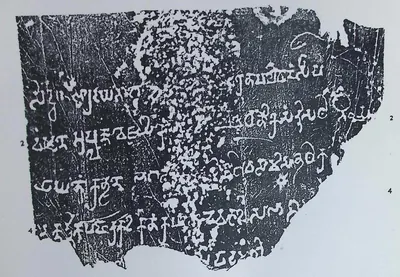 "2. Manchikallu Inscription of Pallava Simhavarman" (Epigraphia Indica XXXII, plate with No. 8, "Two Inscriptions from Guntur District" (PDF p. 137))శాసన ప్రతి · 1959
 "Bhairavakonda temple No. III: detail of doorkeeper" (Longhurst, Pallava Architecture I, 1924, Plate XVII (b) (PDF p. 86))పాత ఫోటో · 1924
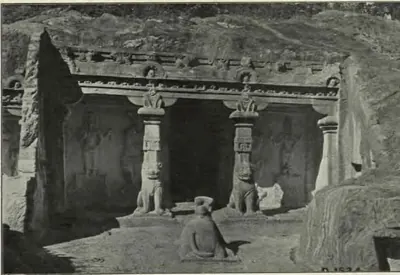 "Bhairavakonda temple No. VII: general view" (Longhurst, Pallava Architecture I, 1924, Plate XX (b) (PDF p. 92))పాత ఫోటో · 1924
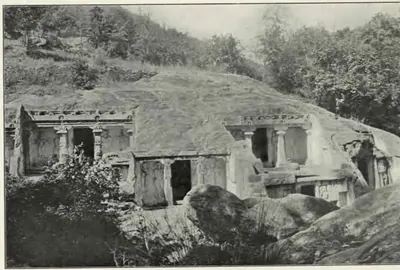 "Bhairavakonda: general view of ten rock-cut temples" (Longhurst, Pallava Architecture I, 1924, Plate XV (a) (PDF p. 82))పాత ఫోటో · 1924
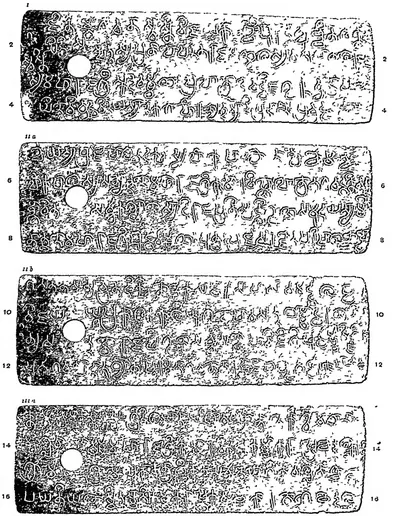 "Chendalur plates of Kumaravishnu II", plates i, ii a, ii b and iii a (Epigraphia Indica VIII, plate with No. 23 (PDF p. 295))శాసన ప్రతి · 1906
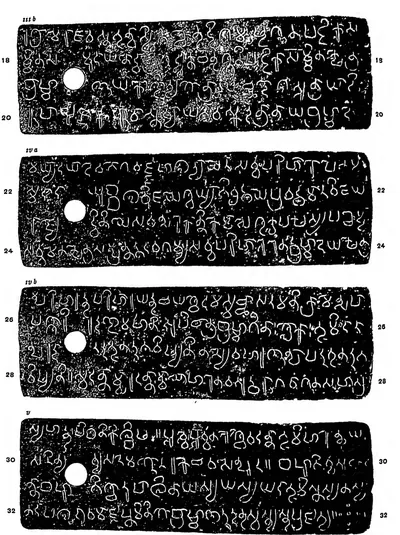 "Chendalur plates of Kumaravishnu II", plates iii b, iv a, iv b and v (Epigraphia Indica VIII, plate with No. 23 (PDF p. 296))శాసన ప్రతి · 1906
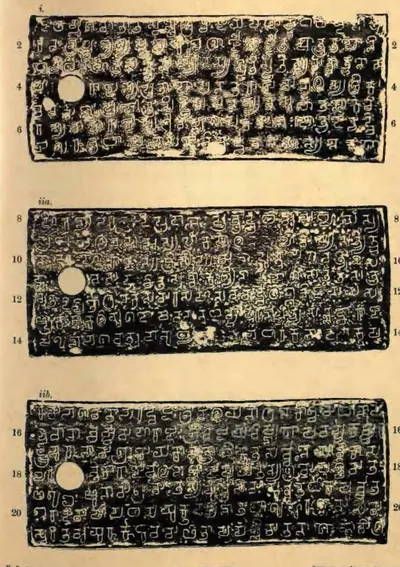 "Chura Grant of Pallava Vijaya-Vishnugopavarman", plates i, ii a and ii b (Epigraphia Indica XXIV, plate with No. 18 (PDF p. 174))శాసన ప్రతి · 1938
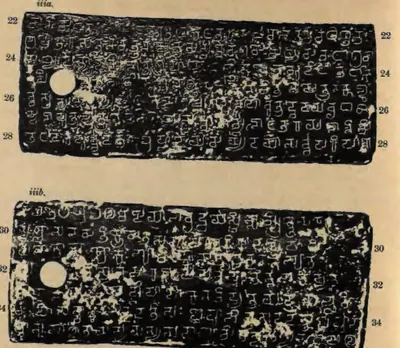 "Chura Grant of Pallava Vijaya-Vishnugopavarman", plates iii a and iii b (Epigraphia Indica XXIV, plate with No. 18 (PDF p. 175))శాసన ప్రతి · 1938
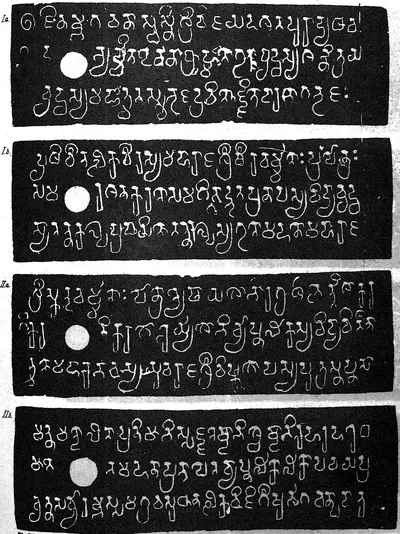 "Copper-plate Grant of the Pallava Dynasty" (the Mangalur grant of Simhavarman), plates I a, I b, II a and II b (Indian Antiquary V, 1876, plate at p. 154 (PDF p. 186))శాసన ప్రతి · 1876
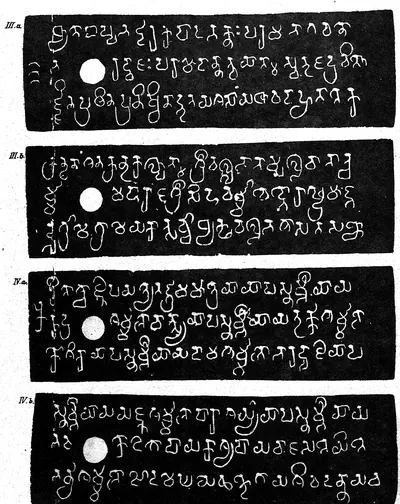 "Copper-plate Grant of the Pallava Dynasty" (the Mangalur grant of Simhavarman), plates III a, III b, IV a and IV b (Indian Antiquary V, 1876, plate at p. 155 (PDF p. 187))శాసన ప్రతి · 1876
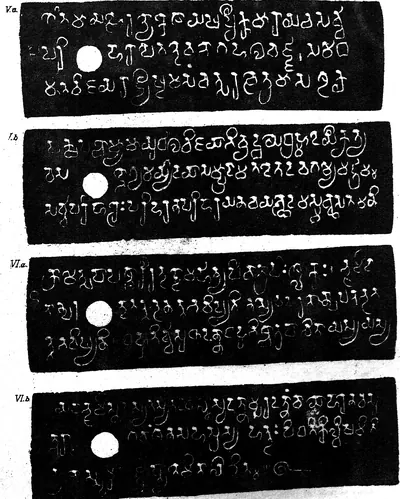 "Copper-plate Grant of the Pallava Dynasty" (the Mangalur grant of Simhavarman), plates V a, V b, VI a and VI b (Indian Antiquary V, 1876, plate at p. 156 (PDF p. 190))శాసన ప్రతి · 1876
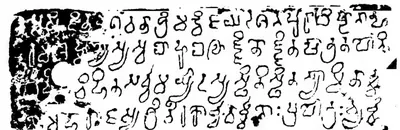 "First Plate of a Pallava Copper-plate Grant" (the Darsi fragment) (Epigraphia Indica I, plate with No. XLV, facing p. 397 (PDF p. 446 of the scan in.ernet.dli.2015.56636))శాసన ప్రతి · 1892
అన్నీ చూపించు (44)
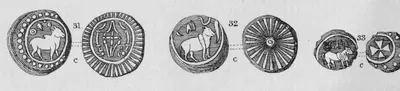 "Kurumbar or Pallava Coins of the Coromandel Coast": copper coins with a bull (Elliot 1886, Pl. I, Nos. 31-33)నాణెం · 1886
 "Kurumbar or Pallava Coins of the Coromandel Coast": copper coins with a bull, crab, fish and ship (Elliot 1886, Pl. I, Nos. 34-38)నాణెం · 1886
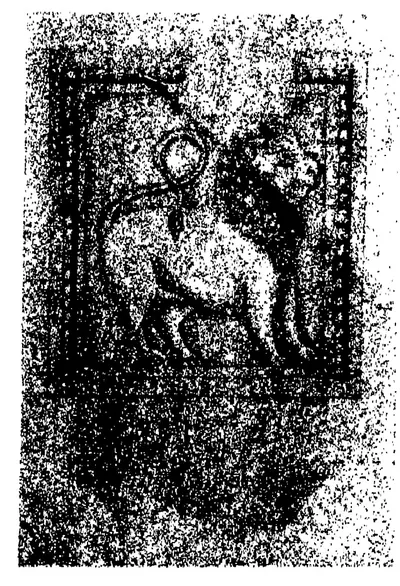 "Lion seal and sculptures of about the Seventh Century A.D.", D: "Sculpture on the rock-cut temple, Siyamangalam" (a Pallava lion, shown for comparison with the seal of the Malepadu plates) (Epigraphia Indica XI, plate to face p. 338, panel D (PDF p. 400))పాత ఫోటో · 1912
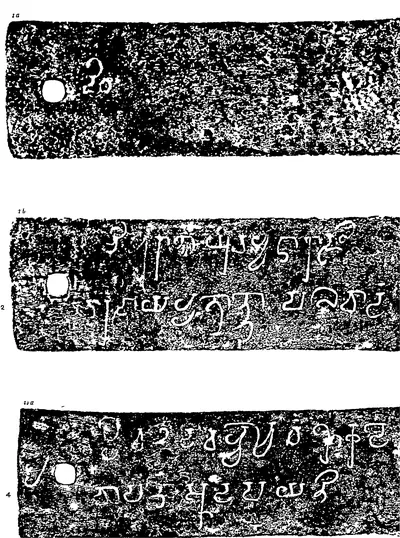 "Mayidavolu Plates of Sivaskandavarman", plates i a, i b and ii a (Epigraphia Indica VI, plate between pp. 84 and 85 (PDF p. 112 of the archive.org scan in.ernet.dli.2015.56212))శాసన ప్రతి · 1901
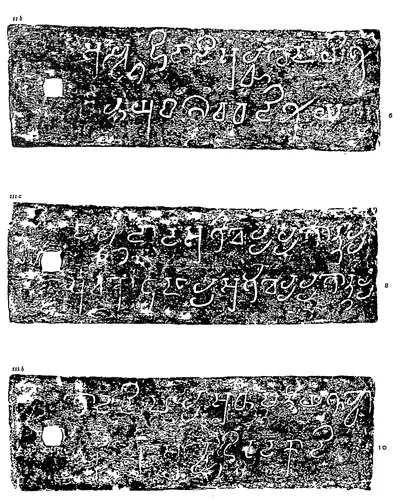 "Mayidavolu Plates of Sivaskandavarman", plates ii b, iii a and iii b (Epigraphia Indica VI, plate between pp. 84 and 85 (PDF p. 113 of scan in.ernet.dli.2015.56212))శాసన ప్రతి · 1901
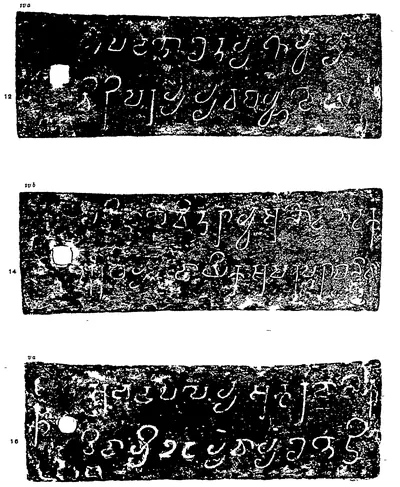 "Mayidavolu Plates of Sivaskandavarman", plates iv a, iv b and v a (Epigraphia Indica VI, second plate between pp. 86 and 87 (PDF p. 116 of scan in.ernet.dli.2015.56212))శాసన ప్రతి · 1901
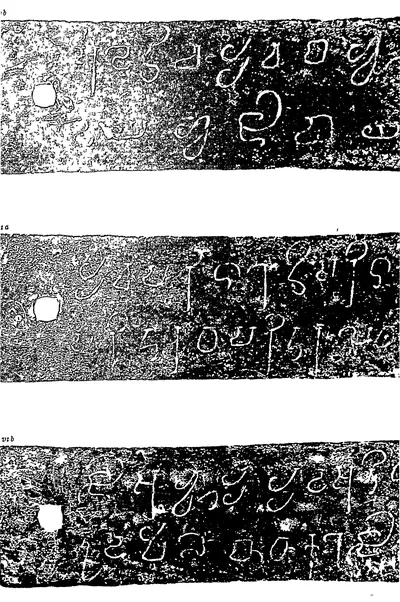 "Mayidavolu Plates of Sivaskandavarman", plates v b, vi a and vi b (Epigraphia Indica VI, second plate between pp. 86 and 87 (PDF p. 117 of scan in.ernet.dli.2015.56212))శాసన ప్రతి · 1901
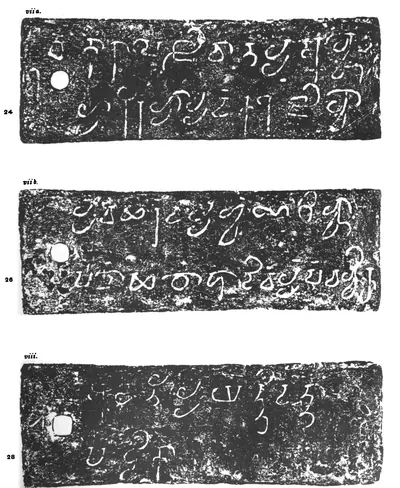 "Mayidavolu Plates of Sivaskandavarman", plates vii a, vii b and viii (Epigraphia Indica VI, third plate (PDF p. 115 of the archive.org scan EpigraphiaIndicaVol6))శాసన ప్రతి · 1901
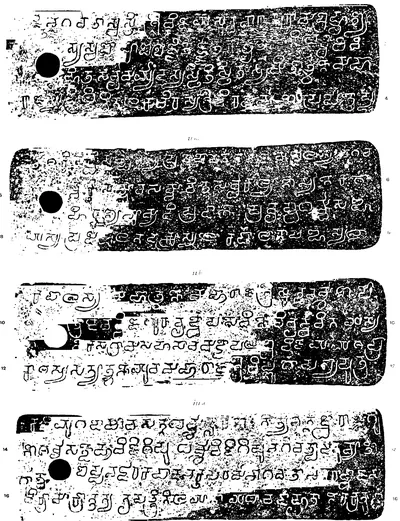 "Omgodu Grant of the Pallava Simhavarman II: the 4th year", first page, lines 1-16 (Epigraphia Indica XV, plate with No. 11 (PDF p. 304))శాసన ప్రతి · 1920
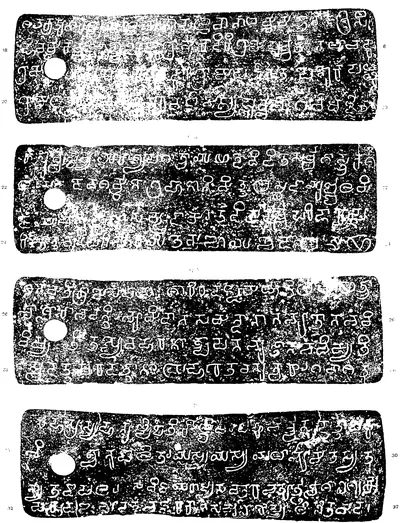 "Omgodu Grant of the Pallava Simhavarman II: the 4th year", second page, lines 17-32 (Epigraphia Indica XV, plate with No. 11 (PDF p. 305))శాసన ప్రతి · 1920
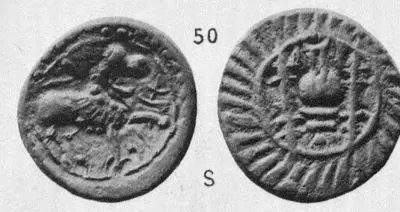 "Pallava Coins": alloy coin of the maned-lion and vase type (Elliot 1886, Pl. II, No. 50)నాణెం · 1886
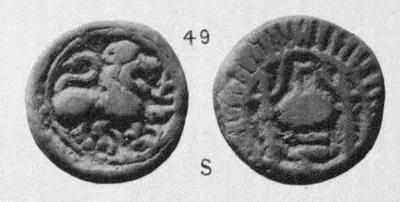 "Pallava Coins": alloy coin with a maned lion and, on the reverse, a vase on a stand between two lamp-stands (Elliot 1886, Pl. II, No. 49)నాణెం · 1886
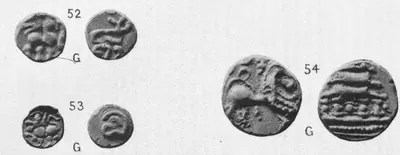 "Pallava Coins": small gold coins with a lion (Elliot 1886, Pl. II, Nos. 52-54)నాణెం · 1886
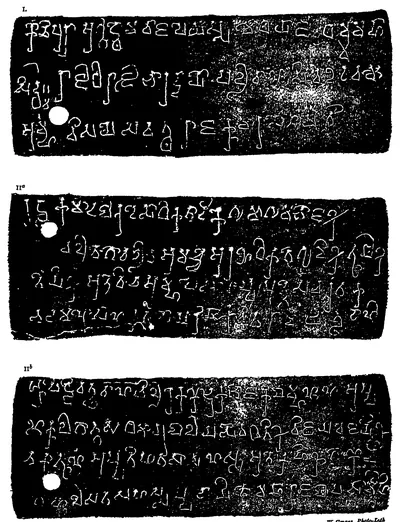 "Pallava Copperplate Grant of Sivaskandavarman" (Hirahadagalli plates), Plate I: plates I, II a and II b (Epigraphia Indica I, Plate I with No. I (PDF p. 20))శాసన ప్రతి · 1892
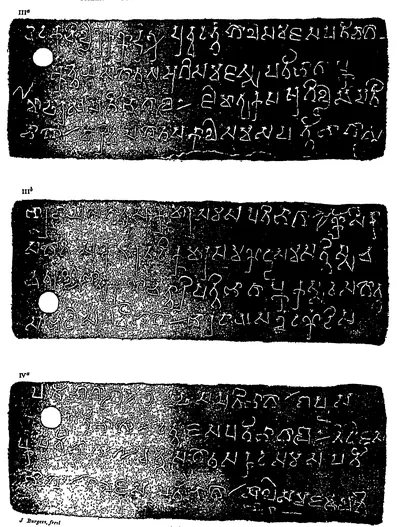 "Pallava Copperplate Grant of Sivaskandavarman" (Hirahadagalli plates), Plate II: plates III a, III b and IV a (Epigraphia Indica I, Plate II with No. I (PDF p. 21))శాసన ప్రతి · 1892
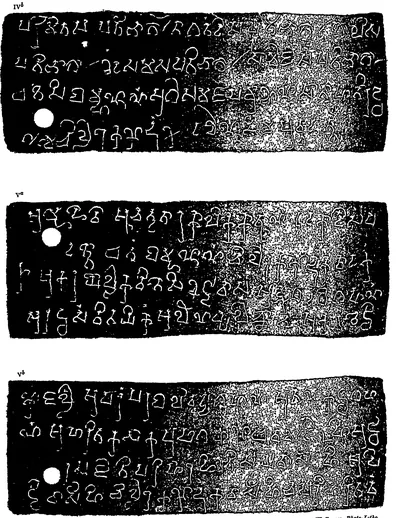 "Pallava Copperplate Grant of Sivaskandavarman" (Hirahadagalli plates), Plate III: plates IV b, V a and V b (Epigraphia Indica I, Plate III with No. I (PDF p. 22))శాసన ప్రతి · 1892
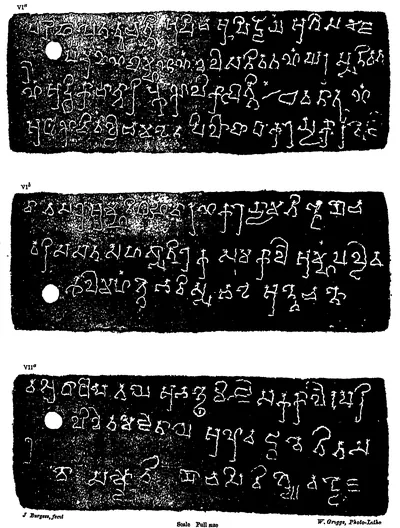 "Pallava Copperplate Grant of Sivaskandavarman" (Hirahadagalli plates), Plate IV: plates VI a, VI b and VII a (Epigraphia Indica I, Plate IV with No. I (PDF p. 23))శాసన ప్రతి · 1892
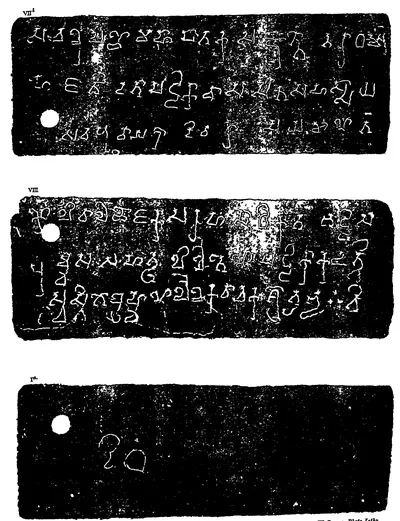 "Pallava Copperplate Grant of Sivaskandavarman" (Hirahadagalli plates), Plate V: plates VII b, VIII and I a (Epigraphia Indica I, Plate V with No. I (PDF p. 24))శాసన ప్రతి · 1892
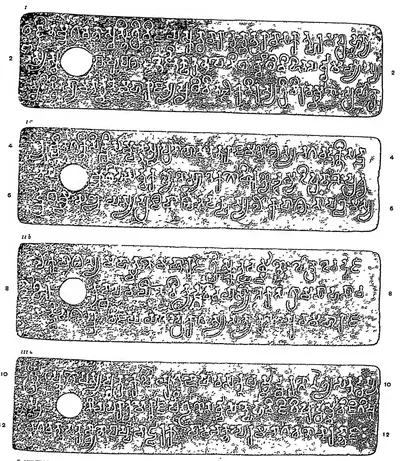 "Pikira grant of Simhavarman", plates i, ii a, ii b and iii a (Epigraphia Indica VIII, plate with No. 15 (PDF p. 201))శాసన ప్రతి · 1906
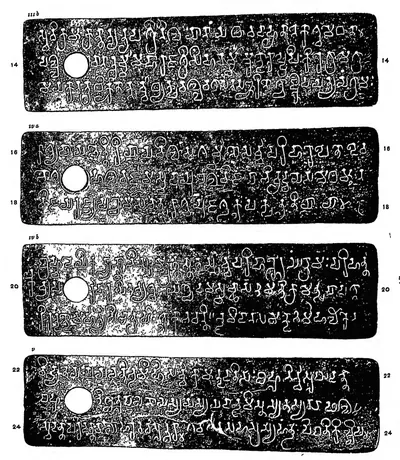 "Pikira grant of Simhavarman", plates iii b, iv a, iv b and v (Epigraphia Indica VIII, plate with No. 15 (PDF p. 202))శాసన ప్రతి · 1906
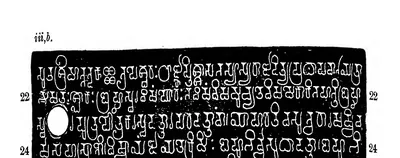 "Reyuru Grant of Pallava Narasimhavarman; Year 12", plate iii b (Epigraphia Indica XXIX, plate with No. 11 (PDF p. 199))శాసన ప్రతి · 1952
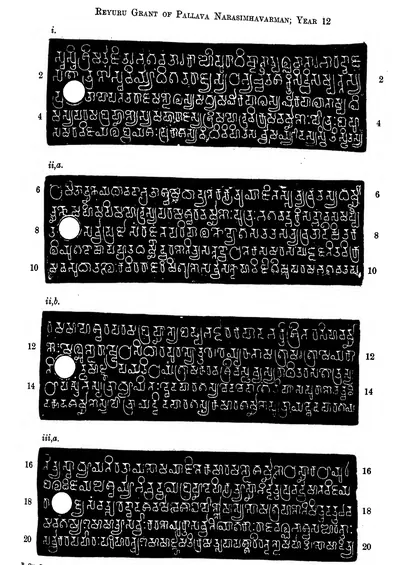 "Reyuru Grant of Pallava Narasimhavarman; Year 12", plates i, ii a, ii b and iii a (Epigraphia Indica XXIX, plate with No. 11 (PDF p. 198))శాసన ప్రతి · 1952
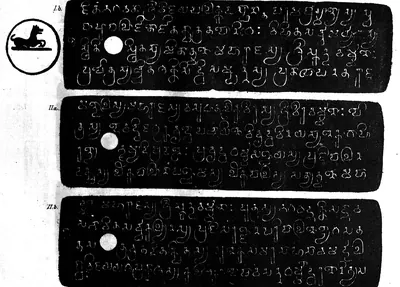 "Uruvupalli Copper-plate Grant of the Pallava Dynasty", plates I b, II a and II b, with the seal (Indian Antiquary V, 1876, plate at p. 50, printed sideways (PDF p. 66))శాసన ప్రతి · 1876
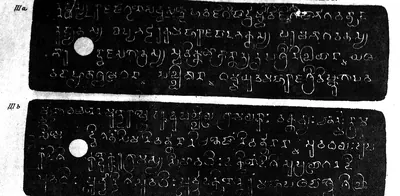 "Uruvupalli Copper-plate Grant of the Pallava Dynasty", plates III a and III b (Indian Antiquary V, 1876, plate at p. 51, printed sideways (PDF p. 67))శాసన ప్రతి · 1876
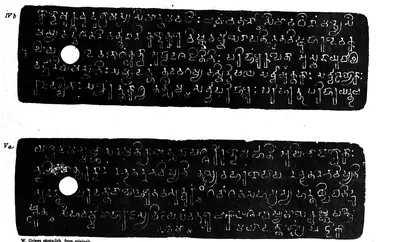 "Uruvupalli Copper-plate Grant of the Pallava Dynasty", plates IV b and V a (Indian Antiquary V, 1876, plate at p. 52, printed sideways (PDF p. 70))శాసన ప్రతి · 1876
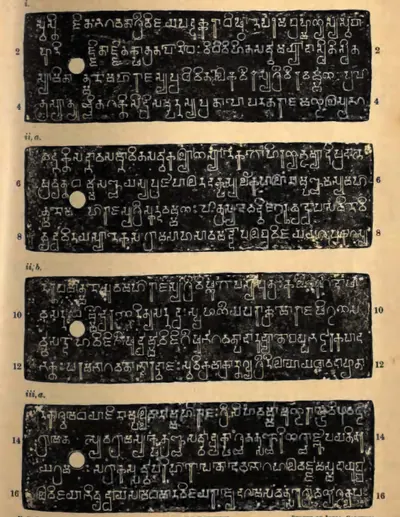 "Vilavatti Grant of Pallava Simhavarman", plates i, ii a, ii b and iii a (Epigraphia Indica XXIV, plate with No. 43 (PDF p. 382))శాసన ప్రతి · 1938
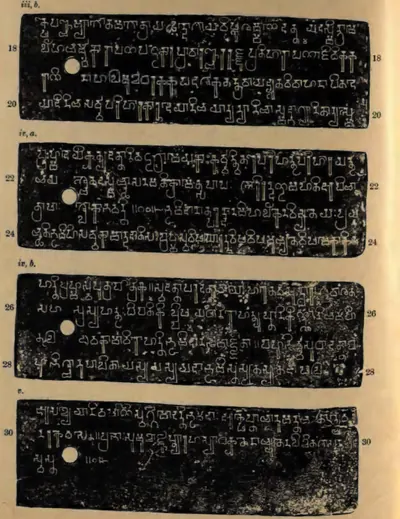 "Vilavatti Grant of Pallava Simhavarman", plates iii b, iv a, iv b and v (Epigraphia Indica XXIV, plate with No. 43 (PDF p. 383))శాసన ప్రతి · 1938
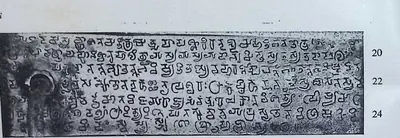 "Vunna Guravayapalem Plates of Paramesvaravarman I, Year 19", plate iii, lines 19-24 (Epigraphia Indica XXXII, plate with No. 9 (PDF p. 149))పాత ఫోటో · 1959
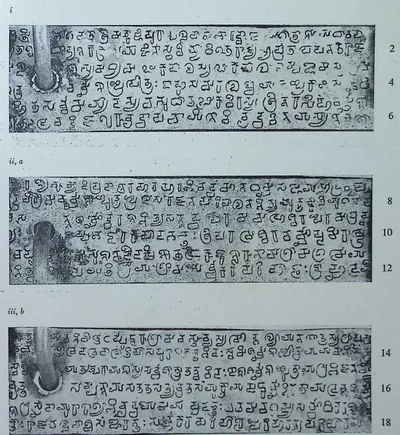 "Vunna Guravayapalem Plates of Paramesvaravarman I, Year 19", the first three inscribed plate sides, lines 1-18 (Epigraphia Indica XXXII, plate with No. 9 (PDF p. 148))పాత ఫోటో · 1959
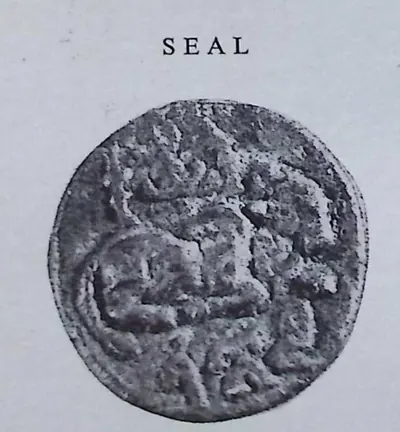 Seal of the "Vunna Guravayapalem Plates of Paramesvaravarman I, Year 19" (Epigraphia Indica XXXII, plate with No. 9 (PDF p. 149))పాత ఫోటో · 1959
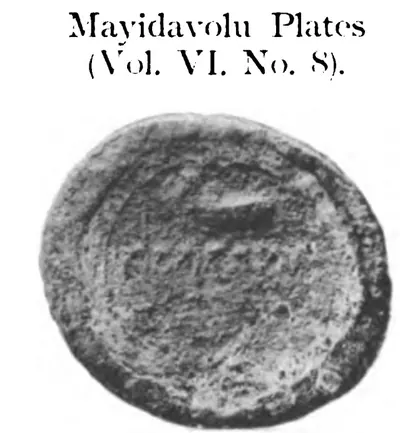 Seal of the Mayidavolu plates of Sivaskandavarman: "Mayidavolu Plates (Vol. VI, No. 8)", from the plate "Seals. Full-size" (Epigraphia Indica VI, plate of seals printed with No. 28 (PDF p. 369 of the archive.org scan EpigraphiaIndicaVol6))పాత ఫోటో · 1901
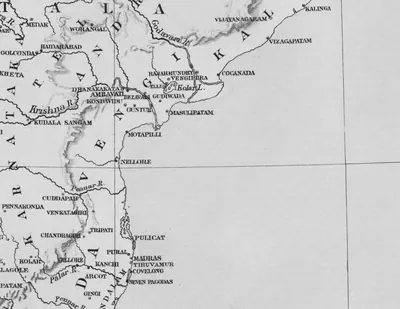 Vengi, the Krishna and the coast south to Kanchi and Tondamandalam: detail of "A Map of Southern India shewing the territories of the ancient dynasties according to the best authorities" (Elliot 1886, folding map, PDF p. 185)పటం · 1886
సంబంధిత
వ్యక్తులు
శివస్కందవర్మ (పల్లవ)
సుమారు క్రీ.శ. 250–275
తన సొంత శాసనాల నుంచి తెలిసిన అతి తొలి పల్లవ రాజు. యువరాజుగా ఆయన తెలుగు దేశమైన ఆంధ్రాపథంలో ఒక గ్రామాన్ని ఇస్తూ, కాంచీపురం నుంచి ధాన్యకటకం (అమరావతి)లోని తన అధికారికి మయిదవోలు ఫలకాలను పంపాడు. రాజుగా ఆయన హిరహడగల్లి ఫలకాలను జారీ చేసి, అశ్వమేధం చేశానని చెప్పుకున్నాడు. ఆయన కాలం వివాదాస్పదం: 3వ శతాబ్దం మొదటి భాగం నుంచి 4వ శతాబ్దం మధ్య వరకు.
విజయ-స్కందవర్మ (పల్లవ)
సుమారు క్రీ.శ. 275–340
యువరాజు విజయ-బుద్ధవర్మ భార్య అయిన రాణి చారుదేవి నారాయణ ఆలయానికి భూమి దానం చేసిన కాలపు పల్లవ రాజు. ఆమె ప్రాకృత దానశాసనం గుంటూరు దగ్గర దొరికింది. అది ఇప్పుడు బ్రిటిష్ మ్యూజియంలో ఉంది. ఆయన పాలనకు అదే ఏకైక శాసనం. మైదవోలు, హీరహడగల్లి ఫలకాల శివస్కందవర్మ ఈయన ఒకరేనా అనే విషయంపై పండితులు ఏకీభవించరు.
కాంచీ విష్ణుగోపుడు
సుమారు క్రీ.శ. 325–350
గుప్త చక్రవర్తి సముద్రగుప్తుని అలహాబాద్ స్తంభ శాసనంలో, దాదాపు 4వ శతాబ్దం మధ్యలో ఆయన పట్టుకుని విడిచిపెట్టిన దక్షిణాది రాజులలో పేర్కొనబడిన కాంచి రాజు. చాలా మంది పండితులు ఆయనను పల్లవునిగా భావిస్తారు. ఆ కలయిక కాంచిలో కాకుండా, విష్ణుగోపుడు తూర్పు రాజుల కూటమికి నాయకత్వం వహించిన కృష్ణా దగ్గర జరిగిందని జి. జూవో-దుబ్రుయ్ వాదించారు.
రెండవ కుమారవిష్ణు (పల్లవ)
సుమారు క్రీ.శ. 425–450
చెందలూరు ఫలకాల ద్వారా తెలిసిన కంచి పల్లవ రాజు. ఆయన తన పాలనలో రెండవ సంవత్సరంలో కాంచీపురం నుంచి వాటిని జారీ చేసి, ప్రస్తుత ప్రకాశం జిల్లాలోని కర్మరాష్ట్రంలో ఉన్న చెందలూర గ్రామంలో భూమిని దానం చేశాడు. పల్లవ వంశ వరుసలో ఆయన స్థానం వివాదాస్పదం: జూవో-డుబ్రూయిల్ ప్రకారం సింహవర్మకు ముందు, హుల్ట్జ్ ప్రకారం సింహవర్మ, సింహవిష్ణుల మధ్య.
రెండవ స్కందవర్మ (పల్లవ)
సుమారు క్రీ.శ. 450–475
నెల్లూరు–గుంటూరు ప్రాంతపు పల్లవ రాజు. ఆయన పాలనలో 33వ సంవత్సరంలో తాంబ్రప నుంచి జారీ చేసిన మొదటి ఓంగోడు దానశాసనం నుంచి ఆయన తెలుసు. ఆ దానశాసనం ఆయన పూర్వీకులను అశ్వమేధ యాగం చేసిన కుమారవిష్ణువు వరకు ఇస్తుంది. ఆయన యువరాజు విష్ణుగోపుని తండ్రి, సింహవర్మ తాత. సింహవర్మ దానశాసనాలు అదే ప్రాంతం నుంచి వస్తాయి.
విష్ణుగోపుడు (పల్లవ యువమహారాజు)
సుమారు క్రీ.శ. 475–500
నెల్లూరు–గుంటూరు వంశపు పల్లవ యువరాజు, రెండవ స్కందవర్మ కొడుకు, సింహవర్మ తండ్రి. యువరాజు (యువమహారాజు)గా ఆయన పాలక్కడ నుంచి ఉరువుపల్లి దానశాసనాన్ని జారీ చేశాడు. అది సింహవర్మ అనే రాజు 11వ సంవత్సరంలో తేదీ వేయబడింది. అది కందుకూరులోని ఒక ఆలయానికి భూమి ఇచ్చింది. ఆయన ఎప్పుడైనా పాలించాడా, ఆయన దానశాసనంలోని సింహవర్మ ఎవరు అనే విషయాలపై పండితులు ఏకీభవించరు.
మొదటి మహేంద్రవర్మ
సుమారు క్రీ.శ. 600–630
కంచి పల్లవ రాజు (దాదాపు 600–630), సింహవిష్ణు కొడుకు. ఆయన పాలనలో చాళుక్య రెండవ పులకేశి వేంగిని, గుంటూరు, నెల్లూరు ప్రాంతంలోని పల్లవ రాష్ట్రాలను తీసుకున్నాడు, అయితే మహేంద్రవర్మ కంచిని కాపాడుకున్నాడు. తమిళ దేశంలోని ఆయన గుహా శాసనాలలో ఆయన ఉపనామాలలో కొన్ని తెలుగు. దీని ఆధారంగా ఆయన కుటుంబం, ఆయన గుహ శైలి తెలుగు దేశం నుంచి వచ్చాయని జూవో-డుబ్రూయిల్ వాదించారు.
మొదటి నరసింహవర్మ
సుమారు క్రీ.శ. 630–668
కంచి పల్లవ రాజు (దాదాపు 630–668), మొదటి మహేంద్రవర్మ కొడుకు. ఆయనను మహామల్ల అని, వాతాపికొండ, 'వాతాపి విజేత' అని పిలిచారు. ఆయన చాళుక్య రెండవ పులకేశిని ఓడించి, చాళుక్య రాజధాని బాదామి (వాతాపి)ని తీసుకున్నాడు. ఆయన తండ్రి పాలనలో కోల్పోయిన తెలుగు రాష్ట్రాలను తిరిగి పొందలేదు. నెల్లూరు ప్రాంతం వరకు దానశాసనాలు ఉన్న చాళుక్య మొదటి విక్రమాదిత్యుడు ఆయనతో, ఆయన వారసులతో పోరాడాడు.
మొదటి పరమేశ్వరవర్మ
సుమారు క్రీ.శ. 670–690
7వ శతాబ్దం చివరి భాగపు కంచి పల్లవ రాజు, రెండవ మహేంద్రవర్మ కొడుకు, మొదటి నరసింహవర్మ మనవడు. ఆయన చాళుక్య మొదటి విక్రమాదిత్యునితో పోరాడాడు. విక్రమాదిత్యుడు ఆయన పాలనలో కంచిని తీసుకుని, తర్వాత వెనక్కి తరమబడ్డాడు. ఆయన పాలనలో 19వ సంవత్సరంలో కాంచీపురం నుంచి జారీ చేసిన, డి. సి. సర్కార్ 687 డిసెంబర్ నాటివిగా చెప్పిన ఆయన వున్న గురవాయపాలెం ఫలకాలు నెల్లూరులోని పొదిలి–కందుకూరు ప్రాంతంలో ఒక గ్రామాన్ని ఇస్తాయి.
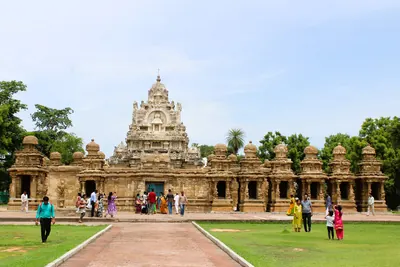
రెండవ నరసింహవర్మ
సుమారు క్రీ.శ. 690–715
దాదాపు 700 నాటి కంచి పల్లవ రాజు, మొదటి పరమేశ్వరవర్మ కొడుకు. ఆయనను రాజసింహుడు అని కూడా పిలుస్తారు. ఆయన కాంచీపురంలోని కైలాసనాథ దేవాలయ నిర్మాత. కాళహస్తి రాజా దస్తావేజులలో ఉంచిన ఆయన రేయూరు దానశాసనం మేల్ ముండరాష్ట్రంలోని ఒక గ్రామాన్ని ఇస్తుంది. పి. బి. దేశాయి దానిని నెల్లూరులోని ఆత్మకూరు తాలూకాలో ఉంచారు. ఆయన గానీ ఆయన తండ్రి గానీ తూర్పు చాళుక్యుల నుంచి నెల్లూరు ప్రాంతంలోని కొంత భాగాన్ని తిరిగి గెలుచుకున్నారని దేశాయి సూచించారు.
రెండవ నందివర్మ పల్లవమల్లుడు
సుమారు క్రీ.శ. 717–779
8వ శతాబ్దంలో అరవై సంవత్సరాలకు పైగా కంచి పల్లవ రాజు. ఆయన సింహవిష్ణు సోదరుడు భీమవర్మ నుంచి వచ్చిన ఆ కుటుంబపు పక్క శాఖకు చెందినవాడు. రెండవ పరమేశ్వరవర్మ మరణం తర్వాత బాలుడిగా ఆయనను రాజుగా ఎంచుకున్నారు. ఆయన సేనాపతి ఉదయచంద్రుడు తూర్పు చాళుక్య మూడవ విష్ణువర్ధనుడిగా గుర్తించిన 'విష్ణురాజు' భూమి నుంచి ఒక నిషాద నాయకుడిని తరిమేశాడు. గూడూరు తాలూకాలోని మల్లంలో ఆయన 15వ పాలనా సంవత్సరపు శాసనం దక్షిణ నెల్లూరులో పల్లవ పాలనను చూపిస్తుంది.
సింహవర్మ (పల్లవ, మంచికల్లు శాసనం)
భరద్వాజ గోత్రానికి చెందిన పల్లవ రాజు. పల్నాడు తాలూకాలోని మంచికల్లులో దొరికిన విరిగిన ప్రాకృత స్తంభ శాసనం నుంచి మాత్రమే ఆయన తెలుసు. డి. సి. సర్కార్ దానిని అతి తొలి పల్లవ శాసనంగా భావించారు. ఈ సింహవర్మ ఇక్ష్వాకులను తొలగించి కృష్ణా–గుంటూరు ప్రాంతాన్ని పల్లవుల కిందకు తెచ్చాడని, బహుశా శివస్కందవర్మ తండ్రి అని ఆయన సూచించారు.
రెండవ సింహవర్మ (పల్లవ)
నెల్లూరు–గుంటూరు ప్రాంతపు పల్లవ రాజు, యువరాజు విష్ణుగోపుని కొడుకు. ఆయన నాలుగు దానశాసనాలు మిగిలి ఉన్నాయి. అన్నీ గుంటూరు, నెల్లూరు జిల్లాలలో గ్రామాలను ఇస్తాయి. అన్నీ కంచి నుంచి కాకుండా శిబిరాల నుంచి జారీ చేయబడ్డాయి: రెండవ ఓంగోడు దానశాసనం (4వ సంవత్సరం), మెన్మతుర నుంచి పికీర దానశాసనం (5వ సంవత్సరం), దశనపుర నుంచి మంగళూరు దానశాసనం (8వ సంవత్సరం), విలవట్టి దానశాసనం (10వ సంవత్సరం). చాలా మంది పండితులు లోకవిభాగ అనే జైన గ్రంథం నుంచి ఆయన సింహాసనారోహణను 436 నాటిదిగా చెబుతారు. మరికొందరు ఆయనను దాదాపు 500లో ఉంచుతారు.
శాసనాలు
శివస్కందవర్మ మయిదవోలు శాసనం
సుమారు క్రీ.శ. 250
పల్లవ యువరాజు శివస్కందవర్మ కాంచీపురం నుంచి ధాన్యకటకం (అమరావతి)లోని తన అధికారికి జారీ చేసిన ప్రాకృత రాగి రేకుల దానపత్రం. అది తెలుగు దేశమైన ఆంధ్రాపథంలోని విరిపర గ్రామాన్ని ఇద్దరు బ్రాహ్మణులకు ఇస్తుంది. 1899లో నరసరావుపేట దగ్గరి మయిదవోలులో అది దొరికింది. 1901లో ఇ. హుల్ష్ దాన్ని సంపాదకత్వం చేశారు. అది అతి తొలి పల్లవ రాగి రేకుల శాసనం. పల్లవులు కృష్ణ వరకు పాలించారని అది చూపిస్తుంది.
సింహవర్మ మంచికల్లు శాసనం
సుమారు క్రీ.శ. 300
పల్నాడు తాలూకాలోని మంచికల్లు నుండి వచ్చిన అష్టభుజ రాతి స్తంభపు ఒక భాగంపై ఉన్న విరిగిన ప్రాకృత శాసనం. భారద్వాజ గోత్రపు పల్లవ రాజు సింహవర్మ జీవశివస్వామి దేవుని పూజారులకు ఇచ్చిన దానాలను అది నమోదు చేస్తుంది. దానిని సంపాదకత్వం వహించిన డి. సి. సర్కార్ దానిని తొలి పల్లవ రికార్డుగా భావించారు. ఆయన దానిని మొదట 3వ శతాబ్దం ముగింపుకు, తర్వాత 4వ శతాబ్దం మధ్యకు చెందినదిగా చెప్పారు.
సింహవర్మ ఓంగోడు శాసనం (నం. 2)
సుమారు క్రీ.శ. 440
యువరాజు విష్ణుగోపుడి కొడుకు, పల్లవ రాజు సింహవర్మ తన పాలన నాల్గవ సంవత్సరంలో చేసిన సంస్కృత రాగి రేకుల దానపత్రం. కొడికిం, నరచాడు, కడకుదూరు, పెనుకపర్రు సరిహద్దులుగా ఉన్న కర్మరాష్ట్రంలోని ఓంగోడు గ్రామాన్ని అది కుందూరుకు చెందిన బ్రాహ్మణుడు దేవశర్మకు ఇస్తుంది. దాని సంపాదకుడు హెచ్. కృష్ణ శాస్త్రి దాన్ని ఒక పూర్వ దానపత్రానికి 7వ శతాబ్దపు నకలుగా భావించారు. సింహవర్మకు లోకవిభాగం ఇచ్చే 436 అనే తేదీపై జరిగిన చర్చలో దాని తేదీ భాగమైంది.
సింహవర్మ విలవట్టి శాసనం
సుమారు క్రీ.శ. 446
యువరాజు విష్ణుగోపుడి కొడుకు, పల్లవ రాజు సింహవర్మ పదవ సంవత్సరంలో పద్దుక్కర నుంచి జారీ చేసిన సంస్కృత రాగి రేకుల దానపత్రం. అది ముండరాష్ట్రంలోని విలవట్టి గ్రామాన్ని, దాని నుంచి రావలసిన పన్నులతో పాటు, బ్రాహ్మణుడు విష్ణుశర్మకు ఇస్తుంది. సుమారు 1928లో నెల్లూరు కోవూరు తాలూకాలోని వవ్వేరు వద్ద అది దొరికింది. 1938లో సి. ఆర్. కృష్ణమాచార్లు దాన్ని సంపాదకత్వం వహించారు. అది చేతివృత్తుల వారు, వర్తకుల చెల్లింపులను జాబితా చేస్తుంది. దాని ముద్రపై స్పష్టంగా కనిపించే అతి తొలి పల్లవ వృషభం ఉంది.
మొదటి పరమేశ్వరవర్మ వున్న గురవాయపాలెం శాసనం
క్రీ.శ. 687
పల్లవ రాజు మొదటి పరమేశ్వరవర్మ తన 19వ సంవత్సరంలో కాంచీపురం నుంచి జారీ చేసిన సంస్కృత రాగి రేకుల దానపత్రం. అది పూమి-రాష్ట్రంలో ముసున నది దక్షిణ ఒడ్డున ఉన్న కుబునూరు గ్రామాన్ని బ్రాహ్మణుడు దేవశర్మకు ఇస్తుంది. నెల్లూరు పొదిలి తాలూకాలోని వున్న గురవాయపాలెం వద్ద పి. శేషాద్రి శాస్త్రికి రేకులను చూపించారు. డి. సి. సర్కార్, శేషాద్రి శాస్త్రి ఫోటోల నుంచి వాటిని సంపాదకత్వం వహించారు. దానపత్రం తేదీ 687 డిసెంబరు 22. ఈ రాజుకు సరిచూడగలిగిన మొదటి తేదీని అది ఇచ్చింది.
రెండవ నరసింహవర్మ రేయూరు శాసనం
సుమారు క్రీ.శ. 711
పల్లవ రాజు రెండవ నరసింహవర్మ 12వ పాలనా సంవత్సరంలో, వైశాఖ చంద్రగ్రహణం నాడు కాంచీపురం నుంచి జారీ చేసిన సంస్కృత రాగి రేకుల దానపత్రం. మేల్-ముండరాష్ట్రంలోని రేయూరు గ్రామాన్ని అది కురవశ్రీకి చెందిన బ్రాహ్మణుడు కుమారమందశర్మకు ఇస్తుంది. దాన్ని కాళహస్తి రాజా దస్తావేజుల భాండాగారంలో ఉంచారు. పి. బి. దేశాయ్ దాన్ని సంపాదకత్వం చేశారు. ఈ రాజు తేదీ ఉన్న ఏకైక శాసనం ఇదే. దేశాయ్ ఆ గ్రామాన్ని నెల్లూరు ఆత్మకూరు తాలూకాలోని రేవూరులో ఉంచారు.
చారుదేవి బ్రిటిష్ మ్యూజియం శాసనం
మహారాజు విజయ-స్కందవర్మ పాలనలో చేసిన, యువరాజు విజయ-బుద్ధవర్మ భార్య, పల్లవ రాణి చారుదేవి ప్రాకృత తామ్ర దానపత్రం. అది దాలూరలోని నారాయణ ఆలయానికి నాలుగు నివర్తనాల భూమిని ఇస్తుంది. సర్ వాల్టర్ ఎలియట్ ఆ రేకులను సంపాదించారు. అవి ఇప్పుడు బ్రిటిష్ మ్యూజియంలో ఉన్నాయి. అవి గుంటూరు దగ్గర దొరికాయని నివేదించారు. 1880లో జె. ఎఫ్. ఫ్లీట్ వాటిని మొదట సంపాదకత్వం వహించి ప్రచురించారు. 1906లో ఇ. హుల్ష్ వాటిని మళ్లీ సంపాదకత్వం వహించారు.
రెండవ కుమారవిష్ణు చెందలూరు శాసనం
పల్లవ రాజు రెండవ కుమారవిష్ణు రెండవ సంవత్సరంలో కాంచీపురం నుండి ఇచ్చిన సంస్కృత తామ్ర దానపత్రం. అది కర్మరాష్ట్రంలోని చెందలూర గ్రామంలో 432 పట్టికల (భూమి కొలత) పొలాన్ని బ్రాహ్మణుడు భవస్కందత్రాతునికి ఇస్తుంది. ఒంగోలు తాలూకాలోని చెందలూరులో వడ్ల పొట్టు నిండిన కుండలో పాతిపెట్టి అది దొరికింది. 1906లో ఇ. హుల్ష్ దానిని సంపాదకత్వం వహించారు. అదే విధంగా దొరికిందని నివేదించిన, 673 నాటి తూర్పు చాళుక్య సర్వలోకాశ్రయుని అదే గ్రామపు దానపత్రాన్ని ఆయన దీనితో కలిపి సంపాదకత్వం వహించారు.
విజయ-విష్ణుగోపవర్మ చూర శాసనం
ఒక సింహవర్మ కుమారుడు, పల్లవ రాజు విజయ-విష్ణుగోపవర్మ పలోత్కట నుండి ఇచ్చిన, కొన్ని తెలుగు పదాలు ఉన్న సంస్కృత తామ్ర దానపత్రం. అది కర్మరాష్ట్రంలోని చూర గ్రామంలో 108 నివర్తనాలను కుందూరుకు చెందిన బ్రాహ్మణుడు చసమిశర్మకు ఇస్తుంది. నరసరావుపేటలో అది లభించింది. 1938లో సి. ఆర్. కృష్ణమాచార్లు దానిని సంపాదకత్వం వహించారు. అది సుమారు 7వ శతాబ్దపు అక్షరాల్లో రాయబడింది. ఆయన దానిని పాత దానపత్రం యొక్క ప్రతిగా భావించారు.
దర్శి పల్లవ తామ్రపత్రం
నెల్లూరు జిల్లాలోని దర్శి వద్ద ఒక పొగాకు పొలంలో దొరికి, ఇప్పుడు మద్రాసు మ్యూజియంలో ఉన్న ఒకే రాగి రేకు. అది ఒక పల్లవ రాజు పోయిన సంస్కృత దానపత్రపు మొదటి రేకు. మహారాజు వీరకోర్చవర్మ మునిమనవడు దానిని 'సమృద్ధమైన, విజయవంతమైన దశనపుర నివాసం నుండి' ఇచ్చాడు. 1892లో ఇ. హుల్ష్ దానిని సంపాదకత్వం వహించారు. తర్వాతి విద్వాంసులు వీరకోర్చవర్మను నెల్లూరు–గుంటూరు వంశపు వీరవర్మగా, దశనపురాన్ని దర్శిగానే గుర్తించారు.
సింహవర్మ మంగళూరు శాసనం
యువరాజు విష్ణుగోపుని కుమారుడు, పల్లవ రాజు సింహవర్మ పాలనలో ఎనిమిదవ సంవత్సరంలో దశనపురం నుండి ఇచ్చిన సంస్కృత తామ్ర దానపత్రం. అది వెంగోరాష్ట్రంలోని మంగదూరు గ్రామాన్ని ఎనిమిది మంది బ్రాహ్మణులకు ఇస్తుంది. 1876లో సర్ వాల్టర్ ఎలియట్ ప్రతికృతుల నుండి జె. ఎఫ్. ఫ్లీట్ దానిని ప్రచురించారు. డి. సి. సర్కార్ వెంగోరాష్ట్రాన్ని వేంగి దేశపు దక్షిణ అంచుగా భావించారు. దశనపురం దర్శి అని వి. వెంకయ్య సూచించారు.
రెండవ స్కందవర్మ ఓంగోడు శాసనం (నం. 1)
పల్లవ రాజు విజయ-స్కందవర్మ (రెండవ స్కందవర్మ) తన పాలన 33వ సంవత్సరంలో తాంబ్రప నుంచి జారీ చేసిన సంస్కృత రాగి రేకుల దానపత్రం. కర్మరాష్ట్రంలోని ఓంగోడు గ్రామాన్ని అది బ్రాహ్మణుడు గోలశర్మకు ఇస్తుంది. 1920లో హెచ్. కృష్ణ శాస్త్రి దాన్ని సంపాదకత్వం చేశారు. నెల్లూరు–గుంటూరు ప్రాంతపు పల్లవ వంశంలో తెలిసిన అతి తొలి సభ్యులను అది ఇచ్చింది. ప్రాకృత శాసనాల పాత ఋతువుల పద్ధతిలో దాని తేదీ ఉంది.
సింహవర్మ పికీర శాసనం
యువరాజు విష్ణుగోపుడి కొడుకు, పల్లవ రాజు సింహవర్మ ఐదవ పాలనా సంవత్సరంలో మెన్మతుర శిబిరం నుంచి జారీ చేసిన సంస్కృత రాగి రేకుల దానపత్రం. ముండరాష్ట్రంలోని పికీర గ్రామాన్ని అది బ్రాహ్మణుడు విలాసశర్మకు ఇస్తుంది. ఒంగోలు తాలూకాలోని నేలటూరు గ్రామ మున్సిఫ్ (గ్రామ పెద్ద) ఆ రేకులను పంపారు. అవి చనిపోయిన ఒక సన్యాసికి చెందిన, ఎవరూ హక్కు కోరని ఆస్తి. 1906లో ఇ. హుల్ష్ ఆ దానపత్రాన్ని సంపాదకత్వం చేశారు.
విష్ణుగోపవర్మ ఉరువుపల్లి శాసనం
సింహవర్మ అనే రాజు 11వ సంవత్సరంలో పాలక్కడ నుంచి జారీ చేసిన, పల్లవ యువరాజు విష్ణుగోపవర్మ సంస్కృత రాగి రేకుల దానపత్రం. అది ముండ దేశంలోని ఉరువుపల్లి గ్రామంలో రెండు వందల నివర్తనాల భూమిని కందుకూర లోని ఒక ఆలయానికి ఇస్తుంది. 1876లో సర్ వాల్టర్ ఇలియట్ నకళ్ల నుంచి జె. ఎఫ్. ఫ్లీట్ దాన్ని ప్రచురించారు. అది ఎక్కడ దొరికిందో తెలియదు.
ఆధారసూచికలు
గమనికలు (0)
ఆధారాలు (22)
ఈ పేజీలో పొరపాటు కనిపించిందా? మాకు తెలియజేయండి
చివరి సవరణ: