బహమనీలు
గుల్బర్గా నుండి, 1420ల నుండి బీదర్ నుండి పాలించిన దక్కన్ సుల్తానులు (1347–1527). వరంగల్ పాలకుడు పంపిన సైన్యంతో వారి స్థాపకుడు సింహాసనం గెలిచాడు. అతని వారసులు తెలుగు నాయకుల నుండి కౌలాస్, భువనగిరి, గోల్కొండలను తీసుకున్నారు. (వేర్వేరు కథనాల ప్రకారం 1422, 1424 లేదా 1425లో) వరంగల్ను దోచుకుని, పడమటి తెలంగాణను బీదర్ రాష్ట్రంగా పట్టుకున్నారు. వారు ముసునూరి, రేచర్ల నాయకులతో, రెడ్డి రాజులతో, విజయనగరంతో, ఒడిశా గజపతులతో పోరాడారు. 1470లలో రాజమహేంద్రవరం నుండి కొండపల్లి, కొండవీడు వరకు తీరాన్ని పట్టుకున్నారు. మహమూద్ గవాన్ తెలింగాణ రాష్ట్రాన్ని రాజమహేంద్రవరం, వరంగల్ మధ్య విభజించాడు. దాని చివరి గవర్నర్ సుల్తాన్ కులీ గోల్కొండ కుతుబ్ షాహీ రాజ్యాన్ని స్థాపించాడు.
పూర్తి చార్టు కోసం పక్కకు జరపండి; వివరాల కోసం ఏదైనా పట్టీని తాకండి.
ప్రతి పట్టీ ఒక ప్రాంతాన్ని పాలించిన శక్తి; కాలం ఎడమ నుంచి కుడికి. గీతల అంచు = సుమారు తేదీలు. వివరాల కోసం పట్టీని ఎంచుకోండి.
జాబితాగా చూపించు
కాకతీయులు క్రీ.శ. 1163–1323
- తెలంగాణ
- కాకతీయులు (సుమారు క్రీ.శ. 1163–1323)
- కోస్తా ఆంధ్ర
- తూర్పు గాంగులు (సుమారు క్రీ.శ. 537–1434) · కోన, పల్నాటి హైహయులు (సుమారు క్రీ.శ. 1073–1364) · ధరణికోట కోట వంశం (సుమారు క్రీ.శ. 1100–1276) · పొత్తపి, నెల్లూరు తెలుగు చోడులు (సుమారు క్రీ.శ. 1106–1316) · కాకతీయులు (సుమారు క్రీ.శ. 1185–1323)
నాయకులు, రెడ్డి రాజులు, బహమనీలు క్రీ.శ. 1323–1518
- తెలంగాణ
- ముసునూరి నాయకులు (సుమారు క్రీ.శ. 1336–1368) · గజపతులు (సుమారు క్రీ.శ. 1459–1461) · బీజాపూర్ ఆదిల్ షాహీలు (సుమారు క్రీ.శ. 1489–1686) · ఢిల్లీ సుల్తానులు (తుగ్లక్లు) (సుమారు క్రీ.శ. 1323–1336) · బహమనీ సుల్తానులు (సుమారు క్రీ.శ. 1347–1518) · రేచర్ల వెలమలు (సుమారు క్రీ.శ. 1361–1475) · షితాబ్ ఖాన్ (సీతాపతి) (సుమారు క్రీ.శ. 1504–1516)
- కోస్తా ఆంధ్ర
- తూర్పు గాంగులు (సుమారు క్రీ.శ. 537–1434) · గజపతులు (సుమారు క్రీ.శ. 1446–1571) · కోన, పల్నాటి హైహయులు (సుమారు క్రీ.శ. 1073–1364) · రాజమహేంద్రవరం రెడ్డి రాజులు (సుమారు క్రీ.శ. 1386–1448) · బహమనీ సుల్తానులు (సుమారు క్రీ.శ. 1471–1489) · ఢిల్లీ సుల్తానులు (తుగ్లక్లు) (సుమారు క్రీ.శ. 1323–1326) · విజయనగర సామ్రాజ్యం (సుమారు క్రీ.శ. 1350–1579) · కొండవీటి రెడ్డి రాజులు (సుమారు క్రీ.శ. 1325–1424) · ముసునూరి నాయకులు (సుమారు క్రీ.శ. 1325–1346)
- రాయలసీమ
- హొయసలులు (సుమారు క్రీ.శ. 1178–1342) · కొండవీటి రెడ్డి రాజులు (సుమారు క్రీ.శ. 1346–1386) · విజయనగర సామ్రాజ్యం (సుమారు క్రీ.శ. 1336–1646)
విజయనగరం, కుతుబ్ షాహీలు క్రీ.శ. 1336–1687
- తెలంగాణ
- ముసునూరి నాయకులు (సుమారు క్రీ.శ. 1336–1368) · గజపతులు (సుమారు క్రీ.శ. 1459–1461) · బీజాపూర్ ఆదిల్ షాహీలు (సుమారు క్రీ.శ. 1489–1686) · బహమనీ సుల్తానులు (సుమారు క్రీ.శ. 1347–1518) · విజయనగర సామ్రాజ్యం (సుమారు క్రీ.శ. 1563–1565) · రేచర్ల వెలమలు (సుమారు క్రీ.శ. 1361–1475) · కుతుబ్ షాహీలు (సుమారు క్రీ.శ. 1518–1687) · షితాబ్ ఖాన్ (సీతాపతి) (సుమారు క్రీ.శ. 1504–1516)
- కోస్తా ఆంధ్ర
- తూర్పు గాంగులు (సుమారు క్రీ.శ. 537–1434) · గజపతులు (సుమారు క్రీ.శ. 1446–1571) · కోన, పల్నాటి హైహయులు (సుమారు క్రీ.శ. 1073–1364) · రాజమహేంద్రవరం రెడ్డి రాజులు (సుమారు క్రీ.శ. 1386–1448) · బహమనీ సుల్తానులు (సుమారు క్రీ.శ. 1471–1489) · కుతుబ్ షాహీలు (సుమారు క్రీ.శ. 1524–1687) · విజయనగర సామ్రాజ్యం (సుమారు క్రీ.శ. 1350–1579) · కొండవీటి రెడ్డి రాజులు (సుమారు క్రీ.శ. 1325–1424) · ముసునూరి నాయకులు (సుమారు క్రీ.శ. 1325–1346)
- రాయలసీమ
- హొయసలులు (సుమారు క్రీ.శ. 1178–1342) · కొండవీటి రెడ్డి రాజులు (సుమారు క్రీ.శ. 1346–1386) · బీజాపూర్ ఆదిల్ షాహీలు (సుమారు క్రీ.శ. 1568–1686) · విజయనగర సామ్రాజ్యం (సుమారు క్రీ.శ. 1336–1646) · కుతుబ్ షాహీలు (సుమారు క్రీ.శ. 1579–1687)
రాజ్యాలు, సామ్రాజ్యాలు
కాకతీయులు
పేజీ తెరవండి- తెలంగాణ: సుమారు క్రీ.శ. 1052–1162 (సుమారు 110 సంవత్సరాలు)
Partial: feudatory chiefs of Anumakonda (Hanamkonda) under the Chalukyas of Kalyani. Prola I received the Anumakonda district as a permanent fief from Someshvara I (record of 1053); Prola II's last record as a subordinate is of 1149; Rudradeva subdued the other Telangana chiefs c. 1157–62 (Parabrahma Sastry). Earlier members served the Rashtrakutas (Mangallu grant, c. 956) according to Parabrahma Sastry, a link rejected by Venkataramanayya and Somasekhara Sarma (1960).
- తెలంగాణ: సుమారు క్రీ.శ. 1163–1323 (సుమారు 160 సంవత్సరాలు)
Sovereign from Rudradeva's Anumakonda inscription of January 1163; capital moved to Orugallu (Warangal) under Ganapatideva. Warangal taken by Ulugh Khan in 1323 (Parabrahma Sastry, after Isami); Barani and the Imperial Gazetteer give 1321.
- కోస్తా ఆంధ్ర: సుమారు క్రీ.శ. 1185–1323 (సుమారు 138 సంవత్సరాలు)
Rudradeva subdued the Kotas of Dharanikota and the Kondapadumatis (Tripurantakam grant 1185); Ganapatideva annexed Divi (1203) and Velanadu (records from 1209; Jaya governor 1213) and held the coast from the Godavari to the Penna; Kakatiya records at Draksharama from 1212, but the Eastern Gangas held the region north of the Godavari c. 1230–33 and again c. 1262–78; the Telugu Chodas of Nellore were allies; Nellore was lost to the Pandyas c. 1263 and recovered under Prataparudra.
- రాయలసీమ: సుమారు క్రీ.శ. 1250–1323 (సుమారు 73 సంవత్సరాలు)
Through the Kayastha chiefs (Gangaya Sahini, bahattara-niyogadhipati c. 1250, capital Valluru in Cuddapah); Ambadeva independent c. 1272–1291, until Prataparudra's armies retook Tripurantakam (between 13 June and 11 August 1291) and the Kayastha lands within about eight years.
పాలకులు (11)
రాజధానులు
కట్టడాలు (16)
శాసనాలు (36)
- కాజీపేట దర్గా స్తంభ శాసనం
- మాటేడు శాసనం (వేమబోల మల్లెనాయకుడు)
- గూడూరు విరియాల శాసనాలు
- వేయి స్తంభాల గుడి శాసనం
- కరీంనగర్ శాసనం (మంత్రి గంగాధరుడు)
- వరంగల్ కోట శాసనం (రుద్రదేవుడు)
… మరో 30
- పిల్లలమర్రి శాసనం (రేచర్ల నామిరెడ్డి)
- కొండపర్తి శాసనం (మల్యాల చౌండ సేనాని)
- ఇనుగుర్తి స్తంభ శాసనం (నతవాడి రుద్రుడు)
- బయ్యారం చెరువు శాసనం (మైలమ)
- జాయప చేబ్రోలు శాసనం
- పాలంపేట శాసనం
- గణపవరం శాసనం (దేవపాలుడు)
- గణపతిదేవుని వరంగల్ సుంకాల శాసనం
- గణపేశ్వరం శాసనం
- ఉప్పరపల్లి స్తంభ శాసనం (కాటయ)
- మోటుపల్లి అభయ శాసనం
- పాకాల చెరువు శాసనం (జగదాళ ముమ్మడి)
- రాయపర్తి శాసన శకలం (శక 1169)
- కాంచీపురం ఏకామ్రనాథ దేవాలయంలో గణపతి శాసనం
- గణపతిదేవుని నాయనపల్లె శాసనం
- గంగయ సాహిణి దుర్గి శాసనం
- శార్ఙ్గధరుని శార్ఙ్గపురం శాసనం
- బొత్పూర్ చెరువు శాసనం (మల్యాల గుండ సేనాని)
- గణపతిదేవుని గరవపాడు శాసనం
- రుద్రమదేవి మల్కాపురం స్తంభ శాసనం
- కోటగిరి తామ్రశాసనం (విర్యాల సూరుడు)
- కొలనుపాక శాసనం (రుద్రమదేవి కాలం)
- చందుపట్ల శాసనం
- పానుగల్లు శాసనం (ఇమ్మడి మల్లికార్జున నాయకుడు)
- అంబదేవుని త్రిపురాంతకం శాసనం
- గోన విఠలుని రాయచూరు కోట శాసనం
- మేళ్లచెరువు శాసనం (ప్రతాపరుద్రుని కాలం)
- ప్రతాపరుద్రుని శ్రీరంగం శాసనం
- ధర్మసాగర్ శాసనం (మంత్రి మల్లుడు)
- హనుమకొండ శాసనం (మంత్రి గంగాధరుడు)
ఆధారాలు (7)
రాజ్యాలు, సామ్రాజ్యాలు
ముసునూరి నాయకులు
పేజీ తెరవండి- కోస్తా ఆంధ్ర: సుమారు క్రీ.శ. 1325–1346 (సుమారు 21 సంవత్సరాలు)
Prolaya Nayaka recovered the coast from Delhi in 1325-26 and ruled from Rekapalli on the Godavari (Vilasa grant, about 1330); latest dated Musunuri records on the coast are Kapaya's Guraja grant (February 1346) and his Ganapesvaram inscription (1346-47). Partial: the Reddis of Addanki and the Korukonda chiefs held parts of the coast as Kapaya's kinsmen and subordinates
- తెలంగాణ: సుమారు క్రీ.శ. 1336–1368 (సుమారు 32 సంవత్సరాలు)
Kapaya Nayaka took Warangal about 1336-37 (Ferishta: 1343-44) and ruled as "lord of the Andhra country" (Pillalamarri inscription, 1357); ceded Kaulas and then Golconda (1364-65) to the Bahmanis; overthrown by the Recherla chief Anapota about 1368 (Kapaya named in the Akkalapundi grant of 1368; Anapota ruling Orugallu in July 1369)
పాలకులు
రాజధానులు
శాసనాలు
ఆధారాలు (9)
రాజ్యాలు, సామ్రాజ్యాలు
గజపతులు
పేజీ తెరవండి- కోస్తా ఆంధ్ర: సుమారు క్రీ.శ. 1446–1571 (సుమారు 125 సంవత్సరాలు)
Kapilendra (Kapilesvara, r. 1434-35 to 1469-70) took the Reddi kingdom of Rajahmundry between 1444 and 1448 and held Kondavidu by 1454 through his kinsman Ganadeva; the Bahmanis took Rajahmundry and Kondapalli or Kondavidu in 1470-71 and Purushottama had recovered the Godavari-Krishna country and the Ongole taluk by 1489; the country south of the Krishna passed to Saluva Narasimha after 1470 and, with Udayagiri, Kondavidu and Kondapalli, to Krishnadeva Raya in 1513-16; Golconda took the Godavari-Krishna doab from about 1522 and Rajahmundry in 1571-72. The northern coast (Srikurmam, Simhachalam) stayed Gajapati throughout.
- తెలంగాణ: సుమారు క్రీ.శ. 1459–1461 (సుమారు 2 సంవత్సరాలు)
Brief: Orissan troops relieved Devarakonda from the Bahmanis in 1459, and Kapilendra's son Hamvira and nephew Raghudeva took Warangal on 2 February 1460 (two gateway inscriptions); in 1461-62 the Orissan army and the zemindars of Telangana marched on Bidar. How long Warangal was held is not recorded
- తెలంగాణ: సుమారు క్రీ.శ. 1497–1516 (సుమారు 19 సంవత్సరాలు)
Partial: the uplands of Khammam and the Kondapalli-Nelakondapalli country, held by Prataparudra until Krishnadeva Raya's campaigns (Banerji; Nizam's Archaeological Department)
పాలకులు
- కపిలేంద్రుడు (కపిలేశ్వరుడు) (సుమారు క్రీ.శ. 1434–1470)
- పురుషోత్తముడు (సుమారు క్రీ.శ. 1470–1497)
- ప్రతాపరుద్రుడు (సుమారు క్రీ.శ. 1497–1540)
- కాలువ దేవుడు (సుమారు క్రీ.శ. 1540–1541)
- కఖారువ దేవుడు (సుమారు క్రీ.శ. 1541)
శాసనాలు (8)
ఆధారాలు (10)
సుల్తానత్లు
బీజాపూర్ ఆదిల్ షాహీలు
పేజీ తెరవండి- తెలంగాణ: సుమారు క్రీ.శ. 1489–1686 (సుమారు 197 సంవత్సరాలు)
After the Bahmani break-up part of Mahbubnagar district went to Bijapur (the rest to Golconda) and stayed with it until Aurangzeb annexed Bijapur in 1686; the Raichur district article likewise passes Raichur (which then included the Alampur taluk and Gadwal) from the Bahmanis to the Adil Shahis.
- రాయలసీమ: సుమారు క్రీ.శ. 1568–1686 (సుమారు 118 సంవత్సరాలు)
Partial, the western uplands only. Adoni taken by Ali Adil Shah's general Ankus Khan in 1568 after a failed siege in 1535-37; Penukonda besieged in the 1570s (dates disputed) and taken in 1652 (Mackenzie MS); Kurnool taken from Gopala Raja early in the 17th century and governed by Abdul Wahab (d. 1618) and later deputies, Siddi Jauhar holding it as his jagir about 1660; the Bellary and Anantapur uplands held through governors and tributary poligars; Bijapur's rights there passed to Shivaji in 1677-80 (Francis); Bijapur fell to Aurangzeb on 12 September 1686, but Siddi Masud held Adoni until 1688 (Sarkar) or 1687 (Bellary gazetteer)
పాలకులు (9)
రాజధానులు
కట్టడాలు
ఆధారాలు (11)
సుల్తానత్లు
ఢిల్లీ సుల్తానులు (తుగ్లక్లు)
పేజీ తెరవండి- తెలంగాణ: సుమారు క్రీ.శ. 1323–1336 (సుమారు 13 సంవత్సరాలు)
Province of Tilang after Ulugh Khan (Muhammad bin Tughluq) took Warangal and renamed it Sultanpur (1321 by Barani's date for the campaign, 1323 in Haig and the editors of the Vilasa grant). Earlier Khalji campaigns (1303, 1309-10, 1318) ended in failure or tribute and are not drawn. Lost to a Hindu rising under Kanya Naik (Kapaya Nayaka) soon after the cholera of 1335 (Barani), about 1336-37 (modern historians) or in 1343-44 (Ferishta)
- కోస్తా ఆంధ్ర: సుమారు క్రీ.శ. 1323–1326 (సుమారు 3 సంవత్సరాలు)
Brief hold on the Godavari delta and the coast: mosque at Rajahmundry built in 1324 by Ulugh Khan's servant Salar Ulwi; the coast retaken by Prolaya Nayaka and his allies between 1325 and 1326
పాలకులు
- అల్లావుద్దీన్ ఖిల్జీ (క్రీ.శ. 1296–1316)
- కుతుబుద్దీన్ ముబారక్ షా (క్రీ.శ. 1316–1320)
- ఘియాసుద్దీన్ తుగ్లక్ (క్రీ.శ. 1320–1325)
- మహమ్మద్ బిన్ తుగ్లక్ (క్రీ.శ. 1325–1351)
ఆధారాలు (7)
సుల్తానత్లు
బహమనీ సుల్తానులు
పేజీ తెరవండి- తెలంగాణ: సుమారు క్రీ.శ. 1347–1518 (సుమారు 171 సంవత్సరాలు)
Western Telangana from 1347 (Kaulas taken or ceded; Bhongir taken late in Bahman Shah's reign, the province of Bidar reaching east to Bhongir); Golconda ceded under Muhammad Shah I (1362 Bilgrami; 1364-65 Haig, IG); Warangal taken in AH 828 (end of 1424 per Haig, 1422 per IG, 1425 per the Kistna Manual) and the rayas of Devarakonda and Rachakonda made tributary. Partial afterwards (Telugu chiefs regained districts under Ahmad I; Devarakonda relieved by Orissa 1459; Warangal held by the Gajapatis 1460 and by Shitab Khan from 1504). Governed for Mahmud Shah by Sultan Quli from 1495-96 until his independence (1512 per Haig; 1518 per Bilgrami, from the Golconda mosque inscription of AH 924)
- కోస్తా ఆంధ్ర: సుమారు క్రీ.శ. 1471–1489 (సుమారు 18 సంవత్సరాలు)
Rajahmundry and Kondapalli (Ferishta) or Kondavidu (Haig, Burhan-i Ma'asir) taken by Malik Hasan Bahri in AH 876 (1471-72), on the invitation of a claimant to the Orissan throne (the Godavari gazetteer says Purushottama ceded the two districts); Muhammad Shah III at Rajahmundry for nearly three years after his Orissa campaign of 1478, and raided Masulipatam and Kanchi in 1481; Telingana split into the provinces of Rajahmundry and Warangal; Rajahmundry still Bahmani in 1486; the Godavari-Krishna country recovered by the Gajapati Purushottama by 1489
పాలకులు (18)
- అల్లావుద్దీన్ హసన్ బహమన్ షా (క్రీ.శ. 1347–1358)
- మొదటి ముహమ్మద్ షా (క్రీ.శ. 1358–1375)
- ముజాహిద్ షా (క్రీ.శ. 1375–1378)
- దావూద్ షా (క్రీ.శ. 1378)
- రెండవ ముహమ్మద్ షా (క్రీ.శ. 1378–1397)
- ఘియాసుద్దీన్ (క్రీ.శ. 1397)
… మరో 12
- షంసుద్దీన్ దావూద్ (క్రీ.శ. 1397)
- ఫిరోజ్ షా (క్రీ.శ. 1397–1422)
- మొదటి అహ్మద్ షా (క్రీ.శ. 1422–1435)
- రెండవ అల్లావుద్దీన్ అహ్మద్ షా (క్రీ.శ. 1435–1458)
- హుమాయూన్ షా (క్రీ.శ. 1458–1461)
- నిజాం షా (క్రీ.శ. 1461–1463)
- మూడవ ముహమ్మద్ షా (క్రీ.శ. 1463–1482)
- మహమూద్ షా (క్రీ.శ. 1482–1518)
- అహ్మద్ షా (సుమారు క్రీ.శ. 1518–1521)
- అల్లావుద్దీన్ (సుమారు క్రీ.శ. 1521–1523)
- వలీఉల్లా షా (సుమారు క్రీ.శ. 1523–1525)
- కలీముల్లా షా (సుమారు క్రీ.శ. 1525–1527)
శాసనాలు
ఆధారాలు (12)
రాజ్యాలు, సామ్రాజ్యాలు
విజయనగర సామ్రాజ్యం
పేజీ తెరవండి- రాయలసీమ: సుమారు క్రీ.శ. 1336–1646 (సుమారు 310 సంవత్సరాలు)
Founded c. 1335-36; Bukka I held Penukonda and Gooty (records of 1352 and a Gooty rock inscription) and his minister built the Bukkarayasamudram tank near Anantapur in 1364; Cuddapah in the 14th century; Kurnool wholly annexed under Krishnadeva Raya. After Talikota (1565) the kings ruled from Penukonda, which held out against Bijapur in 1577 and Golconda in 1589; the country north of Penukonda was lost after Sriranga I's capture (c. 1579-80); Venkatapati II moved to Chandragiri c. 1592; Golconda held the Cuddapah district and took Chandragiri (Chittoor) in 1646. Bijapur and Golconda took most of the region piecemeal after 1565
- కోస్తా ఆంధ్ర: సుమారు క్రీ.శ. 1350–1579 (సుమారు 229 సంవత్సరాలు)
Vijayanagara officers kept Guntur (Kondavidu, Vinukonda, Bellamkonda) and the governor of Udayagiri kept Nellore after Talikota; Golconda took Kondavidu in April 1579 (Kistna Manual) or 1580 (a Guntur record of 1592 cited by Sewell), though Sewell thinks Guntur was already under Muslim rule by 1576 and the Nellore Manual says the Muslims held Nellore from 1565.
- తెలంగాణ: సుమారు క్రీ.శ. 1563–1565 (సుమారు 2 సంవత్సరాలు)
To end the confederate invasion of Golconda, Ibrahim Qutb Shah let Rama Raja keep the forts of Ghanpur and Panagal (Mahbubnagar) until Talikota; Ferishta places this after the Kalyani campaign of the early 1560s, the Kistna Manual dates it to 1557.
పాలకులు (24)
- మొదటి హరిహరరాయలు (సుమారు క్రీ.శ. 1336–1355)
- మొదటి బుక్కరాయలు (క్రీ.శ. 1355–1377)
- రెండవ హరిహరరాయలు (క్రీ.శ. 1377–1404)
- రెండవ బుక్కరాయలు (క్రీ.శ. 1404–1406)
- మొదటి దేవరాయలు (క్రీ.శ. 1406–1422)
- విజయరాయలు (మూడవ బుక్కరాయలు) (క్రీ.శ. 1422)
… మరో 18
- రెండవ దేవరాయలు (క్రీ.శ. 1422–1446)
- మల్లికార్జునరాయలు (క్రీ.శ. 1446–1465)
- విరూపాక్షరాయలు (క్రీ.శ. 1465–1485)
- సాళువ నరసింహరాయలు (క్రీ.శ. 1485–1492)
- ఇమ్మడి నరసింహరాయలు (క్రీ.శ. 1492–1505)
- నరస నాయకుడు (సుమారు క్రీ.శ. 1505)
- వీర నరసింహరాయలు (క్రీ.శ. 1505–1509)
- శ్రీకృష్ణదేవరాయలు (క్రీ.శ. 1509–1529)
- అచ్యుతదేవరాయలు (క్రీ.శ. 1529–1542)
- మొదటి వేంకటరాయలు (క్రీ.శ. 1542)
- సదాశివరాయలు (సుమారు క్రీ.శ. 1542–1569)
- తిరుమలదేవరాయలు (సుమారు క్రీ.శ. 1569–1572)
- మొదటి శ్రీరంగరాయలు (క్రీ.శ. 1572–1586)
- రెండవ వేంకటపతిరాయలు (క్రీ.శ. 1586–1614)
- రెండవ శ్రీరంగరాయలు (క్రీ.శ. 1614)
- రామదేవరాయలు (క్రీ.శ. 1614–1630)
- పెద్ద వేంకటరాయలు (క్రీ.శ. 1630–1642)
- మూడవ శ్రీరంగరాయలు (సుమారు క్రీ.శ. 1642–1670)
కట్టడాలు (7)
- పెనుకొండ కోట, గగన్ మహల్
- శ్రీకాళహస్తీశ్వర ఆలయం, శ్రీకాళహస్తి
- వీరభద్ర ఆలయం, లేపాక్షి
- చంద్రగిరి కోట, రాజమహల్
- గుత్తి కోట
- నరసింహ ఆలయాలు, అహోబిలం
… మరో 1
శాసనాలు (14)
- పెనుకొండ కోట శాసనం (1354)
- మొదటి బుక్కరాయల గుత్తి శిలాశాసనం
- రెండవ సంగముని బిట్రగుంట దానశాసనం (1356)
- బుక్కరాయసముద్రం చెరువు శాసనం (1364)
- కృష్ణదేవరాయలు, ఆయన రాణుల తిరుమల శాసనాలు (1513–1514)
- కృష్ణదేవరాయల అమరావతి శాసనం (1515)
… మరో 8
- మంగళగిరి, కాజ స్తంభ శాసనాలు (1515–1518)
- కృష్ణదేవరాయల సింహాచలం శాసనాలు (1516–1519)
- కృష్ణదేవరాయల శ్రీకాళహస్తి శాసనం (1516)
- నాదెండ్ల గోపన కొండవీడు స్తంభ శాసనం (1520)
- అచ్యుతరాయల కాలపు లేపాక్షి ఆలయ శాసనాలు (1533–1538)
- సదాశివరాయల కనుమ దానశాసనం (1548)
- చెన్నప్ప నాయుని పెనుకొండ శాసనం (1577)
- మొదటి శ్రీరంగరాయల అహోబిలం శాసనం (1584)
ఆధారాలు (20)
రాజ్యాలు, సామ్రాజ్యాలు
రేచర్ల వెలమలు
పేజీ తెరవండి- తెలంగాణ: సుమారు క్రీ.శ. 1361–1475 (సుమారు 114 సంవత్సరాలు)
Anapota at Rachakonda (Rajukonda) and Mada at Devarakonda after their victories of 1361 (family chronicle); Rachakonda fortified in August 1365; Warangal, Bhongir and Rachakonda ruled by July 1369 (Inavolu inscription). The rayas of Devarakonda and Rachakonda paid tribute to Ahmad Shah Bahmani after his capture of Warangal (end of 1424); Devarakonda routed a Bahmani army with Orissan help in 1459; last dated record of the Rachakonda line 1464. End about 1475 per the list of rulers in Epigraphia Telanganica; no source dates the annexation
పాలకులు (7)
- సింగమ నాయకుడు (సుమారు క్రీ.శ. 1336–1361)
- అనపోత నాయకుడు (రాచకొండ) (సుమారు క్రీ.శ. 1361–1384)
- మాదా నాయకుడు (దేవరకొండ) (సుమారు క్రీ.శ. 1361–1384)
- సింగభూపాలుడు (రాచకొండ) (సుమారు క్రీ.శ. 1384–1399)
- పెద వేదగిరి (దేవరకొండ) (సుమారు క్రీ.శ. 1384–1410)
- లింగమ నాయకుడు (దేవరకొండ) (సుమారు క్రీ.శ. 1427–1475)
… మరో 1
- సర్వజ్ఞ సింగమ నాయకుడు (రాచకొండ) (సుమారు క్రీ.శ. 1430–1475)
రాజధానులు
కట్టడాలు
శాసనాలు
ఆధారాలు (7)
సుల్తానత్లు
కుతుబ్ షాహీలు
పేజీ తెరవండి- తెలంగాణ: సుమారు క్రీ.శ. 1518–1687 (సుమారు 169 సంవత్సరాలు)
Sultan Quli governed Telingana for the Bahmanis from 1493-95 and declared independence in 1512 (Ferishta, Haig, IG Hyderabad) or 1518 (Bilgrami, from the Golconda mosque inscription of AH 924); he took the forts of the Telugu chiefs, among them Rachakonda, Devarakonda and, from Shitab Khan, Warangal and Khammam (1519-1525 per Bilgrami). Tributary to the Mughals from 1635-36 (khutba and coins in Shah Jahan's name; two lakhs of huns a year). Hyderabad taken by the Mughals in 1656 and 1685; Golconda surrendered on 21 September 1687 (Old Style) and was annexed
- కోస్తా ఆంధ్ర: సుమారు క్రీ.శ. 1524–1687 (సుమారు 163 సంవత్సరాలు)
Sultan Quli took Kondapalli and fixed the Godavari as his frontier with Orissa (Ellore ceded) some time before his 1530 campaign, and a 1524 record shows him granting villages near Kondapalli and Bezwada; the Godavari gazetteer and IG Madras date the Krishna-Godavari doab to c. 1540 or 'before 1543', and the IG Madras Kistna article to after 1565.
- రాయలసీమ: సుమారు క్రీ.శ. 1579–1687 (సుమారు 108 సంవత్సరాలు)
Partial; the sources disagree on when Golconda's hold began. IG Madras says Kurnool and Cuddapah were overrun soon after 1565. The Kurnool Manual dates the campaigns that took Gurramkonda (1579) and Gandikota, Nandyal and Musalimadugu (c. 1590). The Cuddapah gazetteer says Golconda only turned to Cuddapah in the early 17th century and never really conquered it. Chandragiri fell to Golconda in 1646.
పాలకులు (8)
రాజధానులు
కట్టడాలు (13)
శాసనాలు (7)
- సుల్తాన్ కులీ సమాధి శాసనం (1543)
- గోల్కొండ మక్కా దర్వాజా శాసనం (1559)
- హైదరాబాద్ జామా మసీదు శాసనం
- ముహమ్మద్ కులీ కుతుబ్ షా సమాధి శాసనం (1612)
- మా సాహెబా చెరువు శాసనాలు (1625)
- గోల్కొండ మూసా బురుజు శాసనం (1666–67)
… మరో 1
ఆధారాలు (23)
రాజ్యాలు, సామ్రాజ్యాలు
షితాబ్ ఖాన్ (సీతాపతి)
పేజీ తెరవండి- తెలంగాణ: సుమారు క్రీ.శ. 1504–1516 (సుమారు 12 సంవత్సరాలు)
Partial (Warangal, Khammam and other hill forts, with Bellamkonda south of the Krishna; probably Nalgonda). A former Bahmani officer, Shitab Khan or Sitapati, took Warangal fort from the Muslims on 21 January 1504 by his pillar inscription, and held it until Sultan Quli Qutb Shah defeated him and his Gajapati allies; the Kistna manual calls him apparently a vassal of Orissa. The end is uncertain: Sastri allows him six or seven years (to 1512), the Hyderabad archaeological report of 1925-26 dates the loss of Warangal to 1513-1516, the Kistna manual places the war after 1516, and Bilgrami gives 1519-1525
పాలకులు
రాజధానులు
కట్టడాలు
శాసనాలు
ఆధారాలు (6)
రాజ్యాలు, సామ్రాజ్యాలు
తూర్పు గాంగులు
పేజీ తెరవండి- కోస్తా ఆంధ్ర: సుమారు క్రీ.శ. 537–1434 (సుమారు 897 సంవత్సరాలు)
Partial: only the far north coast (the old Ganjam and Vizagapatam districts, now Srikakulam-Vizianagaram- Visakhapatnam), capital Kalinganagara (Mukhalingam). Earliest dated grant: Jirjingi, near Tekkali, Ganga year 39 (c. 537 on Mirashi's epoch of 498; Fleet put the early grants in the 7th century and Sewell used an epoch of 877-78; the Imperial Gazetteer, the 7th century). Later line in power from the end of the 9th century (Vizagapatam gazetteer): Vajrahasta III crowned 1038; Anantavarman Chodaganga 1078-1146, with records at Mukhalingam, Srikurmam, Simhachalam and Visakhapatnam. South of the Godavari only records and raids (Draksharama 1128-1274; Bendapudi). Ended 1434, when the minister Kapilesvara founded the Gajapati line
పాలకులు (15)
- మూడవ వజ్రహస్తుడు (క్రీ.శ. 1038–1070)
- మొదటి రాజరాజు (క్రీ.శ. 1070–1078)
- అనంతవర్మ చోడగంగ (సుమారు క్రీ.శ. 1078–1146)
- మధుకామార్ణవుడు (సుమారు క్రీ.శ. 1146–1152)
- రాఘవుడు (సుమారు క్రీ.శ. 1152–1166)
- రెండవ రాజరాజు (సుమారు క్రీ.శ. 1166–1192)
… మరో 9
- అనియంకభీముడు (సుమారు క్రీ.శ. 1192–1202)
- మూడవ అనంగభీముడు (సుమారు క్రీ.శ. 1219–1253)
- మొదటి నరసింహుడు (సుమారు క్రీ.శ. 1253–1256)
- మొదటి భానుదేవుడు (సుమారు క్రీ.శ. 1256–1275)
- రెండవ నరసింహుడు (సుమారు క్రీ.శ. 1275–1306)
- రెండవ భానుదేవుడు (సుమారు క్రీ.శ. 1306–1323)
- మూడవ నరసింహుడు (సుమారు క్రీ.శ. 1323–1346)
- మూడవ భానుదేవుడు (సుమారు క్రీ.శ. 1346–1378)
- నాల్గవ నరసింహుడు (సుమారు క్రీ.శ. 1378–1397)
రాజధానులు
కట్టడాలు
శాసనాలు (8)
ఆధారాలు (10)
రాజ్యాలు, సామ్రాజ్యాలు
కోన, పల్నాటి హైహయులు
పేజీ తెరవండి- కోస్తా ఆంధ్ర: సుమారు క్రీ.శ. 1073–1364 (సుమారు 291 సంవత్సరాలు)
Partial. Kona chiefs of Konamandala (the Godavari delta, Amalapuram taluk), with records at Draksharama and Palakol from Saka 995 (1073) to 1364–65, dependent on the Chola–Chalukya kings and the Velanati Chodas, later on the Kakatiyas; Haihaya chiefs of the Chagi family in the Palnadu (Macherla 1111, Gurazala 1129) as feudatories of the Chalukyas of Kalyani; the Palnadu war of the ballads is undated (proposals 1080–1386).
పాలకులు
- కోన రాజేంద్ర చోడుడు (క్రీ.శ. 1128)
- రెండవ ముమ్మడి భీముడు, మొదటి సత్యుడు (క్రీ.శ. 1135)
- మూడవ భీముడు (సుమారు క్రీ.శ. 1153–1168)
- మల్లిదేవుడు, రెండవ మన్మసత్యుడు (సుమారు క్రీ.శ. 1155–1207)
- కోన గణపతిదేవుడు (సుమారు క్రీ.శ. 1262–1300)
- భీమవల్లభుడు (క్రీ.శ. 1318)
శాసనాలు
ఆధారాలు (5)
రాజ్యాలు, సామ్రాజ్యాలు
రాజమహేంద్రవరం రెడ్డి రాజులు
పేజీ తెరవండి- కోస్తా ఆంధ్ర: సుమారు క్రీ.శ. 1386–1448 (సుమారు 62 సంవత్సరాలు)
Partial: the Godavari delta and the coast north to Simhachalam, capital Rajahmundry. Kataya Vema, minister of Kumaragiri, received "the eastern country" by 1386 (Ramayya; Sewell c. 1380); after his death (c. 1414-16) Allada Reddi, then Allada's sons Allaya Vema and Virabhadra (records 1423-1437, a record of 1444). Godavari gazetteer: family in the Draksharama inscriptions until 1447; a Gajapati record of 1448 at Penugonda marks the end (Somasekhara Sarma); Kapilesvara's minister ruling at Rajahmundry in 1458
పాలకులు
- కాటయ వేముడు (సుమారు క్రీ.శ. 1386–1415)
- అల్లాడ రెడ్డి (సుమారు క్రీ.శ. 1416–1420)
- అల్లయ వేముడు, వీరభద్రుడు (సుమారు క్రీ.శ. 1423–1448)
రాజధానులు
శాసనాలు
ఆధారాలు (6)
రాజ్యాలు, సామ్రాజ్యాలు
ధరణికోట కోట వంశం
పేజీ తెరవండి- కోస్తా ఆంధ్ర: సుమారు క్రీ.శ. 1100–1276 (సుమారు 176 సంవత్సరాలు)
Partial (the Six-thousand country, Konnatavadi, south of the Krishna about Amaravati–Dharanikota and the Sattenapalle taluk). Line from Bhima I (c. 1100, Sewell); Keta II from about 1182; subdued by the Kakatiya Rudradeva about 1185 and thereafter Kakatiya subordinates and relatives by marriage (Ganapamba, widow of Kota Beta, ruled in the 1250s); last record of a Kota Rudra 1275–76.
పాలకులు
- రెండవ కేతరాజు (సుమారు క్రీ.శ. 1182–1209)
- మన్మకేత (మూడవ కేతరాజు) (సుమారు క్రీ.శ. 1234–1240)
- బేతరాజు (సుమారు క్రీ.శ. 1250–1251)
- గణపాంబ (సుమారు క్రీ.శ. 1251–1257)
- నాల్గవ భీముడు (క్రీ.శ. 1265)
రాజధానులు
శాసనాలు
ఆధారాలు (5)
రాజ్యాలు, సామ్రాజ్యాలు
పొత్తపి, నెల్లూరు తెలుగు చోడులు
పేజీ తెరవండి- కోస్తా ఆంధ్ర: సుమారు క్రీ.శ. 1106–1316 (సుమారు 210 సంవత్సరాలు)
Konidena branch in the Guntur country from 1106 to about 1150; the main line at Nellore (Vikramasimhapura) from Tammusiddhi's anointment in 1205-06, under the Cholas and then the Kakatiyas, who restored Manumasiddhi II; held Kanchi under Tikka I (1209/1223-1248/1250) and Manmasiddhi III. Last date 1316 (Sewell); the Nellore gazetteer finds no Telugu Choda record in Nellore after 1305.
- రాయలసీమ: సుమారు క్రీ.శ. 1120–1268 (సుమారు 148 సంవత్సరాలు)
Pottapinadu (Pullampet country of Cuddapah), seat of the Madhurantaka Pottapi-Cholas under the Chola emperors: Betta 1120-21, Vimaladitya c. 1125; Pottapi remained their seat until Tikka I moved to Nellore; Manumasiddhi II recorded at Pottapi 1258-59; the country passed to the Kayastha Ambadeva after 1268.
పాలకులు
- తమ్ముసిద్ధి (సుమారు క్రీ.శ. 1205–1209)
- మొదటి తిక్క (సుమారు క్రీ.శ. 1209–1248)
- రెండవ మనుమసిద్ధి (సుమారు క్రీ.శ. 1248–1290)
- మూడవ మన్మసిద్ధి (సుమారు క్రీ.శ. 1290–1316)
రాజధానులు
శాసనాలు
ఆధారాలు (5)
రాజ్యాలు, సామ్రాజ్యాలు
కొండవీటి రెడ్డి రాజులు
పేజీ తెరవండి- కోస్తా ఆంధ్ర: సుమారు క్రీ.శ. 1325–1424 (సుమారు 99 సంవత్సరాలు)
Capital Addanki, then (from Anavema, after 1361) Kondavidu. Coast south of the Krishna and at times the Godavari delta (Anavema's grants at Vanapalli, Nadupuru, Palivela, Draksharama 1374-81). Start: Mallavaram record of 1325 (Somasekhara Sarma); the Kistna manual says 1328, the Godavari gazetteer has the earliest record in 1344. End disputed: Vijayanagara conquest by 1424 (Somasekhara Sarma), Racha Vema killed 1428 (Kistna manual), overthrown 1427 (Sewell 1884), a Gajapati conquest c. 1420 (village chronicles). From c. 1386 the Godavari country belonged to the separate Rajahmundry kingdom
- రాయలసీమ: సుమారు క్రీ.శ. 1346–1386 (సుమారు 40 సంవత్సరాలు)
Partial: the Srisailam plateau and the Markapur taluk (records at Tripurantakam, 1346 and 1347; Anavema's Viramantapa at Srisailam, 1378); Prolaya Vema's steps at Srisailam and Ahobilam
పాలకులు
రాజధానులు
కట్టడాలు
శాసనాలు (8)
ఆధారాలు (8)
రాజ్యాలు, సామ్రాజ్యాలు
హొయసలులు
పేజీ తెరవండి- రాయలసీమ: సుమారు క్రీ.శ. 1178–1342 (సుమారు 164 సంవత్సరాలు)
Partial (south and west Anantapur: Hemavati, Madakasira, Penukonda, Gooty claim; Rayachoti taluk in the later 13th century). A record at Parigi (Hindupur taluk) of Saka 1100 (1178) shows Ballala II ruling at Dorasamudra; he took Nolambavadi, and his inscription of 1205-06 is at Hemavati. A record at Kodigepalle of 1328 shows Ballala III's minister ruling at Penugonda. Ballala III's inscriptions in Anantapur district run from 1317 through 1320 and 1323 to 1340. He was killed fighting the Sultan of Madurai on 8 September 1342.
పాలకులు
- రెండవ బల్లాలుడు (క్రీ.శ. 1173–1220)
- రెండవ నరసింహుడు (క్రీ.శ. 1220–1235)
- సోమేశ్వరుడు (క్రీ.శ. 1233–1254)
- మూడవ నరసింహుడు (క్రీ.శ. 1254–1291)
- మూడవ బల్లాలుడు (క్రీ.శ. 1291–1342)
- నాల్గవ బల్లాలుడు (విరూపాక్ష) (క్రీ.శ. 1342–1343)
రాజధానులు
ఆధారాలు (6)
రాజ్యాలు, సామ్రాజ్యాలు
పాండ్యులు
పేజీ తెరవండి- కోస్తా ఆంధ్ర: సుమారు క్రీ.శ. 1260–1264 (సుమారు 4 సంవత్సరాలు)
Partial (Nellore). Jatavarman Sundara Pandya I beat the Telugus at Mudugur, drove them to the Krishna and was crowned at Nellore (Aiyangar, from his records); Sewell dates the march to 1260, Parabrahma Sastry the battle to 1263. Aiyangar says the conquest was not permanent and the Nellore gazetteer says Ganapati recovered Nellore almost at once, so the span is short. A later Jatavarman Sundara Pandya, crowned at Nellore after 1276 (Nellore gazetteer), endowed a hall in the Ranganayaka temple there; no source gives the length of this second hold, so it has no span.
- రాయలసీమ: క్రీ.శ. 1285–1293 (8 సంవత్సరాలు)
Partial (Nandalur, east Cuddapah). Jatavarman Sundara Pandya II has dated records at Nandalur in 1285, 1286 and 1293, six in all from 1286-1293, as Pandya power spread north after the Chola collapse.
పాలకులు
- మొదటి జటావర్మ సుందర పాండ్యుడు (సుమారు క్రీ.శ. 1251–1268)
- మొదటి మారవర్మ కులశేఖరుడు (క్రీ.శ. 1268–1311)
- జటావర్మ సుందర పాండ్యుడు (నెల్లూరులో పట్టాభిషిక్తుడు) (సుమారు క్రీ.శ. 1276–1293)
శాసనాలు
ఆధారాలు (5)
పాలనాకాలాలు
ప్రతి పట్టీ ఒక రాజు పాలనాకాలం; కాలం ఎడమ నుంచి కుడికి. c. = సుమారు తేదీ.
- అల్లావుద్దీన్ హసన్ బహమన్ షాక్రీ.శ. 1347–1358 · 11 సం.
- మొదటి ముహమ్మద్ షాక్రీ.శ. 1358–1375 · 17 సం.
- ముజాహిద్ షాక్రీ.శ. 1375–1378 · 3 సం.
- దావూద్ షాక్రీ.శ. 1378
- రెండవ ముహమ్మద్ షాక్రీ.శ. 1378–1397 · 19 సం.
- ఘియాసుద్దీన్క్రీ.శ. 1397
- షంసుద్దీన్ దావూద్క్రీ.శ. 1397
- ఫిరోజ్ షాక్రీ.శ. 1397–1422 · 25 సం.
- మొదటి అహ్మద్ షాక్రీ.శ. 1422–1435 · 13 సం.
- రెండవ అల్లావుద్దీన్ అహ్మద్ షాక్రీ.శ. 1435–1458 · 23 సం.
- హుమాయూన్ షాక్రీ.శ. 1458–1461 · 3 సం.
- నిజాం షాక్రీ.శ. 1461–1463 · 2 సం.
- మూడవ ముహమ్మద్ షాక్రీ.శ. 1463–1482 · 19 సం.
- మహమూద్ షాక్రీ.శ. 1482–1518 · 36 సం.
- అహ్మద్ షాసుమారు క్రీ.శ. 1518–1521 · సుమారు 3 సం.
- అల్లావుద్దీన్సుమారు క్రీ.శ. 1521–1523 · సుమారు 2 సం.
- వలీఉల్లా షాసుమారు క్రీ.శ. 1523–1525 · సుమారు 2 సం.
- కలీముల్లా షాసుమారు క్రీ.శ. 1525–1527 · సుమారు 2 సం.
సూవెల్ (1932) ఇచ్చిన పాలనా సంవత్సరాలు; చివరి నలుగురివి సుమారు తేదీలు. కొందరు రాజుల విషయంలో మూలాల మధ్య రెండేళ్ల వరకు తేడా ఉంది: మొదటి ముహమ్మద్ షా మరణం ఫెరిష్తా ప్రకారం 1375 మార్చి, బుర్హాన్-ఇ మాసిర్ ప్రకారం 1373, కేంబ్రిడ్జ్ చరిత్ర ప్రకారం 1377. రెండవ అల్లావుద్దీన్ అహ్మద్ షా పేరుతో పాలించినందున రైట్ (1907), హేగ్ (1904) 1518 నాటి రాజును మూడవ అహ్మద్ షా అంటారు. ఐదవ రాజును ఫెరిష్తా మహమూద్ అంటాడు; అతని నాణేలు, ఇతర చరిత్రలు ముహమ్మద్ అంటాయి.
వంశవృక్షం
పాలకులు, వారసత్వాన్ని వివరించే బంధువులు. ప్రతి గీత ఒక వ్యక్తి పుటలోని ఆధారసహిత వాక్యంపై ఆధారపడింది; ఆధారాలు వృక్షం కింద ఉన్నాయి. ఆ పుటను తెరవడానికి కార్డును ఎంచుకోండి.
- తల్లిదండ్రులు, సంతానం
- వివాహం
- దత్తత
- ఆధారాలు విభేదిస్తున్నాయి (కింద చూడండి)
- వారసత్వ క్రమం
తరం 1
- 1అల్లావుద్దీన్ హసన్ బహమన్ షాక్రీ.శ. 1347–1358
తరం 2
- 2మొదటి ముహమ్మద్ షాక్రీ.శ. 1358–1375కుమారుడు: అల్లావుద్దీన్ హసన్ బహమన్ షా
- అహ్మద్ ఖాన్బహమన్ షా కొడుకు; ఫిరోజ్, అహ్మద్ల తండ్రి (బుర్హాన్-ఇ మాసిర్)కుమారుడు: అల్లావుద్దీన్ హసన్ బహమన్ షా
- మహమూద్ ఖాన్బహమన్ షా చిన్న కొడుకుకుమారుడు: అల్లావుద్దీన్ హసన్ బహమన్ షా
- 4దావూద్ షాక్రీ.శ. 1378
తరం 3
- 3ముజాహిద్ షాక్రీ.శ. 1375–1378కుమారుడు: మొదటి ముహమ్మద్ షా
- 8ఫిరోజ్ షాక్రీ.శ. 1397–1422
- 9మొదటి అహ్మద్ షాక్రీ.శ. 1422–1435
- 5రెండవ ముహమ్మద్ షాక్రీ.శ. 1378–1397
తరం 4
- హసన్ ఖాన్ఫిరోజ్ పెద్ద కొడుకు; 1422లో పక్కకు తప్పించబడ్డాడుకుమారుడు: ఫిరోజ్ షా
- ముబారక్ ఖాన్ఫిరోజ్ చిన్న కొడుకులలో ఒకడుకుమారుడు: ఫిరోజ్ షా
- 10రెండవ అల్లావుద్దీన్ అహ్మద్ షాక్రీ.శ. 1435–1458కుమారుడు: మొదటి అహ్మద్ షా
- దావూద్ ఖాన్మొదటి అహ్మద్ కొడుకు; రాజచిహ్నాలతో తెలంగాణకు (ఫెరిష్తా)కుమారుడు: మొదటి అహ్మద్ షా
- జలాల్ ఖాన్సయ్యద్; తెలంగాణలో తిరుగుబాటు, 1455–58భర్త: మొదటి అహ్మద్ కుమార్తె
- మొదటి అహ్మద్ కుమార్తెకుమార్తె: మొదటి అహ్మద్ షాభార్య: జలాల్ ఖాన్
- 6ఘియాసుద్దీన్క్రీ.శ. 1397కుమారుడు: రెండవ ముహమ్మద్ షా
- 7షంసుద్దీన్ దావూద్క్రీ.శ. 1397కుమారుడు: రెండవ ముహమ్మద్ షా
తరం 5
- మఖ్దూమా-ఇ-జహాన్హుమాయూన్ రాణి; కొడుకుల తరఫున పాలనకుమార్తె: ముబారక్ ఖాన్భార్య: హుమాయూన్ షా
- 11హుమాయూన్ షాక్రీ.శ. 1458–1461భర్త: మఖ్దూమా-ఇ-జహాన్కుమారుడు: రెండవ అల్లావుద్దీన్ అహ్మద్ షా
- సికందర్ ఖాన్తెలంగాణను కోరాడు; 1458లో యుద్ధంలో మరణంకుమారుడు: మొదటి అహ్మద్ కుమార్తె మరియు జలాల్ ఖాన్
తరం 6
- 12నిజాం షాక్రీ.శ. 1461–1463కుమారుడు: హుమాయూన్ షా మరియు మఖ్దూమా-ఇ-జహాన్
- 13మూడవ ముహమ్మద్ షాక్రీ.శ. 1463–1482కుమారుడు: హుమాయూన్ షా మరియు మఖ్దూమా-ఇ-జహాన్
తరం 7
- 14మహమూద్ షాక్రీ.శ. 1482–1518కుమారుడు: మూడవ ముహమ్మద్ షా
తరం 8
- 15అహ్మద్ షాసుమారు క్రీ.శ. 1518–1521కుమారుడు: మహమూద్ షా
- 16అల్లావుద్దీన్సుమారు క్రీ.శ. 1521–1523కుమారుడు: మహమూద్ షా
- 17వలీఉల్లా షాసుమారు క్రీ.శ. 1523–1525కుమారుడు: మహమూద్ షా
- 18కలీముల్లా షాసుమారు క్రీ.శ. 1525–1527
ఆధారాలు విభేదించే చోట్లు
దావూద్ షా తల్లిదండ్రులు
బహమన్ షా కొడుకు, ముజాహిద్కు చిన్నాన్న (ఫెరిష్తా; హేగ్ 1904)
- Ferishta names three of his sons, Muhammad, the eldest, Daud and Mahmud, the youngest, and makes Daud the fourth king. →
- Ferishta, tr. Briggs, Vol. II (1829), p. 296 (archive.org (opens in a new tab)).
- Haig, "Some Notes on the Bahmani Dynasty" (1904), p. 4 (archive.org (opens in a new tab)).
- Ferishta calls Daud the late king's uncle, a son of Bahman Shah. →
- Ferishta, tr. Briggs, Vol. II (1829), p. 341 (archive.org (opens in a new tab)).
బహమన్ షా కొడుకు మహమూద్ ఖాన్ కొడుకు, ముజాహిద్ దాయాది (బుర్హాన్-ఇ మాసిర్)
- The Burhan-i Ma'asir first calls Daud "a younger brother, or—according to one history—a cousin" of Mujahid. →
- King, History of the Bahmani Dynasty (1900), p. 29 (archive.org (opens in a new tab)).
- King, History of the Bahmani Dynasty (1900), p. 31 (archive.org (opens in a new tab)).
రెండవ ముహమ్మద్ షా తల్లిదండ్రులు
మహమూద్ ఖాన్ కొడుకు ముహమ్మద్ (బుర్హాన్-ఇ మాసిర్, తబఖాత్-ఇ అక్బరీ, నాణేలు)
- The fifth king, Muhammad Shah II, was a son of Mahmud Khan, Bahman Shah's son, according to the Burhan-i Ma'asir and the Tabaqat-i Akbari. →
- T. W. Haig, "Some Notes on the Bahmani Dynasty", Journal of the Asiatic Society of Bengal LXXIII, Part I, extra number (1904), p. 6 (archive.org (opens in a new tab)).
- Haig, "Some Notes on the Bahmani Dynasty" (1904), p. 7 (archive.org (opens in a new tab)).
- O. Codrington, "On the Coins of the Bahmani Dynasty", Numismatic Chronicle, 3rd series, XVIII (1898), pp. 260–261 (archive.org (opens in a new tab)).
స్వయంగా బహమన్ షా చిన్న కొడుకు మహమూద్ (ఫెరిష్తా)
- Ferishta calls this king Mahmud and makes him the youngest son of Bahman Shah. →
- Muhammad Qasim Ferishta, tr. John Briggs, History of the Rise of the Mahomedan Power in India, Vol. II (1829), p. 345 (archive.org (opens in a new tab)).
- T. W. Haig, "Some Notes on the Bahmani Dynasty", Journal of the Asiatic Society of Bengal LXXIII, Part I, extra number (1904), p. 6 (archive.org (opens in a new tab)).
ఫిరోజ్, అహ్మద్ల తల్లిదండ్రులు
బహమన్ షా కొడుకు అహ్మద్ ఖాన్ కొడుకులు (బుర్హాన్-ఇ మాసిర్, తజ్కిరత్-ఉల్-ములూక్, హేగ్ 1904)
- According to the Burhan-i Ma'asir, Firuz and his younger brother Ahmad were sons of Ahmad Khan, a son of the founder Ala-ud-din Bahman Shah. →
- J. S. King, The History of the Bahmani Dynasty, founded on the Burhan-i Ma'asir (1900), p. 36 and note 47 (archive.org (opens in a new tab)).
- Haig, "Some Notes on the Bahmani Dynasty" (1904), p. 8 (archive.org (opens in a new tab)).
- Ahmad was the younger brother of Firuz Shah. →
- J. S. King, The History of the Bahmani Dynasty, founded on the Burhan-i Ma'asir (1900), p. 49 and note 60 (archive.org (opens in a new tab)).
- T. W. Haig, "Some Notes on the Bahmani Dynasty", Journal of the Asiatic Society of Bengal LXXIII, Part I, extra number (1904), p. 8 (archive.org (opens in a new tab)).
నాలుగవ రాజు దావూద్ షా కొడుకులు (ఫెరిష్తా)
- Ferishta makes them sons of Daud Shah, the fourth king. →
- Ferishta, tr. Briggs, Vol. II (1829), p. 357 (archive.org (opens in a new tab)).
కలీముల్లా తల్లిదండ్రులు
మహమూద్ షా కొడుకు, ముందరి ముగ్గురు రాజుల తమ్ముడు (ఫెరిష్తా, నిజాముద్దీన్ అధ్యాయ శీర్షికలు; కేంబ్రిడ్జ్ చరిత్ర)
- Ferishta and Nizam-ud-din Ahmad head their chapters on the last king as the son of Mahmud. →
- Haig, "Some Notes on the Bahmani Dynasty" (1904), p. 12 (archive.org (opens in a new tab)).
- Haig, Cambridge History of India, Vol. III (1928), p. 431 (archive.org (opens in a new tab)).
బహుశా అహ్మద్ షా కొడుకు (హేగ్ 1904; కోడ్రింగ్టన్ నాణేల శీర్షిక)
- Haig pointed out in 1904 that Ferishta himself calls Ismail Adil Shah of Bijapur Kalim-ullah's maternal uncle. →
- Haig, "Some Notes on the Bahmani Dynasty" (1904), p. 12 (archive.org (opens in a new tab)).
వృక్షంలోని ప్రతి గీతకు ఆధారాలు
- అల్లావుద్దీన్ హసన్ బహమన్ షా → మొదటి ముహమ్మద్ షా, అహ్మద్ ఖాన్ మరియు మహమూద్ ఖాన్ (తల్లిదండ్రులు, సంతానం)
- According to the Burhan-i Ma'asir, Bahman Shah had four sons, of whom it names Muhammad, the eldest, Mahmud and Ahmad. →
- Haig, "Some Notes on the Bahmani Dynasty" (1904), p. 4 (archive.org (opens in a new tab)).
- King, History of the Bahmani Dynasty (1900), p. 22 (archive.org (opens in a new tab)).
- Muhammad Shah I was the eldest son of Ala-ud-din Bahman Shah. →
- J. S. King, The History of the Bahmani Dynasty, founded on the Burhan-i Ma'asir (1900), p. 22 (archive.org (opens in a new tab)).
- King, History of the Bahmani Dynasty (1900), p. 23 (archive.org (opens in a new tab)).
- According to the Burhan-i Ma'asir, Bahman Shah had four sons, of whom it names Muhammad, the eldest, Mahmud and Ahmad. →
- అల్లావుద్దీన్ హసన్ బహమన్ షా → దావూద్ షా (తల్లిదండ్రులు, సంతానం) · ఆధారాలు విభేదిస్తున్నాయి
- Ferishta names three of his sons, Muhammad, the eldest, Daud and Mahmud, the youngest, and makes Daud the fourth king. →
- Ferishta, tr. Briggs, Vol. II (1829), p. 296 (archive.org (opens in a new tab)).
- Haig, "Some Notes on the Bahmani Dynasty" (1904), p. 4 (archive.org (opens in a new tab)).
- Ferishta names three of his sons, Muhammad, the eldest, Daud and Mahmud, the youngest, and makes Daud the fourth king. →
- మొదటి ముహమ్మద్ షా → ముజాహిద్ షా (తల్లిదండ్రులు, సంతానం)
- His elder son Mujahid succeeded him. →
- King, History of the Bahmani Dynasty (1900), p. 28 (archive.org (opens in a new tab)).
- T. W. Haig, "Some Notes on the Bahmani Dynasty", Journal of the Asiatic Society of Bengal LXXIII, Part I, extra number (1904), pp. 5–6 (archive.org (opens in a new tab)).
- His elder son Mujahid succeeded him. →
- మహమూద్ ఖాన్ → రెండవ ముహమ్మద్ షా (తల్లిదండ్రులు, సంతానం) · ఆధారాలు విభేదిస్తున్నాయి
- The fifth king, Muhammad Shah II, was a son of Mahmud Khan, Bahman Shah's son, according to the Burhan-i Ma'asir and the Tabaqat-i Akbari. →
- T. W. Haig, "Some Notes on the Bahmani Dynasty", Journal of the Asiatic Society of Bengal LXXIII, Part I, extra number (1904), p. 6 (archive.org (opens in a new tab)).
- Haig, "Some Notes on the Bahmani Dynasty" (1904), p. 7 (archive.org (opens in a new tab)).
- O. Codrington, "On the Coins of the Bahmani Dynasty", Numismatic Chronicle, 3rd series, XVIII (1898), pp. 260–261 (archive.org (opens in a new tab)).
- The fifth king, Muhammad Shah II, was a son of Mahmud Khan, Bahman Shah's son, according to the Burhan-i Ma'asir and the Tabaqat-i Akbari. →
- రెండవ ముహమ్మద్ షా → ఘియాసుద్దీన్ మరియు షంసుద్దీన్ దావూద్ (తల్లిదండ్రులు, సంతానం)
- Muhammad II's two sons reigned after him in 1397. →
- Wolseley Haig (ed.), The Cambridge History of India, Vol. III (1928), p. 386 (archive.org (opens in a new tab)).
- Haig, "Some Notes on the Bahmani Dynasty" (1904), p. 7 (archive.org (opens in a new tab)).
- Muhammad II's two sons reigned after him in 1397. →
- అహ్మద్ ఖాన్ → ఫిరోజ్ షా మరియు మొదటి అహ్మద్ షా (తల్లిదండ్రులు, సంతానం) · ఆధారాలు విభేదిస్తున్నాయి
- According to the Burhan-i Ma'asir, Firuz and his younger brother Ahmad were sons of Ahmad Khan, a son of the founder Ala-ud-din Bahman Shah. →
- J. S. King, The History of the Bahmani Dynasty, founded on the Burhan-i Ma'asir (1900), p. 36 and note 47 (archive.org (opens in a new tab)).
- Haig, "Some Notes on the Bahmani Dynasty" (1904), p. 8 (archive.org (opens in a new tab)).
- According to the Burhan-i Ma'asir, Firuz and his younger brother Ahmad were sons of Ahmad Khan, a son of the founder Ala-ud-din Bahman Shah. →
- ఫిరోజ్ షా → హసన్ ఖాన్ మరియు ముబారక్ ఖాన్ (తల్లిదండ్రులు, సంతానం)
- Firuz left several sons. →
- King, History of the Bahmani Dynasty (1900), p. 47 (archive.org (opens in a new tab)).
- Haig, "Some Notes on the Bahmani Dynasty" (1904), pp. 9–10 (archive.org (opens in a new tab)).
- Firuz left several sons. →
- ముబారక్ ఖాన్ → మఖ్దూమా-ఇ-జహాన్ (తల్లిదండ్రులు, సంతానం)
- His chief queen, Makhduma-i-Jahan, was a daughter of Mubarak Khan, a younger son of Firuz Shah. →
- Haig, "Some Notes on the Bahmani Dynasty" (1904), p. 11 (archive.org (opens in a new tab)).
- King, History of the Bahmani Dynasty (1900), p. 89 (archive.org (opens in a new tab)).
- She was the mother of his sons Nizam Shah and Muhammad Shah, who both reigned after him, and of a third son, Jamshid. →
- Haig, "Some Notes on the Bahmani Dynasty" (1904), p. 11 (archive.org (opens in a new tab)).
- King, History of the Bahmani Dynasty (1900), p. 89 (archive.org (opens in a new tab)).
- His chief queen, Makhduma-i-Jahan, was a daughter of Mubarak Khan, a younger son of Firuz Shah. →
- హుమాయూన్ షా · మఖ్దూమా-ఇ-జహాన్ (వివాహం)
- His chief queen, Makhduma-i-Jahan, was a daughter of Mubarak Khan, a younger son of Firuz Shah. →
- Haig, "Some Notes on the Bahmani Dynasty" (1904), p. 11 (archive.org (opens in a new tab)).
- King, History of the Bahmani Dynasty (1900), p. 89 (archive.org (opens in a new tab)).
- She was the mother of his sons Nizam Shah and Muhammad Shah, who both reigned after him, and of a third son, Jamshid. →
- Haig, "Some Notes on the Bahmani Dynasty" (1904), p. 11 (archive.org (opens in a new tab)).
- King, History of the Bahmani Dynasty (1900), p. 89 (archive.org (opens in a new tab)).
- His chief queen, Makhduma-i-Jahan, was a daughter of Mubarak Khan, a younger son of Firuz Shah. →
- మొదటి అహ్మద్ షా → రెండవ అల్లావుద్దీన్ అహ్మద్ షా, దావూద్ ఖాన్ మరియు మొదటి అహ్మద్ కుమార్తె (తల్లిదండ్రులు, సంతానం)
- The Burhan-i Ma'asir says Ahmad Shah had seven sons. →
- King, History of the Bahmani Dynasty (1900), p. 50 (archive.org (opens in a new tab)).
- King, History of the Bahmani Dynasty (1900), p. 63 (archive.org (opens in a new tab)).
- Haig, "Some Notes on the Bahmani Dynasty" (1904), p. 10 (archive.org (opens in a new tab)).
- It names the eldest, Zafar Khan, his heir, and Mahmud Khan and Muhammad Khan. →
- King, History of the Bahmani Dynasty (1900), p. 50 (archive.org (opens in a new tab)).
- King, History of the Bahmani Dynasty (1900), p. 63 (archive.org (opens in a new tab)).
- Haig, "Some Notes on the Bahmani Dynasty" (1904), p. 10 (archive.org (opens in a new tab)).
- One of his daughters married Jalal Khan, a Sayyid. →
- Haig, "Some Notes on the Bahmani Dynasty" (1904), p. 10 (archive.org (opens in a new tab)).
- Ferishta, tr. Briggs, Vol. II (1829), p. 447 and note (archive.org (opens in a new tab)).
- Haig, Cambridge History of India, Vol. III (1928), p. 409 (archive.org (opens in a new tab)).
- Haig, Cambridge History of India, Vol. III (1928), p. 410 (archive.org (opens in a new tab)).
- She was the mother of Sikandar Khan, who later claimed Telingana as Ahmad's grandson. →
- Haig, "Some Notes on the Bahmani Dynasty" (1904), p. 10 (archive.org (opens in a new tab)).
- Ferishta, tr. Briggs, Vol. II (1829), p. 447 and note (archive.org (opens in a new tab)).
- Haig, Cambridge History of India, Vol. III (1928), p. 409 (archive.org (opens in a new tab)).
- Haig, Cambridge History of India, Vol. III (1928), p. 410 (archive.org (opens in a new tab)).
- The Burhan-i Ma'asir says Ahmad Shah had seven sons. →
- మొదటి అహ్మద్ కుమార్తె · జలాల్ ఖాన్ (వివాహం)
- One of his daughters married Jalal Khan, a Sayyid. →
- Haig, "Some Notes on the Bahmani Dynasty" (1904), p. 10 (archive.org (opens in a new tab)).
- Ferishta, tr. Briggs, Vol. II (1829), p. 447 and note (archive.org (opens in a new tab)).
- Haig, Cambridge History of India, Vol. III (1928), p. 409 (archive.org (opens in a new tab)).
- Haig, Cambridge History of India, Vol. III (1928), p. 410 (archive.org (opens in a new tab)).
- She was the mother of Sikandar Khan, who later claimed Telingana as Ahmad's grandson. →
- Haig, "Some Notes on the Bahmani Dynasty" (1904), p. 10 (archive.org (opens in a new tab)).
- Ferishta, tr. Briggs, Vol. II (1829), p. 447 and note (archive.org (opens in a new tab)).
- Haig, Cambridge History of India, Vol. III (1928), p. 409 (archive.org (opens in a new tab)).
- Haig, Cambridge History of India, Vol. III (1928), p. 410 (archive.org (opens in a new tab)).
- One of his daughters married Jalal Khan, a Sayyid. →
- మొదటి అహ్మద్ కుమార్తె మరియు జలాల్ ఖాన్ → సికందర్ ఖాన్ (తల్లిదండ్రులు, సంతానం)
- One of his daughters married Jalal Khan, a Sayyid. →
- Haig, "Some Notes on the Bahmani Dynasty" (1904), p. 10 (archive.org (opens in a new tab)).
- Ferishta, tr. Briggs, Vol. II (1829), p. 447 and note (archive.org (opens in a new tab)).
- Haig, Cambridge History of India, Vol. III (1928), p. 409 (archive.org (opens in a new tab)).
- Haig, Cambridge History of India, Vol. III (1928), p. 410 (archive.org (opens in a new tab)).
- She was the mother of Sikandar Khan, who later claimed Telingana as Ahmad's grandson. →
- Haig, "Some Notes on the Bahmani Dynasty" (1904), p. 10 (archive.org (opens in a new tab)).
- Ferishta, tr. Briggs, Vol. II (1829), p. 447 and note (archive.org (opens in a new tab)).
- Haig, Cambridge History of India, Vol. III (1928), p. 409 (archive.org (opens in a new tab)).
- Haig, Cambridge History of India, Vol. III (1928), p. 410 (archive.org (opens in a new tab)).
- One of his daughters married Jalal Khan, a Sayyid. →
- రెండవ అల్లావుద్దీన్ అహ్మద్ షా → హుమాయూన్ షా (తల్లిదండ్రులు, సంతానం)
- Humayun was the eldest son of Ala-ud-din Ahmad Shah II, who named him heir despite his evil reputation. →
- T. W. Haig, "Some Notes on the Bahmani Dynasty", Journal of the Asiatic Society of Bengal LXXIII, Part I, extra number (1904), p. 10 (archive.org (opens in a new tab)).
- Wolseley Haig (ed.), The Cambridge History of India, Vol. III (1928), p. 410 (archive.org (opens in a new tab)).
- Humayun was the eldest son of Ala-ud-din Ahmad Shah II, who named him heir despite his evil reputation. →
- హుమాయూన్ షా మరియు మఖ్దూమా-ఇ-జహాన్ → నిజాం షా మరియు మూడవ ముహమ్మద్ షా (తల్లిదండ్రులు, సంతానం)
- His chief queen, Makhduma-i-Jahan, was a daughter of Mubarak Khan, a younger son of Firuz Shah. →
- Haig, "Some Notes on the Bahmani Dynasty" (1904), p. 11 (archive.org (opens in a new tab)).
- King, History of the Bahmani Dynasty (1900), p. 89 (archive.org (opens in a new tab)).
- She was the mother of his sons Nizam Shah and Muhammad Shah, who both reigned after him, and of a third son, Jamshid. →
- Haig, "Some Notes on the Bahmani Dynasty" (1904), p. 11 (archive.org (opens in a new tab)).
- King, History of the Bahmani Dynasty (1900), p. 89 (archive.org (opens in a new tab)).
- He was a son of Humayun Shah, "the Cruel", and succeeded his brother Nizam Shah, who died in July 1463. →
- Ferishta, tr. Briggs, Vol. II (1829), p. 476 (archive.org (opens in a new tab)).
- His chief queen, Makhduma-i-Jahan, was a daughter of Mubarak Khan, a younger son of Firuz Shah. →
- మూడవ ముహమ్మద్ షా → మహమూద్ షా (తల్లిదండ్రులు, సంతానం)
- Mahmud was the son of Muhammad Shah III. →
- Wolseley Haig (ed.), The Cambridge History of India, Vol. III (1928), p. 421 (archive.org (opens in a new tab)).
- T. W. Haig, "Some Notes on the Bahmani Dynasty", Journal of the Asiatic Society of Bengal LXXIII, Part I, extra number (1904), pp. 11–12 (archive.org (opens in a new tab)).
- Mahmud was the son of Muhammad Shah III. →
- మహమూద్ షా → అహ్మద్ షా, అల్లావుద్దీన్ మరియు వలీఉల్లా షా (తల్లిదండ్రులు, సంతానం)
- Three of Mahmud's sons, Ahmad, Ala-ud-din and Wali-ullah, were raised to the throne in turn by Amir Ali Barid. →
- T. W. Haig, "Some Notes on the Bahmani Dynasty", Journal of the Asiatic Society of Bengal LXXIII, Part I, extra number (1904), pp. 11–12 (archive.org (opens in a new tab)).
- Haig, Cambridge History of India, Vol. III (1928), p. 431 (archive.org (opens in a new tab)).
- Three of Mahmud's sons, Ahmad, Ala-ud-din and Wali-ullah, were raised to the throne in turn by Amir Ali Barid. →
- మహమూద్ షా → కలీముల్లా షా (తల్లిదండ్రులు, సంతానం) · ఆధారాలు విభేదిస్తున్నాయి
- Ferishta and Nizam-ud-din Ahmad head their chapters on the last king as the son of Mahmud. →
- Haig, "Some Notes on the Bahmani Dynasty" (1904), p. 12 (archive.org (opens in a new tab)).
- Haig, Cambridge History of India, Vol. III (1928), p. 431 (archive.org (opens in a new tab)).
- Ferishta and Nizam-ud-din Ahmad head their chapters on the last king as the son of Mahmud. →
ఒకే తల్లి/తండ్రి నుంచి గీత ఉంటే, ఉటంకించిన ఆధారాలు మరొకరి పేరు ఇవ్వలేదని అర్థం.
బహమనీలు దక్కన్లో మొదటి స్వతంత్ర ముస్లిం రాజులు. వారి రాజ్యం 1347లో దక్కన్లోని ఢిల్లీ సుల్తాన్ అధికారుల తిరుగుబాటుతో ప్రారంభమై 1527 వరకు కొనసాగింది.12 వారు మొదట గుల్బర్గా నుండి, 1420ల నుండి బీదర్ నుండి పాలించారు. ఈ రెండూ ఇప్పుడు కర్ణాటకలో ఉన్నాయి.12
తెలుగు దేశానికి వారు నాలుగు విధాలుగా ముఖ్యం.34 స్థాపకుడు వరంగల్ పాలకుని సహాయంతో సింహాసనం గెలిచాడు.34 అతని వారసులు కాకతీయుల తర్వాత వచ్చిన తెలుగు నాయకుల నుండి తెలంగాణ పడమటి సగాన్ని, తర్వాత గోల్కొండ, వరంగల్లను తీసుకున్నారు.34 1470లలో వారు తమ పాలనను తీరంలో రాజమహేంద్రవరం, కొండపల్లి, కొండవీడు వరకు తీసుకెళ్లారు.34
రాజ్యం విచ్ఛిన్నమైనప్పుడు దాని తెలంగాణ గవర్నర్ సుల్తాన్ కులీ గోల్కొండ కుతుబ్ షాహీ రాజ్యాన్ని స్థాపించాడు.34 తమ తెలుగు పొరుగువారితో బహమనీల సంబంధాలను ఈ పేజీ బహమనీ వైపు నుండి చెబుతుంది: ముసునూరి నాయకులు, రాచకొండ, దేవరకొండల రేచర్ల వెలమలు, కొండవీడు, రాజమహేంద్రవరం రెడ్డి రాజులు, విజయనగరం, ఒడిశా గజపతులు.
ఆధారాలు
అత్యంత పూర్తి చరిత్ర ముహమ్మద్ ఖాసిం ఫెరిష్తా రాసినది.5 ఫెరిష్తా “బీజాపూర్ ఇబ్రహీం ఆదిల్ షా ఆస్థానంలో ఉన్నత పదవిలో” ఉండేవాడని జొనాథన్ స్కాట్ (Jonathan Scott) రాశారు.5 స్కాట్ 1794లో ఆ చరిత్రలోని దక్కన్ భాగాన్ని అనువదించారు.5 జాన్ బ్రిగ్స్ 1829లో మొత్తం చరిత్రను అనువదించారు. దాని శీర్షిక దానిని 1612 వరకు తీసుకెళుతుంది.6 ఫెరిష్తా ఇప్పుడు పోయిన పాత చరిత్ర గ్రంథాలను వాడాడు.7 వాటిలో బీదర్కు చెందిన ముల్లా దావూద్ రాసిన తుహ్ఫత్-ఉస్-సలాతీన్ ఒకటి. తాను మొదటి ముహమ్మద్ షాకు సేవకుడిగా, ముద్ర మోసేవాడిగా ఉన్నానని అతను చెప్పాడు.7
రెండవ ముఖ్య చరిత్ర అలీ ఇబ్న్ అజీజుల్లా తబాతబా రాసిన బుర్హాన్-ఎ-మాసిర్.89 దానిని సుమారు 1591లో అహ్మద్నగర్ నిజాం షాహీ రాజుల కోసం రాశారు. ఆ వంశ స్థాపకుని తండ్రి ఒక బహమనీ మంత్రి.89 జె. ఎస్. కింగ్ (J. S. King) 1900లో దాని బహమనీ భాగాన్ని అనువదించారు.89 అది “ప్రధానంగా నిజాం షాహీ వంశ చరిత్ర” అని, అందుకే అది ఆ కుటుంబాన్ని పొగుడుతుందని ఆయన గుర్తించారు.89 కింగ్ మూడవ చరిత్ర తజ్కిరత్-ఉల్-ములూక్ నుండి కొన్ని భాగాలను జోడించారు. అది “అంత చారిత్రక విలువ లేనిది” అని ఆయన భావించారు.10
రెండు ముఖ్య చరిత్రలు తరచుగా విభేదిస్తాయి. తెలుగు దేశం విషయంలో మరెక్కడా లేనంతగా విభేదిస్తాయి.1112 బుర్హాన్-ఎ-మాసిర్ ఒక వాక్యంలో దాటేసే వరంగల్ యుద్ధాల గురించి ఫెరిష్తా పొడవైన కథనాలు ఇస్తాడు.1112 1470ల తీర యుద్ధాల్లో ఈ రెండూ వేర్వేరు ప్రదేశాల, శత్రువుల పేర్లు చెబుతాయి.1112
టి. డబ్ల్యూ. హేగ్ 1904లో ఈ రెండింటినీ పోల్చారు. 1928లో Cambridge History of India (కేంబ్రిడ్జ్ భారతదేశ చరిత్ర) లో బహమనీ అధ్యాయాలు రాశారు.1112 రాజుల కుటుంబం విషయంలో ఆయన సాధారణంగా బుర్హాన్-ఎ-మాసిర్కే ప్రాధాన్యం ఇచ్చారు. రెండింటినీ నాణేలు, శాసనాలతో సరిచూశారు.1112 ఈ పేజీ ప్రతి వైపునూ దాని ఆధారంతో ఇస్తుంది. అవే సంఘటనల తెలుగు వైపు ముసునూరి, రేచర్ల, రెడ్డి కుటుంబాల పేజీల్లో వాడిన శాసనాలు, కుటుంబ చరిత్రల నుండి వస్తుంది. పారసీ చరిత్రలను తెలుగు రికార్డులు ఎంతవరకు బలపరుస్తాయో ఆ పేజీలు చూపిస్తాయి.
తెలుగు సహాయం, రాజ్య స్థాపన
1340లలో దక్కన్లోని ముహమ్మద్ బిన్ తుగ్లక్ అధికారులు అతనిపై తిరుగుబాటు చేశారు. వారు మొదట ఇస్మాయిల్ ముఖ్ అనే అఫ్గాన్ను రాజుగా ఎంచుకున్నారు. వారి నాయకుడు, తర్వాతి బహ్మన్ షా అయిన జఫర్ ఖాన్ మొదట బీదర్ దగ్గర సుల్తాన్ సేనాని ఇమాద్-ఉల్-ముల్క్పై దాడి చేయడానికి సాహసించలేదని ఫెరిష్తా చెబుతాడు.1314 “తెలింగాణ రాజా పంపిన పదిహేను వేల మంది కాల్బలం” తనతో చేరే వరకు అతను వేచి ఉన్నాడు.1314 విజయం తర్వాత ఇస్మాయిల్ అతనికి అనుకూలంగా తప్పుకున్నాడని ఫెరిష్తా చెబుతాడు.1314
Kistna District Manual (కృష్ణా జిల్లా మాన్యువల్) వరంగల్ పాలకుడిని ప్రతాపరుద్రుని కుమారుడు వీరభద్రయ్యగా పేర్కొంటుంది.15 హేగ్ అతనిని “కాకతీయ వంశానికి ప్రతినిధిగా చెప్పుకున్న” తూర్పు తెలింగాణకు చెందిన కన్హయ్య నాయక్గా పేర్కొంటారు.2 ఢిల్లీ రాజుకు వ్యతిరేకంగా తిరుగుబాటుదారులకు కన్హయ్య సంతోషంగా సహాయం చేశాడని, కానీ బహ్మన్ షాను తన యజమానిగా అంగీకరించలేదని హేగ్ చెబుతారు.2 అతని గురించి కాపయ నాయకుడు, ముసునూరి నాయకులు చూడండి.
బీదర్ వద్ద తెలుగు సైన్యం గురించి బుర్హాన్-ఎ-మాసిర్ ప్రస్తావించదు.1617 దానికి బదులుగా, సింహాసనం ఎక్కిన కొద్దికాలానికే బహ్మన్ షా సేనాని సికందర్ ఖాన్ ఏనుగుల కోసం “తెలింగాణ వలీ అయిన కనబయంద్”కు రాశాడని అది నమోదు చేస్తుంది.1617 కనబయంద్ లొంగుబాటు లిఖిత హామీ పంపి, విలువైన కానుకలతో సికందర్ ఖాన్ను కలిశాడు.1617 అతను రాజుకు రెండు ఏనుగులను, ఇతర కానుకలను పంపాడు.1617
తన లిఖిత ప్రతుల్లో ఈ పేరు అనేక రకాలుగా రాసి ఉందని కింగ్ గుర్తించారు.16 అదే ఘట్టాన్ని చెబుతూ హేగ్ అతనిని కన్హయ్య అని పిలుస్తారు.12 సికందర్ ఖాన్ “వరంగల్ కన్హయ్య నాయక్ కౌలాస్ కోటను అప్పగించేలా, తాను ఉంచుకోవడానికి అనుమతించిన భూభాగానికి కప్పం కట్టేలా బలవంతం చేశాడు” అని హేగ్ జోడిస్తారు.12
బుర్హాన్-ఎ-మాసిర్ సింహాసనారోహణను హిజ్రీ 748 షాబాన్ 28, శుక్రవారం (హిజ్రీ అనేది సంవత్సరాలు లెక్కించే ఇస్లామిక్ పద్ధతి) అని చెబుతుంది.18 కింగ్ దీనిని 1347 డిసెంబర్ 3గా మారుస్తారు, “లేదా—ఒక రచయిత ప్రకారం—రబీ II 24న” (1347 ఆగస్టు 3).18 ఫెరిష్తా 748 రబీ-ఉల్-ఆఖిర్ 24 అని ఇస్తాడు.14 దౌలతాబాద్లోని కుతుబుద్దీన్ ముబారక్ మసీదులో హసన్కు పట్టాభిషేకం జరిగిందని హైదరాబాద్ పురావస్తు శాస్త్రవేత్త సయ్యద్ అలీ అస్గర్ బిల్గ్రామీ 1927లో రాశారు.19
రాజు గుల్బర్గాను తన రాజధానిగా చేసుకుని, దానికి అహ్సనాబాద్ అని పేరు మార్చాడు.2021 అతని వారసుల వెండి నాణేలపై టంకశాలగా కనిపించే పేరు ఇదే.2021
బహమనీ అనే పేరు
హసన్ ఒకప్పుడు ఢిల్లీకి చెందిన గంగు అనే బ్రాహ్మణుని దగ్గర పనిచేశాడని, అతను హసన్ ఎదుగుదలను ముందే చెప్పాడని ఫెరిష్తా చెబుతాడు.2223 బహమనీ అనే బిరుదు ఈ యజమానికి గౌరవ సూచకమని, గంగు “బ్రాహ్మణుడు, ఆ మాటను తరచుగా బహ్మన్ అని ఉచ్చరిస్తారు” అని అతను చెబుతాడు.2223
హేగ్ 1904లో ఈ కథను తిరస్కరించారు.242526 స్థాపకుని జీవిత కాలంలోనే చెక్కిన, గుల్బర్గా కోట ఒక ద్వారం బయట ఉన్న హిజ్రీ 754 (1353) నాటి ఒక విరిగిన శాసనాన్ని ఆయన చూపించారు.242526 అది రాజును “అలావుద్-దున్యా వద్-దీన్ బహ్మన్ షా” అని పిలుస్తుంది.242526 రాజు తాను ఎవరి వంశం నుండి వచ్చానని చెప్పుకున్నాడో ఆ వీరుని పేరైన పాత పారసీ బహ్మన్ నుండే ఈ పేరు వచ్చిందని హేగ్ వాదించారు.242526 ఆయన అభిప్రాయంలో వంశం పేరుకు “‘బ్రాహ్మణ’ అనే కుల నామంతో ఏ సంబంధమూ లేదు”.242526
నిజాం పురావస్తు శాఖకు బాధ్యుడైన జి. యజ్దానీ దాని 1919–20 నివేదికలో దీనితో విభేదించారు.27 గంగు కథపై పారసీ చరిత్రకారులు ఏకీభవించారని ఆయన భావించారు.27 ఆయన అభిప్రాయంలో, పారసీ రాజు పేరు “బ్రాహ్మణ” అనే మాట పారసీకరించిన రూపంతో సరిపోవడం వల్ల ఆస్థానికులు బహ్మన్ పేరును ఎంచుకున్నారు. అలా ఇద్దరినీ గౌరవించారు.27
పడమటి తెలంగాణ, కౌలాస్, భువనగిరి వద్ద సరిహద్దు
మొదటి రాజు “వరంగల్ రాజా నుండి కౌలాస్ను కూడా దాని అధీన ప్రాంతాలతో సహా గుంజుకుని, అతనితో మైత్రి ఒప్పందం చేసుకున్నాడు” అని ఫెరిష్తా చెబుతాడు.2829 తర్వాత రాజా తన కప్పాన్ని ఆపేశాడు.2829 తిరుగుబాటులో అతను చేసిన సహాయం వల్ల అతనిని మెత్తగా చూశారు. ఒకప్పుడు ఢిల్లీకి చెల్లించినదే చెల్లించడానికి అతను ఒప్పుకున్నాడు.2829 కౌలాస్ చూడండి.
తన పాలన చివర్లో రాజు దాదాపు ఒక సంవత్సరం తెలింగాణలో గడిపి, భోనగీర్ జిల్లాను తీసుకున్నాడని బుర్హాన్-ఎ-మాసిర్ చెబుతుంది.30 అక్కడ అతను ఆలయాలను కూలగొట్టి, మసీదులు, పాఠశాలలు కట్టించాడు.30 అప్పటికి అతని రాజ్యం “దౌలతాబాద్ తూర్పు వైపు నుండి భోనగీర్, గోదావరి నది వరకు” ఉందని అది చెబుతుంది.30 హేగ్ భువనగిరిని “బహమనీ రాజ్యపు సరిహద్దు స్థావరం” అని పిలుస్తారు.31 తర్వాత అది బహుశా కౌలాస్కు బదులుగా మళ్లీ హిందువుల చేతికి వెళ్లడానికి అనుమతించారని ఆయన భావించారు.31
స్థాపకుడు తన రాజ్యాన్ని నాలుగు రాష్ట్రాలుగా విభజించాడు. ప్రతి దానిని తరఫ్ అని, దాని గవర్నర్ను తరఫ్దార్ అని పిలిచేవారు.3233 “బీదర్, ఇందూరు, కౌలాస్, తెలింగాణ జిల్లాలను” మంత్రి సైఫుద్దీన్ ఘోరీ కుమారుడు ఆజమ్-ఎ-హుమాయూన్కు ఇచ్చారని ఫెరిష్తా చెబుతాడు.3233
హేగ్ ఈ రాష్ట్రాన్ని “బీదర్, లేదా ముస్లిం తెలింగాణ” అని పిలుస్తారు.34 అందులో బీదర్, కంధార్, ఇందూరు (నిజామాబాద్), కౌలాస్, కోటగిరి, మెదక్లను ఆయన పేర్కొంటారు.34 బహమనీలు పట్టుకున్నంత తెలింగాణ కూడా అందులో ఉంది, “బహ్మన్ పాలన చివరి నాటికి తూర్పున భువనగిరి వరకు విస్తరించి”.34 యుద్ధ ఫలితాలను బట్టి దాని తూర్పు సరిహద్దు మారిందని హేగ్ గుర్తిస్తారు.34 తన అంతకుముందు పుస్తకంలో ఆయన సరిహద్దును ఇందూరుకు కొంచెం తూర్పున ఉత్తర-దక్షిణంగా సాగే ఒక గీతపై ఉంచారు.31
మొదటి ముహమ్మద్ షా: వరంగల్తో యుద్ధం, ఫిరోజా సింహాసనం
మొదటి ముహమ్మద్ షా (1358–1375) కాలంలో మైత్రి ముగిసింది. “విజయనగర, తెలింగాణ రాజాల ప్రోద్బలంతో” హిందూ వడ్డీ వ్యాపారులు కొత్త బహమనీ నాణేలను కరిగించేశారని ఫెరిష్తా చెబుతాడు.35 రాజు వారిలో చాలామందిని చంపించాడని అతను చెబుతాడు.35
అప్పుడు రాజాలు అతని తండ్రి తీసుకున్న భూములను తిరిగి కోరారు.36 తెలింగాణ రాజా కౌలాస్ను తిరిగి పొందడానికి తన కుమారుడు వినాయక దేవుడిని పంపాడు.36 బహమనీ సేనాని బహదూర్ ఖాన్ అతనిని ఓడించి, రాజా పెద్ద మొత్తాన్ని, ఇరవై ఐదు ఏనుగులను చెల్లించేలా చేశాడు.36 హేగ్ యువరాజును వెనాయక్ దేవుడు అని పిలుస్తారు. కన్హయ్య “కౌలాస్ను తిరిగి అప్పగించాలని” (దానిని తిరిగి ఇవ్వాలని) కోరాడని చెబుతారు.37
తర్వాతి ఘట్టాన్ని చాలా వేరుగా చెబుతారు. ఫెరిష్తా కథనంలో, రాజు కోసం ఉద్దేశించిన గుర్రాలను వెలుంపట్టన్ అనే పట్టణంలో వినాయక దేవుడు పట్టుకున్నాడు.383940 రాజు నాలుగు వేల మంది గుర్రపు సైనికులతో ఒక వారంలో అక్కడికి వెళ్లి పట్టణాన్ని తీసుకున్నాడు.383940 అతను యువరాజు నాలుకను కోయించి, అతని శరీరాన్ని ఒక యంత్రంతో నిప్పులోకి విసిరించాడు.383940 తిరుగు దారిలో తెలుగు సేనలు అతని సైన్యాన్ని తీవ్రంగా వేధించాయి.383940 నాలుగు వేల మందిలో పదిహేను వందల మంది మాత్రమే తిరిగి వచ్చారని ఫెరిష్తా చెబుతాడు.383940
బ్రిగ్స్ వెలుంపట్టన్ను గుర్తించలేకపోయారు. బెల్లంకొండ ఉద్దేశమేమో అని ఆయన అనుకున్నారు.38 హేగ్ దానిని “సముద్ర తీరంలో” ఉన్న వెనాయక్ దేవుని జాగీరు వైలంపల్లం అని పిలుస్తారు.37 బుర్హాన్-ఎ-మాసిర్లో “ఫ్లాంపటన్ (?)” మీద ఒక దాడి మాత్రమే ఉంది. దానిని అది విజయనగరంతో యుద్ధం తర్వాత ఉంచుతుంది.41 ఒక తెలుగు యువరాజు గురించి అది ఏమీ చెప్పదు.41
చివరి దండయాత్ర తర్వాత వచ్చింది. రాజు బీదర్ సైన్యాన్ని గోల్కొండ మీదకు, బేరార్ సైన్యాన్ని వరంగల్ మీదకు పంపాడని ఫెరిష్తా చెబుతాడు.42434415 అతను దాదాపు రెండు సంవత్సరాలు తెలింగాణలో ఉన్నాడు.42434415 రాజా అడవుల్లోకి వెళ్లిపోయాడు.42434415 చివరికి అతను మూడు వందల ఏనుగులు, రెండు వందల గుర్రాలు, ముప్పై మూడు లక్షల రూపాయలతో శాంతిని కొనుక్కున్నాడు.42434415 అతను “గోల్కొండ కొండ కోటను, దాని అధీన ప్రాంతాలతో సహా, శాశ్వతంగా” వదులుకున్నాడు కూడా.42434415
ఒక ఒప్పందం గోల్కొండను సరిహద్దుగా నిర్ణయించింది.42434415 మొదట ముహమ్మద్ బిన్ తుగ్లక్ కోసం తయారు చేసిన రత్నాలు పొదిగిన ఒక సింహాసనాన్ని రాజా రాయబారులు సమర్పించారు.42434415 గుల్బర్గాలో దానికి తఖ్త్-ఎ-ఫిరోజా అని పేరు పెట్టారు.42434415 బ్రిగ్స్ ఆ పేరును “నీలి సింహాసనం” (cerulean throne) అని, Kistna Manual ఆకాశ నీలి సింహాసనం (Azure Throne) అని అనువదిస్తాయి.42434415 హేగ్ దానిని “ఫిరోజా సింహాసనం” (turquoise throne) అని పిలిచి, రాజు మొదటిసారి దానిపై కూర్చున్న తేదీని 1365 మార్చి 21 అని చెబుతారు.45 గోల్కొండ, గోల్కొండ కోట చూడండి.
తేదీలు ఏకీభవించవు. బ్రిగ్స్ ఫెరిష్తా గుర్రాల ఘట్టాన్ని హిజ్రీ 773 చివర (1371) అని చెబుతుంది. అలా అయితే అది గోల్కొండ అప్పగింత తర్వాత అవుతుంది.36 హేగ్ దానిని 1362 అని చెబుతారు.37 బిల్గ్రామీ గోల్కొండ అప్పగింతను 1362 నాటిదిగా చెబుతారు.46 Imperial Gazetteer (సామ్రాజ్య గెజిటీర్) 1371లో వరంగల్తో ఒక యుద్ధాన్ని ఇస్తుంది.47 రాజు “తన పాలన చివరి రోజుల్లో” తెలింగాణను జయించాడని మాత్రమే బుర్హాన్-ఎ-మాసిర్ చెబుతుంది.48
ఈ యుద్ధాల్లో తెలంగాణను ఎవరు పాలించారనే విషయం కూడా వివాదంలో ఉంది.3745 హేగ్ రాజాను అంతటా కన్హయ్య అనే పిలుస్తారు.3745 రేచర్ల వెలమలు పేజీ రేచర్ల నాయకుడు అనపోతుని పక్ష వాదనను చెబుతుంది. అతను సుమారు 1368లో కాపయను పడగొట్టాడని వి. యశోదాదేవి (V. Yashoda Devi) రాస్తారు.49
ఫిరోజ్ షా, పానగల్లు వద్ద ఓటమి
ఫిరోజ్ షా (1397–1422) ఎక్కువగా విజయనగరానికి వ్యతిరేకంగా పోరాడాడు. ఇరవై నాలుగు దండయాత్రల ఘనతను ఫెరిష్తా అతనికి ఇస్తాడు.50 ఫిరోజ్ “తెలింగాణలో ఎక్కువ భాగాన్ని ఇస్లాం కాడి కిందకు తెచ్చాడు” అని అతను చెబుతాడు.50
అతను తెలింగాణలోకి రాజమహేంద్రవరం పరిసరాల వరకు నడిచాడని బుర్హాన్-ఎ-మాసిర్ చెబుతుంది.51 అతను చాలా కోటలను తీసుకుని, మొత్తం భూభాగాన్ని తన అధికారుల చేతిలో పెట్టాడు.51 కాబట్టి “తెలింగాణ నుండి రాజమండ్రి వరకు … దేశమంతా అతని సైన్యం జయించింది”.51 ఫిరోజ్ కాలంలో తెలుగు దేశం గురించి ఫెరిష్తా కథనం మరింత పరిమితమైనది.52 హిజ్రీ 820 (1417) లో రాజు అనేక సంవత్సరాల కప్పం బకాయిల కోసం తెలింగాణ రాయల దగ్గరికి మనిషిని పంపాడని అతను చెబుతాడు.52 రాయలు అవి చెల్లించాడు, కానుకలు కూడా ఇచ్చాడు.52
అదే సంవత్సరం ఫిరోజ్ పానగల్లును ముట్టడించాడు.5354 హేగ్ ఈ కోటను కృష్ణా, తుంగభద్ర సంగమానికి సుమారు ఇరవై ఐదు మైళ్ల ఉత్తరాన ఉంచుతారు.5354 మొదటి ముహమ్మద్ కాలంలో అప్పగించిన గోల్కొండ జిల్లాలో అది భాగంగా ఉండేదని ఆయన చెబుతారు.5354
శిబిరంలో రోగాలు వ్యాపించే వరకు ముట్టడి రెండు సంవత్సరాలు సాగింది.525556 అప్పుడు విజయనగర రాజు “తెలింగాణ రాజాతో సహా” చుట్టుపక్కల రాజుల సహాయంతో దానిని విడిపించడానికి నడిచాడు.525556 సలహాకు వ్యతిరేకంగా ఫిరోజ్ యుద్ధానికి దిగాడు.525556 అతని సేనాని మీర్ ఫజలుల్లాను అతని సొంత మనిషే చంపాడు. బహమనీ సైన్యం పారిపోయింది.525556 గెలిచినవారు దానిని రాజ్యంలోకి తరిమి, దేశాన్ని ధ్వంసం చేశారు.525556
విడిపించడానికి వచ్చిన సేనను Imperial Gazetteer “విజయనగర, వరంగల్ రాజాలు, ఇతర నాయకులు” అని పిలుస్తుంది.47 బుర్హాన్-ఎ-మాసిర్ ఓటమికి దండు రాత్రి చేసిన దాడే కారణమని చెబుతుంది.5157 ఫిరోజ్ తగాదా పెట్టుకున్న సాధువు గేసూ దరాజ్ను ఆ కాలపు ప్రజలు తప్పుపట్టారని అది చెబుతుంది.5157
మొదటి అహ్మద్ షా, వరంగల్ పతనం
మొదటి అహ్మద్ షా (1422–1435) తన సోదరుని నుండి సింహాసనం తీసుకున్నాడు. అతను విజయనగరంపై నడిచినప్పుడు దాని రాజు వరంగల్ రాయలను పిలిపించాడని ఫెరిష్తా చెబుతాడు.5859 రాయలు అతనితో చేరి, తర్వాత యుద్ధానికి ముందు తన సైన్యాన్ని ఉపసంహరించుకున్నాడు.5859
దీనికి రాయలను శిక్షించడానికి అహ్మద్ హిజ్రీ 828లో “జయించే ఉద్దేశంతో” తెలింగాణలోకి నడిచాడు.60 అతను గోల్కొండ వద్ద ఆగి, తన సేనాని ఖాన్ ఆజమ్ను ముందుకు పంపాడు.60 ఖాన్ ఆజమ్ తెలుగు సైన్యాన్ని ఓడించి, ఏడు వేల మందిని చంపి, వరంగల్ను తీసుకున్నాడు, “రాయలు యుద్ధంలో చంపబడ్డాడు”.60
రాజు వరంగల్కు వచ్చి “యుగాల పాటు కూడబెట్టిన ఆ నిధులను” తీసుకున్నాడు.60 ఖాన్ ఆజమ్ మిగతా తెలింగాణను నాలుగు నెలల్లో జయించాడు.60 చనిపోయిన రాయల వారసులు పట్టుకున్న చివరి కోటలను తీసుకోవడానికి అతనిని వదిలారు.60
హేగ్ ఈ విజయాన్ని 1424 చివర్లో ఉంచుతారు.61 అహ్మద్ “తన తూర్పు సరిహద్దును సముద్రం వరకు విస్తరించి”, పనిని పూర్తి చేయడానికి బీదర్ గవర్నర్ అబ్దుల్ లతీఫ్ను వదిలాడని ఆయన చెబుతారు.61 ఇతర గ్రంథాలు ఈ తేదీలు ఇస్తాయి:47624615
- 1422 (Imperial Gazetteer)47
- 1424 (గ్రిబుల్, బిల్గ్రామీ)6246
- హిజ్రీ 828, 1425 (ఎల్ఫిన్స్టోన్ ఇచ్చిన 1421ని సరిదిద్దే Kistna Manual)15
బుర్హాన్-ఎ-మాసిర్ దీనిని మరింత క్లుప్తంగా చెబుతుంది. అహ్మద్ “తిలంగ్ చివరి సరిహద్దుల వరకు చొచ్చుకుపోయి” మండల్, వరంగల్ కోటలను తీసుకున్నాడు.63 “దేవరకొండ, రాజకొండ రాయలు” కూడా కానుకలతో రాయబారులను పంపి, కప్పం కట్టడానికి ఒప్పుకున్నారు.63 ఈ రాయల గురించి రేచర్ల వెలమలు, దేవరకొండ, రాచకొండ చూడండి. చంపబడిన వరంగల్ పాలకుని పేరును ఏ చరిత్రా చెప్పదు.6063 అప్పటి నుండి వరంగల్ మళ్లీ ఎప్పుడూ రాజధాని నగరం కాలేదని గ్రిబుల్ రాస్తాడు.62
విజయం నిలవలేదు. అహ్మద్ గుజరాత్, మాల్వాలతో యుద్ధంలో ఉండగా “అవిశ్వాసులు … తెలింగాణలోని అనేక జిల్లాలను స్వాధీనం చేసుకోవడంలో విజయం సాధించారు” అని బుర్హాన్-ఎ-మాసిర్ చెబుతుంది.6465 అతను తిరిగి నడిచి చాలా కోటలను తీసుకున్నాడు, “వాటిలో అత్యంత బలమైనది రామగిరి కోట”.6465 వరంగల్ కోట పాలకుడు రాయబారులను పంపి కప్పం కట్టడానికి ఒప్పుకున్నాడు.6465 తర్వాత అహ్మద్ ఇబ్రహీం సంజర్ ఖాన్ను భోనగీర్ కోటను జాగీరుగా ఇచ్చి తెలింగాణ సైన్యాధిపతిగా చేశాడు.6465
తెలింగాణ “నామమాత్రంగా అతని కుమారుల్లో ఒకరి పాలనలో ఉన్నప్పటికీ, తిరుగుబాటుకు దగ్గరి స్థితిలో ఉంది” అని హేగ్ చెబుతారు.66 అహ్మద్ దాని నాయకుల్లో కొందరిని చంపించాడని ఆయన చెబుతారు.66 ఫెరిష్తా ఆ కుమారుడిని దావూద్ ఖాన్ అని పేర్కొంటాడు. అతనిని “తెలింగాణలో స్థిరపడటానికి కొంతమంది సామంతులతో” పంపారు.67 బుర్హాన్-ఎ-మాసిర్ దానికి బదులుగా దావూద్ ఖాన్కు రాయచూరు ఇచ్చిందని చెబుతుంది.68
తిరుగుబాటుదారులు, దేవరకొండ, గజపతులు, 1435–1463
రెండవ అలావుద్దీన్ అహ్మద్ షా (1435–1458) కాలంలో తెలింగాణ రాష్ట్రాన్ని ఖాన్ ఆజమ్ పట్టుకున్నాడు.6970 అతను చనిపోయినప్పుడు రాజు కూడా చనిపోతున్నాడని భావించారు.6970 అప్పుడు రాష్ట్ర అధికారులు సికందర్ ఖాన్ అధికారాన్ని అంగీకరించారు.6970 అతను జలాల్ ఖాన్ అనే ఒక సయ్యద్ కుమారుడు, తల్లి వైపు నుండి మొదటి అహ్మద్ షా మనవడు.6970
తండ్రి, కుమారుడు తమ కోటలో ముట్టడికి గురయ్యారు.717072 బ్రిగ్స్ ఫెరిష్తా ఆ కోటను నౌల్గూండ్ అని, హేగ్, బుర్హాన్-ఎ-మాసిర్ బాల్కొండ అని పిలుస్తాయి.717072 వారు మహమూద్ గవాన్కు లొంగిపోయారు. వారిని క్షమించారు.717072
హుమాయూన్ షా కాలంలో తనకు తెలింగాణ పాలన ఇవ్వలేదని సికందర్ మళ్లీ తిరుగుబాటు చేశాడు.737475 అహ్మద్ షా కుమార్తె కుమారుడిగా అతను “రాజ్యపు తూర్పు సగాన్ని అప్పగించాలని” కోరాడని హేగ్ చెబుతారు.73 అతను గోల్కొండపైకి ముందుకు వస్తున్నాడని బుర్హాన్-ఎ-మాసిర్ చెబుతుంది.7475 అతను 1458లో యుద్ధంలో చంపబడ్డాడు.737475
తెలుగు నాయకులు సికందర్కు మద్దతు ఇచ్చారు. అప్పుడు హుమాయూన్ దేవరకొండపై తిరగబడ్డాడు. అది “తెలింగాణకు చెందిన ఒక జమీందారు”ది అని ఫెరిష్తా చెబుతాడు.767775787379 రాజు వరంగల్ వద్ద శిబిరం వేసి, ఖ్వాజా జహాన్ తుర్క్, నిజాం-ఉల్-ముల్క్ ఘోరీలను కోటపైకి పంపాడు.767775787379 దండు ఒడిశా రాయల సహాయాన్ని కొనుక్కుంది. రక్షకులు పోరాడటానికి బయటికి వస్తుండగా అతని సైన్యం వచ్చింది.767775787379 బహమనీ సేన చిత్తుగా ఓడిపోయింది. దానిని ఎనభై మైళ్ల దూరం తరిమారని ఫెరిష్తా చెబుతాడు.7677 ఖ్వాజా జహాన్ ఇచ్చిన తప్పుడు నివేదిక మీద హుమాయూన్ నిజాం-ఉల్-ముల్క్ను చంపించాడు.767775787379
హుమాయూన్ “తన తెలింగాణ రాష్ట్రాల్లో చెలరేగిన ఒక తిరుగుబాటును అణచడానికి నల్గొండకు” నడిచాడని Imperial Gazetteer చెబుతుంది.80 బీదర్లో తిరుగుబాటు వార్త అతనిని వెనక్కి పిలిచింది. తెలింగాణను పట్టుకోవడానికి అతను మహమూద్ గవాన్ను వదిలాడు.81 1460 ఫిబ్రవరిలో గజపతి యువరాజులు హంవీరుడు, రఘుదేవుడు వరంగల్ను తీసుకున్నారు. గజపతులు, 1460 వరంగల్ శాసనం చూడండి.
హుమాయూన్ 1461లో చనిపోయాడు. బాల రాజు నిజాం షాను వదిలాడు.8283 అప్పుడు “ఒడిశా రాయలు, తెలింగాణ జమీందారులతో కలిసి, రాజమండ్రి మార్గంలో రాజ్యంపై దండెత్తారు”.8283 వారు బీదర్కు పది మైళ్ల దూరం వరకు వచ్చి, తెలింగాణను తిరిగి ఇవ్వాలని కోరారని ఫెరిష్తా చెబుతాడు.8283 బహమనీ గుర్రపు సైనికుల చిన్న బృందం రాత్రి చేసిన దాడి వారిని పారిపోయేలా చేసింది.8283
బుర్హాన్-ఎ-మాసిర్ ఆ యుద్ధాన్ని బీదర్ నుండి పది ఫర్సఖ్లు, అంటే సుమారు ముప్పై నాలుగు మైళ్ల దూరంలో ఉంచుతుంది.84 హేగ్ దానిని ఇరవై మైళ్లలోపు ఉంచుతారు.85 కపిలేంద్ర గజపతి పేజీ ఒడిశా వైపు కథ చెబుతుంది.
తీరం: రాజమహేంద్రవరం, కొండపల్లి, కొండవీడు
మూడవ ముహమ్మద్ షా (1463–1482) కాలంలో బహమనీలు తూర్పు సముద్రాన్ని చేరారు. సుమారు 1471లో ఒడిశాలో వారసత్వ వివాదం వారికి అవకాశం ఇచ్చింది. దివంగత రాజు దాయాది అంబుర్ రాయలు ఒక ఆక్రమణదారు (సింహాసనాన్ని బలవంతంగా పట్టుకున్నవాడు) కు వ్యతిరేకంగా సహాయం అడిగాడని ఫెరిష్తా చెబుతాడు.8687
ముహమ్మద్ షాకు “రాజమండ్రి, కొండపల్లితో సహా ఒడ్ర భూభాగాన్ని పొందాలనే గొప్ప కోరిక ఉండేది”.8687 అందుకే అతను నిజాం-ఉల్-ముల్క్ బిరుదుతో మాలిక్ హసన్ బహ్రీని పంపాడు.8687 మాలిక్ హసన్ దావాదారుని గద్దెపై నిలిపి, కొండపల్లి, రాజమహేంద్రవరాలను తీసుకుని, మొత్తం తెలింగాణకు గవర్నర్ అయ్యాడు.8687
హేగ్ దావాదారుని హంబర్ అని పిలుస్తారు. రెండవ కోటను కొండవీర్, అంటే కొండవీడు, అని పేర్కొంటారు.883 ఒడిశా రాజు చనిపోయాడని, మాలిక్ హసన్ “రాజమండరి”, “కొండవీర్”లను తీసుకున్నాడని మాత్రమే బుర్హాన్-ఎ-మాసిర్ చెబుతుంది.8 దానికి బదులుగా, గజపతి రాజు పురుషోత్తముడు ఒక ప్రత్యర్థికి వ్యతిరేకంగా సహాయం అడిగి, దానికి రెండు జిల్లాలతో మూల్యం చెల్లించాడని Godavari District Gazetteer (గోదావరి జిల్లా గెజిటీర్) చెబుతుంది.89 అప్పటి వరకు రాజమహేంద్రవరం హిందూ పాలకుడు తన స్వాతంత్ర్యాన్ని నిలుపుకున్నాడని హేగ్ జోడిస్తారు.88 ఒడిశా వైపు, హంవీరుడు, పురుషోత్తముడు చూడండి.
ఒక కరువు వచ్చింది.90 రెండు సంవత్సరాల పాటు తెలింగాణలో గానీ మహారాష్ట్రలో గానీ ధాన్యం విత్తలేదని ఫెరిష్తా చెబుతాడు.90
తర్వాత మూడు చరిత్రలు వేర్వేరు దారులు పడతాయి.909192 ఫెరిష్తా కథనంలో కొండపల్లి దండు తన గవర్నర్ను హత్య చేసి, కోటను భీమరాజు అనే హిందువుకు ఇచ్చింది.9093 భీమరాజు ఒడిశా రాయలను పిలిపించాడు.9093 ముహమ్మద్ షా స్వయంగా నడిచి వచ్చే వరకు రాయలు రాజమహేంద్రవరంలో మాలిక్ హసన్ను ముట్టడించాడు.9093 హేగ్ ఆ తిరుగుబాటును హంబర్కు ఇచ్చిన కొండవీర్లో ఉంచుతారు. అతను ఒడిశాలోని జాజ్పూర్ రాజాను పిలిపించాడు.91
ఒడిశా రాయలు దండెత్తాడని, మాలిక్ హసన్ వెనక్కి తగ్గాడని బుర్హాన్-ఎ-మాసిర్ చెబుతుంది.9294 రాజు రాజమహేంద్రవరం చేరినప్పుడు నది అవతల పెద్ద సైన్యంతో పాతుకుపోయిన నర్సింహ అనే రాయలను చూశాడు.9294 నర్సింహ పారిపోయాడు. తర్వాత కోట లొంగిపోయింది.9294
రాజు శత్రువును వెంబడిస్తూ ఒడిశాలోకి వెళ్లాడని అందరూ ఒప్పుకుంటారు.9395919294 ఫెరిష్తా, హేగ్ దీనిని హిజ్రీ 882, 1478 ఫిబ్రవరి అని చెబుతారు.939591 రాజా తన ఇరవై ఐదు మంచి ఏనుగులను అప్పగించిన తర్వాతే అతను తిరిగి వచ్చాడని వారు చెబుతారు.939591
తిరిగి వచ్చేటప్పుడు రాజు ఫెరిష్తా కథనంలో కొండపల్లిని, హేగ్ కథనంలో కొండవీడును ముట్టడించాడు.959697 అది లొంగిపోయినప్పుడు అతను దాని ఆలయాన్ని ధ్వంసం చేసి, ఆ స్థలంలో ఒక మసీదు కట్టించాడు.959697 అతను దాని బ్రాహ్మణ పూజారుల్లో కొందరిని తన చేతులతోనే చంపి, ఘాజీ (మత యోధుడు) అనే బిరుదు తీసుకున్నాడు.959697 ఈ వంశంలో ఒక రాజు ఒక బ్రాహ్మణుడిని చంపడం ఇదే మొదటిసారి అని, దీనినే వంశపు కష్టాలకు కారణంగా దక్కన్ ప్రజలు భావించారని ఫెరిష్తా చెబుతాడు.9596
బుర్హాన్-ఎ-మాసిర్లో ఆలయమూ లేదు, బ్రాహ్మణులూ లేరు.9899 అది కొండవీర్ తిరుగుబాటును హిజ్రీ 885 (1480) నాటిదిగా చెబుతుంది.9899 కోట ప్రజలు లొంగిపోయారని, వారిని క్షమించారని అది చెబుతుంది.9899 రాజు మంత్రులు తమపై “అపకీర్తి గల, నిరంకుశ అణచివేతదారులను” నియమించారని వారు ఫిర్యాదు చేశారు.9899 కొండపల్లి, కొండపల్లి కోట, కొండవీడు, కొండవీడు కోట చూడండి.
రాజు దాదాపు మూడు సంవత్సరాలు రాజమహేంద్రవరంలో ఉండి, జమీందారులను (స్థానిక భూస్వాములను) వెళ్లగొట్టి, సైనిక స్థావరాలు ఏర్పాటు చేశాడు.96100101102 తర్వాత అతను దక్షిణాన నర్సింగ రాయలుపైకి నడిచాడు.96100101102 ఫెరిష్తా అతనిని “కర్ణాటక, తెలింగాణ మధ్య ఉన్న దేశాన్ని కలిగి ఉన్న శక్తిమంతుడైన రాజా” అని పిలుస్తాడు.96100101102
రాజు కొండపల్లిని తన స్థావరంగా చేసుకుని, ఎంచుకున్న బృందంతో కాంచీపురానికి వెళ్లి, అక్కడ ఆలయాన్ని దోచుకున్నాడు.96100101102 అతను మచిలీపట్నాన్ని (అప్పట్లో Masulipatam) కూడా తీసుకున్నాడు.96100101102 బుర్హాన్-ఎ-మాసిర్ కంచి దోపిడీని 1481 మార్చి 12 అని చెబుతుంది.103
మహమూద్ గవాన్ సంస్కరణలు, ఎనిమిది తరఫ్లు
రాజ్యం ఇప్పుడు స్థాపకుని నాలుగు రాష్ట్రాల కంటే పెద్దదైంది. మంత్రి మహమూద్ గవాన్ సలహాతో మొదట తెలింగాణను విభజించారు. “రాజమండ్రి, మచిలీపట్నం, బెల్లంకొండ, ఒడ్ర మొదలైనవి” మాలిక్ హసన్ కిందనే ఉన్నాయని, వరంగల్ ఆజమ్ ఖాన్కు వెళ్లిందని ఫెరిష్తా చెబుతాడు.104 హేగ్ వీటిని తూర్పు లేదా రాజమండ్రి విభాగం, వరంగల్ రాజధానిగా పడమటి విభాగం అని పిలుస్తారు.97 ఆజమ్ ఖాన్ తిరుగుబాటుదారు సికందర్ కుమారుడని ఆయన చెబుతారు.97
మిగతా మూడు రాష్ట్రాలను కూడా అదే విధంగా విభజించారు. మొత్తం ఎనిమిది అయ్యాయి.105104106 ప్రణాళిక కొండపల్లిలో పూర్తయింది.105104106 ప్రతి గవర్నర్ ఇప్పుడు ఒక్క కోటను మాత్రమే తన చేతిలో ఉంచుకున్నాడు.105104106 రాజు మిగతావాటిని, చాలా ఉప జిల్లాలను రాజ భూమిగా వెనక్కి తీసుకున్నాడు.105104106 సైనికుల జీతాలు పెంచారు, కానీ వాటిని కఠినమైన హాజరు పరీక్షలతో (పేర్ల పిలుపు) ముడిపెట్టారు.105104106
స్టాన్లీ లేన్-పూల్ కొత్త రాష్ట్రాలను “బీజాపూర్, అహ్సనాబాద్, దౌలతాబాద్, జున్నార్, రాజమండ్రి, వరంగల్, గావిల్, మాహూర్” అని పేర్కొంటారు.107
మాలిక్ హసన్ మొత్తం తెలింగాణను ఉంచుకోవాలని ఆశించాడు. అతను ఈ విభజనను అసహ్యించుకున్నాడు.97108 దక్కనీ పక్షానికి చెందిన ఇతర నాయకులతో కలిసి అతను మహమూద్ గవాన్ ముద్ర పైన ఒక నకిలీ లేఖ రాయించాడు.97108 రాజు తాగి ఉన్నప్పుడు అది అతనికి చూపించారు. 1481 ఏప్రిల్ 5న మంత్రిని చంపించారు.97108
ఆ లేఖ ఒడిశా రాజాను దండెత్తమని ఆహ్వానించిందని ఫెరిష్తా, హేగ్ చెబుతారు.109108 “రాజమండ్రి సరిహద్దులో పేరున్న అధికారి ఎవరూ లేరు” అని నకిలీ లేఖ రాసినవారు రాసినట్లు ఫెరిష్తా చెబుతాడు.109 బుర్హాన్-ఎ-మాసిర్ ఆ లేఖను నర్సింహ రాయలకు రాసినట్లు చెబుతుంది.99110 కొండవీర్ ప్రజల ఫిర్యాదులు అప్పటికే రాజును తన మంత్రికి వ్యతిరేకంగా మార్చాయని అది జోడిస్తుంది.99110
ఫెరిష్తా ఈ సంఘటనలను రాజు కొండపల్లికి తిరిగి వచ్చిన తర్వాత ఉంచుతాడు.102 మంత్రిని చంపినప్పుడు రాజు శిబిరం నర్సింహ దేశంలో ఉందని బుర్హాన్-ఎ-మాసిర్ చెబుతుంది.99103
తర్వాతి బహమనీల కాలంలో తెలంగాణ
హత్య తర్వాత మాలిక్ హసన్ మాలిక్ నాయిబ్గా రాజ్యానికి ఉప పాలకుడయ్యాడు.111 అతని పక్షంలో చేరిన, ఇద్దరూ కివామ్-ఉల్-ముల్క్ అనే పేరున్న ఇద్దరు తుర్క్ సామంతులకు వరంగల్, రాజమహేంద్రవరం ఇచ్చారని హేగ్ చెబుతారు.111 1482లో మహమూద్ షా సింహాసనం ఎక్కినప్పుడు జరిగిన పదవుల పంపకాన్ని ఫెరిష్తా వర్ణిస్తాడు.112 అతను వరంగల్ను చిన్న కివామ్-ఉల్-ముల్క్కు, రాజమహేంద్రవరాన్ని దిలావర్ ఖాన్ అనే అబిసీనియన్కు ఇస్తాడు.112
హిజ్రీ 891 (1486) లో వరంగల్ ఉప పాలకుడు ఆదిల్ ఖాన్ దక్కనీ చనిపోయాడు. చిన్న కివామ్-ఉల్-ముల్క్ రాష్ట్రాన్ని స్వాధీనం చేసుకున్నాడు.113114115116117 మాలిక్ నాయిబ్ యువ రాజు మహమూద్ షాను వరంగల్కు తీసుకెళ్లాడు. అక్కడ సామంతులు మంత్రికి వ్యతిరేకంగా తిరిగారు.113114115116117 అతను బీదర్కు పారిపోయాడు. అక్కడ దుర్గాధిపతి అతనిని గొంతు నులిమి చంపాడు.113114115116117 హేగ్ “దక్కనీ” అని పిలిచే కుతుబ్-ఉల్-ముల్క్ను రాజు తెలింగాణ గవర్నర్గా నియమించాడని ఫెరిష్తా చెబుతాడు.115118
రాజు సొంత అధికారం క్షీణించింది, కానీ తెలంగాణ అతనిదిగానే ఉంది. “తెలింగాణ రాష్ట్రం, అహ్మదాబాద్ బీదర్కు పక్కనున్న జిల్లాలు తప్ప, రాజ్యంలోని ఏ భాగమూ నిజంగా రాజు ఆధీనంలో మిగల్లేదు” అని ఫెరిష్తా చెబుతాడు.119 “తెలింగాణ దేశంలో గట్టి రాతిపై ఉన్న” మెదక్ కోటను మహమూద్ తన సోదరి ఫాతిమా భర్తకు పెళ్లి కానుకగా ఇచ్చాడని బుర్హాన్-ఎ-మాసిర్ చెబుతుంది.120
1484లో ముబారక్ కుమారుడు మాలిక్ అన్-నిమత్ అనే ఒక బహమనీ గవర్నర్ రాచకొండలో ఒక మసీదు కట్టించాడు.121 ఆ భవనం ఒక హిందూ ఆలయంగా ఉండేదని యజ్దానీ భావించారు.121 రాచకొండ మసీదు శాసనం చూడండి.
చివరి గవర్నర్ సుల్తాన్ కులీ. దక్కనీ కుతుబ్-ఉల్-ముల్క్ 1493లో జమ్ఖండి ముట్టడిలో చంపబడ్డాడు.118122 అప్పుడు అతని బిరుదు “తెలింగాణలో జాగీర్లు ఉన్న హమదాన్కు చెందిన ఒక తుర్క్” సుల్తాన్ కులీకి వెళ్లింది.118122 హిజ్రీ 901 (1495–96) లో సుల్తాన్ కులీని తెలింగాణ తరఫ్దార్ (గవర్నర్) గా చేసి, అతని జాగీరుకు గోల్కొండ, వరంగల్లను జోడించారని ఫెరిష్తా చెబుతాడు.123
అతనికి మొదట కోటగిరిని, మరో పట్టణాన్ని ఇచ్చారని బుర్హాన్-ఎ-మాసిర్ చెబుతుంది.124125126 హిజ్రీ 903 (1497) లో అతనికి “తెలింగాణలోని సామంత నాయకులందరిపై ఆధిపత్యం” లభించింది.124125126 అతను తన భూములకు వరంగల్, “కోవిలకొండ”లను జోడించి, తర్వాత గోల్కొండలో స్థిరపడ్డాడు.124125126
1504 జనవరి 21న షితాబ్ ఖాన్ అనే నాయకుడు కోటను తీసుకున్నాడని వరంగల్లోని ఒక శాసనం నమోదు చేస్తుంది.127128129130 దానిని సంపాదకత్వం వహించిన హీరానంద శాస్త్రి, అతను దానిని “ముసల్మానుల నుండి” తీసుకున్నాడని చెబుతారు.127128129 శాస్త్రి అతనిని హుమాయూన్ షా అధికారి ఒకరితో గుర్తించారు.127128129130 ఈ అధికారి సుమారు 1461లో ప్రాణాలు దక్కించుకోవడానికి పారిపోయాడని బుర్హాన్-ఎ-మాసిర్ చెబుతుంది.130
సుల్తాన్ కులీ ఎప్పుడు స్వతంత్రుడయ్యాడనే విషయం వివాదంలో ఉంది. గ్రిబుల్ 1510 అని ఇస్తాడు.131 హేగ్ 1512 అని ఇస్తూ, అతను ఎప్పుడూ రాజ బిరుదు వాడలేదని అతని సమాధి శాసనం చూపిస్తుందని పేర్కొంటారు.1324 గోల్కొండ కోటలో సుల్తాన్ కులీ కట్టించిన జామా మసీదు పైన ఉన్న శాసనం ఆధారంగా బిల్గ్రామీ 1518 కోసం వాదించారు.13346 దానికి హిజ్రీ 924 తేదీ ఉంది. అది ఇంకా “మహమ్మద్ షా బహమనీ కుమారుడు మహమూద్ షా”నే రాజుగా పేర్కొంటుంది.13346 గోల్కొండ జామా మసీదు శాసనం, కుతుబ్ షాహీలు చూడండి.
రాజ్య ముగింపు
సుమారు 1490 నుండి అహ్మద్నగర్, బీజాపూర్, బేరార్ గవర్నర్లు పేరుకు తప్ప అన్ని విధాలా రాజులుగా పాలించారు.132134 బరీద్ మంత్రులు మహమూద్ షాను, అతని కుమారులను బీదర్లో పట్టుకుని ఉంచారు.132134 మహమూద్ 1518 డిసెంబర్ 7న చనిపోయాడు.13513680 అమీర్ అలీ బరీద్ అతని కుమారుల్లో ముగ్గురిని వరుసగా సింహాసనంపై కూర్చోబెట్టాడు.13513680 చివరి రాజు కలీముల్లా 1527లో బీదర్ నుండి పారిపోయి, కొద్దికాలానికే అహ్మద్నగర్లో చనిపోయాడు.13513680
ఐదు రాజ్యాలు బహమనీ భూములను తీసుకున్నాయి:1344
- బీజాపూర్ ఆదిల్ షాహీలు
- అహ్మద్నగర్ నిజాం షాహీలు
- బేరార్ ఇమాద్ షాహీలు
- బీదర్ బరీద్ షాహీలు
- తెలింగాణను తీసుకున్న గోల్కొండ కుతుబ్ షాహీలు1344
లేన్-పూల్ మాటల్లో, “బహమనీ రాజ్యం విచ్ఛిన్నం నుండి దక్కన్ ఐదు రాజవంశాలు పుట్టాయి”.107
నాణేలు
ఫెరిష్తా బహమనీ నాణేలను “చతురస్ర రూపంలో” ఉన్నవిగా వర్ణిస్తాడు.3515 వాటికి ఒక వైపు ముస్లిం విశ్వాస ప్రకటన (కలిమా), మొదటి నలుగురు ఖలీఫాల పేర్లు, మరో వైపు రాజు బిరుదు, సంవత్సరం ఉండేవని అతను చెబుతాడు.3515 Kistna Manual దీనినే మళ్లీ చెబుతుంది.15
నాణేల కేటలాగ్లు విభేదిస్తాయి.21137 “బహమనీ నాణేలన్నీ గుండ్రనివే” అని లేన్-పూల్ 1885లో రాశారు.21 1907 నాటి హెచ్. నెల్సన్ రైట్ (H. Nelson Wright) కేటలాగ్లో బంగారు, వెండి నాణేలు గుండ్రని ఫ్లాన్ (ముద్రించని బిళ్ల) మీద “చతురస్రంలో” తమ లిఖితాలను కలిగి ఉన్నాయి.137
వాటిపై పేర్కొన్న టంకశాలలు అహ్సనాబాద్ (గుల్బర్గా), మొదటి అహ్మద్ షా నుండి ముహమ్మదాబాద్ (బీదర్).13813921 రాగి నాణేలకు ఎక్కువగా టంకశాల పేరు లేదు.13813921 ఈ పేజీ కోసం చదివిన ఏ ఆధారమూ ఒక బహమనీ నాణేన్ని తెలుగు దేశంలోని టంకశాలకు ఆపాదించదు. బహ్మన్ షా తన నాణేలపై తనను తాను “రెండవ అలెగ్జాండర్” అని పిలుచుకున్నాడని హేగ్ గుర్తించారు.34 రాగి నాణేలు ఐదవ రాజుకు ఫెరిష్తా ఇచ్చిన పేరును తప్పని రుజువు చేశాయని కూడా ఆయన గుర్తించారు.140
తెలుగు దేశంలో కట్టడాలు
తెలుగు జిల్లాల్లోని కొన్ని కట్టడాలను మాత్రమే ఒక ఆధారం బహమనీ కాలానికి చెందినవిగా చెబుతుంది. గోల్కొండ జామా మసీదు దాని శాసనం ద్వారా 1518 నాటిది.133 రాచకొండ మసీదు దాని 1484 నాటి శాసనం ద్వారా తేదీ తెలుస్తుంది.121
భువనగిరిలో పురావస్తు శాఖ తన 1925–26 నివేదికలో “ముస్లిం శైలి” మొదటి ద్వారాన్ని వర్ణించింది.141142 దాని పక్కన పాత హిందూ రాతి కట్టడం పక్కనే ముస్లిం కాలపు గోడలు ఉన్నాయి.141142 నివేదిక వాటి కాలాన్ని ఇంతకంటే దగ్గరగా నిర్ణయించలేదు.141142
బీదర్లోని హుమాయూన్ షా సమాధి గుమ్మటంలో రామప్ప కాకతీయ ఆలయ శిఖరాల్లో వాడిన రకం తేలికైన ఇటుకలు వాడారని యజ్దానీ కనుగొన్నారు.143 బహమనీ సమాధులను కట్టిన తాపీపనివాళ్లు ఎక్కువగా హిందువులని ఆయన భావించారు.143
ఆధారాలు ఎక్కడ విభేదిస్తాయి
- స్థాపన సమయంలో తెలుగు సహాయం. ఫెరిష్తాలో తెలింగాణ రాజా నుండి పదిహేను వేల మంది కాల్బలం ఉన్నారు.13 బుర్హాన్-ఎ-మాసిర్లో “కనబయంద్” నుండి రెండు ఏనుగులు, లొంగుబాటు హామీ ఉన్నాయి.16 హేగ్లో సికందర్ ఖాన్ బలవంతంగా కౌలాస్ను అప్పగింపజేశాడు.12
- పేరు. ఫెరిష్తా, యజ్దానీ దానిని గంగు అనే బ్రాహ్మణ యజమాని నుండి తీసుకుంటారు.2327 1353 శాసనం, హేగ్ దానిని పారసీ వీరుడు బహ్మన్ నుండి తీసుకుంటారు.2426
- మొదటి ముహమ్మద్ షా యుద్ధాలు. ఫెరిష్తాలో వరంగల్తో సుదీర్ఘ యుద్ధం, వెలుంపట్టన్ దాడి, గోల్కొండ అప్పగింత ఉన్నాయి.42 బుర్హాన్-ఎ-మాసిర్లో విజయనగరంతో యుద్ధం తర్వాత “ఫ్లాంపటన్” మీద దాడి, ఒక్క వాక్యంలో తెలింగాణ ఆలస్యపు విజయం ఉన్నాయి.4148 గోల్కొండను 1362లో (బిల్గ్రామీ) లేదా 1365 నాటికి (సింహాసనానికి హేగ్ ఇచ్చిన తేదీ) అప్పగించారు.4645
- వరంగల్. దానిని 1422, 1424 లేదా 1425లో తీసుకున్నారు.476115 ఫెరిష్తాలో దాని రాజా చంపబడ్డాడు.60 బుర్హాన్-ఎ-మాసిర్లో దాని కోటలను తీసుకున్నారు, దేవరకొండ, రాచకొండ రాయలు కప్పం కట్టేలా చేశారు.63
- సికందర్ ఖాన్ కోట. బ్రిగ్స్ ఫెరిష్తా దానిని నౌల్గూండ్ అని, హేగ్, బుర్హాన్-ఎ-మాసిర్ బాల్కొండ అని పిలుస్తాయి.7170 1458లో అతను గోల్కొండపైకి నడిచాడని బుర్హాన్-ఎ-మాసిర్ చెబుతుంది.74
- తీరం, 1471–1481. ఫెరిష్తాలో కొండపల్లి, హేగ్, బుర్హాన్-ఎ-మాసిర్లో కొండవీడు ఉన్నాయి.909192 ఫెరిష్తా, హేగ్ శత్రువును ఒడిశా రాజాగా, బుర్హాన్-ఎ-మాసిర్ నర్సింహ రాయలుగా చెబుతాయి.909192 ఫెరిష్తా, హేగ్లో రాజు ఒక ఆలయాన్ని ధ్వంసం చేసి బ్రాహ్మణులను చంపాడు, కానీ బుర్హాన్-ఎ-మాసిర్లో అతను అణచివేతకు గురైన ప్రజలను క్షమించాడు.9598 ఫెరిష్తా, హేగ్లో నకిలీ లేఖ ఒడిశాకు, బుర్హాన్-ఎ-మాసిర్లో నర్సింహకు రాసినది.109110
- 1481 తర్వాత తెలింగాణ. మంత్రి హత్య తర్వాత హేగ్ వరంగల్, రాజమహేంద్రవరాలను ఇద్దరు కివామ్-ఉల్-ముల్క్లకు ఇస్తారు.111 మహమూద్ షా సింహాసనారోహణ సమయంలో ఫెరిష్తా వరంగల్ను చిన్న కివామ్-ఉల్-ముల్క్కు, రాజమహేంద్రవరాన్ని దిలావర్ ఖాన్కు ఇస్తాడు.112
- సుల్తాన్ కులీ స్వాతంత్ర్యం. ఇచ్చిన తేదీలు 1510, 1512, 1518.1314133
- నాణేలు. ఫెరిష్తా చతురస్రం అంటాడు.35 లేన్-పూల్, రైట్ చతురస్ర లిఖితాలతో గుండ్రనివి అంటారు.21137
Footnotes
-
Imperial Gazetteer of India: Hyderabad State (1909), p. 11 (archive.org (opens in a new tab)). ↩ ↩2
-
Wolseley Haig (ed.), The Cambridge History of India, Vol. III (1928), p. 372 (archive.org (opens in a new tab)). ↩ ↩2 ↩3 ↩4
-
Haig, Cambridge History of India, Vol. III (1928), p. 416 (archive.org (opens in a new tab)). ↩ ↩2 ↩3 ↩4 ↩5 ↩6
-
Haig, Cambridge History of India, Vol. III (1928), p. 430 (archive.org (opens in a new tab)). ↩ ↩2 ↩3 ↩4 ↩5 ↩6 ↩7 ↩8 ↩9
-
Jonathan Scott (tr.), Ferishta’s History of Dekkan, Vol. I (1794), preface (archive.org (opens in a new tab)). ↩ ↩2 ↩3
-
Muhammad Qasim Ferishta, tr. John Briggs, History of the Rise of the Mahomedan Power in India, Vol. II (1829), p. 283 (archive.org (opens in a new tab)). ↩
-
Ferishta, tr. Briggs, Vol. II (1829), p. 308 (archive.org (opens in a new tab)). ↩ ↩2
-
King, History of the Bahmani Dynasty (1900), p. 104 (archive.org (opens in a new tab)). ↩ ↩2 ↩3 ↩4 ↩5
-
King, History of the Bahmani Dynasty (1900), p. 118 and note 44 (archive.org (opens in a new tab)). ↩ ↩2 ↩3 ↩4
-
King, History of the Bahmani Dynasty (1900), p. 23 (archive.org (opens in a new tab)). ↩
-
Haig, “Some Notes on the Bahmani Dynasty” (1904), p. 8 (archive.org (opens in a new tab)). ↩ ↩2 ↩3 ↩4 ↩5
-
Haig, Cambridge History of India, Vol. III (1928), p. 373 (archive.org (opens in a new tab)). ↩ ↩2 ↩3 ↩4 ↩5 ↩6 ↩7 ↩8
-
Ferishta, tr. Briggs, Vol. II (1829), p. 289 (archive.org (opens in a new tab)). ↩ ↩2 ↩3 ↩4
-
Ferishta, tr. Briggs, Vol. II (1829), p. 290 (archive.org (opens in a new tab)). ↩ ↩2 ↩3 ↩4
-
Gordon Mackenzie, A Manual of the Kistna District (1883), p. 16 and notes (archive.org (opens in a new tab)). ↩ ↩2 ↩3 ↩4 ↩5 ↩6 ↩7 ↩8 ↩9 ↩10 ↩11 ↩12 ↩13 ↩14 ↩15 ↩16
-
King, History of the Bahmani Dynasty (1900), p. 9 and notes 15–17 (archive.org (opens in a new tab)). ↩ ↩2 ↩3 ↩4 ↩5 ↩6
-
King, History of the Bahmani Dynasty (1900), p. 10 (archive.org (opens in a new tab)). ↩ ↩2 ↩3 ↩4
-
J. S. King, The History of the Bahmani Dynasty, founded on the Burhan-i Ma’asir (1900), p. 5 (archive.org (opens in a new tab)). ↩ ↩2
-
Bilgrami, Landmarks of the Deccan (1927), p. 191 (archive.org (opens in a new tab)). ↩
-
King, History of the Bahmani Dynasty (1900), p. 20 (archive.org (opens in a new tab)). ↩ ↩2
-
Lane-Poole, Coins of the Muhammadan States (1885), p. lxv (archive.org (opens in a new tab)). ↩ ↩2 ↩3 ↩4 ↩5 ↩6 ↩7
-
Ferishta, tr. Briggs, Vol. II (1829), pp. 284–285 (archive.org (opens in a new tab)). ↩ ↩2
-
Ferishta, tr. Briggs, Vol. II (1829), p. 297 (archive.org (opens in a new tab)). ↩ ↩2 ↩3
-
T. W. Haig, “Inscriptions in Gulbarga”, Epigraphia Indo-Moslemica 1907–08 (1909), p. 1 (archive.org (opens in a new tab)). ↩ ↩2 ↩3 ↩4 ↩5 ↩6
-
T. W. Haig, “Some Notes on the Bahmani Dynasty”, Journal of the Asiatic Society of Bengal LXXIII, Part I, extra number (1904), p. 2 (archive.org (opens in a new tab)). ↩ ↩2 ↩3 ↩4 ↩5
-
Haig, “Some Notes on the Bahmani Dynasty” (1904), p. 4 (archive.org (opens in a new tab)). ↩ ↩2 ↩3 ↩4 ↩5 ↩6
-
Annual Report of the Archaeological Department of H.E.H. the Nizam’s Dominions, 1919–20 (1922), p. 2, note (archive.org (opens in a new tab)). ↩ ↩2 ↩3 ↩4
-
Ferishta, tr. Briggs, Vol. II (1829), p. 293 (archive.org (opens in a new tab)). ↩ ↩2 ↩3
-
Ferishta, tr. Briggs, Vol. II (1829), p. 294 (archive.org (opens in a new tab)). ↩ ↩2 ↩3
-
King, History of the Bahmani Dynasty (1900), p. 21 (archive.org (opens in a new tab)). ↩ ↩2 ↩3
-
T. W. Haig, Historic Landmarks of the Deccan (1907), p. 73 (archive.org (opens in a new tab)). ↩ ↩2 ↩3
-
Ferishta, tr. Briggs, Vol. II (1829), p. 295 (archive.org (opens in a new tab)). ↩ ↩2
-
Ferishta, tr. Briggs, Vol. II (1829), p. 296 (archive.org (opens in a new tab)). ↩ ↩2
-
Haig, Cambridge History of India, Vol. III (1928), p. 375 (archive.org (opens in a new tab)). ↩ ↩2 ↩3 ↩4 ↩5
-
Ferishta, tr. Briggs, Vol. II (1829), p. 300 (archive.org (opens in a new tab)). ↩ ↩2 ↩3 ↩4 ↩5
-
Ferishta, tr. Briggs, Vol. II (1829), p. 301 (archive.org (opens in a new tab)). ↩ ↩2 ↩3 ↩4
-
Haig, Cambridge History of India, Vol. III (1928), p. 379 (archive.org (opens in a new tab)). ↩ ↩2 ↩3 ↩4 ↩5
-
Ferishta, tr. Briggs, Vol. II (1829), p. 302 and note (archive.org (opens in a new tab)). ↩ ↩2 ↩3 ↩4 ↩5 ↩6
-
Ferishta, tr. Briggs, Vol. II (1829), p. 303 (archive.org (opens in a new tab)). ↩ ↩2 ↩3 ↩4 ↩5
-
Ferishta, tr. Briggs, Vol. II (1829), p. 304 (archive.org (opens in a new tab)). ↩ ↩2 ↩3 ↩4 ↩5
-
King, History of the Bahmani Dynasty (1900), p. 27 (archive.org (opens in a new tab)). ↩ ↩2 ↩3
-
Ferishta, tr. Briggs, Vol. II (1829), p. 305 (archive.org (opens in a new tab)). ↩ ↩2 ↩3 ↩4 ↩5 ↩6 ↩7 ↩8 ↩9 ↩10
-
Ferishta, tr. Briggs, Vol. II (1829), p. 306 (archive.org (opens in a new tab)). ↩ ↩2 ↩3 ↩4 ↩5 ↩6 ↩7 ↩8 ↩9
-
Ferishta, tr. Briggs, Vol. II (1829), p. 307 (archive.org (opens in a new tab)). ↩ ↩2 ↩3 ↩4 ↩5 ↩6 ↩7 ↩8 ↩9
-
Haig, Cambridge History of India, Vol. III (1928), p. 380 (archive.org (opens in a new tab)). ↩ ↩2 ↩3 ↩4
-
Bilgrami, Landmarks of the Deccan (1927), p. 192 (archive.org (opens in a new tab)). ↩ ↩2 ↩3 ↩4 ↩5 ↩6
-
Imperial Gazetteer: Hyderabad (1909), p. 12 (archive.org (opens in a new tab)). ↩ ↩2 ↩3 ↩4 ↩5
-
King, History of the Bahmani Dynasty (1900), p. 28 (archive.org (opens in a new tab)). ↩ ↩2
-
Yashoda Devi, After the Kakatiyas (1975), p. 65. Cite-only; paraphrased. ↩
-
Ferishta, tr. Briggs, Vol. II (1829), p. 364 (archive.org (opens in a new tab)). ↩ ↩2
-
King, History of the Bahmani Dynasty (1900), p. 40 (archive.org (opens in a new tab)). ↩ ↩2 ↩3 ↩4 ↩5
-
Ferishta, tr. Briggs, Vol. II (1829), p. 389 (archive.org (opens in a new tab)). ↩ ↩2 ↩3 ↩4 ↩5 ↩6 ↩7 ↩8
-
Haig, Cambridge History of India, Vol. III (1928), p. 393 (archive.org (opens in a new tab)). ↩ ↩2 ↩3
-
Haig, Cambridge History of India, Vol. III (1928), p. 394 (archive.org (opens in a new tab)). ↩ ↩2 ↩3
-
Ferishta, tr. Briggs, Vol. II (1829), p. 390 (archive.org (opens in a new tab)). ↩ ↩2 ↩3 ↩4 ↩5
-
Ferishta, tr. Briggs, Vol. II (1829), p. 391 (archive.org (opens in a new tab)). ↩ ↩2 ↩3 ↩4 ↩5
-
King, History of the Bahmani Dynasty (1900), p. 41 (archive.org (opens in a new tab)). ↩ ↩2
-
Ferishta, tr. Briggs, Vol. II (1829), p. 400 (archive.org (opens in a new tab)). ↩ ↩2
-
Ferishta, tr. Briggs, Vol. II (1829), p. 401 (archive.org (opens in a new tab)). ↩ ↩2
-
Ferishta, tr. Briggs, Vol. II (1829), p. 406 (archive.org (opens in a new tab)). ↩ ↩2 ↩3 ↩4 ↩5 ↩6 ↩7 ↩8
-
Haig, Cambridge History of India, Vol. III (1928), p. 399 (archive.org (opens in a new tab)). ↩ ↩2 ↩3
-
J. D. B. Gribble, A History of the Deccan, Vol. I (1896), p. 86 (archive.org (opens in a new tab)). ↩ ↩2 ↩3
-
King, History of the Bahmani Dynasty (1900), p. 52 and note 65 (archive.org (opens in a new tab)). ↩ ↩2 ↩3 ↩4
-
King, History of the Bahmani Dynasty (1900), p. 61 (archive.org (opens in a new tab)). ↩ ↩2 ↩3 ↩4
-
King, History of the Bahmani Dynasty (1900), p. 62 (archive.org (opens in a new tab)). ↩ ↩2 ↩3 ↩4
-
Haig, Cambridge History of India, Vol. III (1928), p. 402 (archive.org (opens in a new tab)). ↩ ↩2
-
Ferishta, tr. Briggs, Vol. II (1829), p. 412 (archive.org (opens in a new tab)). ↩
-
King, History of the Bahmani Dynasty (1900), p. 63 (archive.org (opens in a new tab)). ↩
-
Ferishta, tr. Briggs, Vol. II (1829), p. 447 (archive.org (opens in a new tab)). ↩ ↩2 ↩3 ↩4
-
Haig, Cambridge History of India, Vol. III (1928), p. 409 (archive.org (opens in a new tab)). ↩ ↩2 ↩3 ↩4 ↩5 ↩6 ↩7 ↩8
-
Ferishta, tr. Briggs, Vol. II (1829), p. 448 (archive.org (opens in a new tab)). ↩ ↩2 ↩3 ↩4
-
King, History of the Bahmani Dynasty (1900), p. 78 (archive.org (opens in a new tab)). ↩ ↩2 ↩3
-
Haig, Cambridge History of India, Vol. III (1928), p. 410 (archive.org (opens in a new tab)). ↩ ↩2 ↩3 ↩4 ↩5 ↩6 ↩7
-
King, History of the Bahmani Dynasty (1900), p. 82 (archive.org (opens in a new tab)). ↩ ↩2 ↩3 ↩4
-
King, History of the Bahmani Dynasty (1900), p. 83 and note 1 (archive.org (opens in a new tab)). ↩ ↩2 ↩3 ↩4 ↩5 ↩6 ↩7
-
Ferishta, tr. Briggs, Vol. II (1829), p. 456 (archive.org (opens in a new tab)). ↩ ↩2 ↩3 ↩4 ↩5
-
Ferishta, tr. Briggs, Vol. II (1829), p. 457 (archive.org (opens in a new tab)). ↩ ↩2 ↩3 ↩4 ↩5
-
King, History of the Bahmani Dynasty (1900), p. 84 (archive.org (opens in a new tab)). ↩ ↩2 ↩3 ↩4
-
Haig, Cambridge History of India, Vol. III (1928), p. 411 (archive.org (opens in a new tab)). ↩ ↩2 ↩3 ↩4
-
Imperial Gazetteer: Hyderabad (1909), p. 13 (archive.org (opens in a new tab)). ↩ ↩2 ↩3 ↩4
-
Ferishta, tr. Briggs, Vol. II (1829), p. 458 (archive.org (opens in a new tab)). ↩
-
Ferishta, tr. Briggs, Vol. II (1829), p. 466 (archive.org (opens in a new tab)). ↩ ↩2 ↩3 ↩4
-
Ferishta, tr. Briggs, Vol. II (1829), p. 467 (archive.org (opens in a new tab)). ↩ ↩2 ↩3 ↩4
-
King, History of the Bahmani Dynasty (1900), p. 90 and note 11 (archive.org (opens in a new tab)). ↩
-
Haig, Cambridge History of India, Vol. III (1928), p. 412 (archive.org (opens in a new tab)). ↩
-
Ferishta, tr. Briggs, Vol. II (1829), p. 487 (archive.org (opens in a new tab)). ↩ ↩2 ↩3 ↩4
-
Ferishta, tr. Briggs, Vol. II (1829), p. 488 (archive.org (opens in a new tab)). ↩ ↩2 ↩3 ↩4
-
Haig, Cambridge History of India, Vol. III (1928), p. 415 (archive.org (opens in a new tab)). ↩ ↩2
-
F. R. Hemingway, Madras District Gazetteers: Godavari, Vol. I (1907), p. 26 (archive.org (opens in a new tab)). ↩
-
Ferishta, tr. Briggs, Vol. II (1829), p. 494 (archive.org (opens in a new tab)). ↩ ↩2 ↩3 ↩4 ↩5 ↩6 ↩7 ↩8
-
Haig, Cambridge History of India, Vol. III (1928), p. 417 (archive.org (opens in a new tab)). ↩ ↩2 ↩3 ↩4 ↩5 ↩6 ↩7
-
King, History of the Bahmani Dynasty (1900), p. 108 (archive.org (opens in a new tab)). ↩ ↩2 ↩3 ↩4 ↩5 ↩6 ↩7
-
Ferishta, tr. Briggs, Vol. II (1829), p. 495 (archive.org (opens in a new tab)). ↩ ↩2 ↩3 ↩4 ↩5 ↩6
-
King, History of the Bahmani Dynasty (1900), p. 109 (archive.org (opens in a new tab)). ↩ ↩2 ↩3 ↩4
-
Ferishta, tr. Briggs, Vol. II (1829), p. 496 (archive.org (opens in a new tab)). ↩ ↩2 ↩3 ↩4 ↩5 ↩6 ↩7 ↩8
-
Ferishta, tr. Briggs, Vol. II (1829), p. 497 (archive.org (opens in a new tab)). ↩ ↩2 ↩3 ↩4 ↩5 ↩6 ↩7 ↩8 ↩9
-
Haig, Cambridge History of India, Vol. III (1928), p. 418 (archive.org (opens in a new tab)). ↩ ↩2 ↩3 ↩4 ↩5 ↩6 ↩7 ↩8
-
King, History of the Bahmani Dynasty (1900), p. 110 (archive.org (opens in a new tab)). ↩ ↩2 ↩3 ↩4 ↩5
-
King, History of the Bahmani Dynasty (1900), p. 111 (archive.org (opens in a new tab)). ↩ ↩2 ↩3 ↩4 ↩5 ↩6 ↩7
-
Ferishta, tr. Briggs, Vol. II (1829), p. 498 (archive.org (opens in a new tab)). ↩ ↩2 ↩3 ↩4 ↩5
-
Ferishta, tr. Briggs, Vol. II (1829), p. 500 (archive.org (opens in a new tab)). ↩ ↩2 ↩3 ↩4 ↩5
-
Ferishta, tr. Briggs, Vol. II (1829), p. 501 (archive.org (opens in a new tab)). ↩ ↩2 ↩3 ↩4 ↩5 ↩6
-
King, History of the Bahmani Dynasty (1900), p. 112 (archive.org (opens in a new tab)). ↩ ↩2
-
Ferishta, tr. Briggs, Vol. II (1829), p. 503 (archive.org (opens in a new tab)). ↩ ↩2 ↩3 ↩4 ↩5 ↩6
-
Haig, Cambridge History of India, Vol. III (1928), p. 419 (archive.org (opens in a new tab)). ↩ ↩2 ↩3 ↩4 ↩5
-
Ferishta, tr. Briggs, Vol. II (1829), p. 504 (archive.org (opens in a new tab)). ↩ ↩2 ↩3 ↩4 ↩5
-
Stanley Lane-Poole, The Coins of the Muhammadan States of India in the British Museum (1885), p. lxiv (archive.org (opens in a new tab)). ↩ ↩2
-
Haig, Cambridge History of India, Vol. III (1928), p. 420 (archive.org (opens in a new tab)). ↩ ↩2 ↩3 ↩4
-
Ferishta, tr. Briggs, Vol. II (1829), p. 506 (archive.org (opens in a new tab)). ↩ ↩2 ↩3
-
King, History of the Bahmani Dynasty (1900), p. 113 (archive.org (opens in a new tab)). ↩ ↩2 ↩3
-
Haig, Cambridge History of India, Vol. III (1928), p. 421 (archive.org (opens in a new tab)). ↩ ↩2 ↩3
-
Ferishta, tr. Briggs, Vol. II (1829), p. 524 (archive.org (opens in a new tab)). ↩ ↩2 ↩3
-
Ferishta, tr. Briggs, Vol. II (1829), p. 529 (archive.org (opens in a new tab)). ↩ ↩2 ↩3
-
Ferishta, tr. Briggs, Vol. II (1829), p. 530 (archive.org (opens in a new tab)). ↩ ↩2 ↩3
-
Ferishta, tr. Briggs, Vol. II (1829), pp. 531–532 (archive.org (opens in a new tab)). ↩ ↩2 ↩3 ↩4
-
Haig, Cambridge History of India, Vol. III (1928), p. 424 (archive.org (opens in a new tab)). ↩ ↩2 ↩3
-
King, History of the Bahmani Dynasty (1900), p. 119 (archive.org (opens in a new tab)). ↩ ↩2 ↩3
-
Haig, Cambridge History of India, Vol. III (1928), p. 427 (archive.org (opens in a new tab)). ↩ ↩2 ↩3
-
Ferishta, tr. Briggs, Vol. II (1829), p. 535 (archive.org (opens in a new tab)). ↩
-
King, History of the Bahmani Dynasty (1900), p. 120 (archive.org (opens in a new tab)). ↩
-
Annual Report of the Archaeological Department of His Highness the Nizam’s Dominions, 1915–16 (1917), p. 4 (archive.org (opens in a new tab)). ↩ ↩2 ↩3
-
Ferishta, tr. Briggs, Vol. II (1829), p. 540 and note (archive.org (opens in a new tab)). ↩ ↩2
-
Ferishta, tr. Briggs, Vol. II (1829), p. 544 (archive.org (opens in a new tab)). ↩
-
King, History of the Bahmani Dynasty (1900), p. 130 (archive.org (opens in a new tab)). ↩ ↩2 ↩3
-
King, History of the Bahmani Dynasty (1900), p. 135 (archive.org (opens in a new tab)). ↩ ↩2 ↩3
-
King, History of the Bahmani Dynasty (1900), p. 137 (archive.org (opens in a new tab)). ↩ ↩2 ↩3
-
Sastri, Shitab Khan of Warangal (1932), p. 13 (archive.org (opens in a new tab)). ↩ ↩2 ↩3
-
Sastri, Shitab Khan of Warangal (1932), p. 15 (archive.org (opens in a new tab)). ↩ ↩2 ↩3
-
Hirananda Sastri, Shitab Khan of Warangal (1932), p. 3 (archive.org (opens in a new tab)). ↩ ↩2 ↩3
-
King, History of the Bahmani Dynasty (1900), p. 88 (archive.org (opens in a new tab)). ↩ ↩2 ↩3
-
Gribble, History of the Deccan (1896), p. 129 (archive.org (opens in a new tab)). ↩ ↩2
-
Haig, Cambridge History of India, Vol. III (1928), p. 425 and note (archive.org (opens in a new tab)). ↩ ↩2 ↩3
-
Syed Ali Asgar Bilgrami, Landmarks of the Deccan (1927), p. 111 (archive.org (opens in a new tab)). ↩ ↩2 ↩3 ↩4
-
Haig, Cambridge History of India, Vol. III (1928), p. 426 (archive.org (opens in a new tab)). ↩ ↩2 ↩3 ↩4
-
Haig, Cambridge History of India, Vol. III (1928), p. 431 (archive.org (opens in a new tab)). ↩ ↩2 ↩3
-
Haig, Cambridge History of India, Vol. III (1928), p. 432 (archive.org (opens in a new tab)). ↩ ↩2 ↩3
-
Wright, Coins in the Indian Museum, Vol. II (1907), p. 199 (archive.org (opens in a new tab)). ↩ ↩2 ↩3
-
H. Nelson Wright, Catalogue of the Coins in the Indian Museum, Calcutta, Vol. II (1907), p. 197 (archive.org (opens in a new tab)). ↩ ↩2
-
O. Codrington, “On the Coins of the Bahmani Dynasty”, Numismatic Chronicle, 3rd series, XVIII (1898), p. 267 (archive.org (opens in a new tab)). ↩ ↩2
-
Haig, “Some Notes on the Bahmani Dynasty” (1904), p. 7 (archive.org (opens in a new tab)). ↩
-
Annual Report of the Archaeological Department of H.E.H. the Nizam’s Dominions, 1925–26 (1928), p. 9 (archive.org (opens in a new tab)). ↩ ↩2 ↩3
-
Annual Report … 1925–26 (1928), p. 10 (archive.org (opens in a new tab)). ↩ ↩2 ↩3
-
G. Yazdani, Bidar: Its History and Monuments (1947), p. 133 and note 4 (archive.org (opens in a new tab)). ↩ ↩2
చిత్రాలు
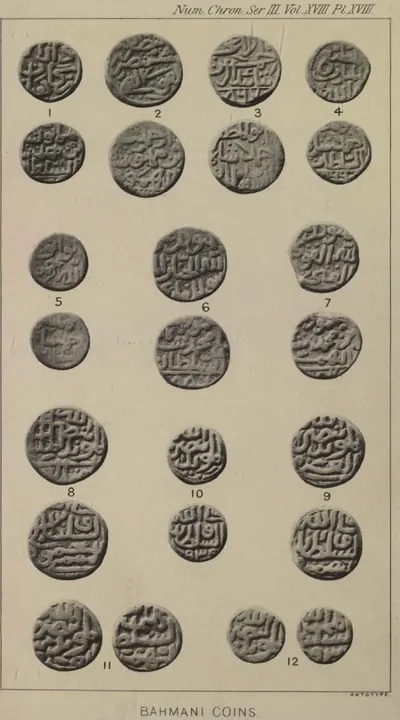 "Bahmani Coins": copper of the later Bahmani kings (O. Codrington, Numismatic Chronicle, 3rd series, Vol. XVIII (1898), Plate XVIII)నాణెం · 1898
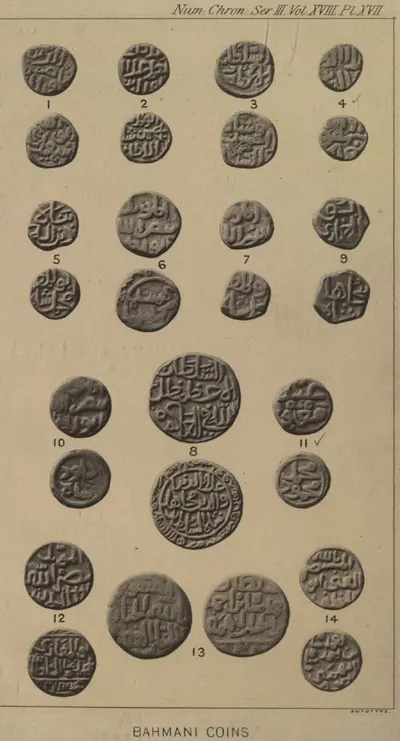 "Bahmani Coins": copper, silver and gold of the first ten Bahmani kings (O. Codrington, Numismatic Chronicle, 3rd series, Vol. XVIII (1898), Plate XVII)నాణెం · 1898
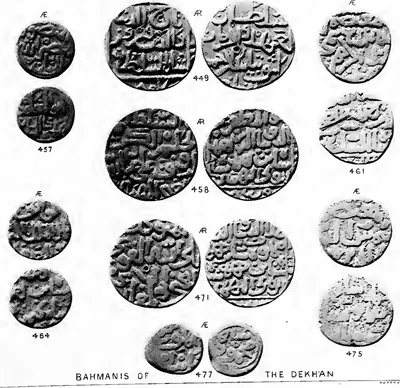 "Bahmanis of the Dekhan": coins of the Bahmani kings in the British Museum (Stanley Lane-Poole, The Coins of the Muhammadan States of India (1885), Plate XI, lower part)నాణెం · 1885
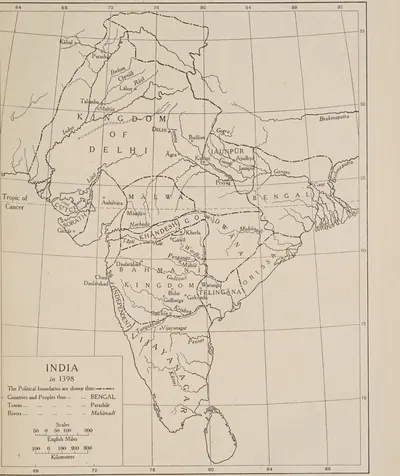 "India in 1398", showing Telingana between the Bahmani kingdom, Orissa and Vijayanagar (The Cambridge History of India, Vol. III, Map 4, between pp. 192 and 193, PDF p. 235 of the archive.org scan cambridgehistory03wols)పటం · 1928
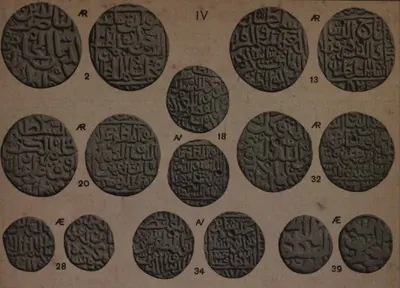 "IV. Bahmanis of Kulbarga": coins of the Bahmani kings in the Indian Museum, Calcutta (H. Nelson Wright, Catalogue of the Coins in the Indian Museum, Vol. II (1907), Plate VIII, upper part)నాణెం · 1907
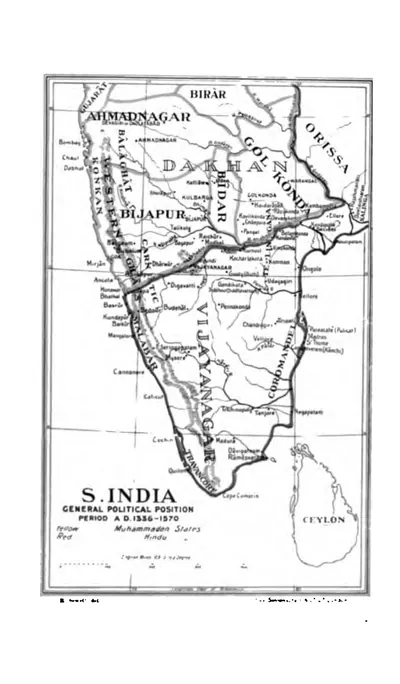 "S. India, General Political Position, Period A.D. 1336-1570" (Sewell 1900, to face p. 1 (PDF p. 38))పటం · 1900
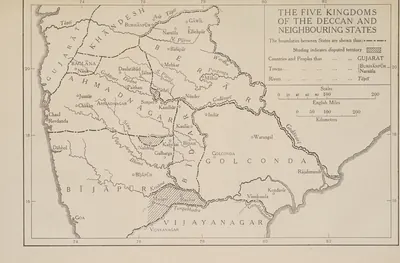 "The Five Kingdoms of the Deccan and Neighbouring States", with Golconda holding Telingana from Warangal to Rajahmundry and Kondavir (The Cambridge History of India, Vol. III (1928), Map 6)పటం · 1928
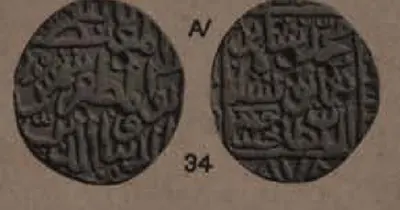 Gold coin of Muhammad Shah III Bahmani struck at Muhammadabad (Bidar), AH 878 (1473-74), obverse and reverse (Wright, Coins in the Indian Museum, Vol. II (1907), Plate VIII, No. 34)నాణెం · 1907
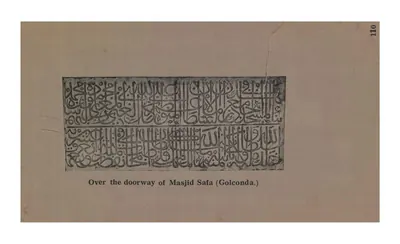 Inscription over the doorway of Masjid Safa, Golconda Fort (Bilgrami 1927, p. 110)శాసన ప్రతి · 1927
సంబంధిత
వ్యక్తులు
అల్లావుద్దీన్ హసన్ బహమన్ షా
క్రీ.శ. 1347–1358
ఢిల్లీ సుల్తానత్ అధికారి. ఆయన వరంగల్ పాలకుడి సాయంతో ముహమ్మద్ బిన్ తుగ్లక్కు వ్యతిరేకంగా దక్కన్ తిరుగుబాటుకు నాయకత్వం వహించాడు. 1347లో ఆయన గుల్బర్గాలో బహమనీ సుల్తానత్ను స్థాపించాడు. ఆయన వరంగల్ నుంచి కౌలాస్ను తీసుకుని, పశ్చిమ తెలంగాణను తన రాజ్యంలో ఒక రాష్ట్రంగా చేశాడు.
మొదటి ముహమ్మద్ షా (బహమనీ)
క్రీ.శ. 1358–1375
రెండవ బహమనీ సుల్తాన్ (1358–1375), స్థాపకుని కొడుకు. ఆయన ఆస్థానాన్ని, సైన్యాన్ని, నాలుగు రాష్ట్రాలను వ్యవస్థీకరించి, వంశపు సొంత బంగారు నాణేన్ని ముద్రించి, వరంగల్, విజయనగరాలతో మొదటి పెద్ద యుద్ధాలు చేశాడు. ఫెరిష్తా కథనంలో వరంగల్ పాలకుడు గోల్కొండను ఆయనకు అప్పగించి, రత్నాల సింహాసనం తఖ్త్-ఇ-ఫిరోజా లేదా ఫిరోజా సింహాసనాన్ని ఇచ్చాడు. బుర్హాన్-ఇ మాసిర్ తెలింగాణ యుద్ధాన్ని ఒకే ఒక్క వాక్యంలో చెబుతుంది.
ఫిరోజ్ షా (బహమనీ)
క్రీ.శ. 1397–1422
ఎనిమిదవ బహమనీ సుల్తాన్ (1397–1422), స్థాపకుని మనవడు. తొలి సంవత్సరాలలో పండితుడు, సహనశీలి అయిన ఈ రాజు తన పాలనలో చాలా భాగం విజయనగరంతో పోరాడాడు. ఆయన రాజమహేంద్రవరం వరకు తెలింగాణను జయించాడని బుర్హాన్-ఇ మాసిర్ చెబుతుంది. 1417లో ఆయన తెలింగాణ రాజా నుంచి కప్పం తీసుకున్నాడు. కానీ తర్వాత పానగల్పై రెండు సంవత్సరాల ముట్టడిని విజయనగరం, తెలింగాణ రాజా కలిసి ఓడించడంతో కోల్పోయాడు. 1422లో ఆయన తన సోదరుడు అహ్మద్కు సింహాసనం వదులుకుని, కొన్ని రోజుల తర్వాత చనిపోయాడు.
మొదటి అహ్మద్ షా (బహమనీ)
క్రీ.శ. 1422–1435
తొమ్మిదవ బహమనీ సుల్తాన్ (1422–1435). ఆయనను 'వలీ' (సాధువు) అని పిలిచారు. ఆయన తన సోదరుడు ఫిరోజ్ నుంచి సింహాసనం తీసుకుని విజయనగరాన్ని ఓడించాడు. 1424 లేదా 1425లో ఆయన వరంగల్ను తీసుకున్నాడు, అక్కడి రాజు చనిపోయాడు. ఆ తర్వాత దేవరకొండ, రాచకొండల వెలమ రాయలు ఆయనకు కప్పం కట్టారు. ఆయన రాజధానిని గుల్బర్గా నుంచి బీదర్కు మార్చాడు. ఆయన గుజరాత్, మాల్వాలతో యుద్ధం చేస్తున్నప్పుడు తిరగబడిన నాయకులను అణచడానికి మళ్లీ తెలంగాణకు దండెత్తవలసి వచ్చింది.
హుమాయూన్ షా (బహమనీ)
క్రీ.శ. 1458–1461
పదకొండవ బహమనీ సుల్తాన్ (1458–1461). ఆయనను జాలిమ్, 'క్రూరుడు' అని గుర్తుంచుకుంటారు. తెలంగాణలో ఆ రాష్ట్రంపై హక్కు కోరిన తన దాయాది సికందర్ ఖాన్ తిరుగుబాటును ఆయన అణచాడు. వెలమల దేవరకొండ కోటపైకి ఒక సైన్యాన్ని పంపాడు. 1459లో దాని రక్షకులు, ఒరిస్సా సహాయ సైన్యం ఆ సైన్యాన్ని చెల్లాచెదురు చేశారు. ఆయన వరంగల్లో విడిది చేసి, తెలంగాణను నిలుపుకోవడానికి మహమూద్ గవాన్ను వదిలి, బీదర్లోని తిరుగుబాటుపై క్రూరమైన ప్రతీకారం తీర్చుకోవడానికి తిరిగి వెళ్లాడు.
మూడవ ముహమ్మద్ షా (బహమనీ)
క్రీ.శ. 1463–1482
బాలుడిగా సింహాసనం ఎక్కిన బహమనీ సుల్తాన్ (1463–1482). ఆయన రాజమహేంద్రవరం, కొండపల్లి, కృష్ణా–గోదావరి తీరాన్ని బహమనీ పాలనలోకి తెచ్చి, తెలంగాణను స్థిరపరుస్తూ మూడు సంవత్సరాలు గడిపాడు. 1481లో ఒక నకిలీ లేఖ కారణంగా ఆయన తన గొప్ప మంత్రి మహమూద్ గవాన్ను చంపించాడు. రాజ్య విచ్ఛిన్నానికి ఆధారాలు ఈ చర్యనే నిందిస్తాయి.
మహమూద్ షా (బహమనీ)
క్రీ.శ. 1482–1518
పద్నాలుగవ బహమనీ సుల్తాన్ (1482–1518). ఆయన పన్నెండేళ్ల వయసులో సింహాసనం ఎక్కి, తన పాలనను తన మంత్రుల చేతిలో కీలుబొమ్మగా గడిపాడు. అదే సమయంలో పాలకులు రాజులయ్యారు. తెలంగాణ అందరికంటే ఎక్కువ కాలం విశ్వాసంతో ఉంది. ఆయన 1486లో వరంగల్ దగ్గర దండయాత్ర చేసి, 1490లలో ఆ రాష్ట్రాన్ని సుల్తాన్ కులీ కుతుబ్-ఉల్-ముల్క్కు ఇచ్చాడు. ఆయన పాలన కాలపు బహమనీ మసీదులు రాచకొండ (1484), గోల్కొండ (1518)లలో ఉన్నాయి. గోల్కొండ మసీదు ఇప్పటికీ ఆయనను సార్వభౌముడిగా పేర్కొంటుంది.
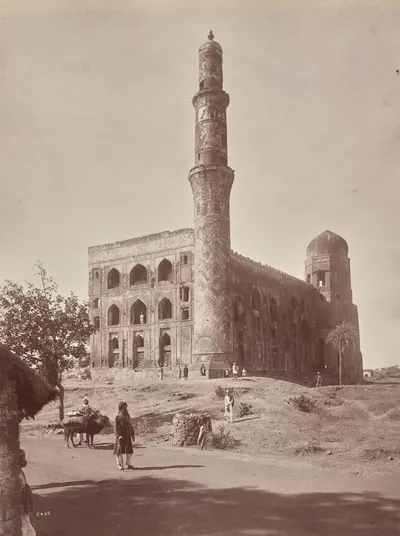
మహమూద్ గవాన్
క్రీ.శ. 1481 కి ముందు
బహమనీ సుల్తానుల ప్రధాన మంత్రి (దాదాపు 1461–1481) అయిన పర్షియన్ వ్యాపారి. ఆయన ఇద్దరు బాల రాజులకు సంరక్షక పాలకుడిగా ఉన్నాడు, తెలంగాణలో, పశ్చిమ తీరంలో పోరాడాడు, రాష్ట్రాలను, సైన్యాన్ని పునర్వ్యవస్థీకరించాడు, బీదర్లో ఒక గొప్ప విద్యాలయాన్ని స్థాపించాడు. 1481లో మూడవ ముహమ్మద్ షా నకిలీ రాజద్రోహ ఆరోపణపై ఆయనను చంపించాడు.
మాలిక్ హసన్ బహ్రీ (నిజాముల్ ముల్క్)
క్రీ.శ. 1486 కి ముందు
బ్రాహ్మణుడిగా పుట్టి ముస్లింగా పెరిగిన బహమనీ ప్రముఖుడు. నిజాం-ఉల్-ముల్క్గా ఆయన దాదాపు 1471లో మూడవ ముహమ్మద్ షా కోసం రాజమహేంద్రవరాన్ని, కొండపల్లి లేదా కొండవీడును తీసుకుని, తెలింగాణ మొత్తాన్ని పాలించాడు. మహమూద్ గవాన్ దానిని విభజించడంపై ఆయన అసంతృప్తి చెంది, 1481లో ఆ మంత్రిని చంపించిన కుట్రకు నాయకత్వం వహించాడు. తర్వాత 1486లో వరంగల్ దండయాత్ర తర్వాత చంపబడే వరకు మాలిక్ నాయిబ్గా రాజ్యాన్ని పాలించాడు. ఆయన కొడుకు అహ్మద్ అహ్మద్నగర్ నిజాం షాహీ రాజ్యాన్ని స్థాపించాడు.
శాసనాలు
రాచకొండ మసీదు శాసనం (1484)
క్రీ.శ. 1484
బహమనీ రాజు మహమూద్ షా పాలనలో, హిజ్రీ 889 (1484) నాటి అరబిక్ శాసనం. ముబారక్ కొడుకు మాలిక్ అన్-నిమత్ రాచకొండలో ఒక మసీదు కట్టించాడని అది నమోదు చేస్తుంది. దాన్ని అనువదించిన జి. యజ్దానీ మాలిక్ అన్-నిమత్ను బహమనీ గవర్నర్గా, మసీదును పూర్వం ఒక హిందూ ఆలయంగా భావించారు. అంతకు ముందు రాచకొండ మొదటి అహ్మద్ షాకు కప్పం కట్టిన రాజ్కొండ రాయల (నాయకుల) చేతిలో ఉండేది.
గోల్కొండ కోట జామా మసీదు శాసనం (1518)
క్రీ.శ. 1518
గోల్కొండ కోటలోని సామూహిక మసీదు (మసీదు సఫా) ద్వారం పైన హిజ్రీ 924 (1518) నాటి శాసనం. ముహమ్మద్ షా కుమారుడు, బహమనీ రాజు మహమూద్ షా పాలనలో సుల్తాన్ కులీ కుతుబ్-ఉల్-ముల్క్ ఆ మసీదును కట్టించాడని అది నమోదు చేస్తుంది. 1518 వరకు సుల్తాన్ కులీ బహమనీలకు విధేయంగా ఉన్నాడని, మహమూద్ షా మరణం తర్వాత మాత్రమే స్వతంత్రుడయ్యాడని వాదించడానికి సయ్యద్ అలీ అస్గర్ బిల్గ్రామీ దానిని వాడారు.
ఆధారసూచికలు
గమనికలు (0)
ఆధారాలు (22)
ఈ పేజీలో పొరపాటు కనిపించిందా? మాకు తెలియజేయండి
చివరి సవరణ: