రేచర్ల వెలమలు
కాకతీయుల పతనం తర్వాత ఎదిగిన, రేచర్ల వంశానికి, వెలమ (పద్మనాయక) సమాజానికి చెందిన తెలుగు యోధ నాయకుల కుటుంబం. సింగమ నాయకుని కుమారులు అనపోత, మాద సుమారు 1368లో ముసునూరి నాయకుడు కాపయ నాయకుని పడగొట్టారు. బహమనీలు, రెడ్లు, విజయనగరం, ఒడిశా గజపతుల మధ్య, రాచకొండ, దేవరకొండ కొండ కోటల నుండి వారు సుమారు ఒక శతాబ్దం తెలంగాణను పాలించారు. రాజు సింగభూపాలుడు సంస్కృత రసార్ణవసుధాకరం రాశాడు. సంప్రదాయం కవులు శ్రీనాథుని, పోతనను వారి ఆస్థానంతో ముడిపెడుతుంది.
పూర్తి చార్టు కోసం పక్కకు జరపండి; వివరాల కోసం ఏదైనా పట్టీని తాకండి.
ప్రతి పట్టీ ఒక ప్రాంతాన్ని పాలించిన శక్తి; కాలం ఎడమ నుంచి కుడికి. గీతల అంచు = సుమారు తేదీలు. వివరాల కోసం పట్టీని ఎంచుకోండి.
జాబితాగా చూపించు
కాకతీయులు క్రీ.శ. 1163–1323
- తెలంగాణ
- కాకతీయులు (సుమారు క్రీ.శ. 1163–1323)
- కోస్తా ఆంధ్ర
- తూర్పు గాంగులు (సుమారు క్రీ.శ. 537–1434) · కోన, పల్నాటి హైహయులు (సుమారు క్రీ.శ. 1073–1364) · ధరణికోట కోట వంశం (సుమారు క్రీ.శ. 1100–1276) · పొత్తపి, నెల్లూరు తెలుగు చోడులు (సుమారు క్రీ.శ. 1106–1316) · తంజావూరు చోళులు (సుమారు క్రీ.శ. 1135–1264) · కాకతీయులు (సుమారు క్రీ.శ. 1185–1323) · పాండ్యులు (సుమారు క్రీ.శ. 1260–1264)
- రాయలసీమ
- తంజావూరు చోళులు (సుమారు క్రీ.శ. 985–1268) · పాండ్యులు (క్రీ.శ. 1285–1293) · పొత్తపి, నెల్లూరు తెలుగు చోడులు (సుమారు క్రీ.శ. 1120–1268) · హొయసలులు (సుమారు క్రీ.శ. 1178–1342) · కాకతీయులు (సుమారు క్రీ.శ. 1250–1323)
నాయకులు, రెడ్డి రాజులు, బహమనీలు క్రీ.శ. 1323–1518
- తెలంగాణ
- ముసునూరి నాయకులు (సుమారు క్రీ.శ. 1336–1368) · గజపతులు (సుమారు క్రీ.శ. 1459–1461) · బీజాపూర్ ఆదిల్ షాహీలు (సుమారు క్రీ.శ. 1489–1686) · ఢిల్లీ సుల్తానులు (తుగ్లక్లు) (సుమారు క్రీ.శ. 1323–1336) · బహమనీ సుల్తానులు (సుమారు క్రీ.శ. 1347–1518) · రేచర్ల వెలమలు (సుమారు క్రీ.శ. 1361–1475) · షితాబ్ ఖాన్ (సీతాపతి) (సుమారు క్రీ.శ. 1504–1516)
- కోస్తా ఆంధ్ర
- తూర్పు గాంగులు (సుమారు క్రీ.శ. 537–1434) · గజపతులు (సుమారు క్రీ.శ. 1446–1571) · కోన, పల్నాటి హైహయులు (సుమారు క్రీ.శ. 1073–1364) · రాజమహేంద్రవరం రెడ్డి రాజులు (సుమారు క్రీ.శ. 1386–1448) · బహమనీ సుల్తానులు (సుమారు క్రీ.శ. 1471–1489) · ఢిల్లీ సుల్తానులు (తుగ్లక్లు) (సుమారు క్రీ.శ. 1323–1326) · విజయనగర సామ్రాజ్యం (సుమారు క్రీ.శ. 1350–1579) · కొండవీటి రెడ్డి రాజులు (సుమారు క్రీ.శ. 1325–1424) · ముసునూరి నాయకులు (సుమారు క్రీ.శ. 1325–1346)
- రాయలసీమ
- విజయనగర సామ్రాజ్యం (సుమారు క్రీ.శ. 1336–1646) · కొండవీటి రెడ్డి రాజులు (సుమారు క్రీ.శ. 1346–1386) · హొయసలులు (సుమారు క్రీ.శ. 1178–1342)
విజయనగరం, కుతుబ్ షాహీలు క్రీ.శ. 1336–1687
- తెలంగాణ
- ముసునూరి నాయకులు (సుమారు క్రీ.శ. 1336–1368) · గజపతులు (సుమారు క్రీ.శ. 1459–1461) · బీజాపూర్ ఆదిల్ షాహీలు (సుమారు క్రీ.శ. 1489–1686) · బహమనీ సుల్తానులు (సుమారు క్రీ.శ. 1347–1518) · రేచర్ల వెలమలు (సుమారు క్రీ.శ. 1361–1475) · కుతుబ్ షాహీలు (సుమారు క్రీ.శ. 1518–1687) · షితాబ్ ఖాన్ (సీతాపతి) (సుమారు క్రీ.శ. 1504–1516)
- కోస్తా ఆంధ్ర
- తూర్పు గాంగులు (సుమారు క్రీ.శ. 537–1434) · గజపతులు (సుమారు క్రీ.శ. 1446–1571) · కోన, పల్నాటి హైహయులు (సుమారు క్రీ.శ. 1073–1364) · రాజమహేంద్రవరం రెడ్డి రాజులు (సుమారు క్రీ.శ. 1386–1448) · బహమనీ సుల్తానులు (సుమారు క్రీ.శ. 1471–1489) · కుతుబ్ షాహీలు (సుమారు క్రీ.శ. 1524–1687) · విజయనగర సామ్రాజ్యం (సుమారు క్రీ.శ. 1350–1579) · కొండవీటి రెడ్డి రాజులు (సుమారు క్రీ.శ. 1325–1424) · ముసునూరి నాయకులు (సుమారు క్రీ.శ. 1325–1346)
- రాయలసీమ
- విజయనగర సామ్రాజ్యం (సుమారు క్రీ.శ. 1336–1646) · కొండవీటి రెడ్డి రాజులు (సుమారు క్రీ.శ. 1346–1386) · హొయసలులు (సుమారు క్రీ.శ. 1178–1342)
రాజ్యాలు, సామ్రాజ్యాలు
కాకతీయులు
పేజీ తెరవండి- తెలంగాణ: సుమారు క్రీ.శ. 1052–1162 (సుమారు 110 సంవత్సరాలు)
Partial: feudatory chiefs of Anumakonda (Hanamkonda) under the Chalukyas of Kalyani. Prola I received the Anumakonda district as a permanent fief from Someshvara I (record of 1053); Prola II's last record as a subordinate is of 1149; Rudradeva subdued the other Telangana chiefs c. 1157–62 (Parabrahma Sastry). Earlier members served the Rashtrakutas (Mangallu grant, c. 956) according to Parabrahma Sastry, a link rejected by Venkataramanayya and Somasekhara Sarma (1960).
- తెలంగాణ: సుమారు క్రీ.శ. 1163–1323 (సుమారు 160 సంవత్సరాలు)
Sovereign from Rudradeva's Anumakonda inscription of January 1163; capital moved to Orugallu (Warangal) under Ganapatideva. Warangal taken by Ulugh Khan in 1323 (Parabrahma Sastry, after Isami); Barani and the Imperial Gazetteer give 1321.
- కోస్తా ఆంధ్ర: సుమారు క్రీ.శ. 1185–1323 (సుమారు 138 సంవత్సరాలు)
Rudradeva subdued the Kotas of Dharanikota and the Kondapadumatis (Tripurantakam grant 1185); Ganapatideva annexed Divi (1203) and Velanadu (records from 1209; Jaya governor 1213) and held the coast from the Godavari to the Penna; Kakatiya records at Draksharama from 1212, but the Eastern Gangas held the region north of the Godavari c. 1230–33 and again c. 1262–78; the Telugu Chodas of Nellore were allies; Nellore was lost to the Pandyas c. 1263 and recovered under Prataparudra.
- రాయలసీమ: సుమారు క్రీ.శ. 1250–1323 (సుమారు 73 సంవత్సరాలు)
Through the Kayastha chiefs (Gangaya Sahini, bahattara-niyogadhipati c. 1250, capital Valluru in Cuddapah); Ambadeva independent c. 1272–1291, until Prataparudra's armies retook Tripurantakam (between 13 June and 11 August 1291) and the Kayastha lands within about eight years.
పాలకులు (11)
రాజధానులు
కట్టడాలు (16)
శాసనాలు (36)
- కాజీపేట దర్గా స్తంభ శాసనం
- మాటేడు శాసనం (వేమబోల మల్లెనాయకుడు)
- గూడూరు విరియాల శాసనాలు
- వేయి స్తంభాల గుడి శాసనం
- కరీంనగర్ శాసనం (మంత్రి గంగాధరుడు)
- వరంగల్ కోట శాసనం (రుద్రదేవుడు)
… మరో 30
- పిల్లలమర్రి శాసనం (రేచర్ల నామిరెడ్డి)
- కొండపర్తి శాసనం (మల్యాల చౌండ సేనాని)
- ఇనుగుర్తి స్తంభ శాసనం (నతవాడి రుద్రుడు)
- బయ్యారం చెరువు శాసనం (మైలమ)
- జాయప చేబ్రోలు శాసనం
- పాలంపేట శాసనం
- గణపవరం శాసనం (దేవపాలుడు)
- గణపతిదేవుని వరంగల్ సుంకాల శాసనం
- గణపేశ్వరం శాసనం
- ఉప్పరపల్లి స్తంభ శాసనం (కాటయ)
- మోటుపల్లి అభయ శాసనం
- పాకాల చెరువు శాసనం (జగదాళ ముమ్మడి)
- రాయపర్తి శాసన శకలం (శక 1169)
- కాంచీపురం ఏకామ్రనాథ దేవాలయంలో గణపతి శాసనం
- గణపతిదేవుని నాయనపల్లె శాసనం
- గంగయ సాహిణి దుర్గి శాసనం
- శార్ఙ్గధరుని శార్ఙ్గపురం శాసనం
- బొత్పూర్ చెరువు శాసనం (మల్యాల గుండ సేనాని)
- గణపతిదేవుని గరవపాడు శాసనం
- రుద్రమదేవి మల్కాపురం స్తంభ శాసనం
- కోటగిరి తామ్రశాసనం (విర్యాల సూరుడు)
- కొలనుపాక శాసనం (రుద్రమదేవి కాలం)
- చందుపట్ల శాసనం
- పానుగల్లు శాసనం (ఇమ్మడి మల్లికార్జున నాయకుడు)
- అంబదేవుని త్రిపురాంతకం శాసనం
- గోన విఠలుని రాయచూరు కోట శాసనం
- మేళ్లచెరువు శాసనం (ప్రతాపరుద్రుని కాలం)
- ప్రతాపరుద్రుని శ్రీరంగం శాసనం
- ధర్మసాగర్ శాసనం (మంత్రి మల్లుడు)
- హనుమకొండ శాసనం (మంత్రి గంగాధరుడు)
ఆధారాలు (7)
రాజ్యాలు, సామ్రాజ్యాలు
ముసునూరి నాయకులు
పేజీ తెరవండి- కోస్తా ఆంధ్ర: సుమారు క్రీ.శ. 1325–1346 (సుమారు 21 సంవత్సరాలు)
Prolaya Nayaka recovered the coast from Delhi in 1325-26 and ruled from Rekapalli on the Godavari (Vilasa grant, about 1330); latest dated Musunuri records on the coast are Kapaya's Guraja grant (February 1346) and his Ganapesvaram inscription (1346-47). Partial: the Reddis of Addanki and the Korukonda chiefs held parts of the coast as Kapaya's kinsmen and subordinates
- తెలంగాణ: సుమారు క్రీ.శ. 1336–1368 (సుమారు 32 సంవత్సరాలు)
Kapaya Nayaka took Warangal about 1336-37 (Ferishta: 1343-44) and ruled as "lord of the Andhra country" (Pillalamarri inscription, 1357); ceded Kaulas and then Golconda (1364-65) to the Bahmanis; overthrown by the Recherla chief Anapota about 1368 (Kapaya named in the Akkalapundi grant of 1368; Anapota ruling Orugallu in July 1369)
పాలకులు
రాజధానులు
శాసనాలు
ఆధారాలు (9)
రాజ్యాలు, సామ్రాజ్యాలు
గజపతులు
పేజీ తెరవండి- కోస్తా ఆంధ్ర: సుమారు క్రీ.శ. 1446–1571 (సుమారు 125 సంవత్సరాలు)
Kapilendra (Kapilesvara, r. 1434-35 to 1469-70) took the Reddi kingdom of Rajahmundry between 1444 and 1448 and held Kondavidu by 1454 through his kinsman Ganadeva; the Bahmanis took Rajahmundry and Kondapalli or Kondavidu in 1470-71 and Purushottama had recovered the Godavari-Krishna country and the Ongole taluk by 1489; the country south of the Krishna passed to Saluva Narasimha after 1470 and, with Udayagiri, Kondavidu and Kondapalli, to Krishnadeva Raya in 1513-16; Golconda took the Godavari-Krishna doab from about 1522 and Rajahmundry in 1571-72. The northern coast (Srikurmam, Simhachalam) stayed Gajapati throughout.
- తెలంగాణ: సుమారు క్రీ.శ. 1459–1461 (సుమారు 2 సంవత్సరాలు)
Brief: Orissan troops relieved Devarakonda from the Bahmanis in 1459, and Kapilendra's son Hamvira and nephew Raghudeva took Warangal on 2 February 1460 (two gateway inscriptions); in 1461-62 the Orissan army and the zemindars of Telangana marched on Bidar. How long Warangal was held is not recorded
- తెలంగాణ: సుమారు క్రీ.శ. 1497–1516 (సుమారు 19 సంవత్సరాలు)
Partial: the uplands of Khammam and the Kondapalli-Nelakondapalli country, held by Prataparudra until Krishnadeva Raya's campaigns (Banerji; Nizam's Archaeological Department)
పాలకులు
- కపిలేంద్రుడు (కపిలేశ్వరుడు) (సుమారు క్రీ.శ. 1434–1470)
- పురుషోత్తముడు (సుమారు క్రీ.శ. 1470–1497)
- ప్రతాపరుద్రుడు (సుమారు క్రీ.శ. 1497–1540)
- కాలువ దేవుడు (సుమారు క్రీ.శ. 1540–1541)
- కఖారువ దేవుడు (సుమారు క్రీ.శ. 1541)
శాసనాలు (8)
ఆధారాలు (10)
సుల్తానత్లు
బీజాపూర్ ఆదిల్ షాహీలు
పేజీ తెరవండి- తెలంగాణ: సుమారు క్రీ.శ. 1489–1686 (సుమారు 197 సంవత్సరాలు)
After the Bahmani break-up part of Mahbubnagar district went to Bijapur (the rest to Golconda) and stayed with it until Aurangzeb annexed Bijapur in 1686; the Raichur district article likewise passes Raichur (which then included the Alampur taluk and Gadwal) from the Bahmanis to the Adil Shahis.
- రాయలసీమ: సుమారు క్రీ.శ. 1568–1686 (సుమారు 118 సంవత్సరాలు)
Partial, the western uplands only. Adoni taken by Ali Adil Shah's general Ankus Khan in 1568 after a failed siege in 1535-37; Penukonda besieged in the 1570s (dates disputed) and taken in 1652 (Mackenzie MS); Kurnool taken from Gopala Raja early in the 17th century and governed by Abdul Wahab (d. 1618) and later deputies, Siddi Jauhar holding it as his jagir about 1660; the Bellary and Anantapur uplands held through governors and tributary poligars; Bijapur's rights there passed to Shivaji in 1677-80 (Francis); Bijapur fell to Aurangzeb on 12 September 1686, but Siddi Masud held Adoni until 1688 (Sarkar) or 1687 (Bellary gazetteer)
పాలకులు (9)
రాజధానులు
కట్టడాలు
ఆధారాలు (11)
సుల్తానత్లు
ఢిల్లీ సుల్తానులు (తుగ్లక్లు)
పేజీ తెరవండి- తెలంగాణ: సుమారు క్రీ.శ. 1323–1336 (సుమారు 13 సంవత్సరాలు)
Province of Tilang after Ulugh Khan (Muhammad bin Tughluq) took Warangal and renamed it Sultanpur (1321 by Barani's date for the campaign, 1323 in Haig and the editors of the Vilasa grant). Earlier Khalji campaigns (1303, 1309-10, 1318) ended in failure or tribute and are not drawn. Lost to a Hindu rising under Kanya Naik (Kapaya Nayaka) soon after the cholera of 1335 (Barani), about 1336-37 (modern historians) or in 1343-44 (Ferishta)
- కోస్తా ఆంధ్ర: సుమారు క్రీ.శ. 1323–1326 (సుమారు 3 సంవత్సరాలు)
Brief hold on the Godavari delta and the coast: mosque at Rajahmundry built in 1324 by Ulugh Khan's servant Salar Ulwi; the coast retaken by Prolaya Nayaka and his allies between 1325 and 1326
పాలకులు
- అల్లావుద్దీన్ ఖిల్జీ (క్రీ.శ. 1296–1316)
- కుతుబుద్దీన్ ముబారక్ షా (క్రీ.శ. 1316–1320)
- ఘియాసుద్దీన్ తుగ్లక్ (క్రీ.శ. 1320–1325)
- మహమ్మద్ బిన్ తుగ్లక్ (క్రీ.శ. 1325–1351)
ఆధారాలు (7)
సుల్తానత్లు
బహమనీ సుల్తానులు
పేజీ తెరవండి- తెలంగాణ: సుమారు క్రీ.శ. 1347–1518 (సుమారు 171 సంవత్సరాలు)
Western Telangana from 1347 (Kaulas taken or ceded; Bhongir taken late in Bahman Shah's reign, the province of Bidar reaching east to Bhongir); Golconda ceded under Muhammad Shah I (1362 Bilgrami; 1364-65 Haig, IG); Warangal taken in AH 828 (end of 1424 per Haig, 1422 per IG, 1425 per the Kistna Manual) and the rayas of Devarakonda and Rachakonda made tributary. Partial afterwards (Telugu chiefs regained districts under Ahmad I; Devarakonda relieved by Orissa 1459; Warangal held by the Gajapatis 1460 and by Shitab Khan from 1504). Governed for Mahmud Shah by Sultan Quli from 1495-96 until his independence (1512 per Haig; 1518 per Bilgrami, from the Golconda mosque inscription of AH 924)
- కోస్తా ఆంధ్ర: సుమారు క్రీ.శ. 1471–1489 (సుమారు 18 సంవత్సరాలు)
Rajahmundry and Kondapalli (Ferishta) or Kondavidu (Haig, Burhan-i Ma'asir) taken by Malik Hasan Bahri in AH 876 (1471-72), on the invitation of a claimant to the Orissan throne (the Godavari gazetteer says Purushottama ceded the two districts); Muhammad Shah III at Rajahmundry for nearly three years after his Orissa campaign of 1478, and raided Masulipatam and Kanchi in 1481; Telingana split into the provinces of Rajahmundry and Warangal; Rajahmundry still Bahmani in 1486; the Godavari-Krishna country recovered by the Gajapati Purushottama by 1489
పాలకులు (18)
- అల్లావుద్దీన్ హసన్ బహమన్ షా (క్రీ.శ. 1347–1358)
- మొదటి ముహమ్మద్ షా (క్రీ.శ. 1358–1375)
- ముజాహిద్ షా (క్రీ.శ. 1375–1378)
- దావూద్ షా (క్రీ.శ. 1378)
- రెండవ ముహమ్మద్ షా (క్రీ.శ. 1378–1397)
- ఘియాసుద్దీన్ (క్రీ.శ. 1397)
… మరో 12
- షంసుద్దీన్ దావూద్ (క్రీ.శ. 1397)
- ఫిరోజ్ షా (క్రీ.శ. 1397–1422)
- మొదటి అహ్మద్ షా (క్రీ.శ. 1422–1435)
- రెండవ అల్లావుద్దీన్ అహ్మద్ షా (క్రీ.శ. 1435–1458)
- హుమాయూన్ షా (క్రీ.శ. 1458–1461)
- నిజాం షా (క్రీ.శ. 1461–1463)
- మూడవ ముహమ్మద్ షా (క్రీ.శ. 1463–1482)
- మహమూద్ షా (క్రీ.శ. 1482–1518)
- అహ్మద్ షా (సుమారు క్రీ.శ. 1518–1521)
- అల్లావుద్దీన్ (సుమారు క్రీ.శ. 1521–1523)
- వలీఉల్లా షా (సుమారు క్రీ.శ. 1523–1525)
- కలీముల్లా షా (సుమారు క్రీ.శ. 1525–1527)
శాసనాలు
ఆధారాలు (12)
రాజ్యాలు, సామ్రాజ్యాలు
రేచర్ల వెలమలు
పేజీ తెరవండి- తెలంగాణ: సుమారు క్రీ.శ. 1361–1475 (సుమారు 114 సంవత్సరాలు)
Anapota at Rachakonda (Rajukonda) and Mada at Devarakonda after their victories of 1361 (family chronicle); Rachakonda fortified in August 1365; Warangal, Bhongir and Rachakonda ruled by July 1369 (Inavolu inscription). The rayas of Devarakonda and Rachakonda paid tribute to Ahmad Shah Bahmani after his capture of Warangal (end of 1424); Devarakonda routed a Bahmani army with Orissan help in 1459; last dated record of the Rachakonda line 1464. End about 1475 per the list of rulers in Epigraphia Telanganica; no source dates the annexation
పాలకులు (7)
- సింగమ నాయకుడు (సుమారు క్రీ.శ. 1336–1361)
- అనపోత నాయకుడు (రాచకొండ) (సుమారు క్రీ.శ. 1361–1384)
- మాదా నాయకుడు (దేవరకొండ) (సుమారు క్రీ.శ. 1361–1384)
- సింగభూపాలుడు (రాచకొండ) (సుమారు క్రీ.శ. 1384–1399)
- పెద వేదగిరి (దేవరకొండ) (సుమారు క్రీ.శ. 1384–1410)
- లింగమ నాయకుడు (దేవరకొండ) (సుమారు క్రీ.శ. 1427–1475)
… మరో 1
- సర్వజ్ఞ సింగమ నాయకుడు (రాచకొండ) (సుమారు క్రీ.శ. 1430–1475)
రాజధానులు
కట్టడాలు
శాసనాలు
ఆధారాలు (7)
సుల్తానత్లు
కుతుబ్ షాహీలు
పేజీ తెరవండి- తెలంగాణ: సుమారు క్రీ.శ. 1518–1687 (సుమారు 169 సంవత్సరాలు)
Sultan Quli governed Telingana for the Bahmanis from 1493-95 and declared independence in 1512 (Ferishta, Haig, IG Hyderabad) or 1518 (Bilgrami, from the Golconda mosque inscription of AH 924); he took the forts of the Telugu chiefs, among them Rachakonda, Devarakonda and, from Shitab Khan, Warangal and Khammam (1519-1525 per Bilgrami). Tributary to the Mughals from 1635-36 (khutba and coins in Shah Jahan's name; two lakhs of huns a year). Hyderabad taken by the Mughals in 1656 and 1685; Golconda surrendered on 21 September 1687 (Old Style) and was annexed
- కోస్తా ఆంధ్ర: సుమారు క్రీ.శ. 1524–1687 (సుమారు 163 సంవత్సరాలు)
Sultan Quli took Kondapalli and fixed the Godavari as his frontier with Orissa (Ellore ceded) some time before his 1530 campaign, and a 1524 record shows him granting villages near Kondapalli and Bezwada; the Godavari gazetteer and IG Madras date the Krishna-Godavari doab to c. 1540 or 'before 1543', and the IG Madras Kistna article to after 1565.
- రాయలసీమ: సుమారు క్రీ.శ. 1579–1687 (సుమారు 108 సంవత్సరాలు)
Partial; the sources disagree on when Golconda's hold began. IG Madras says Kurnool and Cuddapah were overrun soon after 1565. The Kurnool Manual dates the campaigns that took Gurramkonda (1579) and Gandikota, Nandyal and Musalimadugu (c. 1590). The Cuddapah gazetteer says Golconda only turned to Cuddapah in the early 17th century and never really conquered it. Chandragiri fell to Golconda in 1646.
పాలకులు (8)
రాజధానులు
కట్టడాలు (13)
శాసనాలు (7)
- సుల్తాన్ కులీ సమాధి శాసనం (1543)
- గోల్కొండ మక్కా దర్వాజా శాసనం (1559)
- హైదరాబాద్ జామా మసీదు శాసనం
- ముహమ్మద్ కులీ కుతుబ్ షా సమాధి శాసనం (1612)
- మా సాహెబా చెరువు శాసనాలు (1625)
- గోల్కొండ మూసా బురుజు శాసనం (1666–67)
… మరో 1
ఆధారాలు (23)
రాజ్యాలు, సామ్రాజ్యాలు
షితాబ్ ఖాన్ (సీతాపతి)
పేజీ తెరవండి- తెలంగాణ: సుమారు క్రీ.శ. 1504–1516 (సుమారు 12 సంవత్సరాలు)
Partial (Warangal, Khammam and other hill forts, with Bellamkonda south of the Krishna; probably Nalgonda). A former Bahmani officer, Shitab Khan or Sitapati, took Warangal fort from the Muslims on 21 January 1504 by his pillar inscription, and held it until Sultan Quli Qutb Shah defeated him and his Gajapati allies; the Kistna manual calls him apparently a vassal of Orissa. The end is uncertain: Sastri allows him six or seven years (to 1512), the Hyderabad archaeological report of 1925-26 dates the loss of Warangal to 1513-1516, the Kistna manual places the war after 1516, and Bilgrami gives 1519-1525
పాలకులు
రాజధానులు
కట్టడాలు
శాసనాలు
ఆధారాలు (6)
రాజ్యాలు, సామ్రాజ్యాలు
తూర్పు గాంగులు
పేజీ తెరవండి- కోస్తా ఆంధ్ర: సుమారు క్రీ.శ. 537–1434 (సుమారు 897 సంవత్సరాలు)
Partial: only the far north coast (the old Ganjam and Vizagapatam districts, now Srikakulam-Vizianagaram- Visakhapatnam), capital Kalinganagara (Mukhalingam). Earliest dated grant: Jirjingi, near Tekkali, Ganga year 39 (c. 537 on Mirashi's epoch of 498; Fleet put the early grants in the 7th century and Sewell used an epoch of 877-78; the Imperial Gazetteer, the 7th century). Later line in power from the end of the 9th century (Vizagapatam gazetteer): Vajrahasta III crowned 1038; Anantavarman Chodaganga 1078-1146, with records at Mukhalingam, Srikurmam, Simhachalam and Visakhapatnam. South of the Godavari only records and raids (Draksharama 1128-1274; Bendapudi). Ended 1434, when the minister Kapilesvara founded the Gajapati line
పాలకులు (15)
- మూడవ వజ్రహస్తుడు (క్రీ.శ. 1038–1070)
- మొదటి రాజరాజు (క్రీ.శ. 1070–1078)
- అనంతవర్మ చోడగంగ (సుమారు క్రీ.శ. 1078–1146)
- మధుకామార్ణవుడు (సుమారు క్రీ.శ. 1146–1152)
- రాఘవుడు (సుమారు క్రీ.శ. 1152–1166)
- రెండవ రాజరాజు (సుమారు క్రీ.శ. 1166–1192)
… మరో 9
- అనియంకభీముడు (సుమారు క్రీ.శ. 1192–1202)
- మూడవ అనంగభీముడు (సుమారు క్రీ.శ. 1219–1253)
- మొదటి నరసింహుడు (సుమారు క్రీ.శ. 1253–1256)
- మొదటి భానుదేవుడు (సుమారు క్రీ.శ. 1256–1275)
- రెండవ నరసింహుడు (సుమారు క్రీ.శ. 1275–1306)
- రెండవ భానుదేవుడు (సుమారు క్రీ.శ. 1306–1323)
- మూడవ నరసింహుడు (సుమారు క్రీ.శ. 1323–1346)
- మూడవ భానుదేవుడు (సుమారు క్రీ.శ. 1346–1378)
- నాల్గవ నరసింహుడు (సుమారు క్రీ.శ. 1378–1397)
రాజధానులు
కట్టడాలు
శాసనాలు (8)
ఆధారాలు (10)
రాజ్యాలు, సామ్రాజ్యాలు
కోన, పల్నాటి హైహయులు
పేజీ తెరవండి- కోస్తా ఆంధ్ర: సుమారు క్రీ.శ. 1073–1364 (సుమారు 291 సంవత్సరాలు)
Partial. Kona chiefs of Konamandala (the Godavari delta, Amalapuram taluk), with records at Draksharama and Palakol from Saka 995 (1073) to 1364–65, dependent on the Chola–Chalukya kings and the Velanati Chodas, later on the Kakatiyas; Haihaya chiefs of the Chagi family in the Palnadu (Macherla 1111, Gurazala 1129) as feudatories of the Chalukyas of Kalyani; the Palnadu war of the ballads is undated (proposals 1080–1386).
పాలకులు
- కోన రాజేంద్ర చోడుడు (క్రీ.శ. 1128)
- రెండవ ముమ్మడి భీముడు, మొదటి సత్యుడు (క్రీ.శ. 1135)
- మూడవ భీముడు (సుమారు క్రీ.శ. 1153–1168)
- మల్లిదేవుడు, రెండవ మన్మసత్యుడు (సుమారు క్రీ.శ. 1155–1207)
- కోన గణపతిదేవుడు (సుమారు క్రీ.శ. 1262–1300)
- భీమవల్లభుడు (క్రీ.శ. 1318)
శాసనాలు
ఆధారాలు (5)
రాజ్యాలు, సామ్రాజ్యాలు
రాజమహేంద్రవరం రెడ్డి రాజులు
పేజీ తెరవండి- కోస్తా ఆంధ్ర: సుమారు క్రీ.శ. 1386–1448 (సుమారు 62 సంవత్సరాలు)
Partial: the Godavari delta and the coast north to Simhachalam, capital Rajahmundry. Kataya Vema, minister of Kumaragiri, received "the eastern country" by 1386 (Ramayya; Sewell c. 1380); after his death (c. 1414-16) Allada Reddi, then Allada's sons Allaya Vema and Virabhadra (records 1423-1437, a record of 1444). Godavari gazetteer: family in the Draksharama inscriptions until 1447; a Gajapati record of 1448 at Penugonda marks the end (Somasekhara Sarma); Kapilesvara's minister ruling at Rajahmundry in 1458
పాలకులు
- కాటయ వేముడు (సుమారు క్రీ.శ. 1386–1415)
- అల్లాడ రెడ్డి (సుమారు క్రీ.శ. 1416–1420)
- అల్లయ వేముడు, వీరభద్రుడు (సుమారు క్రీ.శ. 1423–1448)
రాజధానులు
శాసనాలు
ఆధారాలు (6)
రాజ్యాలు, సామ్రాజ్యాలు
ధరణికోట కోట వంశం
పేజీ తెరవండి- కోస్తా ఆంధ్ర: సుమారు క్రీ.శ. 1100–1276 (సుమారు 176 సంవత్సరాలు)
Partial (the Six-thousand country, Konnatavadi, south of the Krishna about Amaravati–Dharanikota and the Sattenapalle taluk). Line from Bhima I (c. 1100, Sewell); Keta II from about 1182; subdued by the Kakatiya Rudradeva about 1185 and thereafter Kakatiya subordinates and relatives by marriage (Ganapamba, widow of Kota Beta, ruled in the 1250s); last record of a Kota Rudra 1275–76.
పాలకులు
- రెండవ కేతరాజు (సుమారు క్రీ.శ. 1182–1209)
- మన్మకేత (మూడవ కేతరాజు) (సుమారు క్రీ.శ. 1234–1240)
- బేతరాజు (సుమారు క్రీ.శ. 1250–1251)
- గణపాంబ (సుమారు క్రీ.శ. 1251–1257)
- నాల్గవ భీముడు (క్రీ.శ. 1265)
రాజధానులు
శాసనాలు
ఆధారాలు (5)
రాజ్యాలు, సామ్రాజ్యాలు
విజయనగర సామ్రాజ్యం
పేజీ తెరవండి- రాయలసీమ: సుమారు క్రీ.శ. 1336–1646 (సుమారు 310 సంవత్సరాలు)
Founded c. 1335-36; Bukka I held Penukonda and Gooty (records of 1352 and a Gooty rock inscription) and his minister built the Bukkarayasamudram tank near Anantapur in 1364; Cuddapah in the 14th century; Kurnool wholly annexed under Krishnadeva Raya. After Talikota (1565) the kings ruled from Penukonda, which held out against Bijapur in 1577 and Golconda in 1589; the country north of Penukonda was lost after Sriranga I's capture (c. 1579-80); Venkatapati II moved to Chandragiri c. 1592; Golconda held the Cuddapah district and took Chandragiri (Chittoor) in 1646. Bijapur and Golconda took most of the region piecemeal after 1565
- కోస్తా ఆంధ్ర: సుమారు క్రీ.శ. 1350–1579 (సుమారు 229 సంవత్సరాలు)
Vijayanagara officers kept Guntur (Kondavidu, Vinukonda, Bellamkonda) and the governor of Udayagiri kept Nellore after Talikota; Golconda took Kondavidu in April 1579 (Kistna Manual) or 1580 (a Guntur record of 1592 cited by Sewell), though Sewell thinks Guntur was already under Muslim rule by 1576 and the Nellore Manual says the Muslims held Nellore from 1565.
- తెలంగాణ: సుమారు క్రీ.శ. 1563–1565 (సుమారు 2 సంవత్సరాలు)
To end the confederate invasion of Golconda, Ibrahim Qutb Shah let Rama Raja keep the forts of Ghanpur and Panagal (Mahbubnagar) until Talikota; Ferishta places this after the Kalyani campaign of the early 1560s, the Kistna Manual dates it to 1557.
పాలకులు (24)
- మొదటి హరిహరరాయలు (సుమారు క్రీ.శ. 1336–1355)
- మొదటి బుక్కరాయలు (క్రీ.శ. 1355–1377)
- రెండవ హరిహరరాయలు (క్రీ.శ. 1377–1404)
- రెండవ బుక్కరాయలు (క్రీ.శ. 1404–1406)
- మొదటి దేవరాయలు (క్రీ.శ. 1406–1422)
- విజయరాయలు (మూడవ బుక్కరాయలు) (క్రీ.శ. 1422)
… మరో 18
- రెండవ దేవరాయలు (క్రీ.శ. 1422–1446)
- మల్లికార్జునరాయలు (క్రీ.శ. 1446–1465)
- విరూపాక్షరాయలు (క్రీ.శ. 1465–1485)
- సాళువ నరసింహరాయలు (క్రీ.శ. 1485–1492)
- ఇమ్మడి నరసింహరాయలు (క్రీ.శ. 1492–1505)
- నరస నాయకుడు (సుమారు క్రీ.శ. 1505)
- వీర నరసింహరాయలు (క్రీ.శ. 1505–1509)
- శ్రీకృష్ణదేవరాయలు (క్రీ.శ. 1509–1529)
- అచ్యుతదేవరాయలు (క్రీ.శ. 1529–1542)
- మొదటి వేంకటరాయలు (క్రీ.శ. 1542)
- సదాశివరాయలు (సుమారు క్రీ.శ. 1542–1569)
- తిరుమలదేవరాయలు (సుమారు క్రీ.శ. 1569–1572)
- మొదటి శ్రీరంగరాయలు (క్రీ.శ. 1572–1586)
- రెండవ వేంకటపతిరాయలు (క్రీ.శ. 1586–1614)
- రెండవ శ్రీరంగరాయలు (క్రీ.శ. 1614)
- రామదేవరాయలు (క్రీ.శ. 1614–1630)
- పెద్ద వేంకటరాయలు (క్రీ.శ. 1630–1642)
- మూడవ శ్రీరంగరాయలు (సుమారు క్రీ.శ. 1642–1670)
కట్టడాలు (7)
- పెనుకొండ కోట, గగన్ మహల్
- శ్రీకాళహస్తీశ్వర ఆలయం, శ్రీకాళహస్తి
- వీరభద్ర ఆలయం, లేపాక్షి
- చంద్రగిరి కోట, రాజమహల్
- గుత్తి కోట
- నరసింహ ఆలయాలు, అహోబిలం
… మరో 1
శాసనాలు (14)
- పెనుకొండ కోట శాసనం (1354)
- మొదటి బుక్కరాయల గుత్తి శిలాశాసనం
- రెండవ సంగముని బిట్రగుంట దానశాసనం (1356)
- బుక్కరాయసముద్రం చెరువు శాసనం (1364)
- కృష్ణదేవరాయలు, ఆయన రాణుల తిరుమల శాసనాలు (1513–1514)
- కృష్ణదేవరాయల అమరావతి శాసనం (1515)
… మరో 8
- మంగళగిరి, కాజ స్తంభ శాసనాలు (1515–1518)
- కృష్ణదేవరాయల సింహాచలం శాసనాలు (1516–1519)
- కృష్ణదేవరాయల శ్రీకాళహస్తి శాసనం (1516)
- నాదెండ్ల గోపన కొండవీడు స్తంభ శాసనం (1520)
- అచ్యుతరాయల కాలపు లేపాక్షి ఆలయ శాసనాలు (1533–1538)
- సదాశివరాయల కనుమ దానశాసనం (1548)
- చెన్నప్ప నాయుని పెనుకొండ శాసనం (1577)
- మొదటి శ్రీరంగరాయల అహోబిలం శాసనం (1584)
ఆధారాలు (20)
రాజ్యాలు, సామ్రాజ్యాలు
పొత్తపి, నెల్లూరు తెలుగు చోడులు
పేజీ తెరవండి- కోస్తా ఆంధ్ర: సుమారు క్రీ.శ. 1106–1316 (సుమారు 210 సంవత్సరాలు)
Konidena branch in the Guntur country from 1106 to about 1150; the main line at Nellore (Vikramasimhapura) from Tammusiddhi's anointment in 1205-06, under the Cholas and then the Kakatiyas, who restored Manumasiddhi II; held Kanchi under Tikka I (1209/1223-1248/1250) and Manmasiddhi III. Last date 1316 (Sewell); the Nellore gazetteer finds no Telugu Choda record in Nellore after 1305.
- రాయలసీమ: సుమారు క్రీ.శ. 1120–1268 (సుమారు 148 సంవత్సరాలు)
Pottapinadu (Pullampet country of Cuddapah), seat of the Madhurantaka Pottapi-Cholas under the Chola emperors: Betta 1120-21, Vimaladitya c. 1125; Pottapi remained their seat until Tikka I moved to Nellore; Manumasiddhi II recorded at Pottapi 1258-59; the country passed to the Kayastha Ambadeva after 1268.
పాలకులు
- తమ్ముసిద్ధి (సుమారు క్రీ.శ. 1205–1209)
- మొదటి తిక్క (సుమారు క్రీ.శ. 1209–1248)
- రెండవ మనుమసిద్ధి (సుమారు క్రీ.శ. 1248–1290)
- మూడవ మన్మసిద్ధి (సుమారు క్రీ.శ. 1290–1316)
రాజధానులు
శాసనాలు
ఆధారాలు (5)
రాజ్యాలు, సామ్రాజ్యాలు
కొండవీటి రెడ్డి రాజులు
పేజీ తెరవండి- కోస్తా ఆంధ్ర: సుమారు క్రీ.శ. 1325–1424 (సుమారు 99 సంవత్సరాలు)
Capital Addanki, then (from Anavema, after 1361) Kondavidu. Coast south of the Krishna and at times the Godavari delta (Anavema's grants at Vanapalli, Nadupuru, Palivela, Draksharama 1374-81). Start: Mallavaram record of 1325 (Somasekhara Sarma); the Kistna manual says 1328, the Godavari gazetteer has the earliest record in 1344. End disputed: Vijayanagara conquest by 1424 (Somasekhara Sarma), Racha Vema killed 1428 (Kistna manual), overthrown 1427 (Sewell 1884), a Gajapati conquest c. 1420 (village chronicles). From c. 1386 the Godavari country belonged to the separate Rajahmundry kingdom
- రాయలసీమ: సుమారు క్రీ.శ. 1346–1386 (సుమారు 40 సంవత్సరాలు)
Partial: the Srisailam plateau and the Markapur taluk (records at Tripurantakam, 1346 and 1347; Anavema's Viramantapa at Srisailam, 1378); Prolaya Vema's steps at Srisailam and Ahobilam
పాలకులు
రాజధానులు
కట్టడాలు
శాసనాలు (8)
ఆధారాలు (8)
రాజ్యాలు, సామ్రాజ్యాలు
తంజావూరు చోళులు
పేజీ తెరవండి- రాయలసీమ: సుమారు క్రీ.శ. 985–1268 (సుమారు 283 సంవత్సరాలు)
Rajaraja I (from 982/985) claims Nulambapadi and had the Vaidumbas of Cuddapah as feudatories. Chola inscriptions in Kurnool are dated 1108 and 1123. The east of Cuddapah (Pottapi-nadu) stayed under Chola suzerainty through the Telugu Chodas until Rajendra III's death in 1268. IG Madras has Cuddapah Chola from the 11th to the 13th century.
- కోస్తా ఆంధ్ర: సుమారు క్రీ.శ. 999–1135 (సుమారు 136 సంవత్సరాలు)
Overlords of the Eastern Chalukya kings from 999; Kulottunga I's sons ruled Vengi as viceroys 1077-1118; Vengi was lost to the Western Chalukyas after Vikrama-Chola left in 1118, and his records reappear at Chebrolu (1127) and Nidubrolu (1135). Nellore stayed under Chola suzerainty into the 13th century (IG Madras)
- కోస్తా ఆంధ్ర: సుమారు క్రీ.శ. 1135–1264 (సుమారు 129 సంవత్సరాలు)
Partial (Nellore). After Vengi was lost, Nellore stayed under the Cholas until their 13th-century decline: Rajaraja III is recognised there in 1237 and Rajendra III in 1253, with the Telugu Choda chiefs ruling locally as their vassals. A Tamil record at Punjulurupadu, in the Gudur country, is still dated in the 20th year of Rajendra III, Saka 1185 (1263-64).
పాలకులు (14)
- మొదటి రాజరాజు (క్రీ.శ. 985–1016)
- మొదటి రాజేంద్రుడు (క్రీ.శ. 1012–1043)
- మొదటి రాజాధిరాజు (క్రీ.శ. 1018–1052)
- రాజేంద్రదేవుడు (క్రీ.శ. 1052–1063)
- వీరరాజేంద్రుడు (క్రీ.శ. 1063–1070)
- అధిరాజేంద్రుడు (క్రీ.శ. 1070)
… మరో 8
- మొదటి కులోత్తుంగుడు (క్రీ.శ. 1070–1118)
- విక్రమ చోళుడు (క్రీ.శ. 1118–1133)
- రెండవ కులోత్తుంగుడు (క్రీ.శ. 1133–1146)
- రెండవ రాజరాజు (క్రీ.శ. 1146–1163)
- రెండవ రాజాధిరాజు (క్రీ.శ. 1163–1178)
- మూడవ కులోత్తుంగుడు (క్రీ.శ. 1178–1216)
- మూడవ రాజరాజు (క్రీ.శ. 1216–1246)
- మూడవ రాజేంద్రుడు (క్రీ.శ. 1246–1267)
రాజధానులు
శాసనాలు (10)
ఆధారాలు (9)
రాజ్యాలు, సామ్రాజ్యాలు
పాండ్యులు
పేజీ తెరవండి- కోస్తా ఆంధ్ర: సుమారు క్రీ.శ. 1260–1264 (సుమారు 4 సంవత్సరాలు)
Partial (Nellore). Jatavarman Sundara Pandya I beat the Telugus at Mudugur, drove them to the Krishna and was crowned at Nellore (Aiyangar, from his records); Sewell dates the march to 1260, Parabrahma Sastry the battle to 1263. Aiyangar says the conquest was not permanent and the Nellore gazetteer says Ganapati recovered Nellore almost at once, so the span is short. A later Jatavarman Sundara Pandya, crowned at Nellore after 1276 (Nellore gazetteer), endowed a hall in the Ranganayaka temple there; no source gives the length of this second hold, so it has no span.
- రాయలసీమ: క్రీ.శ. 1285–1293 (8 సంవత్సరాలు)
Partial (Nandalur, east Cuddapah). Jatavarman Sundara Pandya II has dated records at Nandalur in 1285, 1286 and 1293, six in all from 1286-1293, as Pandya power spread north after the Chola collapse.
పాలకులు
- మొదటి జటావర్మ సుందర పాండ్యుడు (సుమారు క్రీ.శ. 1251–1268)
- మొదటి మారవర్మ కులశేఖరుడు (క్రీ.శ. 1268–1311)
- జటావర్మ సుందర పాండ్యుడు (నెల్లూరులో పట్టాభిషిక్తుడు) (సుమారు క్రీ.శ. 1276–1293)
శాసనాలు
ఆధారాలు (5)
రాజ్యాలు, సామ్రాజ్యాలు
హొయసలులు
పేజీ తెరవండి- రాయలసీమ: సుమారు క్రీ.శ. 1178–1342 (సుమారు 164 సంవత్సరాలు)
Partial (south and west Anantapur: Hemavati, Madakasira, Penukonda, Gooty claim; Rayachoti taluk in the later 13th century). A record at Parigi (Hindupur taluk) of Saka 1100 (1178) shows Ballala II ruling at Dorasamudra; he took Nolambavadi, and his inscription of 1205-06 is at Hemavati. A record at Kodigepalle of 1328 shows Ballala III's minister ruling at Penugonda. Ballala III's inscriptions in Anantapur district run from 1317 through 1320 and 1323 to 1340. He was killed fighting the Sultan of Madurai on 8 September 1342.
పాలకులు
- రెండవ బల్లాలుడు (క్రీ.శ. 1173–1220)
- రెండవ నరసింహుడు (క్రీ.శ. 1220–1235)
- సోమేశ్వరుడు (క్రీ.శ. 1233–1254)
- మూడవ నరసింహుడు (క్రీ.శ. 1254–1291)
- మూడవ బల్లాలుడు (క్రీ.శ. 1291–1342)
- నాల్గవ బల్లాలుడు (విరూపాక్ష) (క్రీ.శ. 1342–1343)
రాజధానులు
ఆధారాలు (6)
పాలనాకాలాలు
ప్రతి పట్టీ ఒక రాజు పాలనాకాలం; కాలం ఎడమ నుంచి కుడికి. c. = సుమారు తేదీ.
- సింగమ నాయకుడుసుమారు క్రీ.శ. 1336–1361 · సుమారు 25 సం.
- అనపోత నాయకుడు (రాచకొండ)సుమారు క్రీ.శ. 1361–1384 · సుమారు 23 సం.
- మాదా నాయకుడు (దేవరకొండ)సుమారు క్రీ.శ. 1361–1384 · సుమారు 23 సం.
- సింగభూపాలుడు (రాచకొండ)సుమారు క్రీ.శ. 1384–1399 · సుమారు 15 సం.
- పెద వేదగిరి (దేవరకొండ)సుమారు క్రీ.శ. 1384–1410 · సుమారు 26 సం.
- లింగమ నాయకుడు (దేవరకొండ)సుమారు క్రీ.శ. 1427–1475 · సుమారు 48 సం.
- సర్వజ్ఞ సింగమ నాయకుడు (రాచకొండ)సుమారు క్రీ.శ. 1430–1475 · సుమారు 45 సం.
ఏ రాజు పట్టాభిషేక తేదీ శాసనాల్లో లేదు. సింగమ నాయకుని కాలం 1336–37 తిరుగుబాటు నుండి వంశచరిత్ర ప్రకారం 1361లో జల్లిపల్లి వద్ద అతని మరణం వరకు. ఇతర రాజుల కాలాలు 'ఎపిగ్రాఫియా తెలంగాణికా' (2023) జాబితాను, సింగభూపాలుని కాలం 1964 జనగణన సర్వేను అనుసరిస్తాయి.
వంశవృక్షం
పాలకులు, వారసత్వాన్ని వివరించే బంధువులు. ప్రతి గీత ఒక వ్యక్తి పుటలోని ఆధారసహిత వాక్యంపై ఆధారపడింది; ఆధారాలు వృక్షం కింద ఉన్నాయి. ఆ పుటను తెరవడానికి కార్డును ఎంచుకోండి.
- తల్లిదండ్రులు, సంతానం
- వివాహం
- దత్తత
- ఆధారాలు విభేదిస్తున్నాయి (కింద చూడండి)
- సోదరుడు లేదా సోదరి
- వారసత్వ క్రమం
తరం 1
- వెన్నయశాసనాల్లో పేర్కొన్న తొలి పూర్వీకుడు
తరం 2
- పోచమాంబభార్య: దాచయ
- దాచయఎఱ్ఱ దాచ; ప్రతాపరుద్రుని తరఫున పాండ్యులతో పోరాడాడుకుమారుడు: వెన్నయభర్త: పోచమాంబ
తరం 3
- సింగమాంబభార్య: సింగమ నాయకుడు
- 1సింగమ నాయకుడుసుమారు క్రీ.శ. 1336–1361కుమారుడు: దాచయ మరియు పోచమాంబభర్త: సింగమాంబ
- వెచ్చమఒక ప్రతిలో అన్నమకుమారుడు: దాచయ మరియు పోచమాంబ
- రేచమఇతర పాఠాల్లో ఏచమ, యాచకుమారుడు: దాచయ మరియు పోచమాంబ
తరం 4
- అన్నమాంబభార్య: అనపోత నాయకుడు (రాచకొండ)
- 2అనపోత నాయకుడు (రాచకొండ)సుమారు క్రీ.శ. 1361–1384కుమారుడు: సింగమ నాయకుడు మరియు సింగమాంబభర్త: అన్నమాంబ
- తిప్పాంబభార్య: మాదా నాయకుడు (దేవరకొండ)
- 3మాదా నాయకుడు (దేవరకొండ)సుమారు క్రీ.శ. 1361–1384కుమారుడు: సింగమ నాయకుడు మరియు సింగమాంబభర్త: తిప్పాంబ
- వెన్నమ1380 రాయవరం శాసనంలో మాత్రమేకుమారుడు: సింగమ నాయకుడు మరియు సింగమాంబ
- నాగయ నాయకుడుకఠారిరాయ; నాగానాయనికొండ కోటకుమారుడు: రేచమ
తరం 5
- దేవగిరీశ్వరుడుఅనపోతుని పెద్ద కుమారుడుకుమారుడు: అనపోత నాయకుడు (రాచకొండ) మరియు అన్నమాంబ
- 4సింగభూపాలుడు (రాచకొండ)సుమారు క్రీ.శ. 1384–1399కుమారుడు: అనపోత నాయకుడు (రాచకొండ) మరియు అన్నమాంబ
- వెన్నకందికొండ (స్కందాద్రి) పాలకుడుకుమారుడు: మాదా నాయకుడు (దేవరకొండ) మరియు తిప్పాంబ
- మల్లాంబకోటలగొంగ వంశంభార్య: పెద వేదగిరి (దేవరకొండ)
- 5పెద వేదగిరి (దేవరకొండ)సుమారు క్రీ.శ. 1384–1410కుమారుడు: మాదా నాయకుడు (దేవరకొండ)భర్త: మల్లాంబ
తరం 6
- నాగాంబనాగసముద్రం తవ్వించింది (1429)భార్య: రావు మాధవుడు
- రావు మాధవుడురాఘవీయ వ్యాఖ్యాత (1427)కుమారుడు: సింగభూపాలుడు (రాచకొండ)భర్త: నాగాంబ
- రెండవ మాధవుడుఖడ్గనారాయణకుమారుడు: పెద వేదగిరి (దేవరకొండ) మరియు మల్లాంబ
తరం 7
- రెండవ వేదగిరికుమారుడు: రెండవ మాధవుడు
తరం 8
- గౌరీదేవిగౌరసముద్రం తవ్వించిందిభార్య: లింగమ నాయకుడు (దేవరకొండ)
- 6లింగమ నాయకుడు (దేవరకొండ)సుమారు క్రీ.శ. 1427–1475కుమారుడు: రెండవ వేదగిరిభర్త: గౌరీదేవి
- అమ్మలాంబకుమార్తె: రెండవ వేదగిరి
తరం 9
- పర్వతకుమారుడు: లింగమ నాయకుడు (దేవరకొండ) మరియు గౌరీదేవి
ఆధారాలు విభేదించే చోట్లు
రెండవ వేదగిరికి కుమారుడా, తమ్ముడా?
రెండవ వేదగిరి కుమారుడు (సారికొండ శాసనం)
- According to the Sarikonda inscription of 1427, Lingama-nayaka and his sister Ammalamba were the children of Vedagiri II. →
- Epigraphia Telanganica, vol. 4 (2023), pp. 33–34, No. 17. Cite-only; paraphrased.
- Epigraphia Telanganica, vol. 4 (2023), p. 34, No. 17, genealogy. Cite-only; paraphrased.
రెండవ వేదగిరి సోదరుడు (చారికొండ శాసనం; వంశచరిత్ర)
- The Charikonda inscription of 1427 names Lingama as the brother of Vedagiri II, not his son. →
- Epigraphia Telanganica, vol. 4 (2023), p. 35, No. 19. Cite-only; paraphrased.
- The family chronicle printed in 1910 also makes Lingama a brother of Vedagiri. →
- Vellala Sadasiva Sastri, Velugotivari Vamsacaritramu (1910), pp. 54–55 (archive.org (opens in a new tab)). Telugu; paraphrased.
వృక్షంలోని ప్రతి గీతకు ఆధారాలు
- వెన్నయ → దాచయ (తల్లిదండ్రులు, సంతానం)
- According to the Inavolu inscription of 1369, Singama-nayaka was the son of Dacaya and the grandson of Vennaya. →
- P. Sreenivasachar (ed.), A Corpus of Inscriptions in the Telingana Districts of Andhra Pradesh, Part III (1956), p. 119, No. Wg. 1 (archive.org (opens in a new tab)). Paraphrased.
- According to the Inavolu inscription of 1369, Singama-nayaka was the son of Dacaya and the grandson of Vennaya. →
- దాచయ · పోచమాంబ (వివాహం)
- Its printed text calls Dacaya's wife Vochamamba. →
- Singabhupala, The Rasarnavasudhakara, ed. T. Ganapati Sastri (Trivandrum Sanskrit Series No. L, 1916), p. 2, verses 8–12 (archive.org (opens in a new tab)). Translation and paraphrase ours.
- It names three sons of Dacaya: Singa, a Veccama-nayaka and a Recama-mahipati. →
- Singabhupala, The Rasarnavasudhakara, ed. T. Ganapati Sastri (Trivandrum Sanskrit Series No. L, 1916), p. 2, verses 8–12 (archive.org (opens in a new tab)). Translation and paraphrase ours.
- Its printed text calls Dacaya's wife Vochamamba. →
- దాచయ మరియు పోచమాంబ → సింగమ నాయకుడు, వెచ్చమ మరియు రేచమ (తల్లిదండ్రులు, సంతానం)
- According to the Inavolu inscription of 1369, Singama-nayaka was the son of Dacaya and the grandson of Vennaya. →
- P. Sreenivasachar (ed.), A Corpus of Inscriptions in the Telingana Districts of Andhra Pradesh, Part III (1956), p. 119, No. Wg. 1 (archive.org (opens in a new tab)). Paraphrased.
- Its printed text calls Dacaya's wife Vochamamba. →
- Singabhupala, The Rasarnavasudhakara, ed. T. Ganapati Sastri (Trivandrum Sanskrit Series No. L, 1916), p. 2, verses 8–12 (archive.org (opens in a new tab)). Translation and paraphrase ours.
- It names three sons of Dacaya: Singa, a Veccama-nayaka and a Recama-mahipati. →
- Singabhupala, The Rasarnavasudhakara, ed. T. Ganapati Sastri (Trivandrum Sanskrit Series No. L, 1916), p. 2, verses 8–12 (archive.org (opens in a new tab)). Translation and paraphrase ours.
- According to the Inavolu inscription of 1369, Singama-nayaka was the son of Dacaya and the grandson of Vennaya. →
- రేచమ → నాగయ నాయకుడు (తల్లిదండ్రులు, సంతానం)
- His youngest brother, called Recama in the printed text and Ecama in Seshagiri Sastri's manuscript, had a son Nagaya-nayaka. →
- Singabhupala, Rasarnavasudhakara, ed. Ganapati Sastri (1916), p. 3, verses 14–15 (archive.org (opens in a new tab)). Translation and paraphrase ours.
- Seshagiri Sastri, Report on a Search for Sanskrit and Tamil Manuscripts (1898), p. 8 (archive.org (opens in a new tab)).
- His youngest brother, called Recama in the printed text and Ecama in Seshagiri Sastri's manuscript, had a son Nagaya-nayaka. →
- సింగమ నాయకుడు · సింగమాంబ (వివాహం)
- The Kandikonda inscription of 1375 names his wife as Singamamba and their two sons as Annavota and Madhava. →
- Sreenivasachar (ed.), Corpus, Part III (1956), p. 5, No. Km. 3 (archive.org (opens in a new tab)). Paraphrased.
- The Kandikonda inscription of 1375 names his wife as Singamamba and their two sons as Annavota and Madhava. →
- సింగమ నాయకుడు మరియు సింగమాంబ → అనపోత నాయకుడు (రాచకొండ), మాదా నాయకుడు (దేవరకొండ) మరియు వెన్నమ (తల్లిదండ్రులు, సంతానం)
- The Kandikonda inscription of 1375 names his wife as Singamamba and their two sons as Annavota and Madhava. →
- Sreenivasachar (ed.), Corpus, Part III (1956), p. 5, No. Km. 3 (archive.org (opens in a new tab)). Paraphrased.
- A record of 1380 at Rayavaram in the Medak district, in the same summary, names a third son, Vennama, besides Anavota and Madhava. →
- Epigraphia Telanganica, vol. 4 (2023), p. 32, No. 14. Cite-only; paraphrased.
- The Kandikonda inscription of 1375 names his wife as Singamamba and their two sons as Annavota and Madhava. →
- అనపోత నాయకుడు (రాచకొండ) · అన్నమాంబ (వివాహం)
- The poem names his wife as Annamamba. →
- Singabhupala, Rasarnavasudhakara, ed. Ganapati Sastri (1916), p. 4, verses 21–26 (archive.org (opens in a new tab)). Translation and paraphrase ours.
- The poem names his wife as Annamamba. →
- అనపోత నాయకుడు (రాచకొండ) మరియు అన్నమాంబ → దేవగిరీశ్వరుడు మరియు సింగభూపాలుడు (రాచకొండ) (తల్లిదండ్రులు, సంతానం)
- According to the Rasarnavasudhakara, Anapota and Annamamba had two sons: the elder, Devagirisvara, and the younger, Singabhupala, the author of the work. →
- Singabhupala, Rasarnavasudhakara, ed. Ganapati Sastri (1916), p. 4, verses 21–26 (archive.org (opens in a new tab)). Translation and paraphrase ours.
- According to the Rasarnavasudhakara, Anapota and Annamamba had two sons: the elder, Devagirisvara, and the younger, Singabhupala. →
- Singabhupala, Rasarnavasudhakara, ed. Ganapati Sastri (1916), p. 4, verses 24–27 (archive.org (opens in a new tab)). Translation and paraphrase ours.
- According to the Rasarnavasudhakara, Anapota and Annamamba had two sons: the elder, Devagirisvara, and the younger, Singabhupala, the author of the work. →
- సింగభూపాలుడు (రాచకొండ) → రావు మాధవుడు (తల్లిదండ్రులు, సంతానం)
- According to the Devalanagaram inscription of 1429, Ravu Madhava was the son of Singa and the grandson of Annapota. →
- Sadasiva Sastri, Velugotivari Vamsacaritramu (1910), appendix, pp. 43–45 (archive.org (opens in a new tab)). Sanskrit; paraphrased.
- According to the Devalanagaram inscription of 1429, Ravu Madhava was the son of Singa and the grandson of Annapota. →
- రావు మాధవుడు · నాగాంబ (వివాహం)
- It says that his queen Nagamba dug the tank. →
- Sadasiva Sastri, Velugotivari Vamsacaritramu (1910), appendix, pp. 43–45 (archive.org (opens in a new tab)). Sanskrit; paraphrased.
- Sadasiva Sastri, Velugotivari Vamsacaritramu (1910), appendix, pp. 46–47 (archive.org (opens in a new tab)). Sanskrit; paraphrased.
- It says that his queen Nagamba dug the tank. →
- మాదా నాయకుడు (దేవరకొండ) · తిప్పాంబ (వివాహం)
- The Kandikonda inscription of 1375 calls its donor, Venna, the son of Madhava and Tippamba. →
- Sreenivasachar (ed.), Corpus, Part III (1956), p. 5, No. Km. 3 (archive.org (opens in a new tab)). Paraphrased.
- The Kandikonda inscription of 1375 calls its donor, Venna, the son of Madhava and Tippamba. →
- మాదా నాయకుడు (దేవరకొండ) మరియు తిప్పాంబ → వెన్న (తల్లిదండ్రులు, సంతానం)
- The Kandikonda inscription of 1375 calls its donor, Venna, the son of Madhava and Tippamba. →
- Sreenivasachar (ed.), Corpus, Part III (1956), p. 5, No. Km. 3 (archive.org (opens in a new tab)). Paraphrased.
- The Kandikonda inscription of 1375 calls its donor, Venna, the son of Madhava and Tippamba. →
- మాదా నాయకుడు (దేవరకొండ) → పెద వేదగిరి (దేవరకొండ) (తల్లిదండ్రులు, సంతానం)
- The Rasarnavasudhakara describes Madhava-nayaka as the younger of Singa's two sons, a lord whose valour was known to the ends of the earth. →
- Singabhupala, The Rasarnavasudhakara, ed. T. Ganapati Sastri (Trivandrum Sanskrit Series No. L, 1916), p. 3, verses 15–16 (archive.org (opens in a new tab)). Paraphrase ours.
- The Rasarnavasudhakara says that Madhava-nayaka's many sons, headed by Vedagiri, continued the family (our paraphrase of verse 16). →
- Singabhupala, The Rasarnavasudhakara, ed. T. Ganapati Sastri (Trivandrum Sanskrit Series No. L, 1916), p. 3, verse 16 (archive.org (opens in a new tab)). Paraphrase ours.
- The Rasarnavasudhakara describes Madhava-nayaka as the younger of Singa's two sons, a lord whose valour was known to the ends of the earth. →
- పెద వేదగిరి (దేవరకొండ) · మల్లాంబ (వివాహం)
- A tank inscription of 1427 at Sarikonda, as summarised there, traces the Devarakonda line: →
- Epigraphia Telanganica, vol. 4 (2023), pp. 33–34, No. 17. Cite-only; paraphrased.
- Epigraphia Telanganica, vol. 4 (2023), p. 35, No. 19. Cite-only; paraphrased.
- A tank inscription of 1427 at Sarikonda, as summarised there, traces the Devarakonda line: →
- పెద వేదగిరి (దేవరకొండ) మరియు మల్లాంబ → రెండవ మాధవుడు (తల్లిదండ్రులు, సంతానం)
- A tank inscription of 1427 at Sarikonda, as summarised there, traces the Devarakonda line: →
- Epigraphia Telanganica, vol. 4 (2023), pp. 33–34, No. 17. Cite-only; paraphrased.
- Epigraphia Telanganica, vol. 4 (2023), p. 35, No. 19. Cite-only; paraphrased.
- A tank inscription of 1427 at Sarikonda, as summarised there, traces the Devarakonda line: →
- రెండవ మాధవుడు → రెండవ వేదగిరి (తల్లిదండ్రులు, సంతానం)
- A tank inscription of 1427 at Sarikonda, as summarised there, traces the Devarakonda line: →
- Epigraphia Telanganica, vol. 4 (2023), pp. 33–34, No. 17. Cite-only; paraphrased.
- Epigraphia Telanganica, vol. 4 (2023), p. 35, No. 19. Cite-only; paraphrased.
- A Sanskrit inscription of 4 December 1427 on a pillar of the Maisamma tank at Charikonda, in the same taluk, gives the same line. →
- Epigraphia Telanganica, vol. 4 (2023), p. 35, No. 19. Cite-only; paraphrased.
- A tank inscription of 1427 at Sarikonda, as summarised there, traces the Devarakonda line: →
- రెండవ వేదగిరి → లింగమ నాయకుడు (దేవరకొండ) మరియు అమ్మలాంబ (తల్లిదండ్రులు, సంతానం)
- According to the Sarikonda inscription of 1427, Lingama-nayaka and his sister Ammalamba were the children of Vedagiri II. →
- Epigraphia Telanganica, vol. 4 (2023), pp. 33–34, No. 17. Cite-only; paraphrased.
- Epigraphia Telanganica, vol. 4 (2023), p. 34, No. 17, genealogy. Cite-only; paraphrased.
- According to the Sarikonda inscription of 1427, Lingama-nayaka and his sister Ammalamba were the children of Vedagiri II. →
- రెండవ వేదగిరి · లింగమ నాయకుడు (దేవరకొండ) (సోదరుడు లేదా సోదరి) · ఆధారాలు విభేదిస్తున్నాయి
- The Charikonda inscription of 1427 names Lingama as the brother of Vedagiri II, not his son. →
- Epigraphia Telanganica, vol. 4 (2023), p. 35, No. 19. Cite-only; paraphrased.
- The Charikonda inscription of 1427 names Lingama as the brother of Vedagiri II, not his son. →
- లింగమ నాయకుడు (దేవరకొండ) · గౌరీదేవి (వివాహం)
- According to the Sarikonda inscription of 1427, Lingama-nayaka and his sister Ammalamba were the children of Vedagiri II. →
- Epigraphia Telanganica, vol. 4 (2023), pp. 33–34, No. 17. Cite-only; paraphrased.
- Epigraphia Telanganica, vol. 4 (2023), p. 34, No. 17, genealogy. Cite-only; paraphrased.
- According to the Sarikonda inscription of 1427, Lingama-nayaka and his sister Ammalamba were the children of Vedagiri II. →
- లింగమ నాయకుడు (దేవరకొండ) మరియు గౌరీదేవి → పర్వత (తల్లిదండ్రులు, సంతానం)
- According to the Sarikonda inscription of 1427, Lingama-nayaka and his sister Ammalamba were the children of Vedagiri II. →
- Epigraphia Telanganica, vol. 4 (2023), pp. 33–34, No. 17. Cite-only; paraphrased.
- Epigraphia Telanganica, vol. 4 (2023), p. 34, No. 17, genealogy. Cite-only; paraphrased.
- According to the Sarikonda inscription of 1427, Lingama-nayaka and his sister Ammalamba were the children of Vedagiri II. →
ఒకే తల్లి/తండ్రి నుంచి గీత ఉంటే, ఉటంకించిన ఆధారాలు మరొకరి పేరు ఇవ్వలేదని అర్థం.
రేచర్ల వెలమలు కాకతీయుల పతనం తర్వాతి శతాబ్దంలో తెలంగాణలో ప్రధాన శక్తిగా ఎదిగిన తెలుగు యోధ నాయకుల కుటుంబం.1234 ఆ కుటుంబం తనను రేచర్ల కుటుంబం అని పిలుచుకుంది. అది వెలమ లేదా పద్మనాయక సమాజానికి చెందినది.1234 అది మొదట సింగమ నాయకుని కాలంలో అధికారంలో కనిపిస్తుంది.1234
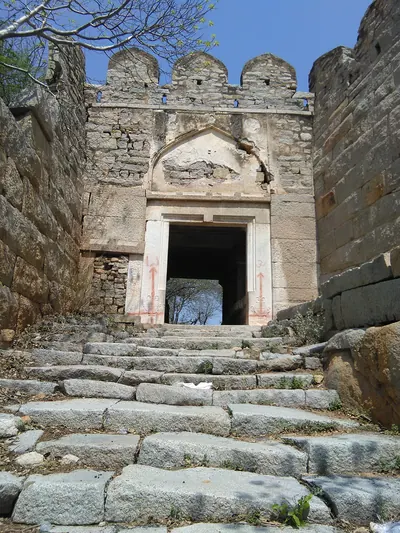
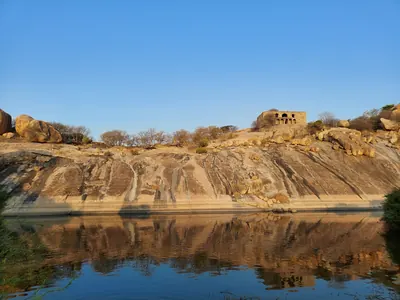
అతని కుమారులు అనపోత, మాద సుమారు 1368లో ముసునూరి నాయకుడు కాపయ నాయకుని పడగొట్టారు.1234 వారు నల్గొండ జిల్లాలోని రాచకొండ, దేవరకొండ అనే రెండు కొండ కోటల నుండి దేశాన్ని పాలించారు.1234
పదిహేనవ శతాబ్దం ప్రారంభంలో దక్షిణాదిలోని ఐదు ప్రధాన రాజ్యాల్లో తెలింగాణ వెలమ రాజ్యాన్ని ఎన్. వెంకటరమణయ్య లెక్కించారు.5 దాని రాజధాని పాత నగరం వరంగల్. రాచకొండ, దేవరకొండ దాని ముఖ్య దుర్గాలు.5 దాని పొరుగువారు తీరంలోని రెడ్లు, ఒడిశా గజపతులు, విజయనగరం, బహమనీ సుల్తానులు.5 ముసునూరి నాయకులు, నాయకులు, రెడ్డి రాజులు, బహమనీలు చూడండి.
పేరు: రేచర్ల, వెలమ, పద్మనాయక
ఆ కుటుంబపు శాసనాలు దానిని రేచర్ల గోత్రం (వంశం) లేదా కుటుంబం అని పిలుస్తాయి.16 అనేక రాజ వంశాల్లో రేచర్ల కుటుంబాన్ని కాకతీయులు గౌరవించారని 1369 నాటి ఐనవోలు శాసనం చెబుతుంది.1 1375 నాటి కందికొండ శాసనం నాలుగవ వర్ణానికి చెందినదైనా దానిని రఘు వంశంతో సమానం అని పిలుస్తుంది.6 1916లో రసార్ణవసుధాకరం సంపాదకత్వం వహిస్తూ టి. గణపతి శాస్త్రి దాని శ్లోకాల్లో ఆ పేరును రేచల్ల అని చదివారు.7
వి. యశోదాదేవి రేచర్లను తెలంగాణలోని ఒక గ్రామం పేరుగా వివరించారు.8 పి. వి. పరబ్రహ్మ శాస్త్రి దానిని ఆ కుటుంబ స్థాపకుడు రేచడి లేదా రేచడ్ల నుండి వచ్చినదిగా చెప్పారు.9 ఆ కుటుంబం పేరు మీద రాజధానిని మొదట రేచర్లకొండ అని పిలిచేవారని నల్గొండ జిల్లా జనాభా లెక్కల సర్వే (1964) చెబుతుంది.10
అంతకుముందు కాకతీయ సేనానుల కుటుంబం ఒకటి అదే పేరు ధరించింది: పిల్లలమర్రి, పాలంపేట, నాగులపాడుల రేచర్ల నాయకులు.11 వారిలో 1213లో రామప్ప ఆలయాన్ని కట్టించిన రేచర్ల రుద్రుడు ఉన్నాడు.11 వారు తర్వాతి వెలమ కుటుంబం నుండి వేరైన రెడ్లు అని పరబ్రహ్మ శాస్త్రి భావించారు.11 వారి పేరు రేచెగువుల గ్రామం నుండి వచ్చిందని ఆయన సూచించారు.11 పద్నాలుగవ శతాబ్దపు రేచర్ల నాయకులను రెడ్డి అనే హోదా బిరుదు వాడిన తొలి కాకతీయ కాలపు రేచర్ల వంశంతో గందరగోళపడవద్దని సింథియా టాల్బట్ కూడా హెచ్చరించారు.12
1922 వెలుగోటి కుటుంబ చరిత్ర వేరే అభిప్రాయం తీసుకుంటుంది.131415 అది వెలమ వంశ స్థాపకుడు చెవి రెడ్డిని పిల్లలమర్రి నామి రెడ్డి సోదరునిగా చేసి, 1195 నుండి 1208 నాటి పిల్లలమర్రి శాసనాలను అతనివిగా చెప్పుకుంటుంది.131415 చెవి రెడ్డి పాతిపెట్టిన నిధిని తీసుకోవడానికి అతని సేవకుడు రేచన్ తనను తాను బలి ఇచ్చుకున్నాడని అది చెబుతుంది.131415 కుటుంబంలో ప్రతి పెళ్లికి ముందు రేచన్ కుటుంబంలో ఒక పెళ్లి జరగాలనేది షరతు.131415 పిల్లలమర్రి చూడండి.
వెలమ, పద్మనాయక సమాజపు పేర్లు. కాలిన్ మెకంజీ కోసం కూర్చిన కాకతీయుల కథనం గురించి 1906లో జె. రామయ్య నివేదించారు.16 ప్రతాపరుద్రుని సేనానులు “అందరూ పద్మనాయకులు లేదా వెలమలు” అని అది చెబుతుంది.16 వెలమల ఒక శాఖ అయిన పద్మ వెలమలు తమను పద్మనాయకులు అని పిలుచుకున్నారని 1912లో చిలుకూరి వీరభద్రరావు రాశారు.1718
వెలుగోటి కుటుంబ చరిత్ర ఆ పేరుకు ఇచ్చే రెండు వివరణలను వీరభద్రరావు గుర్తించారు.1718 ఒకటి “పద్మనాయకుడు”, అంటే సూర్యుడు. మరొకటి పౌరాణిక రాజు మహాపద్ముని నుండి వంశం.1718 ఆయనకు ఏ దానికీ సాక్ష్యం దొరకలేదు.1718 వెలమ అనే కుటుంబ పేరు సారికొండ నుండి వచ్చిన 1427 నాటి ఒక శాసనంలో కనిపిస్తుంది.19 ప్రతాపరుద్రుని డెబ్బై ఏడు మంది పద్మనాయకుల తర్వాతి సంప్రదాయం గురించి కాకతీయులు పేజీలో చర్చించాం.
ఆధారాలు
ఇక్కడ నాలుగు రకాల సాక్ష్యాలను వాడాం.
శాసనాలు. ఆ కుటుంబపు సుమారు ముప్పై శాసనాలు Epigraphia Telanganica (ఎపిగ్రాఫియా తెలంగాణికా, 2023) లో జాబితా చేయబడ్డాయి.2021 అవి 1365 నాటి రాచకొండ రికార్డుల నుండి వెలమ నాయకుల పేర్లు చెప్పే తర్వాతి శతాబ్దాల రికార్డుల వరకు ఉన్నాయి.2021 పి. శ్రీనివాసాచార్ 1956 Corpus (సంకలనం) వాటిలో నాలుగింటిని సంపాదకత్వం వహించి ప్రచురించింది:162223
- 1369 నాటి ఐనవోలు దానపత్రం1
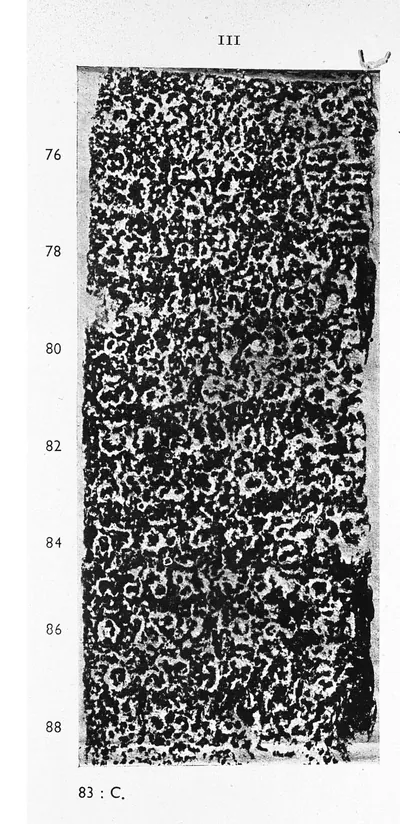
- 1375 నాటి కందికొండ రికార్డు6
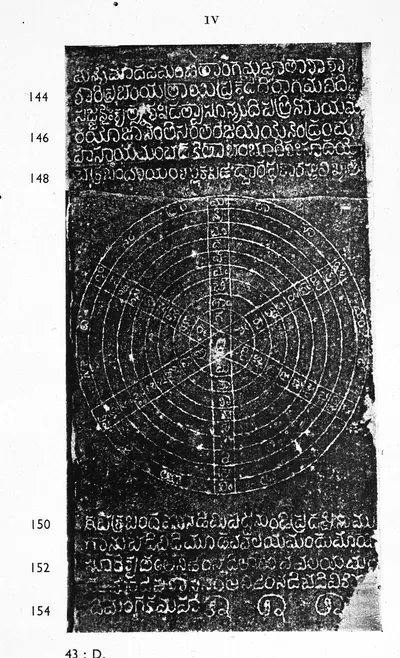
- 1377 నాటి ఉమామహేశ్వరం రికార్డు22
- 1464 నాటి సాయంపేట దానపత్రం23
1365 నాటి రాచకొండ రికార్డుల, 1429 నాటి దేవలనగరం రికార్డు పాఠాలు 1910లో వెలుగోటి కుటుంబ చరిత్ర అనుబంధంలో ముద్రించబడ్డాయి.2425 మిగతావాటిలో చాలావరకు 1960ల నుండి మాత్రమే ప్రచురించబడ్డాయి. అవి ఇక్కడ Epigraphia Telanganica లోని సంగ్రహాల ద్వారా తెలుసు.20
రసార్ణవసుధాకరం. రాజు సింగభూపాలుడు రాసిన ఈ సంస్కృత రచన ప్రారంభ శ్లోకాలు అతని కాలం వరకు కుటుంబ వంశావళిని ఇస్తాయి.2627
కుటుంబ చరిత్రలు, తర్వాతి వెంకటగిరి వెలుగోటి రాజాలవి.282930 ఒకటి పద్య రూపంలోని వెలుగోటివారి వంశావళి. దానిని ఉదహరించే చరిత్రకారుల ద్వారా మాత్రమే అది ఇక్కడ తెలుసు.282930 మరొకటి 1910 నాటి తెలుగు గద్య వెలుగోటివారి వంశచరిత్రము.29 మూడవది 1922 నాటి అల్లాడి జగన్నాథ శాస్త్రి ఇంగ్లీషు Family History of Venkatagiri Rajas (వెంకటగిరి రాజాల కుటుంబ చరిత్ర).30 అవి తర్వాతి కాలానివి.31 ఇతర సేనానులు పంచుకున్న విజయాలను అవి వెలమలకు మాత్రమే ఆపాదిస్తాయని పి. వి. పరబ్రహ్మ శాస్త్రి హెచ్చరించారు.31
బహమనీ సుల్తానుల పర్షియన్ చరిత్రలు, ఫెరిష్తా, Burhan-i Ma’asir (బుర్హాన్-ఎ-మాసిర్).323334 అవి “తెలింగాణ రాజా” లేదా “వరంగల్” గురించి, “దేవరకొండ, రాజకొండ రాయల” గురించి, దేవరకొండలోని “తెలింగాణ జమీందారు” గురించి మాట్లాడతాయి.323334 కానీ అవి ఎప్పుడూ ఆ కుటుంబం పేరు చెప్పవు.323334
కాకతీయుల కింద
వెన్నయ కుమారుడు దాచయ అనే ఒక పూర్వీకుని ద్వారా కాకతీయులకు కుటుంబం చేసిన సేవను శాసనాలు గుర్తుంచుకుంటాయి.13526 ప్రతాపరుద్రుని ఆజ్ఞ మేరకు అతను పాండ్యులను జయించాడని ఐనవోలు శాసనం చెబుతుంది.1 అతను పాండ్య-రాయ-గజ-కేసరి, “పాండ్య రాజు అనే ఏనుగుకు సింహం”, అనే బిరుదు గెలుచుకున్నాడని అది చెబుతుంది.1 ఒక భిల్లముని సైన్యాలను ఓడించినందుకు ఉమామహేశ్వరం శాసనం అతనిని గుర్తుంచుకుంటుంది.35 యుద్ధంలో పాండ్య రాజు ఏనుగుల దళం అతని కత్తికి విజయాన్ని ఇచ్చిందని రసార్ణవసుధాకరం చెబుతుంది.26
ఢిల్లీ సైన్యాలపై యుద్ధాల నుండి ఎర దాచ, అతని దాయాది నల దాచల పాండ్య దండయాత్ర వరకు చరిత్రలు చాలా ఎక్కువ జోడిస్తాయి.3031 ఈ కథలను కాకతీయులు, ఐనవోలు శాసనం పేజీల్లో చెప్పి, శాసనాలతో పోల్చాం.3031
సింగమ నాయకుడు
దాచయ కుమారుడు సింగ లేదా సింగమ నాయకుడు అతని వారసుల రికార్డుల నుండి మాత్రమే తెలుసు.836 1336–37లో ఢిల్లీకి వ్యతిరేకంగా తిరుగుబాటులో అతను కాపయ నాయకునితో చేరాడని వి. యశోదాదేవి రాస్తారు.836 తర్వాత అతను కాపయ అధిరాజ్యాన్ని తిరస్కరించి, తన స్థానాన్ని రాజుకొండకు మార్చి, అతనిని ఓడించాడని ఆమె రాస్తారు.836
1346, 1357 నాటి తన శాసనాల్లో కాపయ ఒకప్పుడు రేచర్ల నాయకులు ధరించిన “అనుమనగల్లు నగర ప్రభువు” అనే బిరుదు తీసుకున్నాడు.836 కాపయ తిరిగి సింగమను ఓడించాడనడానికి దీనిని యశోదాదేవి సూచనగా చదువుతారు.836
సింగమ కృష్ణాపై ఐలేశ్వర దేవుని దగ్గర బ్రాహ్మణులను స్థిరపరిచాడని రసార్ణవసుధాకరం చెబుతుంది.37 ఏలేశ్వరాన్ని, కృష్ణా, తుంగభద్రల మధ్య దోఆబ్ (రెండు నదుల మధ్య భూమి) లోని కోటలను ఆక్రమించిన ఘనతను యశోదాదేవి అతనికి ఇస్తారు.38
చంద్ర వంశ రాజకుమారులు తన బావమరిదిని బందీగా ఉంచిన జల్లిపల్లి కోటను ముట్టడిస్తూ సింగమ చనిపోయాడని కుటుంబ చరిత్ర చెబుతుంది.3940 వారు తమ్మల బ్రహ్మజియ్య అనే మనిషిని పంపారు. అతను స్నేహితునిగా అతని శిబిరానికి వచ్చి అతనిని పొడిచాడు.3940 చనిపోతూ సింగమ తన శత్రువుల రక్తంతో తన పితృ తర్పణాలు (అర్పణలు) ఇవ్వమని తన కుమారులను ఆదేశించాడు.3940 వంశావళిని ఉదహరిస్తూ ఎన్. వెంకటరమణయ్య ఆ హత్యను శక 1283 (1361–62; శక అనేది సంవత్సరాలు లెక్కించే ఒక భారతీయ పద్ధతి) నాటిదిగా చెప్పారు.28 రేచర్ల సింగమ నాయకుడు చూడండి.
అనపోత, మాద: రెండు రాజ్యాలు
చరిత్ర ప్రకారం, అనపోత, మాద మొగులూరు, ఇనుకుర్తి వద్ద జరిగిన యుద్ధాల్లో తమ తండ్రికి ప్రతీకారం తీర్చుకున్నారు.4142 1361లో ఇనుకుర్తి వద్ద వారు నూట ఒక్క మంది చంద్ర వంశ రాజకుమారులను చంపి, సోమకుల-పరశురామ బిరుదు తీసుకున్నారు.4142 తర్వాత అనపోత దేవరకొండను మాదకు ఇచ్చి, కుటుంబ రాజధాని రాచకొండను తన దగ్గర ఉంచుకున్నాడు.4142 ఇద్దరు సోదరులు కలిసి రాజ్యాన్ని పాలించారని 1369 నాటి ఐనవోలు శాసనం చెబుతుంది.1
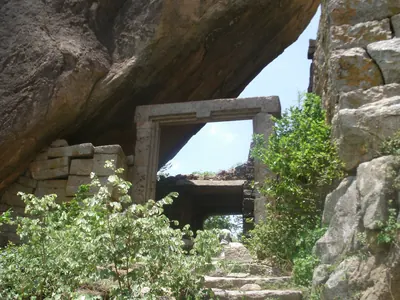
రాచకొండలో అనపోత మూడు శాసనాలకు 1365 ఆగస్టు తేదీ ఉంది.244320 రాజుకొండ, నాగనాయనికొండ కొండలపై అతను కట్టించిన రాతి కోట గోడలు, బావులు, మట్టి గోడలను అవి నమోదు చేస్తాయి.244320 కొండల మధ్య ఉన్న అనపోత సముద్రం చెరువును కూడా అవి నమోదు చేస్తాయి.244320 అనపోతుని రాచకొండ శాసనాలు (1365), రాచకొండ కోట చూడండి.
చరిత్రను అనుసరిస్తూ యశోదాదేవి కాపయ నాయకుని అంతాన్ని వర్ణిస్తారు.23 అనపోత వరంగల్పైకి నడిచి భీమవరం వద్ద అతనిని ఓడించి చంపాడు.23 తర్వాత అతను భువనగిరి, వరంగల్, సింగవరంలను తీసుకుని ఆంధ్రదేశాధీశ్వర, ప్రతిగండభైరవ బిరుదులు తీసుకున్నాడు.23 కాపయ ఇంకా బతికి ఉన్న అక్కలపూండి తామ్రశాసనానికి, ఐనవోలు శాసనానికి మధ్య, 1368లో ఆమె ఆ యుద్ధాన్ని ఉంచుతారు.23
ఐనవోలు శాసనం ప్రకారం, 1369 జూలై 19న అనపోత ఓరుగల్లు (వరంగల్), త్రిభువనగిరి (భువనగిరి), రాజుకొండ, సింగవరం, మిగతా తెలుగు దేశాన్ని పాలిస్తున్నాడు.1 అప్పుడు అతను విజయ యాత్రలో ఉన్నాడు.1 Epigraphia Telanganica కాపయ మరణాన్ని ఈ రికార్డు తర్వాత, 1369 రెండవ సగంలో ఉంచుతుంది.44 ఐనవోలు శాసనం చూడండి.
మాద దేవరకొండ గురించి తక్కువ రికార్డులు ఉన్నాయి. శ్రీశైలం ఉత్తర ద్వారమైన ఉమామహేశ్వరంలోని అతని శాసనం 1377 ప్రారంభంలో మహేశ్వర దేవుని కోసం అతను కట్టించిన రాతి మండపాన్ని నమోదు చేస్తుంది.2235 కృష్ణా రేవు జాతరరేవు వద్ద ఉన్న తేదీ లేని ఒక రికార్డు శ్రీశైలానికి యాత్రికుల దారిలో మెట్ల వరుస కట్టించిన ఘనతను అతనికి ఇస్తుంది.45
అతని కుమారుడు వెన్నుడు దేవరకొండ నుండి మహబూబాబాద్ దగ్గరి కందికొండ (స్కందాద్రి) ను పాలించడానికి వెళ్లాడు. అక్కడ అతని 1375 నాటి రికార్డు మిగిలి ఉంది.6 మాదా నాయకుని ఉమామహేశ్వరం శాసనం (1377), వెన్నుని కందికొండ శాసనం (1375) చూడండి.
సోదరుల దక్షిణ పొరుగువారు కొండవీడు రెడ్డి రాజులు. సుమారు 1361లో ధరణికోట వద్ద వారు రెడ్డి రాజు అనవోతను ఓడించారని చరిత్ర చెప్పుకుంటుంది.4647 అదే సంవత్సరపు అమరావతిలోని ఒక శాసనం ఆ రాజు మంత్రి పేరు చెబుతుందని 1906లో జె. రామయ్య గుర్తించారు.46 రాబర్ట్ సూయెల్ ఆ విజయాన్ని 1361 కింద నమోదు చేశారు.47
చరిత్రను అనుసరిస్తూనే Epigraphia Telanganica తర్వాతి ఒక యుద్ధాన్ని జోడిస్తుంది.4448 దానిలో మాద రెడ్డి అనవేమను వాడపల్లి నుండి వెనక్కి తరిమి, కృష్ణాను రాజ్యపు దక్షిణ సరిహద్దుగా చేశాడు.4448 కొండవీటి రెడ్డి రాజులు చూడండి.
బహమనీలు, విజయనగరం మధ్య
కాపయ మరణం తర్వాత మొదటి బహమనీ సుల్తానులతో ఏ తెలుగు పాలకుడు పోరాడాడనే విషయంలో వివాదం ఉంది. హేగ్ కూడా చెప్పే ఫెరిష్తా కథనంలో, మొదటి ముహమ్మద్ షా నుండి కౌలాస్ను తిరిగి పొందడానికి తెలింగాణ రాజా తన కుమారుడు వినాయక్ దేవ్ను పంపి, అతనిని కోల్పోయి, తర్వాత గోల్కొండను వదులుకున్నాడు.49 కాపయ నాయకుని పేజీ ఈ యుద్ధాలను అతనికి ఇస్తుంది. Epigraphia Telanganica వాటిని అనపోతకు ఇస్తుంది.48 1964 జనాభా లెక్కల సర్వే కూడా అలాగే ఇస్తుంది. అనపోత గోల్కొండ కోటను వదులుకుని, బహమనీ సుల్తానులతో స్నేహం కోరాడని అది చెబుతుంది.10 ముసునూరి కాపయ నాయకుడు, బహమనీలు చూడండి.
సాధారణంగా విజయనగరంతో కలిసి పనిచేసిన రెడ్లకు వ్యతిరేకంగా రేచర్ల నాయకులు బహమనీలతో చేసుకున్న సుదీర్ఘ మైత్రిని టాల్బట్ వర్ణిస్తారు.50 ఆమె కథనంలో, కొండవీడు రెడ్లు బహమనీల వైపు వెళ్లినప్పుడు ఆ మైత్రి విచ్ఛిన్నమైంది.50 అప్పుడు రేచర్లలు విజయనగరంతో, రాజమహేంద్రవరం రెడ్లతో చేరారు.50 ఈ కూటమి 1419లో పానగల్లు వద్ద ఒక గొప్ప యుద్ధంలో గెలిచింది.50
పర్షియన్ చరిత్రలు “తెలింగాణ రాజా”ను రెండు వైపులా చూపిస్తాయి.3251 హిజ్రీ 820 (1417; హిజ్రీ అనేది సంవత్సరాలు లెక్కించే ఇస్లామిక్ పద్ధతి) లో ఫిరోజ్ షా అతని నుండి అనేక సంవత్సరాల కప్పం బకాయిలు కోరాడని, అవి చెల్లించబడ్డాయని ఫెరిష్తా చెబుతాడు.3251 ఫిరోజ్ పానగల్లును ముట్టడించినప్పుడు, విజయనగర రాజు దేవ రాయ్ “తెలింగాణ రాజాతో సహా చుట్టుపక్కల రాజులందరి” సహాయంతో దానిని విడిపించాడని ఫెరిష్తా చెబుతాడు.3251
1928లో రాస్తూ వోల్స్లీ హేగ్ అవే సంఘటనలను వర్ణిస్తారు.5253 ఆయన వాటిని కప్పం వసూలు చేయడానికి 1417 నాటి దండయాత్రగా, విజయనగర వీర విజయునికి, తెలింగాణ రాజాకు మధ్య “దాడి మైత్రి”గా పిలుస్తారు.5253
కొత్త మైత్రి తెలుగు రాజ్యానికి చాలా ఖరీదైంది. ఫెరిష్తా ప్రకారం, అహ్మద్ షా విజయనగరంపైకి నడిచినప్పుడు వరంగల్ రాయ్ దేవ రాయ్తో చేరాడు.545556 తర్వాత యుద్ధానికి ముందే అతను తన సైనికులను ఉపసంహరించుకున్నాడు.545556 హిజ్రీ 828 (1424–25) లో అహ్మద్ అతనిని శిక్షించాడు.545556 అతని సేనాని ఖాన్ ఆజిమ్ వరంగల్ను తీసుకున్నాడు. ఆ పోరాటంలో రాయ్ చంపబడ్డాడు.545556 “దివంగత రాయ్ వారసుల ఆధీనంలోని కొన్ని బలమైన స్థలాలు” తప్ప మిగతా తెలింగాణను నాలుగు నెలల్లో జయించారు.545556
హేగ్ వరంగల్ స్వాధీనాన్ని 1424 చివర్లో ఉంచుతారు.5758 జె. ఎస్. కింగ్ అనువదించిన Burhan-i Ma’asir అహ్మద్ షా వరంగల్ తీసుకున్న తర్వాతి కాలాన్ని వర్ణిస్తుంది.33 అతని సైన్యానికి భయపడిన “దేవరకొండ, రాజకొండ రాయలు” కానుకలతో రాయబారులను పంపి కప్పం చెల్లించడానికి అంగీకరించారని అది చెబుతుంది.33 ఈ చరిత్రల్లో ఏదీ వరంగల్ రాయ్ పేరు చెప్పదు.
విద్య, సాహిత్యం
అనపోత కుమారుడు రాజు సింగభూపాలుడు నాటక సిద్ధాంతంపై మూడు అధ్యాయాల గ్రంథం రసార్ణవసుధాకరం రాశాడు.5960 “ఇంత సమగ్రమైన, అదే సమయంలో ఇంత సరళమైన” నాట్యశాస్త్ర (నాటక కళ) గ్రంథం మరొకటి లేదని దాని సంపాదకుడు టి. గణపతి శాస్త్రి నిర్ణయించారు.59 తన వంశ రాజధాని రాజాచలం నుండి రచయిత వింధ్యలకు, శ్రీశైలానికి మధ్య ఉన్న భూమిని పాలించాడని దాని ప్రారంభ శ్లోకాలు చెబుతాయి.60
ఆ కుటుంబపు శాసనాలను విద్వాంసులైన బ్రాహ్మణులు రచించారు.135 పశుపతి కుమారుడు నాగనాథుడు ఐనవోలు శ్లోకాలు రాశాడు.1 మాయి భట్టోపాధ్యాయుడు ఉమామహేశ్వరం రికార్డు రాశాడు.35 సింగభూపాలుని కుమారుడు రావు మాధవుడు 1427లో రామాయణంపై రాఘవీయం అనే వ్యాఖ్యానం రాశాడు.61 రేచర్ల సింగభూపాలుడు, నాగాంబ దేవలనగరం శాసనం (1429) చూడండి.
తర్వాతి సంప్రదాయం సర్వజ్ఞ సింగ, “అన్నీ తెలిసినవాడు”, అనే రాజు చుట్టూ ప్రసిద్ధ పేర్లను చేర్చుతుంది. వేదాంత దేశికుని కుమారుడు నైనారాచార్యుడు సింగమ నాయుడు ఆస్థానానికి వెళ్లాడని వైష్ణవ గురుపరంపరాప్రభావం చెబుతుంది.62 అక్కడ అతను పండితుడు శాకల్యమల్లుని ఓడించాడు.62 శ్రీనాథునికి ఆపాదించిన పద్యాలు అతను “వెలమ పాలకుడు సర్వజ్ఞ సింగభూపాలుని” ఆస్థానాన్ని సందర్శించినప్పుడు రచించినవని చెబుతారు.63
బమ్మెర పోతన ఈ రాజు ఉంపుడుగత్తె కోసం భోగినీ దండకము రాశాడని, కానీ తన తెలుగు భాగవతాన్ని అతనికి అంకితం చేయడానికి నిరాకరించాడని ఒక కథ చెబుతుంది.646566 హెచ్. హెచ్. విల్సన్ (1828), పి. చెంచయ్య, ఎం. భుజంగరావు (1928), కుటుంబ చరిత్రలు దానిని చెబుతాయి.646566 ఆ కుటుంబపు ఏ శాసనమూ ఏ కవినీ పేర్కొనదు. ఏ సింగ పోషకుడు అనే విషయంలో, భోగినీ దండకమును ఎవరు రాశారనే విషయంలో కూడా ఆధారాలు విభేదిస్తాయి.646566 బమ్మెర పోతన చూడండి.
చివరి శతాబ్దం
సింగభూపాలుని తర్వాతి రాచకొండ రాజుల గురించి తక్కువే తెలుసు. రెండవ అనపోత, కుమార మాధవుడు బహమనీల నుండి విజయనగరం వైపు తిరిగారని 1964 జనాభా లెక్కల సర్వే చెబుతుంది.10 తర్వాతి రాజు మూడవ సింగమ దేవరకొండ లింగమతో, విజయనగరంతో, ఒడిశా కపిలేశ్వర గజపతితో మైత్రి చేసుకుని వరంగల్ను తీసుకున్నాడని అది చెబుతుంది.10 కానీ బహమనీ సుల్తాన్ అహ్మద్ షా అతనిని బెల్లంకొండకు తరిమాడు. అక్కడ అతను చనిపోయాడు.10 అతనితో ఆ వంశం ముగిసిందని సర్వే చెబుతుంది.10
దేవరకొండ వంశానికి మెరుగైన రికార్డులు ఉన్నాయి.1967 సారికొండ, చారికొండలలోని 1427 నాటి రెండు చెరువు శాసనాలు లింగమ నాయకుని మాద నుండి పెద వేదగిరి ద్వారా వచ్చినవాడిగా చూపిస్తాయి.1967 Epigraphia Telanganica లింగమకు 1475 వరకు పాలన ఇస్తుంది.68 1464లో అనపోత మునిమనవడు ధర్మారావు వరంగల్ దగ్గరి ముచ్చెర్ల, మాద గ్రామాలను ఒక ఆలయానికి, బ్రాహ్మణ దానగ్రహీతలకు ఇచ్చాడు.2369 ధర్మారావు సాయంపేట శాసనం (1464) చూడండి.
1459లో హుమాయూన్ షా పంపిన బహమనీ సైన్యం దేవరకొండను ముట్టడించినప్పుడు అది ఇంకా స్వతంత్రంగా ఉంది.347071 ఆ కోట ఒక తెలింగాణ జమీందారుకు (భూస్వామి) చెందినదని ఫెరిష్తా చెబుతాడు.3470 రక్షకులు ఒడిశా రాజా సహాయాన్ని కొన్నారు.347071 ముట్టడిదారులు చిత్తుగా ఓడిపోయి ఎనభై మైళ్లు వెంటాడబడ్డారు.347071 ఒడిశా సైన్యం ముందుకు వెళ్లి బహమనీల నుండి వరంగల్ను తీసుకుందని 1934–35 నివేదికలో నిజాం పురావస్తు శాఖ సూచించింది.72 ఈ పేజీ కోసం చదివిన ఏ ఆధారమూ రాచకొండలో గానీ దేవరకొండలో గానీ వెలమ పాలన ముగింపుకు తేదీ ఇవ్వదు.
పదహారవ శతాబ్దం ప్రారంభంలో రెండు కోటలూ స్థానిక నాయకుల చేతుల్లో ఉన్నాయి.7374 ఆ సమయంలో గోల్కొండ సుల్తాన్ కులీ కుతుబ్ షా “రాజకొండ”పై దాడి చేసి, దాని రాజా “వెంకట్టి నాయక్”ను బందీగా పట్టుకున్నాడు.7374 తర్వాత సుదీర్ఘ ముట్టడి తర్వాత అతను దేవరకొండను తీసుకున్నాడు.7374 సుల్తాన్ కులీ చూడండి.
వెంకటగిరి వెలుగోటి కుటుంబం
తర్వాతి ఆంధ్ర దేశంలోని అనేక వెలమ కుటుంబాలు రేచర్ల నాయకుల నుండి తమ వంశాన్ని చెప్పుకున్నాయి.475 వారిలో వెంకటగిరి, పిఠాపురం, బొబ్బిలి, జటప్రోలు రాజాలు ఉన్నారు.475
శ్రీకృష్ణదేవరాయల కాలంలో తన వంశం దేవరకొండ నుండి కర్నూలు జిల్లాలోని వెలుగోడుకు మారిందని వెంకటగిరి కుటుంబ చరిత్ర చెబుతుంది.7677 తర్వాత నిర్వాణ రాయప్ప నాయుడు విజయనగర రాజు తరఫున వెలుగోడును రక్షించాడు.7677 ఆ కుటుంబానికి తర్వాతి పేరు వెలుగోటి ఇచ్చిన తెల్ల గొడుగు, వెలి-గొడుగు, అతను గెలుచుకున్నాడు.7677 వారి చరిత్ర విజయనగర కాలానికి చెందుతుంది.
ఆధారాలు, విభేదాలు
- రెండు రేచర్ల కుటుంబాలు. పరబ్రహ్మ శాస్త్రి, టాల్బట్ పదమూడవ శతాబ్దపు రేచర్ల రెడ్డి సేనానులను పద్నాలుగవ శతాబ్దపు వెలమ రేచర్లల నుండి వేరు చేస్తారు.1112 1922 వెలుగోటి కుటుంబ చరిత్ర వారిని ఒకే కుటుంబంగా చేస్తుంది.13
- కాపయ నాయకుని అంతం. యశోదాదేవి ప్రకారం ఐనవోలు శాసనానికి ముందు, సుమారు 1368లో భీమవరం వద్ద అనపోత అతనిని చంపాడు.3 Epigraphia Telanganica అతని మరణాన్ని దాని తర్వాత, 1369 రెండవ సగంలో ఉంచుతుంది.44 సింగ కాపయను ఓడించాడని 1910 చరిత్రలోని ఒక పద్యం చెబుతుంది.7879 అదే చరిత్ర భీమవరం దగ్గర “కాపరాజు”పై విజయాన్ని తర్వాతి లింగమ నాయకుని కార్యాల్లో జాబితా చేస్తుంది.7879
- మొదటి బహమనీలతో యుద్ధాలు, గోల్కొండ అప్పగింత. హేగ్, ముసునూరి నాయకుల పేజీ వాటిని కాపయ నాయకునికి ఇస్తారు.49 Epigraphia Telanganica, జనాభా లెక్కల సర్వే వాటిని అనపోతకు ఇస్తాయి.4810
- జల్లిపల్లి. యశోదాదేవి దానిని మహబూబ్నగర్ జిల్లాలోని చింతకుంట తాలూకాలో ఉంచుతారు.38 Epigraphia Telanganica దానిని ఖమ్మం జిల్లాలోని జల్లేపల్లెగా భావిస్తుంది. అక్కడి తర్వాతి ఒక రాతి శాసనం జల్లిపల్లి నుండి పాలిస్తున్న ఒక దాచనాయకుని పేరు చెబుతుంది.21
- శ్రీశైలానికి మెట్లు. రసార్ణవసుధాకరం వాటిని అనపోతకు, జాతరరేవు శాసనం మాదకు ఆపాదిస్తాయి.2748
- ఏ సింగ? కావ్యంలోనే రసార్ణవసుధాకరం రచయిత అనపోత కుమారుడు.780811082 శేషగిరి శాస్త్రి ముద్రిత ఆధారం అతనిని పదవ తరానికి చెందిన ఒక సింగగా చేసి, సుమారు 1330 నాటివాడిగా చెప్పింది.80 రామనాథ అయ్యర్, జనాభా లెక్కల సర్వే అతనిని రెండవ సింగ (సుమారు 1380, లేదా 1384–1399) గా గుర్తిస్తారు.8110 1910 చరిత్ర సర్వజ్ఞ బిరుదును, పోతన కావ్యాన్ని తర్వాతి ఒక సింగకు ఇస్తుంది.82
- లింగమ తల్లిదండ్రులు. 1427 నాటి సారికొండ శాసనం అతనిని రెండవ వేదగిరి కుమారునిగా చేస్తుంది.19 1427 నాటి చారికొండ శాసనం, 1910 చరిత్ర అతనిని వేదగిరి సోదరునిగా చేస్తాయి.6783
- సాయంపేట దాత. Corpus (Wg. 18) అతనిని వెన్నమ లేదా పిన్నమ కుమారుడు పెద్ద సింగమ ద్వారా అనపోత మునిమనవడిగా చేస్తుంది.69 అదే సంపాదకుడు మరో చోట అతనిని కందికొండ వెన్నుని కుమారునిగా భావించారు.684
Footnotes
-
Sreenivasachar (ed.), Corpus, Part III (1956), p. 119, No. Wg. 1 (archive.org (opens in a new tab)). Paraphrased. ↩ ↩2 ↩3 ↩4 ↩5 ↩6 ↩7 ↩8 ↩9 ↩10 ↩11 ↩12 ↩13 ↩14 ↩15 ↩16 ↩17
-
Yashoda Devi, After the Kakatiyas (1975), p. 64. Cite-only; paraphrased. ↩ ↩2 ↩3 ↩4 ↩5 ↩6 ↩7 ↩8 ↩9
-
Yashoda Devi, After the Kakatiyas (1975), p. 65. Cite-only; paraphrased. ↩ ↩2 ↩3 ↩4 ↩5 ↩6 ↩7 ↩8 ↩9 ↩10
-
Parabrahma Sastry, The Kakatiyas of Warangal (1978), p. 166. Cite-only; paraphrased. ↩ ↩2 ↩3 ↩4 ↩5 ↩6 ↩7
-
N. Venkataramanayya, “Rajahmundry Museum Plates of the Telugu Choda Annadeva”, Epigraphia Indica XXVI (1941–42), p. 19 (archive.org (opens in a new tab)). Paraphrased. ↩ ↩2 ↩3
-
P. Sreenivasachar (ed.), A Corpus of Inscriptions in the Telingana Districts of Andhra Pradesh, Part III (1956), p. 5, No. Km. 3 (archive.org (opens in a new tab)). Paraphrased. ↩ ↩2 ↩3 ↩4 ↩5 ↩6
-
T. Ganapati Sastri, preface to Singabhupala, The Rasarnavasudhakara (Trivandrum Sanskrit Series No. L, 1916), p. i (archive.org (opens in a new tab)). ↩ ↩2
-
V. Yashoda Devi, After the Kakatiyas (1975), p. 52 and note 107. Cite-only; paraphrased. ↩ ↩2 ↩3 ↩4 ↩5 ↩6
-
Parabrahma Sastry, The Kakatiyas of Warangal (1978), p. 164. Cite-only; paraphrased. ↩
-
A. Chandra Sekhar (ed.), Census of India 1961, Vol. II, Part VII-B (20): Fairs and Festivals, Nalgonda District (1964), Section I (Nalgonda taluk), entry “Rajkonda” (PDF p. 23) (censusindia.gov.in (opens in a new tab)). Paraphrased. ↩ ↩2 ↩3 ↩4 ↩5 ↩6 ↩7 ↩8 ↩9
-
P. V. Parabrahma Sastry, The Kakatiyas of Warangal (1978), p. 143. Cite-only; paraphrased. ↩ ↩2 ↩3 ↩4 ↩5
-
Cynthia Talbot, Precolonial India in Practice: Society, Region, and Identity in Medieval Andhra (2001), p. 177. Cite-only; paraphrased. ↩ ↩2
-
Jagannatha Sastri, Family History of Venkatagiri Rajas (1922), pp. 2–3 (archive.org (opens in a new tab)). ↩ ↩2 ↩3 ↩4 ↩5
-
Jagannatha Sastri, Family History of Venkatagiri Rajas (1922), p. 4 (archive.org (opens in a new tab)). ↩ ↩2 ↩3 ↩4
-
Jagannatha Sastri, Family History of Venkatagiri Rajas (1922), pp. 5–6 (archive.org (opens in a new tab)). ↩ ↩2 ↩3 ↩4
-
J. Ramayya, “Madras Museum Plates of Vema, A.D. 1345”, Epigraphia Indica VIII (1905–06), p. 11 (archive.org (opens in a new tab)). ↩ ↩2
-
Chilukuri Veerabhadra Rao, Andhrula Charitramu, Part II (1912), p. 273 (archive.org (opens in a new tab)). Telugu; paraphrased. ↩ ↩2 ↩3 ↩4
-
Veerabhadra Rao, Andhrula Charitramu, Part II (1912), p. 274 (archive.org (opens in a new tab)). Telugu; paraphrased. ↩ ↩2 ↩3 ↩4
-
Epigraphia Telanganica, vol. 4 (2023), pp. 33–34, No. 17. Cite-only; paraphrased. ↩ ↩2 ↩3 ↩4
-
Epigraphia Telanganica, vol. 4 (2023), pp. 17–18, Racherla Velamas, Nos. 1–3. Cite-only; paraphrased. ↩ ↩2 ↩3 ↩4 ↩5 ↩6
-
Epigraphia Telanganica, vol. 4 (2023), pp. 39–41, Nos. 25–29. Cite-only; paraphrased. ↩ ↩2 ↩3
-
Sreenivasachar (ed.), Corpus, Part III (1956), p. 72, No. Mn. 35 (archive.org (opens in a new tab)). Paraphrased. ↩ ↩2 ↩3
-
Sreenivasachar (ed.), Corpus, Part III (1956), p. 161, No. Wg. 18 (archive.org (opens in a new tab)). Paraphrased. ↩ ↩2 ↩3
-
Sadasiva Sastri, Velugotivari Vamsacaritramu (1910), appendix, pp. 26–27, inscriptions Nos. 5 and 6 (archive.org (opens in a new tab)). Telugu; paraphrased. ↩ ↩2 ↩3 ↩4
-
Sadasiva Sastri, Velugotivari Vamsacaritramu (1910), appendix, pp. 43–45 (archive.org (opens in a new tab)). Sanskrit; paraphrased. ↩
-
Singabhupala, The Rasarnavasudhakara, ed. T. Ganapati Sastri (1916), p. 1, verses 5–6 (archive.org (opens in a new tab)). Paraphrase ours. ↩ ↩2 ↩3
-
Singabhupala, Rasarnavasudhakara, ed. Ganapati Sastri (1916), p. 4, verses 21–27 (archive.org (opens in a new tab)). Paraphrase ours. ↩ ↩2
-
Venkataramanayya, “Rajahmundry Museum Plates of Annadeva”, Epigraphia Indica XXVI (1941–42), p. 24 (archive.org (opens in a new tab)). Paraphrased. ↩ ↩2 ↩3
-
Sadasiva Sastri, Velugotivari Vamsacaritramu (1910), introduction, pp. 60–61 (archive.org (opens in a new tab)). Telugu; paraphrased. ↩ ↩2 ↩3
-
Jagannatha Sastri, Family History of Venkatagiri Rajas (1922), pp. 15–16 (archive.org (opens in a new tab)). ↩ ↩2 ↩3 ↩4 ↩5
-
Parabrahma Sastry, The Kakatiyas of Warangal (1978), p. 165. Cite-only; paraphrased. ↩ ↩2 ↩3 ↩4
-
Muhammad Qasim Ferishta, tr. John Briggs, History of the Rise of the Mahomedan Power in India, Vol. II (1829), p. 389 (archive.org (opens in a new tab)). ↩ ↩2 ↩3 ↩4 ↩5 ↩6
-
J. S. King, The History of the Bahmani Dynasty, founded on the Burhan-i Ma’asir (1900), p. 52 (archive.org (opens in a new tab)). ↩ ↩2 ↩3 ↩4 ↩5
-
Ferishta, tr. Briggs, Vol. II (1829), p. 456 (archive.org (opens in a new tab)). ↩ ↩2 ↩3 ↩4 ↩5 ↩6 ↩7
-
Sreenivasachar (ed.), Corpus, Part III (1956), p. 73, No. Mn. 35 (archive.org (opens in a new tab)). Paraphrased. ↩ ↩2 ↩3 ↩4 ↩5
-
Yashoda Devi, After the Kakatiyas (1975), p. 53. Cite-only; paraphrased. ↩ ↩2 ↩3 ↩4 ↩5
-
Singabhupala, Rasarnavasudhakara, ed. Ganapati Sastri (1916), p. 2, verse 12 (archive.org (opens in a new tab)). Paraphrase ours. ↩
-
Yashoda Devi, After the Kakatiyas (1975), p. 63 and note 124. Cite-only; paraphrased. ↩ ↩2
-
Vellala Sadasiva Sastri, Velugotivari Vamsacaritramu (1910), pp. 28–29 (archive.org (opens in a new tab)). Telugu; paraphrased. ↩ ↩2 ↩3
-
Jagannatha Sastri, Family History of Venkatagiri Rajas (1922), p. 18 (archive.org (opens in a new tab)). ↩ ↩2 ↩3
-
Sadasiva Sastri, Velugotivari Vamsacaritramu (1910), pp. 30–31 (archive.org (opens in a new tab)). Telugu; paraphrased. ↩ ↩2 ↩3
-
Sadasiva Sastri, Velugotivari Vamsacaritramu (1910), pp. 32–33 (archive.org (opens in a new tab)). Telugu; paraphrased. ↩ ↩2 ↩3
-
Sadasiva Sastri, Velugotivari Vamsacaritramu (1910), appendix, pp. 28–29, inscriptions Nos. 7 and 8 (archive.org (opens in a new tab)). Telugu; paraphrased. ↩ ↩2 ↩3
-
Epigraphia Telanganica, vol. 4 (2023), p. 26, No. 10. Cite-only; paraphrased. ↩ ↩2 ↩3 ↩4
-
Epigraphia Telanganica, vol. 4 (2023), pp. 22–23, No. 10. Cite-only; paraphrased. ↩
-
Ramayya, “Madras Museum Plates of Vema”, Epigraphia Indica VIII (1905–06), p. 12 (archive.org (opens in a new tab)). ↩ ↩2
-
Robert Sewell, The Historical Inscriptions of Southern India (1932), p. 195 (archive.org (opens in a new tab)). Paraphrased. ↩ ↩2
-
Epigraphia Telanganica, vol. 4 (2023), pp. 27–28, No. 10. Cite-only; paraphrased. ↩ ↩2 ↩3 ↩4 ↩5
-
Wolseley Haig (ed.), The Cambridge History of India, Vol. III (1928), pp. 378–380 (archive.org (opens in a new tab)). ↩ ↩2
-
Talbot, Precolonial India in Practice (2001), p. 180. Cite-only; paraphrased. ↩ ↩2 ↩3 ↩4
-
Ferishta, tr. Briggs, Vol. II (1829), p. 390 (archive.org (opens in a new tab)). ↩ ↩2 ↩3
-
Haig, Cambridge History of India, Vol. III (1928), p. 393 (archive.org (opens in a new tab)). ↩ ↩2
-
Haig, Cambridge History of India, Vol. III (1928), p. 394 (archive.org (opens in a new tab)). ↩ ↩2
-
Ferishta, tr. Briggs, Vol. II (1829), p. 400 (archive.org (opens in a new tab)). ↩ ↩2 ↩3 ↩4 ↩5
-
Ferishta, tr. Briggs, Vol. II (1829), p. 401 (archive.org (opens in a new tab)). ↩ ↩2 ↩3 ↩4 ↩5
-
Ferishta, tr. Briggs, Vol. II (1829), p. 406 (archive.org (opens in a new tab)). ↩ ↩2 ↩3 ↩4 ↩5
-
Haig, Cambridge History of India, Vol. III (1928), p. 396 (archive.org (opens in a new tab)). ↩
-
Haig, Cambridge History of India, Vol. III (1928), p. 399 (archive.org (opens in a new tab)). ↩
-
Ganapati Sastri, preface to The Rasarnavasudhakara (1916), p. ii (archive.org (opens in a new tab)). ↩ ↩2
-
Singabhupala, Rasarnavasudhakara, ed. Ganapati Sastri (1916), p. 7, verses 40–42 (archive.org (opens in a new tab)). Paraphrase ours. ↩ ↩2
-
Sadasiva Sastri, Velugotivari Vamsacaritramu (1910), appendix, pp. 44–45 (archive.org (opens in a new tab)). Sanskrit; paraphrased. ↩
-
M. Seshagiri Sastri, Report on a Search for Sanskrit and Tamil Manuscripts for the Year 1896-97, No. 1 (1898), p. 4 (archive.org (opens in a new tab)). ↩ ↩2
-
S. Krishnaswami Aiyangar, Sources of Vijayanagar History (1919), p. 61 (archive.org (opens in a new tab)). ↩
-
H. H. Wilson, The Mackenzie Collection, Vol. I (1828), p. 321 (archive.org (opens in a new tab)). ↩ ↩2 ↩3
-
P. Chenchiah and Raja M. Bhujanga Rao, A History of Telugu Literature (1928), p. 64 (archive.org (opens in a new tab)). ↩ ↩2 ↩3
-
Jagannatha Sastri, Family History of Venkatagiri Rajas (1922), p. 30 (archive.org (opens in a new tab)). ↩ ↩2 ↩3
-
Epigraphia Telanganica, vol. 4 (2023), p. 35, No. 19. Cite-only; paraphrased. ↩ ↩2 ↩3
-
Gajjala Vasanta Lakshmi (ed.), Epigraphia Telanganica, vol. 4 (2023), p. 11, list of rulers. Cite-only; paraphrased. ↩
-
Sreenivasachar (ed.), Corpus, Part III (1956), p. 162, No. Wg. 18 (archive.org (opens in a new tab)). Paraphrased. ↩ ↩2
-
Ferishta, tr. Briggs, Vol. II (1829), pp. 457–458 (archive.org (opens in a new tab)). ↩ ↩2 ↩3 ↩4
-
Gordon Mackenzie, A Manual of the Kistna District (1883), p. 17 (archive.org (opens in a new tab)). ↩ ↩2 ↩3
-
Annual Report of the Archaeological Department of His Exalted Highness the Nizam’s Dominions, 1344 F. (1934-35) (1938), p. 30 (archive.org (opens in a new tab)). Paraphrased. ↩
-
Ferishta, tr. Briggs, Rise of the Mahomedan Power, Vol. III (1829), p. 354 (archive.org (opens in a new tab)). ↩ ↩2 ↩3
-
Ferishta, tr. Briggs, Vol. III (1829), p. 355 (archive.org (opens in a new tab)). ↩ ↩2 ↩3
-
Alladi Jagannatha Sastri, A Family History of Venkatagiri Rajas (1922), p. 2 (archive.org (opens in a new tab)). ↩ ↩2
-
Jagannatha Sastri, Family History of Venkatagiri Rajas (1922), pp. 33–34 (archive.org (opens in a new tab)). ↩ ↩2 ↩3
-
Jagannatha Sastri, Family History of Venkatagiri Rajas (1922), pp. 34–35 (archive.org (opens in a new tab)). ↩ ↩2 ↩3
-
Sadasiva Sastri, Velugotivari Vamsacaritramu (1910), pp. 56–57 (archive.org (opens in a new tab)). Telugu; paraphrased. ↩ ↩2
-
Sadasiva Sastri, Velugotivari Vamsacaritramu (1910), pp. 58–59 (archive.org (opens in a new tab)). Telugu verse; paraphrased. ↩ ↩2
-
Seshagiri Sastri, Report on a Search for Sanskrit and Tamil Manuscripts (1898), pp. 8–9 (archive.org (opens in a new tab)). ↩ ↩2
-
A. S. Ramanatha Ayyar, “Conjeeveram Inscription of Brahma-tantra-svatantra-Jiyar: Saka 1282”, Epigraphia Indica XXV (1939–40), p. 323 (archive.org (opens in a new tab)). Paraphrased. ↩ ↩2
-
Sadasiva Sastri, Velugotivari Vamsacaritramu (1910), introduction, pp. 64–65 (archive.org (opens in a new tab)). Telugu; paraphrased. ↩ ↩2
-
Sadasiva Sastri, Velugotivari Vamsacaritramu (1910), pp. 54–55 (archive.org (opens in a new tab)). Telugu; paraphrased. ↩
-
Epigraphia Telanganica, vol. 4 (2023), pp. 37–38, Nos. 22–23. Cite-only; paraphrased. ↩
చిత్రాలు
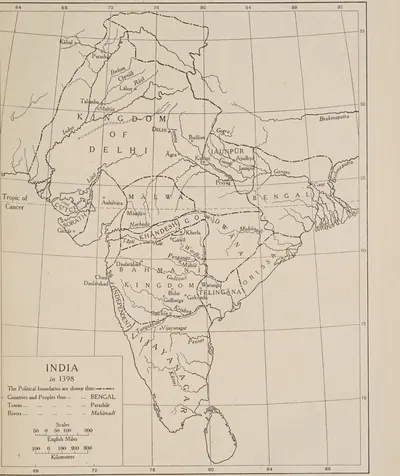 "India in 1398", showing Telingana between the Bahmani kingdom, Orissa and Vijayanagar (The Cambridge History of India, Vol. III, Map 4, between pp. 192 and 193, PDF p. 235 of the archive.org scan cambridgehistory03wols)పటం · 1928
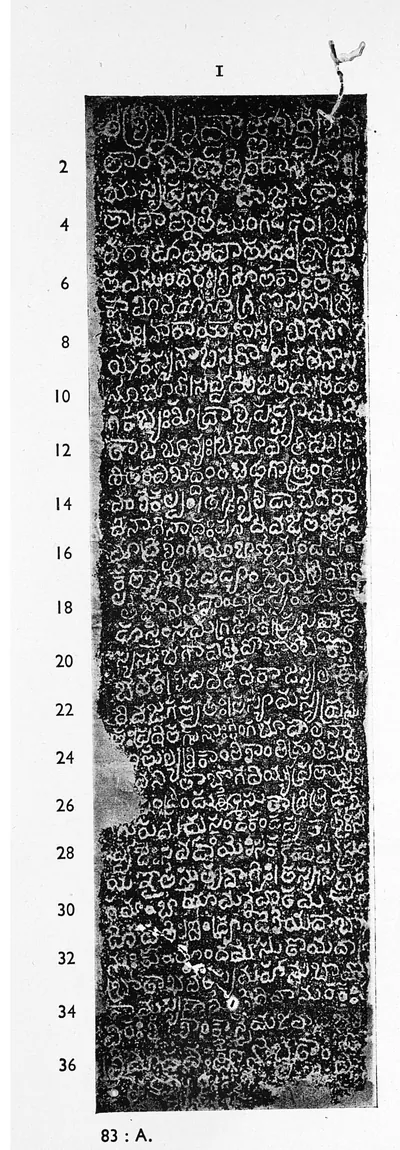 "Kandikonda inscription of Recerla Vennama-naya", face I (A Corpus of Inscriptions in the Telingana Districts, Part III, plate 6, panel 83 : A)శాసన ప్రతి · 1956
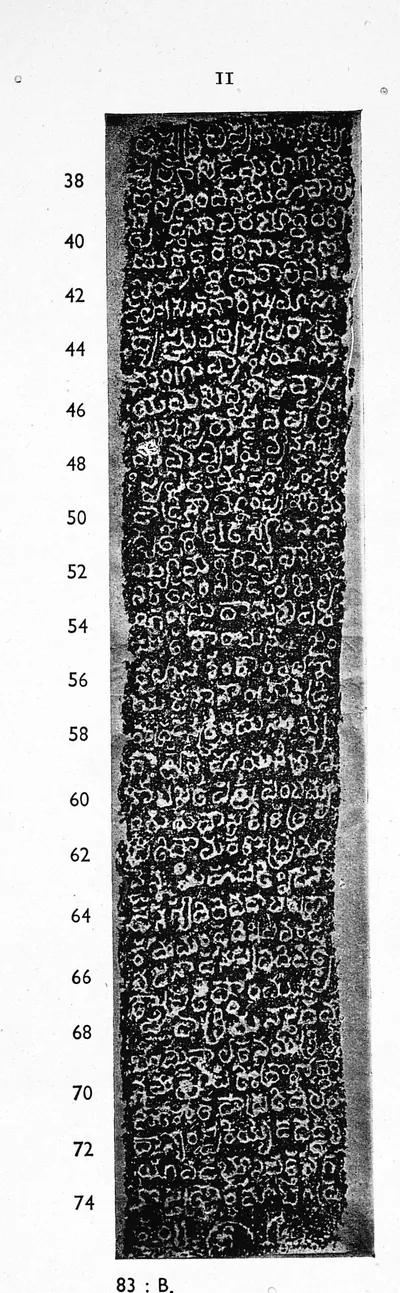 "Kandikonda inscription of Recerla Vennama-naya", face II (Corpus of Inscriptions in the Telingana Districts, Part III, plate 6, panel 83 : B)శాసన ప్రతి · 1956
 "Kandikonda inscription of Recerla Vennama-naya", face III (Corpus of Inscriptions in the Telingana Districts, Part III, plate 7, panel 83 : C)శాసన ప్రతి · 1956
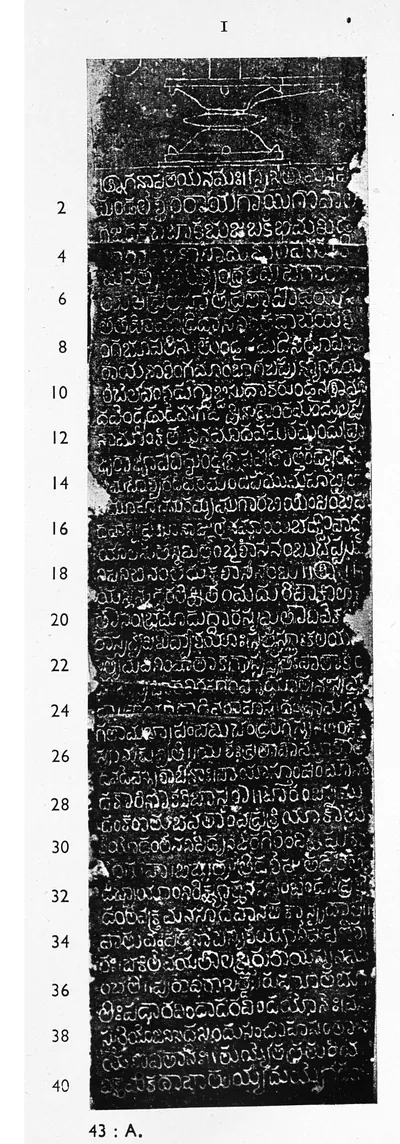 "Umamahesvaram inscription of Recerla Madhava-naya", face I (Corpus of Inscriptions in the Telingana Districts, Part III, plate 21, panel 43 : A)శాసన ప్రతి · 1956
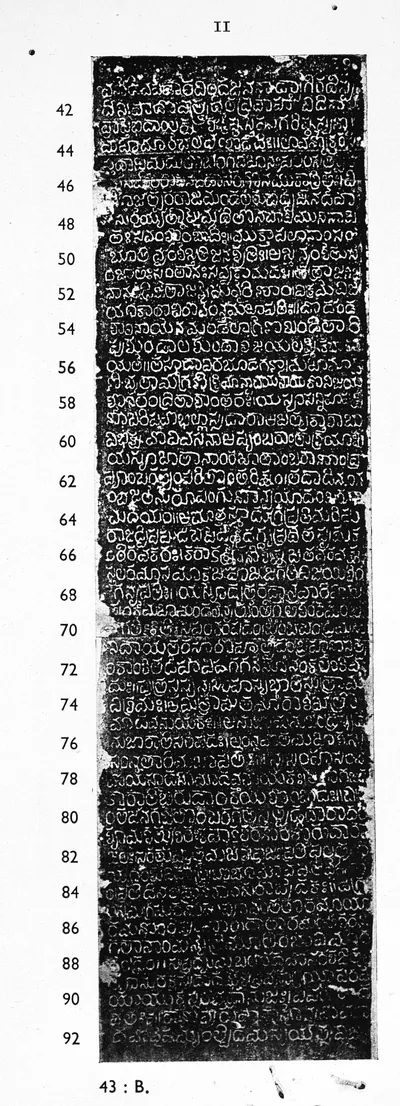 "Umamahesvaram inscription of Recerla Madhava-naya", face II (Corpus of Inscriptions in the Telingana Districts, Part III, plate 21, panel 43 : B)శాసన ప్రతి · 1956
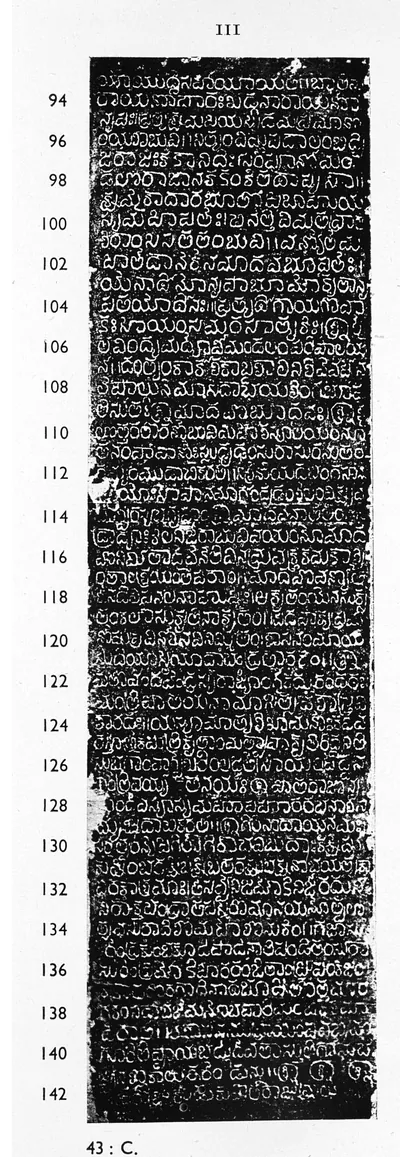 "Umamahesvaram inscription of Recerla Madhava-naya", face III (Corpus of Inscriptions in the Telingana Districts, Part III, plate 22, panel 43 : C)శాసన ప్రతి · 1956
 "Umamahesvaram inscription of Recerla Madhava-naya", face IV (Corpus of Inscriptions in the Telingana Districts, Part III, plate 22, panel 43 : D)శాసన ప్రతి · 1956
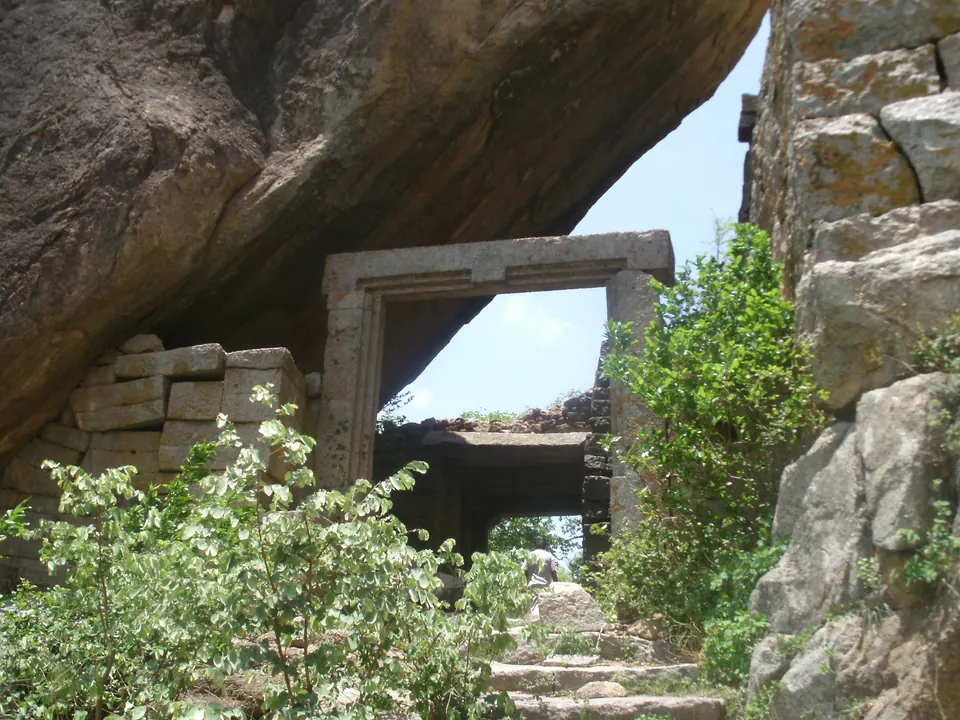
 A gateway of Rachakonda Fort under an overhanging boulderఫోటో · 2011
 A gateway on the way up Devarakonda Fortఫోటో · 2019
 Devarakonda Fort hill above a pondఫోటో · 2021
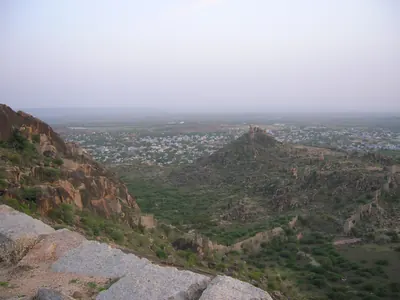 Devarakonda town seen from the fort hillఫోటో · 2007
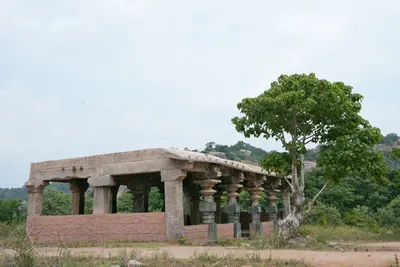
సంబంధిత
వ్యక్తులు
రేచర్ల సింగమ నాయకుడు
సుమారు క్రీ.శ. 1336–1361
14వ శతాబ్దం మధ్యలో రేచర్ల నాయకుడు, దాచయ కొడుకు. రాచకొండ, దేవరకొండ వెలమ రాజ్యాల స్థాపకులు అనపోత, మాదాల తండ్రి. ఆయన ముసునూరి నాయకుడు కాపయ నాయకునితో పోరాడి, కృష్ణ మీద బ్రాహ్మణులను స్థిరపరిచాడు. దాదాపు 1361లో జల్లిపల్లి కోటను ముట్టడిస్తుండగా ఆయనను కత్తితో పొడిచి చంపారని కుటుంబ చరిత్ర చెబుతుంది.
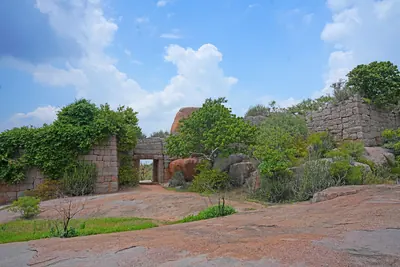
రేచర్ల అనపోత నాయకుడు
సుమారు క్రీ.శ. 1361–1384
సింగమ నాయకుని కొడుకైన రేచర్ల వెలమ నాయకుడు (పాలన దాదాపు 1361–1384). ఆయన 1365లో రాచకొండకు కోట కట్టించాడు. దాదాపు 1368లో ముసునూరి నాయకుడు కాపయ నాయకుడిని పడగొట్టాడు. 1369 జూలై నాటికి ఆయన వరంగల్, భువనగిరి, రాచకొండలను పాలిస్తున్నాడు. దేవరకొండకు చెందిన తన సోదరుడు మాదాతో కలిసి ఆయన రేచర్ల కుటుంబాన్ని తెలంగాణలో ప్రధాన శక్తిగా చేశాడు.
రేచర్ల మాదా నాయకుడు
సుమారు క్రీ.శ. 1361–1384
రేచర్ల వెలమ నాయకుడు (పాలన దాదాపు 1361–1384), సింగమ నాయకుని చిన్న కొడుకు, అనపోతుని సోదరుడు. ఆయన దేవరకొండ నుంచి పాలించాడు. ఆయనను దేవరకొండ శాఖ స్థాపకుడిగా లెక్కిస్తారు. శ్రీశైలపు ఉత్తర ద్వారమైన ఉమామహేశ్వరంలో ఆయన కట్టించిన మండపాన్ని 1377 నాటి ఆయన శాసనం నమోదు చేస్తుంది. ఆయన కొడుకు వెన్నుడు కందికొండను పాలించాడు.
రేచర్ల పెద వేదగిరి
సుమారు క్రీ.శ. 1384–1410
దేవరకొండ రేచర్ల వెలమ నాయకుడు (పాలన దాదాపు 1384–1410), మాదా నాయకుని కొడుకు. 1399 నాటి ఒక శాసనం ఆయనను శ్రీశైలం, వింధ్యల మధ్య దేశానికి పాలకుడు అంటుంది. కాపయ నాయకునిపై యుద్ధంలో వరంగల్ దగ్గర విజయాన్ని కుటుంబ చరిత్ర ఆయనకు ఆపాదిస్తుంది.
రేచర్ల సింగభూపాలుడు
సుమారు క్రీ.శ. 1384–1399
రాచకొండ రేచర్ల వెలమ రాజు (14వ శతాబ్దం చివర), అనపోత నాయకుని కొడుకు. ఆయన రసార్ణవసుధాకరం రాశాడు. అది నాటకంపై సంస్కృత గ్రంథం. దాని ప్రారంభ పద్యాలు ఆయన కుటుంబం గురించిన అత్యంత పూర్తి తొలి కథనం. తర్వాతి సంప్రదాయం ఆయనను, లేదా తర్వాతి శతాబ్దపు అదే పేరుగల మరొకరిని, శ్రీనాథుడు, పోతనల పోషకుడు సర్వజ్ఞ ('సర్వం తెలిసినవాడు') సింగ అంటుంది. ఎవరు ఎవరు అనేది వివాదాస్పదం.
రేచర్ల లింగమ నాయకుడు
సుమారు క్రీ.శ. 1427–1475
పదిహేనవ శతాబ్దపు దేవరకొండ రేచర్ల వెలమ నాయకుడు. 1427 నాటి ఒక శాసనం ప్రకారం మాదా నాయకుని ముని మునిమనవడు. 1427 నాటి రెండు చెరువు శాసనాల నుంచి, కుటుంబ చరిత్రలోని విజయాల పెద్ద జాబితా నుంచి ఆయన తెలుసు. ఆ చరిత్ర ఆయనను రెడ్డి రాజుల ప్రత్యర్థిగా, విజయనగర రాజు ప్రౌఢ దేవరాయల సమకాలికుడిగా చెబుతుంది.
కట్టడాలు
శాసనాలు
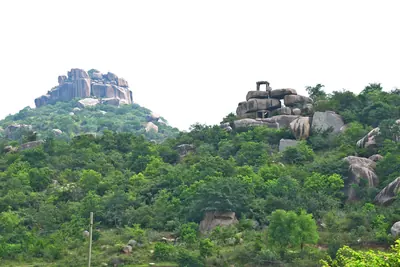
అనపోతుని రాచకొండ శాసనాలు (1365)
క్రీ.శ. 1365
రాచకొండ కోట వద్ద ఉన్న 1365 ఆగస్టు నాటి మూడు తెలుగు శాసనాలు. వాటిలో రేచర్ల వెలమ నాయకుడు అనపోత-నాయకుడు రాజుకొండ, నాగనాయనికొండ అనే జంట కొండలపై తాను కట్టించిన రాతి కోట నిర్మాణాలను, బావులను నమోదు చేస్తాడు. కొండల మధ్య తవ్వించిన అనపోత-సముద్రం చెరువును, తన ప్రతిగండభైరవ అనే బిరుదు పేరుతో ప్రతిష్ఠించిన భైరవ విగ్రహాన్ని కూడా అవి నమోదు చేస్తాయి.
వెన్నుని కందికొండ శాసనం (1375)
క్రీ.శ. 1375
మహబూబాబాద్ దగ్గరి కందికొండ (స్కందాద్రి) వద్ద 1375 ఆగస్టు నాటి శాసనం. దేవరకొండ రేచర్ల నాయకుడు మాదా నాయకుని కుమారుడు వెన్నుడు జనార్దనునికి ఆలయం కట్టించి దానికి భూమి ఇచ్చాడని అది నమోదు చేస్తుంది. అది దాచ నుండి కుటుంబ వంశాన్ని ఇస్తుంది. తండ్రి ఆజ్ఞ మేరకు వెన్నుడు స్కందాద్రిని పాలించడానికి దేవరకొండ నుండి వచ్చాడని అది చెబుతుంది.
మాదా నాయకుని ఉమామహేశ్వరం శాసనం (1377)
క్రీ.శ. 1377
శ్రీశైలానికి ఉత్తర ద్వారమైన ఉమామహేశ్వరం వద్ద ఉన్న 1377 ప్రారంభం నాటి తెలుగు, సంస్కృత శాసనం. దేవరకొండకు చెందిన రేచర్ల నాయకుడు మాదా (మాధవ) నాయకుడు మహేశ్వర దేవుడి కోసం కట్టించిన రాతి మండపాన్ని అది నమోదు చేస్తుంది. అది ఆయన కుటుంబపు పొడవైన వంశవృక్షాన్ని ఇచ్చి, ఒక వృత్తాకార పద్య చిత్రంతో ముగుస్తుంది.
నాగాంబ దేవలనగరం శాసనం (1429)
క్రీ.శ. 1429
రాచకొండ దగ్గరి నాగసముద్రం చెరువు కట్టపై ఉన్న 1429 మార్చి–ఏప్రిల్ నాటి సంస్కృత శాసనం. రేచర్ల రాకుమారుడు రావు మాధవుని రాణి నాగాంబ తవ్వించిన చెరువును అది నమోదు చేస్తుంది. ఎఱ దాచ నుండి అనపోత, సింగల ద్వారా అతని వంశాన్ని అది ఇస్తుంది. అతను 1427లో రామాయణంపై రాఘవీయం అనే వ్యాఖ్యానం రాశాడని అది చెబుతుంది.
ధర్మారావు సాయంపేట శాసనం (1464)
క్రీ.శ. 1464
వరంగల్కు ఈశాన్యంగా సాయంపేట దగ్గర ఒక స్తంభంపై ఉన్న 1464 ఏప్రిల్ నాటి తెలుగు శాసనం. దానిలో రేచర్ల నాయకుడు అనపోత నాయకుడి మునిమనవడు ధర్మ-రావు ముచ్చెర్ల, మాడ గ్రామాలను తిరువెంగళేశ్వర దేవుడికి, బ్రాహ్మణ దానగ్రహీతలకు ఇస్తాడు. వారి వాటాలకు అనుబంధంగా ఉన్న రైతులు ఆ దానంతో పాటు వెళ్తారు.
ఆధారసూచికలు
గమనికలు (0)
ఆధారాలు (25)
ఈ పేజీలో పొరపాటు కనిపించిందా? మాకు తెలియజేయండి
చివరి సవరణ: