Rashtrakutas of Malkhed
Dynasty of the Deccan that overthrew the Chalukyas of Badami in the 750s and ruled from Manyakheta (Malkhed) until 973. In the Telugu country they took over the Chalukya lands of the Alampur and Kurnool country and fought the Eastern Chalukyas of Vengi for two centuries. They governed much of Telangana through feudatories such as the Chalukyas of Vemulavada. Their inscriptions are found from Alampur and Bodhan to Warangal and Nalgonda, and Krishna III held most of the Cuddapah country. Taila II of the Chalukyas of Kalyani overthrew the last king, Kakka II, in 973.
Swipe sideways to see the whole chart; tap a bar for details.
Each bar is a ruling power in its region; time runs left to right. Dashed = approximate dates. Select a bar for details.
Show as a list
Eastern Chalukyas & the Deccan powers 624–1163 CE
- Telangana
- Chalukyas of Badami (c. 655–753 CE) · Chalukyas of Mudigonda (c. 890–1218 CE) · Chalukyas of Vemulavada (c. 750–973 CE) · Kakatiyas (c. 1052–1162 CE) · Rashtrakutas of Malkhed (c. 753–973 CE) · Telugu Chodas of Kanduru (c. 1060–1160 CE) · Eastern Chalukyas of Vengi (c. 935–973 CE) · Western Chalukyas of Kalyani (c. 973–1163 CE)
- Coastal Andhra
- Eastern Gangas of Kalinga (c. 537–1434 CE) · Eastern Chalukyas of Vengi (c. 615–973 CE) · Cholas of Tanjore (c. 999–1135 CE) · Chalukyas of Badami (c. 655–680 CE) · Pallavas (c. 670–750 CE)
- Rayalaseema
- Pallavas (c. 300–900 CE) · Cholas of Tanjore (c. 985–1268 CE) · Telugu Cholas of Renadu (c. 550–800 CE) · Western Chalukyas of Kalyani (c. 1000–1190 CE) · Chalukyas of Badami (c. 654–753 CE) · Banas (c. 700–915 CE) · Vaidumbas (c. 750–1000 CE) · Nolamba-Pallavas (c. 750–974 CE) · Rashtrakutas of Malkhed (c. 750–973 CE)
Kingdoms and empires
Chalukyas of Badami
Open page- Coastal Andhra: c. 615–642 CE (c. 27 years)
Pulakesin II took Pishtapura (Pithapuram) and the Kolleru lake country (Aihole inscription) about 615 and left his brother Vishnuvardhana to govern Vengi, which was an independent kingdom by 632 (Fleet); his Kopparam plates grant land in Karmarashtra (Guntur) in 631, and Hultzsch read them as showing Vishnuvardhana still his subordinate then. The Vizagapatam gazetteer adds that the Badami Chalukyas had already conquered Kalinga in the 6th century.
- Rayalaseema: c. 654–753 CE (c. 99 years)
Copper-plate grants of Vikramaditya I in Kurnool (654-55, 657-58, 663); his grant names the Nalavadi district (near Madakasira, Anantapur); grants of 680 in Anantapur and Bellary; grants of Vinayaditya in the Kurnool district (Nandyal, 689-90); the Telugu Cholas of Renadu were their vassals. Fleet guessed that Kirtivarman I's enemies the Nalas lived towards Bellary and Kurnool.
- Telangana: c. 655–753 CE (c. 98 years)
Partial: the Alampur-Gadwal country. Amudalapadu plates of Vikramaditya I (Alampur taluk, 660), Gadval plates (674), Pallepadu plates of Vinayaditya (682, issued at Pangal), and inscriptions in the Alampur temples of a queen of Vikramaditya I, of Vinayaditya's reign and of Vijayaditya (704, 713). IG Hyderabad: displaced by the Rashtrakutas (Dantidurga, 753).
- Coastal Andhra: c. 655–680 CE (c. 25 years)
Partial: Nellore. Talamanchi plates of Vikramaditya I (found near Nellore, 13 July 660), a grant to his preceptor Meghacharya.
Rulers (9)
- Pulakesin I (c. 550–566 CE)
- Kirtivarman I (c. 566–597 CE)
- Mangalesa (c. 597–609 CE)
- Pulakesin II (c. 609–642 CE)
- Vikramaditya I (Chalukya of Badami) (c. 655–680 CE)
- Vinayaditya (c. 680–696 CE)
… and 3 more
- Vijayaditya (c. 696–733 CE)
- Vikramaditya II (c. 733–746 CE)
- Kirtivarman II (c. 746–757 CE)
Capitals
Monuments
Inscriptions
Sources (12)
Kingdoms and empires
Chalukyas of Mudigonda
Open page- Telangana: c. 890–1218 CE (c. 328 years)
Partial: Mudigonda (Khammam), the Manchikonda district and the Koravi (Kuravi) country, later the Visuru-nadu on the Godavari; feudatories of the Eastern Chalukyas, later of the Chalukyas of Kalyani. No record of the family is dated: start from Kusumayudha I's part in Chalukya-Bhima I's coronation (892), end from Parabrahma Sastry's identification of Kusumaditya and Nagati in a record of 1218. Driven out by the Kakatiyas (Recherla Rudra; Ganapatideva).
Rulers (13)
- Kokiraja (c. 865–890 CE)
- Kusumayudha I (c. 890–915 CE)
- Bijayita (c. 915–940 CE)
- Kusumayudha II (c. 940–965 CE)
- Vijayaditya (c. 965–990 CE)
- Kusumayudha III (c. 990–1015 CE)
… and 7 more
- Nijjiyaraja (c. 1015–1040 CE)
- Kusumayudha IV (Chalukya of Mudigonda) (c. 1040–1065 CE)
- Beta (c. 1065–1090 CE)
- Kusumayudha V (c. 1090–1110 CE)
- Bottu-Beta (c. 1110–1140 CE)
- Kusumaditya (Chalukya of Mudigonda) (c. 1140–1165 CE)
- Nagati (c. 1165–1196 CE)
Capitals
Inscriptions
Sources (4)
Kingdoms and empires
Chalukyas of Vemulavada
Open page- Telangana: c. 750–973 CE (c. 223 years)
Partial: the Sabbi Thousand (Karimnagar), capital Vemulavada (Lembulavataka), as Rashtrakuta feudatories; Podana (Bodhan) under the founder Yuddhamalla I (Venkataramanayya). Dated records: Chennur 940, Parbhani plates 966, Repaka 968. Ended when the Chalukyas of Kalyani took Telangana between 966 and 973.
Rulers (10)
- Vinayaditya-Yuddhamalla I (Chalukya of Vemulavada) (c. 750–775 CE)
- Arikesari I (c. 775–800 CE)
- Narasimha I (c. 800–825 CE)
- Yuddhamalla II (c. 825–850 CE)
- Baddega I Soladaganda (Chalukya of Vemulavada) (c. 850–895 CE)
- Yuddhamalla III (c. 895–915 CE)
Capitals
Monuments
Inscriptions
Sources (3)
Kingdoms and empires
Kakatiyas
Open page- Telangana: c. 1052–1162 CE (c. 110 years)
Partial: feudatory chiefs of Anumakonda (Hanamkonda) under the Chalukyas of Kalyani. Prola I received the Anumakonda district as a permanent fief from Someshvara I (record of 1053); Prola II's last record as a subordinate is of 1149; Rudradeva subdued the other Telangana chiefs c. 1157–62 (Parabrahma Sastry). Earlier members served the Rashtrakutas (Mangallu grant, c. 956) according to Parabrahma Sastry, a link rejected by Venkataramanayya and Somasekhara Sarma (1960).
- Telangana: c. 1163–1323 CE (c. 160 years)
Sovereign from Rudradeva's Anumakonda inscription of January 1163; capital moved to Orugallu (Warangal) under Ganapatideva. Warangal taken by Ulugh Khan in 1323 (Parabrahma Sastry, after Isami); Barani and the Imperial Gazetteer give 1321.
- Coastal Andhra: c. 1185–1323 CE (c. 138 years)
Rudradeva subdued the Kotas of Dharanikota and the Kondapadumatis (Tripurantakam grant 1185); Ganapatideva annexed Divi (1203) and Velanadu (records from 1209; Jaya governor 1213) and held the coast from the Godavari to the Penna; Kakatiya records at Draksharama from 1212, but the Eastern Gangas held the region north of the Godavari c. 1230–33 and again c. 1262–78; the Telugu Chodas of Nellore were allies; Nellore was lost to the Pandyas c. 1263 and recovered under Prataparudra.
- Rayalaseema: c. 1250–1323 CE (c. 73 years)
Through the Kayastha chiefs (Gangaya Sahini, bahattara-niyogadhipati c. 1250, capital Valluru in Cuddapah); Ambadeva independent c. 1272–1291, until Prataparudra's armies retook Tripurantakam (between 13 June and 11 August 1291) and the Kayastha lands within about eight years.
Rulers (11)
Capitals
Monuments (16)
Inscriptions (36)
- Kazipet Dargah pillar inscription
- Matedu inscription of Vemabola Malle-nayaka
- Gudur pillar inscriptions of the Viriyala family
- Thousand Pillar Temple inscription of Rudradeva
- Karimnagar inscription of Gangadhara
- Warangal fort inscription of Rudradeva
… and 30 more
- Pillalamarri inscription of Recherla Nami-reddi
- Kondaparti inscription of Malyala Chaunda
- Inugurti pillar inscription of Natavadi Rudra
- Bayyaram tank inscription of Mailama
- Chebrolu inscription of Jaya
- Palampet pillar inscription of Recherla Rudra
- Ganapavaram inscription of Devapala
- Warangal toll inscription of Ganapatideva
- Ganapesvaram inscription of Jaya
- Upparapalli pillar inscription of Kataya
- Motupalli pillar inscription of Ganapatideva
- Pakhal lake inscription of Jagadala Mummadi
- Rayaparti fragment of Saka 1169
- Ekamranatha temple inscription of Ganapati
- Nayanapalle inscription of Ganapatideva
- Durgi inscription of Gangaya-sahini
- Sarngapuram plates of Sarngadhara
- Bothpur tank inscription of Malyala Gunda
- Garavapadu plates of Ganapatideva
- Malkapuram pillar inscription of Rudramadevi
- Kotagiri plates of Viryala Sura
- Kolanupaka inscription of Rudramadevi's reign
- Chandupatla inscription
- Panugallu inscription of Immadi Mallikarjuna-nayaka
- Tripurantakam inscription of Ambadeva
- Raichur fort inscription of Gona Vithala
- Mellacheruvu inscription of Prataparudra's reign
- Srirangam inscription of Prataparudra
- Dharmasagar inscription of the minister Malla
- Hanamkonda inscription of Gangadhara
Sources (7)
Kingdoms and empires
Rashtrakutas of Malkhed
Open page- Rayalaseema: c. 750–973 CE (c. 223 years)
Through the Nolambas in Anantapur from about 750. The Cuddapah gazetteer finds no lasting foothold in Cuddapah until Indra III (c. 915), and says Krishna III (940-956) held all of Cuddapah except the east. The dynasty fell in 973.
- Telangana: c. 753–973 CE (c. 220 years)
Displaced the Chalukyas mid-8th century (Dantidurga 753). Inscriptions of their reigns or their feudatories at Alampur (Dhruva, about 780), Kuruvagattu (Govinda III), Mallikarjunapalli (846, 946), Khajipet, Velmajala (907), Padaturu (913) and Chennur (940); the Vemulavada Chalukyas and probably the early Kakatiyas were their subordinates. The dynasty fell in 973 and Western Chalukya rule in Telangana is attested by 995.
Rulers (13)
- Dantidurga (c. 753–756 CE)
- Krishna I (c. 756–774 CE)
- Govinda II (c. 774–780 CE)
- Dhruva (c. 780–793 CE)
- Govinda III (Rashtrakuta) (c. 793–814 CE)
- Amoghavarsha I (c. 814–878 CE)
… and 7 more
- Krishna II (Rashtrakuta) (c. 878–914 CE)
- Indra III (c. 915–917 CE)
- Govinda IV (c. 918–935 CE)
- Amoghavarsha III (Vaddiga) (c. 935–939 CE)
- Krishna III (Rashtrakuta) (c. 939–966 CE)
- Khottiga (c. 966–972 CE)
- Kakka II (c. 972–973 CE)
Capitals
Inscriptions
Sources (14)
Kingdoms and empires
Telugu Chodas of Kanduru
Open page- Telangana: c. 1060–1160 CE (c. 100 years)
Partial (Kandurunadu: the Jadcharla and Achampet areas of Mahbubnagar and the Nalgonda and Miryalaguda areas of Nalgonda), ruled from Kodur and Panugallu as feudatories of the Chalukyas of Kalyani; Tondarasa of Kandur governed the Kollipake province in 1088. Prola II restored Udaya Choda at Panugallu about 1131; Rudradeva drove out Bhima and annexed the country in the 1150s (last record of Bhima 1157). The family then held fiefs under the Kakatiyas, with a last record in 1282.
Rulers
- Tondaya II (Tondarasa) of Kandur (1088–1091 CE)
- Bhima Choda III of Kandur (c. 1105–1157 CE)
- Gokarna Choda I (c. 1124–1128 CE)
- Udaya Choda II of Kandur (1136–1176 CE)
- Bhima IV and Gokarna II (1178 CE)
Capitals
Inscriptions
Sources (5)
Kingdoms and empires
Eastern Chalukyas of Vengi
Open page- Coastal Andhra: c. 615–973 CE (c. 358 years)
Vengi, between the Godavari and the Krishna, with the Vizagapatam country to the north (Chipurupalle grant of 632) and Karmarashtra, the Ongole-Guntur country, to the south (grants of 664 and 673). Kubja Vishnuvardhana was installed as yuvaraja in 615 (Fleet) and was independent by 632; others date the start about 605 (Hultzsch 1890, Mackenzie), after 631 (Kopparam plates, Hultzsch 1926) or in 624-25 (Rama Rao 1964). The line of kings from the grants ends with Danarnava (970-973).
- Telangana: c. 935–973 CE (c. 38 years)
Partial: the Chalukya chiefs of Mudigonda and Koravi (Khammam and Warangal) owed allegiance to Vengi rather than to the Rashtrakutas, in Parabrahma Sastry's account; ended after the death of Danarnava in 973.
- Coastal Andhra: c. 999–1077 CE (c. 78 years)
After an interval that the grants call twenty-seven years without a ruler, Saktivarman I was restored about 999 with the help of the Chola Rajaraja I, "as king (or perhaps feudatory)" in the Godavari gazetteer's words. His successors married Chola princesses; Rajendra II, heir to Vengi in 1063, became the Chola emperor Kulottunga I in 1070. His uncle Vijayaditya VII governed Vengi until he died in 1077 (1076 in Sewell's table), after which Vengi was ruled for the Cholas by viceroys.
Rulers (29)
- Kubja Vishnuvardhana (c. 615–633 CE)
- Jayasimha I (c. 633–663 CE)
- Indra-Bhattaraka (c. 663 CE)
- Vishnuvardhana II (Eastern Chalukya) (c. 663–672 CE)
- Mangi-yuvaraja (c. 672–696 CE)
- Jayasimha II (Eastern Chalukya) (c. 696–709 CE)
… and 23 more
- Kokkili (c. 709 CE)
- Vishnuvardhana III (Eastern Chalukya) (c. 709–746 CE)
- Vijayaditya I (c. 746–764 CE)
- Vishnuvardhana IV (Eastern Chalukya) (c. 764–799 CE)
- Vijayaditya II Narendra-mrigaraja (c. 799–843 CE)
- Kali-Vishnuvardhana V (c. 843–844 CE)
- Gunaga Vijayaditya III (c. 844–888 CE)
- Chalukya-Bhima I (c. 888–918 CE)
- Vijayaditya IV (Kollabhiganda) (c. 918 CE)
- Amma I (c. 918–925 CE)
- Beta-Vijayaditya V (c. 925 CE)
- Tadapa (c. 925 CE)
- Vikramaditya II (c. 926 CE)
- Bhima III (c. 926–927 CE)
- Yuddhamalla II (c. 927–934 CE)
- Chalukya-Bhima II (c. 934–945 CE)
- Amma II (945–970 CE)
- Danarnava (970–973 CE)
- Saktivarman I (c. 999–1011 CE)
- Vimaladitya (1011–1022 CE)
- Rajaraja Narendra (1022–1063 CE)
- Kulottunga I (c. 1063–1070 CE)
- Vijayaditya VII (c. 1063–1076 CE)
Capitals
Monuments
Inscriptions (36)
- Satara grant of Vishnuvardhana I
- Timmapuram plates of Vishnuvardhana I
- Chipurupalle plates of Vishnuvardhana I
- Pedda-Vegi plates of Jayasimha I
- Niduparu grant of Jayasimha I
- Pulibumra plates of Jayasimha I
… and 30 more
- Gudivada plates of Jayasimha I (three grants)
- Chendalur plates of Sarvalokasraya (Mangi-yuvaraja)
- Penukaparu grant of Jayasimha II
- Ipur plates of Vishnuvardhana III
- Ederu plates of Vijayaditya II
- Addanki inscription of Pandaranga
- Masulipatam (?) plates of Vijayaditya III
- Bezwada plates of Chalukya-Bhima I
- Bezwada pillar inscription of Yuddhamalla
- Chevuru plates of Amma I
- Ederu plates of Amma I
- Diggubarru grant of Chalukya-Bhima II
- Gundugolanu plates of Amma II
- Kaluchumbarru grant of Amma II
- Maliyapundi grant of Amma II
- Masulipatam plates of Amma II
- Padamkaluru grant of Amma II
- Vandram plates of Amma II
- Vemalurpadu plates of Amma II
- Yelavarru plates of Amma II
- Arumbaka plates of Badapa
- Mangallu grant of Amma II
- Sripundi plates of Tala II
- Tandikonda grant of Amma II
- Ranastipundi grant of Vimaladitya
- Kalidindi grant of Rajaraja I
- Korumelli plates of Rajaraja I
- Nandamapundi grant of Rajaraja Narendra
- Teki plates of Rajaraja-Chodaganga
- Chellur plates of Vira-Choda
Sources (10)
Kingdoms and empires
Western Chalukyas of Kalyani
Open page- Telangana: c. 973–1163 CE (c. 190 years)
Restored 973 (Korapolu, Medak district, inscription of Ahavamalla Taila II, April 973; earliest near Anumakonda Jammikunta 995). Held through feudatories (Kakatiyas, Polavasa chiefs, Kandur Chodas, Mudigonda chiefs) and the Kollipake (Kolanupaka) province under royal governors and princes; Taila III's death is recorded at Anumakonda in January 1163, when the Kakatiyas became sovereign
- Rayalaseema: c. 1000–1190 CE (c. 190 years)
11th-12th centuries in Anantapur (Vikramaditya VI's inscriptions at Gooty; records of 1113 and 1121), Kurnool (1122) and Tripurantakam (1122, 1126); a Chola chief governed Renadu (Cuddapah) under Vikramaditya VI in 1124; overthrown c. 1189 by the Hoysalas and Yadavas
- Coastal Andhra: c. 1118–1126 CE (c. 8 years)
Vengi: after the Chola viceroy Vikrama Chola left in 1118, Vikramaditya VI ruled "the Vengi 14000 country" (Sewell) through his general Anantapala; records at Draksharama 1120-1124; the Godavari gazetteer has him "undisputed king of Vengi" 1120-1124. Vikrama Chola was again supreme south of the Krishna by 1127. Earlier, only single records (Satyasraya at Chebrolu, 1006)
Rulers (11)
- Taila II (973–997 CE)
- Satyasraya (c. 997–1008 CE)
- Vikramaditya V (c. 1008–1015 CE)
- Jayasimha II (Western Chalukya) (c. 1015–1042 CE)
- Somesvara I (c. 1042–1068 CE)
- Somesvara II (1068–1076 CE)
… and 5 more
- Vikramaditya VI (1076–1126 CE)
- Somesvara III (1126–1138 CE)
- Jagadekamalla II (1138–1150 CE)
- Taila III (c. 1150–1162 CE)
- Somesvara IV (c. 1183–1189 CE)
Capitals
Inscriptions (9)
Sources (9)
Kingdoms and empires
Eastern Gangas of Kalinga
Open page- Coastal Andhra: c. 537–1434 CE (c. 897 years)
Partial: only the far north coast (the old Ganjam and Vizagapatam districts, now Srikakulam-Vizianagaram- Visakhapatnam), capital Kalinganagara (Mukhalingam). Earliest dated grant: Jirjingi, near Tekkali, Ganga year 39 (c. 537 on Mirashi's epoch of 498; Fleet put the early grants in the 7th century and Sewell used an epoch of 877-78; the Imperial Gazetteer, the 7th century). Later line in power from the end of the 9th century (Vizagapatam gazetteer): Vajrahasta III crowned 1038; Anantavarman Chodaganga 1078-1146, with records at Mukhalingam, Srikurmam, Simhachalam and Visakhapatnam. South of the Godavari only records and raids (Draksharama 1128-1274; Bendapudi). Ended 1434, when the minister Kapilesvara founded the Gajapati line
Rulers (15)
- Vajrahasta III (Eastern Ganga) (1038–1070 CE)
- Rajaraja I (Eastern Ganga) (1070–1078 CE)
- Anantavarman Chodaganga (c. 1078–1146 CE)
- Madhu-Kamarnava (c. 1146–1152 CE)
- Raghava (c. 1152–1166 CE)
- Rajaraja II (c. 1166–1192 CE)
… and 9 more
- Aniyanka-Bhima (c. 1192–1202 CE)
- Anangabhima III (c. 1219–1253 CE)
- Narasimha I (Eastern Ganga) (c. 1253–1256 CE)
- Bhanudeva I (c. 1256–1275 CE)
- Narasimha II (c. 1275–1306 CE)
- Bhanudeva II (c. 1306–1323 CE)
- Narasimha III (c. 1323–1346 CE)
- Bhanudeva III (c. 1346–1378 CE)
- Narasimha IV (c. 1378–1397 CE)
Capitals
Monuments
Inscriptions (8)
Sources (10)
Kingdoms and empires
Cholas of Tanjore
Open page- Rayalaseema: c. 985–1268 CE (c. 283 years)
Rajaraja I (from 982/985) claims Nulambapadi and had the Vaidumbas of Cuddapah as feudatories. Chola inscriptions in Kurnool are dated 1108 and 1123. The east of Cuddapah (Pottapi-nadu) stayed under Chola suzerainty through the Telugu Chodas until Rajendra III's death in 1268. IG Madras has Cuddapah Chola from the 11th to the 13th century.
- Coastal Andhra: c. 999–1135 CE (c. 136 years)
Overlords of the Eastern Chalukya kings from 999; Kulottunga I's sons ruled Vengi as viceroys 1077-1118; Vengi was lost to the Western Chalukyas after Vikrama-Chola left in 1118, and his records reappear at Chebrolu (1127) and Nidubrolu (1135). Nellore stayed under Chola suzerainty into the 13th century (IG Madras)
- Coastal Andhra: c. 1135–1264 CE (c. 129 years)
Partial (Nellore). After Vengi was lost, Nellore stayed under the Cholas until their 13th-century decline: Rajaraja III is recognised there in 1237 and Rajendra III in 1253, with the Telugu Choda chiefs ruling locally as their vassals. A Tamil record at Punjulurupadu, in the Gudur country, is still dated in the 20th year of Rajendra III, Saka 1185 (1263-64).
Rulers (14)
- Rajaraja I (Chola) (985–1016 CE)
- Rajendra I (Chola) (1012–1043 CE)
- Rajadhiraja I (Chola) (1018–1052 CE)
- Rajendradeva (1052–1063 CE)
- Virarajendra (Chola) (1063–1070 CE)
- Adhirajendra (1070 CE)
… and 8 more
- Kulottunga I (1070–1118 CE)
- Vikrama-Chola (1118–1133 CE)
- Kulottunga II (Chola) (1133–1146 CE)
- Rajaraja II (Chola) (1146–1163 CE)
- Rajadhiraja II (1163–1178 CE)
- Kulottunga III (Chola) (1178–1216 CE)
- Rajaraja III (1216–1246 CE)
- Rajendra III (Chola) (1246–1267 CE)
Capitals
Inscriptions (10)
Sources (9)
Kingdoms and empires
Pallavas
Open page- Coastal Andhra: c. 250–630 CE (c. 380 years)
Krishna-Guntur, Ongole and Nellore. Prakrit grant of the crown prince Sivaskandavarman to his officer at Dhanyakataka (Amaravati), dated from about 234 (Sewell) or 250-275 (Jouveau-Dubreuil) to the first half of the 4th century (Sircar); Sanskrit grants of a Nellore-Guntur line (Omgodu, Uruvupalli, Pikira, Mangalur, Vilavatti, Chura) in the 5th and 6th centuries. Karmarashtra (Ongole-Bapatla) was Chalukya by about 630 (Kopparam plates of Pulakesin II). The Godavari gazetteer calls 200-615 a Pallava age, and IG Madras calls Vengi originally a Pallava province; Sircar found no evidence that the Pallavas held Vengi itself.
- Rayalaseema: c. 300–900 CE (c. 600 years)
Partial. Pallava frontier guards at Sriparvata (Kurnool) in the 4th century (Talagunda inscription; Sircar); Ganga kings of the Penukonda plates installed by Pallava kings (5th century); inscription of Paramesvaravarman II at Ulchala near Kurnool (728-29); Bana vassals in the Chittoor country under Nripatunga (9th century). The Cuddapah gazetteer has the Pallavas hold the eastern Cuddapah taluks for four centuries until the Chola Aditya I crippled them at the end of the 9th century. The Cuddapah gazetteer says the Pallavas of Kanchi pushed up the Penner from Nellore into north Cuddapah for a time and then ruled the eastern Cuddapah taluks for four centuries, until the Chola Aditya I crippled them at the end of the 9th century; Sewell gives a Pallava regnal-year record in Chittoor (864-65), with the Banas as Pallava vassals.
- Coastal Andhra: c. 670–750 CE (c. 80 years)
Southern Nellore only: grants of Paramesvaravarman I (Podili-Kandukur country, 687) and Narasimhavarman II (Revuru, Atmakur taluk, about 700-711), and a Tamil record of the 15th year of Nandipottarasar at Mallam (Gudur taluk), read as Pallava supremacy (Nellore gazetteer, 1942) or as Pallava rule under the Western Chalukyas (Butterworth and Venugopaul Chetty, 1905).
Rulers (18)
- Bappa (c. 225–250 CE)
- Sivaskandavarman (Pallava) (c. 250–275 CE)
- Vishnugopa of Kanchi (c. 325–350 CE)
- Kumaravishnu II (Pallava) (c. 425–450 CE)
- Skandavarman II (Pallava) (c. 450–475 CE)
- Simhavarman II (Pallava) (c. 500–525 CE)
… and 12 more
- Vishnugopavarman (c. 525–550 CE)
- Simhavishnu (c. 575–600 CE)
- Mahendravarman I (c. 600–630 CE)
- Narasimhavarman I (c. 630–668 CE)
- Mahendravarman II (c. 668–670 CE)
- Paramesvaravarman I (c. 670–690 CE)
- Narasimhavarman II (c. 690–715 CE)
- Nandivarman II Pallavamalla (c. 717–779 CE)
- Dantivarman (c. 779–830 CE)
- Nandivarman III (c. 830–854 CE)
- Nripatunga (c. 854–880 CE)
- Aparajita (c. 880–900 CE)
Capitals
Inscriptions (14)
Sources (19)
Kingdoms and empires
Telugu Cholas of Renadu
Open page- Rayalaseema: c. 550–800 CE (c. 250 years)
Renandu, the country between the Chitravati and the Cheyyeru (most of Cuddapah, parts of Kolar and Chittoor; Sewell: Cuddapah and Kurnool), with capitals at Chippili and Malepadu. Undated records placed by EI XXVII between the later 6th and the end of the 8th century (Nandivarman c. 550, Punyakumara c. 625); Krishna Sastri (1912) and Narasimhaswami (1956) put Punyakumara near 800 and about 740. A collateral line at Budili lasted to Srikantha, c. 850.
Rulers (9)
- Nandivarman (c. 550–575 CE)
- Dhananjaya (Telugu Chola) (c. 575–600 CE)
- Mahendravikrama (Telugu Chola) (c. 600–625 CE)
- Punyakumara (c. 625–650 CE)
- Vikramaditya I (c. 650–675 CE)
- Saktikumara (c. 675–700 CE)
… and 3 more
- Vikramaditya II (Telugu Chola) (c. 700–725 CE)
- Uttamaditya (c. 725–750 CE)
- Vijayaditya Chola (Telugu Chola) (c. 750–775 CE)
Capitals
Inscriptions (7)
- Kalamalla inscription of Erikal Muturaju Dhananjaya
- Erragudipadu inscription of Erikal-Mutturaju
- Malepadu plates of Punyakumara
- Tippaluru inscription of Punyakumara
- Malepadu stone inscription of Satyaditya
- Dommara-Nandyala plates of Punyakumara
… and 1 more
Sources (4)
Kingdoms and empires
Banas
Open page- Rayalaseema: c. 700–915 CE (c. 215 years)
Partial (the Chittoor hills between Kolar and Kalahasti, with Punganur and Kalahasti among their chief towns; north Cuddapah in the late 9th century). Brackenbury says the Bana kingdom was set up early in the 8th century and was acknowledged in north Cuddapah by 884, before the Banas became feudatories of the Chola Parantaka I (907-940). Five Bana records at Gudimallam (Venkayya 1912) show them as subordinates of the Pallava kings of Kanchi. Sewell and Sircar trace the Banas of North Arcot and Chittoor back to the 4th century. The Nolamba Mahendra attacked their country of Pulinadu, round Punganur, in the later 9th century.
Rulers
- Vijayaditya (under Dantivarman) (c. 820–830 CE)
- Vikramaditya I (Banavidyadhara, Jayameru) (c. 850–880 CE)
- Vijayaditya II Prabhumeru (Bana) (c. 880–910 CE)
- Vikramaditya II (c. 910–921 CE)
Inscriptions
Sources (6)
Kingdoms and empires
Vaidumbas
Open page- Rayalaseema: c. 750–1000 CE (c. 250 years)
Partial (south Anantapur, Rayachoti, Madanapalle; Kamalapuram by 975). Brackenbury says the Vaidumbas ruled from very early times and reached Rayachoti taluk by the 8th century; Panchamukhi (EI XXIV) thought they grew strong only in the 9th century, after the Banas, and then took the Renandu Seven Thousand country. They fought beside the Banas at Soremati (dated about 877-78 by Sewell, about 885 by Panchamukhi, 900 by Brackenbury). After Krishna III died they were the apparent sovereign as far north as Kamalapuram taluk (975-976), and they became Chola feudatories under Rajaraja I. They stayed Chola feudatories at Rayachoti until at least 1102.
Rulers
- Manuja-Trinetra (c. 860–880 CE)
- Ganda-Trinetra (Vaidumba) (c. 880–900 CE)
- Sandaiyan Tiruvaiyan (c. 940–965 CE)
Sources (3)
Kingdoms and empires
Nolamba-Pallavas
Open page- Rayalaseema: c. 750–974 CE (c. 224 years)
Partial (Anantapur: Hemavati, Gooty, Madakasira, Kambaduru, Hindupur; Kaniyakal in Rayadrug). Nolambavadi, a province covering most of Anantapur, was ruled by the Nolambas, a Pallava branch and feudatories of the Rashtrakutas. Henjeru (Hemavati) was their capital (Krishna Sastri 1910). Dated records: Hindupur 853, Kambaduru 883 and 965 (Rangacharya). The Anantapur gazetteer says 8th to 10th centuries; the Bellary gazetteer says from the mid-7th century for three centuries. The Ganga Marasimha crushed them about 970-974.
Sources (6)
Reigns
Each bar is one ruler’s reign; time runs left to right. c. = approximate date.
- Dantidurgac. 753–756 CE · c. 3 yrs
- Krishna Ic. 756–774 CE · c. 18 yrs
- Govinda IIc. 774–780 CE · c. 6 yrs
- Dhruvac. 780–793 CE · c. 13 yrs
- Govinda III (Rashtrakuta)c. 793–814 CE · c. 21 yrs
- Amoghavarsha Ic. 814–878 CE · c. 64 yrs
- Krishna II (Rashtrakuta)c. 878–914 CE · c. 36 yrs
- Indra IIIc. 915–917 CE · c. 2 yrs
- Govinda IVc. 918–935 CE · c. 17 yrs
- Amoghavarsha III (Vaddiga)c. 935–939 CE · c. 4 yrs
- Krishna III (Rashtrakuta)c. 939–966 CE · c. 27 yrs
- Khottigac. 966–972 CE · c. 6 yrs
- Kakka IIc. 972–973 CE · c. 1 yr
Approximate reigns. J. F. Fleet (1896) gives a grant of Dantidurga of January 754, puts the accession of Amoghavarsha I in 814 or 815, the first known date of Krishna II in 888 and his last in 911–12, the coronation of Indra III on 24 February 915, dates for Govinda IV in 918 and 933, Krishna III's first date in 940 and Kakka II's last in June 973. The Alas plates show Krishna I reigning in 770, and Robert Sewell (1932) cites a grant of 779 in the reign of Govinda II. An inscription of February 966 at Kolagallu says that Krishna III had died and Khottiga had succeeded. Fleet held that Govinda II was superseded by his brother Dhruva, and that Amoghavarsha II, the elder son of Indra III, never reigned.
Family tree
The rulers and the relatives who explain the succession. Every line rests on a cited statement on a person page; the sources are listed below the tree. Select a card to open that page.
- parent and child
- marriage
- adoption
- the sources disagree (see below)
- order of succession
Generation 1
- Karka IFather of Indra II and Krishna I
Generation 2
- Indra IIMarried a Chalukya princess; did not reignSon of Karka I
- 2Krishna Ic. 756–774 CESon of Karka I
Generation 3
- 1Dantidurgac. 753–756 CESon of Indra II
- 3Govinda IIc. 774–780 CESon of Krishna I
- 4Dhruvac. 780–793 CESon of Krishna I
Generation 4
- 5Govinda IIIc. 793–814 CESon of Dhruva
- IndrarajaFeudatory ruler of the Lata country (Gujarat)Son of Dhruva
Generation 5
- 6Amoghavarsha Ic. 814–878 CESon of Govinda III
Generation 6
- 7Krishna IIc. 878–914 CESon of Amoghavarsha I
Generation 7
- JagattungaSon of Krishna II; died before his fatherSon of Krishna II
Generation 8
- 8Indra IIIc. 915–917 CESon of Jagattunga
- 10Amoghavarsha III (Vaddiga)c. 935–939 CESon of Jagattunga
Generation 9
- Amoghavarsha IIElder son of Indra III; set aside by Govinda IVSon of Indra IIIsources disagree
- 9Govinda IVc. 918–935 CESon of Indra III
- 11Krishna IIIc. 939–966 CESon of Amoghavarsha III (Vaddiga)
- Jagattunga IIIYounger brother of Krishna III; did not reignSon of Amoghavarsha III (Vaddiga)
- 12Khottigac. 966–972 CESon of Amoghavarsha III (Vaddiga)
- NirupamaYounger brother of Khottiga; did not reignSon of Amoghavarsha III (Vaddiga)
Generation 10
- Son of Krishna IIINot named in the recordsSon of Krishna III
- 13Kakka IIc. 972–973 CESon of Nirupama
Generation 11
- Indra IVCrowned by the Ganga Marasimha after 973; died 982Son of Son of Krishna III
Sources for every line of the tree
- Karka I → Indra II and Krishna I (parent and child)
- Fleet's genealogical table makes Karka I the father of both Indra II and Krishna I. →
- Fleet, "Dynasties of the Kanarese Districts" (1896), genealogical table "The Rashtrakutas of Malkhed", facing p. 386 (archive.org (opens in a new tab)).
- Fleet's genealogical table makes Karka I the father of both Indra II and Krishna I. →
- Indra II → Dantidurga (parent and child)
- Dantidurga was a son of the Rashtrakuta Indra II and of a Chalukya princess. →
- Robert Sewell, The Historical Inscriptions of Southern India (1932), p. 27 (archive.org (opens in a new tab)). Paraphrased.
- Fleet, "Dynasties of the Kanarese Districts" (1896), genealogical table "The Rashtrakutas of Malkhed", facing p. 386 (archive.org (opens in a new tab)).
- Dantidurga was a son of the Rashtrakuta Indra II and of a Chalukya princess. →
- Krishna I → Govinda II and Dhruva (parent and child)
- Krishna I left two sons, Govinda II and Dhruva. →
- J. F. Fleet, "Dynasties of the Kanarese Districts", Gazetteer of the Bombay Presidency I, pt. II (1896), p. 393 (archive.org (opens in a new tab)).
- Krishna I left two sons, Govinda II and Dhruva. →
- Dhruva → Govinda III and Indraraja (parent and child)
- Govinda III was a son of Dhruva, who gave him the necklet (necklace) of the heir-apparent. →
- Fleet, "Dynasties of the Kanarese Districts" (1896), p. 394 (archive.org (opens in a new tab)).
- Indraraja, the brother to whom Govinda III gave the Lata country of southern Gujarat, founded a feudatory branch of the family there. →
- Fleet, "Dynasties of the Kanarese Districts" (1896), p. 397 (archive.org (opens in a new tab)).
- Fleet, "Dynasties of the Kanarese Districts" (1896), p. 400 (archive.org (opens in a new tab)).
- Govinda III was a son of Dhruva, who gave him the necklet (necklace) of the heir-apparent. →
- Govinda III → Amoghavarsha I (parent and child)
- Amoghavarsha I was a son of Govinda III, and succeeded him in 814 or 815. →
- J. F. Fleet, "Dynasties of the Kanarese Districts", Gazetteer of the Bombay Presidency I, pt. II (1896), p. 401 (archive.org (opens in a new tab)).
- Amoghavarsha I was a son of Govinda III, and succeeded him in 814 or 815. →
- Amoghavarsha I → Krishna II (parent and child)
- Krishna II was a son of Amoghavarsha I. →
- J. F. Fleet, "Dynasties of the Kanarese Districts", Gazetteer of the Bombay Presidency I, pt. II (1896), p. 410 (archive.org (opens in a new tab)).
- Krishna II was a son of Amoghavarsha I. →
- Krishna II → Jagattunga (parent and child)
- Jagattunga, a son of Krishna II, died without coming to the throne. →
- Fleet, "Dynasties of the Kanarese Districts" (1896), p. 414 (archive.org (opens in a new tab)).
- Jagattunga, a son of Krishna II, died without coming to the throne. →
- Jagattunga → Indra III and Amoghavarsha III (Vaddiga) (parent and child)
- Jagattunga's son Indra III, born of his wife Lakshmi, succeeded his grandfather Krishna II. →
- Fleet, "Dynasties of the Kanarese Districts" (1896), p. 414 (archive.org (opens in a new tab)).
- Fleet, "Dynasties of the Kanarese Districts" (1896), p. 415 (archive.org (opens in a new tab)).
- Another son of Jagattunga, Amoghavarsha III (Vaddiga), was born of his second wife Govindamba. →
- Fleet, "Dynasties of the Kanarese Districts" (1896), p. 414 (archive.org (opens in a new tab)).
- Jagattunga's son Indra III, born of his wife Lakshmi, succeeded his grandfather Krishna II. →
- Indra III → Amoghavarsha II and Govinda IV (parent and child)
- Indra III had two sons, Amoghavarsha II and Govinda IV. →
- Fleet, "Dynasties of the Kanarese Districts" (1896), p. 416 (archive.org (opens in a new tab)).
- Indra III had two sons, Amoghavarsha II and Govinda IV. →
- Amoghavarsha III (Vaddiga) → Krishna III, Jagattunga III, Khottiga and Nirupama (parent and child)
- Krishna III was the eldest son of Amoghavarsha III (Vaddiga), and is once called his "favourite son". →
- Fleet, "Dynasties of the Kanarese Districts" (1896), p. 418 (archive.org (opens in a new tab)).
- Krishna III's younger brother Jagattunga III died before him. →
- Fleet, "Dynasties of the Kanarese Districts" (1896), p. 420 (archive.org (opens in a new tab)).
- Fleet, "Dynasties of the Kanarese Districts" (1896), p. 422 (archive.org (opens in a new tab)).
- Khottiga, another younger brother of Krishna III, succeeded him. →
- Fleet, "Dynasties of the Kanarese Districts" (1896), p. 422 (archive.org (opens in a new tab)).
- Nirupama, a younger brother of Khottiga, did not reign. →
- Fleet, "Dynasties of the Kanarese Districts" (1896), p. 423 (archive.org (opens in a new tab)).
- Krishna III was the eldest son of Amoghavarsha III (Vaddiga), and is once called his "favourite son". →
- Nirupama → Kakka II (parent and child)
- Nirupama's son Kakka II succeeded Khottiga and was the last king of the dynasty. →
- Fleet, "Dynasties of the Kanarese Districts" (1896), p. 423 (archive.org (opens in a new tab)).
- Fleet, "Dynasties of the Kanarese Districts" (1896), p. 424 (archive.org (opens in a new tab)).
- Nirupama's son Kakka II succeeded Khottiga and was the last king of the dynasty. →
- Krishna III → Son of Krishna III (parent and child)
- A son of Krishna III, whose name is not given, died before his father. →
- Fleet, "Dynasties of the Kanarese Districts" (1896), p. 422 (archive.org (opens in a new tab)).
- A son of Krishna III, whose name is not given, died before his father. →
- Son of Krishna III → Indra IV (parent and child)
- Indra IV, the son of that son and so a grandson of Krishna III, was crowned by the Western Ganga prince Marasimha. →
- Fleet, "Dynasties of the Kanarese Districts" (1896), p. 424 (archive.org (opens in a new tab)).
- Indra IV, the son of that son and so a grandson of Krishna III, was crowned by the Western Ganga prince Marasimha. →
A line from one parent only means that the cited sources name no other parent.
The Rashtrakutas were a dynasty of the Deccan, with their capital at Manyakheta, the modern Malkhed in Karnataka. They replaced the Chalukyas of Badami in the middle of the 8th century and held the supremacy until 973. They matter to the Telugu country in four ways:1234
- They inherited the Chalukya lands of the Alampur and Kurnool country.
- They fought the Eastern Chalukyas of Vengi for two centuries.
- They governed much of Telangana through feudatory chiefs, whose inscriptions are found from Alampur to Warangal.
- Under Krishna III they held most of the Kadapa (Cuddapah) country.1234
The dynasty in brief
J. F. Fleet, in the history he wrote for the Bombay Gazetteer (1896), put the Rashtrakuta conquest of the Chalukya kingdom in two steps. Dantidurga ejected the Chalukyas from the central and southern parts of their dominions, and his uncle Krishna I completed the conquest. Their branch of the family “eventually selected Malkhed in the Nizam’s Dominions as its capital, and retained the sovereignty till A.D. 973”.1
In Fleet’s words, the climax of their expansion to the east and south “was reached in the time of Krishna III.”5 Krishna III “penetrated even to the Chingleput District, near Madras, on the east coast, and took Conjeeveram and Tanjore”.5 The Arab travellers of the 9th and 10th centuries knew the kings as the Balhara, the greatest king in India.67 They called the capital Mankir.67 Fleet noted that the vernacular (spoken language) of the country round Malkhed was Kanarese.67
The dynasty’s crest was Garuda, the bird of Vishnu. The kings had the hereditary title “supreme lord of the town of Lattalura”. They took from the Chalukyas the palidhvaja banner and the emblems of the rivers Ganga and Yamuna. Their kingdom came to be known as Rattapati, “the country of the Rattas”.6
Fleet recorded different views of their origin.589 A. C. Burnell had connected the word rashtra with the Telugu and Kanarese reddi. Fleet himself thought the name pointed to the north.589 He thought that the title Rashtrakuta, “the head man of a rashtra or province”, may have become a family name.589
The same official title appears in the grants of the Eastern Chalukyas, which are addressed to the rashtrakutas of a district.910 These were local officers, not members of the dynasty.910
Fleet’s chapter and the Wikipedia article (opens in a new tab) give a fuller account of the dynasty’s history outside the Telugu country.1 That account covers the north of India, Gujarat, the Kannada country and the Tamil country.1
The overthrow of the Badami Chalukyas
Dantidurga’s own grant, from Samangad, is dated in January 754. It says that he won the supreme sovereignty by conquering “Vallabha”, whom Fleet took to be the Chalukya king Kirtivarman II. An inscription in the Dasavatara cave at Ellora adds a list of rulers whom he subdued. Fleet read among them the rulers of Kalinga and Kosala and “the lord of the Srisaila country, i.e. the Karnul territory”.11
Robert Sewell dated the collapse of the Chalukya kingdom to 753.12 The Hyderabad volume of the Imperial Gazetteer (1909) says only that the Chalukyas were “displaced by the Rashtrakutas of Malkhed”.2 It places this in the middle of the 8th century.2
The Rashtrakutas thus took over the Chalukya lands on the Krishna and the Tungabhadra. There the kings of Badami had left their grants and their temples at Alampur. Inscriptions of the new dynasty appear at Alampur within a generation. One is on the south wall of the Brahmesvara temple. It records gifts made in the first year of Dharavarsha, whom its editors take to be Dhruva (about 780). In that year a feudatory named Balavarmarasa built the western gateway. Another records that one Srimara built a shrine of the Sun in the Uttaresvara temple, for the prosperity of the king Prabhutavarsha.31314
The long war with Vengi
The kings of Vengi and the kings of Malkhed fought, with varying success, through most of the dynasty’s history. In Fleet’s words, “there were constant wars, with varying success on both sides, between the Rashtrakutas and the Eastern Chalukyas of Vengi”.15 The Eastern Chalukya side of the war is told on the pages for the Eastern Chalukyas and their kings. This section follows the Rashtrakuta records.
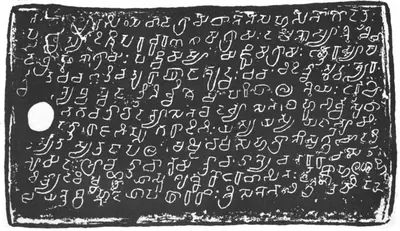
- Govinda II, 770. The Alas plates, issued in the reign of Krishna I, say that the crown prince Govinda II was in camp “at the confluence of the Krishnavernâ and the Musi”.16 He was there with the army that had invaded the Vengi country, “when the lord of Vengi was humbled by the cession of (his) treasury, (his) forces, and his own country”.16 Their editor, D. R. Bhandarkar, concluded that the hostilities “had sprung up between the two rival dynasties long before the time of Govinda III”.17 Sewell took the king of Vengi to be Vishnuvardhana IV, but did not think the Rashtrakutas annexed his country.18 See Vishnuvardhana IV.
- Govinda II and Dhruva. The Paithan grant of 794 says that Govinda II, in his attempt to keep the throne against his brother Dhruva, called to his help even the hostile kings of Malava, Kanchi and Vengi and of the Ganga country.19
- Govinda III and Vijayaditya II. The Radhanpur plates of 808 say that Govinda III summoned the lord of Vengi, who came “like a servant” and built an enclosure for him. Fleet took the king to be Vijayaditya II, who reigned from 799 to 843.2021 Vijayaditya’s own family records say that he fought a hundred and eight battles in twelve years with the armies of the Gangas and the Rashtrakutas.2021
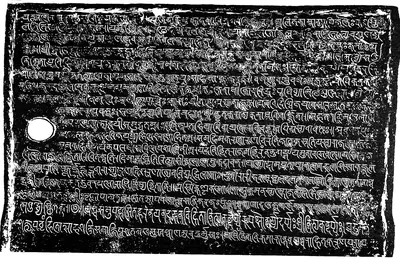
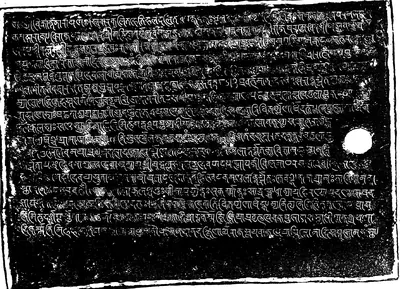
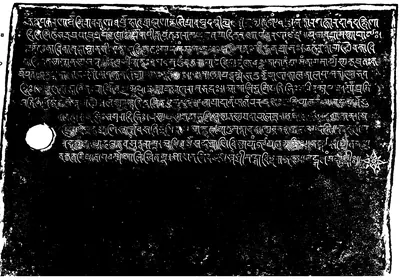
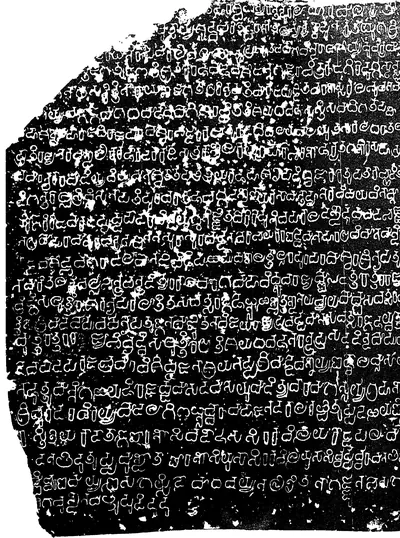
- Amoghavarsha I. An inscription at Sirur in the Dharwar district, of 866, claims that the kings of Anga, Vanga, Magadha, Malava and Vengi worshipped Amoghavarsha I. Fleet thought the claim hyperbolical (exaggerated) for the eastern kingdoms but accepted it for Vengi. The Sangli grant of 933 and the Cambay plates of 930 say that Amoghavarsha defeated the Chalukyas at a place named Vingavalli.152223 The Karda grant of 972 calls him “a fire of destruction to the Chalukyas”.152223
- Krishna II and Gunaga Vijayaditya III. The Eastern Chalukya records claim that Gunaga Vijayaditya III frightened Krishna II and “completely burnt his city”.2425 The Cambay plates of 930, a Rashtrakuta record, say that in the reign of Krishna II his enemies abandoned “Khetaka”.26 Their editor took this to mean Manyakheta itself.26 Later Eastern Chalukya records in turn admit that the land of Vengi was overrun by the Rashtrakutas under Krishna II and had to be reconquered by Chalukya-Bhima I.25
- Chalukya-Bhima I. A grant of Chalukya-Bhima I, noticed in 1914, says that his son, a prince of sixteen, fought at Niravadyapura and at Peruvangur-grama.2728 At Peruvangur he killed “the general of the Vallabha king called Dandena-Gundaya” before he died.2728 The epigraphist took the Vallabha king to be Krishna II.2728
- Govinda IV. The Eastern Chalukya records say that Amma I had to put down feudatory relatives who had joined “his natural adversaries”, which Fleet read as a conspiracy with the Rashtrakutas.29 They also say that Chalukya-Bhima II destroyed a great army sent against him by Govinda IV.29
- Krishna III. A grant of Badapa, a son of Yuddhamalla II, was noticed in 1921.30 It says that he sought the help of “the Vallabha (i.e., Rashtrakuta) Krishnaraja and driven Amma from the country”.31 The epigraphist concluded that Krishna III had invaded the Trikalinga country soon after 956.31 He thought the Eastern Chalukya kingdom was then divided between Badapa and Danarnava.31 See Amma II.
The two houses were also joined by marriage. A grant of Gunaga Vijayaditya III found at Guntur and examined in 1912 calls his mother Silamahadevi “the Rashtrakuta queen”.32
Battles named in the grants
The places of most of these battles are unknown.
- The Krishna–Musi confluence (770). The Musi, Bhandarkar wrote, “joins it on the confines of the modern Kistna district”.17 It is the only camp of the war in the Telugu country named in the Rashtrakuta records cited on this page.
- Vingavalli. Named in the Sangli and Cambay grants as the place where Amoghavarsha I defeated the Chalukyas. Neither Fleet nor Bhandarkar located it.222315
- Kiranapura. The Eastern Chalukya grants credit Gunaga Vijayaditya III with burning Kiranapura, the residence of Krishna II and his ally Sankila. The epigraphist of 1914 noted that the grant of Chalukya-Bhima I also names Achalapura and “the great Nellurapura” among the cities he burnt.28
- Niravadyapura and Peruvangur-grama. In 1914 the epigraphist thought Niravadyapura was named after the Chalukya king Vijayaditya, whose surname was Niravadya, and could identify neither place.28 In 1922 the epigraphist found Niravadyapura among the boundaries in a grant of 1076 of a governor of the Vengipura district.33 This suggests that it lay in the Vengi country.33
Subordinate chiefs in the Telugu country
Much of Telangana was ruled for the Rashtrakutas by feudatory families, several of which called themselves Chalukyas.
- The Chalukyas of Vemulavada. A Kannada and Sanskrit inscription at Kuruvagattu in the Mahbubnagar district praises Viragriha, son of Vinayaditya of the Chalukya family.341335 It calls him the friend of Govinda-vallabha, son of Kali-vallabha of the Rashtrakuta family.341335 P. B. Desai took the two kings to be Dhruva and Govinda III. The editors of Epigraphia Telanganica identify Vinayaditya with the founder of the Vemulavada Chalukya family.341335 An inscription of 12 July 940 at Chennur, on the Godavari in the Adilabad district, describes the chief Arikesari as a scion of the Chalukya family.36 It calls him a feudatory of the Rashtrakuta king.36 The Kannada poet Pampa, writing in 941–42, made his patron Arikesari II the protector of a certain Vijayaditya against the king Gojjiga.3738 Fleet took Gojjiga to be Govinda IV.3738 See the Chalukyas of Vemulavada.
- Satyasraya Bhimarasa at Khajipet. A fragmentary inscription at Khajipet in the Warangal district names Satyasraya Bhimarasa as a mahasamantadhipati (great chief of vassals) of the Rashtrakuta king Amoghavarsha.3940
- The Kakatiyas. P. V. Parabrahma Sastry held that for about two centuries before 1150 the Kakatiya chiefs served the Rashtrakutas and then the Chalukyas of Kalyani.41 See the Kakatiyas and Beta I.
- Rayalaseema. In the Anantapur country the Nolamba-Pallava chiefs ruled under Rashtrakuta overlordship. A Nolamba pillar inscription of 6 March 965 at Kambaduru was set up by the minister of Polalchora II.42 Rangacharya described Polalchora II as a “lieutenant of the Rashtrakuta Krishna III in the conquest of Chola land”.42 In the Kadapa country the Vaidumba chiefs became feudatories of Krishna III.443
Rashtrakuta inscriptions in Telangana
The editors of Epigraphia Telanganica (2023) list some thirty records of the Rashtrakuta period from the Telangana districts. Most are short Kannada inscriptions of feudatories, published in the district volumes of Inscriptions of Andhra Pradesh and in the annual reports. Among them:3
- Alampur: the records of Dharavarsha (Dhruva) and of Prabhutavarsha described above.313
- Mallikarjunapalli (Medak): a gift of land to a temple of Isvara and to a Jain temple, dated 25 September 846 in the reign of Amoghavarsha; and a gift of 30 August 946 in the reign of Akalavarsha (Krishna III), both by the chief Kommana of Panduravadi.4445
- Khajipet (Warangal): the Bhimarasa record, dated 872 by its latest editors.40
- Velmajala (Nalgonda): a gift of land to a Jain basadi (Jain temple) by Ravi Chandrayya, a subordinate of Akalavarsha (Krishna II), dated 1 April 907.40
- Padaturu (Nalgonda): a pillar inscription of 913 in the reign of Nityavarsha (Indra III), naming a chief who administered the Kollipaka 7000 division.36
- Chennur (Adilabad): the record of Arikesari’s subordinate Baddega, dated 940.36
- Minambaram (Mahbubnagar): a record of the reign of Kannara, perhaps Krishna III, naming the Kalamukha ascetic Agastya.3446
- Inavolu (Warangal), Velamaila (Nalgonda) and Dharmapuri (Karimnagar): 10th-century Kannada records of the time of Krishna III or of a king Krishna, two of them gifts to a Jain basadi.4647
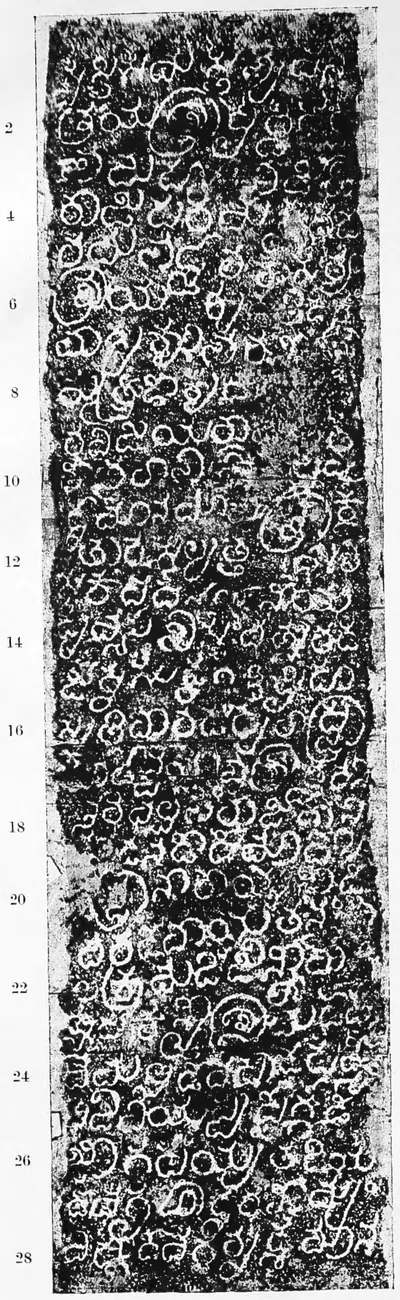
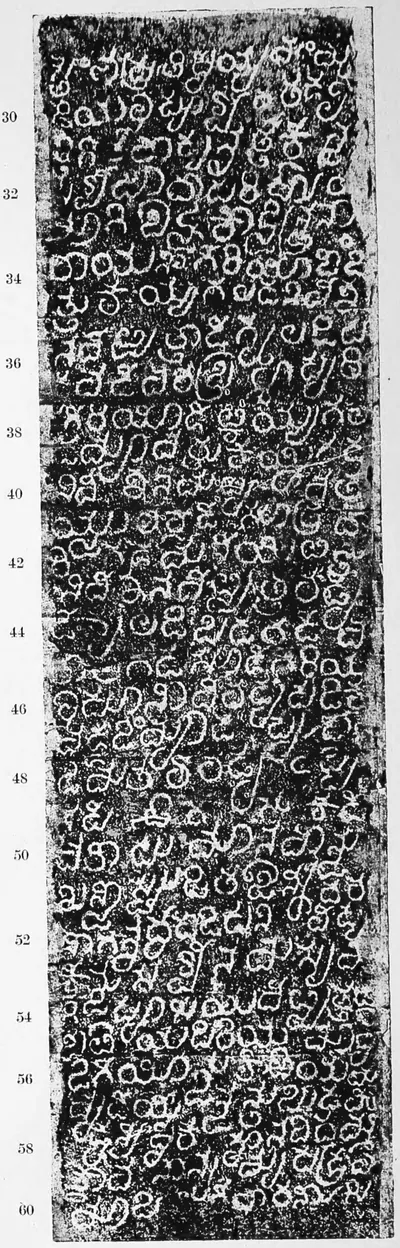
- Bodhan (Nizamabad): a record of 1056, of the Chalukyas of Kalyani, says that the temple of Indranarayana at Bodhan had been built by the Rashtrakuta king Indravallabha and had fallen into ruin.4847
Chiefs who claimed Rashtrakuta descent still ruled in Telangana after the fall of the dynasty. A record of 1067 at Chilkur praises Asaga Bhupati “the Rashtrakuta”.49 One of 1074 at Kolanupaka was made by a protector of Kollipaka who bore the Rashtrakuta titles “supreme lord of Lattalur” and Rattaradheya.49
Rashtrakuta records in Rayalaseema
The Cuddapah gazetteer (1915) thought that the Rashtrakutas obtained no permanent foothold in Kadapa in the 8th century.50 It added that they probably dispersed the Telugu Cholas of Renadu.50
They came in the reign of Indra III, whose general is praised in Kannada verses at Danavulapadu on the Penner.4 Krishna III, in the gazetteer’s words, “must have held the whole of Cuddapah district except the eastern portion beyond the Seshachalams”.4 The gazetteer added that he exacted allegiance from local chiefs such as the Vaidumbas, rather than effectively conquering the south of the district.4
The Vaidumba Bhima-Maharaja restored a temple at Palagiri in the Kamalapuram taluk in 1056.5152 The record of the restoration refers to an earlier grant to the temple by Krishna III.5152 An editor of 1958 read the same record as naming a Vaidumba Maharaja as Krishna III’s subordinate.43
Krishna III and the end of the dynasty
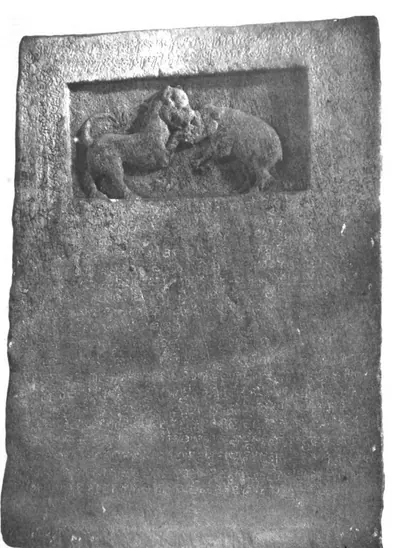
Krishna III was the most powerful king of the line. His Western Ganga feudatory Butuga killed the Chola king Rajaditya in a battle at Takkola about 949.53 Krishna III’s inscriptions in the Chengalpattu (then Chingleput) district call him the taker of Kanchi and Tanjore.53 He died between February 965 and February 966.54
Within a few years the kingdom fell.55 The Paramara king Siyaka-Harsha of Malwa claimed to have taken the wealth of Khottiga in battle, and Malkhed itself was plundered.55
In 973 Taila II, of a branch of the Chalukya stock, overthrew Khottiga’s successor Kakka II.56 A verse quoted by Fleet says that Taila “plucked up and destroyed the Rattas” and took “the regal dignity of the Chalukyas”.56 The Ganga prince Marasimha tried to continue the dynasty by crowning Indra IV, a grandson of Krishna III.5657 But the attempt failed, and Indra IV died in 982.5657 See the Chalukyas of Kalyani.
Evidence and disagreements
- Where the lord of Vengi built the wall. Fleet in 1896 identified the city round which Vijayaditya II built an outer wall with Manyakheta.20 He thought Govinda III was then making it his capital.20 In 1901 he noted that the Radhanpur grant places it beside the Tungabhadra, perhaps near its confluence with the Krishna.58 But he still thought Malkhed the likeliest place.58 F. Kielhorn, re-editing the grant the same year, translated the word as “the enclosure constructed thereby for His camp”.21 Sewell wrote that Govinda had already moved his capital to Malkhed.59
- Who founded Manyakheta. The Deoli and Karda grants say that Amoghavarsha I made the city. Fleet thought he completed a fortification begun by Govinda III.6058
- Was the Alas grant genuine? Fleet (1903) judged from their bad letters and irregular lines that the plates were not the original record.6118 But he thought them a reproduction of a lost genuine grant, and accepted that Govinda II was crown prince in 770.6118
- Did Vijayaditya III sack Malkhed? Bhandarkar and Sewell took the Cambay plates as confirming that the Eastern Chalukya king occupied Manyakheta in the reign of Krishna II.2662 Sewell placed this between 877 and 888.62 Other readings of the same claims are set out on the page for Gunaga Vijayaditya III.
- The Alampur Prabhutavarsha. P. B. Desai (1961) thought the Prabhutavarsha of the Uttaresvara inscription was probably Govinda III.14 The editors of Epigraphia Telanganica list a version of the same record under Govinda II.313
- The Khajipet king. P. B. Desai dated the Bhimarasa inscription to the cyclic year Nandana, 932–33, and took the king to be Amoghavarsha III.39 The Inscriptions of Warangal District (2016), as summarised in Epigraphia Telanganica, read it as a record of Amoghavarsha I of 872.4036
- The Kuruvagattu record. Desai listed it under Kuruvagatta in the Mahbubnagar district; Epigraphia Telanganica gives the place as Kuruva Gattupalli in the Jadcherla taluk.3435
Footnotes
-
Fleet, “Dynasties of the Kanarese Districts” (1896), p. 382 (archive.org (opens in a new tab)). ↩ ↩2 ↩3 ↩4 ↩5
-
Imperial Gazetteer of India, Provincial Series: Hyderabad State (1909), p. 10 (archive.org (opens in a new tab)). ↩ ↩2 ↩3 ↩4
-
Gajjala Vasanta Lakshmi (ed.), Epigraphia Telanganica I: Pre-Kakatiya Telangana (2023), p. 75, Rashtrakuta Nos. 1–3. Cite-only; paraphrased. ↩ ↩2 ↩3 ↩4 ↩5 ↩6
-
Brackenbury, Cuddapah (1915), p. 29 (archive.org (opens in a new tab)). ↩ ↩2 ↩3 ↩4 ↩5 ↩6
-
Fleet, “Dynasties of the Kanarese Districts” (1896), p. 383 (archive.org (opens in a new tab)). ↩ ↩2 ↩3 ↩4 ↩5
-
Fleet, “Dynasties of the Kanarese Districts” (1896), p. 387 (archive.org (opens in a new tab)). ↩ ↩2 ↩3 ↩4
-
Fleet, “Dynasties of the Kanarese Districts” (1896), p. 388 (archive.org (opens in a new tab)). ↩ ↩2 ↩3
-
Fleet, “Dynasties of the Kanarese Districts” (1896), p. 384 (archive.org (opens in a new tab)). ↩ ↩2 ↩3
-
Fleet, “Dynasties of the Kanarese Districts” (1896), p. 385 and note 1 (archive.org (opens in a new tab)). ↩ ↩2 ↩3 ↩4 ↩5
-
Rangacharya, Topographical List II (1919), pp. 1–2, Godavari district, copper-plate grants addressed to “the Rashtrakuta and other families” and to “the cultivators (headed by the Rashtrakutas)” (archive.org (opens in a new tab)). ↩ ↩2
-
Fleet, “Dynasties of the Kanarese Districts” (1896), p. 389 (archive.org (opens in a new tab)). ↩
-
Robert Sewell, The Historical Inscriptions of Southern India (1932), p. 29 (archive.org (opens in a new tab)). Paraphrased. ↩
-
Epigraphia Telanganica I (2023), p. 76, Nos. 3–5. Cite-only; paraphrased. ↩ ↩2 ↩3 ↩4 ↩5 ↩6
-
Kannada Inscriptions of Andhra Pradesh (1961), p. 35, No. 93 (archive.org (opens in a new tab)). Paraphrased. ↩ ↩2
-
Fleet, “Dynasties of the Kanarese Districts” (1896), p. 402 (archive.org (opens in a new tab)). ↩ ↩2 ↩3 ↩4
-
Bhandarkar, “Alas Plates” (1901), p. 213, translation (archive.org (opens in a new tab)). ↩ ↩2
-
D. R. Bhandarkar, “Alas Plates of the Yuvaraja Govinda II; Saka-Samvat 692”, Epigraphia Indica VI (1901), p. 209 (archive.org (opens in a new tab)). ↩ ↩2
-
Sewell, Historical Inscriptions (1932), p. 30 (archive.org (opens in a new tab)). Paraphrased. ↩ ↩2 ↩3
-
Fleet, “Dynasties of the Kanarese Districts” (1896), p. 393 (archive.org (opens in a new tab)). ↩
-
Fleet, “Dynasties of the Kanarese Districts” (1896), p. 396 (archive.org (opens in a new tab)). ↩ ↩2 ↩3 ↩4
-
F. Kielhorn, “Radhanpur Plates of Govinda III; Saka-Samvat 730”, Epigraphia Indica VI (1901), p. 250, translation of verses 18–20 (archive.org (opens in a new tab)). ↩ ↩2 ↩3
-
J. F. Fleet, “Sanskrit and Old-Canarese Inscriptions”: Rashtrakuta grant of Govinda-Suvarnavarsha (the Sangli grant), Indian Antiquary XII (1883), p. 253, translation (archive.org (opens in a new tab)). ↩ ↩2 ↩3
-
Bhandarkar, “Cambay Plates of Govinda IV” (1903), p. 43, translation of verses 12–13 (archive.org (opens in a new tab)). ↩ ↩2 ↩3
-
Fleet, “Dynasties of the Kanarese Districts” (1896), p. 411 (archive.org (opens in a new tab)). ↩
-
Fleet, “Dynasties of the Kanarese Districts” (1896), p. 412 (archive.org (opens in a new tab)). ↩ ↩2
-
D. R. Bhandarkar, “Cambay Plates of Govinda IV; Saka-Samvat 852”, Epigraphia Indica VII (1903), p. 29 (archive.org (opens in a new tab)). ↩ ↩2 ↩3
-
Annual Report on Epigraphy, Southern Circle, for 1913–14 (1914), p. 84 (archive.org (opens in a new tab)). ↩ ↩2 ↩3
-
Annual Report on Epigraphy, Southern Circle, for 1913–14 (G.O. No. 920, Public, 4 August 1914), p. 85 (archive.org (opens in a new tab)). ↩ ↩2 ↩3 ↩4 ↩5
-
Fleet, “Dynasties of the Kanarese Districts” (1896), p. 417 (archive.org (opens in a new tab)). ↩ ↩2
-
Annual Report on South-Indian Epigraphy for 1920–21 (G.O. No. 183, Finance, 23 September 1921), p. 90 (archive.org (opens in a new tab)). ↩
-
Annual Report on South-Indian Epigraphy for 1920–21 (G.O. No. 183, Finance, 23 September 1921), p. 91 (archive.org (opens in a new tab)). ↩ ↩2 ↩3
-
Annual Report on Epigraphy, Southern Circle, for 1911–12 (G.O. No. 919, Public, 29 July 1912), p. 84 (archive.org (opens in a new tab)). ↩
-
Annual Report on South-Indian Epigraphy for 1921–22 (1922), p. 98 (archive.org (opens in a new tab)). ↩ ↩2
-
P. B. Desai (introduction), Kannada Inscriptions of Andhra Pradesh (Andhra Pradesh Government Archaeological Series 3, 1961), p. 11, Nos. 29–30 (archive.org (opens in a new tab)). Paraphrased. ↩ ↩2 ↩3 ↩4 ↩5
-
Epigraphia Telanganica I (2023), p. 77, Nos. 5–7, summarising Inscriptions of Andhra Pradesh, Mahabubnagar District I (2003), pp. 24–25. Cite-only; paraphrased. ↩ ↩2 ↩3 ↩4
-
Epigraphia Telanganica I (2023), p. 80, Nos. 13–16, summarising Indian Archaeology 1992–93, pp. 114–115, and the Annual Report on Indian Epigraphy for 1959–60, p. 46. Cite-only; paraphrased. ↩ ↩2 ↩3 ↩4 ↩5
-
J. F. Fleet, “Dynasties of the Kanarese Districts”, Gazetteer of the Bombay Presidency I, pt. II (1896), p. 380 (archive.org (opens in a new tab)). ↩ ↩2
-
Fleet, “Dynasties of the Kanarese Districts” (1896), p. 416 and note (archive.org (opens in a new tab)). ↩ ↩2
-
Kannada Inscriptions of Andhra Pradesh (1961), p. 25, No. 71 (archive.org (opens in a new tab)). Paraphrased. ↩ ↩2
-
Epigraphia Telanganica I (2023), p. 79, Nos. 10–12, summarising Inscriptions of Warangal District (2016), pp. 1–4, and Inscriptions of Andhra Pradesh, Nalgonda District I (1992), pp. 1–2. Cite-only; paraphrased. ↩ ↩2 ↩3 ↩4
-
P. V. Parabrahma Sastry, The Kakatiyas of Warangal (1978), p. 2. Cite-only; paraphrased. ↩
-
V. Rangacharya, A Topographical List of the Inscriptions of the Madras Presidency I (1919), p. 20, Anantapur district No. 127 (archive.org (opens in a new tab)). ↩ ↩2
-
P. B. Desai, “Madras Museum Plate of Bhuvanatrinetra”, Epigraphia Indica XXVIII (1958), p. 69 (archive.org (opens in a new tab)). Paraphrased. ↩ ↩2
-
Epigraphia Telanganica I (2023), p. 78, No. 9, summarising Inscriptions of Andhra Pradesh, Medak District (2001), pp. 1–2. Cite-only; paraphrased. ↩
-
Epigraphia Telanganica I (2023), p. 81, No. 17. Cite-only; paraphrased. ↩
-
Epigraphia Telanganica I (2023), p. 82, Nos. 18–20. Cite-only; paraphrased. ↩ ↩2
-
Epigraphia Telanganica I (2023), p. 83, Nos. 21–23. Cite-only; paraphrased. ↩ ↩2
-
Kannada Inscriptions of Andhra Pradesh (1961), p. 20, No. 54 (archive.org (opens in a new tab)). Paraphrased. ↩
-
Epigraphia Telanganica I (2023), p. 84, Nos. 24–25. Cite-only; paraphrased. ↩ ↩2
-
C. F. Brackenbury, Madras District Gazetteers: Cuddapah, Vol. I (1915), p. 27 (archive.org (opens in a new tab)). ↩ ↩2
-
Brackenbury, Cuddapah (1915), p. 30 (archive.org (opens in a new tab)). ↩ ↩2
-
M. Venkataramayya, “Machupalle Inscription of the Time of Somideva-Maharaja”, Epigraphia Indica XXVIII (1958), p. 117 (archive.org (opens in a new tab)). Paraphrased. ↩ ↩2
-
Fleet, “Dynasties of the Kanarese Districts” (1896), p. 419 (archive.org (opens in a new tab)). ↩ ↩2
-
Sewell, Historical Inscriptions (1932), p. 50 (archive.org (opens in a new tab)). Paraphrased. ↩
-
Fleet, “Dynasties of the Kanarese Districts” (1896), p. 422 (archive.org (opens in a new tab)). ↩ ↩2
-
Fleet, “Dynasties of the Kanarese Districts” (1896), p. 424 (archive.org (opens in a new tab)). ↩ ↩2 ↩3 ↩4
-
Fleet, “Dynasties of the Kanarese Districts” (1896), p. 425 (archive.org (opens in a new tab)). ↩ ↩2
-
J. F. Fleet, “Three Western Ganga Records in the Mysore Government Museum at Bangalore”, Epigraphia Indica VI (1901), p. 64, note 3 (archive.org (opens in a new tab)). ↩ ↩2 ↩3
-
Sewell, Historical Inscriptions (1932), p. 33 (archive.org (opens in a new tab)). Paraphrased. ↩
-
Fleet, “Dynasties of the Kanarese Districts” (1896), p. 403 (archive.org (opens in a new tab)). ↩
-
J. F. Fleet, “Some Rashtrakuta Records”, Epigraphia Indica VII (1903), p. 231 (archive.org (opens in a new tab)). ↩ ↩2
-
Sewell, Historical Inscriptions (1932), p. 38 (archive.org (opens in a new tab)). Paraphrased. ↩ ↩2
Photos
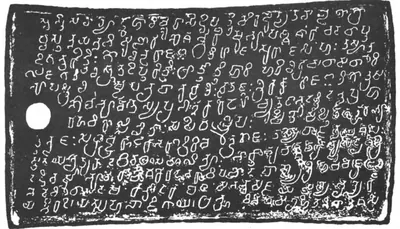 "Alas Plates of the Yuvaraja Govinda II.—Saka-Samvat 692." side i (Epigraphia Indica VI, plate with No. 18; PDF p. 265 of the archive.org scan EpigraphiaIndicaVol6)Inscription rubbing · 1901
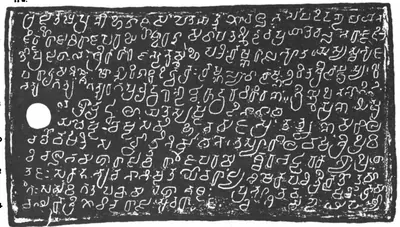 "Alas Plates of the Yuvaraja Govinda II.—Saka-Samvat 692." side iia (Epigraphia Indica VI, plate with No. 18; PDF p. 265 of the archive.org scan EpigraphiaIndicaVol6)Inscription rubbing · 1901
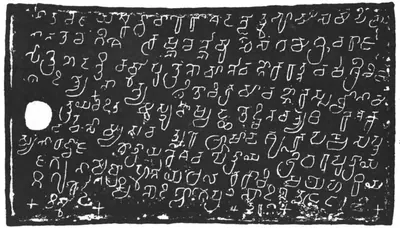 "Alas Plates of the Yuvaraja Govinda II.—Saka-Samvat 692." side iib (Epigraphia Indica VI, plate with No. 18; PDF p. 266 of the archive.org scan EpigraphiaIndicaVol6)Inscription rubbing · 1901
 "Alas Plates of the Yuvaraja Govinda II.—Saka-Samvat 692." side iii (Epigraphia Indica VI, plate with No. 18; PDF p. 266 of the archive.org scan EpigraphiaIndicaVol6)Inscription rubbing · 1901
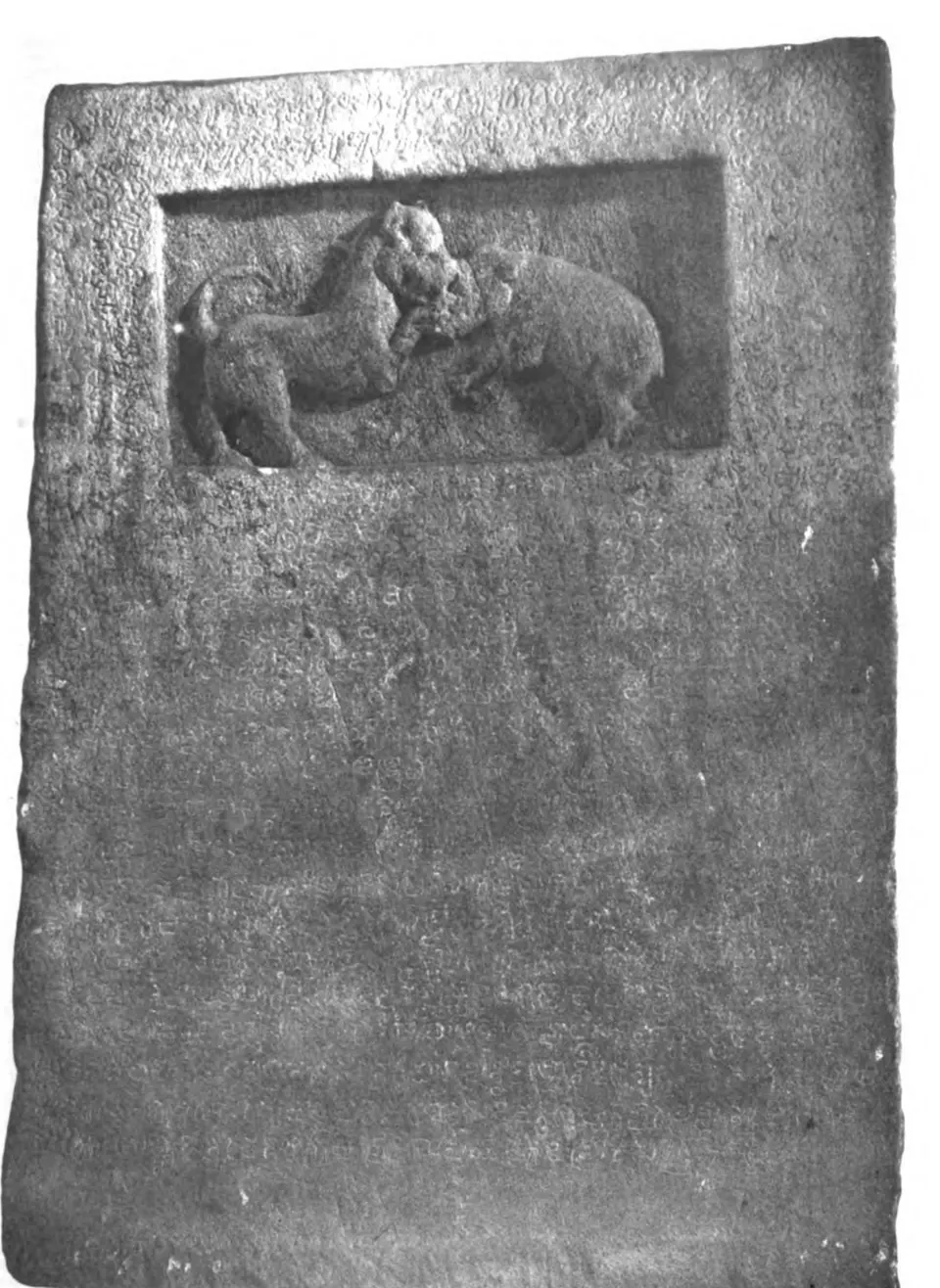
 "Atakur Stone." the inscribed slab of A.D. 949–50 with the relief of a hound fighting a boar (Epigraphia Indica VI, photograph with No. 6, part C; PDF p. 77 of the archive.org scan EpigraphiaIndicaVol6)Photograph · 1901
 "Bodhan Stone Inscription", Plate I, first face, lines 1-28 (Hyderabad Archaeological Series No. 7, 1925)Inscription rubbing · 1925
 "Bodhan Stone Inscription", Plate I, second face, lines 29-60 (Hyderabad Archaeological Series No. 7, 1925)Inscription rubbing · 1925
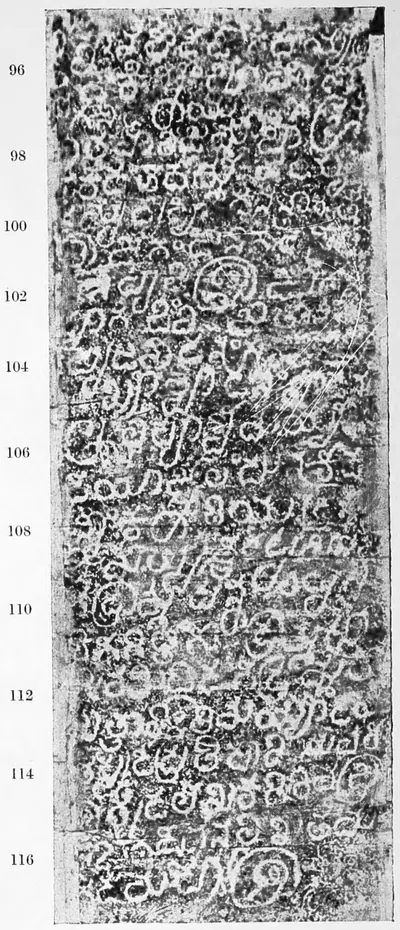 "Bodhan Stone Inscription", Plate II, fourth face, lines 95-117 (Hyderabad Archaeological Series No. 7, 1925)Inscription rubbing · 1925
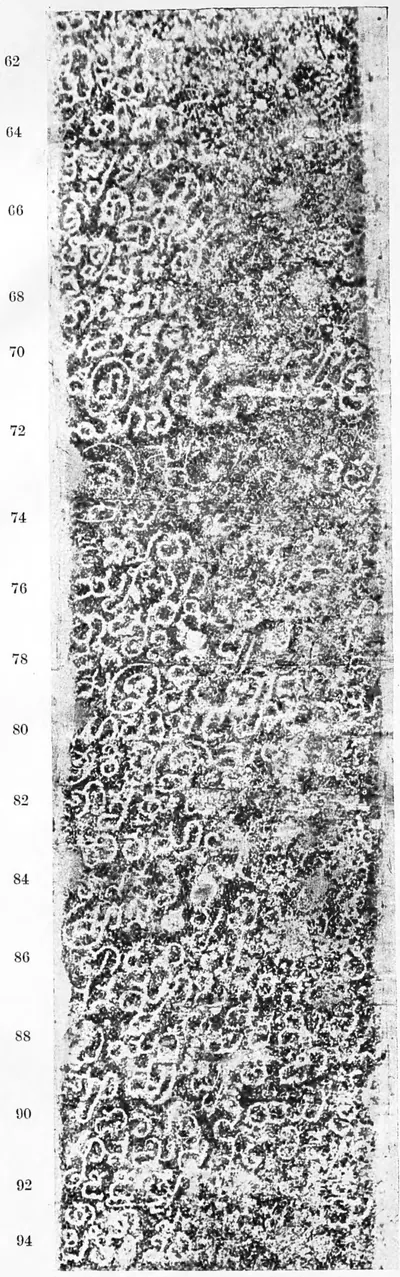 "Bodhan Stone Inscription", Plate II, third face, lines 61-94 (Hyderabad Archaeological Series No. 7, 1925)Inscription rubbing · 1925
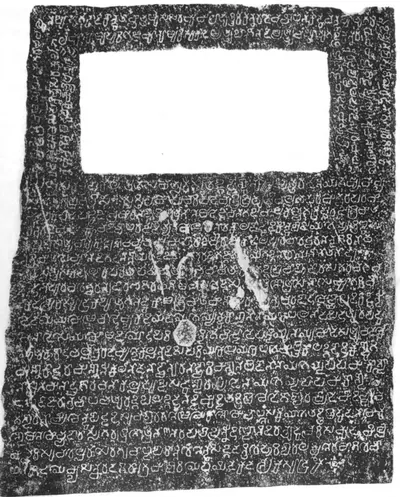 "C.—Atakur Inscription of Krishna III. and Butuga II.—A.D. 949-50." (Epigraphia Indica VI, plate with No. 6; PDF p. 83 of the archive.org scan EpigraphiaIndicaVol6)Inscription rubbing · 1901
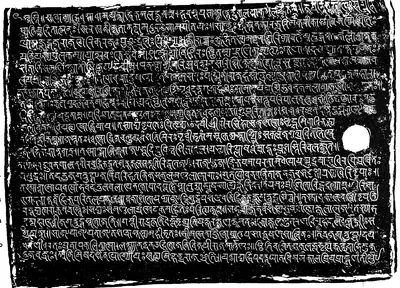 "Cambay Plates of Govinda IV.—Saka-Samvat 852." side i (Epigraphia Indica VII, plate i (between pp. 38 and 39), first page; PDF p. 53 of the archive.org scan epigraphiaindica014351mbp)Inscription rubbing · 1903
 "Cambay Plates of Govinda IV.—Saka-Samvat 852." side iia (Epigraphia Indica VII, plate i (between pp. 38 and 39), second page; PDF p. 54 of the archive.org scan epigraphiaindica014351mbp)Inscription rubbing · 1903
Show all (31)
 "Cambay Plates of Govinda IV.—Saka-Samvat 852." side iib (Epigraphia Indica VII, plate ii (between pp. 40 and 41), first page; PDF p. 57 of the archive.org scan epigraphiaindica014351mbp)Inscription rubbing · 1903
 "Cambay Plates of Govinda IV.—Saka-Samvat 852." side iii (Epigraphia Indica VII, plate ii (between pp. 40 and 41), second page; PDF p. 58 of the archive.org scan epigraphiaindica014351mbp)Inscription rubbing · 1903
 "E.—Sirur Inscription of Amoghavarsha I.—A.D. 866." (Epigraphia Indica VII, plate to face p. 206; PDF p. 253 of the archive.org scan epigraphiaindica014351mbp)Inscription rubbing · 1903
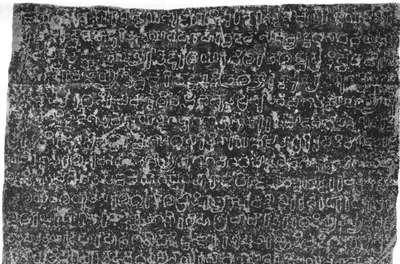 "Nilgund Inscription of Amoghavarsha I.—A.D. 866." lines 1–12 (Epigraphia Indica VI, plate with No. 11; PDF p. 137 of the archive.org scan EpigraphiaIndicaVol6)Inscription rubbing · 1901
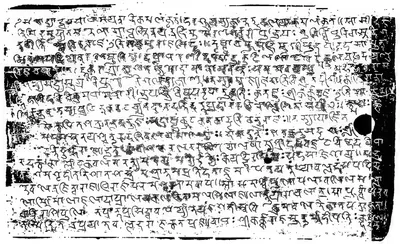 "Paithan Plates of Govinda III.—Saka-Samvat 716." side i, lines 1–17 (Epigraphia Indica III, plate with No. 17; PDF p. 154 of the archive.org scan in.ernet.dli.2015.108298)Inscription rubbing · 1895
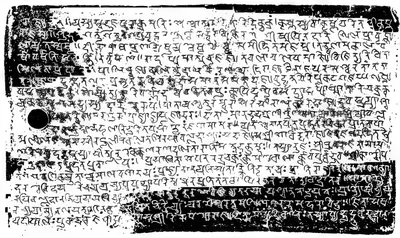 "Paithan Plates of Govinda III.—Saka-Samvat 716." side iia, lines 18–35 (Epigraphia Indica III, plate with No. 17; PDF p. 154 of the archive.org scan in.ernet.dli.2015.108298)Inscription rubbing · 1895
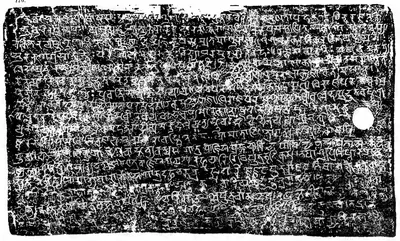 "Paithan Plates of Govinda III.—Saka-Samvat 716." side iib, lines 36–53 (Epigraphia Indica III, plate with No. 17; PDF p. 155 of the archive.org scan in.ernet.dli.2015.108298)Inscription rubbing · 1895
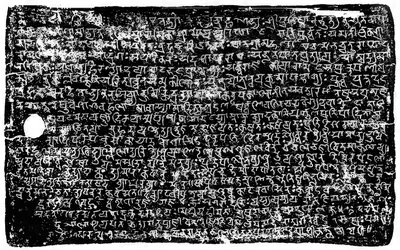 "Paithan Plates of Govinda III.—Saka-Samvat 716." side iii, lines 54–73 (Epigraphia Indica III, plate with No. 17; PDF p. 155 of the archive.org scan in.ernet.dli.2015.108298)Inscription rubbing · 1895
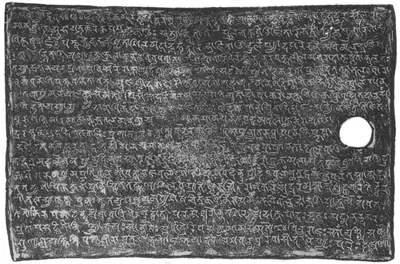 "Radhanpur Plates of Govinda III.—Saka-Samvat 730." side i (Epigraphia Indica VI, plate with No. 23; PDF p. 307 of the archive.org scan EpigraphiaIndicaVol6)Inscription rubbing · 1901
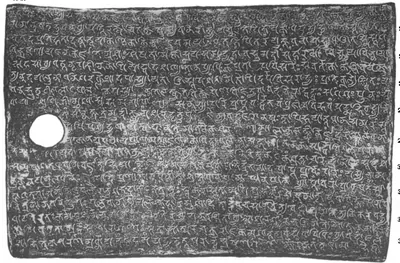 "Radhanpur Plates of Govinda III.—Saka-Samvat 730." side iia (Epigraphia Indica VI, plate with No. 23; PDF p. 307 of the archive.org scan EpigraphiaIndicaVol6)Inscription rubbing · 1901
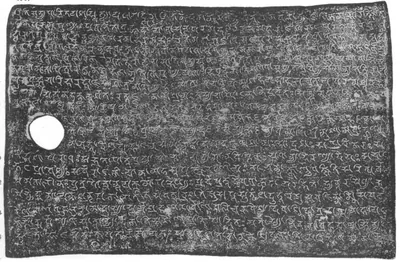 "Radhanpur Plates of Govinda III.—Saka-Samvat 730." side iib (Epigraphia Indica VI, plate with No. 23; PDF p. 308 of the archive.org scan EpigraphiaIndicaVol6)Inscription rubbing · 1901
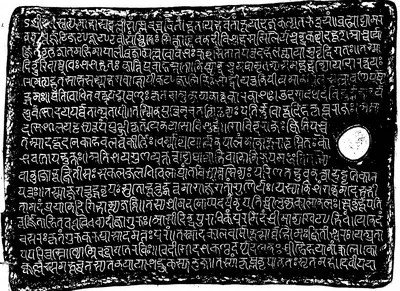 "Rashtrakuta grant of Amoghavarsha.—Saka 894." (the Karda plates of Kakka II, A.D. 972), side i (Indian Antiquary XII, plate 17 (sides I and IIa), facing pp. 264–265, first page; PDF p. 302 of the archive.org scan in.ernet.dli.2015.176349)Inscription rubbing · 1883
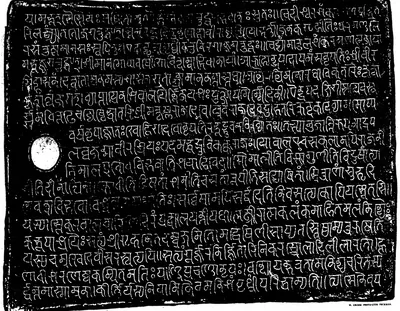 "Rashtrakuta grant of Amoghavarsha.—Saka 894." (the Karda plates of Kakka II, A.D. 972), side iia (Indian Antiquary XII, plate 17 (sides I and IIa), facing pp. 264–265, second page; PDF p. 303 of the archive.org scan in.ernet.dli.2015.176349)Inscription rubbing · 1883
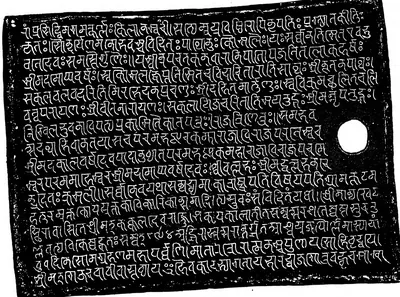 "Rashtrakuta grant of Amoghavarsha.—Saka 894." (the Karda plates of Kakka II, A.D. 972), side iib (Indian Antiquary XII, plate 18 (side IIb and seal), facing pp. 266–267, first page; PDF p. 304 of the archive.org scan in.ernet.dli.2015.176349)Inscription rubbing · 1883
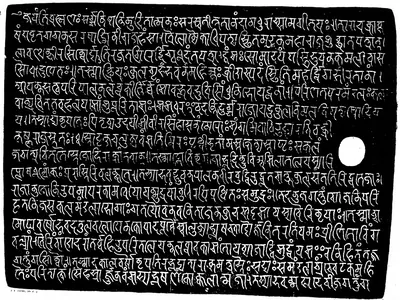 "Rashtrakuta grant of Govinda-Suvarnavarsha.—Saka 855." (the Sangli plates of Govinda IV, A.D. 933), side i (Indian Antiquary XII, plate 15 (sides I–IIa), facing p. 250, first page; PDF p. 282 of the archive.org scan in.ernet.dli.2015.176349)Inscription rubbing · 1883
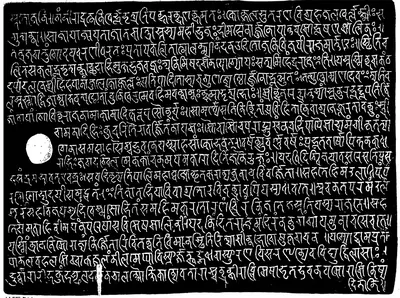 "Rashtrakuta grant of Govinda-Suvarnavarsha.—Saka 855." (the Sangli plates of Govinda IV, A.D. 933), side iia (Indian Antiquary XII, plate 15 (sides I–IIa), facing p. 250, second page; PDF p. 283 of the archive.org scan in.ernet.dli.2015.176349)Inscription rubbing · 1883
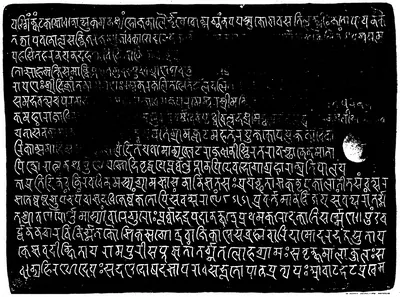 "Rashtrakuta grant of Govinda-Suvarnavarsha.—Saka 855." (the Sangli plates of Govinda IV, A.D. 933), side iib (Indian Antiquary XII, plate 16 (sides IIb and III), facing p. 251, first page; PDF p. 284 of the archive.org scan in.ernet.dli.2015.176349)Inscription rubbing · 1883
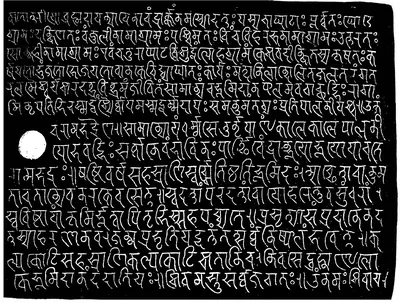 "Rashtrakuta grant of Govinda-Suvarnavarsha.—Saka 855." (the Sangli plates of Govinda IV, A.D. 933), side iii (Indian Antiquary XII, plate 16 (sides IIb and III), facing p. 251, second page; PDF p. 285 of the archive.org scan in.ernet.dli.2015.176349)Inscription rubbing · 1883
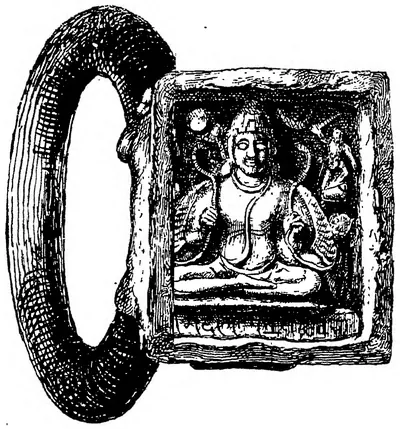 Ring and seal of the Karda plates of Kakka II, A.D. 972: the god Siva seated cross-legged (Indian Antiquary XII, plate 18 (side IIb and seal), facing pp. 266–267, second page; PDF p. 305 of the archive.org scan in.ernet.dli.2015.176349)Drawing · 1883
Related
People
Dantidurga
c. 753–756 CE
Rashtrakuta king (about 753–756) who overthrew the Chalukyas of Badami and founded the Rashtrakuta supremacy of the Deccan. His Samangad grant of January 754 says that he won the sovereignty by conquering the Chalukya 'Vallabha'. An inscription at Ellora lists among the rulers he subdued those of Kalinga, Kosala and the Srisaila country, which J. F. Fleet took to be the Kurnool country.
Govinda III (Rashtrakuta)
c. 793–814 CE
Rashtrakuta king (about 793–814), son of Dhruva, under whom the dynasty's power reached from the Vindhyas to the Tungabhadra. His Radhanpur plates of 808 say that the lord of Vengi, the Eastern Chalukya Vijayaditya II, came at his command and built an enclosure for him like a servant. An undated inscription at Kuruvagattu in the Mahbubnagar district names him as the friend of a Chalukya prince. A shrine of the Sun at Alampur was built for the prosperity of a king Prabhutavarsha who may be Govinda III.
Amoghavarsha I
c. 814–878 CE
Rashtrakuta king (814–about 878), son of Govinda III, who reigned for more than sixty years and made Manyakheta (Malkhed) the capital of the dynasty. His records claim the homage of the king of Vengi and a victory over the Eastern Chalukyas at Vingavalli. Kannada inscriptions of his reign have been found in the Medak and Warangal districts of Telangana.
Krishna II (Rashtrakuta)
c. 878–914 CE
Rashtrakuta king (about 878–914), son of Amoghavarsha I. The Eastern Chalukya Gunaga Vijayaditya III claimed to have frightened him and burnt his city, and a Rashtrakuta grant admits that his enemies once abandoned his capital. Later Eastern Chalukya records in turn admit that his army overran Vengi until Chalukya-Bhima I won it back. A Kannada record of 907 in his reign has been found at Velmajala in Telangana.
Krishna III (Rashtrakuta)
c. 939–966 CE
Rashtrakuta king (about 939–966), the most powerful of the line, who took Kanchi and Tanjore from the Cholas. In the Telugu country he held most of the Cuddapah country through the Vaidumba chiefs, and the Nolamba chiefs of Anantapur served under him. The Eastern Chalukya pretender Badapa sought his help to drive Amma II out of Vengi. Inscriptions of his reign or of his feudatories have been found at Chennur, Mallikarjunapalli, Minambaram and Inavolu in Telangana.
Inscriptions
Alas plates of the Yuvaraja Govinda II
770 CE
A Sanskrit copper-plate grant dated in 770, issued in the reign of the Rashtrakuta king Krishna I by his son, the crown prince Govinda II. He issued it from a camp 'at the confluence of the Krishnaverna and the Musi', after the army had invaded the Vengi country and humbled its king. It was found at Alas in the Kurundwad State (now Maharashtra) and published by D. R. Bhandarkar in 1901. It is the earliest record of war between the Rashtrakutas and the Eastern Chalukyas. J. F. Fleet held the plates to be a later copy, but probably based on a genuine original.
Radhanpur plates of Govinda III
808 CE
A Sanskrit copper-plate grant of the Rashtrakuta king Govinda III, kept in the Radhanpur State in Gujarat. It is dated at an eclipse of the sun that F. Kielhorn equated with 27 July 808. Its verses describe the king's campaigns. They say that the lord of Vengi came at Govinda's command and built an enclosure for him 'like a servant'. J. F. Fleet identified this lord of Vengi with the Eastern Chalukya Vijayaditya II. Fleet thought the place was Manyakheta (Malkhed), but Kielhorn translated it as an enclosure for the king's camp on the Tungabhadra.
Sangli plates of Govinda IV
933 CE
A Sanskrit copper-plate grant of the Rashtrakuta king Govinda IV, issued at his capital Manyakheta and dated 8 August 933. It is named after the place near which the plates were kept in the 19th century. Its family history says that Amoghavarsha I defeated the Chalukyas at Vingavalli, one of the few battles of the war with Vengi that the Rashtrakuta records name. J. F. Fleet edited it in 1883 with photo-lithographs of the plates.
References
Notes (0)
Sources (15)
Spotted an error on this page? Tell us
Last updated: