కాకతీయులు
అనుమకొండ (హనుమకొండ), ఓరుగల్లు (వరంగల్) రాజవంశం. కాకతీయులు పదవ శతాబ్దం నుండి రాష్ట్రకూటుల, తర్వాత పశ్చిమ చాళుక్యుల సామంతులు. 1163లో రుద్రదేవుని కాలంలో వారు తమ సార్వభౌమత్వాన్ని ప్రకటించారు. గణపతిదేవుని కాలంలో వారు తెలంగాణ నుండి తీరం వరకు తెలుగు దేశాన్ని పాలించారు. రుద్రమదేవి రుద్రదేవుడు అనే పేరుతో రాజుగా పాలించింది. ఆమె మనవడు ప్రతాపరుద్రుడు 1320లలో ఢిల్లీ సుల్తానుల చేతిలో ఓడిపోయాడు. వారి పాలన మిత్ర నాయకుల మీద, సైనిక సేవ కోసం భూమి పొందిన నాయక సేనానుల మీద, గ్రామ సభల మీద ఆధారపడింది. దానిని దాని చెరువులు, ఆలయాలు, మోటుపల్లి సముద్ర వ్యాపార శాసనం, ఆస్థాన సాహిత్యం కోసం గుర్తుంచుకుంటారు.
పూర్తి చార్టు కోసం పక్కకు జరపండి; వివరాల కోసం ఏదైనా పట్టీని తాకండి.
ప్రతి పట్టీ ఒక ప్రాంతాన్ని పాలించిన శక్తి; కాలం ఎడమ నుంచి కుడికి. గీతల అంచు = సుమారు తేదీలు. వివరాల కోసం పట్టీని ఎంచుకోండి.
జాబితాగా చూపించు
తూర్పు చాళుక్యులు, దక్కన్ రాజ్యాలు క్రీ.శ. 624–1163
- తెలంగాణ
- ముదిగొండ చాళుక్యులు (సుమారు క్రీ.శ. 890–1218) · కళ్యాణి చాళుక్యులు (సుమారు క్రీ.శ. 973–1163) · కాకతీయులు (సుమారు క్రీ.శ. 1052–1162) · కందూరు చోడులు (సుమారు క్రీ.శ. 1060–1160)
- కోస్తా ఆంధ్ర
- తూర్పు గాంగులు (సుమారు క్రీ.శ. 537–1434) · తంజావూరు చోళులు (సుమారు క్రీ.శ. 999–1135) · కోన, పల్నాటి హైహయులు (సుమారు క్రీ.శ. 1073–1364) · ధరణికోట కోట వంశం (సుమారు క్రీ.శ. 1100–1276) · పొత్తపి, నెల్లూరు తెలుగు చోడులు (సుమారు క్రీ.శ. 1106–1316) · వెలనాటి చోడులు (సుమారు క్రీ.శ. 1118–1209) · కళ్యాణి చాళుక్యులు (సుమారు క్రీ.శ. 1118–1126)
- రాయలసీమ
- తంజావూరు చోళులు (సుమారు క్రీ.శ. 985–1268) · కళ్యాణి చాళుక్యులు (సుమారు క్రీ.శ. 1000–1190) · పొత్తపి, నెల్లూరు తెలుగు చోడులు (సుమారు క్రీ.శ. 1120–1268)
కాకతీయులు క్రీ.శ. 1163–1323
- తెలంగాణ
- ముదిగొండ చాళుక్యులు (సుమారు క్రీ.శ. 890–1218) · కాకతీయులు (సుమారు క్రీ.శ. 1163–1323)
- కోస్తా ఆంధ్ర
- తూర్పు గాంగులు (సుమారు క్రీ.శ. 537–1434) · కాకతీయులు (సుమారు క్రీ.శ. 1185–1323) · కోన, పల్నాటి హైహయులు (సుమారు క్రీ.శ. 1073–1364) · ధరణికోట కోట వంశం (సుమారు క్రీ.శ. 1100–1276) · పొత్తపి, నెల్లూరు తెలుగు చోడులు (సుమారు క్రీ.శ. 1106–1316) · వెలనాటి చోడులు (సుమారు క్రీ.శ. 1118–1209) · పాండ్యులు (సుమారు క్రీ.శ. 1260–1264) · తంజావూరు చోళులు (సుమారు క్రీ.శ. 1135–1264)
- రాయలసీమ
- తంజావూరు చోళులు (సుమారు క్రీ.శ. 985–1268) · పాండ్యులు (క్రీ.శ. 1285–1293) · కళ్యాణి చాళుక్యులు (సుమారు క్రీ.శ. 1000–1190) · కాకతీయులు (సుమారు క్రీ.శ. 1250–1323) · పొత్తపి, నెల్లూరు తెలుగు చోడులు (సుమారు క్రీ.శ. 1120–1268) · హొయసలులు (సుమారు క్రీ.శ. 1178–1342)
నాయకులు, రెడ్డి రాజులు, బహమనీలు క్రీ.శ. 1323–1518
- తెలంగాణ
- ఢిల్లీ సుల్తానులు (తుగ్లక్లు) (సుమారు క్రీ.శ. 1323–1336) · బహమనీ సుల్తానులు (సుమారు క్రీ.శ. 1347–1518) · ముసునూరి నాయకులు (సుమారు క్రీ.శ. 1336–1368) · రేచర్ల వెలమలు (సుమారు క్రీ.శ. 1361–1475)
- కోస్తా ఆంధ్ర
- తూర్పు గాంగులు (సుమారు క్రీ.శ. 537–1434) · కొండవీటి రెడ్డి రాజులు (సుమారు క్రీ.శ. 1325–1424) · కోన, పల్నాటి హైహయులు (సుమారు క్రీ.శ. 1073–1364) · రాజమహేంద్రవరం రెడ్డి రాజులు (సుమారు క్రీ.శ. 1386–1448) · ఢిల్లీ సుల్తానులు (తుగ్లక్లు) (సుమారు క్రీ.శ. 1323–1326) · విజయనగర సామ్రాజ్యం (సుమారు క్రీ.శ. 1350–1579) · ముసునూరి నాయకులు (సుమారు క్రీ.శ. 1325–1346)
- రాయలసీమ
- విజయనగర సామ్రాజ్యం (సుమారు క్రీ.శ. 1336–1646) · కొండవీటి రెడ్డి రాజులు (సుమారు క్రీ.శ. 1346–1386) · హొయసలులు (సుమారు క్రీ.శ. 1178–1342)
విజయనగరం, కుతుబ్ షాహీలు క్రీ.శ. 1336–1687
- తెలంగాణ
- బహమనీ సుల్తానులు (సుమారు క్రీ.శ. 1347–1518) · ముసునూరి నాయకులు (సుమారు క్రీ.శ. 1336–1368) · రేచర్ల వెలమలు (సుమారు క్రీ.శ. 1361–1475)
- కోస్తా ఆంధ్ర
- తూర్పు గాంగులు (సుమారు క్రీ.శ. 537–1434) · కొండవీటి రెడ్డి రాజులు (సుమారు క్రీ.శ. 1325–1424) · కోన, పల్నాటి హైహయులు (సుమారు క్రీ.శ. 1073–1364) · రాజమహేంద్రవరం రెడ్డి రాజులు (సుమారు క్రీ.శ. 1386–1448) · విజయనగర సామ్రాజ్యం (సుమారు క్రీ.శ. 1350–1579) · ముసునూరి నాయకులు (సుమారు క్రీ.శ. 1325–1346)
- రాయలసీమ
- విజయనగర సామ్రాజ్యం (సుమారు క్రీ.శ. 1336–1646) · కొండవీటి రెడ్డి రాజులు (సుమారు క్రీ.శ. 1346–1386) · హొయసలులు (సుమారు క్రీ.శ. 1178–1342)
రాజ్యాలు, సామ్రాజ్యాలు
ముదిగొండ చాళుక్యులు
పేజీ తెరవండి- తెలంగాణ: సుమారు క్రీ.శ. 890–1218 (సుమారు 328 సంవత్సరాలు)
Partial: Mudigonda (Khammam), the Manchikonda district and the Koravi (Kuravi) country, later the Visuru-nadu on the Godavari; feudatories of the Eastern Chalukyas, later of the Chalukyas of Kalyani. No record of the family is dated: start from Kusumayudha I's part in Chalukya-Bhima I's coronation (892), end from Parabrahma Sastry's identification of Kusumaditya and Nagati in a record of 1218. Driven out by the Kakatiyas (Recherla Rudra; Ganapatideva).
పాలకులు (13)
- కొక్కిరాజు (సుమారు క్రీ.శ. 865–890)
- మొదటి కుసుమాయుధుడు (సుమారు క్రీ.శ. 890–915)
- బిజయితుడు (సుమారు క్రీ.శ. 915–940)
- రెండవ కుసుమాయుధుడు (సుమారు క్రీ.శ. 940–965)
- విజయాదిత్యుడు (సుమారు క్రీ.శ. 965–990)
- మూడవ కుసుమాయుధుడు (సుమారు క్రీ.శ. 990–1015)
… మరో 7
- నిజ్జియరాజు (సుమారు క్రీ.శ. 1015–1040)
- నాల్గవ కుసుమాయుధుడు (సుమారు క్రీ.శ. 1040–1065)
- బేత (సుమారు క్రీ.శ. 1065–1090)
- ఐదవ కుసుమాయుధుడు (సుమారు క్రీ.శ. 1090–1110)
- బొట్టు బేత (సుమారు క్రీ.శ. 1110–1140)
- కుసుమాదిత్యుడు (సుమారు క్రీ.శ. 1140–1165)
- నాగతి (సుమారు క్రీ.శ. 1165–1196)
రాజధానులు
శాసనాలు
ఆధారాలు (4)
సుల్తానత్లు
ఢిల్లీ సుల్తానులు (తుగ్లక్లు)
పేజీ తెరవండి- తెలంగాణ: సుమారు క్రీ.శ. 1323–1336 (సుమారు 13 సంవత్సరాలు)
Province of Tilang after Ulugh Khan (Muhammad bin Tughluq) took Warangal and renamed it Sultanpur (1321 by Barani's date for the campaign, 1323 in Haig and the editors of the Vilasa grant). Earlier Khalji campaigns (1303, 1309-10, 1318) ended in failure or tribute and are not drawn. Lost to a Hindu rising under Kanya Naik (Kapaya Nayaka) soon after the cholera of 1335 (Barani), about 1336-37 (modern historians) or in 1343-44 (Ferishta)
- కోస్తా ఆంధ్ర: సుమారు క్రీ.శ. 1323–1326 (సుమారు 3 సంవత్సరాలు)
Brief hold on the Godavari delta and the coast: mosque at Rajahmundry built in 1324 by Ulugh Khan's servant Salar Ulwi; the coast retaken by Prolaya Nayaka and his allies between 1325 and 1326
పాలకులు
- అల్లావుద్దీన్ ఖిల్జీ (క్రీ.శ. 1296–1316)
- కుతుబుద్దీన్ ముబారక్ షా (క్రీ.శ. 1316–1320)
- ఘియాసుద్దీన్ తుగ్లక్ (క్రీ.శ. 1320–1325)
- మహమ్మద్ బిన్ తుగ్లక్ (క్రీ.శ. 1325–1351)
ఆధారాలు (7)
సుల్తానత్లు
బహమనీ సుల్తానులు
పేజీ తెరవండి- తెలంగాణ: సుమారు క్రీ.శ. 1347–1518 (సుమారు 171 సంవత్సరాలు)
Western Telangana from 1347 (Kaulas taken or ceded; Bhongir taken late in Bahman Shah's reign, the province of Bidar reaching east to Bhongir); Golconda ceded under Muhammad Shah I (1362 Bilgrami; 1364-65 Haig, IG); Warangal taken in AH 828 (end of 1424 per Haig, 1422 per IG, 1425 per the Kistna Manual) and the rayas of Devarakonda and Rachakonda made tributary. Partial afterwards (Telugu chiefs regained districts under Ahmad I; Devarakonda relieved by Orissa 1459; Warangal held by the Gajapatis 1460 and by Shitab Khan from 1504). Governed for Mahmud Shah by Sultan Quli from 1495-96 until his independence (1512 per Haig; 1518 per Bilgrami, from the Golconda mosque inscription of AH 924)
- కోస్తా ఆంధ్ర: సుమారు క్రీ.శ. 1471–1489 (సుమారు 18 సంవత్సరాలు)
Rajahmundry and Kondapalli (Ferishta) or Kondavidu (Haig, Burhan-i Ma'asir) taken by Malik Hasan Bahri in AH 876 (1471-72), on the invitation of a claimant to the Orissan throne (the Godavari gazetteer says Purushottama ceded the two districts); Muhammad Shah III at Rajahmundry for nearly three years after his Orissa campaign of 1478, and raided Masulipatam and Kanchi in 1481; Telingana split into the provinces of Rajahmundry and Warangal; Rajahmundry still Bahmani in 1486; the Godavari-Krishna country recovered by the Gajapati Purushottama by 1489
పాలకులు (18)
- అల్లావుద్దీన్ హసన్ బహమన్ షా (క్రీ.శ. 1347–1358)
- మొదటి ముహమ్మద్ షా (క్రీ.శ. 1358–1375)
- ముజాహిద్ షా (క్రీ.శ. 1375–1378)
- దావూద్ షా (క్రీ.శ. 1378)
- రెండవ ముహమ్మద్ షా (క్రీ.శ. 1378–1397)
- ఘియాసుద్దీన్ (క్రీ.శ. 1397)
… మరో 12
- షంసుద్దీన్ దావూద్ (క్రీ.శ. 1397)
- ఫిరోజ్ షా (క్రీ.శ. 1397–1422)
- మొదటి అహ్మద్ షా (క్రీ.శ. 1422–1435)
- రెండవ అల్లావుద్దీన్ అహ్మద్ షా (క్రీ.శ. 1435–1458)
- హుమాయూన్ షా (క్రీ.శ. 1458–1461)
- నిజాం షా (క్రీ.శ. 1461–1463)
- మూడవ ముహమ్మద్ షా (క్రీ.శ. 1463–1482)
- మహమూద్ షా (క్రీ.శ. 1482–1518)
- అహ్మద్ షా (సుమారు క్రీ.శ. 1518–1521)
- అల్లావుద్దీన్ (సుమారు క్రీ.శ. 1521–1523)
- వలీఉల్లా షా (సుమారు క్రీ.శ. 1523–1525)
- కలీముల్లా షా (సుమారు క్రీ.శ. 1525–1527)
శాసనాలు
ఆధారాలు (12)
రాజ్యాలు, సామ్రాజ్యాలు
కళ్యాణి చాళుక్యులు
పేజీ తెరవండి- తెలంగాణ: సుమారు క్రీ.శ. 973–1163 (సుమారు 190 సంవత్సరాలు)
Restored 973 (Korapolu, Medak district, inscription of Ahavamalla Taila II, April 973; earliest near Anumakonda Jammikunta 995). Held through feudatories (Kakatiyas, Polavasa chiefs, Kandur Chodas, Mudigonda chiefs) and the Kollipake (Kolanupaka) province under royal governors and princes; Taila III's death is recorded at Anumakonda in January 1163, when the Kakatiyas became sovereign
- రాయలసీమ: సుమారు క్రీ.శ. 1000–1190 (సుమారు 190 సంవత్సరాలు)
11th-12th centuries in Anantapur (Vikramaditya VI's inscriptions at Gooty; records of 1113 and 1121), Kurnool (1122) and Tripurantakam (1122, 1126); a Chola chief governed Renadu (Cuddapah) under Vikramaditya VI in 1124; overthrown c. 1189 by the Hoysalas and Yadavas
- కోస్తా ఆంధ్ర: సుమారు క్రీ.శ. 1118–1126 (సుమారు 8 సంవత్సరాలు)
Vengi: after the Chola viceroy Vikrama Chola left in 1118, Vikramaditya VI ruled "the Vengi 14000 country" (Sewell) through his general Anantapala; records at Draksharama 1120-1124; the Godavari gazetteer has him "undisputed king of Vengi" 1120-1124. Vikrama Chola was again supreme south of the Krishna by 1127. Earlier, only single records (Satyasraya at Chebrolu, 1006)
పాలకులు (11)
- రెండవ తైలపుడు (క్రీ.శ. 973–997)
- సత్యాశ్రయుడు (సుమారు క్రీ.శ. 997–1008)
- ఐదవ విక్రమాదిత్యుడు (సుమారు క్రీ.శ. 1008–1015)
- రెండవ జయసింహుడు (సుమారు క్రీ.శ. 1015–1042)
- మొదటి సోమేశ్వరుడు (సుమారు క్రీ.శ. 1042–1068)
- రెండవ సోమేశ్వరుడు (క్రీ.శ. 1068–1076)
… మరో 5
- ఆరవ విక్రమాదిత్యుడు (క్రీ.శ. 1076–1126)
- మూడవ సోమేశ్వరుడు (క్రీ.శ. 1126–1138)
- రెండవ జగదేకమల్లుడు (క్రీ.శ. 1138–1150)
- మూడవ తైలపుడు (సుమారు క్రీ.శ. 1150–1162)
- నాల్గవ సోమేశ్వరుడు (సుమారు క్రీ.శ. 1183–1189)
రాజధానులు
శాసనాలు (9)
ఆధారాలు (9)
రాజ్యాలు, సామ్రాజ్యాలు
ముసునూరి నాయకులు
పేజీ తెరవండి- కోస్తా ఆంధ్ర: సుమారు క్రీ.శ. 1325–1346 (సుమారు 21 సంవత్సరాలు)
Prolaya Nayaka recovered the coast from Delhi in 1325-26 and ruled from Rekapalli on the Godavari (Vilasa grant, about 1330); latest dated Musunuri records on the coast are Kapaya's Guraja grant (February 1346) and his Ganapesvaram inscription (1346-47). Partial: the Reddis of Addanki and the Korukonda chiefs held parts of the coast as Kapaya's kinsmen and subordinates
- తెలంగాణ: సుమారు క్రీ.శ. 1336–1368 (సుమారు 32 సంవత్సరాలు)
Kapaya Nayaka took Warangal about 1336-37 (Ferishta: 1343-44) and ruled as "lord of the Andhra country" (Pillalamarri inscription, 1357); ceded Kaulas and then Golconda (1364-65) to the Bahmanis; overthrown by the Recherla chief Anapota about 1368 (Kapaya named in the Akkalapundi grant of 1368; Anapota ruling Orugallu in July 1369)
పాలకులు
రాజధానులు
శాసనాలు
ఆధారాలు (9)
రాజ్యాలు, సామ్రాజ్యాలు
కాకతీయులు
పేజీ తెరవండి- తెలంగాణ: సుమారు క్రీ.శ. 1052–1162 (సుమారు 110 సంవత్సరాలు)
Partial: feudatory chiefs of Anumakonda (Hanamkonda) under the Chalukyas of Kalyani. Prola I received the Anumakonda district as a permanent fief from Someshvara I (record of 1053); Prola II's last record as a subordinate is of 1149; Rudradeva subdued the other Telangana chiefs c. 1157–62 (Parabrahma Sastry). Earlier members served the Rashtrakutas (Mangallu grant, c. 956) according to Parabrahma Sastry, a link rejected by Venkataramanayya and Somasekhara Sarma (1960).
- తెలంగాణ: సుమారు క్రీ.శ. 1163–1323 (సుమారు 160 సంవత్సరాలు)
Sovereign from Rudradeva's Anumakonda inscription of January 1163; capital moved to Orugallu (Warangal) under Ganapatideva. Warangal taken by Ulugh Khan in 1323 (Parabrahma Sastry, after Isami); Barani and the Imperial Gazetteer give 1321.
- కోస్తా ఆంధ్ర: సుమారు క్రీ.శ. 1185–1323 (సుమారు 138 సంవత్సరాలు)
Rudradeva subdued the Kotas of Dharanikota and the Kondapadumatis (Tripurantakam grant 1185); Ganapatideva annexed Divi (1203) and Velanadu (records from 1209; Jaya governor 1213) and held the coast from the Godavari to the Penna; Kakatiya records at Draksharama from 1212, but the Eastern Gangas held the region north of the Godavari c. 1230–33 and again c. 1262–78; the Telugu Chodas of Nellore were allies; Nellore was lost to the Pandyas c. 1263 and recovered under Prataparudra.
- రాయలసీమ: సుమారు క్రీ.శ. 1250–1323 (సుమారు 73 సంవత్సరాలు)
Through the Kayastha chiefs (Gangaya Sahini, bahattara-niyogadhipati c. 1250, capital Valluru in Cuddapah); Ambadeva independent c. 1272–1291, until Prataparudra's armies retook Tripurantakam (between 13 June and 11 August 1291) and the Kayastha lands within about eight years.
పాలకులు (11)
రాజధానులు
కట్టడాలు (16)
శాసనాలు (36)
- కాజీపేట దర్గా స్తంభ శాసనం
- మాటేడు శాసనం (వేమబోల మల్లెనాయకుడు)
- గూడూరు విరియాల శాసనాలు
- వేయి స్తంభాల గుడి శాసనం
- కరీంనగర్ శాసనం (మంత్రి గంగాధరుడు)
- వరంగల్ కోట శాసనం (రుద్రదేవుడు)
… మరో 30
- పిల్లలమర్రి శాసనం (రేచర్ల నామిరెడ్డి)
- కొండపర్తి శాసనం (మల్యాల చౌండ సేనాని)
- ఇనుగుర్తి స్తంభ శాసనం (నతవాడి రుద్రుడు)
- బయ్యారం చెరువు శాసనం (మైలమ)
- జాయప చేబ్రోలు శాసనం
- పాలంపేట శాసనం
- గణపవరం శాసనం (దేవపాలుడు)
- గణపతిదేవుని వరంగల్ సుంకాల శాసనం
- గణపేశ్వరం శాసనం
- ఉప్పరపల్లి స్తంభ శాసనం (కాటయ)
- మోటుపల్లి అభయ శాసనం
- పాకాల చెరువు శాసనం (జగదాళ ముమ్మడి)
- రాయపర్తి శాసన శకలం (శక 1169)
- కాంచీపురం ఏకామ్రనాథ దేవాలయంలో గణపతి శాసనం
- గణపతిదేవుని నాయనపల్లె శాసనం
- గంగయ సాహిణి దుర్గి శాసనం
- శార్ఙ్గధరుని శార్ఙ్గపురం శాసనం
- బొత్పూర్ చెరువు శాసనం (మల్యాల గుండ సేనాని)
- గణపతిదేవుని గరవపాడు శాసనం
- రుద్రమదేవి మల్కాపురం స్తంభ శాసనం
- కోటగిరి తామ్రశాసనం (విర్యాల సూరుడు)
- కొలనుపాక శాసనం (రుద్రమదేవి కాలం)
- చందుపట్ల శాసనం
- పానుగల్లు శాసనం (ఇమ్మడి మల్లికార్జున నాయకుడు)
- అంబదేవుని త్రిపురాంతకం శాసనం
- గోన విఠలుని రాయచూరు కోట శాసనం
- మేళ్లచెరువు శాసనం (ప్రతాపరుద్రుని కాలం)
- ప్రతాపరుద్రుని శ్రీరంగం శాసనం
- ధర్మసాగర్ శాసనం (మంత్రి మల్లుడు)
- హనుమకొండ శాసనం (మంత్రి గంగాధరుడు)
ఆధారాలు (7)
రాజ్యాలు, సామ్రాజ్యాలు
రేచర్ల వెలమలు
పేజీ తెరవండి- తెలంగాణ: సుమారు క్రీ.శ. 1361–1475 (సుమారు 114 సంవత్సరాలు)
Anapota at Rachakonda (Rajukonda) and Mada at Devarakonda after their victories of 1361 (family chronicle); Rachakonda fortified in August 1365; Warangal, Bhongir and Rachakonda ruled by July 1369 (Inavolu inscription). The rayas of Devarakonda and Rachakonda paid tribute to Ahmad Shah Bahmani after his capture of Warangal (end of 1424); Devarakonda routed a Bahmani army with Orissan help in 1459; last dated record of the Rachakonda line 1464. End about 1475 per the list of rulers in Epigraphia Telanganica; no source dates the annexation
పాలకులు (7)
- సింగమ నాయకుడు (సుమారు క్రీ.శ. 1336–1361)
- అనపోత నాయకుడు (రాచకొండ) (సుమారు క్రీ.శ. 1361–1384)
- మాదా నాయకుడు (దేవరకొండ) (సుమారు క్రీ.శ. 1361–1384)
- సింగభూపాలుడు (రాచకొండ) (సుమారు క్రీ.శ. 1384–1399)
- పెద వేదగిరి (దేవరకొండ) (సుమారు క్రీ.శ. 1384–1410)
- లింగమ నాయకుడు (దేవరకొండ) (సుమారు క్రీ.శ. 1427–1475)
… మరో 1
- సర్వజ్ఞ సింగమ నాయకుడు (రాచకొండ) (సుమారు క్రీ.శ. 1430–1475)
రాజధానులు
కట్టడాలు
శాసనాలు
ఆధారాలు (7)
రాజ్యాలు, సామ్రాజ్యాలు
కందూరు చోడులు
పేజీ తెరవండి- తెలంగాణ: సుమారు క్రీ.శ. 1060–1160 (సుమారు 100 సంవత్సరాలు)
Partial (Kandurunadu: the Jadcharla and Achampet areas of Mahbubnagar and the Nalgonda and Miryalaguda areas of Nalgonda), ruled from Kodur and Panugallu as feudatories of the Chalukyas of Kalyani; Tondarasa of Kandur governed the Kollipake province in 1088. Prola II restored Udaya Choda at Panugallu about 1131; Rudradeva drove out Bhima and annexed the country in the 1150s (last record of Bhima 1157). The family then held fiefs under the Kakatiyas, with a last record in 1282.
పాలకులు
- రెండవ తొండయ (తొండరస) (క్రీ.శ. 1088–1091)
- మూడవ భీమచోడుడు (సుమారు క్రీ.శ. 1105–1157)
- మొదటి గోకర్ణ చోడుడు (సుమారు క్రీ.శ. 1124–1128)
- రెండవ ఉదయ చోడుడు (క్రీ.శ. 1136–1176)
- నాల్గవ భీముడు, రెండవ గోకర్ణుడు (క్రీ.శ. 1178)
రాజధానులు
శాసనాలు
ఆధారాలు (5)
రాజ్యాలు, సామ్రాజ్యాలు
తూర్పు గాంగులు
పేజీ తెరవండి- కోస్తా ఆంధ్ర: సుమారు క్రీ.శ. 537–1434 (సుమారు 897 సంవత్సరాలు)
Partial: only the far north coast (the old Ganjam and Vizagapatam districts, now Srikakulam-Vizianagaram- Visakhapatnam), capital Kalinganagara (Mukhalingam). Earliest dated grant: Jirjingi, near Tekkali, Ganga year 39 (c. 537 on Mirashi's epoch of 498; Fleet put the early grants in the 7th century and Sewell used an epoch of 877-78; the Imperial Gazetteer, the 7th century). Later line in power from the end of the 9th century (Vizagapatam gazetteer): Vajrahasta III crowned 1038; Anantavarman Chodaganga 1078-1146, with records at Mukhalingam, Srikurmam, Simhachalam and Visakhapatnam. South of the Godavari only records and raids (Draksharama 1128-1274; Bendapudi). Ended 1434, when the minister Kapilesvara founded the Gajapati line
పాలకులు (15)
- మూడవ వజ్రహస్తుడు (క్రీ.శ. 1038–1070)
- మొదటి రాజరాజు (క్రీ.శ. 1070–1078)
- అనంతవర్మ చోడగంగ (సుమారు క్రీ.శ. 1078–1146)
- మధుకామార్ణవుడు (సుమారు క్రీ.శ. 1146–1152)
- రాఘవుడు (సుమారు క్రీ.శ. 1152–1166)
- రెండవ రాజరాజు (సుమారు క్రీ.శ. 1166–1192)
… మరో 9
- అనియంకభీముడు (సుమారు క్రీ.శ. 1192–1202)
- మూడవ అనంగభీముడు (సుమారు క్రీ.శ. 1219–1253)
- మొదటి నరసింహుడు (సుమారు క్రీ.శ. 1253–1256)
- మొదటి భానుదేవుడు (సుమారు క్రీ.శ. 1256–1275)
- రెండవ నరసింహుడు (సుమారు క్రీ.శ. 1275–1306)
- రెండవ భానుదేవుడు (సుమారు క్రీ.శ. 1306–1323)
- మూడవ నరసింహుడు (సుమారు క్రీ.శ. 1323–1346)
- మూడవ భానుదేవుడు (సుమారు క్రీ.శ. 1346–1378)
- నాల్గవ నరసింహుడు (సుమారు క్రీ.శ. 1378–1397)
రాజధానులు
కట్టడాలు
శాసనాలు (8)
ఆధారాలు (10)
రాజ్యాలు, సామ్రాజ్యాలు
తంజావూరు చోళులు
పేజీ తెరవండి- రాయలసీమ: సుమారు క్రీ.శ. 985–1268 (సుమారు 283 సంవత్సరాలు)
Rajaraja I (from 982/985) claims Nulambapadi and had the Vaidumbas of Cuddapah as feudatories. Chola inscriptions in Kurnool are dated 1108 and 1123. The east of Cuddapah (Pottapi-nadu) stayed under Chola suzerainty through the Telugu Chodas until Rajendra III's death in 1268. IG Madras has Cuddapah Chola from the 11th to the 13th century.
- కోస్తా ఆంధ్ర: సుమారు క్రీ.శ. 999–1135 (సుమారు 136 సంవత్సరాలు)
Overlords of the Eastern Chalukya kings from 999; Kulottunga I's sons ruled Vengi as viceroys 1077-1118; Vengi was lost to the Western Chalukyas after Vikrama-Chola left in 1118, and his records reappear at Chebrolu (1127) and Nidubrolu (1135). Nellore stayed under Chola suzerainty into the 13th century (IG Madras)
- కోస్తా ఆంధ్ర: సుమారు క్రీ.శ. 1135–1264 (సుమారు 129 సంవత్సరాలు)
Partial (Nellore). After Vengi was lost, Nellore stayed under the Cholas until their 13th-century decline: Rajaraja III is recognised there in 1237 and Rajendra III in 1253, with the Telugu Choda chiefs ruling locally as their vassals. A Tamil record at Punjulurupadu, in the Gudur country, is still dated in the 20th year of Rajendra III, Saka 1185 (1263-64).
పాలకులు (14)
- మొదటి రాజరాజు (క్రీ.శ. 985–1016)
- మొదటి రాజేంద్రుడు (క్రీ.శ. 1012–1043)
- మొదటి రాజాధిరాజు (క్రీ.శ. 1018–1052)
- రాజేంద్రదేవుడు (క్రీ.శ. 1052–1063)
- వీరరాజేంద్రుడు (క్రీ.శ. 1063–1070)
- అధిరాజేంద్రుడు (క్రీ.శ. 1070)
… మరో 8
- మొదటి కులోత్తుంగుడు (క్రీ.శ. 1070–1118)
- విక్రమ చోళుడు (క్రీ.శ. 1118–1133)
- రెండవ కులోత్తుంగుడు (క్రీ.శ. 1133–1146)
- రెండవ రాజరాజు (క్రీ.శ. 1146–1163)
- రెండవ రాజాధిరాజు (క్రీ.శ. 1163–1178)
- మూడవ కులోత్తుంగుడు (క్రీ.శ. 1178–1216)
- మూడవ రాజరాజు (క్రీ.శ. 1216–1246)
- మూడవ రాజేంద్రుడు (క్రీ.శ. 1246–1267)
రాజధానులు
శాసనాలు (10)
ఆధారాలు (9)
రాజ్యాలు, సామ్రాజ్యాలు
కొండవీటి రెడ్డి రాజులు
పేజీ తెరవండి- కోస్తా ఆంధ్ర: సుమారు క్రీ.శ. 1325–1424 (సుమారు 99 సంవత్సరాలు)
Capital Addanki, then (from Anavema, after 1361) Kondavidu. Coast south of the Krishna and at times the Godavari delta (Anavema's grants at Vanapalli, Nadupuru, Palivela, Draksharama 1374-81). Start: Mallavaram record of 1325 (Somasekhara Sarma); the Kistna manual says 1328, the Godavari gazetteer has the earliest record in 1344. End disputed: Vijayanagara conquest by 1424 (Somasekhara Sarma), Racha Vema killed 1428 (Kistna manual), overthrown 1427 (Sewell 1884), a Gajapati conquest c. 1420 (village chronicles). From c. 1386 the Godavari country belonged to the separate Rajahmundry kingdom
- రాయలసీమ: సుమారు క్రీ.శ. 1346–1386 (సుమారు 40 సంవత్సరాలు)
Partial: the Srisailam plateau and the Markapur taluk (records at Tripurantakam, 1346 and 1347; Anavema's Viramantapa at Srisailam, 1378); Prolaya Vema's steps at Srisailam and Ahobilam
పాలకులు
రాజధానులు
కట్టడాలు
శాసనాలు (8)
ఆధారాలు (8)
రాజ్యాలు, సామ్రాజ్యాలు
కోన, పల్నాటి హైహయులు
పేజీ తెరవండి- కోస్తా ఆంధ్ర: సుమారు క్రీ.శ. 1073–1364 (సుమారు 291 సంవత్సరాలు)
Partial. Kona chiefs of Konamandala (the Godavari delta, Amalapuram taluk), with records at Draksharama and Palakol from Saka 995 (1073) to 1364–65, dependent on the Chola–Chalukya kings and the Velanati Chodas, later on the Kakatiyas; Haihaya chiefs of the Chagi family in the Palnadu (Macherla 1111, Gurazala 1129) as feudatories of the Chalukyas of Kalyani; the Palnadu war of the ballads is undated (proposals 1080–1386).
పాలకులు
- కోన రాజేంద్ర చోడుడు (క్రీ.శ. 1128)
- రెండవ ముమ్మడి భీముడు, మొదటి సత్యుడు (క్రీ.శ. 1135)
- మూడవ భీముడు (సుమారు క్రీ.శ. 1153–1168)
- మల్లిదేవుడు, రెండవ మన్మసత్యుడు (సుమారు క్రీ.శ. 1155–1207)
- కోన గణపతిదేవుడు (సుమారు క్రీ.శ. 1262–1300)
- భీమవల్లభుడు (క్రీ.శ. 1318)
శాసనాలు
ఆధారాలు (5)
రాజ్యాలు, సామ్రాజ్యాలు
రాజమహేంద్రవరం రెడ్డి రాజులు
పేజీ తెరవండి- కోస్తా ఆంధ్ర: సుమారు క్రీ.శ. 1386–1448 (సుమారు 62 సంవత్సరాలు)
Partial: the Godavari delta and the coast north to Simhachalam, capital Rajahmundry. Kataya Vema, minister of Kumaragiri, received "the eastern country" by 1386 (Ramayya; Sewell c. 1380); after his death (c. 1414-16) Allada Reddi, then Allada's sons Allaya Vema and Virabhadra (records 1423-1437, a record of 1444). Godavari gazetteer: family in the Draksharama inscriptions until 1447; a Gajapati record of 1448 at Penugonda marks the end (Somasekhara Sarma); Kapilesvara's minister ruling at Rajahmundry in 1458
పాలకులు
- కాటయ వేముడు (సుమారు క్రీ.శ. 1386–1415)
- అల్లాడ రెడ్డి (సుమారు క్రీ.శ. 1416–1420)
- అల్లయ వేముడు, వీరభద్రుడు (సుమారు క్రీ.శ. 1423–1448)
రాజధానులు
శాసనాలు
ఆధారాలు (6)
రాజ్యాలు, సామ్రాజ్యాలు
ధరణికోట కోట వంశం
పేజీ తెరవండి- కోస్తా ఆంధ్ర: సుమారు క్రీ.శ. 1100–1276 (సుమారు 176 సంవత్సరాలు)
Partial (the Six-thousand country, Konnatavadi, south of the Krishna about Amaravati–Dharanikota and the Sattenapalle taluk). Line from Bhima I (c. 1100, Sewell); Keta II from about 1182; subdued by the Kakatiya Rudradeva about 1185 and thereafter Kakatiya subordinates and relatives by marriage (Ganapamba, widow of Kota Beta, ruled in the 1250s); last record of a Kota Rudra 1275–76.
పాలకులు
- రెండవ కేతరాజు (సుమారు క్రీ.శ. 1182–1209)
- మన్మకేత (మూడవ కేతరాజు) (సుమారు క్రీ.శ. 1234–1240)
- బేతరాజు (సుమారు క్రీ.శ. 1250–1251)
- గణపాంబ (సుమారు క్రీ.శ. 1251–1257)
- నాల్గవ భీముడు (క్రీ.శ. 1265)
రాజధానులు
శాసనాలు
ఆధారాలు (5)
రాజ్యాలు, సామ్రాజ్యాలు
విజయనగర సామ్రాజ్యం
పేజీ తెరవండి- రాయలసీమ: సుమారు క్రీ.శ. 1336–1646 (సుమారు 310 సంవత్సరాలు)
Founded c. 1335-36; Bukka I held Penukonda and Gooty (records of 1352 and a Gooty rock inscription) and his minister built the Bukkarayasamudram tank near Anantapur in 1364; Cuddapah in the 14th century; Kurnool wholly annexed under Krishnadeva Raya. After Talikota (1565) the kings ruled from Penukonda, which held out against Bijapur in 1577 and Golconda in 1589; the country north of Penukonda was lost after Sriranga I's capture (c. 1579-80); Venkatapati II moved to Chandragiri c. 1592; Golconda held the Cuddapah district and took Chandragiri (Chittoor) in 1646. Bijapur and Golconda took most of the region piecemeal after 1565
- కోస్తా ఆంధ్ర: సుమారు క్రీ.శ. 1350–1579 (సుమారు 229 సంవత్సరాలు)
Vijayanagara officers kept Guntur (Kondavidu, Vinukonda, Bellamkonda) and the governor of Udayagiri kept Nellore after Talikota; Golconda took Kondavidu in April 1579 (Kistna Manual) or 1580 (a Guntur record of 1592 cited by Sewell), though Sewell thinks Guntur was already under Muslim rule by 1576 and the Nellore Manual says the Muslims held Nellore from 1565.
- తెలంగాణ: సుమారు క్రీ.శ. 1563–1565 (సుమారు 2 సంవత్సరాలు)
To end the confederate invasion of Golconda, Ibrahim Qutb Shah let Rama Raja keep the forts of Ghanpur and Panagal (Mahbubnagar) until Talikota; Ferishta places this after the Kalyani campaign of the early 1560s, the Kistna Manual dates it to 1557.
పాలకులు (24)
- మొదటి హరిహరరాయలు (సుమారు క్రీ.శ. 1336–1355)
- మొదటి బుక్కరాయలు (క్రీ.శ. 1355–1377)
- రెండవ హరిహరరాయలు (క్రీ.శ. 1377–1404)
- రెండవ బుక్కరాయలు (క్రీ.శ. 1404–1406)
- మొదటి దేవరాయలు (క్రీ.శ. 1406–1422)
- విజయరాయలు (మూడవ బుక్కరాయలు) (క్రీ.శ. 1422)
… మరో 18
- రెండవ దేవరాయలు (క్రీ.శ. 1422–1446)
- మల్లికార్జునరాయలు (క్రీ.శ. 1446–1465)
- విరూపాక్షరాయలు (క్రీ.శ. 1465–1485)
- సాళువ నరసింహరాయలు (క్రీ.శ. 1485–1492)
- ఇమ్మడి నరసింహరాయలు (క్రీ.శ. 1492–1505)
- నరస నాయకుడు (సుమారు క్రీ.శ. 1505)
- వీర నరసింహరాయలు (క్రీ.శ. 1505–1509)
- శ్రీకృష్ణదేవరాయలు (క్రీ.శ. 1509–1529)
- అచ్యుతదేవరాయలు (క్రీ.శ. 1529–1542)
- మొదటి వేంకటరాయలు (క్రీ.శ. 1542)
- సదాశివరాయలు (సుమారు క్రీ.శ. 1542–1569)
- తిరుమలదేవరాయలు (సుమారు క్రీ.శ. 1569–1572)
- మొదటి శ్రీరంగరాయలు (క్రీ.శ. 1572–1586)
- రెండవ వేంకటపతిరాయలు (క్రీ.శ. 1586–1614)
- రెండవ శ్రీరంగరాయలు (క్రీ.శ. 1614)
- రామదేవరాయలు (క్రీ.శ. 1614–1630)
- పెద్ద వేంకటరాయలు (క్రీ.శ. 1630–1642)
- మూడవ శ్రీరంగరాయలు (సుమారు క్రీ.శ. 1642–1670)
కట్టడాలు (7)
- పెనుకొండ కోట, గగన్ మహల్
- శ్రీకాళహస్తీశ్వర ఆలయం, శ్రీకాళహస్తి
- వీరభద్ర ఆలయం, లేపాక్షి
- చంద్రగిరి కోట, రాజమహల్
- గుత్తి కోట
- నరసింహ ఆలయాలు, అహోబిలం
… మరో 1
శాసనాలు (14)
- పెనుకొండ కోట శాసనం (1354)
- మొదటి బుక్కరాయల గుత్తి శిలాశాసనం
- రెండవ సంగముని బిట్రగుంట దానశాసనం (1356)
- బుక్కరాయసముద్రం చెరువు శాసనం (1364)
- కృష్ణదేవరాయలు, ఆయన రాణుల తిరుమల శాసనాలు (1513–1514)
- కృష్ణదేవరాయల అమరావతి శాసనం (1515)
… మరో 8
- మంగళగిరి, కాజ స్తంభ శాసనాలు (1515–1518)
- కృష్ణదేవరాయల సింహాచలం శాసనాలు (1516–1519)
- కృష్ణదేవరాయల శ్రీకాళహస్తి శాసనం (1516)
- నాదెండ్ల గోపన కొండవీడు స్తంభ శాసనం (1520)
- అచ్యుతరాయల కాలపు లేపాక్షి ఆలయ శాసనాలు (1533–1538)
- సదాశివరాయల కనుమ దానశాసనం (1548)
- చెన్నప్ప నాయుని పెనుకొండ శాసనం (1577)
- మొదటి శ్రీరంగరాయల అహోబిలం శాసనం (1584)
ఆధారాలు (20)
రాజ్యాలు, సామ్రాజ్యాలు
పొత్తపి, నెల్లూరు తెలుగు చోడులు
పేజీ తెరవండి- కోస్తా ఆంధ్ర: సుమారు క్రీ.శ. 1106–1316 (సుమారు 210 సంవత్సరాలు)
Konidena branch in the Guntur country from 1106 to about 1150; the main line at Nellore (Vikramasimhapura) from Tammusiddhi's anointment in 1205-06, under the Cholas and then the Kakatiyas, who restored Manumasiddhi II; held Kanchi under Tikka I (1209/1223-1248/1250) and Manmasiddhi III. Last date 1316 (Sewell); the Nellore gazetteer finds no Telugu Choda record in Nellore after 1305.
- రాయలసీమ: సుమారు క్రీ.శ. 1120–1268 (సుమారు 148 సంవత్సరాలు)
Pottapinadu (Pullampet country of Cuddapah), seat of the Madhurantaka Pottapi-Cholas under the Chola emperors: Betta 1120-21, Vimaladitya c. 1125; Pottapi remained their seat until Tikka I moved to Nellore; Manumasiddhi II recorded at Pottapi 1258-59; the country passed to the Kayastha Ambadeva after 1268.
పాలకులు
- తమ్ముసిద్ధి (సుమారు క్రీ.శ. 1205–1209)
- మొదటి తిక్క (సుమారు క్రీ.శ. 1209–1248)
- రెండవ మనుమసిద్ధి (సుమారు క్రీ.శ. 1248–1290)
- మూడవ మన్మసిద్ధి (సుమారు క్రీ.శ. 1290–1316)
రాజధానులు
శాసనాలు
ఆధారాలు (5)
రాజ్యాలు, సామ్రాజ్యాలు
వెలనాటి చోడులు
పేజీ తెరవండి- కోస్తా ఆంధ్ర: సుమారు క్రీ.శ. 1118–1209 (సుమారు 91 సంవత్సరాలు)
Chiefs of Velanadu (the Chandavolu country, western Krishna delta), officers of Kulottunga I from 1076 (Gonka I at Chebrolu); Choda (Rajendra Choda I), adopted by Kulottunga, governed Vengi from between 1100 and 1112 and went over to Vikramaditya VI when the Chola viceroy left in 1118. Gonka II claimed rule from Kalahasti to the Mahendra mountain; Rajendra Choda II (1163–1181) held the coast from Darsi to Simhachalam after 1172 (Parabrahma Sastry). Last ruler Prithvisvara (1186; last record 1206); Velanadu Kakatiya by 1209.
పాలకులు
రాజధానులు
శాసనాలు
ఆధారాలు (7)
రాజ్యాలు, సామ్రాజ్యాలు
పాండ్యులు
పేజీ తెరవండి- కోస్తా ఆంధ్ర: సుమారు క్రీ.శ. 1260–1264 (సుమారు 4 సంవత్సరాలు)
Partial (Nellore). Jatavarman Sundara Pandya I beat the Telugus at Mudugur, drove them to the Krishna and was crowned at Nellore (Aiyangar, from his records); Sewell dates the march to 1260, Parabrahma Sastry the battle to 1263. Aiyangar says the conquest was not permanent and the Nellore gazetteer says Ganapati recovered Nellore almost at once, so the span is short. A later Jatavarman Sundara Pandya, crowned at Nellore after 1276 (Nellore gazetteer), endowed a hall in the Ranganayaka temple there; no source gives the length of this second hold, so it has no span.
- రాయలసీమ: క్రీ.శ. 1285–1293 (8 సంవత్సరాలు)
Partial (Nandalur, east Cuddapah). Jatavarman Sundara Pandya II has dated records at Nandalur in 1285, 1286 and 1293, six in all from 1286-1293, as Pandya power spread north after the Chola collapse.
పాలకులు
- మొదటి జటావర్మ సుందర పాండ్యుడు (సుమారు క్రీ.శ. 1251–1268)
- మొదటి మారవర్మ కులశేఖరుడు (క్రీ.శ. 1268–1311)
- జటావర్మ సుందర పాండ్యుడు (నెల్లూరులో పట్టాభిషిక్తుడు) (సుమారు క్రీ.శ. 1276–1293)
శాసనాలు
ఆధారాలు (5)
రాజ్యాలు, సామ్రాజ్యాలు
హొయసలులు
పేజీ తెరవండి- రాయలసీమ: సుమారు క్రీ.శ. 1178–1342 (సుమారు 164 సంవత్సరాలు)
Partial (south and west Anantapur: Hemavati, Madakasira, Penukonda, Gooty claim; Rayachoti taluk in the later 13th century). A record at Parigi (Hindupur taluk) of Saka 1100 (1178) shows Ballala II ruling at Dorasamudra; he took Nolambavadi, and his inscription of 1205-06 is at Hemavati. A record at Kodigepalle of 1328 shows Ballala III's minister ruling at Penugonda. Ballala III's inscriptions in Anantapur district run from 1317 through 1320 and 1323 to 1340. He was killed fighting the Sultan of Madurai on 8 September 1342.
పాలకులు
- రెండవ బల్లాలుడు (క్రీ.శ. 1173–1220)
- రెండవ నరసింహుడు (క్రీ.శ. 1220–1235)
- సోమేశ్వరుడు (క్రీ.శ. 1233–1254)
- మూడవ నరసింహుడు (క్రీ.శ. 1254–1291)
- మూడవ బల్లాలుడు (క్రీ.శ. 1291–1342)
- నాల్గవ బల్లాలుడు (విరూపాక్ష) (క్రీ.శ. 1342–1343)
రాజధానులు
ఆధారాలు (6)
పాలనాకాలాలు
ప్రతి పట్టీ ఒక రాజు పాలనాకాలం; కాలం ఎడమ నుంచి కుడికి. c. = సుమారు తేదీ.
- నాలుగవ గుండరాజుసుమారు క్రీ.శ. 955–995 · సుమారు 40 సం.
- మొదటి బేతరాజుసుమారు క్రీ.శ. 996–1051 · సుమారు 55 సం.
- మొదటి ప్రోలరాజుసుమారు క్రీ.శ. 1052–1076 · సుమారు 24 సం.
- రెండవ బేతరాజుసుమారు క్రీ.శ. 1076–1108 · సుమారు 32 సం.
- దుర్గరాజుసుమారు క్రీ.శ. 1108–1116 · సుమారు 8 సం.
- రెండవ ప్రోలరాజుసుమారు క్రీ.శ. 1116–1157 · సుమారు 41 సం.
- రుద్రదేవుడుసుమారు క్రీ.శ. 1158–1195 · సుమారు 37 సం.
- మహాదేవుడుసుమారు క్రీ.శ. 1195–1199 · సుమారు 4 సం.
- గణపతిదేవుడుసుమారు క్రీ.శ. 1199–1262 · సుమారు 63 సం.
- రుద్రమదేవిసుమారు క్రీ.శ. 1262–1289 · సుమారు 27 సం.
- ప్రతాపరుద్రుడుసుమారు క్రీ.శ. 1289–1323 · సుమారు 34 సం.
పరబ్రహ్మశాస్త్రి (1978) వంశవృక్ష పట్టిక ప్రకారం పాలనా సంవత్సరాలు; 1158కి ముందరివి కొన్ని శాసనాల ఆధారంగా చేసిన అంచనాలు. వెంకటరమణయ్య, సోమశేఖరశర్మ (1960) గణపతిదేవునికి 1199–1261, రుద్రమదేవికి 1259–1295, ప్రతాపరుద్రునికి 1295–1323 ఇస్తారు; సూవెల్ (1932) రుద్రమదేవికి 1260–1291, ప్రతాపరుద్రునికి 1291–1330 ఇస్తాడు.
వంశవృక్షం
పాలకులు, వారసత్వాన్ని వివరించే బంధువులు. ప్రతి గీత ఒక వ్యక్తి పుటలోని ఆధారసహిత వాక్యంపై ఆధారపడింది; ఆధారాలు వృక్షం కింద ఉన్నాయి. ఆ పుటను తెరవడానికి కార్డును ఎంచుకోండి.
- తల్లిదండ్రులు, సంతానం
- వివాహం
- దత్తత
- ఆధారాలు విభేదిస్తున్నాయి (కింద చూడండి)
- సోదరుడు లేదా సోదరి
- వారసత్వ క్రమం
తరం 1
- 1నాలుగవ గుండరాజుసుమారు క్రీ.శ. 955–995
తరం 2
- 2మొదటి బేతరాజుసుమారు క్రీ.శ. 996–1051కుమారుడు: నాలుగవ గుండరాజు
తరం 3
- 3మొదటి ప్రోలరాజుసుమారు క్రీ.శ. 1052–1076కుమారుడు: మొదటి బేతరాజు
తరం 4
- 4రెండవ బేతరాజుసుమారు క్రీ.శ. 1076–1108కుమారుడు: మొదటి ప్రోలరాజు
తరం 5
- 5దుర్గరాజుసుమారు క్రీ.శ. 1108–1116కుమారుడు: రెండవ బేతరాజు
- ముప్పమాంబనతవాడి దుర్గరాజు సోదరిభార్య: రెండవ ప్రోలరాజు
- 6రెండవ ప్రోలరాజుసుమారు క్రీ.శ. 1116–1157కుమారుడు: రెండవ బేతరాజుభర్త: ముప్పమాంబ
తరం 6
- ఉదయచోడుని కుమార్తెరుద్రదేవుని రాణిభార్య: రుద్రదేవుడు
- 7రుద్రదేవుడుసుమారు క్రీ.శ. 1158–1195కుమారుడు: ముప్పమాంబ మరియు రెండవ ప్రోలరాజుభర్త: ఉదయచోడుని కుమార్తె
- బయ్యమాంబగణపతిదేవుని తల్లిభార్య: మహాదేవుడు
- 8మహాదేవుడుసుమారు క్రీ.శ. 1195–1199కుమారుడు: ముప్పమాంబ మరియు రెండవ ప్రోలరాజుభర్త: బయ్యమాంబ
- రేపొల్ల దుర్గరెండవ ప్రోలరాజు కుమారుడుకుమారుడు: రెండవ ప్రోలరాజు
తరం 7
- సోమలదేవిగణపతిదేవుని రాణిభార్య: గణపతిదేవుడు
- 9గణపతిదేవుడుసుమారు క్రీ.శ. 1199–1262కుమారుడు: బయ్యమాంబ మరియు మహాదేవుడుభర్త: సోమలదేవిభర్త: నారమ, పేరమ
- నారమ, పేరమసేనాని జాయప సోదరీమణులుభార్యలు: గణపతిదేవుడుసోదరి: జాయప సేనాని
- నతవాడి రుద్రుడుమైలాంబ భర్తభర్త: మైలాంబ
- మైలాంబకుమార్తె: బయ్యమాంబ మరియు మహాదేవుడుభార్య: నతవాడి రుద్రుడు
- కుండమాంబగణపతిదేవుని సోదరికుమార్తె: బయ్యమాంబ మరియు మహాదేవుడు
- జాయప సేనానిసోదరుడు: నారమ, పేరమ
తరం 8
- వీరభద్రుడునిడదవోలు చాళుక్యుడుభర్త: రుద్రమదేవి
- 10రుద్రమదేవిసుమారు క్రీ.శ. 1262–1289కుమార్తె: గణపతిదేవుడుభార్య: వీరభద్రుడు
- కోట బేతరాజుభర్త: గణపాంబ
- గణపాంబకుమార్తె: గణపతిదేవుడుభార్య: కోట బేతరాజు
- హరిహరుడు, మురారితర్వాతి చరిత్ర గ్రంథంలోని కుమారులుఆధారాలు విభేదిస్తున్నాయి
తరం 9
- మహాదేవుడుకాకతీయ రాకుమారుడుభర్త: ముమ్మడమ్మ
- ముమ్మడమ్మరుద్రమదేవి పెద్ద కుమార్తెకుమార్తె: వీరభద్రుడు మరియు రుద్రమదేవిభార్య: మహాదేవుడు
- ఇందులూరి అన్నయభర్త: రుయ్యమ
- రుయ్యమరుద్రమదేవి కుమార్తెకుమార్తె: వీరభద్రుడు మరియు రుద్రమదేవిభార్య: ఇందులూరి అన్నయ
- రుద్రమయాదవ రాకుమారుడు ఎల్లణదేవుని భార్యఆధారాలు విభేదిస్తున్నాయి
తరం 10
- విశాలాక్షి, లక్ష్మీదేవిప్రతాపరుద్రుని రాణులుభార్యలు: ప్రతాపరుద్రుడు
- 11ప్రతాపరుద్రుడుసుమారు క్రీ.శ. 1289–1323కుమారుడు: మహాదేవుడు మరియు ముమ్మడమ్మభర్త: విశాలాక్షి, లక్ష్మీదేవి
- అన్నమదేవుడుచరిత్ర గ్రంథంలో సోదరుడు; బస్తర్ రాజుల పూర్వీకుడుఆధారాలు విభేదిస్తున్నాయి
ఆధారాలు విభేదించే చోట్లు
గణపతిదేవుని రుద్రదేవుడు దత్తత తీసుకున్నాడా?
మహాదేవుని కుమారుడు
- Ganapatideva was the son of Mahadeva, the younger brother and successor of Rudradeva, and his queen Bayyambika. →
- E. Hultzsch, "Ganapesvaram Inscription of the Time of Ganapati", Epigraphia Indica III (1894–95), p. 83 (archive.org (opens in a new tab)).
రుద్రదేవుని కుమారుడని, బహుశా దత్తత ద్వారా
- An inscription at Upparapalli calls Mahadeva's son Ganapati the son of Rudra, probably by adoption. →
- Parabrahma Sastry, The Kakatiyas of Warangal (1978), p. 100.
గణపతిదేవునికి కుమారులు ఉన్నారా?
రుద్రమదేవి, గణపాంబ అనే ఇద్దరు కుమార్తెలు
- Besides Rudramadevi he had a daughter Ganapamba, who married the Kota chief Beta. →
- P. V. Parabrahma Sastry, The Kakatiyas of Warangal (1978), p. 28.
ఇతర రాణుల ద్వారా ఇద్దరు కుమారులు (ప్రతాప చరిత్ర)
- The Pratapa Charitra says that two sons of Ganapati by other queens, Harihara and Murari, seized the capital. →
- P. V. Parabrahma Sastry, The Kakatiyas of Warangal (1978), p. 118.
- N. Venkataramanayya and M. Somasekhara Sarma, "The Kakatiyas of Warangal", in G. Yazdani (ed.), The Early History of the Deccan, Parts VII–XI (1960), pp. 621–622.
రుద్రమదేవికి మూడవ కుమార్తె ఉందా?
ముగ్గురు కుమార్తెలు (పరబ్రహ్మశాస్త్రి)
- Parabrahma Sastry added a third daughter, also called Rudrama, who married the Yadava prince Ellanadeva. →
- P. V. Parabrahma Sastry, The Kakatiyas of Warangal (1978), pp. 5–6.
- P. V. Parabrahma Sastry, The Kakatiyas of Warangal (1978), p. 128.
ఇద్దరు కుమార్తెలు మాత్రమే (వెంకటరమణయ్య, సోమశేఖరశర్మ)
- Venkataramanayya and Somasekhara Sarma name only two daughters, Mummadamma and Ruyyamma. →
- N. Venkataramanayya and M. Somasekhara Sarma, "The Kakatiyas of Warangal", in G. Yazdani (ed.), The Early History of the Deccan, Parts VII–XI (1960), p. 641.
ప్రతాపరుద్రుని రుద్రమదేవి దత్తత తీసుకుందా?
మనుమడు, వారసుడు (పరబ్రహ్మశాస్త్రి)
- Prataparudra was the son of Mummadamma, eldest daughter of Queen Rudramadevi, and of a Kakatiya prince named Mahadeva. →
- P. V. Parabrahma Sastry, The Kakatiyas of Warangal (1978), p. 128.
- Gajjala Vasanta Lakshmi (ed.), Epigraphia Telanganica, vol. 3 (2023), pp. 79–80.
దత్తపుత్రుడు, వారసుడు (విద్యానాథుని నాటకం; వెంకటరమణయ్య, సోమశేఖరశర్మ)
- The play included in Vidyanatha's Prataparudriya, written at his court, gives the same parents. →
- K. P. Trivedi (ed.), The Prataparudrayasobhushana of Vidyanatha (1909), Introduction, p. xiii (archive.org (opens in a new tab)).
- K. P. Trivedi (ed.), The Prataparudrayasobhushana of Vidyanatha (1909), Introduction, p. xiv (archive.org (opens in a new tab)).
- Venkataramanayya and Somasekhara Sarma also wrote that Rudramadevi adopted him as her son and heir at Ganapatideva's command. →
- N. Venkataramanayya and M. Somasekhara Sarma, "The Kakatiyas of Warangal", in G. Yazdani (ed.), The Early History of the Deccan, Parts VII–XI (1960), p. 642.
ప్రతాపరుద్రునికి అన్నమదేవుడనే సోదరుడు ఉన్నాడా?
సోదరుడు (ప్రతాప చరిత్ర, బస్తర్ శాసనం)
- The Pratapa Charitra says that his son Virabhadra was crowned by his brother Annamadeva, who then withdrew to the north-east. →
- P. V. Parabrahma Sastry, The Kakatiyas of Warangal (1978), p. 140.
- The rajas of Bastar, in central India, claimed descent from Annamaraja, called a brother of "Kakati Prataparudra". →
- Hira Lal, "Dantewara Sanskrit and Hindi Inscriptions of Dikpaladeva; Samvat 1760", Epigraphia Indica XII (1913–14), p. 243 (archive.org (opens in a new tab)).
- Cynthia Talbot, Precolonial India in Practice: Society, Region, and Identity in Medieval Andhra (2001), p. 193.
తర్వాతి ప్రతాపరుద్రుని సోదరుడు (హీరాలాల్)
- Its editor Hira Lal thought ten generations too few for four centuries. →
- Hira Lal, "Dantewara Sanskrit and Hindi Inscriptions of Dikpaladeva" (1913–14), p. 244 (archive.org (opens in a new tab)).
- He suggested that Annamaraja was the brother of a later Prataparudra. →
- Hira Lal, "Dantewara Sanskrit and Hindi Inscriptions of Dikpaladeva" (1913–14), p. 244 (archive.org (opens in a new tab)).
సమకాలీన ఆధారాల్లో లేడు
- Venkataramanayya and Somasekhara Sarma wrote in one place that no contemporary record knows of Annamadeva. →
- N. Venkataramanayya and M. Somasekhara Sarma, "The Kakatiyas of Warangal", in G. Yazdani (ed.), The Early History of the Deccan, Parts VII–XI (1960), p. 642.
- N. Venkataramanayya and M. Somasekhara Sarma, "The Kakatiyas of Warangal", in G. Yazdani (ed.), The Early History of the Deccan, Parts VII–XI (1960), p. 659.
- In another place they wrote that Prataparudra "certainly had" such a brother. →
- N. Venkataramanayya and M. Somasekhara Sarma, "The Kakatiyas of Warangal", in G. Yazdani (ed.), The Early History of the Deccan, Parts VII–XI (1960), p. 642.
- N. Venkataramanayya and M. Somasekhara Sarma, "The Kakatiyas of Warangal", in G. Yazdani (ed.), The Early History of the Deccan, Parts VII–XI (1960), p. 659.
వృక్షంలోని ప్రతి గీతకు ఆధారాలు
- నాలుగవ గుండరాజు → మొదటి బేతరాజు (తల్లిదండ్రులు, సంతానం)
- Beta I was the son of Gunda IV, a Kakatiya general in the service of the Rashtrakuta kings, and the father of Prola I. →
- P. V. Parabrahma Sastry, The Kakatiyas of Warangal (1978), pp. 31, 36, 40–41.
- Beta I was the son of Gunda IV, a Kakatiya general in the service of the Rashtrakuta kings, and the father of Prola I. →
- మొదటి బేతరాజు → మొదటి ప్రోలరాజు (తల్లిదండ్రులు, సంతానం)
- Prola I was the son of Beta I and the father of Beta II, who was also called Tribhuvanamalla. →
- P. V. Parabrahma Sastry, The Kakatiyas of Warangal (1978), pp. 31, 36.
- Prola I was the son of Beta I and the father of Beta II, who was also called Tribhuvanamalla. →
- మొదటి ప్రోలరాజు → రెండవ బేతరాజు (తల్లిదండ్రులు, సంతానం)
- Beta II was the son of Prola I. →
- P. V. Parabrahma Sastry, The Kakatiyas of Warangal (1978), pp. 32, 36.
- Beta II was the son of Prola I. →
- రెండవ బేతరాజు → దుర్గరాజు మరియు రెండవ ప్రోలరాజు (తల్లిదండ్రులు, సంతానం)
- ముప్పమాంబ · రెండవ ప్రోలరాజు (వివాహం)
- Prola's queen was Muppamamba (Muppama), sister of the Natavadi chief Durgaraja, another Chalukya subordinate. →
- Parabrahma Sastry, The Kakatiyas of Warangal (1978), p. 87.
- J. F. Fleet, Sanskrit and Old-Canarese Inscriptions, No. CXVIII, Indian Antiquary XI (1882), p. 17 (archive.org (opens in a new tab)).
- Prola's queen was Muppamamba (Muppama), sister of the Natavadi chief Durgaraja, another Chalukya subordinate. →
- ముప్పమాంబ మరియు రెండవ ప్రోలరాజు → రుద్రదేవుడు మరియు మహాదేవుడు (తల్లిదండ్రులు, సంతానం)
- Rudradeva, often called Rudra I, was the son of the Kakatiya chief Prola II and his queen Muppama. →
- J. F. Fleet, Sanskrit and Old-Canarese Inscriptions, No. CXVIII, Indian Antiquary XI (1882), p. 17 (archive.org (opens in a new tab)).
- E. Hultzsch, Ganapesvaram Inscription of the Time of Ganapati, Epigraphia Indica III (1894–95), p. 83 (archive.org (opens in a new tab)).
- Mahadeva was a son of Prola II and Muppamamba and the younger brother of Rudradeva. →
- E. Hultzsch, Ganapesvaram Inscription of the Time of Ganapati, Epigraphia Indica III (1894–95), p. 83 (archive.org (opens in a new tab)).
- Rudradeva, often called Rudra I, was the son of the Kakatiya chief Prola II and his queen Muppama. →
- రెండవ ప్రోలరాజు → రేపొల్ల దుర్గ (తల్లిదండ్రులు, సంతానం)
- Durgaraja should not be confused with Repolla Durga, a son of Prola II named in an inscription of 1163 at Draksharama. →
- Parabrahma Sastry, The Kakatiyas of Warangal (1978), p. 32.
- Durgaraja should not be confused with Repolla Durga, a son of Prola II named in an inscription of 1163 at Draksharama. →
- ఉదయచోడుని కుమార్తె · రుద్రదేవుడు (వివాహం)
- He married the daughter of the defeated chief Udayachoda and let Udaya keep his lands. →
- Parabrahma Sastry, The Kakatiyas of Warangal (1978), p. 95.
- He married the daughter of the defeated chief Udayachoda and let Udaya keep his lands. →
- బయ్యమాంబ · మహాదేవుడు (వివాహం)
- Mahadeva's queen was Bayyamamba (Bayyambika), the mother of Ganapati. →
- Hultzsch, Ganapesvaram Inscription (1894–95), p. 90, verses 11–12 (archive.org (opens in a new tab)).
- Parabrahma Sastry, The Kakatiyas of Warangal (1978), p. 104.
- Mahadeva's queen was Bayyamamba (Bayyambika), the mother of Ganapati. →
- బయ్యమాంబ మరియు మహాదేవుడు → గణపతిదేవుడు, మైలాంబ మరియు కుండమాంబ (తల్లిదండ్రులు, సంతానం)
- Ganapatideva was the son of Mahadeva, the younger brother and successor of Rudradeva, and his queen Bayyambika. →
- E. Hultzsch, "Ganapesvaram Inscription of the Time of Ganapati", Epigraphia Indica III (1894–95), p. 83 (archive.org (opens in a new tab)).
- They also had two daughters. →
- Parabrahma Sastry, The Kakatiyas of Warangal (1978), p. 104.
- Sewell, The Historical Inscriptions of Southern India (1932), p. 131 (archive.org (opens in a new tab)).
- Mailama (Mailamba) married Rudra of the Natavadi family, the grandson of Mahadeva's maternal uncle Natavadi Durga. →
- Parabrahma Sastry, The Kakatiyas of Warangal (1978), p. 104.
- Sewell, The Historical Inscriptions of Southern India (1932), p. 131 (archive.org (opens in a new tab)).
- Mailamba, also called Mailama, was a daughter of the Kakatiya king Mahadeva and his queen Bayyamamba, and a sister of Ganapatideva. →
- P. V. Parabrahma Sastry, The Kakatiyas of Warangal (1978), p. 104.
- Ganapatideva was the son of Mahadeva, the younger brother and successor of Rudradeva, and his queen Bayyambika. →
- మైలాంబ · నతవాడి రుద్రుడు (వివాహం)
- She married Rudra of the Natavadi family. →
- P. V. Parabrahma Sastry, The Kakatiyas of Warangal (1978), p. 104.
- P. V. Parabrahma Sastry, The Kakatiyas of Warangal (1978), pp. 151–152.
- She married Rudra of the Natavadi family. →
- రుద్రదేవుడు → గణపతిదేవుడు (దత్తత) · ఆధారాలు విభేదిస్తున్నాయి
- An inscription at Upparapalli calls Mahadeva's son Ganapati the son of Rudra, probably by adoption. →
- Parabrahma Sastry, The Kakatiyas of Warangal (1978), p. 100.
- An inscription at Upparapalli calls Mahadeva's son Ganapati the son of Rudra, probably by adoption. →
- సోమలదేవి · గణపతిదేవుడు (వివాహం)
- Parabrahma Sastry's genealogy names his queen as Somaladevi, and the play in Vidyanatha's Prataparudriya calls her Soma. →
- P. V. Parabrahma Sastry, The Kakatiyas of Warangal (1978), p. 36.
- K. P. Trivedi (ed.), The Prataparudrayasobhushana of Vidyanatha (1909), Introduction, p. xvi (archive.org (opens in a new tab)).
- Parabrahma Sastry's genealogy names his queen as Somaladevi, and the play in Vidyanatha's Prataparudriya calls her Soma. →
- గణపతిదేవుడు · నారమ, పేరమ (వివాహం)
- He married Jaya's two sisters, Narama and Perama, and made Jaya a general. →
- E. Hultzsch, "Ganapesvaram Inscription of the Time of Ganapati", Epigraphia Indica III (1894–95), p. 84 (archive.org (opens in a new tab)).
- He married Jaya's two sisters, Narama and Perama, and made Jaya a general. →
- జాయప సేనాని · నారమ, పేరమ (సోదరుడు లేదా సోదరి)
- Jaya's father Pinna-Chodi and mother Damamba had two daughters, Naramba and Peramamba, and three sons, Prithva, Jaya and Narayana. →
- E. Hultzsch, "Ganapesvaram Inscription of the Time of Ganapati", Epigraphia Indica III (1894–95), p. 83 (archive.org (opens in a new tab)).
- E. Hultzsch, "Ganapesvaram Inscription of the Time of Ganapati", Epigraphia Indica III (1894–95), p. 84 (archive.org (opens in a new tab)).
- Jaya's father Pinna-Chodi and mother Damamba had two daughters, Naramba and Peramamba, and three sons, Prithva, Jaya and Narayana. →
- గణపతిదేవుడు → రుద్రమదేవి మరియు గణపాంబ (తల్లిదండ్రులు, సంతానం)
- Rudramadevi, also called Rudramba or Rudramamba, was the daughter of the Kakatiya king Ganapatideva. →
- S. Hanumant Rao and Lakshmi Kanta Sastri, The Kotagiri Plates of the Reign of the Kakatiya Queen Rudramamba (1925), p. v (archive.org (opens in a new tab)).
- E. Hultzsch, "Motupalli Pillar-Inscription of Ganapatideva", Epigraphia Indica XII (1913–14), p. 190 (archive.org (opens in a new tab)).
- Besides Rudramadevi he had a daughter Ganapamba, who married the Kota chief Beta. →
- P. V. Parabrahma Sastry, The Kakatiyas of Warangal (1978), p. 28.
- Rudramadevi, also called Rudramba or Rudramamba, was the daughter of the Kakatiya king Ganapatideva. →
- కోట బేతరాజు · గణపాంబ (వివాహం)
- Her father gave her in marriage to Beta, a chief of the Kota family of Dhanyakataka (Amaravati), whose descent the inscription traces from Keta through Rudra. →
- E. Hultzsch, "Yenamadala Inscription of Ganapamba", Epigraphia Indica III (1895), p. 94 (archive.org (opens in a new tab)).
- Hultzsch, "Yenamadala Inscription of Ganapamba" (1895), translation, p. 102, verses 10–22 (archive.org (opens in a new tab)).
- Her father gave her in marriage to Beta, a chief of the Kota family of Dhanyakataka (Amaravati), whose descent the inscription traces from Keta through Rudra. →
- గణపతిదేవుడు → హరిహరుడు, మురారి (తల్లిదండ్రులు, సంతానం) · ఆధారాలు విభేదిస్తున్నాయి
- The Pratapa Charitra says that two sons of Ganapati by other queens, Harihara and Murari, seized the capital. →
- P. V. Parabrahma Sastry, The Kakatiyas of Warangal (1978), p. 118.
- N. Venkataramanayya and M. Somasekhara Sarma, "The Kakatiyas of Warangal", in G. Yazdani (ed.), The Early History of the Deccan, Parts VII–XI (1960), pp. 621–622.
- The Pratapa Charitra says that two sons of Ganapati by other queens, Harihara and Murari, seized the capital. →
- వీరభద్రుడు · రుద్రమదేవి (వివాహం)
- She married Virabhadra, a prince of the Chalukya family of Nidadavolu in the Godavari region, son of the chief Indushekhara. →
- P. V. Parabrahma Sastry, The Kakatiyas of Warangal (1978), p. 117.
- P. V. Parabrahma Sastry, The Kakatiyas of Warangal (1978), p. 128.
- She married Virabhadra, a prince of the Chalukya family of Nidadavolu in the Godavari region, son of the chief Indushekhara. →
- వీరభద్రుడు మరియు రుద్రమదేవి → ముమ్మడమ్మ మరియు రుయ్యమ (తల్లిదండ్రులు, సంతానం)
- She had at least two daughters, Mummadamma and Ruyyama. →
- P. V. Parabrahma Sastry, The Kakatiyas of Warangal (1978), p. 128.
- N. Venkataramanayya and M. Somasekhara Sarma, "The Kakatiyas of Warangal", in G. Yazdani (ed.), The Early History of the Deccan, Parts VII–XI (1960), p. 641.
- She had at least two daughters, Mummadamma and Ruyyama. →
- వీరభద్రుడు మరియు రుద్రమదేవి → రుద్రమ (తల్లిదండ్రులు, సంతానం) · ఆధారాలు విభేదిస్తున్నాయి
- Parabrahma Sastry added a third daughter, also called Rudrama, who married the Yadava prince Ellanadeva. →
- P. V. Parabrahma Sastry, The Kakatiyas of Warangal (1978), pp. 5–6.
- P. V. Parabrahma Sastry, The Kakatiyas of Warangal (1978), p. 128.
- Parabrahma Sastry added a third daughter, also called Rudrama, who married the Yadava prince Ellanadeva. →
- రుయ్యమ · ఇందులూరి అన్నయ (వివాహం)
- Annaya married Ruyyama, a daughter of Queen Rudramadevi. →
- P. V. Parabrahma Sastry, The Kakatiyas of Warangal (1978), p. 128.
- P. V. Parabrahma Sastry, The Kakatiyas of Warangal (1978), p. 163.
- Ruyyama married the minister and general Induluri Annaya. →
- P. V. Parabrahma Sastry, The Kakatiyas of Warangal (1978), p. 128.
- N. Venkataramanayya and M. Somasekhara Sarma, "The Kakatiyas of Warangal", in G. Yazdani (ed.), The Early History of the Deccan, Parts VII–XI (1960), p. 642.
- Annaya married Ruyyama, a daughter of Queen Rudramadevi. →
- మహాదేవుడు · ముమ్మడమ్మ (వివాహం)
- Mummadamma married a Kakatiya prince named Mahadeva and was the mother of Prataparudra. →
- P. V. Parabrahma Sastry, The Kakatiyas of Warangal (1978), p. 128.
- Mummadamma married a Kakatiya prince named Mahadeva and was the mother of Prataparudra. →
- మహాదేవుడు మరియు ముమ్మడమ్మ → ప్రతాపరుద్రుడు (తల్లిదండ్రులు, సంతానం)
- Prataparudra was the son of Mummadamma, eldest daughter of Queen Rudramadevi, and of a Kakatiya prince named Mahadeva. →
- P. V. Parabrahma Sastry, The Kakatiyas of Warangal (1978), p. 128.
- Gajjala Vasanta Lakshmi (ed.), Epigraphia Telanganica, vol. 3 (2023), pp. 79–80.
- Prataparudra was the son of Mummadamma, eldest daughter of Queen Rudramadevi, and of a Kakatiya prince named Mahadeva. →
- రుద్రమదేవి → ప్రతాపరుద్రుడు (దత్తత) · ఆధారాలు విభేదిస్తున్నాయి
- The play included in Vidyanatha's Prataparudriya, written at his court, gives the same parents. →
- K. P. Trivedi (ed.), The Prataparudrayasobhushana of Vidyanatha (1909), Introduction, p. xiii (archive.org (opens in a new tab)).
- K. P. Trivedi (ed.), The Prataparudrayasobhushana of Vidyanatha (1909), Introduction, p. xiv (archive.org (opens in a new tab)).
- The play included in Vidyanatha's Prataparudriya, written at his court, gives the same parents. →
- ప్రతాపరుద్రుడు · విశాలాక్షి, లక్ష్మీదేవి (వివాహం)
- The Pratapa Charitra names his chief queen as Visalakshi, and an inscription at Yelgedu in the Karimnagar district names another queen, Lakshmidevi. →
- P. V. Parabrahma Sastry, The Kakatiyas of Warangal (1978), p. 140.
- The Pratapa Charitra names his chief queen as Visalakshi, and an inscription at Yelgedu in the Karimnagar district names another queen, Lakshmidevi. →
- ప్రతాపరుద్రుడు · అన్నమదేవుడు (సోదరుడు లేదా సోదరి) · ఆధారాలు విభేదిస్తున్నాయి
- The rajas of Bastar, in central India, claimed descent from Annamaraja, called a brother of "Kakati Prataparudra". →
- Hira Lal, "Dantewara Sanskrit and Hindi Inscriptions of Dikpaladeva; Samvat 1760", Epigraphia Indica XII (1913–14), p. 243 (archive.org (opens in a new tab)).
- Cynthia Talbot, Precolonial India in Practice: Society, Region, and Identity in Medieval Andhra (2001), p. 193.
- The rajas of Bastar, in central India, claimed descent from Annamaraja, called a brother of "Kakati Prataparudra". →
ఒకే తల్లి/తండ్రి నుంచి గీత ఉంటే, ఉటంకించిన ఆధారాలు మరొకరి పేరు ఇవ్వలేదని అర్థం.
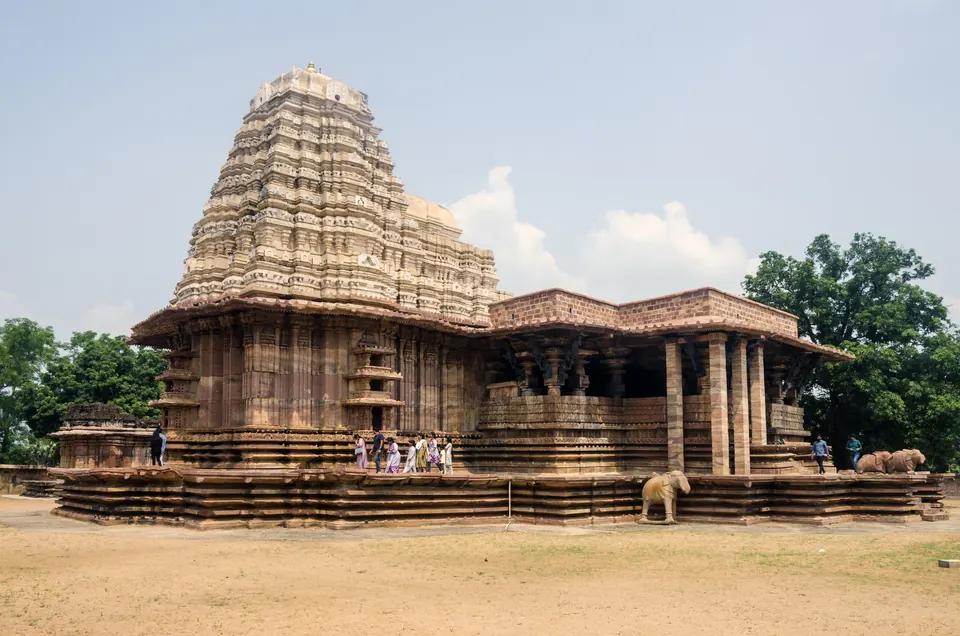
కాకతీయులు పన్నెండు, పదమూడు శతాబ్దాల్లో తెలుగు దేశపు పాలక వంశంగా ఎదిగిన సైనిక నాయకుల కుటుంబం.1 వారు సుమారు 1150 నుండి 1323 మధ్య మొదట అనుమకొండ (హనుమకొండ) నుండి, తర్వాత ఓరుగల్లు (వరంగల్) నుండి పాలించారు.1 దానికి ముందు సుమారు రెండు శతాబ్దాలు వారు రాష్ట్రకూట, తర్వాత పశ్చిమ చాళుక్య రాజులకు కింది నాయకులుగా సేవ చేశారు.2
వారి సార్వభౌమ పాలనను సాధారణంగా వేయి స్తంభాల గుడి వద్ద రుద్రదేవుని 1163 జనవరి నాటి శాసనం నుండి లెక్కిస్తారు.2 1320లలో ఢిల్లీ సుల్తానుల సైన్యాలు వరంగల్ను తీసుకున్నప్పుడు అది ముగిసింది.23
గణపతిదేవుని కాలంలో శిఖరాగ్రంలో, కాకతీయ పాలన తెలంగాణ నుండి గోదావరి, పెన్నాల మధ్య తీరం వరకు చేరింది.45 దాని సైన్యాలు కంచి వరకు దండయాత్రలు చేశాయి.45 రాజులు చివరి వరకు మహామండలేశ్వర (ఒక ప్రాంతానికి గొప్ప ప్రభువు) అనే నిరాడంబర బిరుదునే ఉంచుకున్నారు. తమ మిత్ర నాయకులకు చాలా స్వేచ్ఛ ఇచ్చారు.67 అందువల్ల చరిత్రకారులు ఆ రాజ్యాన్ని కేంద్రీకృత సామ్రాజ్యంగా కాకుండా, కింది పాలకులు, సైనిక సేనానులు, గ్రామ సభల వదులైన జాలంగా వర్ణిస్తారు.67
వారి పాలనను గొప్ప సాగునీటి చెరువుల కోసం, హనుమకొండ, పాలంపేట, వరంగల్ ఆలయాల కోసం కూడా గుర్తుంచుకుంటారు.8910 మోటుపల్లి సముద్ర వ్యాపార శాసనం కోసం, వారి ఆస్థానంలోని తెలుగు, సంస్కృత రచయితల కోసం కూడా గుర్తుంచుకుంటారు.8910
ఆధారాలు
తెలిసిన దానిలో చాలా భాగం శాసనాల నుండే వస్తుంది.111 ఆ కాలానికి చెందిన సుమారు డజను తామ్రశాసనాలను, దాదాపు వెయ్యి శిలాశాసనాలను పి. వి. పరబ్రహ్మ శాస్త్రి లెక్కించారు.111 వాటిలో చాలా 1964లో ఆంధ్రప్రదేశ్ ప్రభుత్వం ప్రారంభించిన తెలంగాణ జిల్లాల శాసన సర్వేలో దొరికాయి.111
ఈ ఆవిష్కరణల్లో కొన్ని చరిత్రను మార్చాయి.121314 పరబ్రహ్మ శాస్త్రి 1966లో బయ్యారం చెరువు శాసనాన్ని కనుగొన్నారు. అది తొలి వంశావళిని ఆయన మళ్లీ రాసేలా చేసింది.121314 చందుపట్ల శాసనం రుద్రమదేవి మరణాన్ని సుమారు 1295 నుండి 1289కి వెనక్కి జరిపింది.121314
సమకాలీన సాహిత్యం కొంచెం జోడిస్తుంది.15 విద్యానాథుని సంస్కృత అలంకార శాస్త్ర గ్రంథం ప్రతాపరుద్రీయం ప్రతాపరుద్రుని ఆస్థానంలో రాయబడింది.15 దానిలోని ప్రతి ఉదాహరణ పద్యం రాజును ప్రశంసిస్తుంది.15 రాజ చిహ్నం, కుటుంబ వంశం, గణపతిదేవునికి, ప్రతాపరుద్రునికి రుద్రమదేవి సంబంధం కోసం పరబ్రహ్మ శాస్త్రి దానిని వాడారు.15
తెలుగు రచనలు పాలన, మతం, సేవ గురించి వివరాలు ఇస్తాయి.16 వాటిలో రాజనీతిపై నీతిసారం ఉంది. అది పదిహేడవ శతాబ్దపు ఒక సంకలనంలోని ఉదాహరణల్లో మాత్రమే మిగిలి ఉంది.16 పాల్కురికి సోమనాథుని శైవ కావ్యాలు, ఇందులూరి మంత్రుల కుటుంబ చరిత్ర అయిన శివయోగసారం కూడా వాటిలో ఉన్నాయి.16
క్రీడాభిరామము పద్నాలుగు లేదా పదిహేనవ శతాబ్దపు, సుమారు 300 పద్యాల తెలుగు రచన.17 దానిలో ఇద్దరు స్నేహితులు ఓరుగల్లు వీధుల్లో తిరుగుతారు.17 వంశం పతనమైన కొద్దికాలానికే గుర్తున్నట్లుగా అది నగరాన్ని వర్ణిస్తుంది.17
మూడవ రకం ఆధారాలు తర్వాతి చరిత్ర గ్రంథాలు:18
- ఏకామ్రనాథుని ప్రతాప చరిత్ర (పదహారవ శతాబ్దానిదని భావిస్తారు)
- సిద్ధేశ్వర చరిత్ర (పదిహేడవ శతాబ్దం)
- సోమదేవరాజీయము (పద్దెనిమిదవ శతాబ్దం)18
విషయంలో అవి దాదాపు ఒకేలా ఉన్నాయని, గాథలతో నిండి ఉన్నాయని, కొన్నిసార్లు తప్పుదోవ పట్టిస్తాయని పరబ్రహ్మ శాస్త్రి కనుగొన్నారు.18 ఉదాహరణకు, అవి రుద్రమదేవిని గణపతిదేవుని భార్యగా చేస్తాయి.18 ఆయన వాటిని స్థూల రూపురేఖల కోసం మాత్రమే వాడారు.18
వెలమ నాయకుల కుటుంబ చరిత్రలు వెలుగోటివారి వంశావళి, వెలుగోటివారి వంశచరిత్ర.19 కాకతీయ సేవలో వారి పూర్వీకుల యుద్ధాలను అవి వర్ణిస్తాయి, కానీ రెండూ తర్వాతి కాలానివి.19
ఈ పేజీ చరిత్ర గ్రంథాల కథలను శాసనాలు చెప్పేదాని నుండి వేరుగా ఉంచుతుంది.1819 1303 నుండి 1323 వరకు జరిగిన ఢిల్లీ దండయాత్రలు అమీర్ ఖుస్రో, బరనీ, ఇసామి, ఫెరిష్తా వంటి పర్షియన్ చరిత్రకారుల నుండి తెలుసు.2021 “ముత్ఫిలి” (Mutfili) అని అతను పిలిచిన ఒక రాజ్యపు సముద్ర వ్యాపారాన్ని మార్కో పోలో వర్ణించాడు.22 అతని సంపాదకుడు హెన్రీ యూల్ ముత్ఫిలిని కాకతీయ రాజ్యంగా గుర్తించారు.23
పుట్టుక
పేరు, దుర్జయ వంశం
కుటుంబ పేరు కాకతి నుండి వచ్చింది.2425 ప్రతాపరుద్రీయంపై పదిహేనవ శతాబ్దపు ఒక వ్యాఖ్యాత కాకతిని కుటుంబం పూజించిన దుర్గ దేవి రూపంగా వివరించాడు.2425 గణపతిదేవుని పాలనలోని బయ్యారం చెరువు శాసనం మాత్రం వంశ స్థాపకుడు కాకతి అనే స్థలంలో నివసించాడని చెబుతుంది.2425 ఈ స్థలాన్ని నిశ్చితంగా గుర్తించలేదు.2425
పదమూడవ శతాబ్దపు రికార్డులు రాజులను దుర్జయుడు అనే పౌరాణిక పూర్వీకుని వరకు తీసుకెళ్తాయి.262728 1244–45 నాటి మోటుపల్లి శాసనం సూర్య వంశం ద్వారా దుర్జయుని కుటుంబానికి చెందిన ఒక ప్రోలరాజు వరకు వంశాన్ని తీసుకెళ్తుంది.2627 బయ్యారం శాసనం దుర్జయుని, తర్వాత కాకతిలో నివసించిన వెన్న అనే రాజును, తర్వాత గుండ అనే రాజుల వరుసను పేర్కొంటుంది.28 కాకతీయ సేవలోని ఇతర కుటుంబాలు, మల్యాల, విరియాల నాయకులు, కూడా దుర్జయుని నుండి వంశాన్ని చెప్పుకున్నారు.2930
రాష్ట్రకూట సేనానులా, తూర్పు చాళుక్య అధికారులా?
ఆ కుటుంబం గురించి తొలి ప్రస్తావన మంగల్లు తామ్రశాసనంలో ఉంది. పరబ్రహ్మ శాస్త్రి దానిని సుమారు 956 నాటిదిగా చెబుతారు.31 దానిలో కాకర్త్య గుండ్యన అనే సేనాని తూర్పు చాళుక్య రాజకుమారుడు దానార్ణవుని నుండి భూదానం పొందుతాడు.31
అంతకుముందు రచయితలు గుండ్యనను తూర్పు చాళుక్య అధికారిగా, ఆ కుటుంబాన్ని మూలంలో తెలుగువారిగా భావించారు.32 1928లో రాస్తూ సాహిత్య చరిత్రకారులు చెంచయ్య, భుజంగరావు ఇంకా కాకతీయులను తూర్పు చాళుక్యుల సామంతులుగా (కింది పాలకులు) వర్ణించారు.33
The Early History of the Deccan (దక్కన్ తొలి చరిత్ర, 1960) లోని కాకతీయ అధ్యాయంలో ఎన్. వెంకటరమణయ్య, ఎం. సోమశేఖర శర్మ ఆ సంబంధాన్ని పూర్తిగా తిరస్కరించారు.34 వారి అభిప్రాయంలో పేర్లు సంబంధించినవి కావచ్చు. కానీ అనుమకొండ రాజులు గుండ్యన వారసులని నమ్మడానికి ఆధారం లేదు.34 ఆ కుటుంబం కళ్యాణి చాళుక్యుల కాలంలో ఎదిగింది. సొంత రికార్డులు వదిలిన మొదటివాడు రెండవ బేతరాజు.34
పరబ్రహ్మ శాస్త్రి దీనికి వ్యతిరేకంగా వాదించారు.3536 రాష్ట్రకూట సహాయంతో దానార్ణవుడు వేంగి సింహాసనాన్ని స్వాధీనం చేసుకున్నాడని ఆయన భావించారు.3536 గుండ్యన పూర్వీకుల పేర్లు “రాష్ట్రకూట”తో ముగుస్తాయి. గుండ్యన ఒక రాష్ట్రకూట సేనాని.3536 ఈ అభిప్రాయంలో ఆ కుటుంబం రాష్ట్రకూట సేవలో తెలుగు దేశానికి వచ్చి, 973 తర్వాత కళ్యాణి చాళుక్యుల కిందకు వెళ్లింది.3536
హోదా, కులం
తర్వాతి కాకతీయ రికార్డులు దుర్జయుని ద్వారా సూర్య వంశ రాజుల నుండి వంశాన్ని చెప్పుకున్నాయి.2637 ఉదాహరణకు, గణపతిదేవుని మోటుపల్లి శాసనం కుటుంబాన్ని ఇక్ష్వాకు, రాముని వరకు తీసుకెళ్తుంది.2637
ఇతర శాసనాలు వేరుగా చెబుతాయి.3839 బొత్పూర్, వడ్డమానులలోని గణపతిదేవుని సేనాని మల్యాల గుండ శాసనాలు కాకతీయులను నాలుగవ వర్ణం, అంటే శూద్ర వర్ణంలో, పుట్టినవారిగా వర్ణిస్తాయి.3839 తమను అలాగే వర్ణించుకున్న కోట, నతవాడి నాయకుల వంటి నాయక కుటుంబాలతో ఆ కుటుంబం వివాహ సంబంధాలు చేసుకుంది.3839
ఆ కుటుంబం సూర్య, చంద్ర వంశాలు రెండింటినీ మించిందని ప్రతాపరుద్రుని ఆస్థానంలోని విద్యానాథుడు రాశాడు.3738 రాజగురువు (ఆచార్యుడు) మల్కాపురం శాసనం వారిని సూర్య వంశ క్షత్రియులు అని పిలుస్తుంది.3738
క్షత్రియ దావాలు ప్రశంస (స్తుతి) మాత్రమే అని పరబ్రహ్మ శాస్త్రి తేల్చారు.3940 1942లో రాస్తూ పి. శ్రీనివాసాచార్ పాలక కుటుంబపు కులం గురించి ఏ వాదనైనా వ్యర్థమని భావించారు.40 అధికారం సాధారణంగా కుటుంబాలను క్షత్రియ హోదాను, సూర్య చంద్రుల నుండి వంశాన్ని చెప్పుకునేలా చేసిందని ఆయన చెప్పారు.40
చిహ్నాలు, తొలి మతం
తొలి కాకతీయులకు జైన మతంతో దగ్గరి సంబంధాలు ఉన్నాయి.41 వారి మొదటి చిహ్నం గరుడుడు (గ్రద్ద). అది ప్రతాపరుద్రుని కాలం వరకు వారి పతాకంపై ఉంది.41 దానికి వైష్ణవ అర్థం కంటే జైన అర్థం ఉందని, బహుశా తీర్థంకరుడు శాంతినాథుని గరుడుడు అని పరబ్రహ్మ శాస్త్రి సూచించారు.41
చాళుక్య సామంతులుగా వారు తర్వాత వరాహాన్ని స్వీకరించారు. అది వారి ముద్రలపై, నాణేలపై కనిపిస్తుంది.4243 మొదటి ప్రోలరాజు వారసులు అతనికి కృతజ్ఞతగా తమ నాణేలపై, పశువులపై వరాహాన్ని ముద్రించారని బయ్యారం శాసనం చెబుతుంది.4243
రాష్ట్రకూటుల, చాళుక్యుల కింద నాయకులు
తొలి నాయకులు తమ అధిరాజుల కింద తెలంగాణలో చిన్న భూభాగాలను పట్టుకున్నారు.44 రాష్ట్రకూటుల పతనం తర్వాత, పదవ శతాబ్దం చివర్లో నాలుగవ గుండ చంపబడ్డాడని భావిస్తారు.44 అతనిని చంపినవాడు కొత్త చాళుక్య రాజు రెండవ తైలపుని మద్దతు ఉన్న ఒక నాయకుడు.44 అతని చిన్న కుమారుడు మొదటి బేతరాజు విరియాల నాయకుడు ఎర్ర భార్య కామవసాని సహాయంతో కుటుంబ స్థానాన్ని తిరిగి పొందాడు.44 1124 నాటి గూడూరు శాసనం ఈ కథ చెబుతుంది.44
మొదటి ప్రోలరాజు (సుమారు 1052–1076) చాళుక్య రాజకుమారుడు విక్రమాదిత్యుని దండయాత్రల్లో పోరాడాడు.4245 రాజు త్రైలోక్యమల్లుడు (మొదటి సోమేశ్వరుడు) నుండి అతను అనుమకొండ జిల్లాను శాశ్వత జాగీరుగా (ప్రభువు నుండి పొందిన భూమి) పొందాడు.4245
రెండవ బేతరాజు (సుమారు 1076–1108) తన అధిరాజు ఆరవ విక్రమాదిత్యుని నుండి త్రిభువనమల్ల అనే పేరు తీసుకున్నాడు.46 తన మంత్రి ద్వారా అతను సబ్బినాడు జిల్లాను గెలుచుకున్నాడు.46 అతని పెద్ద కుమారుడు దుర్గరాజు 1098 నాటి ఒకే రికార్డులో కనిపిస్తాడు. అతని తమ్ముడు అతనిని పక్కన పెట్టి ఉండవచ్చు.46
రెండవ ప్రోలరాజు (సుమారు 1116–1157) ఈ నాయకుల్లో అత్యంత చురుకైనవాడు.4748 విధేయుడైన చాళుక్య సామంతుడిగా అతను అనుమకొండ చుట్టూ ప్రత్యర్థి నాయకులను ఓడించాడు.4748 అతను ఒక తైలపుని పట్టుకుని విడిచిపెట్టాడు. పానుగల్లు చుట్టూ ఉన్న కందూరు దేశానికి ఉదయ చోడుని తిరిగి నిలిపాడు.4748 పరమార రాజకుమారుడు జగద్దేవుని కూడా అతను తరిమికొట్టాడు.4748 కింది నాయకుడిగా అతని చివరి తెలిసిన రికార్డు 1149 నాటిది.4748 తీర ఆంధ్ర దేశపు నాయకులతో యుద్ధంలో అతను చంపబడ్డాడు.4748
జె. ఎఫ్. ఫ్లీట్ అతను పట్టుకున్న తైలపుని చాళుక్య రాజు మూడవ తైలపునిగా గుర్తించారు.49 పరబ్రహ్మ శాస్త్రి అతనిని కందూరునాడు ప్రాంతాన్ని పట్టుకున్న చాళుక్య రాజకుమారుడు కుమార తైలపునిగా గుర్తించారు.50
రుద్రదేవుడు, సార్వభౌమత్వ దావా
రుద్రదేవుడు (సుమారు 1158–1195) తెలంగాణలోని ప్రత్యర్థి నాయకులను ఓడించాడు.5152 వారు నగునూరు దొమ్మ, పోలవాస మేడ, మైలిగి, కందూరు చోడ నాయకులు భీముడు, ఉదయుడు.5152 అనుమకొండలోని అతని 1163 నాటి శాసనం ఈ యుద్ధాలను కీర్తిస్తుంది.5152 ఇప్పుడు వేయి స్తంభాల గుడి అని పిలిచే త్రికూట ఆలయాన్ని అతను స్థాపించినట్లు అది నమోదు చేస్తుంది.5152
ఫ్లీట్ 1882లో ఆ శాసనాన్ని ప్రచురించారు.49 చాళుక్య అధిరాజ్యాన్ని వదిలించుకున్న, ఆచరణలో స్వతంత్రుడైన రాజుగా ఆయన రుద్రదేవుని చూశారు.49 కానీ రుద్రదేవుడు ఇంకా సామంత బిరుదు మహామండలేశ్వరను వాడాడు.49
పరబ్రహ్మ శాస్త్రి 1964 తర్వాత దొరికిన శాసనాలను వాడారు.1253 కాకతీయులు తమ అధిరాజులపై తిరుగుబాటు చేయలేదని ఆయన వాదించారు.1253 కళ్యాణంలో చాళుక్య అధికారం కూలిపోతోంది. ఇతర కింది నాయకులను అణచివేయడం ద్వారా కాకతీయులు తెలంగాణకు ప్రభువులయ్యారు.1253 ఏ చాళుక్య దావాదారుడూ ముందుకు రానప్పుడు మాత్రమే రుద్రదేవుడు తనను తాను సార్వభౌముడిగా ప్రకటించుకున్నాడు.1253
వెలనాటి నాయకుడు రెండవ రాజేంద్ర చోడుడు 1181లో చనిపోయాడు. అప్పుడు రుద్రదేవుడు తీరం వైపు తిరిగాడు.54 అతను కోట నాయకుడు దొడ్డ భీముని ఓడించి ధరణికోటను తీసుకున్నాడు.54 భీముని కుమారుడు రెండవ కేతను తన కింది నాయకుడిగా ఉంచాడు.54 త్రిపురాంతకంలోని 1185 నాటి ఒక రికార్డు కృష్ణాకు దక్షిణాన అతని అధికారాన్ని చూపిస్తుంది.54
అతను ఓరుగల్లులో కొత్త కోటను ప్రారంభించాడు.5556 జయించిన పట్టణాల ప్రజలను అతను అక్కడ రుద్రేశ్వర ఆలయాలున్న కొత్త వాడల్లో స్థిరపరిచాడని గణపేశ్వరం శాసనం చెబుతుంది.5556
అతను ఎలా చనిపోయాడనే విషయంలో వివాదం ఉంది.5758 1196లో దేవగిరి యాదవ (సేవుణ) రాజు జైత్రపాలునితో యుద్ధంలో అతను చంపబడ్డాడని వెంకటరమణయ్య, సోమశేఖర శర్మ భావించారు.57 వారి సాక్ష్యం యాదవ రచయిత హేమాద్రి.57 కాకతీయ రికార్డుల్లో దీనికి పరబ్రహ్మ శాస్త్రికి సాక్ష్యం దొరకలేదు.58 ఆర్. జి. భండార్కర్ సరిదిద్దిన హేమాద్రి భాగం రుద్రదేవుని సోదరుడు మహాదేవుని గురించి అని ఆయన వాదించారు.58 రుద్రదేవుని చివరి తెలిసిన తేదీ 1195 ఏప్రిల్.59
మహాదేవుడు, దేవగిరి విపత్తు
రుద్రదేవునికి సంతానం లేదు.60 అతని తమ్ముడు మహాదేవుడు అతని తర్వాత వచ్చాడు, బహుశా యువ రాజకుమారుడు గణపతికి సంరక్షక పాలకుడిగా.60 ఆ చిన్న పాలనలో నిశ్చితంగా తెలిసిన ఒకే సంఘటన యాదవ రాజధాని దేవగిరిపై మహాదేవుని దాడి.6162 అక్కడ రాత్రి ఏనుగుపై నుండి పోరాడుతూ అతను చనిపోయాడు.6162
యాదవ రాజు జైతుగి (జైత్రపాలుడు) యువ గణపతిని బందీగా పట్టుకున్నాడని యాదవ శాసనాలు జోడిస్తాయి.6162 తర్వాత జైతుగి అతనిని విడిచిపెట్టి ఆంధ్ర దేశానికి రాజుగా చేశాడు.6162 స్వదేశంలో సామంతులు తిరుగుబాటు చేశారు.6364 గణపతి తిరిగి వచ్చే వరకు సేనాని రేచర్ల రుద్రుడు రాజ్యాన్ని కలిపి ఉంచాడు.6364
గణపతిదేవుడు: తీరానికి, దక్షిణానికి విస్తరణ
గణపతిదేవుడు (1199–సుమారు 1262) 1199 డిసెంబర్ నాటికి సింహాసనంపై తిరిగి ఉన్నాడు.65 మంథెనలోని ఆ తేదీ నాటి ఒక శాసనం అతనిని మొత్తం రాజ్యాన్ని పునఃస్థాపించినవాడిగా పిలుస్తుంది.65
అతని సేనానులు కాకతీయ అధికారాన్ని తీరానికి తీసుకెళ్లారు.6667 మల్యాల చౌండుడు 1203 నాటికి కృష్ణా ముఖద్వారం వద్ద ఉన్న దీవి కోట దివిని తీసుకున్నాడు.6667 వెలనాటి రాజు పృథ్వీశ్వరుడు 1206 తర్వాత ఎప్పుడో యుద్ధంలో చంపబడ్డాడు.6667 గణపతి యువ అయ్య నాయకుడు జాయప ఇద్దరు సోదరీమణులను పెళ్లి చేసుకుని, 1213 నాటికి అతనిని వెలనాడు గవర్నర్గా చేశాడు.6667
అతను నెల్లూరు తెలుగు చోడుల సింహాసనంపై తిక్కను తిరిగి నిలిపాడు.685 సుమారు 1250లో తిక్క కుమారుడు రెండవ మనుమసిద్ధికి మద్దతుగా సామంత భోజుని నాయకత్వంలోని అతని సైన్యం కంచిని తీసుకుంది.685 గణపతి ఆస్థానానికి మనుమసిద్ధి రాయబారి కవి తిక్కన.685
కళింగలోకి అతని దండయాత్రలు గంజాంలోని అస్కా ప్రాంతం వరకు చేరాయి.69 కానీ తూర్పు గాంగ రాజు మూడవ అనంగభీముడు త్వరలోనే కాకతీయ సైన్యాలను వెనక్కి తరిమాడు.69 ఆ తర్వాత చాలా సంవత్సరాల పాటు గోదావరి వారి పాలనకు తూర్పు హద్దుగా ఉంది.69
పాలన ఎదురుదెబ్బలతో ముగిసింది.70 పరబ్రహ్మ శాస్త్రి కాలనిర్ణయం ప్రకారం, సుమారు 1263లో పాండ్య రాజు జటావర్మ సుందర పాండ్యుడు ముత్తుకూరు వద్ద కాకతీయులను, వారి నెల్లూరు మిత్రులను ఓడించాడు.70 అతను నెల్లూరును, కంచిని కలుపుకున్నాడు.70 గణపతి ఓరుగల్లు కోటను పూర్తి చేసి, రాజధానిని అనుమకొండ నుండి అక్కడికి మార్చాడు.63
వెంకటరమణయ్య, సోమశేఖర శర్మ అతని పాలనను 1261లో ముగిస్తారు.71 గణపతిని ఇంకా పాలిస్తున్న రాజుగా చూసే 1269 నాటి ఒక దుర్గి శాసనాన్ని పరబ్రహ్మ శాస్త్రి ఉదహరిస్తారు.72 అందువల్ల గణపతి ఆ సంవత్సరం ఇంకా బతికే ఉన్నాడని, అయితే పాలించడం లేదని ఆయన భావిస్తారు.72
రుద్రమదేవి, వారసత్వం
గణపతిదేవునికి కుమారుడు లేడు. అతను తన కుమార్తె రుద్రమదేవిని వారసురాలిగా ప్రకటించాడు.7215 ఆమె సుమారు 1259–60 నుండి తండ్రితో కలిసి, 1262 నుండి ఒంటరిగా పాలించిందని పరబ్రహ్మ శాస్త్రి భావిస్తారు.7215 ఆమె రికార్డులు సాధారణంగా ఆమెను రుద్రదేవ మహారాజు అనే పురుష నామంతో పిలుస్తాయి.7215 ఉదాహరణకు, బొత్పూర్లోని 1276 నాటి ఒక శాసనానికి “కాకతీయ రాజు రుద్రదేవుడు” ఓరుగల్లు నుండి భూమిని పాలిస్తుండగా అని తేదీ ఉంది.73
ఆమె గురించిన ఒక పాత గందరగోళాన్ని శాసనాలు తీర్చాయి.7423 1273 నాటి కోటగిరి తామ్రశాసనం ఆమెను గణపతి కుమార్తెగా పిలుస్తుంది.74 కానీ తర్వాతి చరిత్ర గ్రంథాలు, మార్కో పోలోపై హెన్రీ యూల్ వ్యాఖ్యలు ఆమెను గణపతి వితంతువుగా చేశాయి.7423
ఆమె వారసత్వానికి వ్యతిరేకత వచ్చింది.7275 ఇతర రాణుల ద్వారా గణపతికి పుట్టిన ఇద్దరు కుమారులు హరిహరుడు, మురారి రాజధానిని స్వాధీనం చేసుకున్నారని ప్రతాప చరిత్ర చెబుతుంది.7275 వెంకటరమణయ్య, సోమశేఖర శర్మ ఇచ్చిన ఆ చరిత్ర సంగ్రహంలో, ఆమె నగరాన్ని తిరిగి తీసుకుని తన సవతి సోదరులను చంపించింది.75 ఆ రాజకుమారులు ఈ తర్వాతి కాలపు రచన నుండి మాత్రమే తెలుసని రెండు చరిత్రలూ గుర్తిస్తాయి.7275 కానీ అది ఒక నిజమైన తిరుగుబాటు జ్ఞాపకాన్ని భద్రపరిచి ఉండవచ్చని రెండూ అంగీకరిస్తాయి.7275
విధేయులైన నాయకులు ఆమె పాలనను నిలబెట్టారు.7677 వారిలో కాయస్థ సోదరులు జన్నిగదేవుడు, త్రిపురారి, రేచర్ల నాయకుడు ప్రసాదిత్యుడు ఉన్నారు.7677 వెలమ కుటుంబ చరిత్ర మొత్తం ఘనతను ప్రసాదిత్యునికే ఇస్తుంది.7677 అది అతనికి “కాకతీయ రాజ్య స్థాపనాచార్య”, “రాయ పితామహ” బిరుదులు ఇస్తుంది.7677 కానీ 1275 నుండి 1290 నాటి శాసనాల్లో ఇతర సేనానులు కూడా అవే లేదా అలాంటి బిరుదులు ధరించారు.7677
ఆమె పాలన అనేక వైపుల నుండి ఒత్తిడిని ఎదుర్కొంది.78 సుమారు పదహారు సంవత్సరాల పాటు గోదావరి ప్రాంతంలో కాకతీయ రికార్డులు కనిపించవు.78 ఆమె సేనానులు వారిని వెనక్కి నెట్టే వరకు, దీనికి కారణం ఒడిశా తూర్పు గాంగులని పరబ్రహ్మ శాస్త్రి చెబుతారు.78
యాదవ రాజు మహాదేవుడు ఓరుగల్లును ముట్టడించాడు.78 ఆమె అతనిని దేవగిరికి తరిమిందని ప్రతాప చరిత్ర చెబుతుంది.78 బీదర్లోని ఆమె ఒక శాసన ముక్క ఆమె సైన్యాలు నిజంగా యాదవ భూభాగంలోకి ముందుకు వెళ్లాయని చూపిస్తుంది.78
1270ల నుండి కాయస్థ నాయకుడు అంబదేవుడు రాజ్యపు నైరుతి భాగంలో ఒక స్వతంత్ర రాజ్యాన్ని నిర్మించుకున్నాడు.7980 అతను యాదవులతో, పాండ్యులతో మైత్రి చేసుకున్నాడు.7980 త్రిపురాంతకంలోని 1290 నాటి ఒక శాసనంలో, ఆంధ్ర దేశపు రాజులందరినీ జయించానని అతను చెప్పుకున్నాడు.7980
ఆమె ఎలా, ఎప్పుడు చనిపోయిందనే విషయంలో వివాదం ఉంది.81 చందుపట్లలోని ఒక తెలుగు శాసనానికి 1289 నవంబర్ తేదీ ఉంది.81 అప్పటికే చనిపోయిన రుద్రమదేవి, ఆమె సేనాని మల్లికార్జున నాయకుల పుణ్యం కోసం ఇచ్చిన దానాన్ని అది నమోదు చేస్తుంది.81 శాసనం అలా చెప్పకపోయినా, వారు అంబదేవునితో యుద్ధంలో పడిపోయారని పరబ్రహ్మ శాస్త్రి సూచిస్తారు.81
చందుపట్ల రికార్డు దొరకడానికి ముందు వెంకటరమణయ్య, సోమశేఖర శర్మ రాశారు.82 వారు ఆమె మరణాన్ని 1294 చివరి నాటిదిగా, ప్రతాపరుద్రుని సింహాసనారోహణను 1295 నాటిదిగా చెప్పారు.82 యూల్ అధికార బదిలీని 1292లో లేదా 1295లో ఉంచారు.23
ముత్ఫిలిని సుమారు నలభై సంవత్సరాలు ఒక రాణి పాలించిందని మార్కో పోలో రాశాడు. అతను ఆమె పేరు చెప్పడు.8323 ఆమె “చాలా వివేకం గల” స్త్రీ.8323 ఆమె “తన రాజ్య ప్రజలకు అంతకుముందు ఏ రాణి గానీ రాజు గానీ కాని అంత ప్రియమైనది”.8323
ప్రతాపరుద్రుడు
ప్రతాపరుద్రుడు రుద్రమదేవి పెద్ద కుమార్తె ముమ్మడమ్మ, మహాదేవుడు అనే కాకతీయ రాజకుమారుల కుమారుడు.84 గణపతిదేవుని ఆజ్ఞ మేరకు రుద్రమదేవి అతనిని తన కుమారుడిగా, వారసుడిగా దత్తత తీసుకుందని వెంకటరమణయ్య, సోమశేఖర శర్మ జోడిస్తారు.82 సింహాసనం ఎక్కిన తర్వాత కూడా అతనిని తరచుగా కుమార రుద్రదేవుడు, “రాజకుమారుడు రుద్రదేవుడు”, అని పిలిచేవారు.14 అతను అప్పటికే తన అమ్మమ్మ పాలనలో, యుద్ధాల్లో పాలుపంచుకున్నాడు.14
అతని మొదటి పని అంబదేవుడు.8586 1291లో అతని సేనానులు కాయస్థ నాయకుడిని త్రిపురాంతకం నుండి తరిమారు. ఇతర సైన్యాలు నెల్లూరు, యాదవులపైకి వెళ్లాయి.8586 సుమారు ఎనిమిది సంవత్సరాల్లో కాయస్థ భూభాగాలను తిరిగి పొందారు.8586 1294లో ఒక కాకతీయ సామంతుడు కృష్ణా–తుంగభద్ర దోఆబ్లోని రాయచూరు, ఆదోనిలను తీసుకున్నాడు.8586
తర్వాత అతను సైనిక విధానాన్ని, అంటే నాయంకరంను, పునర్వ్యవస్థీకరించాడు.8788 దాని కింద రాజు కోసం సైనికులను ఉంచినందుకు సేనానులు భూమిని పట్టుకున్నారు.8788 అతని పాలనలోని రికార్డులు అతనిని తొమ్మిది లక్షల విలుకాళ్ల ప్రభువుగా పిలుస్తాయి.8788
పాలన తర్వాతి భాగంలో అతని సైన్యాలు దక్షిణానికి వెళ్లాయి.8990 సుమారు 1316–17లో అతని సేనానులు కంచిని తీసుకుని, పాండ్యులను ఓడించి, సుందర పాండ్యుని తిరిగి నిలిపారు.8990 వారు హొయసల మూడవ బల్లాలునితో, చిన్న రాజ్యమైన కంపిలితో కూడా పోరాడారు.8990
ఢిల్లీ దండయాత్రలు, పతనం
1303 నుండి 1323 మధ్య ఢిల్లీ సుల్తానుల సైన్యాలు అనేకసార్లు వరంగల్కు వచ్చాయి.87 పరబ్రహ్మ శాస్త్రి ఏడు పోరాటాలను లెక్కిస్తారు. వాటిలో అనేకం భారీ కప్పంతో ముగిశాయి.87
1303లో అలావుద్దీన్ ఖల్జీ కాలంలో మొదటి దండయాత్ర విఫలమైంది.9187 అది వర్షాకాలంలో వచ్చి, చాలా తగ్గిపోయి తిరిగి వెళ్లిందని బరనీ చెబుతాడు.91 ఉప్పరపల్లి వద్ద దానిని అడ్డుకున్న ఘనతను వెలమ చరిత్ర కాకతీయ సేనానులు వెన్న, పోతుగంటి మైలికి ఇస్తుంది.87
1309–10లో మాలిక్ కాఫూర్ సుమారు ఇరవై ఐదు రోజులు వరంగల్ను ముట్టడించాడు.219287 బయటి మట్టి గోడపై దాడిని అమీర్ ఖుస్రో, బరనీ వర్ణిస్తారు.2192 దాని తర్వాత “రాయ్ లద్దర్ దేవ్” ఏనుగులు, గుర్రాలతో సహా తన ఖజానాను అప్పగించి, వార్షిక కప్పం చెల్లిస్తానని హామీ ఇచ్చాడు.219287 1318లో ఖుస్రో ఖాన్ మళ్లీ కప్పం అడగడానికి వచ్చాడు. ప్రతాపరుద్రుడు ఐదు జిల్లాలను అప్పగించాడు.9394
గియాసుద్దీన్ తుగ్లక్ తన కుమారుడు, తర్వాత సుల్తాన్ ముహమ్మద్ బిన్ తుగ్లక్ అయిన ఉలుగ్ ఖాన్ను వరంగల్పైకి పంపాడు.9596 సుల్తాన్ మరణం గురించిన తప్పుడు పుకార్లు ఢిల్లీ శిబిరంలో తిరుగుబాటు రేపినప్పుడు మొదటి ముట్టడి కూలిపోయింది.9596 ఉలుగ్ ఖాన్ కొత్త సైనికులతో తిరిగి వచ్చి, దారిలో బీదర్, బోధన్లను తీసుకున్నాడు.9596 అతను వరంగల్ను స్వాధీనం చేసుకున్నాడు. దాని పేరును సుల్తాన్పూర్గా మార్చారు.9596
బరనీ ఆ దండయాత్రను హిజ్రీ 721 (1321; హిజ్రీ అనేది సంవత్సరాలు లెక్కించే ఇస్లామిక్ పద్ధతి) నాటిదిగా చెబుతాడు.97 Imperial Gazetteer (సామ్రాజ్య గెజిటీర్) కాకతీయ పాలన ముగింపుకు 1321 అని ఇస్తుంది.98 పరబ్రహ్మ శాస్త్రి సమకాలీన చరిత్రకారుడు ఇసామిని అనుసరించి, చివరి ఐదు నెలల ముట్టడిని 1323లో ఉంచుతారు.96
ప్రతాపరుద్రుని బందీగా ఢిల్లీ వైపు పంపారు.99 ముసునూరి నాయకుడు ప్రోలయ నాయకుని విలస తామ్రశాసనం ప్రకారం, దారిలో నర్మదా తీరాన అతను చనిపోయాడు.99 అతను తన సొంత కోరికతో దేవలోకానికి వెళ్లాడని 1423 నాటి ఒక రెడ్డి తామ్రశాసనం చెబుతుంది.99 పరబ్రహ్మ శాస్త్రి దీనిని ఆత్మహత్యగా, లేదా అతను కోరుకున్న మరణంగా చదువుతారు.99 ఈ దండయాత్రలు, వాటి తర్వాతి పరిణామాల పూర్తి కథ కాకతీయుల తర్వాతి కాలానికి చెందుతుంది.
1323 తర్వాత: వారసులమని చెప్పుకున్నవారు
1932లో హీరానంద శాస్త్రి గుర్తించినట్లు, తర్వాతి ఏ కాకతీయ రాజు శాసనమూ దొరకలేదు.100 ప్రతాపరుద్రుని కుమారుడు వీరభద్రుని దివంగత రాజు సోదరుడు అన్నమదేవుడు పట్టాభిషేకం చేశాడని ప్రతాప చరిత్ర చెబుతుంది.99101 తర్వాత అన్నమదేవుడు ఈశాన్యానికి వెళ్లాడు.99101 పరబ్రహ్మ శాస్త్రి దీనిని నిరాధారమని పిలిచారు.99
చరిత్రకారుడు కాకతీయ రాజును ఒడిశా గజపతి రాజు ప్రతాపరుద్రునితో గందరగోళపడ్డాడని వెంకటరమణయ్య, సోమశేఖర శర్మ సూచించారు.101 ఆ రాజు కుమారుడు వీరభద్రుడు ప్రసిద్ధ యోధుడు.101 ప్రతాపరుద్రుని కుమారుడు అని పిలిచిన, ఢిల్లీ గవర్నర్లకు వ్యతిరేకంగా తిరుగుబాటుకు నాయకత్వం వహించిన ఒక “కిషన్ నాయక్” గురించి ఫెరిష్తా చెబుతాడు.101 వారి అభిప్రాయంలో అతను కాకతీయుడు కాదు, ముసునూరి నాయకుడు కాపయ నాయకుడు.101
మధ్య భారతదేశంలోని బస్తర్ రాజాలు అన్నమరాజు నుండి తమ వంశాన్ని చెప్పుకున్నారు.102103104 దంతెవాడలోని సంవత్ 1760 (1702–03; సంవత్ అనేది సంవత్సరాలు లెక్కించే ఒక భారతీయ పద్ధతి) నాటి ఒక శాసనం అతనిని “కాకతి ప్రతాపరుద్రుని” సోదరుడిగా పిలుస్తుంది.102103104 దాని సంపాదకుడు హీరాలాల్ ఆ వంశం కాకతీయ రాజు వరకు వెళ్తుందని సందేహించారు.102103 వంశావళి నాలుగు శతాబ్దాలకు చాలా తక్కువ తరాలను ఇస్తుంది. అందువల్ల తర్వాతి కాలపు ఒక ప్రతాపరుద్రుని ఆయన సూచించారు.102103
ఏ సమకాలీన రికార్డుకూ అన్నమదేవుడు తెలియదని వెంకటరమణయ్య, సోమశేఖర శర్మ ఒక చోట రాశారు.82105 మరో చోట ప్రతాపరుద్రునికి అలాంటి సోదరుడు “నిశ్చయంగా ఉన్నాడు” అని వారు రాశారు.82105 ఆ దావాను మరింత పరిశీలించాలని పరబ్రహ్మ శాస్త్రి భావించారు.99 బస్తర్ కుటుంబ స్థాపకుడు బహుశా కాకతీయ గాథలు తెలిసిన ఒక తెలుగు యోధుడు అని సింథియా టాల్బట్ (Cynthia Talbot) భావించారు.104
పాలన
రాజు, కింది నాయకులు
కాకతీయ రాజులు తమ పాలన అంతటా, మొదట సామంత హోదా అయిన మహామండలేశ్వర బిరుదునే ఉంచుకున్నారు.106 వారు ఎప్పుడూ చక్రవర్తి హోదాను చెప్పుకోలేదని పరబ్రహ్మ శాస్త్రి వాదించారు.106 నెల్లూరు తెలుగు చోడులు, తీర మండలికులు (స్థానిక పాలకులు) వంటి మిత్ర నాయకులు తమ సొంత పరిపాలనలను ఉంచుకున్నారు.106 వారి శాసనాల్లో చాలావరకు కాకతీయ రాజు పేరు కూడా చెప్పవు.106
1246లో గణపతిదేవుడు స్వయంగా జారీ చేసిన ఒక తామ్రశాసన ఆజ్ఞ కూడా కాకతీయ గణపతిదేవుడు భూమిని పాలిస్తున్నాడని మాత్రమే చెబుతుంది.107 అది మహామండలేశ్వర బిరుదును వాడదు.107 రాజు సైనిక విధేయతను మాత్రమే కోరిన, ఉద్దేశపూర్వకంగా వికేంద్రీకృతమైన రాజ్య వ్యవస్థను పరబ్రహ్మ శాస్త్రి దీనిలో చూశారు.6108 విధేయతకు ఏకైక పెద్ద భంగం అంబదేవుని తిరుగుబాటు అని ఆయన గుర్తించారు.6108
కొన్ని రికార్డులు గొప్ప భాషను వాడతాయి.109110 పాకాల చెరువు శాసనం గణపతిని చక్రవర్తి (చక్రవర్తిన్) అని పిలుస్తుంది.109110 తెరాలలోని 1292 నాటి ఒక రికార్డు ప్రతాపరుద్రునికి నరేంద్ర-చక్రవర్తి, అంటే రాజుల్లో చక్రవర్తి, అనే బిరుదు ఇస్తుంది.109110
చివరి ఇద్దరు పాలకుల కాలంలో రాజ్య వ్యవస్థ మారిందని సింథియా టాల్బట్ వాదించారు.111 అది పాత కులీన కుటుంబాలతో వదులైన మైత్రుల నుండి పెద్ద సంఖ్యలో కొత్త యోధులతో ప్రత్యక్ష బంధాల వైపు కదిలింది.111
మంత్రులు, పదవులు, విభాగాలు
అత్యున్నత అధికారులు మహాప్రధానులు (ముఖ్య మంత్రులు).112 వారి కింద ప్రధానులు, ప్రెగ్గడలు, అమాత్యులు, మంత్రులు అనే అధికారులు ఉన్నారు. శాసనాలు వారి హోదాలను వేరు చేయవు.112 పరిపాలనను బహత్తర-నియోగాధిపతి అనే అధికారి కింద డెబ్బై రెండు నియోగాలు, అంటే శాఖలు, గా విభజించారు.112
గణపతిదేవుని కాలంలో కాయస్థ నాయకుడు గంగయ సాహిణి ఆ పదవిలో ఉన్నాడు.112 అతని తర్వాత ఇందులూరి మంత్రి గన్నయ, పొంకల మల్లయ ప్రెగ్గడ వచ్చారు.112 దానికి నిజమైన అధికారం ఉందా, లేక అది కేవలం బిరుదా అనేది పరబ్రహ్మ శాస్త్రికి నిశ్చితంగా తెలియలేదు.112 రాజభవన అధికారుల్లో కోశాధికారి (శ్రీ-భండారు), రాజభవన ద్వారపాలకుడు, తాంబూల సంచి, రాజ విసనకర్ర మోసేవారు ఉన్నారు.113
రాజ్యాన్ని కమ్మనాడు, పాకనాడు, రేనాడు, కందూరునాడు, వెలనాడు వంటి నాడులుగా (జిల్లాలు) విభజించారు.114 నాడులను ఒక్కొక్కటి సుమారు ఇరవై గ్రామాలున్న స్థలాలుగా (గ్రామాల సమూహాలు) విభజించారు.114 అనుమకొండ, మట్టెవాడ, ఓరుగల్లులతో రాజధాని ఒకే స్థలంగా ఉంది.114
ప్రతి స్థలానికి దాని కరణం, సుంకం వసూలుదారు, అంచనాదారు ఉన్నారు.115 ప్రతి గ్రామానికి దాని ఆయగార్లు (గ్రామ సేవకులు) ఉన్నారు. వారిలో కాపలాదారు (తలారి), చెరువు నీటిని పంచేవాడు ఉన్నారు.115
గ్రామ సభలు, న్యాయం
శాసనాలు సంఘాలుగా వ్యవస్థీకృతమైన సమాజాన్ని చూపిస్తాయి.116 “పద్దెనిమిది తెగల ప్రజలు” (అష్టాదశ-ప్రజ) తమ సమాజాల, గ్రామాల, స్థలాల సభల (సమయాలు) ద్వారా ప్రాతినిధ్యం పొందారు.116 బ్రాహ్మణ నివాసులు మహాజనుల సంఘాలుగా ఏర్పడ్డారు.116
ఇంకిరాల దగ్గరి 1292 నాటి ఒక శాసనం ఒక స్థానిక నాయకుని అధికారి ఒక ఆలయం కోసం చందా విధించమని మూడు గ్రామాల సభలను మర్యాదగా ఎలా కోరాడో నమోదు చేస్తుంది.7 గ్రామ విషయాల్లో అలాంటి సభలకు నాయకుల కంటే ఎక్కువ అధికారం ఉందని పరబ్రహ్మ శాస్త్రి తేల్చారు.7 పెనుములిలో ఆలయ భూములపై అనుచిత పన్నులు విధించిన ఒక రాజ అధికారిని గ్రామస్తులు కఠిన పదాలతో మందలించారు. అతను వాటిని మాఫీ (రద్దు) చేశాడు.117
ఒకరు లేదా ఇద్దరు రాజ అధికారుల సమక్షంలో మహాజనుల తాత్కాలిక సంఘాలు వివాదాలను పరిష్కరించాయి.118119 1214లో దుగ్గిరాల వద్ద ఒక సరిహద్దు వివాదాన్ని పరిష్కరించడానికి గణపతిదేవుడు ఇద్దరు మంత్రులను పంపాడు.118119 1246లో కరీంనగర్ ప్రాంతంలో ఒక కాలువపై తగాదాను గ్రామస్తుల మధ్య విచారణ తర్వాత అతనే స్వయంగా నిర్ణయించాడు.118119
నాయంకర విధానం
నాయంకర విధానం కింద రాజు జీతానికి బదులుగా సేనానులకు (నాయకులు) గ్రామాలను కేటాయించాడు.88 ప్రతి ఒక్కరూ రాజు యుద్ధాల కోసం నిర్ణీత సంఖ్యలో ఏనుగులు, గుర్రాలు, కాల్బలాన్ని ఉంచారు.88 నీతిసారం ఆ నియమాన్ని చెబుతుంది.88 పరబ్రహ్మ శాస్త్రి ఈ విధానాన్ని రుద్రమదేవి కాలానికి, దాని పూర్తి వ్యవస్థీకరణను ప్రతాపరుద్రుని కాలానికి చెందినదిగా చెబుతారు.88
ప్రతాపరుద్రుని పాలనలోని శాసనాలు అలాంటి భూములను పేర్కొంటాయి:117120121
- ఒక అధికారి పెనుములి చుట్టూ ఇరవై రెండు గ్రామాల నాయంకరాన్ని పట్టుకున్నాడు.
- మరొకడు పద్దెనిమిది గ్రామాల కొండూరు స్థలాన్ని పట్టుకున్నాడు.
- నలుగురు లెంకలు (ప్రమాణం చేసిన అనుచరులు) కలిసి కొప్పరాన్ని పట్టుకున్నారు.
- ఈ భూముల్లో సైనికుల కోసం ఒక ప్రత్యేక పన్ను (బంటెల-ఆయము) వసూలు చేశారు.117120121
తర్వాతి సంప్రదాయాలు వేరే కథ చెబుతాయి.88122123 ప్రతాపరుద్రుడు తన కోటలోని డెబ్బై ఏడు బురుజులను డెబ్బై ఏడు మంది నాయకులకు ఇచ్చాడని ప్రతాప చరిత్ర చెబుతుంది.88122123 రాజ్యంలో ఒక భాగాన్ని కూడా అతను వారి మధ్య పంచాడు.88122123 ఇరవయ్యవ శతాబ్దపు చరిత్రకారులు ఈ నాయకులను వెలమలు అని పిలిచారు.88122123
దీనిని ఎంతవరకు నమ్మాలనే విషయంలో చరిత్రకారులు ఏకీభవించరు.8882 వారందరూ వెలమలే అని పరబ్రహ్మ శాస్త్రి సందేహించారు.88 రెడ్లతో సహా ఇతర సమూహాల నాయకులను, లెంకలను శాసనాలు పేర్కొంటాయని ఆయన గుర్తించారు.88 నాయంకరాలను అన్ని వర్గాల వారు పట్టుకున్నారని వెంకటరమణయ్య, సోమశేఖర శర్మ కనుగొన్నారు.82 వారి సంఖ్య డెబ్బై ఏడు కాదు, డెబ్బై ఐదు అని, వారు రాజధానిని రక్షించారనడానికి సాక్ష్యం లేదని వారు కనుగొన్నారు.82
రుద్రమదేవి కాలంలో ఈ విధానాన్ని ప్రవేశపెట్టిన ఘనతను వెలమ చరిత్ర రేచర్ల నాయకుడు ప్రసాదిత్యునికి ఇస్తుంది.124 ఆ చరిత్ర డెబ్బై ఏడు మందిని “పద్మనాయకులు” అని పిలుస్తుందని, ఎప్పుడూ వెలమలు అని పిలవదని టాల్బట్ చూపించారు.123125111 కాకతీయ శాసనాల్లో ఈ రెండు పేర్లలో ఏదీ యోధుల గుర్తింపుగా కనిపించదు.123125111 ఆమె అభిప్రాయంలో, పద్మనాయక గుర్తింపు 1323 తర్వాత రెండు శతాబ్దాలకు పైగా గడిచాక, పాక్షికంగా ప్రతాపరుద్రుని జ్ఞాపకం నుండి ఏర్పడింది.123125111
సైన్యం, కోటలు
నాయకుల సైనికులతో పాటు రాజు ఏనుగులు, అశ్వికదళం, కాల్బలంతో తన సొంత సైన్యాలను ఉంచాడు.126 వాటి సేనానులను గజ-సాహిణి, అశ్వ-సాహిణి, సేనాధిపతి అని పిలిచారు.126 పరబ్రహ్మ శాస్త్రి ఉదహరించిన చరిత్ర గ్రంథాల ప్రకారం, ప్రతాపరుద్రుని దగ్గర 100 ఏనుగులు, 20,000 గుర్రాలు, 900,000 మంది కాల్బలం ఉన్నారు.126 ఆయన ఈ సంఖ్యలను సంప్రదాయంగా నివేదిస్తారు.126
అశ్వికదళానికి శిక్షణ ఇవ్వడానికి గణపతిదేవుడు గంగయ సాహిణిని ఉత్తరం నుండి తెచ్చాడని ప్రచురించని ఒక శాసనం నమోదు చేస్తుందని చెబుతారు.126 కాయస్థులు చాలాకాలం కాకతీయ అశ్వికదళానికి నాయకత్వం వహించారు. జాయప ఏనుగులకు నాయకత్వం వహించాడు.126 రాజులు తరచుగా స్వయంగా తమ సైన్యాలకు నాయకత్వం వహించారు.126 వారి తర్వాత ఒక సర్వ సేనాధిపతి (సకల-సేనాధిపతి) ఉన్నాడు. సైనికులు జీతానికి బదులుగా భూమిని పొందారు.126
రాజధాని చుట్టూ మూడు గోడలు ఉన్నాయి:127
- కాజీపేట, అనుమకొండల చుట్టూ బయటి మట్టి ప్రాకారం
- ఓరుగల్లు చుట్టూ కందకం, నాలుగు ద్వారాలతో ఒక పెద్ద మట్టి గోడ
- సొంత కందకంతో లోపలి రాతి కోట127
రాతి కోటకు సొంత పేజీ ఉంది, వరంగల్ కోట.127 క్రీడాభిరామము దాని వీధులను, బజార్లను, ఆలయాలను వర్ణిస్తుంది.127
ఆదాయం, పన్నులు
కాకతీయ పన్నుల గురించి తెలిసిన దాదాపు అంతా ఆలయాలకు, బ్రాహ్మణులకు బాకీల దానాలను లేదా మాఫీలను నమోదు చేసే శాసనాల నుండే వస్తుంది.128 చాలా పదాల అర్థం ఇంకా స్పష్టంగా లేదు.128 పరబ్రహ్మ శాస్త్రి పన్నులను భూమి పన్నులు, పరిశ్రమలు, ఆస్తులపై పన్నులు, వృత్తులపై పన్నులు, వాణిజ్య పన్నులు, ఇతర బాకీలుగా విభజించారు.128 కాకతీయులు చాళుక్య విధానానికి కొత్త పన్నులను జోడించారని, బహుశా భూమిని సాగులోకి తేవడం, సాగునీటి వల్ల అలా జరిగిందని ఆయన భావించారు.128
ప్రాథమిక భూమి పన్ను (పన్ను) నాణేల్లో చెల్లించేవారు.129130 పంటలో రాజు వాటా (పంగము లేదా కొలుచు) ధాన్యంలో చెల్లించేవారు.129130 కానుకలు (కానిక), పుల్లరి (మేత పన్ను), ఇంటి పన్నులు కూడా ఉన్నాయి.129130 గానుగలు, మగ్గాలు, కుమ్మరి చక్రాలు, ఇతర వృత్తులపై బాకీలు ఉన్నాయి.129130
బజార్లలో సుంకాలు (సుంకము) విధించారు. తరచుగా అమ్మకాలు, కొనుగోళ్లు రెండింటిపైనా.131 రాజ అంచనాదారులు, కరణాల పర్యవేక్షణలో వాటి వసూలును గుత్తేదారులకు కౌలుకు ఇచ్చారు.131
దానం చేయని భూమి రాజుది.132133 దాని నాణ్యతను బట్టి పంటలో సగం, మూడో వంతు, నాలుగో వంతు లేదా ఆరో వంతుకు సాగుదారులకు కౌలుకు ఇచ్చారు.132133 కొత్తగా స్థిరపడినవారు అనేక సంవత్సరాలు పన్ను లేకుండా భూమిని సాగులోకి తేవడానికి అనుమతి పొందారు.132133
చెరువులు, సాగునీరు
పాత రాజధానుల దగ్గర తెలంగాణకు పెద్ద శాశ్వత నది లేదు. దాని వ్యవసాయం నిల్వ చేసిన నీటిపై ఆధారపడింది.134 కొండల మధ్య వాగులకు అడ్డుకట్టలు కట్టి పెద్ద జలాశయాలు ఏర్పరిచిన ఘనతను పరబ్రహ్మ శాస్త్రి కాకతీయులకు ఇస్తారు.134 చెరువు కట్టడాన్ని ఏడు పుణ్య కార్యాల్లో (సప్త-సంతానాలు) ఒకటిగా లెక్కించారని ఆయన గుర్తిస్తారు.134
సాగునీటి శాఖ లేదు.8135 రాజులు, రాణులు, మంత్రులు, నాయకులు, వ్యాపారులు, పూజారులు చెరువులు కట్టించారు.8135
- గణపతిదేవుని కాలంలో అతని మంత్రుల్లో ఒకరి కుమారుడు జగదాళ ముమ్మడి పాకాల చెరువును కట్టించాడు.136137
- రామప్ప చెరువును 1213లో రేచర్ల రుద్రుడు కట్టించాడు.136137
- గణపతిదేవుని సోదరీమణులు మైలాంబ, కుందమాంబ బయ్యారం చెరువును, కుందసముద్రాన్ని కట్టించారు.136137
- సేనాని మల్యాల చౌండుడు కొండపర్తి వద్ద చౌండసముద్రాన్ని కట్టించాడు.136137
గణపవరం, రుద్రవరం, బయ్యారం, ముప్పవరం వంటి గ్రామాలకు వాటిని స్థాపించిన రాజులు, రాణుల పేర్లు పెట్టారు.138
నీటికి కూడా ఒక మార్కెట్ ఉందని శాసనాలు చూపిస్తాయి.139 ఏతాలు (రాటనాలు) ఉన్న బావుల యజమానులు, చెరువులు, కాలువల యజమానులు తమ పొరుగువారికి నీటిని అమ్మారు.139 ఆలయాలు అలాంటి హక్కులను ఆదాయంగా పొందాయి.139 నిర్వహణ ఖర్చును చెరువు కాపలాదారు కోసం సాగుదారుల నుండి వసూలు చేసిన పంటలోని చిన్న వాటాతో చెల్లించారు.140
వ్యాపారం
1244–45లో గణపతిదేవుడు సముద్ర వ్యాపారుల కోసం అభయ శాసనంతో మోటుపల్లి రేవులో ఒక స్తంభాన్ని నిలిపాడు.141142 ఇ. హుల్ష్ అనువాదంలో, తీరంలో ఓడ బద్దలైన ఓడల “మొత్తం సరుకును పూర్వం రాజులు బలవంతంగా తీసుకెళ్లేవారు” అని అది ప్రకటిస్తుంది.141142 కానీ సముద్రాన్ని ఎదుర్కొన్నవారికి రాజు ఇప్పుడు “నిర్ణీత సుంకం తప్ప మిగతా అంతా” ఇచ్చాడు.141142 ఆ సుంకం “(అన్ని) ఎగుమతులు, దిగుమతులపై ముప్పైలో ఒకటి”.141142 గంధం, కర్పూరం, ముత్యాలు, మిరియాలు, పట్టు బట్టలు, పోకచెక్కలకు నిర్ణీత రేట్లు ఉన్నాయి.141142
మార్కో పోలో చెప్పిన “ముత్ఫిలి”ని యూల్ ఈ రేవుగా గుర్తించారు.23 దాని వజ్రాల గురించి, దాని బక్రమ్ల (సన్నని బట్టలు) గురించి పోలో రాశాడు.143 వాటిలో అత్యుత్తమమైనవి “సాలెపురుగు గూడు అల్లికలా కనిపిస్తాయి”. అందువల్ల “వాటిని ధరించడానికి సంతోషించని రాజు గానీ రాణి గానీ లోకంలో లేరు”.143 పదమూడవ శతాబ్దంలో మోటుపల్లి రాజ్యపు ముఖ్య రేవు అని హుల్ష్ తేల్చారు.144
దేశీయ వ్యాపారాన్ని శ్రేణులు (వ్యాపార సంఘాలు) నడిపాయి:145
- స్థానిక వ్యాపారులు (నకరము, స్వదేశి)
- సంచార వ్యాపారులు (పరదేశి, ఉభయ-నానాదేశి)
- అప్పటికి ఎక్కువగా పేరుకు మాత్రమే మిగిలిన పాత అయ్యవళి శ్రేణి145
1292లో త్రిపురాంతకంలోని ఒక శ్రేణిలో వ్యాపారులతో పాటు రెడ్లు, నాయుళ్లు, పశుపోషకులు ఉన్నారు.145 గణపతిదేవుని పాలనలోని, సుమారు 1228 నాటి ఒక వరంగల్ కోట శాసనం రాజధానిలోని బజారు వాడలను, ప్రతి దానిలో వ్యాపారమైన సరుకులను జాబితా చేస్తుంది.146147 అవి బట్ట, నీలిమందు, పోకచెక్కలు, తమలపాకులు, కూరగాయలు, పండ్లు, ధాన్యం, నూనె, ఉప్పు, లోహాలు, సుగంధ ద్రవ్యాలు, ముత్యాలు, రత్నాలు, పత్తి.146147
రాజులు, నాయకులు శ్రేణులకు అనుమతులు ఇచ్చారు. అద్దె పాకలతో వారపు సంతలు (పెంట) నడిపారు. రాజ వ్యాపారులను నియమించారు.148 సరుకులను స్వాధీనం చేసుకోవద్దని, సుంకాలు పెంచవద్దని నీతిసారం రాజును హెచ్చరిస్తుంది.149 విదేశీ వ్యాపారులను అడ్డుకోవద్దని, తప్పుడు తూకాలను అనుమతించవద్దని కూడా అది హెచ్చరిస్తుంది.149
సమాజం
సమాజం నాలుగు సంప్రదాయ వర్ణాలుగా, వృత్తుల ఆధారంగా అనేక సమూహాలుగా విభజించబడింది.150151 శాసనాలు తరచుగా ప్రజలందరినీ కలిపి “పద్దెనిమిది తెగలు” అని పేర్కొంటాయి.150151 ఇందులూరి అన్నయ ఇందులూరి కుటుంబం చూపించినట్లు, బ్రాహ్మణులు మంత్రులుగా, సేనానులుగా కూడా సేవ చేశారు.152153 పాలక కుటుంబాన్నే శాసనాల్లో శూద్రులుగా వర్ణించారు.39
రాజ, నాయక కుటుంబాల స్త్రీలు భూమి దానం చేసి, ఆలయాలు, చెరువులు కట్టించారు. కొందరు పాలించారు కూడా.154136 గణపతిదేవుని కుమార్తె గణపాంబ తన భర్త మరణం తర్వాత మహామండలేశ్వరిగా కోట దేశాన్ని పాలించింది.154136
ఆలయాలు భూస్వాములు, ఉద్యోగదాతలు, బ్యాంకులు, పాఠశాలలు.155156 అవి పూజారులను, కరణాలను, సంగీతకారులను, శిల్పులను, నర్తకీమణులను ఉద్యోగంలో పెట్టుకున్నాయి.155156 దాతల తరఫున ప్రదర్శనలు ఇవ్వడానికి ఆలయానికి అనుబంధంగా ఉన్న వివాహిత స్త్రీలుగా పరబ్రహ్మ శాస్త్రి నర్తకీమణులను వర్ణిస్తారు.155156
మతం
తొలి కాకతీయులు జైన మతానికి దగ్గరగా ఉన్నారు.41 మొదటి బేతరాజు సనిగరంలోని ఒక జైన ఆలయానికి దానం చేశాడు.41 1117లో రెండవ ప్రోలరాజు మంత్రి భార్య అనుమకొండలోని పద్మాక్షి కొండపై ఒక జైన ఆలయాన్ని కట్టించింది.41 శ్రీశైలంలోని ఒక మఠాధిపతి రామేశ్వర పండితుడు రెండవ బేతరాజుకు, అతని కుమారులకు కాలాముఖ శైవ శాఖలో దీక్ష ఇచ్చాడు.157158
గణపతిదేవుని కాలంలో రాజగురువులు పాశుపత గోళకీ మఠం నుండి వచ్చారు.159160 దాని అధిపతి విశ్వేశ్వర శంభు రాజుకు దీక్ష ఇచ్చాడు.159160 1261లో అతను రుద్రమదేవి నుండి మందడం గ్రామాన్ని పొందాడు.159160 అక్కడ అతను ఒక మఠం, ఒక విద్యాలయం, ఒక అన్నసత్రం, ఒక ప్రసూతి గృహాన్ని స్థాపించాడు.159160 కులదైవం స్వయంభూదేవుడు, అంటే వరంగల్ కోట మధ్యలో ఉన్న మహా ఆలయపు శివుడు.16126
ఇతర శైవ ఉద్యమాలు రాజ పోషణ లేకుండా పెరిగాయి.162 మల్లికార్జున పండితారాధ్యుల వంటి ఆరాధ్య గురువులు తెలుగు దేశమంతటా బోధించారు.162 పాల్కురికి సోమనాథుడు బసవేశ్వరుని వీరశైవ మతానికి తెలుగు గ్రంథాలు రాశాడు.162
రాజులు విష్ణువును కూడా పూజించారు.163 వరాహ చిహ్నం, వారి త్రికూట ఆలయాల్లోని వాసుదేవ గుళ్లు దీనిని చూపిస్తాయి.163 ప్రతాపరుద్రుని సేనాని శ్రీరంగంలోని రంగనాథ దేవునికి ఒక గ్రామాన్ని ఇచ్చాడు.163
బౌద్ధం కొన్ని చోట్ల మనుగడలో ఉంది.164165 రుద్రదేవుని మంత్రి గంగాధరుడు బుద్ధుని విష్ణువు అవతారంగా ఒక విగ్రహాన్ని ప్రతిష్ఠించాడు.164165 శైవ, వైష్ణవ, జైన, బౌద్ధ మతాలు బయటి రూపంలో మాత్రమే భిన్నమైనవని రుద్రదేవుని కాలపు ఒక నాయకుడు రాశాడు.164165
సాహిత్యం
విద్యలో సంస్కృతానికి మొదటి స్థానం ఉండేది.10 వేయి స్తంభాల గుడి శాసనం అచింతేంద్రుడు రాసిన ఒక చిన్న కావ్యం.10 మల్యాల గుండ బొత్పూర్ శాసనాల్లో ఒకదాని లోపల ఒకటిగా వృత్తాలుగా అమర్చిన ఒక పద్యం ఉంది.10
విద్యానాథుని ప్రతాపరుద్రీయం ఇప్పటికీ అలంకార శాస్త్ర పాఠ్యగ్రంథంగా చదువుతారు.166 జాయప నృత్యంపై నృత్త రత్నావళి అనే గ్రంథం రాశాడు. దానిలో ఆంధ్ర ప్రాంతీయ నృత్యాలపై ఒక అధ్యాయం ఉంది.166 శాకల్య మల్లుడు ఉదాత్తరాఘవం రాశాడు.166 ఇందులూరి కుటుంబానికి చెందిన సేనాని కొలని రుద్రుడు వ్యాకరణంపై ఒక వ్యాఖ్యానం రాశాడు.166 నరసింహుడు అనే ఆస్థాన కవి పద్యాలు ఏకశిల రాతిపై, వరంగల్ కోట ద్వారాలపై, వరంగల్ దగ్గరి ఉర్సులోని ఒక గుట్టపై మిగిలి ఉన్నాయి.167
తెలుగులో తిక్కన నెల్లూరు చోడుల ఆస్థానంలో మహాభారతాన్ని కొనసాగించాడు.168169170 అతని శిష్యుడు మారన ప్రతాపరుద్రుని ఒక సేనాని కోసం మార్కండేయ పురాణం రాశాడు.168169170 దేశీయ ద్విపద ఛందస్సులోని రంగనాథ రామాయణం గోన బుద్ధారెడ్డి రాశాడు, లేదా అతని కోసం రాయబడింది.171170 అనేక మంది రాసిన భాస్కర రామాయణం పాక్షికంగా అశ్వికదళ అధికారి మారయ సాహిణికి అంకితం చేయబడింది.171170
పాల్కురికి సోమనాథుని బసవ పురాణం, పండితారాధ్య చరిత్ర తెలుగు శైవ సాహిత్యంలో ముఖ్య రచనలు.172 తెలుగు చోడ నాయకుడు బద్దెన నీతిశాస్త్ర ముక్తావళి రాశాడు. సుమతీ శతకం రచయిత కూడా అతనే అని చెబుతారు.172173
తేదీలు అనిశ్చితంగా ఉన్నాయి.172174162 కొందరు పండితులు నీతిసారాన్ని రుద్రదేవునికి, మరికొందరు ప్రతాపరుద్రునికి ఆపాదిస్తారు.172 చెంచయ్య, భుజంగరావు పాల్కురికి సోమనాథుని రుద్రదేవుని పాలనలో ఉంచారు.174 పరబ్రహ్మ శాస్త్రి అతనిని ప్రతాపరుద్రుని సమకాలికునిగా చేశారు.162
కళ, వాస్తుశిల్పం
కాకతీయ నిర్మాతలు పశ్చిమ చాళుక్యుల శైలిని వారసత్వంగా పొందారు.175 వారు గోడలకు స్థానిక గ్రానైట్, ఇసుకరాయి, స్తంభాలకు, ద్వారాలకు, శిల్పాలకు నల్ల రాయి వాడారు.175 శిఖరాలను (గర్భగుళ్ల పైన ఉన్న గోపురాలు) ఇటుకతో కట్టారు.175
మిగిలి ఉన్న ముఖ్య నిర్మాణాలు ఇవి:176
- హనుమకొండలో రుద్రదేవుని వేయి స్తంభాల గుడి
- పాలంపేటలో 1213 నాటి రేచర్ల రుద్రుని రామప్ప దేవాలయం
- వరంగల్ కోటలోని స్వయంభూ ఆలయపు నాలుగు తోరణ ద్వారాలు176
వేయి స్తంభాల గుడి తప్ప, మిగిలి ఉన్న కట్టడాల్లో చాలావరకు రాజులు కట్టించలేదని పరబ్రహ్మ శాస్త్రి గుర్తించారు.177 వాటిని పాలంపేట, ఘనపూర్, పిల్లలమర్రి, నాగులపాడులలో రేచర్ల కుటుంబానికి చెందిన వారి సేనానులు కట్టించారు.177 బ్రాకెట్ బొమ్మలు (మదనికలు), నందులు, పట్టికల్లోని నర్తకీమణులు విలక్షణమైనవి.178 ఆ నర్తకీమణులను జాయప వర్ణించిన ప్రాంతీయ నృత్యాలతో పోల్చారు.178
నాణేలు, కొలతలు
ప్రతి రాజు గజ-కేసరితో ముగిసే బిరుదును ధరించాడు. అది అతనిని ఏనుగులను ఎదుర్కొనే సింహంతో పోలుస్తుంది.179180 ఆ బిరుదులు ముద్రలపై, నాణేలపై, ప్రామాణిక కొలతలపై, చెరువులపై కూడా కనిపిస్తాయి:179180
- మొదటి ప్రోలరాజు, రెండవ ప్రోలరాజు అరి-గజ-కేసరి వాడారు.
- గణపతిదేవుడు, రుద్రమదేవి రాయ-గజ-కేసరి వాడారు.
- రుద్రదేవుడు, ప్రతాపరుద్రుడు దయ-గజ-కేసరి వాడారు.179180
ఖండవల్లి తామ్రశాసనాల ముద్రపై దయగజకేసరి అనే అక్షరాలు ఉన్నాయి.18112 దీని వల్ల వరాహం, ఆ అక్షరాలు ఉన్న బంగారు నాణేలను పరబ్రహ్మ శాస్త్రి ప్రతాపరుద్రునికి ఆపాదించగలిగారు.18112 “కాకతి ప్రతాపరుద్ర” అనే అక్షరాలు ఉన్న నాణేలు అదే పేరున్న గజపతి రాజువని అంతకుముందే చూపించారు.18112 బంగారు గద్యాణం, లేదా మాడ, ప్రామాణిక నాణెం.179
ఆధారాలు, విభేదాలు
- పుట్టుక. పరబ్రహ్మ శాస్త్రి ఆ కుటుంబాన్ని సుమారు 956 నాటి రాష్ట్రకూట సేనాని గుండ్యన నుండి వచ్చినదిగా చెప్పారు.35 వెంకటరమణయ్య, సోమశేఖర శర్మ ఆ సంబంధాన్ని తిరస్కరించారు.34 పాత రచయితలు వారిని తూర్పు చాళుక్య సామంతులుగా చేశారు.33
- సార్వభౌమత్వం. రుద్రదేవుడు చాళుక్య కాడిని వదిలించుకున్నాడని ఫ్లీట్ చూశారు.49 పరబ్రహ్మ శాస్త్రికి ఏ తిరుగుబాటూ కనిపించలేదు.53
- రుద్రదేవుని మరణం. వెంకటరమణయ్య, సోమశేఖర శర్మ ప్రకారం యాదవుల చేతిలో చంపబడ్డాడు.57 పరబ్రహ్మ శాస్త్రి ప్రకారం దీనికి సాక్ష్యం లేదు.58
- రుద్రమదేవి పాలన. సుమారు 1259–60 లేదా 1262 నుండి 1289 వరకు (పరబ్రహ్మ శాస్త్రి, చందుపట్ల శాసనం ఆధారంగా).72 1259–1295 (వెంకటరమణయ్య, సోమశేఖర శర్మ).182 లేదా 1292 లేదా 1295 వరకు (యూల్).23
- రుద్రమదేవి కుమార్తెలు. ముగ్గురు, రెండవ కుమార్తె యాదవ రాజకుమారుడు ఎల్లణదేవుని పెళ్లి చేసుకుంది (పరబ్రహ్మ శాస్త్రి, ఆలపాడు తామ్రశాసనం నుండి).183 లేదా ఇద్దరు (వెంకటరమణయ్య, సోమశేఖర శర్మ).184
- ప్రతాపరుద్రుని హోదా. మనవడు, వారసుడు (పరబ్రహ్మ శాస్త్రి).84 లేదా కుమారుడిగా, వారసుడిగా దత్తత తీసుకున్న మనవడు (వెంకటరమణయ్య, సోమశేఖర శర్మ).82
- నాయకులు. డెబ్బై ఏడు మంది వెలమలు (ఇరవయ్యవ శతాబ్దపు చరిత్రకారులు చదివిన చరిత్ర).88 అన్ని వర్గాలకు చెందిన డెబ్బై ఐదు మంది (వెంకటరమణయ్య, సోమశేఖర శర్మ).82 లేదా తర్వాతి కాలపు గుర్తింపు అయిన పద్మనాయకులు (టాల్బట్).125
- ముగింపు. వరంగల్ 1321లో (బరనీ, Imperial Gazetteer) లేదా 1323లో (ఇసామిని అనుసరించి పరబ్రహ్మ శాస్త్రి) పతనమైంది.979896
జ్ఞాపకం
1323 తర్వాత చాలాకాలం కాకతీయులను గుర్తుంచుకున్నారు.185186187 ముసునూరి, రేచర్ల నాయకులు, రెడ్ల వంటి పతనం తర్వాత ఎదిగిన నాయకులు తమను కాకతీయ రాజుల వారసులుగా చూపించుకున్నారు.185186187 ప్రతాప చరిత్ర వరంగల్ డెబ్బై ఏడు బురుజులను మొత్తం రాజ్యానికి ప్రతిరూపంగా చేసింది.185186187 సామాన్య యోధులను ఉన్నత హోదాకు ఎత్తిన రాజుగా తెలంగాణలోని తర్వాతి యోధ కుటుంబాలు గణపతిదేవుని కాకుండా ప్రతాపరుద్రుని గుర్తుంచుకున్నాయని టాల్బట్ కనుగొన్నారు.111104
వంశం గురించి ఆధారం వారీగా వివరమైన చరిత్ర కోసం kakatiya.info (opens in a new tab) చూడండి.
Footnotes
-
P. V. Parabrahma Sastry, The Kakatiyas of Warangal (1978), p. 1. ↩ ↩2 ↩3 ↩4 ↩5
-
P. V. Parabrahma Sastry, The Kakatiyas of Warangal (1978), p. 2. ↩ ↩2 ↩3
-
H. M. Elliot and John Dowson, The History of India as Told by Its Own Historians, vol. III (1871), p. 233 (archive.org (opens in a new tab)). ↩
-
P. V. Parabrahma Sastry, The Kakatiyas of Warangal (1978), p. 177. ↩ ↩2
-
P. V. Parabrahma Sastry, The Kakatiyas of Warangal (1978), p. 113. ↩ ↩2 ↩3 ↩4 ↩5
-
P. V. Parabrahma Sastry, The Kakatiyas of Warangal (1978), p. 176. ↩ ↩2 ↩3 ↩4
-
P. V. Parabrahma Sastry, The Kakatiyas of Warangal (1978), p. 186. ↩ ↩2 ↩3 ↩4
-
P. V. Parabrahma Sastry, The Kakatiyas of Warangal (1978), p. 204. ↩ ↩2 ↩3 ↩4
-
P. V. Parabrahma Sastry, The Kakatiyas of Warangal (1978), p. 254. ↩ ↩2
-
P. V. Parabrahma Sastry, The Kakatiyas of Warangal (1978), p. 293. ↩ ↩2 ↩3 ↩4 ↩5
-
P. V. Parabrahma Sastry, The Kakatiyas of Warangal (1978), pp. 3–6. ↩ ↩2 ↩3
-
P. V. Parabrahma Sastry, The Kakatiyas of Warangal (1978), p. 6. ↩ ↩2 ↩3 ↩4 ↩5 ↩6 ↩7 ↩8 ↩9 ↩10
-
P. V. Parabrahma Sastry, The Kakatiyas of Warangal (1978), p. 7. ↩ ↩2 ↩3
-
P. V. Parabrahma Sastry, The Kakatiyas of Warangal (1978), p. 129. ↩ ↩2 ↩3 ↩4 ↩5
-
P. V. Parabrahma Sastry, The Kakatiyas of Warangal (1978), pp. 8–9. ↩ ↩2 ↩3 ↩4 ↩5 ↩6 ↩7
-
P. V. Parabrahma Sastry, The Kakatiyas of Warangal (1978), pp. 9–10. ↩ ↩2 ↩3
-
P. V. Parabrahma Sastry, The Kakatiyas of Warangal (1978), p. 9. ↩ ↩2 ↩3
-
P. V. Parabrahma Sastry, The Kakatiyas of Warangal (1978), pp. 10–11. ↩ ↩2 ↩3 ↩4 ↩5 ↩6
-
P. V. Parabrahma Sastry, The Kakatiyas of Warangal (1978), pp. 11–12. ↩ ↩2 ↩3
-
P. V. Parabrahma Sastry, The Kakatiyas of Warangal (1978), p. 12. ↩
-
H. M. Elliot and John Dowson, The History of India as Told by Its Own Historians, vol. III (1871), pp. 83–84 (archive.org (opens in a new tab)). ↩ ↩2 ↩3 ↩4
-
Henry Yule and Henri Cordier, The Book of Ser Marco Polo, vol. II (1903), p. 360 (archive.org (opens in a new tab)). ↩
-
Henry Yule and Henri Cordier, The Book of Ser Marco Polo, vol. II (1903), p. 362, note 1 (archive.org (opens in a new tab)). ↩ ↩2 ↩3 ↩4 ↩5 ↩6 ↩7 ↩8 ↩9
-
P. V. Parabrahma Sastry, The Kakatiyas of Warangal (1978), pp. 22–23. ↩ ↩2 ↩3 ↩4
-
J. F. Fleet, “Sanskrit and Old-Canarese Inscriptions, No. CXVIII”, Indian Antiquary XI (1882), p. 12, citing A. C. Burnell (archive.org (opens in a new tab)). ↩ ↩2 ↩3 ↩4
-
E. Hultzsch, “Motupalli Pillar-Inscription of Ganapatideva”, Epigraphia Indica XII (1913–14), p. 188 (archive.org (opens in a new tab)). ↩ ↩2 ↩3 ↩4 ↩5
-
E. Hultzsch, “Motupalli Pillar-Inscription of Ganapatideva”, Epigraphia Indica XII (1913–14), p. 189 (archive.org (opens in a new tab)). ↩ ↩2
-
P. V. Parabrahma Sastry, The Kakatiyas of Warangal (1978), p. 308. ↩ ↩2
-
P. V. Parabrahma Sastry, The Kakatiyas of Warangal (1978), p. 149. ↩
-
P. V. Parabrahma Sastry, The Kakatiyas of Warangal (1978), p. 148. ↩
-
P. V. Parabrahma Sastry, The Kakatiyas of Warangal (1978), pp. 14–15. ↩ ↩2
-
P. V. Parabrahma Sastry, The Kakatiyas of Warangal (1978), p. 14. ↩
-
P. Chenchiah and Raja M. Bhujanga Rao, A History of Telugu Literature (1928), p. 23 (archive.org (opens in a new tab)). ↩ ↩2
-
N. Venkataramanayya and M. Somasekhara Sarma, “The Kakatiyas of Warangal”, in G. Yazdani (ed.), The Early History of the Deccan, Parts VII–XI (1960), p. 577. ↩ ↩2 ↩3 ↩4
-
P. V. Parabrahma Sastry, The Kakatiyas of Warangal (1978), pp. 15–16. ↩ ↩2 ↩3 ↩4 ↩5
-
P. V. Parabrahma Sastry, The Kakatiyas of Warangal (1978), p. 26. ↩ ↩2 ↩3 ↩4
-
P. V. Parabrahma Sastry, The Kakatiyas of Warangal (1978), p. 27. ↩ ↩2 ↩3 ↩4
-
P. V. Parabrahma Sastry, The Kakatiyas of Warangal (1978), p. 28. ↩ ↩2 ↩3 ↩4 ↩5
-
P. V. Parabrahma Sastry, The Kakatiyas of Warangal (1978), p. 29. ↩ ↩2 ↩3 ↩4 ↩5
-
P. Sreenivasachar, A Corpus of Inscriptions in the Telingana Districts, Part I (1942), p. 31 (archive.org (opens in a new tab)). ↩ ↩2 ↩3
-
P. V. Parabrahma Sastry, The Kakatiyas of Warangal (1978), p. 272. ↩ ↩2 ↩3 ↩4 ↩5 ↩6
-
P. V. Parabrahma Sastry, The Kakatiyas of Warangal (1978), p. 45. ↩ ↩2 ↩3 ↩4
-
S. Hanumant Rao and Lakshmi Kanta Sastri, The Kotagiri Plates of the Reign of the Kakatiya Queen Rudramamba (1925), p. 1 (archive.org (opens in a new tab)). ↩ ↩2
-
P. V. Parabrahma Sastry, The Kakatiyas of Warangal (1978), pp. 41–43. ↩ ↩2 ↩3 ↩4 ↩5
-
P. Sreenivasachar (ed.), A Corpus of Inscriptions in the Telingana Districts, Part II (1940), p. 29 (archive.org (opens in a new tab)). ↩ ↩2
-
P. V. Parabrahma Sastry, The Kakatiyas of Warangal (1978), pp. 47–50. ↩ ↩2 ↩3
-
P. V. Parabrahma Sastry, The Kakatiyas of Warangal (1978), pp. 74–87. ↩ ↩2 ↩3 ↩4 ↩5 ↩6
-
J. F. Fleet, “Sanskrit and Old-Canarese Inscriptions, No. CXVIII”, Indian Antiquary XI (1882), p. 17 (archive.org (opens in a new tab)). ↩ ↩2 ↩3 ↩4 ↩5 ↩6
-
J. F. Fleet, “Sanskrit and Old-Canarese Inscriptions, No. CXVIII”, Indian Antiquary XI (1882), p. 10 (archive.org (opens in a new tab)). ↩ ↩2 ↩3 ↩4 ↩5
-
P. V. Parabrahma Sastry, The Kakatiyas of Warangal (1978), pp. 76–87. ↩
-
J. F. Fleet, “Sanskrit and Old-Canarese Inscriptions, No. CXVIII”, Indian Antiquary XI (1882), pp. 17–18 (archive.org (opens in a new tab)). ↩ ↩2 ↩3 ↩4
-
P. V. Parabrahma Sastry, The Kakatiyas of Warangal (1978), pp. 88–97. ↩ ↩2 ↩3 ↩4
-
P. V. Parabrahma Sastry, The Kakatiyas of Warangal (1978), pp. 96–97. ↩ ↩2 ↩3 ↩4 ↩5
-
P. V. Parabrahma Sastry, The Kakatiyas of Warangal (1978), p. 98. ↩ ↩2 ↩3 ↩4
-
P. V. Parabrahma Sastry, The Kakatiyas of Warangal (1978), p. 101. ↩ ↩2
-
E. Hultzsch, “Ganapesvaram Inscription of the Time of Ganapati”, Epigraphia Indica III (1894–95), p. 83 (archive.org (opens in a new tab)). ↩ ↩2
-
N. Venkataramanayya and M. Somasekhara Sarma, “The Kakatiyas of Warangal”, in G. Yazdani (ed.), The Early History of the Deccan, Parts VII–XI (1960), pp. 598–599. ↩ ↩2 ↩3 ↩4
-
P. V. Parabrahma Sastry, The Kakatiyas of Warangal (1978), pp. 99–100. ↩ ↩2 ↩3 ↩4
-
P. V. Parabrahma Sastry, The Kakatiyas of Warangal (1978), p. 100. ↩
-
P. V. Parabrahma Sastry, The Kakatiyas of Warangal (1978), p. 103. ↩ ↩2
-
P. V. Parabrahma Sastry, The Kakatiyas of Warangal (1978), pp. 103–104. ↩ ↩2 ↩3 ↩4
-
E. Hultzsch, “Yenamadala Inscription of Ganapamba”, Epigraphia Indica III (1894–95), p. 101, verse 5 (archive.org (opens in a new tab)). ↩ ↩2 ↩3 ↩4
-
P. V. Parabrahma Sastry, The Kakatiyas of Warangal (1978), p. 116. ↩ ↩2 ↩3
-
L. D. Barnett (ed.), Inscriptions at Palampet and Uparpalli (1919), p. 9, verse 24 (archive.org (opens in a new tab)). ↩ ↩2
-
P. V. Parabrahma Sastry, The Kakatiyas of Warangal (1978), p. 106. ↩ ↩2
-
P. V. Parabrahma Sastry, The Kakatiyas of Warangal (1978), pp. 107–108. ↩ ↩2 ↩3 ↩4
-
E. Hultzsch, “Ganapesvaram Inscription of the Time of Ganapati”, Epigraphia Indica III (1894–95), p. 84 (archive.org (opens in a new tab)). ↩ ↩2 ↩3 ↩4
-
P. V. Parabrahma Sastry, The Kakatiyas of Warangal (1978), p. 109. ↩ ↩2 ↩3
-
P. V. Parabrahma Sastry, The Kakatiyas of Warangal (1978), pp. 110–112. ↩ ↩2 ↩3
-
P. V. Parabrahma Sastry, The Kakatiyas of Warangal (1978), pp. 114–115. ↩ ↩2 ↩3
-
N. Venkataramanayya and M. Somasekhara Sarma, “The Kakatiyas of Warangal”, in G. Yazdani (ed.), The Early History of the Deccan, Parts VII–XI (1960), p. 599. ↩
-
P. V. Parabrahma Sastry, The Kakatiyas of Warangal (1978), p. 118. ↩ ↩2 ↩3 ↩4 ↩5 ↩6 ↩7 ↩8 ↩9 ↩10
-
P. Sreenivasachar (ed.), A Corpus of Inscriptions in the Telingana Districts, Part II (1940), No. 50, translation, p. 141 (archive.org (opens in a new tab)). ↩
-
S. Hanumant Rao and Lakshmi Kanta Sastri, The Kotagiri Plates of the Reign of the Kakatiya Queen Rudramamba (1925), p. v (archive.org (opens in a new tab)). ↩ ↩2 ↩3
-
N. Venkataramanayya and M. Somasekhara Sarma, “The Kakatiyas of Warangal”, in G. Yazdani (ed.), The Early History of the Deccan, Parts VII–XI (1960), pp. 621–622. ↩ ↩2 ↩3 ↩4 ↩5
-
P. V. Parabrahma Sastry, The Kakatiyas of Warangal (1978), p. 119. ↩ ↩2 ↩3 ↩4 ↩5
-
N. Venkataramanayya and M. Somasekhara Sarma, “The Kakatiyas of Warangal”, in G. Yazdani (ed.), The Early History of the Deccan, Parts VII–XI (1960), p. 622. ↩ ↩2 ↩3 ↩4 ↩5
-
P. V. Parabrahma Sastry, The Kakatiyas of Warangal (1978), pp. 120–121. ↩ ↩2 ↩3 ↩4 ↩5 ↩6
-
P. V. Parabrahma Sastry, The Kakatiyas of Warangal (1978), pp. 122–124. ↩ ↩2 ↩3
-
P. V. Parabrahma Sastry, The Kakatiyas of Warangal (1978), pp. 159–160. ↩ ↩2 ↩3
-
P. V. Parabrahma Sastry, The Kakatiyas of Warangal (1978), pp. 125–126. ↩ ↩2 ↩3 ↩4
-
N. Venkataramanayya and M. Somasekhara Sarma, “The Kakatiyas of Warangal”, in G. Yazdani (ed.), The Early History of the Deccan, Parts VII–XI (1960), p. 642. ↩ ↩2 ↩3 ↩4 ↩5 ↩6 ↩7 ↩8 ↩9 ↩10
-
Henry Yule and Henri Cordier, The Book of Ser Marco Polo, vol. II (1903), pp. 359–360 (archive.org (opens in a new tab)). ↩ ↩2 ↩3
-
P. V. Parabrahma Sastry, The Kakatiyas of Warangal (1978), p. 128. ↩ ↩2
-
P. V. Parabrahma Sastry, The Kakatiyas of Warangal (1978), pp. 130–131. ↩ ↩2 ↩3 ↩4
-
P. V. Parabrahma Sastry, The Kakatiyas of Warangal (1978), p. 161. ↩ ↩2 ↩3 ↩4
-
P. V. Parabrahma Sastry, The Kakatiyas of Warangal (1978), p. 132. ↩ ↩2 ↩3 ↩4 ↩5 ↩6 ↩7 ↩8 ↩9
-
P. V. Parabrahma Sastry, The Kakatiyas of Warangal (1978), p. 195. ↩ ↩2 ↩3 ↩4 ↩5 ↩6 ↩7 ↩8 ↩9 ↩10 ↩11 ↩12 ↩13 ↩14 ↩15
-
P. V. Parabrahma Sastry, The Kakatiyas of Warangal (1978), pp. 133–135. ↩ ↩2 ↩3
-
Robert Sewell, The Historical Inscriptions of Southern India (1932), p. 179 (archive.org (opens in a new tab)). ↩ ↩2 ↩3
-
H. M. Elliot and John Dowson, The History of India as Told by Its Own Historians, vol. III (1871), p. 189 (archive.org (opens in a new tab)). ↩ ↩2
-
H. M. Elliot and John Dowson, The History of India as Told by Its Own Historians, vol. III (1871), pp. 202–203 (archive.org (opens in a new tab)). ↩ ↩2 ↩3
-
H. M. Elliot and John Dowson, The History of India as Told by Its Own Historians, vol. III (1871), pp. 560–561 (archive.org (opens in a new tab)). ↩
-
P. V. Parabrahma Sastry, The Kakatiyas of Warangal (1978), p. 134. ↩
-
H. M. Elliot and John Dowson, The History of India as Told by Its Own Historians, vol. III (1871), pp. 231–233 (archive.org (opens in a new tab)). ↩ ↩2 ↩3 ↩4
-
P. V. Parabrahma Sastry, The Kakatiyas of Warangal (1978), pp. 138–139. ↩ ↩2 ↩3 ↩4 ↩5 ↩6
-
H. M. Elliot and John Dowson, The History of India as Told by Its Own Historians, vol. III (1871), p. 231 (archive.org (opens in a new tab)). ↩ ↩2
-
Imperial Gazetteer of India, Provincial Series: Hyderabad State (1909), p. 11 (archive.org (opens in a new tab)). ↩ ↩2
-
P. V. Parabrahma Sastry, The Kakatiyas of Warangal (1978), p. 140. ↩ ↩2 ↩3 ↩4 ↩5 ↩6 ↩7 ↩8
-
Hirananda Sastri, Shitab Khan of Warangal (1932), p. 2 (archive.org (opens in a new tab)). ↩
-
N. Venkataramanayya and M. Somasekhara Sarma, “The Kakatiyas of Warangal”, in G. Yazdani (ed.), The Early History of the Deccan, Parts VII–XI (1960), p. 658. ↩ ↩2 ↩3 ↩4 ↩5 ↩6
-
Hira Lal, “Dantewara Sanskrit and Hindi Inscriptions of Dikpaladeva; Samvat 1760”, Epigraphia Indica XII (1913–14), p. 243 (archive.org (opens in a new tab)). ↩ ↩2 ↩3 ↩4
-
Hira Lal, “Dantewara Sanskrit and Hindi Inscriptions of Dikpaladeva” (1913–14), p. 244 (archive.org (opens in a new tab)). ↩ ↩2 ↩3 ↩4
-
Cynthia Talbot, Precolonial India in Practice: Society, Region, and Identity in Medieval Andhra (2001), p. 193. ↩ ↩2 ↩3 ↩4
-
N. Venkataramanayya and M. Somasekhara Sarma, “The Kakatiyas of Warangal”, in G. Yazdani (ed.), The Early History of the Deccan, Parts VII–XI (1960), p. 659. ↩ ↩2
-
P. V. Parabrahma Sastry, The Kakatiyas of Warangal (1978), pp. 175–176. ↩ ↩2 ↩3 ↩4
-
P. V. Parabrahma Sastry, The Kakatiyas of Warangal (1978), p. 178. ↩ ↩2
-
P. V. Parabrahma Sastry, The Kakatiyas of Warangal (1978), p. 179. ↩ ↩2
-
P. V. Parabrahma Sastry, The Kakatiyas of Warangal (1978), p. 260. ↩ ↩2 ↩3
-
P. V. Parabrahma Sastry, The Kakatiyas of Warangal (1978), p. 261. ↩ ↩2 ↩3
-
Cynthia Talbot, Precolonial India in Practice: Society, Region, and Identity in Medieval Andhra (2001), p. 192. ↩ ↩2 ↩3 ↩4 ↩5 ↩6
-
P. V. Parabrahma Sastry, The Kakatiyas of Warangal (1978), p. 192. ↩ ↩2 ↩3 ↩4 ↩5 ↩6
-
P. V. Parabrahma Sastry, The Kakatiyas of Warangal (1978), p. 194. ↩
-
P. V. Parabrahma Sastry, The Kakatiyas of Warangal (1978), pp. 191–192. ↩ ↩2 ↩3
-
P. V. Parabrahma Sastry, The Kakatiyas of Warangal (1978), p. 193. ↩ ↩2
-
P. V. Parabrahma Sastry, The Kakatiyas of Warangal (1978), pp. 180–181. ↩ ↩2 ↩3
-
P. V. Parabrahma Sastry, The Kakatiyas of Warangal (1978), p. 187. ↩ ↩2 ↩3
-
P. V. Parabrahma Sastry, The Kakatiyas of Warangal (1978), p. 189. ↩ ↩2 ↩3
-
P. V. Parabrahma Sastry, The Kakatiyas of Warangal (1978), pp. 190–191. ↩ ↩2 ↩3
-
P. V. Parabrahma Sastry, The Kakatiyas of Warangal (1978), pp. 195–196. ↩ ↩2
-
P. V. Parabrahma Sastry, The Kakatiyas of Warangal (1978), p. 221. ↩ ↩2
-
Cynthia Talbot, Precolonial India in Practice: Society, Region, and Identity in Medieval Andhra (2001), p. 187. ↩ ↩2 ↩3 ↩4
-
Cynthia Talbot, Precolonial India in Practice: Society, Region, and Identity in Medieval Andhra (2001), p. 190. ↩ ↩2 ↩3 ↩4 ↩5 ↩6 ↩7
-
P. V. Parabrahma Sastry, The Kakatiyas of Warangal (1978), p. 164. ↩
-
Cynthia Talbot, Precolonial India in Practice: Society, Region, and Identity in Medieval Andhra (2001), p. 191. ↩ ↩2 ↩3 ↩4
-
P. V. Parabrahma Sastry, The Kakatiyas of Warangal (1978), p. 196. ↩ ↩2 ↩3 ↩4 ↩5 ↩6 ↩7 ↩8
-
P. V. Parabrahma Sastry, The Kakatiyas of Warangal (1978), p. 174. ↩ ↩2 ↩3 ↩4
-
P. V. Parabrahma Sastry, The Kakatiyas of Warangal (1978), pp. 211–212. ↩ ↩2 ↩3 ↩4
-
P. V. Parabrahma Sastry, The Kakatiyas of Warangal (1978), pp. 214–218. ↩ ↩2 ↩3 ↩4
-
P. V. Parabrahma Sastry, The Kakatiyas of Warangal (1978), pp. 222–228. ↩ ↩2 ↩3 ↩4
-
P. V. Parabrahma Sastry, The Kakatiyas of Warangal (1978), pp. 231–235. ↩ ↩2
-
P. V. Parabrahma Sastry, The Kakatiyas of Warangal (1978), p. 202. ↩ ↩2 ↩3
-
P. V. Parabrahma Sastry, The Kakatiyas of Warangal (1978), p. 212. ↩ ↩2 ↩3
-
P. V. Parabrahma Sastry, The Kakatiyas of Warangal (1978), p. 203. ↩ ↩2 ↩3
-
P. V. Parabrahma Sastry, The Kakatiyas of Warangal (1978), pp. 198–199. ↩ ↩2
-
P. V. Parabrahma Sastry, The Kakatiyas of Warangal (1978), p. 205. ↩ ↩2 ↩3 ↩4 ↩5 ↩6
-
P. V. Parabrahma Sastry, The Kakatiyas of Warangal (1978), p. 206. ↩ ↩2 ↩3 ↩4
-
P. V. Parabrahma Sastry, The Kakatiyas of Warangal (1978), p. 199. ↩
-
P. V. Parabrahma Sastry, The Kakatiyas of Warangal (1978), pp. 207–208. ↩ ↩2 ↩3
-
P. V. Parabrahma Sastry, The Kakatiyas of Warangal (1978), p. 208. ↩
-
Hultzsch, “Motupalli Pillar-Inscription of Ganapatideva” (1913–14), translation, p. 196 (archive.org (opens in a new tab)). ↩ ↩2 ↩3 ↩4 ↩5
-
Hultzsch, “Motupalli Pillar-Inscription of Ganapatideva” (1913–14), translation, p. 197 (archive.org (opens in a new tab)). ↩ ↩2 ↩3 ↩4 ↩5
-
Henry Yule and Henri Cordier, The Book of Ser Marco Polo, vol. II (1903), p. 361 (archive.org (opens in a new tab)). ↩ ↩2
-
E. Hultzsch, “Motupalli Pillar-Inscription of Ganapatideva”, Epigraphia Indica XII (1913–14), p. 190 (archive.org (opens in a new tab)). ↩
-
P. V. Parabrahma Sastry, The Kakatiyas of Warangal (1978), p. 241. ↩ ↩2 ↩3
-
P. V. Parabrahma Sastry, The Kakatiyas of Warangal (1978), p. 242. ↩ ↩2
-
P. V. Parabrahma Sastry, The Kakatiyas of Warangal (1978), p. 247. ↩ ↩2
-
P. V. Parabrahma Sastry, The Kakatiyas of Warangal (1978), pp. 244–249. ↩
-
P. V. Parabrahma Sastry, The Kakatiyas of Warangal (1978), pp. 253–254. ↩ ↩2
-
P. V. Parabrahma Sastry, The Kakatiyas of Warangal (1978), p. 270. ↩ ↩2
-
P. V. Parabrahma Sastry, The Kakatiyas of Warangal (1978), p. 180. ↩ ↩2
-
P. V. Parabrahma Sastry, The Kakatiyas of Warangal (1978), p. 117. ↩
-
P. V. Parabrahma Sastry, The Kakatiyas of Warangal (1978), p. 163. ↩
-
P. V. Parabrahma Sastry, The Kakatiyas of Warangal (1978), p. 166. ↩ ↩2
-
P. V. Parabrahma Sastry, The Kakatiyas of Warangal (1978), pp. 283–286. ↩ ↩2 ↩3
-
P. V. Parabrahma Sastry, The Kakatiyas of Warangal (1978), p. 289. ↩ ↩2 ↩3
-
P. V. Parabrahma Sastry, The Kakatiyas of Warangal (1978), p. 274. ↩
-
P. Sreenivasachar (ed.), A Corpus of Inscriptions in the Telingana Districts, Part II (1940), p. 30 (archive.org (opens in a new tab)). ↩
-
P. V. Parabrahma Sastry, The Kakatiyas of Warangal (1978), pp. 275–277. ↩ ↩2 ↩3 ↩4
-
P. Sreenivasachar, A Corpus of Inscriptions in the Telingana Districts, Part I (1942), pp. 19–20 (archive.org (opens in a new tab)). ↩ ↩2 ↩3 ↩4
-
P. V. Parabrahma Sastry, The Kakatiyas of Warangal (1978), p. 282. ↩
-
P. V. Parabrahma Sastry, The Kakatiyas of Warangal (1978), p. 278. ↩ ↩2 ↩3 ↩4 ↩5
-
P. V. Parabrahma Sastry, The Kakatiyas of Warangal (1978), pp. 279–280. ↩ ↩2 ↩3
-
P. V. Parabrahma Sastry, The Kakatiyas of Warangal (1978), p. 271. ↩ ↩2 ↩3
-
P. V. Parabrahma Sastry, The Kakatiyas of Warangal (1978), pp. 273–274. ↩ ↩2 ↩3
-
P. V. Parabrahma Sastry, The Kakatiyas of Warangal (1978), pp. 293–295. ↩ ↩2 ↩3 ↩4
-
P. V. Parabrahma Sastry, The Kakatiyas of Warangal (1978), pp. 295–296. ↩
-
P. V. Parabrahma Sastry, The Kakatiyas of Warangal (1978), p. 296. ↩ ↩2
-
P. V. Parabrahma Sastry, The Kakatiyas of Warangal (1978), p. 298. ↩ ↩2
-
P. Chenchiah and Raja M. Bhujanga Rao, A History of Telugu Literature (1928), p. 57 (archive.org (opens in a new tab)). ↩ ↩2 ↩3 ↩4
-
P. V. Parabrahma Sastry, The Kakatiyas of Warangal (1978), pp. 297–298. ↩ ↩2
-
P. V. Parabrahma Sastry, The Kakatiyas of Warangal (1978), p. 299. ↩ ↩2 ↩3 ↩4
-
P. Chenchiah and Raja M. Bhujanga Rao, A History of Telugu Literature (1928), p. 56 (archive.org (opens in a new tab)). ↩
-
P. Chenchiah and Raja M. Bhujanga Rao, A History of Telugu Literature (1928), p. 51 (archive.org (opens in a new tab)). ↩ ↩2
-
P. V. Parabrahma Sastry, The Kakatiyas of Warangal (1978), pp. 299–300. ↩ ↩2 ↩3
-
P. V. Parabrahma Sastry, The Kakatiyas of Warangal (1978), pp. 300–302. ↩ ↩2
-
P. V. Parabrahma Sastry, The Kakatiyas of Warangal (1978), p. 157. ↩ ↩2
-
P. V. Parabrahma Sastry, The Kakatiyas of Warangal (1978), p. 303. ↩ ↩2
-
P. V. Parabrahma Sastry, The Kakatiyas of Warangal (1978), p. 262. ↩ ↩2 ↩3 ↩4
-
P. V. Parabrahma Sastry, The Kakatiyas of Warangal (1978), p. 142. ↩ ↩2 ↩3
-
P. V. Parabrahma Sastry, The Kakatiyas of Warangal (1978), pp. 258–259. ↩ ↩2 ↩3
-
N. Venkataramanayya and M. Somasekhara Sarma, “The Kakatiyas of Warangal”, in G. Yazdani (ed.), The Early History of the Deccan, Parts VII–XI (1960), p. 620. ↩
-
P. V. Parabrahma Sastry, The Kakatiyas of Warangal (1978), pp. 5–6. ↩
-
N. Venkataramanayya and M. Somasekhara Sarma, “The Kakatiyas of Warangal”, in G. Yazdani (ed.), The Early History of the Deccan, Parts VII–XI (1960), p. 641. ↩
-
Cynthia Talbot, Precolonial India in Practice: Society, Region, and Identity in Medieval Andhra (2001), p. 178. ↩ ↩2 ↩3
-
Cynthia Talbot, Precolonial India in Practice: Society, Region, and Identity in Medieval Andhra (2001), p. 179. ↩ ↩2 ↩3
-
Cynthia Talbot, Precolonial India in Practice: Society, Region, and Identity in Medieval Andhra (2001), p. 182. ↩ ↩2 ↩3
చిత్రాలు
 రామప్ప దేవాలయం, పాలంపేటఫోటో · 2024
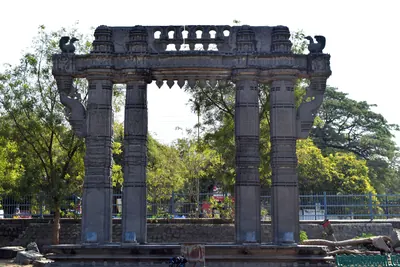 కాకతీయ కళాతోరణం, వరంగల్ కోటఫోటో · 2018
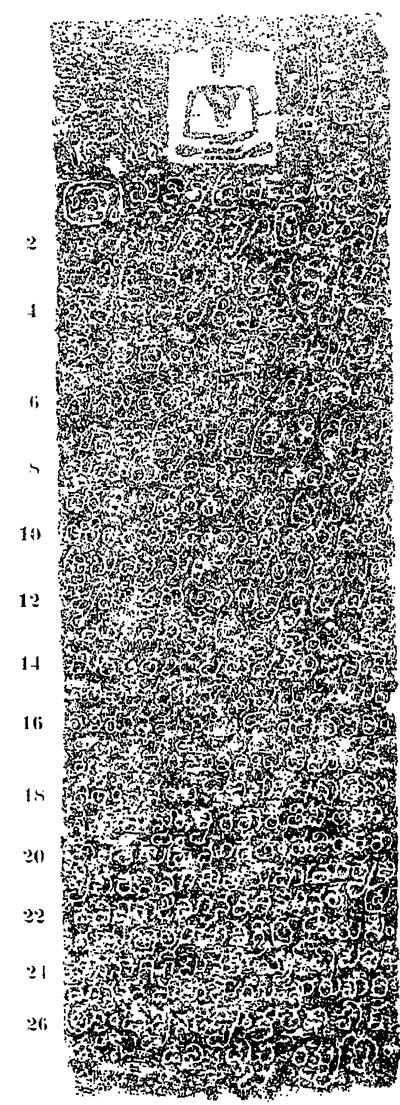 "Anmakonda Inscription of Prola; The Chalukya-Vikrama Year Forty-Two", east face (Epigraphia Indica IX, plate between pp. 262 and 263 (PDF p. 326))శాసన ప్రతి · 1908
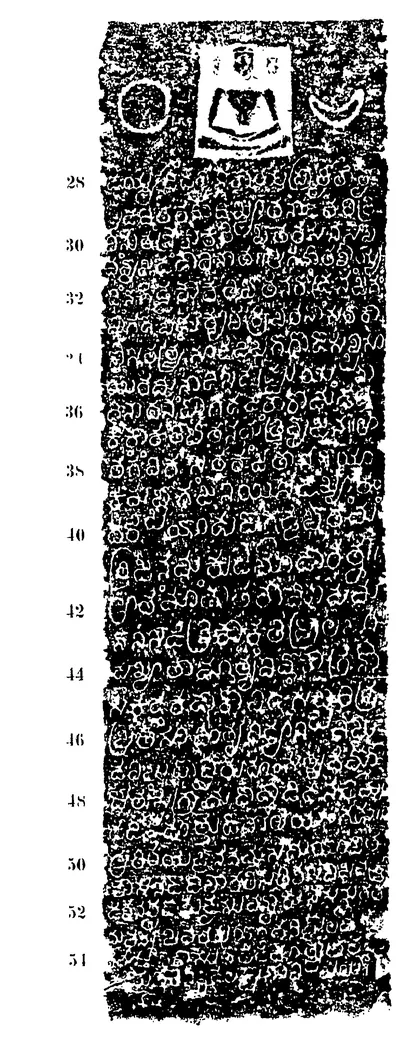 "Anmakonda Inscription of Prola; The Chalukya-Vikrama Year Forty-Two", north face (Epigraphia Indica IX, plate between pp. 262 and 263 (PDF p. 326))శాసన ప్రతి · 1908
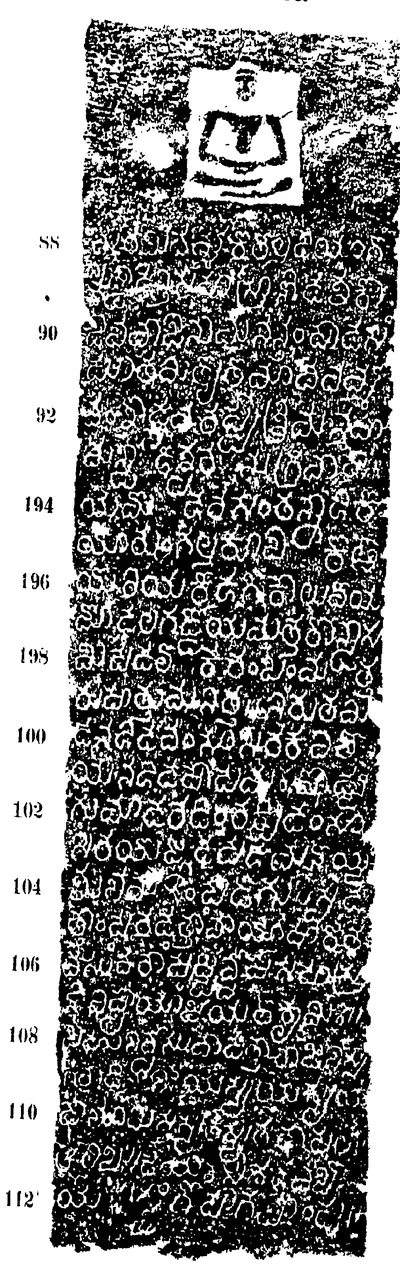 "Anmakonda Inscription of Prola; The Chalukya-Vikrama Year Forty-Two", south face (Epigraphia Indica IX, plate between pp. 262 and 263 (PDF p. 327))శాసన ప్రతి · 1908
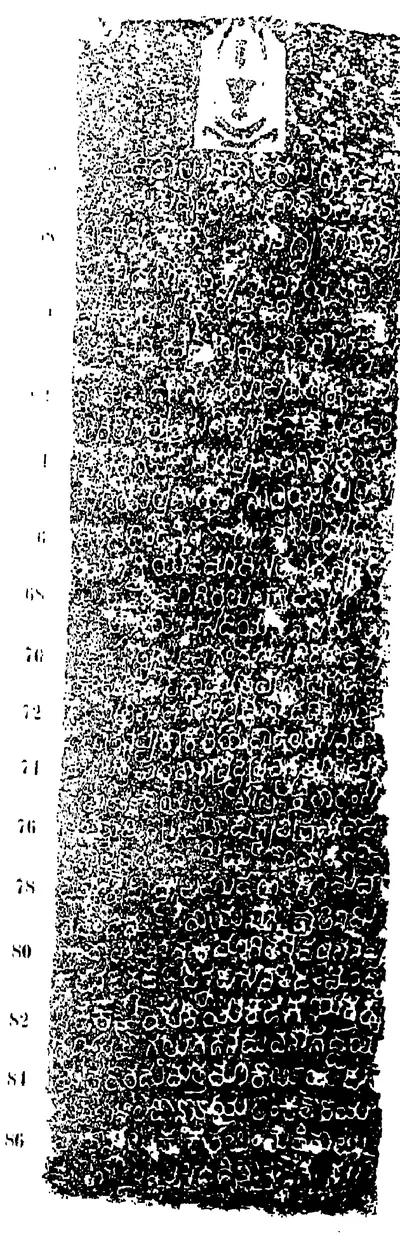 "Anmakonda Inscription of Prola; The Chalukya-Vikrama Year Forty-Two", west face (Epigraphia Indica IX, plate between pp. 262 and 263 (PDF p. 327))శాసన ప్రతి · 1908
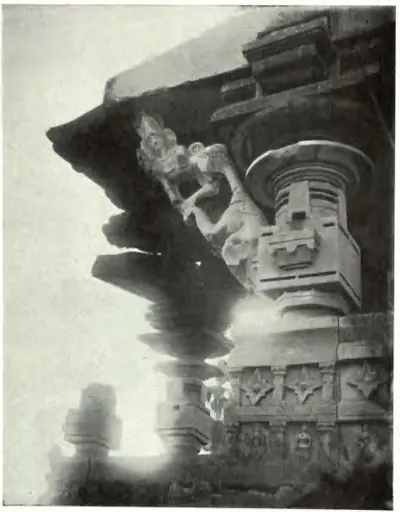 "Another Bracket of the same Temple" (Main Temple of Ghanapur; Hyderabad Arch. Report 1931-32, Pl. V (b) (PDF p. 145))పాత ఫోటో · 1935
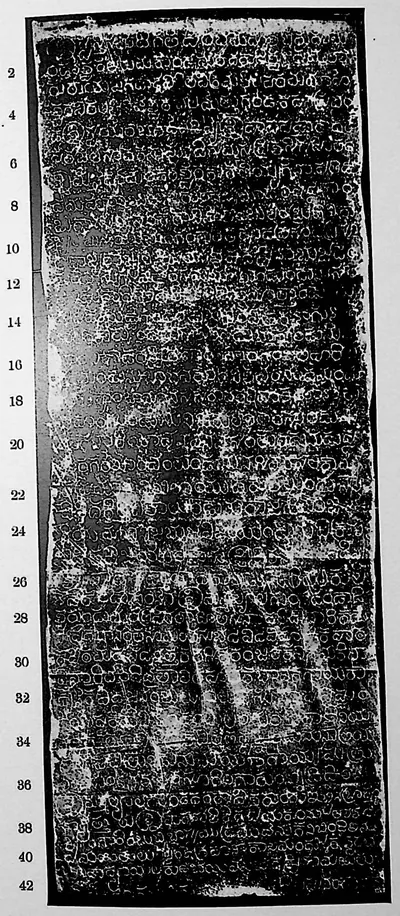 "Bothpur inscription of Malyāla Guṇḍa (dated Saka 1181)", face I (Sreenivasachar, Corpus of Inscriptions in the Telingana Districts II, Plate 48 (PDF p. 316))శాసన ప్రతి · 1940
 "Bothpur inscription of Malyāla Guṇḍa (dated Saka 1181)", face II (Sreenivasachar, Corpus of Inscriptions in the Telingana Districts II, Plate 48 (PDF p. 316))శాసన ప్రతి · 1940
 "Bothpur inscription of Malyāla Guṇḍa (dated Saka 1181)", face III (Sreenivasachar, Corpus of Inscriptions in the Telingana Districts II, Plate 49 (PDF p. 318))శాసన ప్రతి · 1940
 "Bothpur inscription of Malyāla Guṇḍa (dated Saka 1181)", face IV (Sreenivasachar, Corpus of Inscriptions in the Telingana Districts II, Plate 49 (PDF p. 318))శాసన ప్రతి · 1940
 "Bothpur inscription of Malyāla Guṇḍa (dated Saka 1194)", face I (Sreenivasachar, Corpus of Inscriptions in the Telingana Districts II, Plate 46 (PDF p. 312))శాసన ప్రతి · 1940
అన్నీ చూపించు (204)
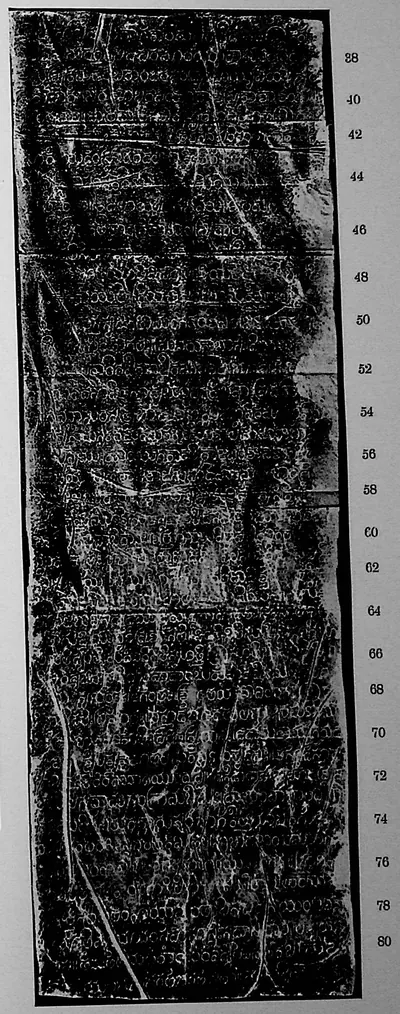 "Bothpur inscription of Malyāla Guṇḍa (dated Saka 1194)", face II (Sreenivasachar, Corpus of Inscriptions in the Telingana Districts II, Plate 46 (PDF p. 312))శాసన ప్రతి · 1940
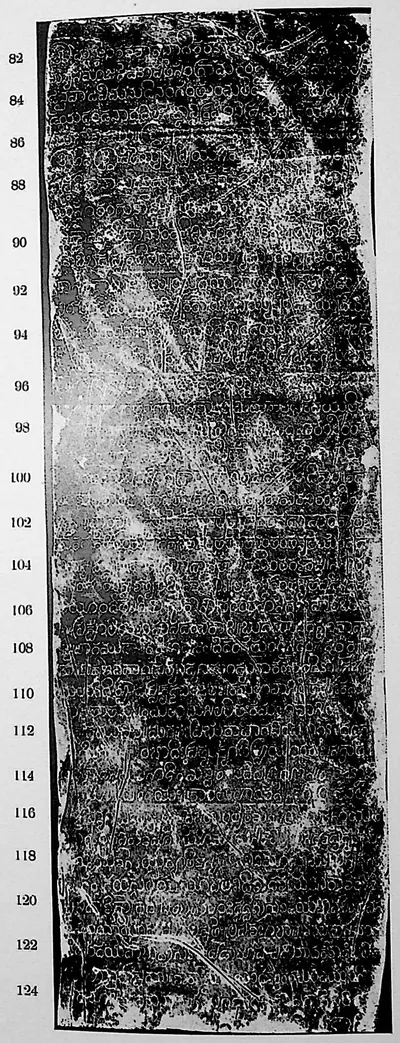 "Bothpur inscription of Malyāla Guṇḍa (dated Saka 1194)", face III (Sreenivasachar, Corpus of Inscriptions in the Telingana Districts II, Plate 47 (PDF p. 314))శాసన ప్రతి · 1940
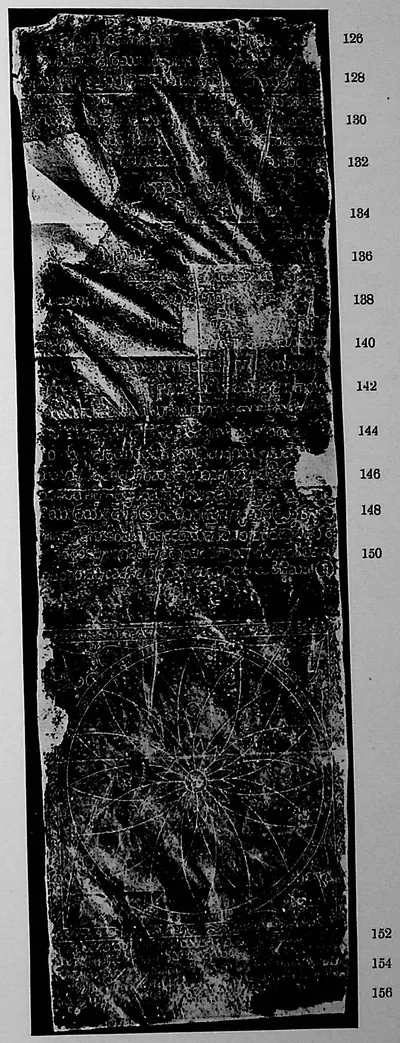 "Bothpur inscription of Malyāla Guṇḍa (dated Saka 1194)", face IV (Sreenivasachar, Corpus of Inscriptions in the Telingana Districts II, Plate 47 (PDF p. 314))శాసన ప్రతి · 1940
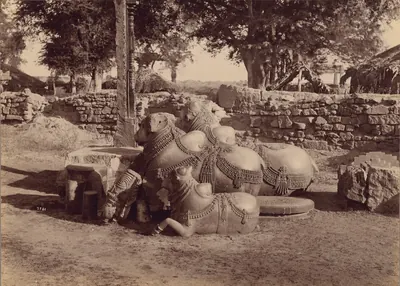 "Bulls or Nadias with Ornamental Carvings, Side View, Warangal", by Lala Deen Dayal, 1887పాత ఫోటో · 1887
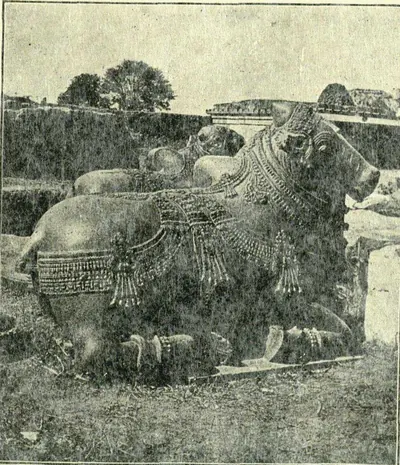 "Carved Stone Bulls in front of the Sambhuni-gudi Temple" (Sastri 1932, Pl. I (b))పుస్తక చిత్రపటం · 1932
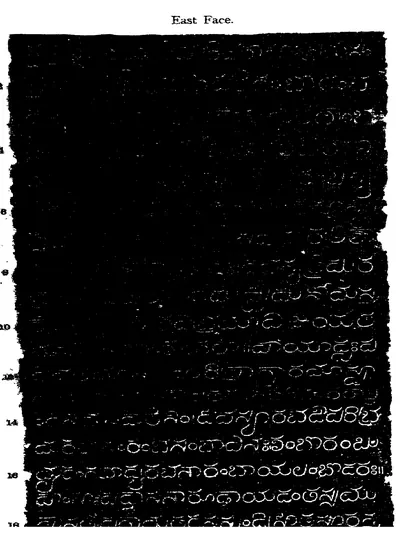 "Chebrolu Pillar Inscription of Jaya; after Saka-Samvat 1135", east face, opening lines (numbered 2 to 18) (Epigraphia Indica V, plate between pp. 146 and 147 (PDF p. 204))శాసన ప్రతి · 1899
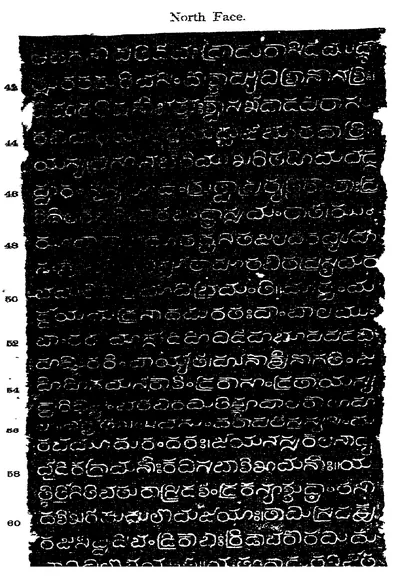 "Chebrolu Pillar Inscription of Jaya; after Saka-Samvat 1135", north face, part (lines numbered 43 to 60) (Epigraphia Indica V, plate between pp. 146 and 147 (PDF p. 204))శాసన ప్రతి · 1899
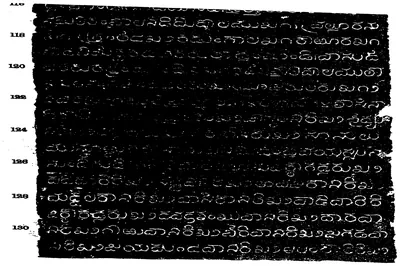 "Chebrolu Pillar Inscription of Jaya; after Saka-Samvat 1135", second page of the plate, lines 116-131 (Epigraphia Indica V, plate between pp. 146 and 147 (PDF p. 205))శాసన ప్రతి · 1899
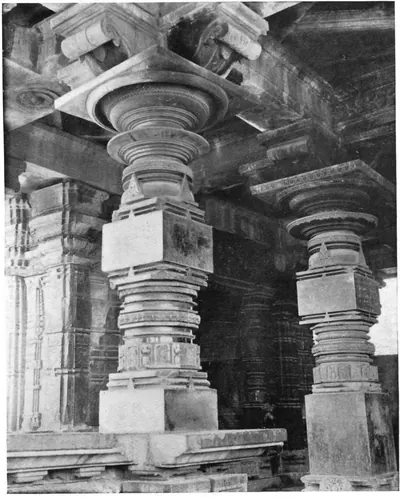 "Detail in Porch, Metropolitan Temple, Hammancondah" (F. B. and W. H. Workman, Through Town and Jungle, 1904, plate p. 128 (PDF leaf 153 of scan ldpd_7460476_000))పాత ఫోటో · 1904
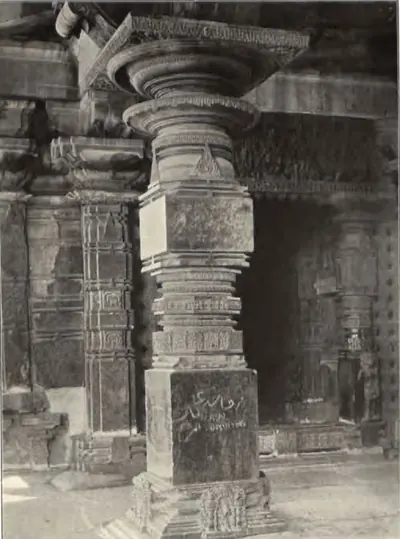 "Detail of Pillar, Thousand-pillared Temple, Warangal" (Hyderabad Arch. Report 1915-16, Pl. VII (b))పుస్తక చిత్రపటం · 1917
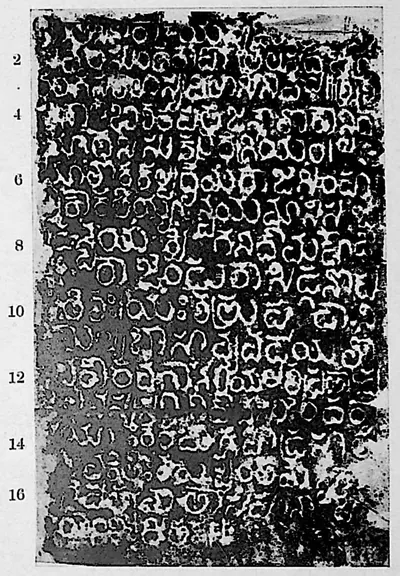 "Dharmasāgar inscription", face I (Sreenivasachar, Corpus of Inscriptions in the Telingana Districts II, Plate 1 (PDF p. 222))శాసన ప్రతి · 1940
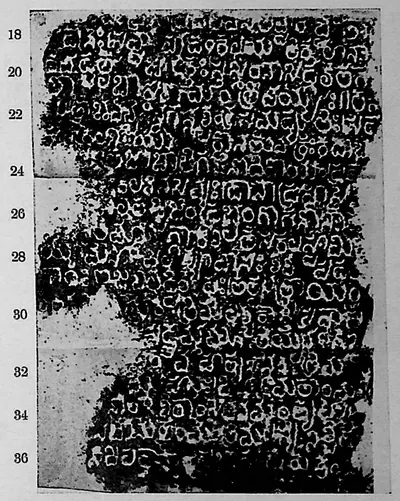 "Dharmasāgar inscription", face II (Sreenivasachar, Corpus of Inscriptions in the Telingana Districts II, Plate 1 (PDF p. 222))శాసన ప్రతి · 1940
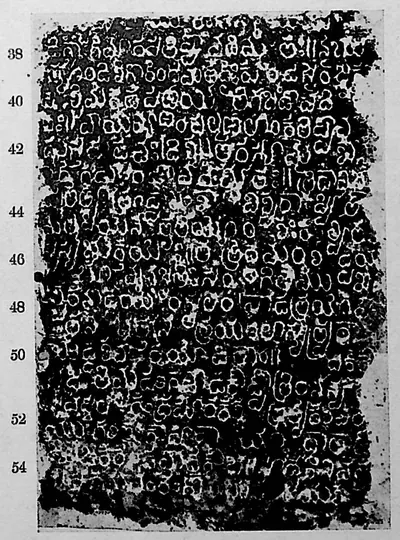 "Dharmasāgar inscription", face III (Sreenivasachar, Corpus of Inscriptions in the Telingana Districts II, Plate 1 (PDF p. 222))శాసన ప్రతి · 1940
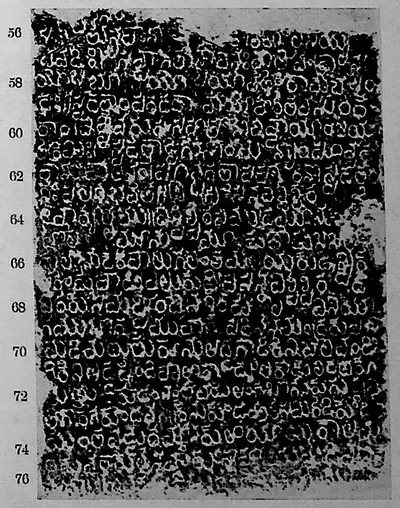 "Dharmasāgar inscription", face IV (Sreenivasachar, Corpus of Inscriptions in the Telingana Districts II, Plate 1 (PDF p. 222))శాసన ప్రతి · 1940
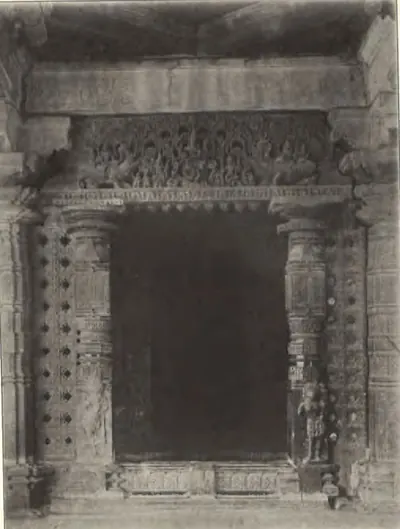 "Door of Shrine, Thousand-pillared Temple, Warangal" (Hyderabad Arch. Report 1915-16, Pl. VIII (b))పుస్తక చిత్రపటం · 1917
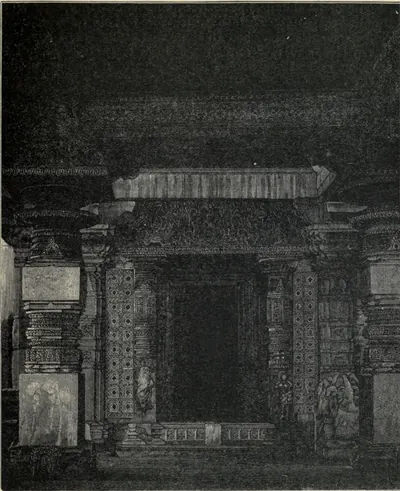 "Doorway of Great Temple at Hanamkonda. (From a Photograph.)" (Fergusson, History of Indian and Eastern Architecture, revised ed. 1910, vol. I, woodcut 252, p. 433 (PDF leaf 497 of scan historyofindiane01ferguoft))రేఖాచిత్రం · 1910
 "Garavapadu Grant of Ganapatideva: Saka 1182", plate i (Epigraphia Indica XVIII, plate between pp. 350 and 351 (PDF p. 452))శాసన ప్రతి · 1926
 "Garavapadu Grant of Ganapatideva: Saka 1182", plate ii a (Epigraphia Indica XVIII, plate between pp. 350 and 351 (PDF p. 452))శాసన ప్రతి · 1926
 "Garavapadu Grant of Ganapatideva: Saka 1182", plate ii b (Epigraphia Indica XVIII, plate between pp. 350 and 351 (PDF p. 453))శాసన ప్రతి · 1926
 "Garavapadu Grant of Ganapatideva: Saka 1182", plate iii (Epigraphia Indica XVIII, plate between pp. 350 and 351 (PDF p. 453))శాసన ప్రతి · 1926
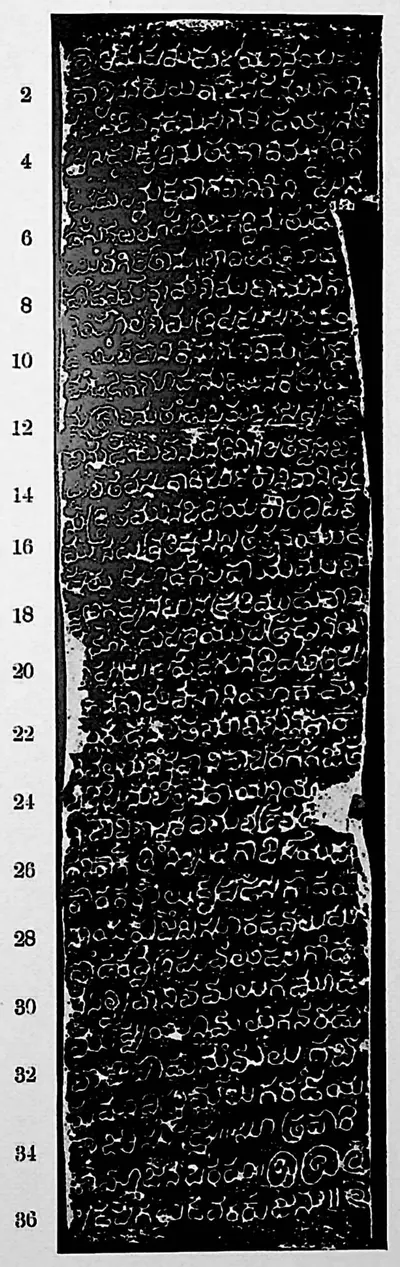 "Gūḍūr inscription of Kāmasāni" (Sreenivasachar, Corpus of Inscriptions in the Telingana Districts II, Plate 26 (PDF p. 272))శాసన ప్రతి · 1940
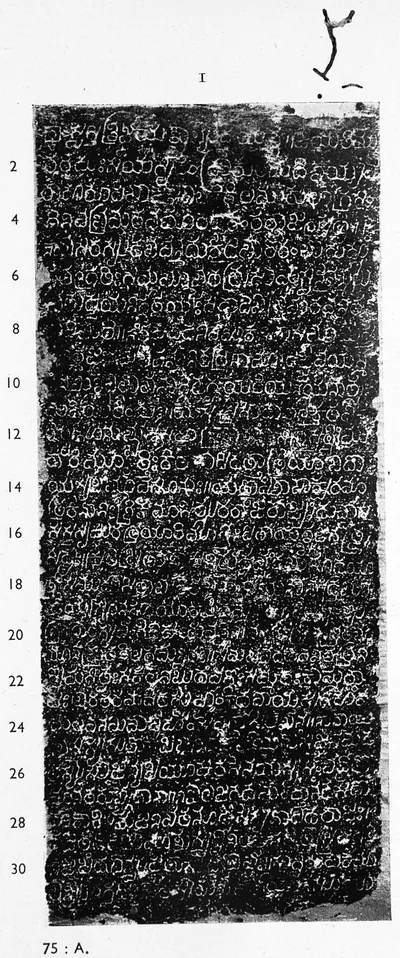 "Hanamakoṇḍa inscription of Gaṅgādhara", face I (Sreenivasachar, Corpus of Inscriptions in the Telingana Districts III, Plate 4 (PDF p. 194))శాసన ప్రతి · 1956
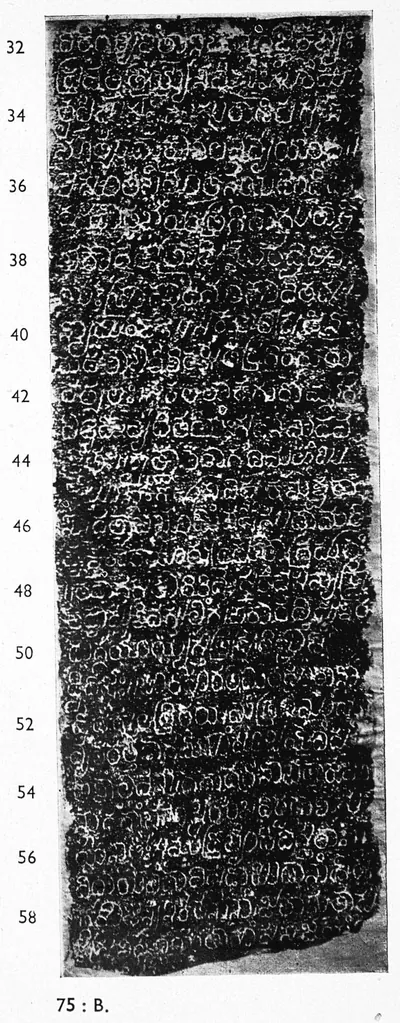 "Hanamakoṇḍa inscription of Gaṅgādhara", face II (Sreenivasachar, Corpus of Inscriptions in the Telingana Districts III, Plate 4 (PDF p. 194))శాసన ప్రతి · 1956
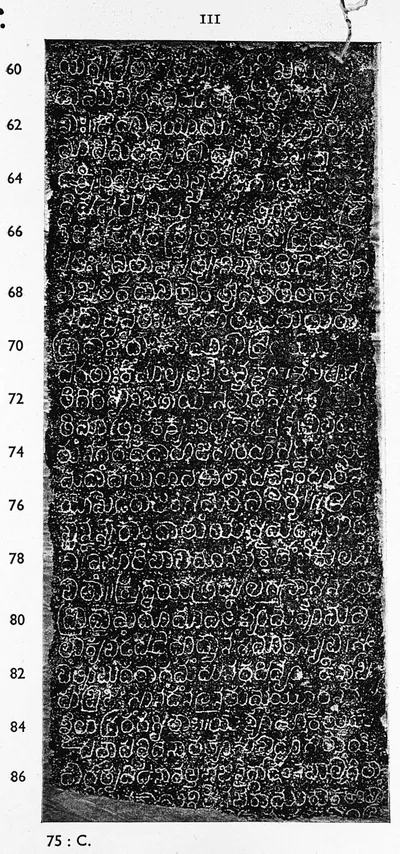 "Hanamakoṇḍa inscription of Gaṅgādhara", face III (Sreenivasachar, Corpus of Inscriptions in the Telingana Districts III, Plate 5 (PDF p. 195))శాసన ప్రతి · 1956
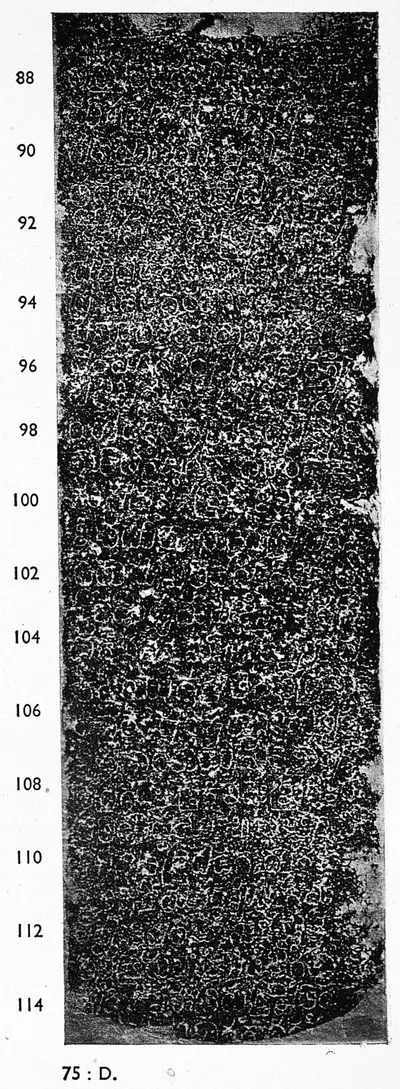 "Hanamakoṇḍa inscription of Gaṅgādhara", face IV (Sreenivasachar, Corpus of Inscriptions in the Telingana Districts III, Plate 5 (PDF p. 195))శాసన ప్రతి · 1956
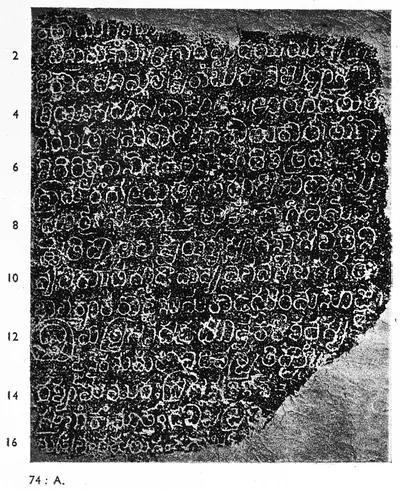 "Hanumakoṇḍa inscription of Gaṃgādhara", face I (Sreenivasachar, Corpus of Inscriptions in the Telingana Districts III, Plate 2 (PDF p. 192))శాసన ప్రతి · 1956
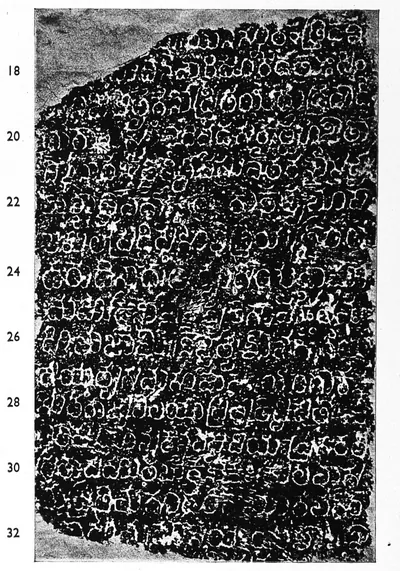 "Hanumakoṇḍa inscription of Gaṃgādhara", face II (Sreenivasachar, Corpus of Inscriptions in the Telingana Districts III, Plate 2 (PDF p. 192))శాసన ప్రతి · 1956
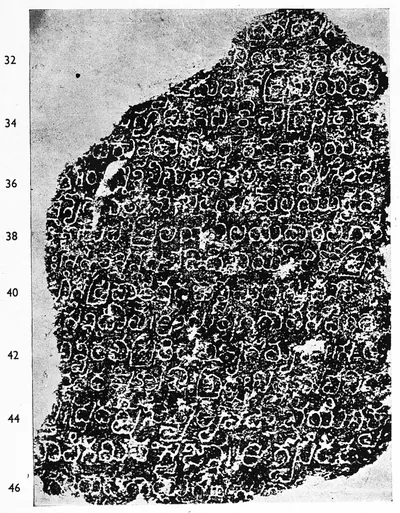 "Hanumakoṇḍa inscription of Gaṃgādhara", face III (Sreenivasachar, Corpus of Inscriptions in the Telingana Districts III, Plate 3 (PDF p. 193))శాసన ప్రతి · 1956
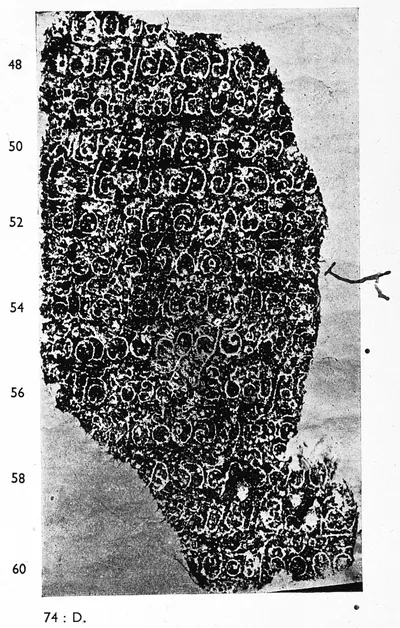 "Hanumakoṇḍa inscription of Gaṃgādhara", face IV (Sreenivasachar, Corpus of Inscriptions in the Telingana Districts III, Plate 3 (PDF p. 193))శాసన ప్రతి · 1956
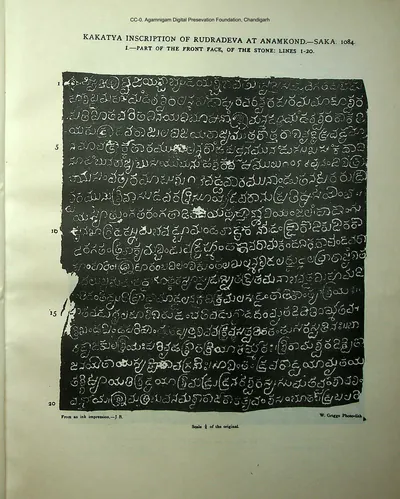 "Kakatya inscription of Rudradeva at Anamkond, Saka 1084. I: Part of the front face of the stone, lines 1-20" (Indian Antiquary XI, Plate I (PDF p. 26))శాసన ప్రతి · 1882
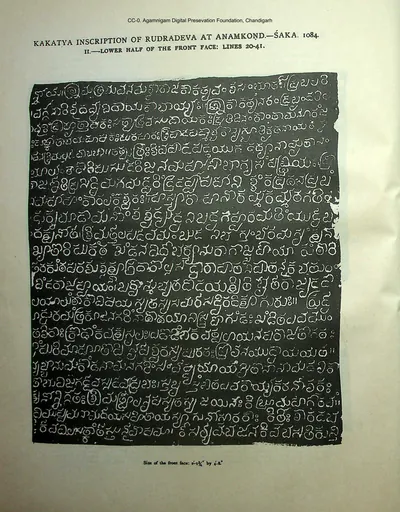 "Kakatya inscription of Rudradeva at Anamkond, Saka 1084. II: Lower half of the front face, lines 20-41" (Indian Antiquary XI, Plate II (PDF p. 27))శాసన ప్రతి · 1882
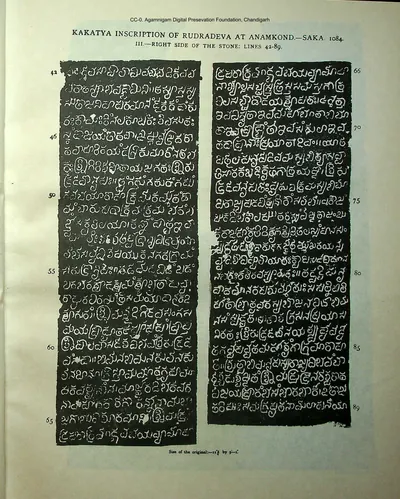 "Kakatya inscription of Rudradeva at Anamkond, Saka 1084. III: Right side of the stone, lines 42-89" (Indian Antiquary XI, Plate III (PDF p. 30))శాసన ప్రతి · 1882
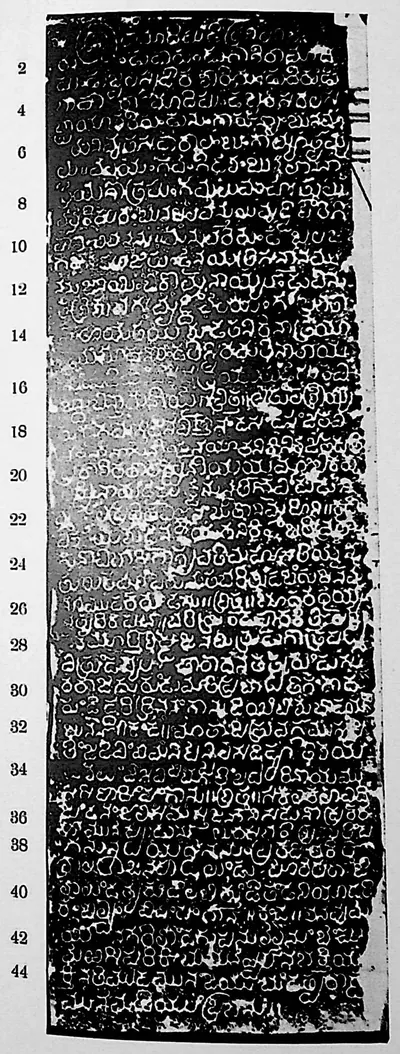 "Karimnagar inscription of Gaṅgādhara", face I (Sreenivasachar, Corpus of Inscriptions in the Telingana Districts II, Plate 53 (PDF p. 326))శాసన ప్రతి · 1940
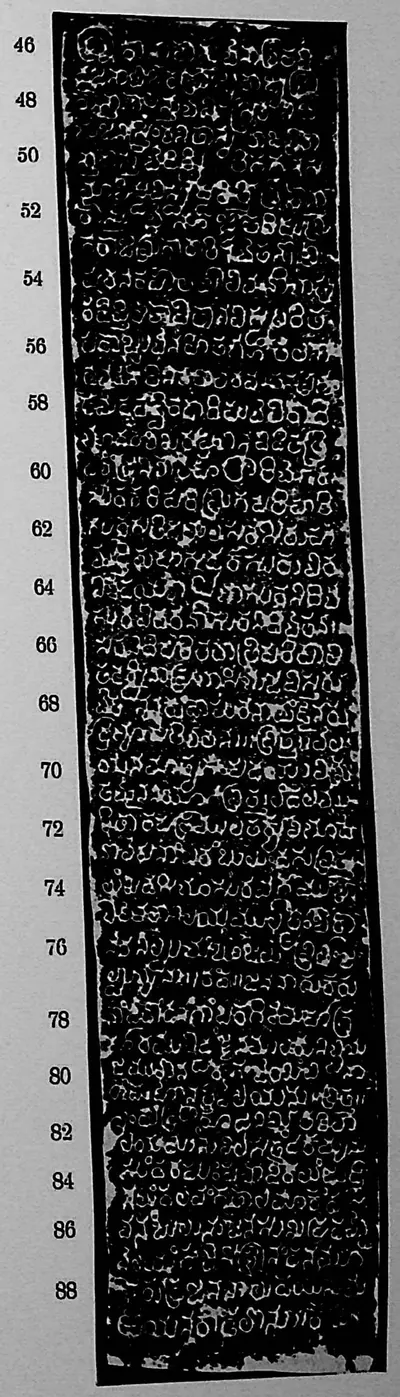 "Karimnagar inscription of Gaṅgādhara", face II (Sreenivasachar, Corpus of Inscriptions in the Telingana Districts II, Plate 53 (PDF p. 326))శాసన ప్రతి · 1940
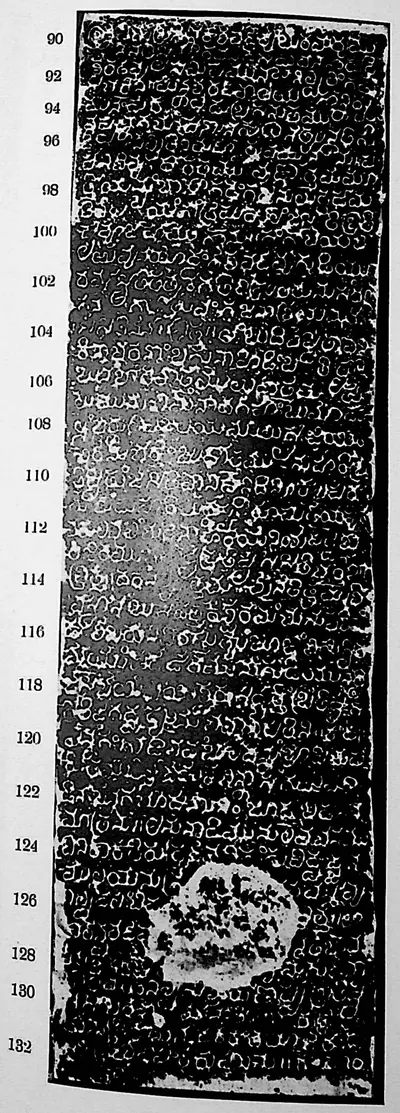 "Karimnagar inscription of Gaṅgādhara", face III (Sreenivasachar, Corpus of Inscriptions in the Telingana Districts II, Plate 54 (PDF p. 328))శాసన ప్రతి · 1940
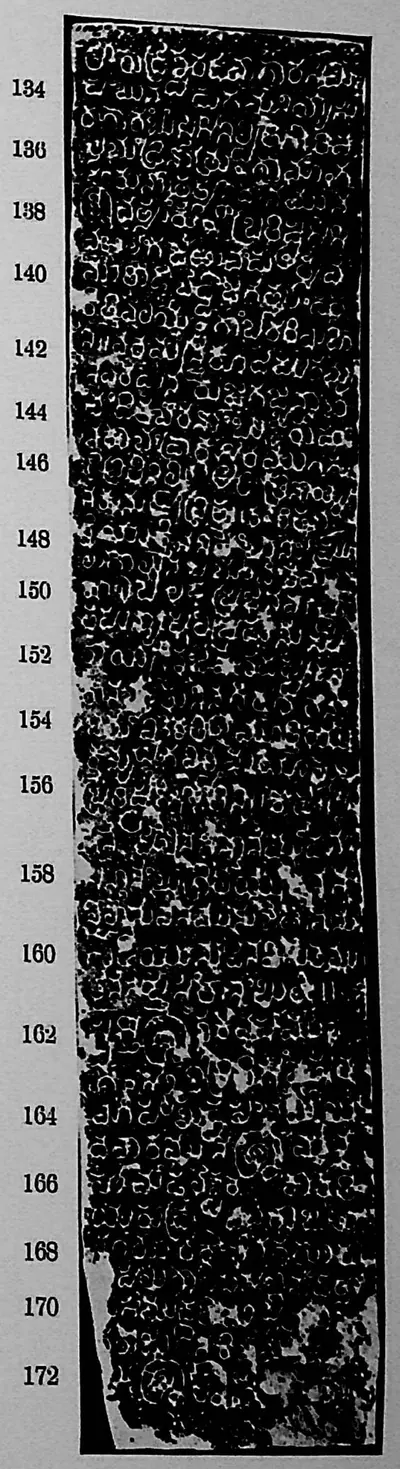 "Karimnagar inscription of Gaṅgādhara", face IV (Sreenivasachar, Corpus of Inscriptions in the Telingana Districts II, Plate 54 (PDF p. 328))శాసన ప్రతి · 1940
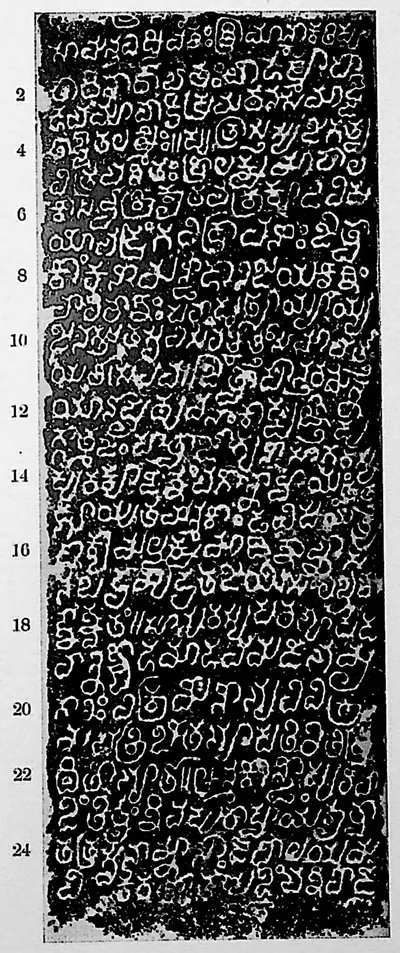 "Kāzipet inscription in the Dargāh", face I (Sreenivasachar, Corpus of Inscriptions in the Telingana Districts II, Plate 9 (PDF p. 238))శాసన ప్రతి · 1940
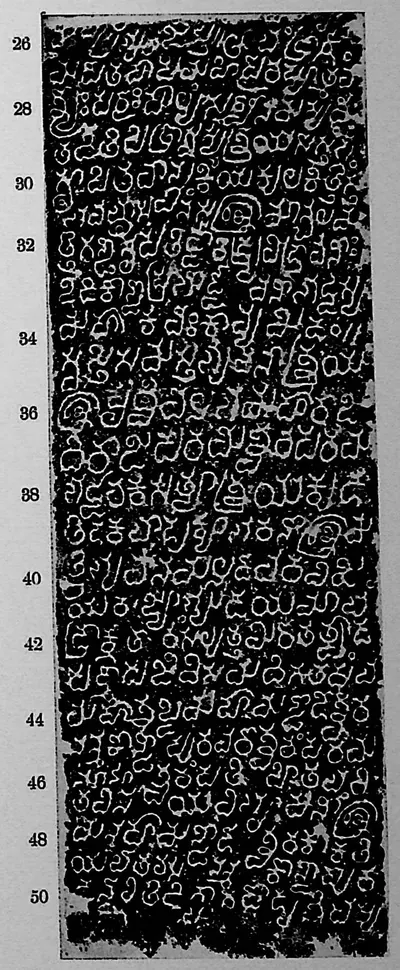 "Kāzipet inscription in the Dargāh", face II (Sreenivasachar, Corpus of Inscriptions in the Telingana Districts II, Plate 9 (PDF p. 238))శాసన ప్రతి · 1940
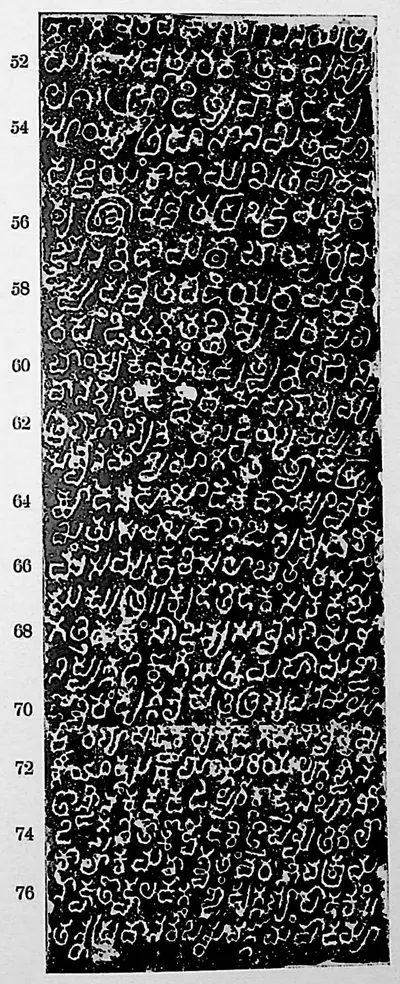 "Kāzipet inscription in the Dargāh", face III (Sreenivasachar, Corpus of Inscriptions in the Telingana Districts II, Plate 10 (PDF p. 240))శాసన ప్రతి · 1940
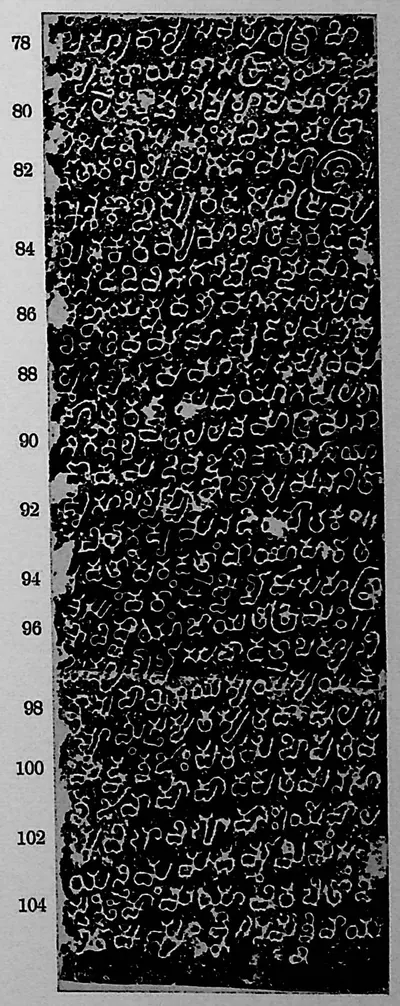 "Kāzipet inscription in the Dargāh", face IV (Sreenivasachar, Corpus of Inscriptions in the Telingana Districts II, Plate 10 (PDF p. 240))శాసన ప్రతి · 1940
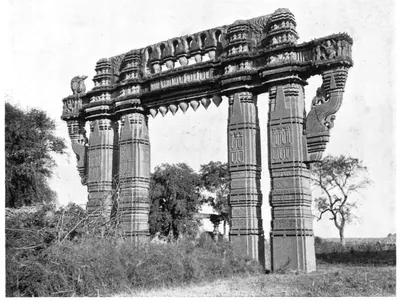 "Kirti Stambha or Toran, Warangal" (F. B. and W. H. Workman, Through Town and Jungle, 1904, p. 131 (PDF leaf 156 of scan ldpd_7460476_000))పాత ఫోటో · 1904
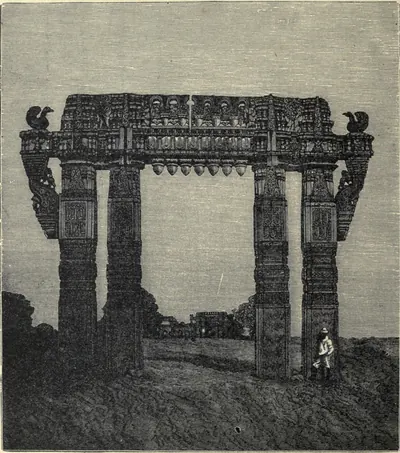 "Kirtti Stambha at Orangal. (From a Photograph.)" (Fergusson, History of Indian and Eastern Architecture, revised ed. 1910, vol. I, woodcut 253, p. 434 (PDF leaf 498 of scan historyofindiane01ferguoft))రేఖాచిత్రం · 1910
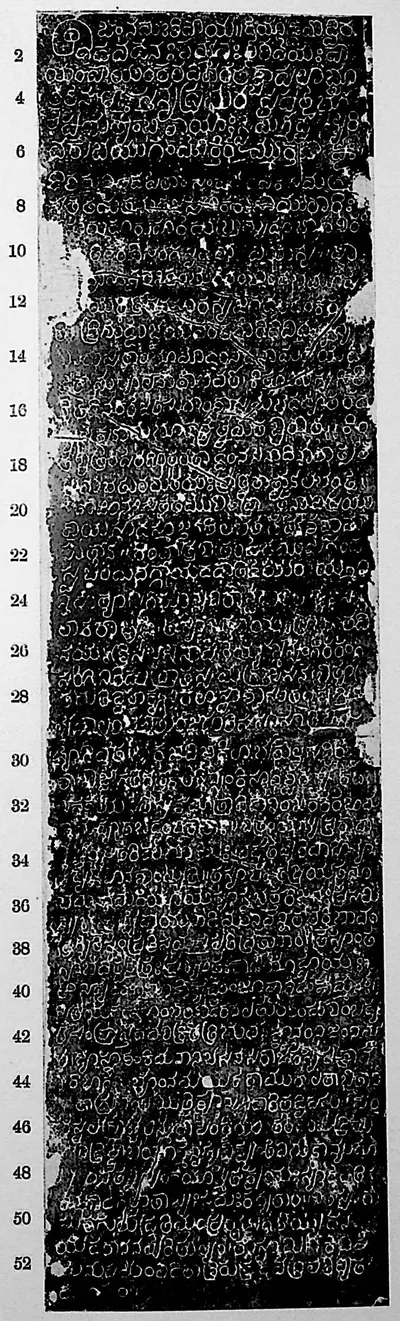 "Koṇḍiparti inscription of Cauṇḍa", face I (Sreenivasachar, Corpus of Inscriptions in the Telingana Districts II, Plate 11 (PDF p. 242))శాసన ప్రతి · 1940
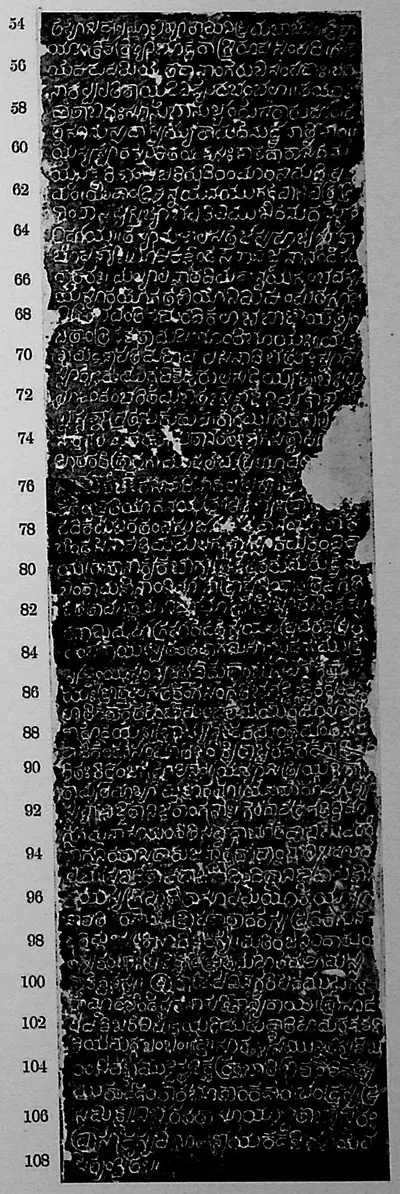 "Koṇḍiparti inscription of Cauṇḍa", face II (Sreenivasachar, Corpus of Inscriptions in the Telingana Districts II, Plate 11 (PDF p. 242))శాసన ప్రతి · 1940
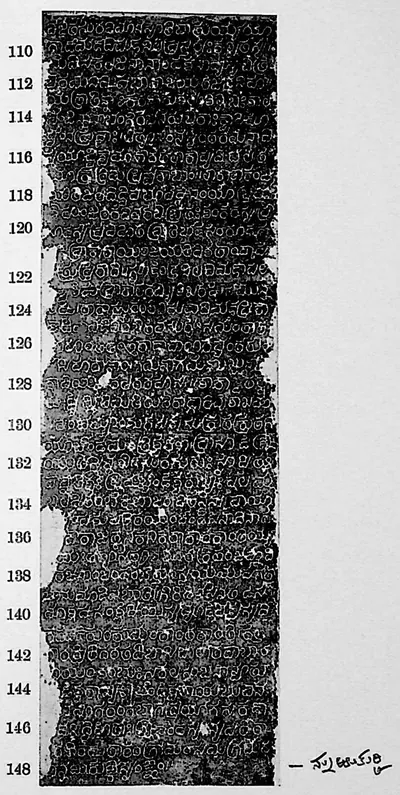 "Koṇḍiparti inscription of Cauṇḍa", face III (Sreenivasachar, Corpus of Inscriptions in the Telingana Districts II, Plate 12 (PDF p. 244))శాసన ప్రతి · 1940
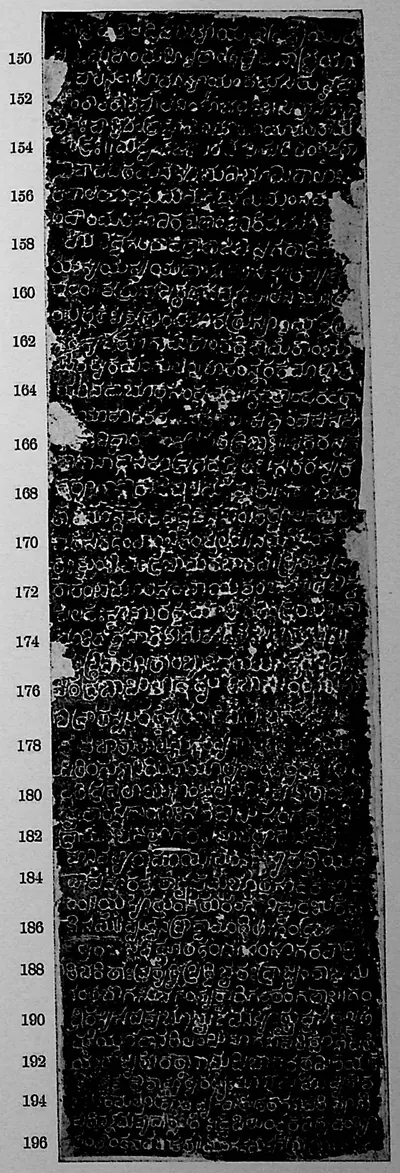 "Koṇḍiparti inscription of Cauṇḍa", face IV (Sreenivasachar, Corpus of Inscriptions in the Telingana Districts II, Plate 12 (PDF p. 244))శాసన ప్రతి · 1940
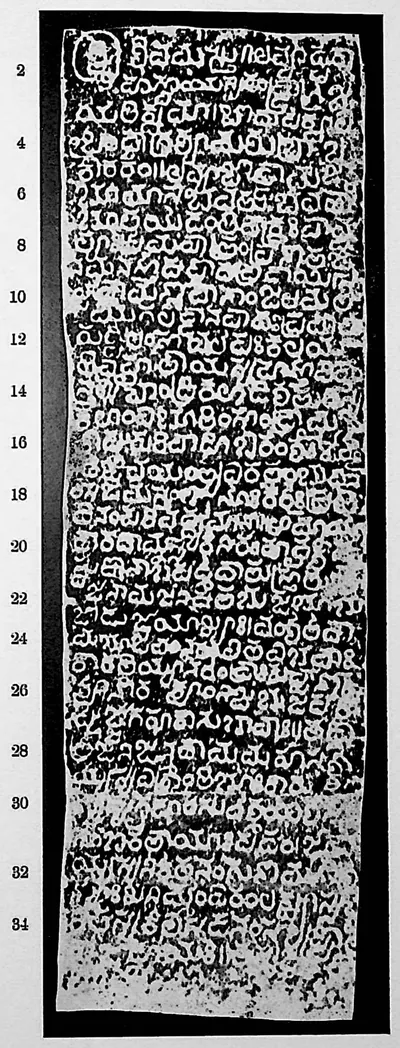 "Kulpak inscription", face I (Sreenivasachar, Corpus of Inscriptions in the Telingana Districts II, Plate 27 (PDF p. 274))శాసన ప్రతి · 1940
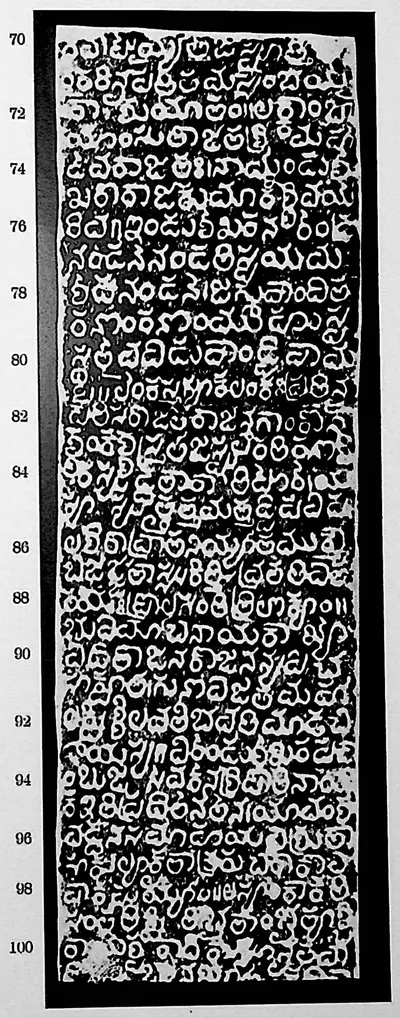 "Kulpak inscription", face I (Sreenivasachar, Corpus of Inscriptions in the Telingana Districts II, Plate 28 (PDF p. 276))శాసన ప్రతి · 1940
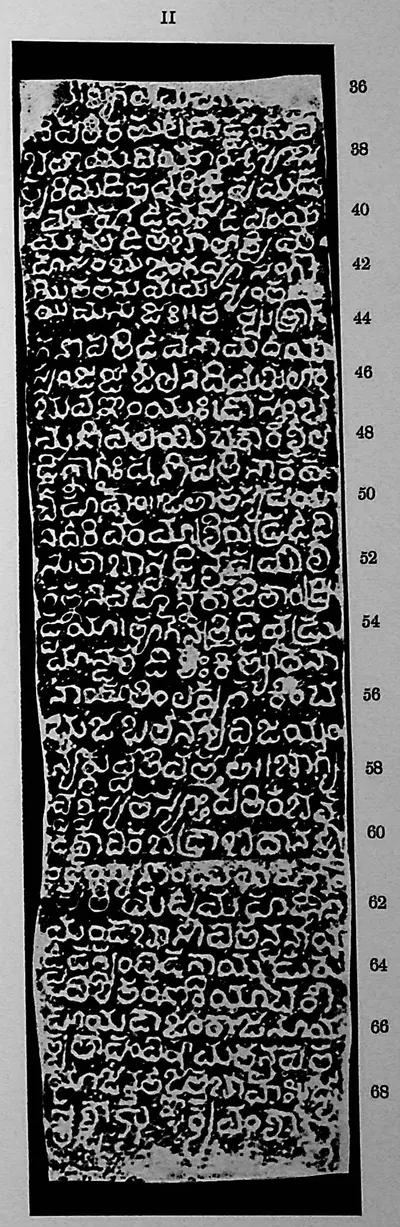 "Kulpak inscription", face II (Sreenivasachar, Corpus of Inscriptions in the Telingana Districts II, Plate 27 (PDF p. 274))శాసన ప్రతి · 1940
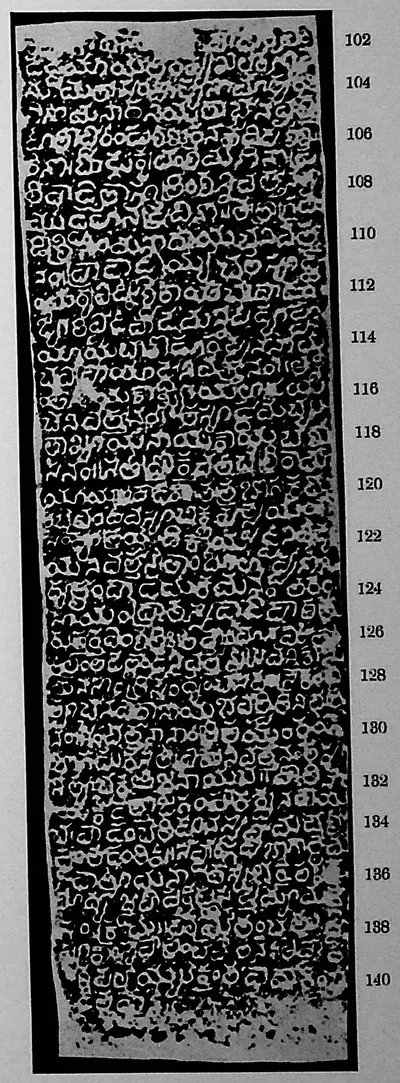 "Kulpak inscription", face II (Sreenivasachar, Corpus of Inscriptions in the Telingana Districts II, Plate 28 (PDF p. 276))శాసన ప్రతి · 1940
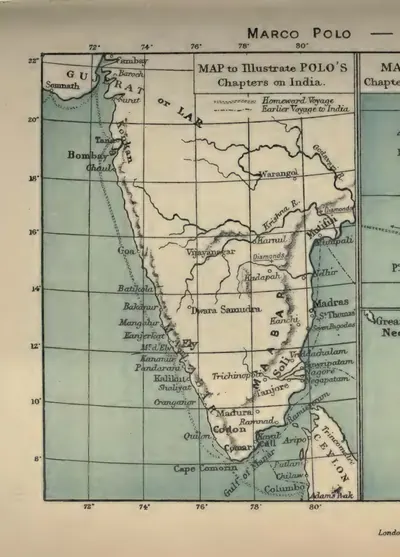 "Map to illustrate Polo's chapters on India" (Marco Polo, Book III) (Yule & Cordier 1903, to face p. 312 (PDF p. 363, lower part))పటం · 1903
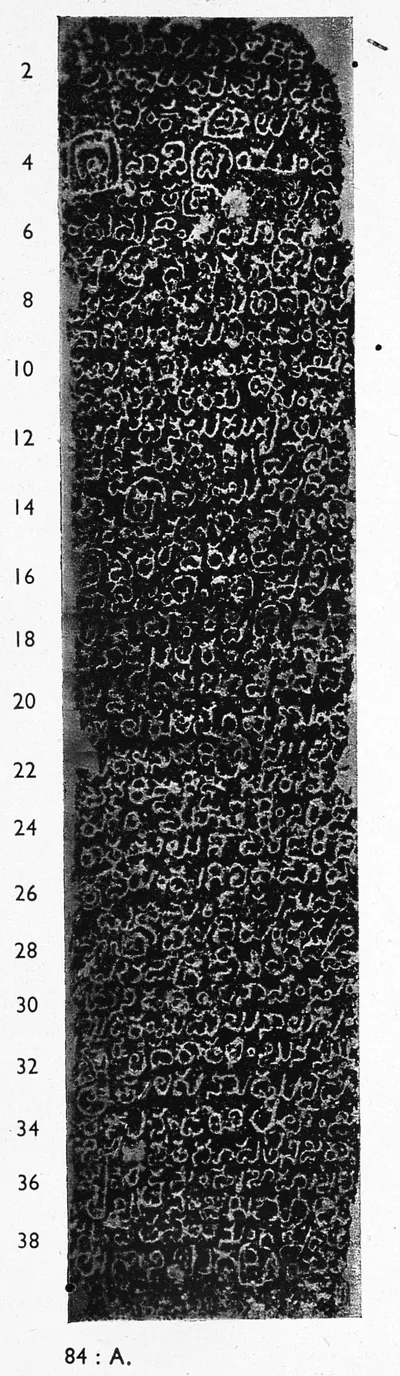 "Māṭēru inscription of Malla", face I (Sreenivasachar, Corpus of Inscriptions in the Telingana Districts III, Plate 8 (PDF p. 198))శాసన ప్రతి · 1956
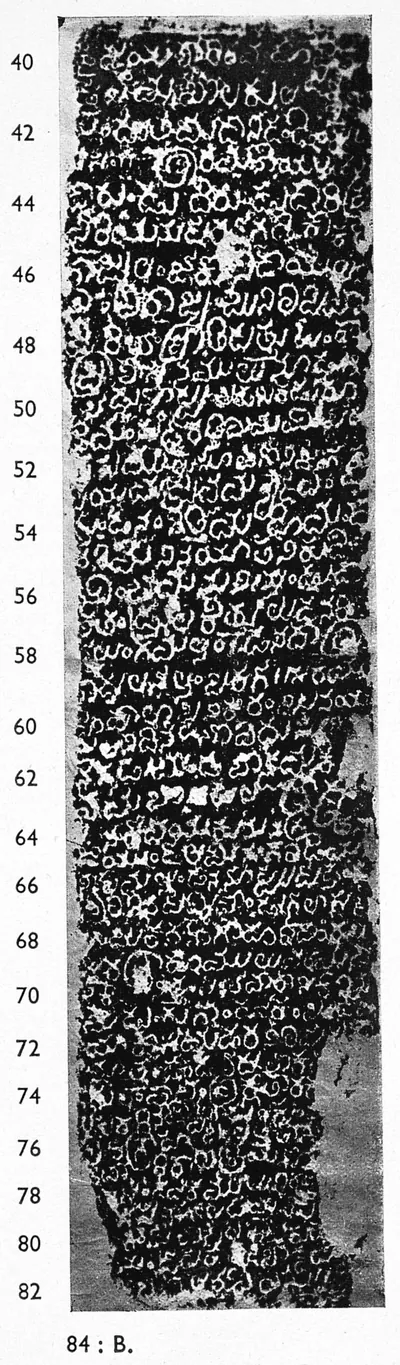 "Māṭēru inscription of Malla", face II (Sreenivasachar, Corpus of Inscriptions in the Telingana Districts III, Plate 8 (PDF p. 198))శాసన ప్రతి · 1956
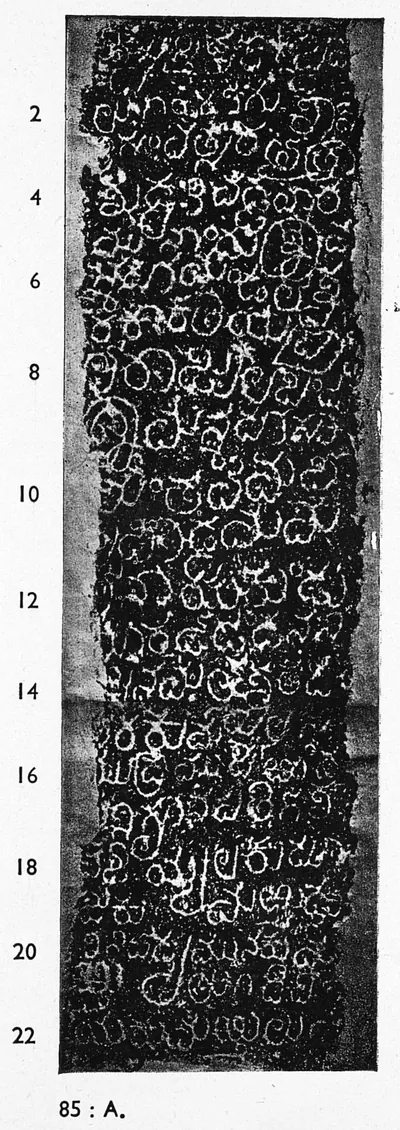 "Māṭēru inscription of Mallēnaya" (Sreenivasachar, Corpus of Inscriptions in the Telingana Districts III, Plate 9 (PDF p. 199))శాసన ప్రతి · 1956
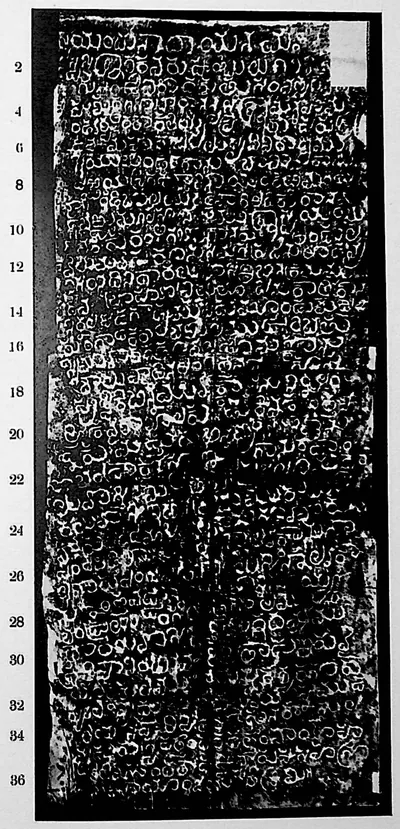 "Mēllacheruvu inscription" (Sreenivasachar, Corpus of Inscriptions in the Telingana Districts II, Plate 29 (PDF p. 278))శాసన ప్రతి · 1940
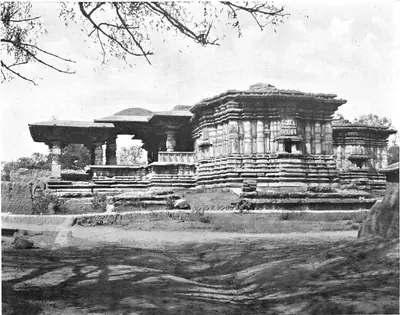 "Metropolitan Temple, Hammancondah" (F. B. and W. H. Workman, Through Town and Jungle, 1904, plate p. 129 (PDF leaf 154 of scan ldpd_7460476_000))పాత ఫోటో · 1904
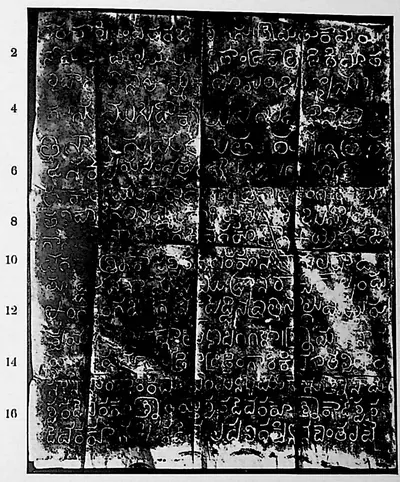 "Nāgulapāḍu inscription of Nāmaya, Kāmaya and Mallaya", face I (Sreenivasachar, Corpus of Inscriptions in the Telingana Districts II, Plate 32 (PDF p. 284))శాసన ప్రతి · 1940
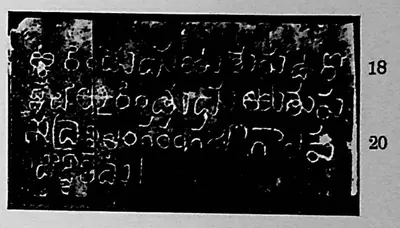 "Nāgulapāḍu inscription of Nāmaya, Kāmaya and Mallaya", face II (Sreenivasachar, Corpus of Inscriptions in the Telingana Districts II, Plate 32 (PDF p. 284))శాసన ప్రతి · 1940
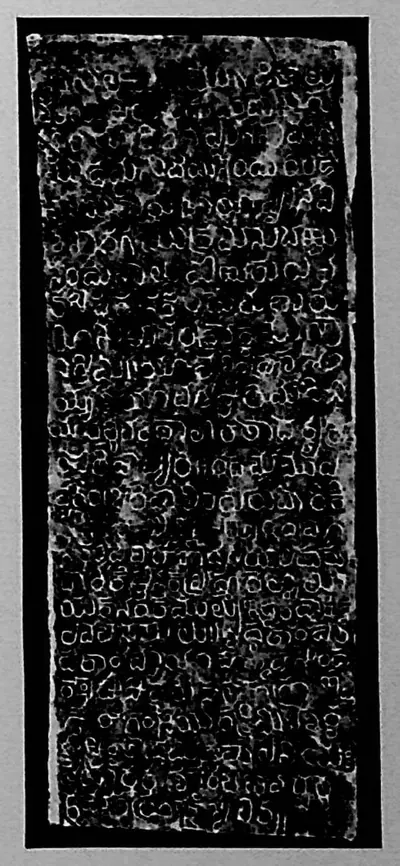 "Nāgulapāḍu inscription of Rēcerla Kāṭreḍḍi", lower piece (Sreenivasachar, Corpus of Inscriptions in the Telingana Districts II, Plate 29 (PDF p. 278))శాసన ప్రతి · 1940
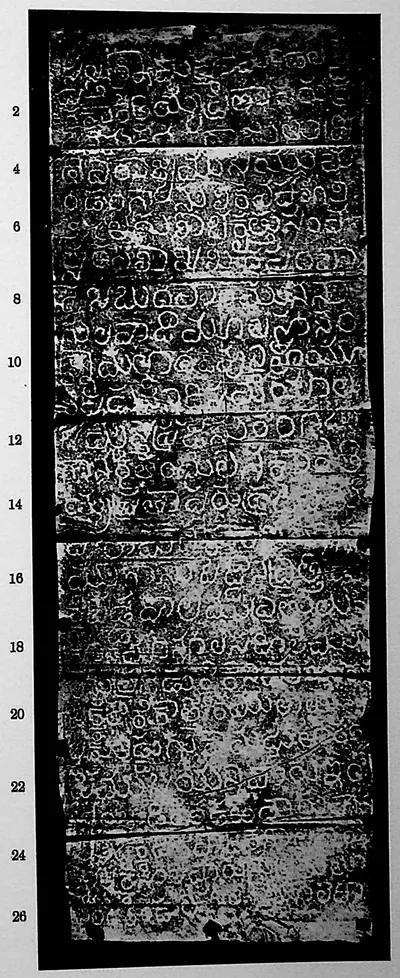 "Nāgulapāḍu inscription of Saka 1225" (Sreenivasachar, Corpus of Inscriptions in the Telingana Districts II, Plate 31 (PDF p. 282))శాసన ప్రతి · 1940
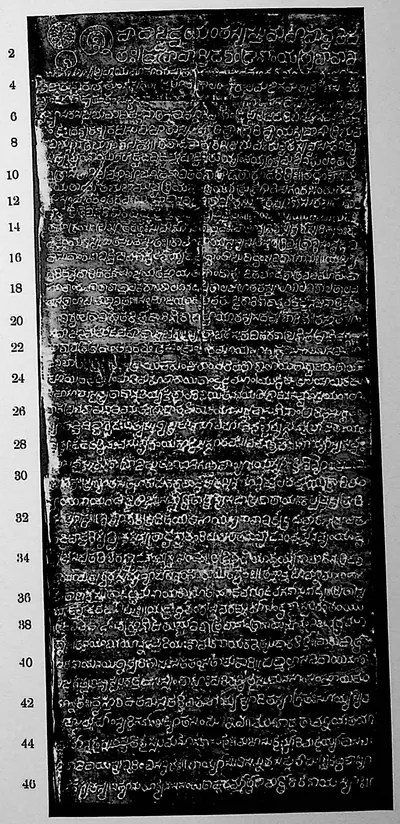 "Pillalamaṟṟi inscription of Eṟaka-sāni", face I (Sreenivasachar, Corpus of Inscriptions in the Telingana Districts II, Plate 41 (PDF p. 302))శాసన ప్రతి · 1940
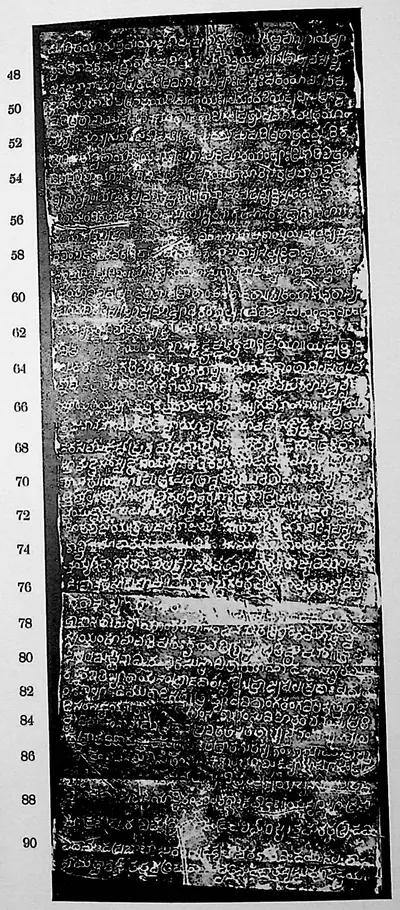 "Pillalamaṟṟi inscription of Eṟaka-sāni", face II (Sreenivasachar, Corpus of Inscriptions in the Telingana Districts II, Plate 42 (PDF p. 304))శాసన ప్రతి · 1940
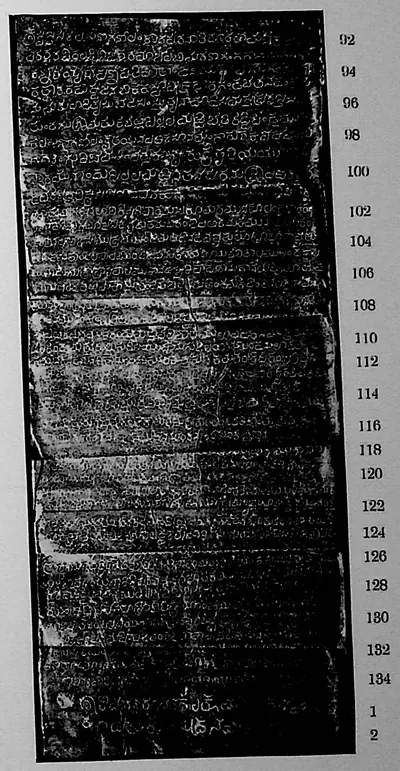 "Pillalamaṟṟi inscription of Eṟaka-sāni", face III (Sreenivasachar, Corpus of Inscriptions in the Telingana Districts II, Plate 42 (PDF p. 304))శాసన ప్రతి · 1940
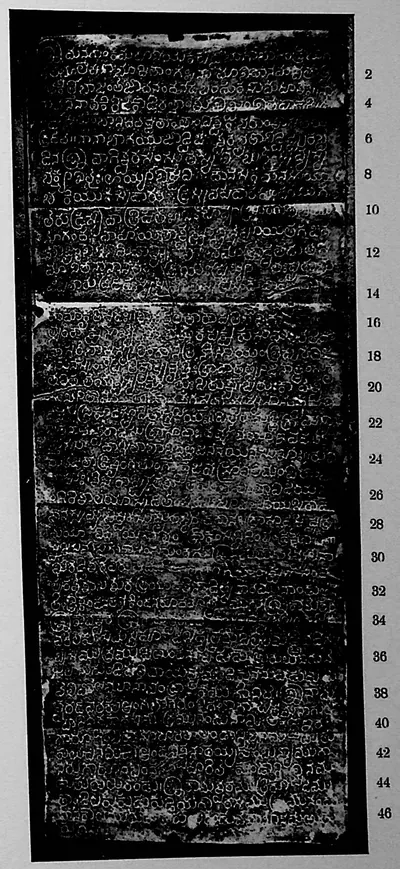 "Pillalamaṟṟi inscription of Nāmi-Reḍḍi (dated Saka 1117)" (Sreenivasachar, Corpus of Inscriptions in the Telingana Districts II, Plate 36 (PDF p. 292))శాసన ప్రతి · 1940
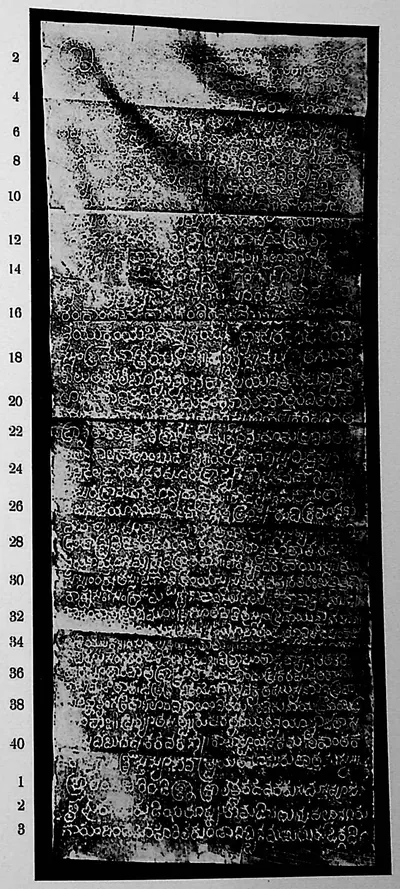 "Pillalamaṟṟi inscription of Nāmi-Reḍḍi (dated Saka 1124)", face I (Sreenivasachar, Corpus of Inscriptions in the Telingana Districts II, Plate 38 (PDF p. 296))శాసన ప్రతి · 1940
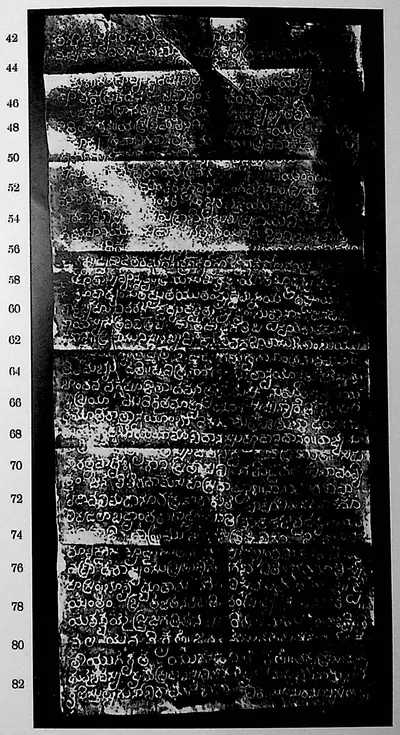 "Pillalamaṟṟi inscription of Nāmi-Reḍḍi (dated Saka 1124)", face II (Sreenivasachar, Corpus of Inscriptions in the Telingana Districts II, Plate 39 (PDF p. 298))శాసన ప్రతి · 1940
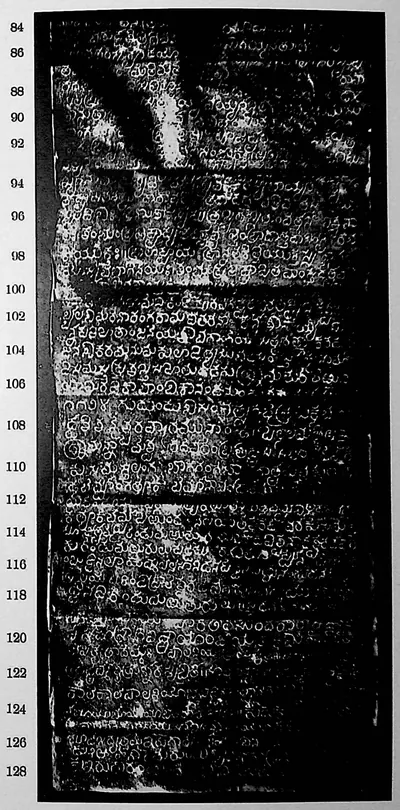 "Pillalamaṟṟi inscription of Nāmi-Reḍḍi (dated Saka 1124)", face III (Sreenivasachar, Corpus of Inscriptions in the Telingana Districts II, Plate 40 (PDF p. 300))శాసన ప్రతి · 1940
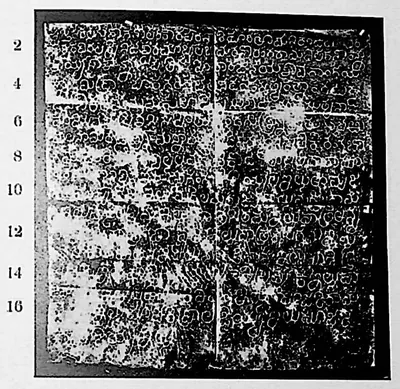 "Pillalamaṟṟi inscription of Rēceṟuvula Nāmi-Reḍḍi" (Sreenivasachar, Corpus of Inscriptions in the Telingana Districts II, Plate 36 (PDF p. 292))శాసన ప్రతి · 1940
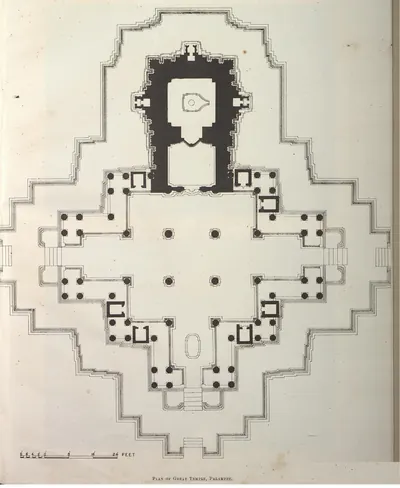 "Plan of Great Temple, Palampet" (Yazdani 1922, Pl. XXX (PDF p. 20))నిర్మాణ నక్షా · 1922
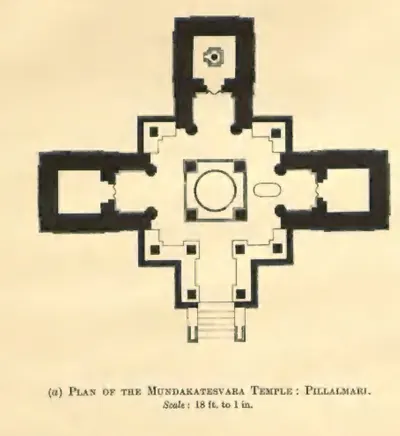 "Plan of the Mundakatesvara Temple: Pillalmari" (Hyderabad Arch. Report 1926-27, Pl. II (a) (PDF p. 57))నిర్మాణ నక్షా · 1929
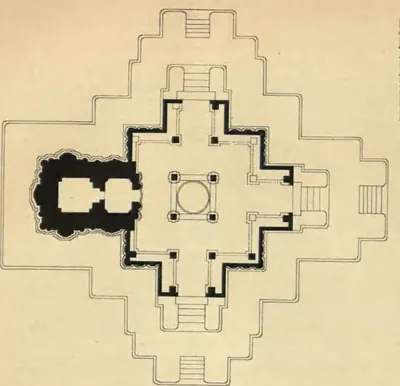 "Plan of the Northern Temple of Nagulpad: Nalgonda District" (Hyderabad Arch. Report 1927-28, Pl. II (b))రేఖాచిత్రం · 1929
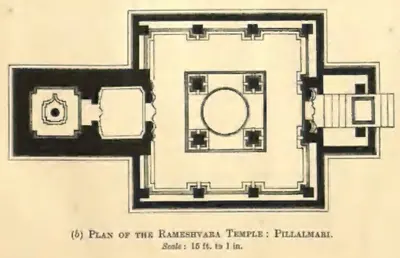 "Plan of the Rameshvara Temple: Pillalmari" (Hyderabad Arch. Report 1926-27, Pl. I (b) (PDF p. 55))నిర్మాణ నక్షా · 1929
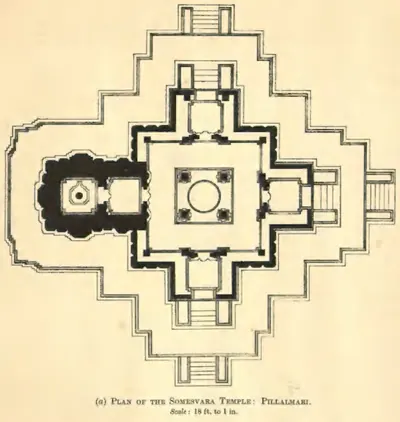 "Plan of the Somesvara Temple: Pillalmari" (Hyderabad Arch. Report 1926-27, Pl. I (a) (PDF p. 55))నిర్మాణ నక్షా · 1929
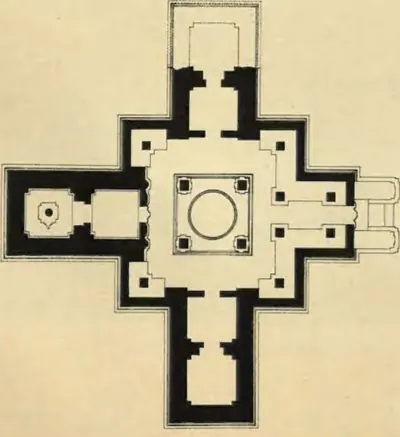 "Plan of the Southern Temple of Nagulpad: Nalgonda District" (Hyderabad Arch. Report 1927-28, Pl. II (a))రేఖాచిత్రం · 1929
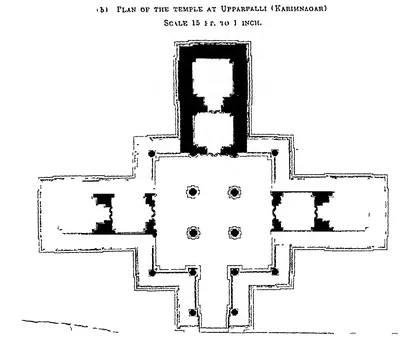 "Plan of the temple at Upparpalli (Karimnagar)" (Hyderabad Arch. Report 1916-17, Pl. III (b) (PDF p. 64))నిర్మాణ నక్షా · 1918
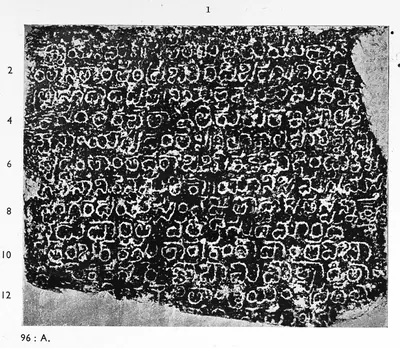 "Rāyaparti inscription of Mahādēva", face I (Sreenivasachar, Corpus of Inscriptions in the Telingana Districts III, Plate 11 (PDF p. 201))శాసన ప్రతి · 1956
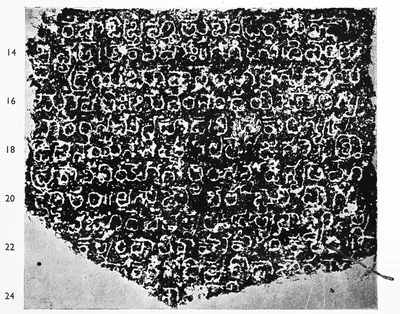 "Rāyaparti inscription of Mahādēva", face II (Sreenivasachar, Corpus of Inscriptions in the Telingana Districts III, Plate 11 (PDF p. 201))శాసన ప్రతి · 1956
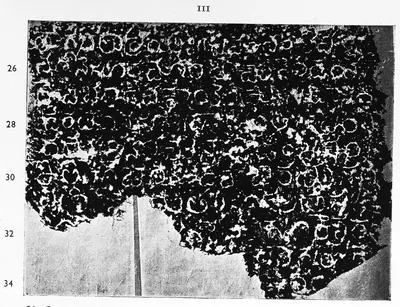 "Rāyaparti inscription of Mahādēva", face III (Sreenivasachar, Corpus of Inscriptions in the Telingana Districts III, Plate 12 (PDF p. 202))శాసన ప్రతి · 1956
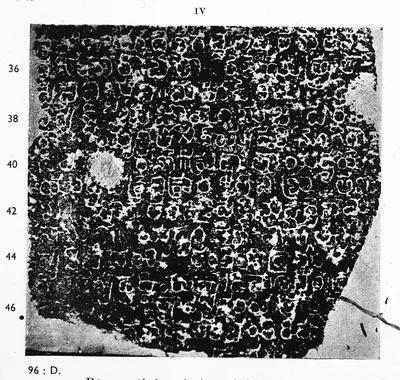 "Rāyaparti inscription of Mahādēva", face IV (Sreenivasachar, Corpus of Inscriptions in the Telingana Districts III, Plate 12 (PDF p. 202))శాసన ప్రతి · 1956
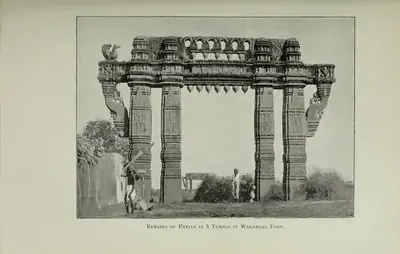 "Remains of Entrance to Temple in Warangal Fort" (Gribble 1896, PDF p. 109)పాత ఫోటో · 1896
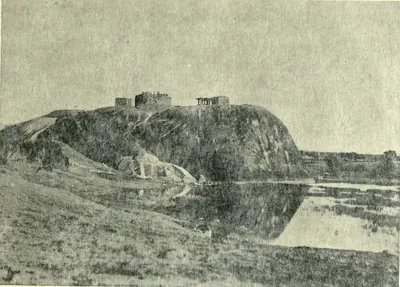 "Rock of the Warangal Fort" (Sastri 1932, Pl. I (a))పుస్తక చిత్రపటం · 1932
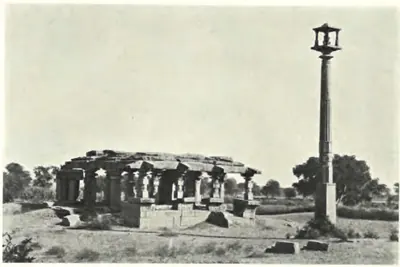 "Ruined Vishnu Temple at Nagnur: Karimnagar District" (Hyderabad Arch. Report 1927-28, Pl. IX (a) (PDF p. 133))పాత ఫోటో · 1929
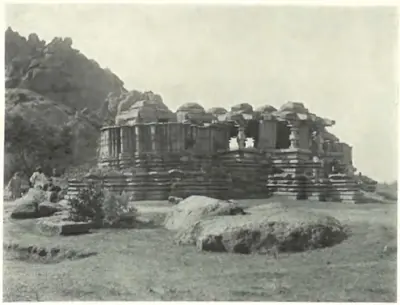 "Siva Temple at Nagnur: Karimnagar District" (Hyderabad Arch. Report 1927-28, Pl. IX (b) (PDF p. 133))పాత ఫోటో · 1929
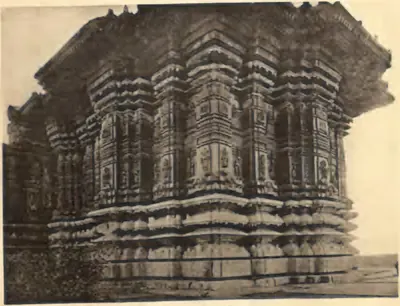 "Temple No. 1: Carving" (Nagulapadu; Hyderabad Arch. Report 1926-27, Pl. VIII (b) (PDF p. 79))పాత ఫోటో · 1929
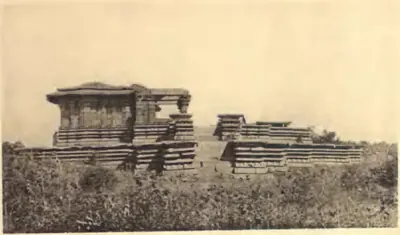 "Temple No. 1: Nagulpad (Nalgonda)" (Hyderabad Arch. Report 1926-27, Pl. VIII (a) (PDF p. 79))పాత ఫోటో · 1929
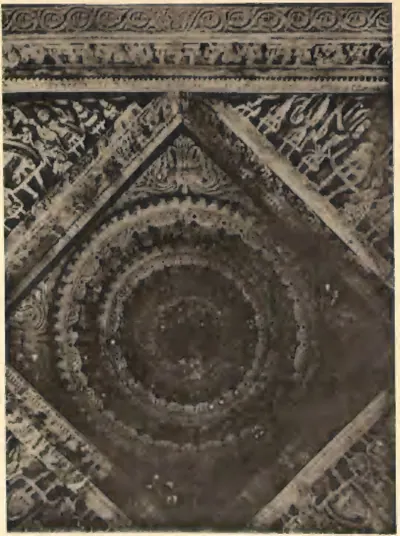 "Temple No. 2: Ceiling" (Nagulapadu; Hyderabad Arch. Report 1926-27, Pl. IX (b) (PDF p. 81))పాత ఫోటో · 1929
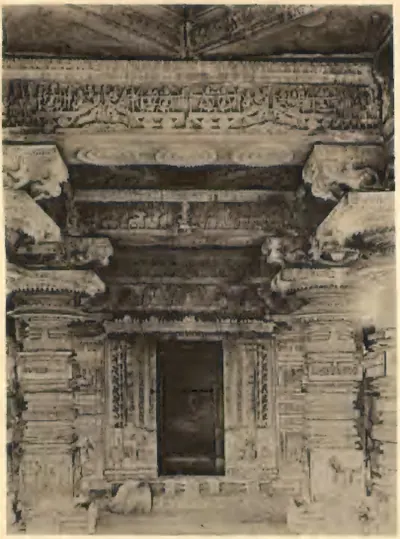 "Temple No. 2: Nagulpad (Nalgonda)" (Hyderabad Arch. Report 1926-27, Pl. IX (a) (PDF p. 81))పాత ఫోటో · 1929
 "The same: Shrine door" (A temple at Katachpur, Warangal District; Hyderabad Arch. Report 1935-36, Pl. XIII (b) (PDF p. 120 of the local copy))పాత ఫోటో · 1939
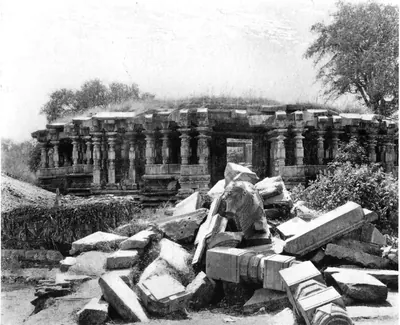 "Thousand Pillared Hall, Hammancondah" (F. B. and W. H. Workman, Through Town and Jungle, 1904, plate p. 127 (PDF leaf 152 of scan ldpd_7460476_000))పాత ఫోటో · 1904
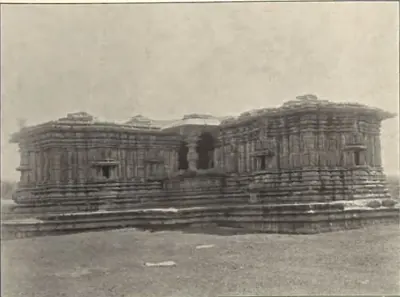 "Thousand-pillared Temple, Warangal" (Hyderabad Arch. Report 1915-16, Pl. VI (b))పుస్తక చిత్రపటం · 1917
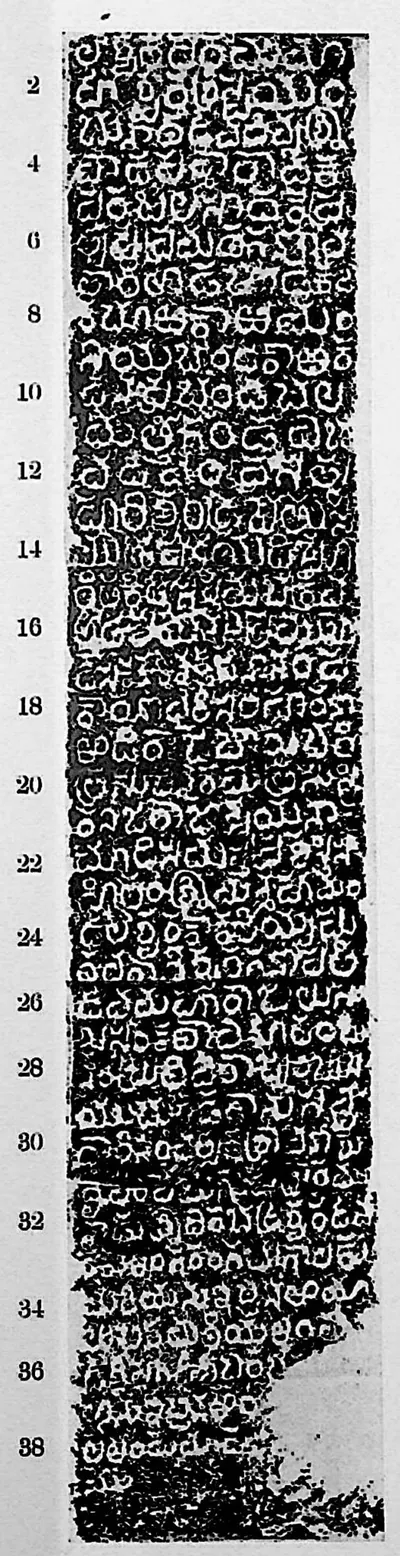 "Warangal inscription at Khan Saheb Gardens", face I (Sreenivasachar, Corpus of Inscriptions in the Telingana Districts II, Plate 19 (PDF p. 258))శాసన ప్రతి · 1940
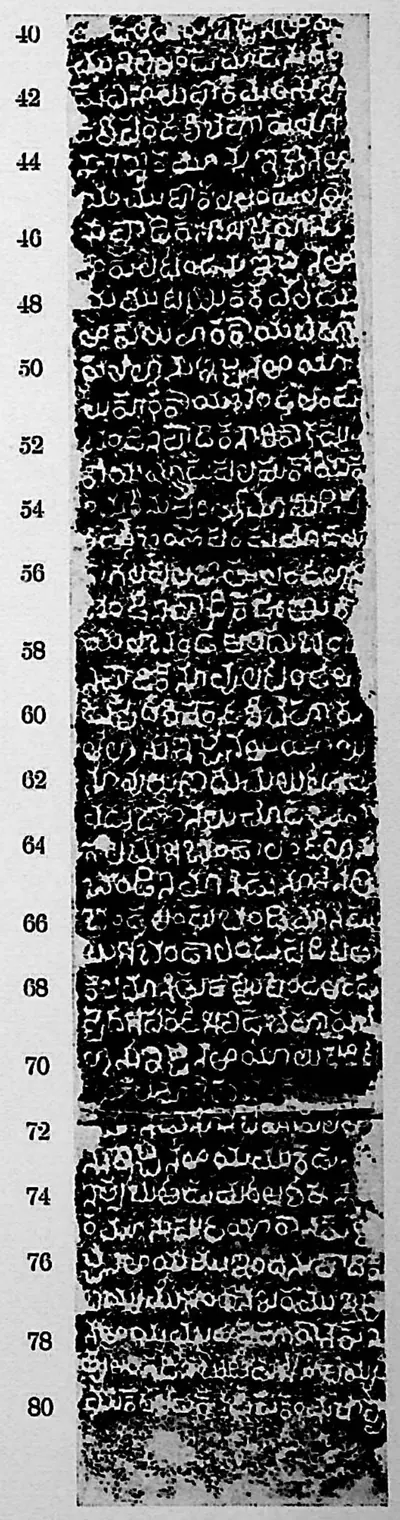 "Warangal inscription at Khan Saheb Gardens", face II (Sreenivasachar, Corpus of Inscriptions in the Telingana Districts II, Plate 19 (PDF p. 258))శాసన ప్రతి · 1940
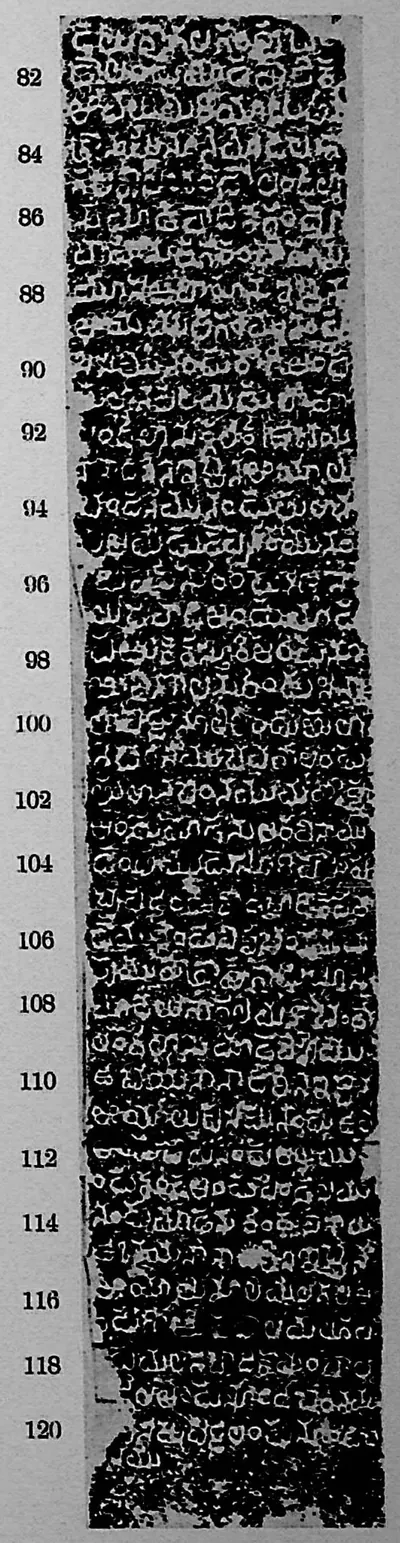 "Warangal inscription at Khan Saheb Gardens", face III (Sreenivasachar, Corpus of Inscriptions in the Telingana Districts II, Plate 19 (PDF p. 258))శాసన ప్రతి · 1940
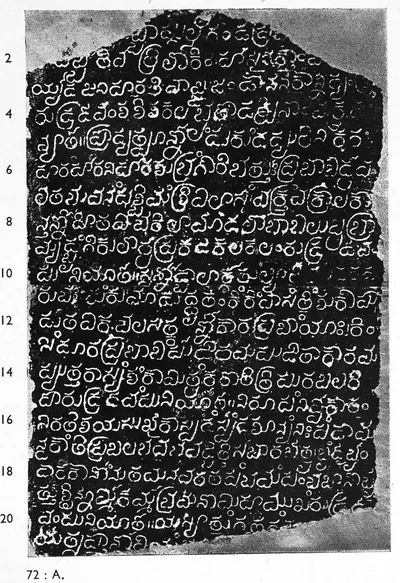 "Warangal inscription of Kakati Rudra-deva", face I (Sreenivasachar, Corpus of Inscriptions in the Telingana Districts III, Plate 1 (PDF p. 191))శాసన ప్రతి · 1956
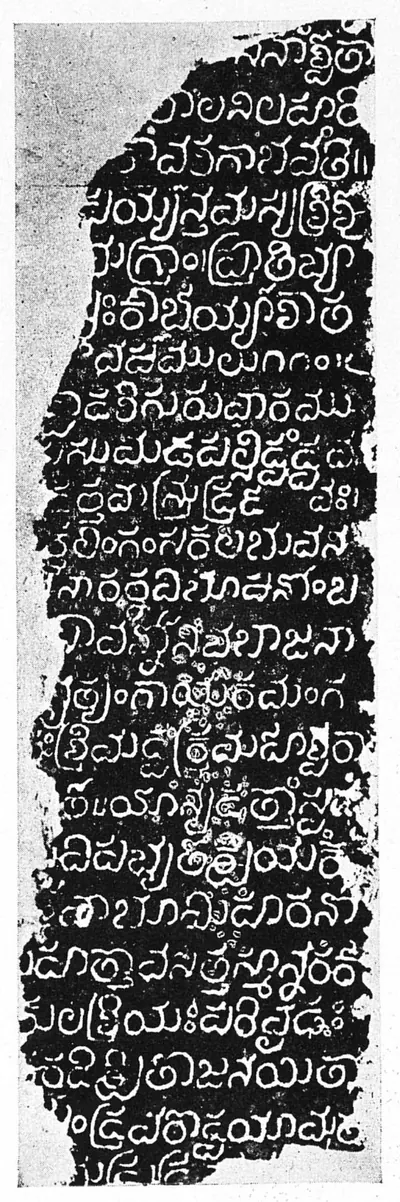 "Warangal inscription of Kakati Rudra-deva", face II (Sreenivasachar, Corpus of Inscriptions in the Telingana Districts III, Plate 1 (PDF p. 191))శాసన ప్రతి · 1956
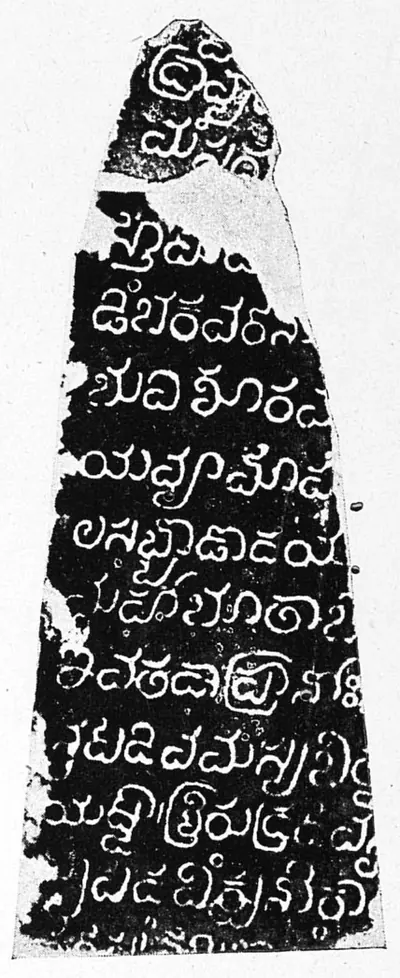 "Warangal inscription of Kakati Rudra-deva", face III (Sreenivasachar, Corpus of Inscriptions in the Telingana Districts III, Plate 1 (PDF p. 191))శాసన ప్రతి · 1956
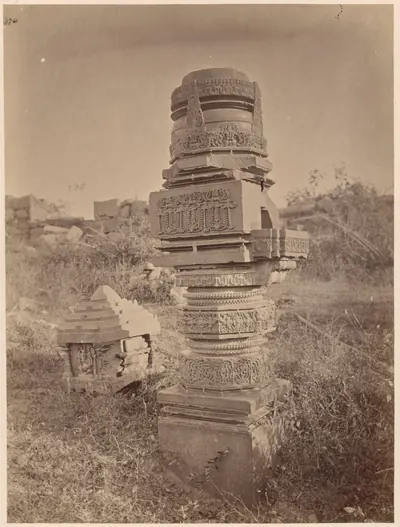 A carved pillar standing alone among ruins at Warangal, 1850-1886పాత ఫోటో · c. 1850-1886
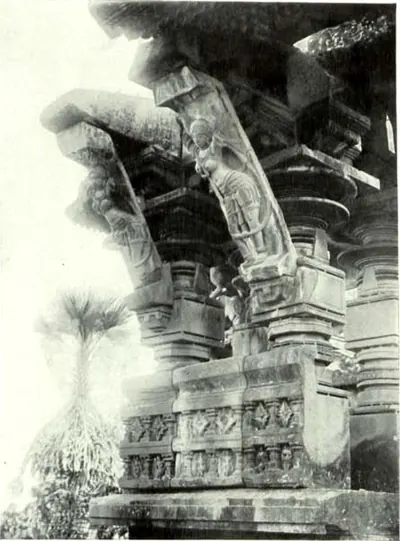 A Figure-Bracket of the Main Temple of Ghanapur (Hyderabad Arch. Report 1931-33, Pl. V (a); described in the report for 1932-33, pp. 53-54)పాత ఫోటో · 1935
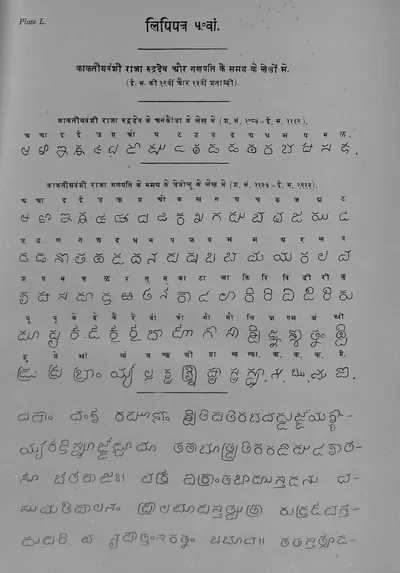 Alphabet table from the inscriptions of the time of the Kakatiya kings Rudradeva and Ganapati, 12th and 13th centuries CE (Anumakonda inscription, Saka 1084; Chebrolu inscription, Saka 1135) (Ojha, Bharatiya Prachin Lipimala, 1918, Plate 50)పుస్తక చిత్రపటం · 1918
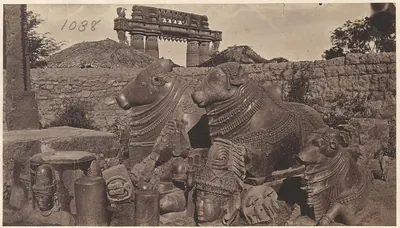 Carved stone bulls at Warangal Fort, 1850-1886పాత ఫోటో · c. 1850-1886
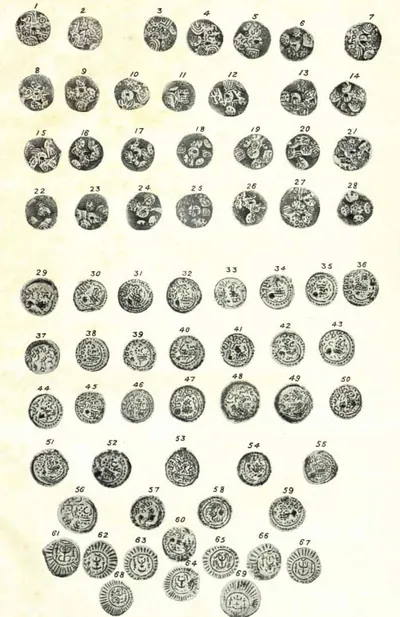 Coins of Western and Eastern Chalukyas (Hyderabad Arch. Report 1925-26, Pl. XVIII); P. V. Parabrahma Sastry (1978, pp. 259–262) assigns the boar-marked coins to Ganapatideva, Rudramadevi and Prataparudraనాణెం · 1928
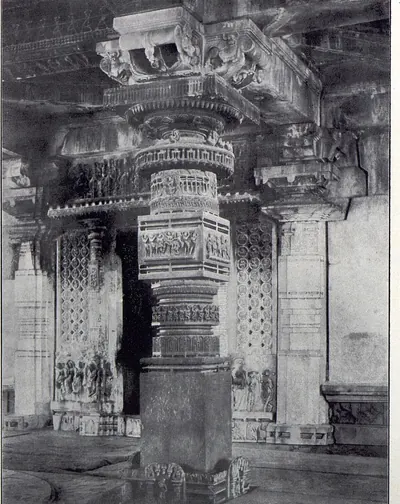 Detail of Pillar, Great Temple, Palampet (Yazdani 1922, Pl. XXXI (a))పాత ఫోటో · 1922
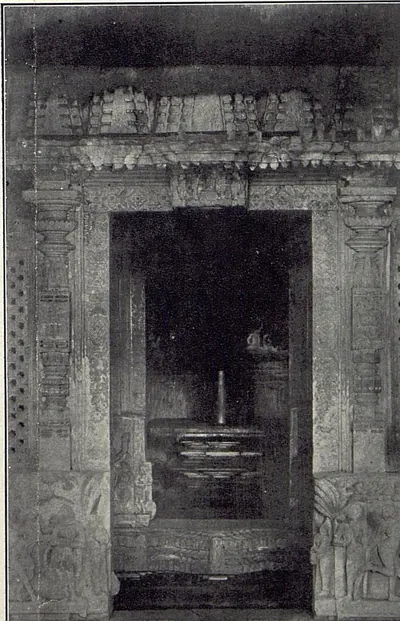 Doorway of Temple at the western end of the Ramappa Lake Band, Palampet (Yazdani 1922, Pl. XXVIII (c))పాత ఫోటో · 1922
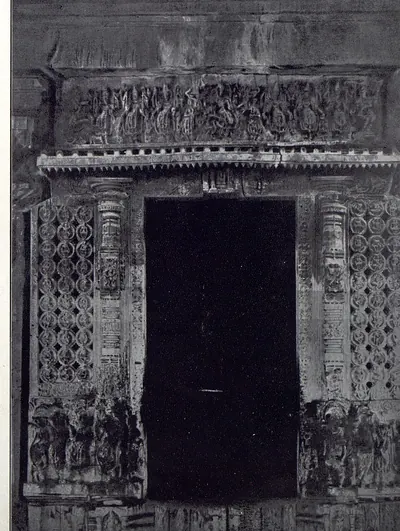 Doorway, Great Temple, Palampet (Yazdani 1922, Pl. XXXI (b))పాత ఫోటో · 1922
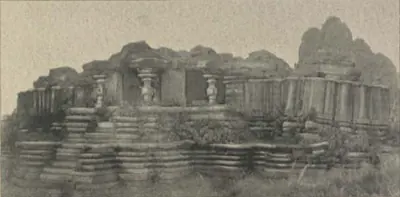 Elgandal (Karimnagar): "Temple at Angnoor, Elgandal" (Campbell 1898, p. 474)పాత ఫోటో · 1898
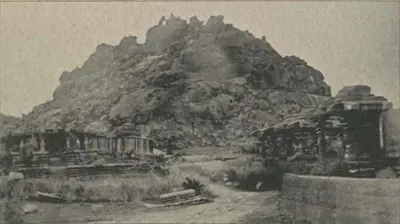 Elgandal (Karimnagar): "Temple at Angnoor, Elgandal" (Campbell 1898, p. 474)పాత ఫోటో · 1898
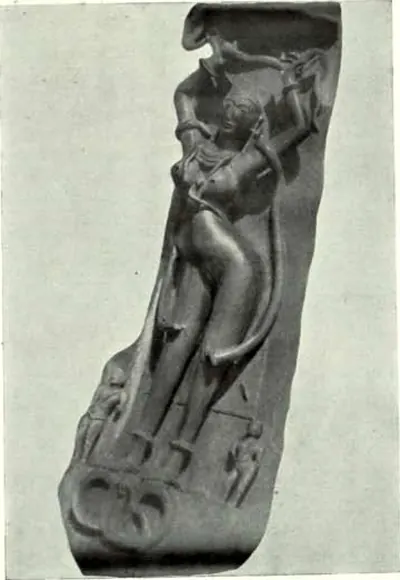 Figure Brackets, Ramappa Temple, Warangal (Hyderabad Arch. Report 1914-15, Pl. V (a))పాత ఫోటో · 1916
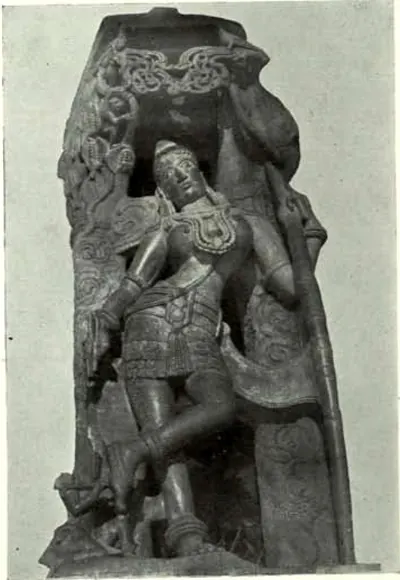 Figure Brackets, Ramappa Temple, Warangal (Hyderabad Arch. Report 1914-15, Pl. V (b))పాత ఫోటో · 1916
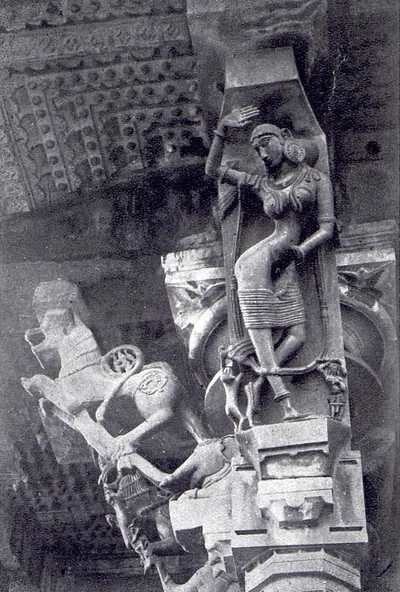 Figure-bracket, Great Temple, Palampet (Yazdani 1922, Pl. XXXII (a))పాత ఫోటో · 1922
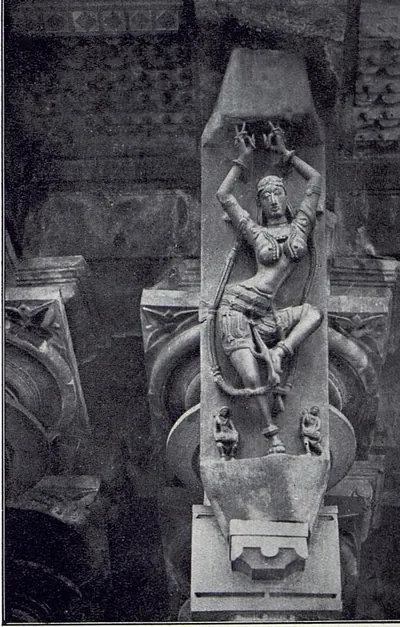 Figure-bracket, Great Temple, Palampet (Yazdani 1922, Pl. XXXII (b), printed "Another")పాత ఫోటో · 1922
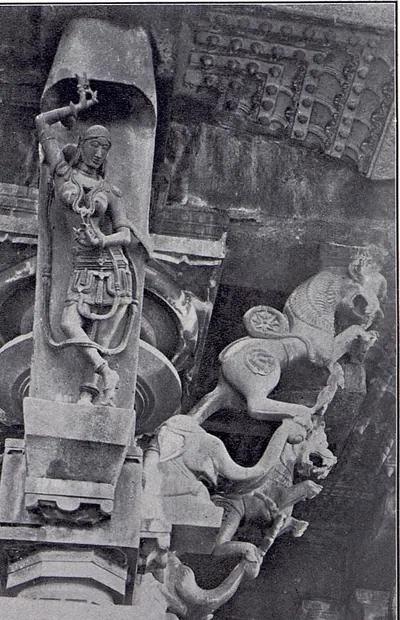 Figure-bracket, Great Temple, Palampet (Yazdani 1922, Pl. XXXII (c), printed "Another")పాత ఫోటో · 1922
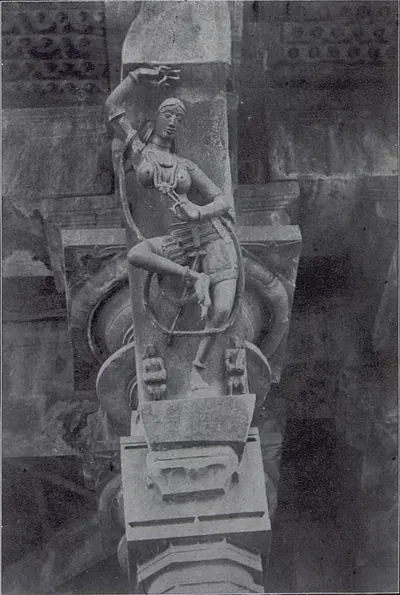 Figure-bracket, Great Temple, Palampet (Yazdani 1922, Pl. XXXII (d), printed "Another")పాత ఫోటో · 1922
 Fresco Painting, Narasimhadeva Temple, Pillalmari (Hyderabad Arch. Report 1926-27, Pl. VII (a))పాత ఫోటో · 1929
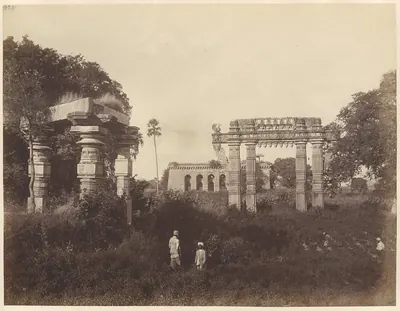 Gateway and temple ruins, Warangal, 1870sపాత ఫోటో · 1870s
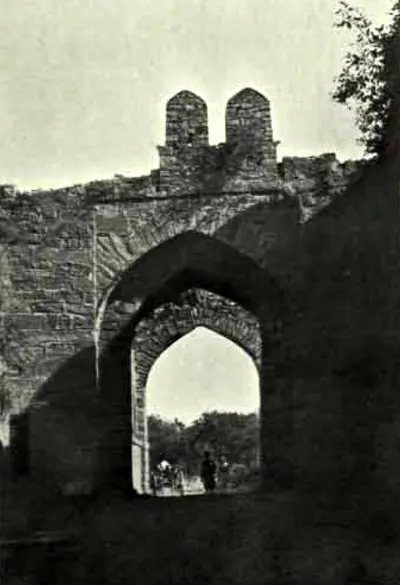 Gateway, Warangal Fort (Hyderabad Arch. Report 1925-26, Pl. XVII (b))పాత ఫోటో · 1928
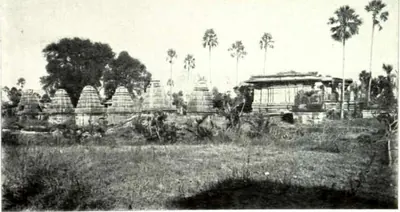 Ghanapur Temples: Warangal District, General View (Hyderabad Arch. Report 1931-33, Pl. IV (a); described in the report for 1932-33, pp. 53-54)పాత ఫోటో · 1935
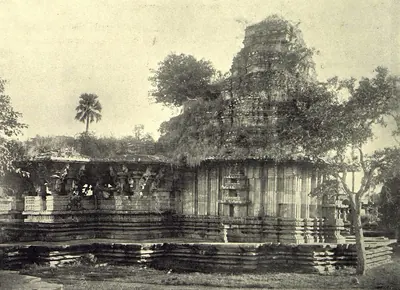 Great Temple, Palampet: view from N.-W. (Yazdani 1922, Pl. XXVII (a))పాత ఫోటో · 1922
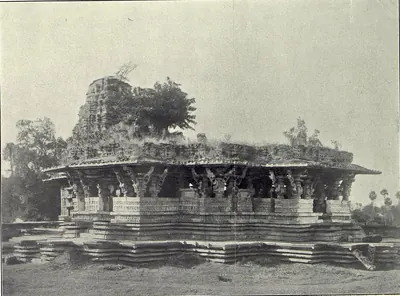 Great Temple, Palampet: view from S.-E. (Yazdani 1922, Pl. XXVIII (a))పాత ఫోటో · 1922
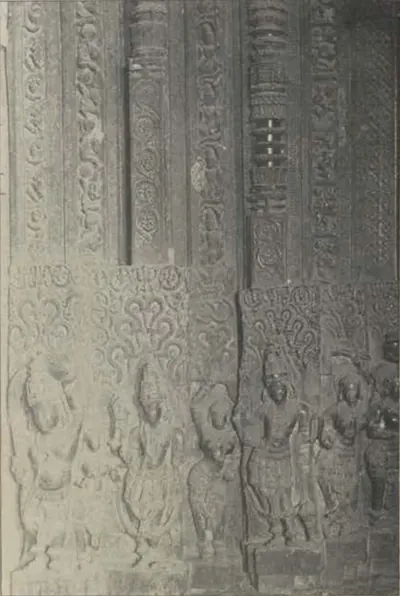 Hanamkonda: "Carved Figures, 1,000-Pillared Temple" (Campbell 1898, p. 486)పాత ఫోటో · 1898
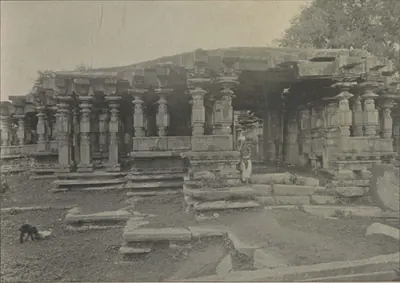 Hanamkonda: "Detached Hall, 1,000-Pillared Temple, Hanamkonda" (Campbell 1898, p. 481)పాత ఫోటో · 1898
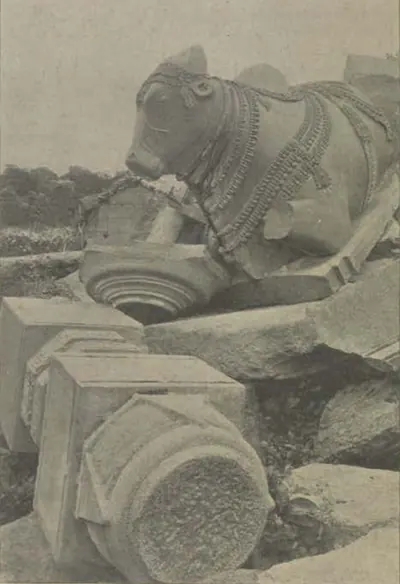 Hanamkonda: "Fallen Pavilion, 1,000-Pillared Temple" (Campbell 1898, p. 483)పాత ఫోటో · 1898
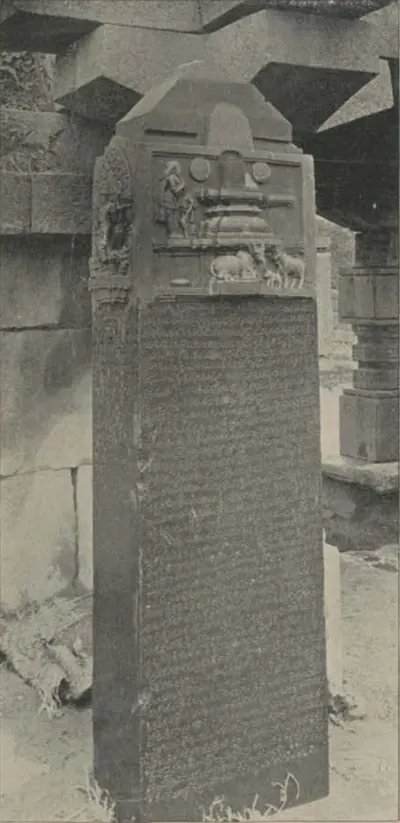 Hanamkonda: "Inscription, 1,000-Pillared Temple" (Campbell 1898, p. 484)పాత ఫోటో · 1898
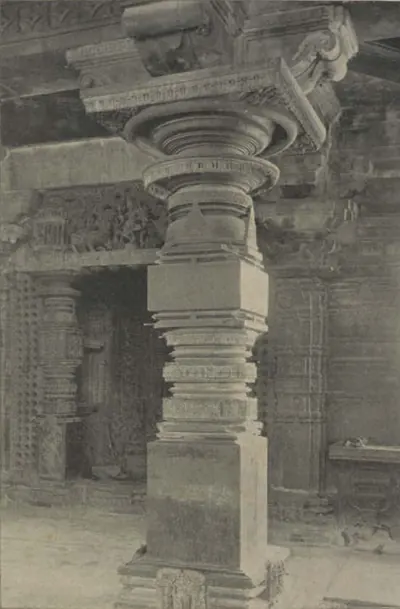 Hanamkonda: "Pillar with Inscription, 1,000-Pillared Temple" (Campbell 1898, p. 482)పాత ఫోటో · 1898
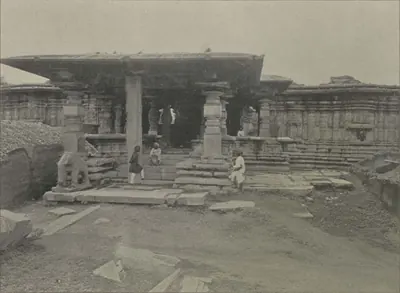 Hanamkonda: "The 1,000-Pillared Temple, Hanamkonda" (Campbell 1898, p. 481)పాత ఫోటో · 1898
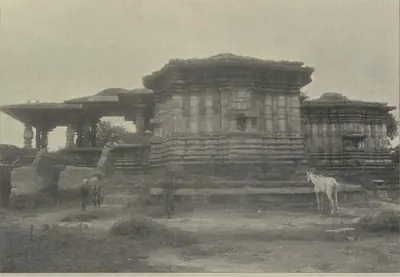 Hanamkonda: "The 1,000-Pillared Temple, Hanamkonda" (Campbell 1898, p. 486)పాత ఫోటో · 1898
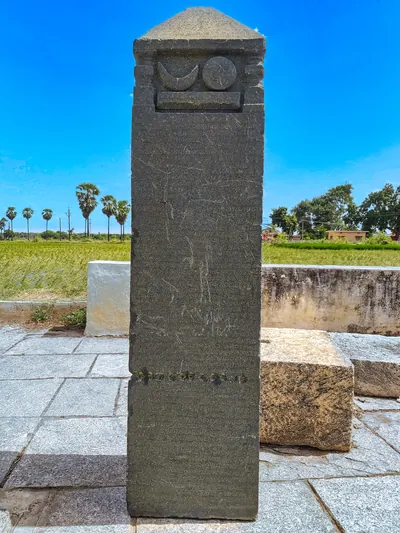 Inscribed pillar at the Mukkantesvara temple, Kusumanchiఫోటో · 2021
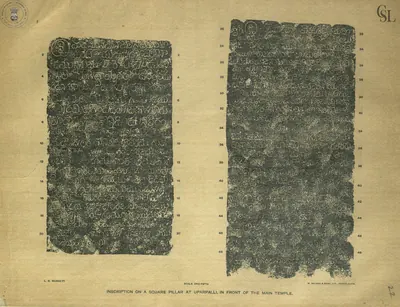 Inscription on a square pillar at Uparpalli, in front of the main temple (first two faces) (Barnett 1919)శాసన ప్రతి · 1919
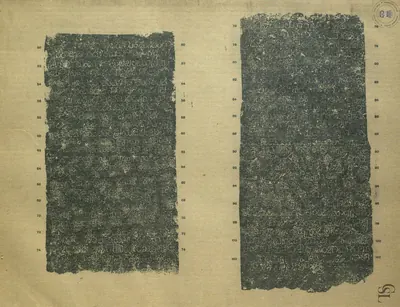 Inscription on a square pillar at Uparpalli, in front of the main temple (remaining faces) (Barnett 1919)శాసన ప్రతి · 1919
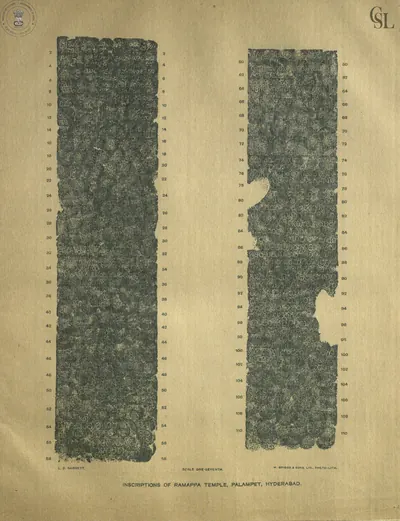 Inscriptions of Ramappa temple, Palampet (pillar inscription, first two faces) (Barnett 1919)శాసన ప్రతి · 1919
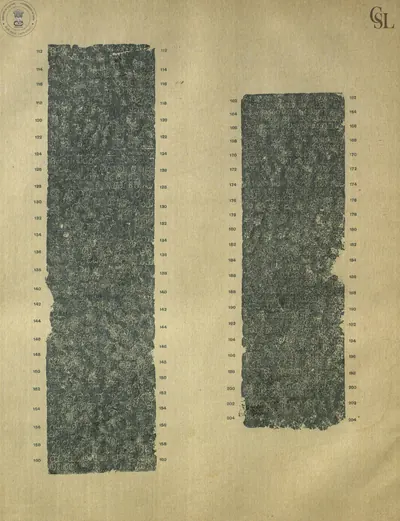 Inscriptions of Ramappa temple, Palampet (pillar inscription, remaining faces) (Barnett 1919)శాసన ప్రతి · 1919
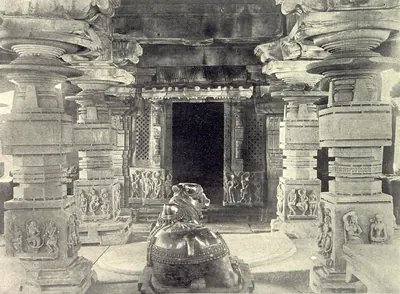 Interior of Temple at the eastern end of the Ramappa Lake Band, Palampet (Warangal) (Yazdani 1922, Pl. XXVII (b))పాత ఫోటో · 1922
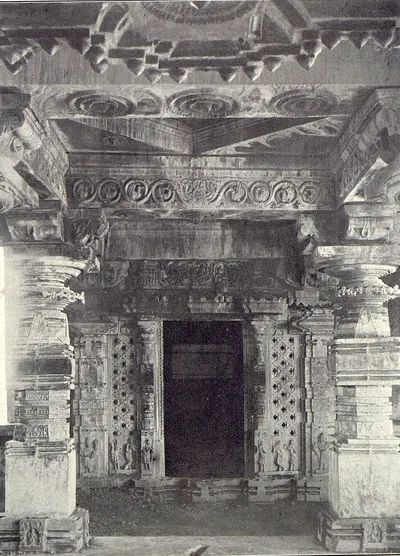 Interior of the Temple at Uparpalle, Warangal District (Yazdani 1922, Pl. XXIX (a))పాత ఫోటో · 1922
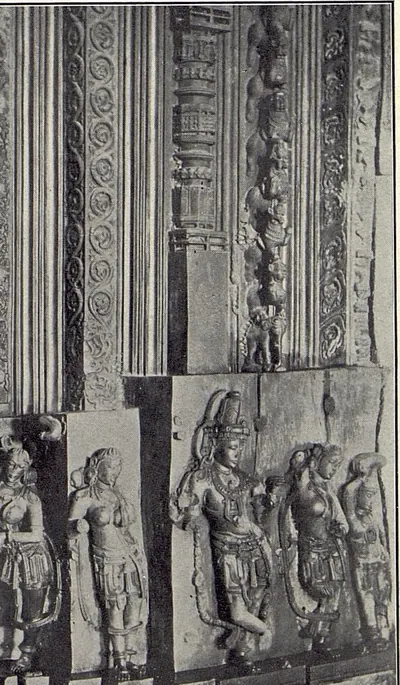 Jamb of Door, Great Temple, Palampet (Yazdani 1922, Pl. XXVIII (b))పాత ఫోటో · 1922
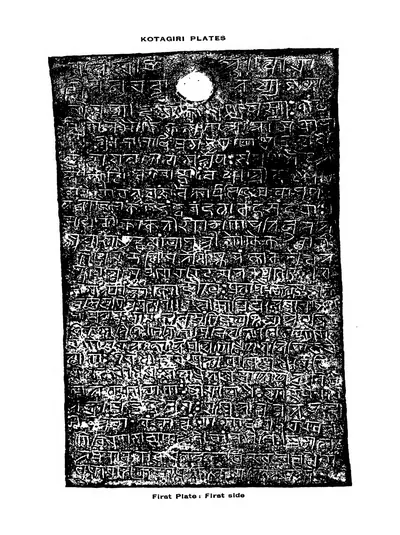 Kotagiri plates of the reign of the Kakatiya queen Rudramamba, A.D. 1273: First plate: first side (Kotagiri Plates 1925)శాసన ప్రతి · 1925
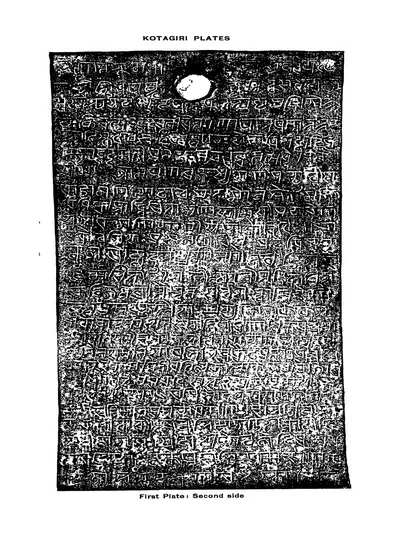 Kotagiri plates of the reign of the Kakatiya queen Rudramamba, A.D. 1273: First plate: second side (Kotagiri Plates 1925)శాసన ప్రతి · 1925
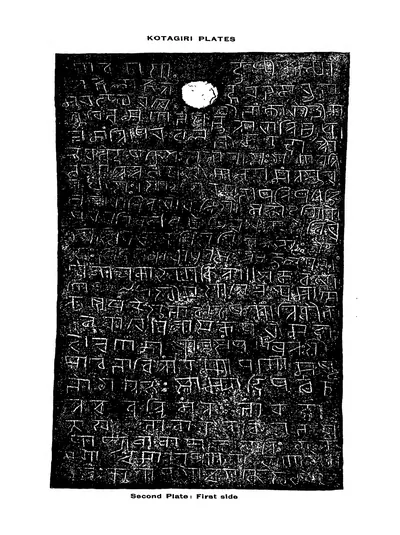 Kotagiri plates of the reign of the Kakatiya queen Rudramamba, A.D. 1273: Second plate: first side (Kotagiri Plates 1925)శాసన ప్రతి · 1925
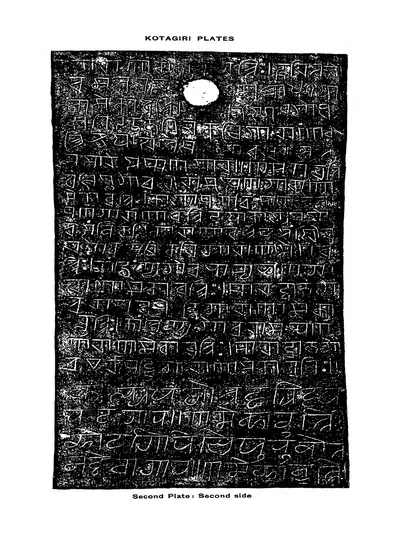 Kotagiri plates of the reign of the Kakatiya queen Rudramamba, A.D. 1273: Second plate: second side (Kotagiri Plates 1925)శాసన ప్రతి · 1925
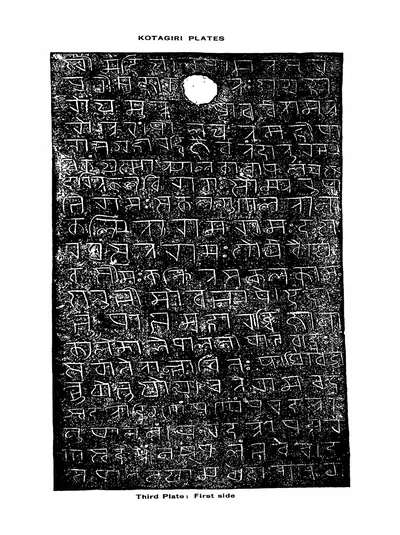 Kotagiri plates of the reign of the Kakatiya queen Rudramamba, A.D. 1273: Third plate: first side (Kotagiri Plates 1925)శాసన ప్రతి · 1925
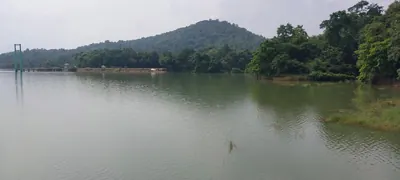 Laknavaram Lakeఫోటో · 2024
 Line 1 of the Thousand Pillar Temple inscription of Rudradeva, Hanamkonda, 1163: "Om Svasti Srir=vvijayas=ch=abhyudayas=cha bhavatu" (Indian Antiquary XI, Plate I, detail)శాసన ప్రతి · 1882
 Line 6 of the Hanamkonda inscription, with the year "Saka-varshamulu 1084" in Telugu-Kannada figures (Indian Antiquary XI, Plate I, detail)శాసన ప్రతి · 1882
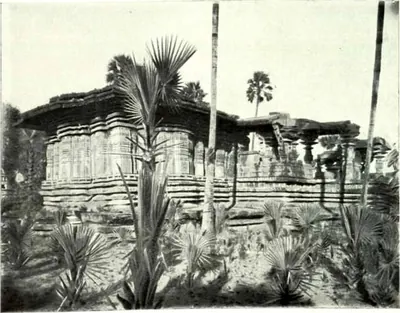 Main Temple of Ghanapur (Hyderabad Arch. Report 1931-33, Pl. IV (b); described in the report for 1932-33, pp. 53-54)పాత ఫోటో · 1935
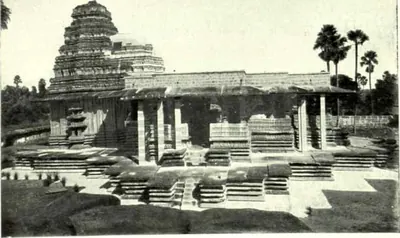 Main Temple of Ramappa (Palampet): After Restoration (Hyderabad Arch. Report 1931-32, Pl. II (b))పాత ఫోటో · 1935
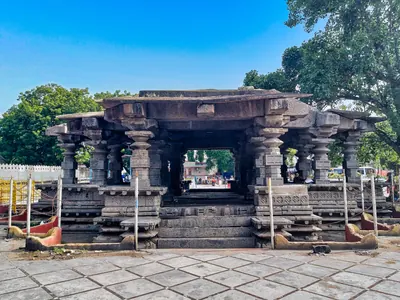 Mallikarjuna temple mandapa, Inavoluఫోటో · 2021
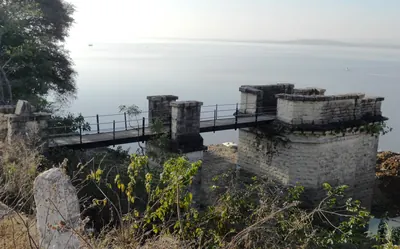 Masonry tower on Ramappa Lakeఫోటో · 2015
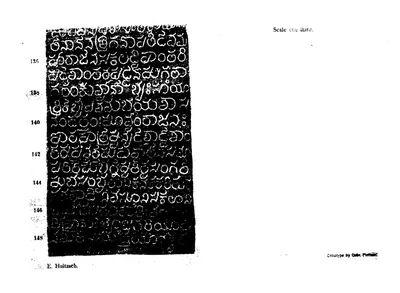 Motupalli pillar inscription of Ganapatideva, A.D. 1244-45 (part of the plate) (Epigraphia Indica XII, plate (PDF p. 258))శాసన ప్రతి · 1914
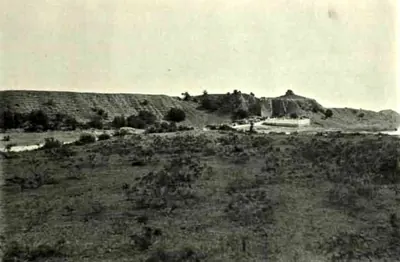 Mud Walls, Warangal Fort (Hyderabad Arch. Report 1925-26, Pl. XVII (a))పాత ఫోటో · 1928
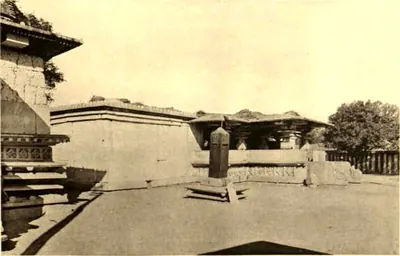 Mukandesvara Temple, Pillalmari: General View (Hyderabad Arch. Report 1926-27, Pl. VII (b))పాత ఫోటో · 1929
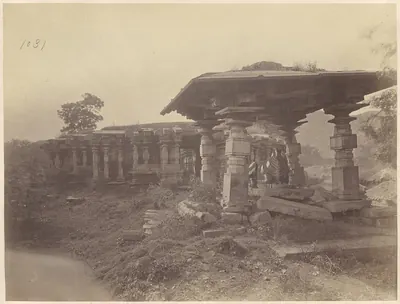 Nandi pavilion, Thousand Pillar Temple, 1850-1886పాత ఫోటో · c. 1850-1886
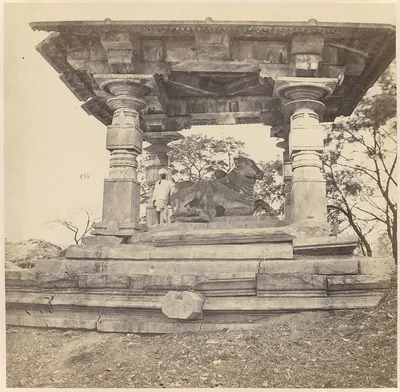 Nandi under a porch, Thousand Pillar Temple, 1850-1886పాత ఫోటో · c. 1850-1886
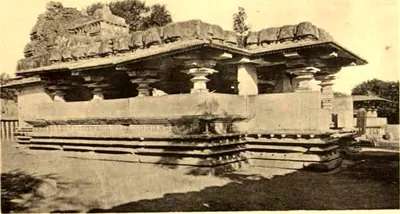 Narasimhadeva Temple, Pillalmari (Hyderabad Arch. Report 1926-27, Pl. VI (a))పాత ఫోటో · 1929
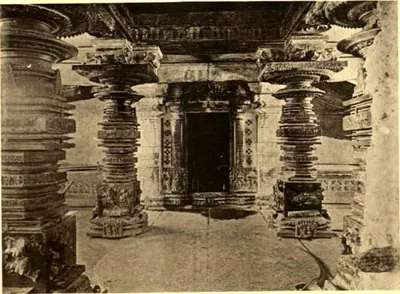 Narasimhadeva Temple, Pillalmari: Interior (Hyderabad Arch. Report 1926-27, Pl. VI (b))పాత ఫోటో · 1929
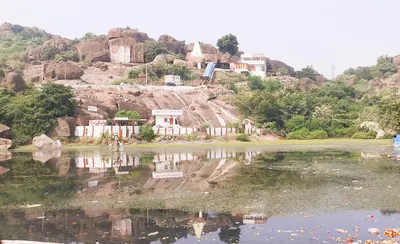 Padmakshi hill, Hanamkondaఫోటో · 2023
 Pakhal Lakeఫోటో · 2009
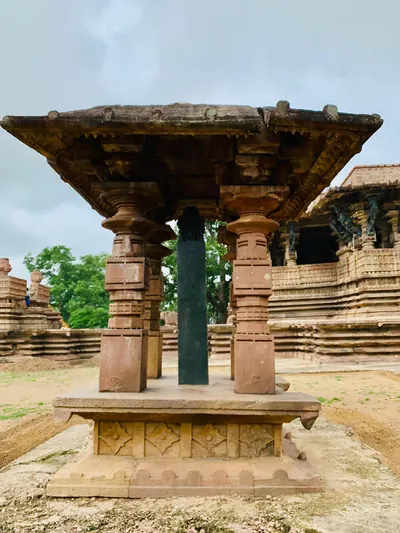 Pavilion of the Ramappa foundation inscription pillarఫోటో · 2019
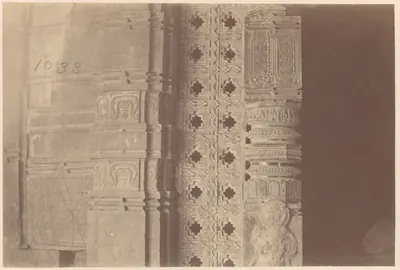 Pierced screen and carved jamb at a doorway, Thousand Pillar Temple, 1850-1886పాత ఫోటో · c. 1850-1886
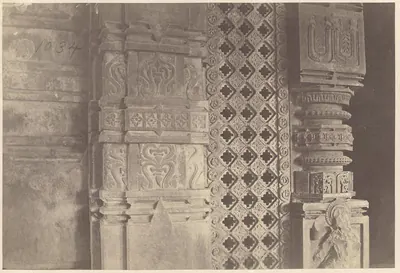 Pierced screen and pillar, Thousand Pillar Temple, 1850-1886పాత ఫోటో · c. 1850-1886
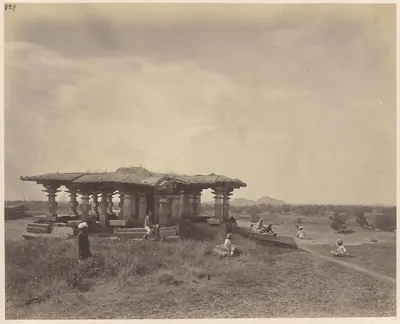 Pillared pavilion in Warangal Fort, 1850-1886పాత ఫోటో · c. 1850-1886
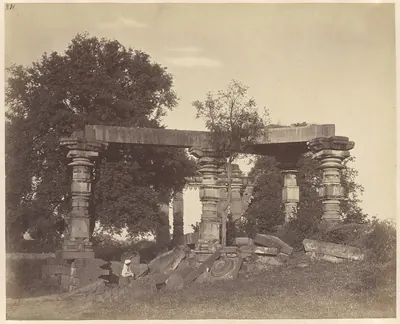 Pillared ruin at Warangal Fort, 1850-1886పాత ఫోటో · c. 1850-1886
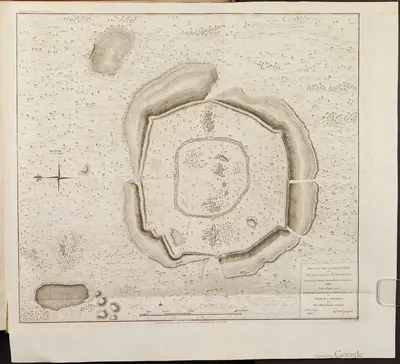 వరంగల్ కోట నక్షా, 1793పటం · 1793
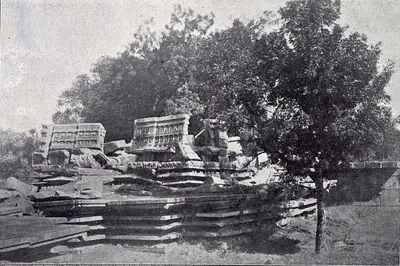 Ruined Nandi Pavilion, Great Temple, Palampet (Yazdani 1922, Pl. XXXIII (b))పాత ఫోటో · 1922
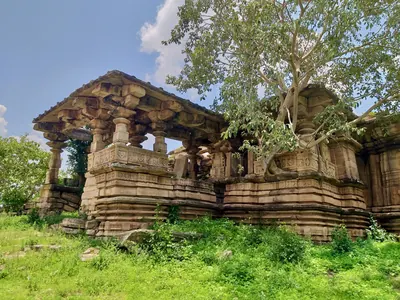 Ruined Siva temple at Khammampalliఫోటో · 2021
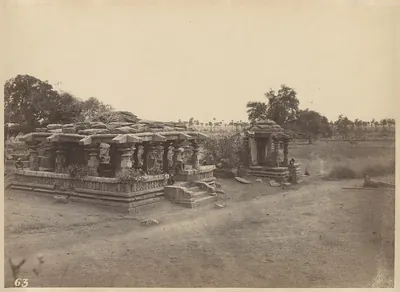 Ruined temple in Warangal Fort, 1850-1886పాత ఫోటో · c. 1850-1886
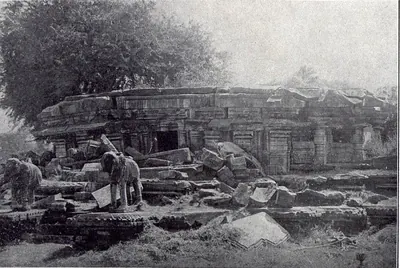 Ruined Temple, North of Great Temple, Palampet (Yazdani 1922, Pl. XXXIII (c))పాత ఫోటో · 1922
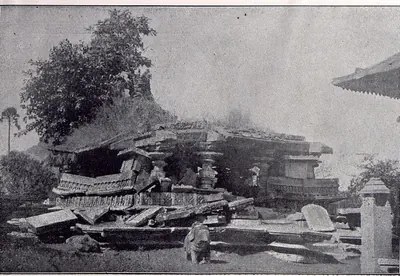 Ruined Temple: N.-W. of Great Temple, Palampet (Yazdani 1922, Pl. XXXIII (a))పాత ఫోటో · 1922
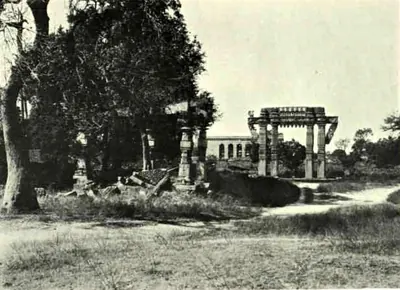 Ruins of the Old Temple, Warangal Fort (Hyderabad Arch. Report 1925-26, Pl. XVI (a))పాత ఫోటో · 1928
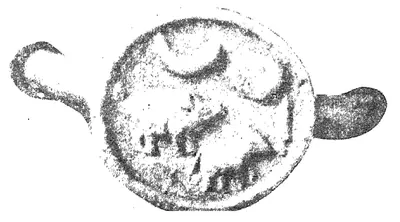 Seal of the Garavapadu grant of Ganapatideva, Saka 1182 (Epigraphia Indica XVIII, plate "Garavapadu Grant of Ganapatideva: Saka 1182")పుస్తక చిత్రపటం · 1926
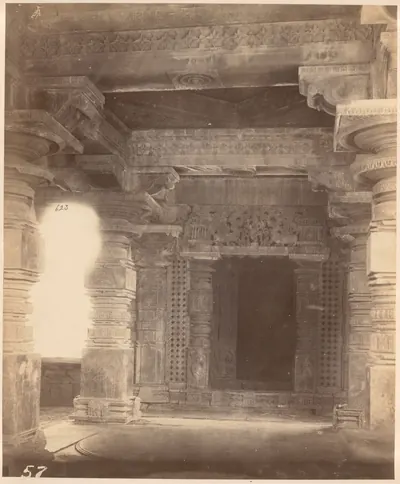 Shrine doorway inside the Thousand Pillar Temple (negative 57), 1850-1886పాత ఫోటో · c. 1850-1886
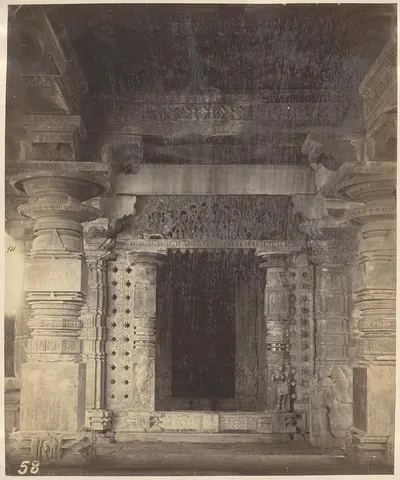 Shrine doorway, Thousand Pillar Temple, 1850-1886పాత ఫోటో · c. 1850-1886
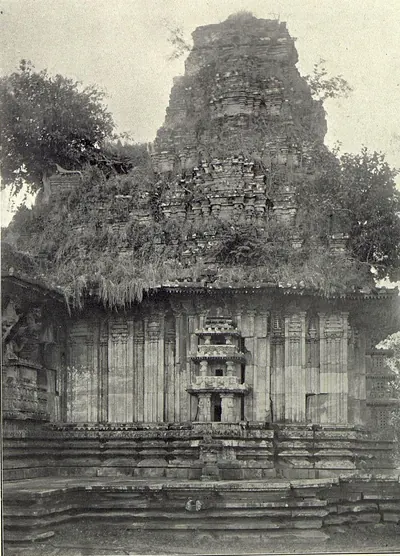 Sikhara, Great Temple, Palampet (Yazdani 1922, Pl. XXIX (b))పాత ఫోటో · 1922
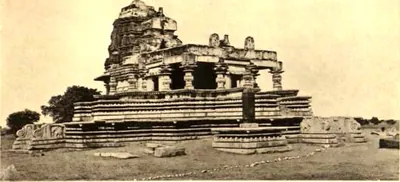 Somesvara Temple, Pillalmari: General View (Hyderabad Arch. Report 1926-27, Pl. V (a))పాత ఫోటో · 1929
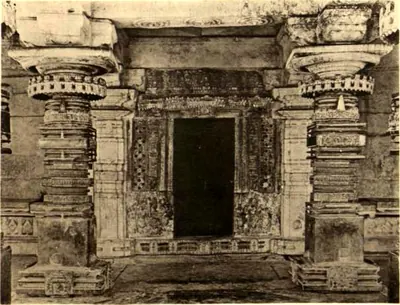 Somesvara Temple, Pillalmari: Interior (Hyderabad Arch. Report 1926-27, Pl. V (b))పాత ఫోటో · 1929
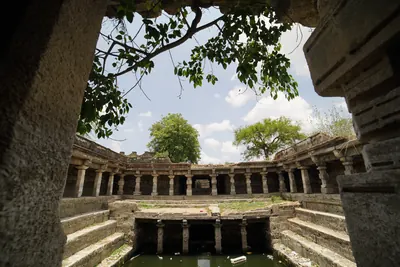 Stepwell at Shivanagar, Warangalఫోటో · 2016
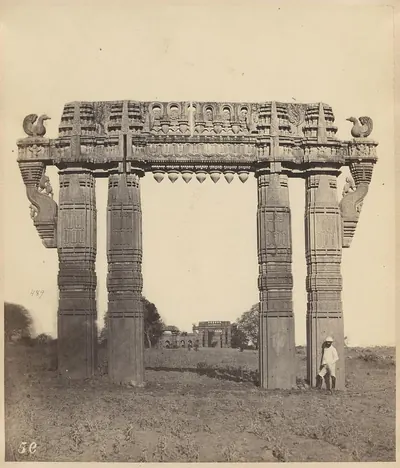 Stone gateway (torana), Warangal Fort, 1850-1886పాత ఫోటో · c. 1850-1886
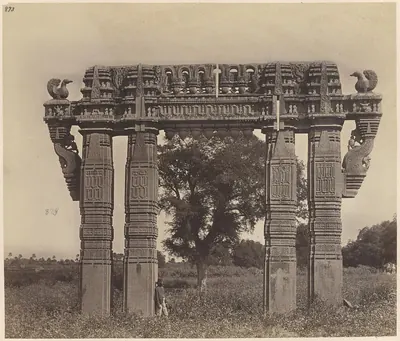 Stone gateway with trees behind, Warangal Fort, 1850-1886పాత ఫోటో · c. 1850-1886
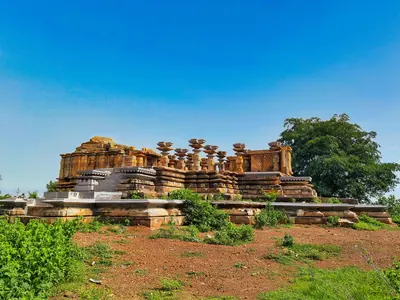 Temple ruins at Jakaram during restorationఫోటో · 2021
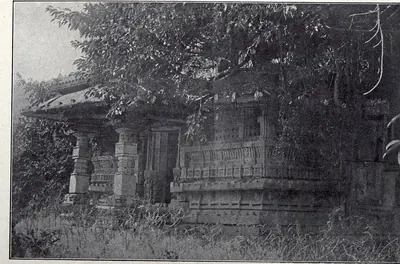 Temple, West of Great Temple, Palampet (Yazdani 1922, Pl. XXXIII (d))పాత ఫోటో · 1922
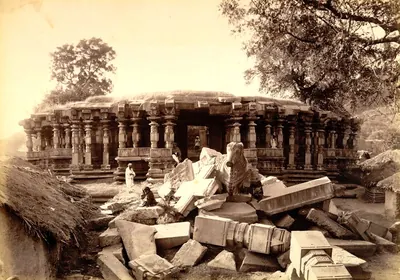 The Thousand Pillar Temple, Hanamkonda, with fallen stones, about 1885పాత ఫోటో · c. 1885
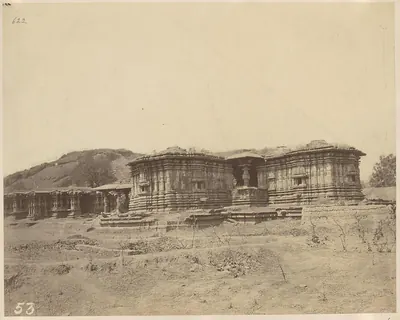 Thousand Pillar Temple below the hill, 1850-1886పాత ఫోటో · c. 1850-1886
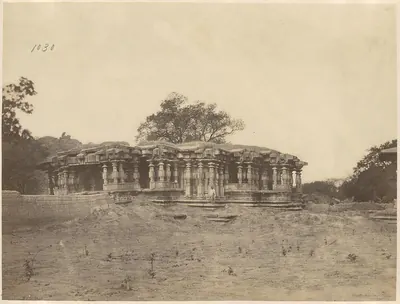 Thousand Pillar Temple with a tree on the roof, 1850-1886పాత ఫోటో · c. 1850-1886
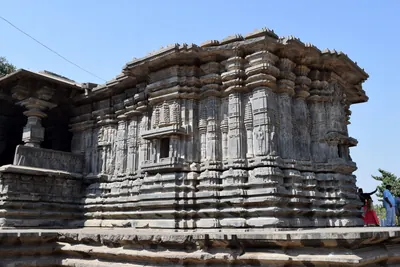 వేయి స్తంభాల గుడి, హనుమకొండఫోటో · 2018
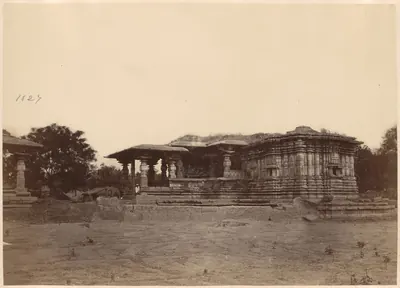 Thousand Pillar Temple, Hanamkonda, from the side, 1850-1886పాత ఫోటో · c. 1850-1886
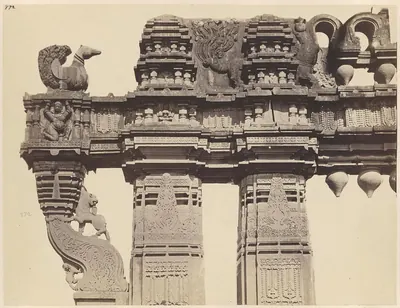 Top of a stone gateway, Warangal Fort, 1850-1886పాత ఫోటో · c. 1850-1886
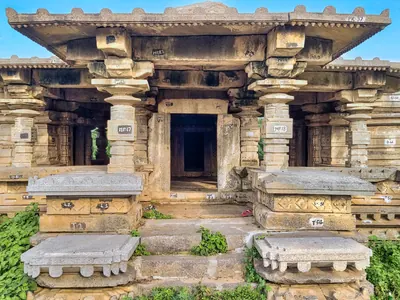 Trikuta temple at Kondaparthiఫోటో · 2021
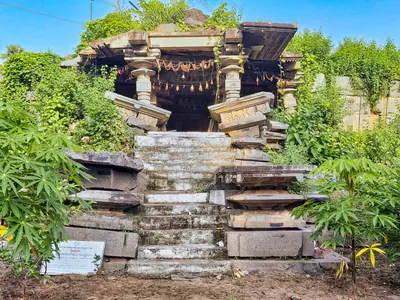 Trikuta temple ruins at Katakshapurఫోటో · 2021
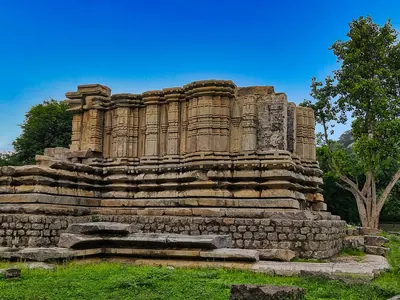 Trikuta temple ruins at Nidigondaఫోటో · 2021
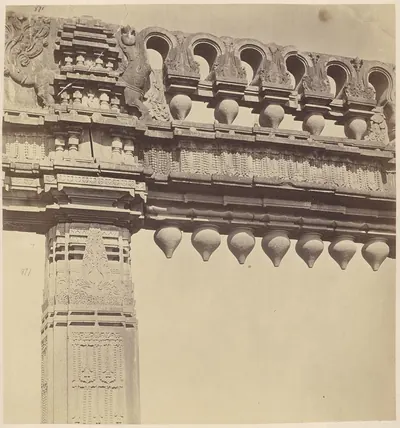 Upper part of a stone gateway, Warangal Fort, 1850-1886పాత ఫోటో · c. 1850-1886
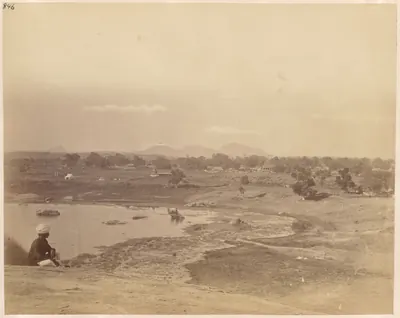 View from a hill in Warangal Fort over water and fields, 1850-1886పాత ఫోటో · c. 1850-1886
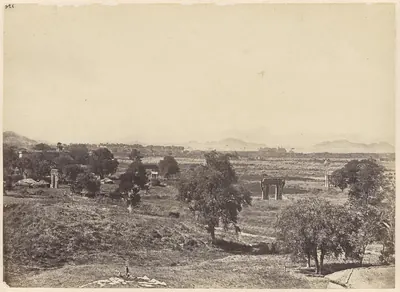 View from a hill in Warangal Fort, 1850-1886పాత ఫోటో · c. 1850-1886
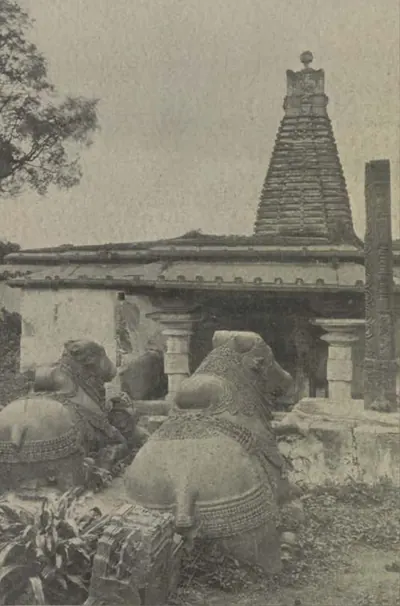 Warangal: "Half-buried Temple, Warangal" (Campbell 1898, p. 479)పాత ఫోటో · 1898
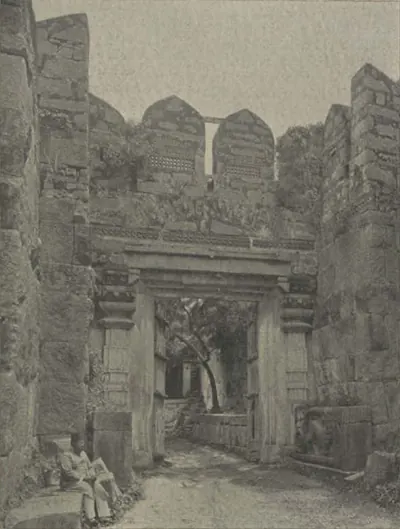 Warangal: "Inner Western Gate, Warangal Fort" (Campbell 1898, p. 478)పాత ఫోటో · 1898
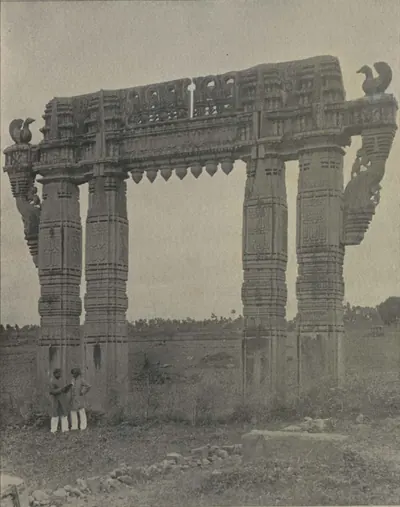 Warangal: "The Gate of Victory, Warangal" (Campbell 1898, p. 477)పాత ఫోటో · 1898
సంబంధిత
వ్యక్తులు
మొదటి బేతరాజు
సుమారు క్రీ.శ. 996–1051
తొలి కాకతీయ నాయకుడు (దాదాపు 996–1051). ఆయనను గరుడ బేత అని కూడా పిలిచారు. బాలుడిగా ఉన్నప్పుడే యుద్ధంలో తండ్రిని కోల్పోయాడు. తర్వాత కుటుంబపు హోదాను తిరిగి సంపాదించాడు. సనిగరంలో 1051 నాటి శాసనం ఆయన తెలిసిన ఏకైక శాసనం. మంగల్లు దానశాసనం తర్వాత అది అతి పురాతన కాకతీయ శాసనం.
మొదటి ప్రోలరాజు
సుమారు క్రీ.శ. 1052–1076
కాకతీయ నాయకుడు (దాదాపు 1052–1076), మొదటి బేతరాజు కొడుకు. ఆయన పశ్చిమ చాళుక్య రాజు త్రైలోక్యమల్లుని (మొదటి సోమేశ్వరుడు) కోసం పోరాడాడు. ఆ రాజు ఆయనకు అనుమకొండ జిల్లాను శాశ్వత సామంత భూమిగా (రాజు నుంచి పొందిన భూమి) ఇచ్చాడు. ఆయనకు అరిగజకేసరి అనే బిరుదు ఉంది. కుటుంబపు వరాహ చిహ్నాన్ని తర్వాత ఆయనకు ఆపాదించారు.
రెండవ బేతరాజు
సుమారు క్రీ.శ. 1076–1108
తన అధిపతి పశ్చిమ చాళుక్య రాజు ఆరవ విక్రమాదిత్యుని నుంచి త్రిభువనమల్ల అనే పేరు తీసుకున్న కాకతీయ నాయకుడు (దాదాపు 1076–1108). ఆయన చాళుక్యుల సామంతుడిగా (కింది పాలకుడు) అనుమకొండను పాలించాడు. తన మంత్రి ద్వారా సబ్బినాడు జిల్లాను సంపాదించాడు. కాలాముఖ శైవ గురువు రామేశ్వర పండితునికి భూములు ఇచ్చాడు.
దుర్గరాజు
సుమారు క్రీ.శ. 1108–1116
కాకతీయ నాయకుడు రెండవ బేతరాజు పెద్ద కొడుకు. కాజీపేటలోని 1098 నాటి ఒకే ఒక్క శాసనం ద్వారా ఆయన గురించి తెలుస్తుంది. ఆయన తమ్ముడు రెండవ ప్రోలరాజు అధికారం చేపట్టే ముందు, దాదాపు 1108, 1116 మధ్య ఆయన కొద్ది కాలం పాలించి ఉండవచ్చు.
రెండవ ప్రోలరాజు
సుమారు క్రీ.శ. 1116–1157
కాకతీయ నాయకుడు (పాలన దాదాపు 1116–1157), రెండవ బేతరాజు కొడుకు, రుద్రదేవుని తండ్రి. పశ్చిమ చాళుక్య సామంతుడిగా (అధీన పాలకుడు) ఆయన అనుమకొండ చుట్టూ ఉన్న ప్రత్యర్థి నాయకులను ఓడించాడు. తీర ఆంధ్ర దేశపు నాయకులతో యుద్ధంలో ఆయన చంపబడ్డాడు.
రుద్రదేవుడు
సుమారు క్రీ.శ. 1158–1195
తెలంగాణలోని ప్రత్యర్థి నాయకులను ఓడించిన కాకతీయ పాలకుడు (దాదాపు 1158–1195). 1163 నాటి వేయి స్తంభాల గుడి శాసనంలో ఆయన తన కుటుంబ స్వాతంత్ర్యాన్ని ప్రకటించాడు. ఓరుగల్లు (వరంగల్)లో కోటతో కూడిన రాజధాని నిర్మాణాన్ని ఆయన మొదలుపెట్టాడు.
మహాదేవుడు
సుమారు క్రీ.శ. 1195–1199
కాకతీయ రాజు (పాలన దాదాపు 1195–1199), రుద్రదేవుని తమ్ముడు, గణపతిదేవుని తండ్రి. యాదవ (సేవుణ) రాజుల రాజధానిపై దాడి చేస్తుండగా రాత్రి జరిగిన యుద్ధంలో ఆయన చంపబడ్డాడు.
రేచర్ల రుద్రుడు
సుమారు క్రీ.శ. 1195–1213
కాకతీయ రాజులు రుద్రదేవుడు, మహాదేవుడు, గణపతిదేవుల సేనాపతి, రేచర్ల కుటుంబానికి చెందినవాడు. దేవగిరిలో మహాదేవుని మరణం తర్వాత ఆయన రాజ్యాన్ని నిలబెట్టాడు. ముదిగొండ నాయకుడు నాగతిని తరిమాడు. 1213లో ఆయన పాలంపేటలో రుద్రేశ్వర (రామప్ప) దేవాలయాన్ని, దాని సరస్సును నిర్మించాడు.
గణపతిదేవుడు
సుమారు క్రీ.శ. 1199–1262
కాకతీయ రాజు (పాలన 1199–దాదాపు 1262). ఆయన అరవై సంవత్సరాల పాలన కాకతీయ అధికారాన్ని తెలంగాణ నుంచి తీరం వరకు, సుదూర దక్షిణం వరకు తీసుకువెళ్లింది. ఆయన రాజధానిని ఓరుగల్లు (వరంగల్)కు మార్చాడు. ఆయన పాలనలో మోటుపల్లి సముద్ర వ్యాపార అభయ శాసనం, రామప్ప, గణపేశ్వరం దేవాలయాలు వచ్చాయి.
జాయప సేనాని
సుమారు క్రీ.శ. 1209–1253
దివి అయ్య కుటుంబానికి చెందిన కాకతీయ రాజు గణపతిదేవుని సేనాపతి, మంత్రి. గణపతి ఆయన ఇద్దరు సోదరీమణులను పెళ్లి చేసుకుని, ఆయనను గజదళానికి అధిపతిగా, వెలనాడు పాలకుడిగా చేశాడు. ఆయన 1231లో దివిలో గణపేశ్వర దేవాలయాన్ని కట్టించాడు. నృత్యంపై సంస్కృత గ్రంథం నృత్త రత్నావళి రాశాడు.
గంగయ సాహిణి
సుమారు క్రీ.శ. 1239–1257
కాకతీయ రాజు గణపతిదేవుని దగ్గర అశ్వికదళ సేనాధిపతిగా ఉన్న కాయస్థ నాయకుడు. రాజు ఆయనను పాలనలోని డెబ్బై రెండు శాఖల అధిపతి (బాహత్తర-నియోగాధిపతి)గా చేశాడు. పానుగల్లు నుంచి కడప ప్రాంతం వరకు ఉన్న పెద్ద జాగీరును ఇచ్చాడు. దానిని ఆయన వల్లూరు నుంచి పాలించాడు. ఆయన మేనల్లుళ్లు జన్నిగదేవుడు, త్రిపురారి, అంబదేవుడు ఆయన తర్వాత పాలించారు. వారిలో చివరివాడు రుద్రమదేవిపై తిరుగుబాటు చేశాడు.
విశ్వేశ్వర శంభు
సుమారు క్రీ.శ. 1250–1261
పాశుపత గోళకీ మఠానికి చెందిన శైవ గురువు, కాకతీయ రాజు గణపతిదేవుని, రుద్రమదేవి గురువు (ఆచార్యుడు). 1261లో రుద్రమదేవి కృష్ణా నదిపై ఉన్న మందడం గ్రామాన్ని ఆయనకు ఇచ్చింది. అక్కడ ఆయన ఒక కళాశాల, అన్నసత్రం, ప్రసూతి, ఆరోగ్య గృహంతో కూడిన మఠాన్ని స్థాపించారు. తెలుగు దేశంలోని ఇతర చోట్ల కూడా ఆయన మఠాలు, ఆలయాలు స్థాపించారు.
మల్యాల గుండ సేనాని
సుమారు క్రీ.శ. 1259–1276
కాకతీయ పాలకులు గణపతిదేవుడు, రుద్రమదేవిల కింద మల్యాల కుటుంబానికి చెందిన సేనాపతి (దండనాథుడు). మహబూబ్నగర్ జిల్లాలోని బొత్పూర్లో 1259, 1272 నాటి ఆయన శాసనాల ద్వారా ఆయన తెలుసు. అవి పండితుడు ఈశ్వరసూరి రచించిన అలంకార సంస్కృత కావ్యాలు. కాకతీయులు నాల్గవ వర్ణంలో పుట్టారని అవి చెబుతాయి. 1276–77 నాటికి ఆయన చనిపోయాడు. ఆ సంవత్సరం గోన బుద్ధయ కూతురైన ఆయన వితంతువు కుప్పమాంబ ఆయన పుణ్యం కోసం ఒక దేవాలయం కట్టించింది.
రుద్రమదేవి
సుమారు క్రీ.శ. 1262–1289
కాకతీయ రాజు గణపతిదేవుని కూతురు, వారసురాలు. ఆమె దాదాపు 1260 నుంచి రుద్రదేవ మహారాజు అనే పురుష బిరుదుతో ఓరుగల్లు (వరంగల్) నుంచి పాలించింది. ఆమె తిరుగుబాటుదారులను, యాదవులను, తూర్పు గాంగులను, కాయస్థ అంబదేవుని తిరుగుబాటును ఎదుర్కొంది. చందుపట్ల శాసనం ప్రకారం ఆమె 1289లో చనిపోయింది (పాత కథనాలలో 1294–95). మార్కో పోలో పేరు చెప్పకుండా ప్రశంసించిన న్యాయవంతురాలు, ప్రజలు ప్రేమించిన రాణిగా హెన్రీ యూల్, ఇ. హుల్ట్జ్ ఆమెను గుర్తించారు.
కాయస్థ అంబదేవుడు
సుమారు క్రీ.శ. 1272–1294
కడప ప్రాంతంలోని వల్లూరుకు చెందిన కాయస్థ నాయకుడు (పాలన 1272–దాదాపు 1294), గంగయ సాహిణి మేనల్లుడు. ఆయన కాకతీయ రాణి రుద్రమదేవి అధికారాన్ని ధిక్కరించాడు. యాదవుల, పాండ్యుల మద్దతుతో కృష్ణా నదికి నైరుతిలో ఒక స్వతంత్ర రాజ్యాన్ని నిర్మించాడు. 1290లో త్రిపురాంతకంలో తన విజయాలను ప్రకటించాడు. 1291లో ప్రతాపరుద్రుని సైన్యాలు ఆయనను త్రిపురాంతకం నుంచి వెళ్లగొట్టాయి.
ఇందులూరి అన్నయ
సుమారు క్రీ.శ. 1289–1323
ఇందులూరి కుటుంబానికి చెందిన బ్రాహ్మణ మంత్రి, సేనాపతి. రాణి రుద్రమదేవి అల్లుడు, ప్రతాపరుద్రుని మహాప్రధానుడు (ప్రధాన మంత్రి). 1291లో కాయస్థ నాయకుడు అంబదేవుని నుంచి త్రిపురాంతకాన్ని తిరిగి గెలుచుకున్న కాకతీయ సైన్యానికి ఆయన నాయకత్వం వహించాడు. తర్వాత ఆయన వేంగి దేశాన్ని పాలించాడు.
ప్రతాపరుద్రుడు
సుమారు క్రీ.శ. 1289–1323
చివరి కాకతీయ రాజు (పాలన 1289–దాదాపు 1323; పాత కథనాలలో 1295–1323), రుద్రమదేవి మనవడు. ఆయన కాయస్థ తిరుగుబాటును అణచివేసి, నాయంకర సైనిక వ్యవస్థను పునర్వ్యవస్థీకరించాడు. 1310, 1318 ముట్టడుల తర్వాత ఆయన ఢిల్లీకి కప్పం చెల్లించాడు. 1320లలో ఉలుగ్ ఖాన్ వరంగల్ను తీసుకున్నప్పుడు ఆయన బందీ అయ్యాడు. తమను ఉన్నత స్థాయికి పెంచిన రాజుగా తర్వాతి యోధ కుటుంబాలు ఆయనను గుర్తుంచుకున్నాయి.
విద్యానాథుడు
సుమారు క్రీ.శ. 1289–1323
చివరి కాకతీయ రాజు ప్రతాపరుద్రుని ఆస్థాన కవి. ఆయన ప్రతాపరుద్రీయం (ప్రతాపరుద్ర యశోభూషణం) రాశాడు. అది కావ్య సిద్ధాంతంపై సంస్కృత గ్రంథం. దానిలోని ఉదాహరణ పద్యాలన్నీ రాజును స్తుతిస్తాయి. దానిలోని నమూనా నాటకం ప్రతాపరుద్ర కల్యాణం, కాకతీయ ఆస్థానానికి ఆ కాలపు కొన్ని సాహిత్య ఆధారాలలో ఒకటి.
గోన బుద్ధారెడ్డి
కాకతీయ కాలంలో గోన కుటుంబ నాయకుడు. దేశీయ ద్విపద ఛందస్సులో ఉన్న తెలుగు రామాయణం రంగనాథ రామాయణ రచయితగా దాని ముగింపు వాక్యాలు ఆయన పేరు చెబుతాయి. ఆయన కొడుకులు ఉత్తర రామాయణంతో దానిని పూర్తి చేశారు. ఆయన కూతురు కుప్పమాంబ గణపతిదేవుని సేనాపతి మల్యాల గుండ భార్య.
మైలాంబ
కాకతీయ రాకుమారి, మహాదేవుని కూతురు, గణపతిదేవుని సోదరి. ఆమె నతవాడి నాయకుడు రుద్రుడిని పెళ్లి చేసుకుంది. ఆమె తన తల్లి బయ్యమాంబ పేరు పెట్టిన బయ్యారం గ్రామంలో చెరువు కట్టించింది. 1966లో దొరికిన దాని శాసనం కాకతీయుల తొలి వంశావళికి ప్రధాన ఆధారం.
మారన
చివరి కాకతీయ కాలపు తెలుగు కవి, తిక్కన శిష్యుడు. ఆయన మార్కండేయ పురాణము రాసి, చివరి కాకతీయ రాజు ప్రతాపరుద్రుని అధికారి నాగయ గన్నయకు అంకితం ఇచ్చాడు. దానిలోని స్వారోచిష మనువు జనన కథ తర్వాత అల్లసాని పెద్దన మనుచరిత్రముకు ఆధారమైంది. ప్రతాపరుద్రుని అధికారుల ప్రస్తావన ఆ కావ్యాన్ని కాకతీయ చరిత్రకు ఆధారంగా చేస్తుంది.
కట్టడాలు
పద్మాక్షి ఆలయం, హనుమకొండ
క్రీ.శ. 1117
హనుమకొండకు దక్షిణాన కొండపై ఉన్న చిన్న, సాదా ఆలయం. ఇప్పుడు ఇక్కడ పద్మాక్షి దేవిని పూజిస్తారు. దాని ముందున్న శాసన స్తంభం, కాకతీయ రెండవ ప్రోలుడి పాలనలో 1117 డిసెంబర్లో మంత్రి బేత భార్య మైలమ కొండపై కడలాలయ-బసది అనే జైన ఆలయాన్ని కట్టించిందని నమోదు చేస్తుంది. హెచ్. కృష్ణ శాస్త్రి ఈ ఆలయాన్ని ఆ బసదిగా భావించి, దాన్ని కాకతీయ కాలపు తెలిసిన అతి పురాతన కట్టడం అని పిలిచారు.
వేయి స్తంభాల గుడి
క్రీ.శ. 1163
హనుమకొండలో శివుడు, విష్ణువు, సూర్యుడికి అంకితమైన మూడు గర్భగుళ్ల రుద్రేశ్వర ఆలయం. కాకతీయ పాలకుడు రుద్రదేవుడు 1163 జనవరిలో దీన్ని ప్రతిష్ఠించి, దానిపై తన కుటుంబం అధికారంలోకి ఎదిగిన చరిత్రను చెక్కించాడు.
నగునూరు ఆలయాలు
సుమారు క్రీ.శ. 1171
కరీంనగర్కు ఆరు మైళ్లు ఈశాన్యంగా నగునూరులో ఉన్న శిథిల ఆలయాలు. వాటిలో ముఖ్యమైనది ఎర్ర రాయి, గ్రానైట్తో కట్టిన మూడు గర్భగుళ్ల పెద్ద శివాలయం. నగునూరు కాకతీయ రాజు రుద్రదేవుడి మంత్రి గంగాధరుడి నివాస కేంద్రం. పి. వి. పరబ్రహ్మ శాస్త్రి ప్రకారం, గంగాధరుడు అక్కడ శివాలయాలు కట్టించాడు. నగునూరు నుంచి వచ్చిందని చెప్పే శాసనం ఉన్న ఒక స్తంభం రుద్రదేవుడి కాలంలో 1171 జనవరి 13 నాటిది.
పిల్లలమర్రి ఆలయాలు
సుమారు క్రీ.శ. 1195
సూర్యాపేట దగ్గర పిల్లలమర్రిలో ఉన్న పన్నెండు, పదమూడవ శతాబ్దాల మూడు ఆలయాలు. కాకతీయ రాజుల సేవలో ఉన్న రేచర్ల కుటుంబ నాయకులు వీటిని కట్టించారు. రుద్రదేవుడి పాలనలో 1195 నాటి ఒక స్తంభ శాసనం, రేచర్ల నామిరెడ్డి అక్కడ మూడు ఆలయాలు కట్టించాడని నమోదు చేస్తుంది. 1208 నాటి మరో స్తంభం సోమేశ్వర ఆలయం పక్కన ఉంది. 1926–27లో జి. యజ్దానీ వీటిని సర్వే చేసి, వాటిలో ఒకదానిలో సముద్ర మథనం చిత్రాన్ని వెలికితీశారు.
కొండపర్తి చౌండేశ్వర ఆలయం
క్రీ.శ. 1203
వరంగల్ దగ్గర కొండపర్తిలో ఉన్న చౌండేశ్వర ఆలయం, చౌండ-సముద్రం అనే చెరువు. కాకతీయ రాజు గణపతిదేవుడి సేనాని, మల్యాల కుటుంబానికి చెందిన చౌండ ఈ రెండింటినీ కట్టించాడు. అక్కడ ఉన్న 1203 నాటి ఆయన శాసనం, గణపతిదేవుడు దివి దీవిని జయించడంలో ఆయన పాత్రను నమోదు చేస్తుంది.
ఘనపూర్ ఆలయాలు (కోట గుళ్లు)
సుమారు క్రీ.శ. 1213
ములుగు దగ్గర, పాలంపేటకు ఎనిమిది మైళ్ల దూరంలో ఘనపూర్లో ప్రాకారం లోపల ఉన్న ఇసుకరాతి ఇరవై రెండు గుళ్ల సమూహం. ప్రధాన ఆలయం రామప్ప ఆలయ నమూనాను అనుసరిస్తుంది. దానికి పాలంపేటలో లాంటి నల్లరాతి దూలపు బొమ్మలు ఉన్నాయి. హైదరాబాద్ పురావస్తు శాఖ 1932–33లో ఈ సమూహాన్ని వెలుగులోకి తెచ్చింది. దానికి ఏ శాసనమూ దొరకలేదు. శైలిని బట్టి దీన్ని పాలంపేట ఆలయాల కాలానికి చెందినదిగా నిర్ణయించింది. పి. వి. పరబ్రహ్మ శాస్త్రి దీన్ని కాకతీయ సేనాని రేచర్ల రుద్రుడికి ఆపాదించారు.
రామప్ప చెరువు
క్రీ.శ. 1213
పాలంపేట వద్ద ఉన్న పెద్ద జలాశయం. దాని పక్కనే రామప్ప (రుద్రేశ్వర) ఆలయం ఉంది. 1213 నాటి ఆలయ శాసనాన్ని అనుసరించి, పి. వి. పరబ్రహ్మ శాస్త్రి దీన్ని కాకతీయ సేనాని రేచర్ల రుద్రుడికి ఆపాదిస్తారు. ఆయన బహుశా ఆలయంతో పాటు దీన్ని కట్టించాడు. హైదరాబాద్ పురావస్తు శాఖ దీన్ని కాకతీయ పాలకుల పెద్ద చెరువులలో లెక్కించింది.
రామప్ప దేవాలయం
క్రీ.శ. 1213
పాలంపేటలో రామప్ప చెరువు పక్కన 1213లో కాకతీయ సేనాని రేచర్ల రుద్రుడు స్థాపించిన రుద్రేశ్వర ఆలయం. దాని దూలపు బొమ్మలు, చెక్కిన నల్లరాతి స్తంభాలు, తేలికైన ఇటుకల శిఖరం దీన్ని ప్రసిద్ధం చేశాయి. 2021 నుంచి ఇది యునెస్కో ప్రపంచ వారసత్వ ప్రదేశం.
నాగులపాడు ఆలయాలు
సుమారు క్రీ.శ. 1234
సూర్యాపేటకు దక్షిణాన మూసీ ఒడ్డున, ప్రాకారం ఉన్న నిర్మానుష్య పట్టణం నాగులపాడులో సమృద్ధిగా శిల్పాలు చెక్కిన రెండు ఆలయాలు. కాకతీయ రాజు గణపతిదేవుడి పాలనలో రేచర్ల కుటుంబ సభ్యులు వీటిని కట్టించారు. వాటిలోని శాసనాలు 1234, 1258 నాటివి. వాటి ముందున్న ఒక స్తంభం 1303లో ప్రతాపరుద్రుడి పేరు చెబుతుంది.
ఉప్పరపల్లి ఆలయం
సుమారు క్రీ.శ. 1236
పాత కరీంనగర్ జిల్లాలోని ఉప్పరపల్లిలో ఉన్న శిథిలమైన మూడు గర్భగుళ్ల శివాలయం. దాని ముందున్న ఒక చతురస్రాకారపు స్తంభంపై కాకతీయ రాజు గణపతిదేవుడి పాలనలో 1236 జనవరి 24 నాటి తెలుగు శాసనం ఉంది. సేనాని రేచర్ల రుద్రుడి మంత్రి కొడుకు కాటయ దేవుడికి భూములు ఇచ్చినట్లు అది నమోదు చేస్తుంది. ఈ ఆలయం హనుమకొండ, పాలంపేట ఆలయాల కాలానికే చెందినదని హెన్రీ కజిన్స్ భావించారు.
బయ్యారం చెరువు
పాత ఖమ్మం జిల్లాలోని బయ్యారంలో ఉన్న ఒక పెద్ద చెరువు. దీని పేరు ధర్మకీర్తి-సముద్రం. కాకతీయ రాజు గణపతిదేవుడి సోదరి, నతవాడి రుద్రుడి భార్య అయిన మైలమ (మైలాంబ) దీన్ని కట్టించింది. దీని గురించి చెప్పే శాసనం ఉన్న గ్రానైట్ స్తంభం 1965లో దొరికింది. కాకతీయ కుటుంబపు వంశావళి (కుటుంబ చరిత్ర)ని అన్నిటికంటే పూర్తిగా ఇచ్చేది ఇదే.
కటాక్షపూర్ ఆలయాలు
వరంగల్–ములుగు రోడ్డు పక్కన కటాక్షపూర్ చెరువు దక్షిణ కట్టపై ఉన్న రెండు శిథిల గ్రానైట్ శివాలయాలు. హైదరాబాద్ పురావస్తు శాఖ 1935–36లో వీటిని సర్వే చేసింది. దానికి ఏ శాసనమూ దొరకలేదు. కానీ నమూనా, పనితనాన్ని బట్టి ఇవి పాలంపేట, ఘనపూర్, వేయి స్తంభాల ఆలయాల కాలానికి చెందినవని అది అంచనా వేసింది.
లక్నవరం చెరువు
పాత వరంగల్ జిల్లా అడవులలో ఉన్న పెద్ద జలాశయం. పి. వి. పరబ్రహ్మ శాస్త్రి దీన్ని కాకతీయ కాలపు పెద్ద చెరువులలో లెక్కిస్తారు. పాకాల, బయ్యారం చెరువుల లాగే, ఒకే పీఠభూమి నుంచి వచ్చే వాగులు దీనికి నీరు అందిస్తాయి. ఇక్కడ వాడిన ఆధారాలలో దీన్ని కట్టించినవారి పేరు గానీ, శాసనం గానీ నమోదు కాలేదు.
ఐనవోలు మైలారదేవ ఆలయం
వరంగల్ దగ్గర ఐనవోలులో ఉన్న మైలారదేవుడి ఆలయం. దానికి నక్షత్రాకారపు స్తంభాల మండపం, ప్రాకారం ఉన్న ప్రాంగణంలో రాతి ద్వారాలు ఉన్నాయి. కాకతీయ రాజు రుద్రదేవుడు ప్రధాన ఆలయాన్ని కట్టించాడన్న స్థానిక సంప్రదాయాన్ని 1964లో ఎస్. గోపాలకృష్ణ మూర్తి నమోదు చేశారు. గణపతిదేవుడి సేనానులలో ఒకరు మండపాన్ని జోడించి ఉండవచ్చని ఆయన సూచించారు. దాని ద్వారాలను వరంగల్ కోటలోని పెద్ద తోరణాలకు (తోరణ ద్వారాలకు) ముందుగా వచ్చినవిగా ఆయన చూశారు.
పాకాల చెరువు
నర్సంపేటకు తూర్పున ఉన్న పెద్ద జలాశయం. పాకాల నదికి అడ్డంగా సుమారు ఒక మైలు పొడవైన ఆనకట్ట దీన్ని ఏర్పరిచింది. నిండినప్పుడు ఇది సుమారు 13 చదరపు మైళ్లు విస్తరిస్తుంది. 1900లో నమోదైన స్థానిక సంప్రదాయం దీన్ని ప్రతాపరుద్రుడికి, లేదా పదహారు శతాబ్దాల ముందటి 'రాజా ఖల్ద్య'కు ఆపాదించింది. కట్టపై ఉన్న శాసనాన్ని ఉదహరిస్తూ పి. వి. పరబ్రహ్మ శాస్త్రి దీన్ని కాకతీయ రాజు గణపతిదేవుడి పాలనలో ఒక మంత్రి కొడుకు జగదాళు ముమ్మడికి ఆపాదిస్తారు.
వరంగల్ కోట
కోట గోడలున్న కాకతీయ రాజధాని ఓరుగల్లు. మట్టి గోడ, కందకాలతో కూడిన రాతి గోడ చుట్టి ఉన్న వృత్తాకార నగరం. దాని మధ్యలోని స్వయంభూ ఆలయం చెక్కిన నాలుగు రాతి ద్వారాలుగా మిగిలి ఉంది. 1310 నుంచి ఈ కోట ఢిల్లీ సైన్యాలను ఎదిరించి, చివరికి 1320లలో వాటి వశమైంది.
శాసనాలు
కాజీపేట దర్గా స్తంభ శాసనం
క్రీ.శ. 1090–1098
హనుమకొండ దగ్గరి కాజీపేటలోని దర్గాలో ఇప్పుడు ఉన్న దెబ్బతిన్న సంస్కృత, కన్నడ స్తంభ శాసనం. శ్రీశైలానికి చెందిన ఒక కాలాముఖ గురువుకు 1090లో కాకతీయులు చేసిన దానాన్ని అది నమోదు చేస్తుంది. 1098లో రెండవ బేతరాజు కుమారుడు దుగ్గ-త్రిభువనమల్లుడు ఆ స్తంభాన్ని నిలిపాడని కూడా అది నమోదు చేస్తుంది. తొలి కాకతీయ నాయకులు మొదటి బేతరాజు, మొదటి ప్రోలరాజు, రెండవ బేతరాజుల గురించి దాని శ్లోకాలే ప్రధాన ఆధారం.
మాటేడు శాసనం (వేమబోల మల్లెనాయకుడు)
క్రీ.శ. 1120
మాటేడులోని ఒక రాతి స్తంభంపై ఉన్న 1120 నాటి తెలుగు శాసనాలు. చాళుక్య రాజు ఆరవ విక్రమాదిత్యుడి కింద ఉన్న కాకతీయ రెండవ ప్రోలరాజు సైనికుడు, వేమబోల కుటుంబానికి చెందిన మల్లెనాయకుడు కట్టించిన ఆలయాలను అవి నమోదు చేస్తాయి. ఒక పులింద కుటుంబపు పద్య వంశ చరిత్ర, ఆయన తండ్రి రేవ కాకతీయ రాజులను స్థాపించడంలో సాయపడ్డాడని చెబుతుంది.
గూడూరు విరియాల శాసనాలు
సుమారు క్రీ.శ. 1124
జనగాం దగ్గరి గూడూరులో 1124 నాటి కన్నడ రికార్డు కూడా ఉన్న ఒక స్తంభంపై తేదీ లేని తెలుగు పద్యాలు. విరియాల నాయకుడు ఎఱ్ఱ, కామసాని అనే స్త్రీ బాలుడైన కాకతీయ నాయకుడు బేతని అతని స్థానంలో తిరిగి ఎలా నిలిపారో అవి చెబుతాయి. 10వ శతాబ్దం చివర్లో కాకతీయ కుటుంబం దాదాపు కుప్పకూలిన సంఘటన గురించి తొలి కథనం ఇదొక్కటే.
వేయి స్తంభాల గుడి శాసనం
క్రీ.శ. 1163
హనుమకొండలోని వేయి స్తంభాల గుడి వద్ద సా.శ. 1163 జనవరి నాటి తెలుగు, సంస్కృత శాసనం. రుద్రదేవుడు ఆలయపు మూడు దేవతలను ప్రతిష్ఠించాడని అది నమోదు చేస్తుంది. అతను, అతని తండ్రి రెండవ ప్రోలుడు కాకతీయులను తెలంగాణకు అధిపతులుగా చేసిన యుద్ధాల గురించి కూడా అది చెబుతుంది.
కరీంనగర్ శాసనం (మంత్రి గంగాధరుడు)
క్రీ.శ. 1171
కరీంనగర్లో ఒక స్తంభంపై ఉన్న 1171 జనవరి నాటి తెలుగు పద్య శాసనం. దానిలో కాకతీయ నాయకులు రెండవ ప్రోలుడు, రుద్రదేవునికి సేవ చేసిన వేంగి దేశపు బ్రాహ్మణుడు గంగాధరుడు, తాను స్థాపించిన అగ్రహారం (బ్రాహ్మణ గ్రామం), ఆలయాలు, చెరువులు, తోటలను జాబితా చేస్తాడు. వాటిలో అనుమకొండలోని ఆలయాలు, బుద్ధుని రూపంలో విష్ణువు విగ్రహం ఉన్నాయి.
వరంగల్ కోట శాసనం (రుద్రదేవుడు)
సుమారు క్రీ.శ. 1183
వరంగల్ కోట లోపల దొరికిన శక 1105 (1183–84) నాటి విరిగిన సంస్కృత శాసనం. అది రాజు రుద్రదేవుడు మోదపల్లి గ్రామాన్ని దానం చేయడాన్ని నమోదు చేస్తుంది, ఆయన వేయి స్తంభాల గుడి శాసనంలోని శ్లోకాలను పునరావృతం చేస్తుంది. ఆయన తమ్ముడు మహాదేవుడి ఒక చిన్న తెలుగు శాసనం అదే కోట నుంచి వచ్చింది.
పిల్లలమర్రి శాసనం (రేచర్ల నామిరెడ్డి)
క్రీ.శ. 1202
గణపతిదేవుడి పాలనలో, సూర్యాపేట దగ్గరి పిల్లలమర్రిలో ఉన్న 1202 మార్చి నాటి సంస్కృత, తెలుగు స్తంభ శాసనం. నామేశ్వర ఆలయాన్ని, రేచర్ల కుటుంబానికి చెందిన సేనాని నామిరెడ్డి దానికి ఇచ్చిన చెరువులు, భూములను అది నమోదు చేస్తుంది. రేచర్ల సేనానుల పిల్లలమర్రి శాఖ వంశవృక్షాన్ని కూడా అది ఇస్తుంది.
కొండపర్తి శాసనం (మల్యాల చౌండ సేనాని)
క్రీ.శ. 1203
వరంగల్ దగ్గరి కొండపర్తిలో ఒక స్తంభంపై ఉన్న 1203 ఏప్రిల్ నాటి సంస్కృత శాసనం. యువ కాకతీయ రాజు గణపతిదేవుని సర్వసేనాధిపతి మల్యాల చౌండుడు కట్టించిన చౌండేశ్వర ఆలయాన్ని, అతను చేసిన ఒక గ్రామ దానాన్ని అది నమోదు చేస్తుంది. అది మల్యాల సేనానుల వంశాన్ని ఇస్తుంది. పి. వి. పరబ్రహ్మ శాస్త్రి దానిని దివి ద్వీపాన్ని కాకతీయులు జయించిన రికార్డుగా చదివారు.
ఇనుగుర్తి స్తంభ శాసనం (నతవాడి రుద్రుడు)
సుమారు క్రీ.శ. 1206
ఇనుగుర్తిలో నాగరి లిపిలో ఉన్న, 1128 (సుమారు 1206) గా చదివిన శక సంవత్సరపు తేదీ ఉన్న సంస్కృత స్తంభ శాసనం. దానిలో గణపతిదేవుని సోదరి మైలమ భర్త, నతవాడి నాయకుడు రుద్రుడు తన పేరు మీద, తన తల్లిదండ్రుల పేర్ల మీద పేర్లు పెట్టిన మూడు శివాలయాలను నమోదు చేస్తాడు. అదే గ్రామంలో మైలమకు చెందిన రెండు చిన్న రికార్డులు ఉన్నాయి.
బయ్యారం చెరువు శాసనం (మైలమ)
సుమారు క్రీ.శ. 1209
గొప్ప బయ్యారం చెరువు వద్ద ఉన్న, గణపతిదేవుని పాలనా కాలపు తేదీ లేని సంస్కృత స్తంభ శాసనం. అతని సోదరి, నతవాడి రుద్రుని భార్య మైలమ (ధర్మకీర్తి) దానిని నిలిపింది. 1965–66లో దొరికిన ఈ శాసనం కాకతి వెన్నుని నుండి గణపతి వరకు కాకతీయుల ఏకైక పొడవైన కుటుంబ చరిత్రను ఇస్తుంది. అది ఆ కుటుంబ పుట్టుక చరిత్రను మార్చింది.
జాయప చేబ్రోలు శాసనం
క్రీ.శ. 1213
చేబ్రోలులోని నాగేశ్వర ఆలయ స్తంభంపై ఉన్న సంస్కృత, తెలుగు శాసనం. కాకతీయ రాజు గణపతిదేవుడు తన పాలనలో రుజువైన తొలి తేదీ అయిన శక 1135 (1213–14) లో ఆ పట్టణాన్ని తన సేనాని జాయకు ఇచ్చాడని అది నమోదు చేస్తుంది. అది పట్టణ ఆలయాల భూములను జాబితా చేస్తుంది. వెలనాటి చోడుల దేశమైన వెలనాడును కాకతీయులు స్వాధీనం చేసుకోవడాన్ని అది సూచిస్తుంది.
పాలంపేట శాసనం
క్రీ.శ. 1213
రామప్ప ఆలయం వద్ద ఒక బసాల్ట్ స్తంభంపై ఉన్న 1213 మార్చి 31 నాటి సంస్కృత పద్య శాసనం. అది కాకతీయ రాజు గణపతిదేవుడిని పొగిడి, ఆయన సేనాని రేచర్ల రుద్రుడి ఆలయాలను, పట్టణాన్ని, దానాలను నమోదు చేస్తుంది.
గణపవరం శాసనం (దేవపాలుడు)
క్రీ.శ. 1214
హుజూర్నగర్ తాలూకాలోని గణపవరం వద్ద 1214 జనవరి నాటి దెబ్బతిన్న సంస్కృత స్తంభ శాసనం. దేవపాలుడు గణపతిపుర పట్టణాన్ని, దాని రుద్రేశ్వర ఆలయాన్ని ఎలా స్థాపించాడో అది నమోదు చేస్తుంది. దేవపాలుని తండ్రి పరమార రాకుమారుడు జగద్దేవునికి సేవ చేశాడు. తర్వాత దేవపాలుడు కాకతీయ రెండవ ప్రోలుని సేవలోకి తీసుకోబడ్డాడు.
గణపతిదేవుని వరంగల్ సుంకాల శాసనం
క్రీ.శ. 1228
వరంగల్ కోట ప్రవేశ ద్వారం దగ్గర ఉన్న 1228 జూలై నాటి దెబ్బతిన్న తెలుగు స్తంభ శాసనం. పోకచెక్కలు, ఉప్పు నుంచి కర్పూరం, కస్తూరి, పట్టు, ముత్యాల వరకు డజన్ల కొద్దీ సరుకులపై స్వదేశీ, విదేశీ వర్తకులు వీరభద్రేశ్వర దేవుడికి చెల్లించిన సుంకాలను అది జాబితా చేస్తుంది. కాకతీయ రాజధానిలో వ్యాపారం, కొలమానాల గురించి అత్యంత సమగ్రమైన తొలి శాసనం ఇదే.
గణపేశ్వరం శాసనం
క్రీ.శ. 1231
కృష్ణా డెల్టాలోని దివి ద్వీపంపై 1231 ఏప్రిల్ నాటి సంస్కృత, తెలుగు శాసనం. గణపతిదేవుని సేనాని జాయ (జాయప) కట్టించి, తన రాజు పేరు మీద గణపేశ్వరం అని పేరు పెట్టిన శివాలయాన్ని అది నమోదు చేస్తుంది.
ఉప్పరపల్లి స్తంభ శాసనం (కాటయ)
క్రీ.శ. 1236
వరంగల్ దగ్గరి ఉప్పరపల్లి వద్ద ఒక స్తంభంపై ఉన్న 1236 జనవరి 24 నాటి తెలుగు పద్య, వచన శాసనం. రేచర్ల రుద్రుడి బ్రాహ్మణ మంత్రి రాజె-నాయకుడి కొడుకు కాటయ గణపతిదేవుడి అనుమతితో చేసిన ఆలయ దానాలను అది నమోదు చేస్తుంది. అది రేచర్ల రుద్రుడి తల్లిదండ్రుల పేర్లను, భొక్కెర నుంచి దాక్షారామం వరకు రాజె-నాయకుడి దండయాత్రలను పేర్కొంటుంది.
మోటుపల్లి అభయ శాసనం
క్రీ.శ. 1244
మోటుపల్లి రేవులో నిలిపిన శక 1166 (క్రీ.శ. 1244–45) నాటి రాజశాసనం. దానిలో కాకతీయ రాజు గణపతిదేవుడు సముద్ర వర్తకులకు ఓడ బద్దలైన సరుకుల భద్రతకు హామీ ఇచ్చి, వారి సరుకులపై సుంకాన్ని నిర్ణయించాడు.
పాకాల చెరువు శాసనం (జగదాళ ముమ్మడి)
సుమారు క్రీ.శ. 1245
గణపతిదేవుడి పాలన కాలపు, పాకాల సరస్సు కట్టపై ఉన్న, తేదీ లేని సంస్కృత స్తంభ శాసనం. రాజు ప్రధానమంత్రి బయ్యన నాయకుడి కొడుకు జగదాళ ముమ్మడి ఆ పెద్ద చెరువును, దాని పక్కన గణపపురం అనే పట్టణాన్ని కట్టించాడని అది నమోదు చేస్తుంది. అది కాకతీయుల సూర్యవంశ వంశావళిని కూడా ఇస్తుంది.
రాయపర్తి శాసన శకలం (శక 1169)
క్రీ.శ. 1247
వరంగల్కు ఆగ్నేయంగా ఉన్న రాయపర్తిలో ఒక రాతి పలకపై ఉన్న శక 1169 (1247) నాటి దెబ్బతిన్న సంస్కృత పద్య శాసనం. చనిపోయిన రుద్రుడు అనే రాజును, ఆయన వారసులు సూర్యుడు, బేతను, సూరాంబ అనే స్త్రీని, మహాదేవుడు అనే రాజును అది పేర్కొంటుంది. ఈ వ్యక్తులు ఎవరనే విషయంలో దాని సంపాదకులు విభేదిస్తారు.
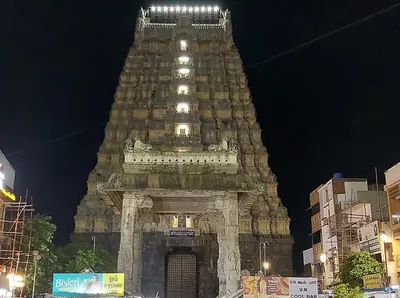
కాంచీపురం ఏకామ్రనాథ దేవాలయంలో గణపతి శాసనం
క్రీ.శ. 1249
కాంచీపురంలోని ఏకామ్రనాథ ఆలయ గోడపై గ్రంథ లిపిలో ఉన్న 1249 జూన్ నాటి సంస్కృత శాసనం. గణపతి మంత్రి, సేనాని, కాంచీ పాలకుడు సామంత-భోజుడు ఇచ్చిన ఒక గ్రామాన్ని అది నమోదు చేస్తుంది. అప్పుడు కాకతీయ రాజ్యం తమిళ దేశం వరకు చేరిందనడానికి అది సాక్ష్యం.
గణపతిదేవుని నాయనపల్లె శాసనం
సుమారు క్రీ.శ. 1249
బాపట్ల ప్రాంతంలో మోటుపల్లి దగ్గరి నాయనపల్లెలో ఉన్న, 13వ శతాబ్దపు, తేదీ లేని, దెబ్బతిన్న తెలుగు వచన శాసనం. దక్షిణ దండయాత్రలో కాకతీయ రాజు గణపతిదేవుడు నెల్లూరును తగలబెట్టిన బయ్యన, తిక్కనలను చంపాడని అది నమోదు చేస్తుంది. ఆయన చోళ కులోత్తుంగ రాజేంద్ర-చోడుడిని తన వైపు తిప్పుకుని, నెల్లూరు పాలకుడి నుంచి ఏనుగులు పొందాడు. దాని సంపాదకుడు దాన్ని సుమారు 1249 నాటిదిగా నిర్ణయించి, గణపతి తెలుగు చోడ రాజు రెండవ మనుమసిద్ధిని తిరిగి గద్దెనెక్కించిన సాహిత్య కథతో ముడిపెట్టారు.
గంగయ సాహిణి దుర్గి శాసనం
సుమారు క్రీ.శ. 1251
పల్నాడులోని దుర్గిలో వంకేశ్వర ఆలయంలో ఉన్న శక 1173 (1251–52) నాటి శాసనం. కాకతీయ రాజు గణపతిదేవుని తరఫున పానగల్లు నుండి మార్జవాడి వరకు దేశాన్ని పాలించిన గంగయ సాహిణి ప్రతినిధి ఒకరు స్థాపించిన ఆలయాన్ని అది నమోదు చేస్తుంది. గంగయ సాహిణి ఆలయానికి ఇచ్చిన గ్రామాన్ని కూడా అది నమోదు చేసి, కాకతీయ కుటుంబ కథనాన్ని ఇస్తుంది.
శార్ఙ్గధరుని శార్ఙ్గపురం శాసనం
క్రీ.శ. 1255
నెల్లూరు జిల్లా దర్శి విభాగం నుంచి వచ్చిన శక 1176 (1254–55) నాటి సంస్కృత రాగి రేకుల దానపత్రం. 1926లో తెలిసిన అతి తొలి కాకతీయ రాగి రేకుల శాసన పత్రం ఇదే. దానిలో గణపతిదేవుడి సామంతుడు, అద్దంకికి చెందిన మాధవుడి కొడుకు శార్ఙ్గధరుడు తన స్వామి పుణ్యం కోసం శార్ఙ్గపురం గ్రామాన్ని బ్రాహ్మణులకు ఇచ్చాడు.
బొత్పూర్ చెరువు శాసనం (మల్యాల గుండ సేనాని)
క్రీ.శ. 1259
మహబూబ్నగర్ జిల్లాలోని బొత్పూర్లో 1259 నాటి తెలుగు, సంస్కృత స్తంభ శాసనం. ఓరుగల్లు గణపతిదేవునికి సేవ చేసిన సేనాని మల్యాల గుండని చెరువులను, ఆలయాలను, బ్రాహ్మణ దానాలను అది నమోదు చేస్తుంది. పండిత కవి ఈశ్వరసూరి దానిని రచించాడు. కాకతీయ వంశాన్ని నాలుగవ వర్ణంలో ఉంచే రికార్డు ఇదే.
గణపతిదేవుని గరవపాడు శాసనం
క్రీ.శ. 1260
1260 ఏప్రిల్ 12 నాటి సంస్కృత తామ్ర దానపత్రం. దానిలో కాకతీయ రాజు గణపతిదేవుని మంత్రి దేవరాజు కుమారుడు, సేనాని తిక్కన గరవపాడు గ్రామాన్ని యాభై మంది బ్రాహ్మణులకు ఇచ్చాడు. అది కాకతీయులను కరికాల చోళుని నుండి చూపించి, ఆ కుటుంబం ప్రారంభమైన స్థలంగా కాకతిని పేర్కొంటుంది.
రుద్రమదేవి మల్కాపురం స్తంభ శాసనం
క్రీ.శ. 1261
అమరావతి దగ్గరి మల్కాపురంలో ఒక పెద్ద స్తంభంపై చెక్కిన 1261 మార్చి 25 నాటి పొడవైన సంస్కృత శాసనం. గోళకీ మఠానికి చెందిన రాజగురువు విశ్వేశ్వర శంభుకు రుద్రమదేవి మందరను దానం చేసినట్లు అది నమోదు చేస్తుంది. అతను అక్కడ స్థాపించిన ఆలయం, విద్యాలయం, సత్రం, వైద్యశాల, ప్రసూతి గృహాలను కూడా అది జాబితా చేస్తుంది.
కోటగిరి తామ్రశాసనం (విర్యాల సూరుడు)
క్రీ.శ. 1273
బోధన్ తాలూకాలోని బీర్కూరులో ఒక చెరువులో దొరికిన 1273 డిసెంబరు 31 నాటి మూడు సంస్కృత తామ్ర రేకులు. విర్యాల కుటుంబానికి చెందిన సూరుడు వెజ్జలపురి లేదా వైనాయకపురి అనే కొత్త గ్రామాన్ని బ్రాహ్మణులకు, ఒక విష్ణు ఆలయానికి ఇచ్చిన దానాన్ని అవి నమోదు చేస్తాయి. రేకులు గణపతి కుమార్తెగా పిలిచే రుద్రమదేవి పాలనలో సూరుడు ఒక సామంతుడు (అధీన పాలకుడు).
కొలనుపాక శాసనం (రుద్రమదేవి కాలం)
క్రీ.శ. 1279
కొలనుపాకలోని సోమనాథ ఆలయంలో 1279 డిసెంబరు నాటి సంస్కృత స్తంభ శాసనం. అది రెండవ ప్రోలుని నుండి పాలిస్తున్న రాణి రుద్రదేవి (రుద్రమదేవి) వరకు కాకతీయ వంశాన్ని ఇస్తుంది. ఆమె భర్త వీరభద్రుని అన్న కుమారుడు, ఆమె చాళుక్య బంధువు ఇందుశేఖరుని కింద చేసిన ఒక కాలువను, ఆలయ దానాలను కూడా అది నమోదు చేస్తుంది.
చందుపట్ల శాసనం
క్రీ.శ. 1289
నల్గొండ దగ్గరి చందుపట్ల నుండి వచ్చిన 1289 నవంబరు నాటి చిన్న తెలుగు శాసనం. రుద్రమదేవి, ఆమె సేనాని మల్లికార్జున నాయకుడు ఇద్దరూ చనిపోయిన తర్వాత వారి పుణ్యం కోసం చేసిన దానాన్ని అది నమోదు చేస్తుంది. రాణి మరణించిన సంవత్సరానికి ఇదే ముఖ్య సాక్ష్యం.
పానుగల్లు శాసనం (ఇమ్మడి మల్లికార్జున నాయకుడు)
క్రీ.శ. 1290
పానుగల్లులోని ఛాయా-సోమేశ్వర ఆలయంలో ఉన్న 1290 మే నాటి సంస్కృత, తెలుగు స్తంభ శాసనం. రుద్రమదేవి సేనాని నిశ్శంక మల్లికార్జునుడి కొడుకు కొత్త రాజు కుమార రుద్రదేవుడి (ప్రతాపరుద్రుడి) పుణ్యం కోసం దాన్ని చేశాడు. అది రాజును గణపతిదేవుడి వారసుడు రుద్రదేవుడి, అంటే రుద్రమదేవి, కూతురి కొడుకు అని పిలుస్తుంది.
అంబదేవుని త్రిపురాంతకం శాసనం
క్రీ.శ. 1290
త్రిపురాంతకంలోని త్రిపురాంతకేశ్వర ఆలయం వద్ద ఉన్న శక 1212 (1290) నాటి సంస్కృత, తెలుగు శాసనం. దానిలో కాయస్థ నాయకుడు అంబదేవుడు ఆలయ గ్రామాలను ధృవీకరిస్తాడు. రుద్రమదేవి సామంతులపై తన యుద్ధాలను, ఏ సర్వాధిపతి పేరూ చెప్పకుండా, జాబితా చేస్తాడు. ఆమె పాలన చివరలో కల్లోలం రేపిన తిరుగుబాటుకు ఇదే ప్రధాన శాసనం.
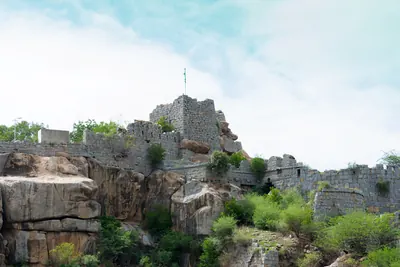
గోన విఠలుని రాయచూరు కోట శాసనం
క్రీ.శ. 1294
రాయచూరు కోట ప్రాకారంలోని ఒక రాతి పలకపై ఉన్న 1294 నవంబరు నాటి శాసనం. ప్రతాపరుద్రుడి సేనాని గోన గన్నయరెడ్డి రాజ్య రక్షకుడు విఠలనాథుడు ఆదోని, తుంబళం, మాన్వి, హాలువలను తీసుకుని, రాయచూరులో ప్రవేశించి, దాని రాతి కోటను కట్టించాడని అది నమోదు చేస్తుంది. ప్రతాపరుద్రుడి పాలనలో తేదీ ఉన్న అతి తొలి రికార్డులలో ఇది ఒకటి.
మేళ్లచెరువు శాసనం (ప్రతాపరుద్రుని కాలం)
క్రీ.శ. 1312
హుజూర్నగర్ తాలూకాలోని మేళ్లచెరువులో ఉన్న 1312 జనవరి నాటి తెలుగు శాసనం. దానిలో ఒక రాజ అధికారి నాయంకరం పొందినవాడి అధికారంతో వెలమలు, గ్రామ ప్రజలందరూ స్థానిక శివాలయానికి దానం చేశారు. వారు భూమి ఇచ్చి, ధాన్యం పైన, వర్తకులు, నేత కార్మికులు, గొర్రెల కాపరుల పైన సుంకాలు నిర్ణయించారు.
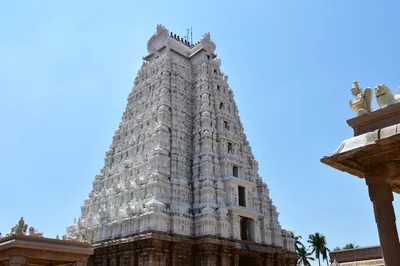
ప్రతాపరుద్రుని శ్రీరంగం శాసనం
క్రీ.శ. 1317
శ్రీరంగంలోని రంగనాథ ఆలయంలో గ్రంథ లిపిలో ఉన్న 1317 మార్చి 28 నాటి తెలుగు శాసనం. ప్రతాపరుద్రుడి సేనాని దేవరి-నాయకుడు తిరువడికున్రం వద్ద వీర-పాండ్యుడిని, కేరళ రాజు రవివర్మ కులశేఖరుడిని ఓడించాడని అది నమోదు చేస్తుంది. తర్వాత ఆయన సుందర-పాండ్యుడిని తిరిగి సింహాసనంపై కూర్చోబెట్టాడు.
ధర్మసాగర్ శాసనం (మంత్రి మల్లుడు)
హనుమకొండ దగ్గరి ధర్మసాగర్లో ఉన్న, గణపతిదేవుని పాలనా కాలపు తేదీ లేని సంస్కృత, తెలుగు స్తంభ శాసనం. ఎలకుర్కి ప్రసన్న విశ్వేశ్వర దేవునికి మంత్రి మల్లుడు ఇచ్చిన భూమిని అది నమోదు చేస్తుంది. ఆలయ సంగీతకారులు, నర్తకులు, అర్చకుల మధ్య ఆ భూమిని ఎలా పంచారో కూడా అది నమోదు చేస్తుంది.
హనుమకొండ శాసనం (మంత్రి గంగాధరుడు)
హనుమకొండ నుండి వచ్చిన విరిగిన, తేదీ లేని సంస్కృత పద్య శాసనం. కాకతీయ రుద్రదేవుని మంత్రి గంగాధరుడు ప్రసన్న-కేశవ ఆలయాన్ని, చెరువులను, గుడులను కట్టించాడని అది నమోదు చేస్తుంది. పొలవాసకు చెందిన మేడరాజు, ఇతర నాయకులపై రెండవ ప్రోలుడు, రుద్రదేవుల యుద్ధాలను కూడా అది వర్ణిస్తుంది.
ఆధారసూచికలు
గమనికలు (0)
ఆధారాలు (16)
ఈ పేజీలో పొరపాటు కనిపించిందా? మాకు తెలియజేయండి
చివరి సవరణ: